Why Your Drawings Don't Work: The 5 Key Elements Explained
Summary
Five Elements of Drawing
Most artists assume drawing is one monolithic skill. Master the fundamentals and everything else follows. When a drawing fails, the diagnosis is vague: not good enough yet. But drawing is actually five distinct elements working together, and when something goes wrong, usually one specific element is the problem. Understanding which element is failing transforms frustration into something actionable.
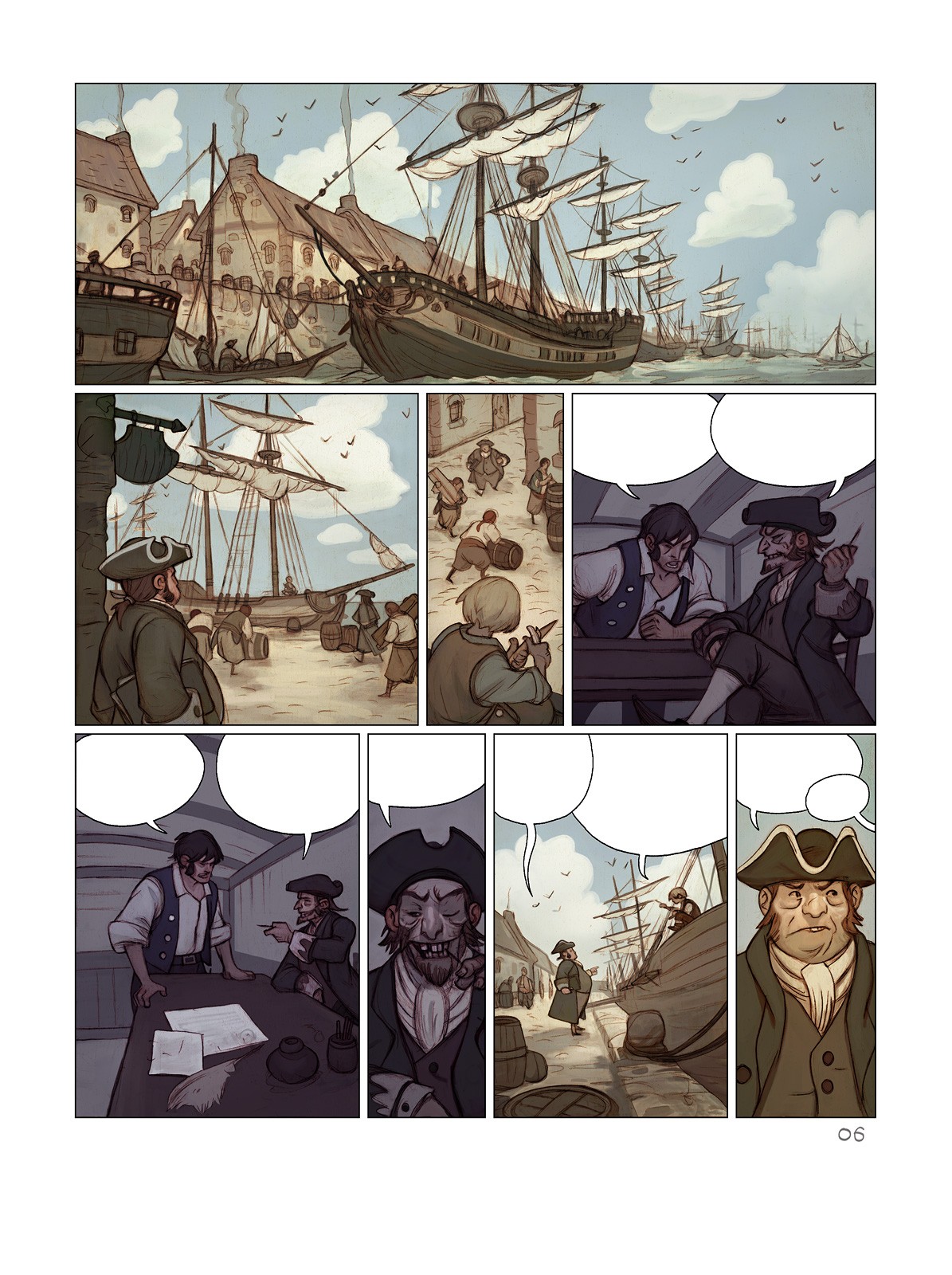
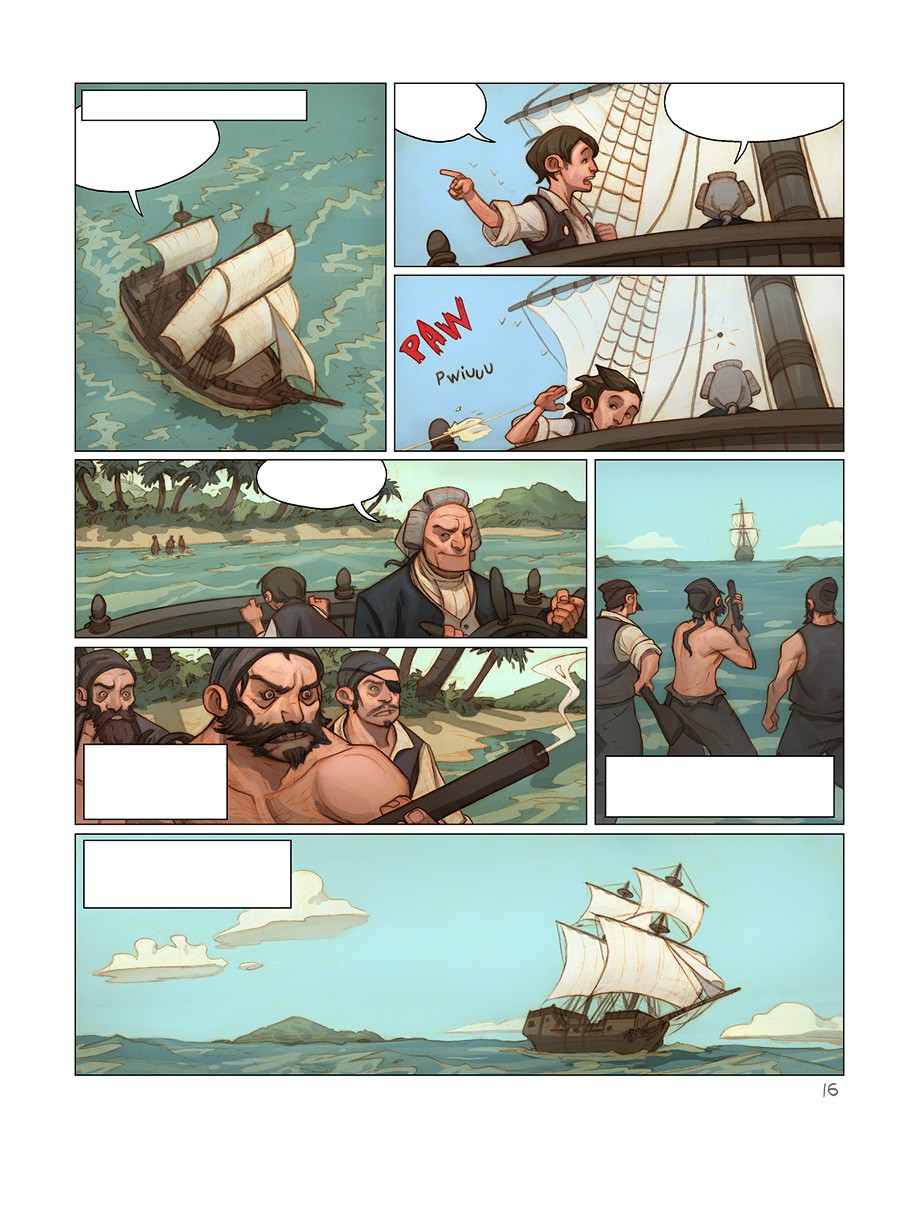
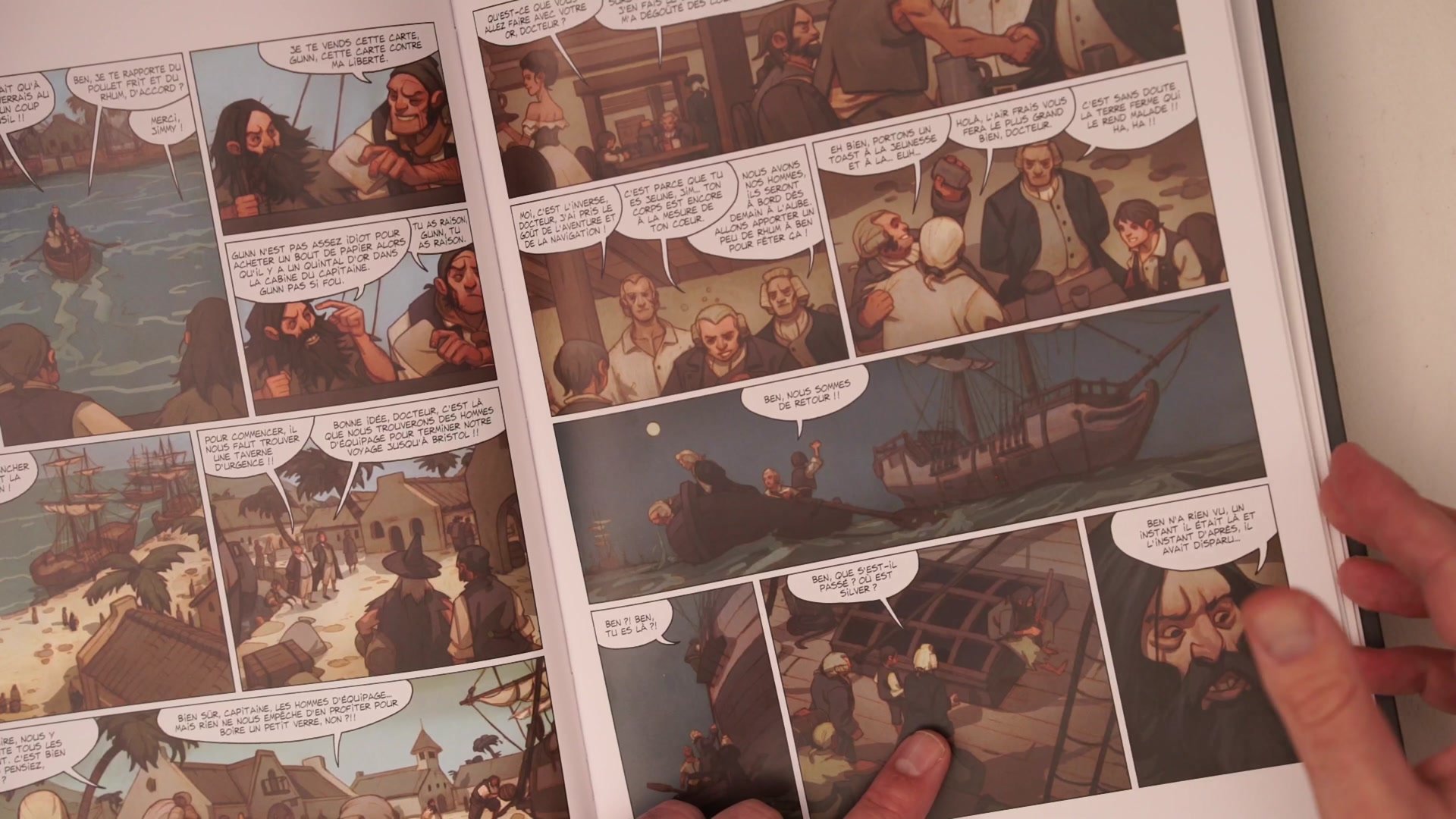
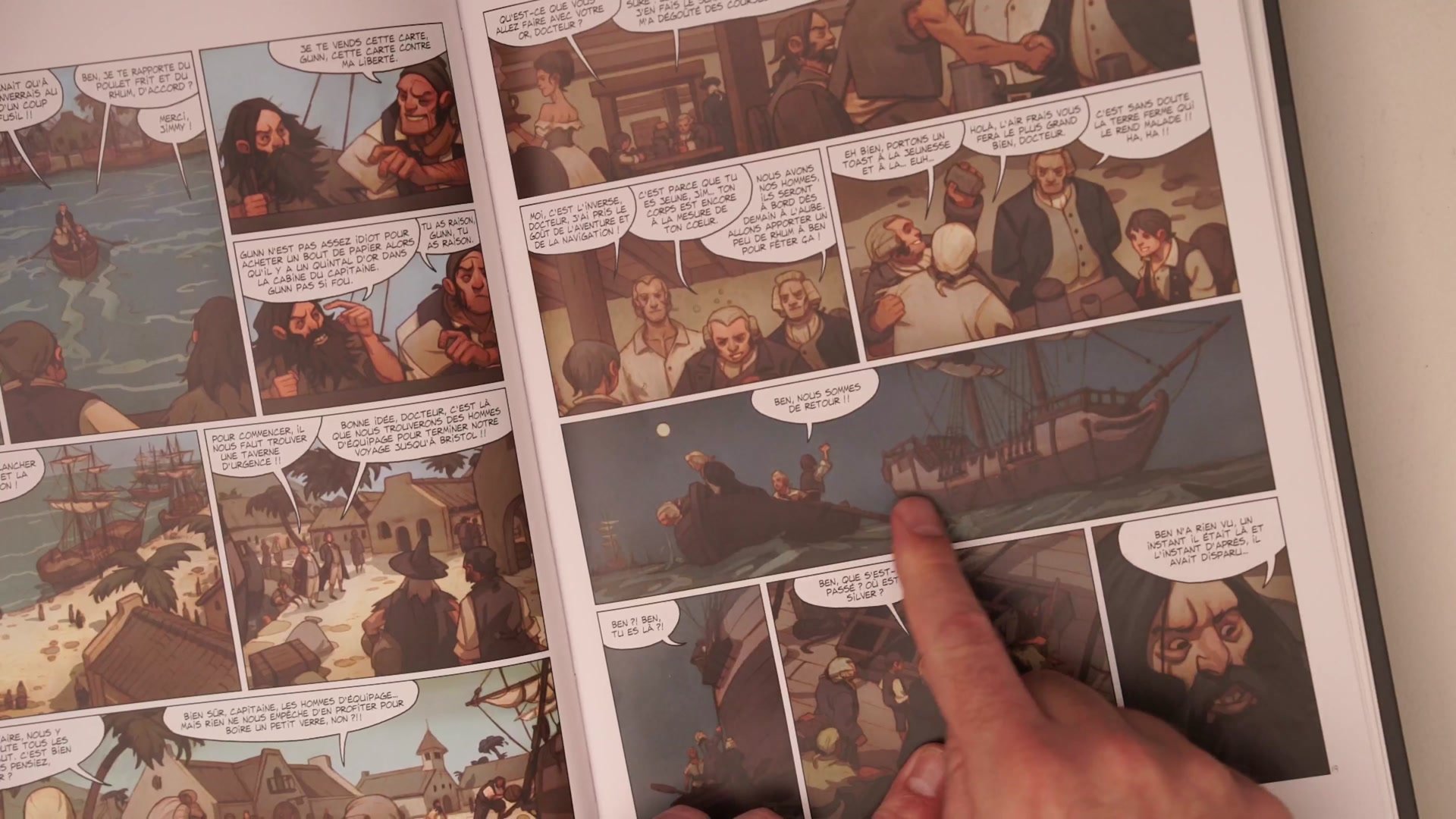
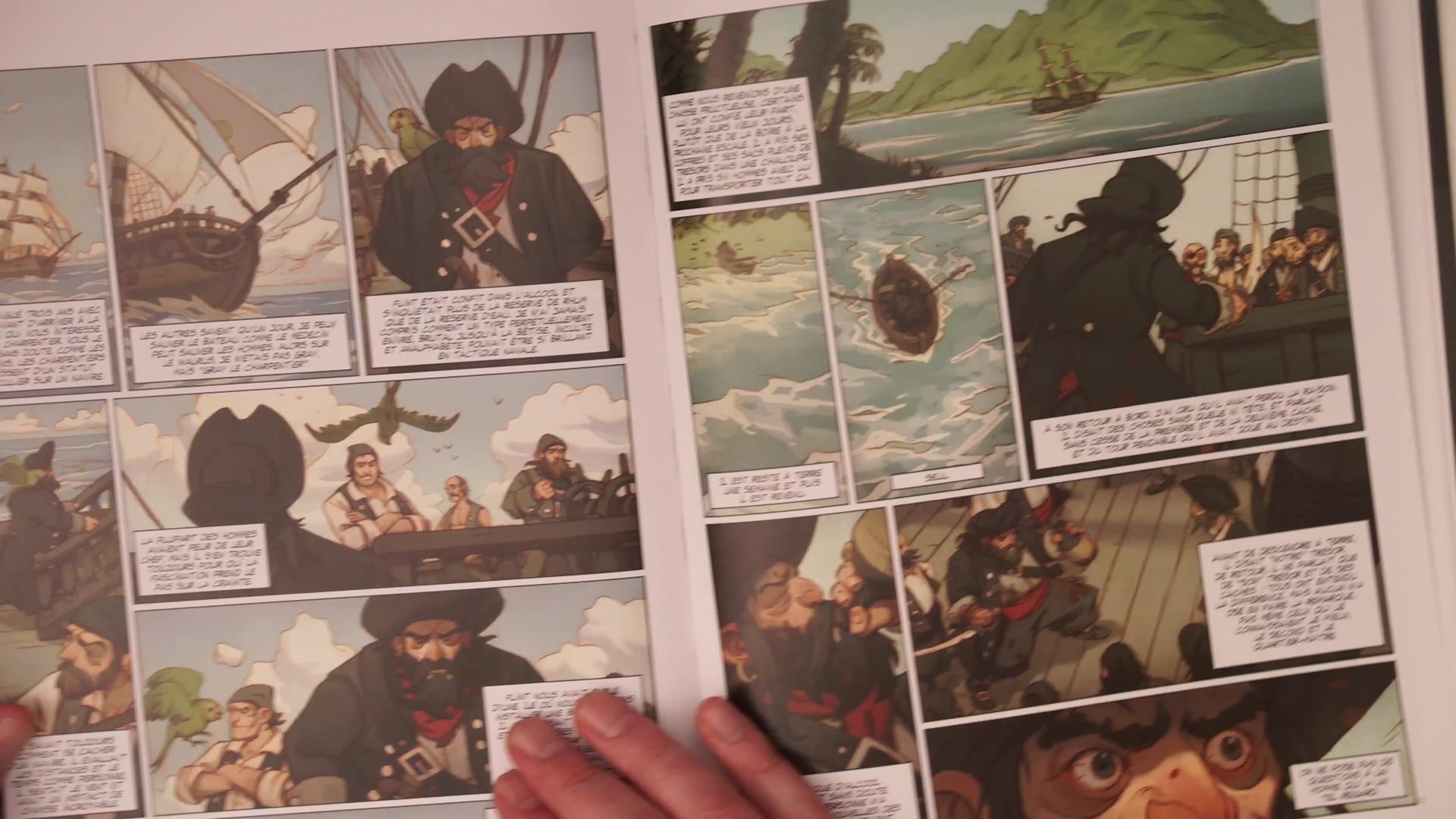
The biggest confusion sits between the first two elements: visual library and technical ability. Artists chase drawing skill while missing something fundamental. Technical ability does not compensate for not understanding what is being drawn. The Seven Pirates book project made this painfully clear across hundreds of pages of pirate ships, taverns, costumes, and desert islands.
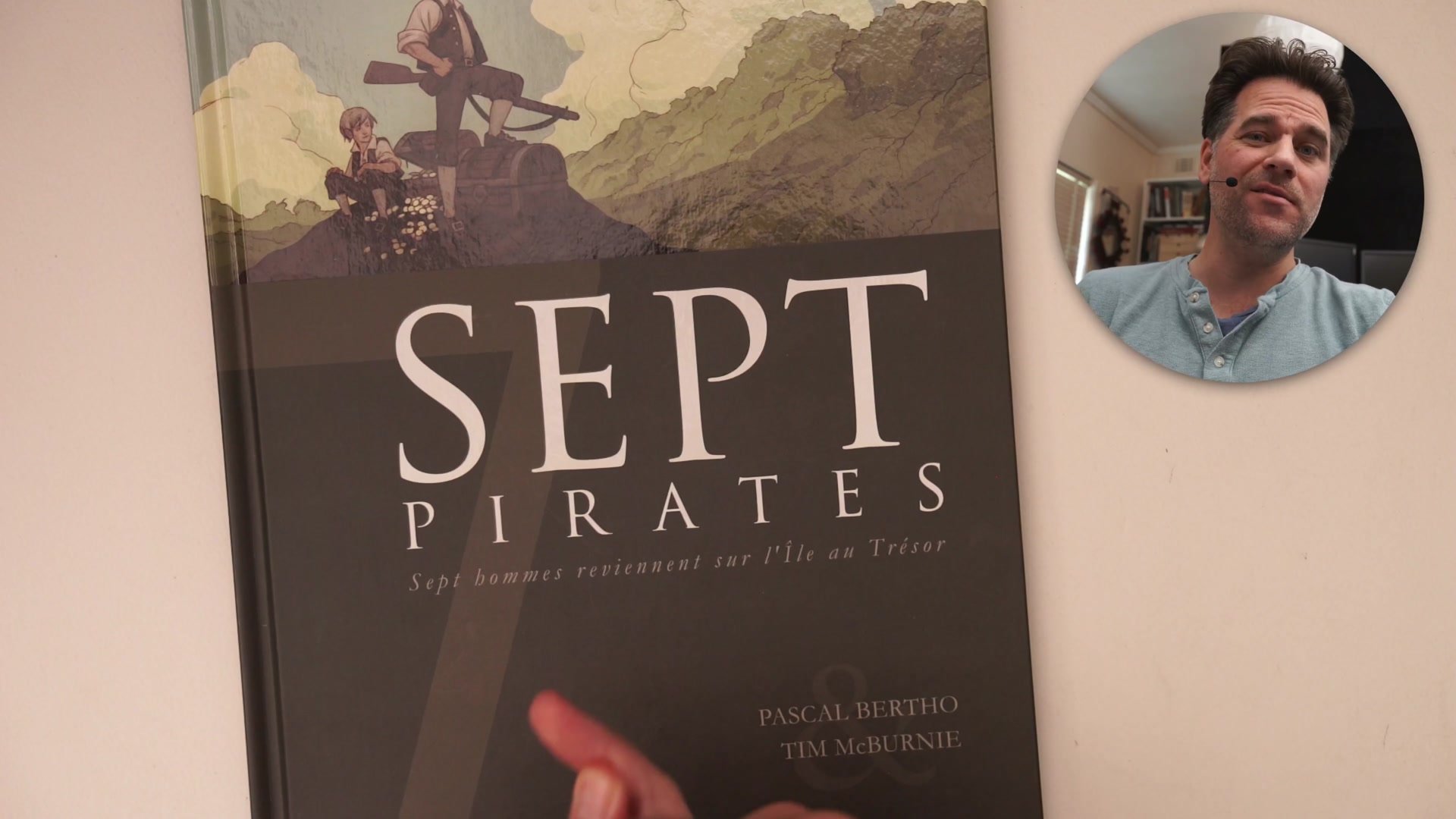
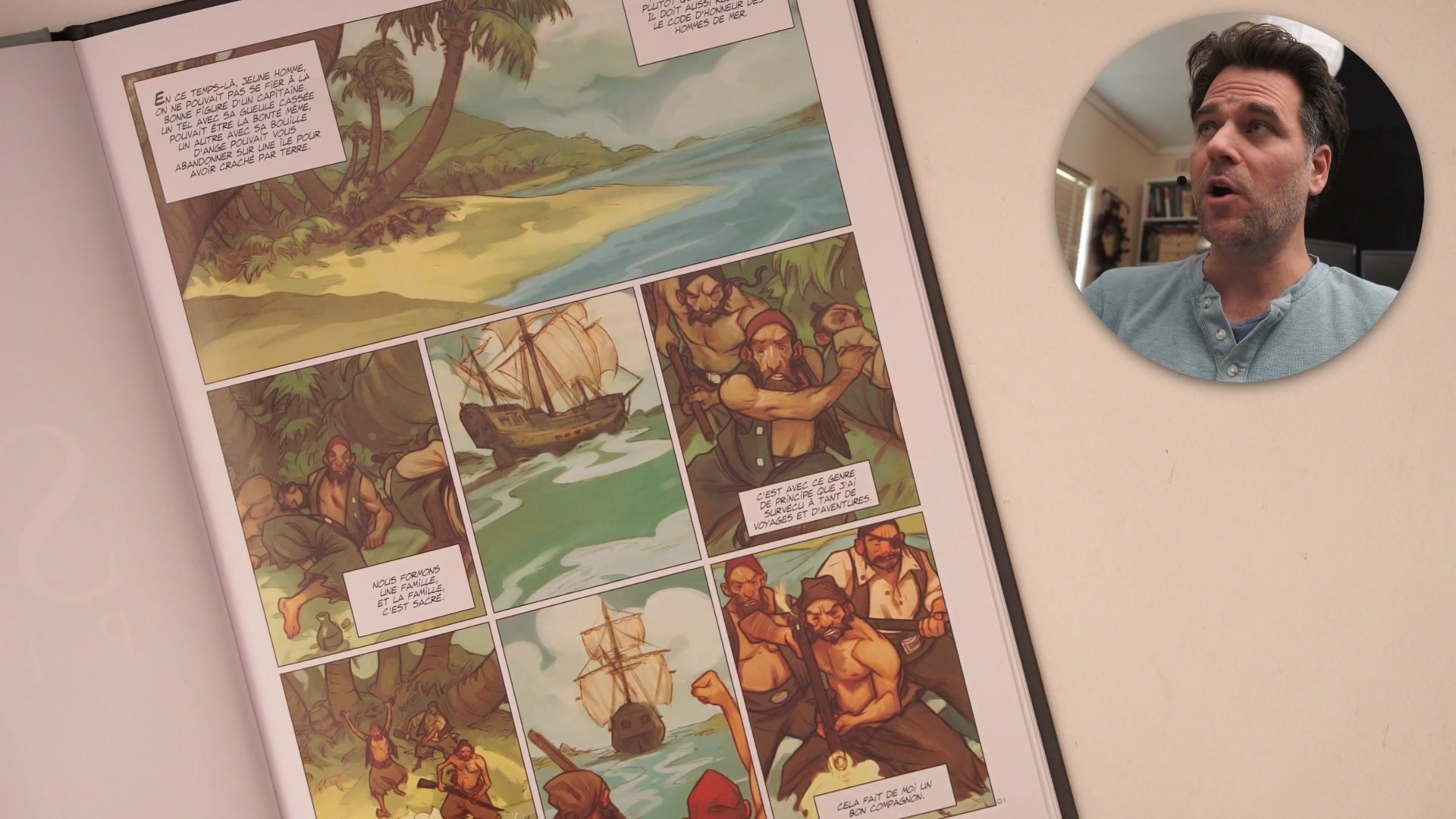
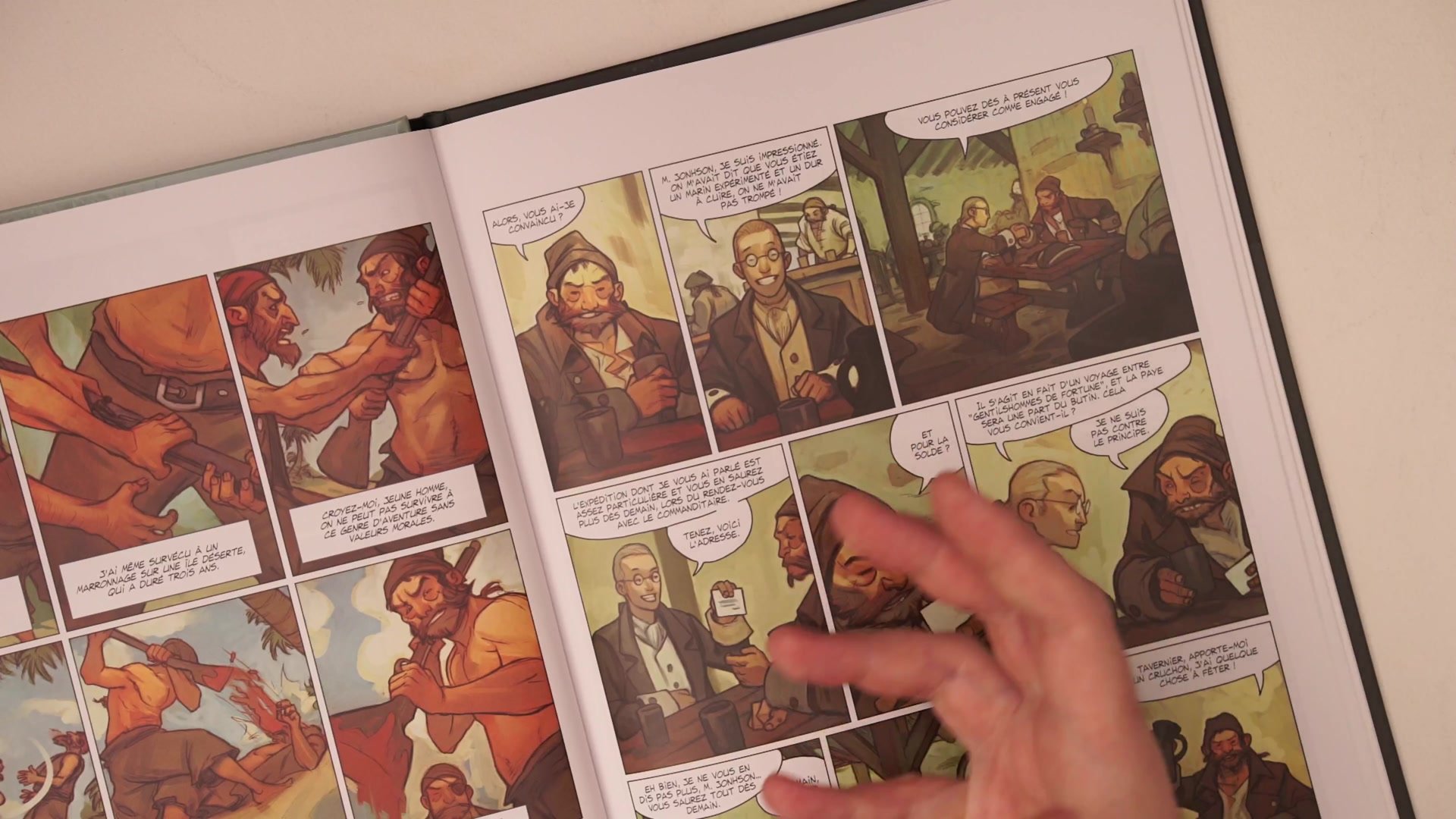
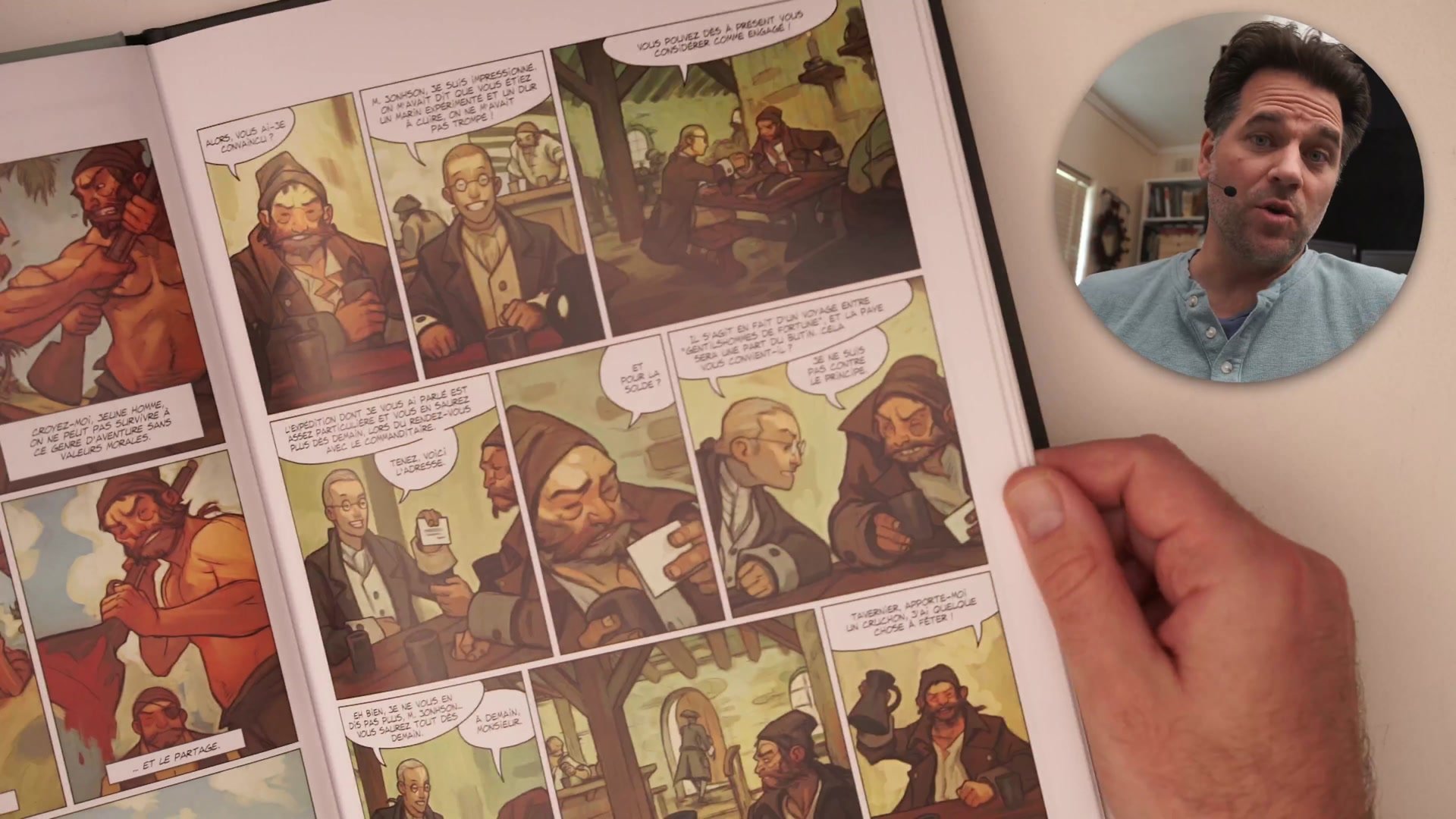
What vs. How to Draw
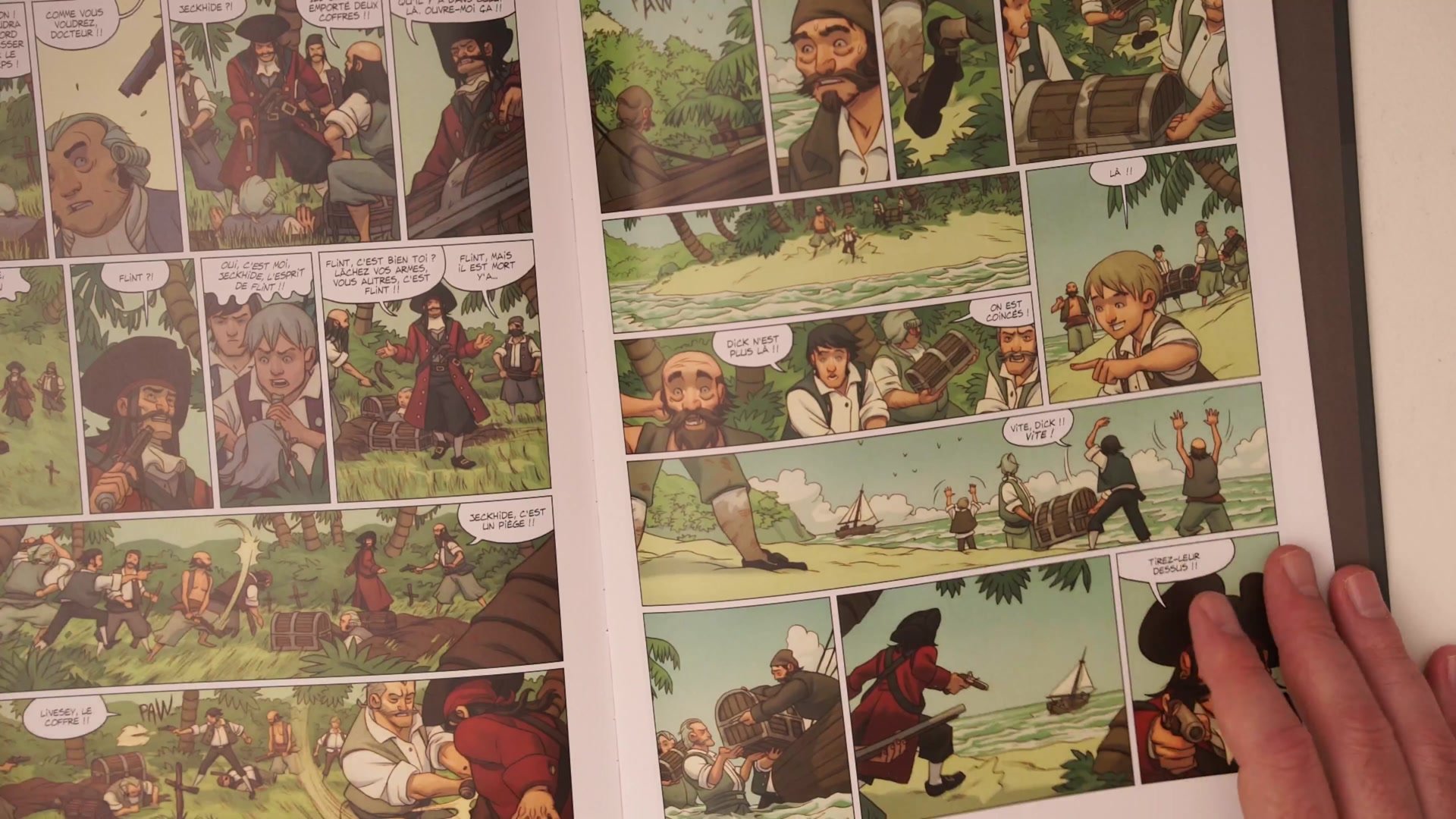
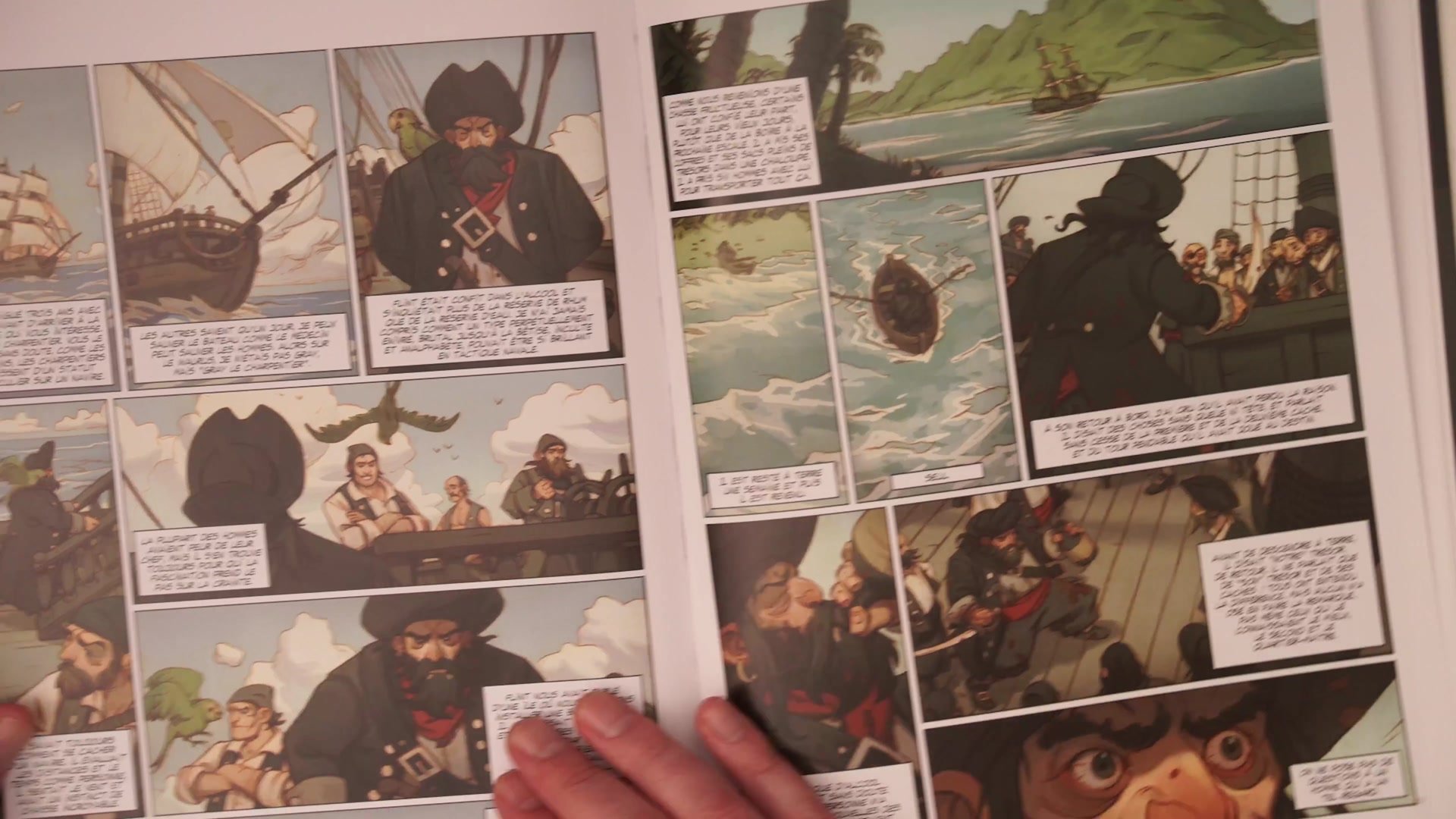
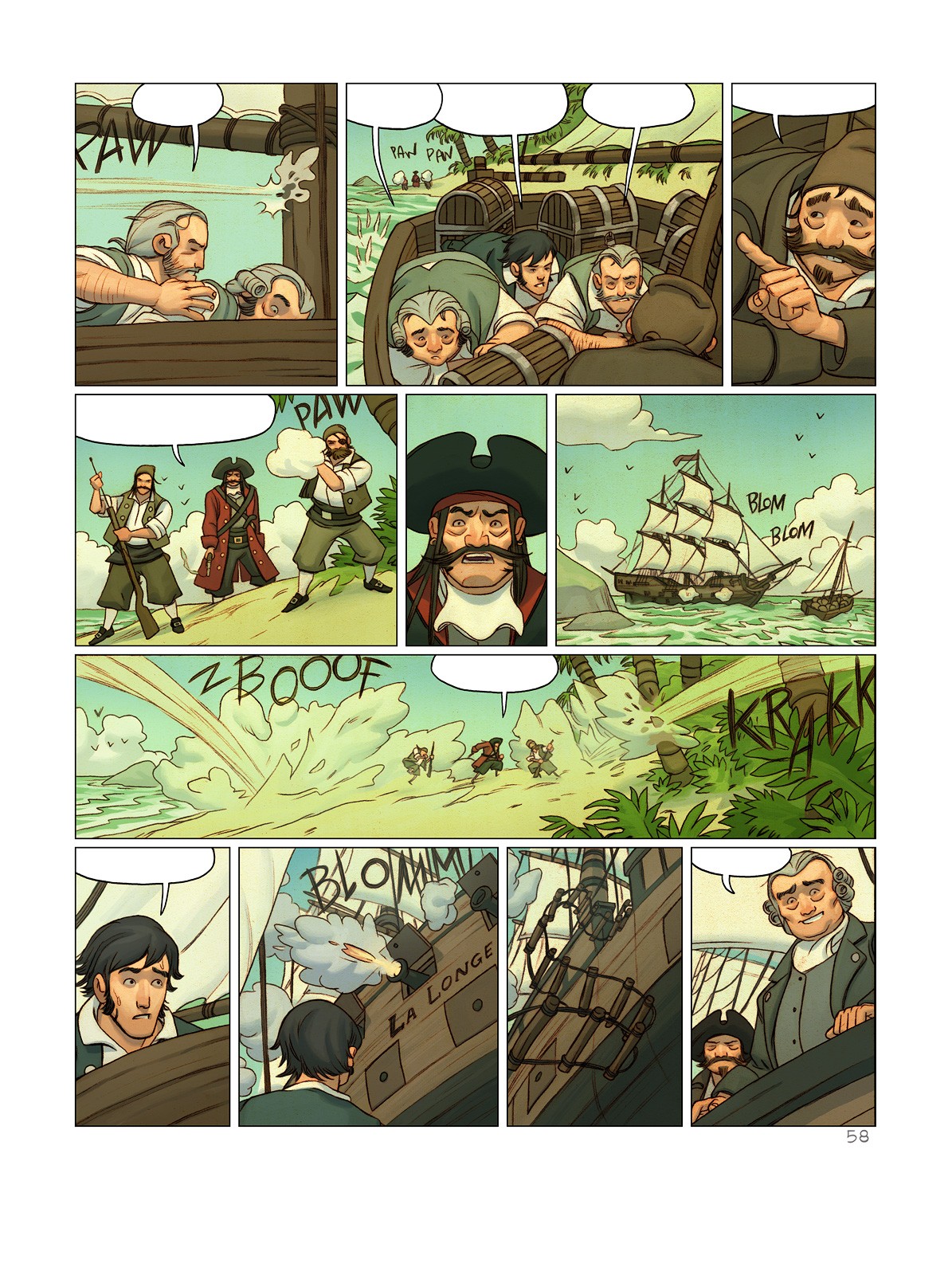
The pirate ships in the Seven Pirates book revealed the core disconnect. Hours went into studying ship models, examining detailed photographs, understanding rigging and deck layouts. The perspective was solid. The construction was careful. But every ship sat too high in the water. Completely wrong. Ships actually sit much lower on the waterline, and that knowledge does not come from studying ship structure or practicing perspective. It comes from understanding how ships interact with water in the real world.
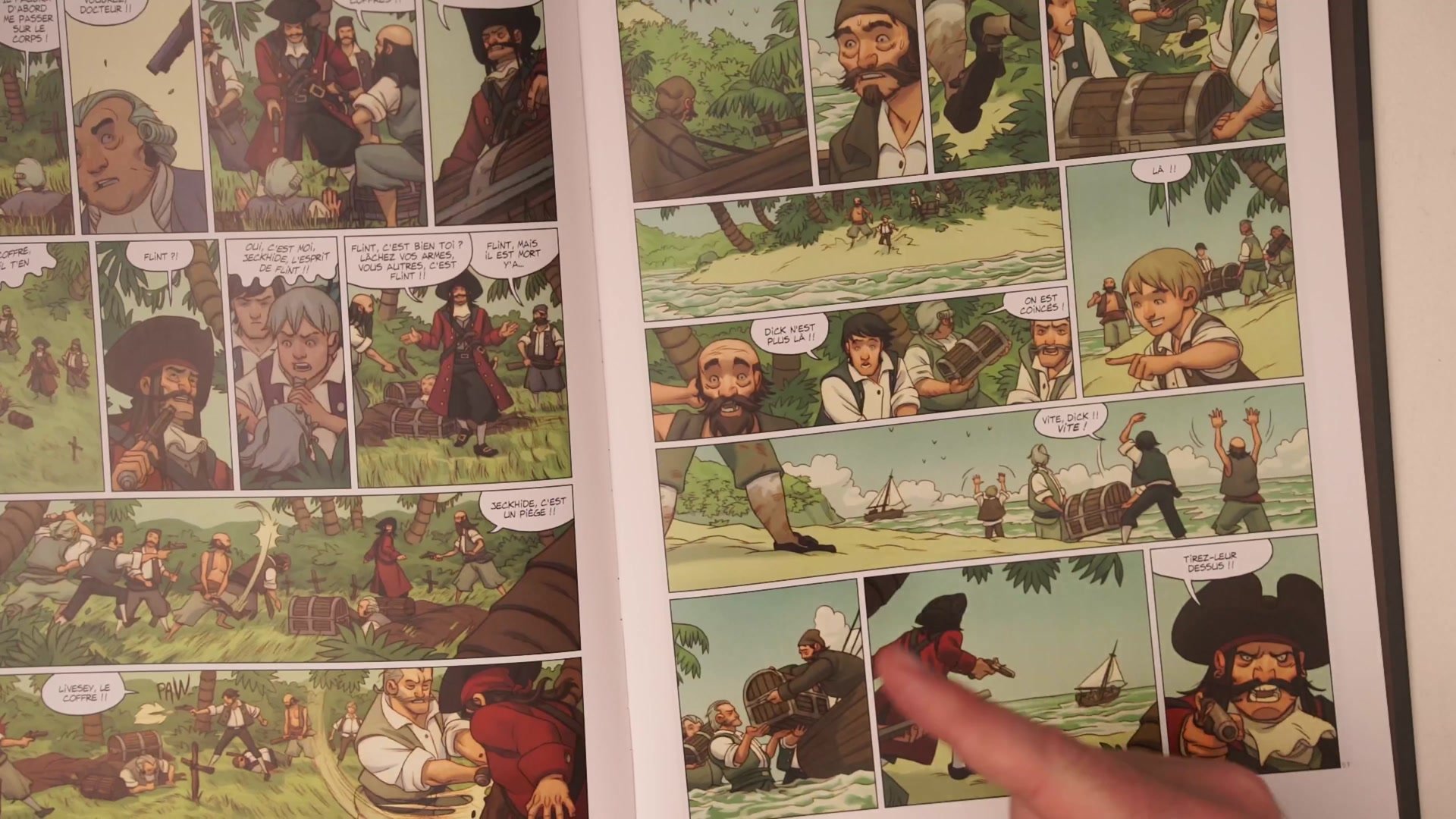
The pattern repeated across every element of the book. Tavern interiors felt sparse not from lack of drawing ability but from not really knowing what fills a period tavern. Desert island scenes leaned on cliches instead of reflecting the source material. The drawings worked technically but felt hollow because the visual library underneath was too shallow. The turning point came from holding an actual flintlock pistol. Not just seeing reference photos, but feeling the weight, understanding how the hand grips the handle, how the balance affects aiming. These physical properties do not translate through photographs, and they changed every flintlock drawing that followed.
The Framework Unpacked
The five elements break drawing into components that each require separate attention and can fail independently. Element one is visual library: the internalized understanding of subjects, not just surface recognition. Element two is technical ability: perspective, rendering, anatomy, construction. Element three is tools and process: the physical materials and workflow that change how marks behave. Element four is practice: the synthesis phase where visual library, technical skills, and tools combine into fluent expression through repeated integration. Element five is intent: the purpose and meaning behind what is being created.
When a drawing fails, the framework transforms "not good enough" into specific diagnostic questions. Is the visual library too shallow? Is technical execution the problem? Are the tools fighting the work? Has this specific combination been practiced enough? Does the drawing have clear purpose? Each question points to a different solution rather than the same generic advice to keep practicing fundamentals.

Domain Expertise Matters
The best artists in specific fields share a trait beyond technical skill: deep domain expertise. The best mech designers understand robotics and engineering, studying how Boston Dynamics builds real robots, how faux muscular systems work, how joints function. The best period artists understand historical materials, construction methods, and how clothing was actually made and worn. This depth separates good from great at professional levels where many artists have comparable technical skills.
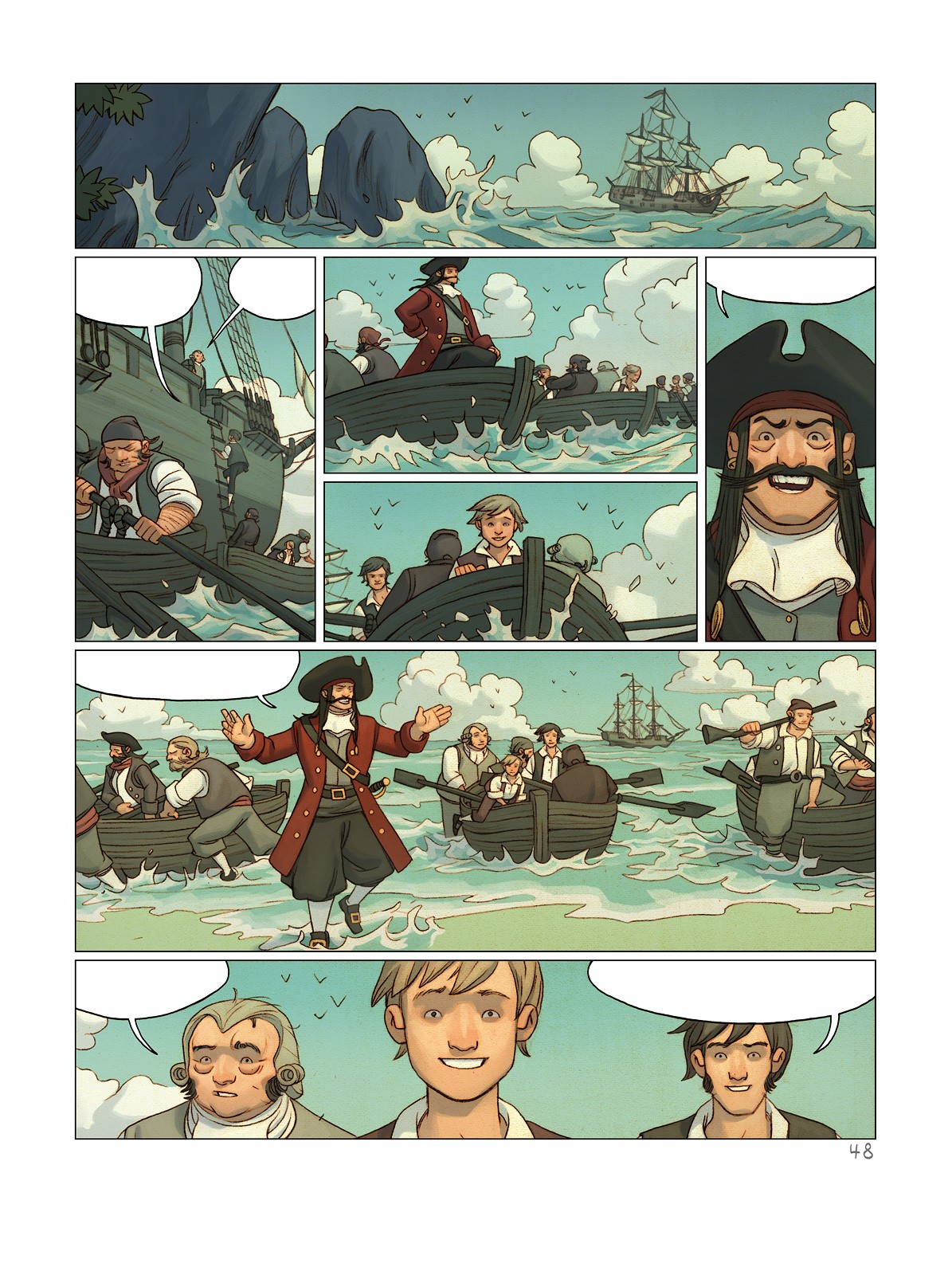
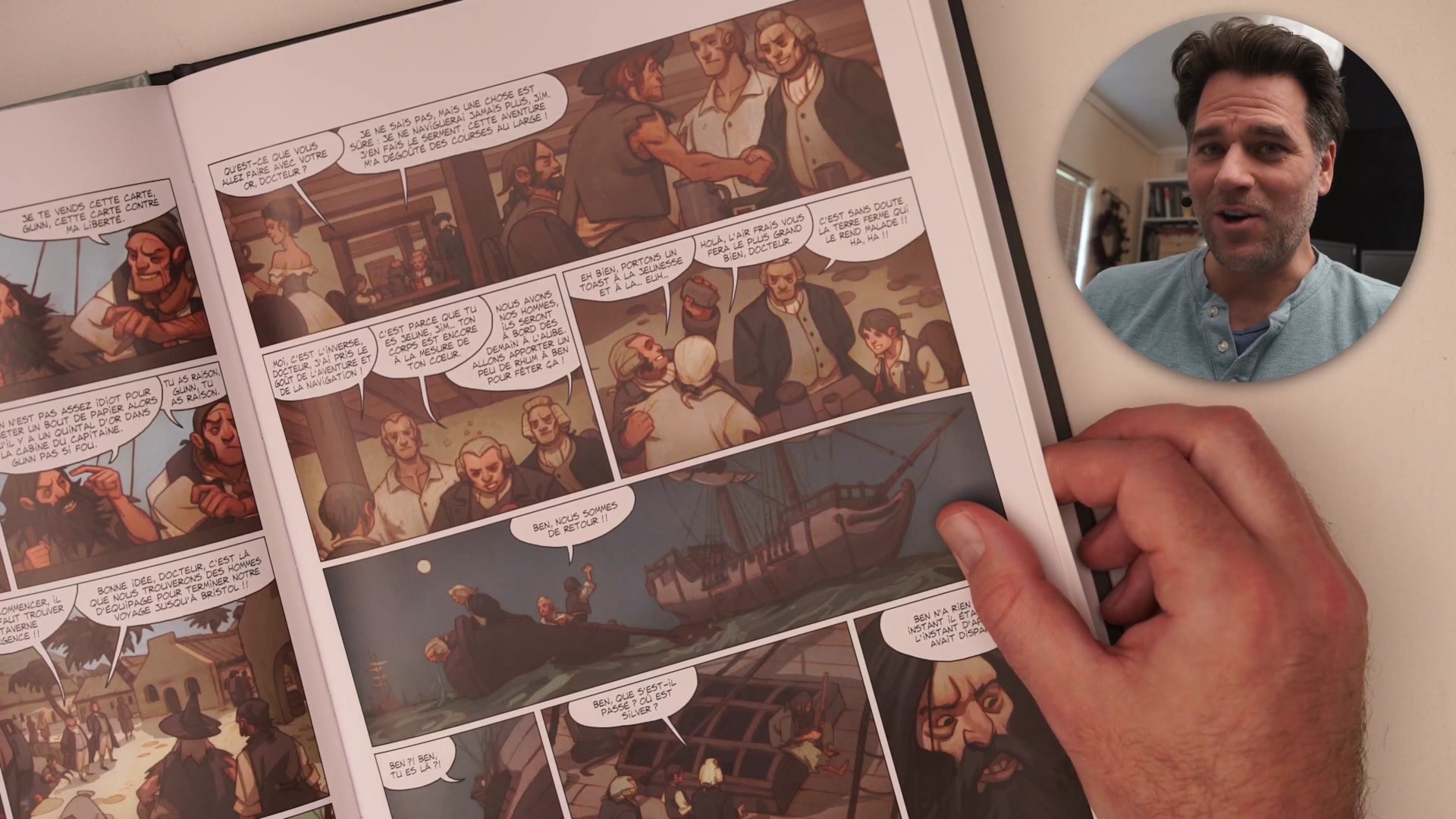
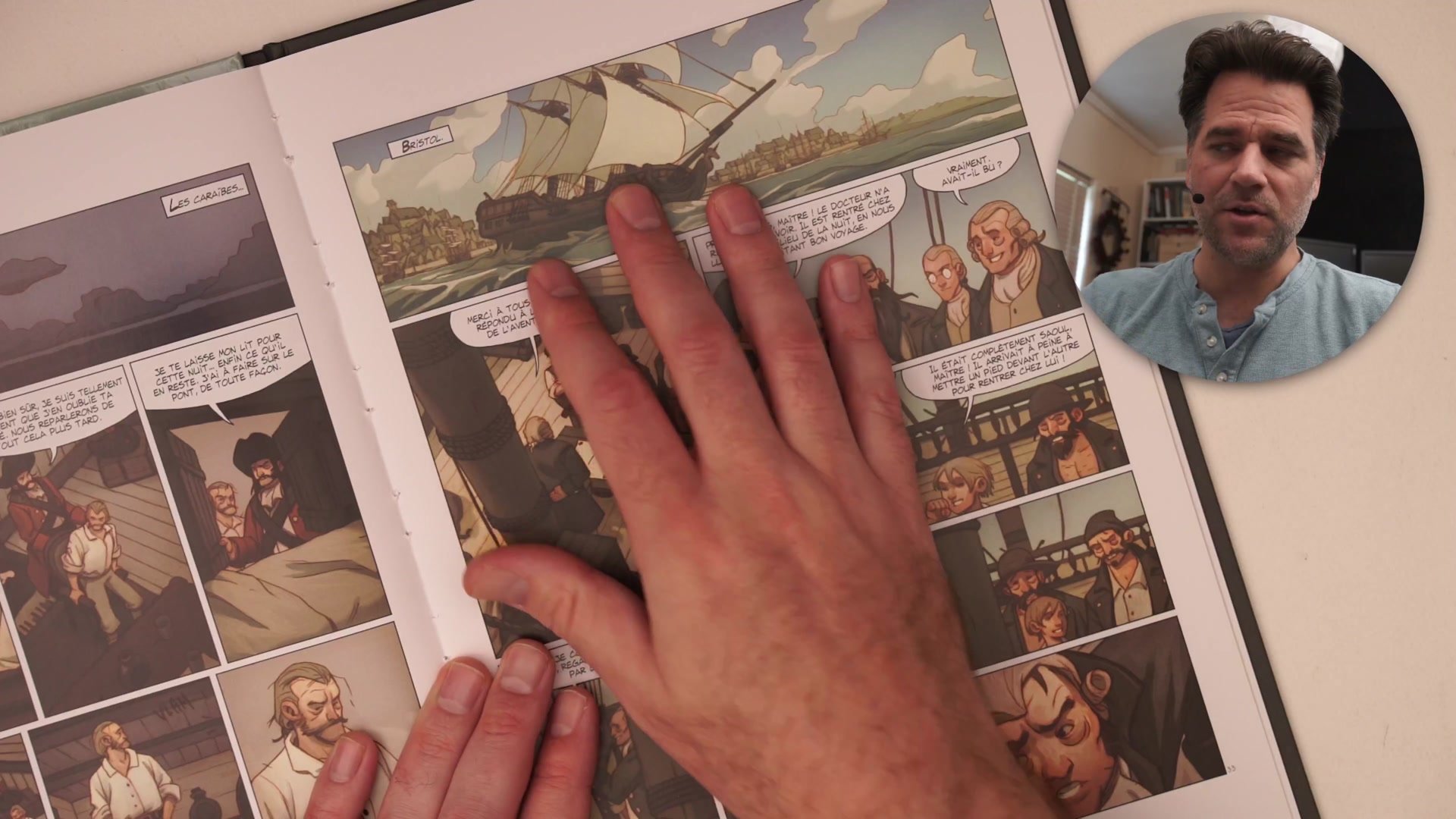
What improved through creating the Seven Pirates book was not just drawing ability. Early pirate ships were nightmares to draw, stressful and uncertain. By the end, ships were fun. Not because technical skill dramatically improved, but because practice integrated visual library with execution. The first ship pages show decent but fuzzy, tentative work. Later pages show confident, solid ships where rigging makes sense and composition flows naturally. When visual library integrates with technical skills through sufficient repetition, creating stops feeling like struggle and starts feeling like expression.


Key Concepts
Drawing Is Five Elements: Visual library, technical ability, tools and process, practice, and intent each develop separately and can fail independently. Identifying which element is the problem replaces vague frustration with specific, actionable diagnosis.
Visual Library Goes Deep: Knowing what something looks like is not enough. Understanding how it functions, how it interacts with the world, what it weighs, how it moves transforms drawings from technically correct but hollow into authentic and alive.
Practice Is Integration: Knowledge without practice stays theoretical. Technical skill without visual library stays hollow. Practice with both creates the synthesis where separate abilities become fluent expression, turning stressful drawing sessions into enjoyable ones.
Domain Expertise Separates Artists: At professional levels, comparable technical skill is common. What distinguishes the best artists is how deeply they understand their subjects beyond surface appearance.
Try This
Pick One Subject: Choose something drawn regularly, whether characters, vehicles, environments, or whatever generates excitement.
Study Outside Drawing: Spend a week studying the subject without drawing it. Watch how it moves, understand its structure, learn its function. Interact with real examples when possible.
Draw From Memory: Draw the subject multiple times without reference, noting what can and cannot be recalled. The gap between what was thought to be known and what can actually be drawn from memory reveals exactly where visual library needs deepening.