How to Plan Your Artistic Project Without Getting Stuck
Summary
The Goldilocks Approach to Planning
Starting a graphic novel, comic, or any large artistic project means figuring out how much to plan. Two traps wait. Planning paralysis leads to years of character designs and world-building with no first page ever drawn. Jumping in too fast creates a burst of energy that vanishes once the lack of structure hits and the project dies.
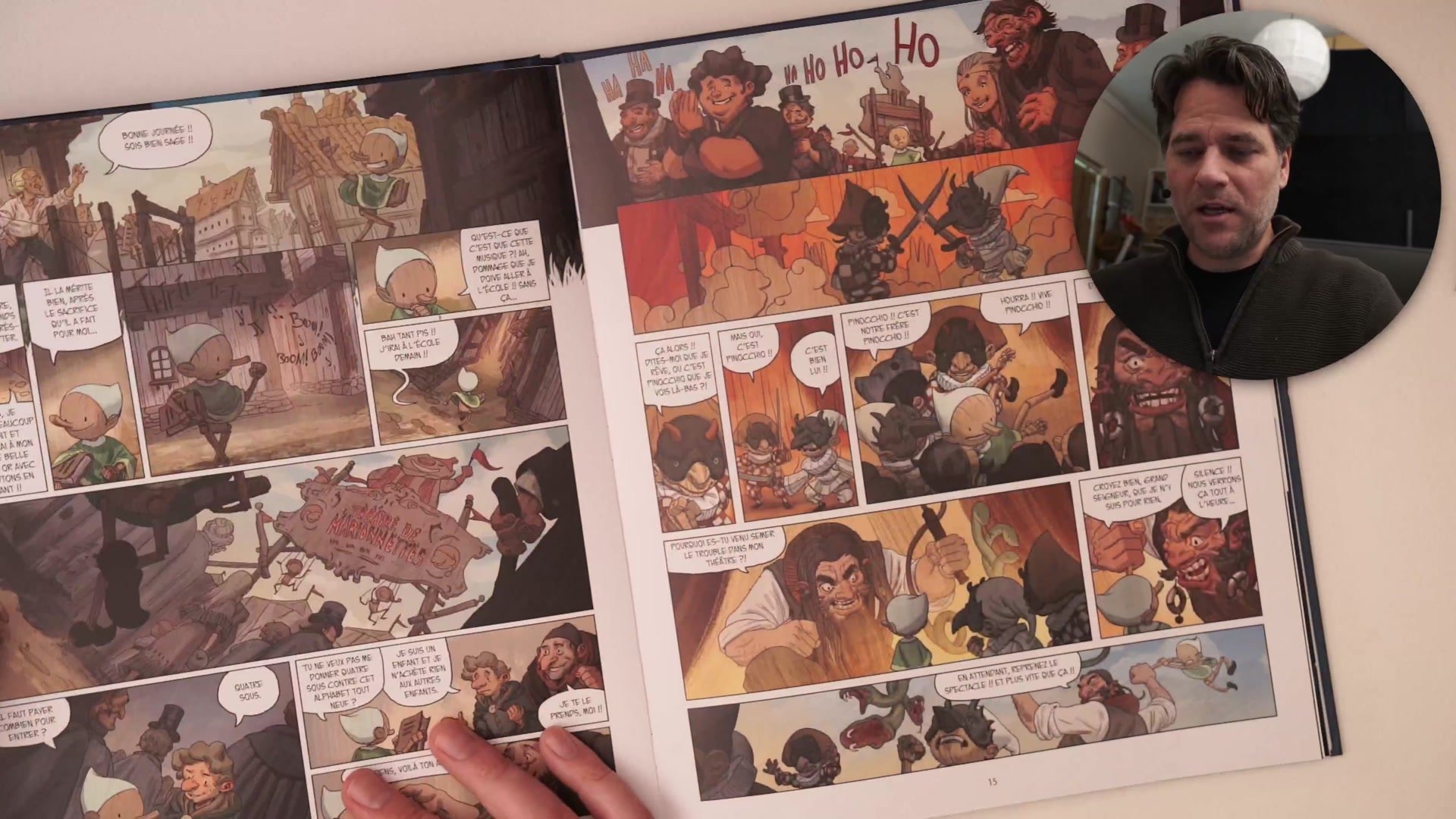
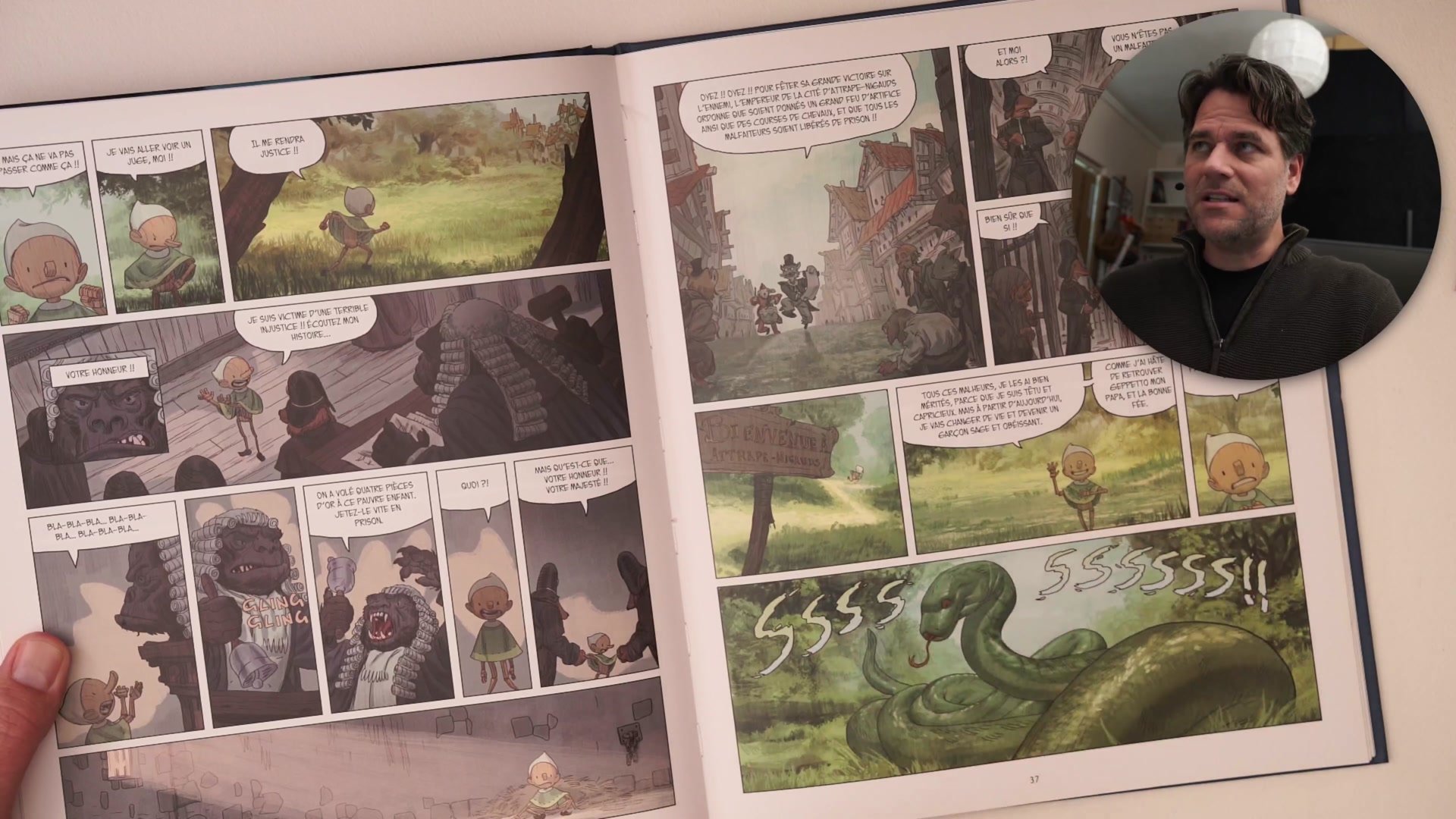
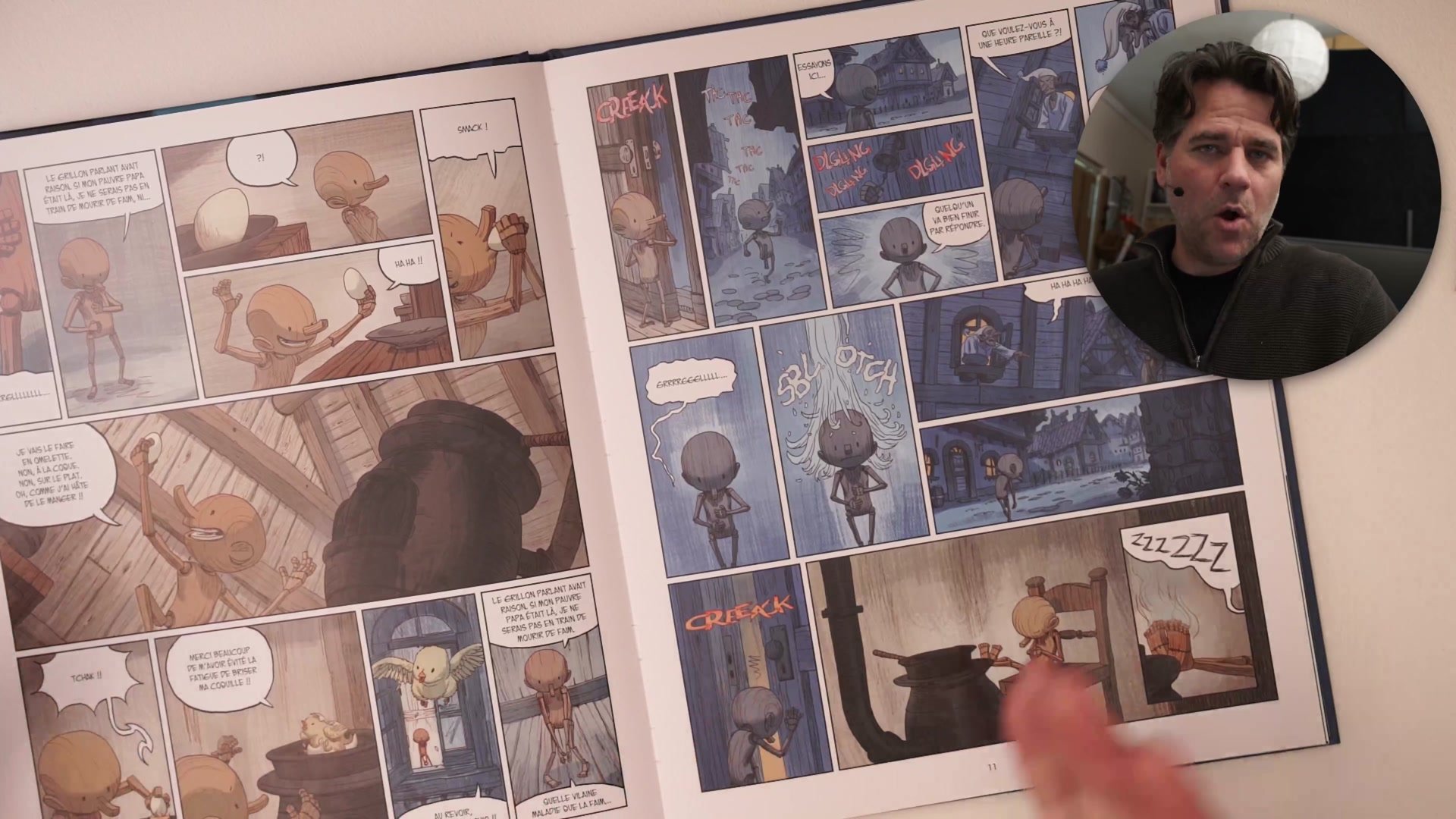
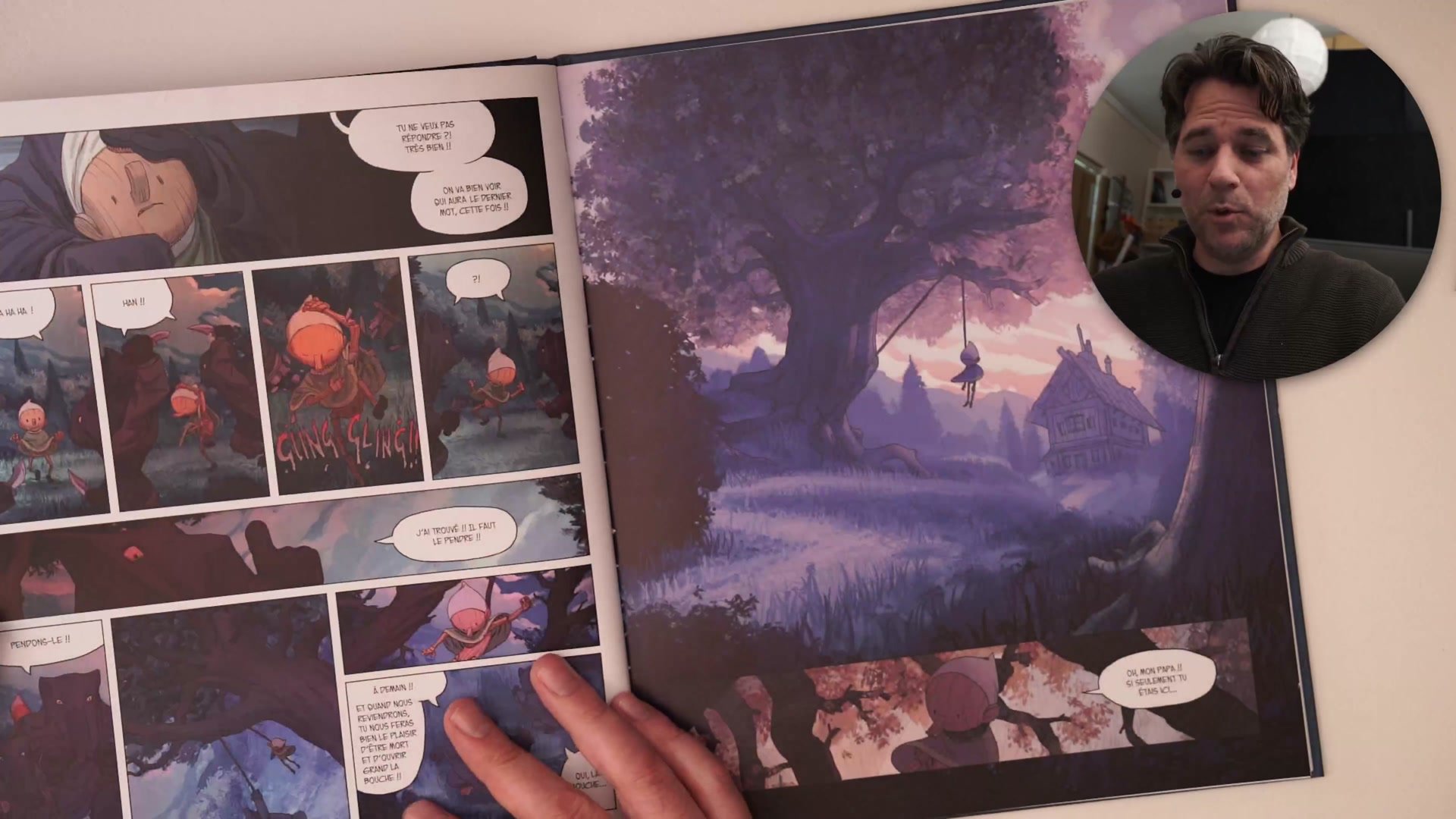
The right approach sits between these extremes. Plan enough to create structure, not so much that starting becomes impossible. The Pinocchio book, with its million characters and constantly shifting settings, proved this out the hard way. Every page introduced new characters in different situations, making it impossible to design everything in advance but equally dangerous to wing it entirely. What emerged was a system built around character lineups, living model sheets, and treating first pages as discovery time.
The Pinocchio Project
Character Lineups Prevent Mirror Syndrome
When characters are designed individually, they tend to mirror each other. All female characters end up with similar shapes. All old males share design approaches. Each design looks interesting in isolation, but placed together they fail to differentiate. This is mirror syndrome, and it creates nightmare production problems when characters need to be told apart at any size or angle.
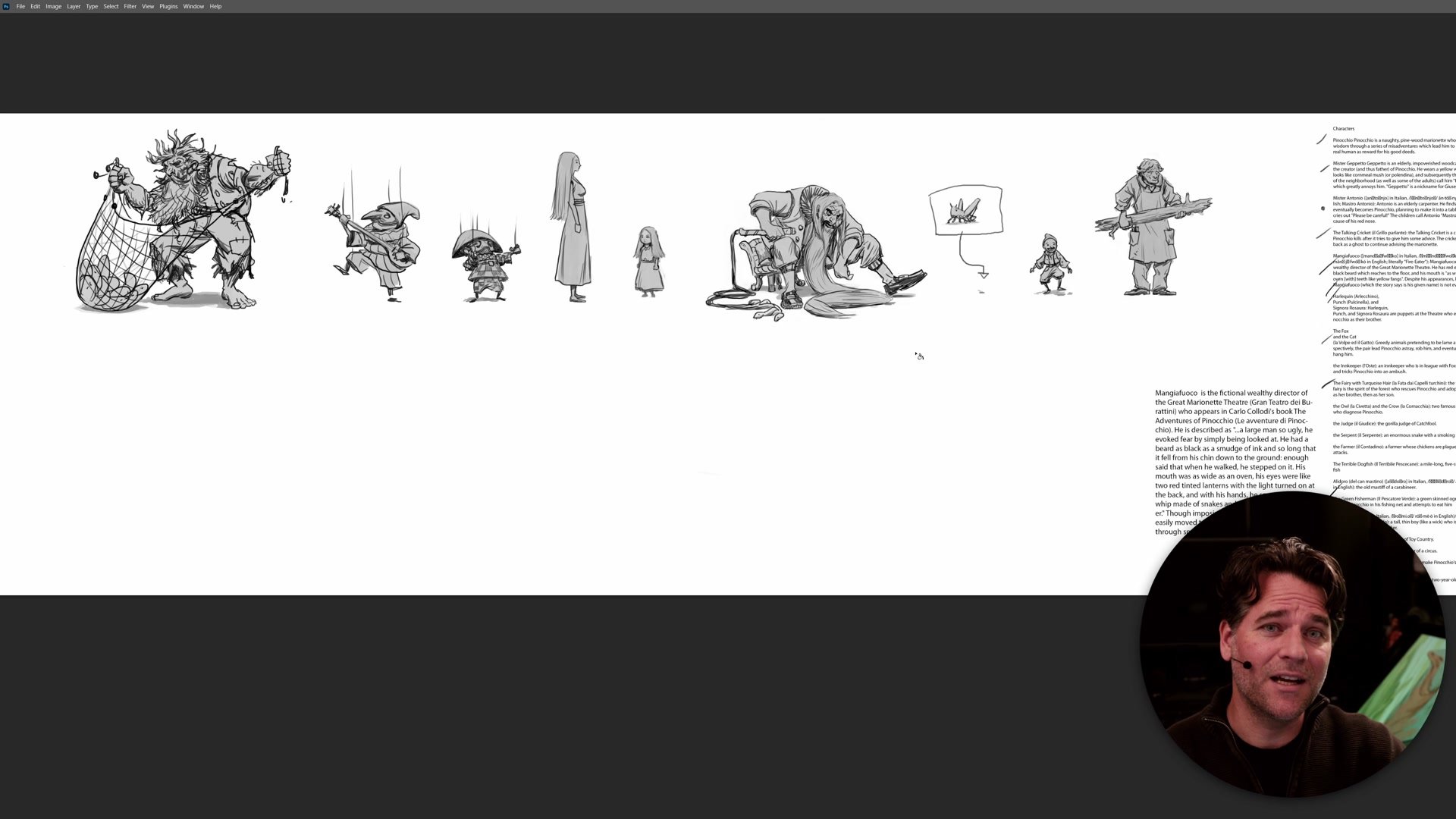
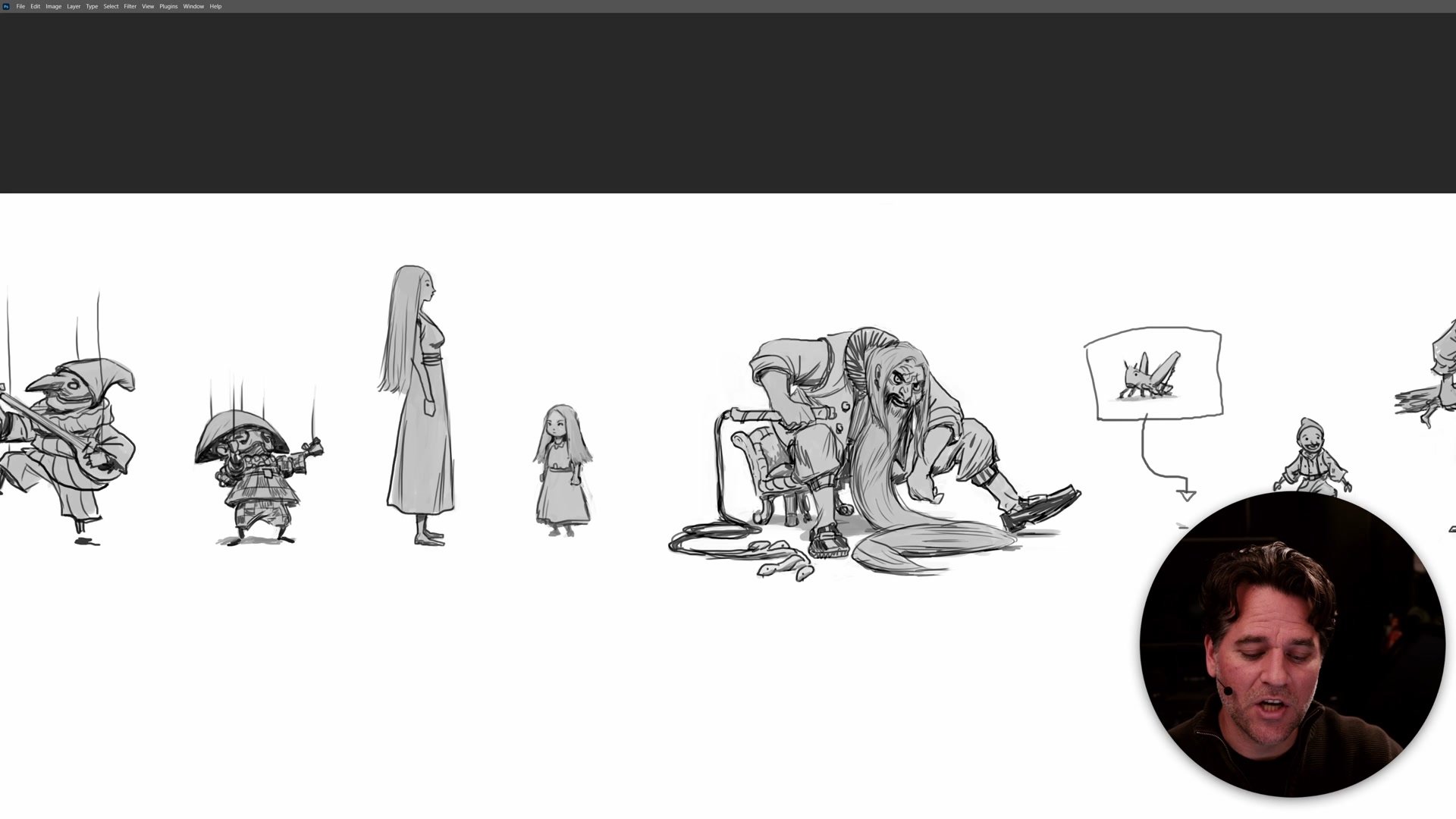
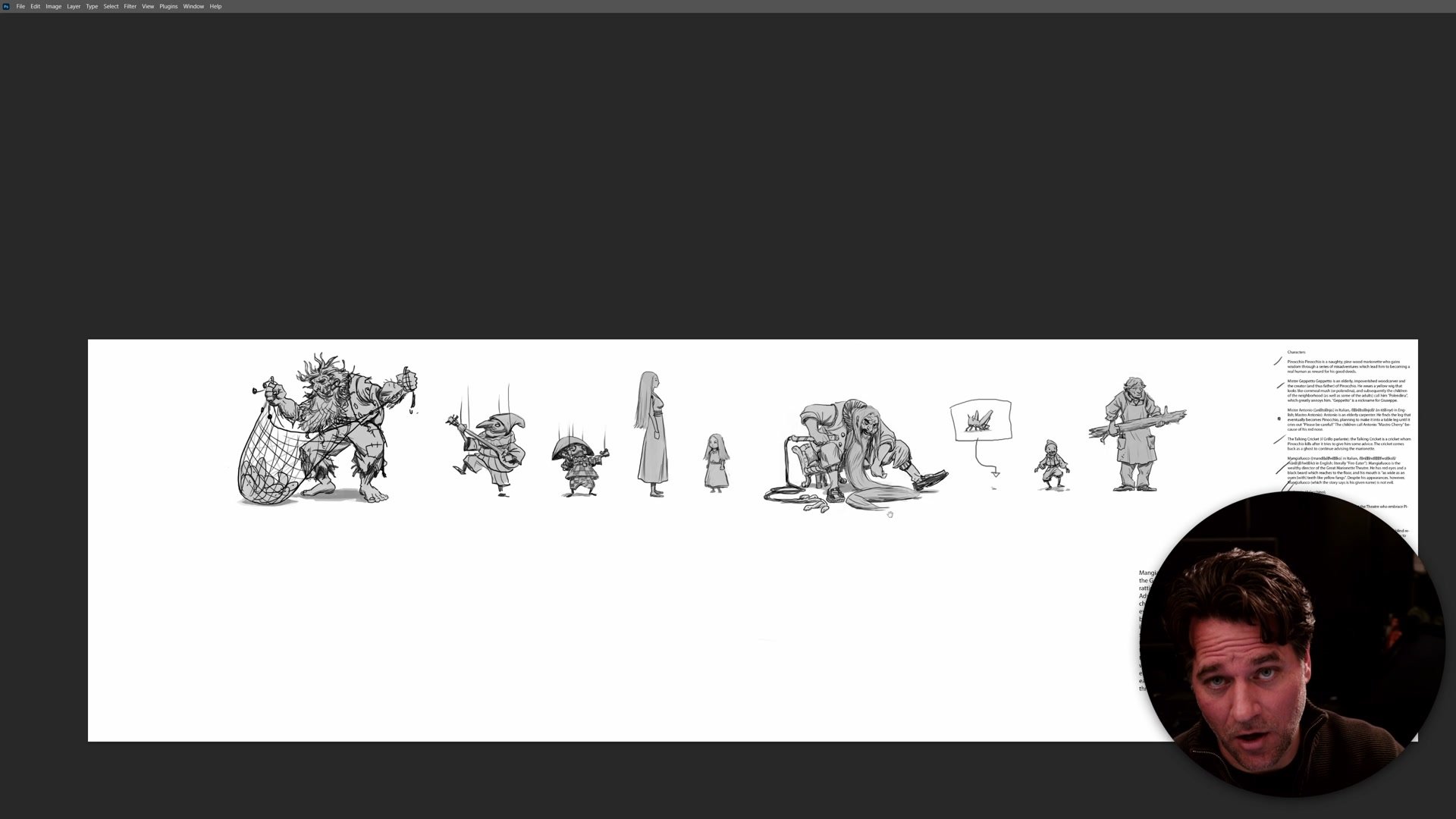
The character lineup solves this before production starts. Take a blank sheet, write every significant character name across it, and fill with simple sketches showing basic shapes and silhouettes together. Not finished designs, just enough to see relationships. With Pinocchio, the puppet master and shark fisherman were designed separately and both became large, brutish figures. Putting them in a lineup revealed the problem immediately. One became unkempt and wild with seaweed hair and rough textures. The other became smooth and brutal. Same character type, completely different shape language. The lineup forced thinking about silhouette differentiation when all characters were visible at once.
Character Lineup Development
Living Model Sheets Built During Production
Professional animation locks down complete model sheets before production begins. Every angle, every expression, everything finalized so multiple artists draw consistently. For a solo project, that approach creates more problems than it solves. Until a character has been drawn emoting in real situations across real pages, it is hard to know what they should actually look like.
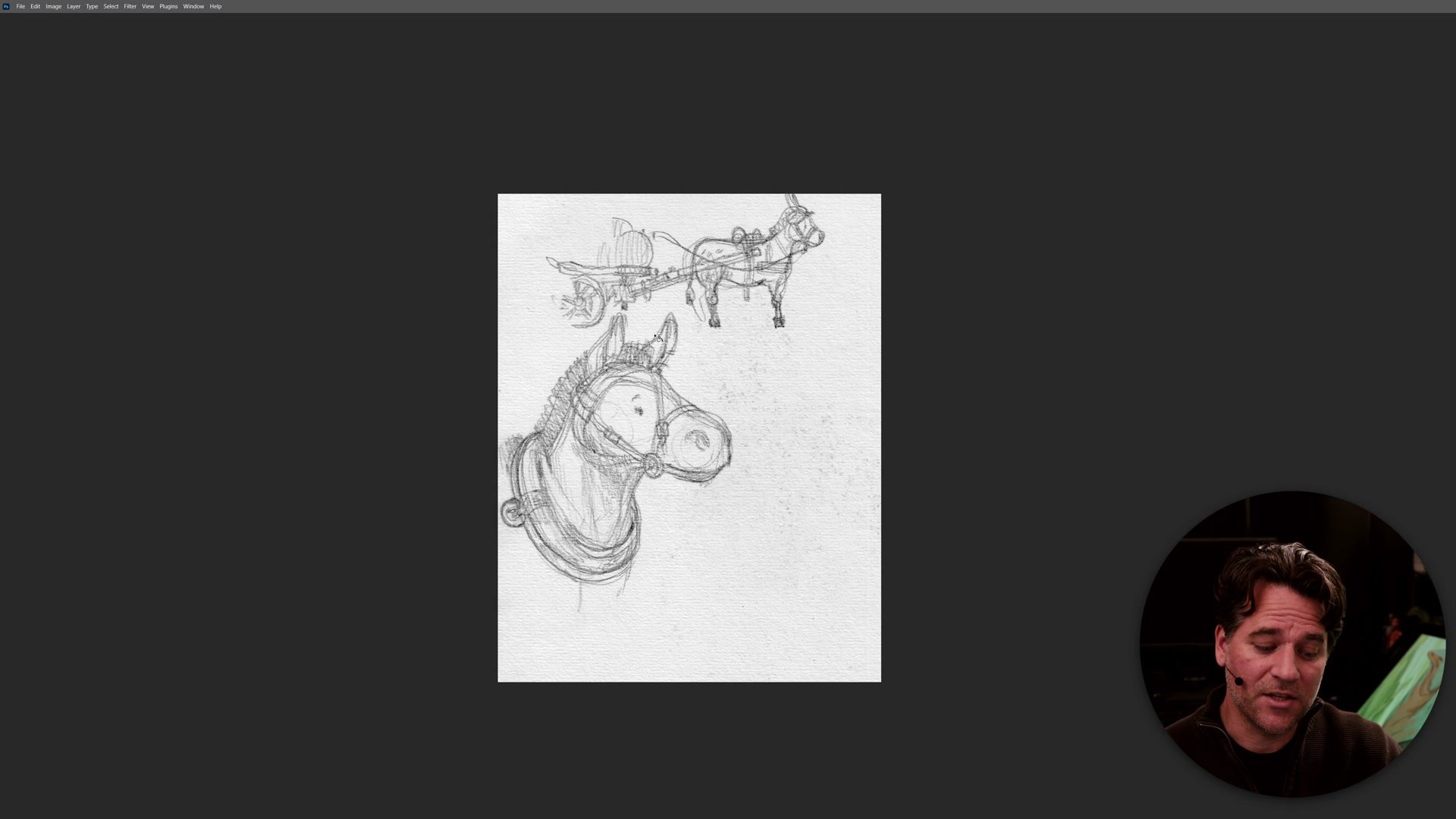
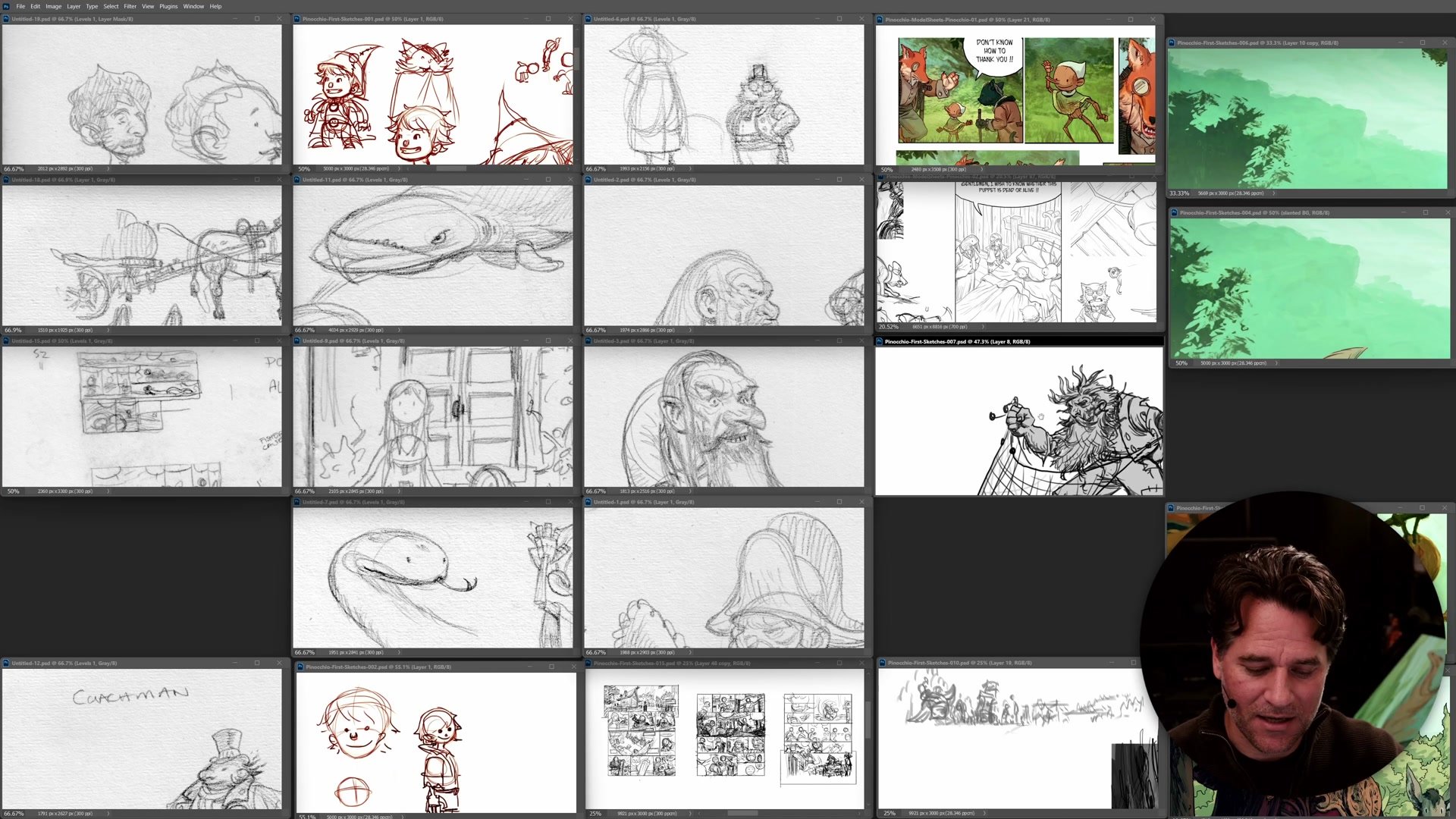
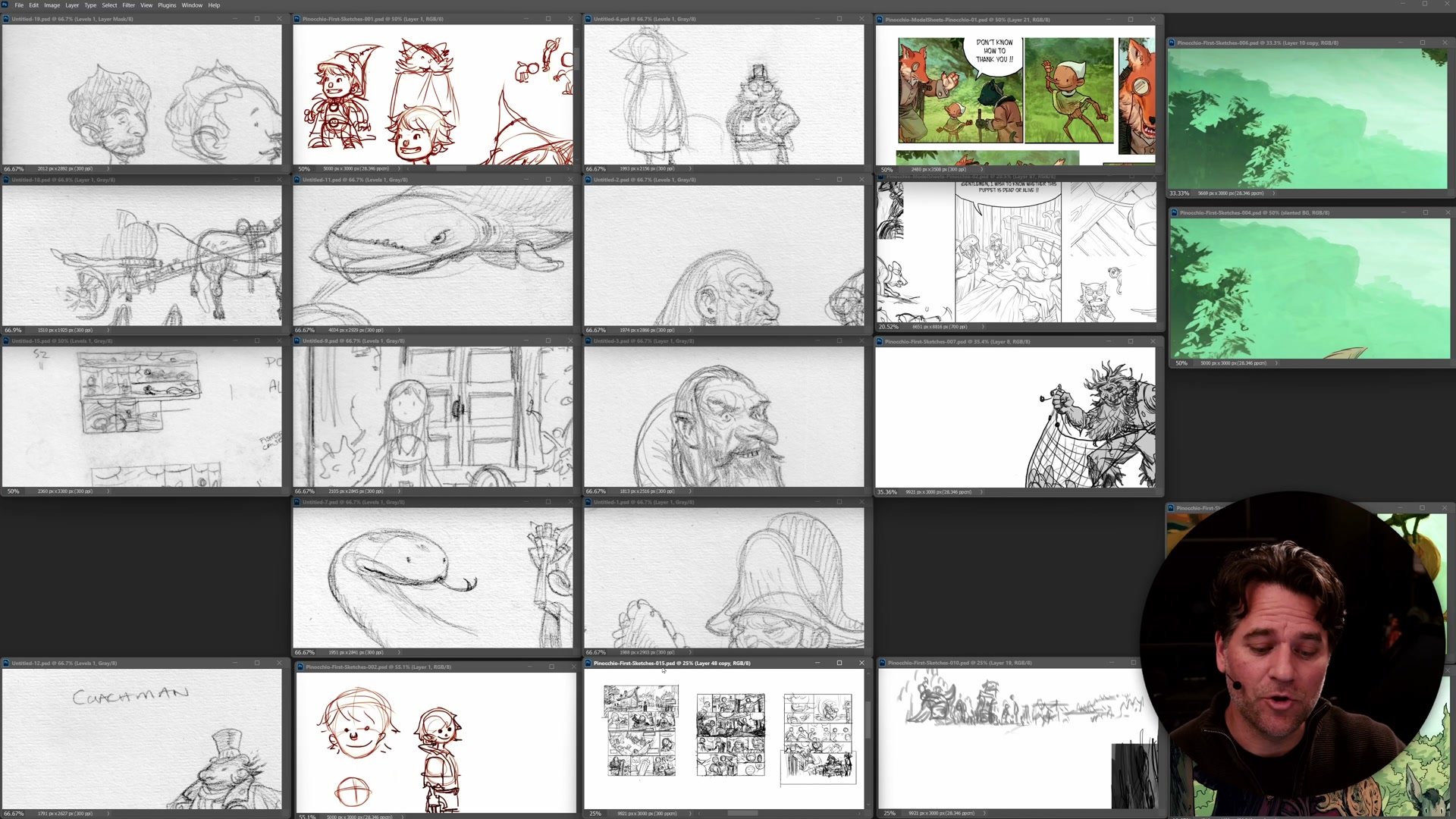
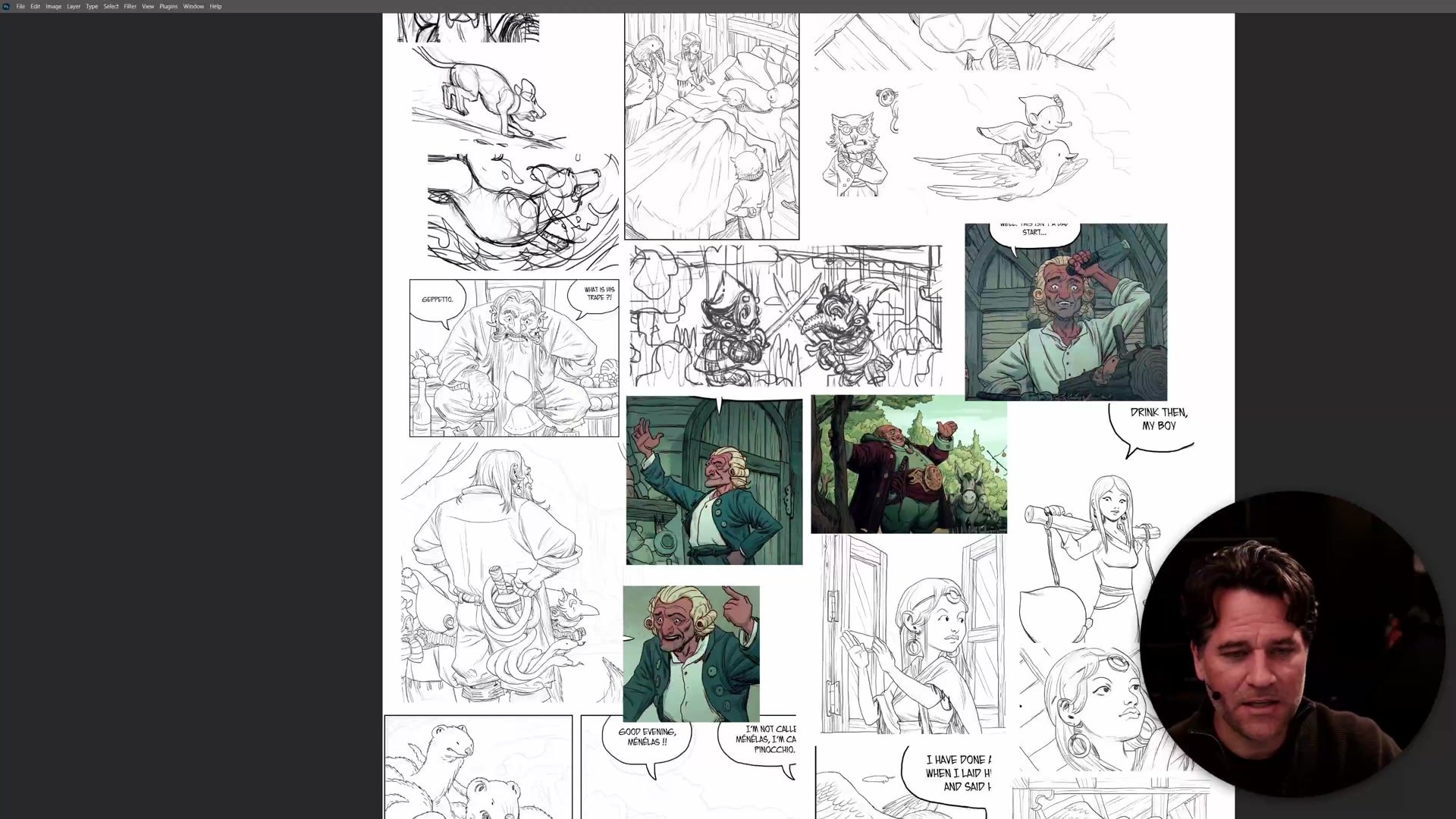
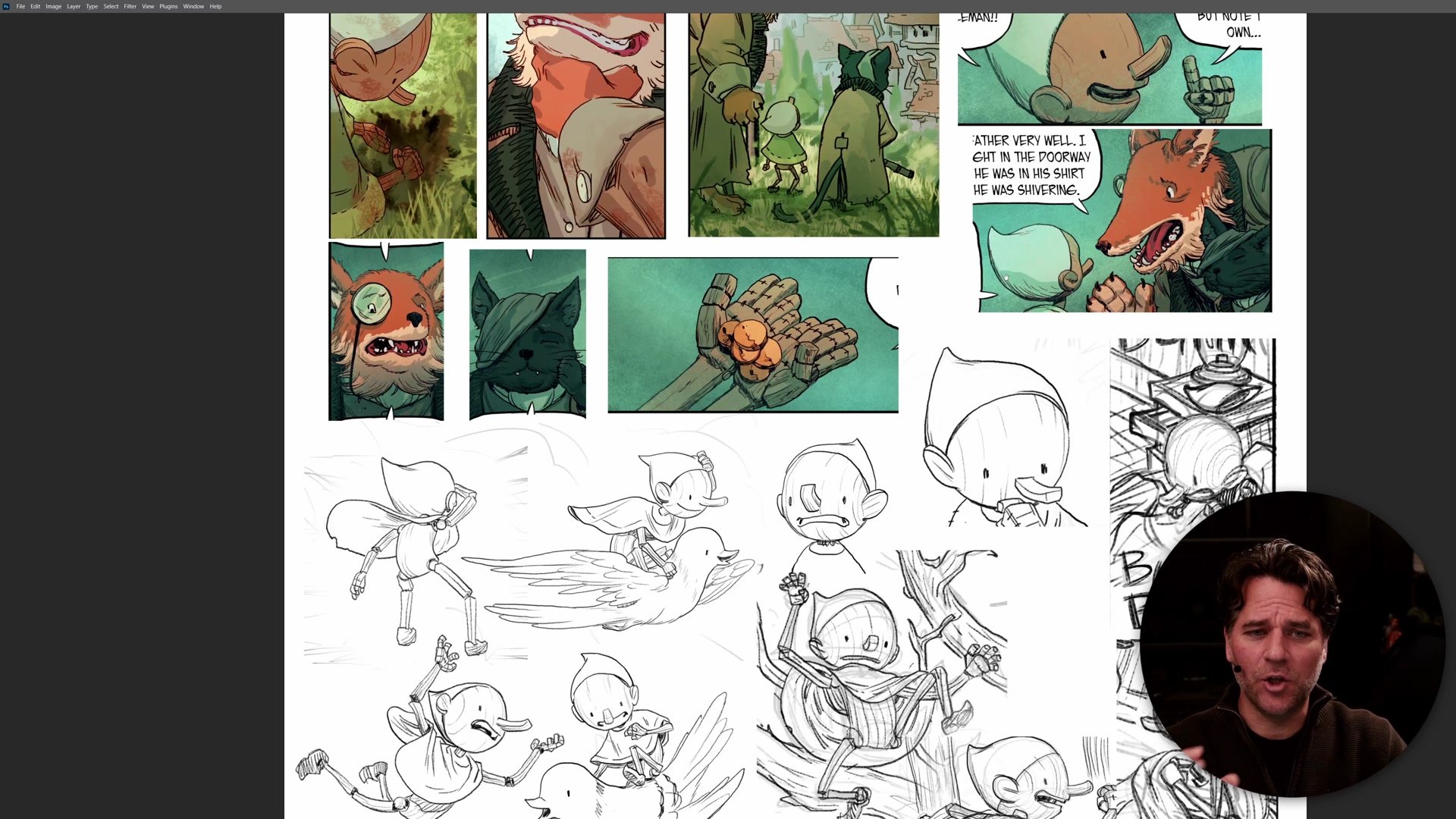
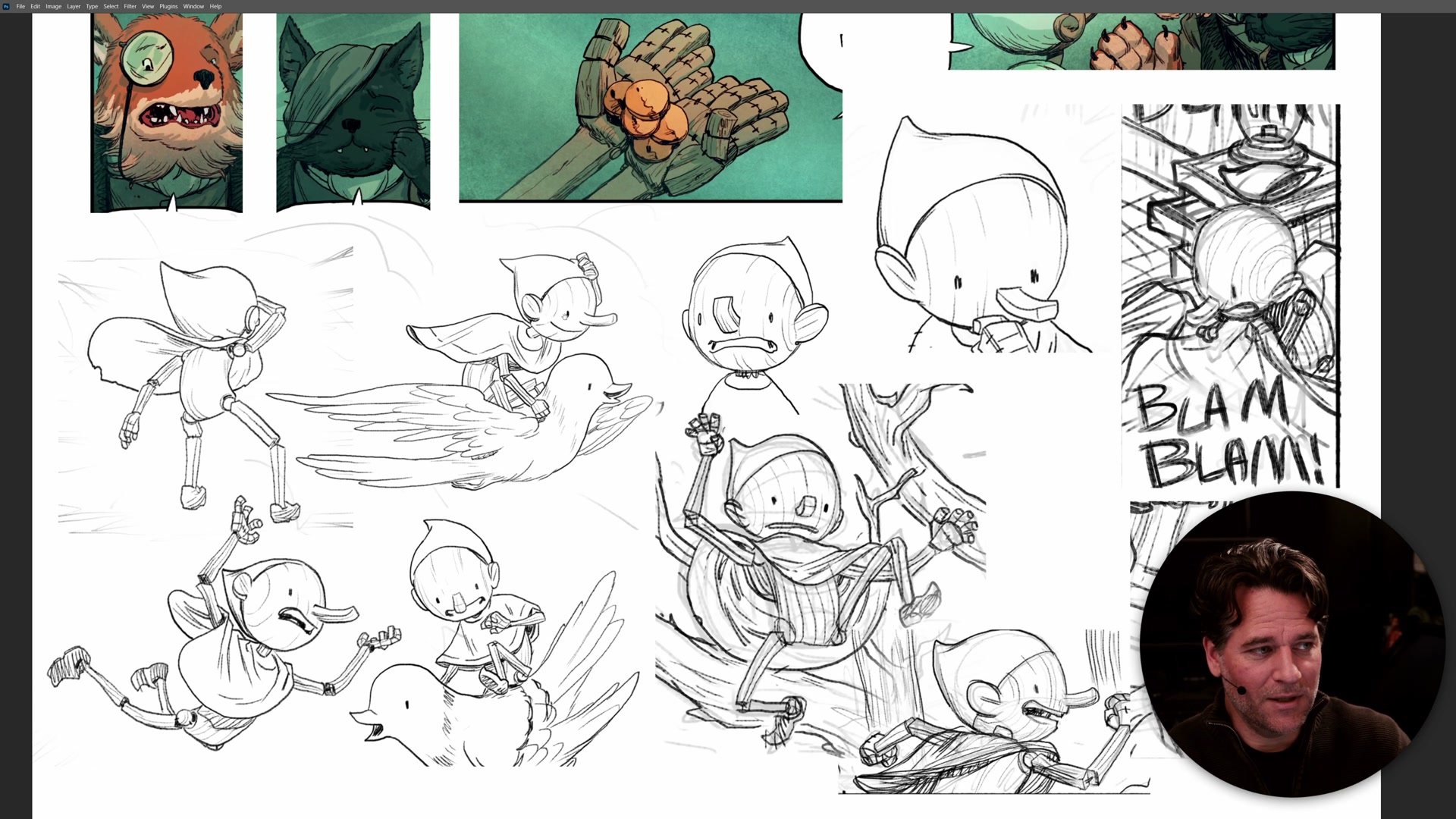
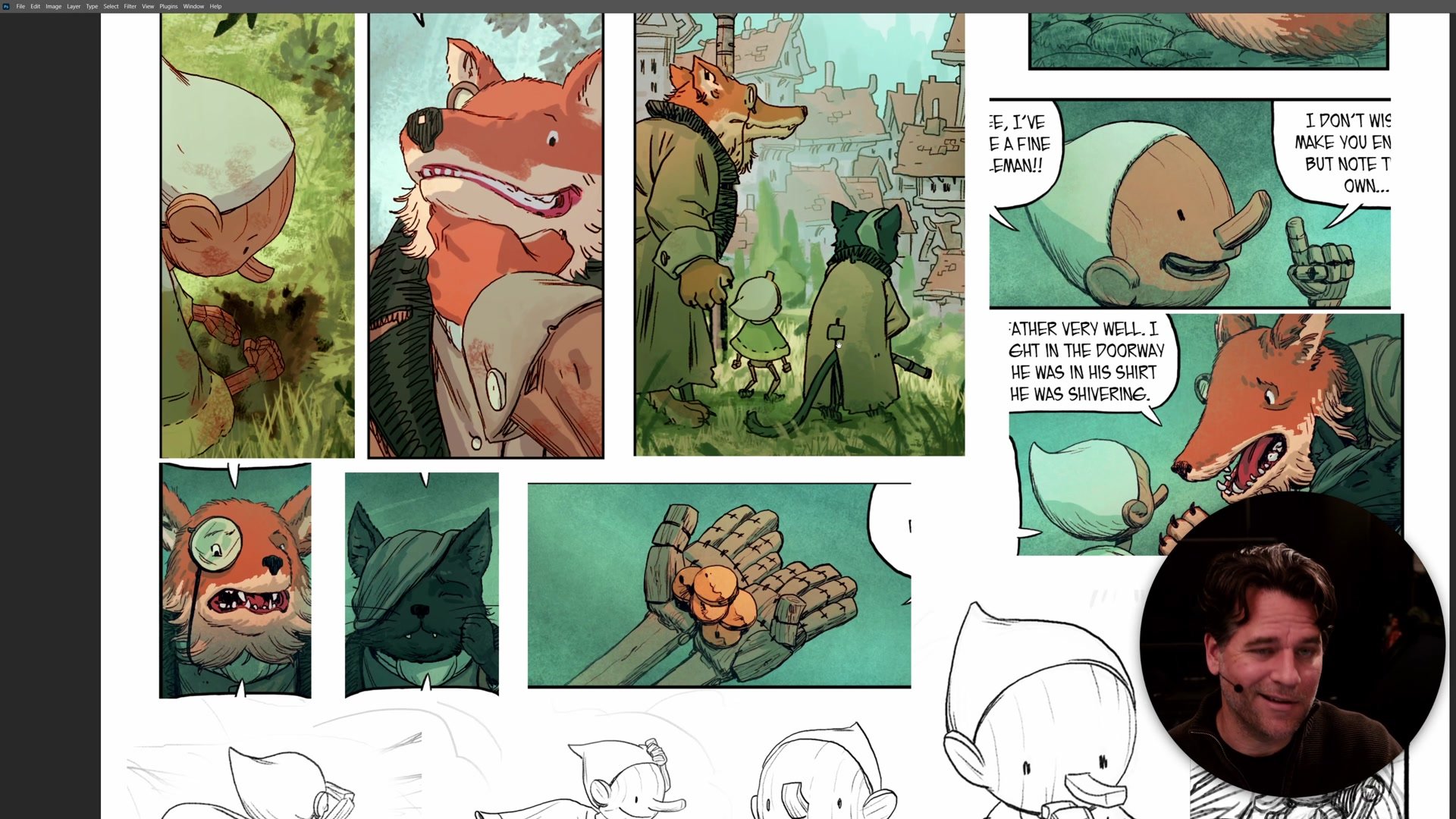
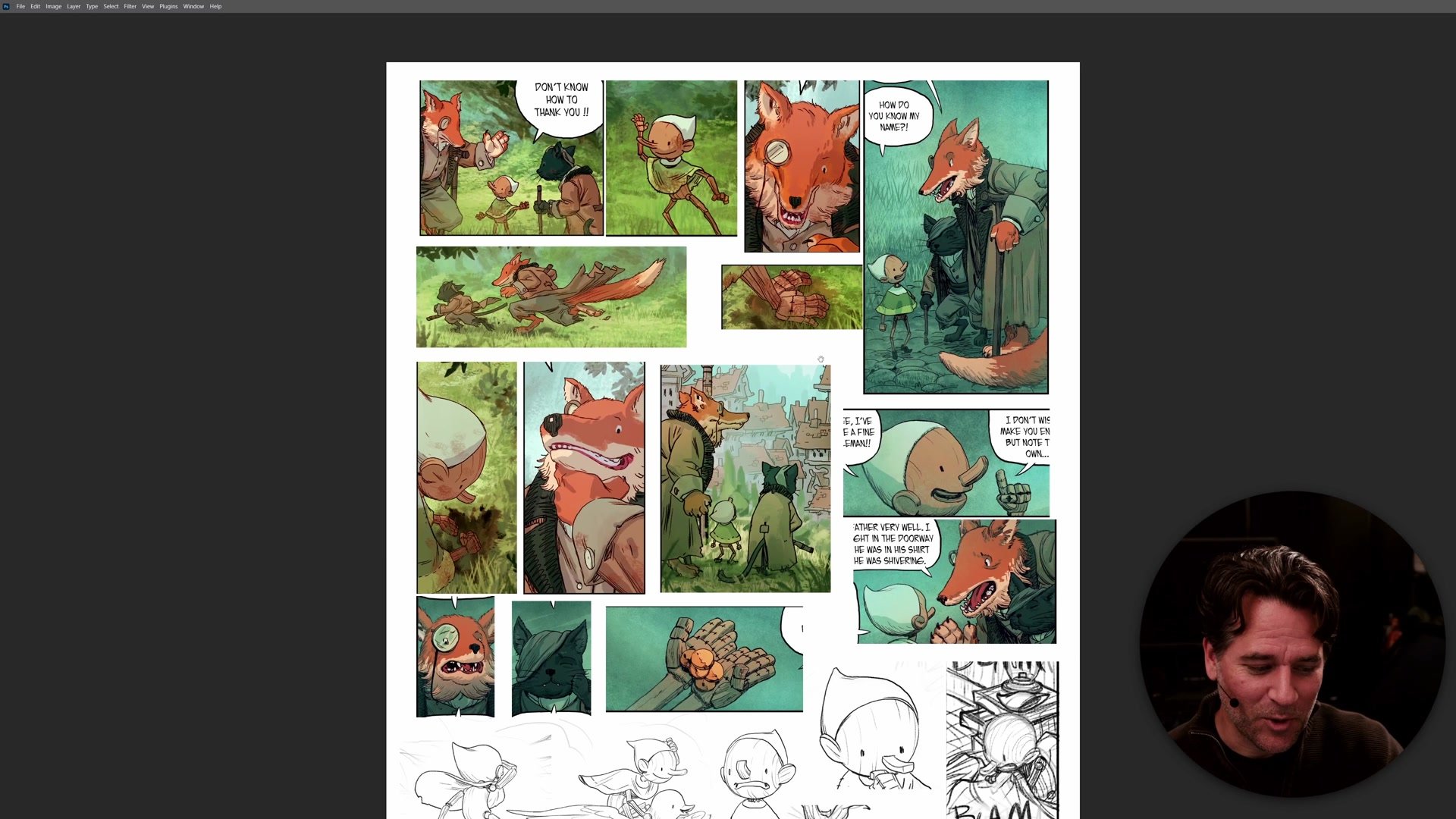
Living model sheets work differently. While completing pages, whenever a good expression or angle emerges, copy it to a reference sheet kept open on another monitor. Build them gradually as discoveries happen. Design is not just cool appearance. Design answers practical questions: is this fun to draw, is it easy enough to draw repeatedly, does it allow emotional expression, does it work from multiple angles. With Pinocchio, the character's head started with a complicated shape. After a few pages, that shape became obvious busy work. Making it simply round looked better and was far easier to draw. That discovery only happened through using the character in actual pages, not through planning.
Living Model Sheets
First Pages Are Discovery Time
Living model sheets mean the first pages will not have final character designs. This is fine and should be built into the process. When sketching pages with a new character, keep several at the rough or pencil phase before finishing any. Sketch that character across multiple panels and pages. By the fifth or sixth time drawing them, what works becomes clearer. Then go back to earlier sketches and adjust before moving to final art.
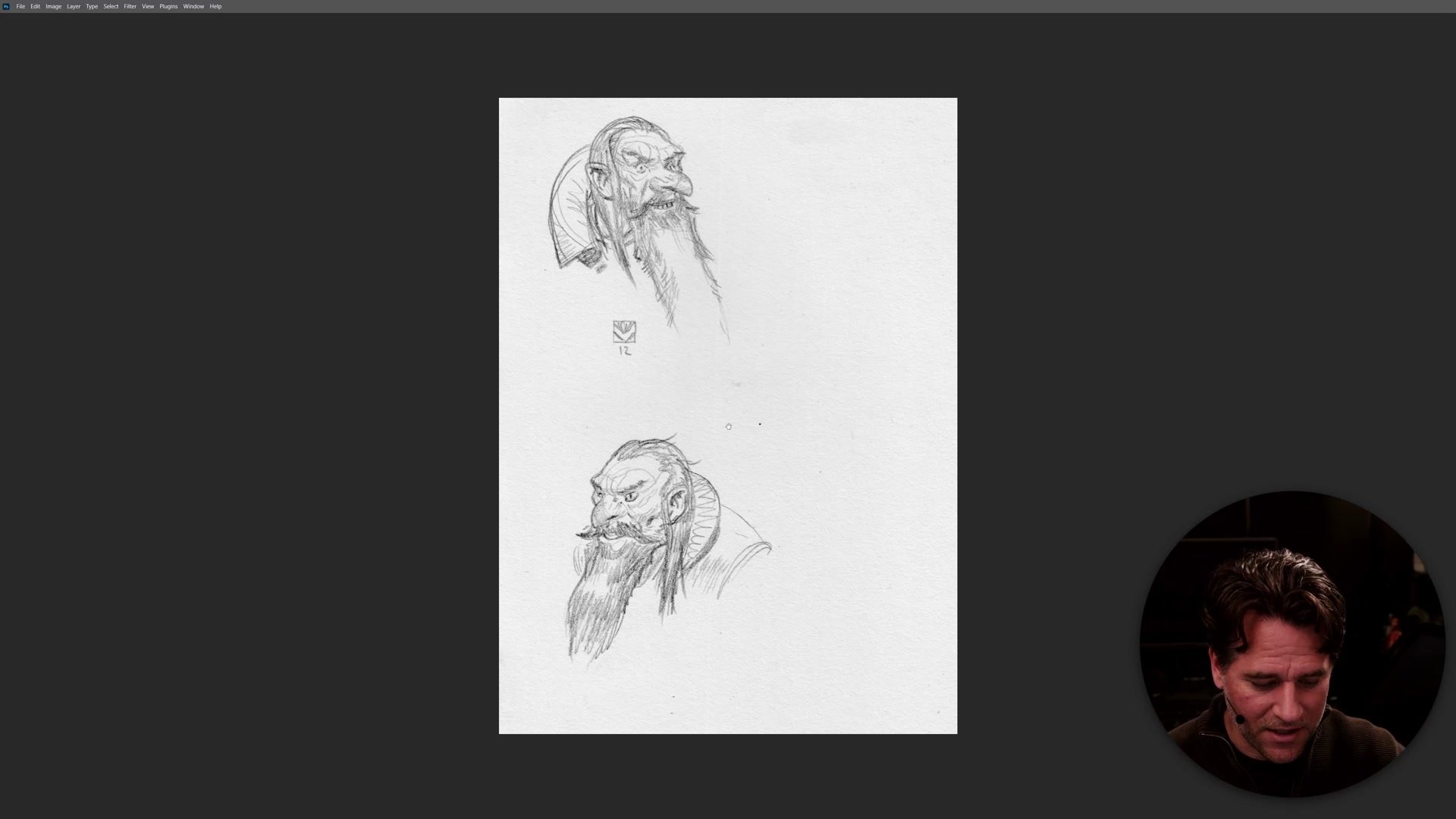
With Pinocchio, placing the eyes level with the nose on the lower face created more interesting expressions than having them higher. That took several pages to discover. Going back to adjust those first pages was straightforward once the decision was clear. This means accepting that the character on page ten might look slightly different from page one. For a first major project, that is normal. Those first ten pages might take months. Use that time as discovery. Figure out what characters actually look like by drawing them in real situations with real emotional beats. Then make targeted adjustments to early pages. This saves dramatically more time than trying to create perfect model sheets based on guesses.
Refinement Through Pages
Key Principles
Character Lineups First: A single sheet with all significant characters drawn together in simple shapes and silhouettes reveals mirror syndrome immediately. This prevents the production nightmare of characters that cannot be told apart at different sizes or angles.
Living Model Sheets: Build reference sheets during production, not before. Copy good expressions and angles to a reference document as they emerge from actual pages. This lets characters be discovered through real use rather than theoretical planning.
First Pages as Discovery: Keep early pages at the sketch phase while exploring characters across multiple panels. By the fifth or sixth attempt, what works becomes clear. Going back to adjust early pages saves far more time than perfectionist planning based on guesses.
Process Over Perfection: The focus shifts from creating perfect designs before starting to building a reliable process that allows discovery during actual work. Discoveries come from doing, not from planning.
Try This
Create a Character Lineup: Take a project stuck in planning. Use a blank sheet and write all main character names across it. Do quick sketches of each showing basic shapes and silhouettes. Look at them together and identify any that are too similar. Adjust using shape language to differentiate them clearly.
Start Drawing: Pick the simplest character or scene and start drawing it. Keep the first three to five attempts as rough sketches. After drawing that character multiple times, look at what works and copy the best version to a reference sheet.
Build Forward: Make small adjustments to early sketches based on what the drawing revealed. Then move forward with actual pages, continuing to add to the living model sheet as new discoveries emerge.