The Annual Artistic Review Framework
Summary
The Progress Paradox
Artists often struggle to accurately assess their own progress. The subjective nature of creative work makes it nearly impossible to tell whether improvement is actually happening. Someone might feel positive about their year while missing massive gaps in their goals. Someone else might feel devastated despite significant advancement. The disconnect between feeling and reality creates a dangerous blind spot.
What actually works is building a concrete framework for evaluation. Rather than relying on vague impressions, taking time to systematically review what happened across four distinct areas reveals the truth about progress. This process of structured reflection transforms nebulous feelings into actionable insight.
Core Insights
Audit Your Art Output
The first step in any artistic review is collecting everything created during the period. This means gathering all finished work, sketches, and projects into one place where they can be examined objectively. The simple act of assembly often reveals surprising volume that daily experience obscured. Or conversely, it exposes the uncomfortable truth that very little actual art emerged despite busy activity.
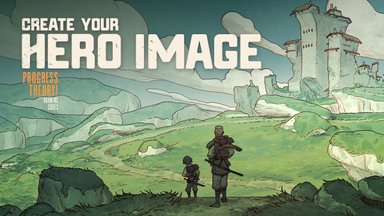
Within this collection, look for hero images. These are the landmark pieces that represent the best current capability. The images someone would proudly show to an art director or use to represent their work publicly. Creating new hero images each year signals genuine advancement. If the best work still dates from years past, that reveals a stagnation worth addressing. Compare the earliest work from the period against the most recent to track the direction of travel.
Examine Your Plans
Plans often vanish from memory when they fail to manifest. The goals that seemed so important in January become invisible by December. Reviewing what was actually intended versus what happened illuminates patterns that would otherwise remain hidden. Some artists discover they abandoned critical objectives after initial difficulty. Others realize they got distracted by exciting new directions while core ambitions withered.
The most valuable insight here involves identifying what actually worked. When something succeeds, artists often stop doing it and chase something new instead. The grass always appears greener with novel approaches. But sustainable progress comes from recognizing effective methods and continuing them rather than constantly pursuing the next shiny strategy. Recording these patterns prevents losing hard-won wisdom to the excitement of fresh ideas.
Review Learning and Ritual
Progress frequently occurs in invisible dimensions. Learning new tools, refining processes, overcoming production challenges, developing more efficient workflows. None of this shows up in finished artwork, yet it represents genuine advancement. Documenting everything learned during a period reveals effort that subjective feelings completely miss. This becomes especially important during chaotic times when survival alone constitutes achievement.
The artistic ritual itself deserves separate examination. The ability to consistently sit down and create, to enter flow states, to maintain positive feelings toward the work. These foundational capabilities determine everything else. Major life changes disrupt established rhythms. New jobs, moves, relationships, and responsibilities all shake the creative practice. Acknowledging how well the ritual weathered disruption provides crucial context for evaluating all other metrics.
Key Takeaways
Analytical: The gap between feeling and reality about artistic progress creates dangerous blind spots. Structured review across art output, plans, learning, and ritual bridges this gap and reveals the objective truth about advancement.
Simple: Collect all art from the period in one place, then examine it honestly to see what actually happened versus what memory suggests.
Practical: Brain dump everything onto paper. List all finished work, all plans both achieved and forgotten, all learning undertaken, and assess the current state of the creative ritual.
Philosophical: The more positively someone feels about creating, the more art they will produce. Appreciation for genuine progress, even in difficult circumstances, builds the foundation for future work.
Try This
Create a collection: Gather all artwork from the past year into a single folder. Include finished pieces, sketches, experiments, and professional work.
Identify hero images: Find the one or two pieces that best represent current capability. Compare them to previous hero images to measure advancement.
Brain dump four areas: Write freely about art output, plans, learning, and ritual. Note what succeeded, what failed, and what got forgotten along the way.