The Truth About the Loomis Method
Summary
Understanding Loomis Construction
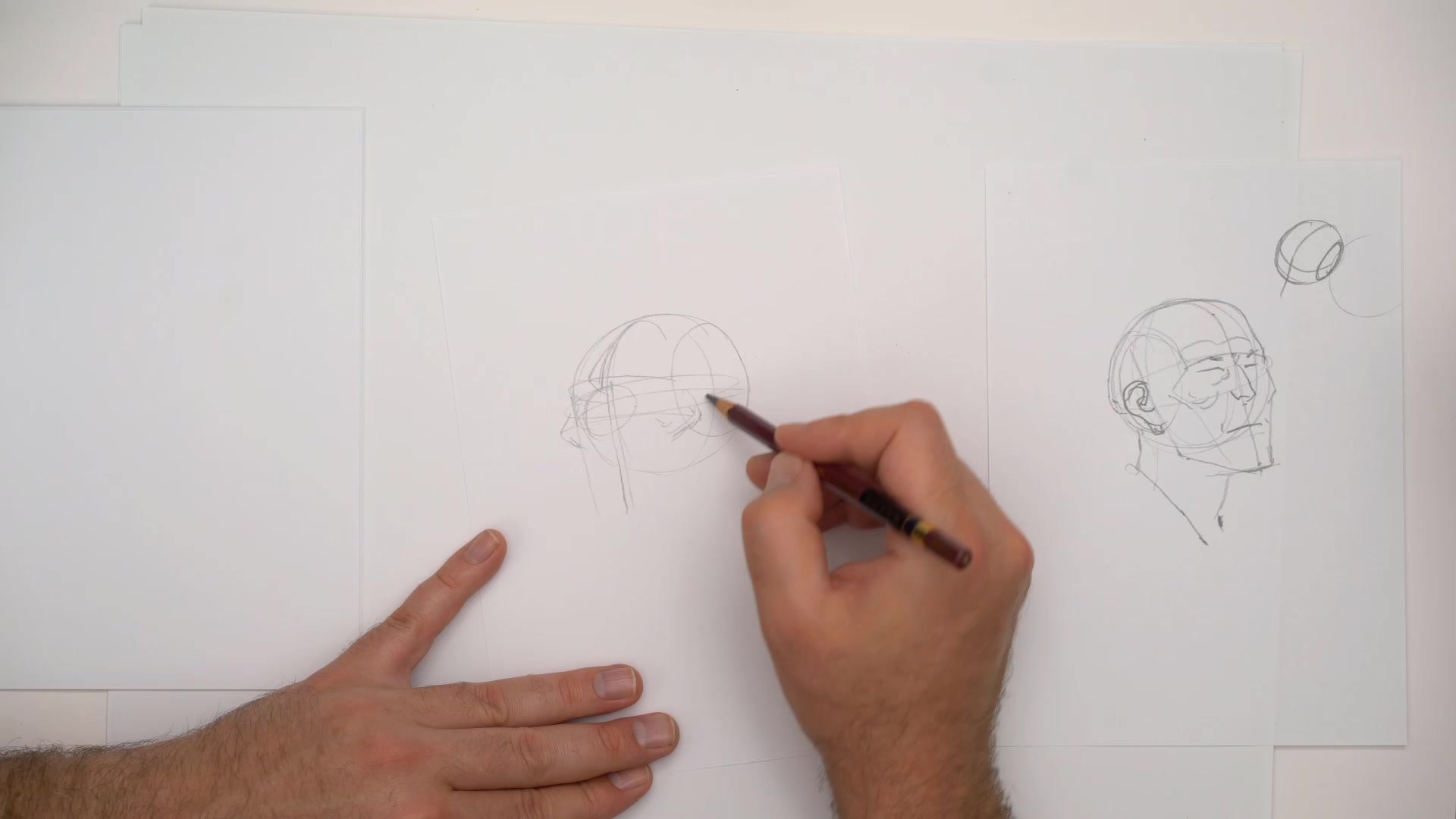
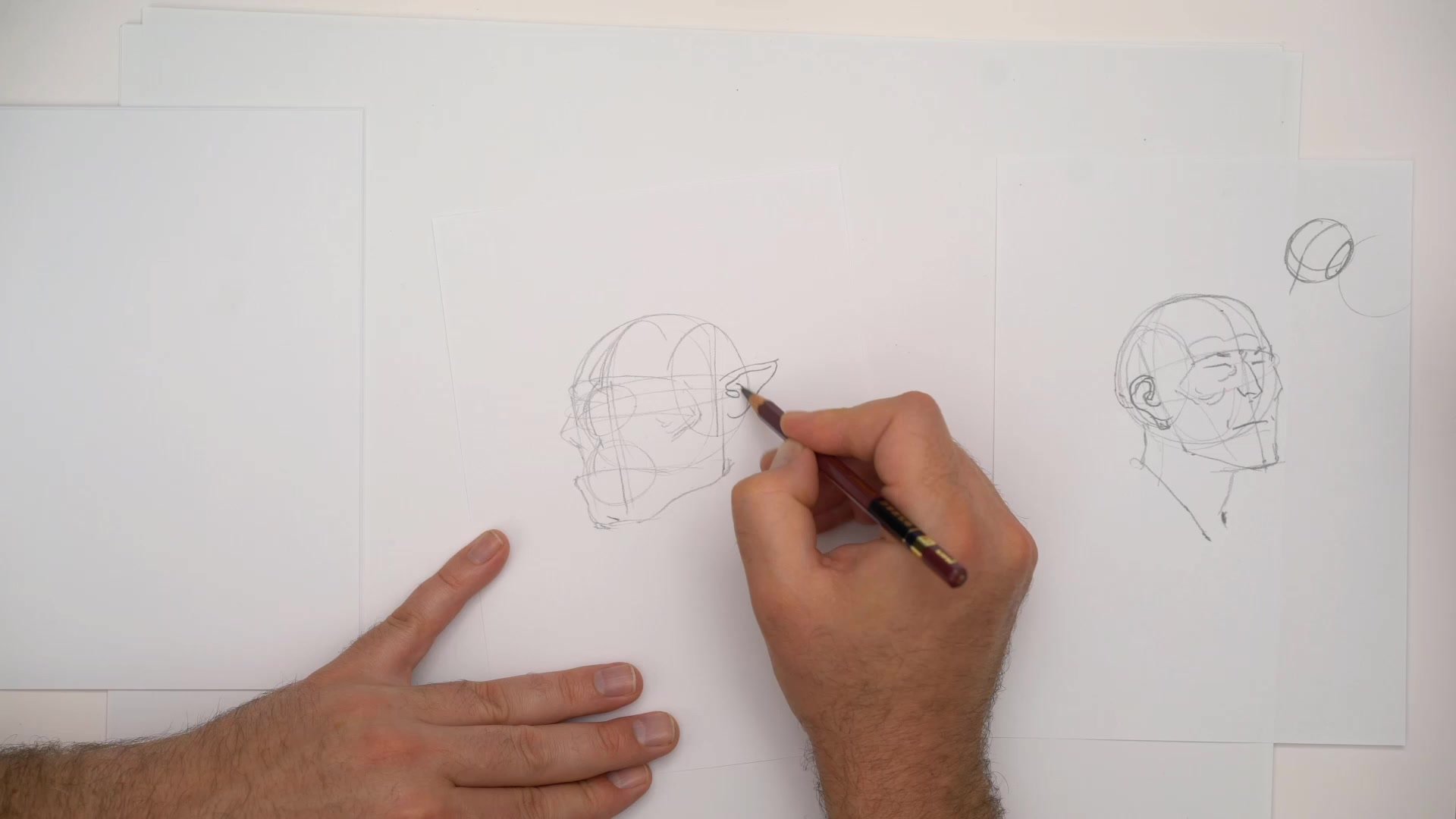
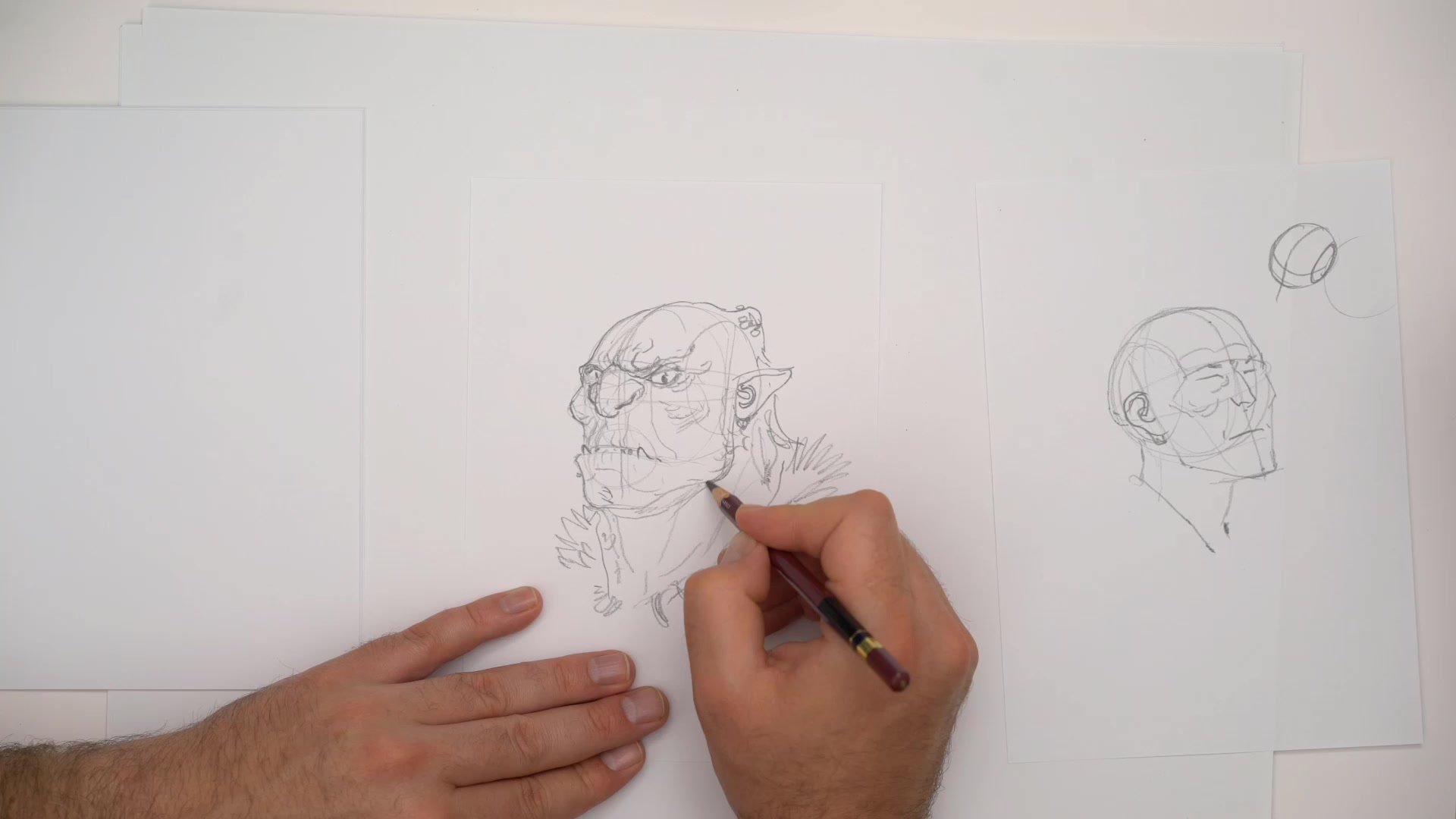
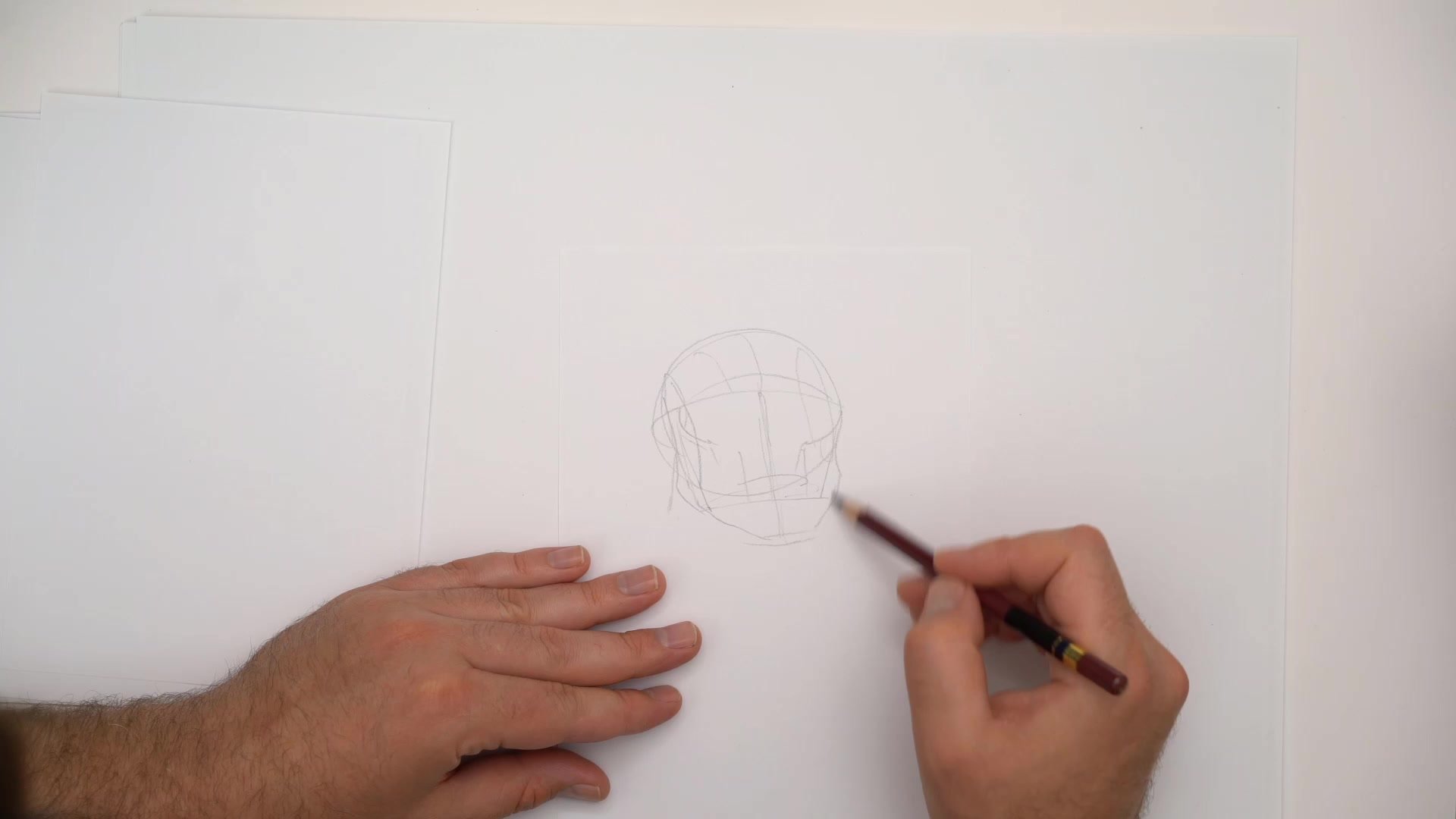
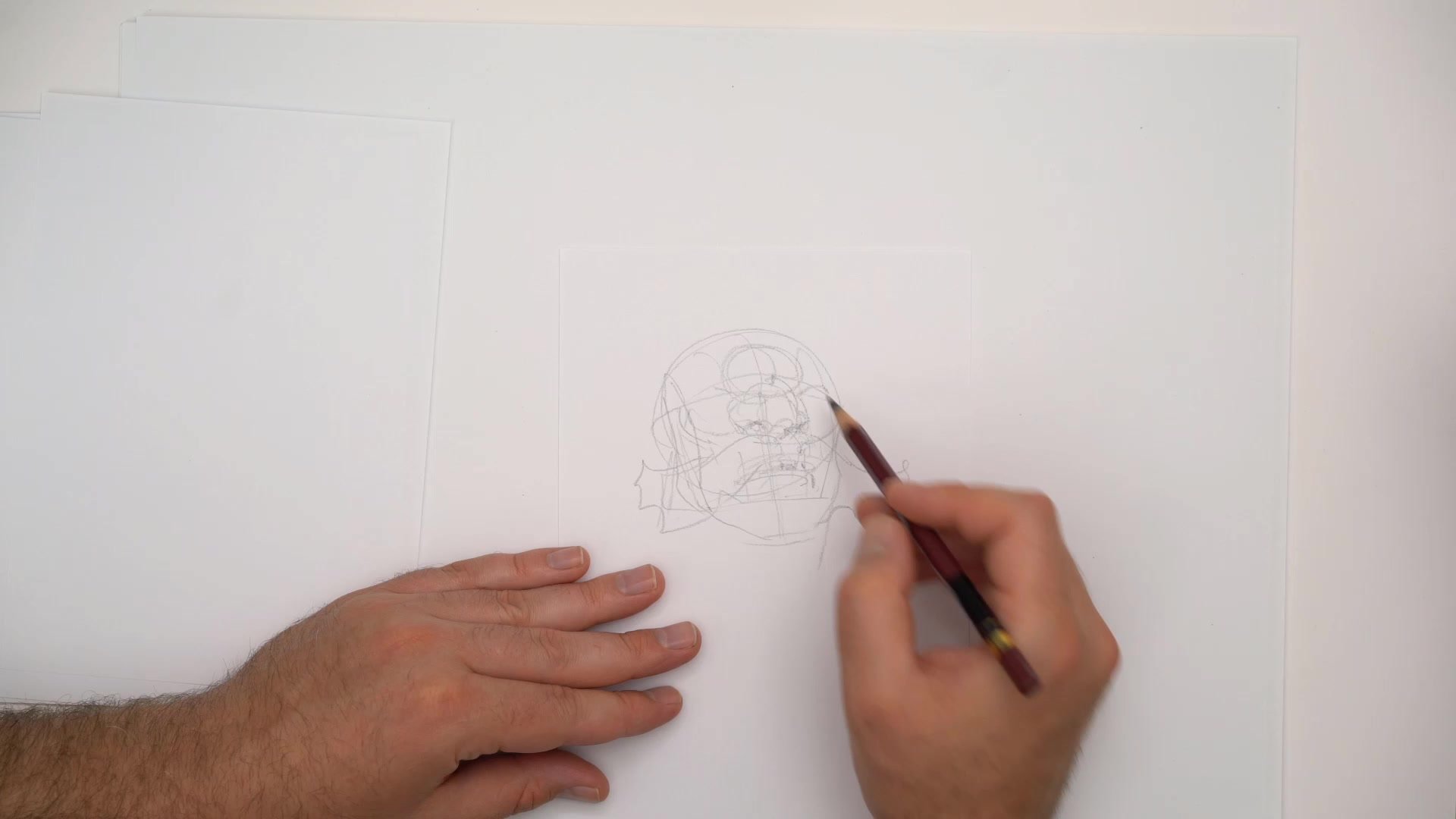
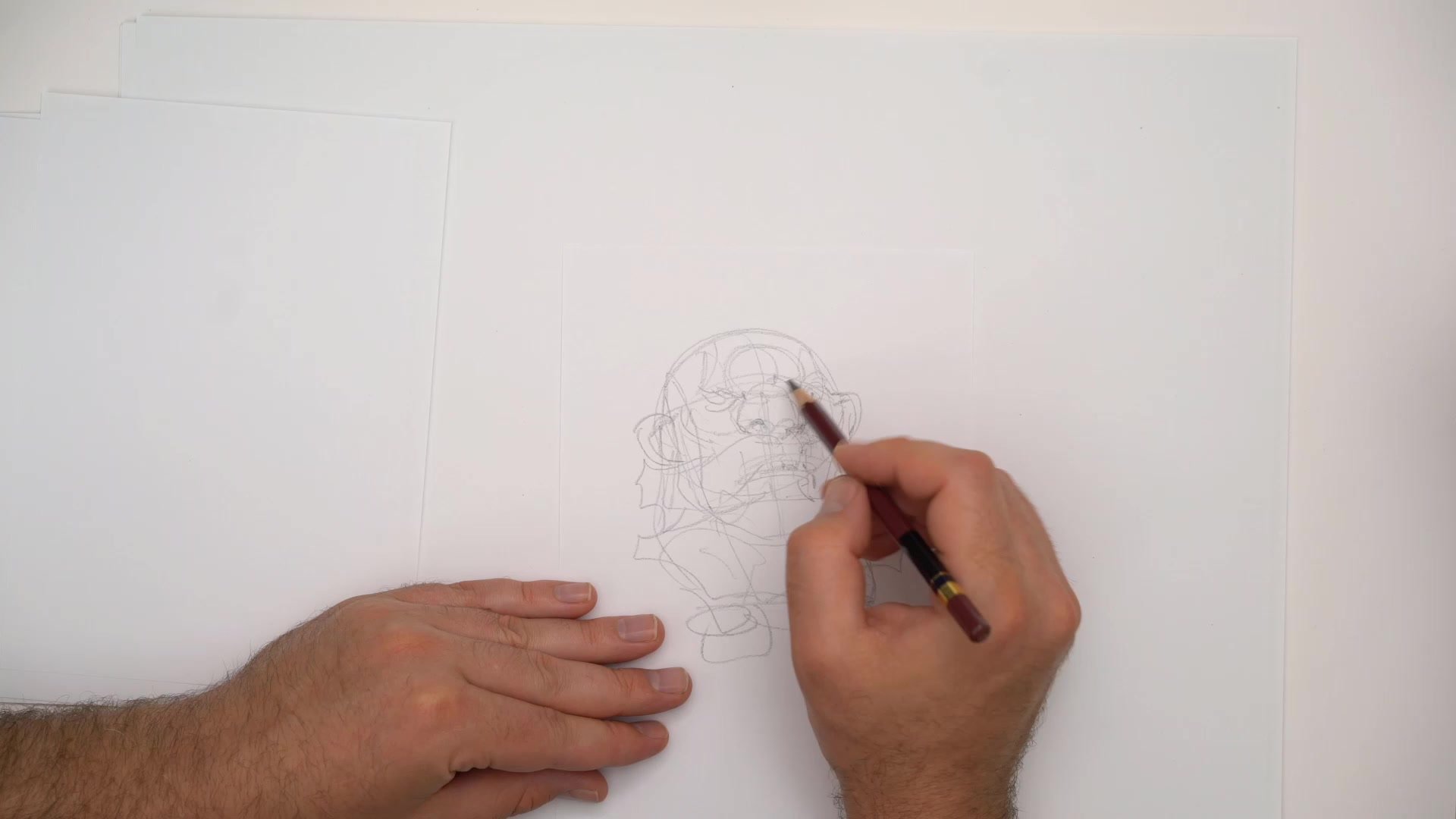
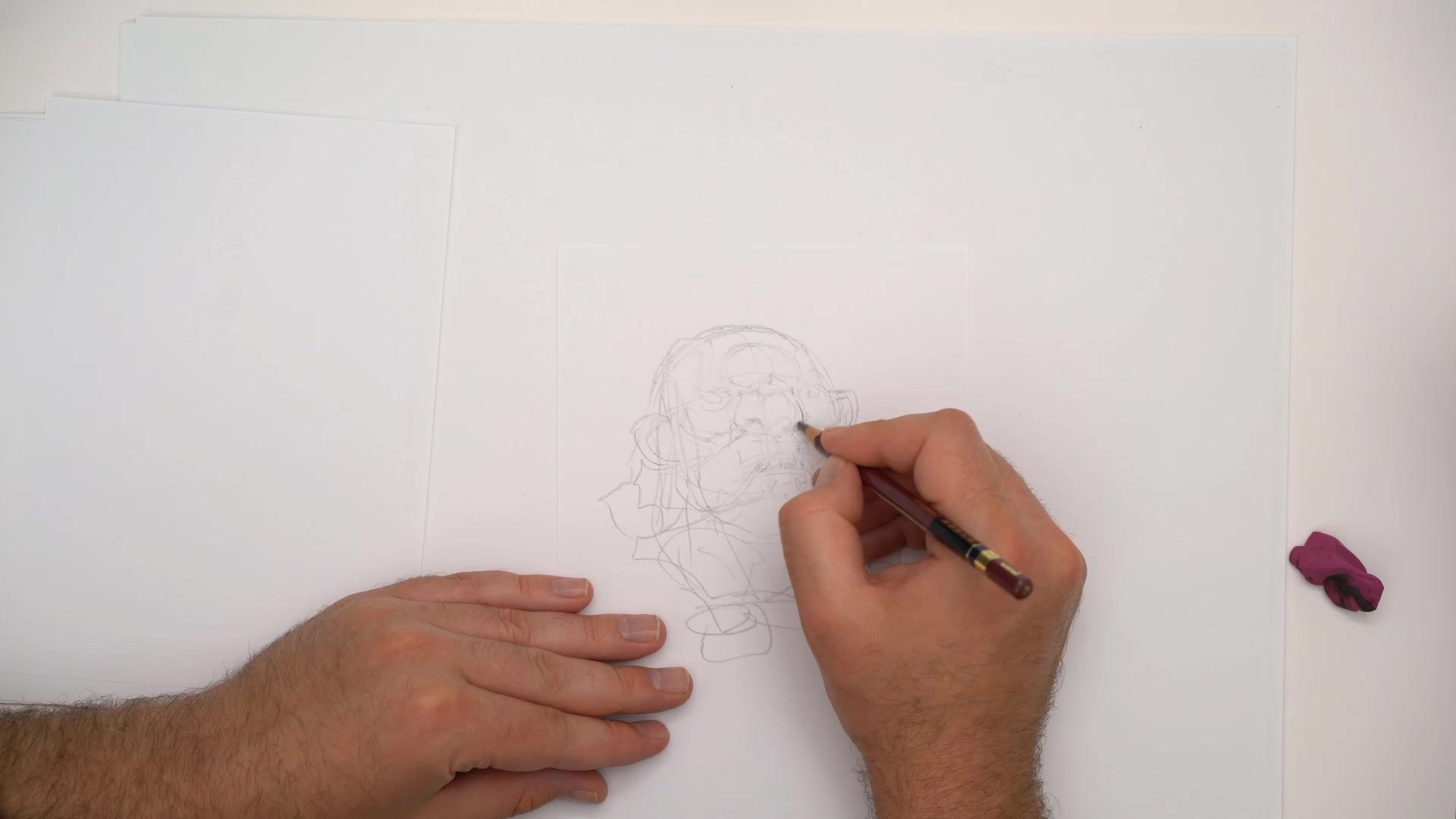
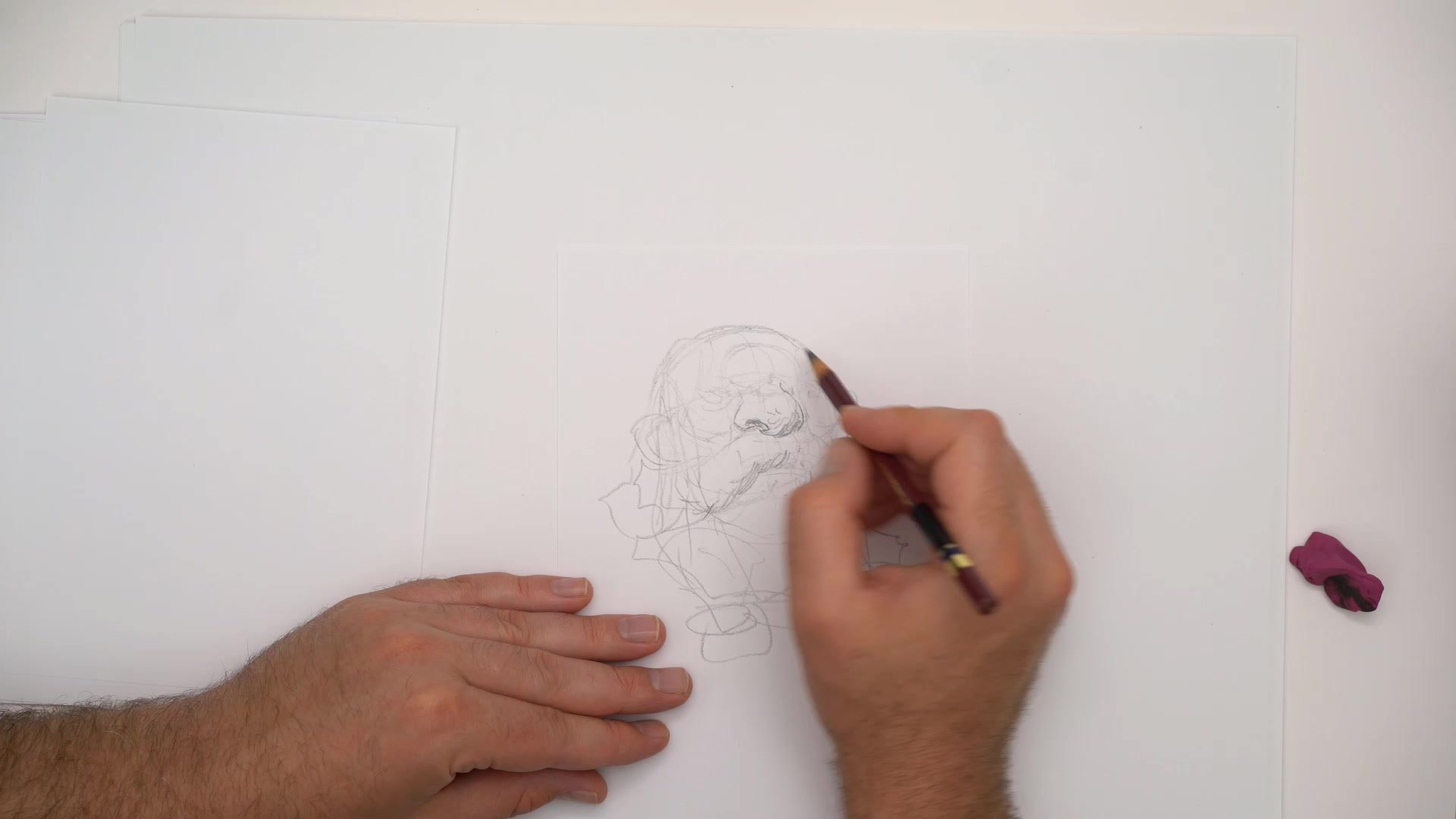
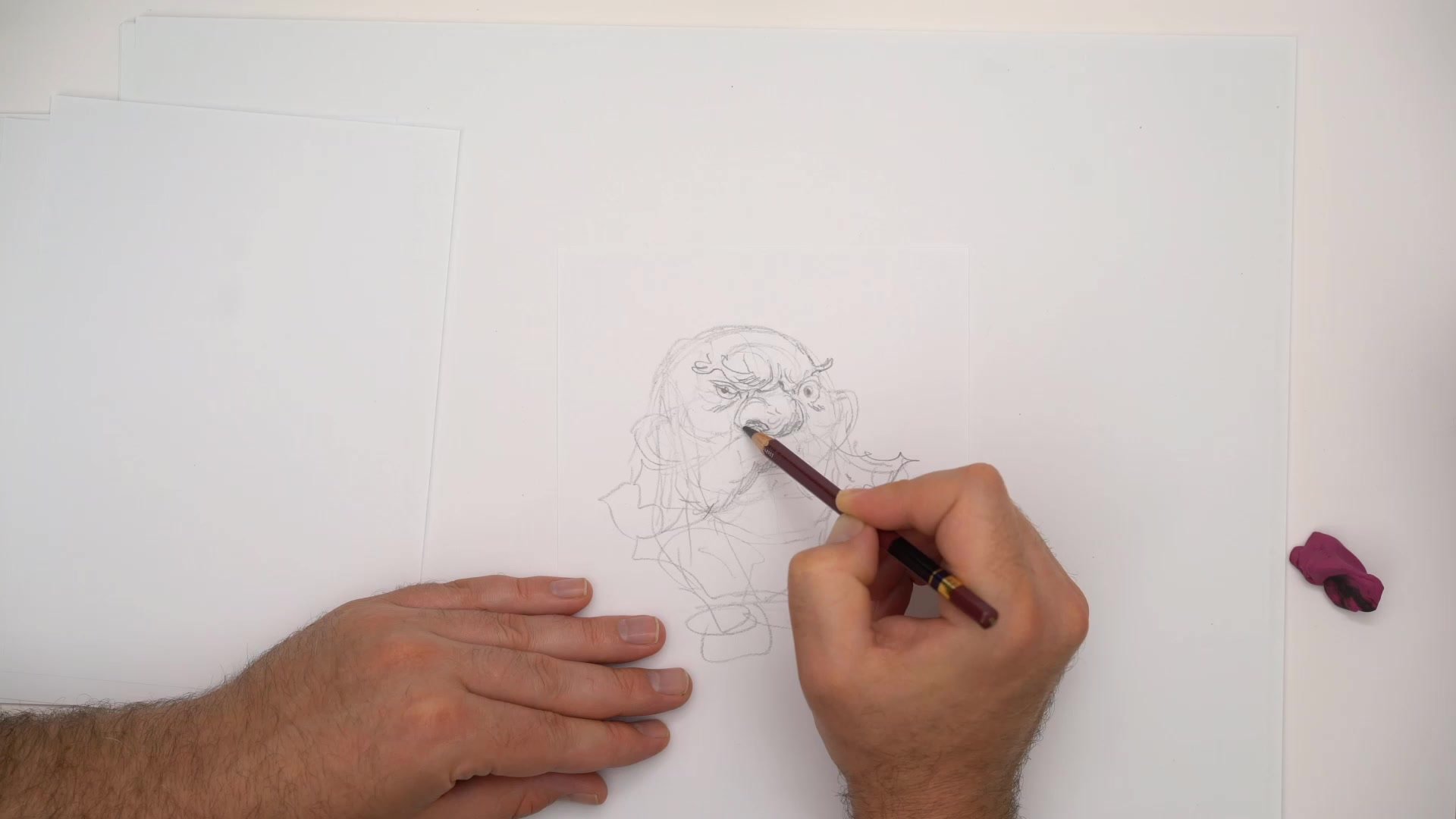
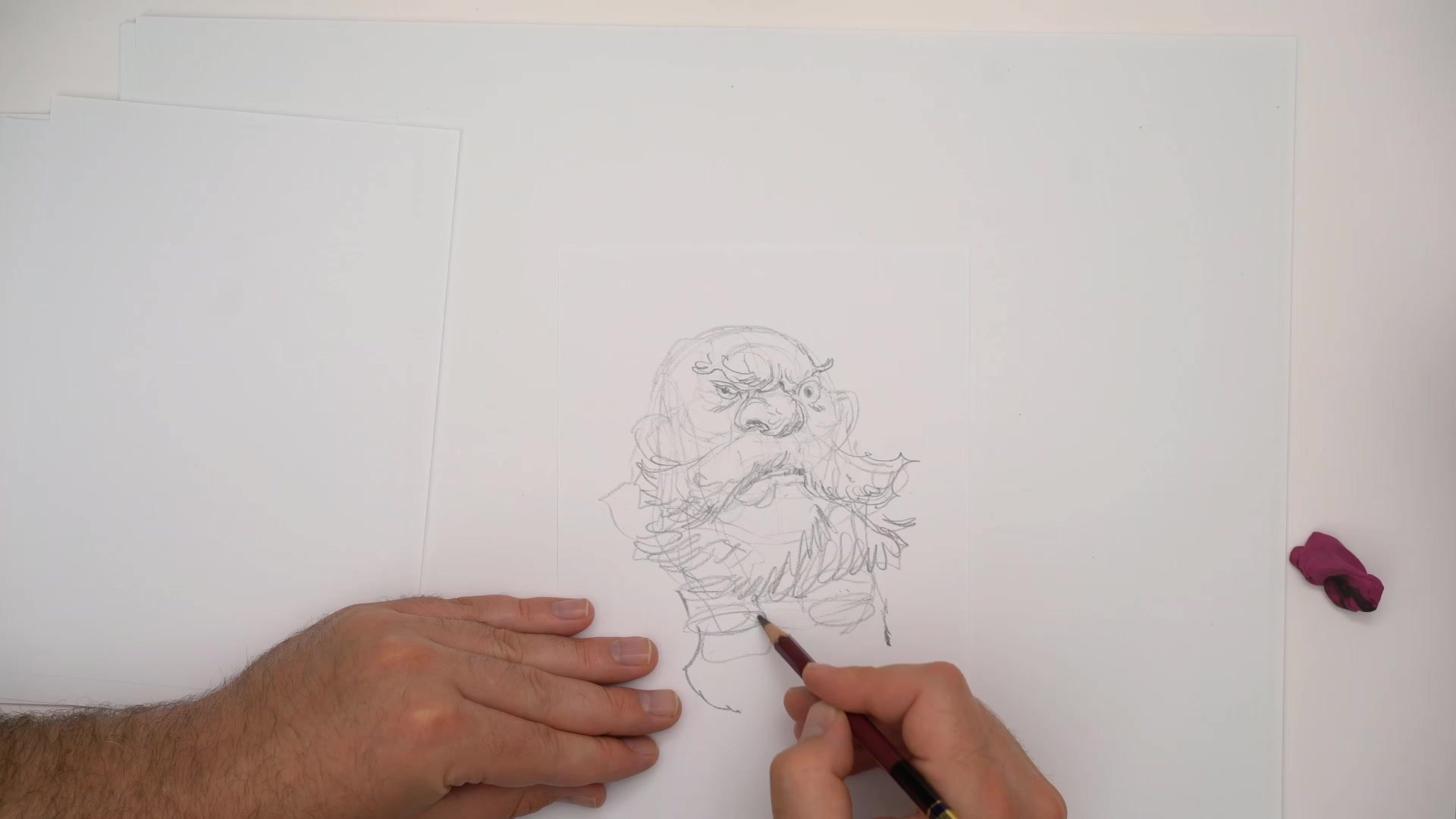
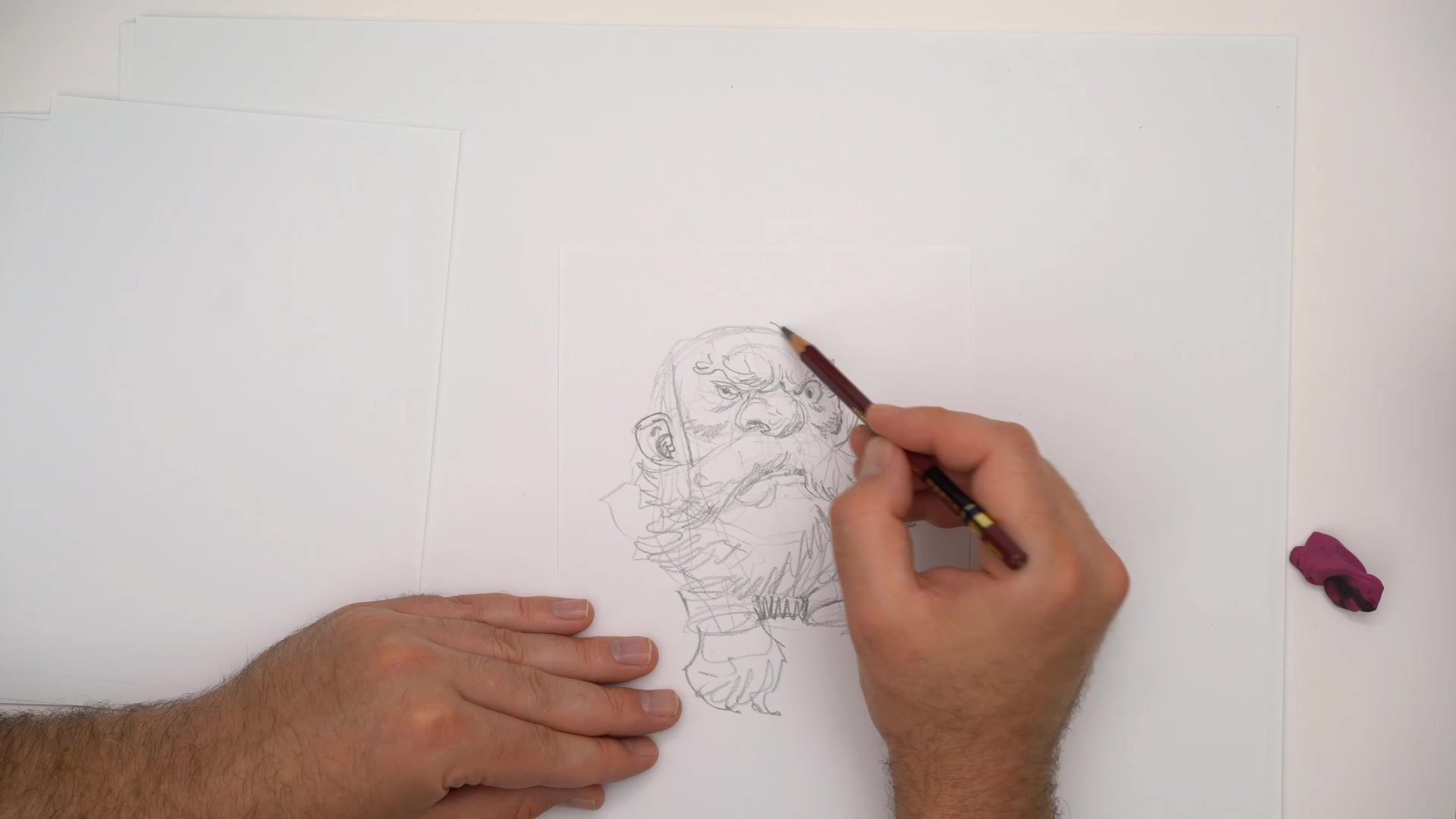
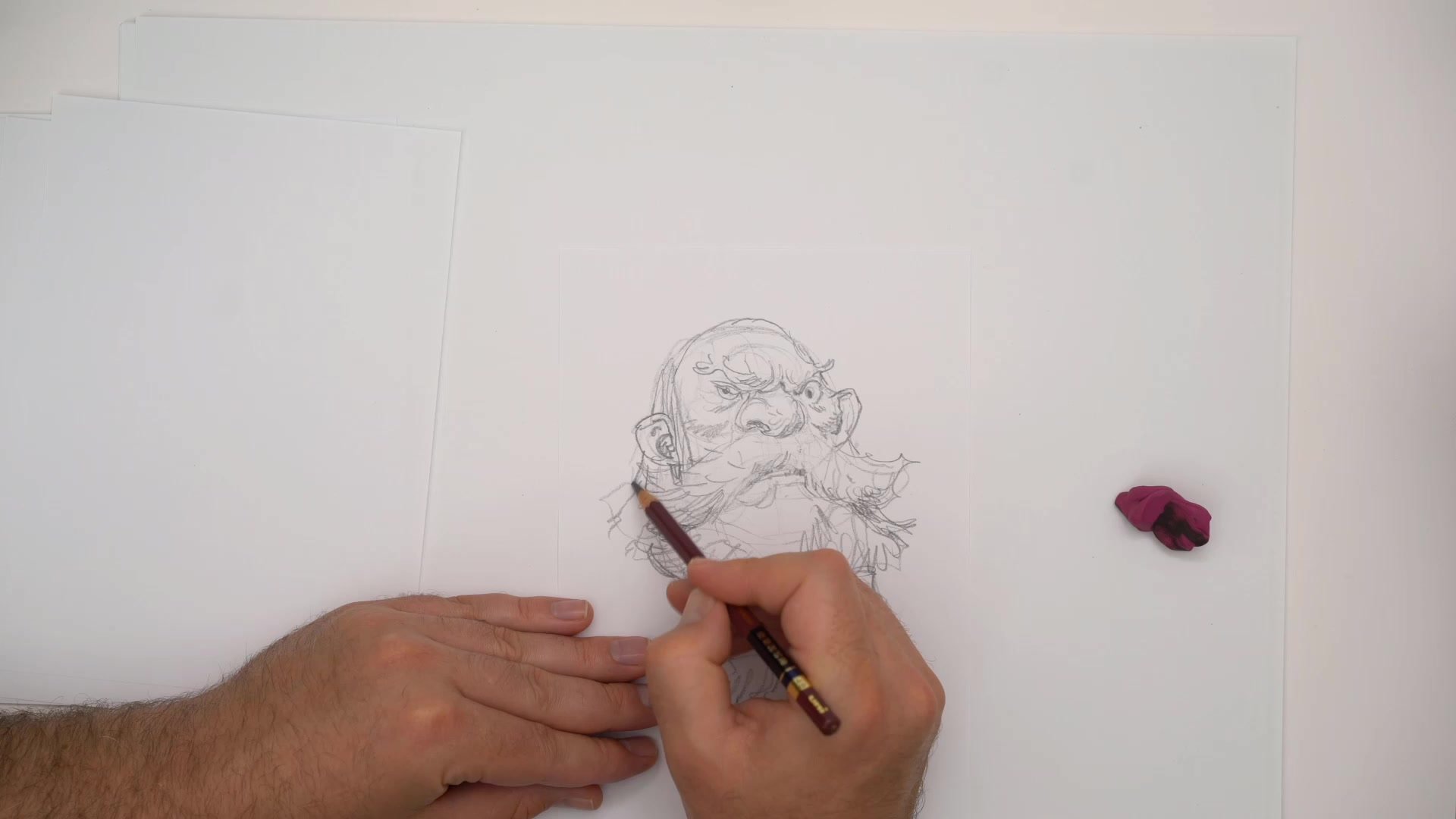
The method commonly called the "Loomis method" for drawing heads is one of the most referenced construction systems in art education. It starts with a sphere, defines dimensionality, establishes proportional markers from the hairline down through the center line of the face, slices off the side of the skull to establish its mass, and then uses those proportions to place features. The system works well for drawing the same head from multiple angles while maintaining consistent proportion. It can also be exaggerated to create fantasy characters like orcs or other creatures by pushing specific anatomical proportions while following the same underlying construction logic.
What most artists misunderstand about this approach, however, is what it actually represents. The way the Loomis method is typically discussed online strips away the deeper context that makes it genuinely useful. Three specific misconceptions tend to hold artists back from getting real value out of constructive head drawing, and understanding what the method actually is opens the door to using it far more effectively in practice.
Head Construction in Action
A Tradition, Not a Technique
Andrew Loomis published Drawing the Head and Hands in 1943, and while his articulation of head construction is excellent, the underlying system is not something he invented. Loomis was working within a tradition of constructive anatomy and form drawing that stretches back hundreds of years. The online debates about whether to use the "Loomis method" versus the "Riley method" versus "Bridgman's method" miss the point entirely. Bridgman taught the class that both Riley and Loomis attended. Riley later took over that same class. All three are articulating the same body of knowledge, passed down through workshops, schools, universities, and ateliers from teacher to student across generations.
This matters because it reframes the goal. The point is not to pick the "right" method and follow it exactly. These are different articulations and examples of how skilled artists have communicated the way they think about constructing form. The tradition itself is what holds the real value, not any single person's version of it.
Developing Construction
Mastery Means Making It Yours
One of the most common mistakes is treating the Loomis method as something to copy with increasing accuracy. Artists practice drawing the standard proportional head over and over, trying to match the step-by-step guide exactly. But mastery of constructive head drawing does not mean getting better at replicating the default mannequin head from the book.
The real goal is to develop a personal system that works within the same tradition. The sequence that works for one artist might differ slightly from another. Some proportional markers matter more depending on what kind of work is being produced. An artist drawing comics needs to maintain character proportion from panel to panel, which requires a different emphasis than someone working on a single concept painting. Understanding the theory behind the linear sequence that builds structure within a drawing is what matters. The specific steps become a personal toolkit, not a rigid recipe to follow without deviation.
Fantasy Character Application
Not a Quick Fix
Constructive head drawing is not something that can be picked up from a five-minute video summary. The real benefit of the system shows up specifically when drawing heads from different angles or reproducing proportion from unfamiliar viewpoints. That requires a genuine understanding of perspective, form drawing, and concepts like drawing through. What is actually happening in the construction process is placing points in space and finding proportional markers while thinking about form in three dimensions.
Artists who say they have learned the Loomis method often mean they understand the basic concept of a ball with proportional lines drawn from it. That is the surface of the system, not the substance. The recommendation is straightforward: buy the actual book. Drawing the Head and Hands was written in 1943 and the language reflects that era, but it remains a well-explained, thoroughly illustrated how-to-draw book. Reading and studying the source material rather than relying on second-hand explanations online makes a genuine difference in how deeply the underlying concepts are absorbed.
Key Concepts
Constructive Anatomy Is a Tradition: The Loomis method is one articulation of a centuries-old tradition of constructive anatomy shared by Bridgman, Riley, and countless other artists. The specific method matters less than the underlying body of knowledge it represents.
Mastery Is Personal: The goal is not to perfectly replicate the steps from the book. It is to understand the theory well enough to develop a personal construction sequence that supports the kind of work being produced.
Depth Requires Study: Watching a summary video is not the same as studying the system. Understanding perspective, form drawing, and three-dimensional thinking is necessary to get real value from any constructive anatomy approach. Reading the original book is the most effective starting point.
Study the Source
Get the Book: Find a copy of Drawing the Head and Hands by Andrew Loomis. Read it as a complete work rather than skipping to the construction diagrams.
Study the Theory: Focus on understanding why the proportional markers are placed where they are and how they relate to three-dimensional form, not just memorizing the sequence.
Make It Personal: Once the underlying logic is understood, experiment with your own construction sequence. Adjust which proportional markers receive emphasis based on what kind of drawing you actually produce.