The Truth About Character Design
Summary
The Character Design Problem
Character design is one of those topics where there is genuinely excellent advice available, yet it still manages to confuse and mislead aspiring artists. The reason is surprisingly simple: most character design advice is specific to a particular industry, and that context rarely gets mentioned. The way characters are designed for a video game is fundamentally different from how they are designed for a comic book, which is different again from feature animation, 2D television, or a personal project. The theoretical pillars of character design like silhouette, shape design, shape language, symbolism, archetypes, and stereotypes are all valid and useful concepts. The challenge is that the degree to which each of these tools matters, and how they are applied, shifts dramatically depending on the project. Understanding what industry or medium the work is aimed at will direct learning, clarify which advice actually applies, and change the approach to applying these larger theoretical concepts. Without that understanding, it is easy to absorb good advice and still apply it in entirely the wrong way.
Design Briefs Across Projects
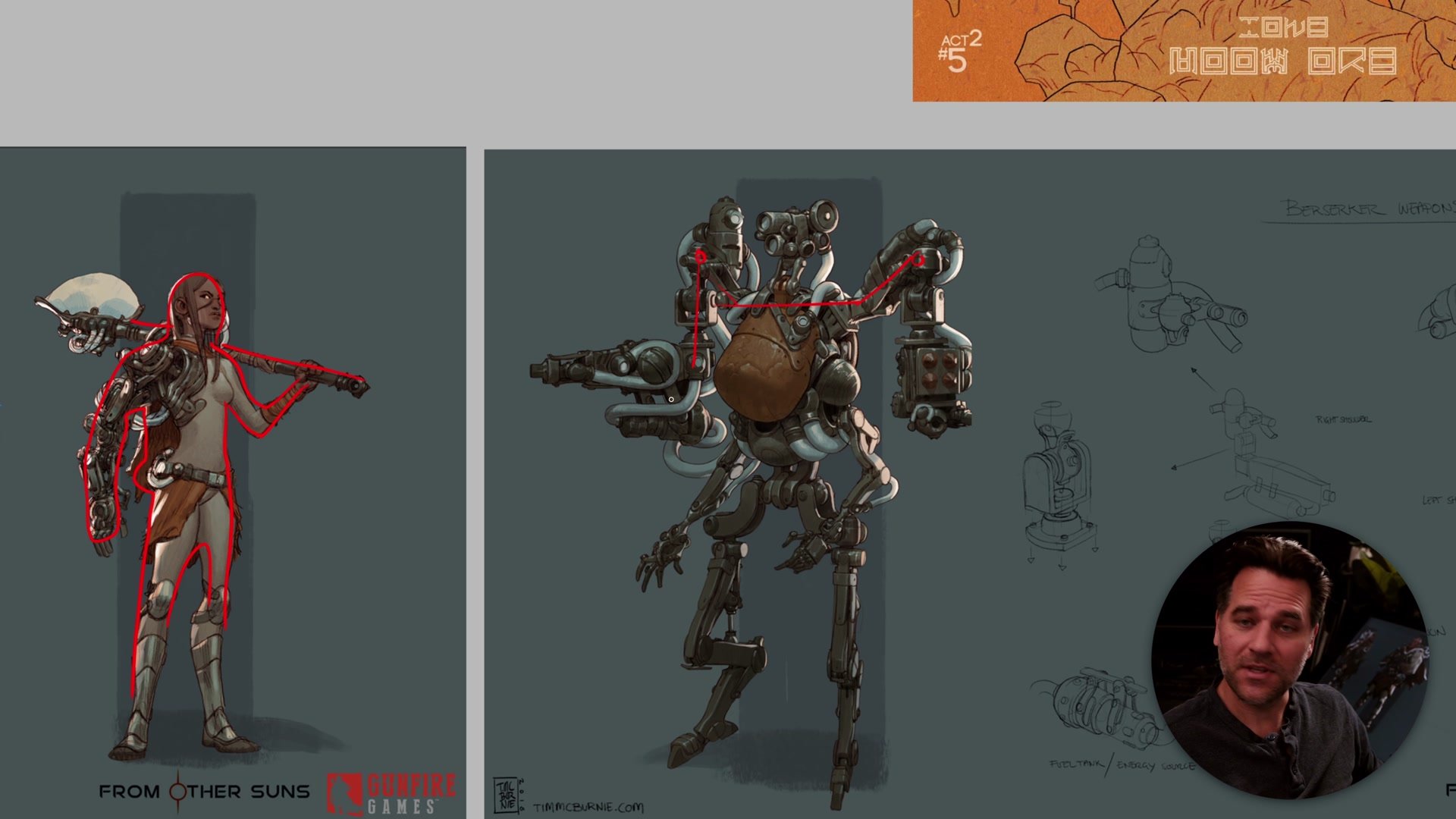
The Brief Defines Everything
At the core of professional character design is the design brief. A brief defines the purpose of what is being created: what the thing is meant to do, what feelings it needs to evoke, who the target demographic is, and what the technical limitations are. This applies whether the project is a video game, a comic book, a camera, or a packet of noodle soup. Understanding capital-D Design and how to fulfill a brief is often what separates a working professional from someone who can draw well but struggles to get hired.
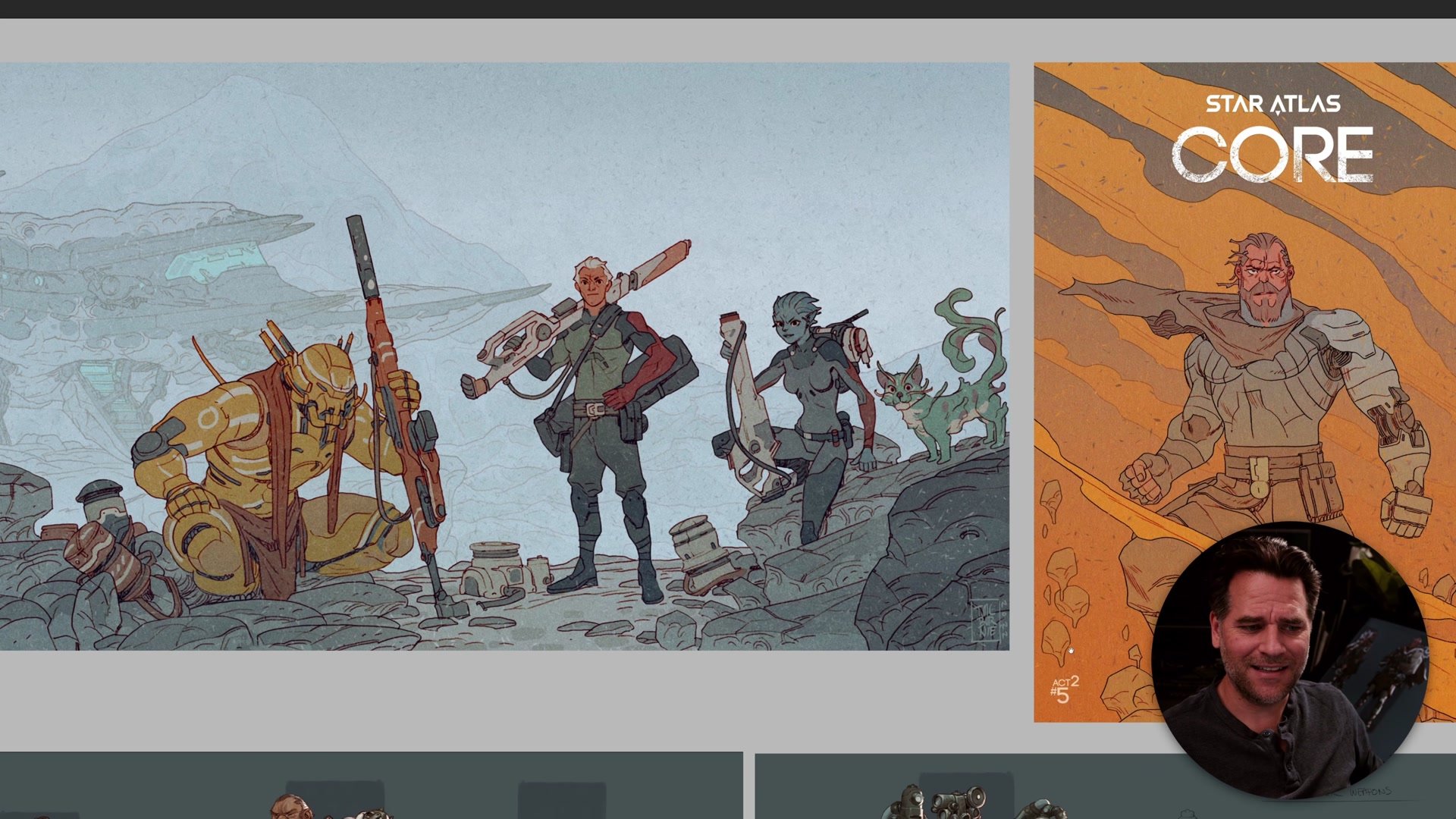
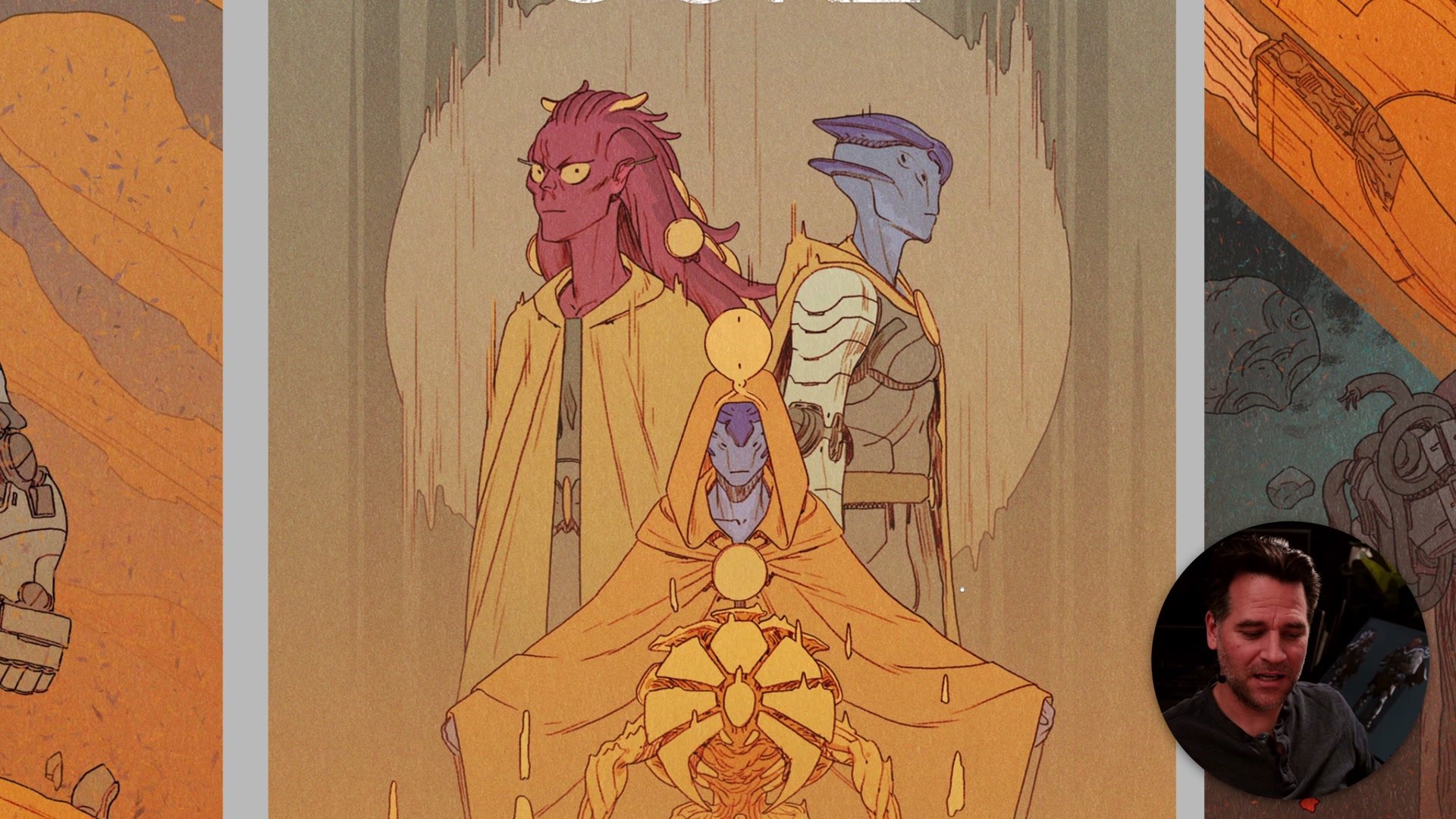
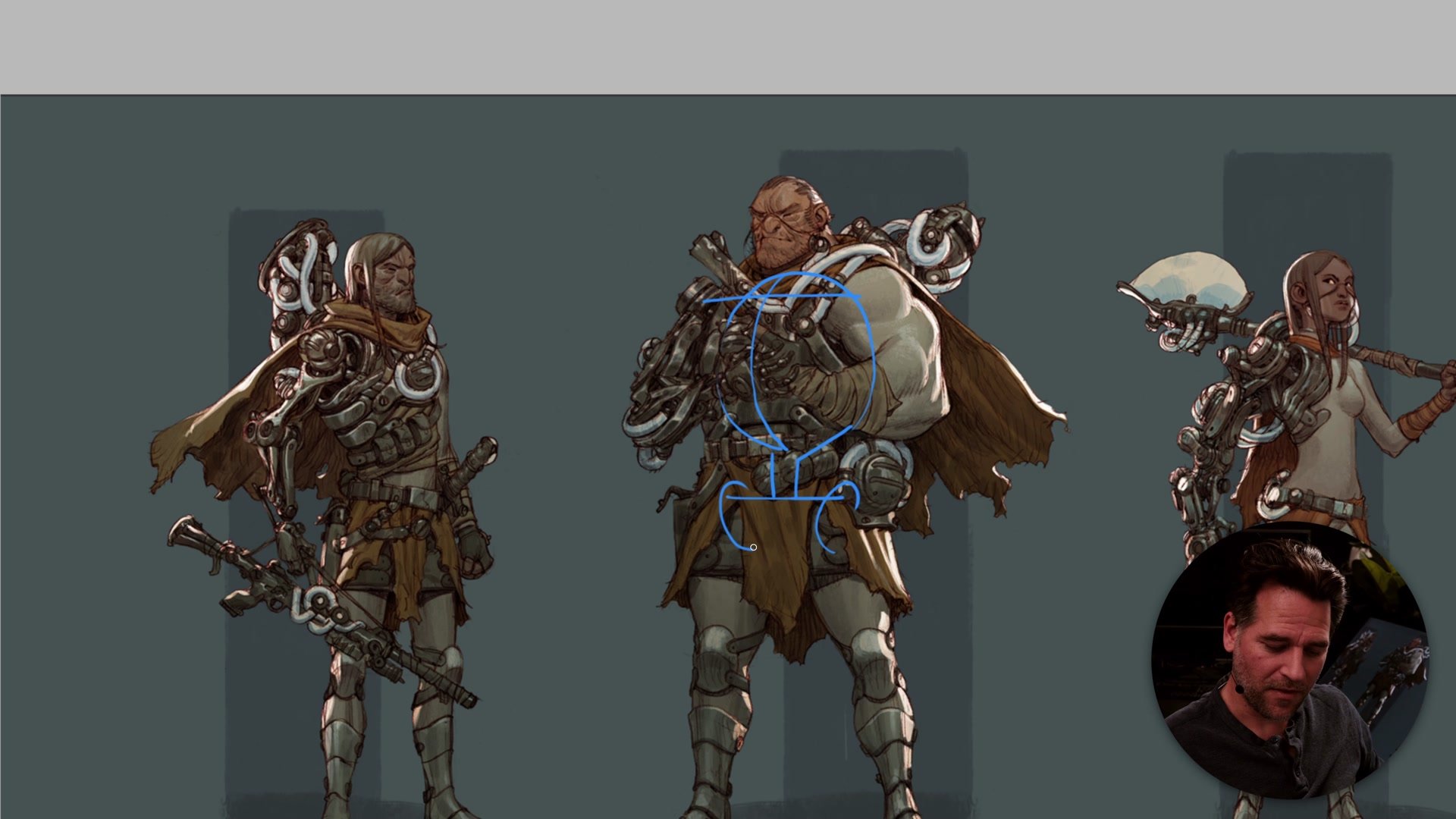
The differences are concrete. Video game character design involves working around shared animation rigs, modular costume elements, and the need for silhouettes that read clearly at small screen sizes during fast-paced action. Comic book characters need to be easy to redraw across hundreds of panels, recognizable from facial features alone, and free of design elements like oversized shoulder pads that would obstruct facial emoting in close-up panels. The same science fiction setting can produce wildly different character designs depending on which medium the characters are being created for. These are not minor adjustments; they are fundamentally different design approaches driven entirely by the brief.
Characters in Context
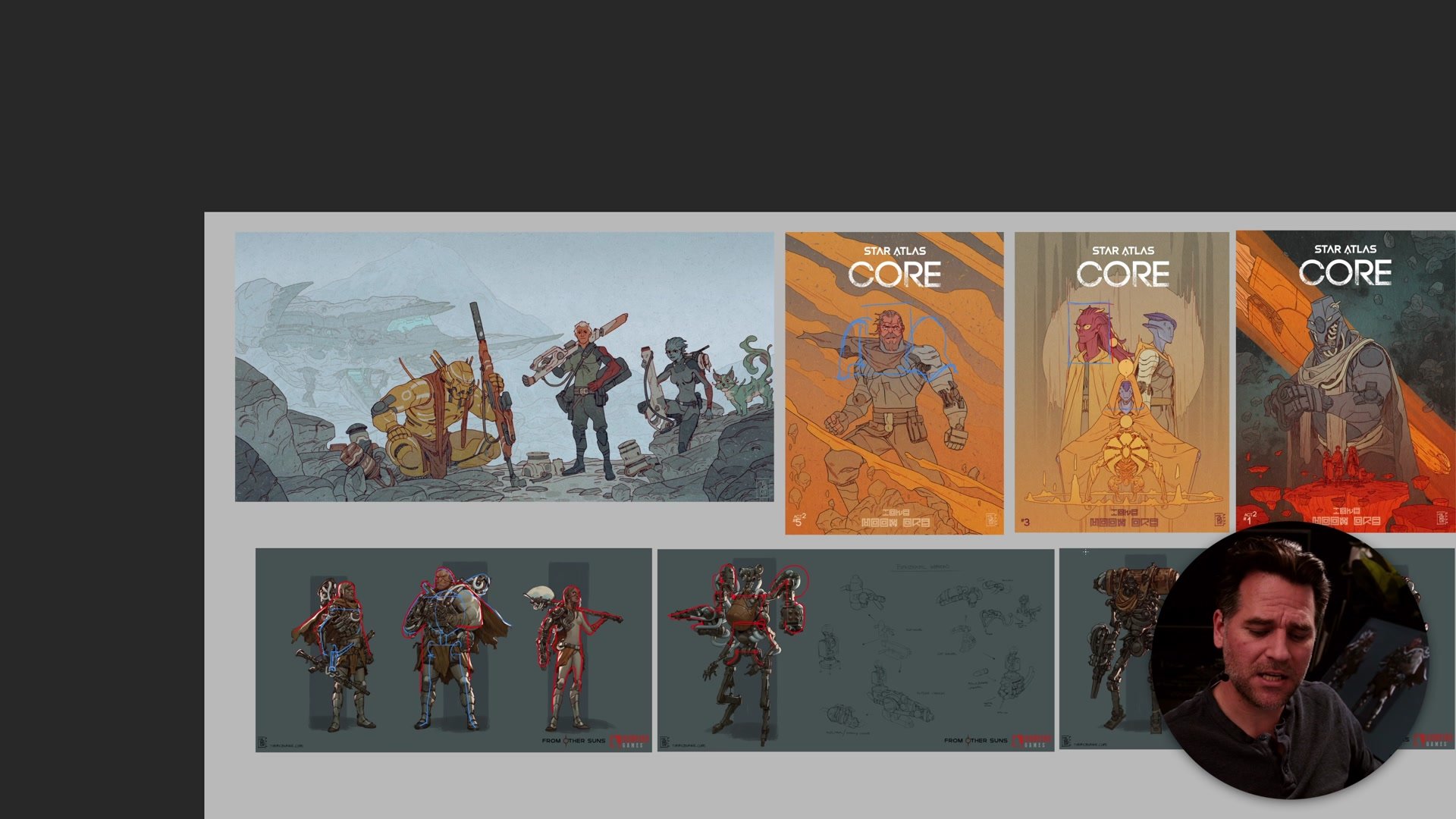
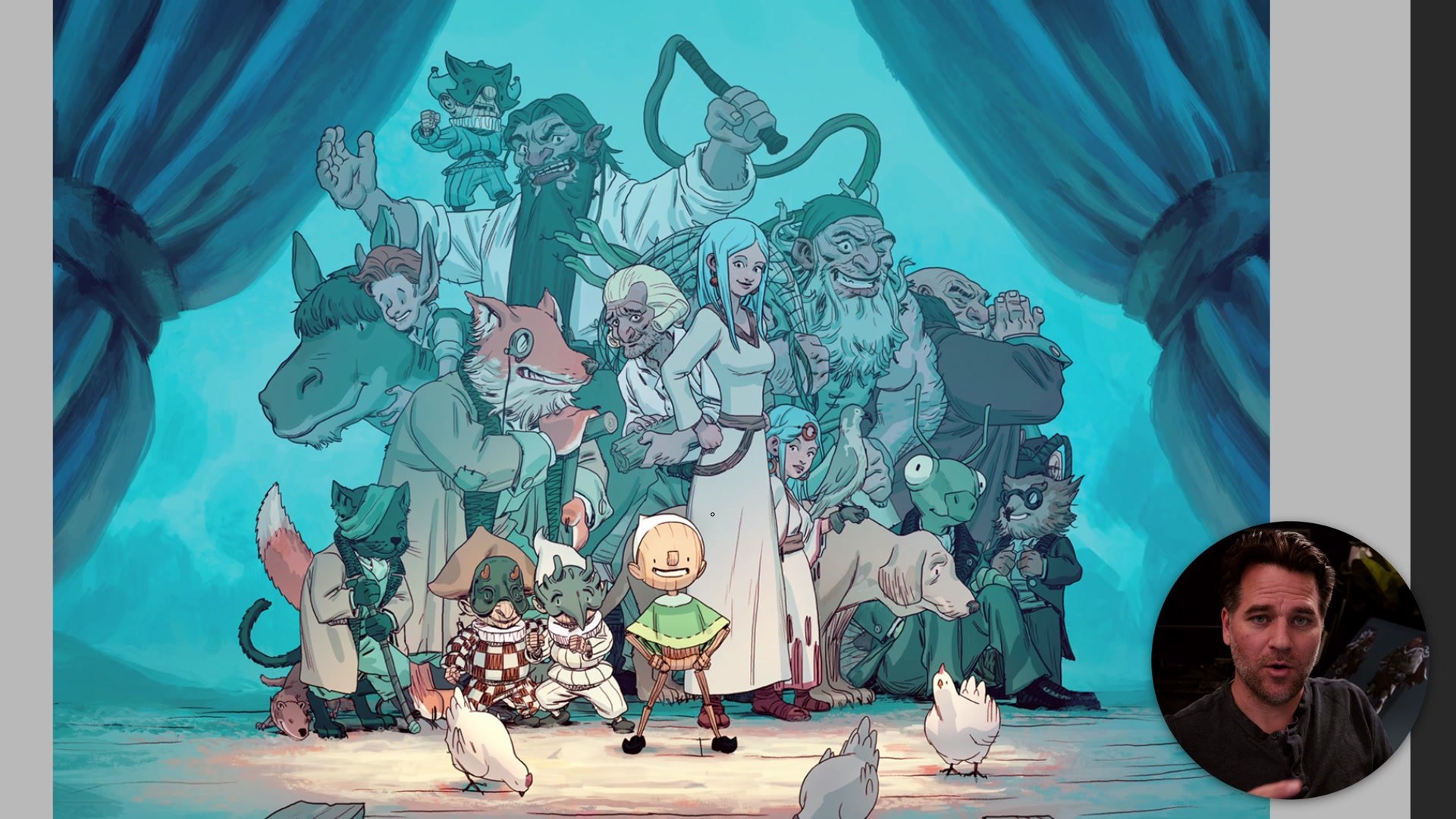
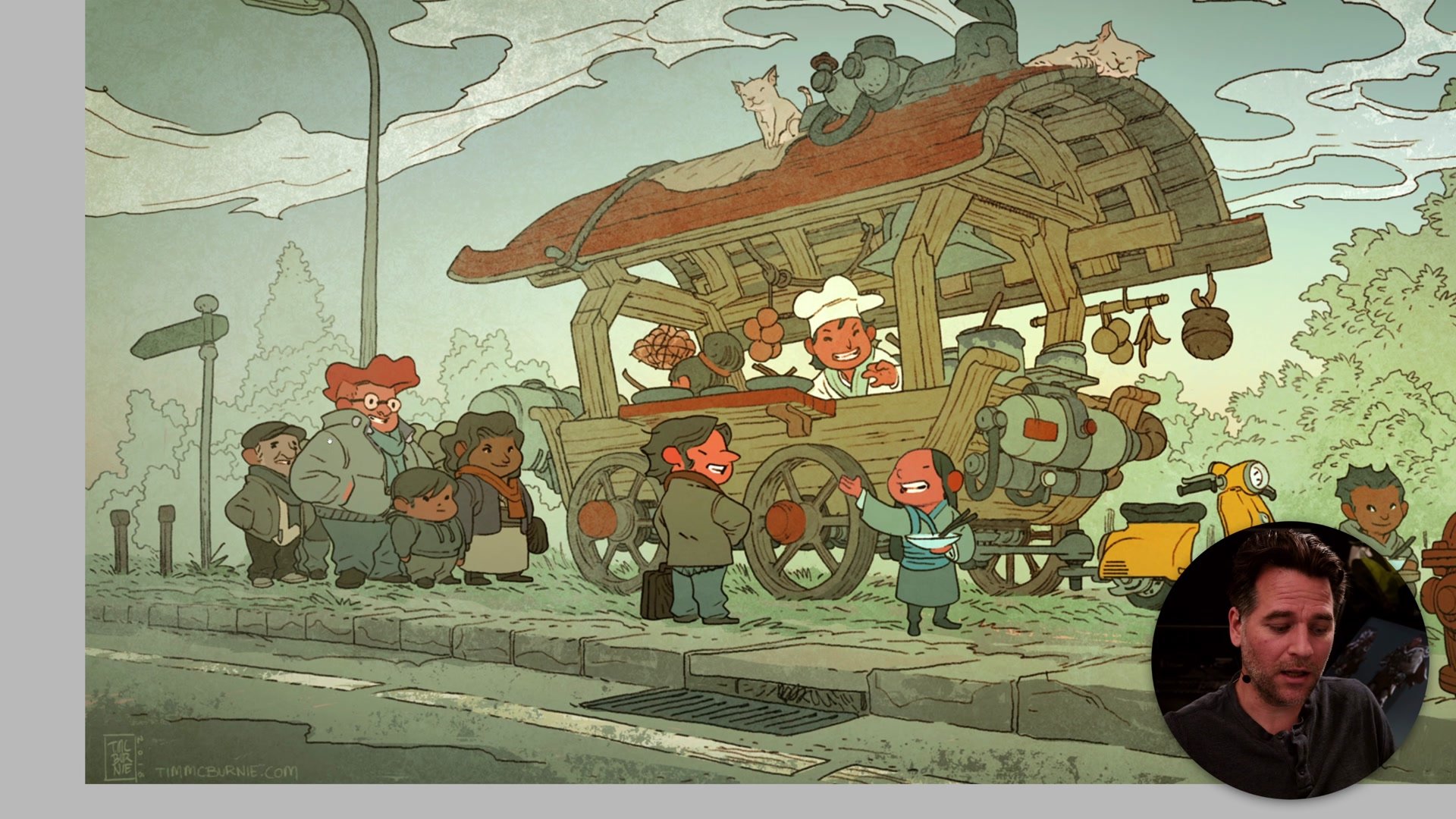
Characters Exist in Hierarchy
One of the most commonly overlooked aspects of character design is that characters never exist in isolation. They exist within a hierarchy, relative to other characters in the same world. This is where a lot of character design advice falls short, because tutorials tend to focus on designing a single character in a vacuum. In practice, most of the real work involves making sure characters relate to each other in interesting and readable ways.
A world where every character has exaggerated features, crazy hair, and wild accessories actually makes it harder for any individual character to stand out. Contrast is what creates interest. An ordinary human placed in a world of over-the-top designs becomes the most distinctive character in the group. The same principle explains why many beloved characters from manga and animation are not particularly exaggerated in their design. What makes them work is how they relate to the characters around them. If all characters look cool, none of them do. The hierarchy between characters, their relationships, and the contrast between their designs is what actually communicates story, status, and personality to the audience.
Design Tools and Sketches
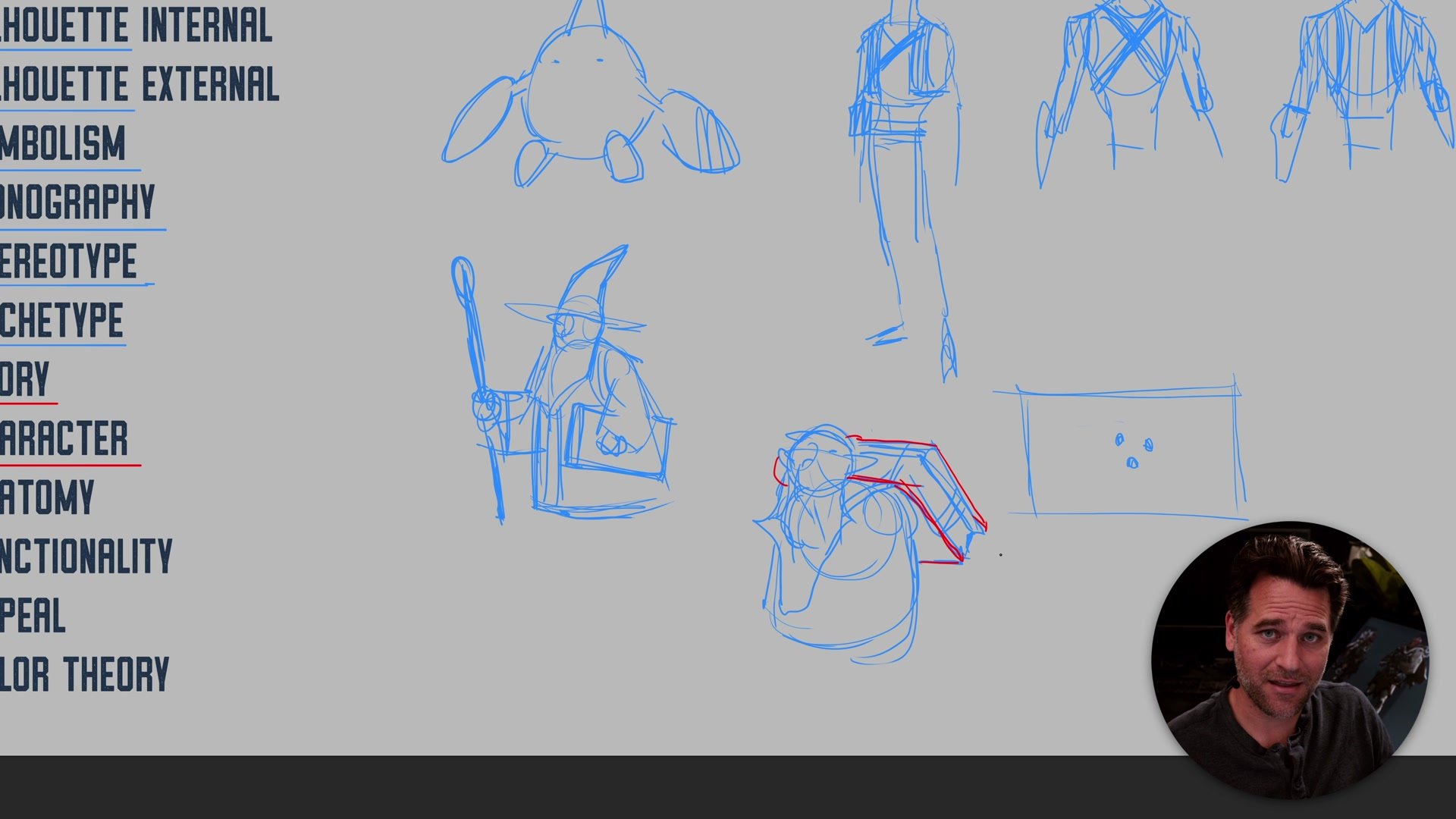
The Tools of Design
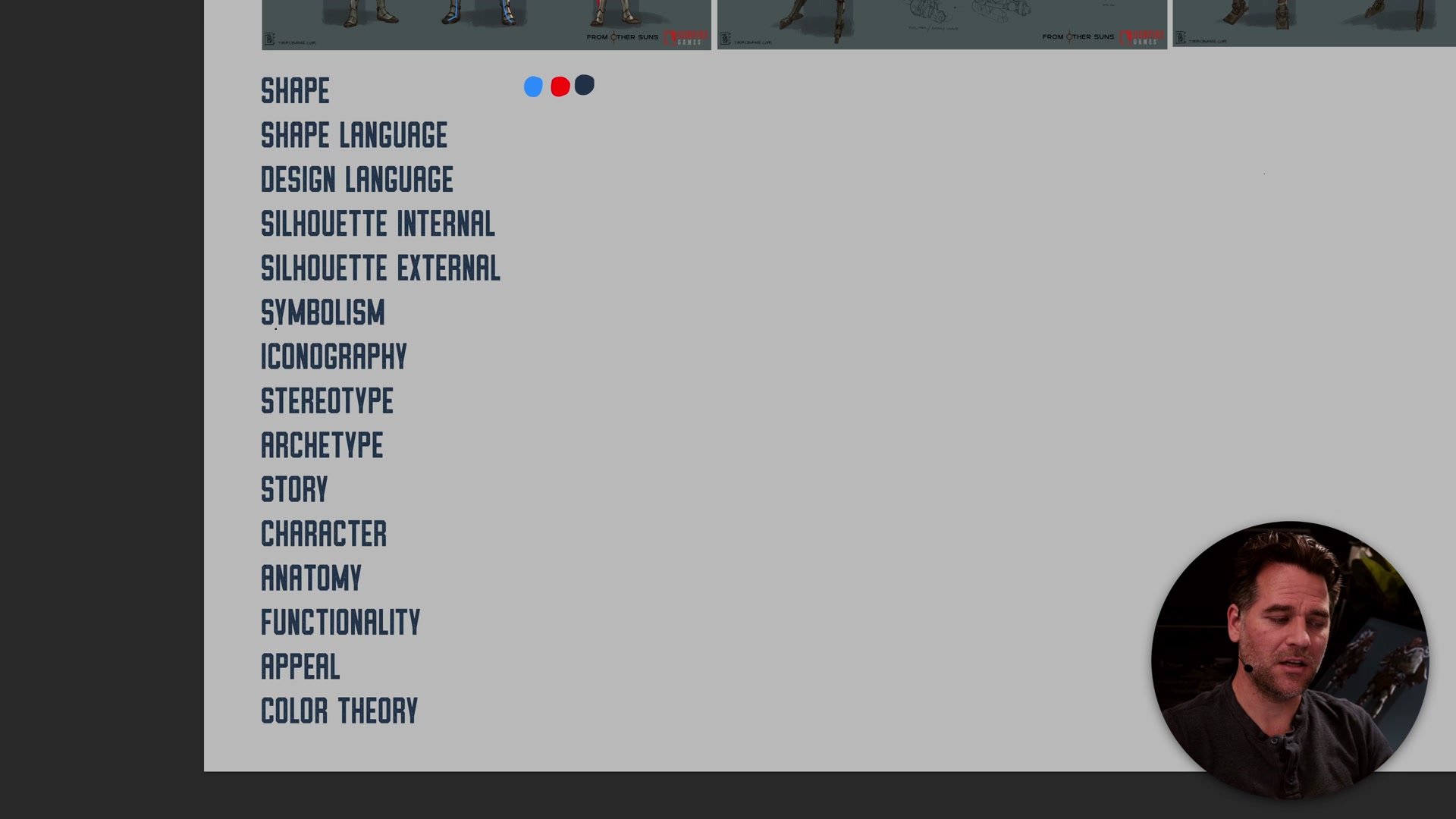
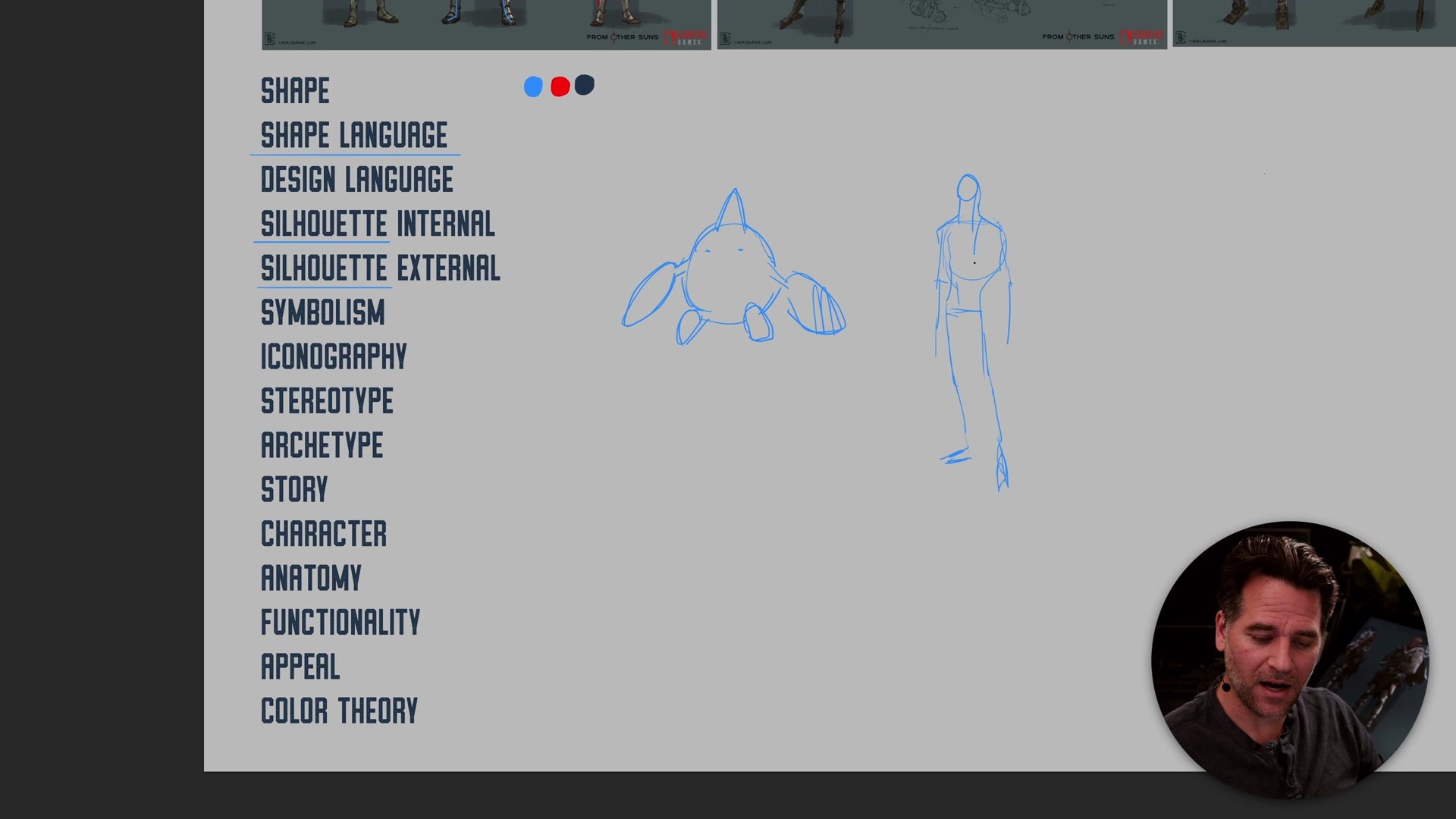
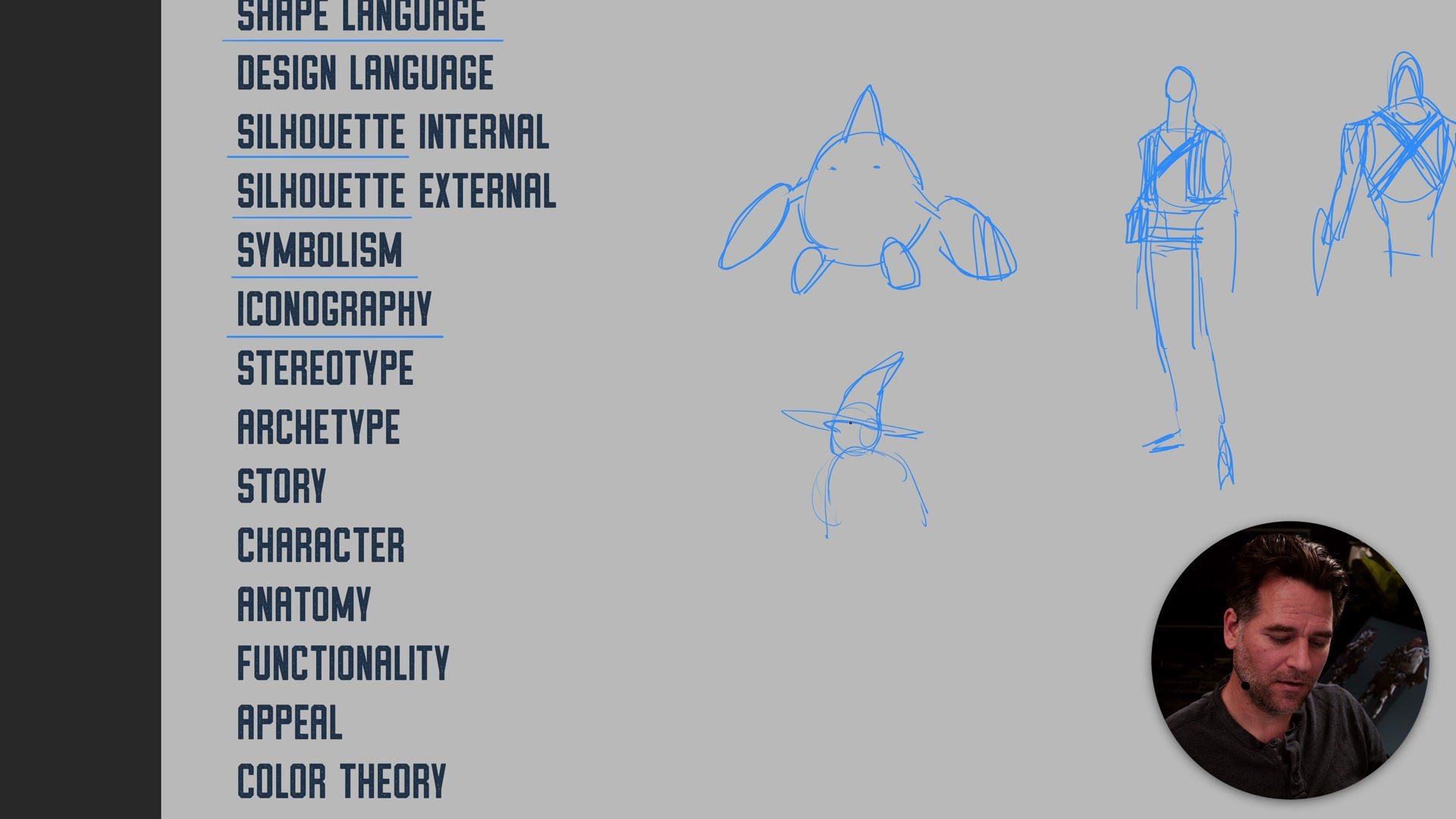
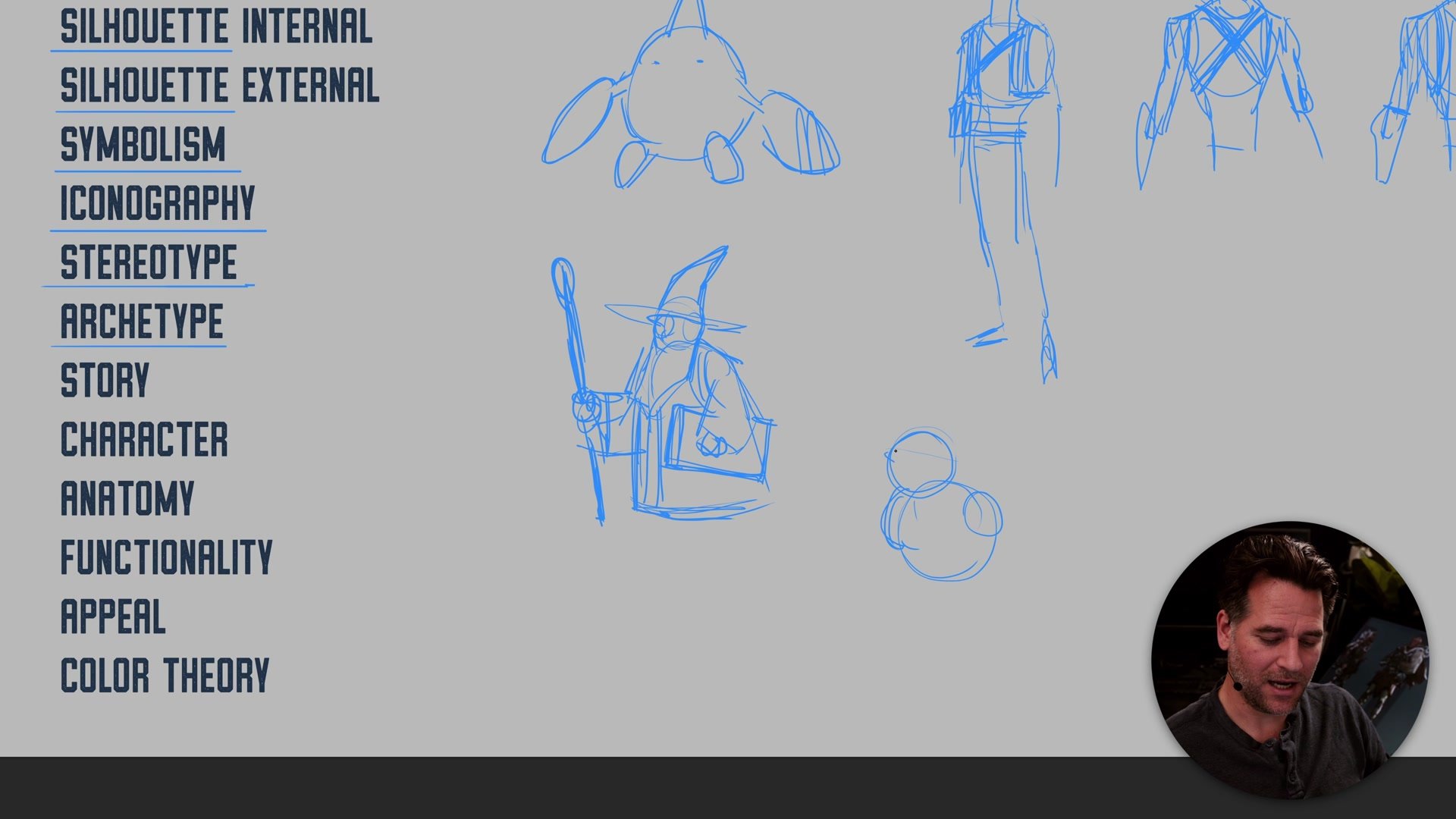
Character design draws on a toolkit of theoretical pillars, each of which matters more or less depending on the project. Shape and shape language communicate emotion and personality through the basic geometry of a character. Design language establishes visual consistency across a world or culture. External silhouette is the overall outline that makes a character recognizable at a distance, while internal silhouette concerns the tonal and value breakups within the character that differentiate individuals who share a similar body shape.
Symbolism and iconography make it immediately clear who a character is by leaning on recognizable visual shorthand. Archetypes and stereotypes work on a sliding scale: the more simplified and iconic the art style, the more heavily they need to be employed. A realistic game character who embodies the wizard archetype uses those cues subtly, while a cartoony game character leans into the pointed hat, staff, and spell book directly. Story and character become critical when the medium allows performance, as with feature animation, while functionality and appeal round out the considerations. The key insight is that all of these tools exist, but which ones matter most is entirely determined by the brief and the medium.
Key Concepts
The Brief Drives Design: Character design is not about making things look cool in isolation. Professional character design is about understanding the brief, the purpose, the technical constraints, and the target audience, then using creativity to fulfill those requirements. This is what separates employable designers from talented artists who struggle to find work.
Characters Are Relative: Characters exist in a hierarchy within their world. The design choices that matter most are about how one character relates to the others around it. Contrast, status, relatability, and visual differentiation between characters are far more important than making any single character as exaggerated as possible.
Tools Shift by Industry: Shape language, silhouette, symbolism, archetypes, anatomy, functionality, appeal, and color theory are all valid design tools. Which ones dominate depends entirely on the project. Video games prioritize silhouette and modularity, comics prioritize facial readability and drawing efficiency, and animation prioritizes performance and emotional range.