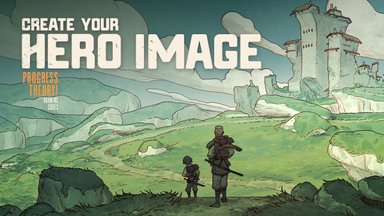
Tell The Story Of Depth In Your Art
Summary
The Story of Depth
Artists can have proper perspective, a clear foreground, middle ground, and background, and the scene still looks flat. The problem is rarely technical knowledge. What most artists are missing is a deliberate, constant commitment to communicating depth through every available means. This video reframes the challenge of dimensionality as storytelling rather than technical execution. Instead of chasing better perspective skills, the real solution involves taking responsibility for telling the viewer that there is space in the scene, at every stage and in every detail. Sometimes the difference between a flat scene and a dimensional one comes down to something as small as a single blade of grass.
Overlapping Shape
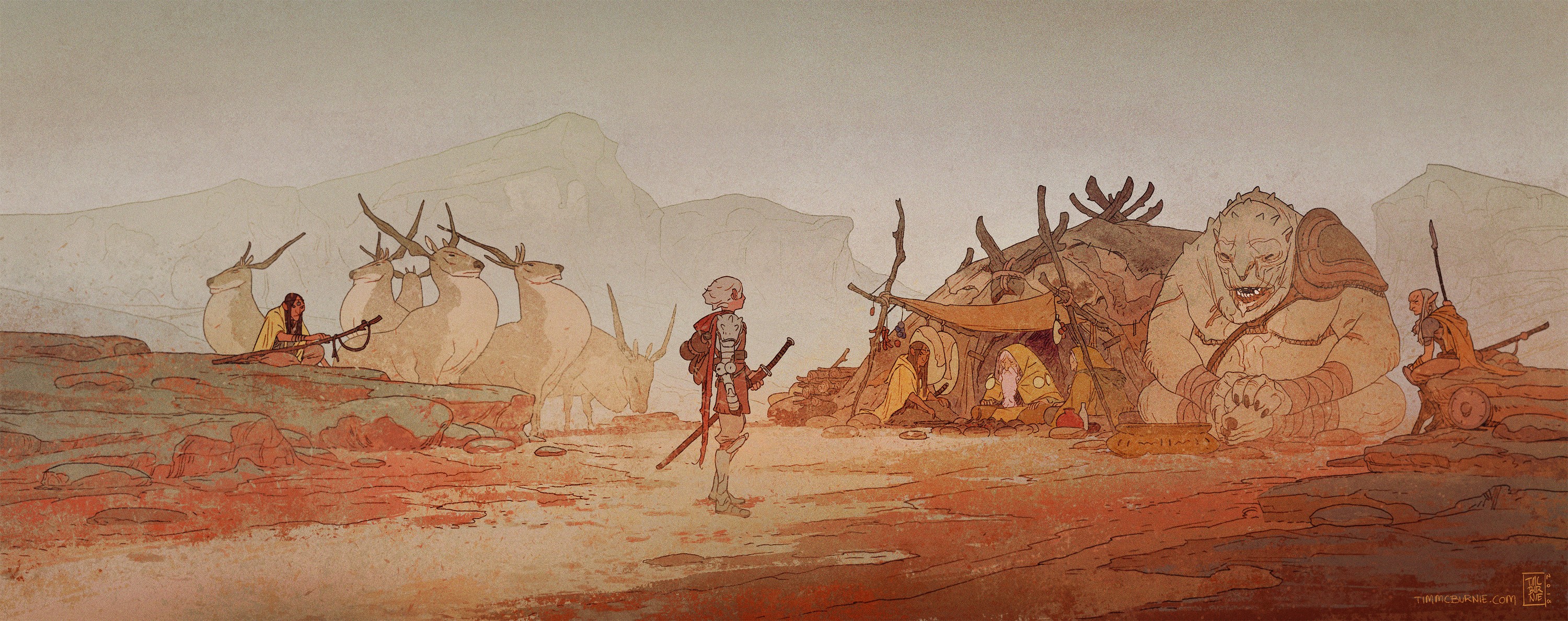
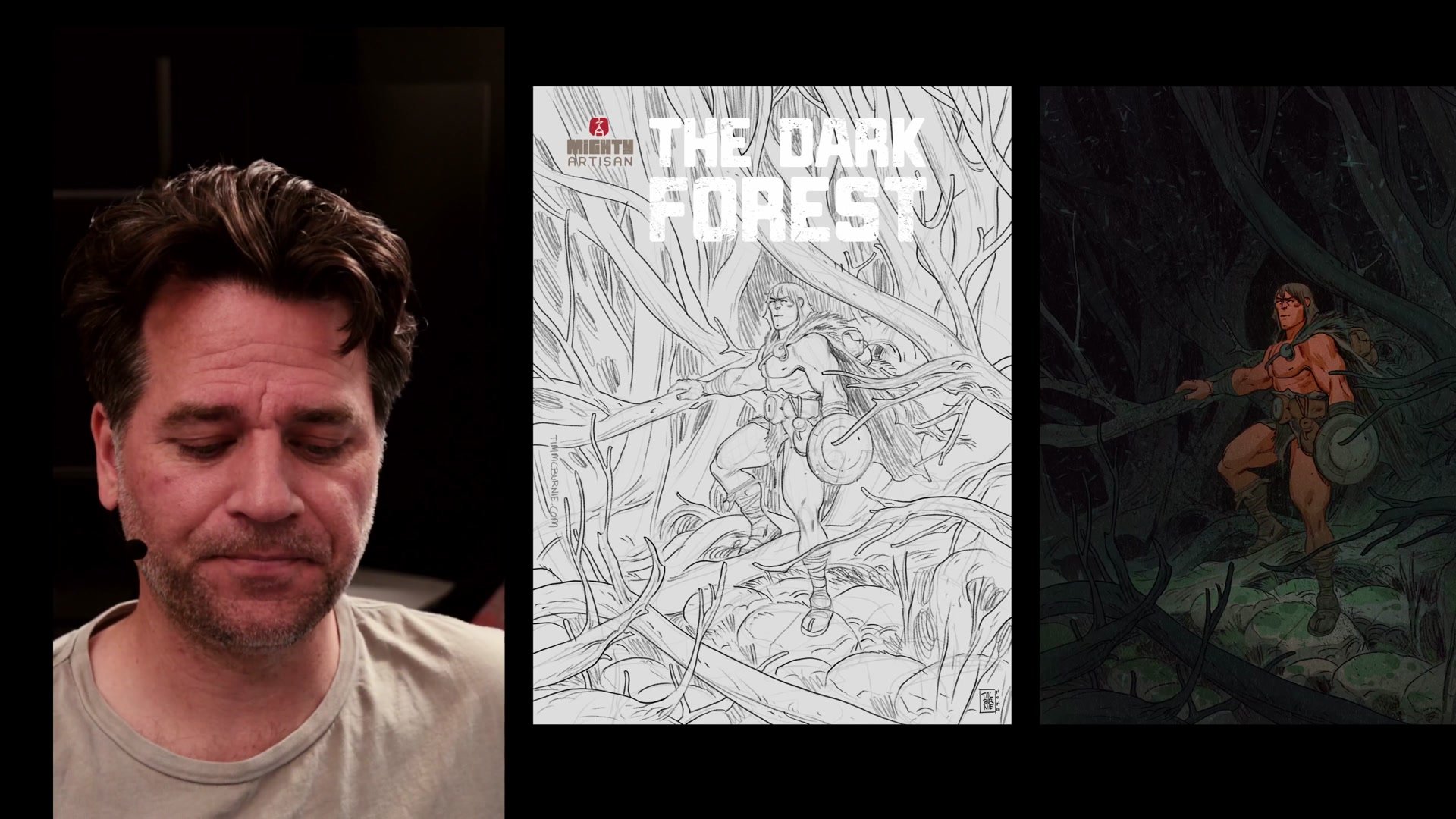
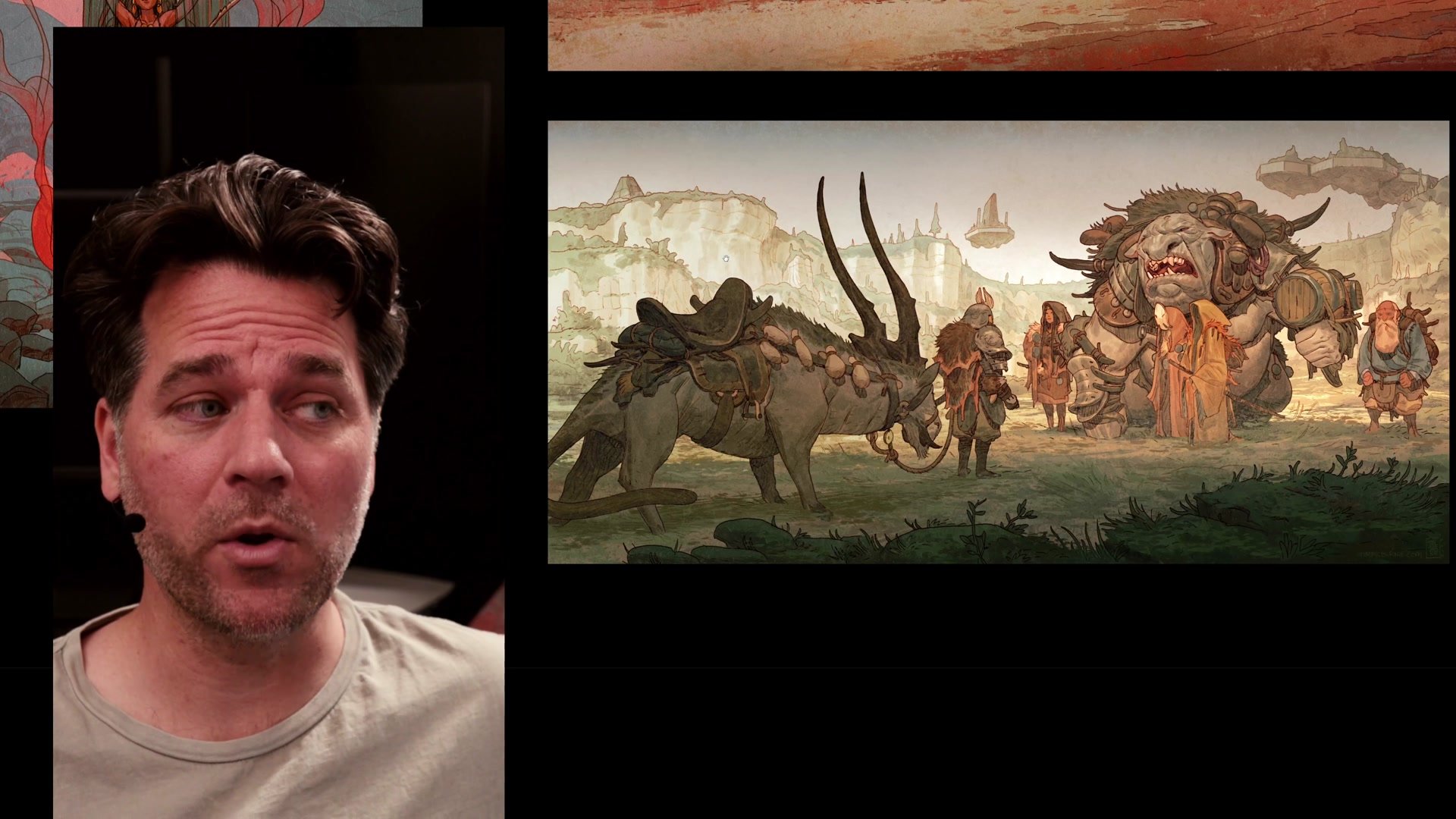
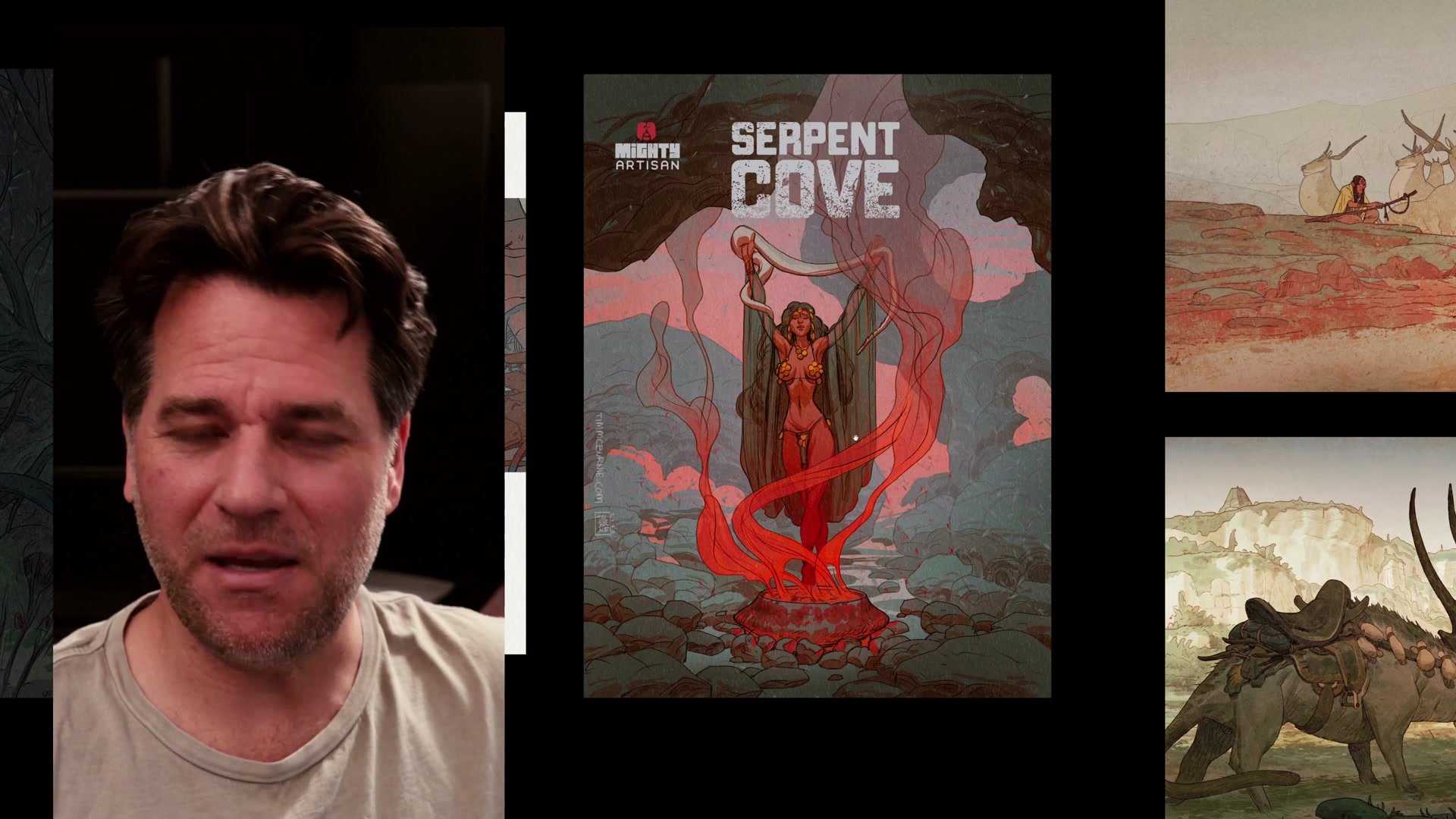
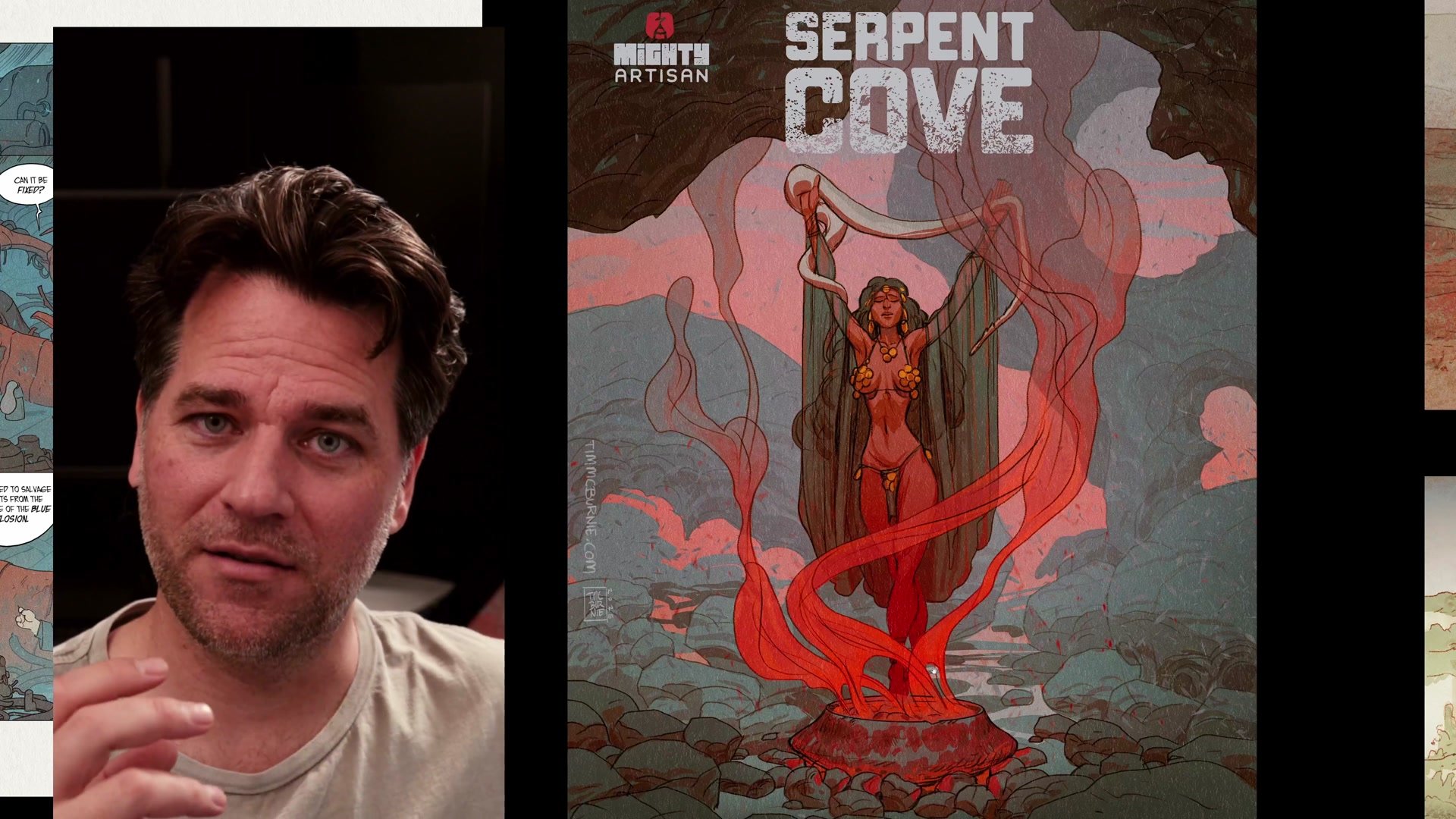
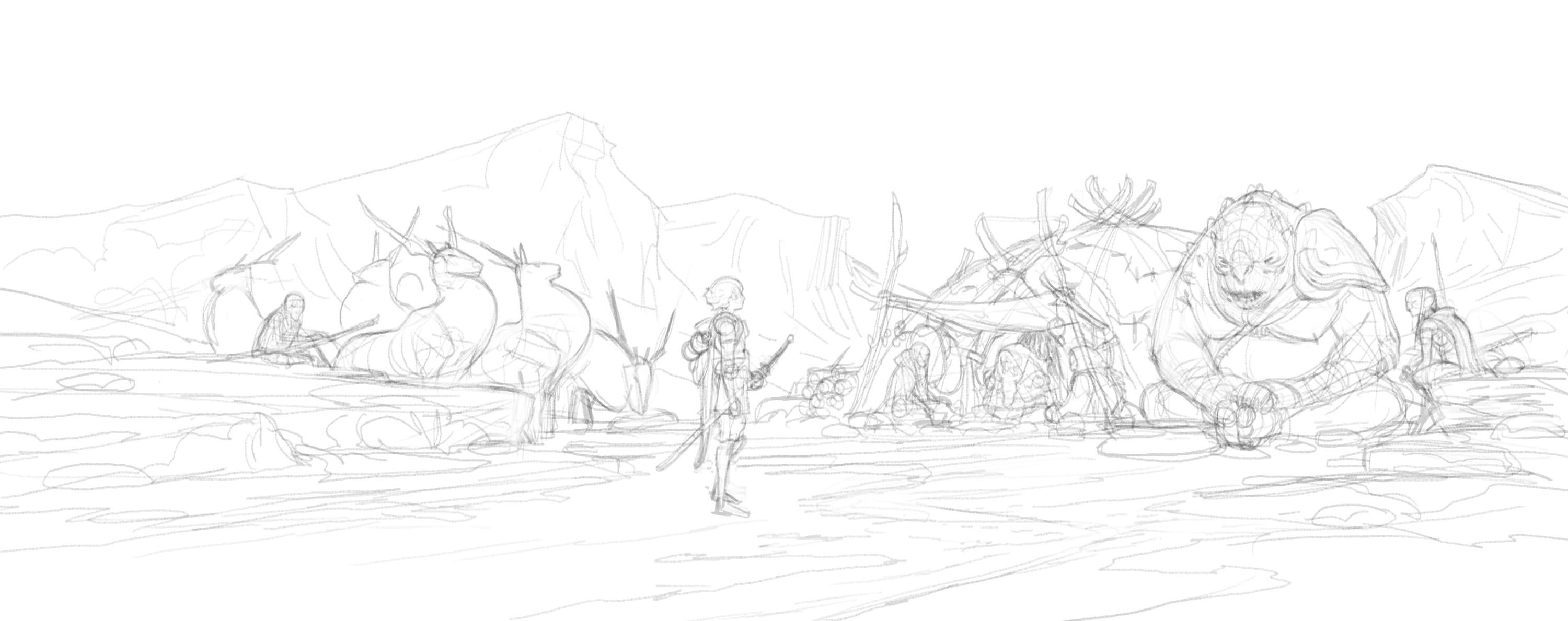
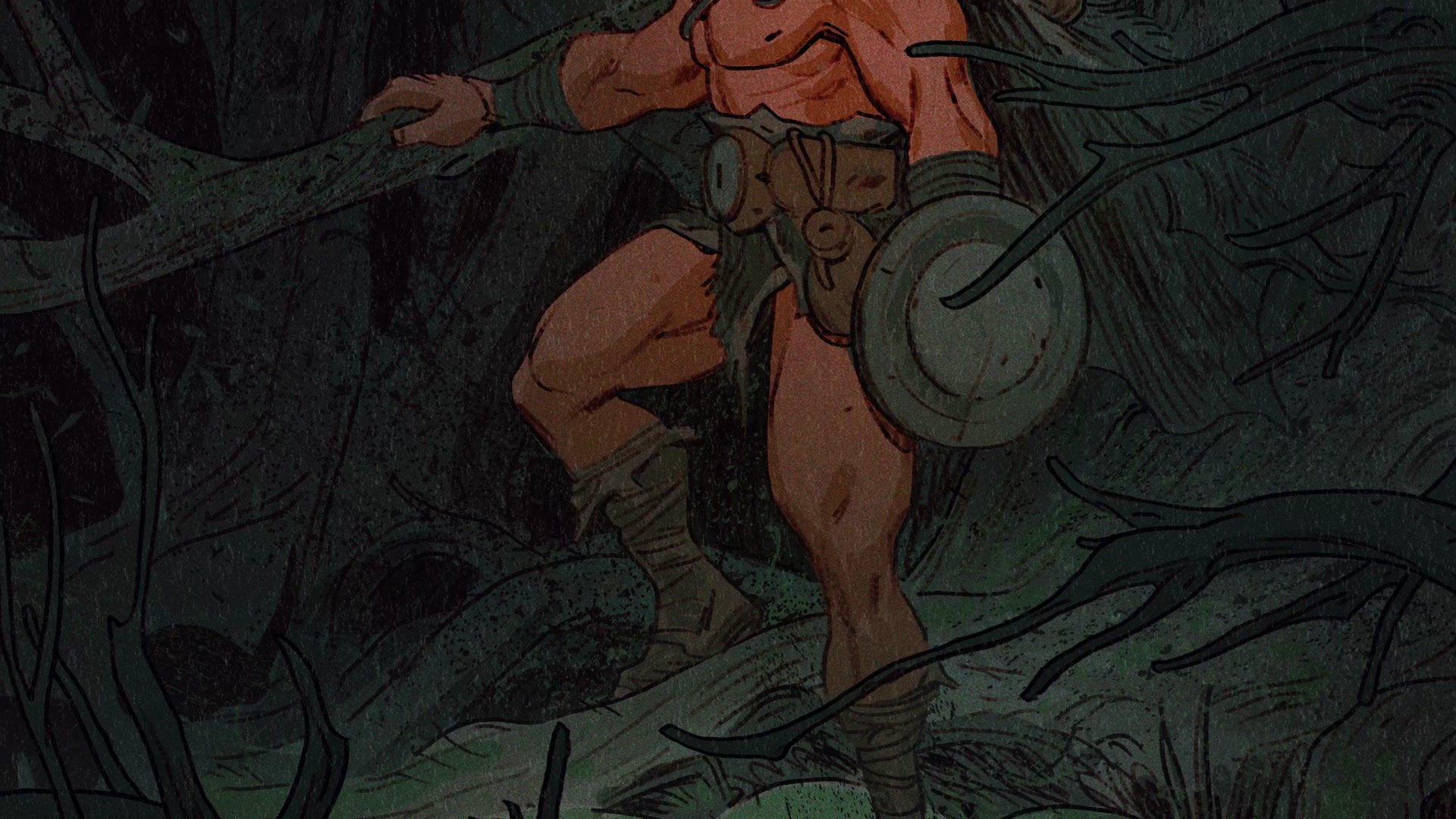
The most consistently powerful depth tool is overlapping shape. Even a scene that lacks dramatic perspective or an interesting camera angle can feel deeply dimensional when elements overlap each other relentlessly. A character surrounded by tangled branches creates tremendous spatial depth through pure layering, repeating the same simple tool hundreds of times across the image.
This principle extends inside individual elements as well. Within a character, costume pieces overlapping each other, limbs crossing, hands resting on objects all tell the same spatial story. The approach works on flat compositions, simple character pinups, and basic comic panels just as well as epic landscapes. Different images need different strategies for depth, but overlapping shape is the one constant that never fails. When a composition does not naturally provide atmospheric perspective or dramatic scale shifts, overlapping shape picks up all the slack.
Three Stages of Depth
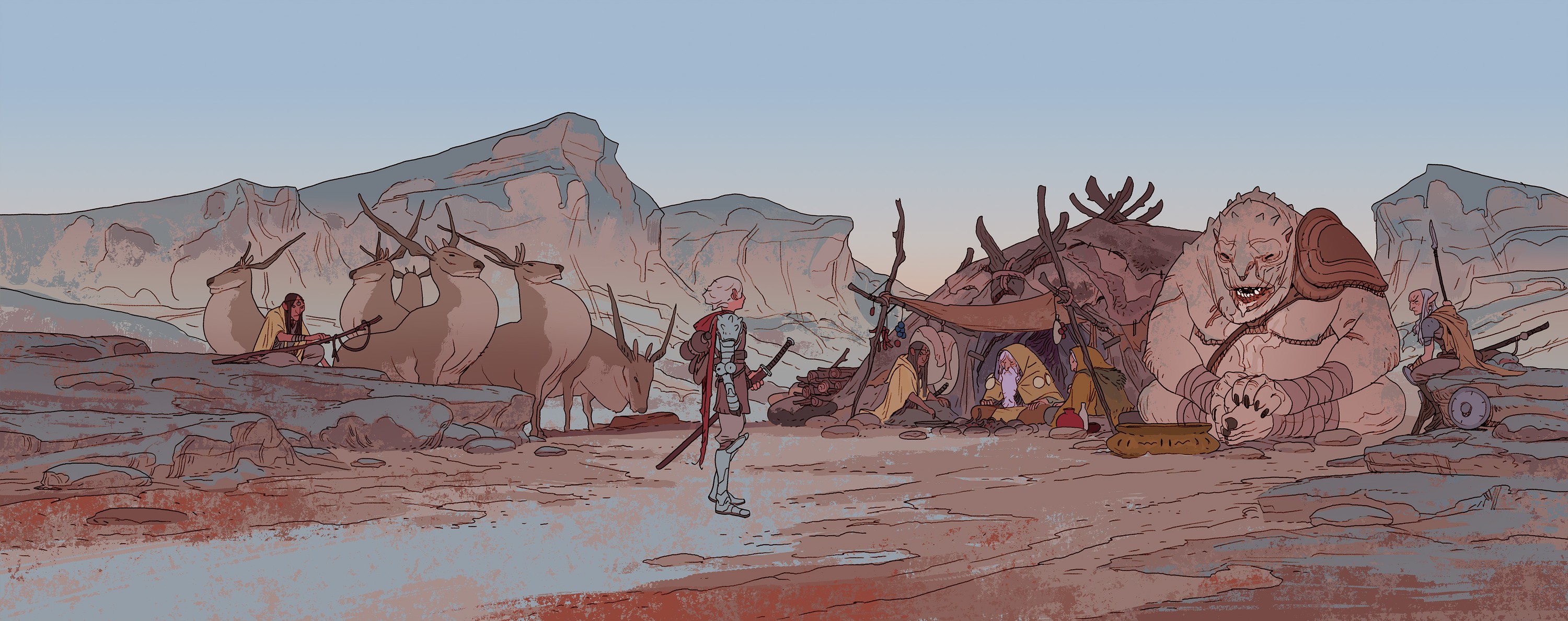
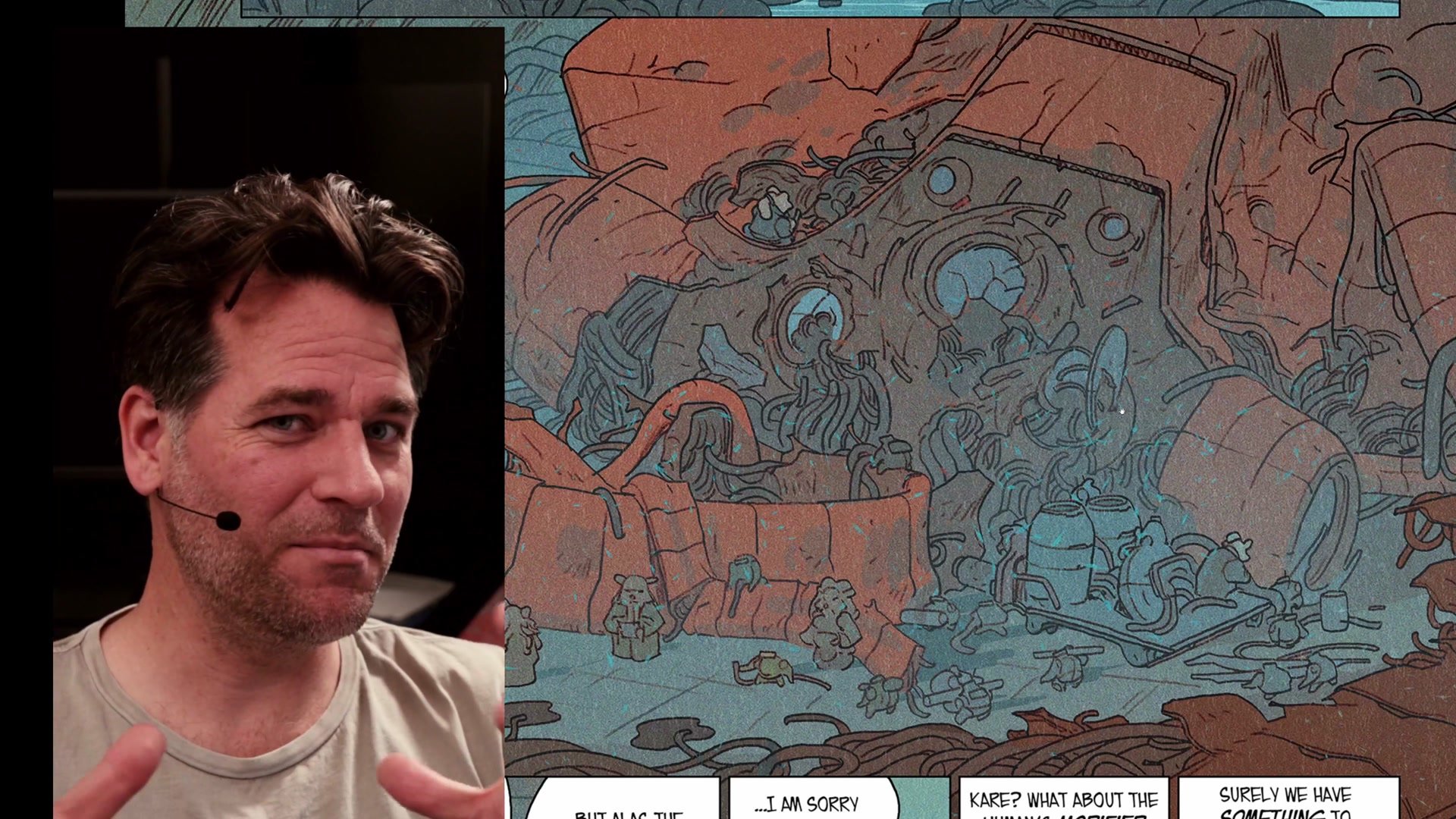
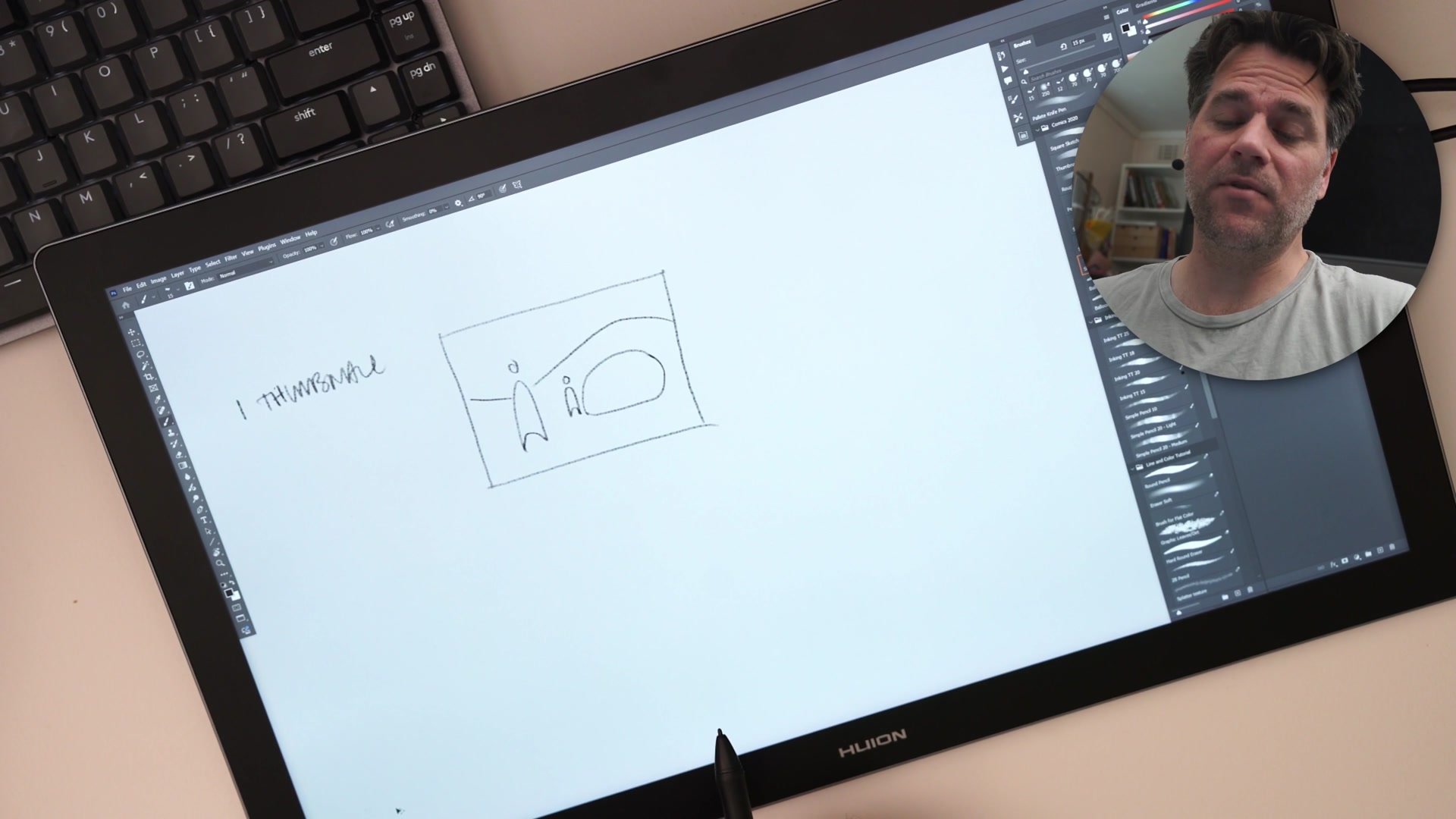
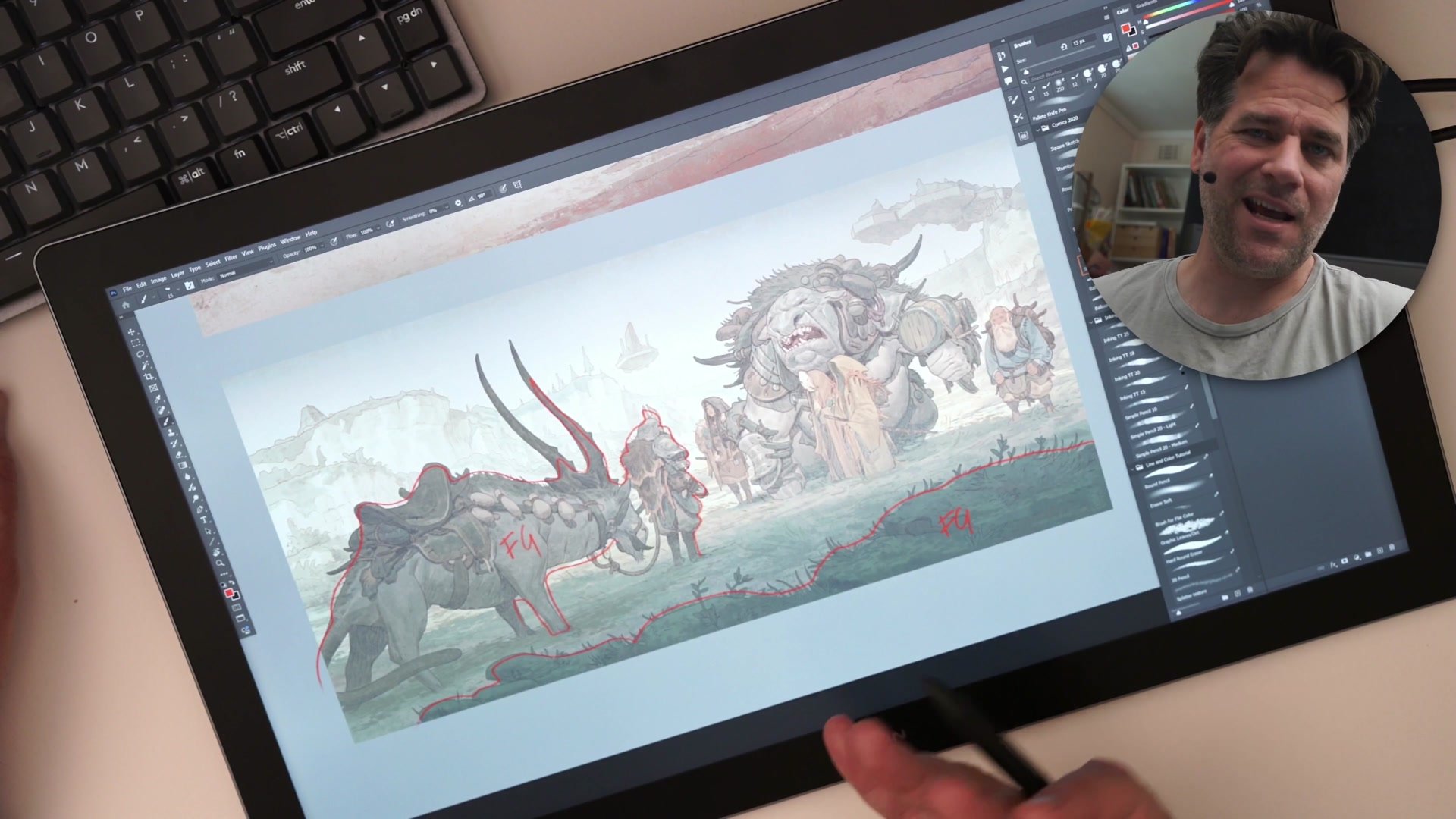
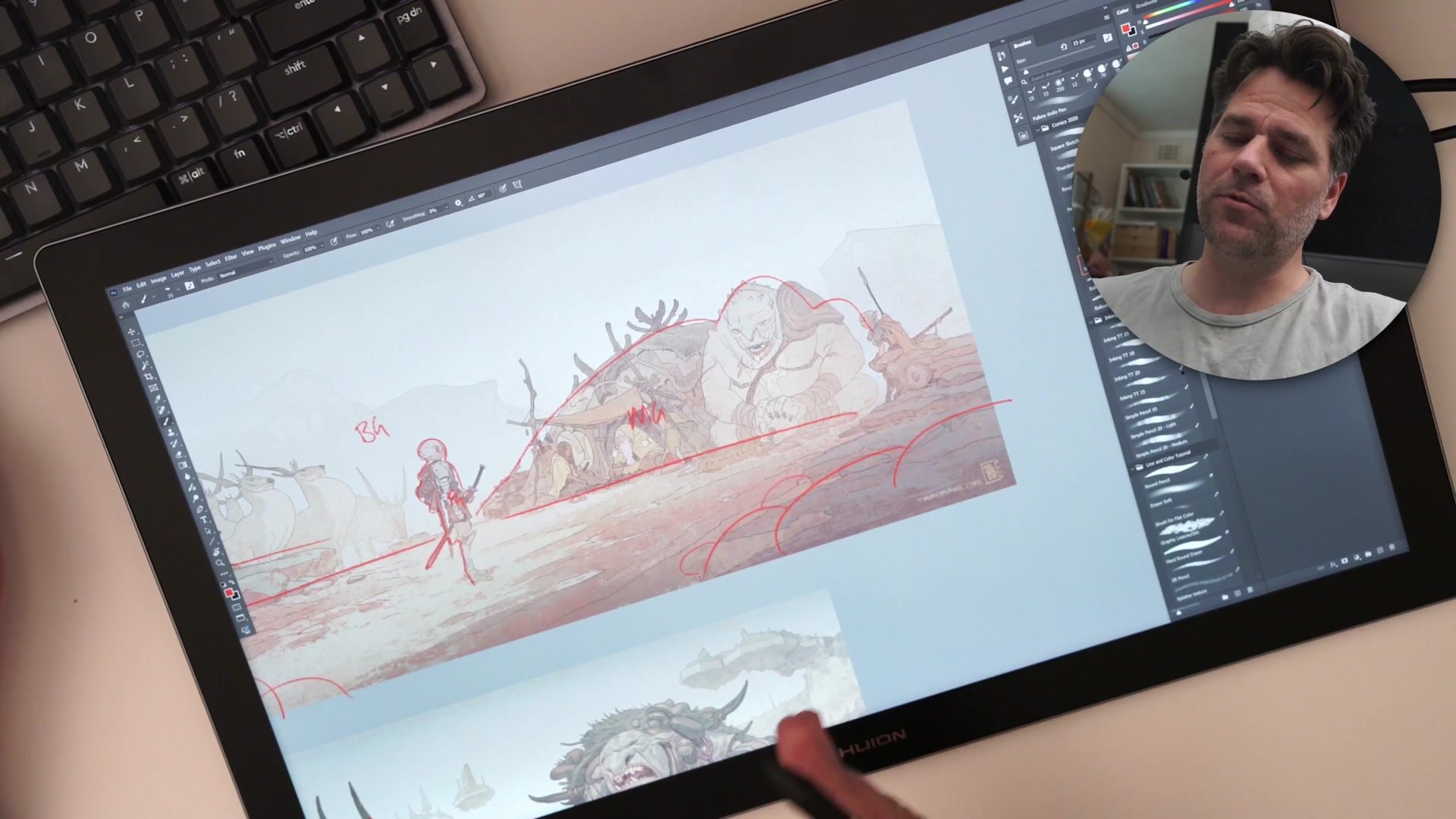
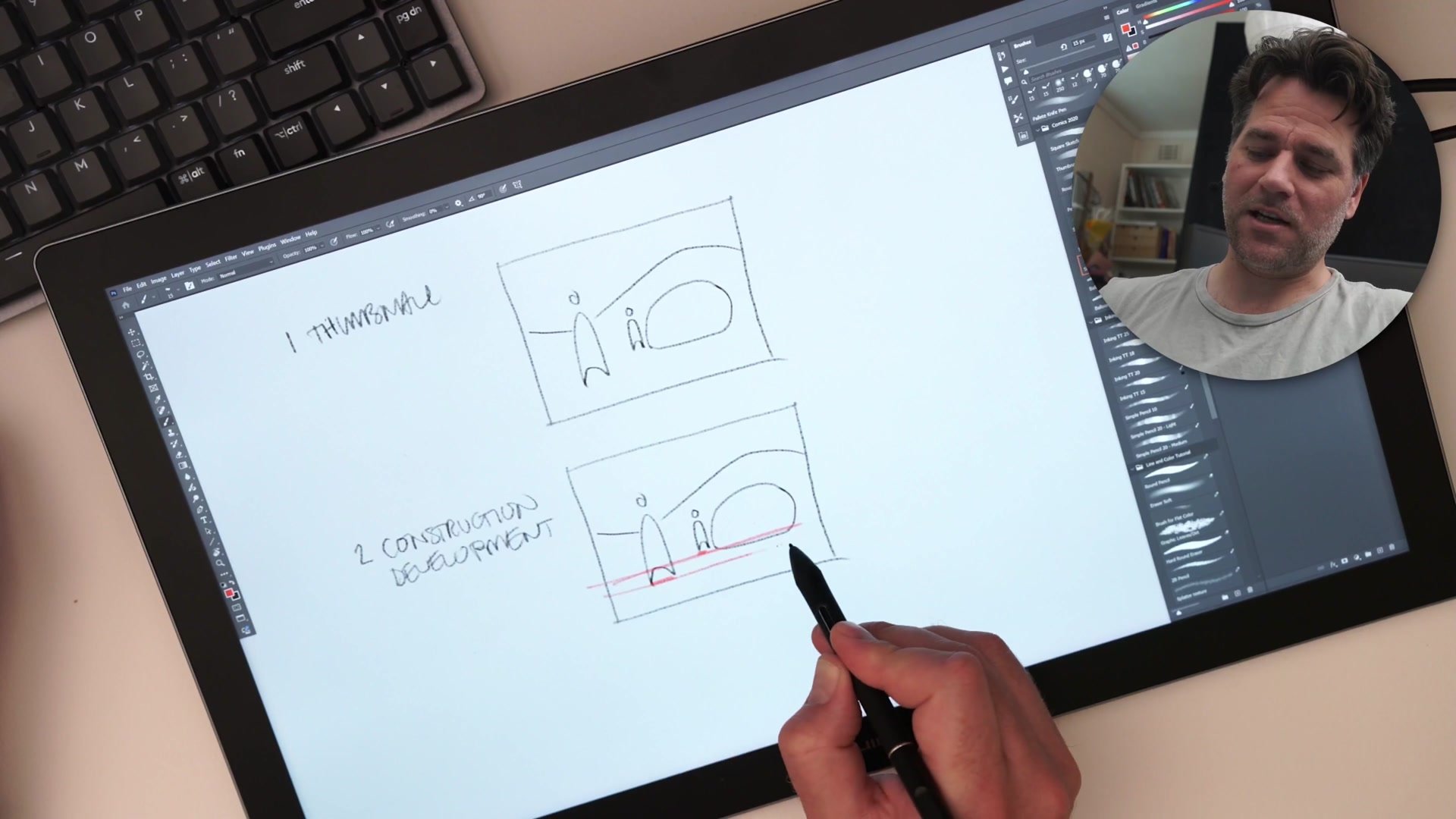
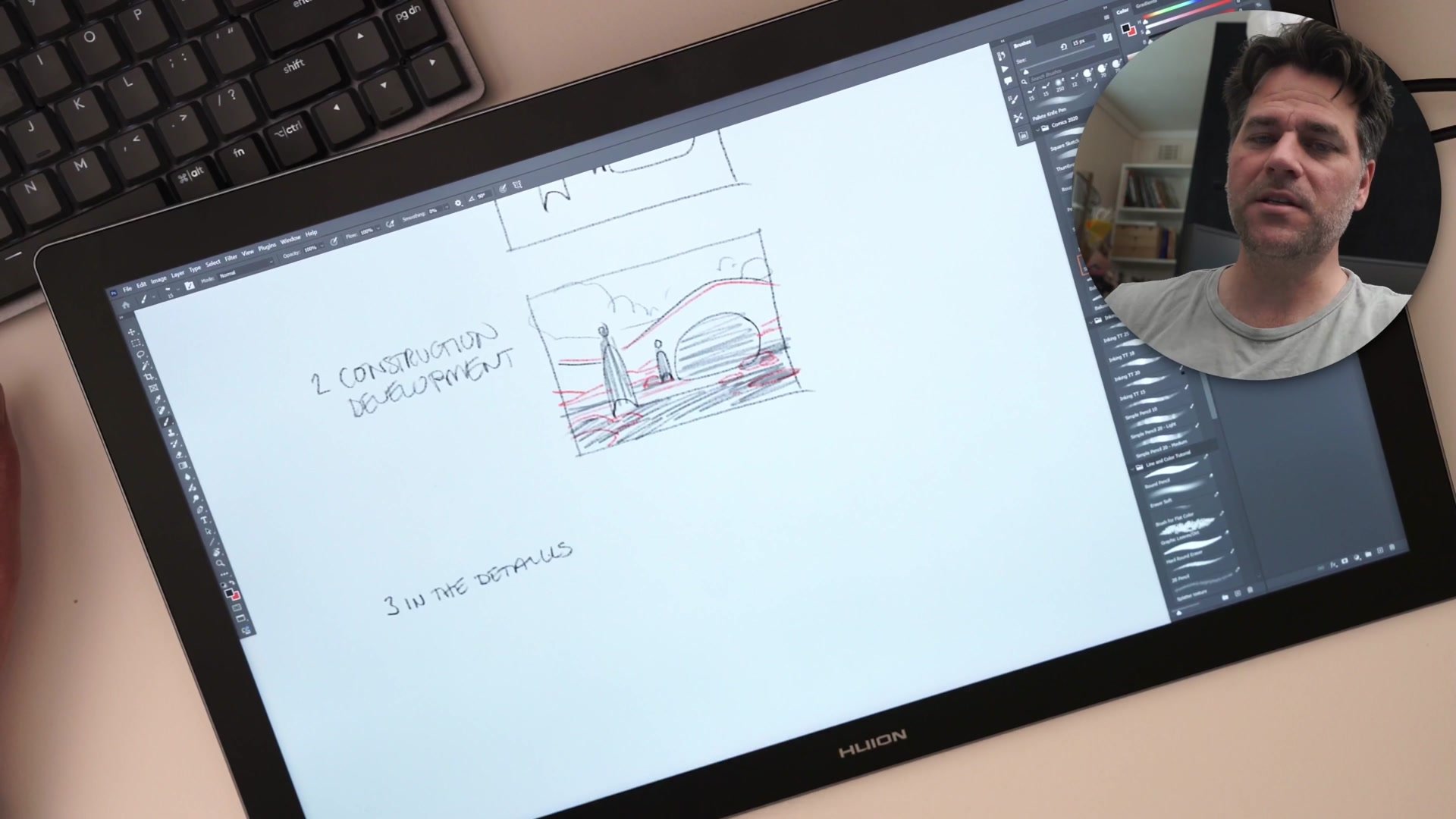
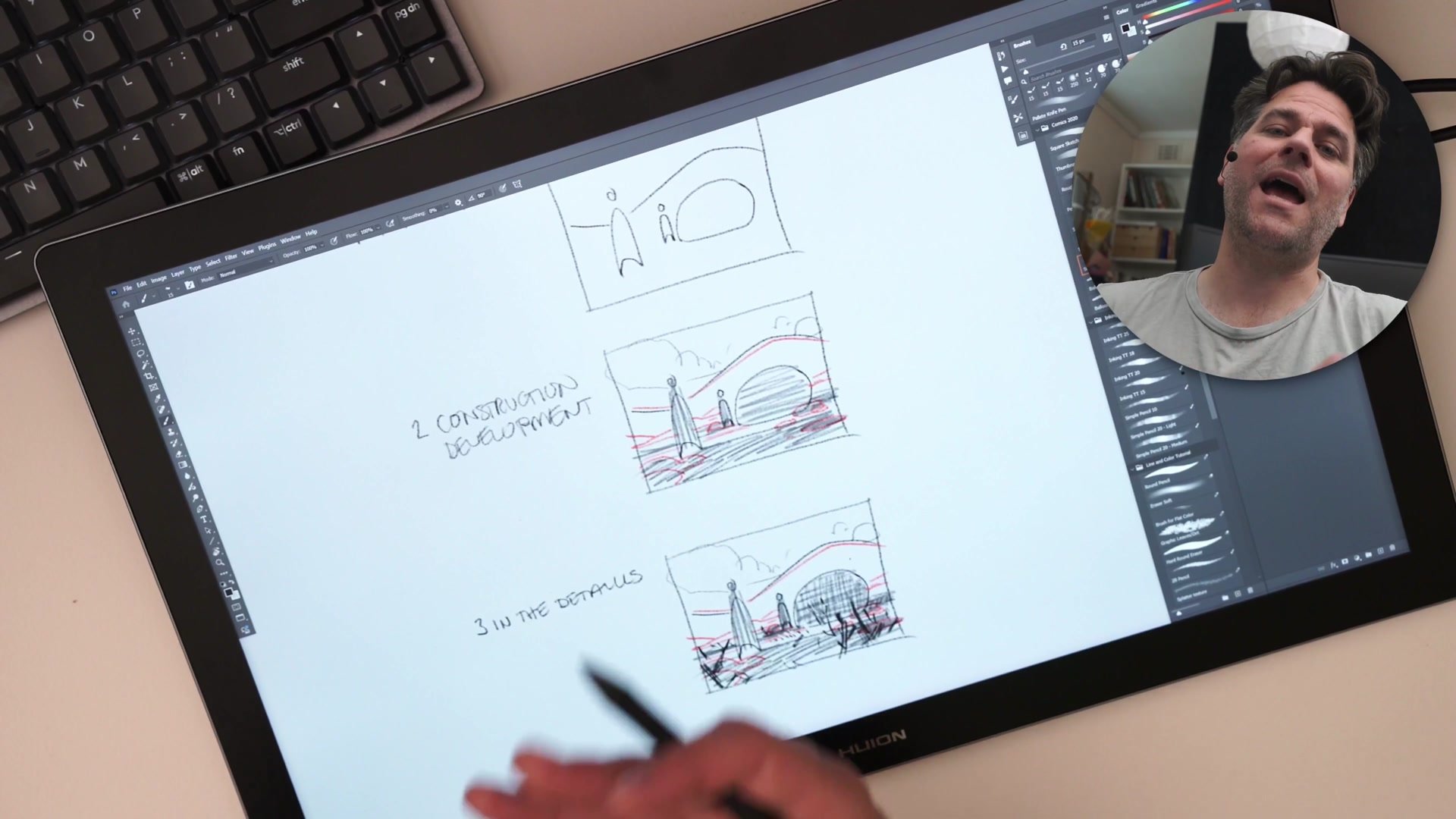
Building depth happens at three distinct stages, and skipping any one of them leaves work looking flat even when the other stages are handled well. At the thumbnail phase, the job is planning foreground, middle ground, and background zones and organizing values to separate them. Darker foreground, lighter background, middle ground in between. Without this structural planning, adding depth later becomes dramatically harder.
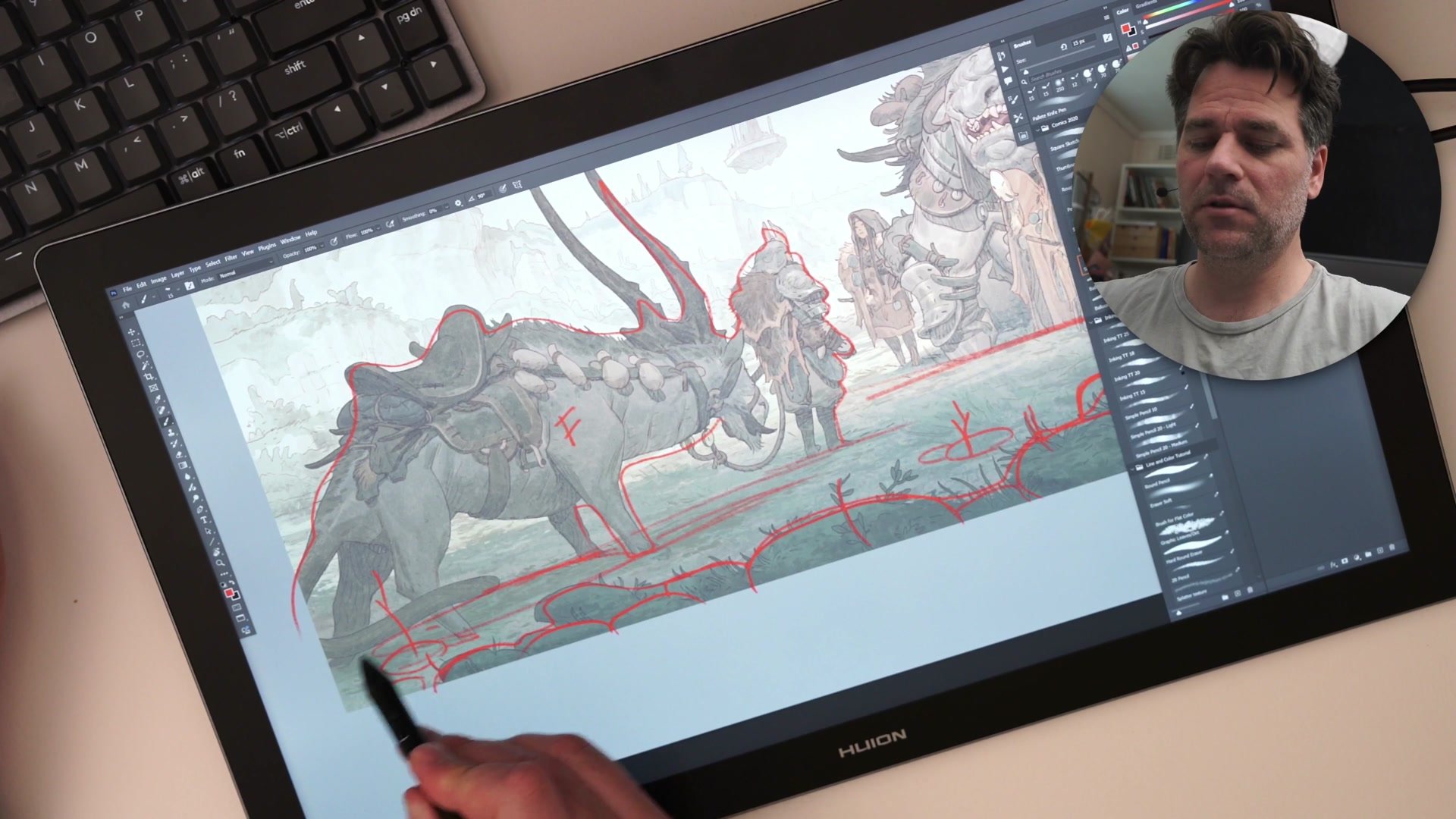
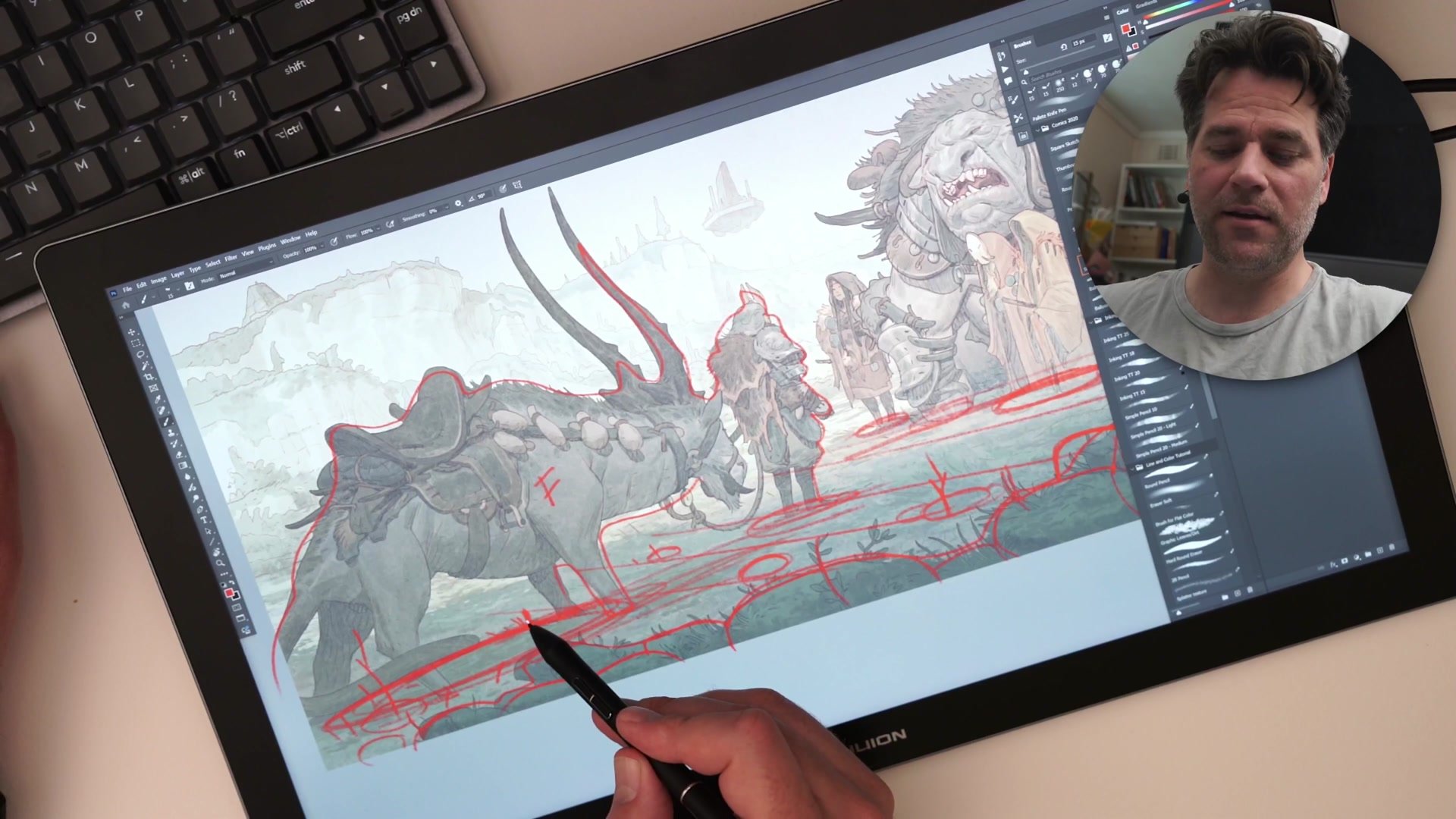
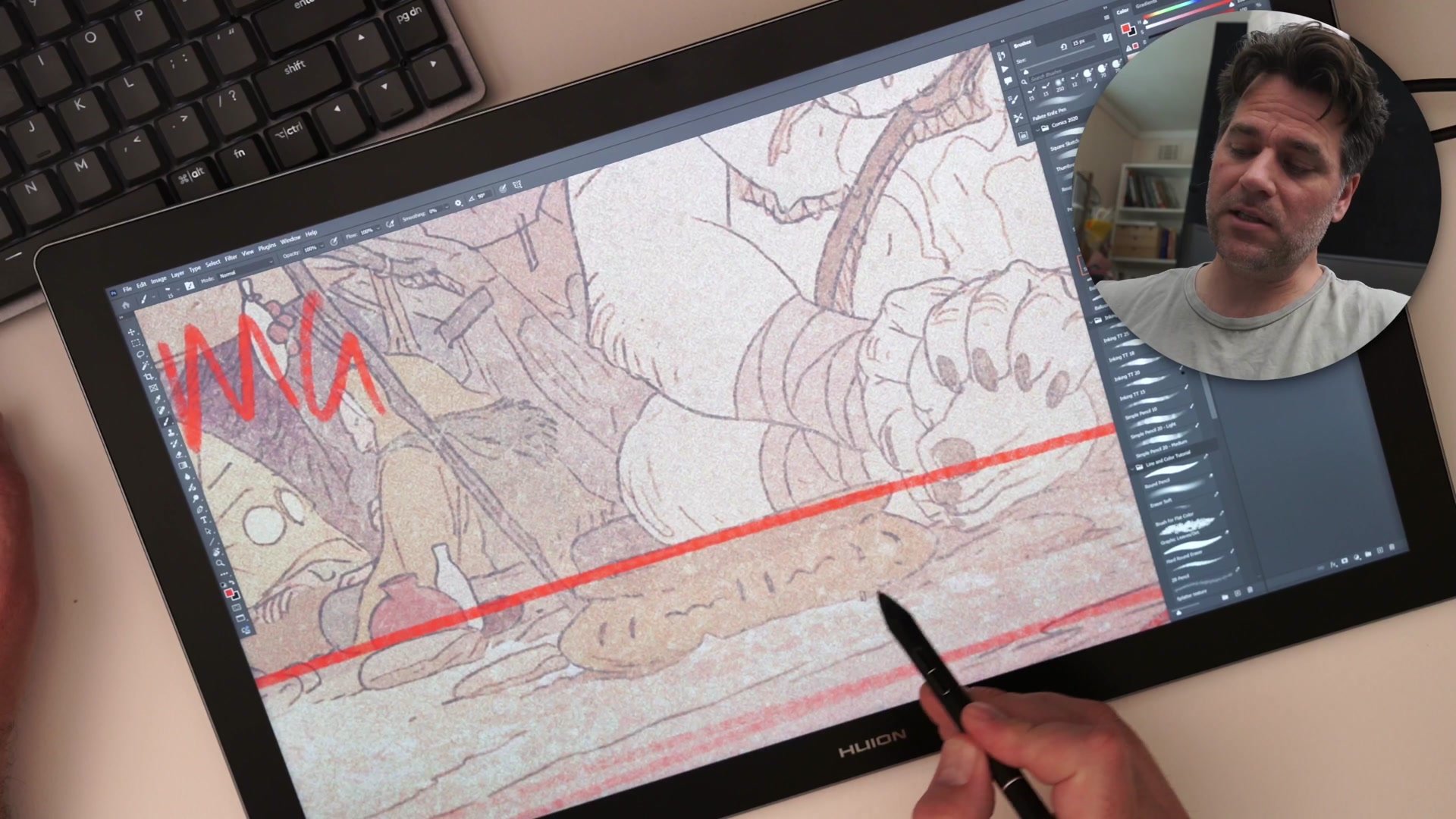
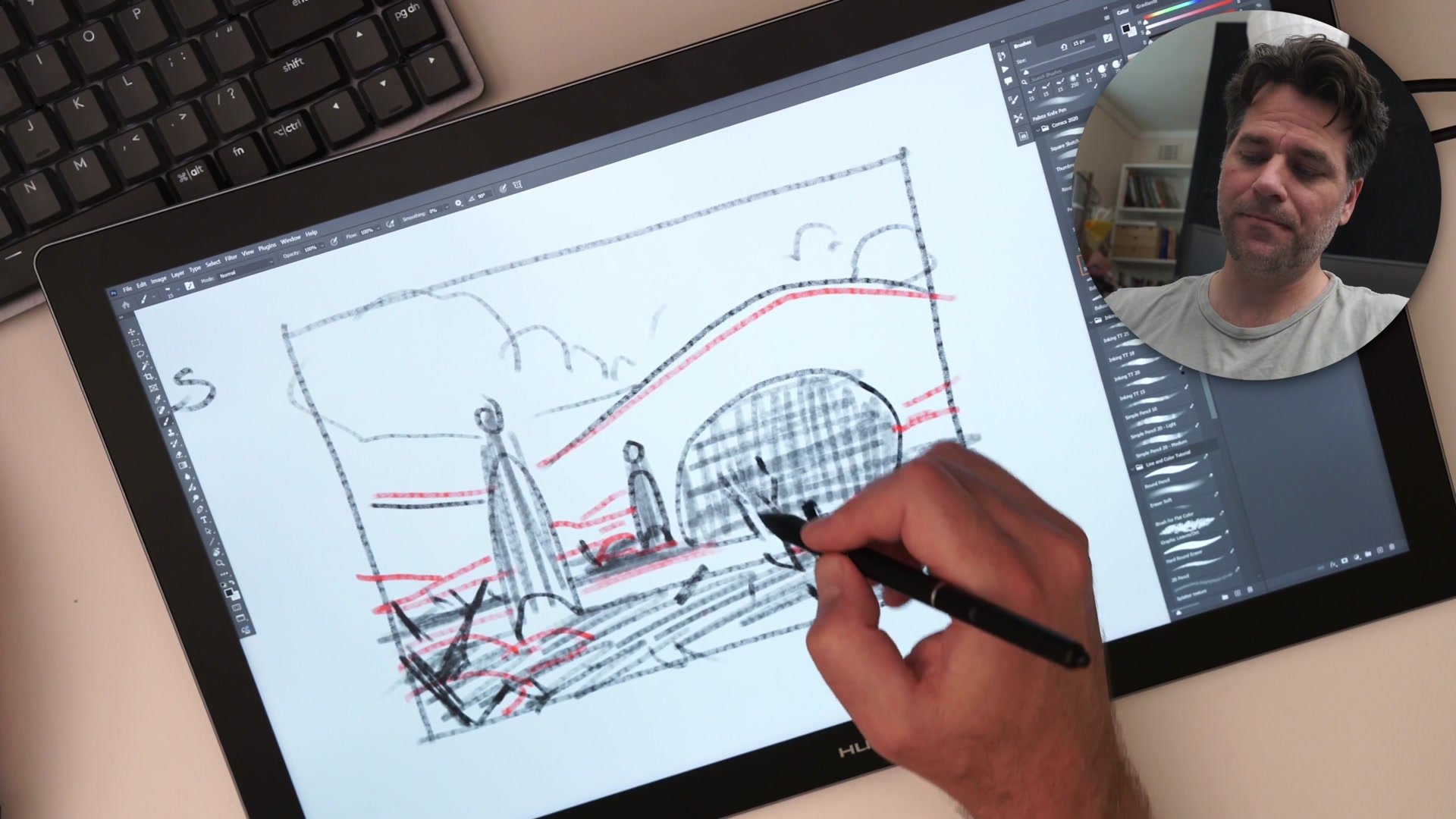
At the construction stage, the job shifts to connecting those zones together. Having a foreground and a background is not enough if they sit as disconnected layers. This is where transitional objects, ground plane definition, and deliberate placement make spatial relationships explicit. Many intermediate artists struggle here specifically because they plan depth properly but fail to connect the zones. The third stage is detailing, where small overlaps and micro depth cues transform adequate depth into convincing depth. Rocks overlapping the middle ground, blades of grass silhouetted against shadows, small objects crossing value boundaries. These details often communicate more depth than any grand perspective technique.
Small Elements, Big Impact
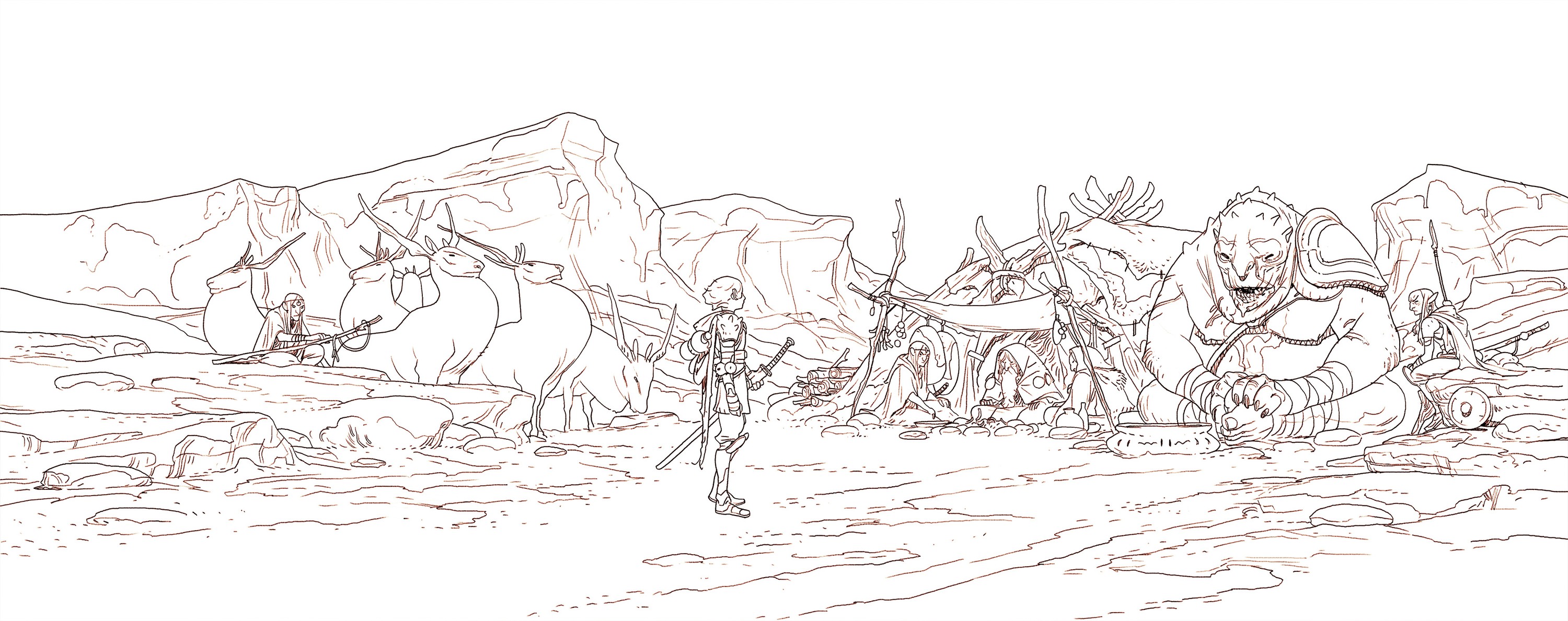
Often the smallest elements do the most work for depth. A scene can have elaborate perspective, carefully planned zones, and proper atmospheric haze, yet still feel flat. Adding a handful of small foreground elements, a few rocks, some grass blades, bits of debris, can make everything suddenly click into place. These tiny elements create concrete connections between spatial zones that larger objects cannot achieve.
The ground plane deserves particular attention. Making clear where everything actually sits in space often requires more than drawing a horizon line. Adding enough small elements that the viewer can track spatial relationships, seeing things get smaller as they recede, watching objects sit convincingly on the ground, tells the story far more effectively than technical perspective alone. A single small rock in the foreground can tell more story than all the perspective in a complex scene combined, because it makes the spatial relationship undeniably clear.
Key Concepts
Depth as Storytelling: Creating dimensionality is less about mastering complex perspective and more about constantly, deliberately communicating spatial relationships through every available means at every stage of the process.
The Three-Stage Approach: Plan spatial zones at the thumbnail phase, connect them during construction with transitional elements and ground plane definition, then reinforce with micro-detail overlaps during finishing. Skipping any stage undermines the others.
Small Details Over Grand Technique: A single blade of grass overlapping two zones, a small rock establishing foreground scale, a silhouette crossing from shadow to light. These tiny elements often do more for depth than elaborate perspective work. Relentless small choices compound into work that feels genuinely dimensional.
Try This
Plan Your Zones: At the thumbnail stage of the next illustration, mark out foreground, middle ground, and background zones clearly. Decide what value structure will separate them.
Connect the Depth: During construction, deliberately add three to five transitional elements such as rocks, grass, debris, or architectural details. Focus on defining the ground plane and making it obvious where everything sits in space.
Add Micro-Depth Cues: While detailing, add at least ten small depth cues. Tiny elements overlapping larger forms, small objects silhouetted against light backgrounds, bits of foreground detail crossing into the middle ground. Keep asking what tells the story that this is in front of that.