This Framework Will Stop Your Anatomy Looking Stiff
Summary
The Structure and Style Challenge
Learning anatomy is one of the most important things an artist can do. The knowledge has existed for hundreds of years, passed down through Bridgman, Loomis, and centuries of constructive anatomy tradition. It works. The challenge is that the more anatomy we learn, the stiffer our drawing gets. We end up with same face syndrome, boring anatomy heads, and characters that feel lifeless despite being technically correct. The real issue is that traditional anatomy education focuses on accuracy and proportion, but rarely addresses how to integrate that knowledge into stylized, character-filled art.
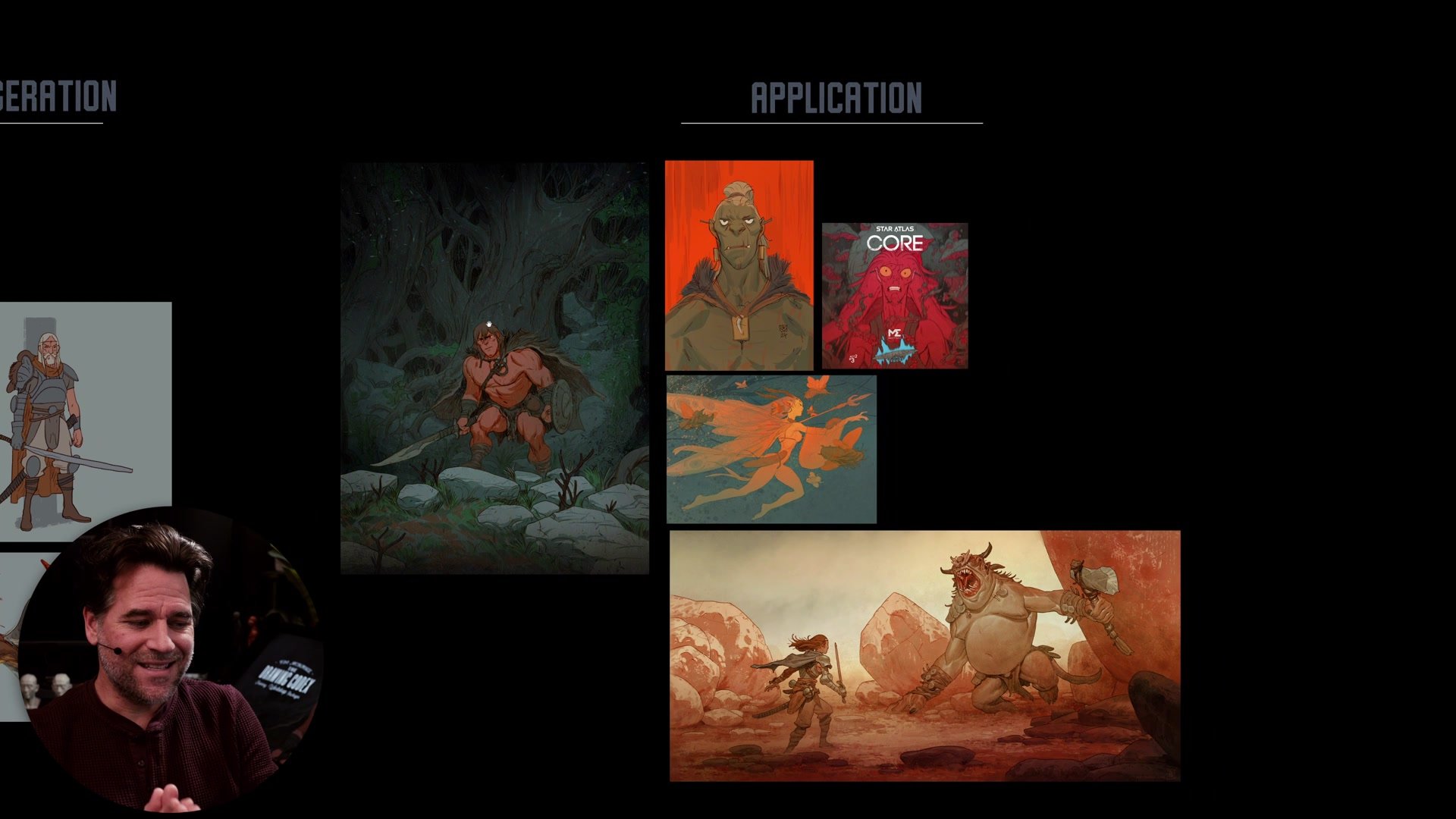
This video presents a three-part framework for solving this problem: Foundation (the anatomical knowledge itself), Style and Exaggeration (making that knowledge your own), and Application (actually using it in finished illustrations). These three elements work as a continuous cycle, not a linear progression. Understanding how they connect is the key to drawing characters with both structure and life.

Foundation is Proven
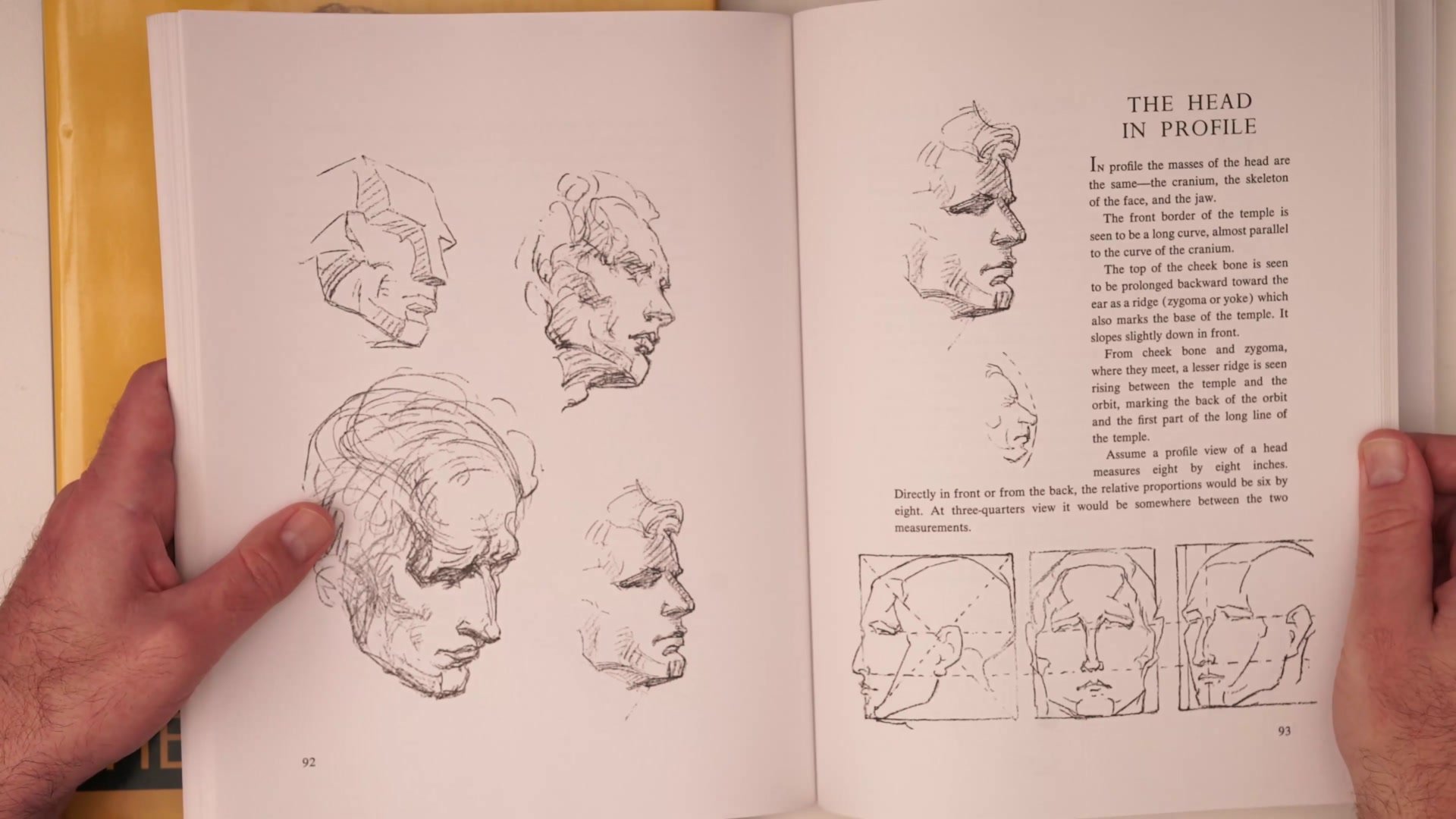
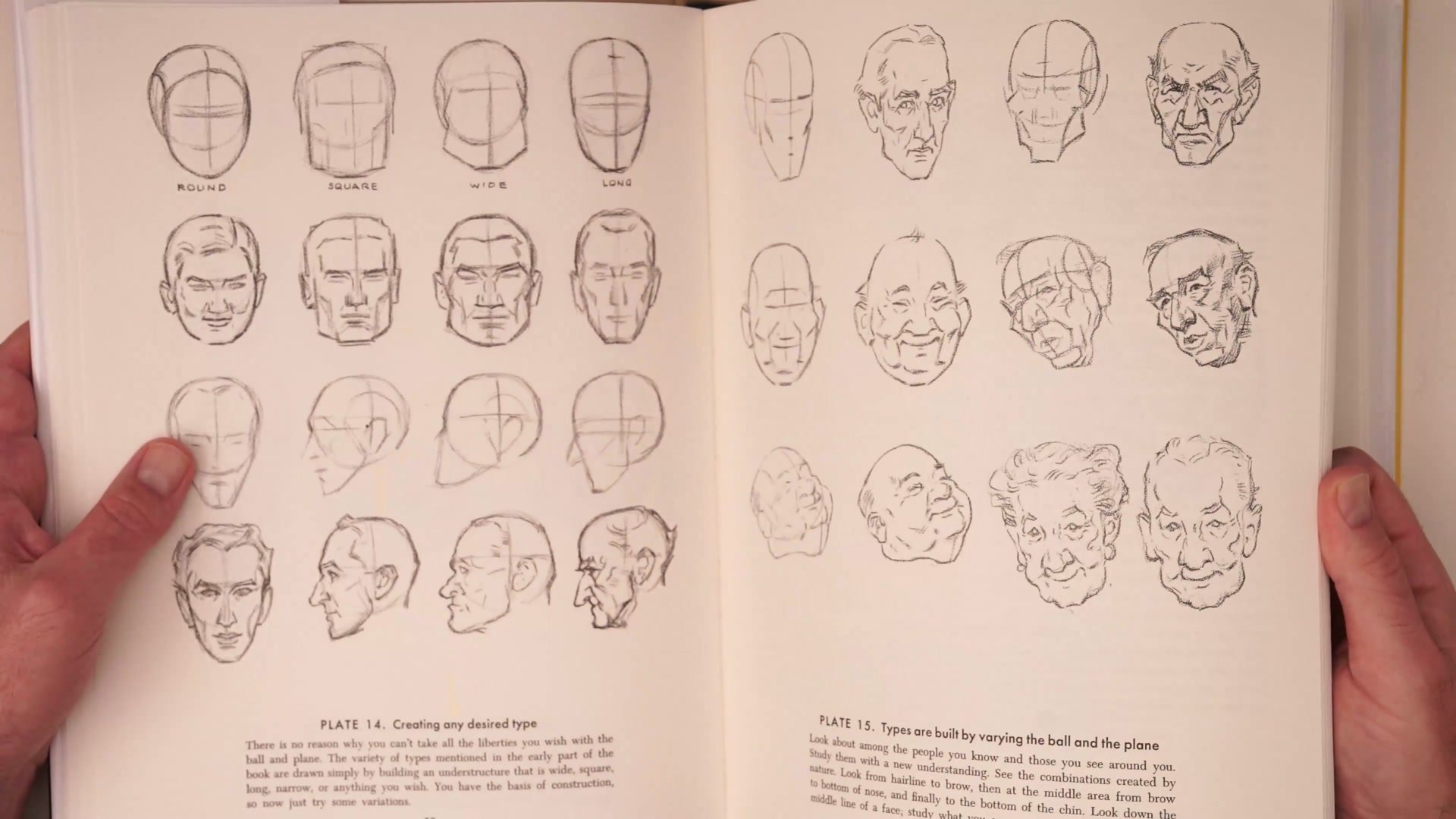
The foundational anatomy knowledge needed to draw well has been codified and refined for centuries. Bridgman's constructive anatomy, Loomis' figure drawing methods, the understanding of planes, masses, and proportion that classical artists mastered through ateliers and life drawing. This tradition is robust. The same concepts that Renaissance painters employed are the same ones that the best concept artists, comic book artists, and manga artists use today.
The problem is not the knowledge itself. It is that most of this teaching focuses on drawing from life, photo studies, and old master reproductions. It feels separated from the kind of art many artists actually want to create: comics, concept art, illustration, animation. The foundation is essential, but on its own it produces technically correct work that often feels static and lifeless.
Style Means Exaggeration
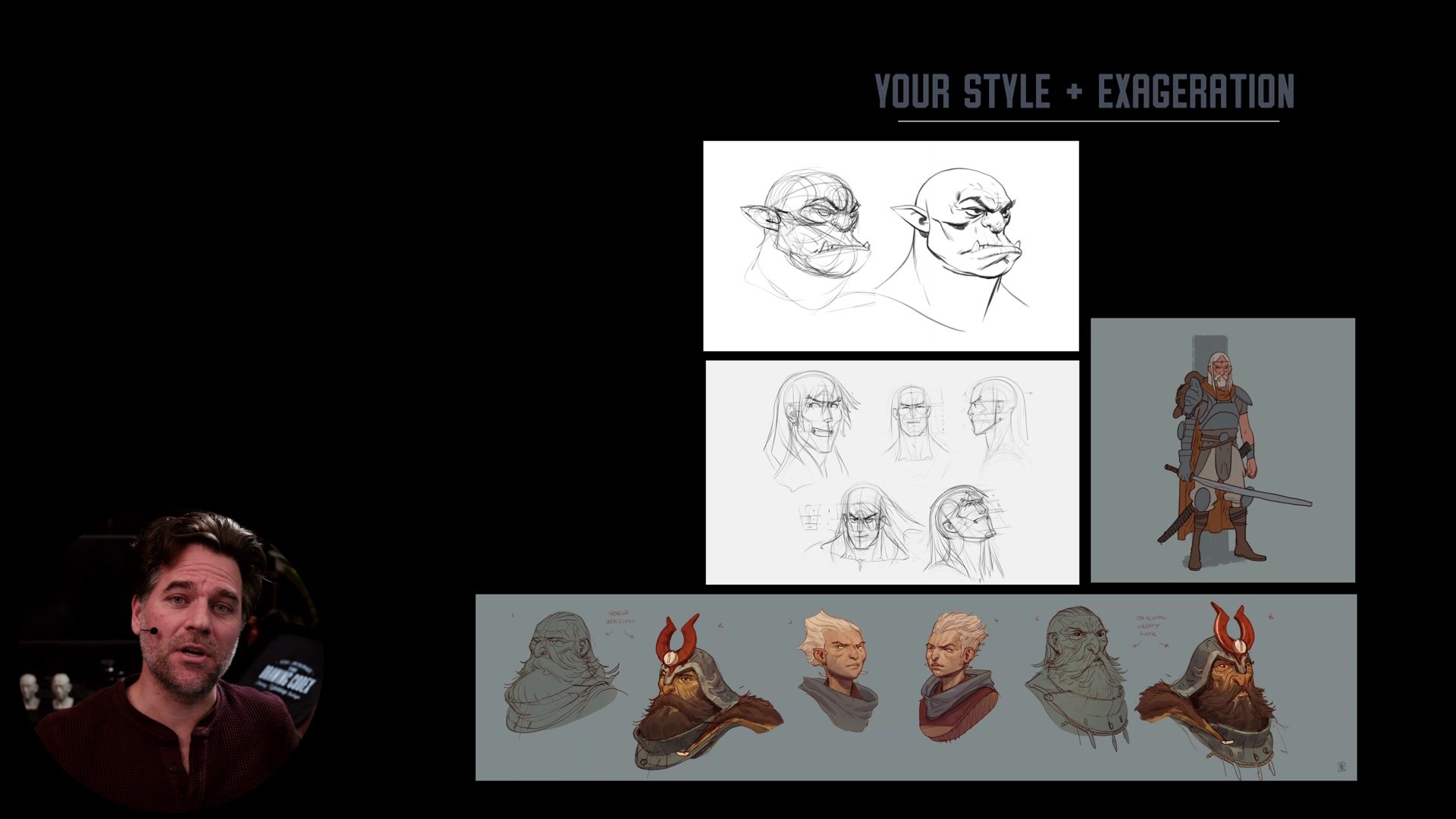
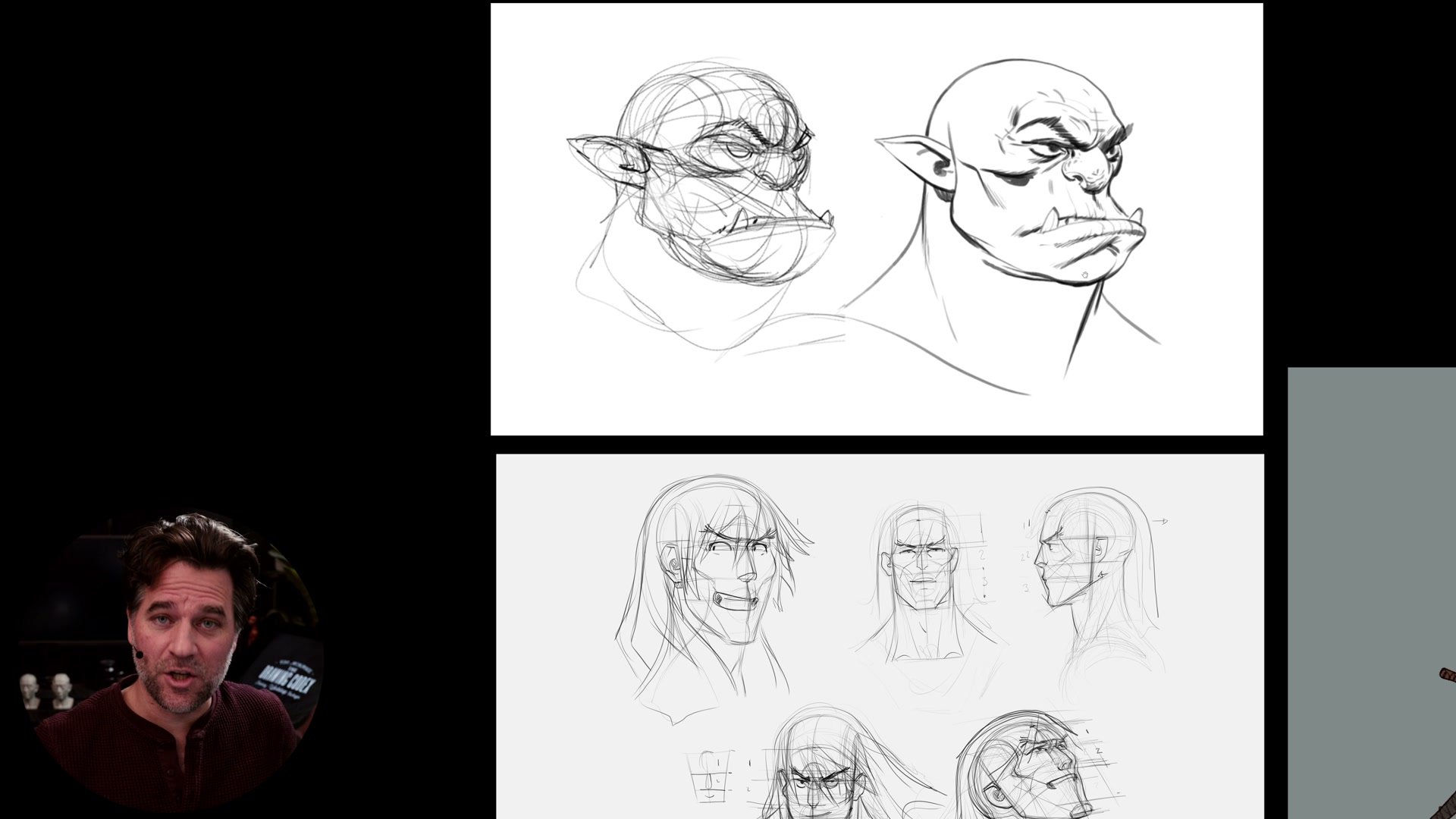
No anatomy book is going to teach you your style, and for good reason. Style involves understanding how to exaggerate features, simplify structure, and abstract forms in a way that expresses what you want to communicate. This is something that has to be discovered through experimentation, not learned from a textbook.
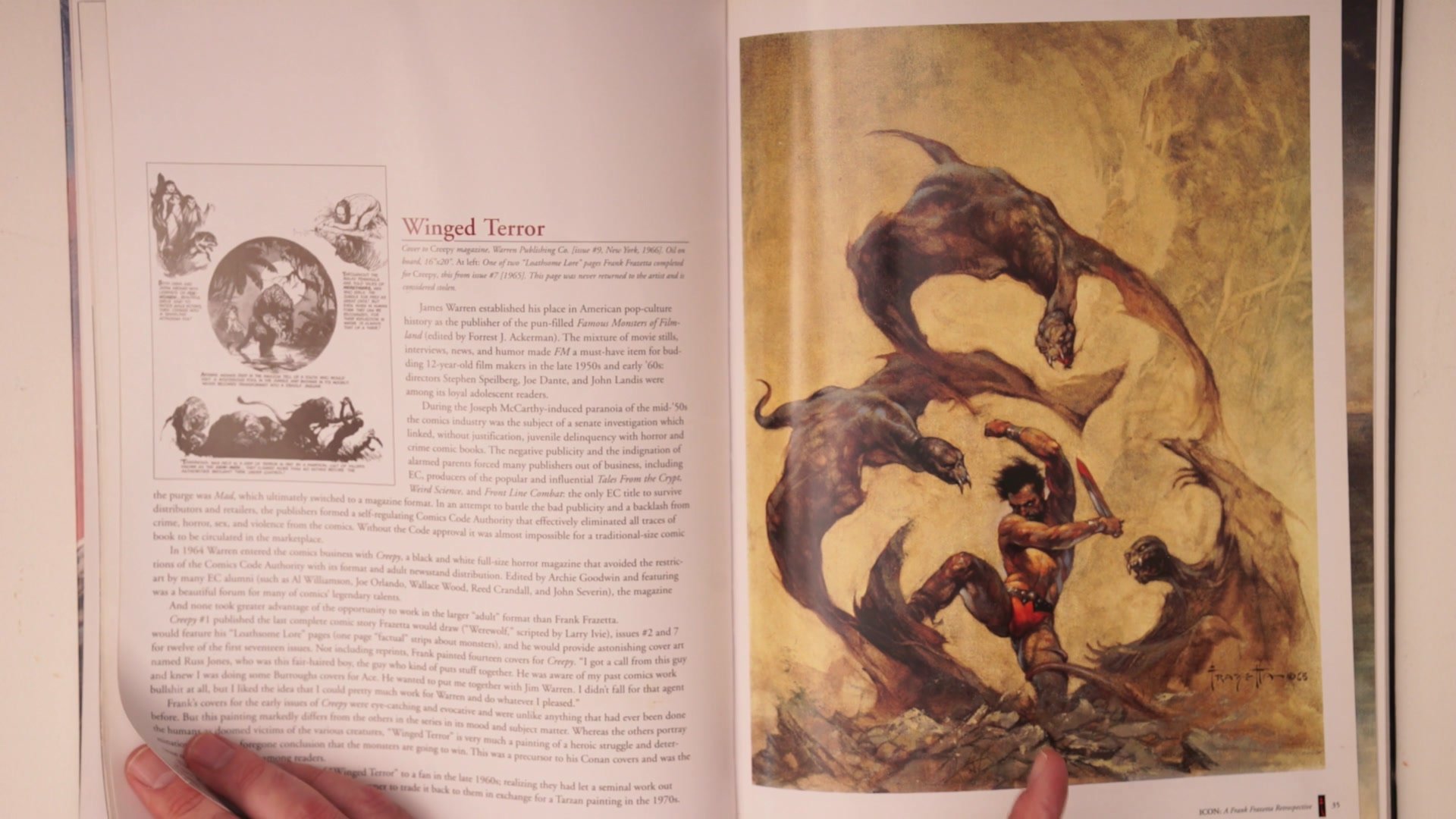
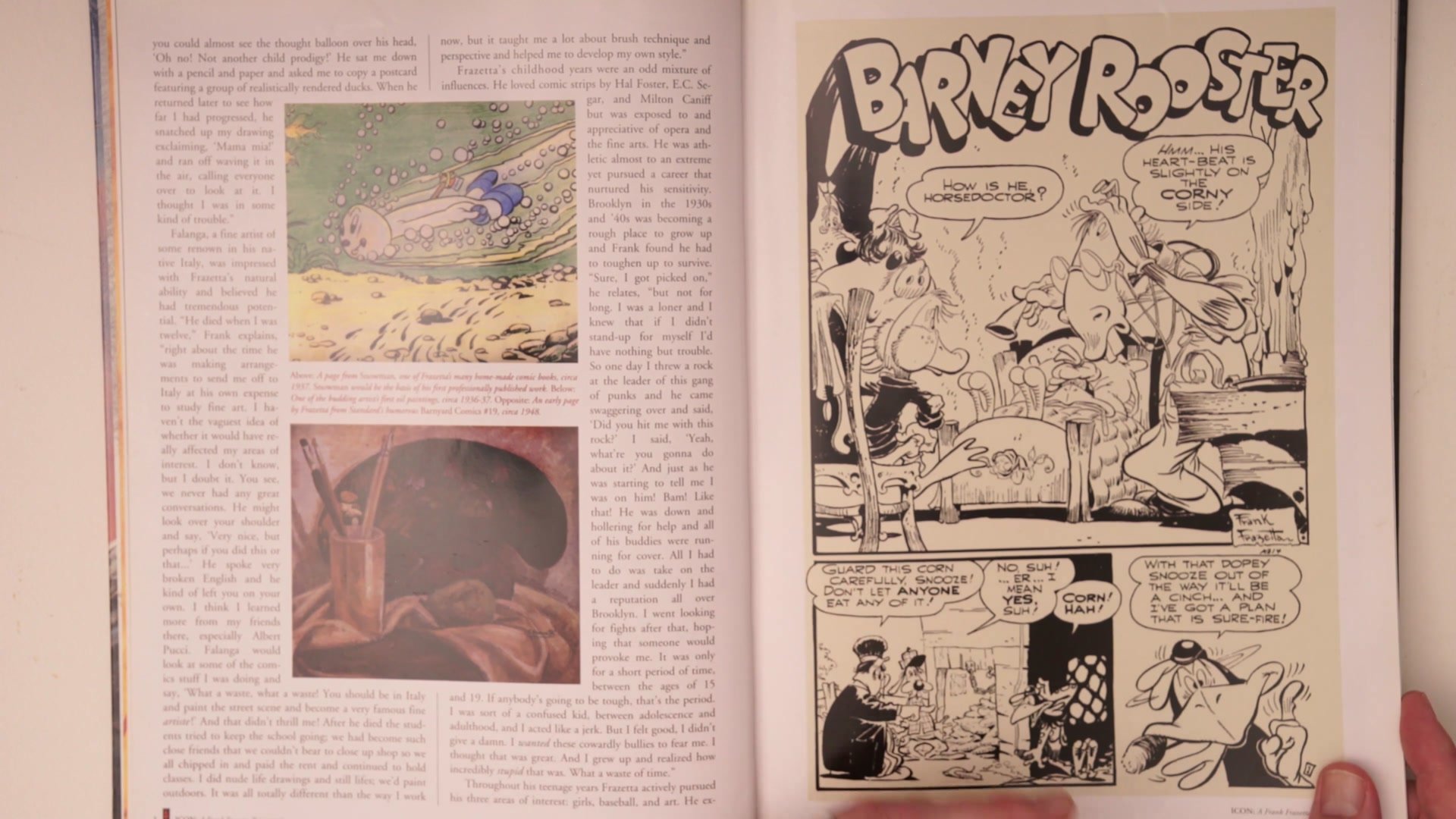
The practical approach is straightforward: do foundational anatomy study and style experiments close together. Learn some proportion from Loomis, then immediately apply those same concepts in your own style. See how the structure carries over. Frazetta is a powerful example of this. He started drawing funny animal comics, spent years ghost-drawing for another artist, and built an extraordinary ability to exaggerate and push anatomy. That range, from cartoony characters to hyper-stylized barbarian art, came from deep structural understanding combined with fearless exaggeration.

Application is Everything
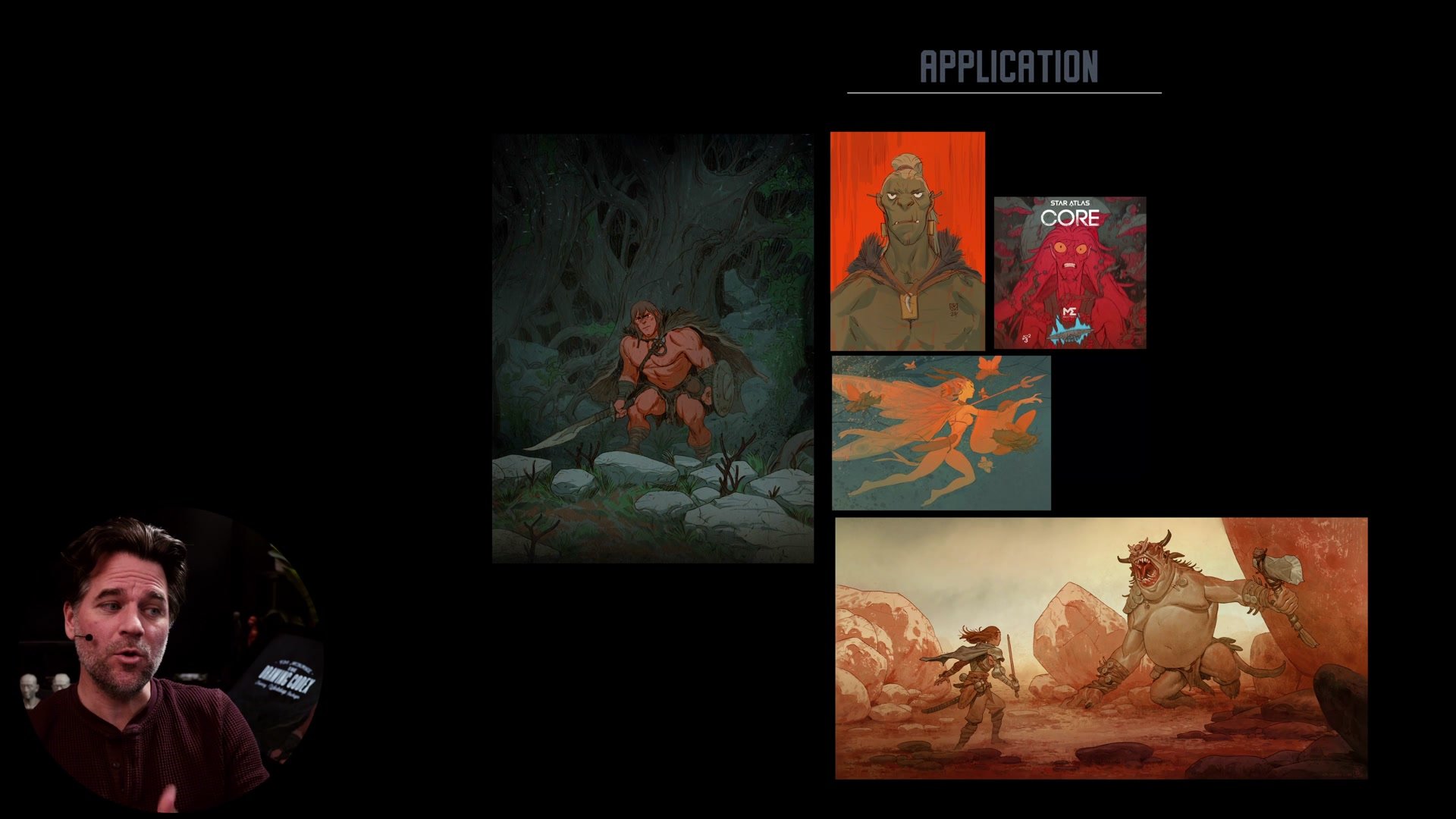
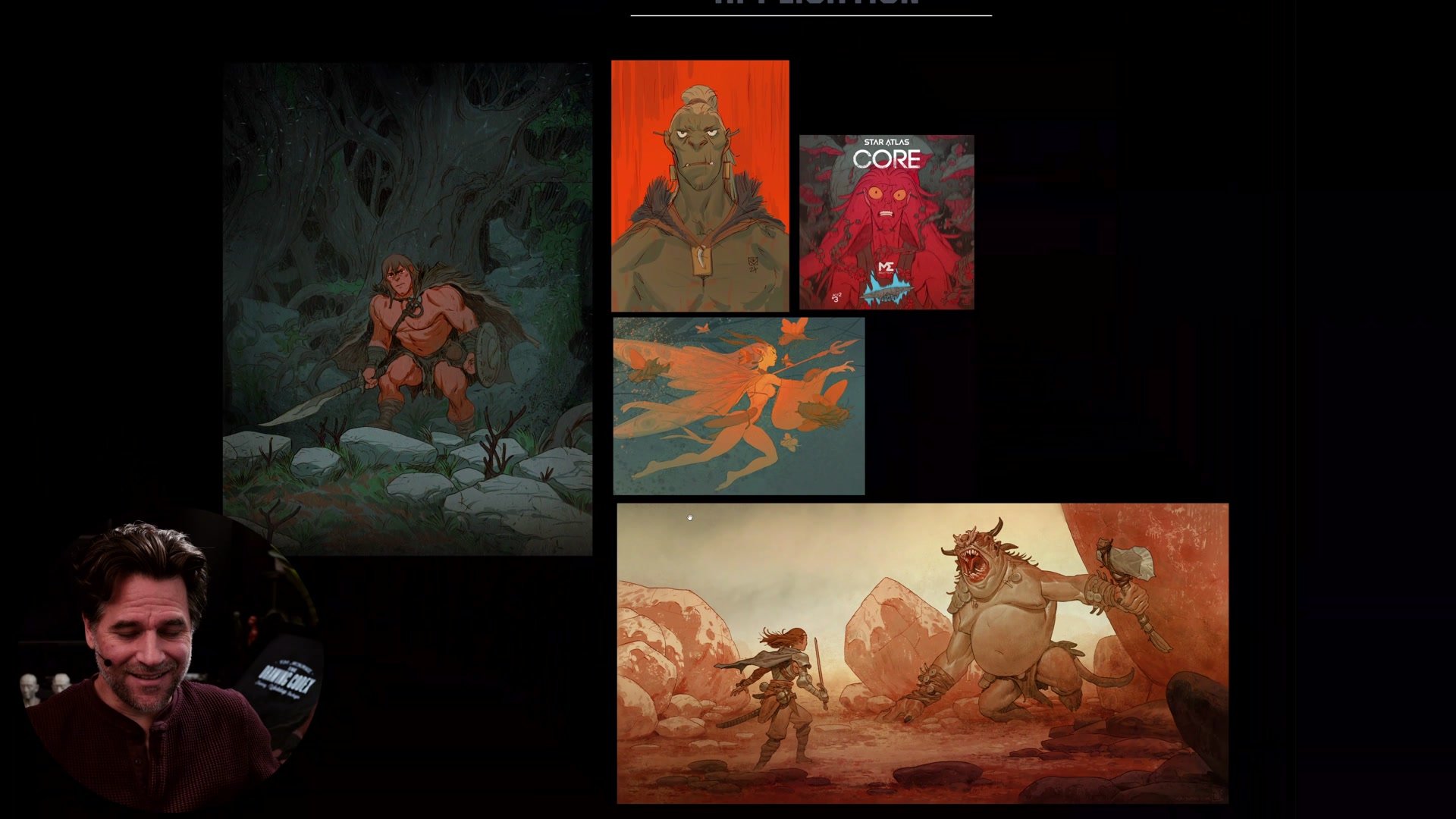
The most important and most overlooked step is application. Even after learning the foundation and experimenting with style, many artists stay stuck in exercise land. They get good at studies without ever applying that knowledge to finished illustrations.
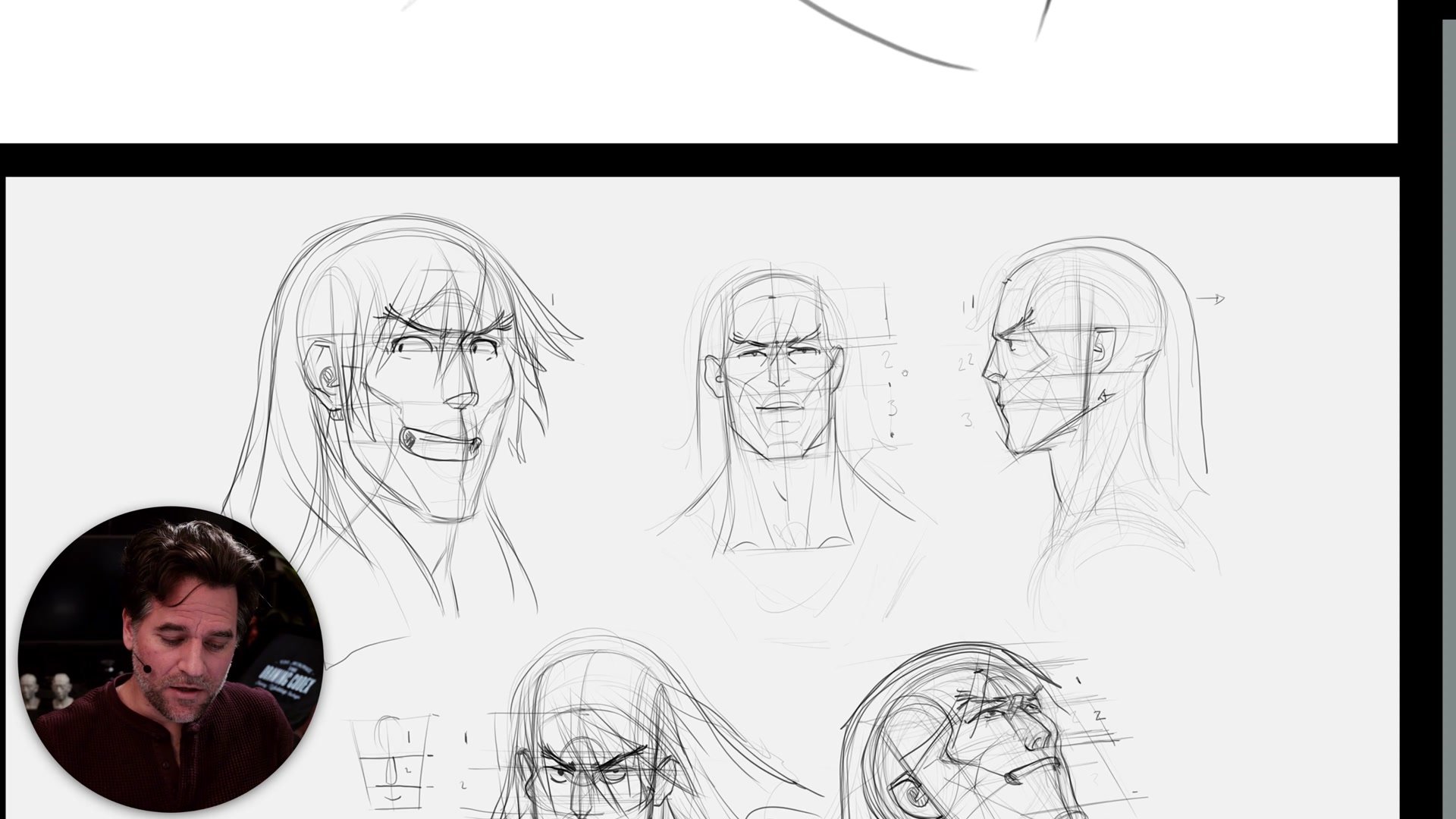
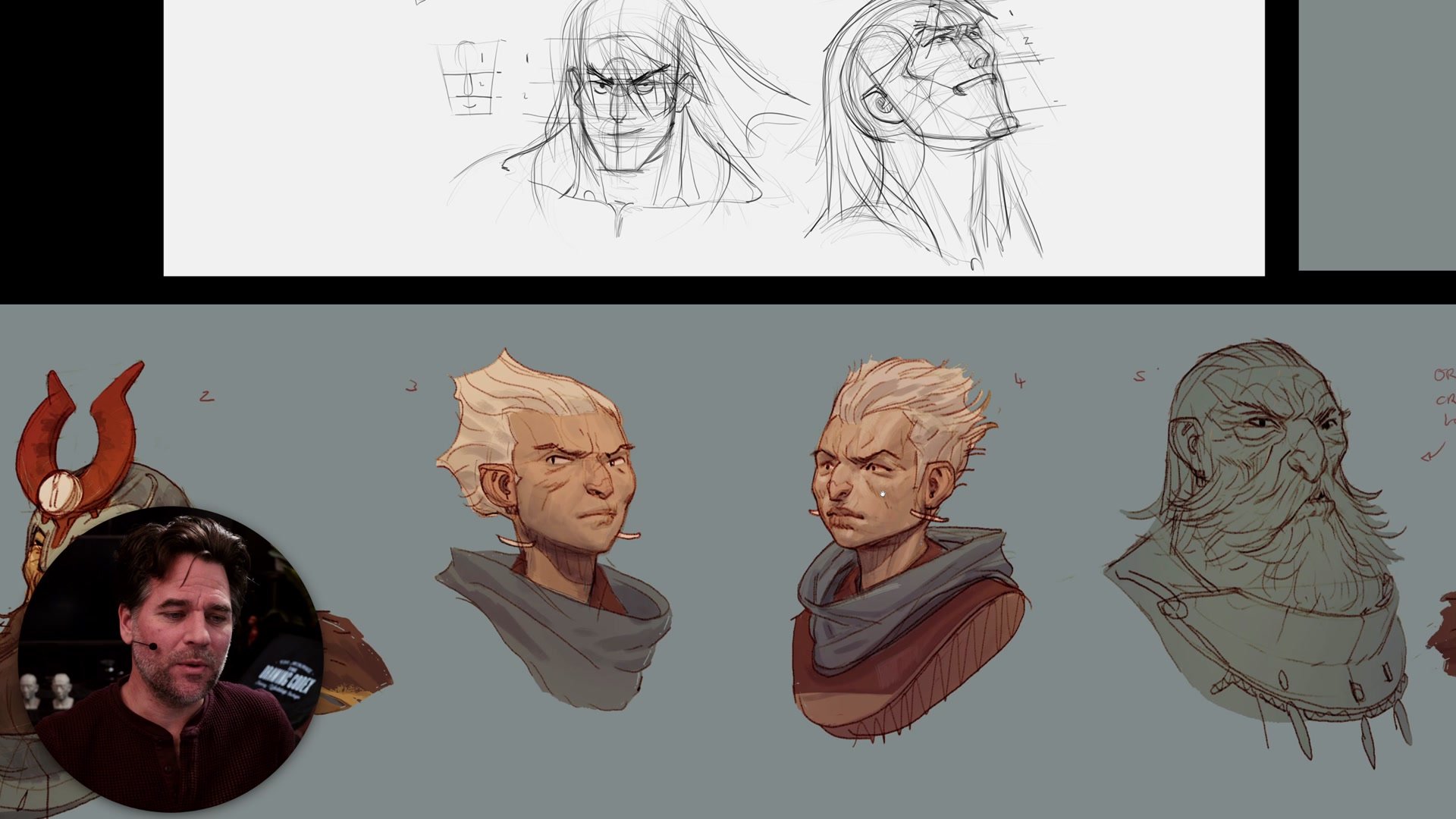
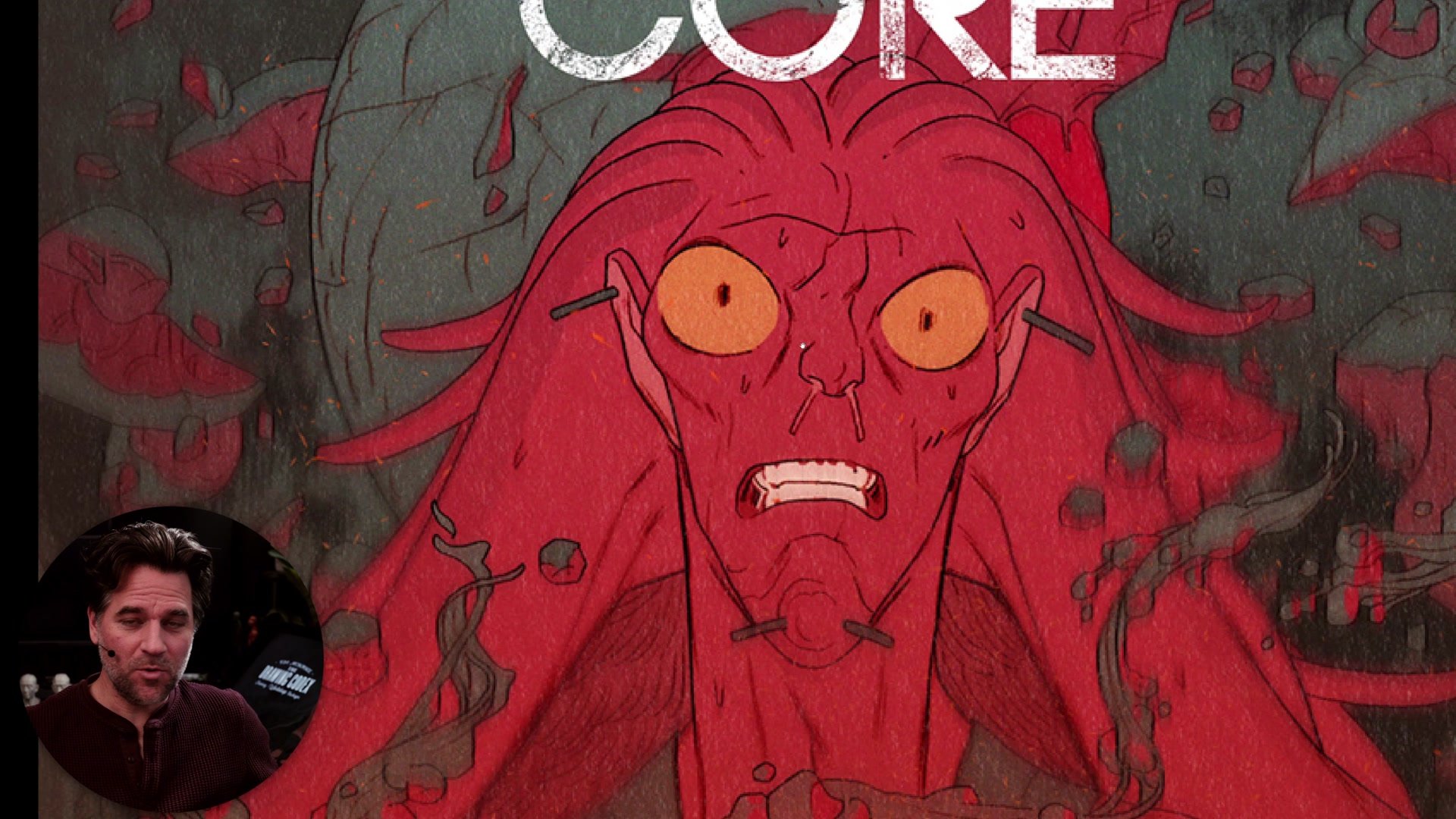
Application often means leaving things out. When drawing a barbarian character with a small face, there is no room for every plane and form. A couple of marks indicating structure might be all that is needed. A profile shot might be about silhouette, not form. A creature design might need exaggerated features, not anatomical correctness. The key insight is that application is about serving the illustration, not demonstrating how much anatomy you know. The artists who get really good are the ones who keep cycling through all three: refining their foundation, pushing their style, and constantly applying it in real work.


Key Concepts
Foundation is Learnable: The anatomical knowledge from Bridgman, Loomis, and centuries of constructive anatomy is solid and proven. It has worked for hundreds of years and will work for you. The challenge is not the knowledge itself but how it connects to the art you want to make.
Style Requires Close Experimentation: Doing foundational anatomy and style experiments in the same session accelerates real improvement. Learn the accurate version, then immediately ask how it applies to your style. Exaggeration, simplification, and pushing features are skills that develop through this cycle.
Application Means Leaving Things Out: The real measure of anatomy knowledge is not how many planes you can render but how effectively you can serve the illustration. Application is often about simplicity, silhouette, and restraint rather than showing off every structural detail you have learned.
Try This Cycle
Study First: Pick one anatomical concept (facial proportion, skull construction, a specific body part) and do a focused study from Loomis or Bridgman. Draw it accurately, understanding the structure and form.
Apply to Your Style: Immediately take that same concept and draw it in your style. Exaggerate the features. Push proportions further than you think. See how the foundational knowledge translates to the characters you actually want to draw.
Make Something Real: Take what you have learned and apply it in a real illustration or character design. Focus on what the piece needs, not on demonstrating all the anatomy you know. Let silhouette, emotion, and storytelling guide what stays and what gets left out.