Mini Illustrations and the Minimum Opus
Summary
The Minimum Opus
One of the biggest challenges artists face is scope. The dream of creating a magnum opus, the biggest and most ambitious project imaginable, is deeply embedded in the artistic ethos. We come up with epic graphic novels, complex character designs, and sprawling worlds. These ideas expand to unreasonable heights, and then we get crushed by the thought of completing them. The illustration doesn't come together, frustration sets in, and we retreat to doing more studies and exercises, stuck in what many call tutorial hell.
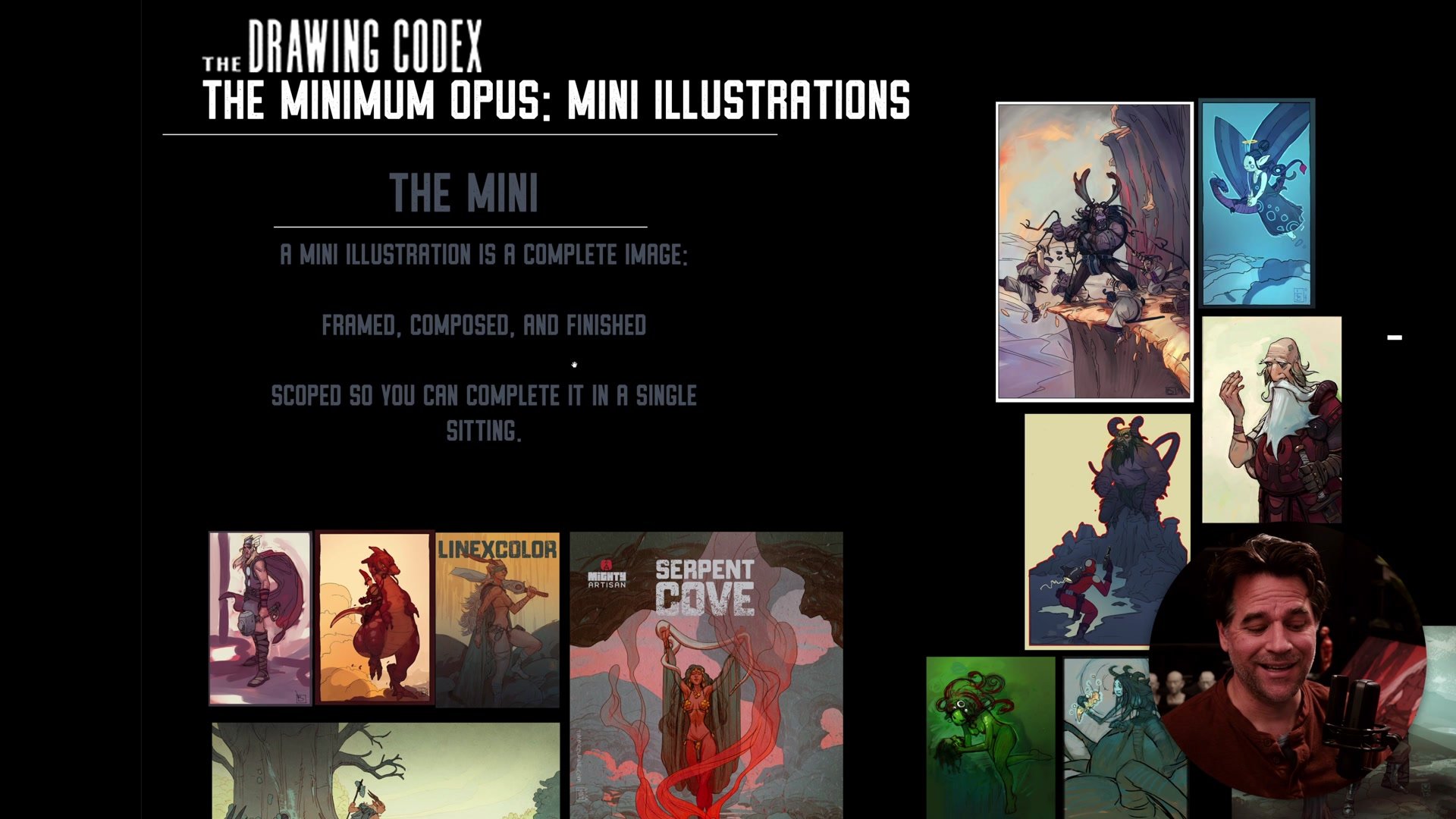
The solution is surprisingly simple: instead of thinking about the magnum opus (the largest, most maximal work), think about the minimum opus. A mini illustration. The smallest complete image that can be created in a single sitting. This is not about creating the best work possible. It is about creating work that is finished, framed, composed, and called done. That shift, from maximum to minimum, from ambition to completion, is often the thing that unlocks real artistic progress.
Early Mini Illustrations
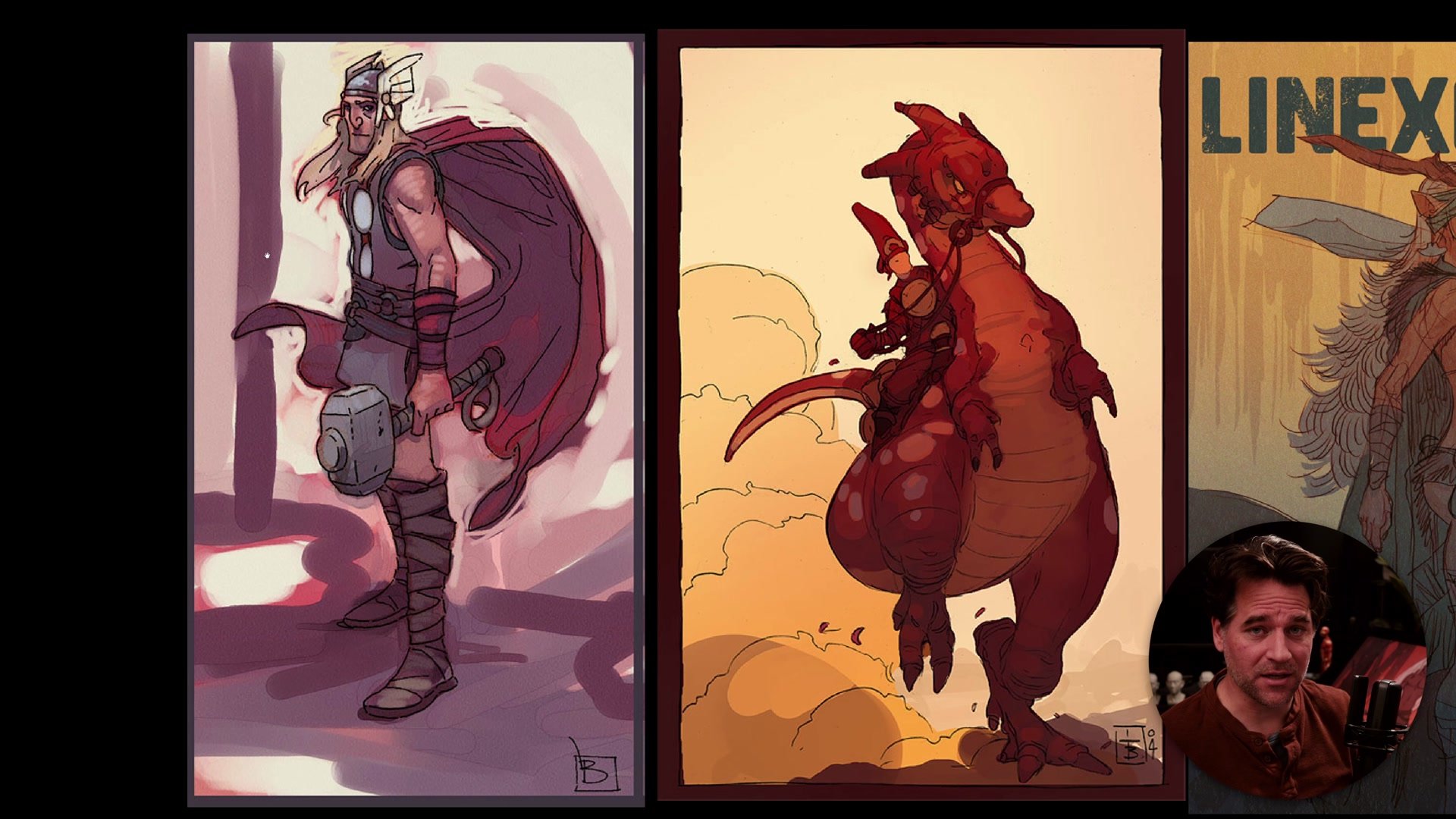
Scope Is the Skill
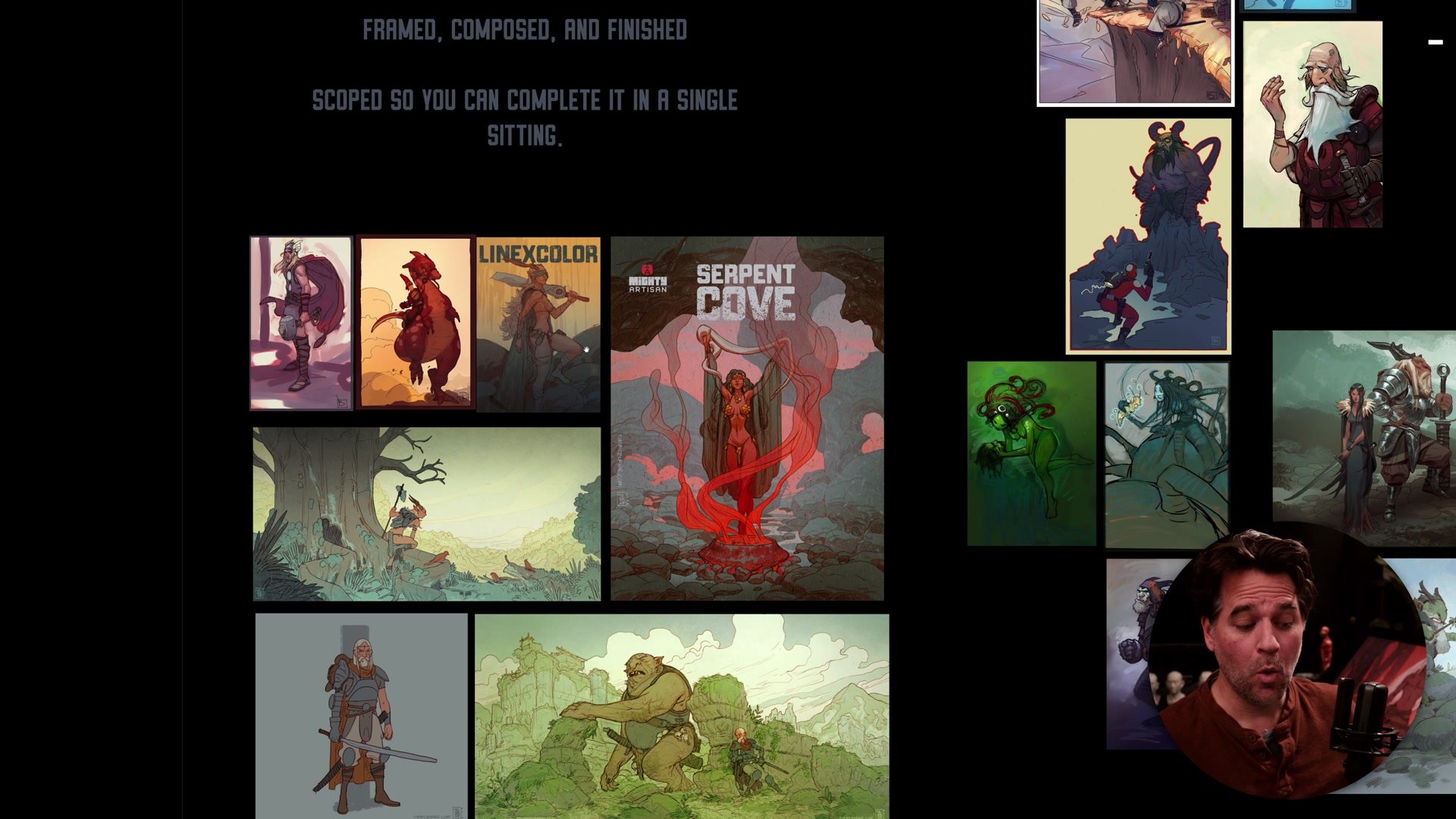
A mini illustration is a complete image. It has a sense of framing within the picture plane. It is composed. And it is finished, not the most finished possible, but called done. The key constraint is that it can be completed in a single sitting. What that means is unique to every artist. A single sitting could be half an hour, one hour, three hours, or eight hours. It depends on skill level, available time, and patience.
The whole point is that scoping correctly is genuinely hard. Understanding what can be realistically completed in a given time is one of the most important skills an artist can develop. It requires planning, self-awareness, and the honesty to admit when something is too ambitious. The ability to set scope, start something, and keep things congruent with the plan throughout the process builds massive confidence. This is actually the fundamental skill being built here, not just getting better at drawing, but understanding how the entire process of creating art works.
Developing the Process
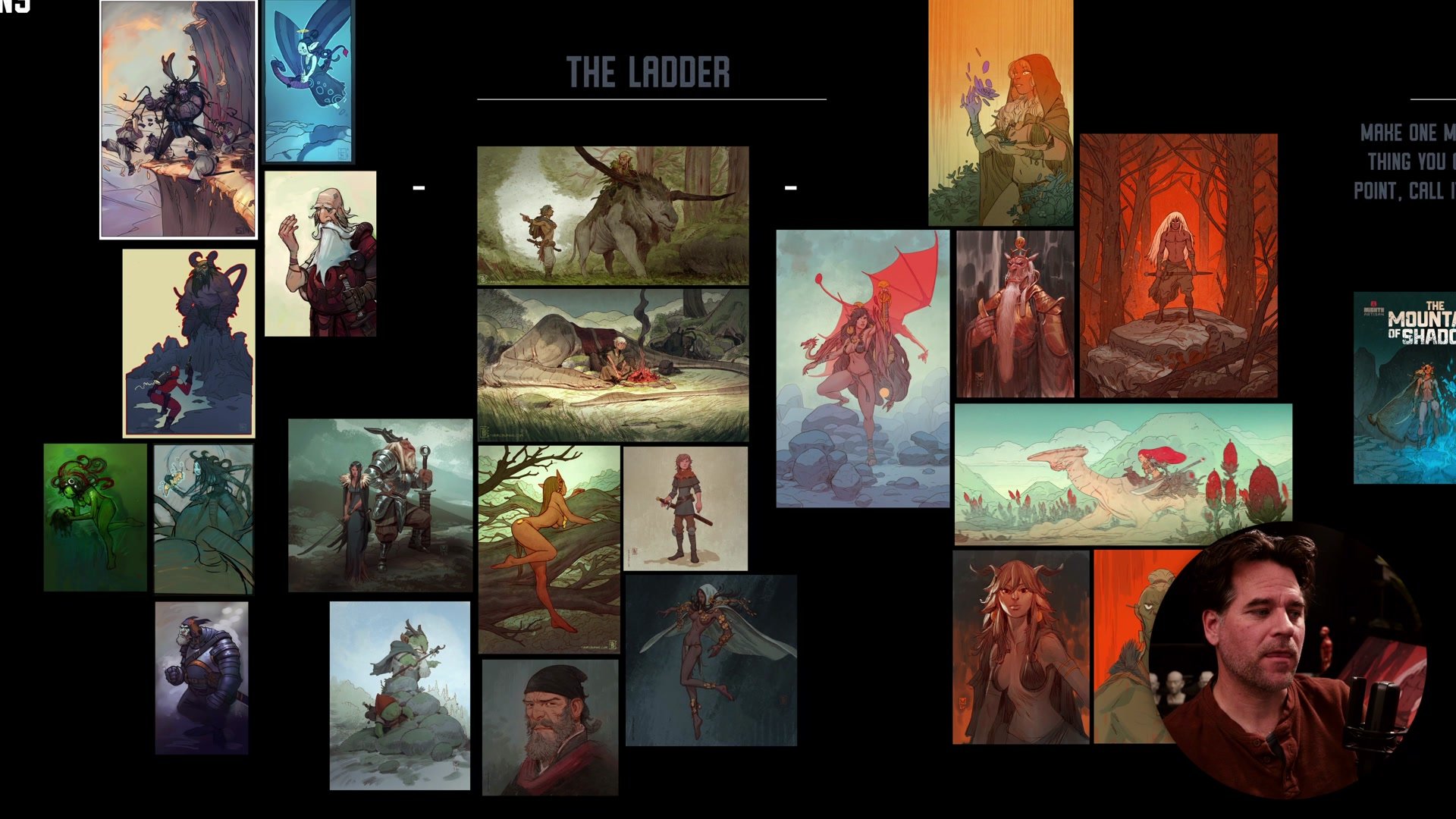
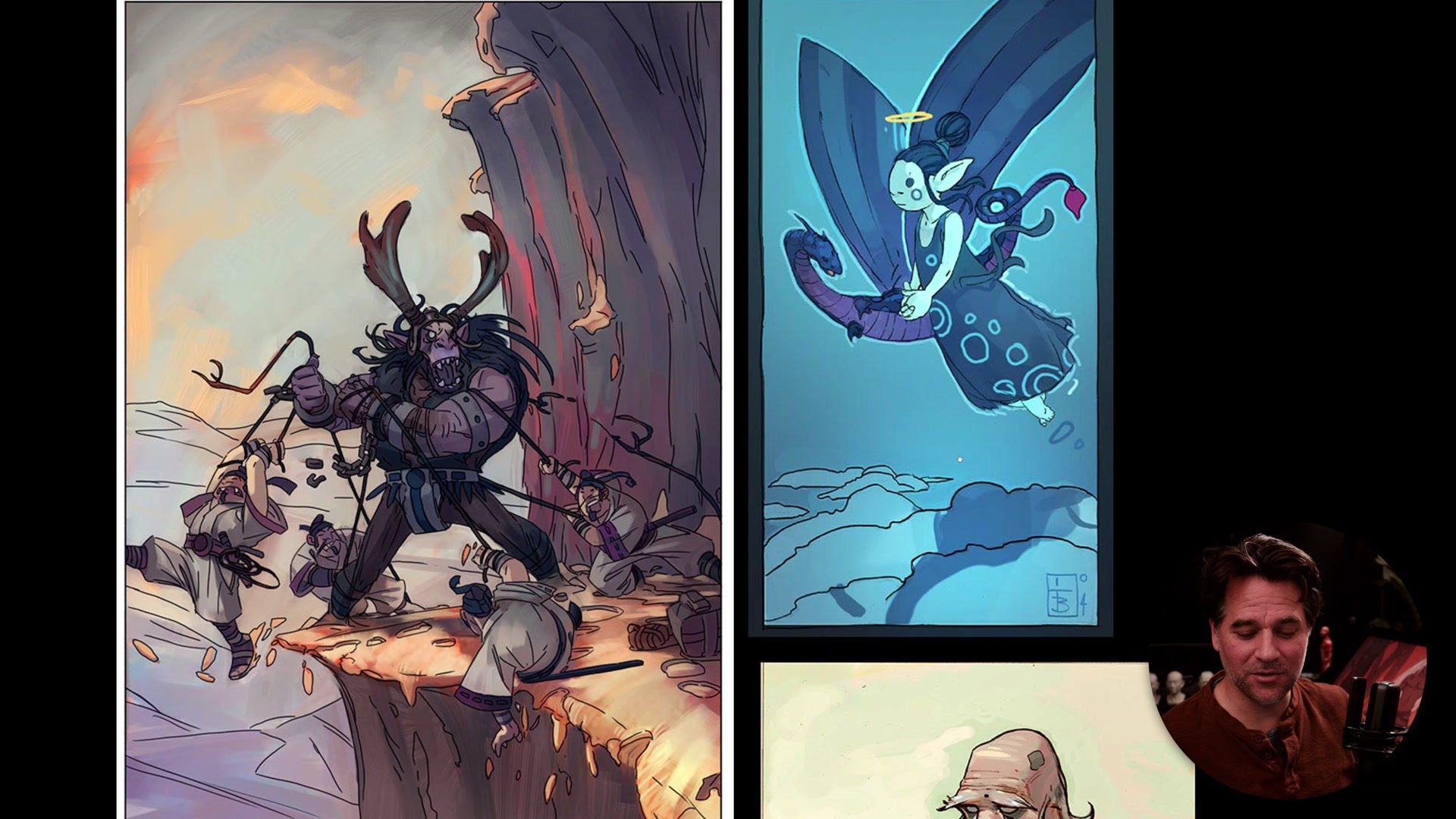
The Completion Loop
Completing art does something that half-finished images sitting on a hard drive never can. When an image is finished and put out into the world, it allows for an honest assessment of current ability. There is no "if only I had more time" or "if this had gone differently." The work is done, and it represents the best that could be produced within that scope.
Every completed image builds the creation loop: come up with an idea, start the process, encounter challenges, figure out solutions, and call it done. Along the way, a reliable step-by-step workflow develops. Intuition builds for knowing what to do when things go wrong, when an image hits the ugly phase, when the composition is not working. That intuitive sense of when to zig or zag, what dirty tricks to pull, is what separates artists who have skills from artists who actually make art. Each finished piece also reveals what needs work next. What really failed? What is the number one skill to focus on? Completing the loop provides that clarity.
Skills Building Over Time
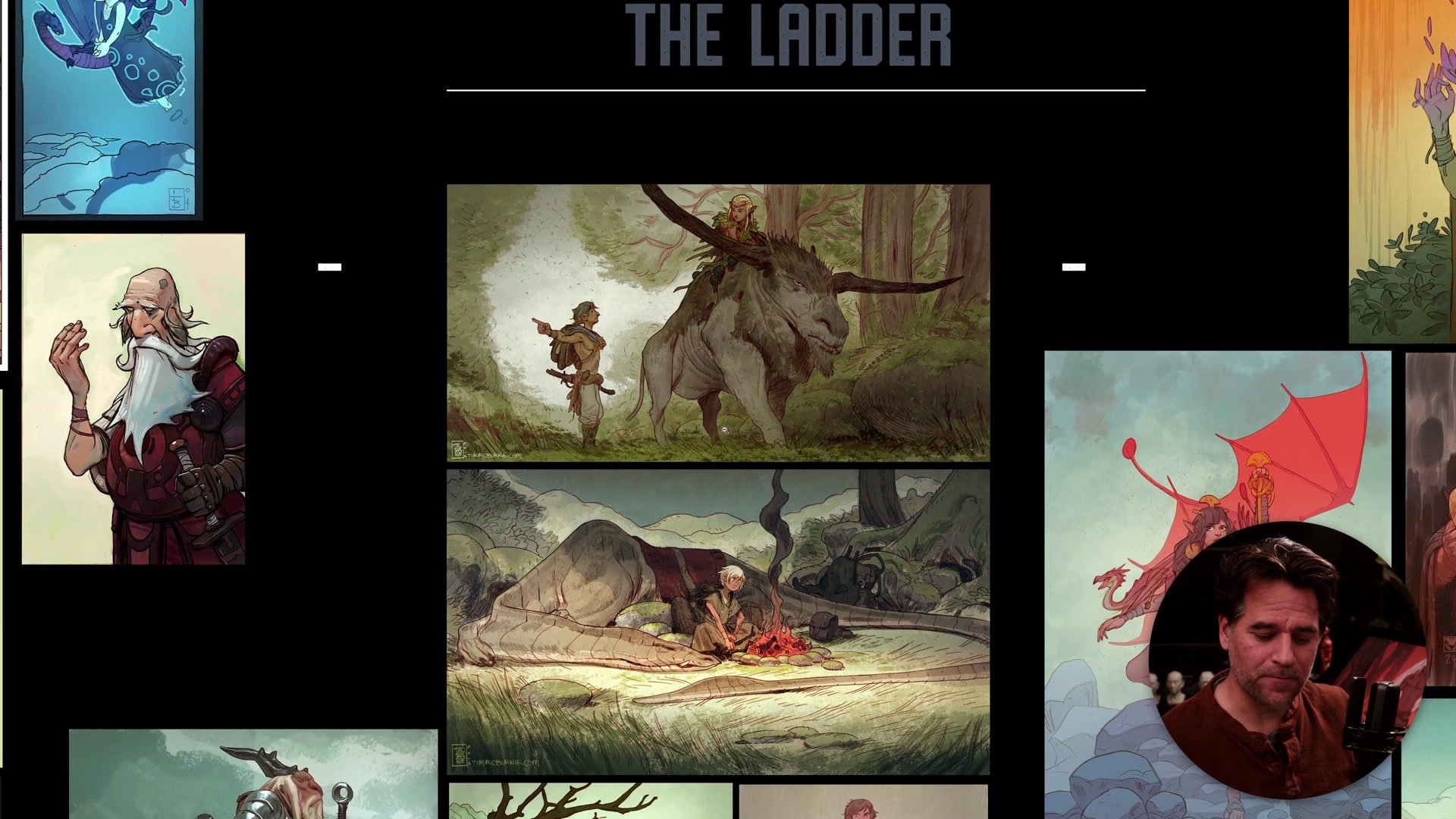
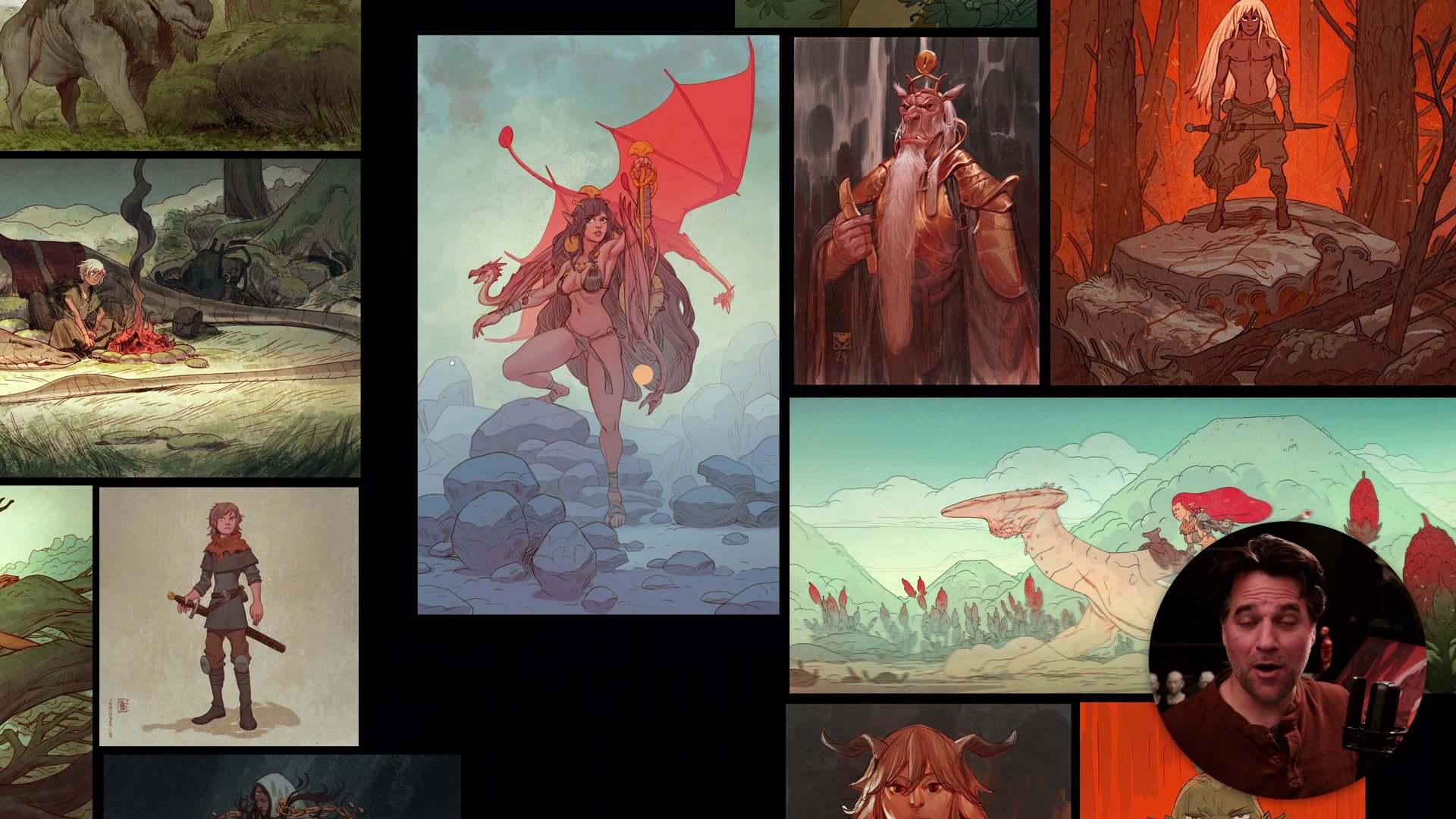
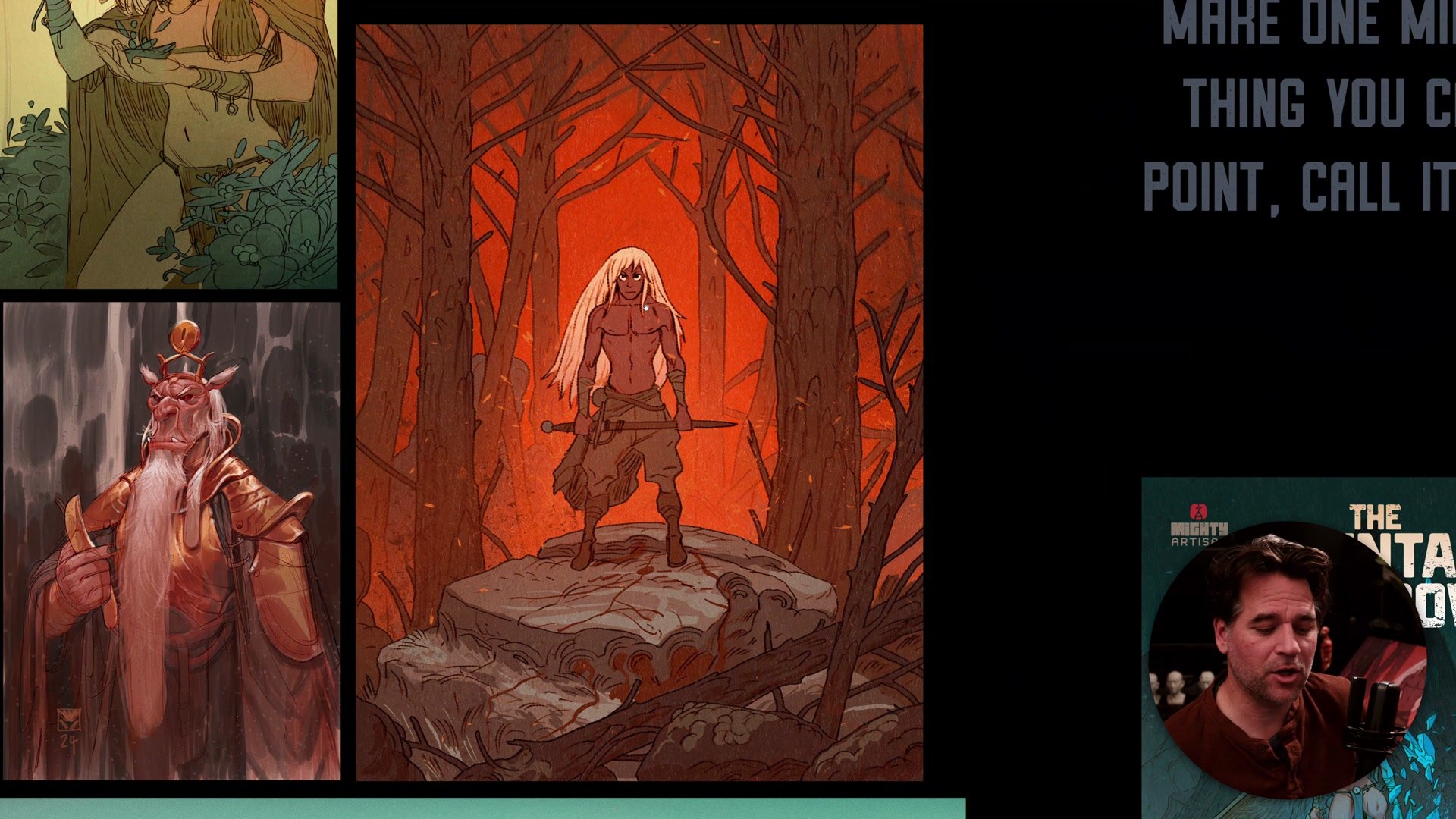
How This Compounds
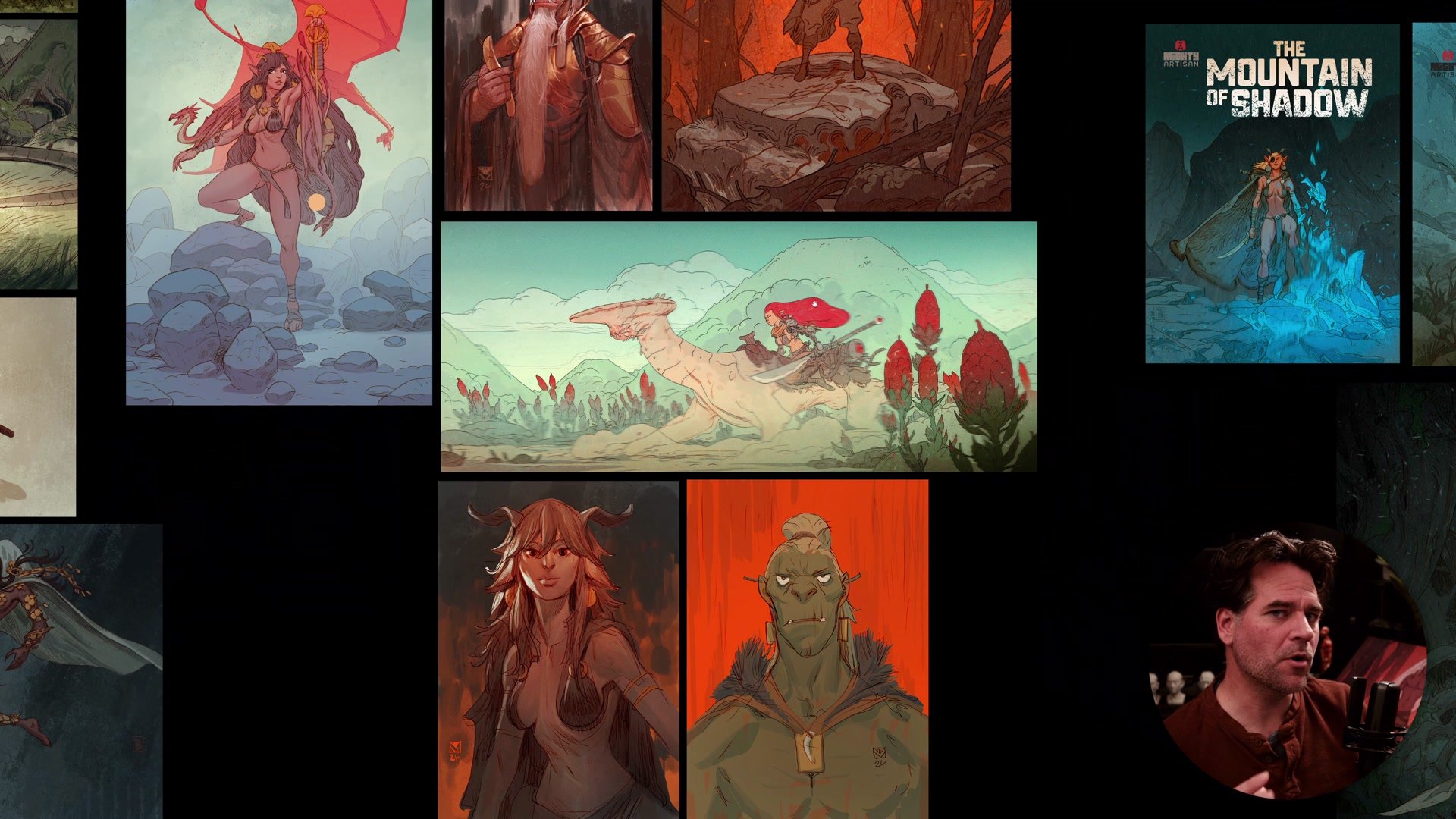
This approach is not a quick fix. Early mini illustrations might be rough, messy, and take three or four hours to produce. The quality will not be impressive at first, and that is fine. The first hundred of these small images are about turning the wheel of creation: trying different techniques, experimenting with tools, figuring out how to put a background in, how to use simple color, how to make a composition feel right.
Over years of consistent practice, what can be completed in a single sitting expands dramatically. The same three-hour window that once produced a rough character sketch eventually produces detailed, composed illustrations. The process becomes reliable enough that work can even be broken across multiple sessions, with different stages (sketch, line work, color, finish) happening on different days. That level of confidence with the process only comes from having done it hundreds of times. Improvement starts with making art. That is the wheel that actually makes the difference.
Key Concepts
Minimum Over Maximum: Instead of aiming for the biggest, most ambitious project, focus on the smallest complete image that can be finished in one sitting. Scope down until the work can actually be completed.
Completion Builds Intuition: Finishing art, even rough art, develops the intuitive problem-solving ability that studies and exercises alone cannot build. Every finished piece reveals what to learn next.
Reps Over Perfection: The first hundred mini illustrations will not be impressive. The value is in the repetition, the experimentation, and the gradual expansion of what can be achieved in a given time.
The Challenge
Pick Your Sitting: Decide how long a single sitting is for you. Half an hour, one hour, three hours. Whatever time is available this week.
Create One Mini Illustration: Draw the simplest complete image you can finish in that time. Frame it, compose it, think about the focal point. Call it done.
Share and Repeat: Post it, share it with friends, and do another one next week. Do not expect it to work the first time. The skill builds through repetition.