Exaggerate Faces to Create Unique Characters
Summary
Structure Meets Character
The Loomis method and facial anatomy training tend to produce clean, accurate, and thoroughly boring results. Standard proportions create standard characters, and standard characters disappear into the background of every project. The gap between "anatomically correct" and "interesting character design" is where most artists get stuck.
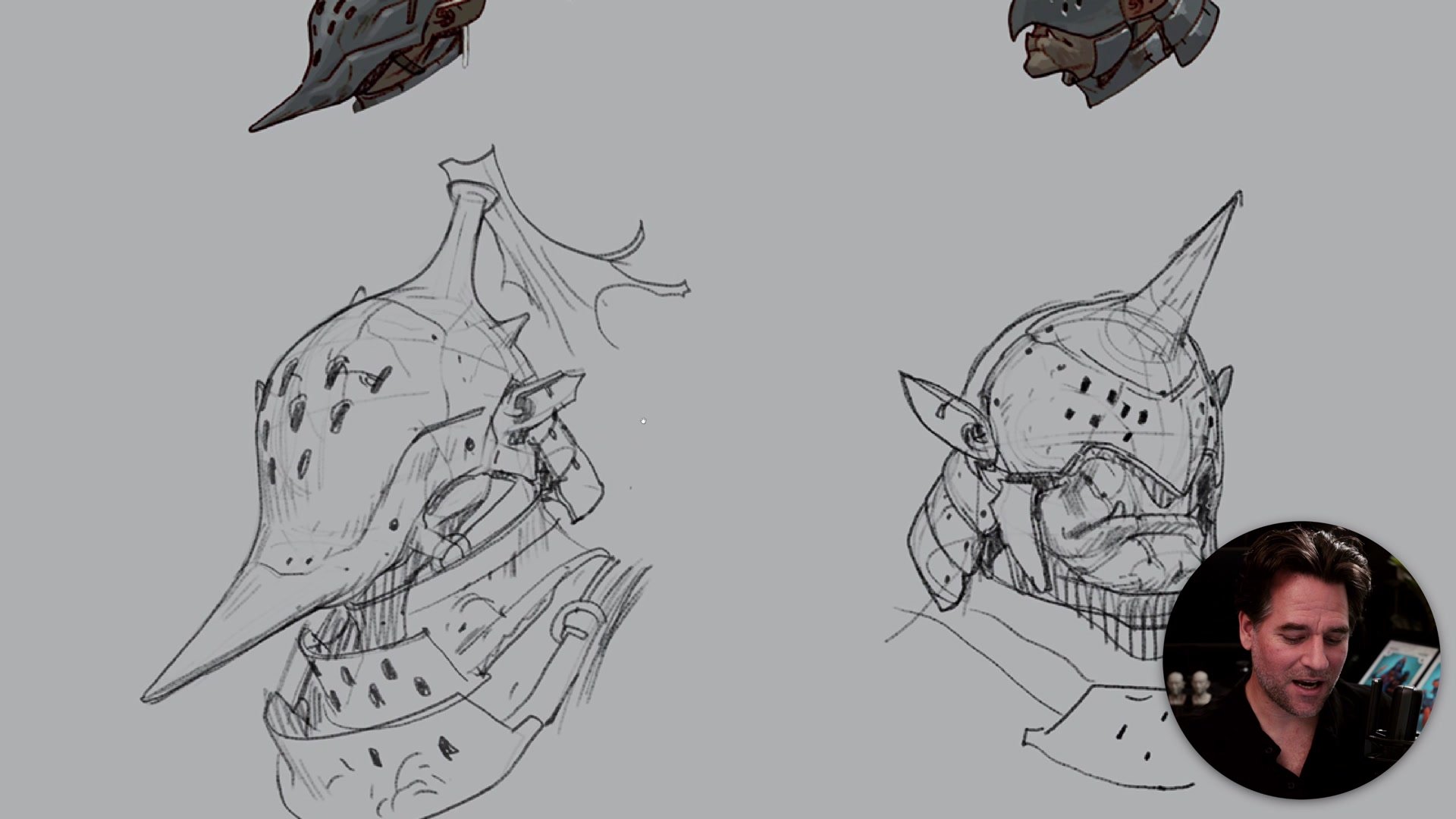
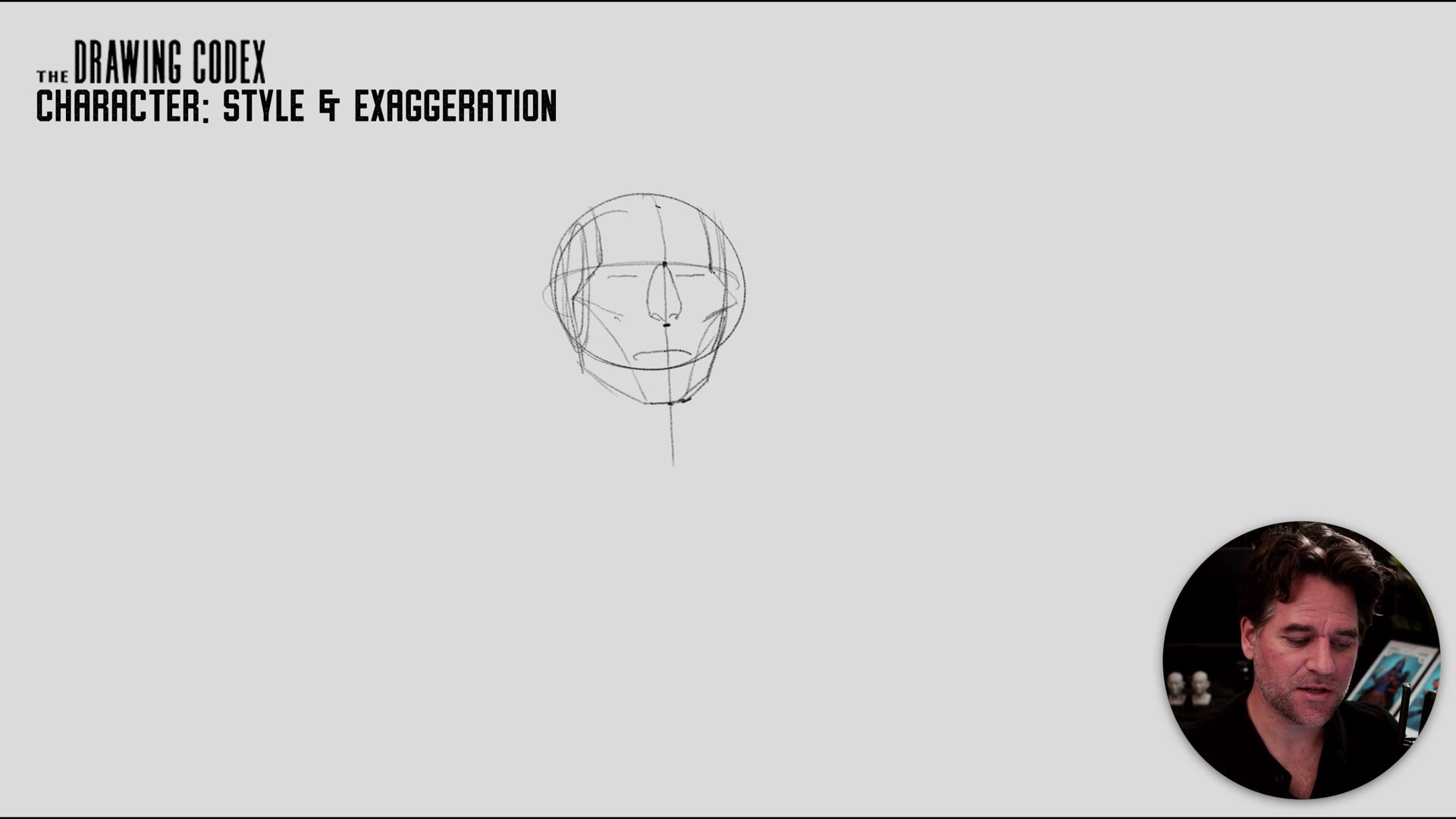
This video breaks down a three-part system for building characters that actually hold attention: foundation (structural anatomy and proportion), style and exaggeration (pushing features beyond the standard), and application (rendering and illustrating the result). Using fantasy ruffians as the subject, the demonstration covers how to take a solid Loomis construction, exaggerate specific proportions, and carry that through two different design approaches into a finished, rendered portrait.
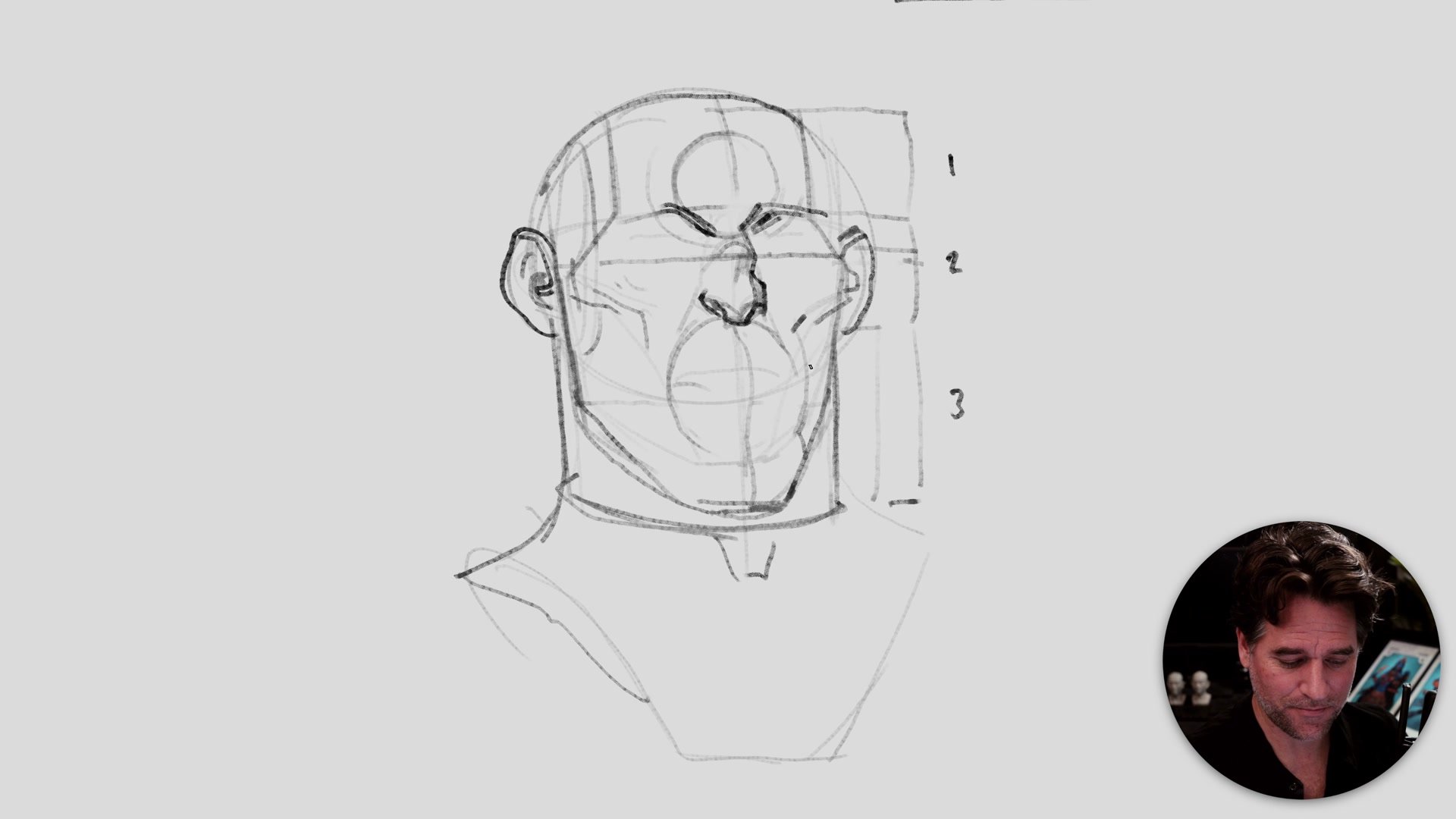
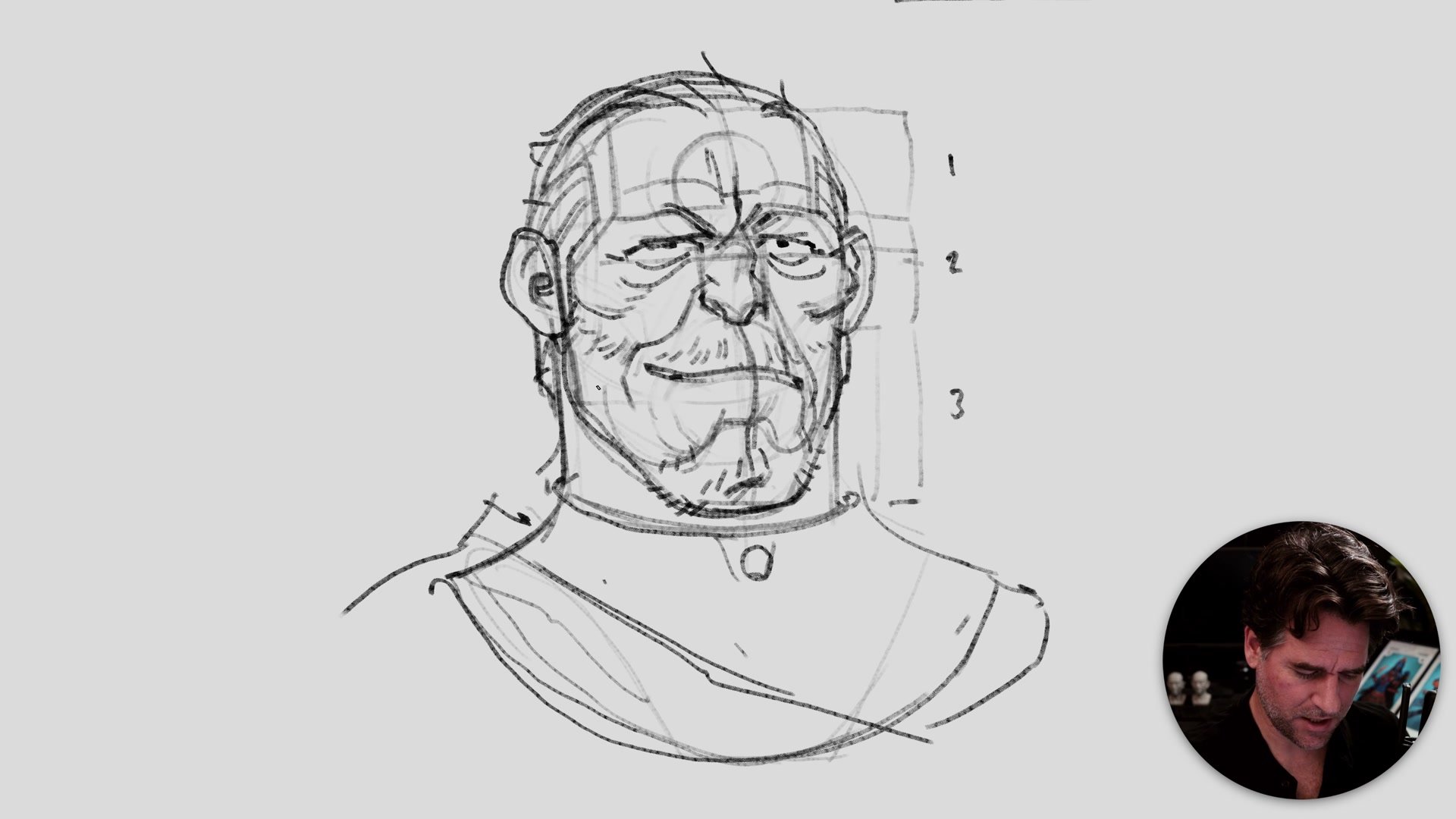
Exaggerating Proportions
Standard facial proportions come from the ancient Greek and Roman tradition of idealized beauty. These proportions were literally invented around 500 BC as someone's idea of perfection. They have nothing to do with structural accuracy and everything to do with one culture's aesthetic preference. People from different backgrounds have very different proportions, and personal style may already depart from the classical standard.
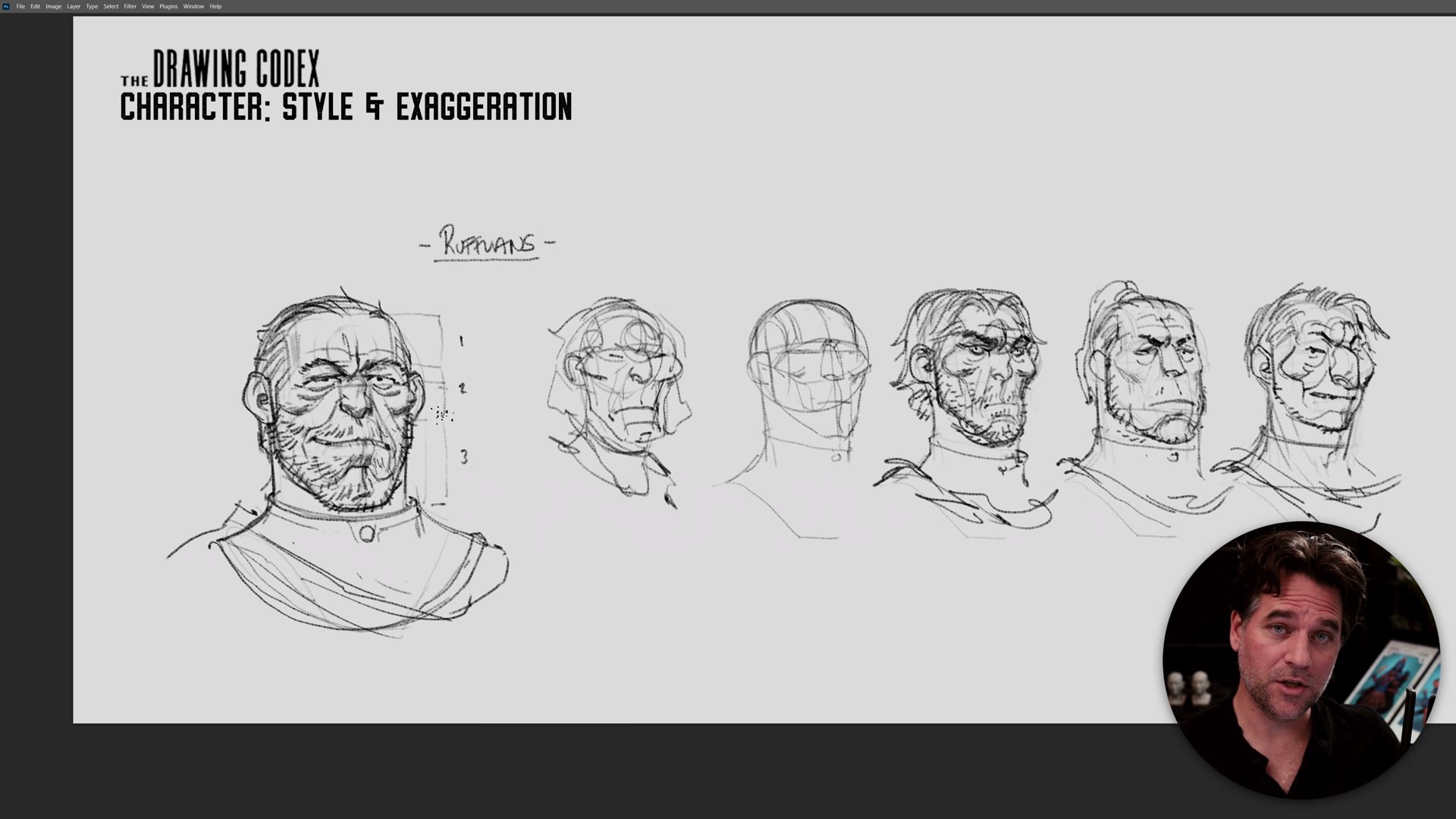
The practical application starts with understanding those three standard divisions of the face, then deliberately pushing one or more of them. Extending the jaw, shrinking the forehead, widening the cheekbones: each change produces a fundamentally different character. The key insight is choosing a lead feature, one dominant exaggeration that defines the character. Pushing every feature equally produces chaos. One strong lead feature with supporting modifications creates a character that reads clearly and feels intentional.
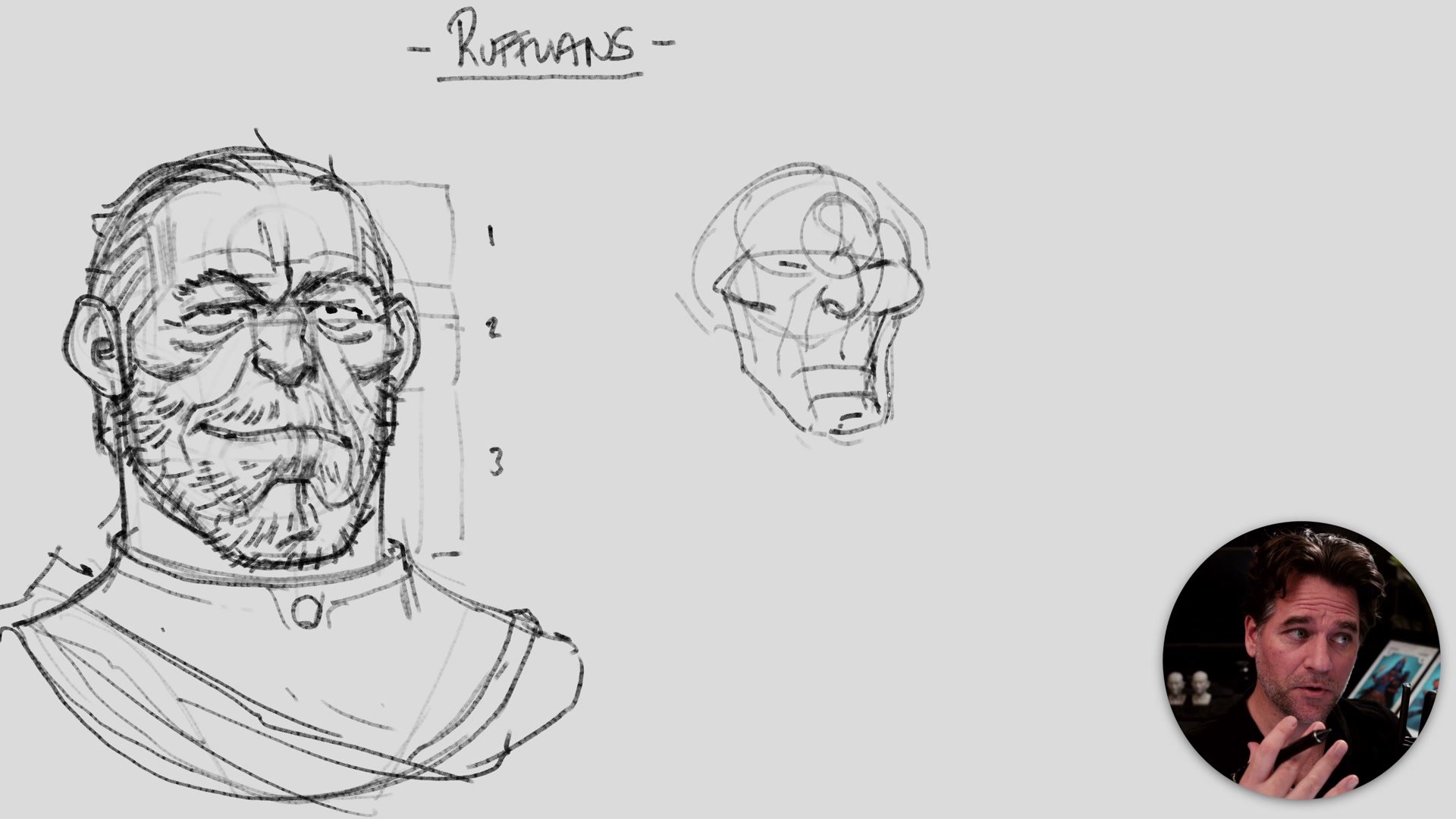
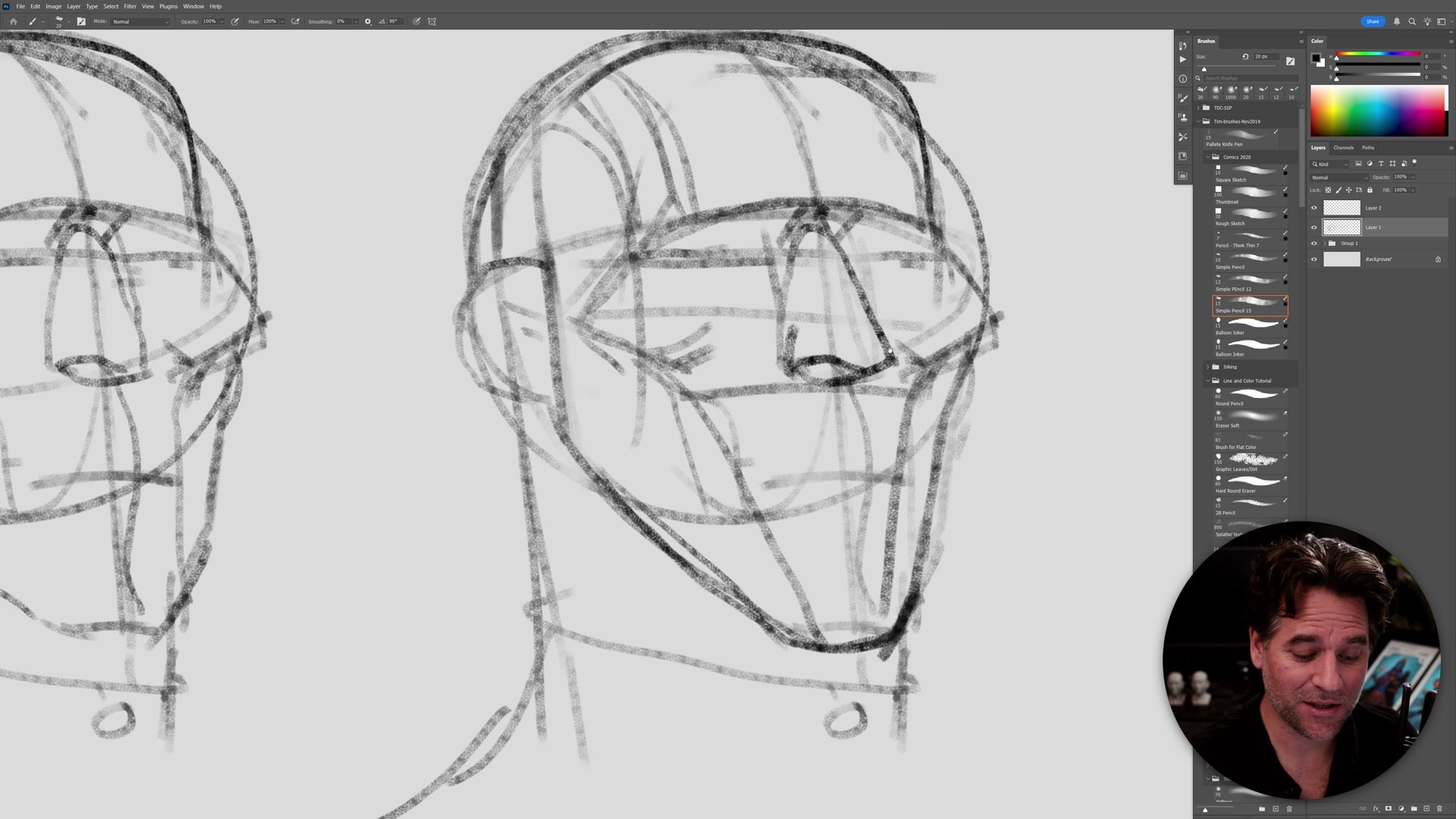
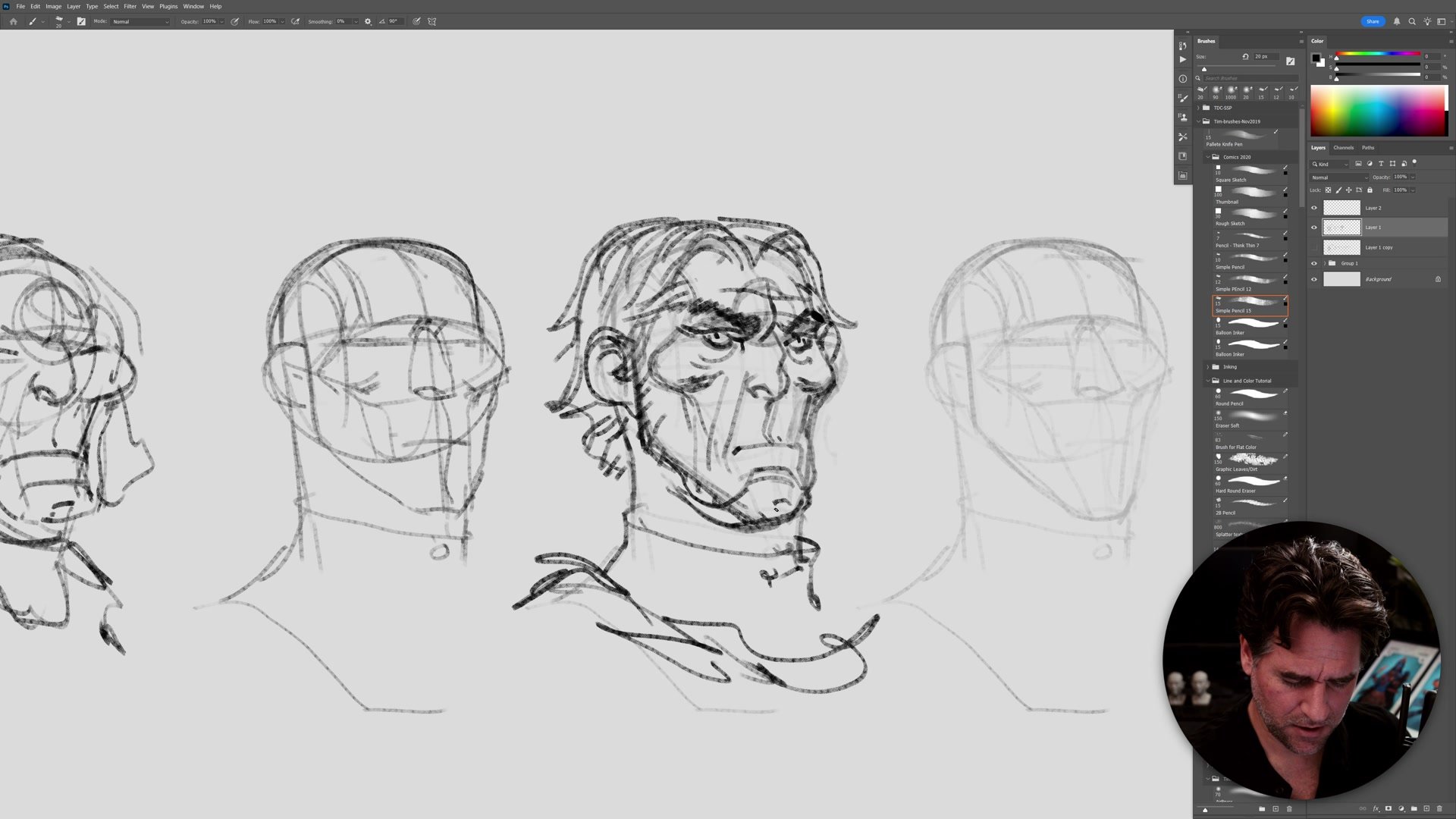
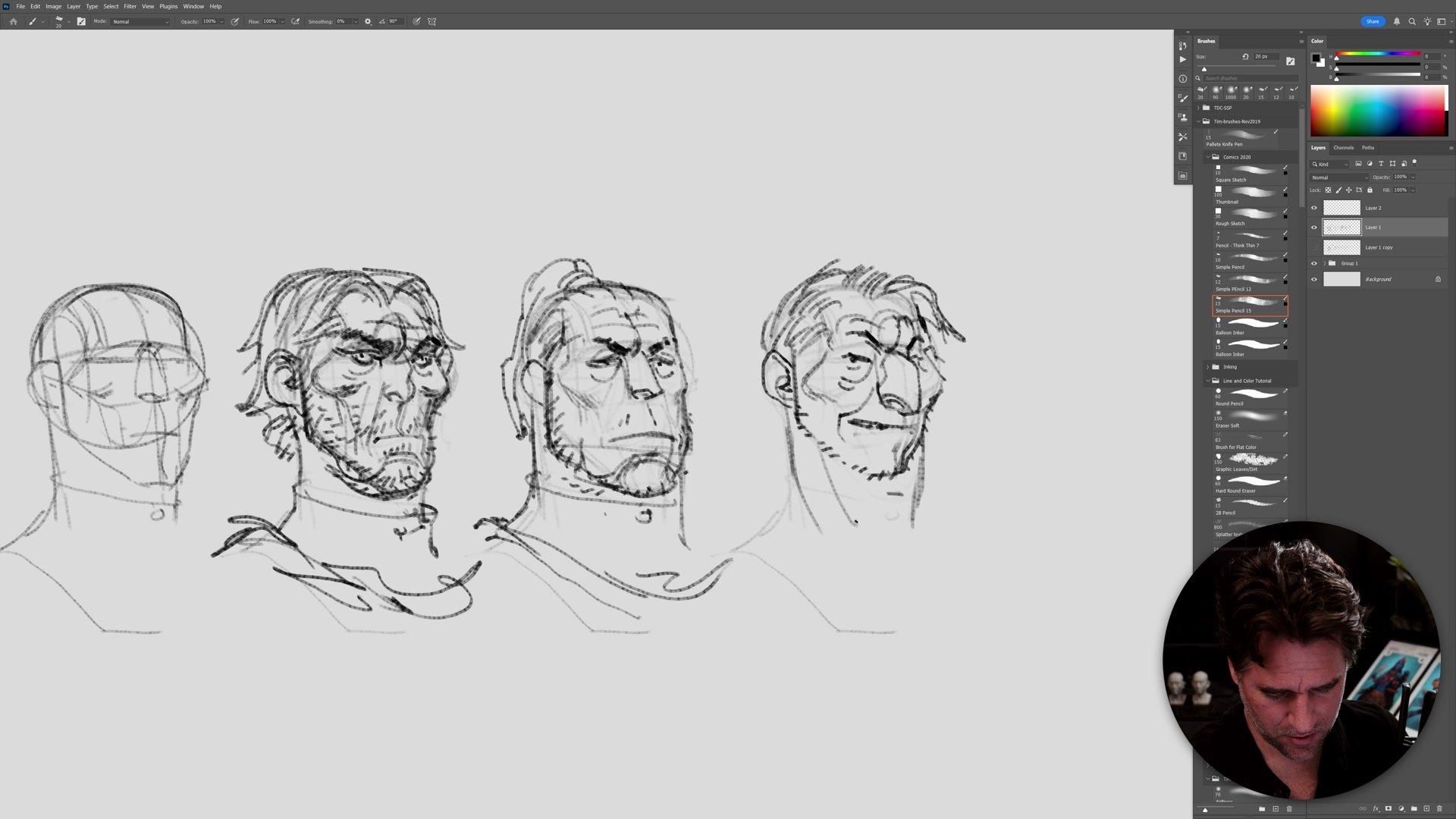
Two Design Approaches
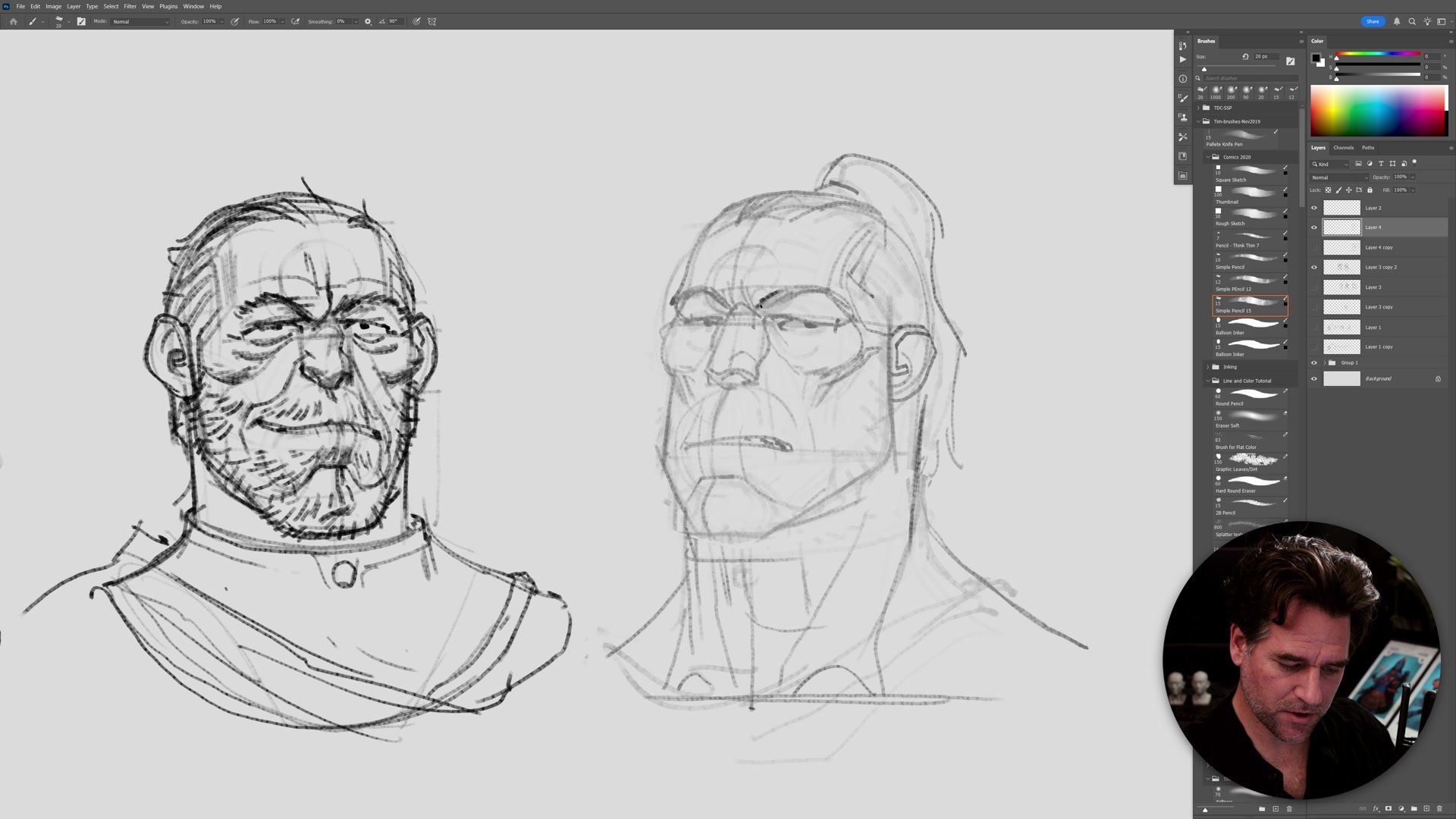
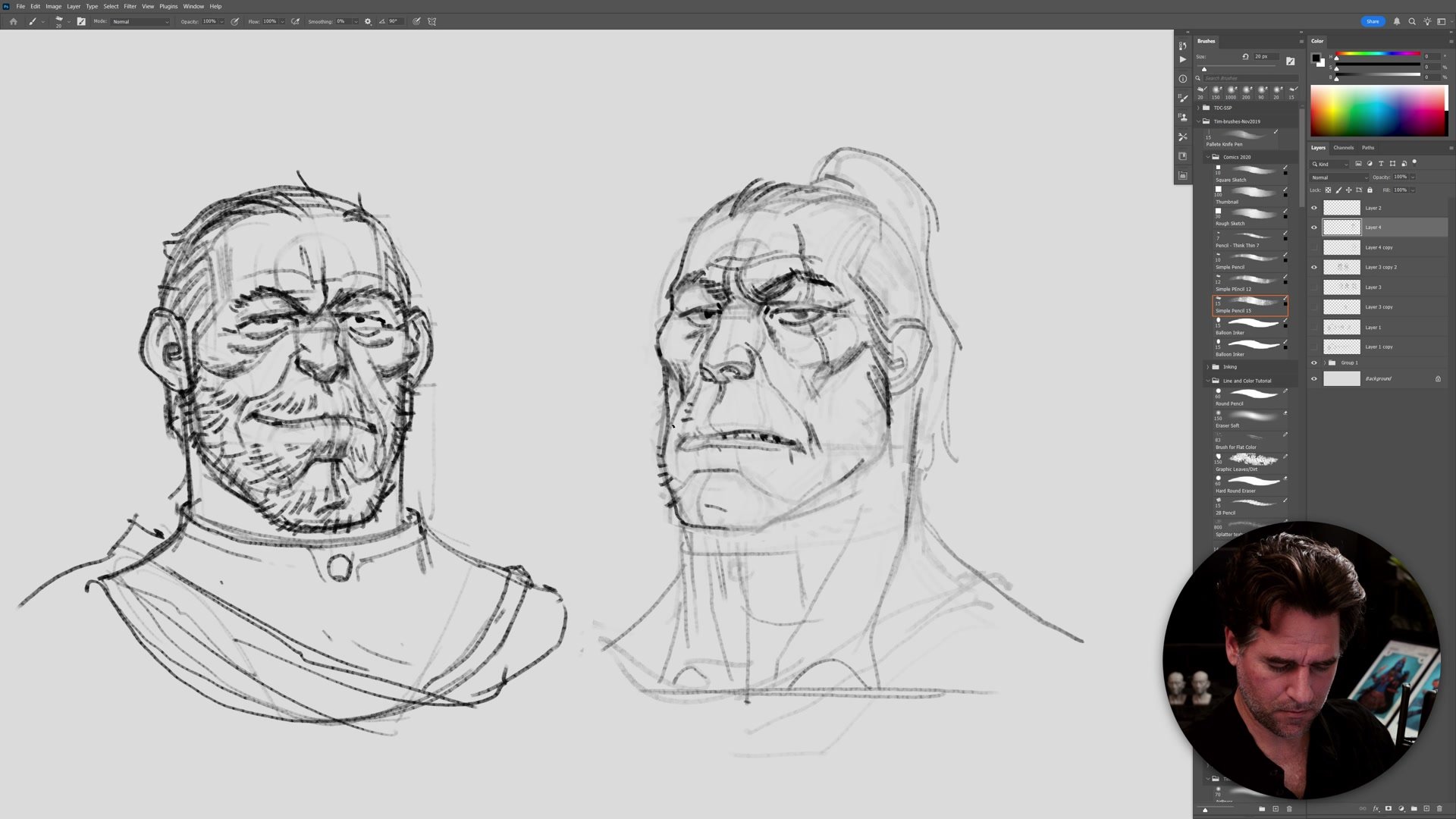
There are two distinct paths to interesting character design, and both require structural understanding to succeed. The first is free sketching: drawing loosely, finding the character through exploration, then retroactively figuring out the underlying structure. This approach often produces more spontaneous, energetic results because the artist is responding to feeling rather than formula.
The second approach starts with a solid anatomical base and modifies it. Duplicate the base, draw over it, push specific features. This is more controlled but can feel restrained. Both approaches converge at the same point: once the character exists, the artist needs to understand its structure well enough to redraw it consistently. Separating the design phase from the structural phase prevents the rigidity that comes from trying to be creative and accurate at the same time.
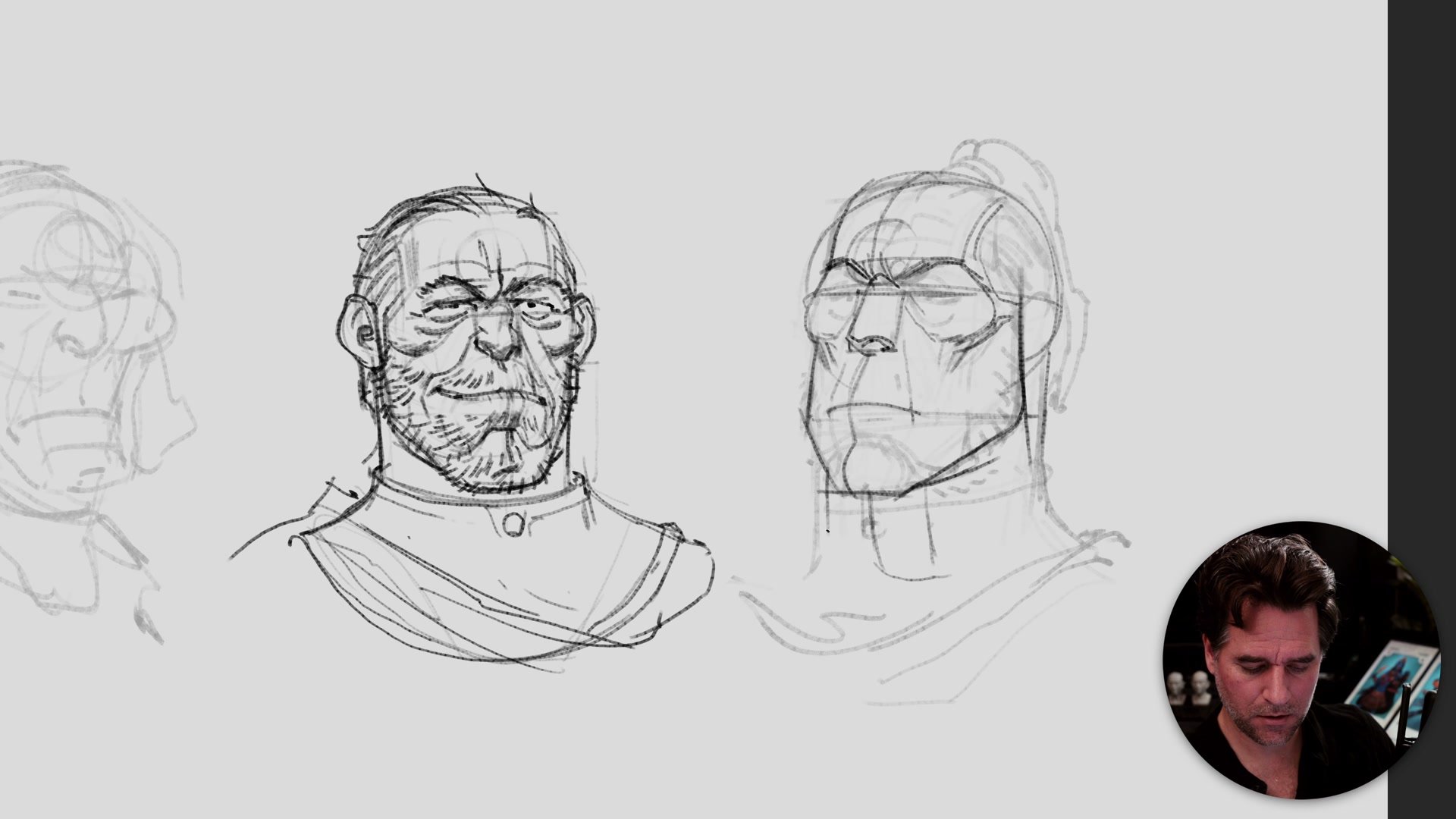
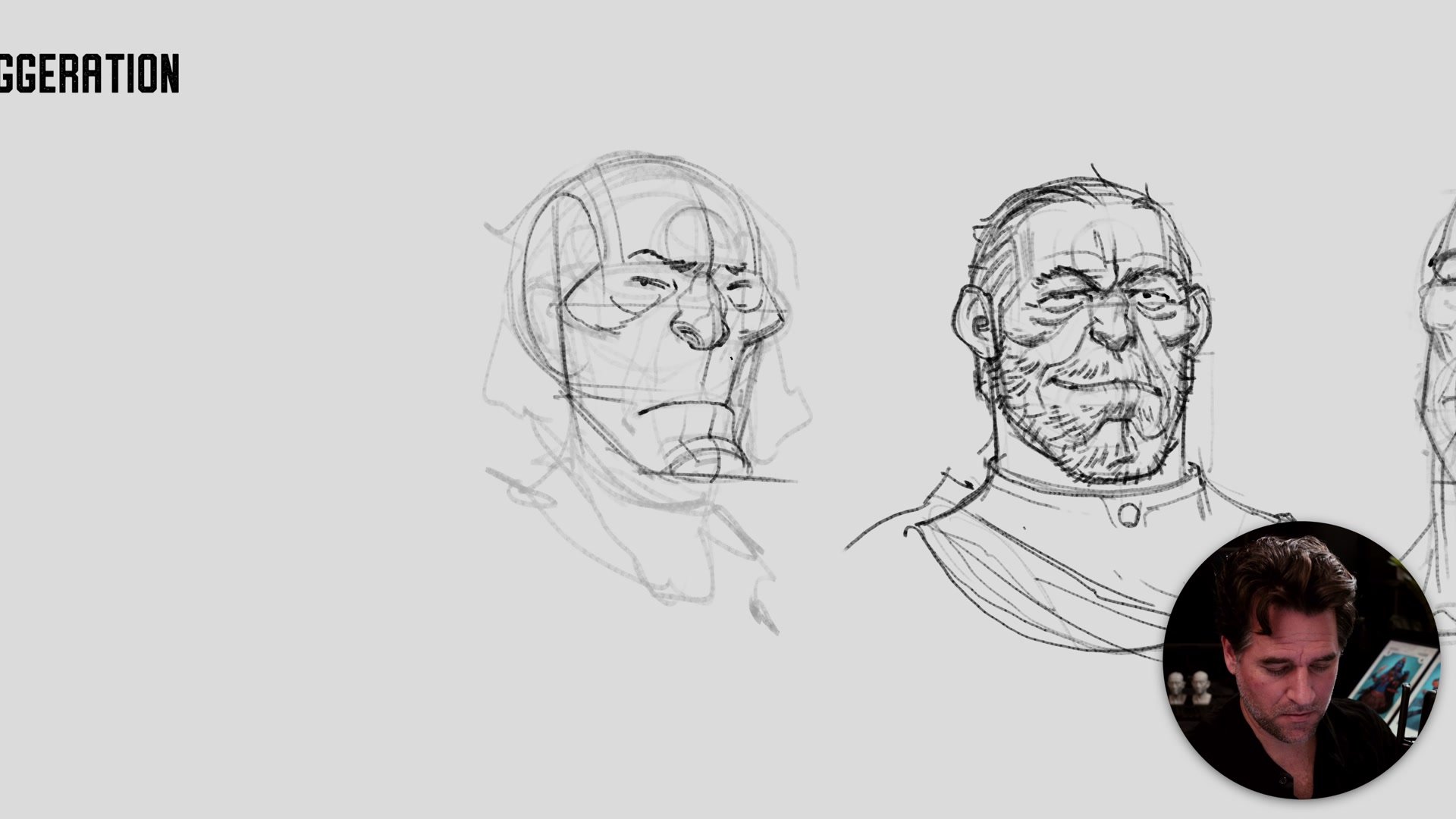
Structure Enables Rendering
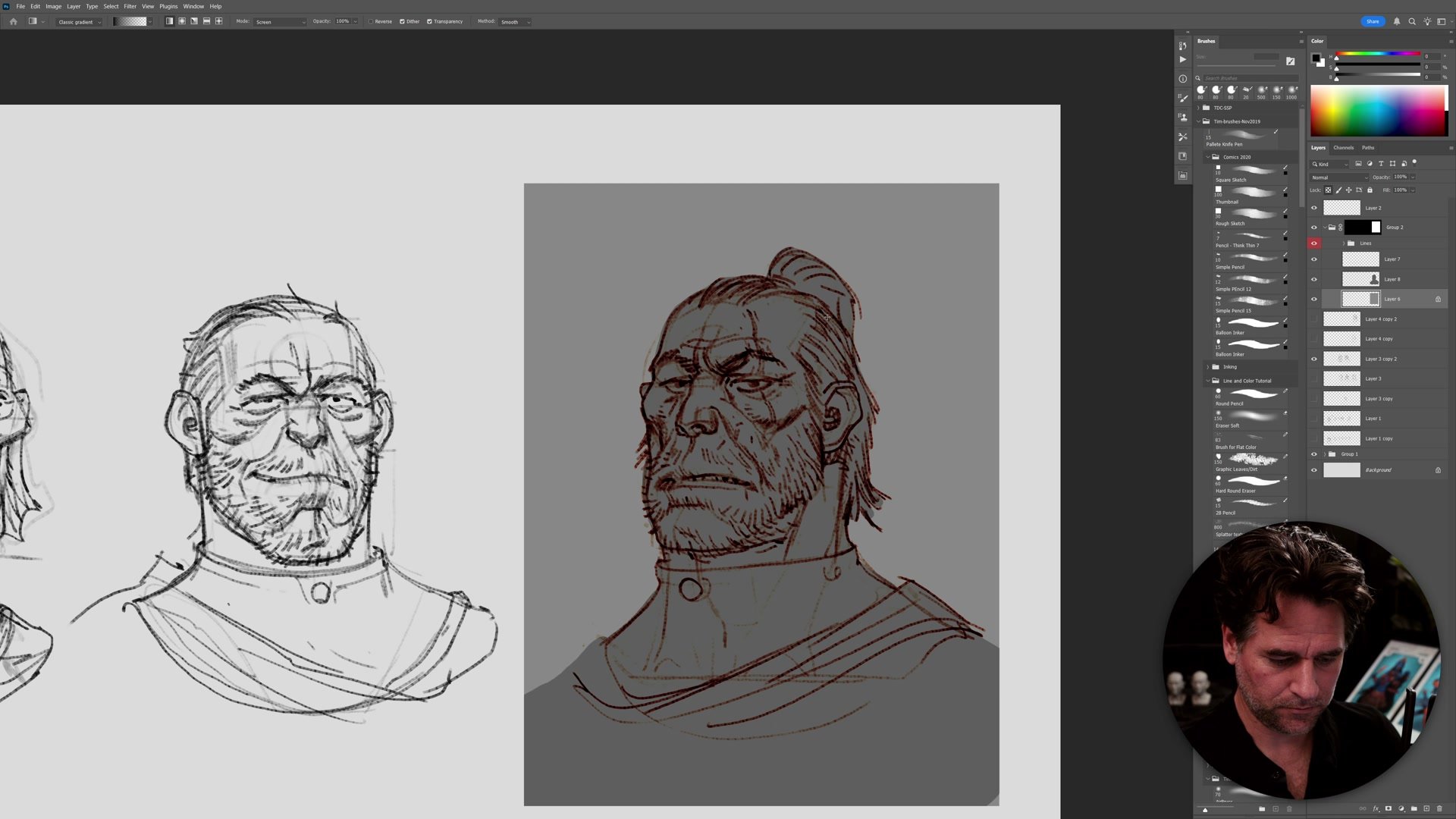
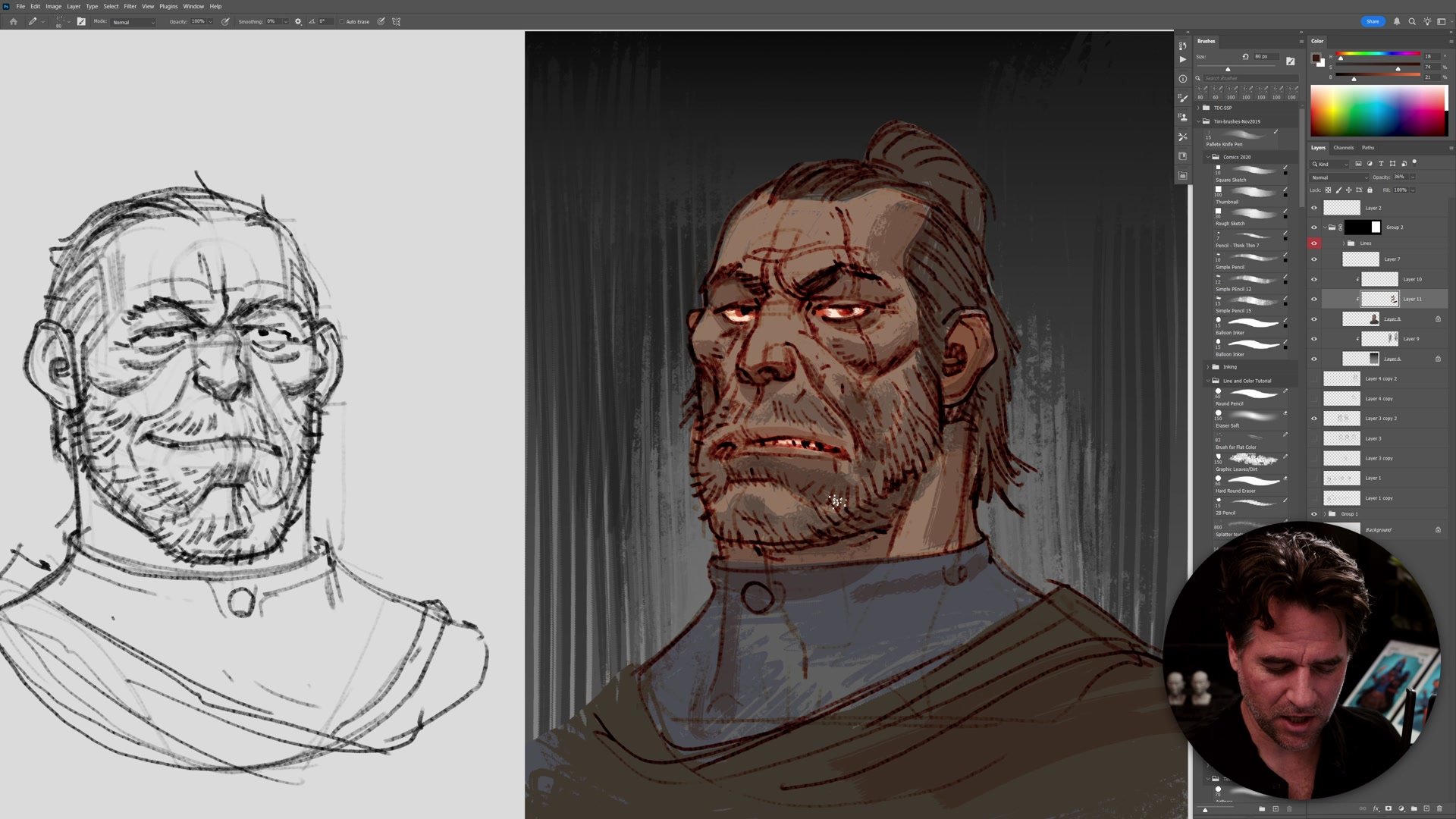
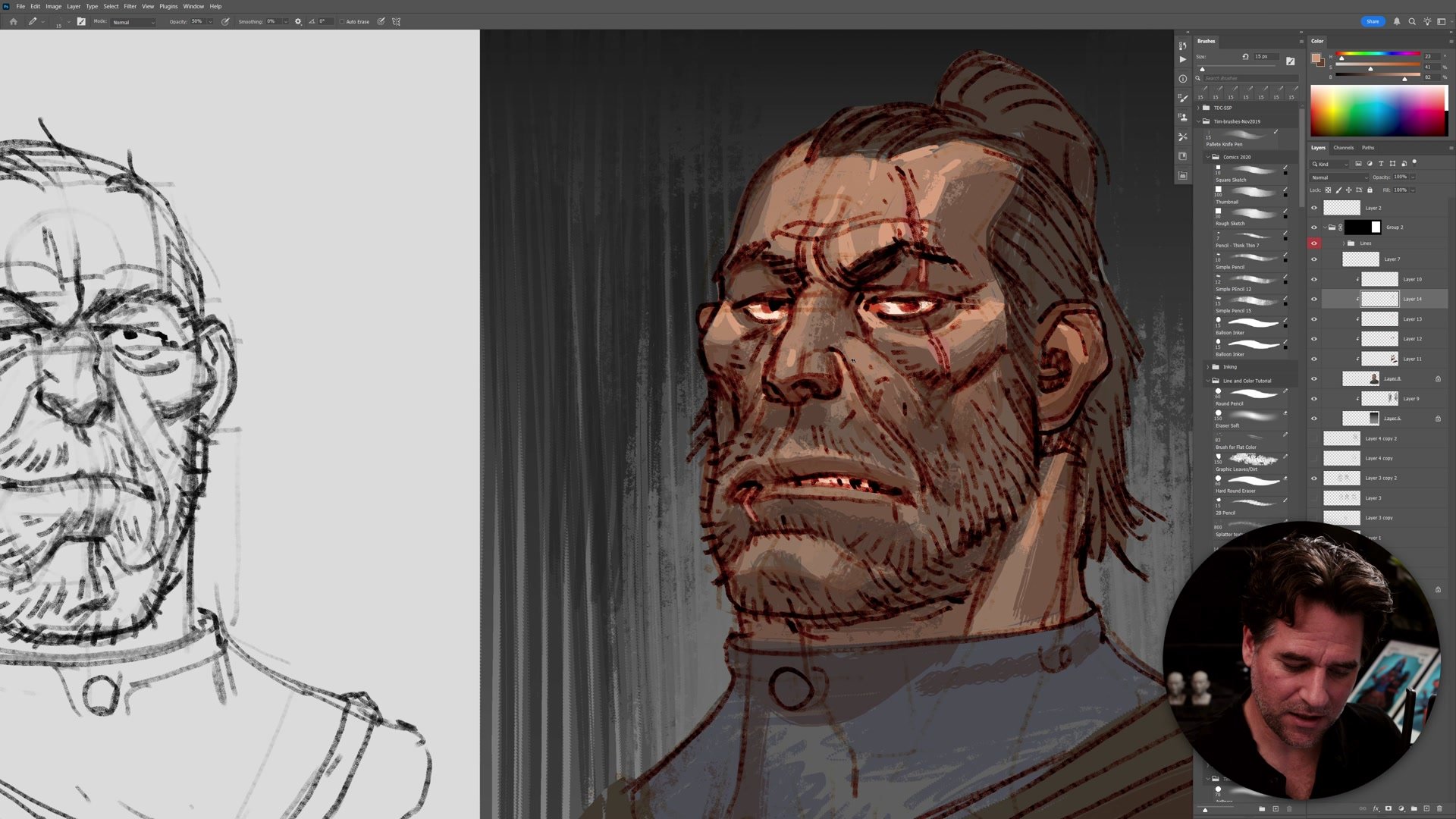
The final and most critical step is applying all of this anatomical work to actual rendering. Every structural decision made during the construction phase directly informs where shadows fall, where highlights land, and how forms turn. Without that structural understanding, painting becomes guesswork about where to place light and dark values.
The rendering demonstration uses a simple flat brush at full opacity, carving out local colors first, then layering shadow and light. The brush is irrelevant. The knowledge of where forms change direction is everything. When the cheekbone, brow ridge, and nose structure are understood, the shadows and highlights practically place themselves. Most painting problems are actually drawing problems, and most drawing problems are structural anatomy problems.
Key Principles
Lead Feature First: Choose one dominant exaggeration that defines each character. A bigger jaw, wider cheekbones, or compressed forehead creates identity. Pushing every feature equally creates noise.
Design Before Structure: Separate the creative exploration from structural refinement. Find the character through sketching or base modification first, then figure out how the anatomy supports it.
Proportions Are Invented: The standard three-division facial proportion comes from ancient Greek ideals, not from anatomical truth. Personal style and cultural variation are equally valid starting points.
Structure Enables Rendering: Understanding where forms change direction tells you exactly where to place shadow and light. Most painting problems trace back to structural anatomy gaps.
Try This
Step 1: Draw a standard Loomis head with basic proportions, then duplicate it and exaggerate one proportion dramatically. Extend the jaw, compress the forehead, or widen the cheekbones.
Step 2: Create three to five variations from the same base, each with a different lead feature. Add simple character elements like facial hair, scars, or distinctive hairstyles.
Step 3: Pick the strongest character and render a simple portrait using flat colors, one shadow pass, and one highlight pass. Focus on how the exaggerated structure changes where the light and shadow fall.