Why Your Sketch Beats Your Finished Art
Summary
The Overworked Sketch Problem
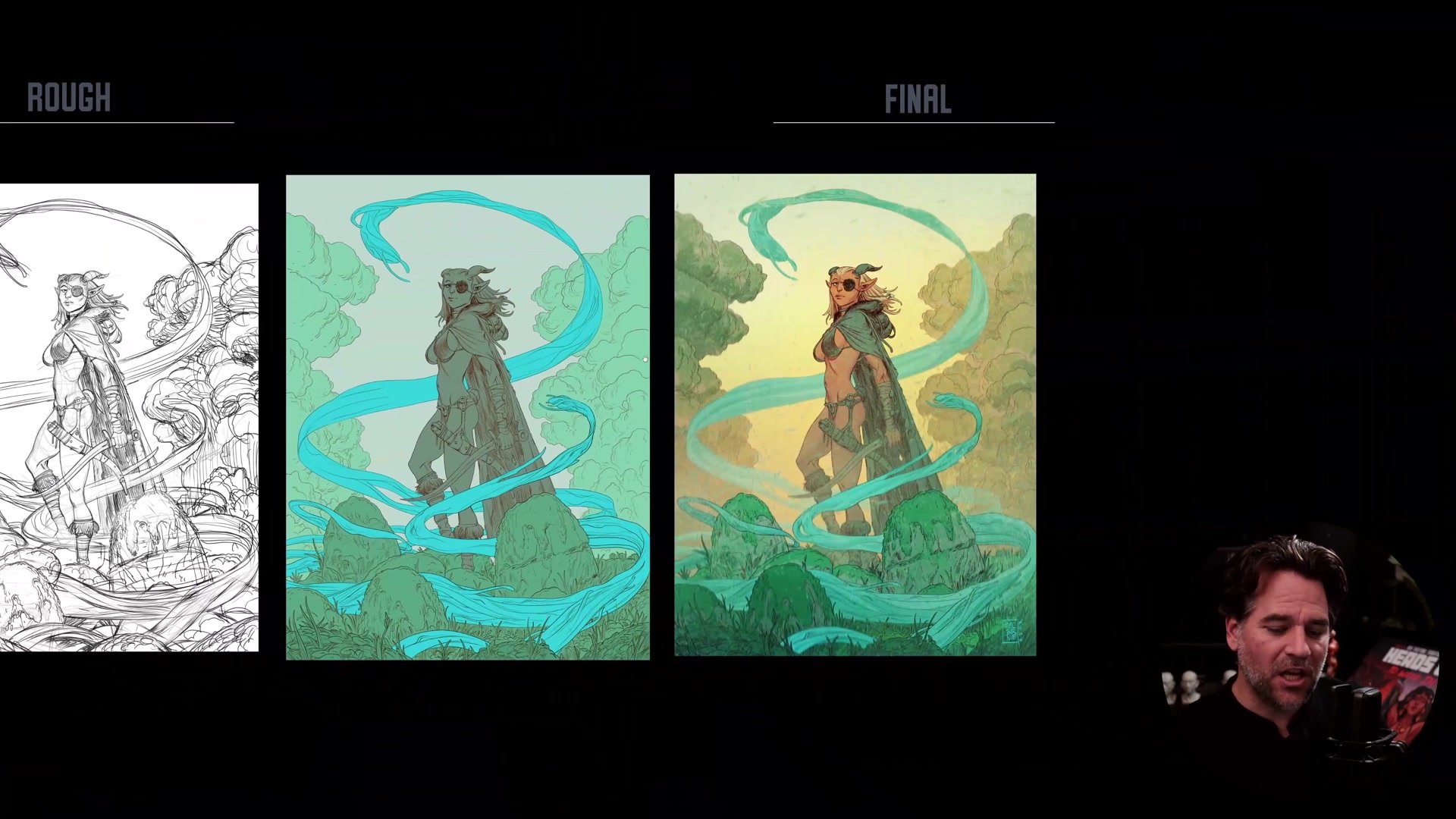
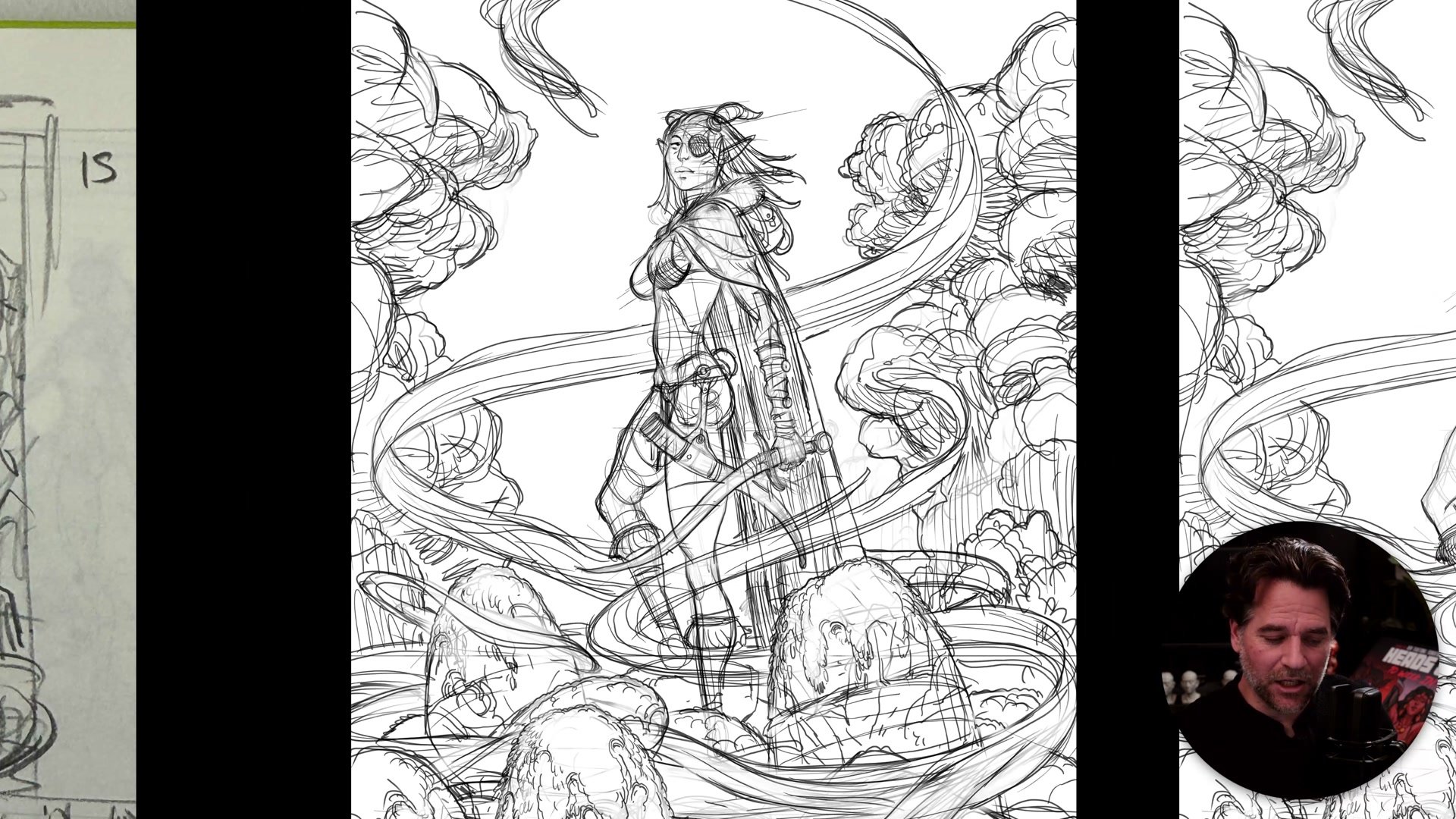
Sketches and loose work often have far more life, vitality, and energy than finished pieces. We do a nice sketch, it feels fresh and alive, and then we try to render it up. And at some point it just gets worse. More overworked, more lifeless, more dead. The more we do, the uglier it gets. This is one of the most universal frustrations in drawing, and every artist goes through it.
Part of this is simply experience and mileage. The more finished work we do, the better we get at keeping that energy alive through the process. But there are also structural reasons why this happens. Many artists have a fundamentally broken mental model for how to get from loose sketch to polished image. Artists tend to like sketchy work because we have good imagination and can fill in what's missing. We look at a rough sketch and imagine it finished. But most people who aren't artists don't do that. They want a finished image that looks polished. And professionally, creating highly polished art that retains a sense of life is exactly what we get paid to do. Three concepts address this directly: understanding what type of sketching we are doing, embracing the ugly construction phase, and starting with the end in mind.
Three Types of Sketching
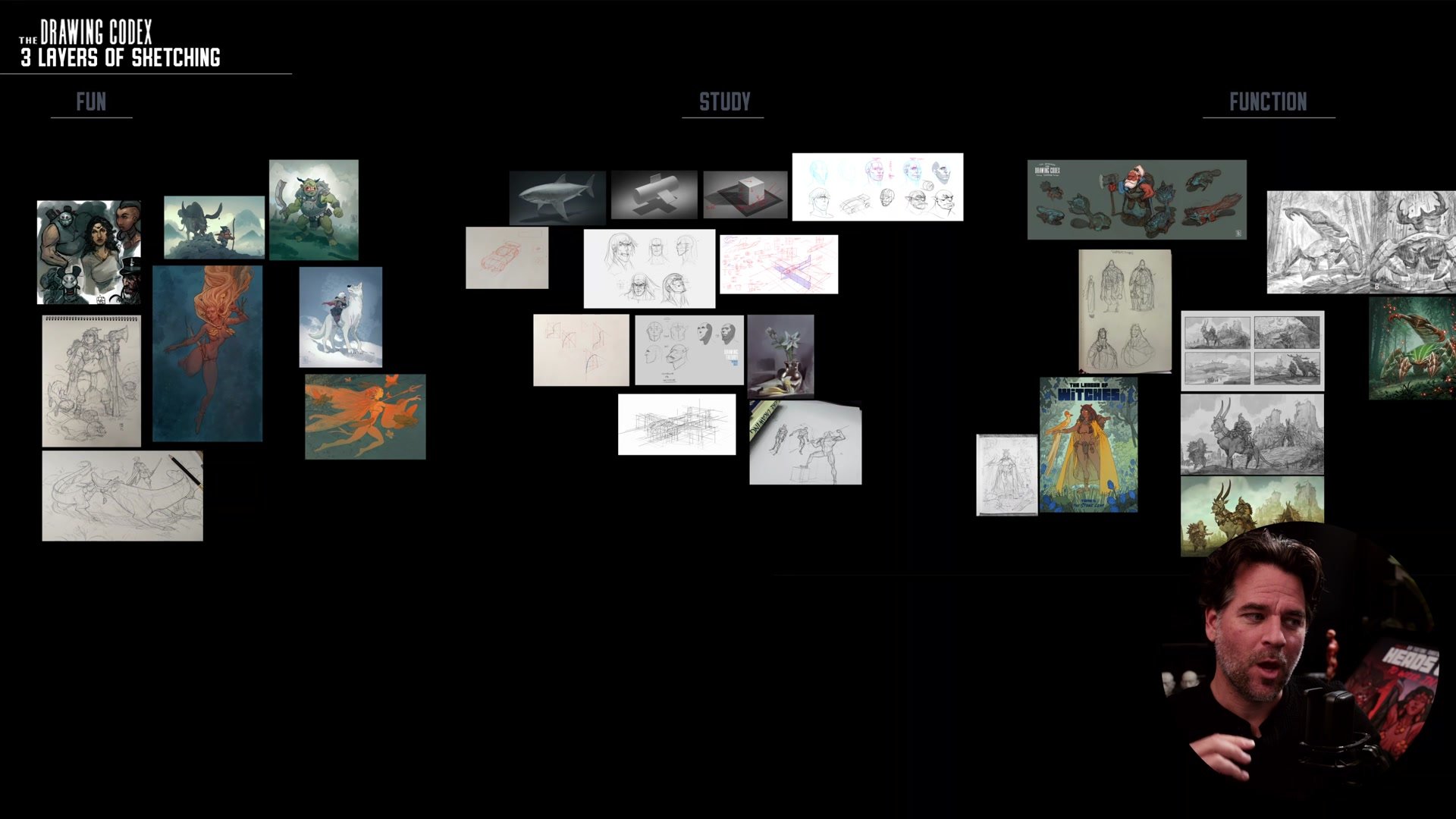
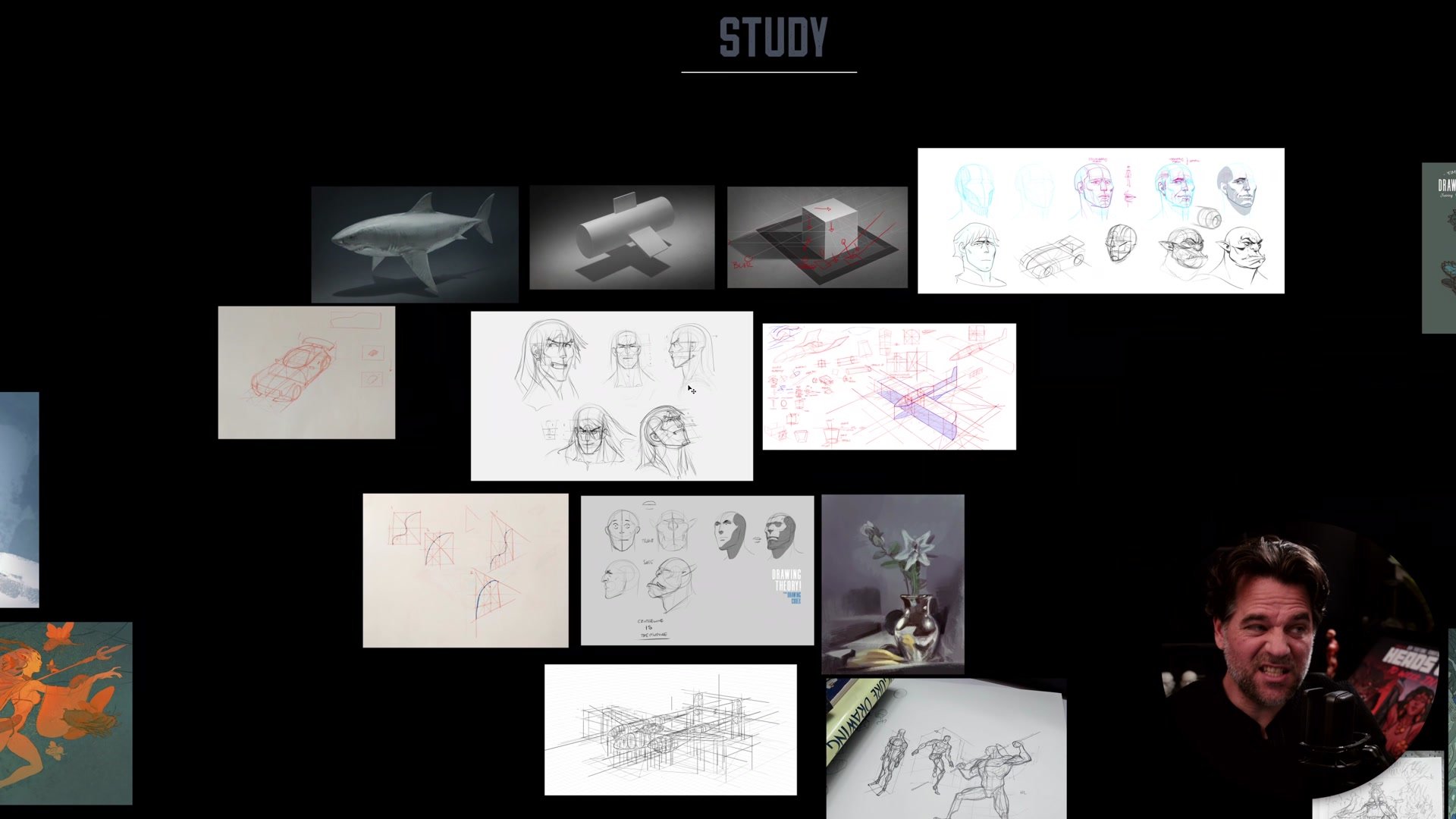
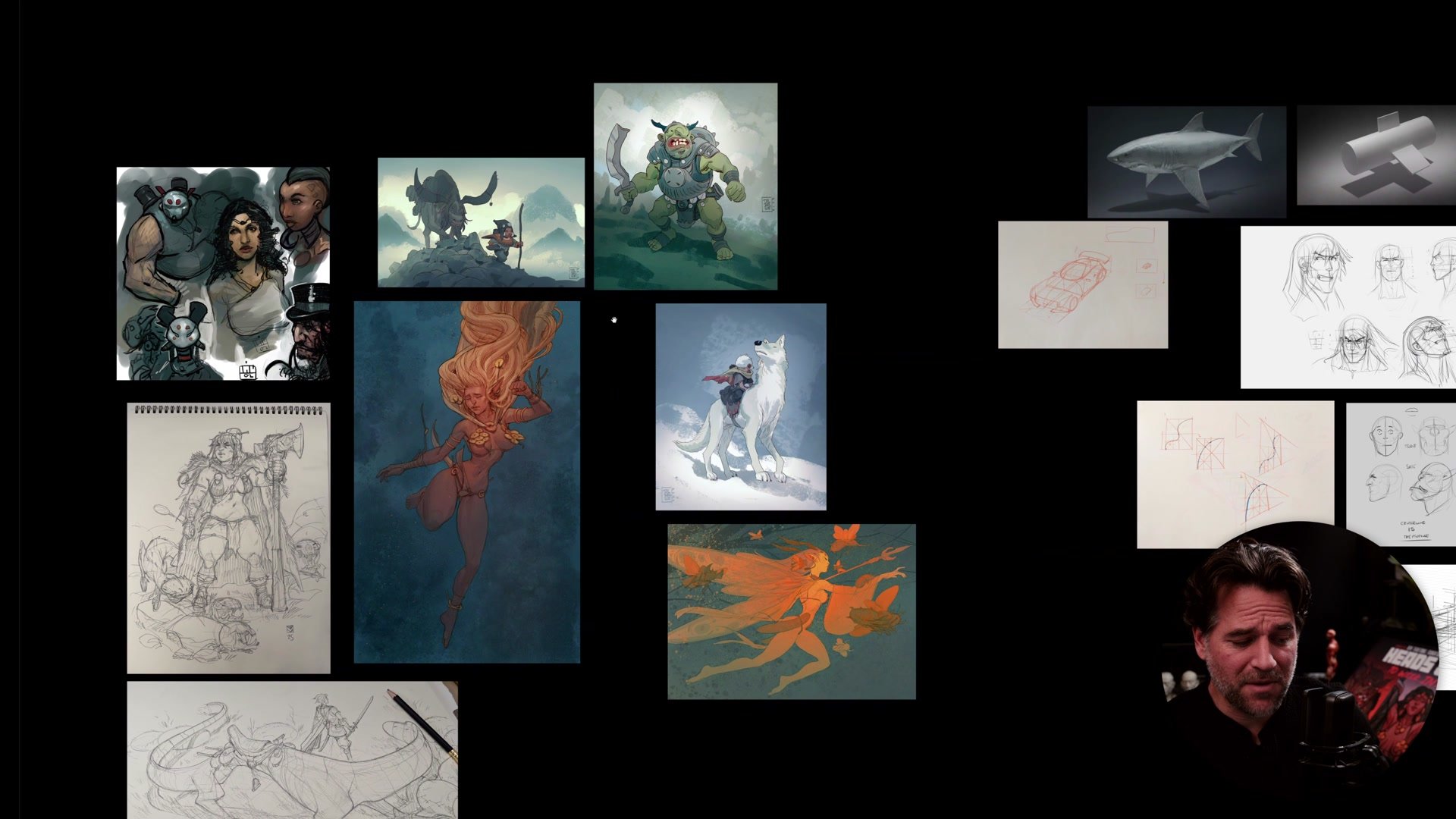
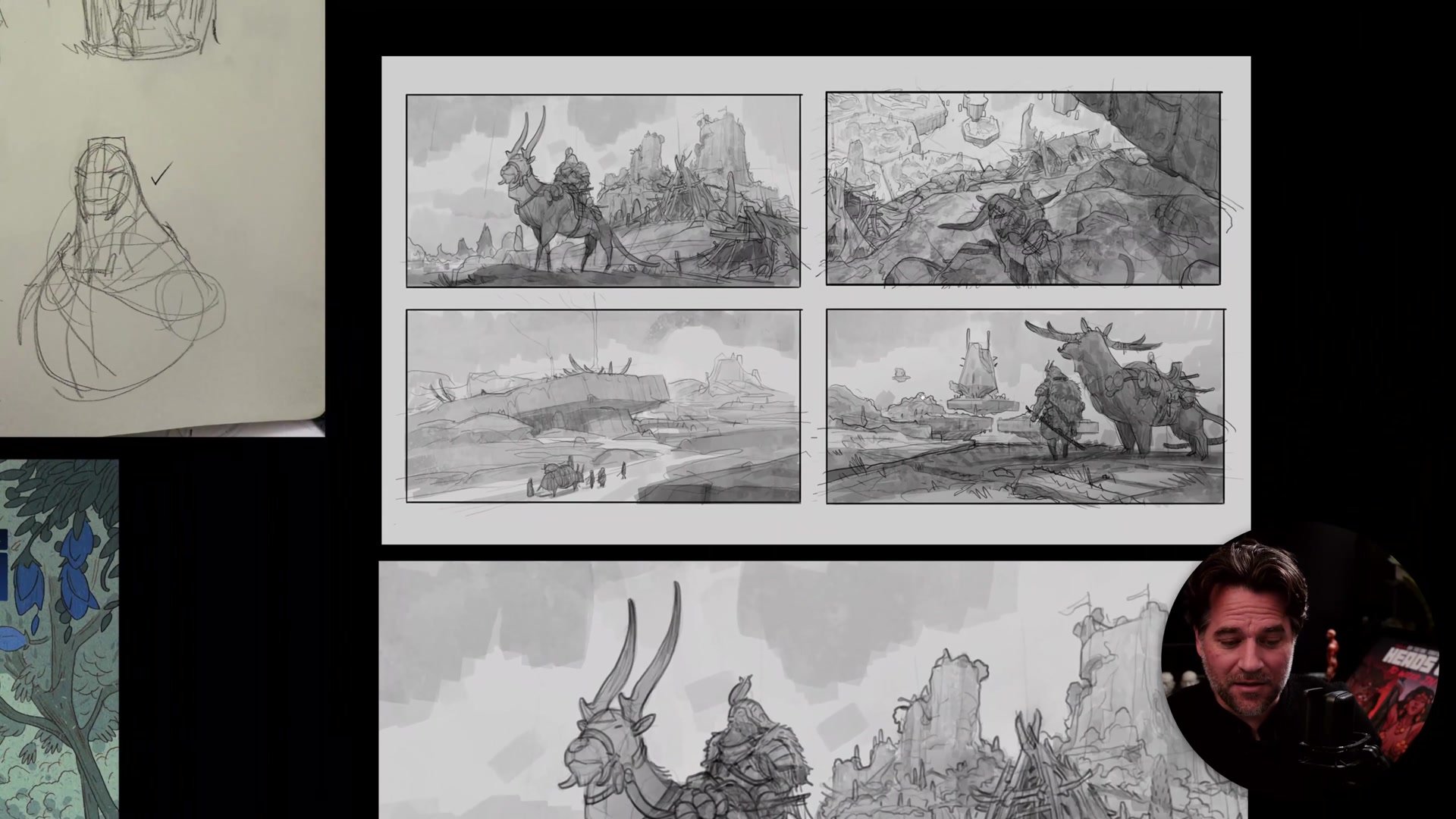
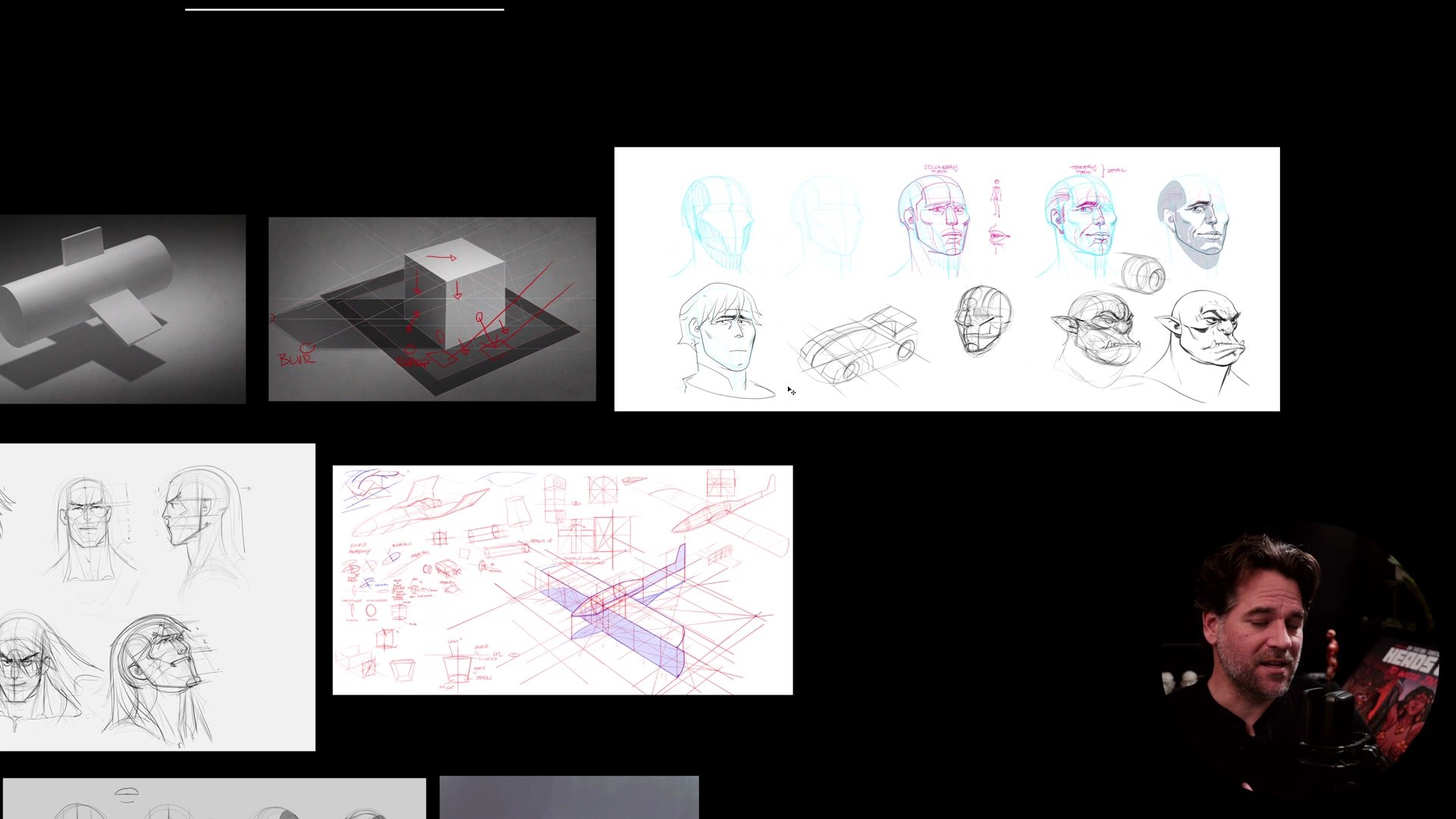
Most artists don't think about the purpose behind their sketching, and this creates confusion about what should become finished work. There are three distinct modes. Drawing for fun is sketching without a plan. Opening a sketchbook, doodling, messing around with no brief and no pressure. Performance artists and social media time-lapses often showcase this mode. Drawing to study is sketching to learn, where the goal is understanding, not a polished result. Studying anatomy, doing figure drawing, breaking things down. There is no point rendering up every study because the learning happens in the early stages. Drawing for production is functional sketching with a specific purpose: communicating ideas in a production chain, creating thumbnails for planned illustrations, or generating concepts for client review. The sketches need a particular level of finish but also need to stay loose because time is limited.
When loose sketches aren't turning into finished images, the first question is what type of sketching produced them. Fun sketches and study sketches were never designed to become finished work. Production sketches are. The mentality, the commitment, and the goals behind each type are completely different, even though the results might look similar on paper.
The Ugly Phase and Planning
Every drawing process has an ugly construction phase in the middle. If we are not willing to go through it, the finished image becomes the ugly phase. A sketch captures a general idea with lots of ambiguity and unresolved elements. Good finished images also have ambiguity, but it is intentional. The artist has figured out what all the details should be, then chosen which ones to emphasize. Getting there requires building up the actual structure of the drawing far beyond what a loose sketch supports: figuring out where anatomy goes, how forms connect, where drapery falls. Adding detail too soon, before that structural foundation is in place, means the detail has nowhere to go and the whole thing becomes overworked.
This is why starting with the end in mind matters so much. A 40 minute speed painting needs minimal planning. A 5 hour illustration needs solid thumbnails and construction. A 20 hour piece demands hours of planning and development work. Trying to save time by skipping the plan is a false economy, because the problems that planning would have prevented cost far more time to fix at the end. The sketch is just the starting point. It serves the finished product, not the other way around.
Key Concepts
Know Your Sketch Type: Drawing for fun, drawing to study, and drawing for production are three completely different activities with different goals and different levels of commitment. If a sketch isn't turning into a polished piece, the first question is whether it was ever meant to.
Embrace the Ugly Phase: Every finished drawing goes through a messy construction stage where the structure is being built. Skipping this phase to jump straight to detail means the detail has no foundation, and the result is overworked and lifeless.
Start With the End in Mind: The level of polish desired determines how much planning and construction is needed. More ambitious images demand more planning up front. Skipping the plan is a false economy that costs more time in the end.