How Simple Illustrations Build Every Skill
Summary
Learning Through Making
One of the biggest challenges artists face is the gap between doing studies and actually making art. It is common to spend months practicing Loomis heads, form drawing, and rendering exercises, yet still feel unable to create a finished illustration. The disconnect happens because study and application develop completely different skills. Studies build technical knowledge, but the intuition for when things are going right, when to push forward, when to start over, and how to navigate from a blank page to a finished piece only comes from actually making things.
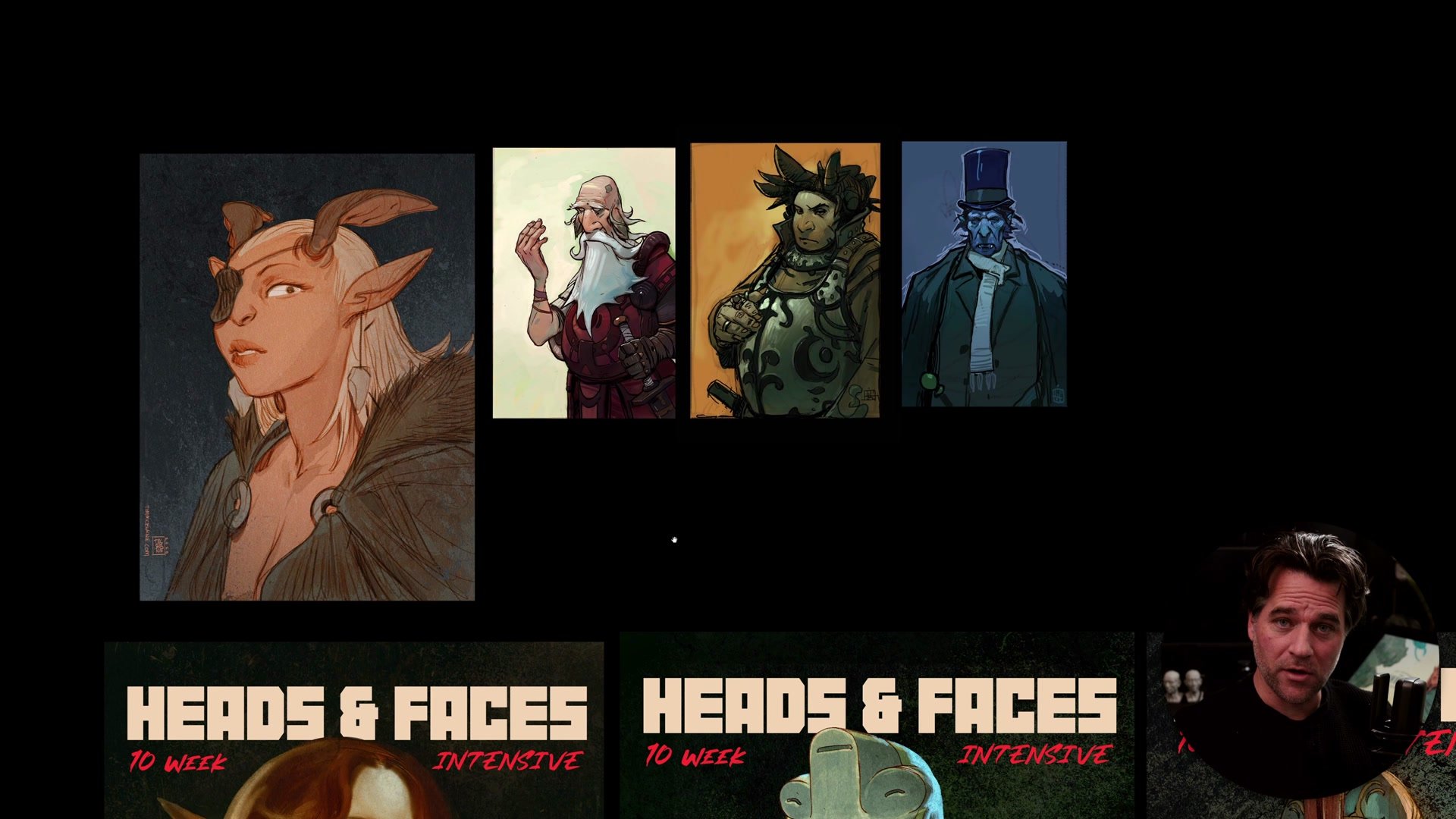
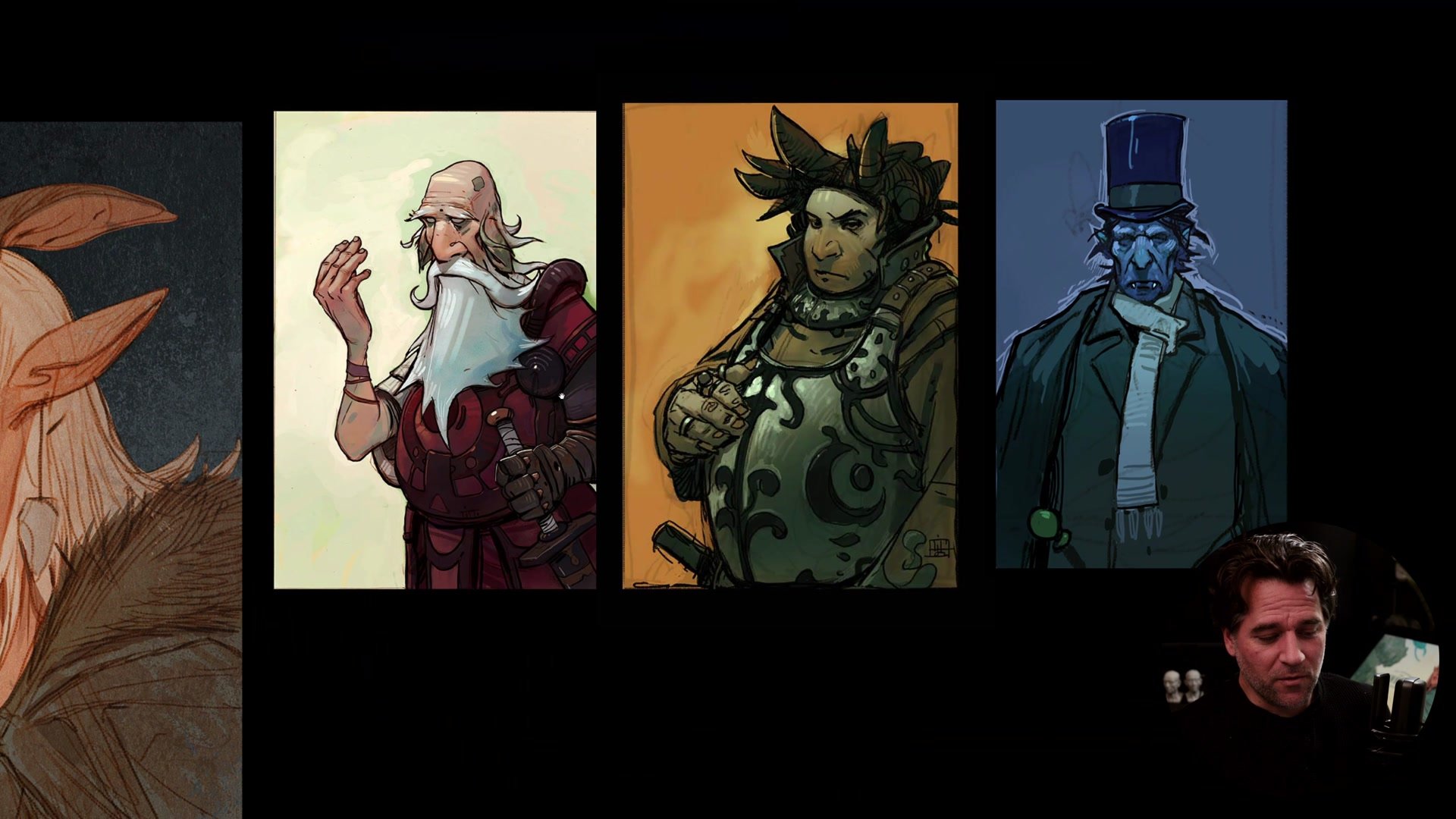
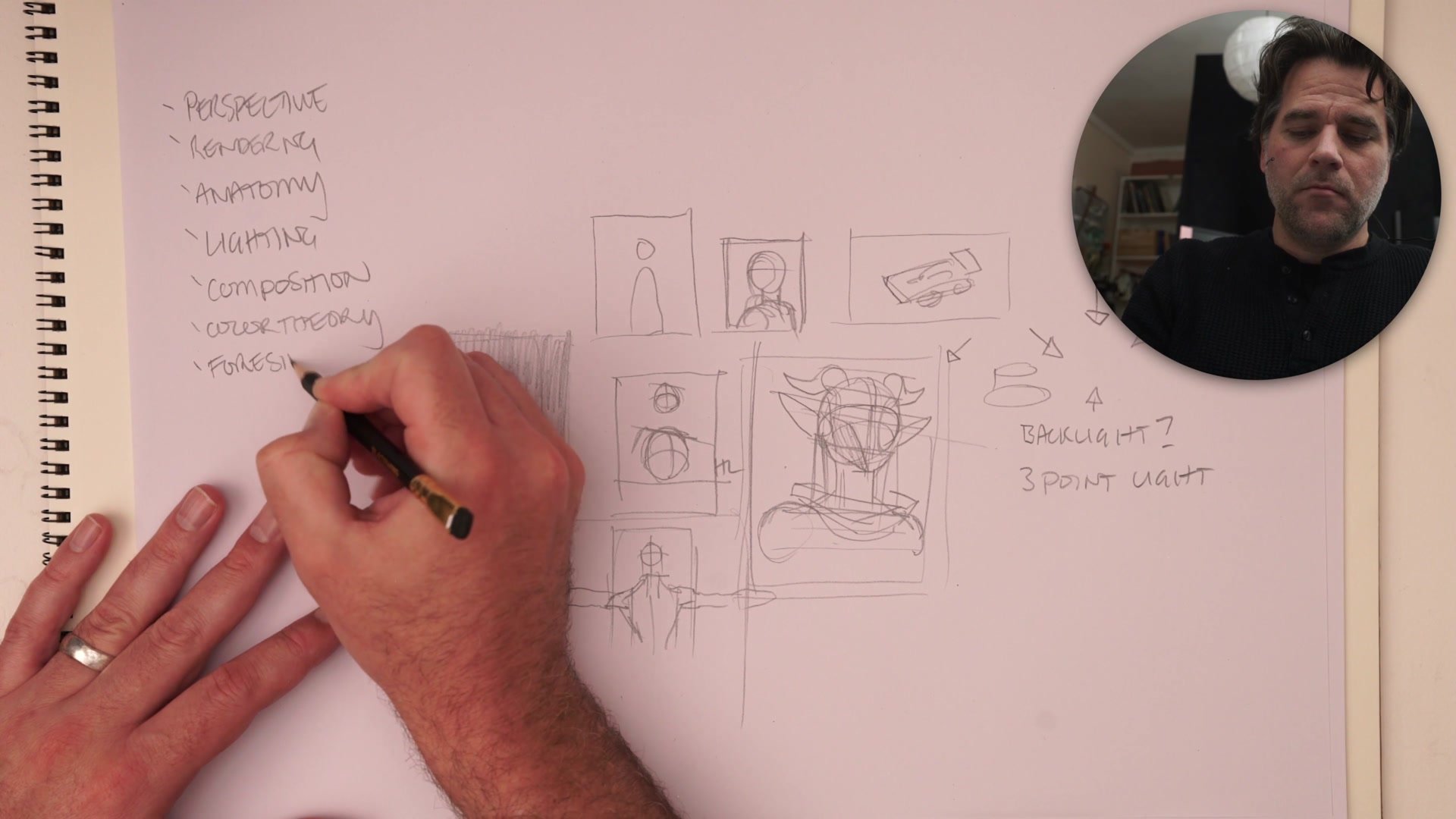
The solution is simpler than most artists expect. A single portrait, a character bust, even just a face can serve as a vehicle for practicing nearly every fundamental skill in art. Perspective, rendering, anatomy, lighting, composition, color theory, foreshortening, gesture, design, process, and polish are all accessible through the most basic illustration. The key is understanding how to approach each piece with intentional focus on building specific skills, one at a time.
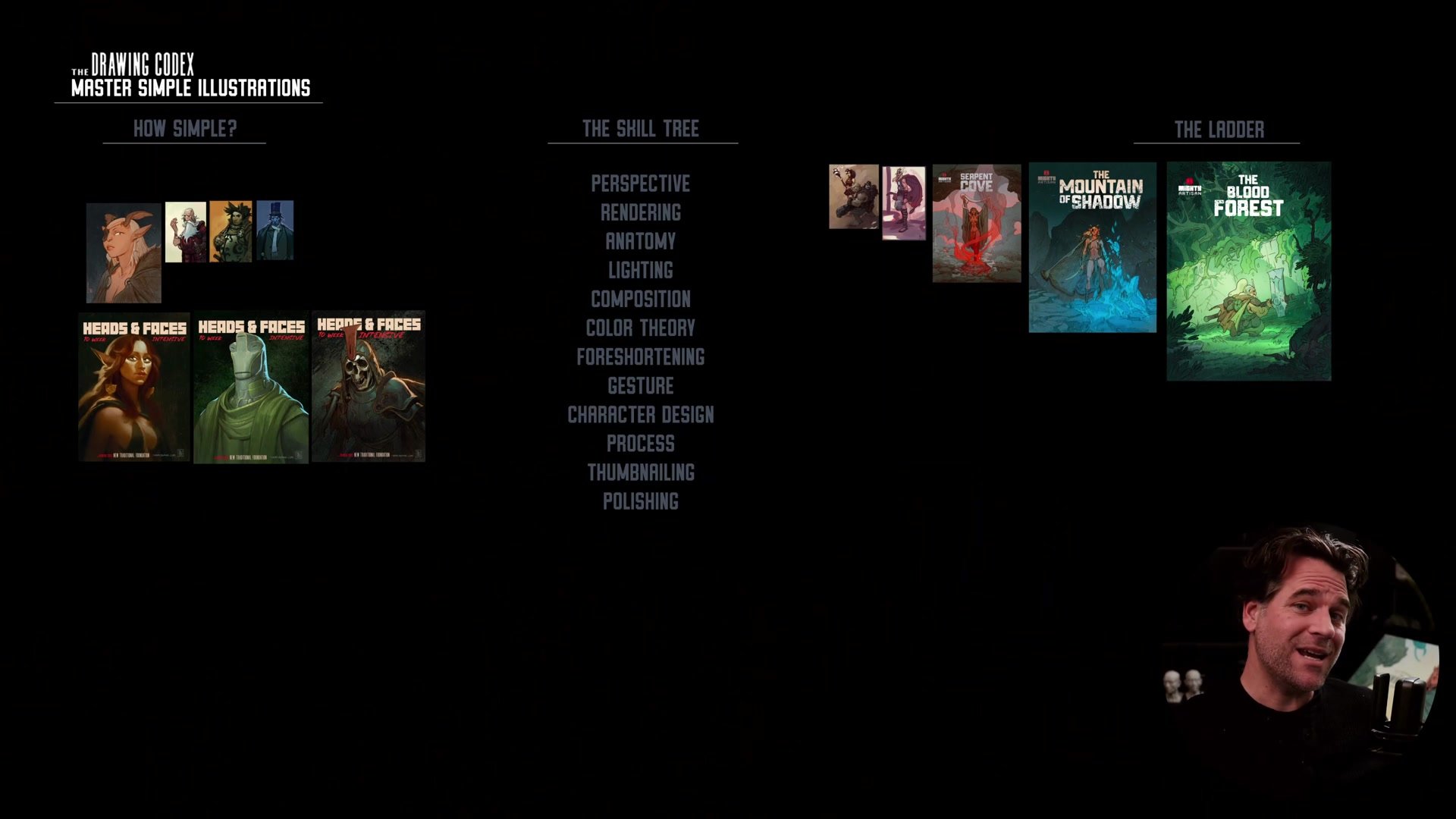
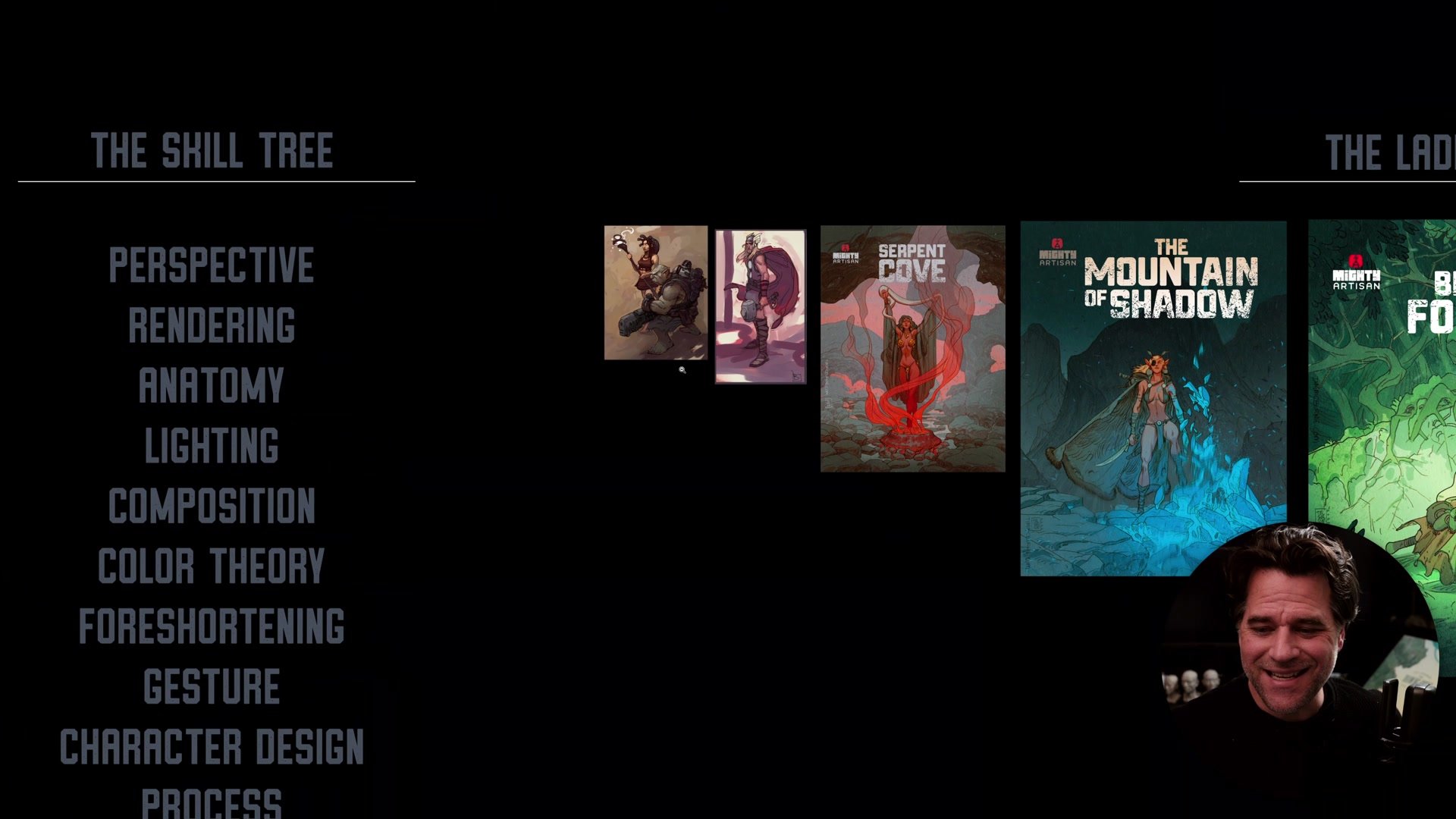
The Skill Tree
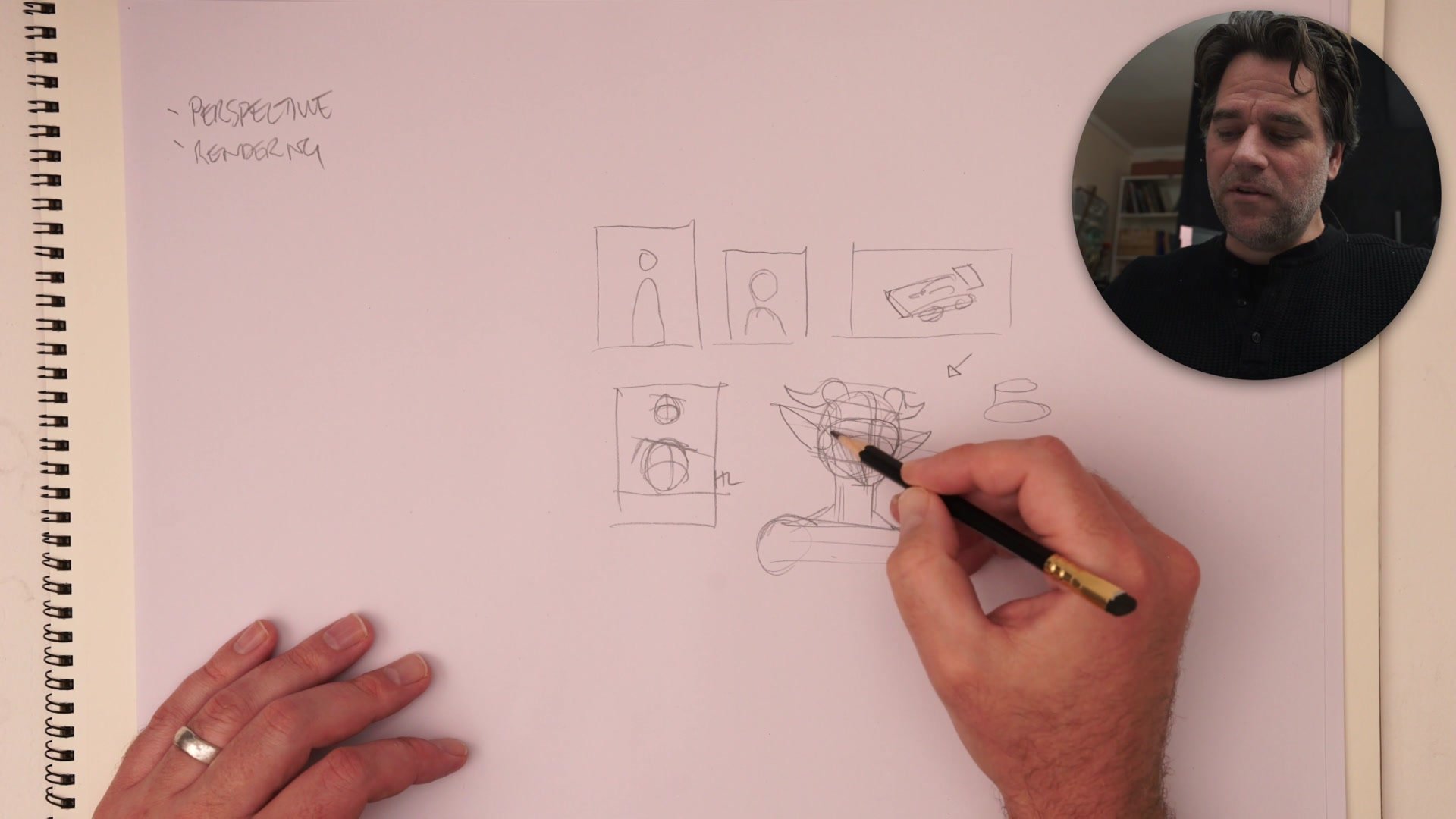
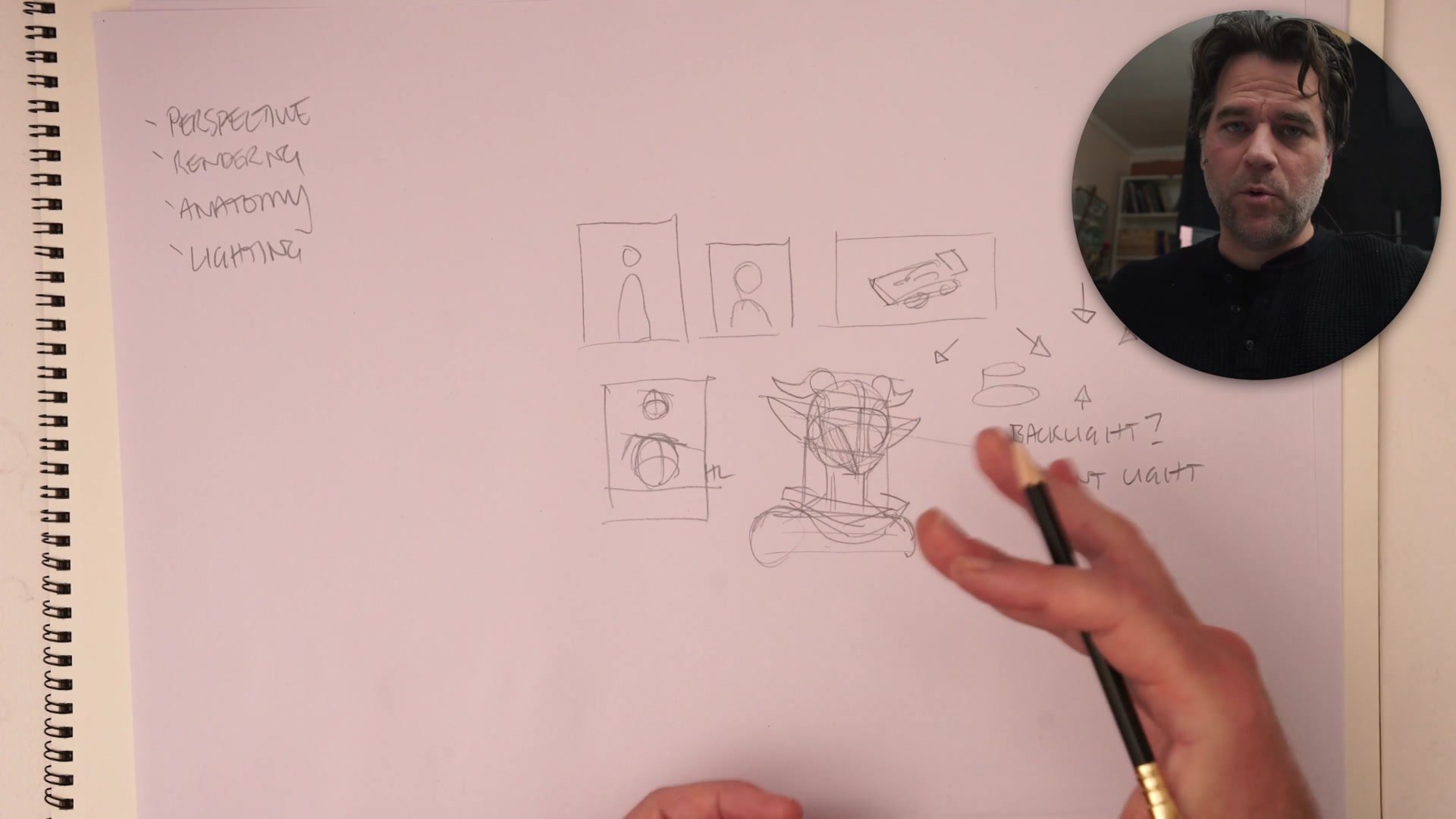
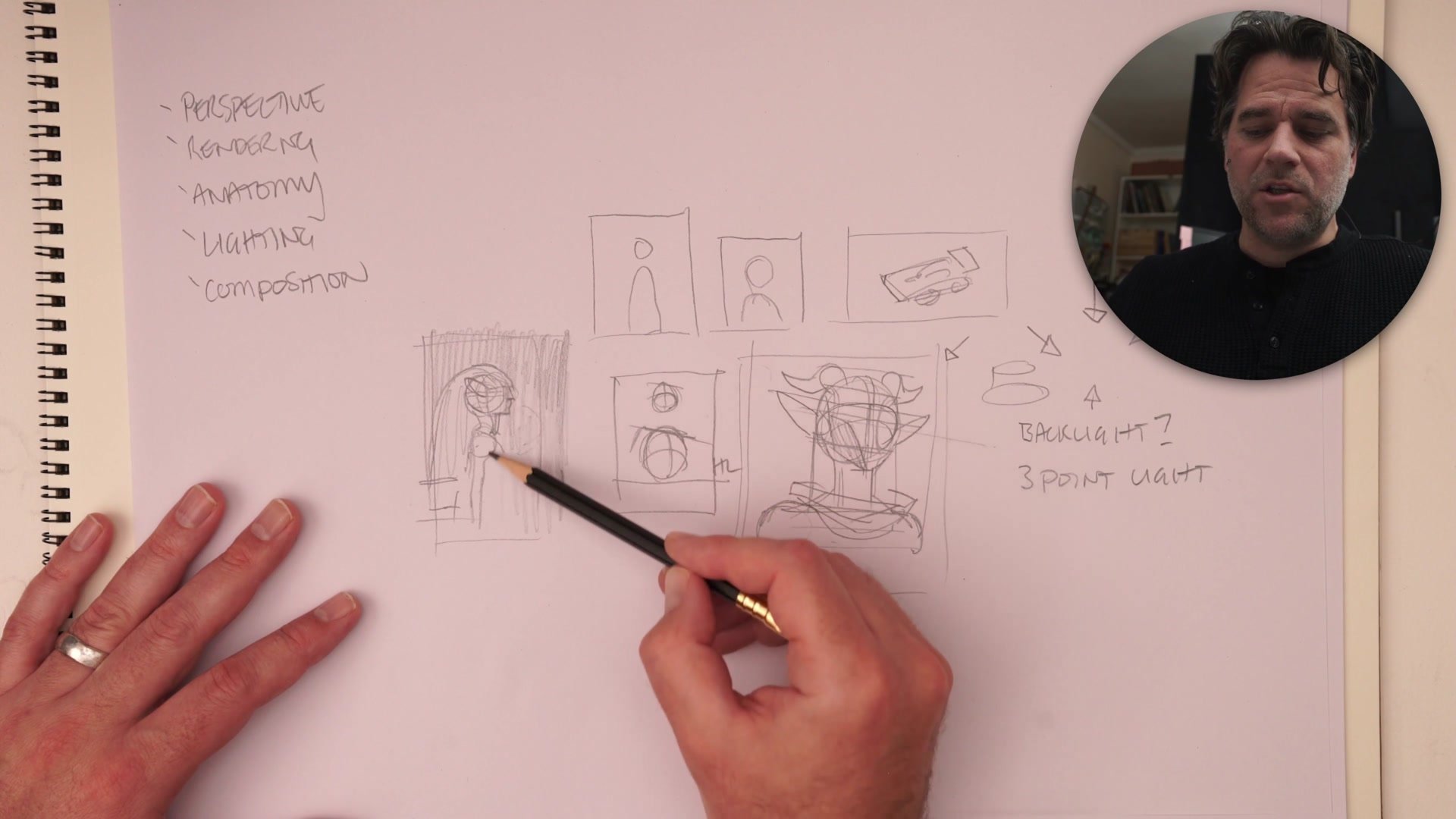
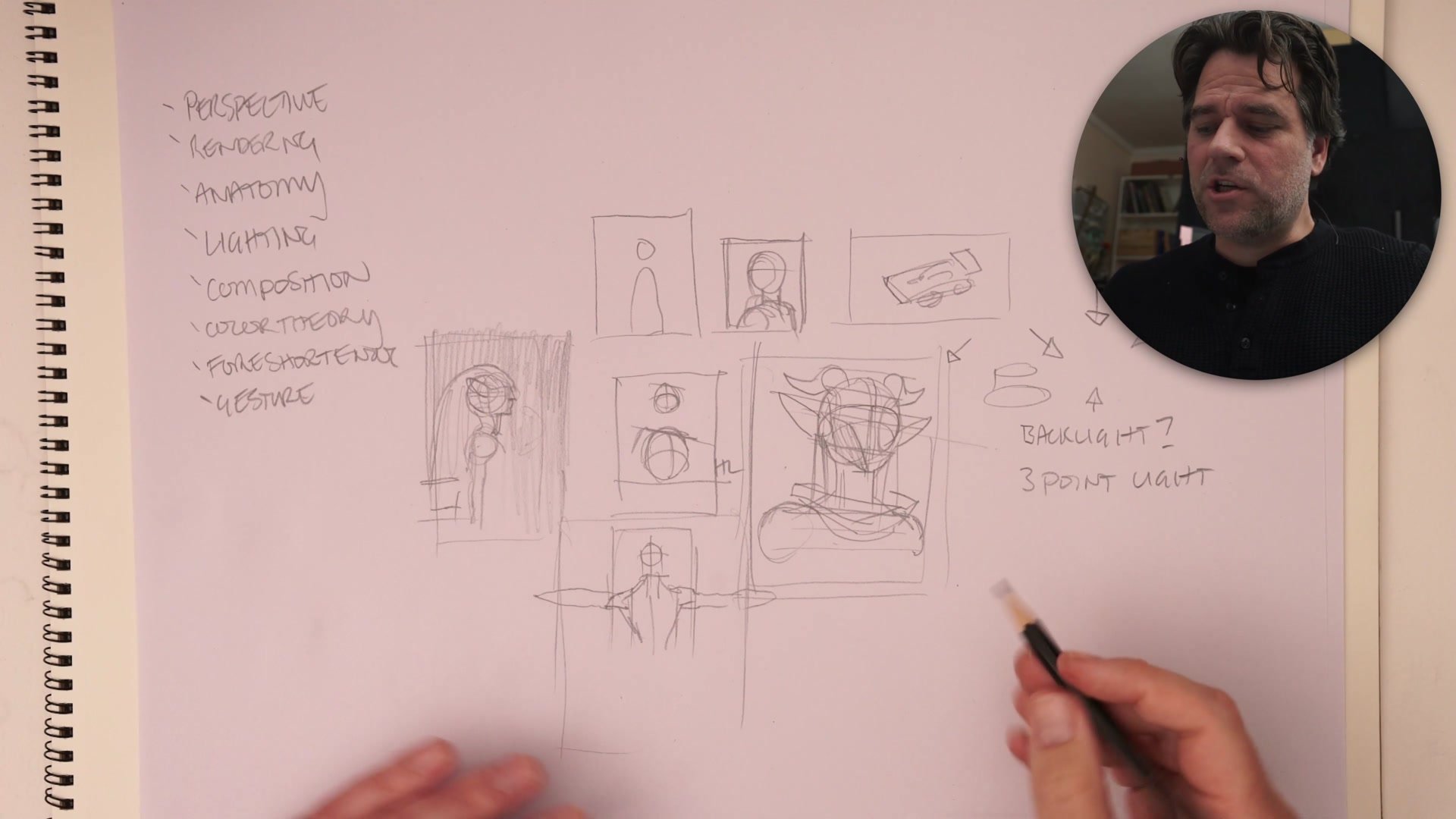
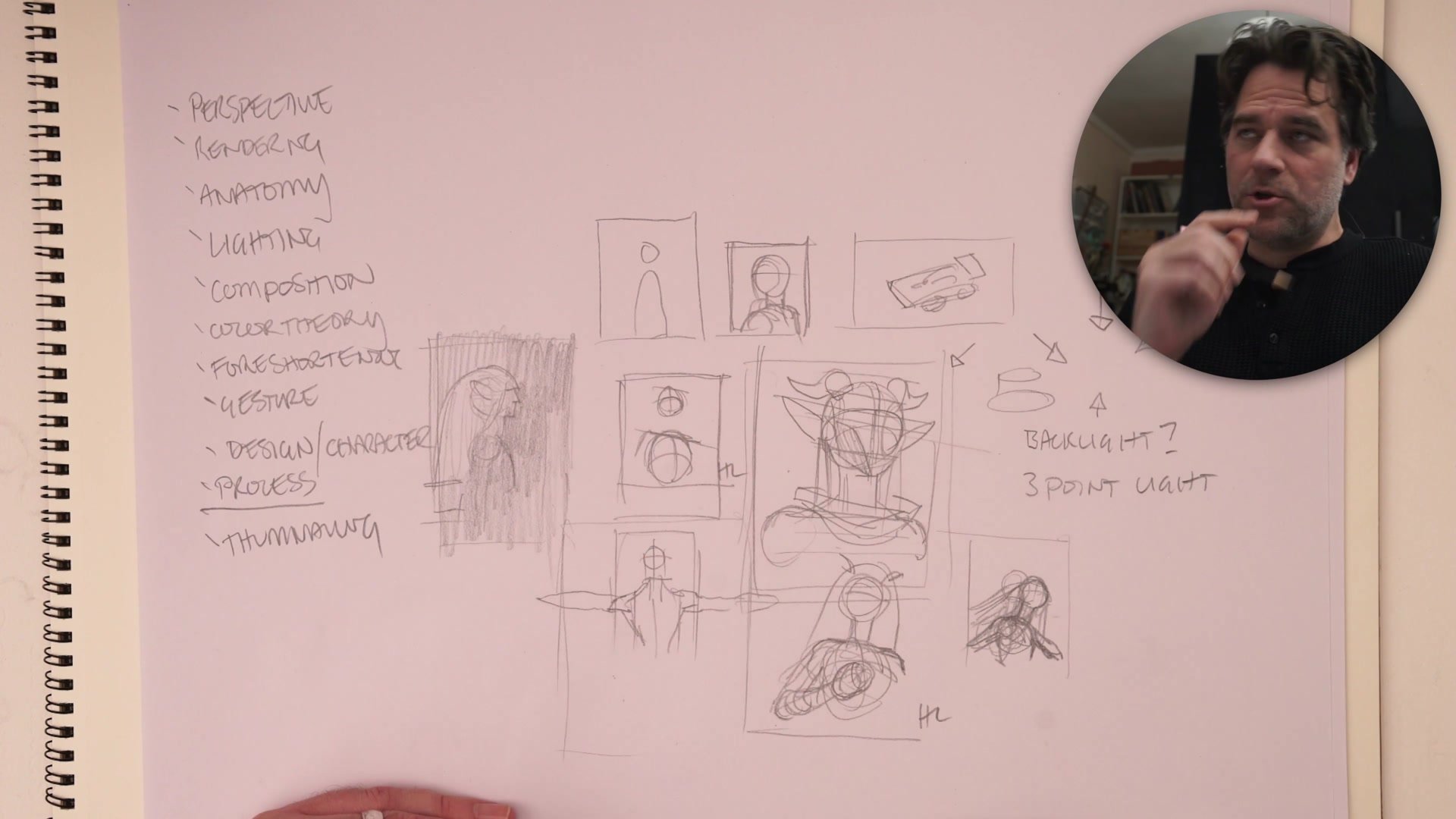
Consider what a simple character portrait can actually teach. Perspective knowledge shows up in drawing the Loomis construction correctly, understanding elliptical logic, and placing features consistently in three-dimensional space. Rendering means deciding where the light source hits, mapping out the planes of the face, and handling materials like skin, hair, and fabric. Composition becomes the frame itself: where the character sits in the image, whether the background is light or dark, how tonal planning creates focus.
Color theory enters through costume choices, skin tones, background relationships, and warm-to-cool transitions across the surface. Foreshortening and gesture are available even in a portrait when the character is moving, leaning, or holding something. The same portrait drawn ten times with different lighting teaches more about light than any standalone exercise. Artists like Loish demonstrate this constantly, drawing primarily characters with added visual elements (flowers, fish, interesting backgrounds) that explore composition without requiring a full scene.
The Skill Ladder
Once a simple portrait feels comfortable, the next step is increasing complexity gradually. This progression works as a ladder: start with a character headshot, then add a torso with hands, then attempt a full character, then multiple characters sharing a ground plane, then more illustrative compositions with atmosphere and background elements. Each step unlocks new dimensions of the same skills already developing at the simpler level.
The crucial point is not to jump ahead. Confidence at each level comes from having completed enough pieces to feel natural at that scope. Creating a piece that genuinely represents strong skill at one level of complexity signals readiness to move up. The same principle applies regardless of subject matter. Drawing cars, environments, mechs, or still life compositions all follow this same ladder of gradually increasing scope while deepening the same core skills with every new piece.
Key Concepts
Start Simpler Than Expected: A single portrait or character face can teach perspective, rendering, anatomy, lighting, composition, color theory, and more. The simpler the subject, the more approachable the practice and the faster the learning cycle.
Intentional Focus Per Piece: Each illustration becomes more valuable when one specific skill receives focused attention. Draw the same character five times, changing only the lighting each time, and lighting knowledge deepens faster than any standalone study.
Ladder Up Gradually: Move from portraits to full characters to multi-figure compositions only after building genuine confidence at each level. Jumping ahead skips the foundation that makes complex work possible.
Try This
Pick Your Subject: Write a list of your favorite things to draw. Characters, mechs, cars, environments. Choose the subject that is genuinely fun, not what seems most educational.
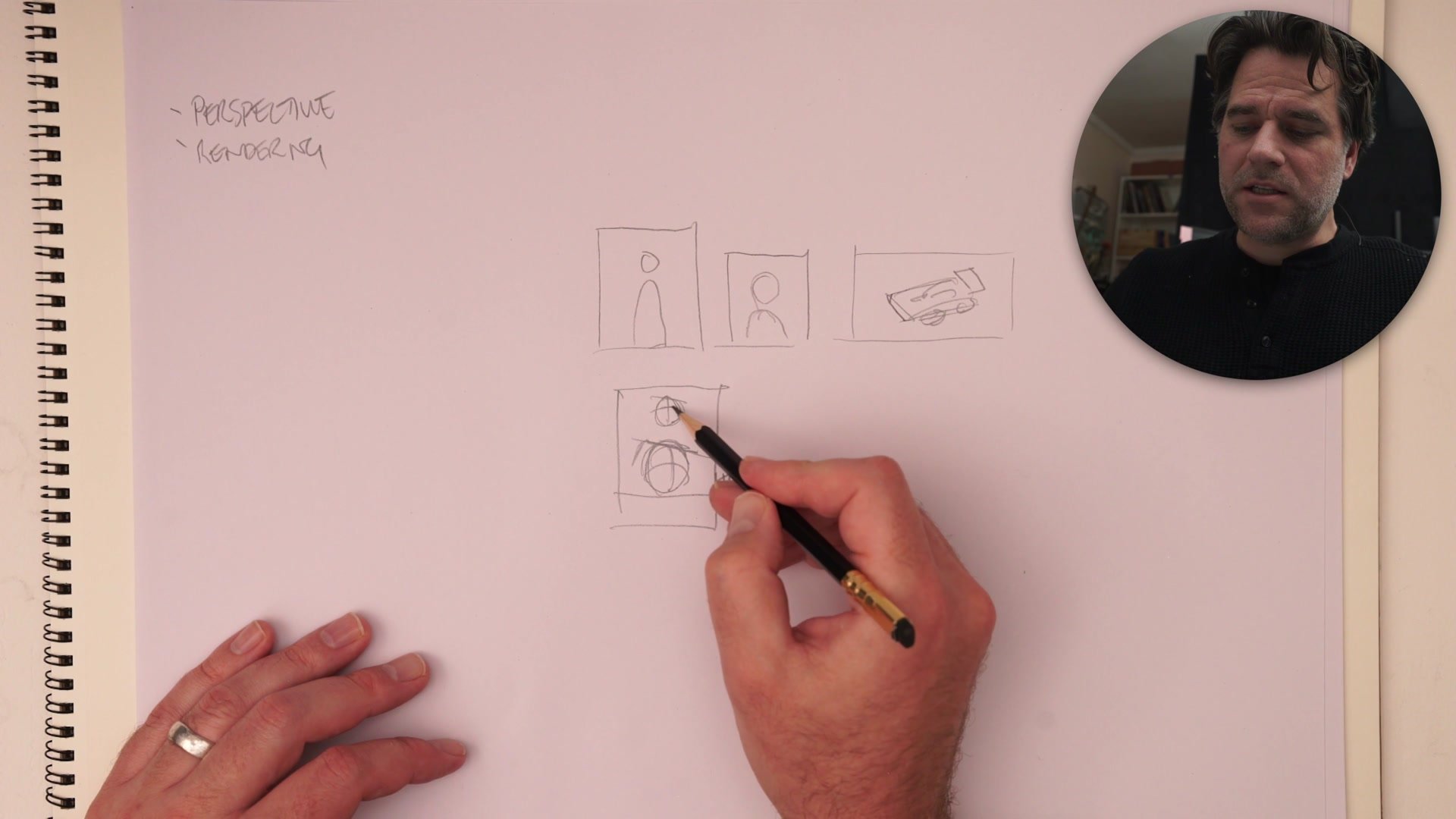
Draw the Simplest Version: Create a portrait or single-object illustration of that subject. Before starting, decide which one skill to focus on: perspective, rendering, lighting, composition, or color. Thumbnail the piece first to plan your approach.
Increase by One Percent: After finishing, pick a different skill to focus on for the next piece. Same subject is fine. Keep the scope simple until creating at this level feels natural, then add complexity by including more of the figure or adding a background element.