Create a Mini Illustration in 90 Minutes
Summary
The Mini Illustration Process
Creating finished illustrations is where real artistic growth happens, but most artists avoid it. Tutorial exercises build isolated skills while the actual challenge of stepping through a complete image from idea to finish gets pushed aside. The result is a widening gap between what artists can study and what they can produce.
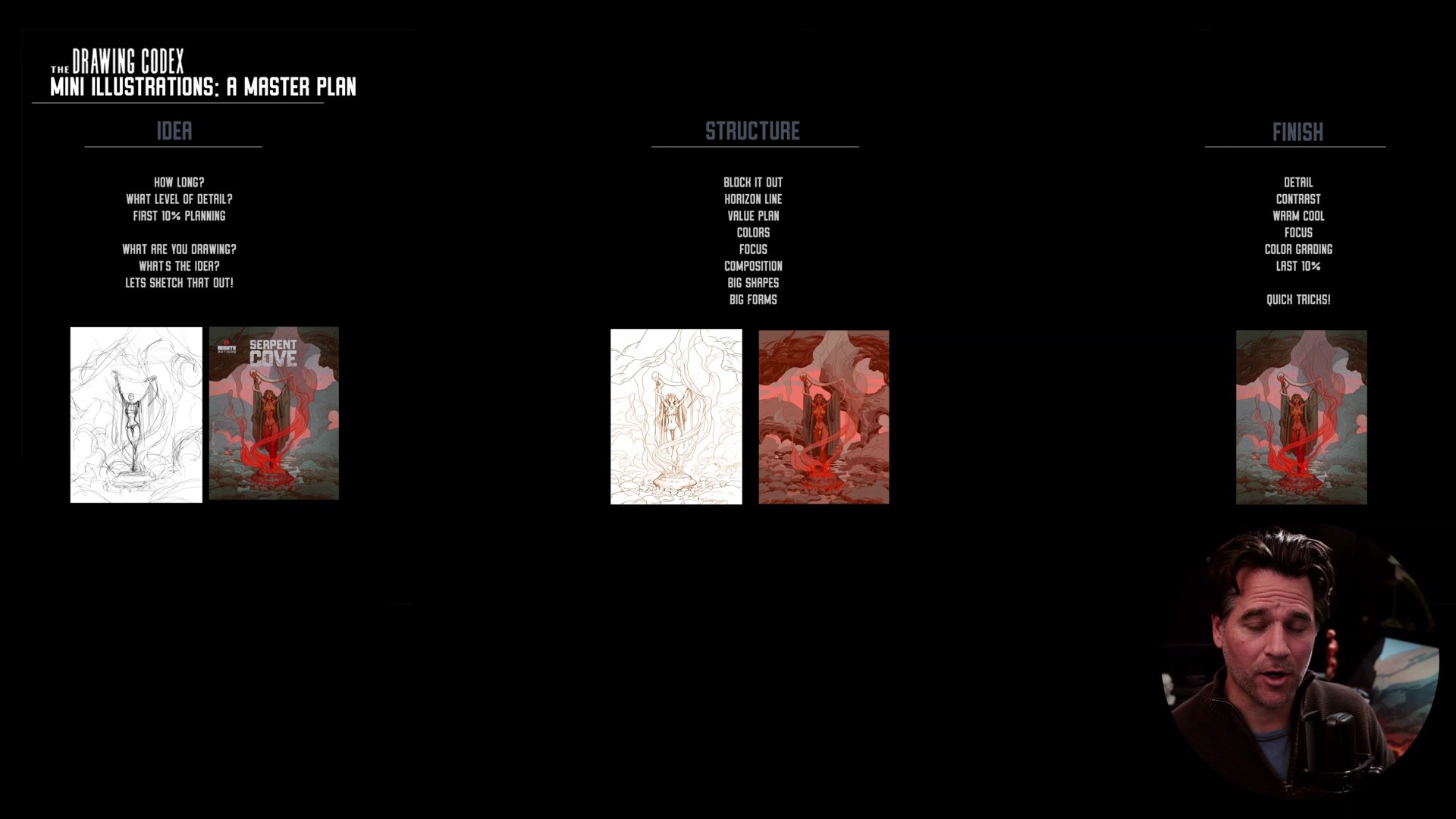
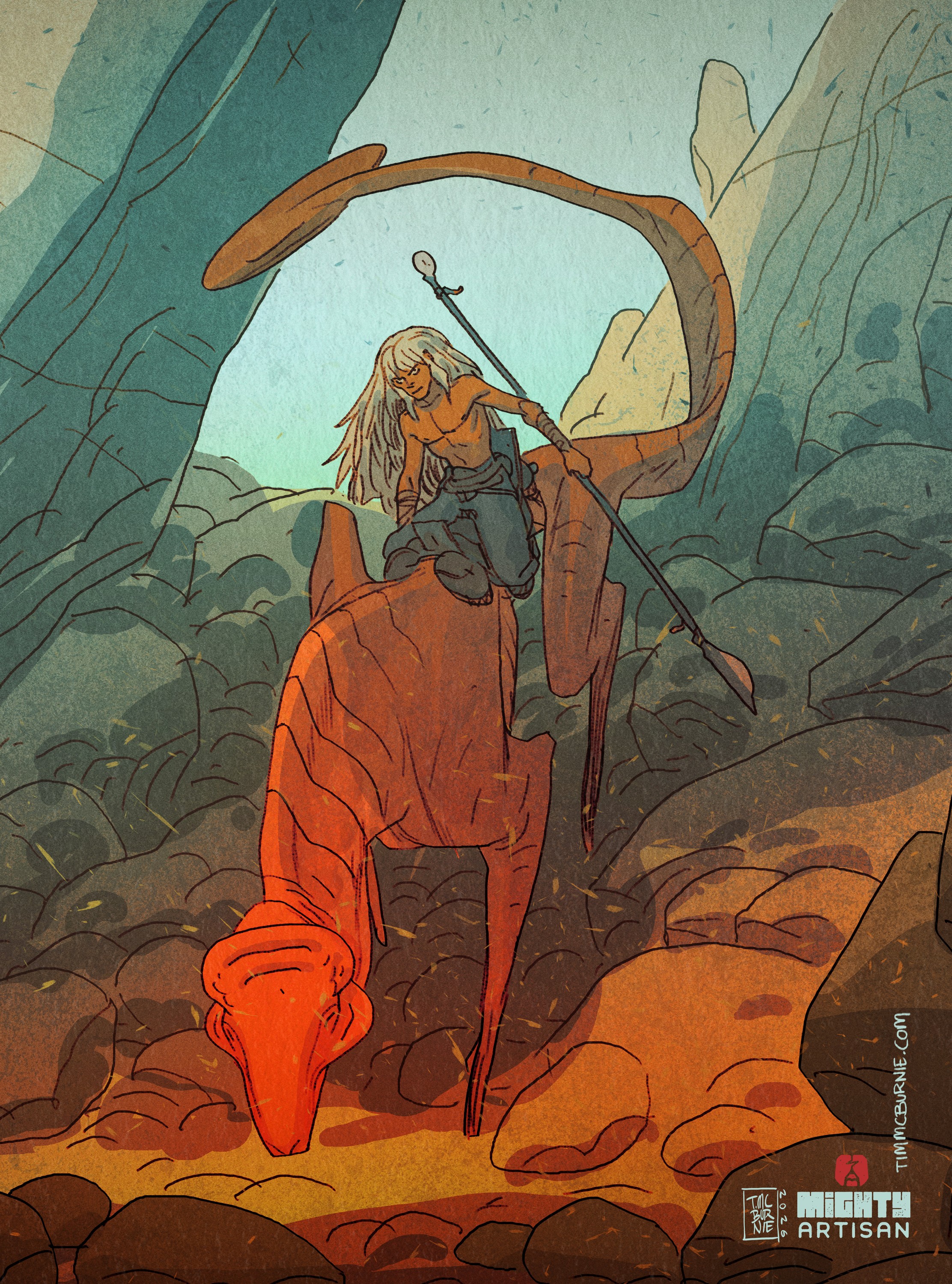
This video walks through a three-phase framework for creating mini illustrations in approximately one hour. By scoping ambition to match available time and following a clear process through Idea, Structure, and Finish, the messy reality of illustration becomes manageable. The full real-time demonstration shows every decision, every problem, and every moment where things look terrible before they come together.
Start With the Idea
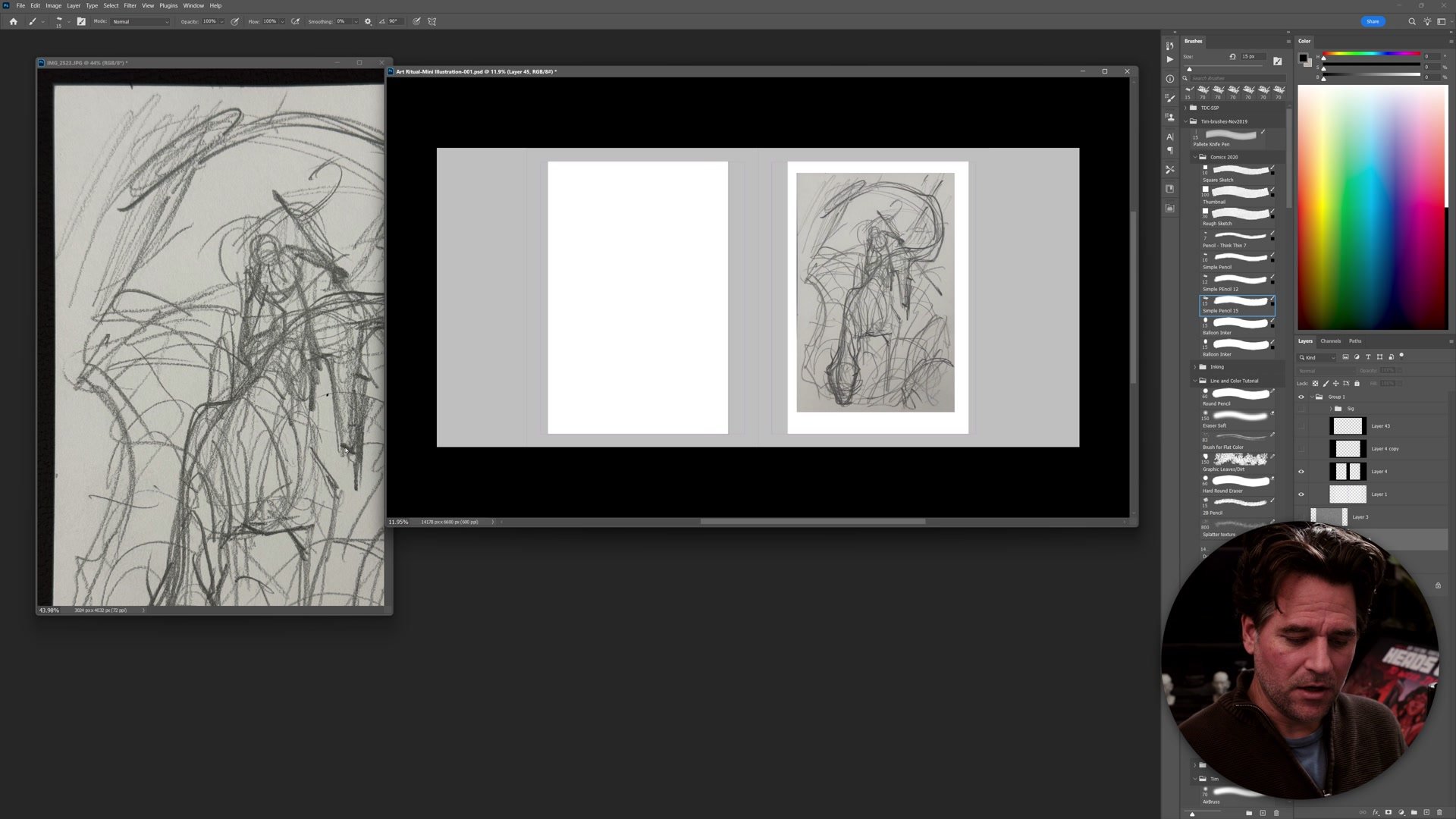
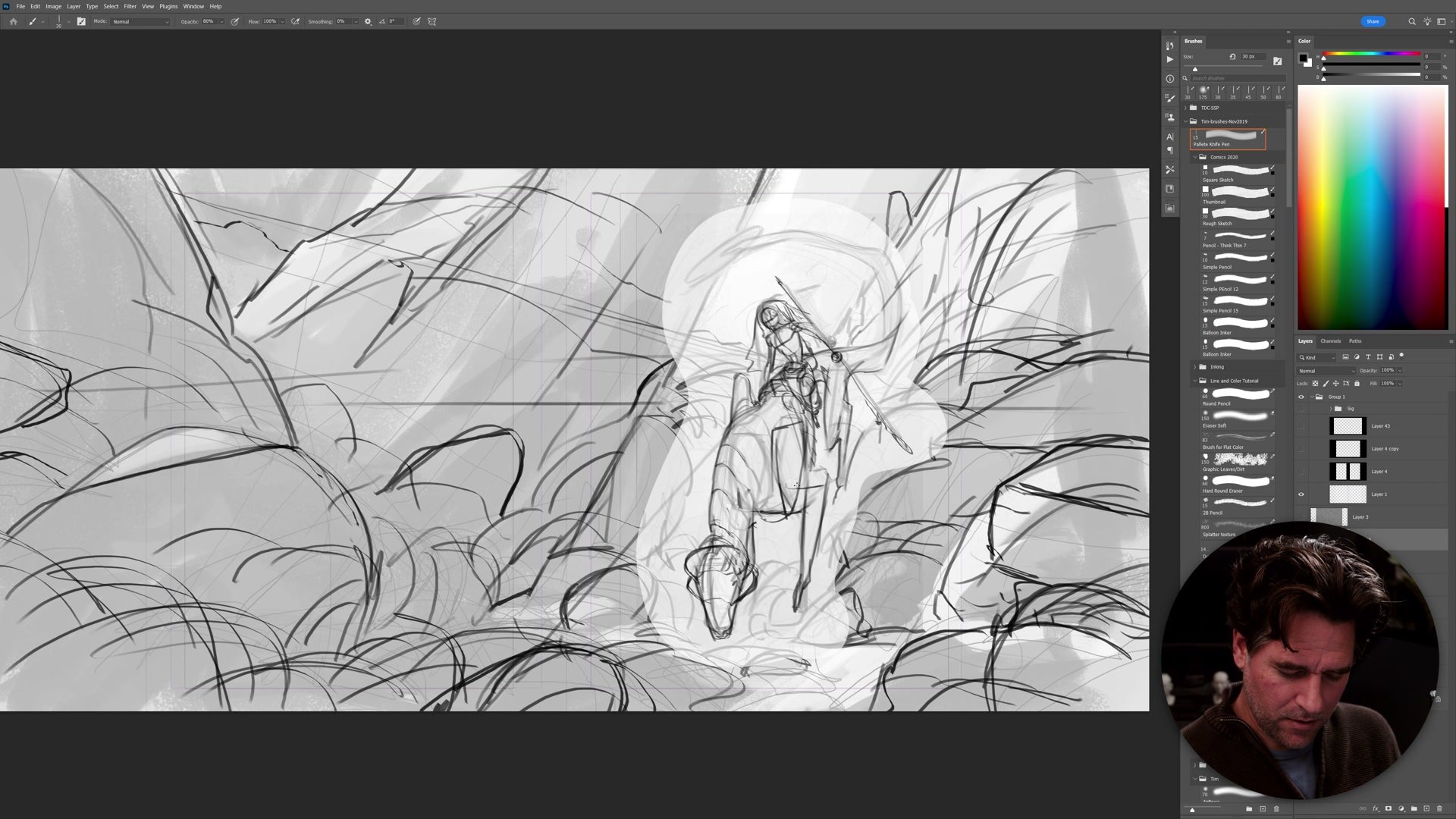
The idea phase is where most artists fail before they start. Without a clear thumbnail, a realistic time estimate, and mental preparation, the blank page creates paralysis. The recommendation here is to spend roughly 10% of total time on planning: if the illustration will take an hour, spend about five to six minutes doing a thumbnail and a basic tonal plan.
Separating ideation from execution makes a significant difference. Keeping a sketchbook of ideas means that when the timer starts, there is already a concept ready to develop. Templates help too. Having a consistent file size and layout eliminates decisions that eat into creative time. The tonal plan, even if it takes only two minutes, provides a roadmap for where light, shadow, and compositional emphasis will land.
Build the Structure
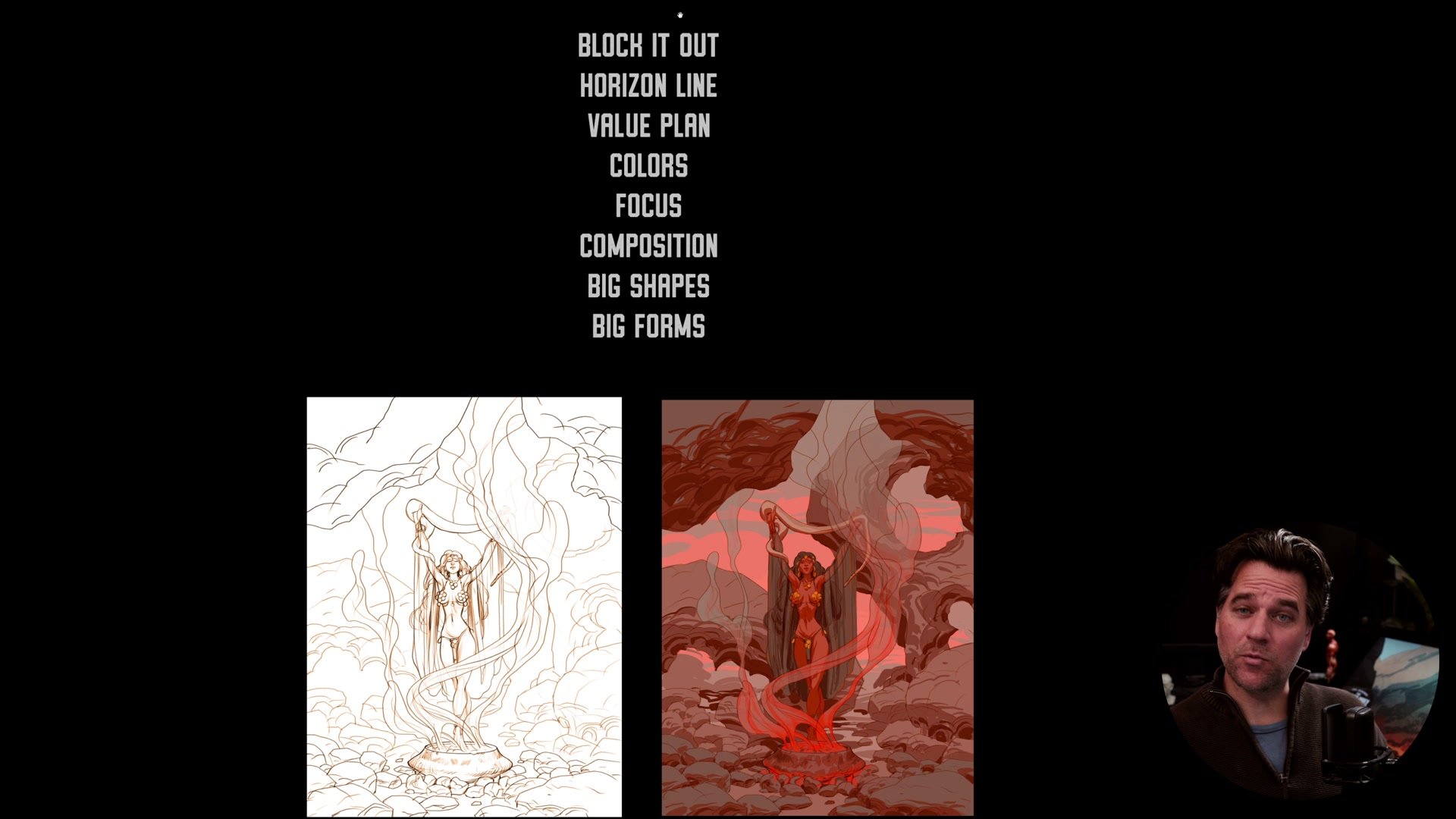
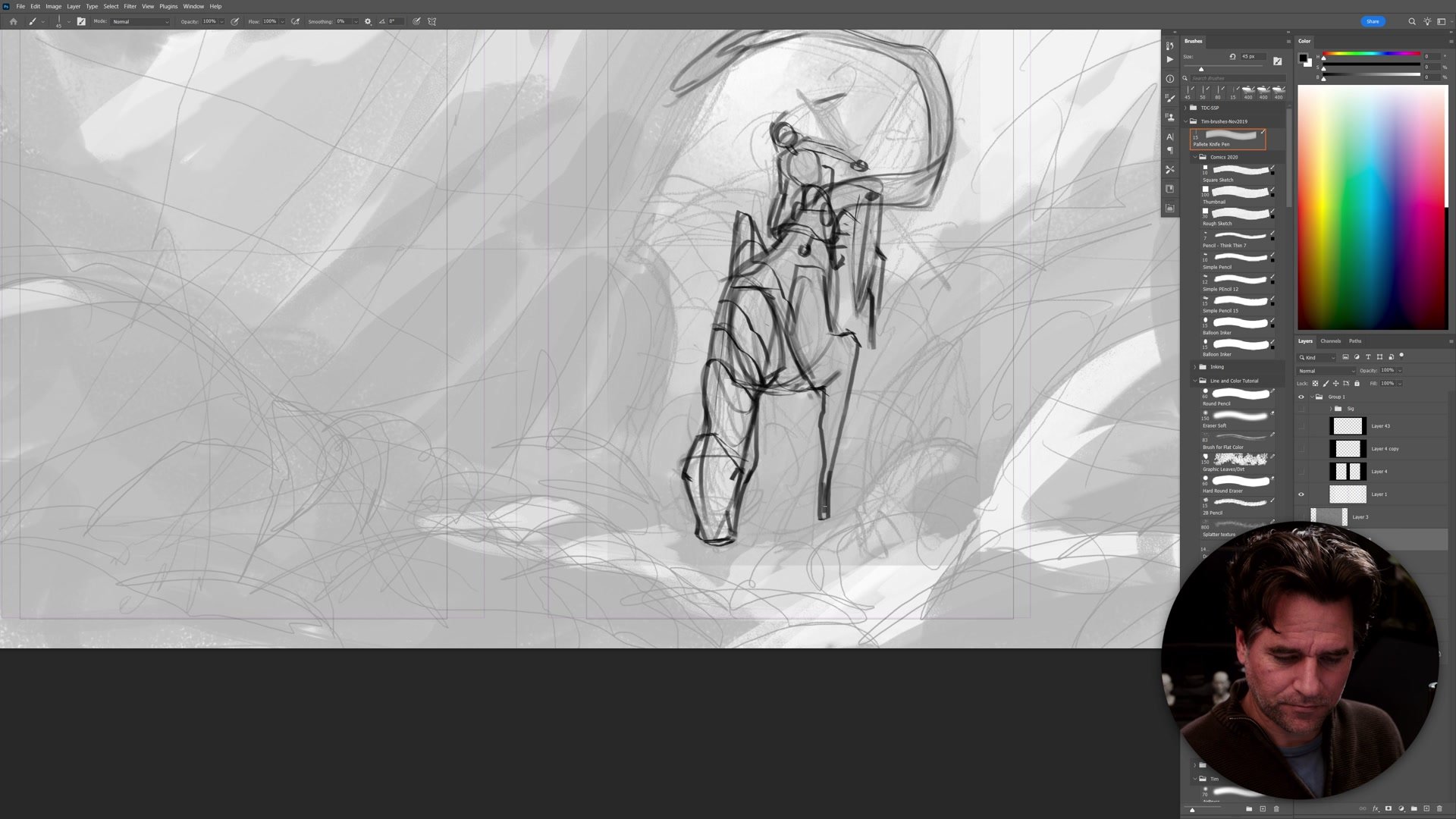
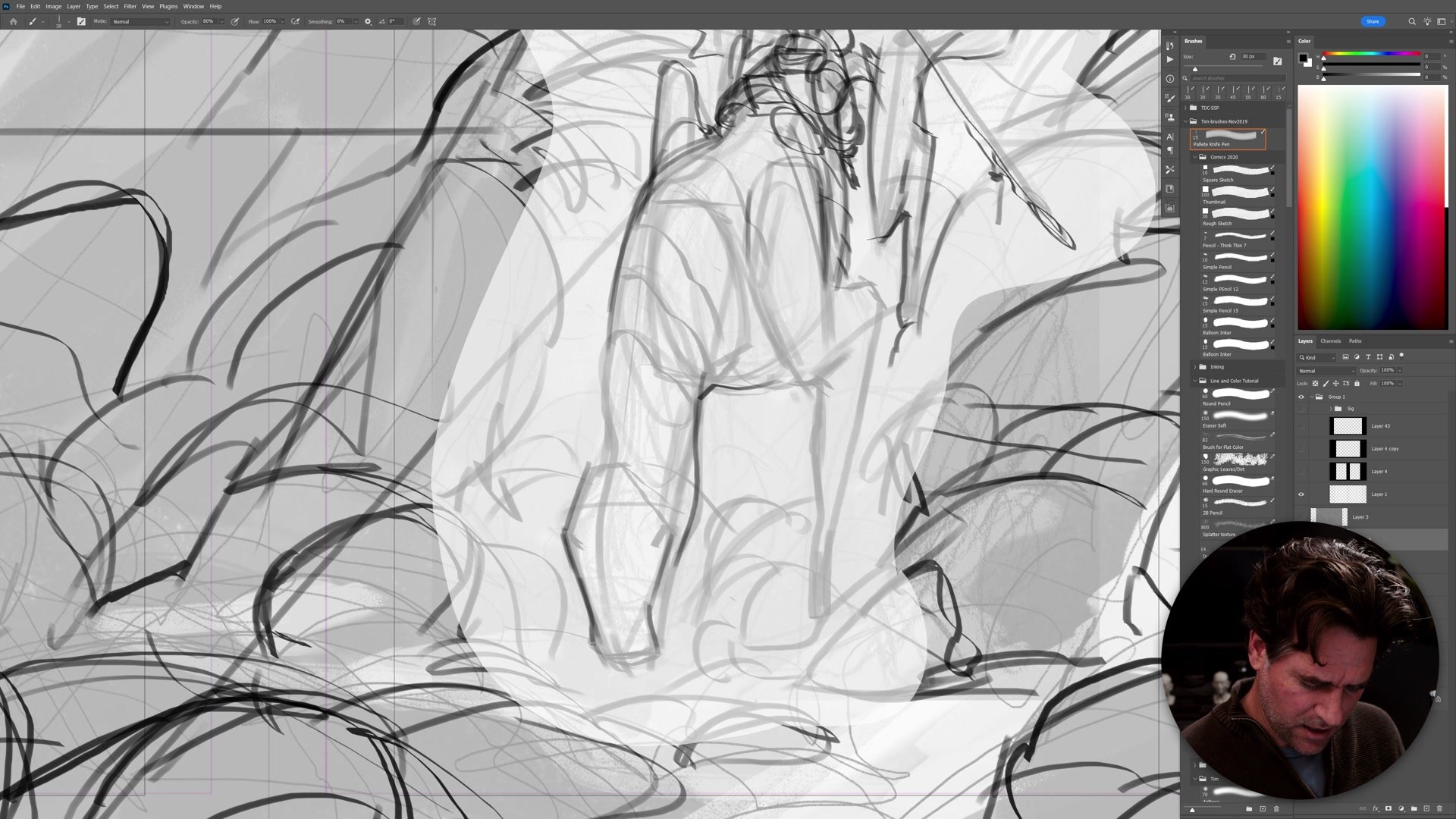
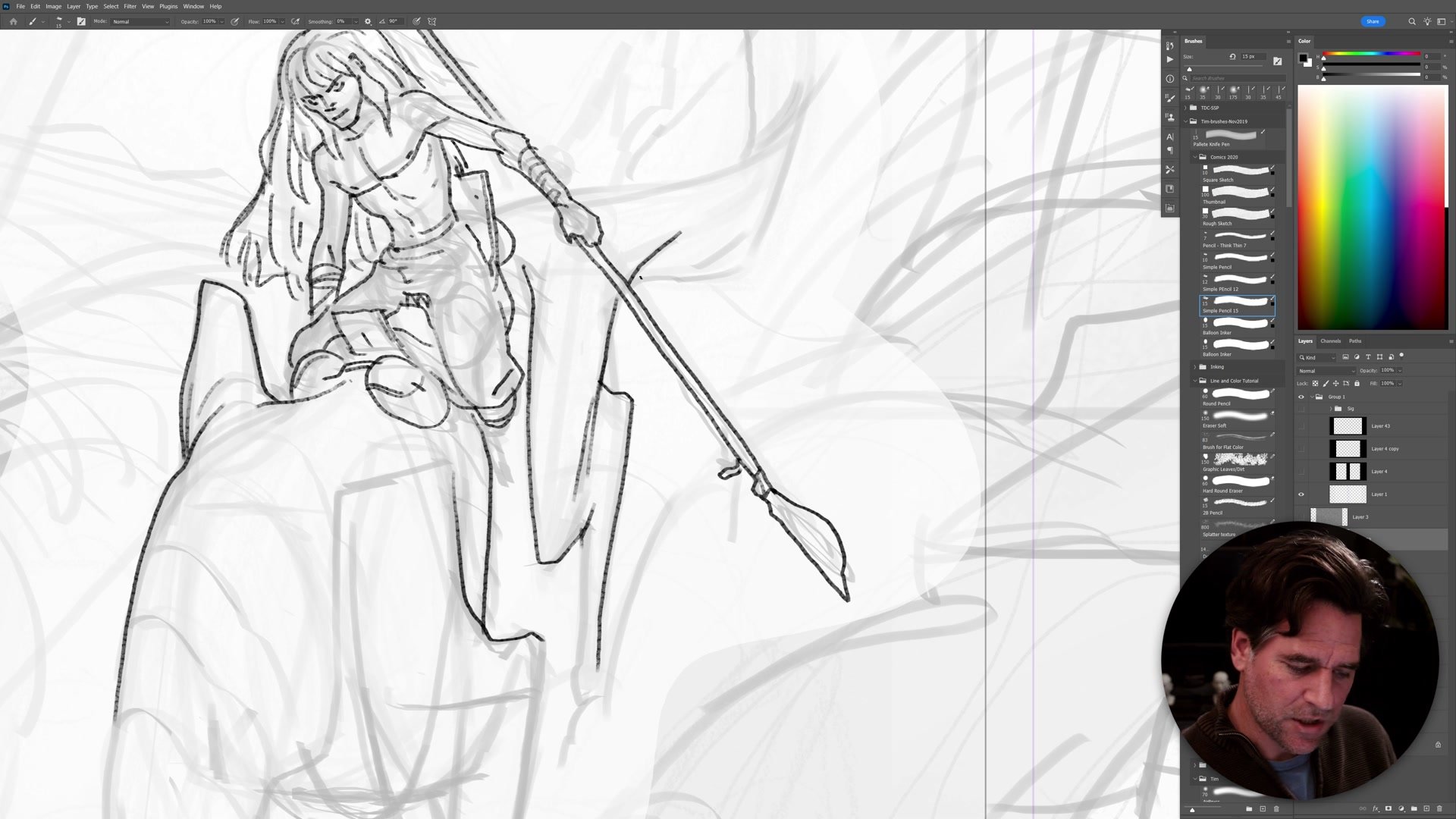
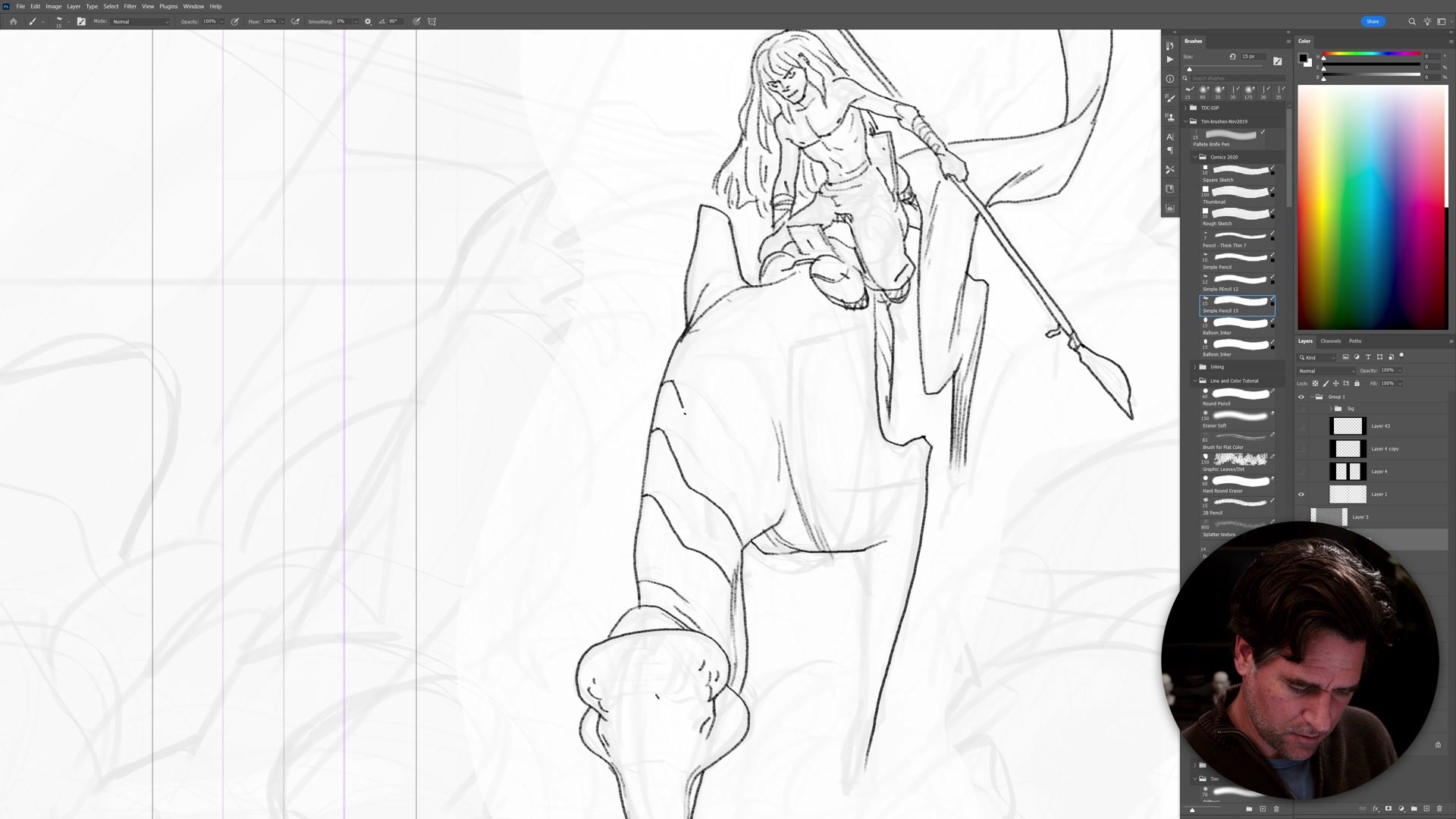
The structural phase is where discipline matters most. Everything has an ugly middle stage where the drawing looks rough, colors feel wrong, and the temptation to jump ahead to detail and polish is overwhelming. Resisting that temptation is the entire point of this phase.
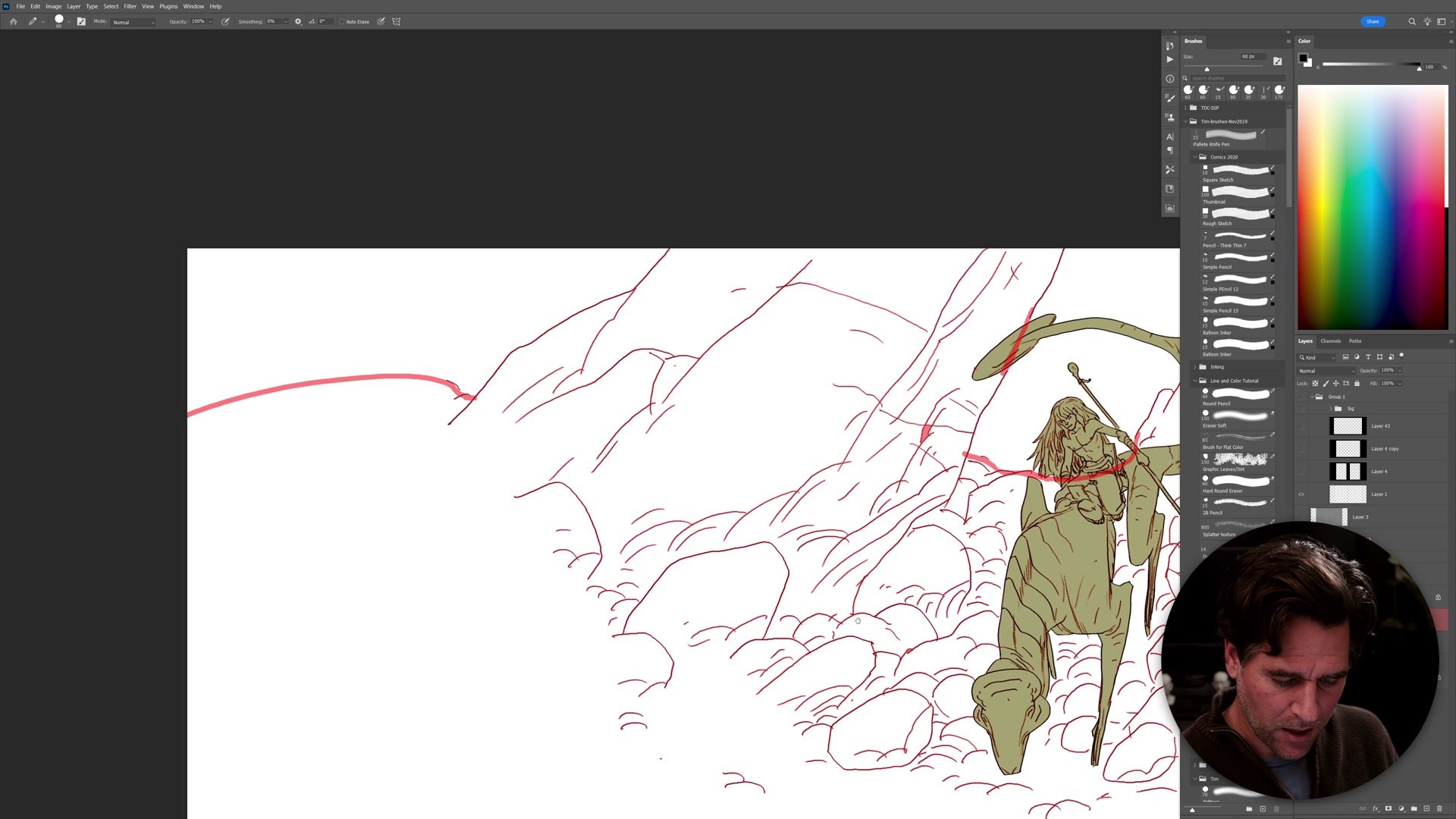
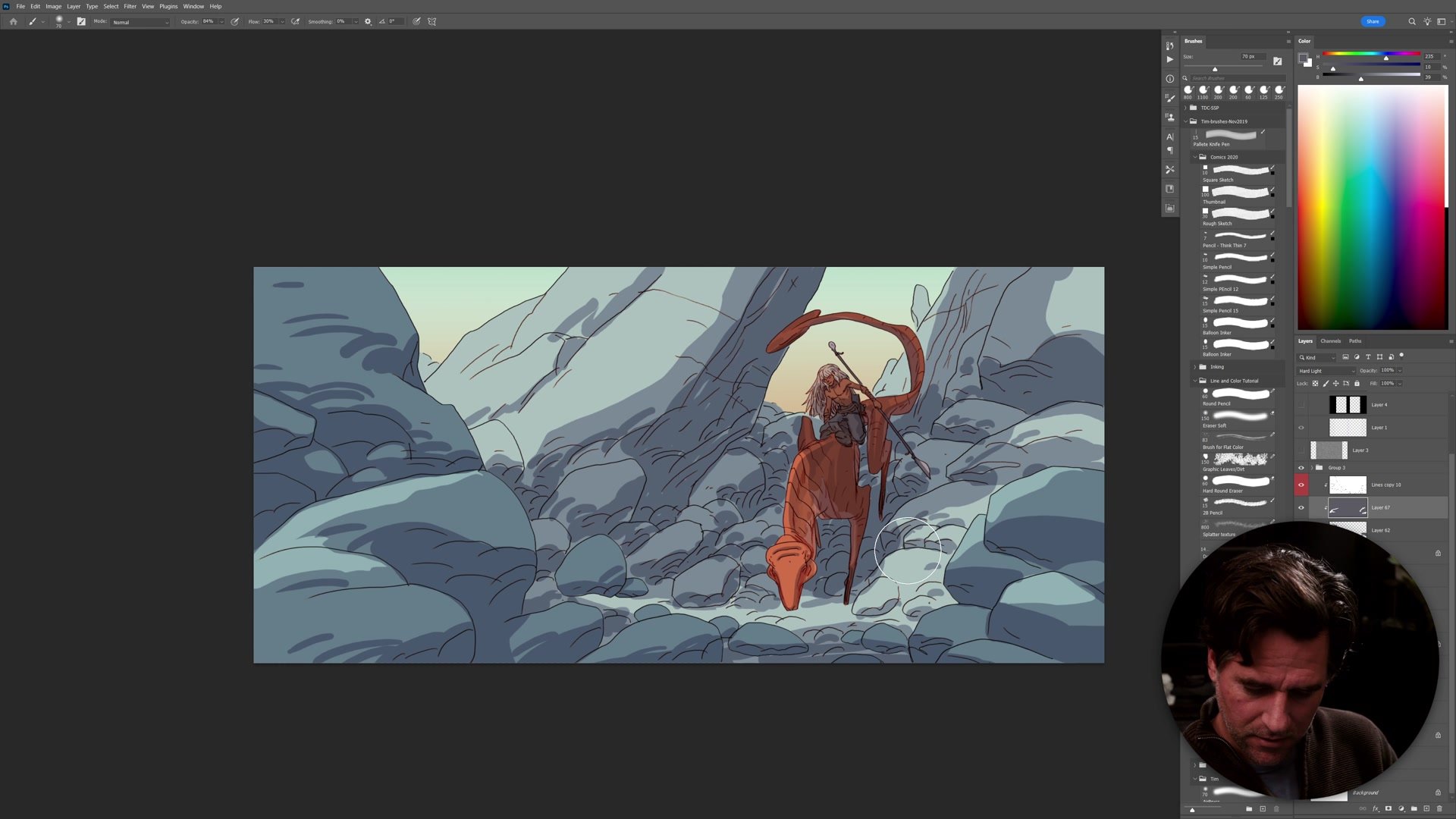
Building structure means focusing on big shapes, construction drawing, and basic value relationships. For a line and color process, this includes a rough construction pass thinking about anatomy and proportions, then a slightly more refined drawing pass before moving to flat colors. The key insight is that getting attached to the niceness of any single sketch is counterproductive when working at speed. The construction exists to inform the finish, not to be precious about. Building the habit of working through this ugly phase, rather than abandoning ship, is what separates artists who finish work from those who accumulate half-started pieces.
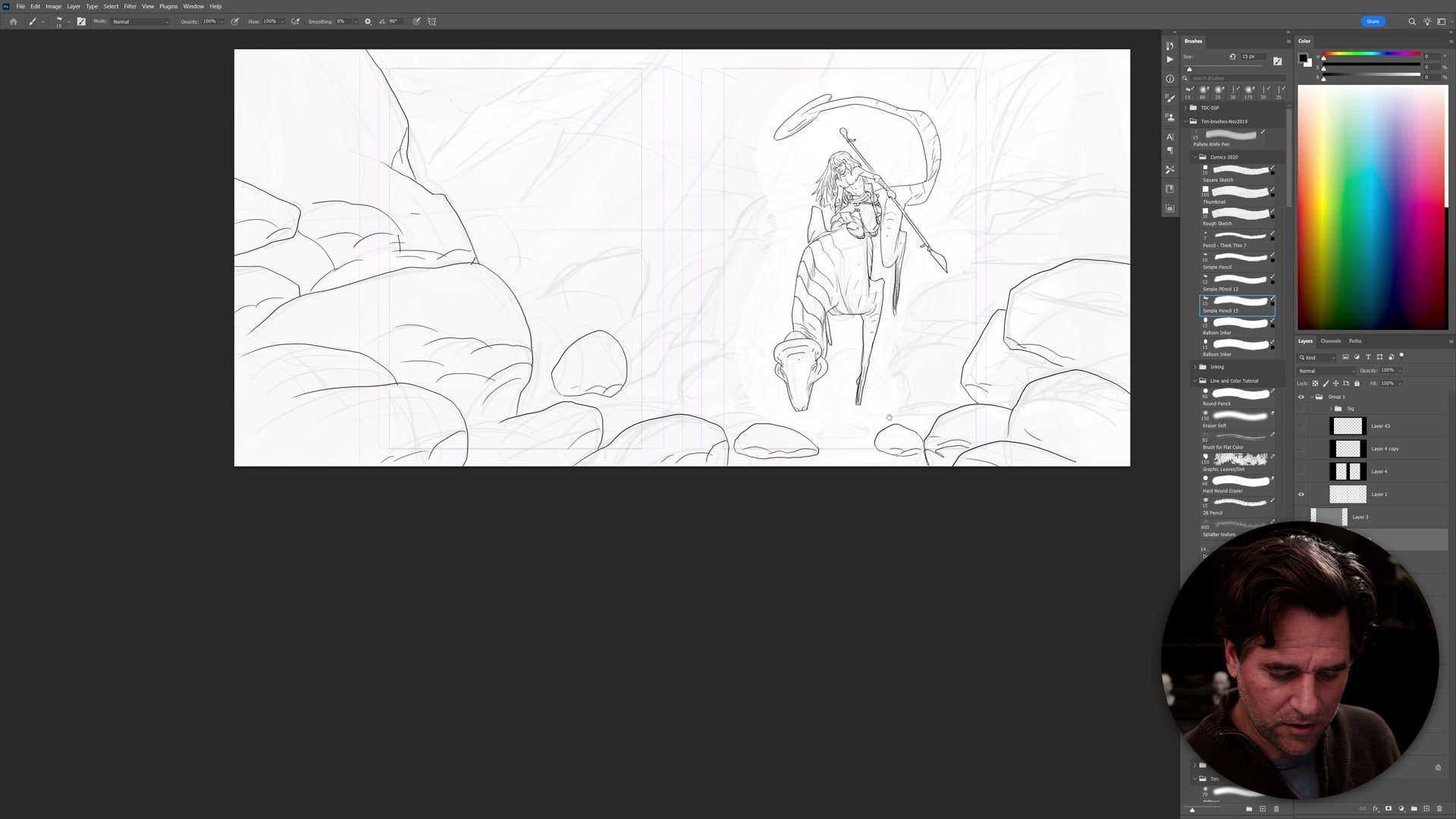
Finding the Finish
The finish phase is where intuition, built through repetition, becomes critical. Knowing how much line work is enough, how flat colors will interact with shading, and where to add atmosphere versus detail are all judgments that cannot be taught as rules. They have to be felt through experience.
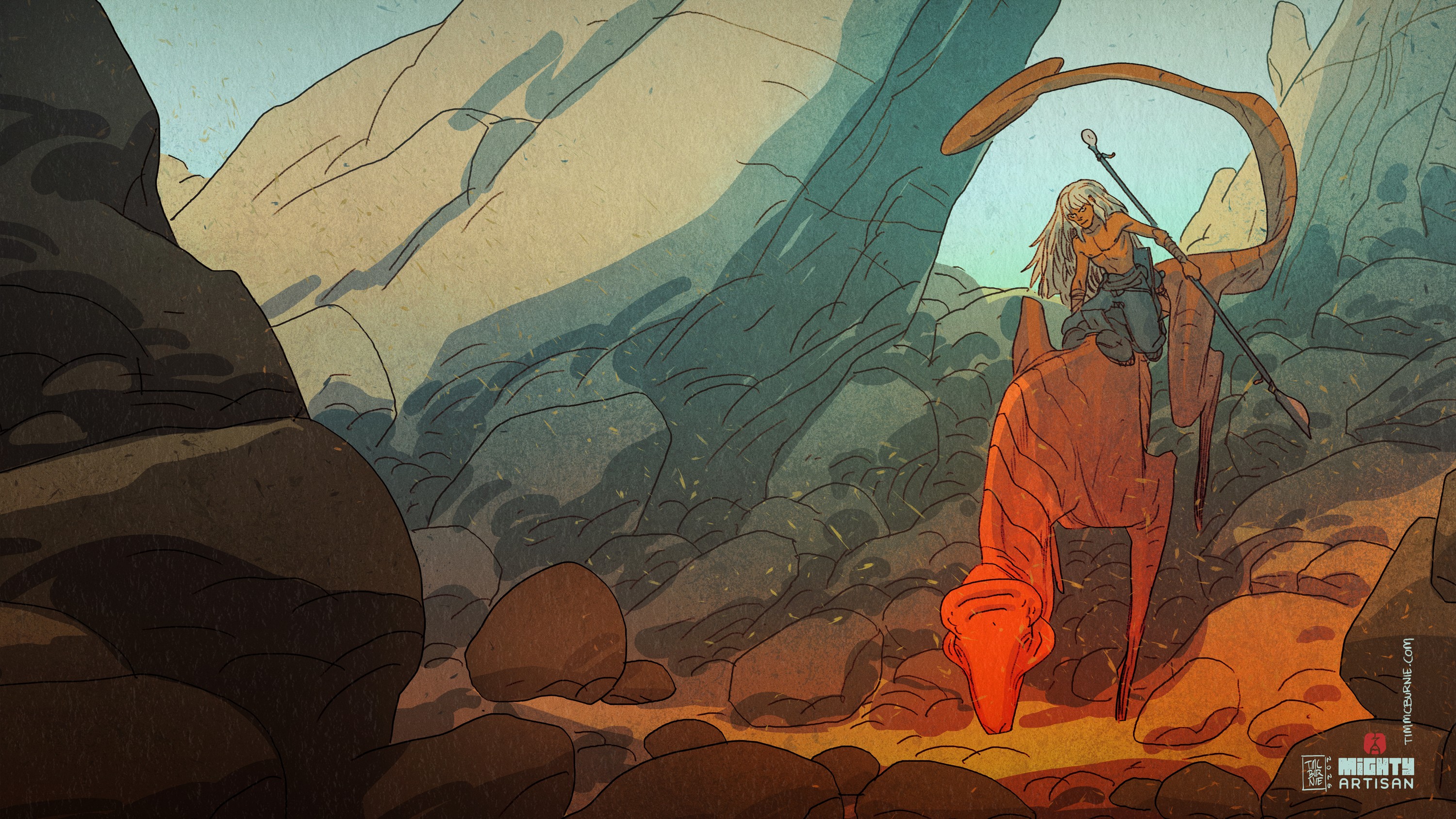
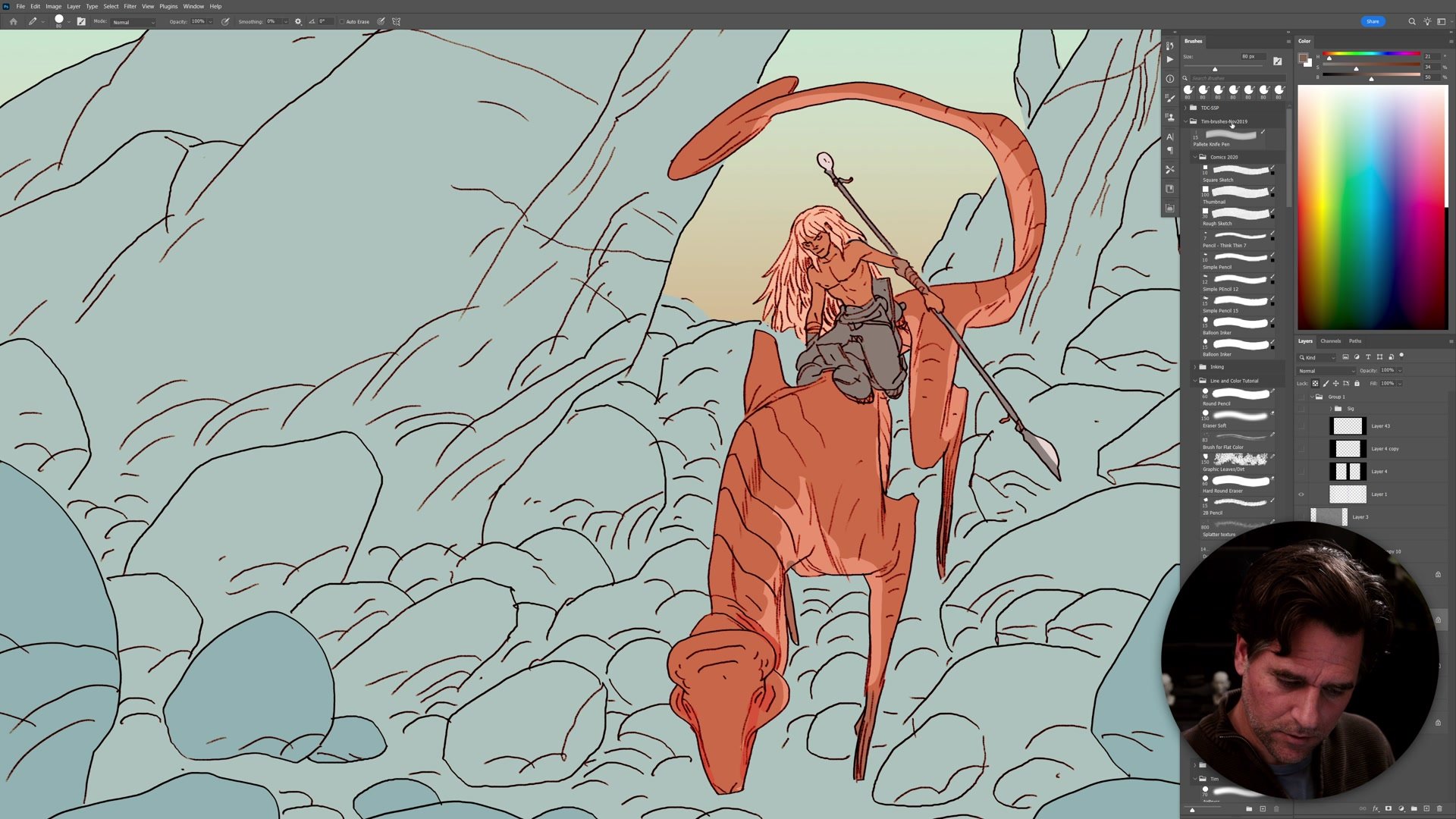
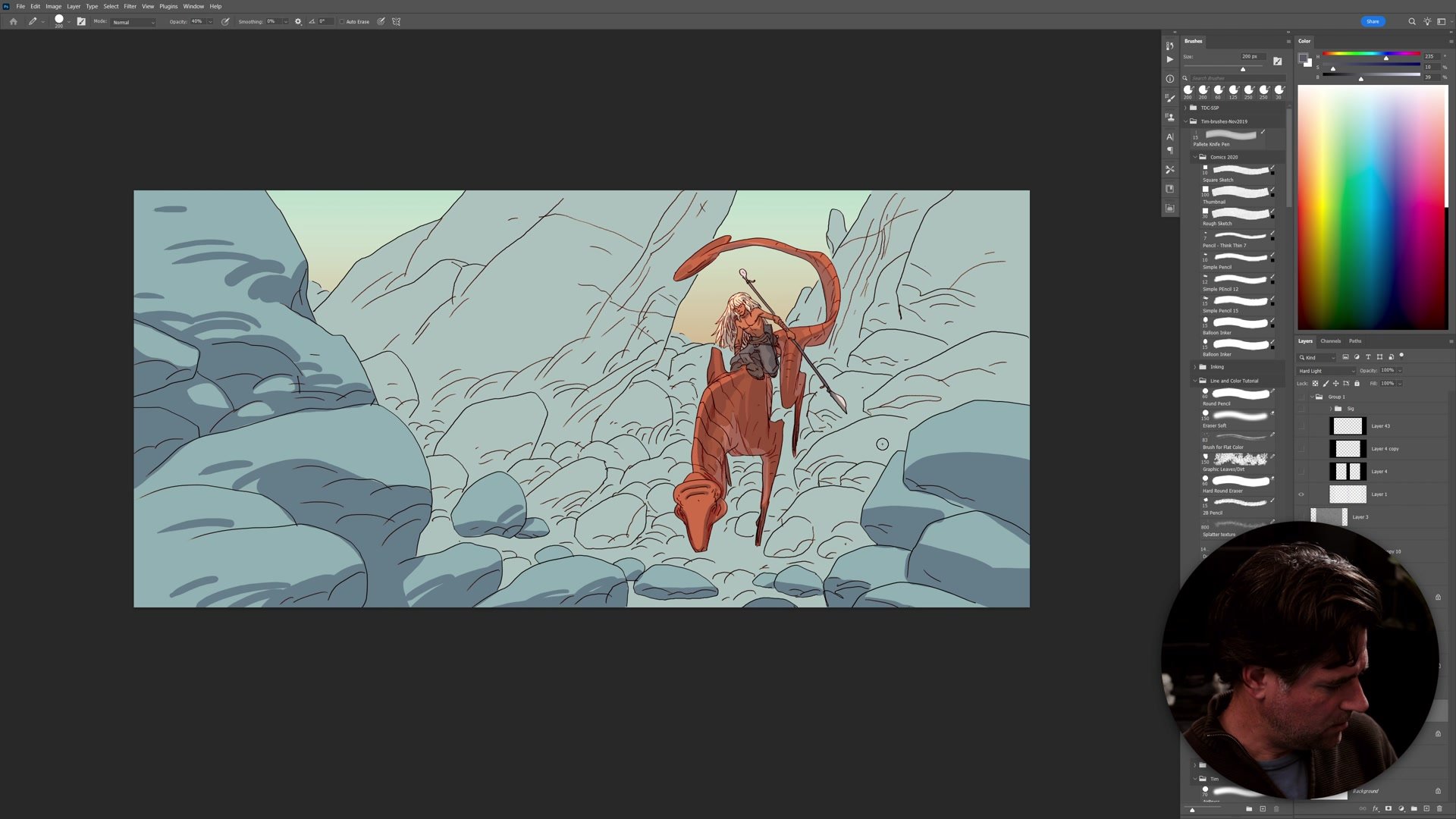
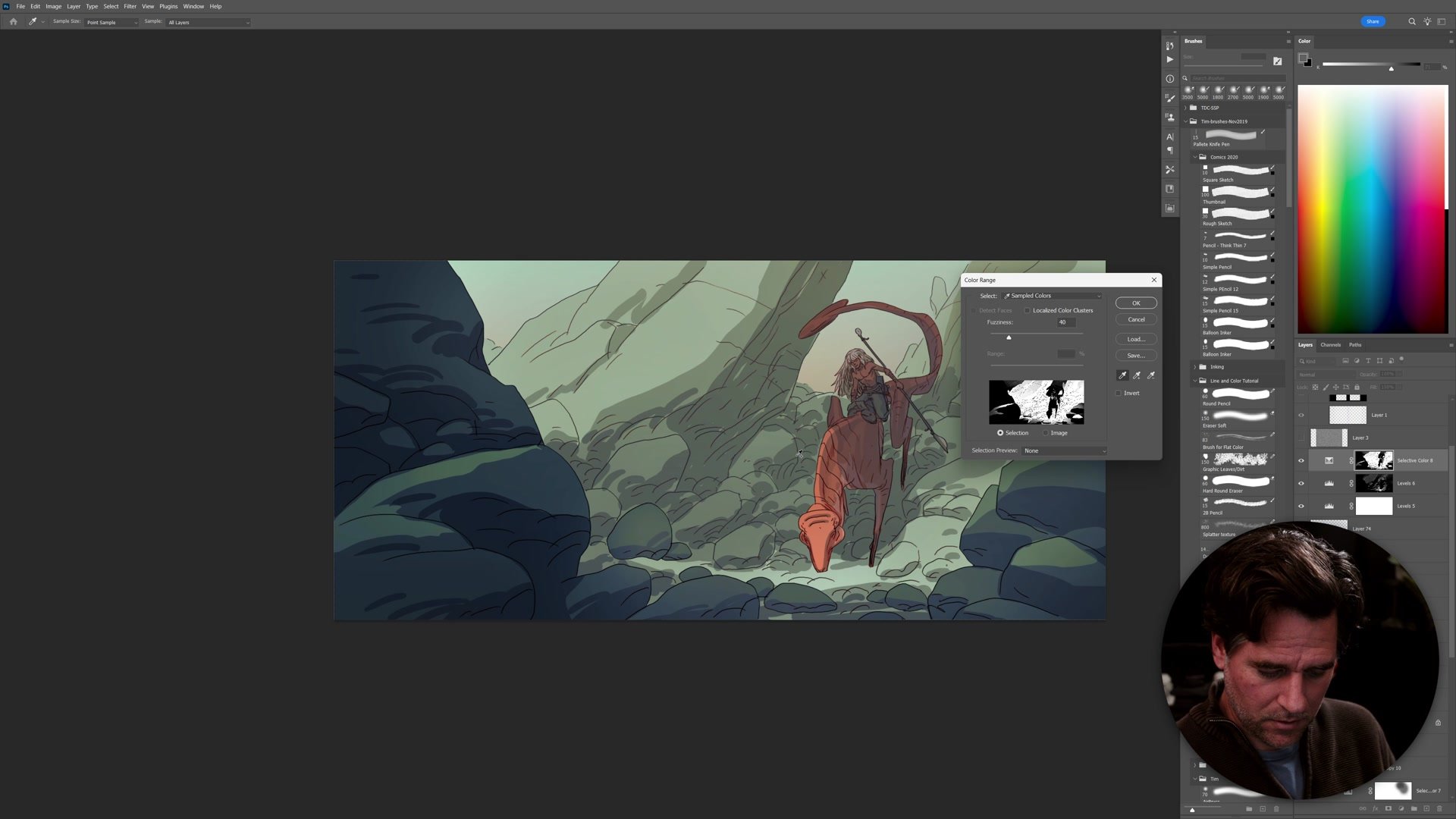
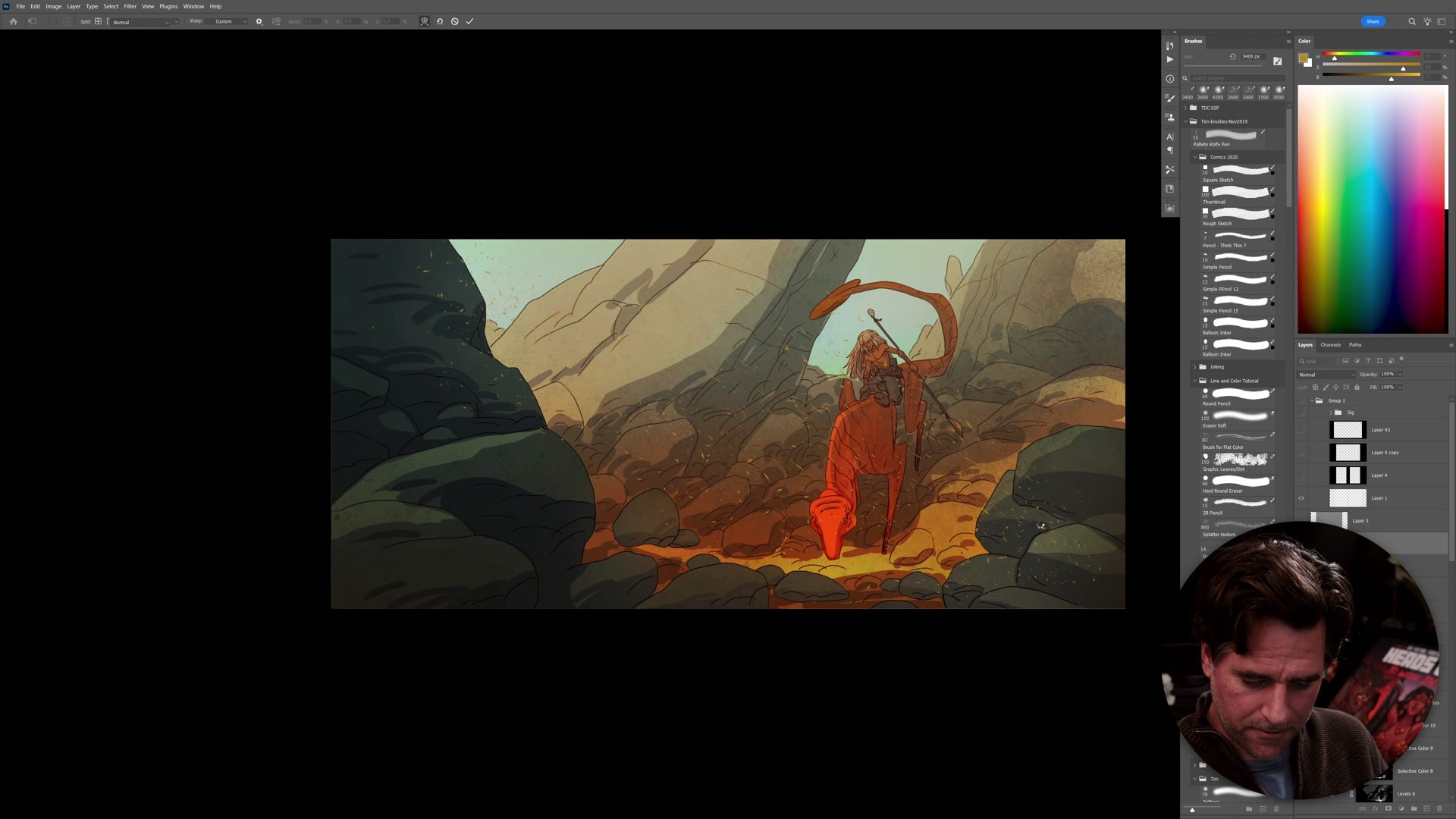
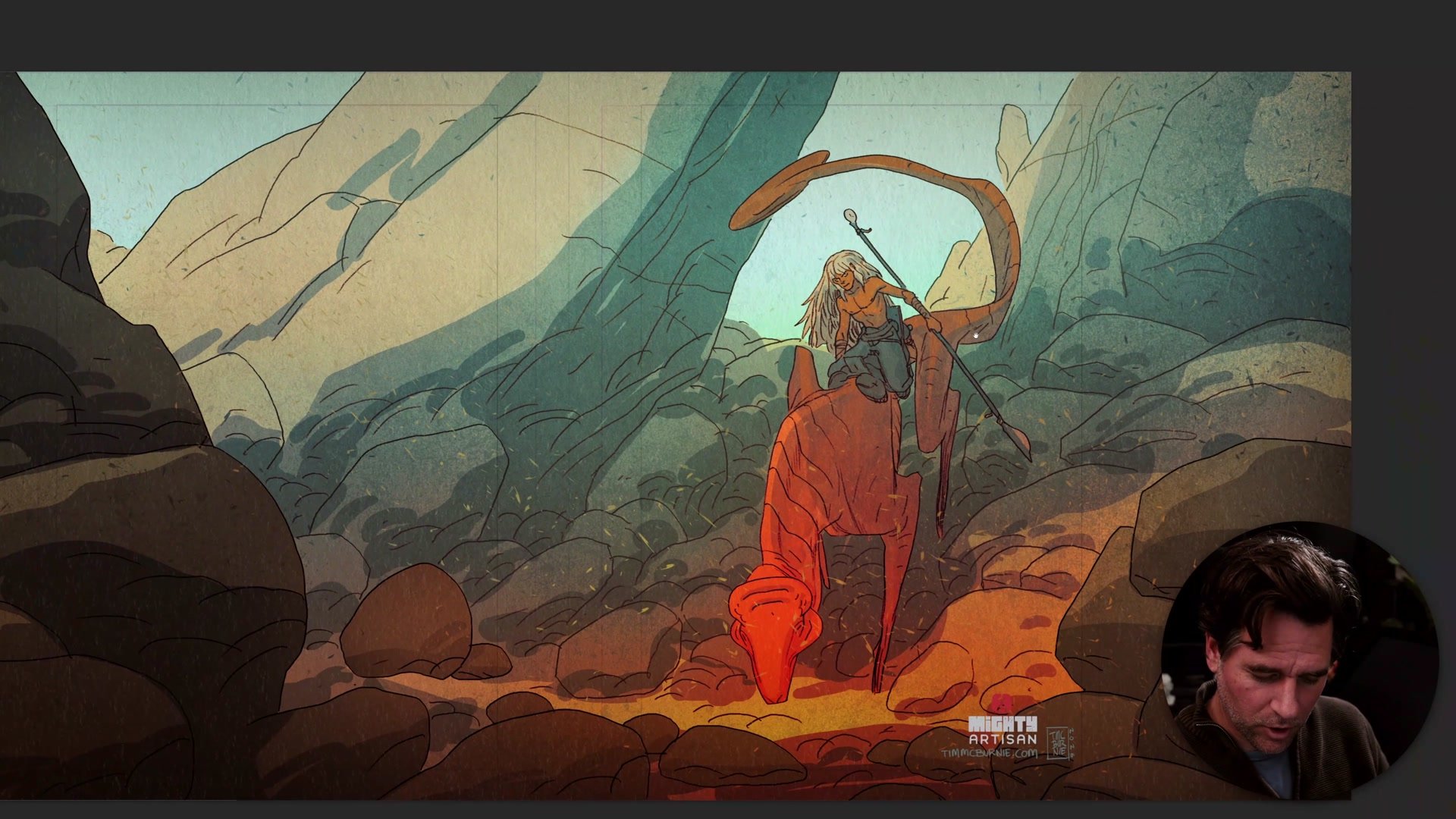
For a line and color process, finishing involves quick flat colors, hard light shadow layers, atmospheric gradients, and color temperature adjustments. The real skill is in making fast decisions about color schemes, knowing when to homogenize values to create cohesion, and recognizing the moment when continued work starts making things worse rather than better. Going 10 or 15 minutes over the target time is acceptable. Going three times over is not. The pressure of the deadline forces creative problem-solving that produces results no amount of unlimited-time polishing can replicate.
Key Principles
Scope Before You Start: Decide how long the illustration will take before picking what to draw. Time determines complexity, not the other way around.
Separate Ideation: Keep thumbnails and ideas in a separate session so that execution time is spent building, not brainstorming from a blank page.
Embrace the Ugly Phase: Every illustration has a messy middle. Building structure through big shapes and basic values without jumping to detail is the discipline that makes the finish possible.
Know When to Stop: Going slightly over time is fine. Continuing to fiddle when unsure whether changes are improvements is the signal to put the piece down and start the next one.
Try This
Step 1: Set a timer for 60 minutes and choose a subject within your comfort zone. Spend the first five minutes on a thumbnail and basic tonal plan.
Step 2: Build the structural drawing using big shapes and construction, resisting the urge to add detail. Move to flat colors once the drawing is roughed in.
Step 3: Use the remaining time for finish work: shading, atmosphere, and color adjustments. When the timer runs out, stop. Evaluate what worked and what to improve next time.