Create Your Hero Image
Summary
The Direction Problem
All the tutorials, techniques, and skills in the world are available right now. The challenge for artists today is not access to information. It is knowing where all of that practice is actually going. Many artists find themselves in a cycle of skill-building without a destination, collecting techniques and completing exercises without any clear sense of when they have arrived or what they are building toward.
The old systems of guilds, masters, and formal apprenticeships are gone. Educational institutions are shifting. Anyone can learn art independently and relatively cheaply. But without those external structures, there is no one to tap you on the shoulder and say you have arrived. No degree, no formal graduation, no guild certificate. The question becomes unavoidable: how do you actually know when you have gotten good? The answer is both ancient and surprisingly practical. It comes down to a single concept that reframes everything about artistic goal-setting: the hero image.
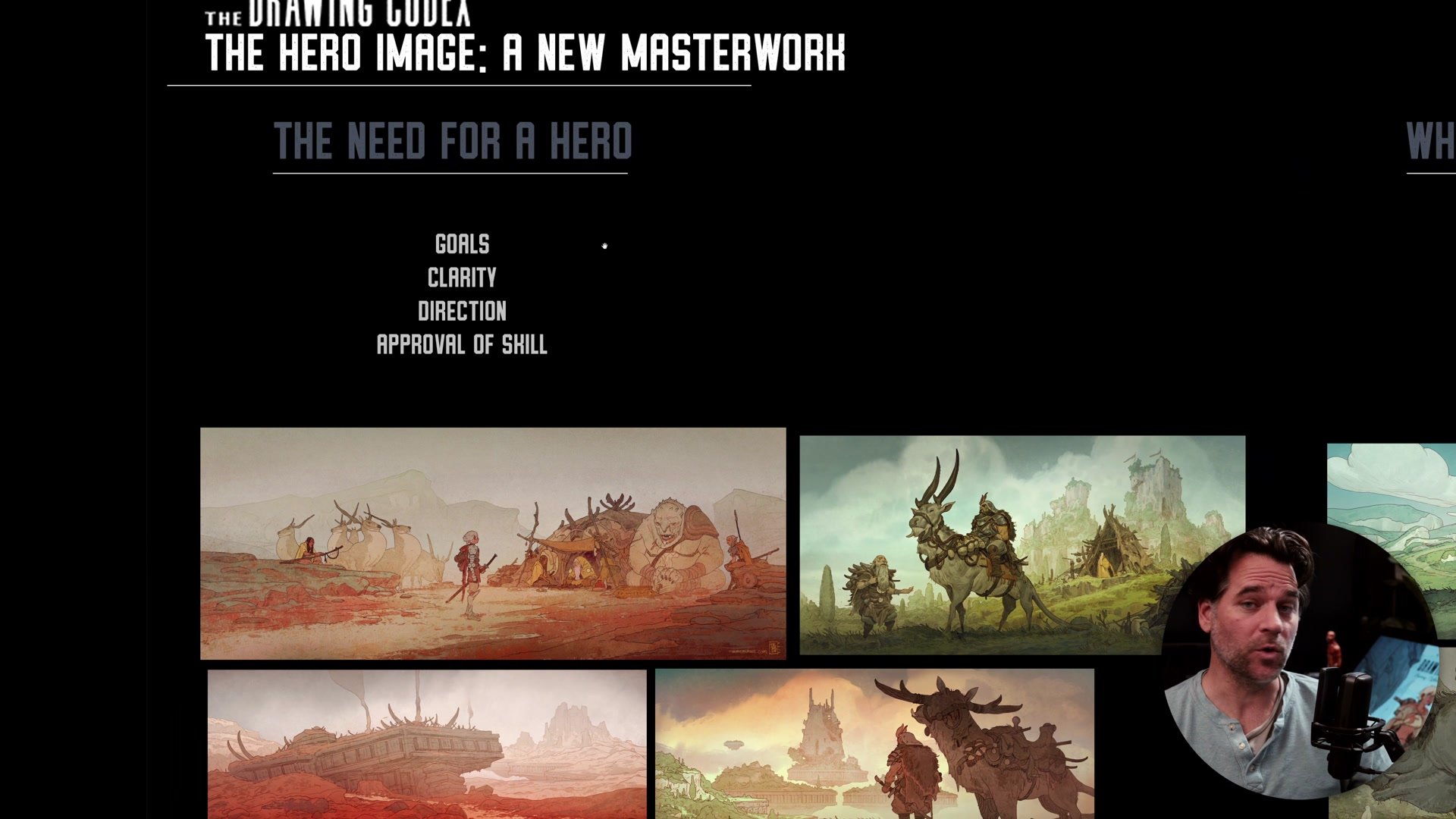
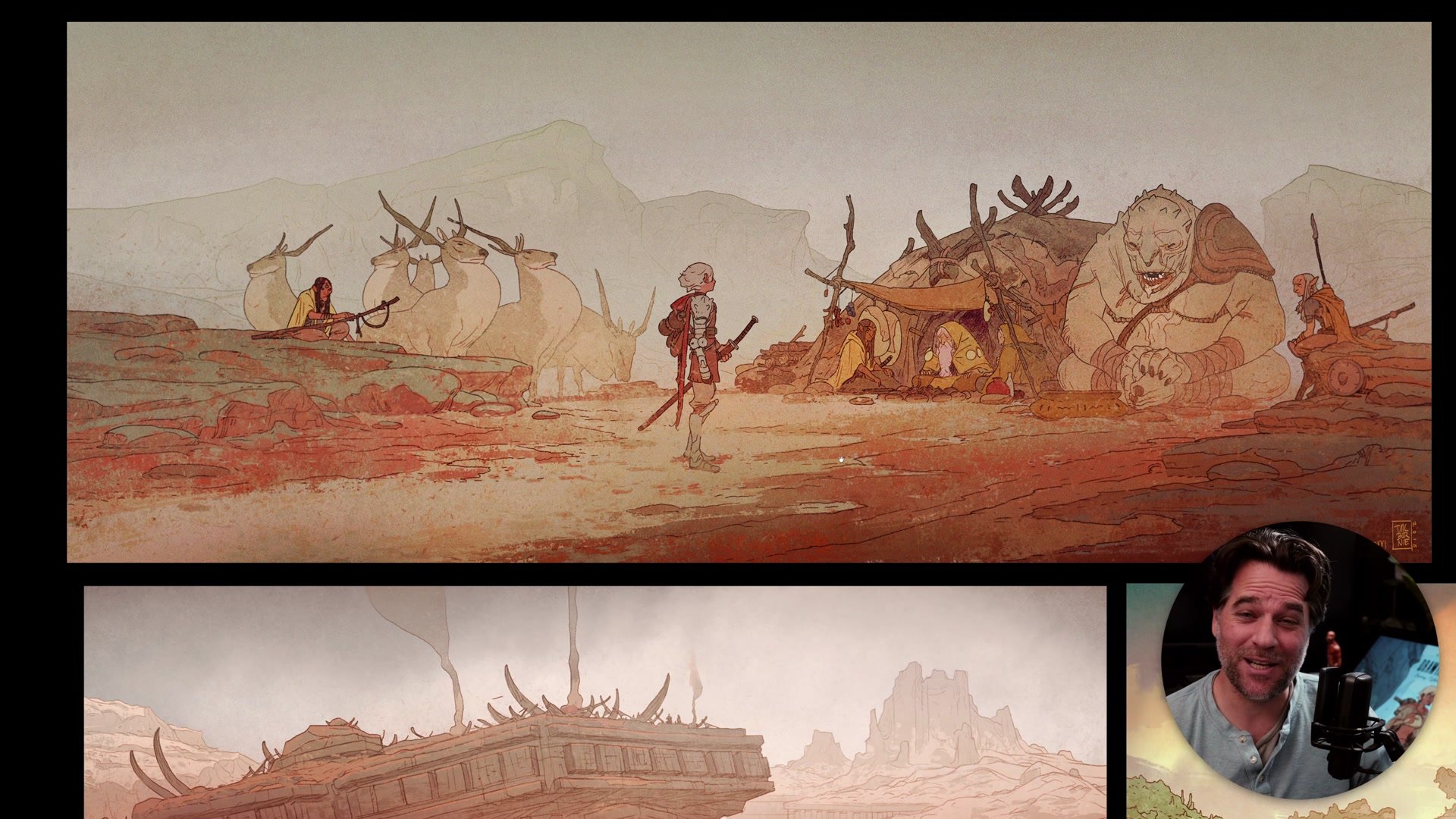
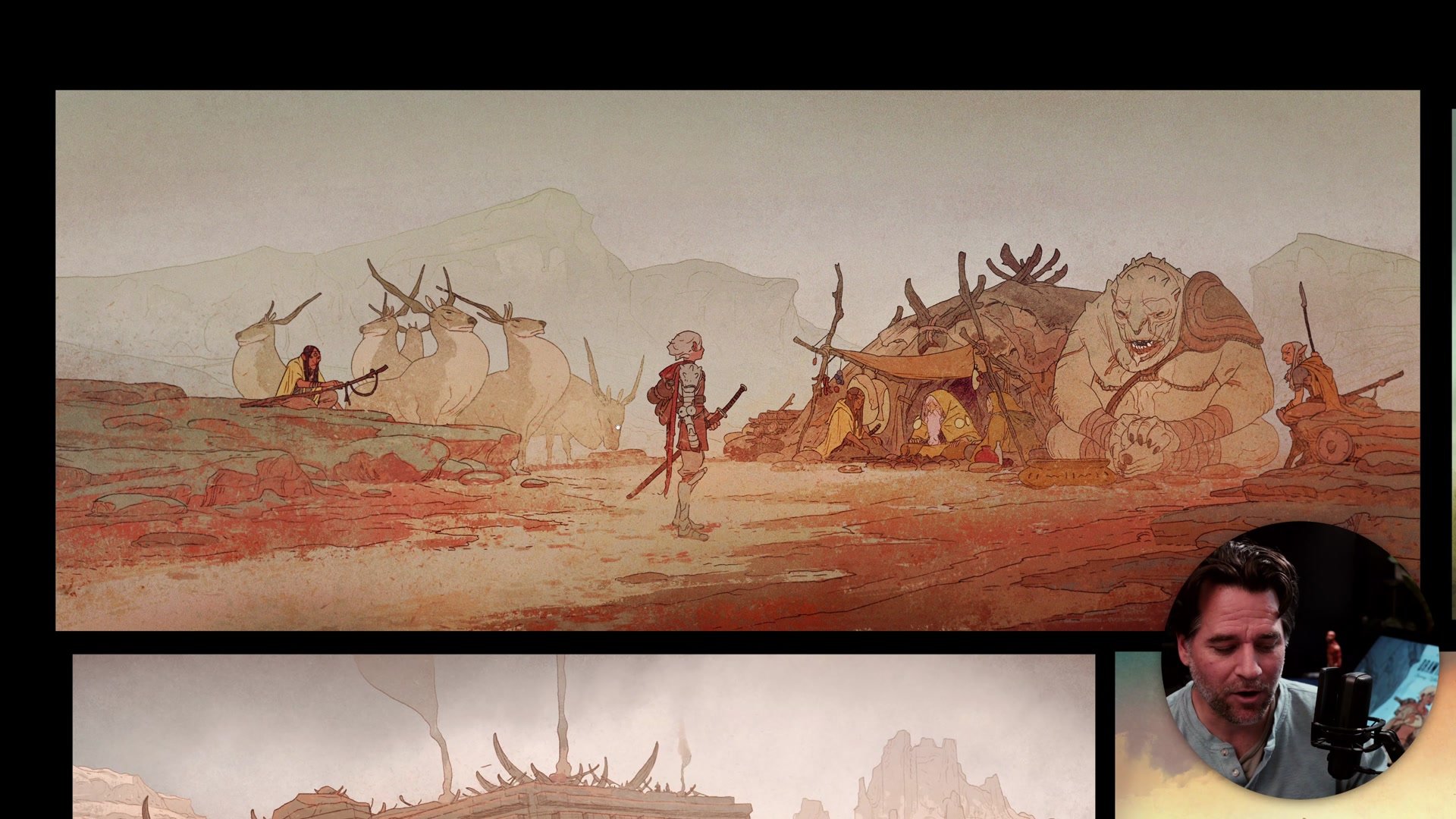
One Image Changes Everything
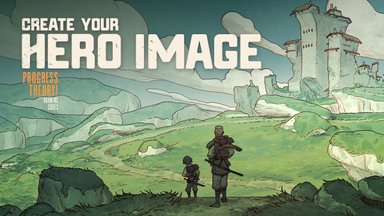
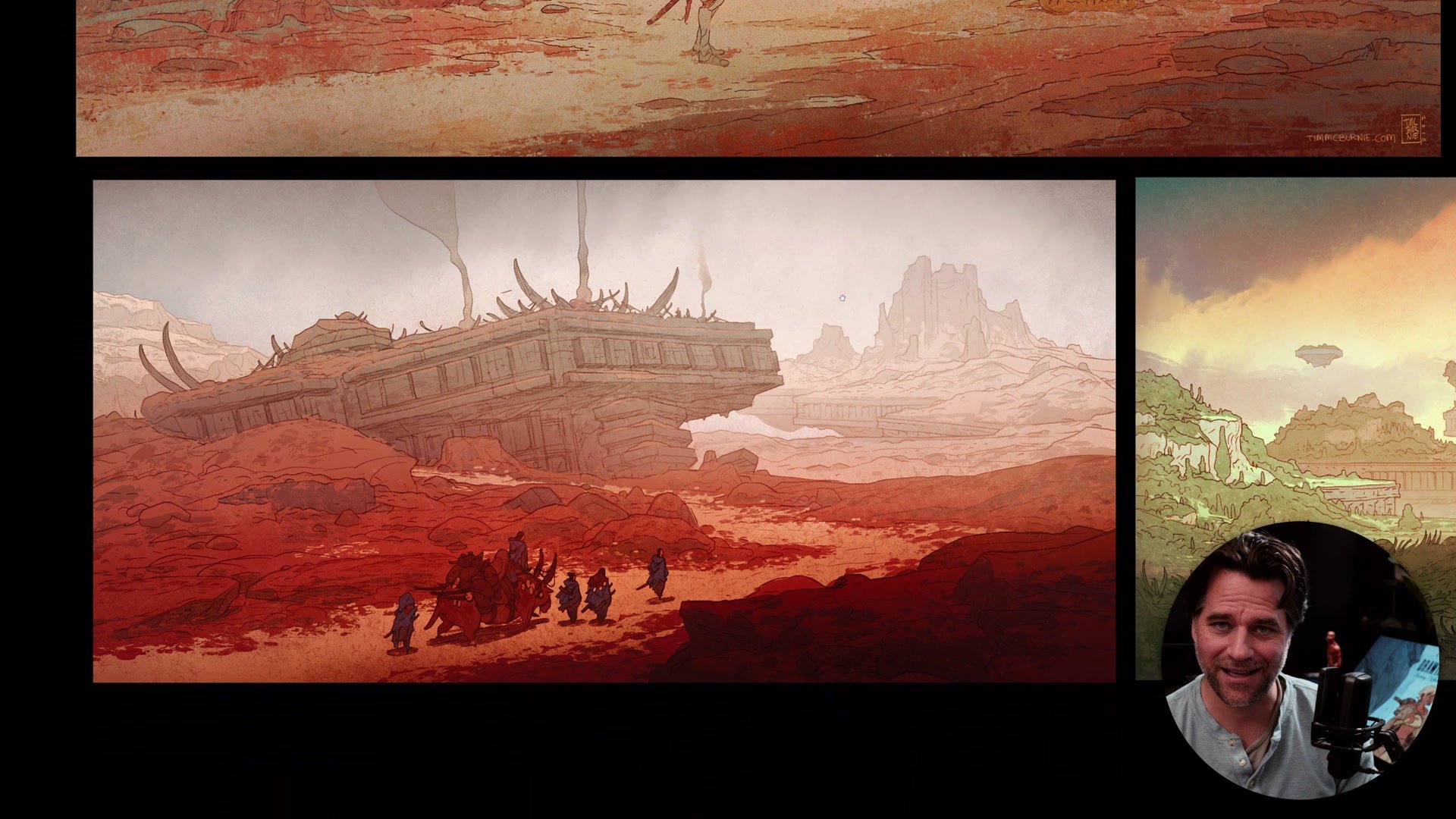
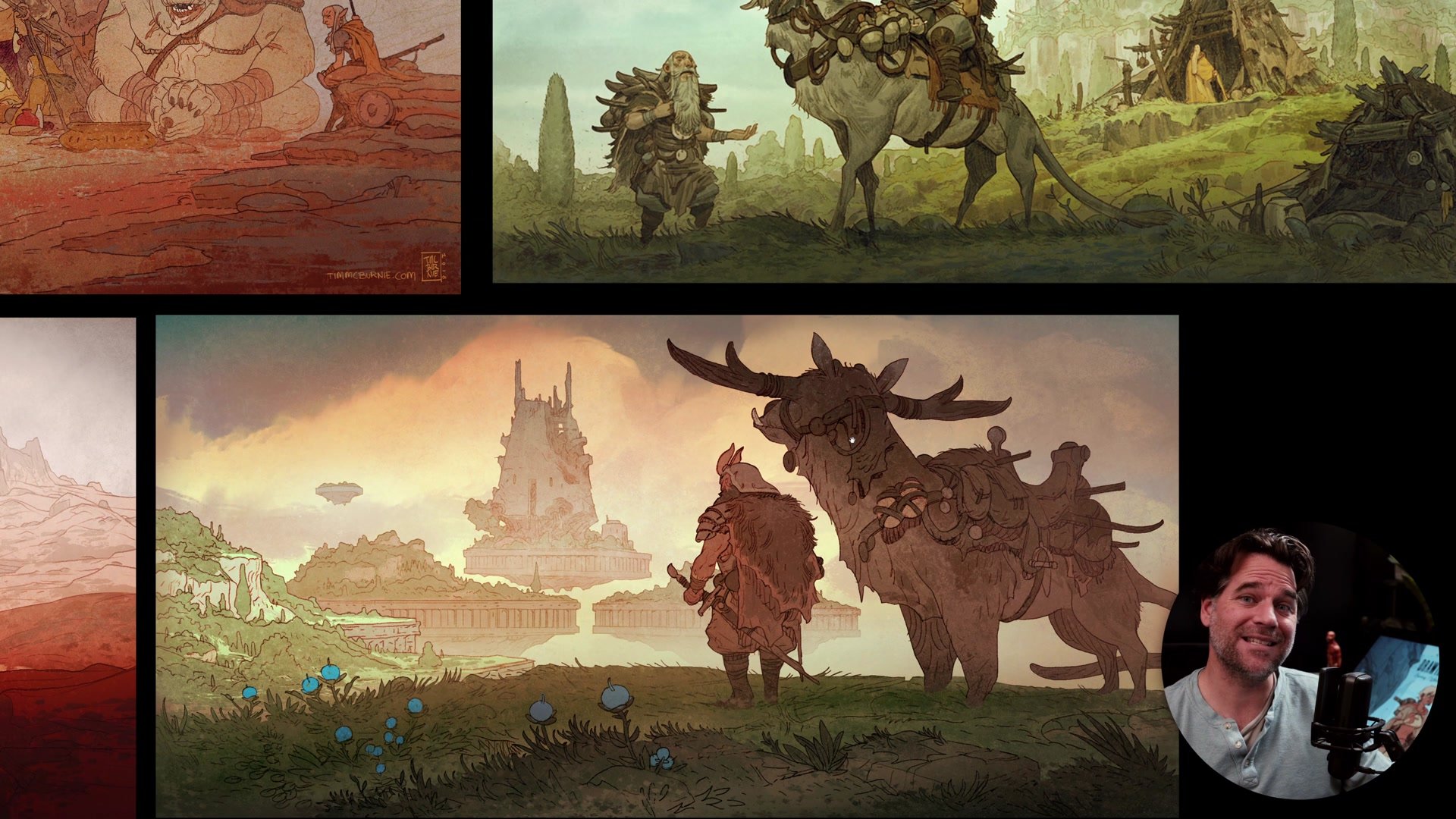
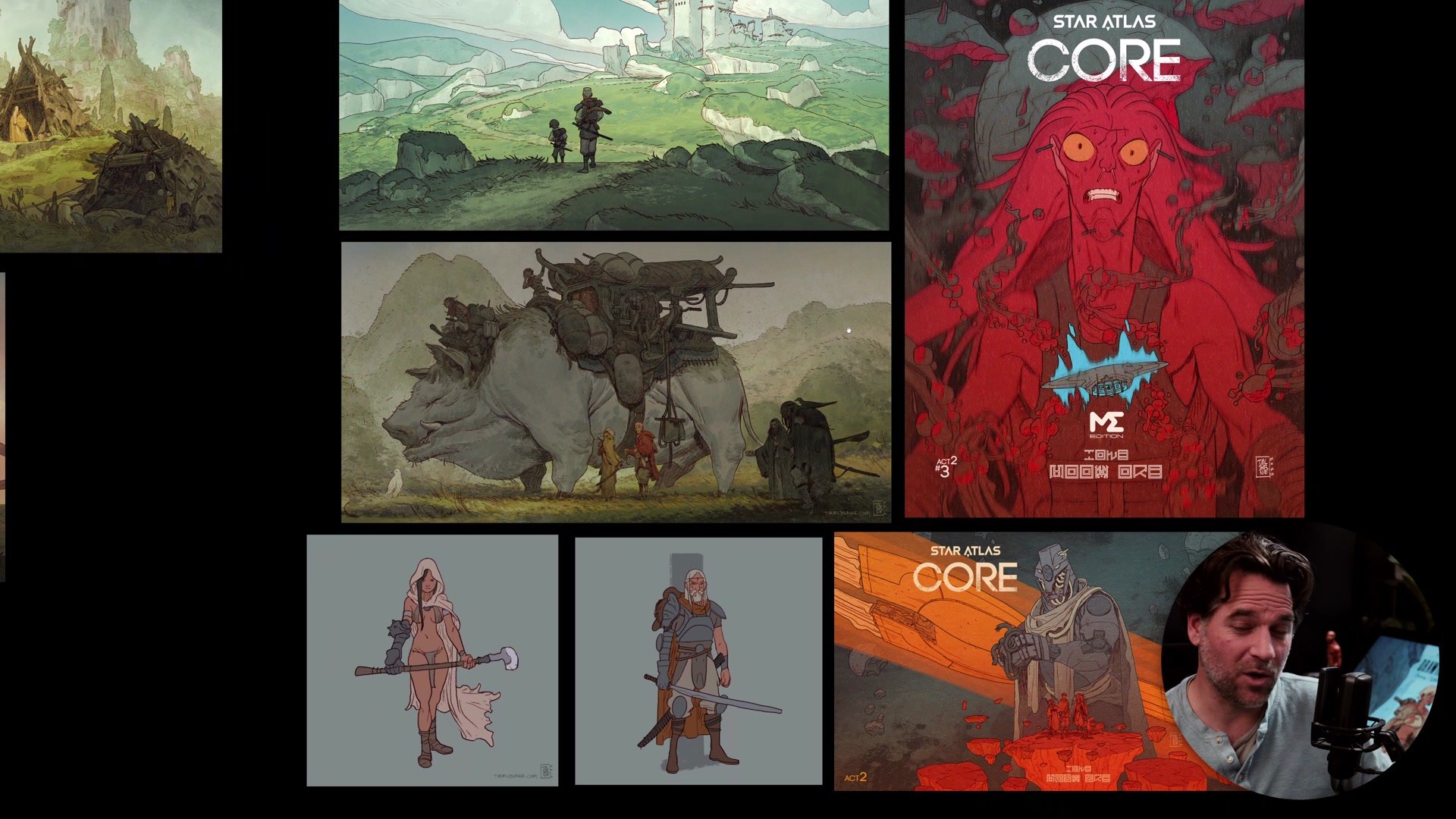
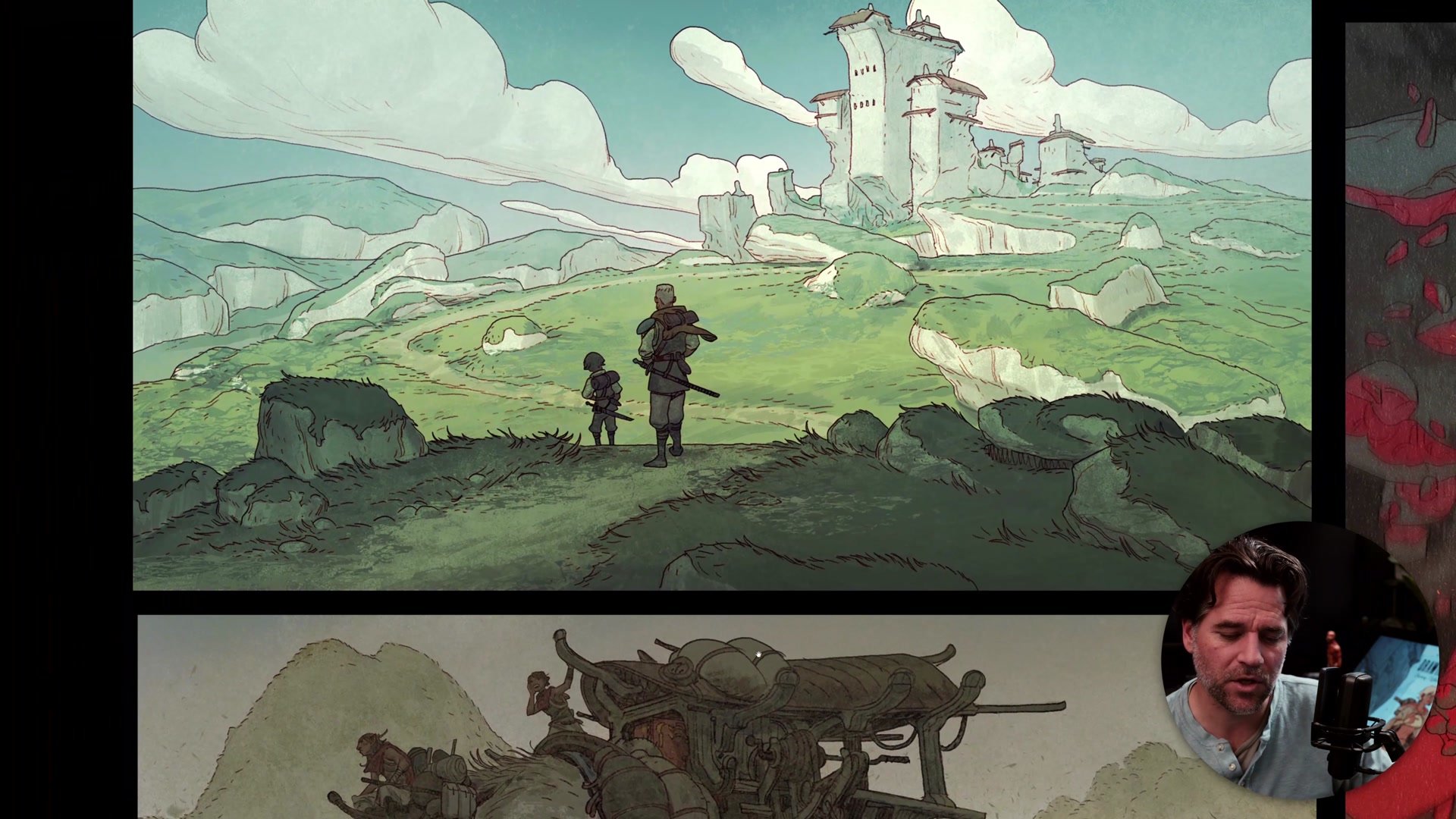
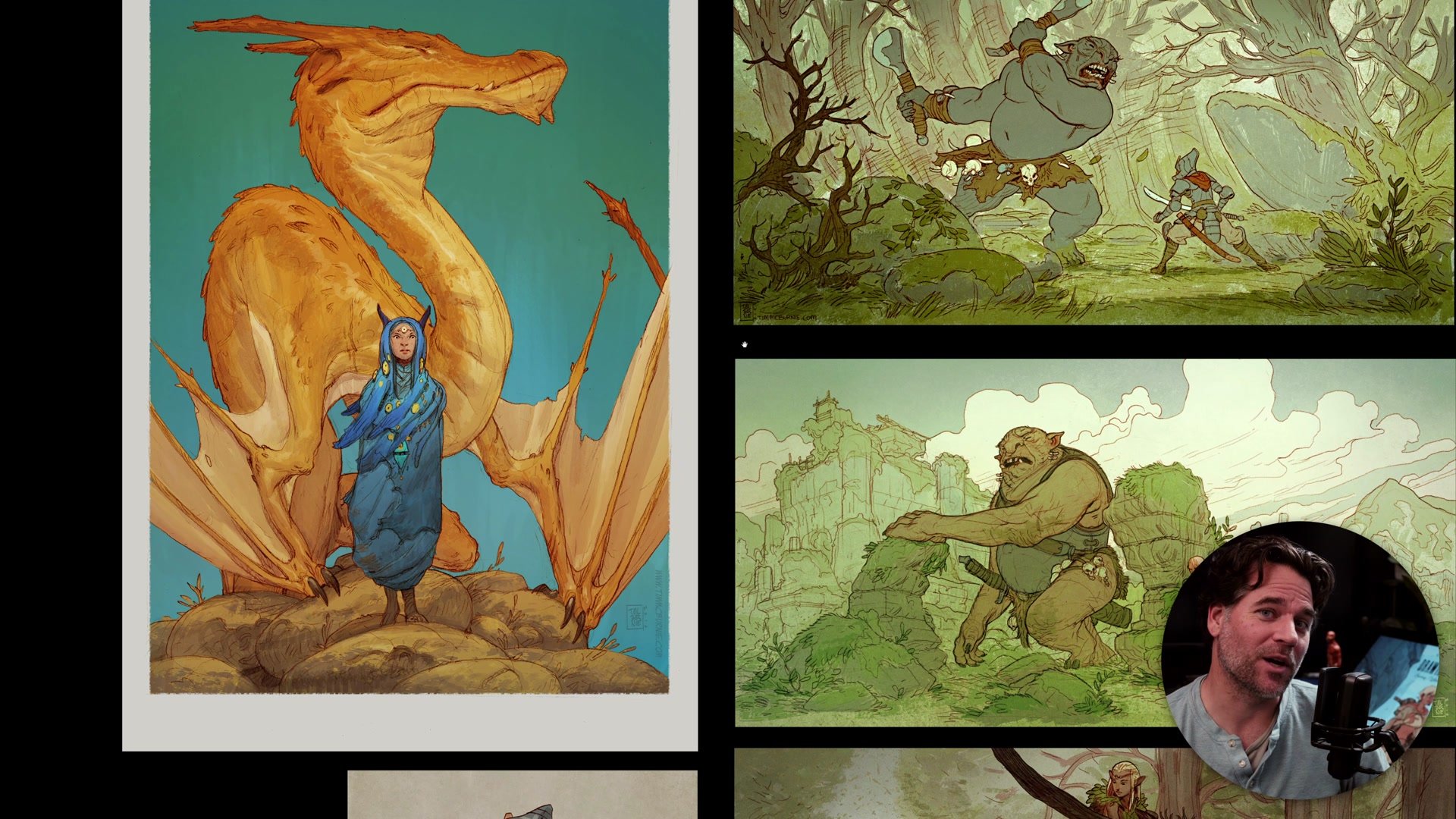
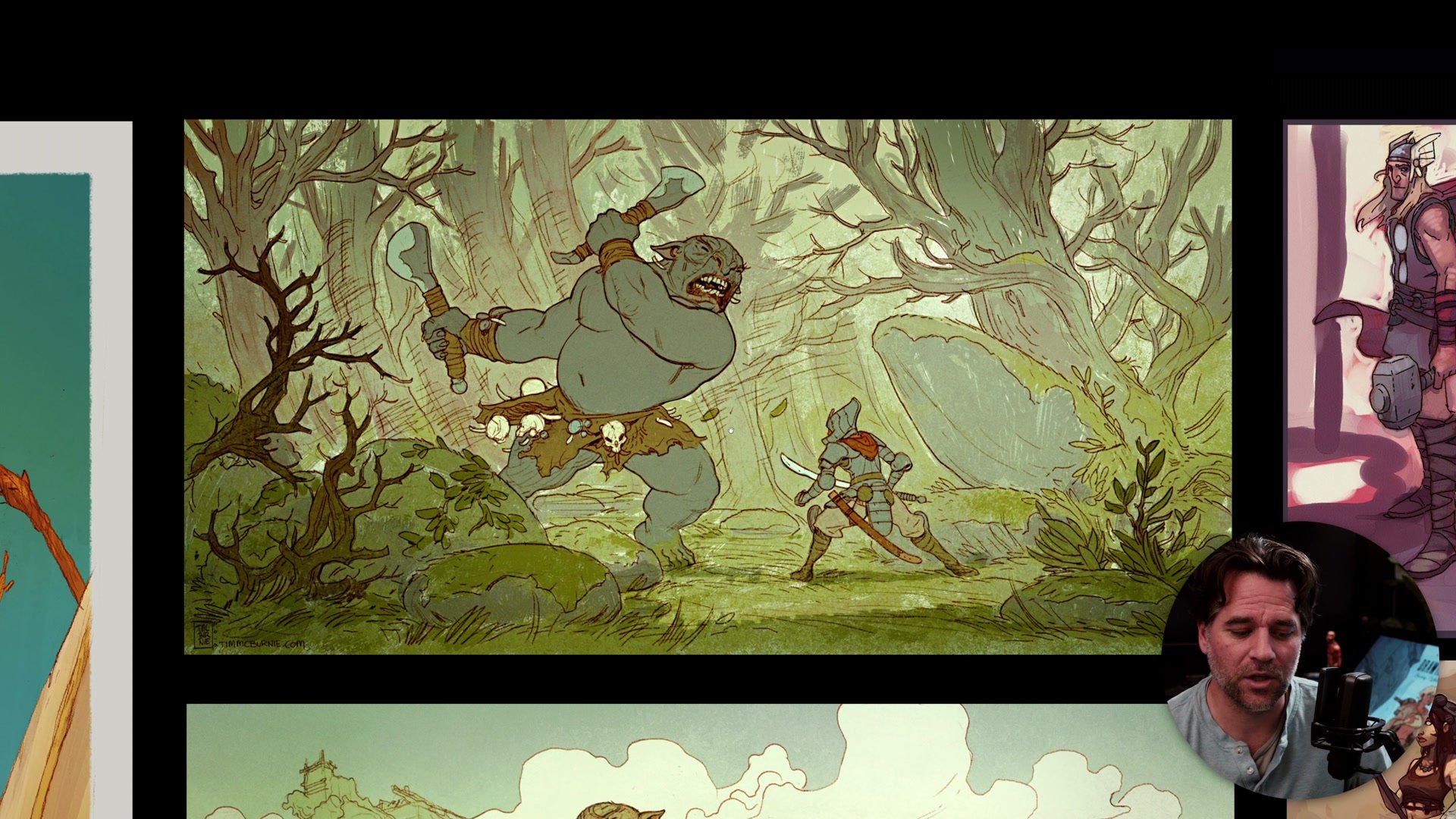
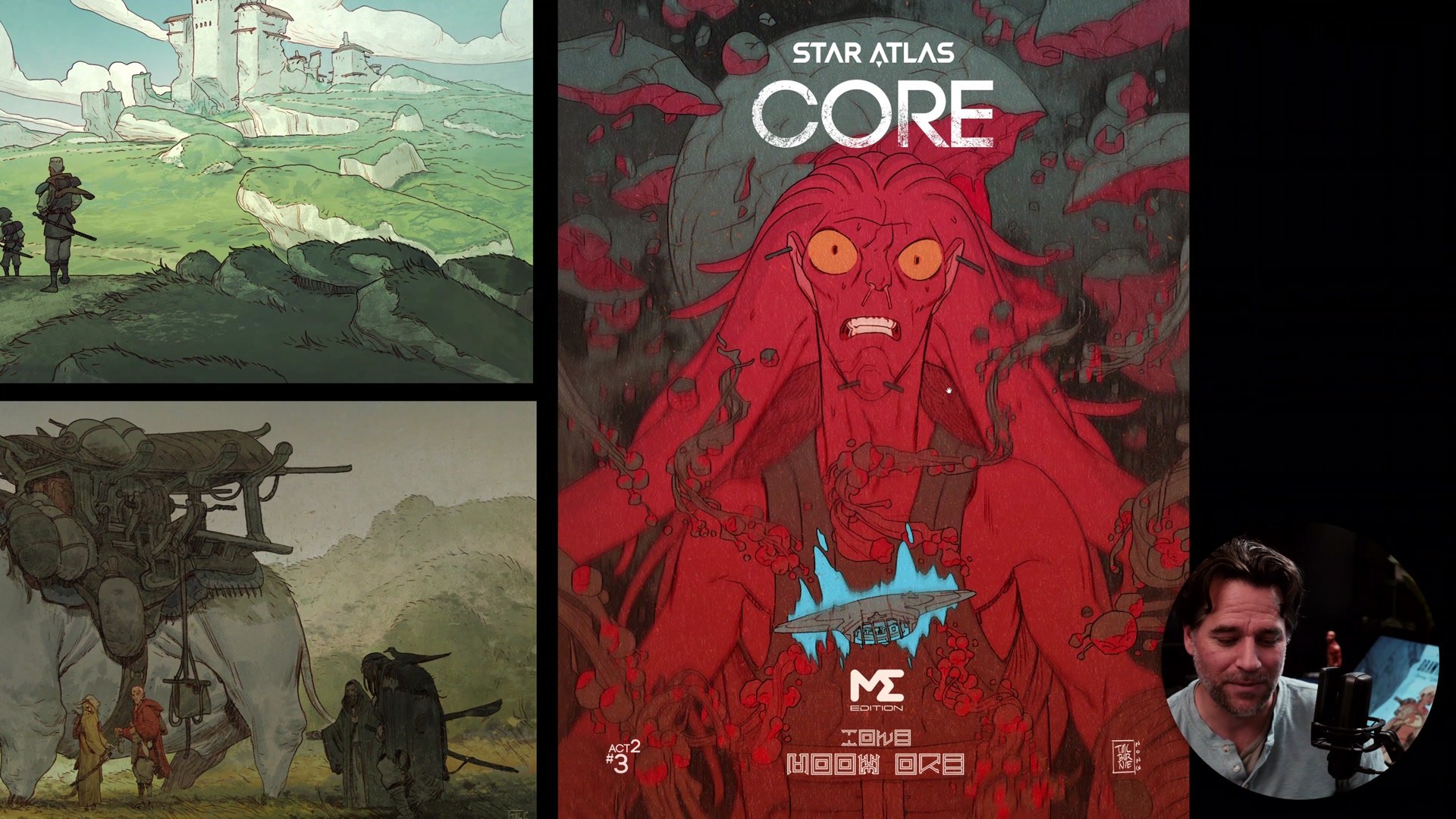
A hero image is a modern version of the old masterwork. It is a single piece of art that goes out into the world and represents everything an artist is capable of. Not a portfolio, not a collection of studies. One image that people will associate with a name, a style, and a set of abilities.
The practical reality is that people remember artists by one thing. When someone hears an artist's name, they picture a single piece of work. That recognition is where traction begins. One piece of personal work can lead to months of freelance with a video game studio, simply because they saw that image and wanted someone who could create that kind of world. Whether the goal is client work, building an audience, or the confidence that comes from knowing what you can actually do, the hero image serves as both the proof and the entry point. It is the image that gets sent in emails saying "I want work that looks like this."
What Art Do You Want to Make?
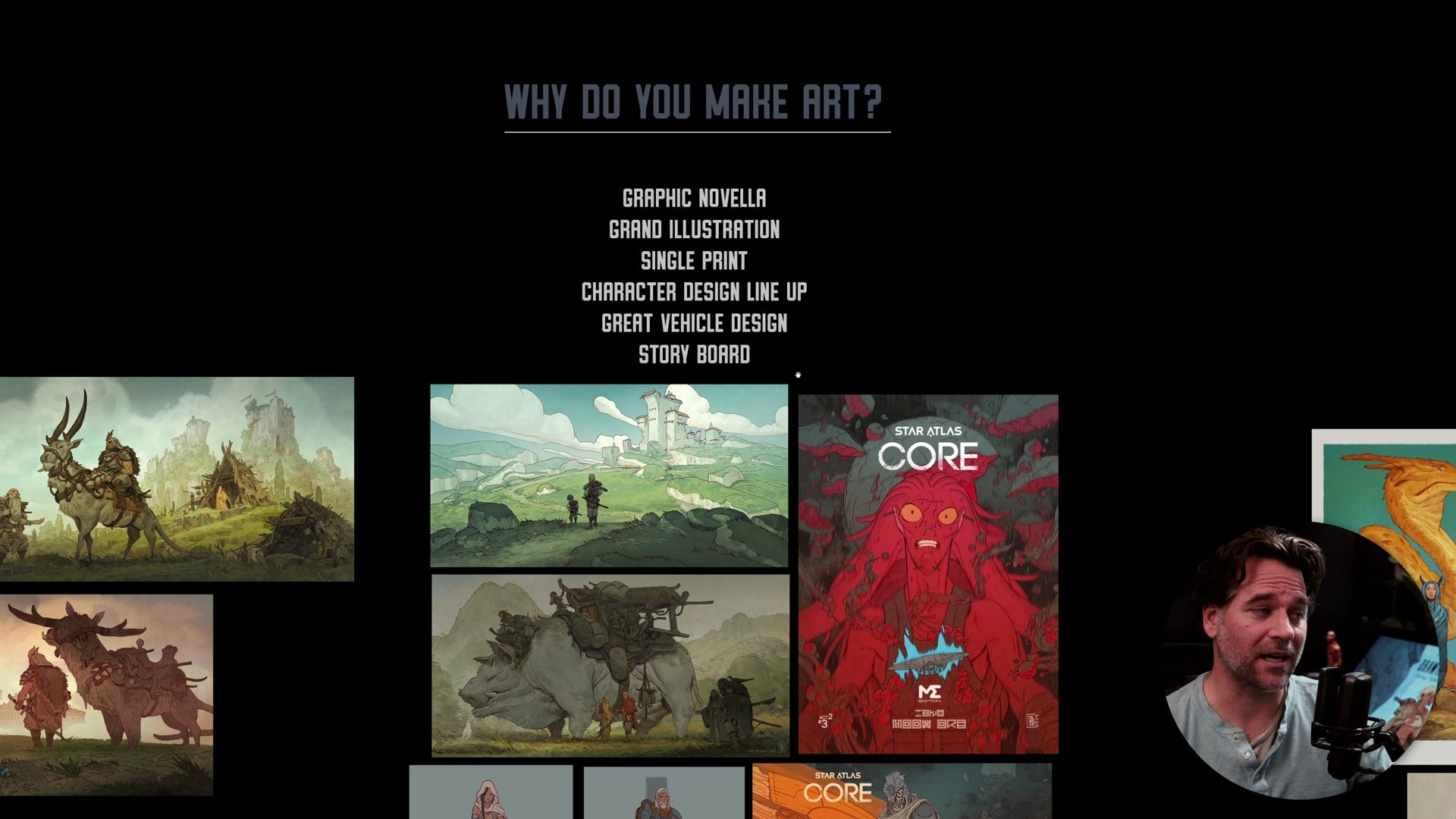
The hero image only works when it is specific. The number one question most artists are not answering at the intermediate level is: what type of art do you actually want to make?
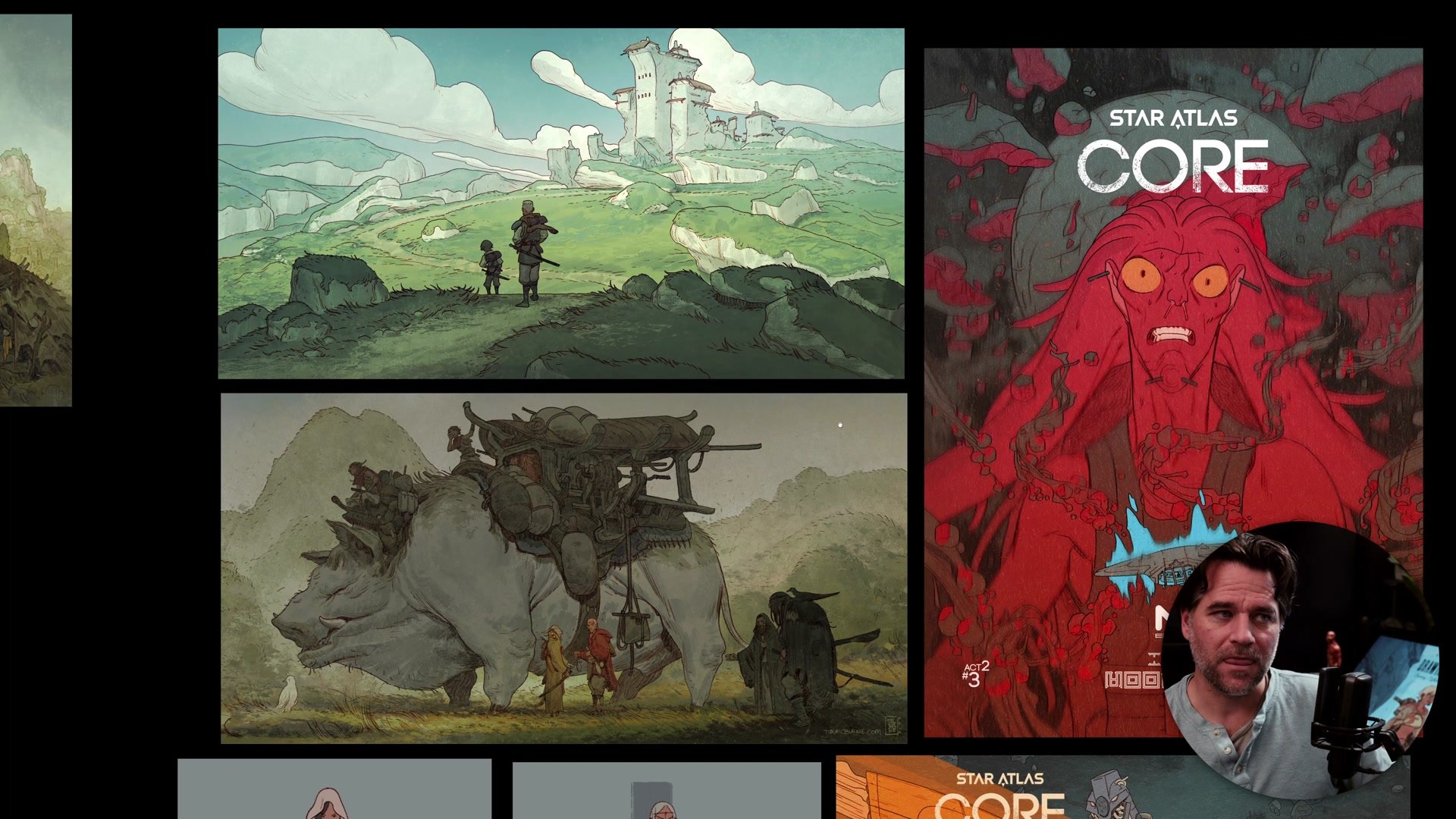
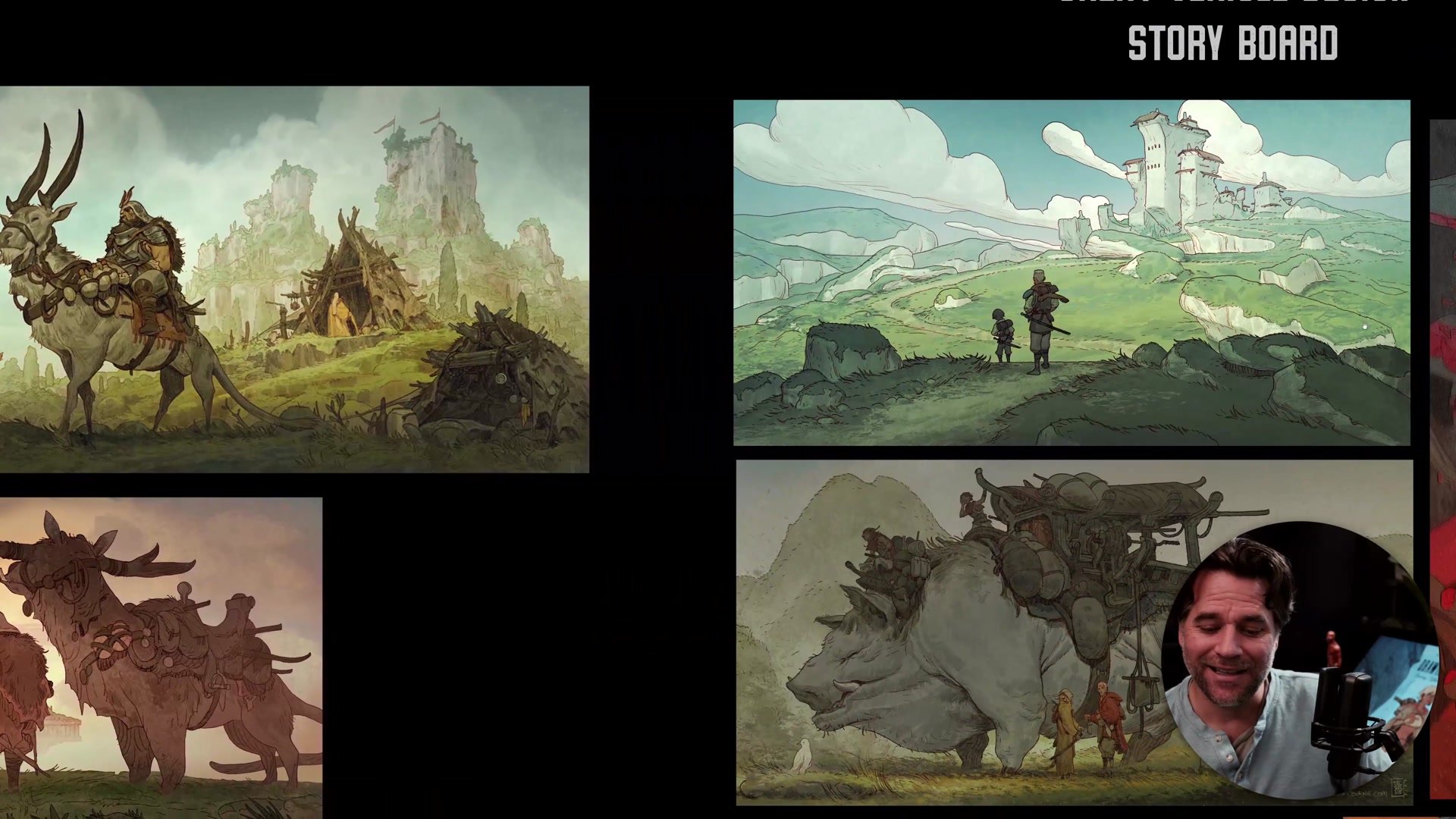
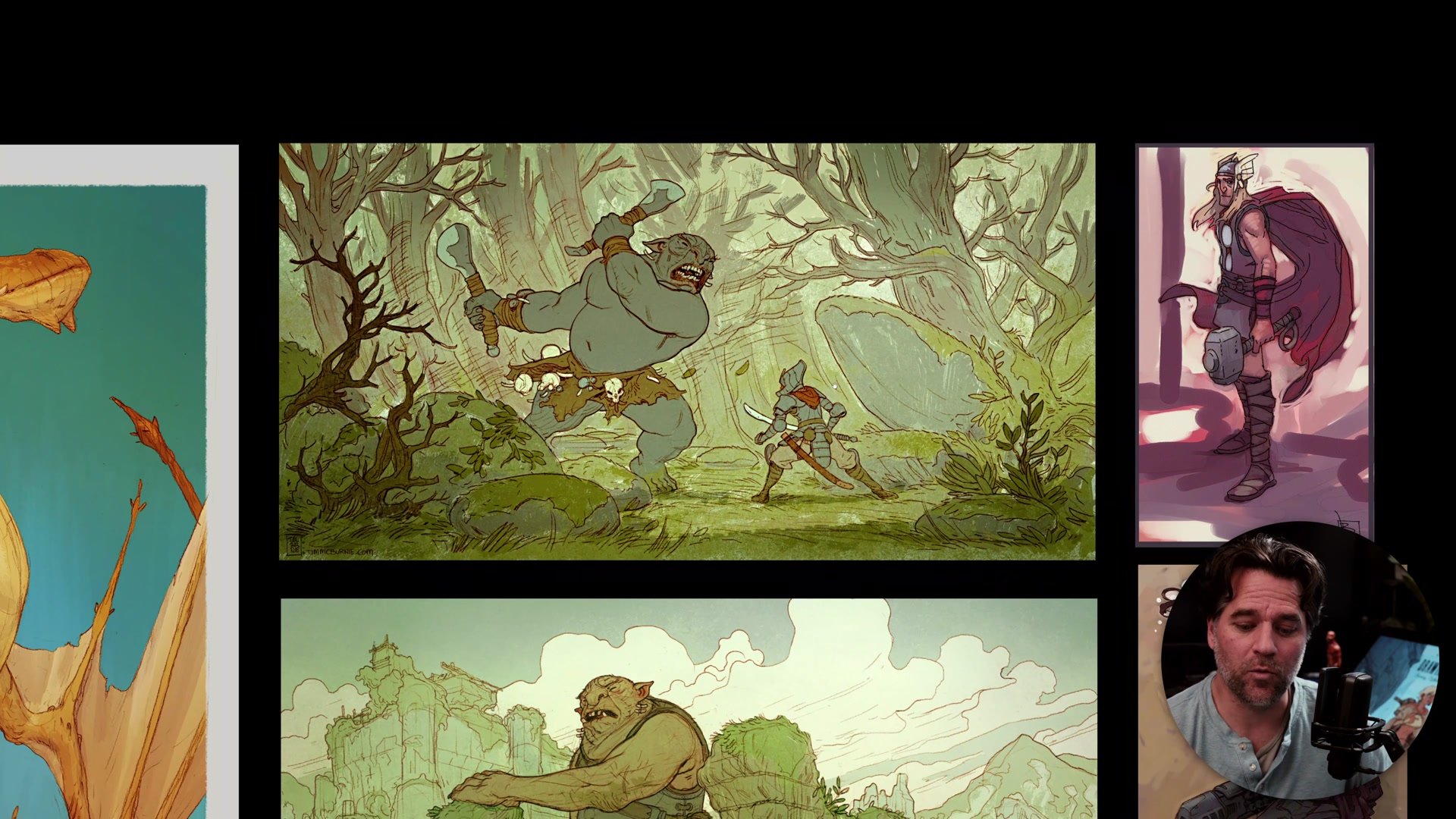
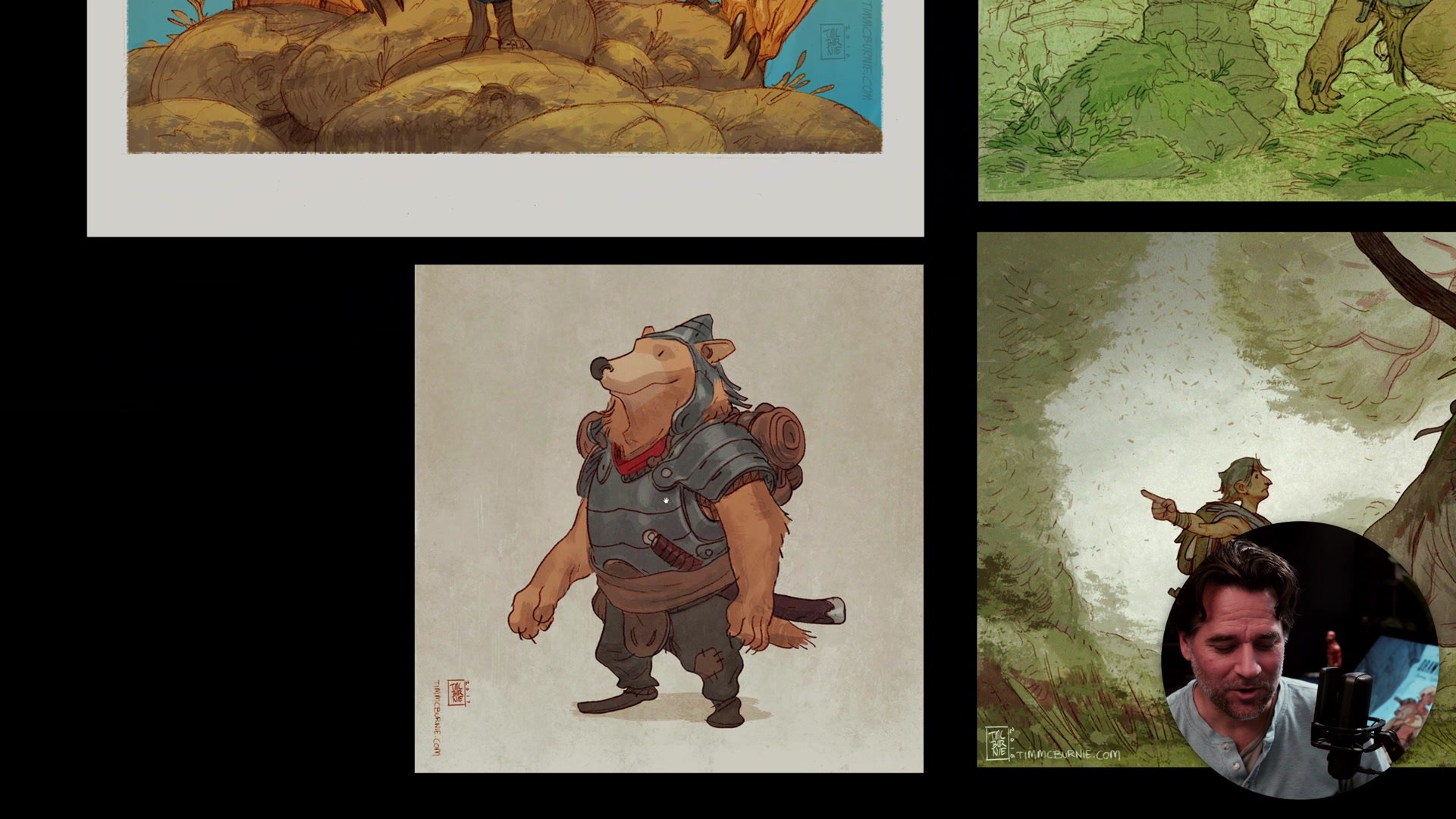
A graphic novelist needs to prove they can design characters, build a world, write dialogue, and tell a story from start to finish. A character designer creates a lineup showing range across different roles and silhouettes. An industrial designer builds a vehicle inside and out with multiple views and detailed renders. A keyframe illustrator produces one ambitious scene with characters, environment, atmosphere, and story all working together. A storyboard artist puts together an animatic that people watch all the way through. The required skills change completely depending on the destination. Defining that destination is what tells you which skills actually matter and which ones you can skip entirely.
The Practice Journey
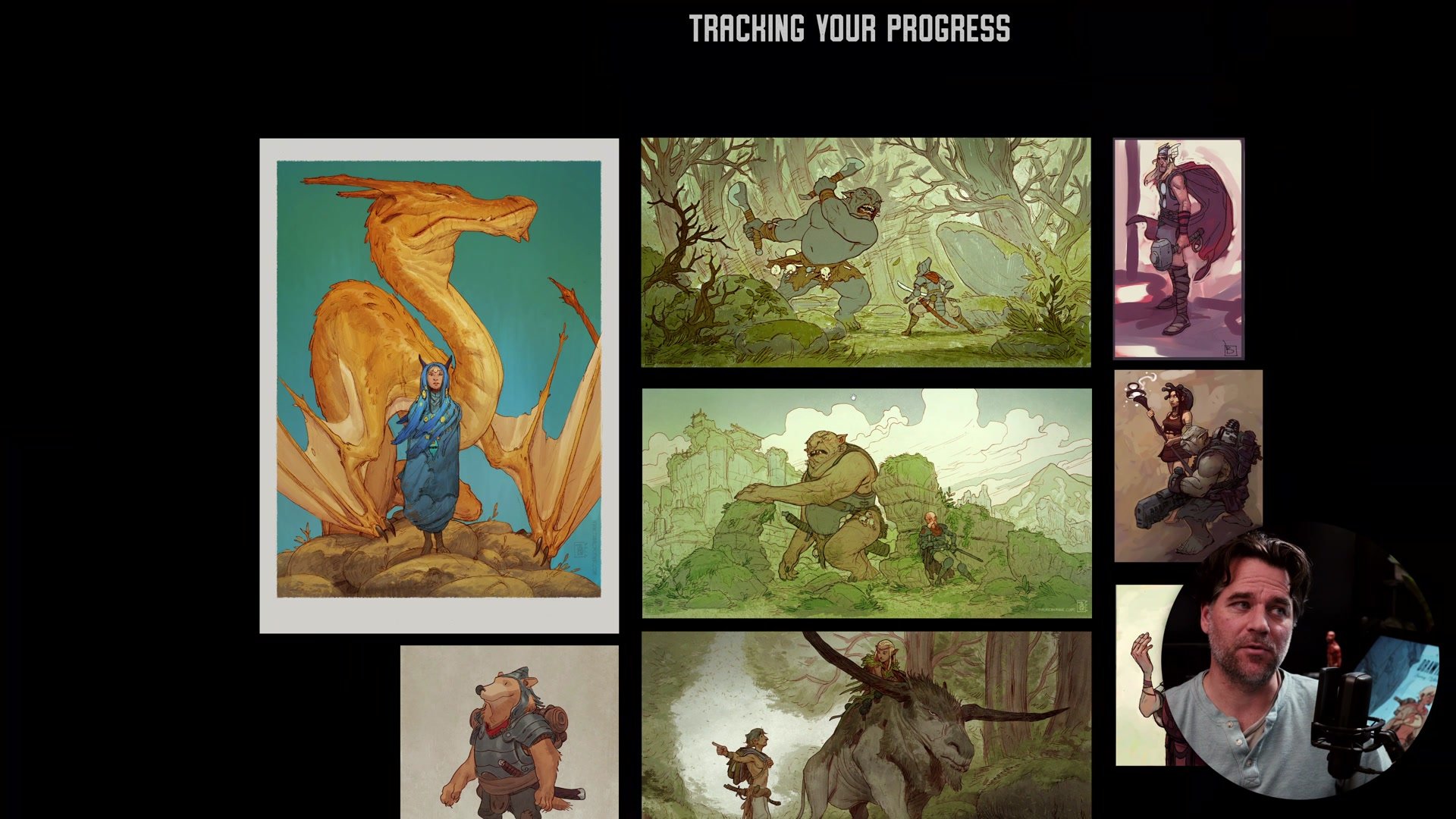
Working toward a hero image is not a one-shot event. It is a process of smaller works, experimentation, and gradual skill development, punctuated by periodic big swings. Every six months to a year, the goal is to put everything together into one ambitious attempt and see what happens.
Some of those attempts will not land. That is part of the process. Each one reveals exactly where the gaps are: whether it is anatomy, bolder color choices, tighter composition, or something else entirely. Building the component skills through mini illustrations, practice pieces, and studies is what fills the time between those big swings. But without the hero image as a north star, all of that practice becomes random. With it, every study session and every exercise has a clear purpose and a reason to exist.
Key Concepts
Single Image Recognition: People remember artists by one standout work, not a portfolio. Traction begins when one piece represents everything you can do and reaches people in a way they associate with your name.
Specificity Creates Leverage: The type of hero image depends entirely on the type of art being pursued. Defining the exact destination determines which skills to build and which to skip.
Periodic Big Swings: Most time is spent on smaller practice pieces, building component skills. Then every six months to a year, put everything together in one major attempt. Each swing reveals gaps and drives the next round of focused work.
Define Your Hero Image
Identify Your Art Type: Get specific about exactly what kind of art you want to create. Not just "illustration" but what flavor. Not just "comics" but what kind, for what audience, in what style.
Picture the Proof: Imagine the single work that would prove you can do the thing you want to do. For a keyframe illustrator, that might be one ambitious scene with characters, environment, and story. For a character designer, a lineup showing range and consistency.
Take the Swing: Set a timeline (six months, one year) and commit to putting everything you currently have into one major attempt. Use the results to identify where to focus your practice next.