Learning To Draw Solid Arms!
Summary
Mastering Form Drawing for Arms
Drawing arms with convincing dimensionality requires more than linear perspective. Anatomy involves curved, organic forms that move through space differently than boxes or buildings, and standard perspective calculations fall short when dealing with foreshortened muscles and overlapping volumes.
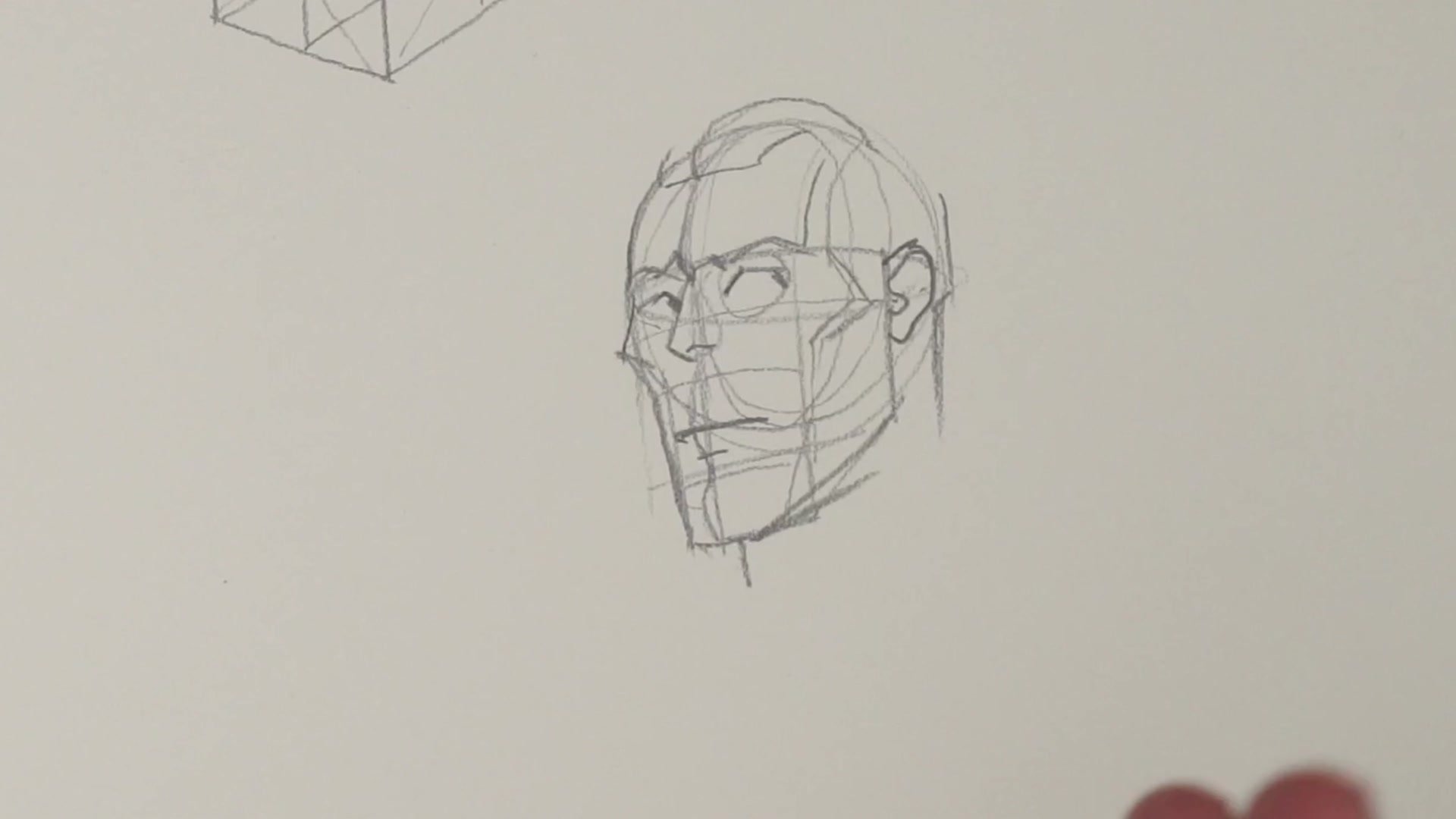
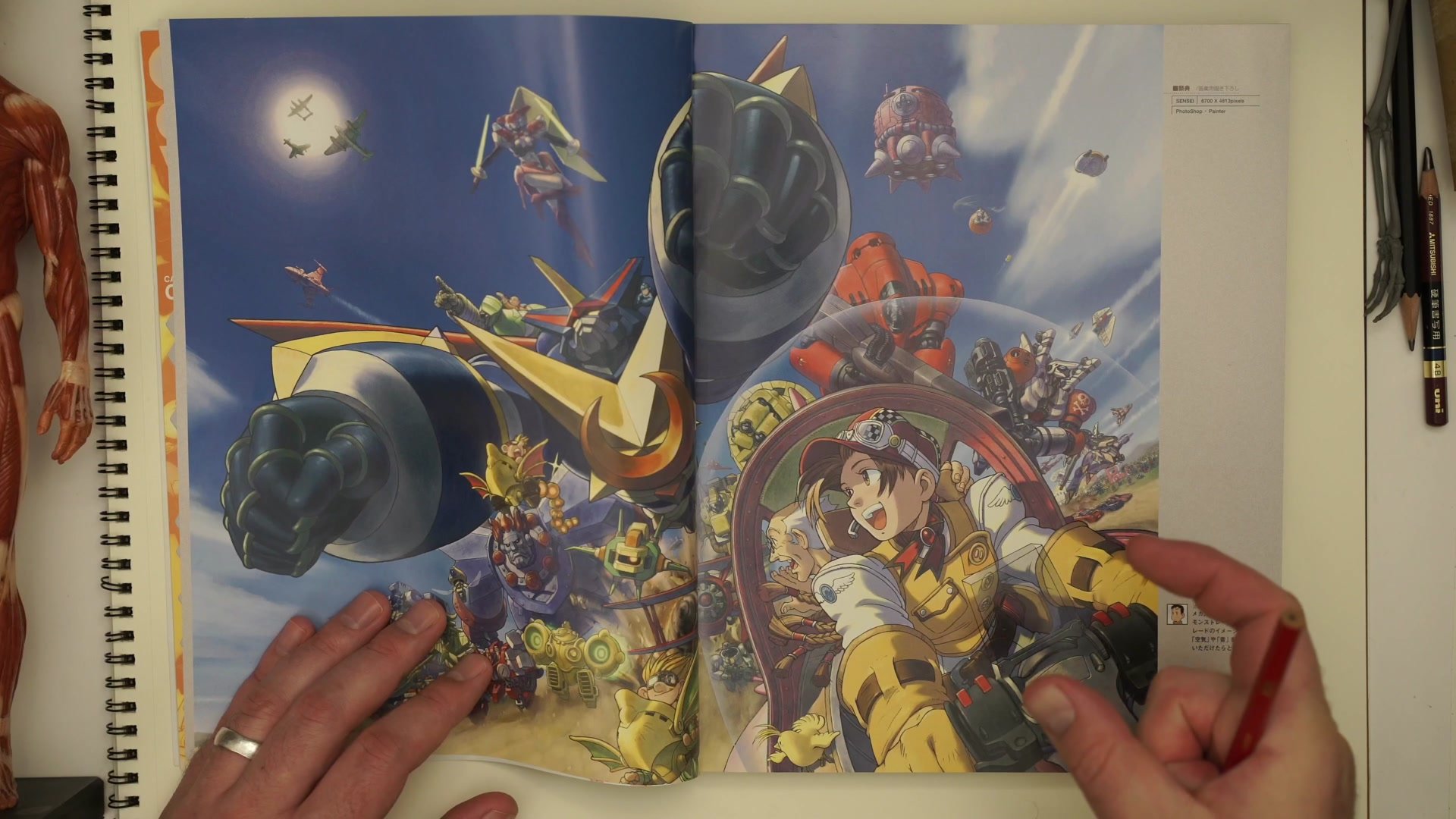
Form drawing provides the solution. By breaking arm anatomy into three levels of complexity and using contour lines to define dimensionality, the entire construction process becomes systematic rather than guesswork. This approach connects directly to methods found in Andrew Loomis' Figure Drawing for All It's Worth and applies across styles from realistic anatomy to exaggerated comic book and manga work, as demonstrated through examples from Capcom Design Works.
Form Foundations

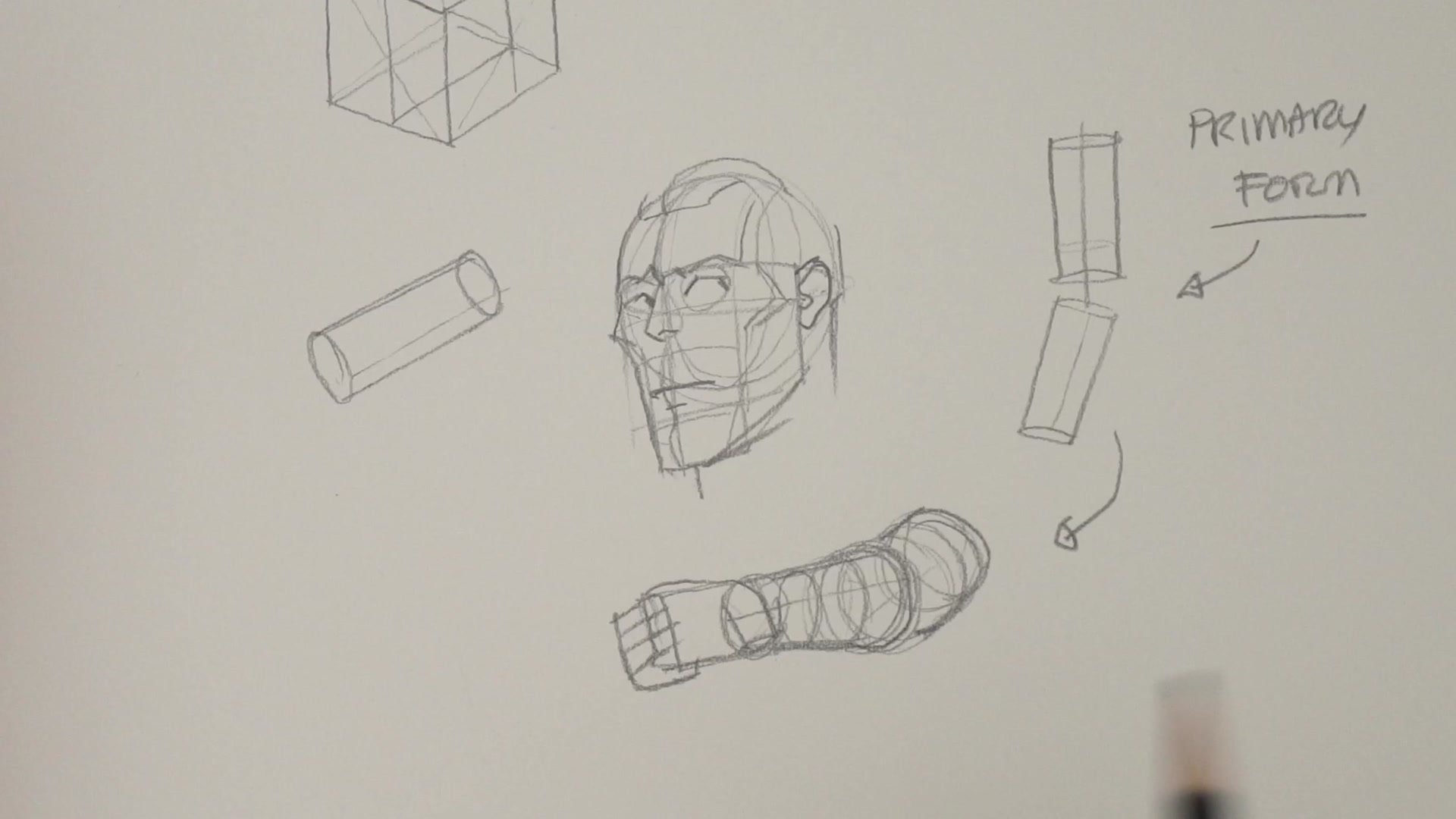
Three Levels of Form
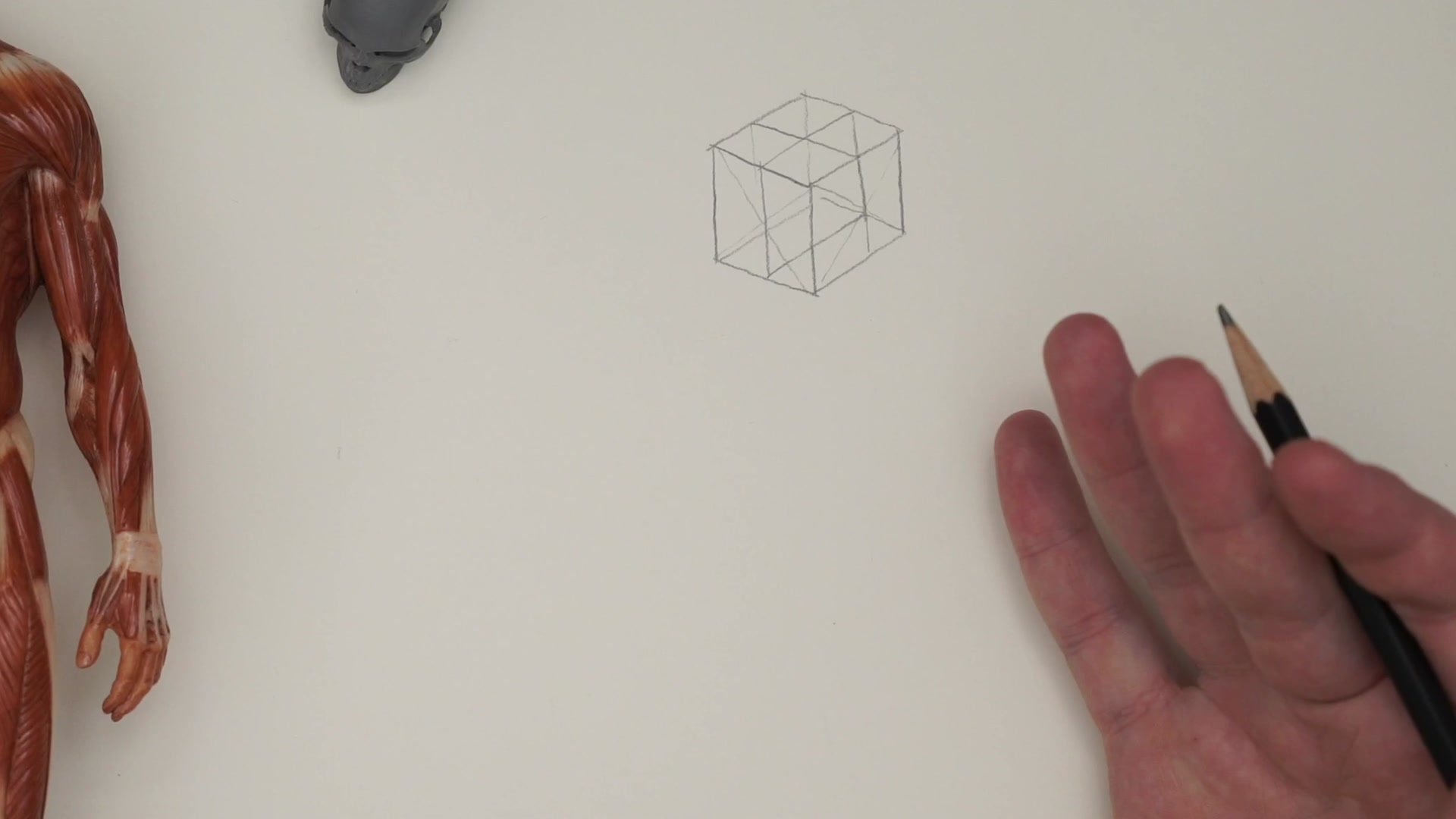
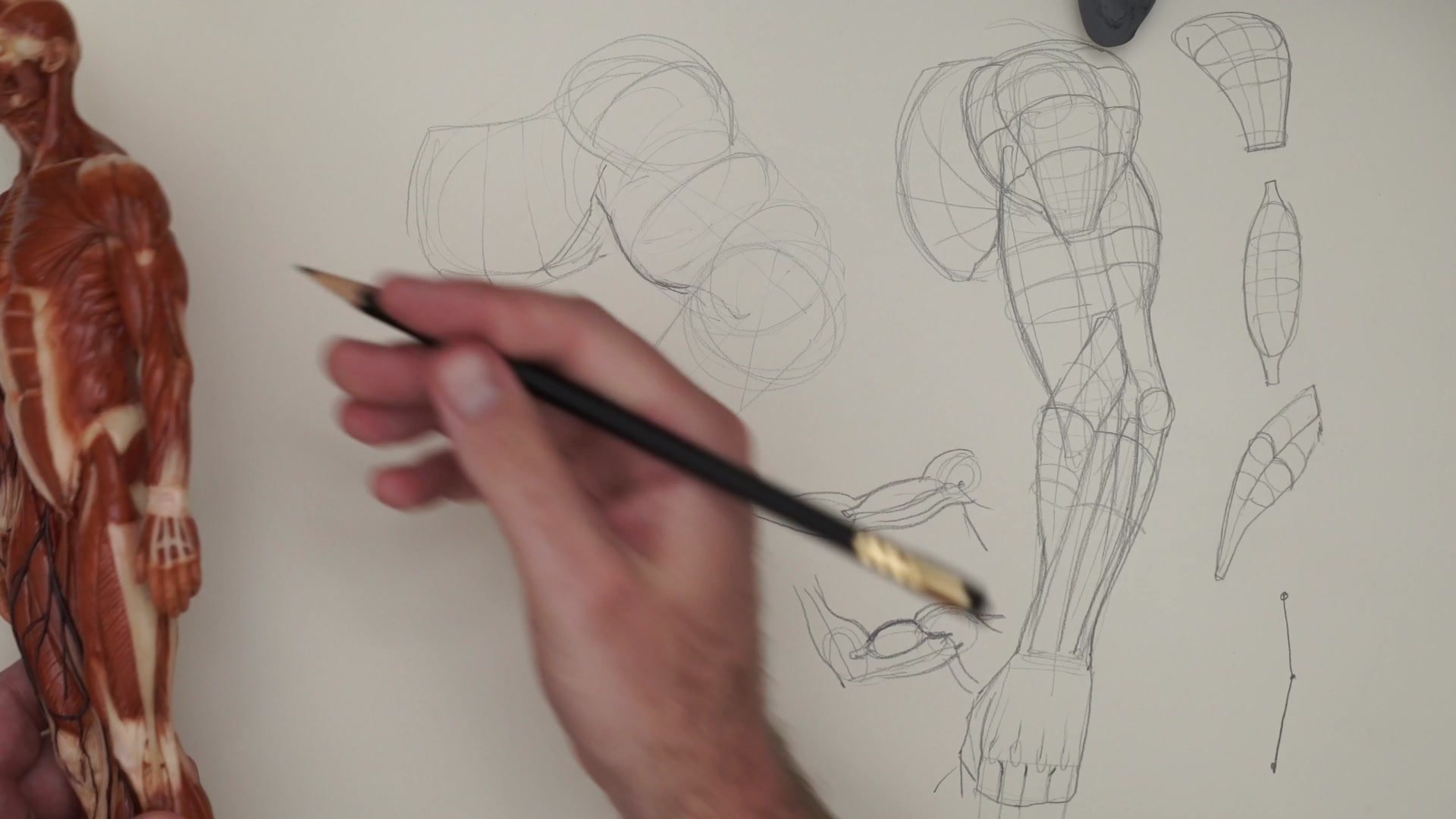
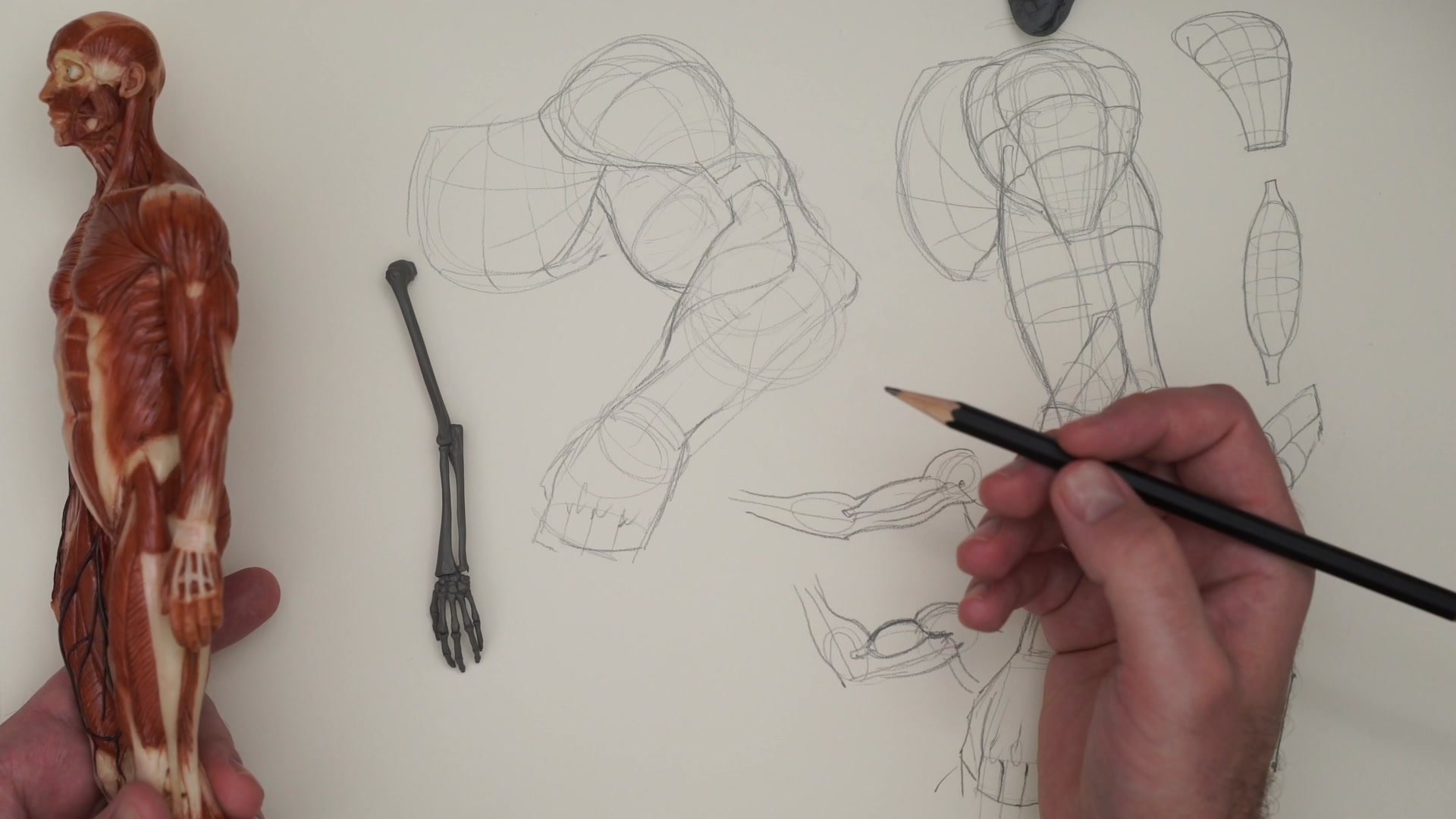
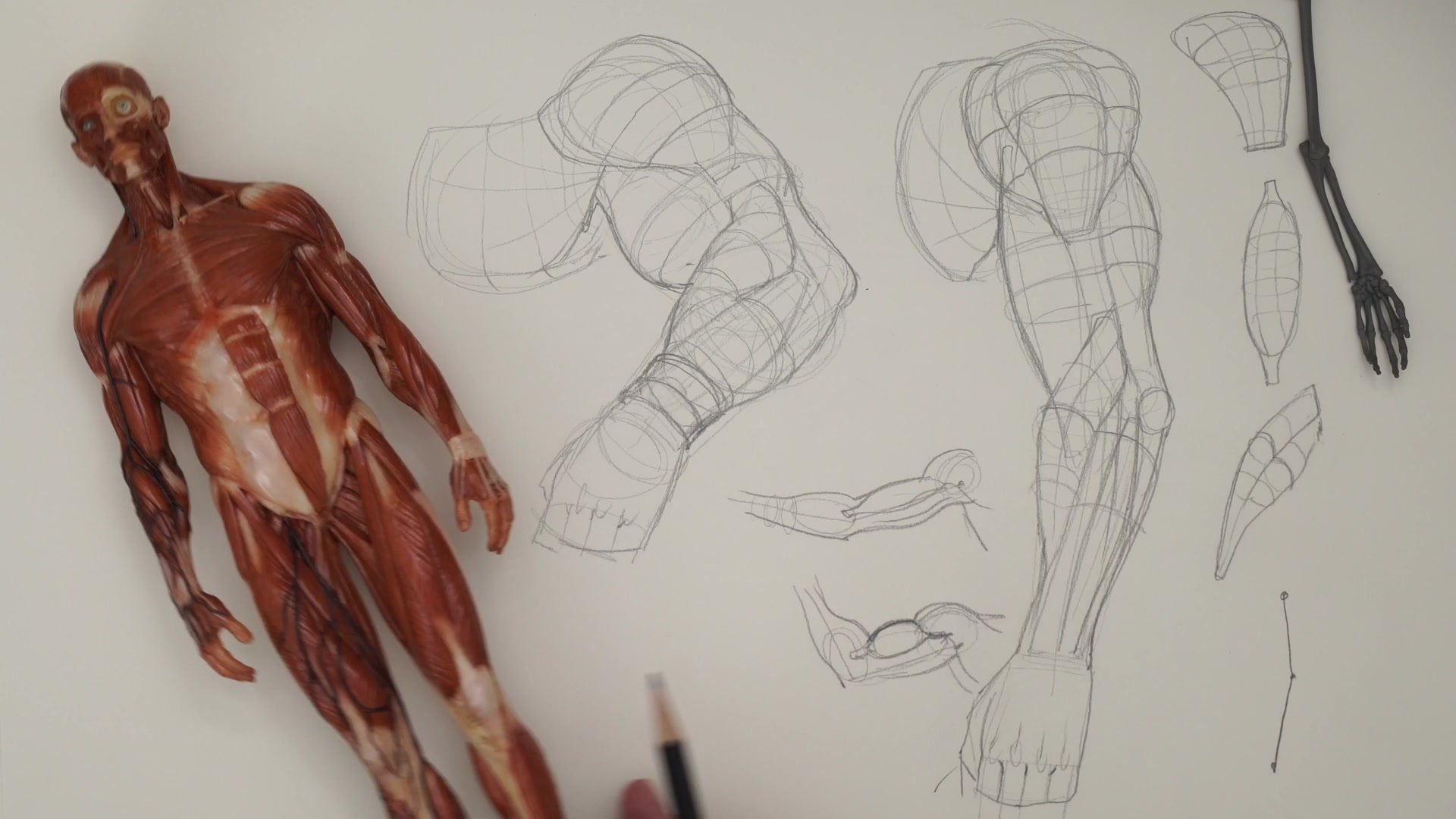
Form construction separates complexity into three manageable levels. Primary forms are the crudest dimensional shapes: cylinders, spheres, and rectangular volumes. The arm becomes two simple cylinders, one for the upper arm and one for the forearm. This crude starting point is powerful because cylindrical forms follow learnable rules and make foreshortened poses far easier to visualize.
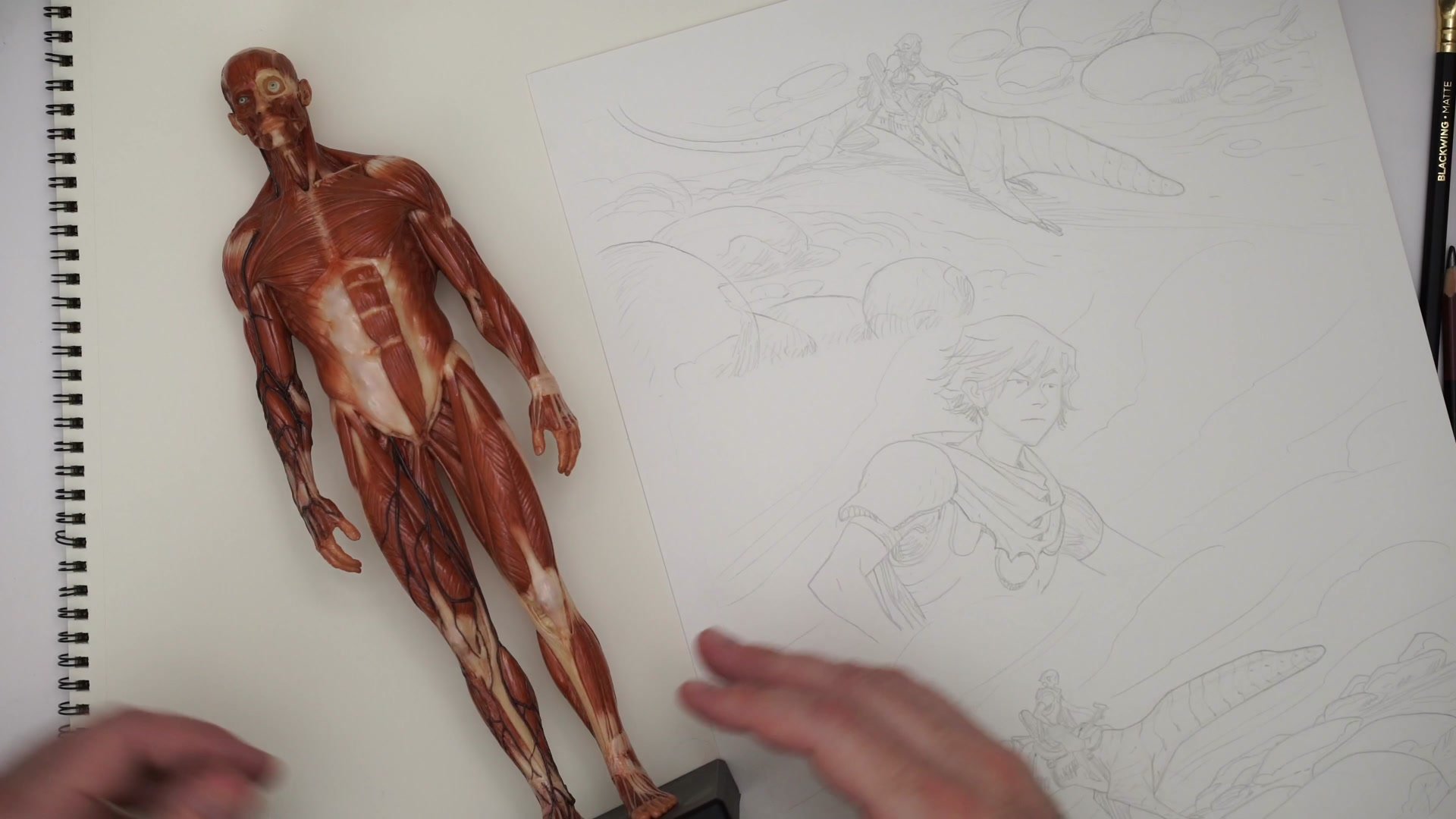
Secondary forms introduce anatomy. The bicep has a specific shape that connects underneath the deltoid in a particular way. The deltoid itself can be understood as roughly half a sphere with three muscle sections wrapping around the shoulder. The forearm muscles create that characteristic bulge where upper arm transitions to lower arm. These secondary forms give drawings anatomical accuracy while remaining simplified enough to construct from imagination.
Tertiary forms are surface details: fingernails, knuckle wrinkles, subtle tendon lines. These only work when the underlying primary and secondary forms are solid. The degree of tertiary detail depends entirely on style, from hyper-exaggerated comic anatomy to simplified manga.
Construction Process
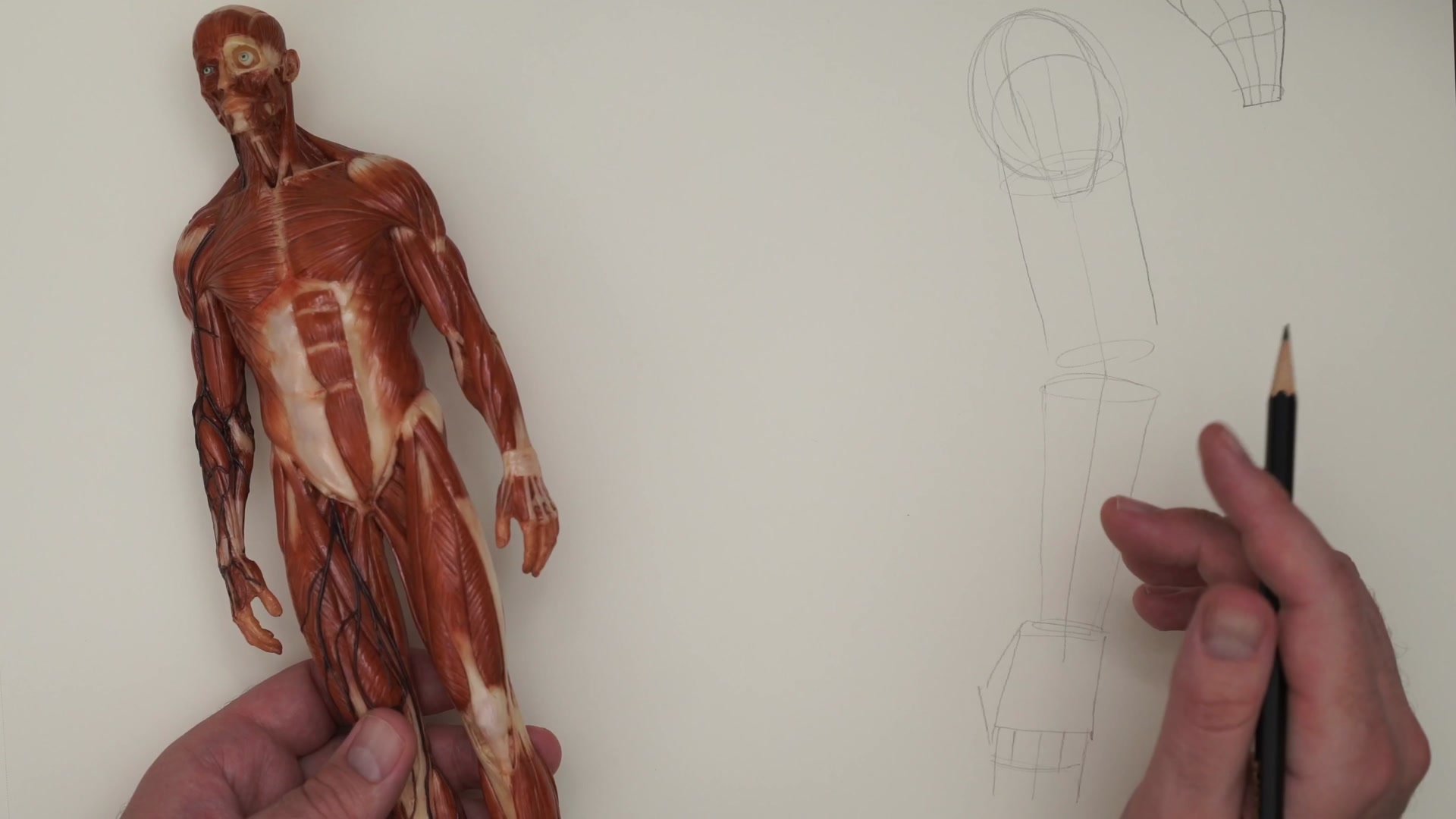
Contours and Drawing Through
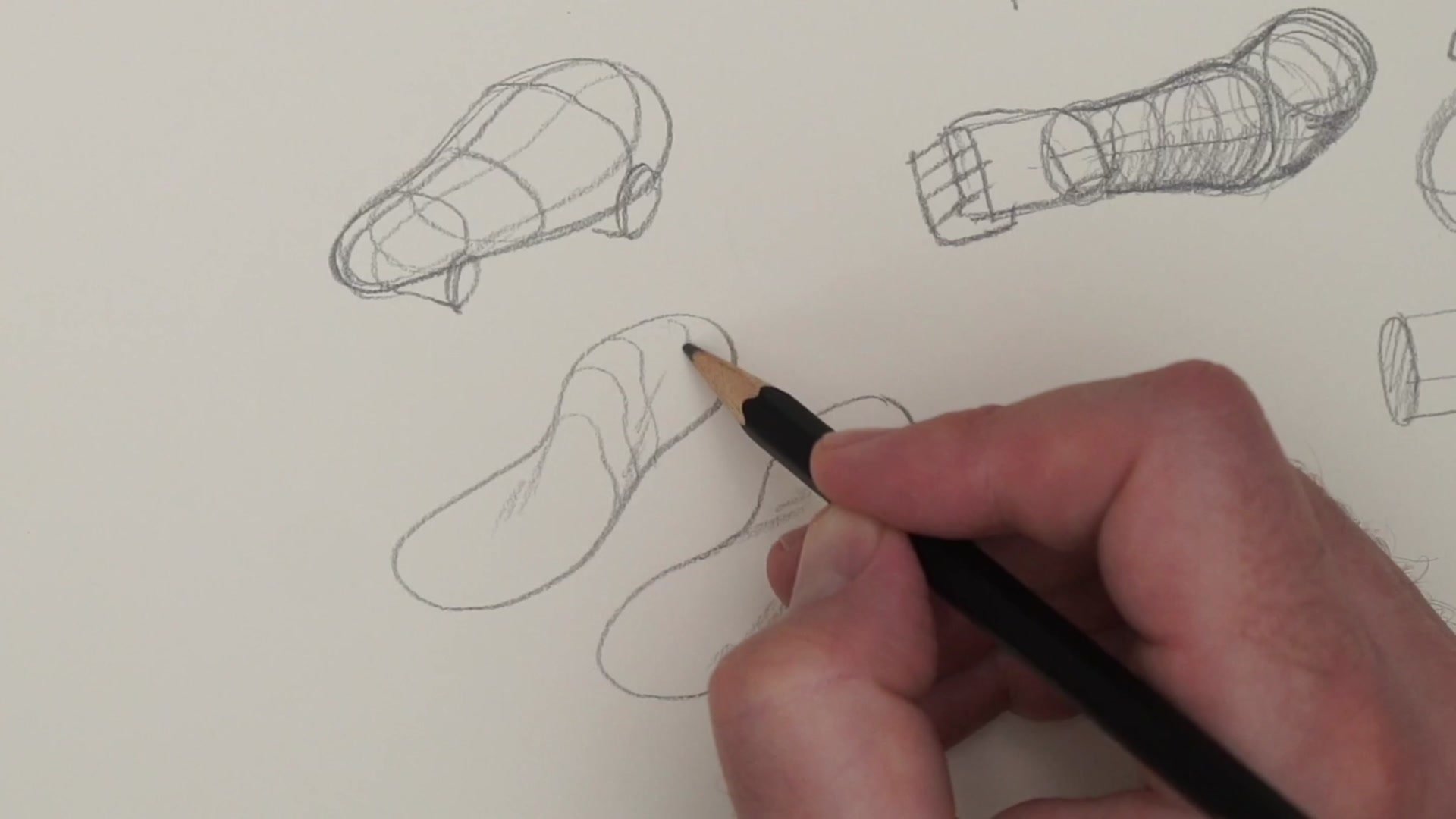
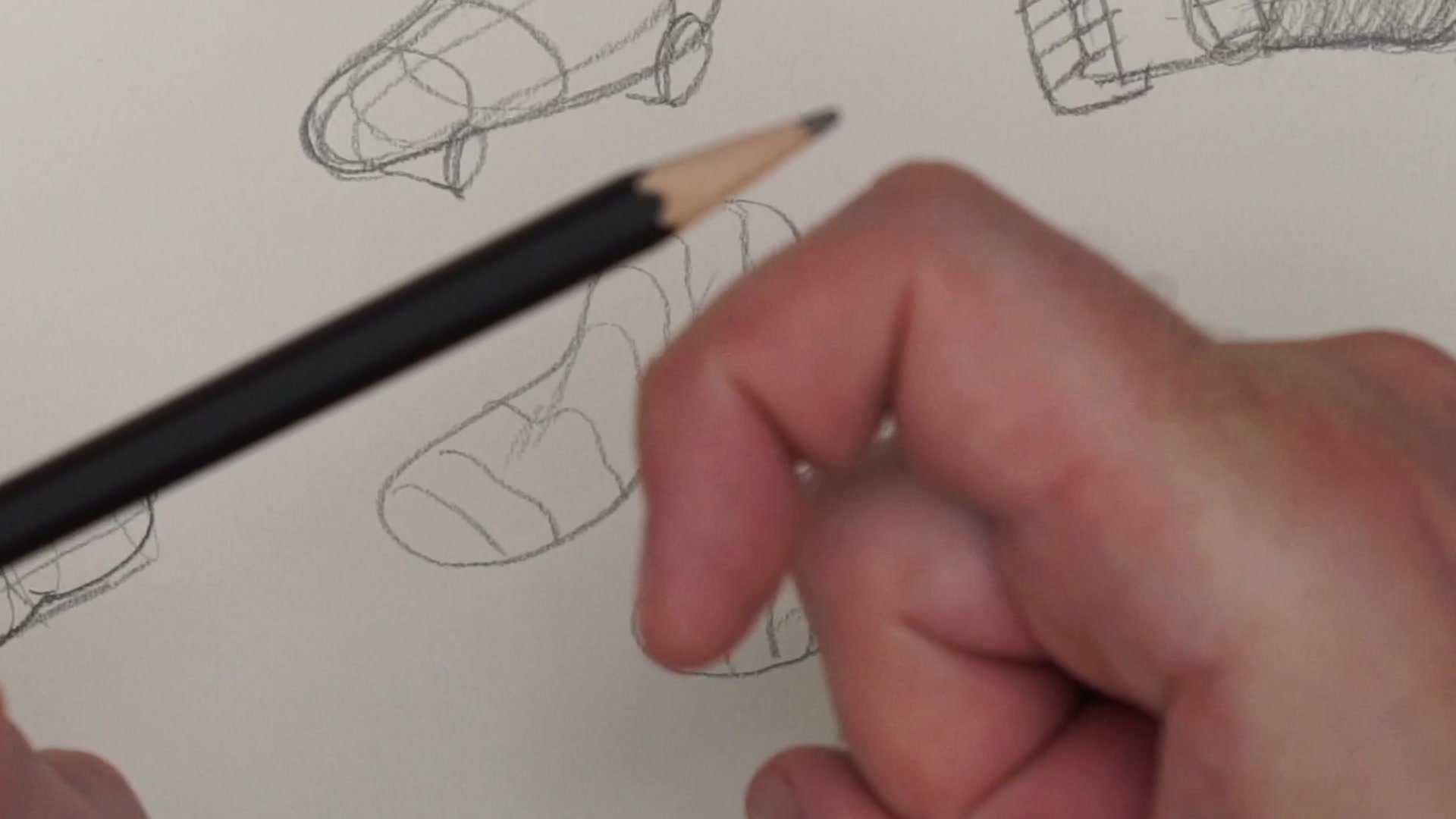
Contour lines are the practical tool that makes form drawing work. A contour wraps around a form following its surface as it curves through space, defining dimensionality even when those lines never appear in the final drawing. Drawing through means representing the complete form including hidden parts, showing where the far side of a cylinder continues or where a muscle wraps behind another structure.
This approach serves multiple purposes in practice. Contours help understand what is actually being drawn by tracing the surface. They help place additional elements because knowing where a form curves makes positioning muscles, armor, wraps, or accessories accurate. They also prepare the drawing for rendering, since understanding where a form turns in space reveals where shadows will fall.
The construction phase is meant to be messy. Put in as many contour lines as needed to feel out the form. That visible construction is not the finished drawing. It is the three-dimensional scaffold that makes the clean final line possible.
Anatomy Application
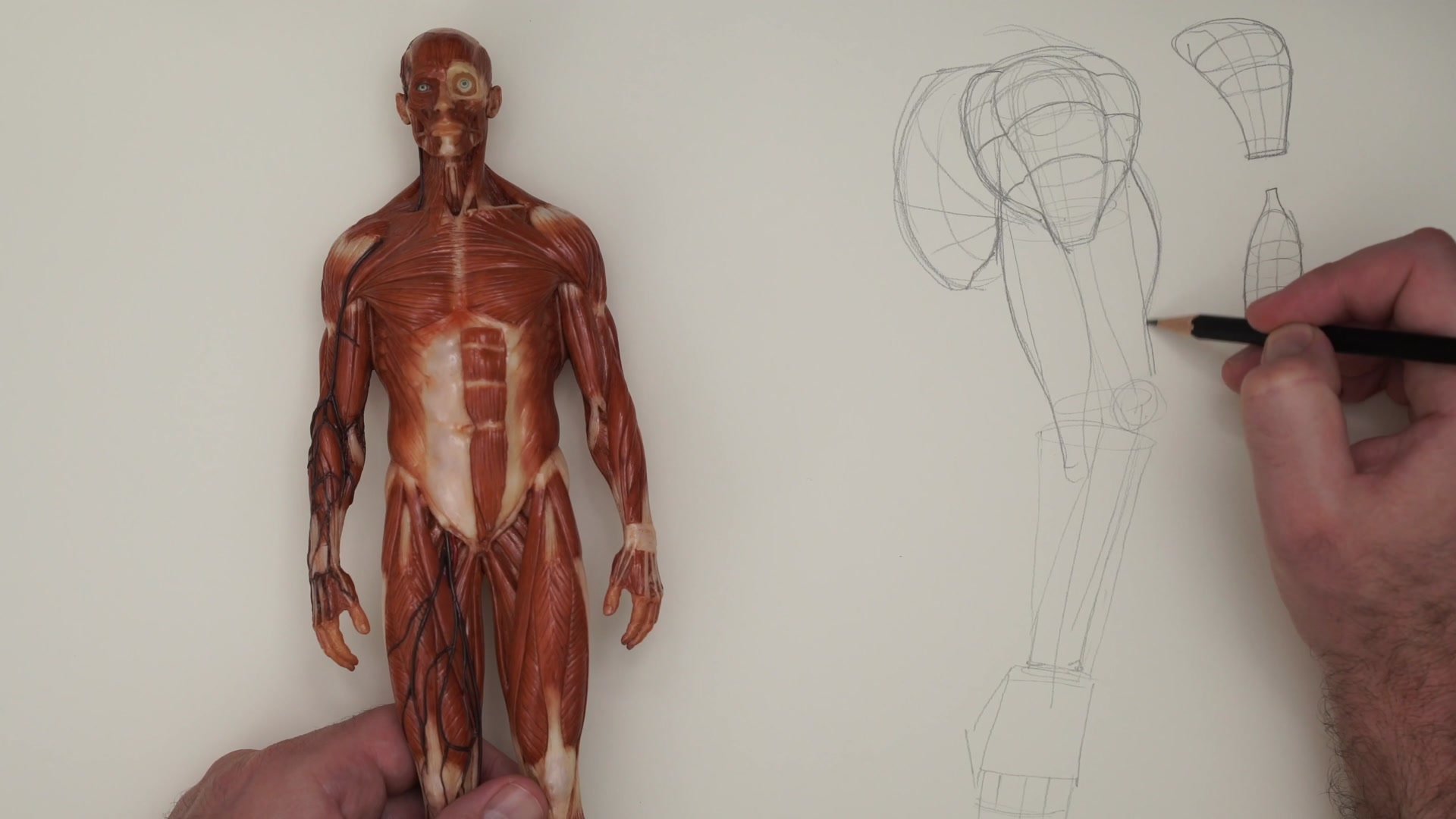
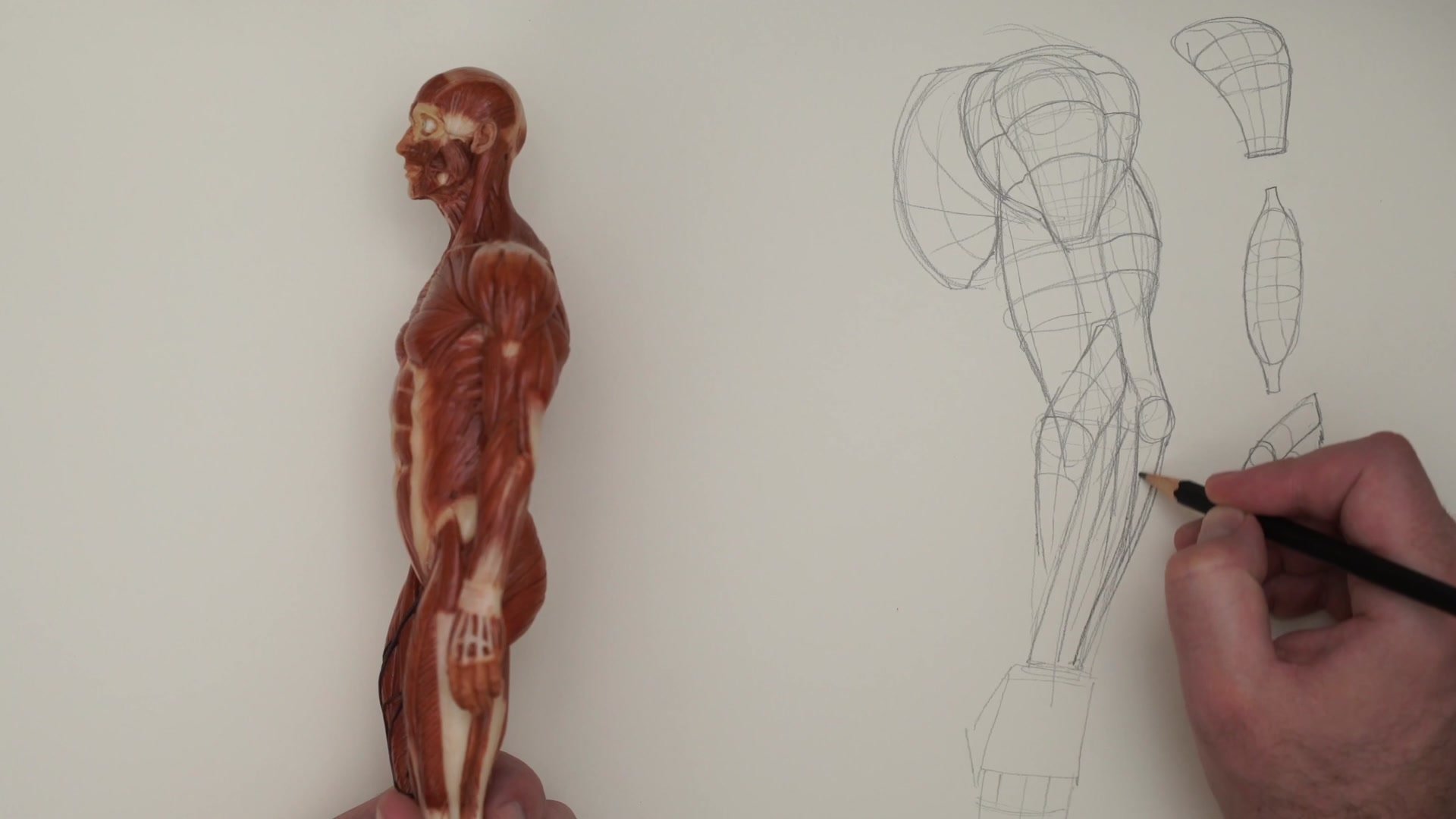
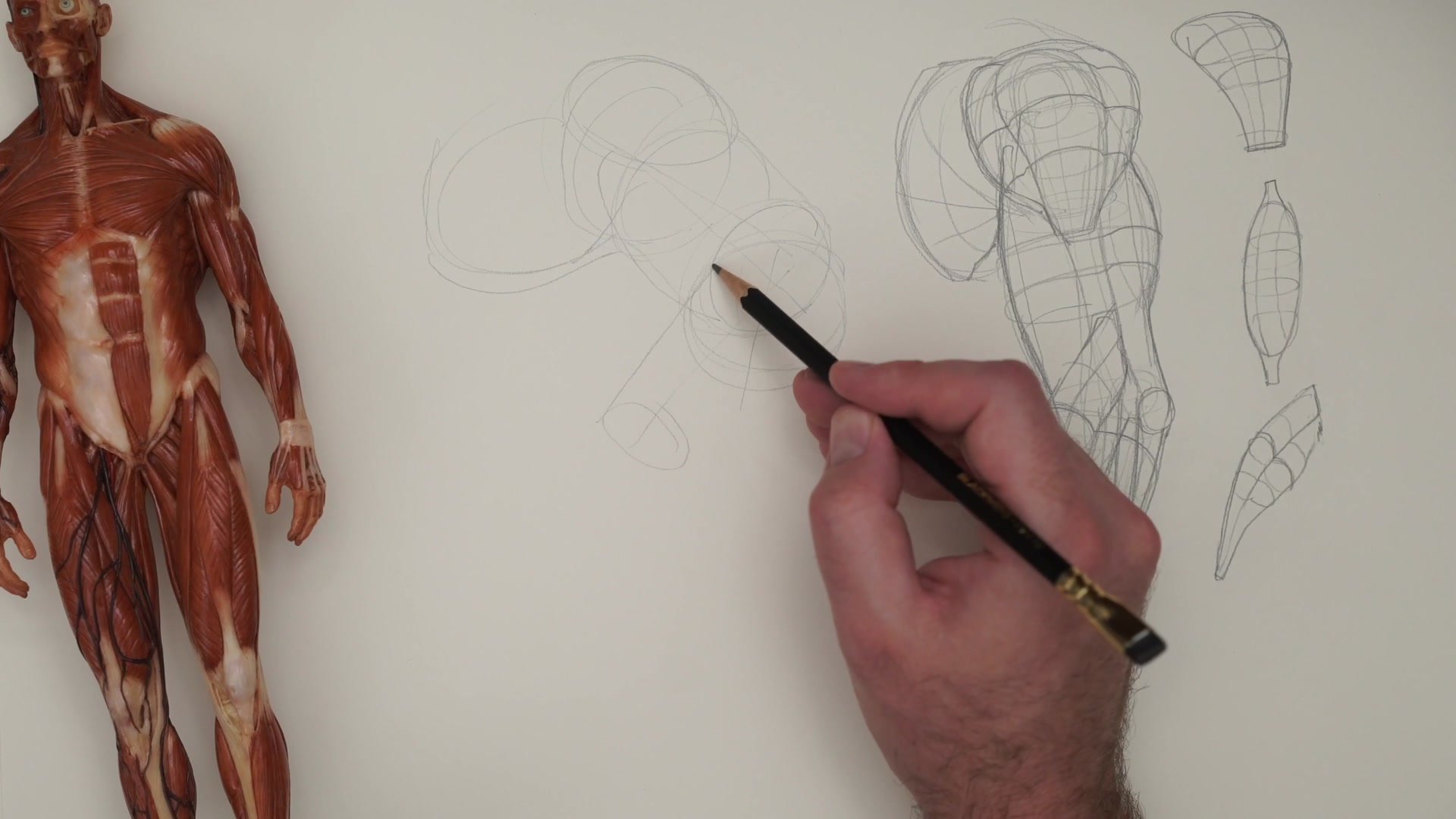
Form Drawing vs Linear Perspective
Technical linear perspective calculates angles precisely for boxes and architecture, but organic anatomy exists outside that system. A skull has curves and complicated forms that cannot be plotted with vanishing points. Form drawing bridges this gap by applying dimensional thinking to organic subjects through contour and draw-through techniques rather than geometric calculation.
The practical difference shows in how professional artists work. Capcom Design Works demonstrates this across wildly different styles, from the exaggerated Mega Man universe to the anatomically grounded Street Fighter characters. Both maintain convincing solidity through form construction rather than perspective grids. Similarly, the figures in Loomis demonstrate blocky form construction that translates directly into dimensional line drawings.
When drawings feel flat despite correct proportions, form drawing is usually the missing element. Adding contours and drawing through during construction builds the understanding that makes final lines describe volume rather than flat shapes, regardless of whether the end result is realistic or stylized.
Professional Examples
Key Techniques
Three Form Levels: Primary forms (cylinders, spheres) establish crude dimensionality. Secondary forms (deltoid, bicep, tricep, forearm masses) add anatomical structure. Tertiary forms (fingernails, wrinkles) refine surface detail. Build from simple to complex.
Contour Drawing: Lines that wrap around forms define three-dimensionality without shading. Drawing through to show hidden parts builds complete understanding of the volume being constructed.
Organic Construction: Form drawing handles curved anatomy that linear perspective cannot calculate. Contours and draw-through techniques replace vanishing points for organic subjects, making dimensional arms possible at any angle.
Practice This
Abstract Forms First: Fill a page with irregular organic volumes, jelly bean shapes that transition from wide to narrow. Wrap contours around each one, practicing showing the back side of forms and drawing through.
Arm Breakdown: Take an arm reference and break it into levels. Identify the two main cylindrical primary forms, then find the secondary muscle groups: deltoid, bicep, tricep, forearm mass. Notice where they connect and overlap.
Construct From Imagination: Draw an arm from imagination using only primary cylinders with contours. Then layer secondary anatomical forms on top. Let the construction be messy and full of contour lines.