The Simple Color Theory That Always Works
Summary
A Color Plan That Works
Understanding and applying color is one of the most frustrating challenges artists face early on. The theory goes deep, and reading about complementary schemes, analogous harmonies, and color wheels rarely translates into knowing which actual colors to put down. The result is often a chaotic mess of color that doesn't hold together. What gets lost in all that theory is that most effective color work comes from a remarkably simple plan: figure out what color needs to be there, then pick one of two basic schemes to build around it.
The first step is identifying what must be a specific color based on the scene or its key elements. Environmental settings often determine this automatically. A forest is green. The ocean is blue. A desert is sandy yellow-orange. Snow is white with blue shadows. These are not creative choices but givens that establish the dominant color before anything else happens. Beyond environments, a character's outfit or an important object might require a particular color. This shifts the problem from infinite possibilities into a focused decision. The forest is green, so now the question becomes what other colors work with green. Starting from necessity rather than preference creates clearer, more logical results and removes the paralysis of unlimited options.
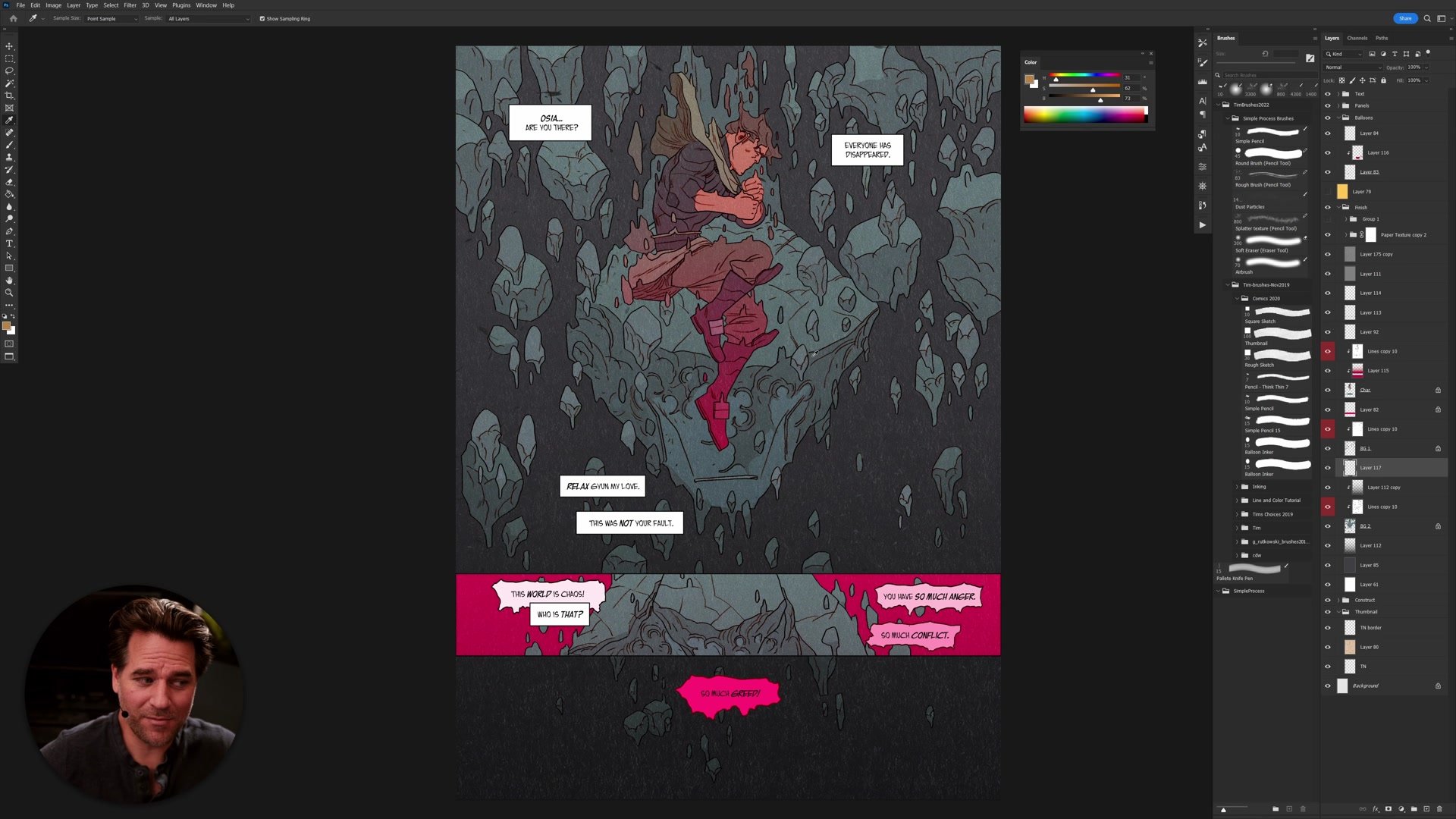
With the necessary color identified, additional colors come down to two simple schemes. The first is complementary: picking the color opposite on the color wheel. A green forest pairs with red-orange. A blue ocean pairs with warm yellow. This creates vibrancy and pop while maintaining harmony. Little Red Riding Hood in a green forest is the classic example: the red against green creates immediate visual impact. Dragons in a forest can be red to stand out for the same reason. The second option is analogous: using colors next to each other on the color wheel. A green forest works with blue-greens, yellow-greens, and blues. This creates a subdued, harmonious feeling where colors blend smoothly. Analogous schemes work when the image needs to feel calm or atmospheric, when a character should feel part of their environment rather than standing out from it.
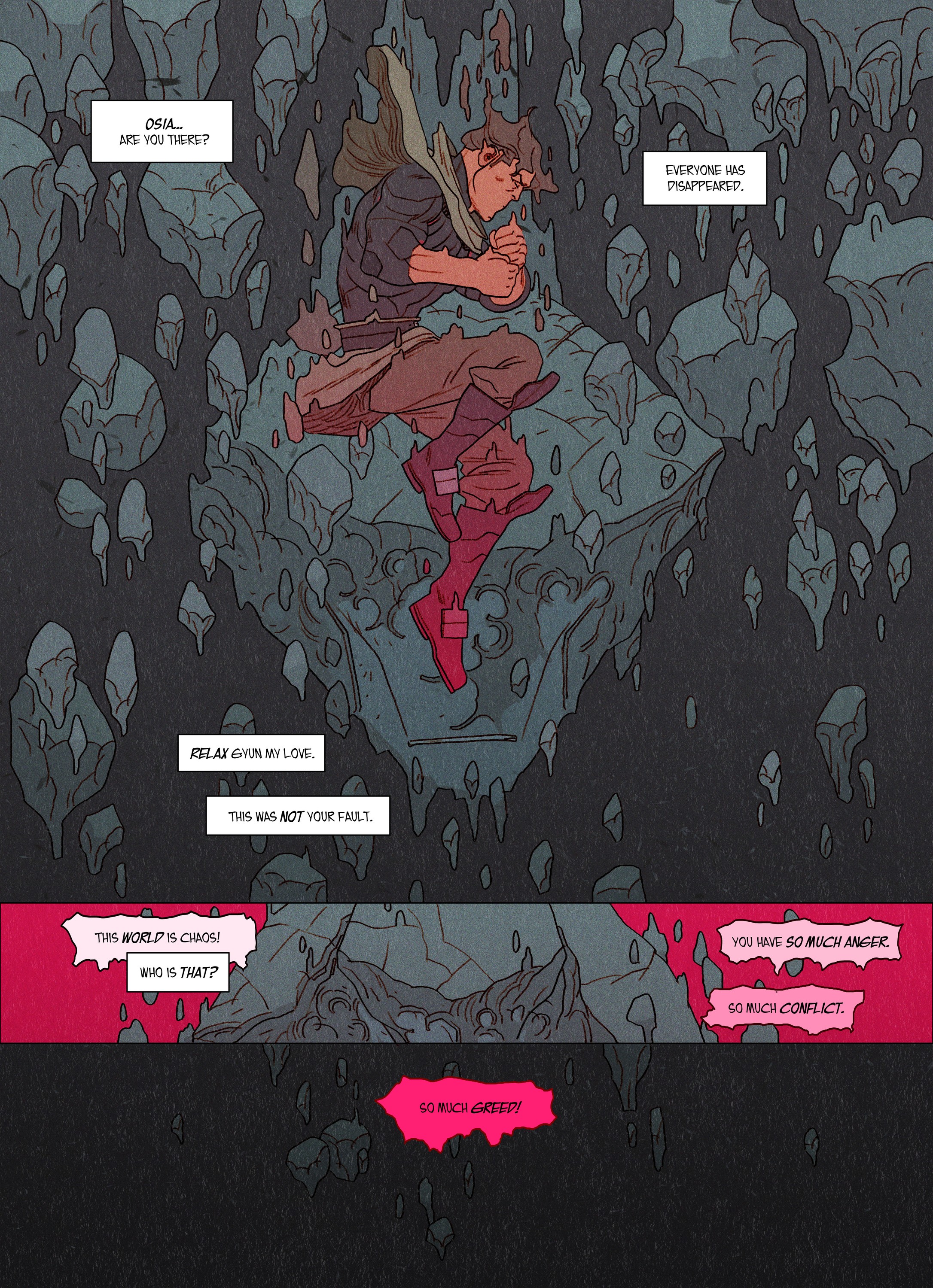
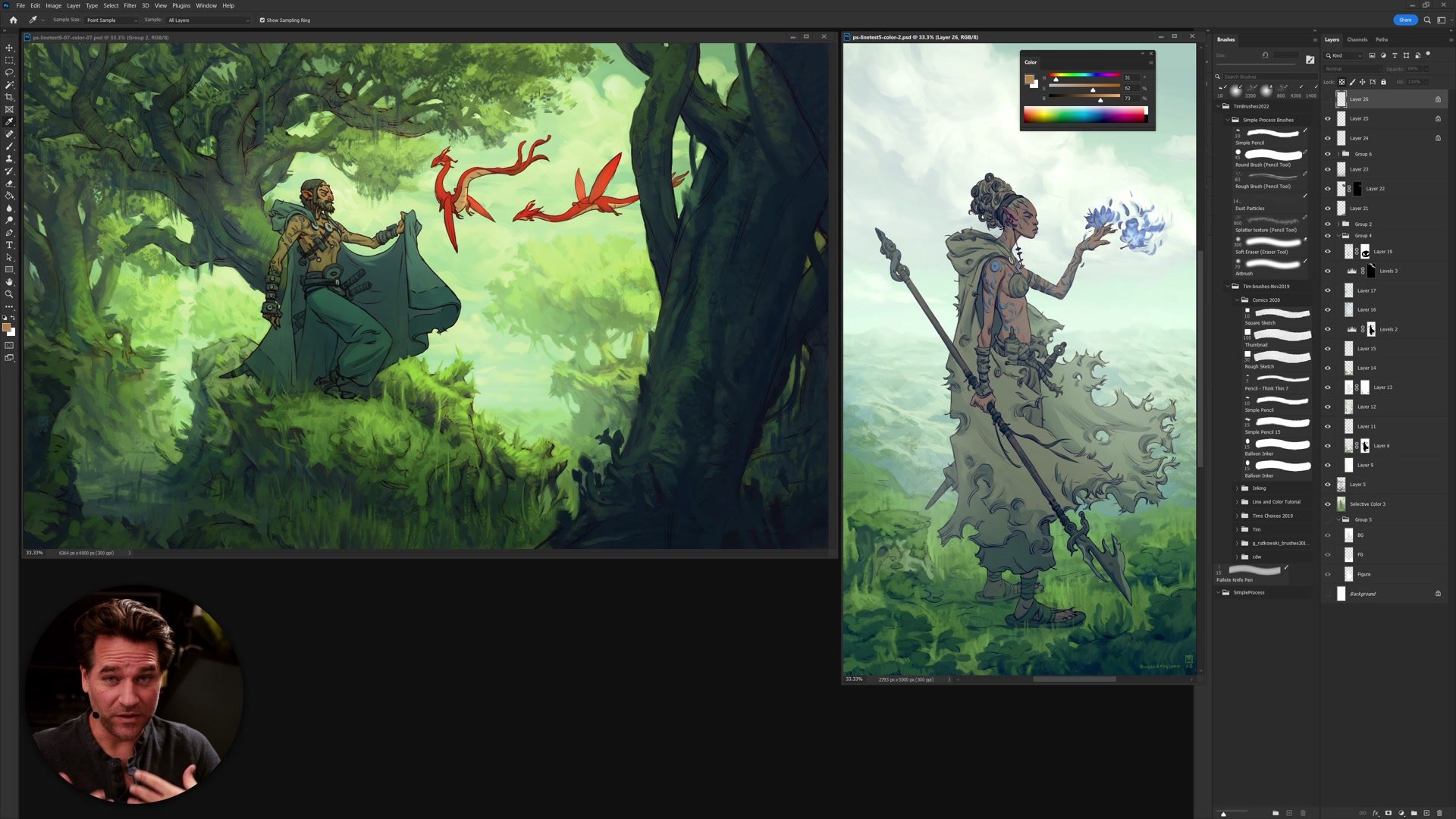
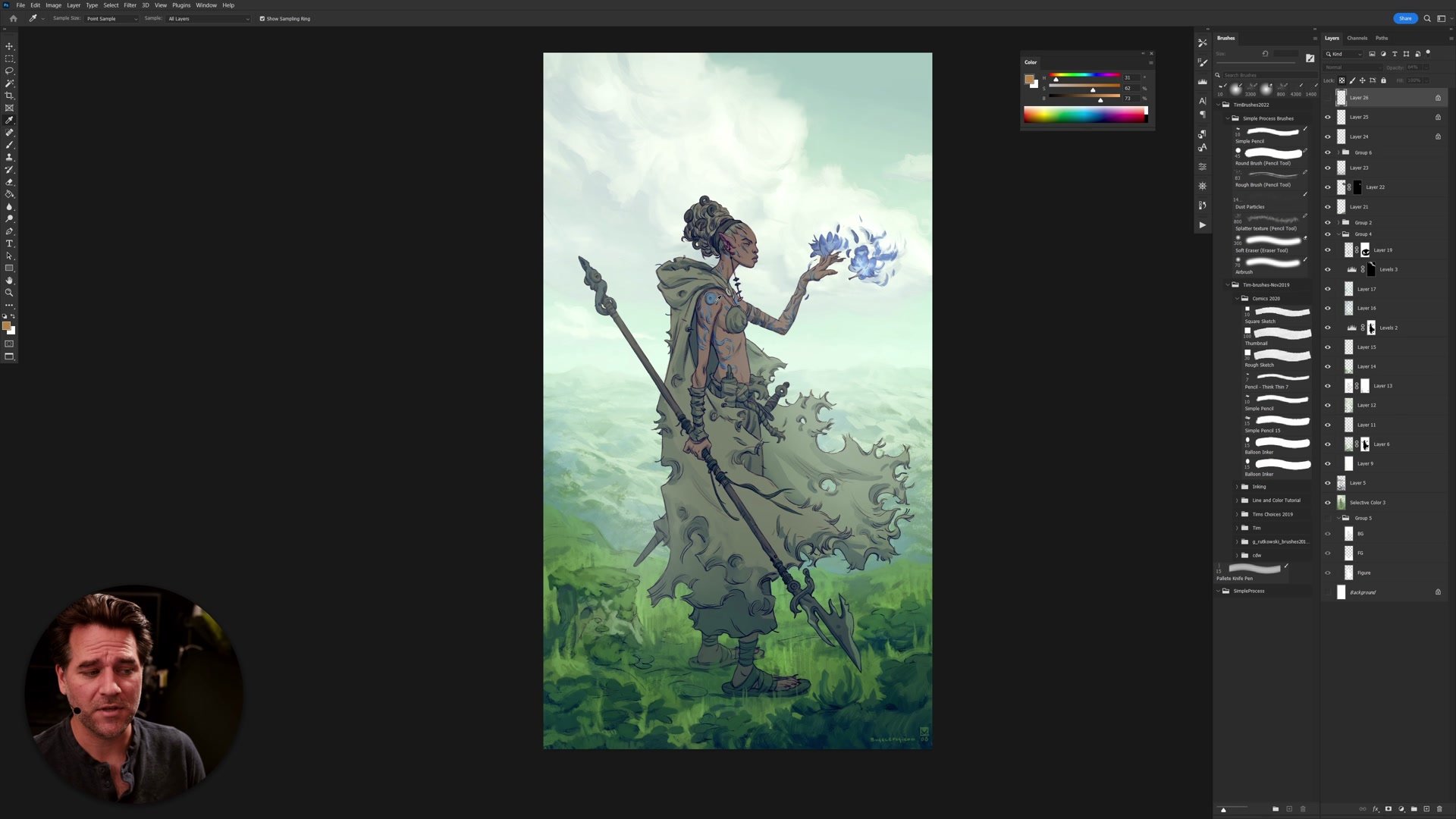
An equally important question is whether the image even needs vibrant, multiple colors at all. Many images work better with limited schemes where one or two colors dominate. Monochromatic approaches, using variations of a single color, often produce better results precisely because of their simplicity. A desert scene rendered entirely in red-orange variations, working warm and cool shifts within that narrow range, can feel far more cohesive than one trying to incorporate multiple color families. Fantasy often suits earth-toned monochromatic schemes. The question is not whether more colors can be added but whether the image actually improves with them. Professional work tends to show restraint, using the minimum colors necessary. A small area of complementary color creates more impact than spreading it across the entire image, and even slightly warmer skin tones will pop from a cool background without any bright saturation.



Key Concepts
Start With What Must Be There: Color planning begins by identifying the necessary color from the environment or key elements. A forest is green, a desert is orange, the ocean is blue. These givens establish the dominant color before any creative choices happen, turning an overwhelming decision into a focused one.
Two Schemes Cover Most Situations: Once the base color is established, choose complementary colors for vibrancy and visual pop, or analogous colors for harmony and cohesion. Complementary picks the opposite on the color wheel to create energy and focal points. Analogous picks neighbors on the color wheel for a unified, atmospheric result.
Less Color Often Works Better: Most images do not need multiple vibrant color families to be effective. Monochromatic and limited palettes, working warm and cool variations within a narrow range, often produce more cohesive and sophisticated results than trying to incorporate too many colors.





Try This
Identify the Setting Color: For the next illustration, determine what color needs to be there based on the environment or key elements. Forest equals green, desert equals orange, ocean equals blue. Let the scene dictate the starting point rather than choosing from unlimited options.
Pick One Scheme: Choose complementary if the image needs energy and pop, or analogous if it needs harmony and atmosphere. Build additional colors around that single decision rather than trying to work from multiple color families at once.
Restrict and Resist: Stay within the chosen scheme and its variations. Resist the urge to add more color families unless the image specifically requires them. Use warm and cool shifts within the narrow range for depth and interest instead of reaching for new hues.