Drawing Recognisable Characters
Summary
Building a Recognisable Cast
Drawing characters who feel distinct from each other, and stay recognisable across multiple drawings, is one of the most stubborn problems in character work. The instinct most artists follow, grinding on standard Loomis anatomy until the generic head feels solid, often makes the problem worse rather than better. A truly average, nondescript face has no anchoring features to keep the structure consistent across angles or appearances.
This video reframes the problem entirely. Recognisable characters come from designing a small cast of archetypes with subtle proportion shifts, then layering iconic features and costume on top. The approach mirrors how working productions, films, comics, and video games, actually solve the recognisability problem.
The Generic Head Problem
Why Generic Anatomy Falls Short
The standard advice to master a textbook Loomis head is good for understanding structure, but it sets up the wrong target. Drawing a perfect average human from every angle is paradoxically one of the hardest things in character work, because there is nothing distinctive for the eye, or the hand, to lock onto. The result is a cast where every character looks like the same mannequin in different costumes.
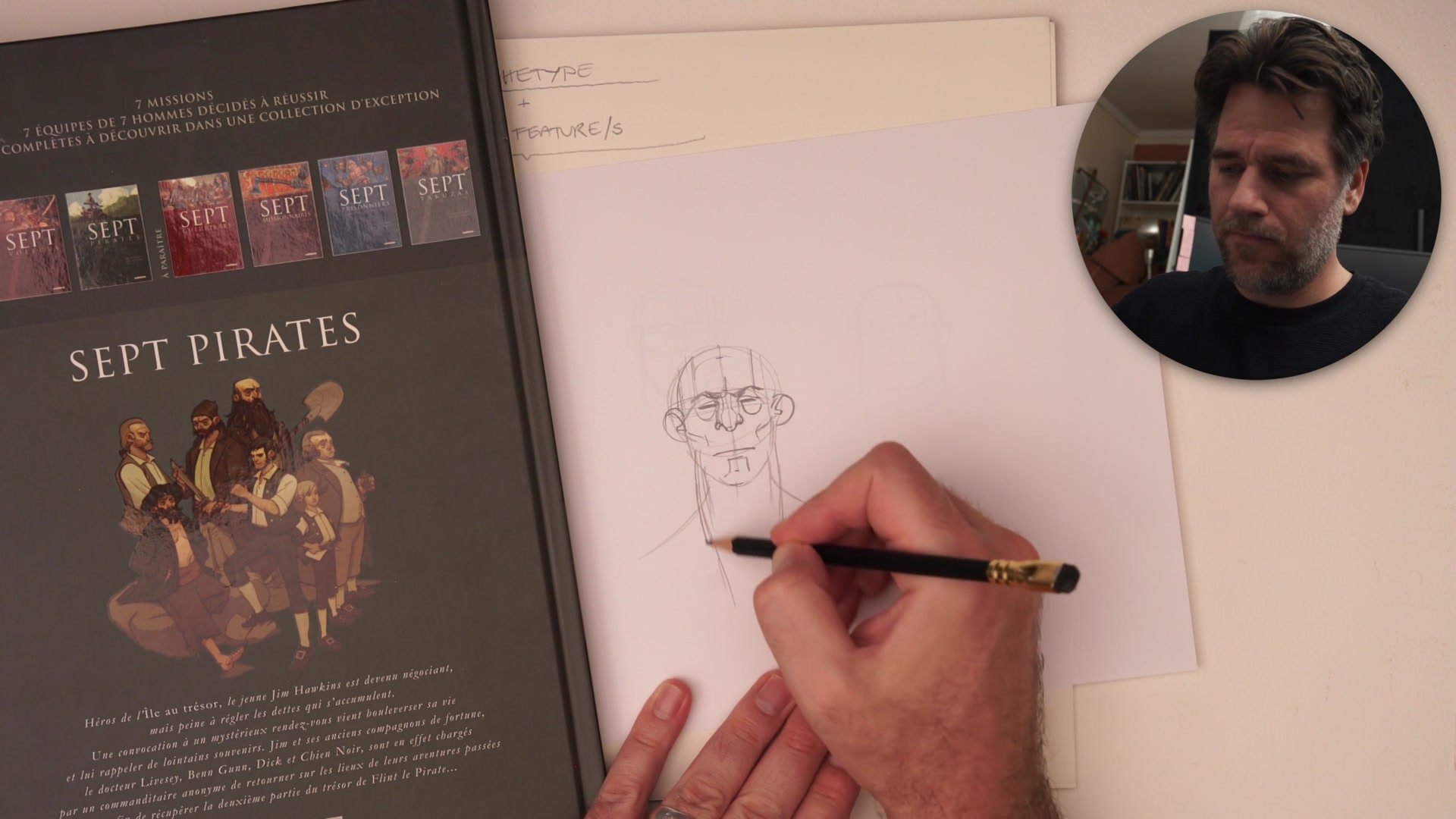
Working artists solve this differently. Most professional comic artists, animators, and character designers carry a small cast of standard characters they have drawn hundreds of times. The base proportions get locked in through repetition, and from there each new character is built by deviating from that baseline rather than starting from scratch. The first job is choosing what those baseline proportions actually are.
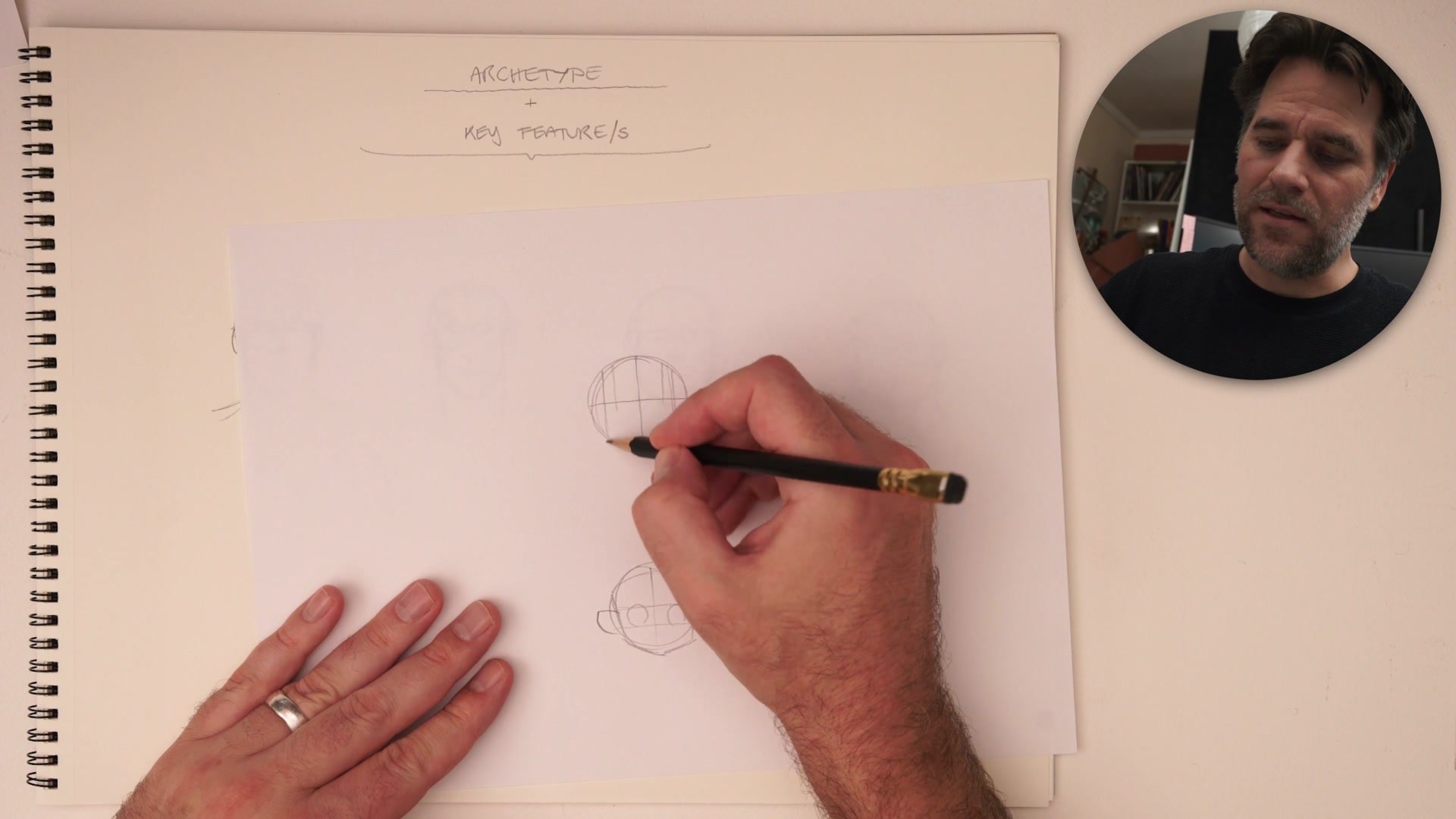
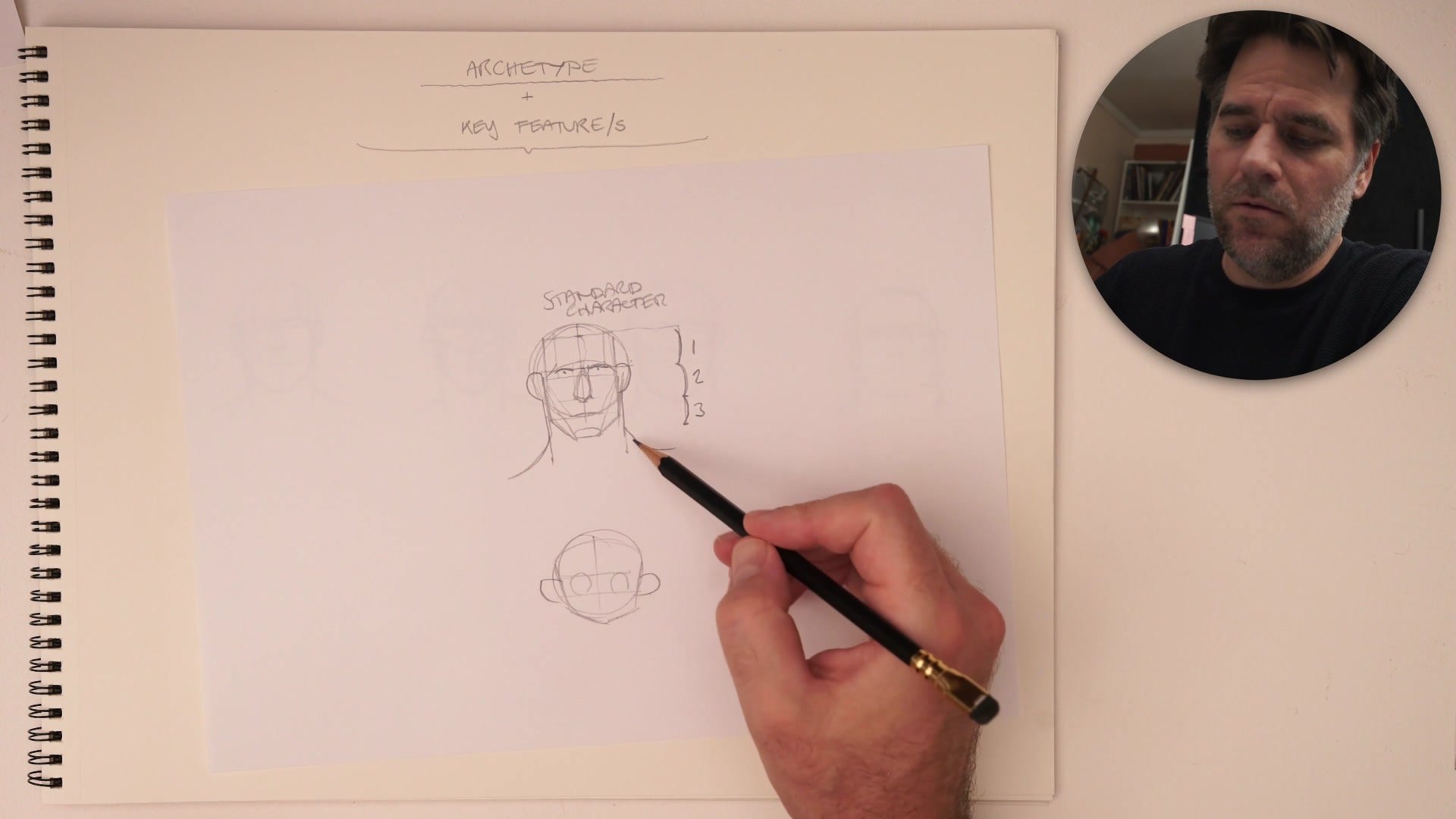
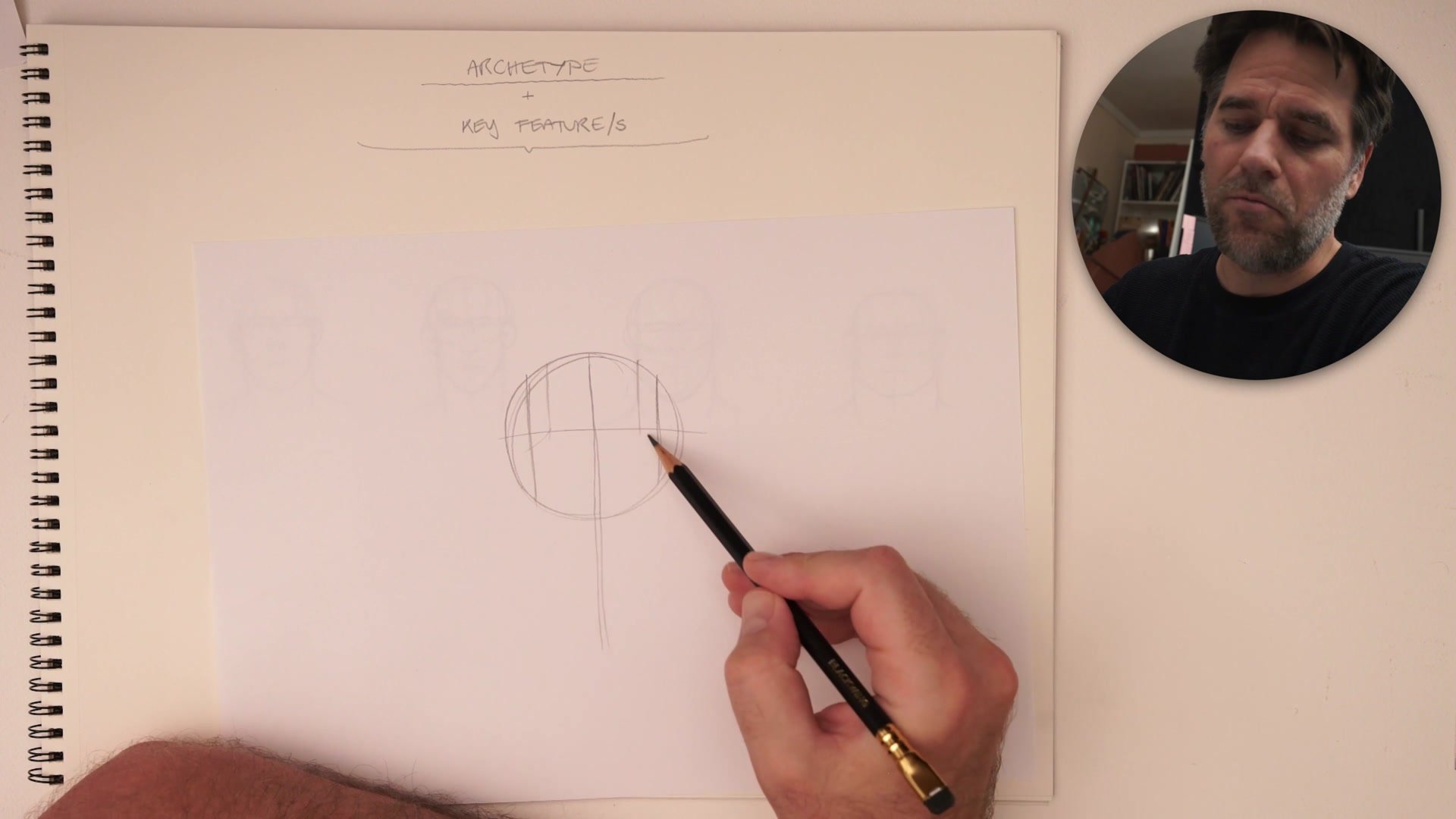
Standard Proportions Demo
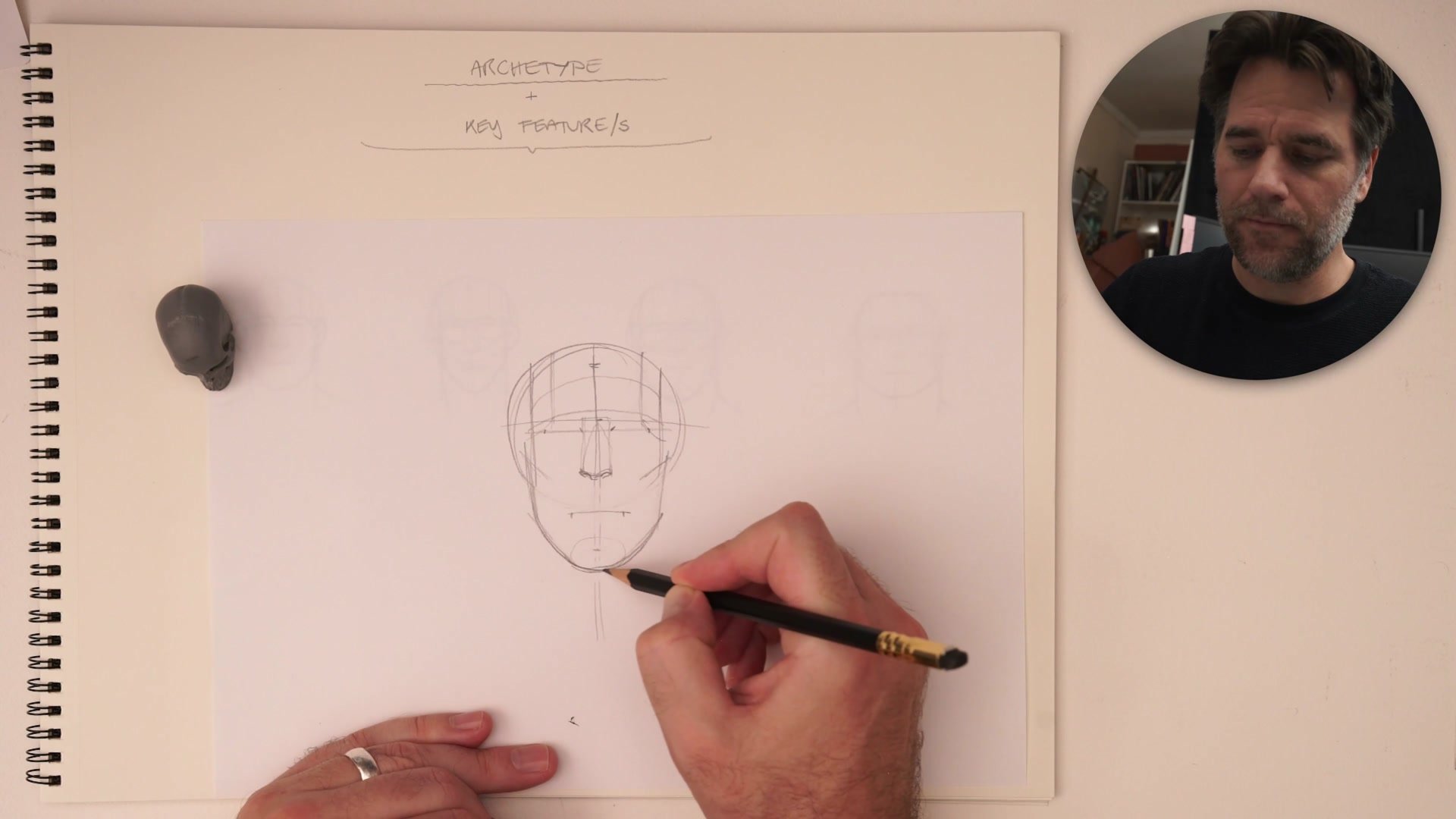
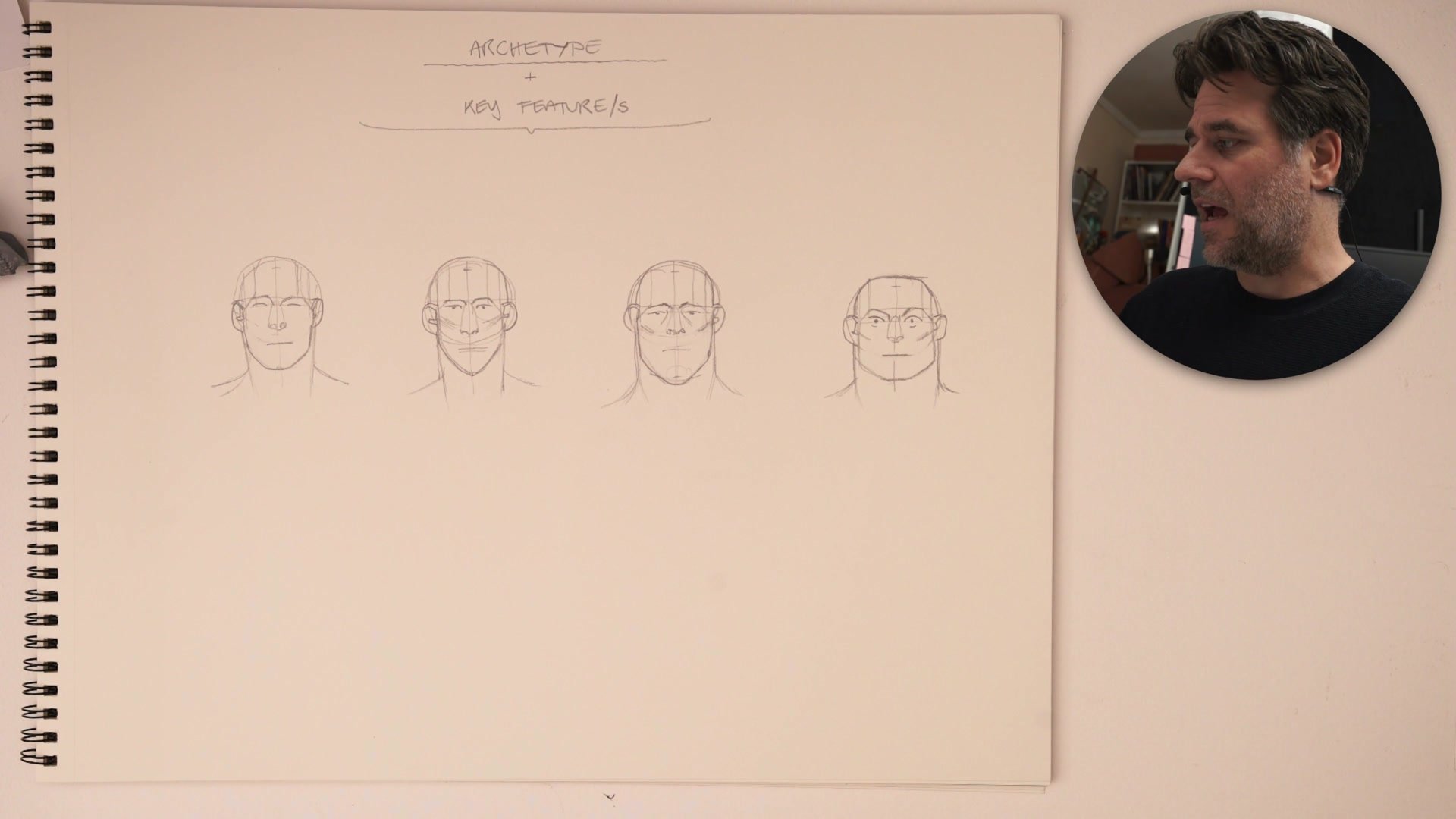
Subtle Shifts Make Archetypes
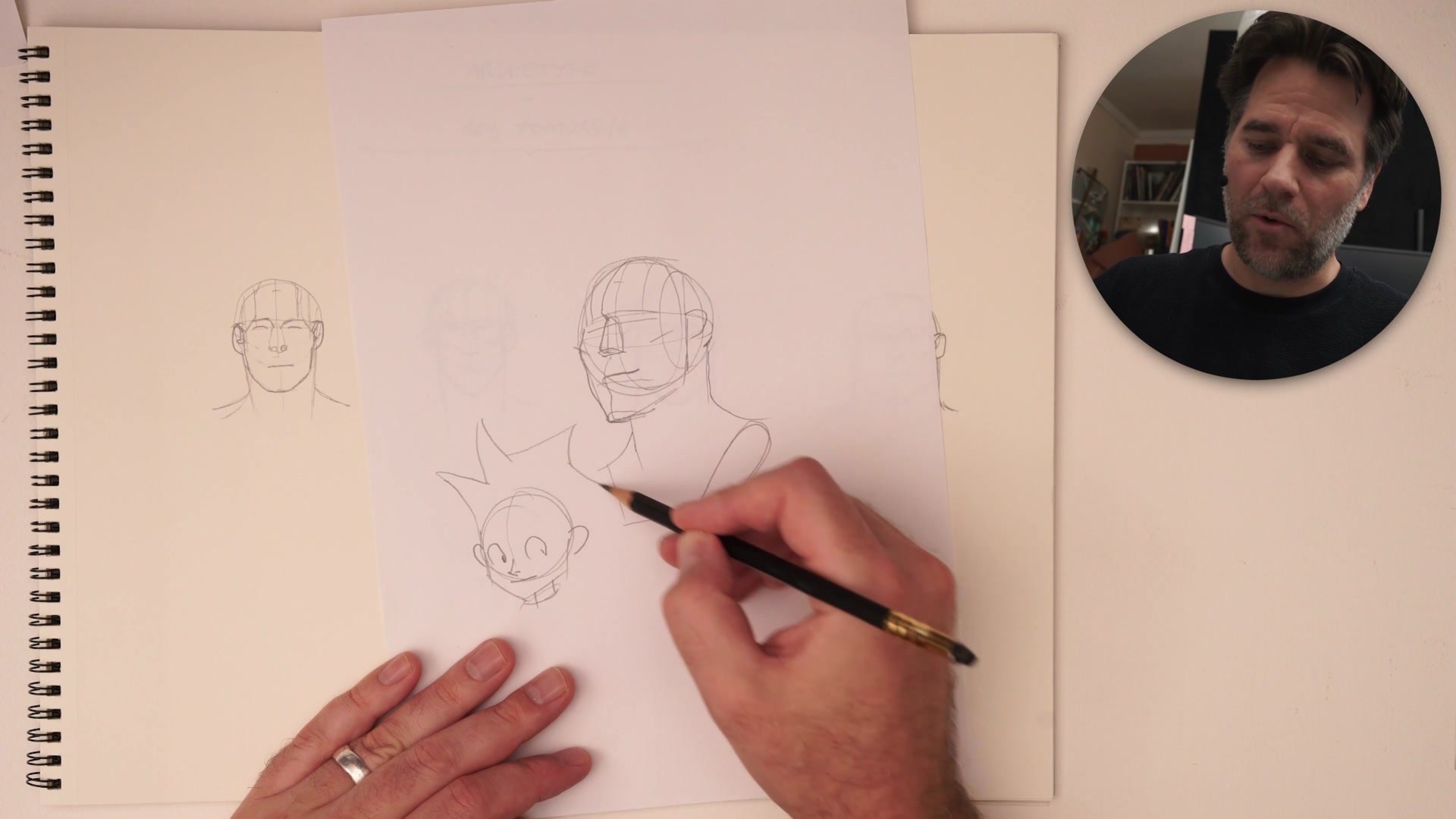
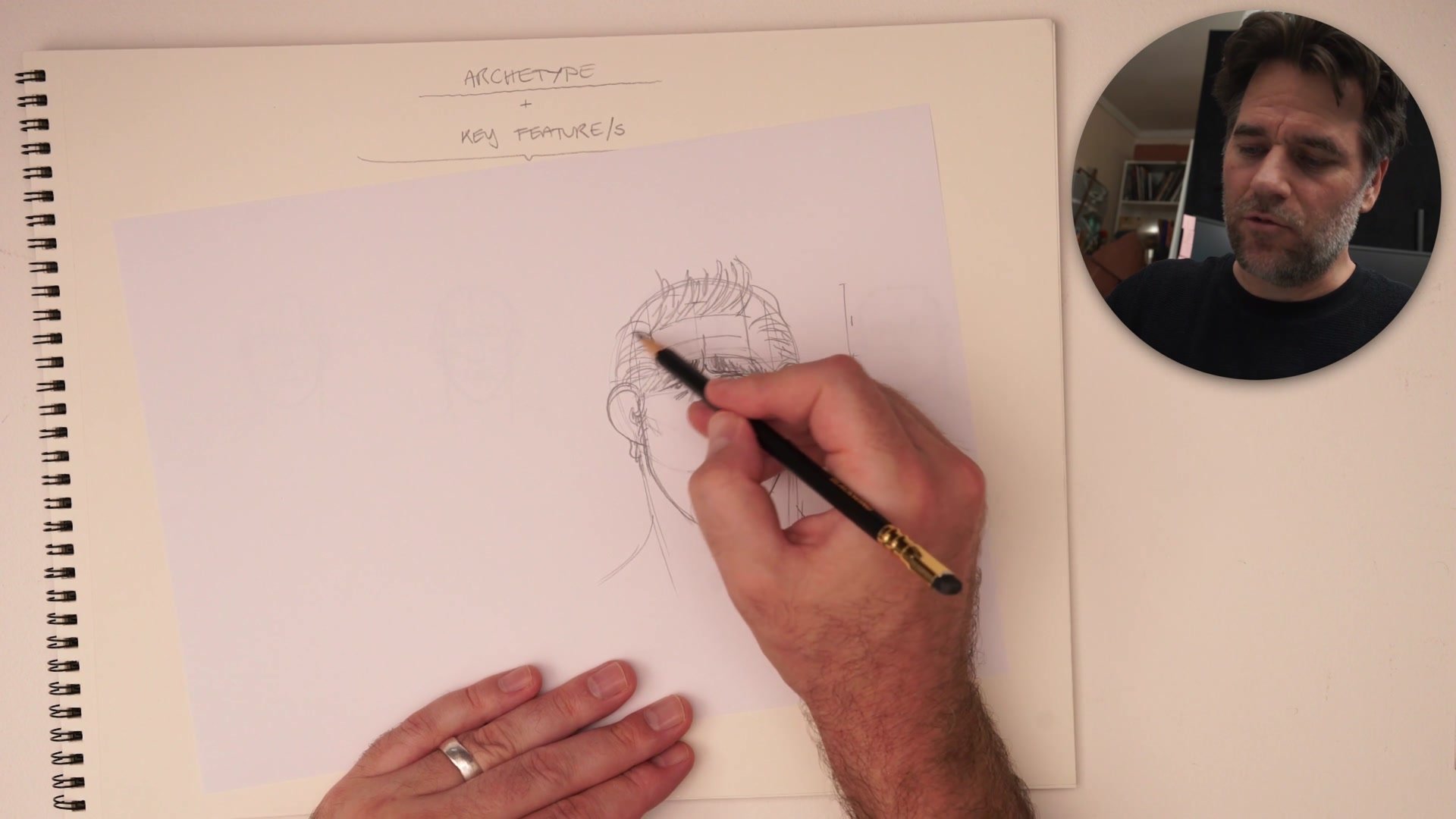
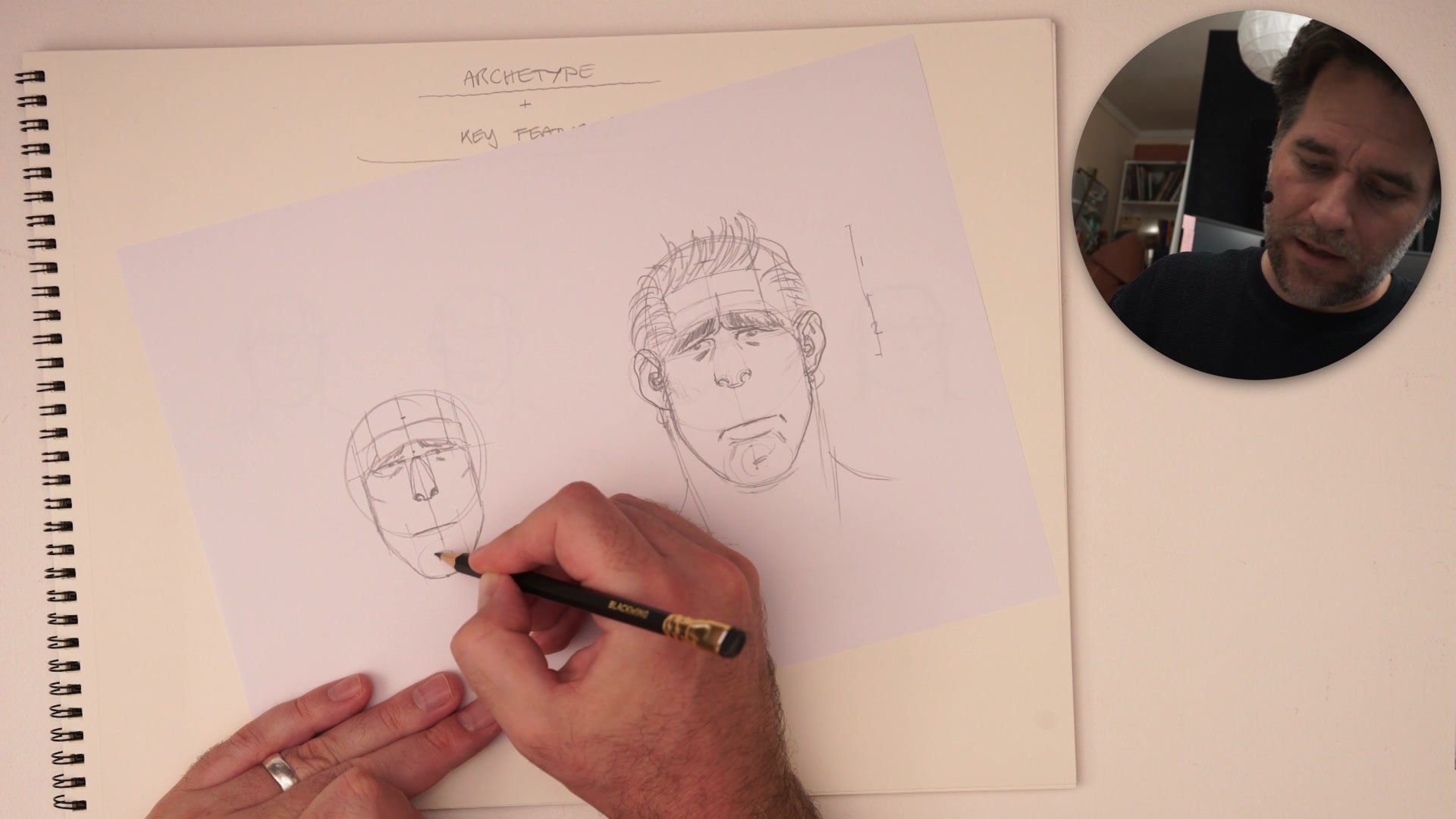
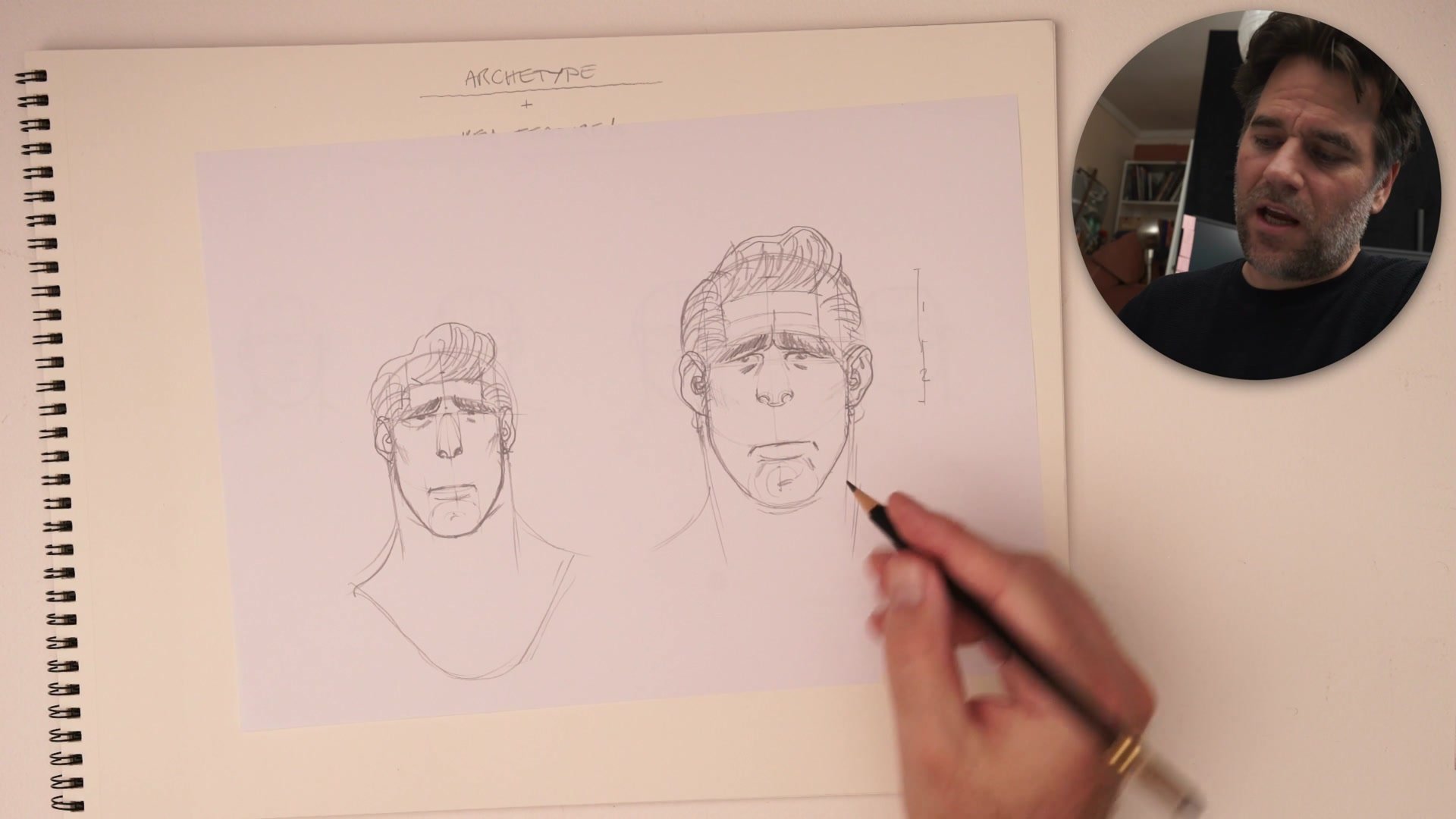
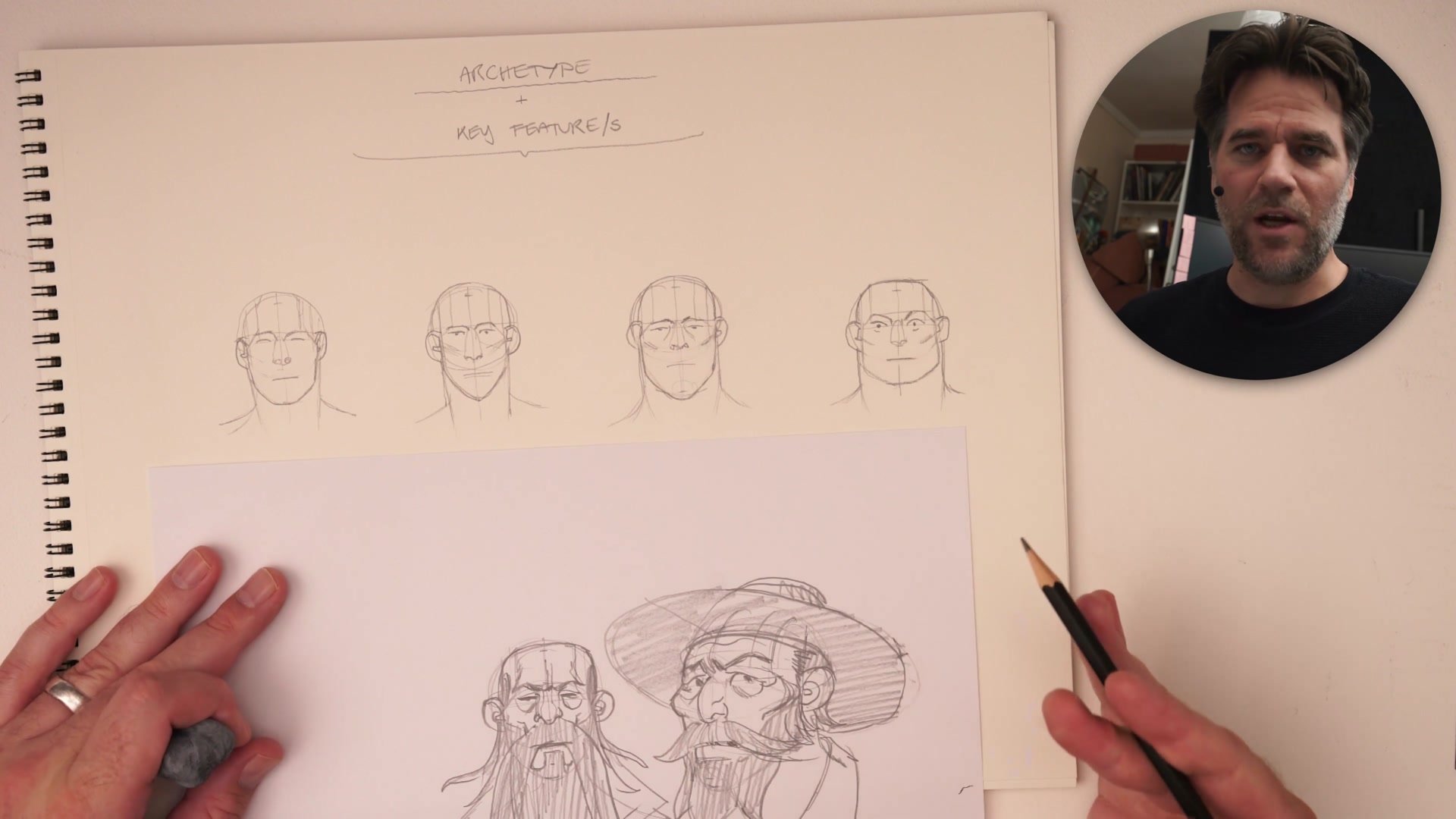
Once a standard set of proportions is established, the way to create distinct archetypes is through small, controlled deviations. A pointy chin and slightly larger ears creates a long thin face. A wider, larger chin with a smaller nose reads as muscular and chunky. Squaring off the jaw and the top of the head creates a square, blocky character. These are not exaggerated cartoons. The shifts are millimetres, not inches, but the cumulative effect is unmistakable.
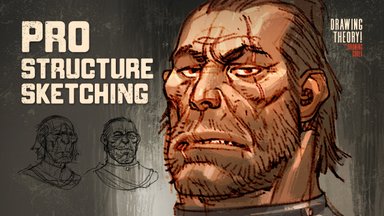
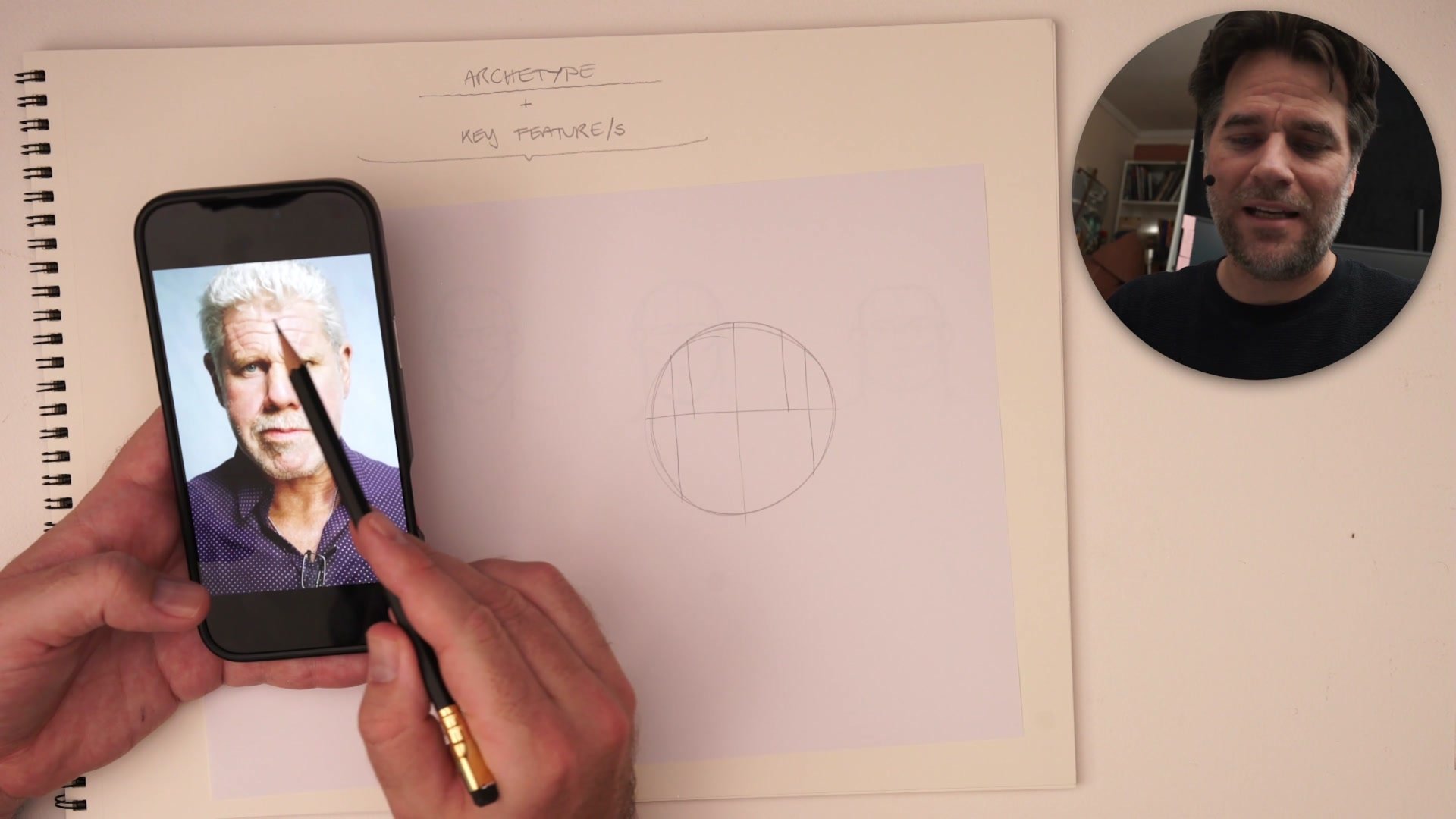
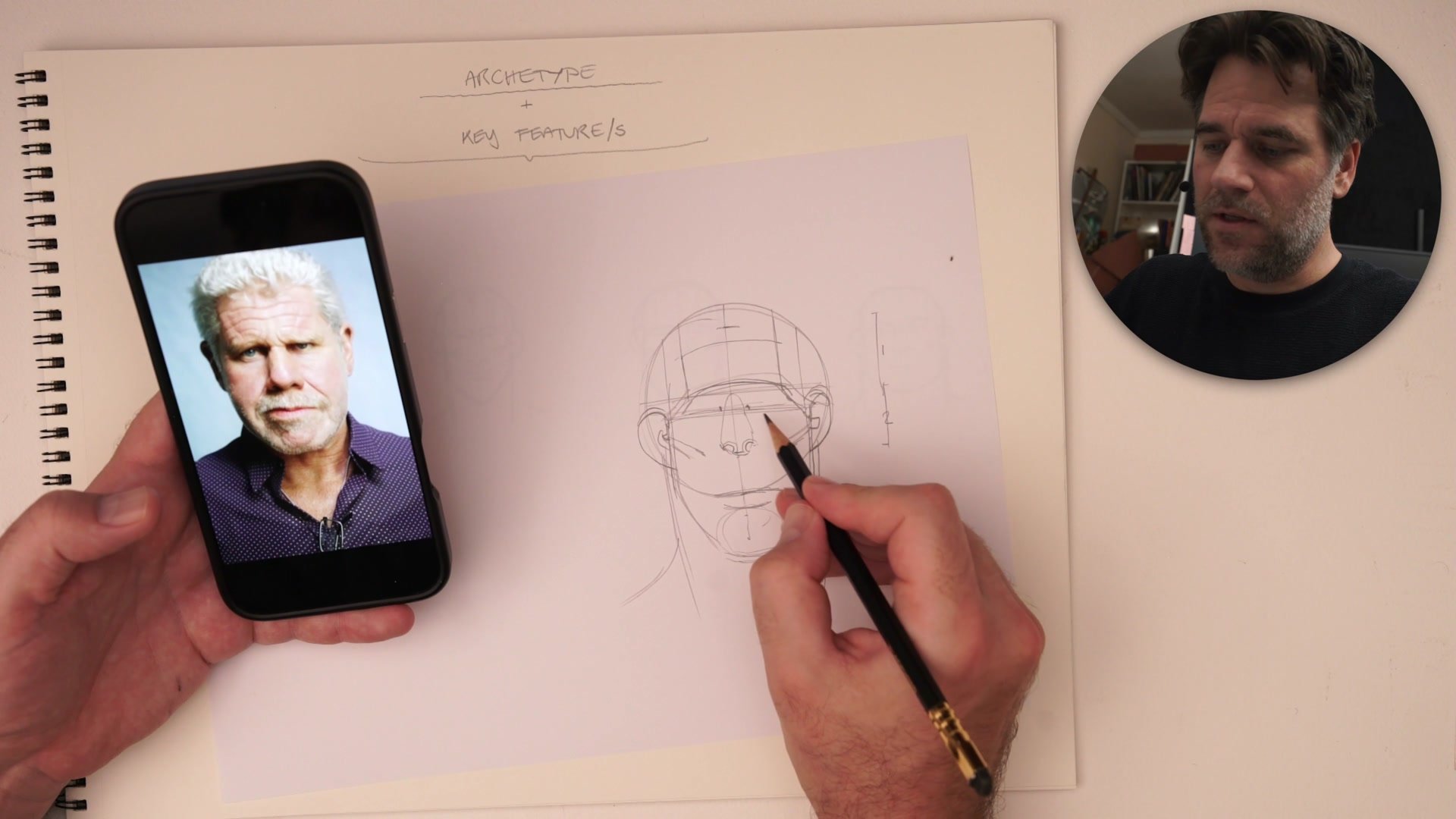
The Ron Perlman study takes this further. His face deviates from standard anatomy in specific, measurable ways, a shorter forehead relative to the lower face, a heavier jaw, downturned eyes, an upturned nose. Studying real character actors with distinctive features reveals what these shifts look like at a structural level, and trains the eye to spot them in any reference.
Pushing Proportions
Iconic Features Do the Work
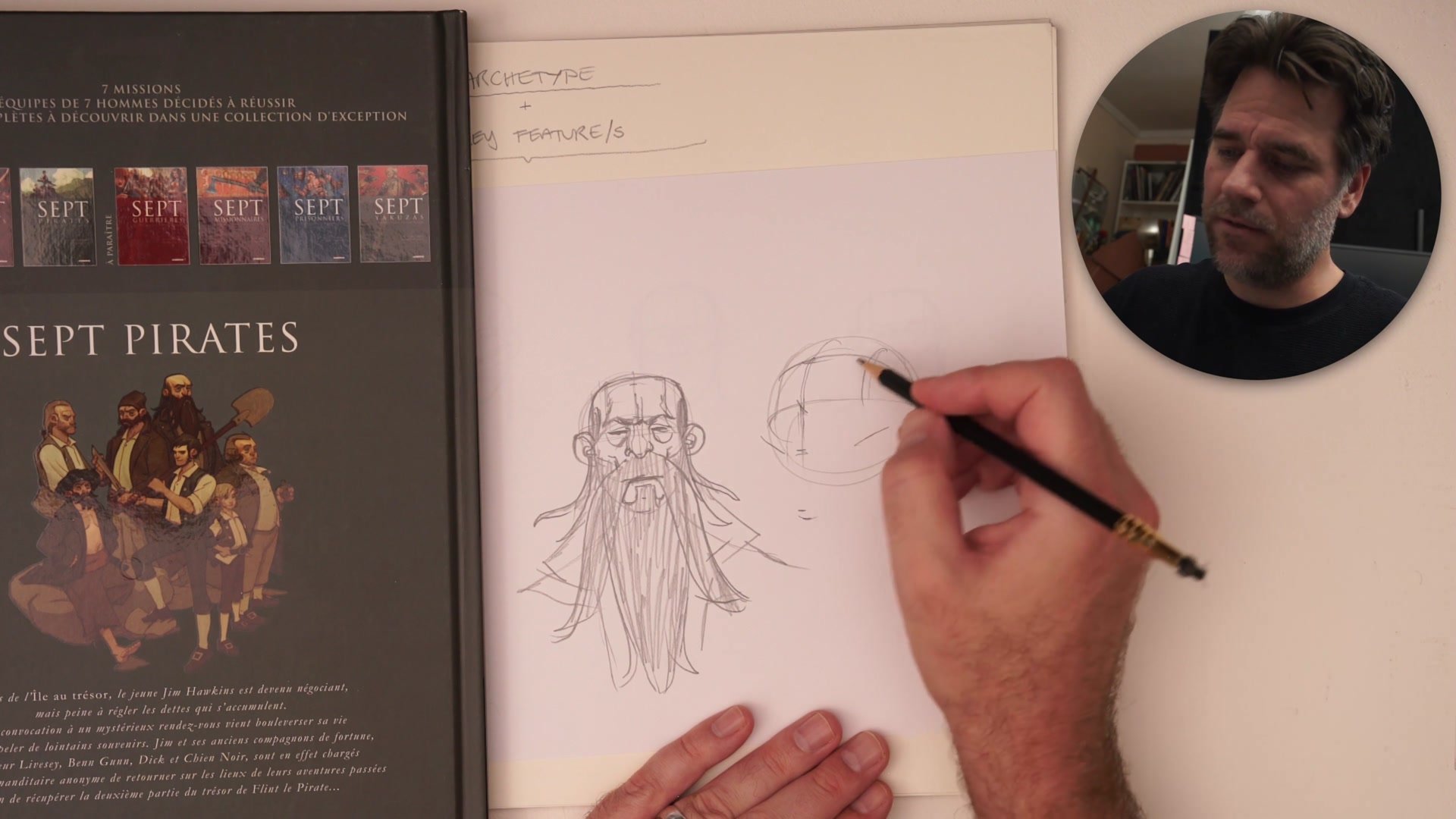
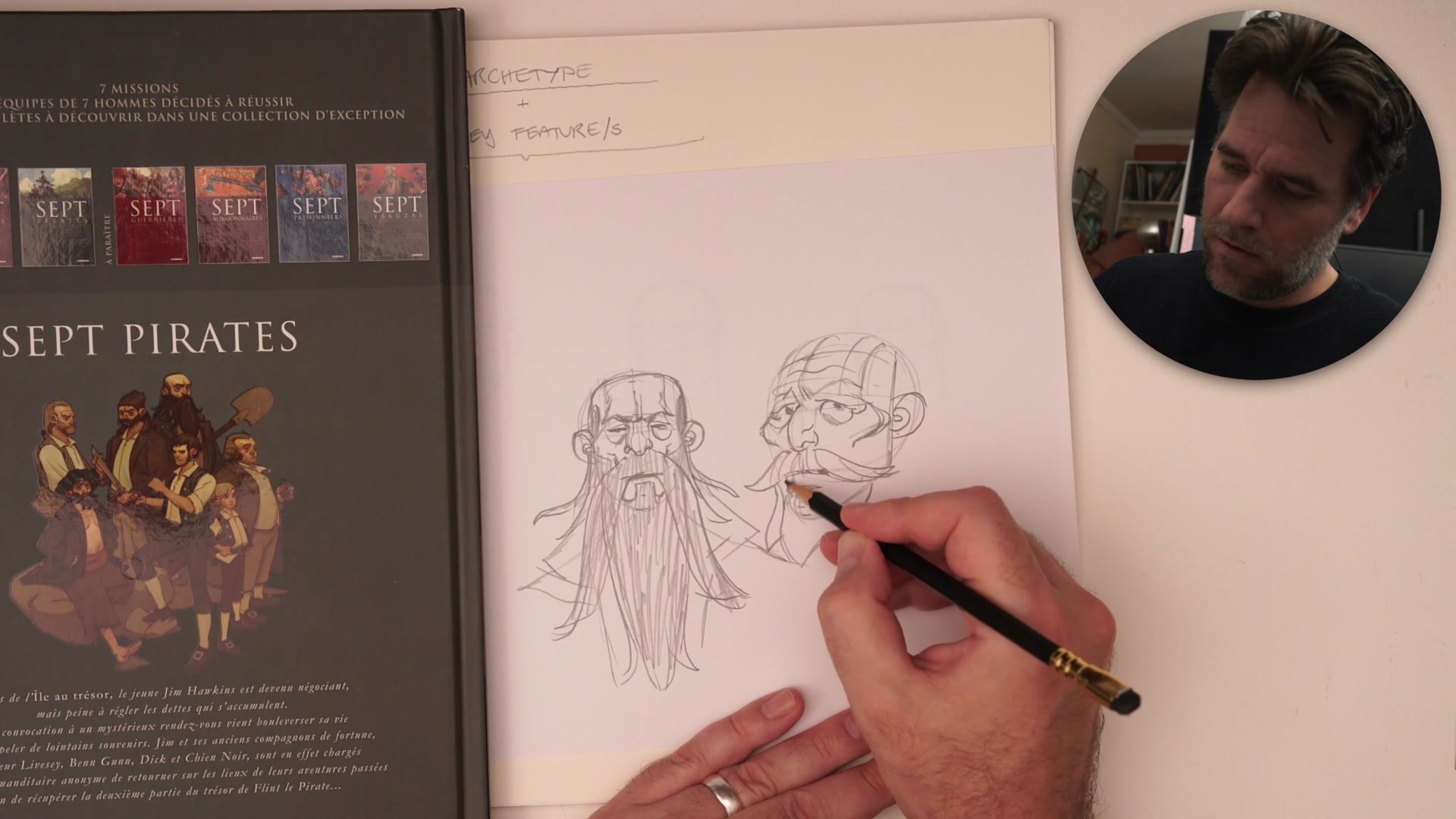
Once a few archetypes are established, the heavy lifting for recognisability comes from iconic features and costume. Facial hair, hairstyles, scars, hat shapes, distinctive expressions, these are what audiences actually use to tell characters apart. The Hobbit production designers spent enormous effort making each character visually distinct, and most of that distinction lives in costume, hair, and prosthetic features rather than underlying skull proportions.
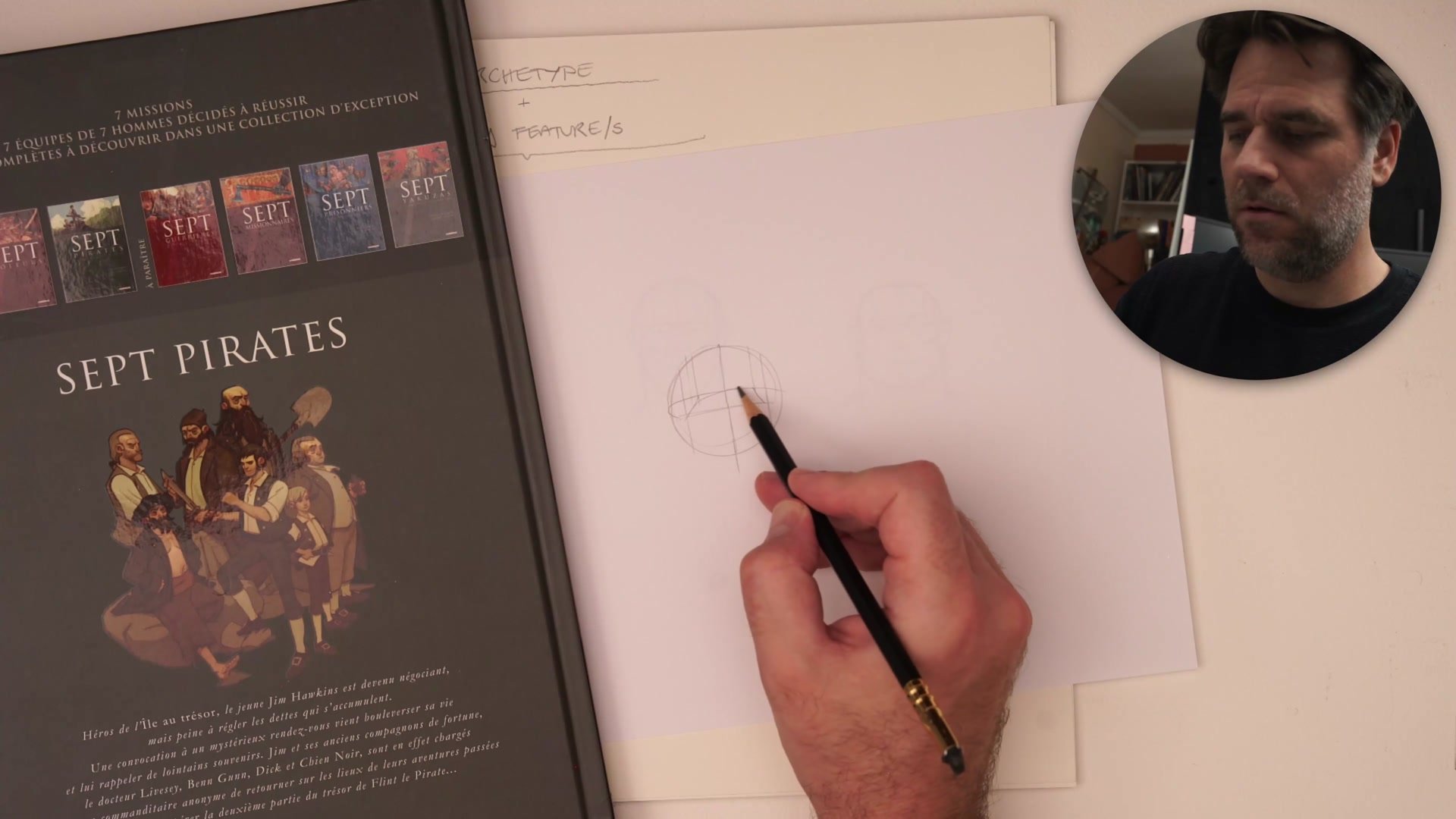
The pirate cast demonstrates this directly. Seven characters built on similar base proportions become individually recognisable through hook noses, beady eyes, beards of different shapes, distinctive hats, missing teeth, eye patches, and baked-in expressions. Once the underlying proportions are dialled in, costume design and feature exaggeration are what make a cast feel like a cast.
Costume and Features
Key Principles
Generic Is Hardest: A perfectly average head has no anchoring features, which makes it harder to draw consistently than a distinctive one. Aim for a designed cast, not a universal anatomy.
Subtle Proportion Shifts: Small changes to chin, jaw width, forehead height, and ear size are enough to create clearly distinct archetypes. Exaggeration is optional, distinction is not.
Study Real Faces: Character actors with exaggerated features reveal what distinctive proportion choices look like at a structural level. Use them as reference for archetype design.
Costume Carries Recognition: Once base proportions are set, hair, facial hair, hats, scars, and expressions do most of the work in keeping characters recognisable across drawings.
Try This
Step 1: Draw a standard Loomis front-view head with the basic proportions locked in. This is the baseline character.
Step 2: Draw three more heads using subtle proportion shifts: longer pointy face, chunky muscular face, square blocky face. Keep changes small.
Step 3: Add costume, facial hair, hairstyles, and one signature feature to each. Notice how much recognisability comes from these layers rather than the underlying skull.