Worldbuilding Lessons from Miyazaki
Summary
The Messy Ideas Problem
Most artists carry around a jumbled mess of ideas, fragments of stories and worlds that feel connected but never quite resolve into something clear. This feels like a problem. It feels unprofessional, disorganized, like something that needs to be fixed before any real creative work can begin. But studying Hayao Miyazaki's early development work reveals a different picture entirely: creative chaos isn't a bug in the process. It is the process.
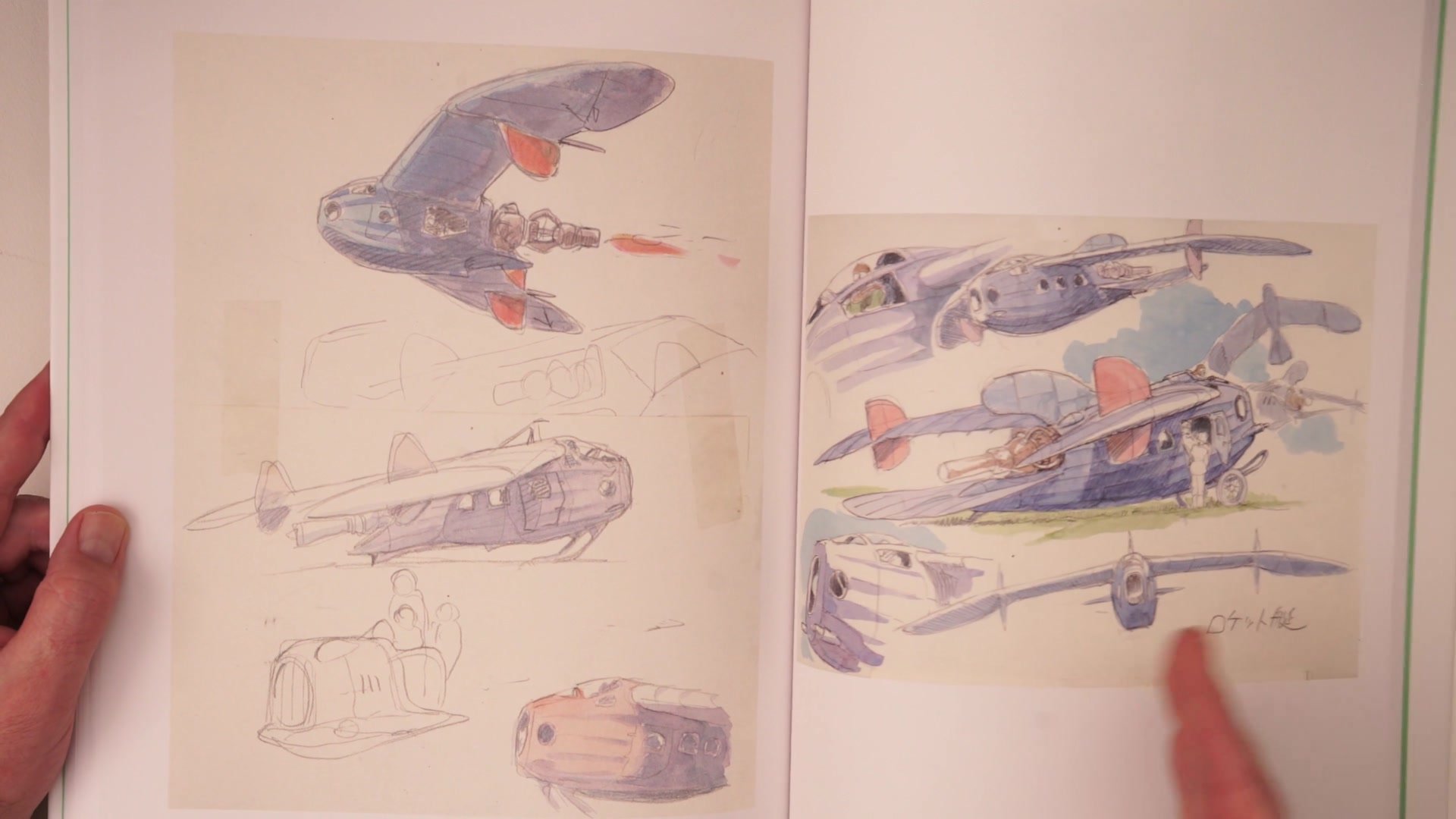
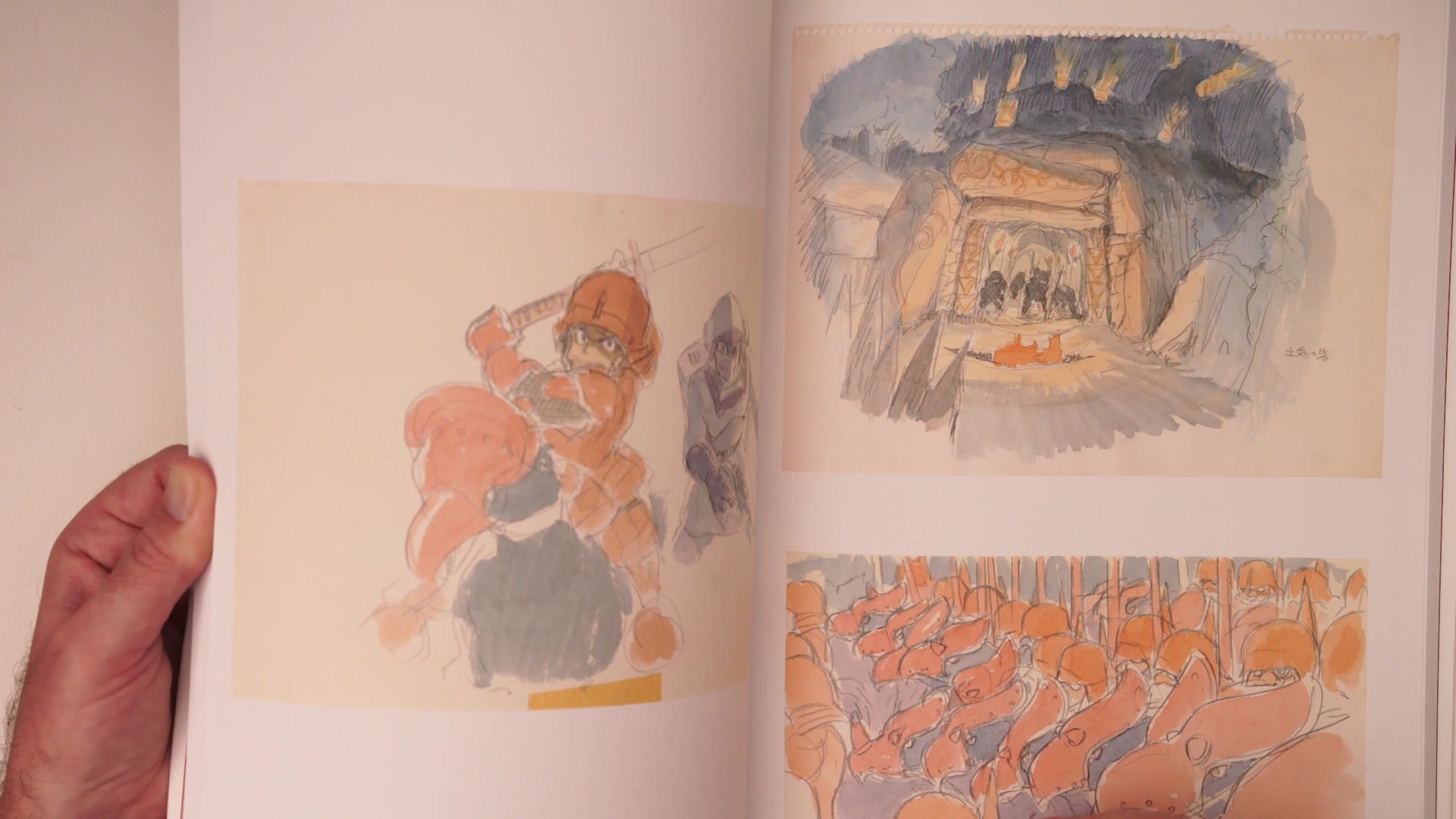
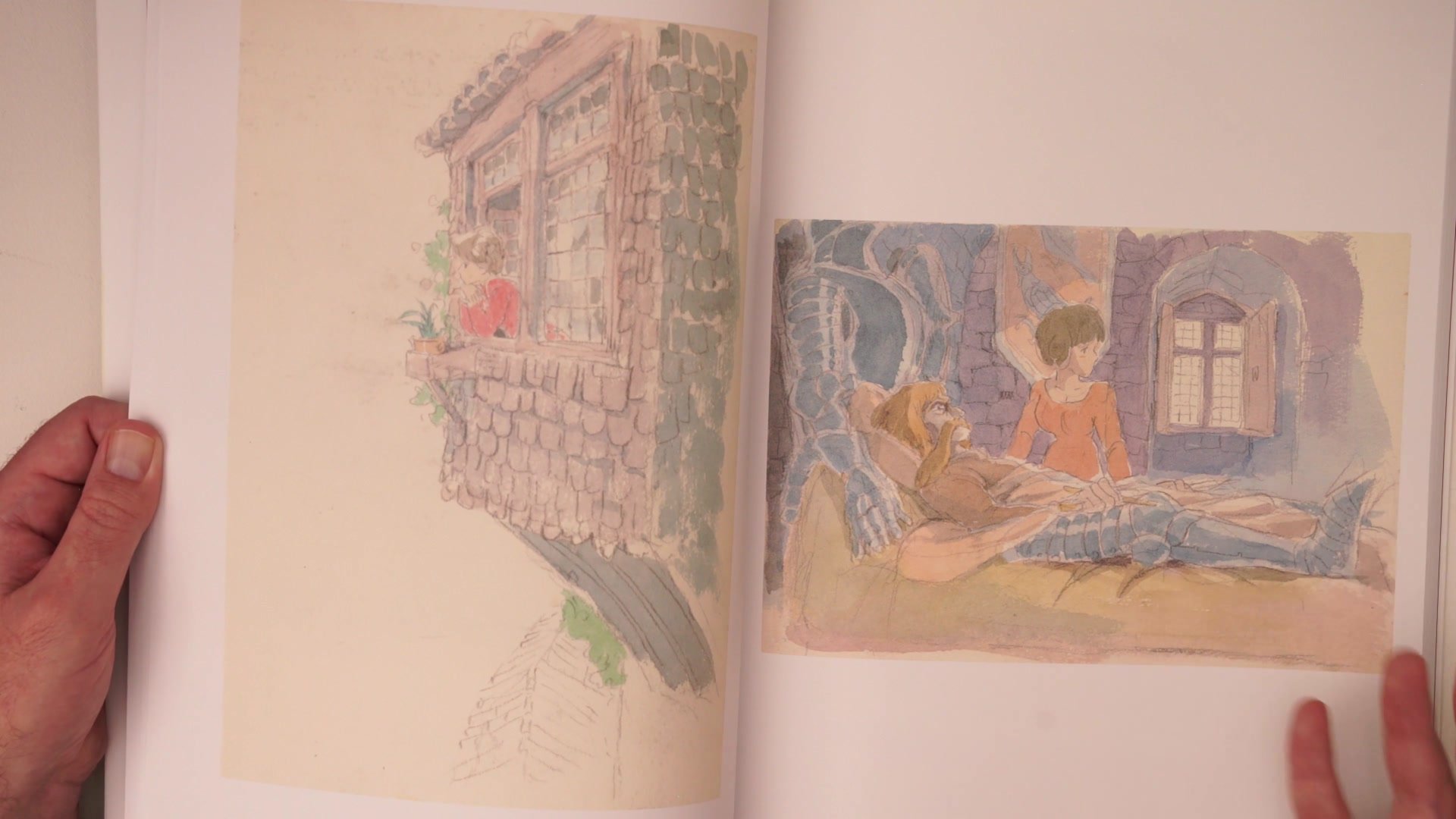
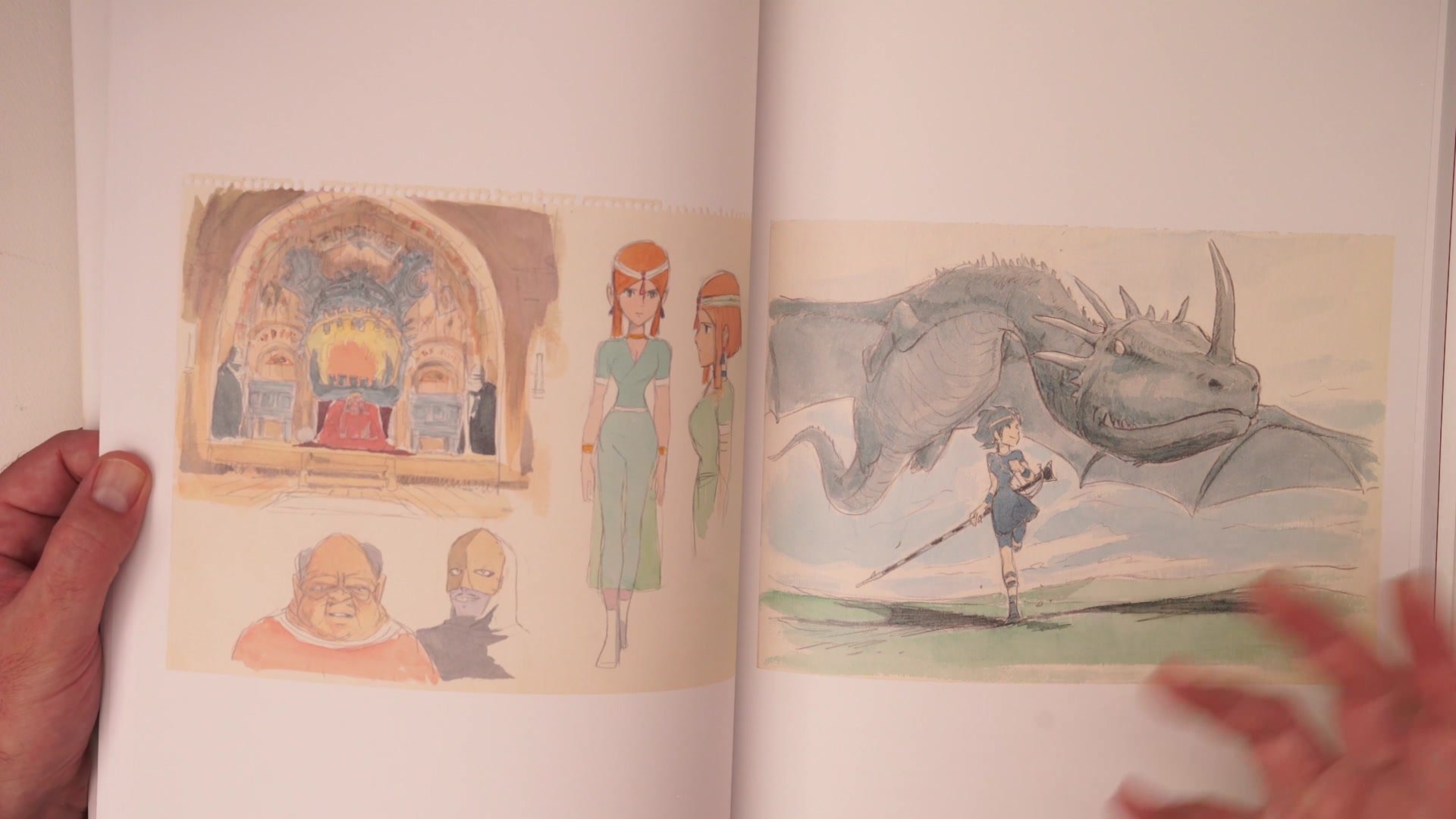
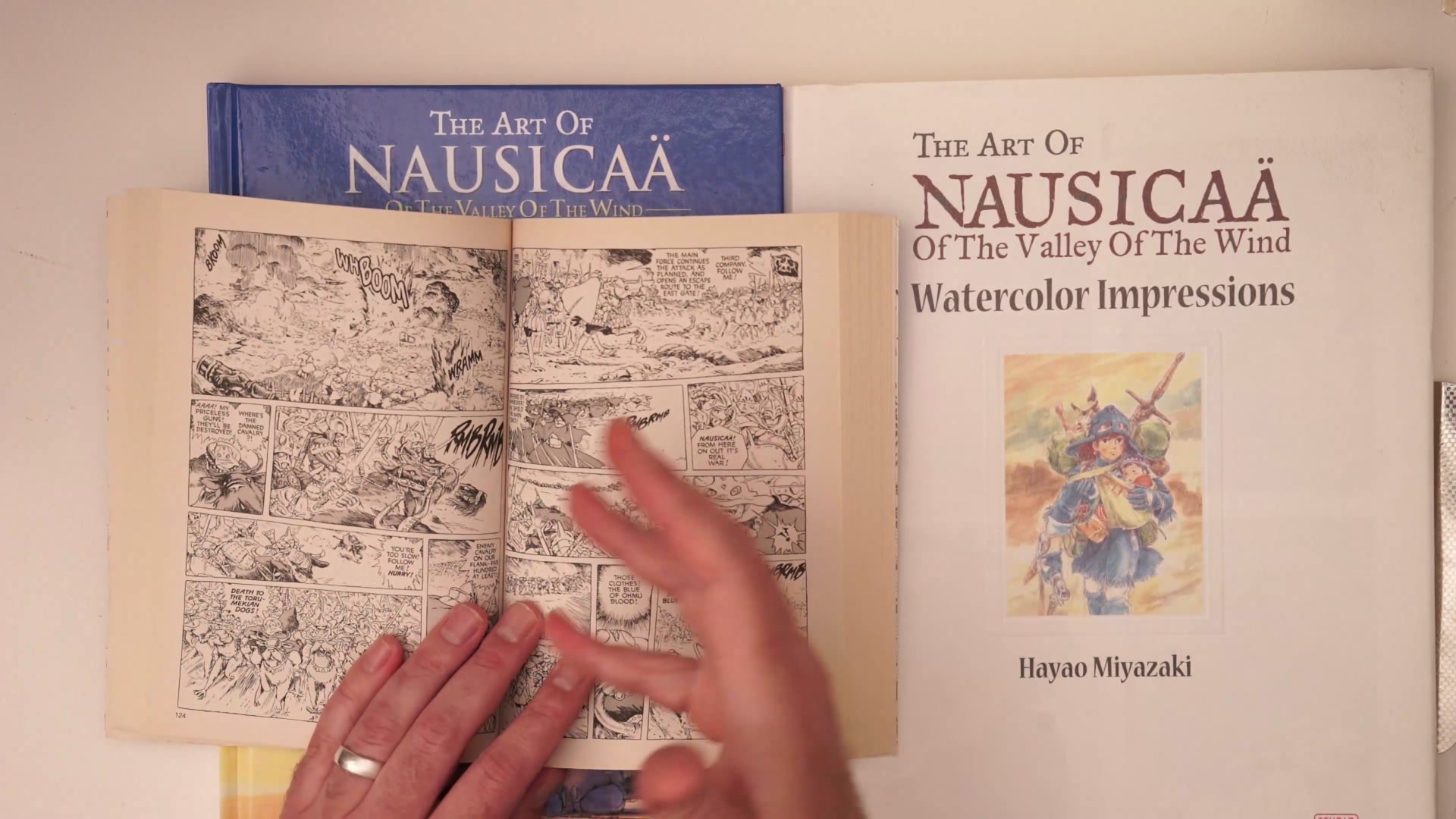
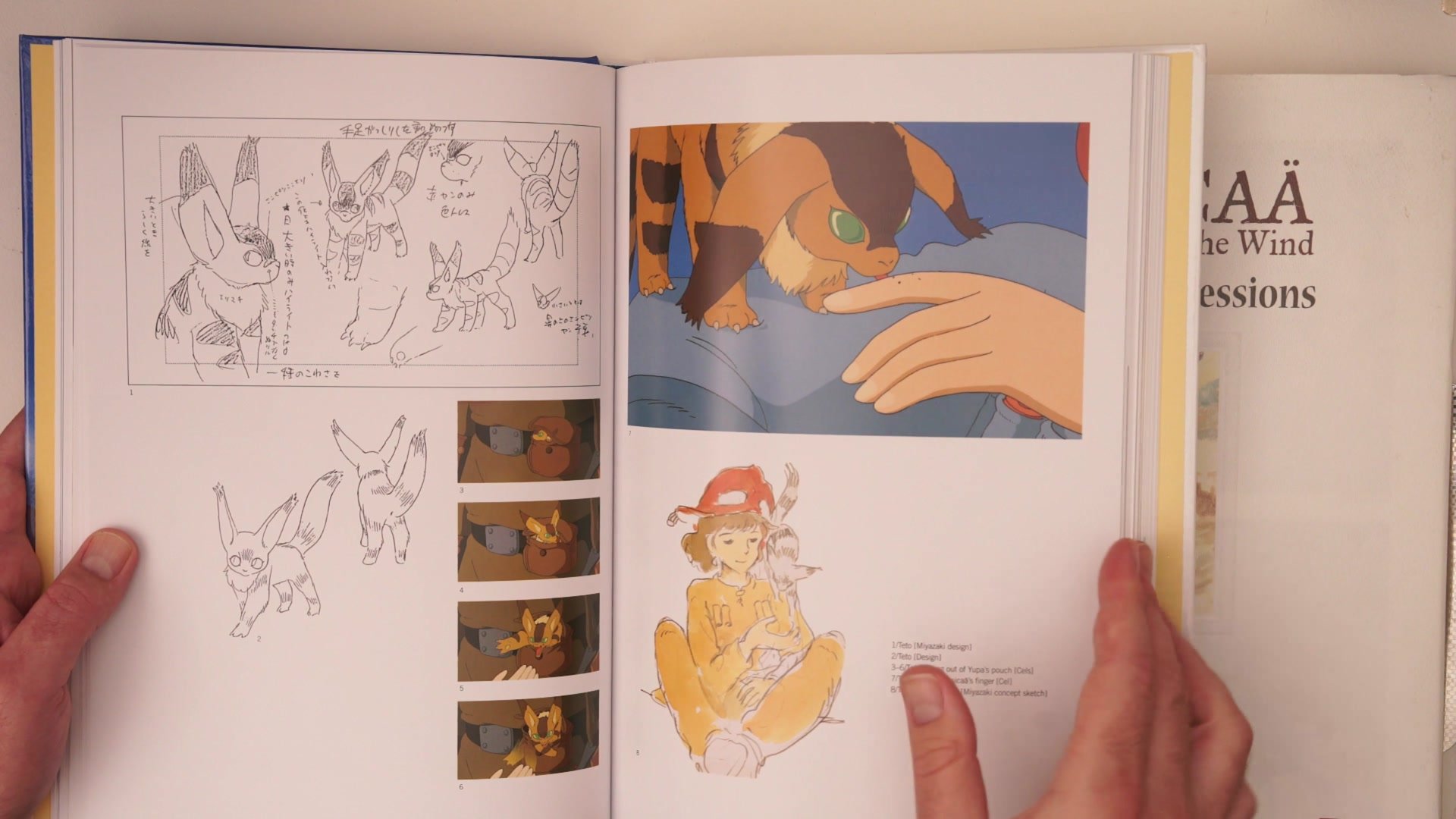
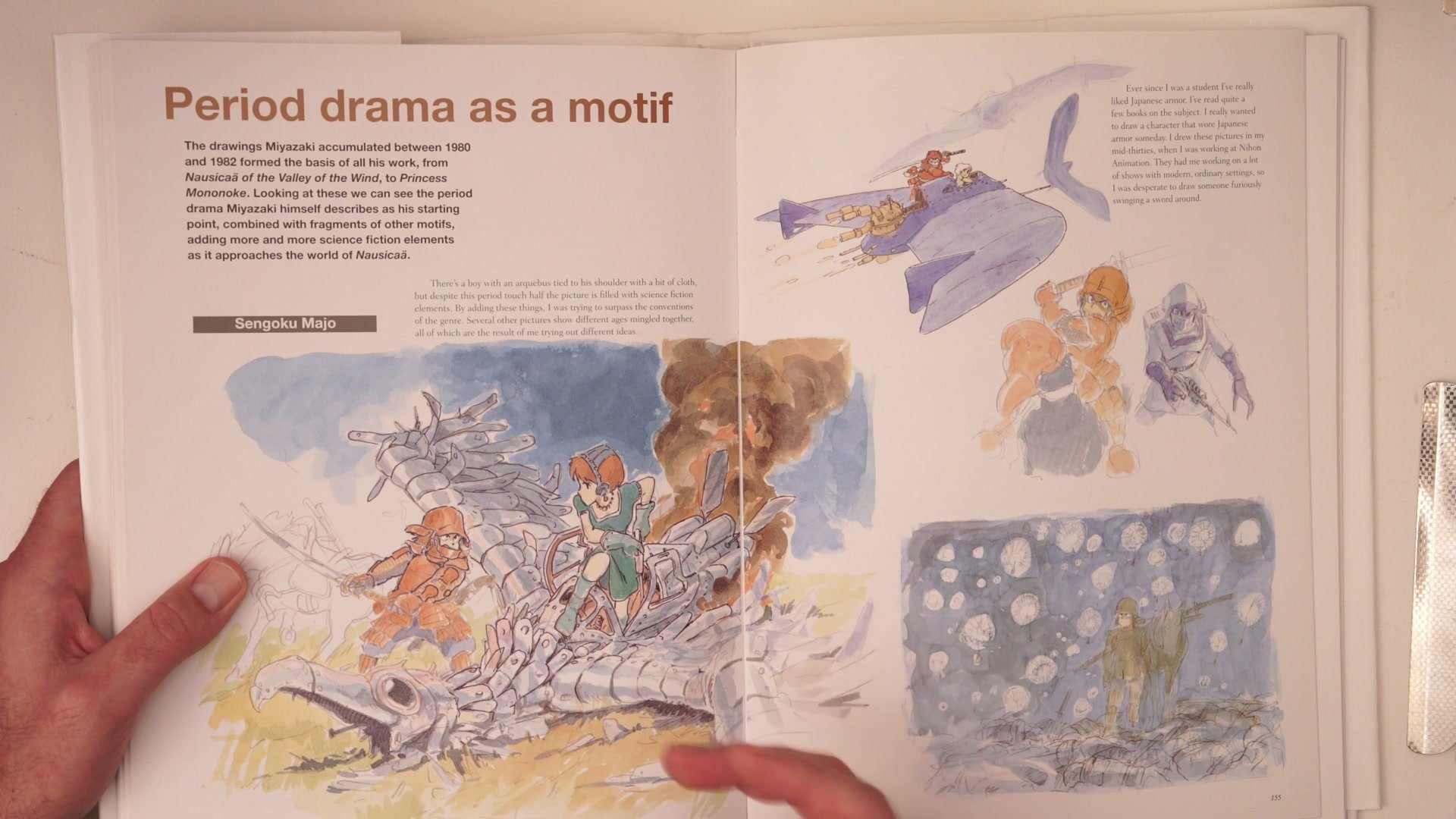
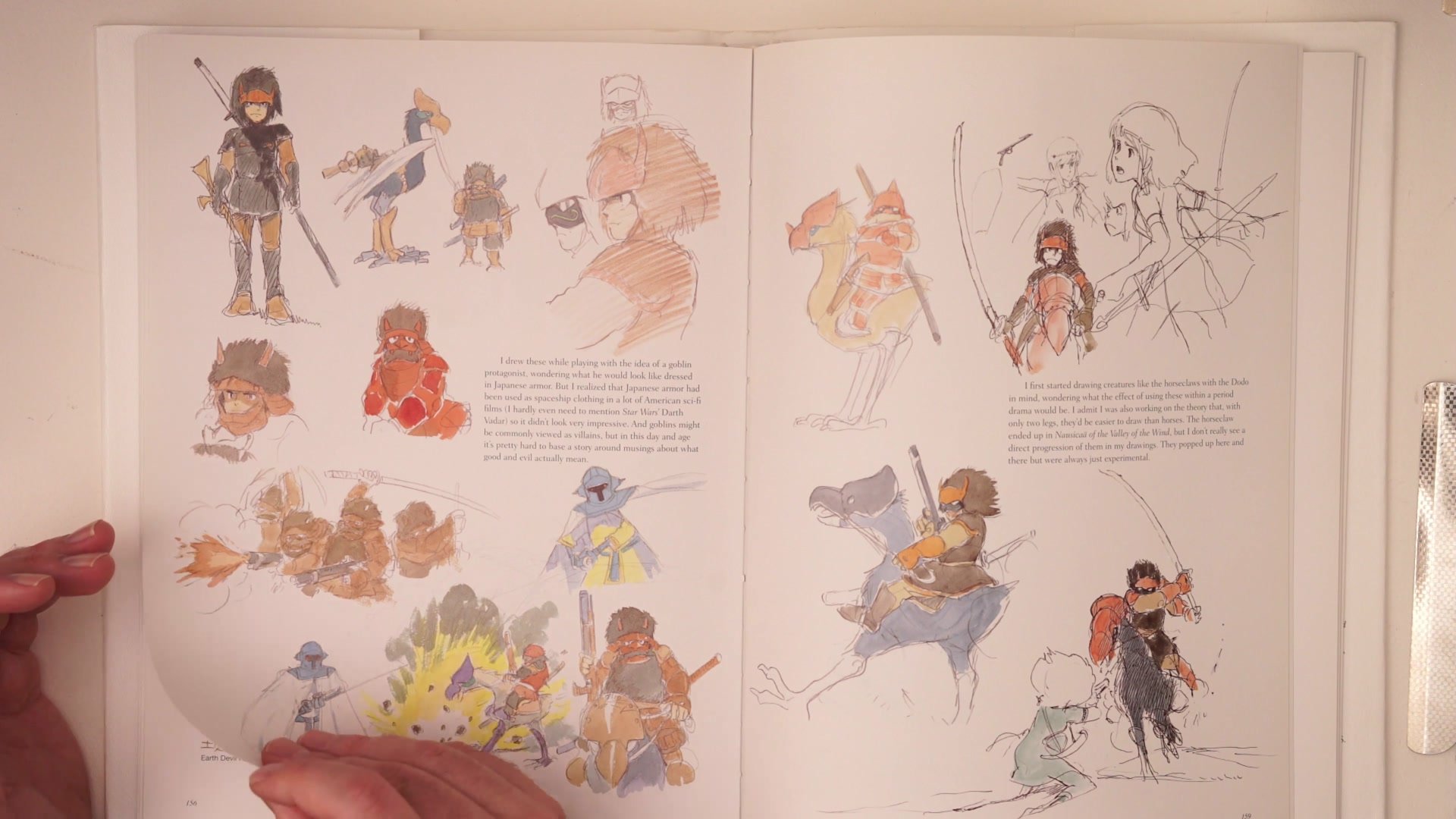
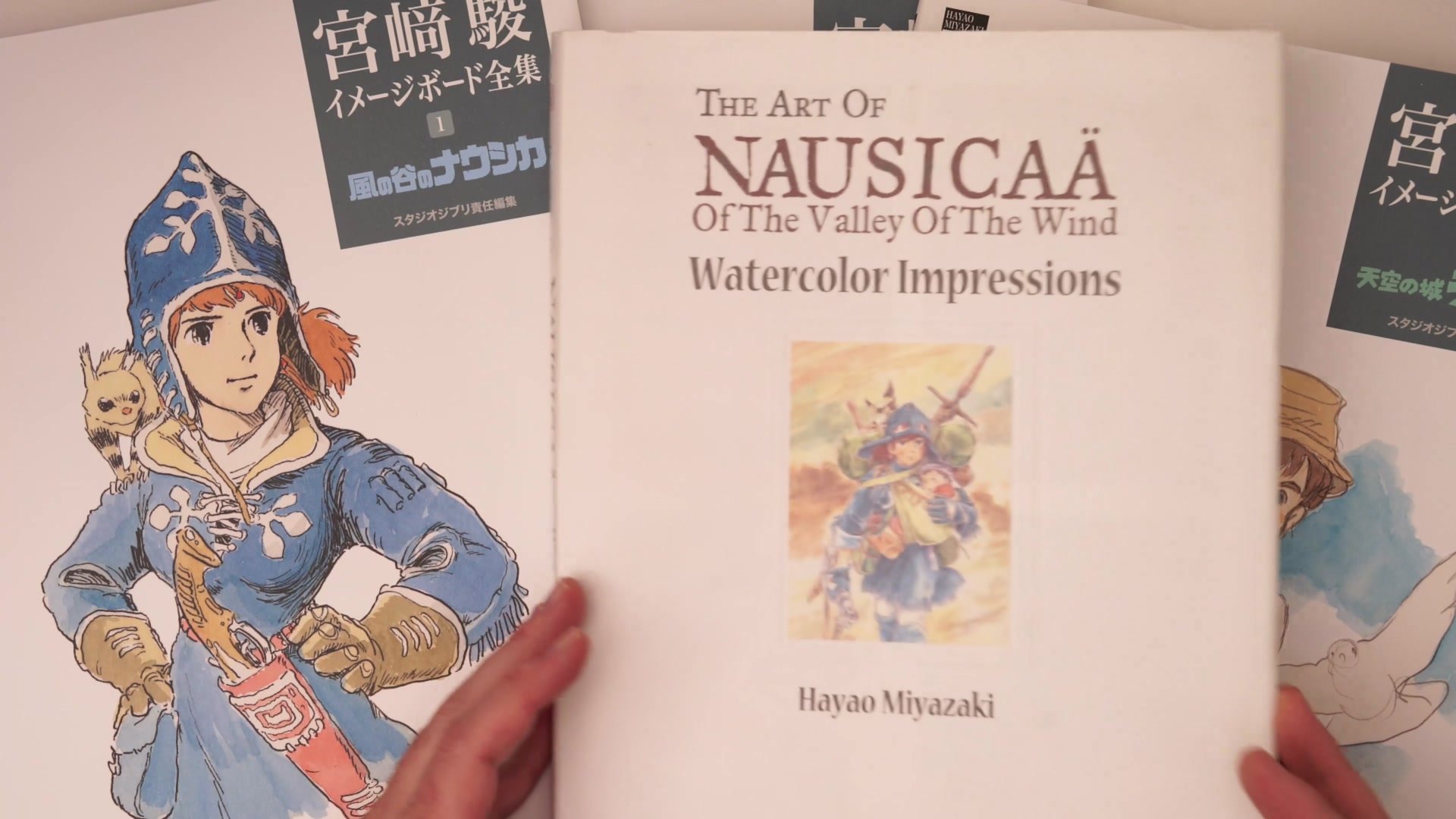
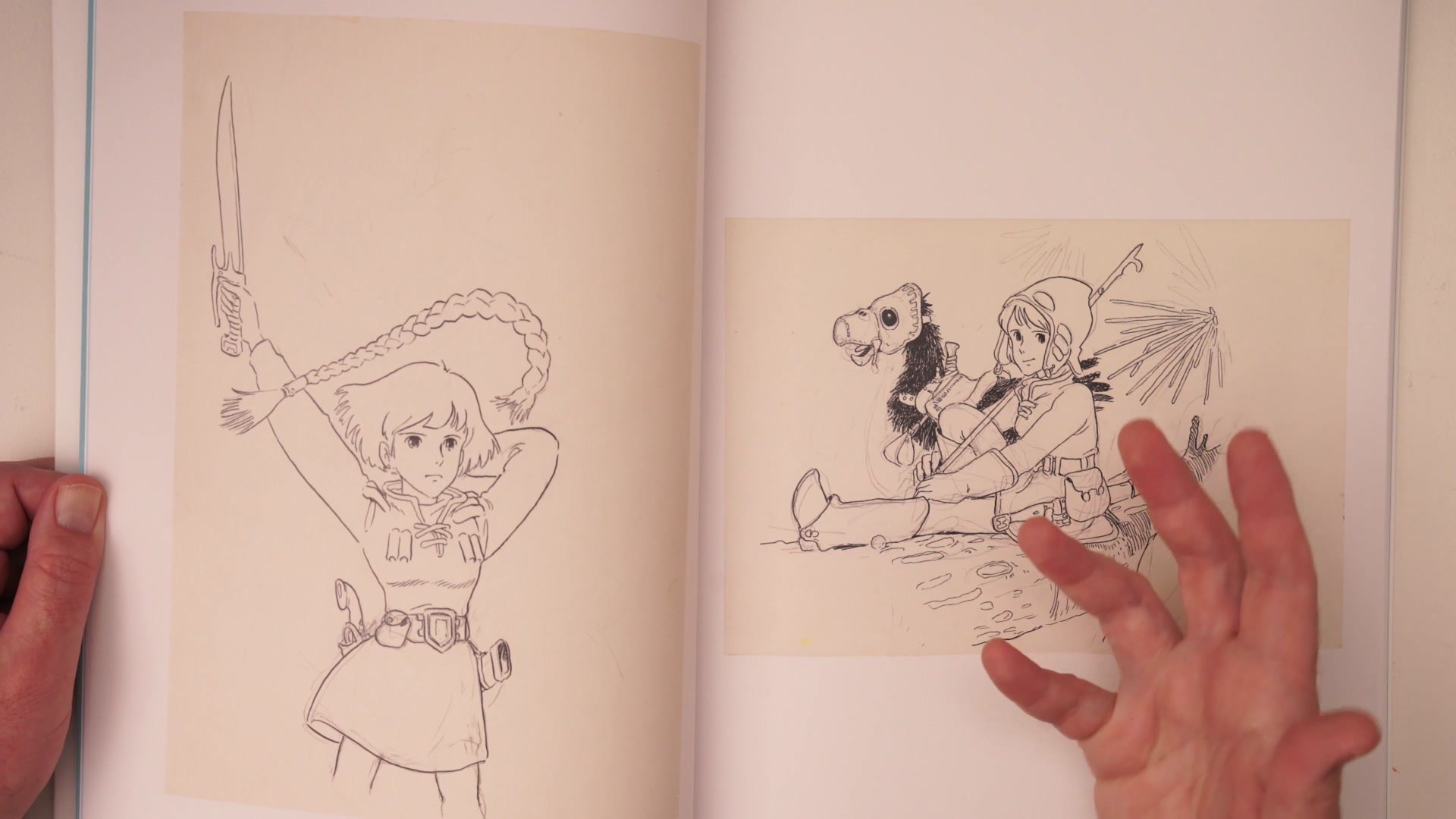
Miyazaki's three earliest major films, Nausicaa of the Valley of the Wind, Castle in the Sky, and Princess Mononoke, all started as one interconnected mass of ideas in his mind. The back of the Nausicaa watercolor impressions book shows early concepts where these different stories were mixed together, visually and thematically linked, not yet extracted into distinct projects. My Neighbor Totoro appears in early sketches without the older sister character, characters look nothing like their final designs, and entire story threads overlap between what would become separate films. This is the chaotic, messy reality of how real creative projects begin. Not just for an auteur filmmaker, but across the creative industry at every level. Even on massive, multi-million dollar productions, the beginning is almost always chaotic. People often don't have a clear picture of what the final product will be. That kind of mess isn't a sign of failure. It's a sign that the imagination is actually working.
How Porco Rosso Kept Changing
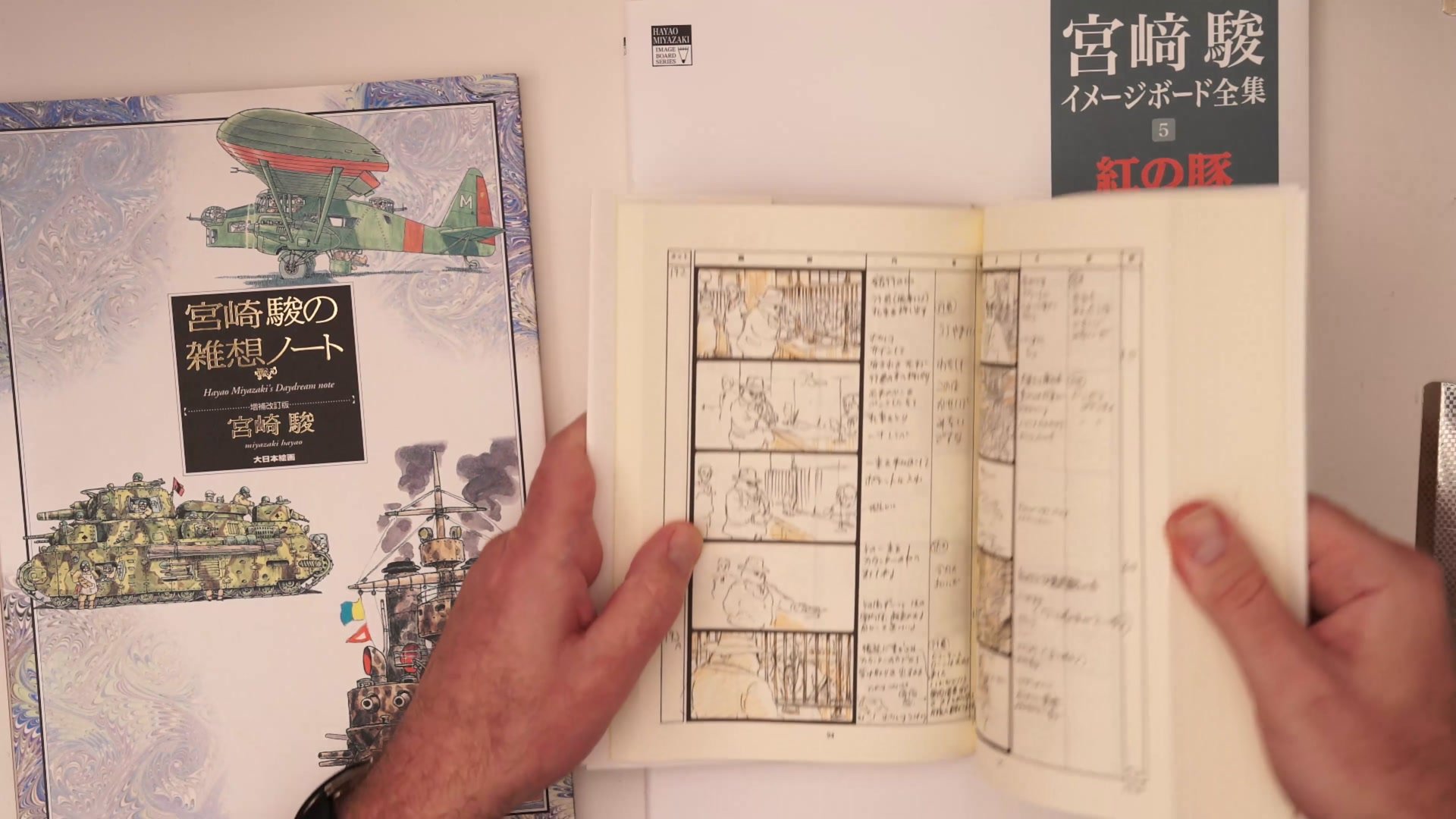
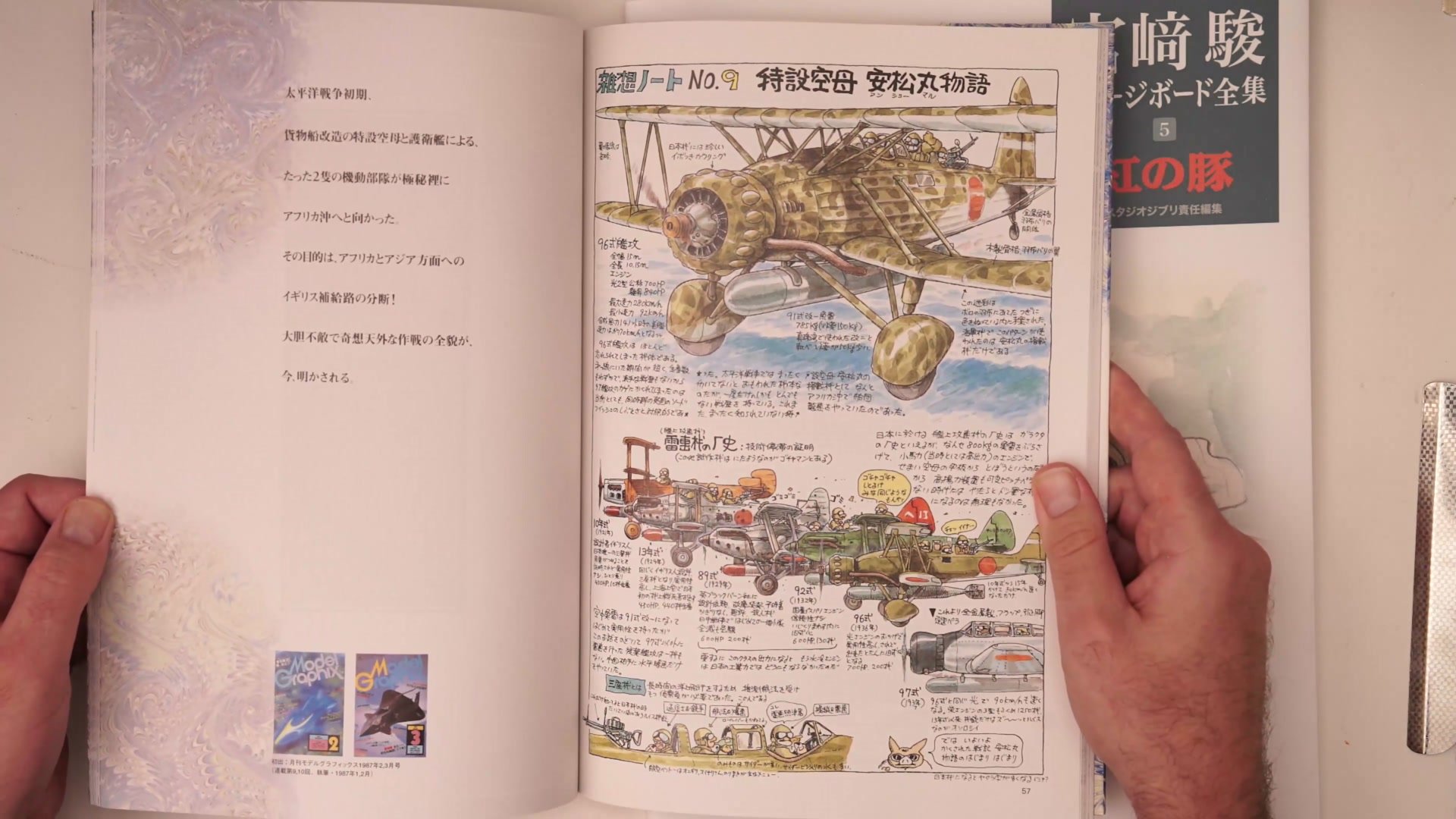
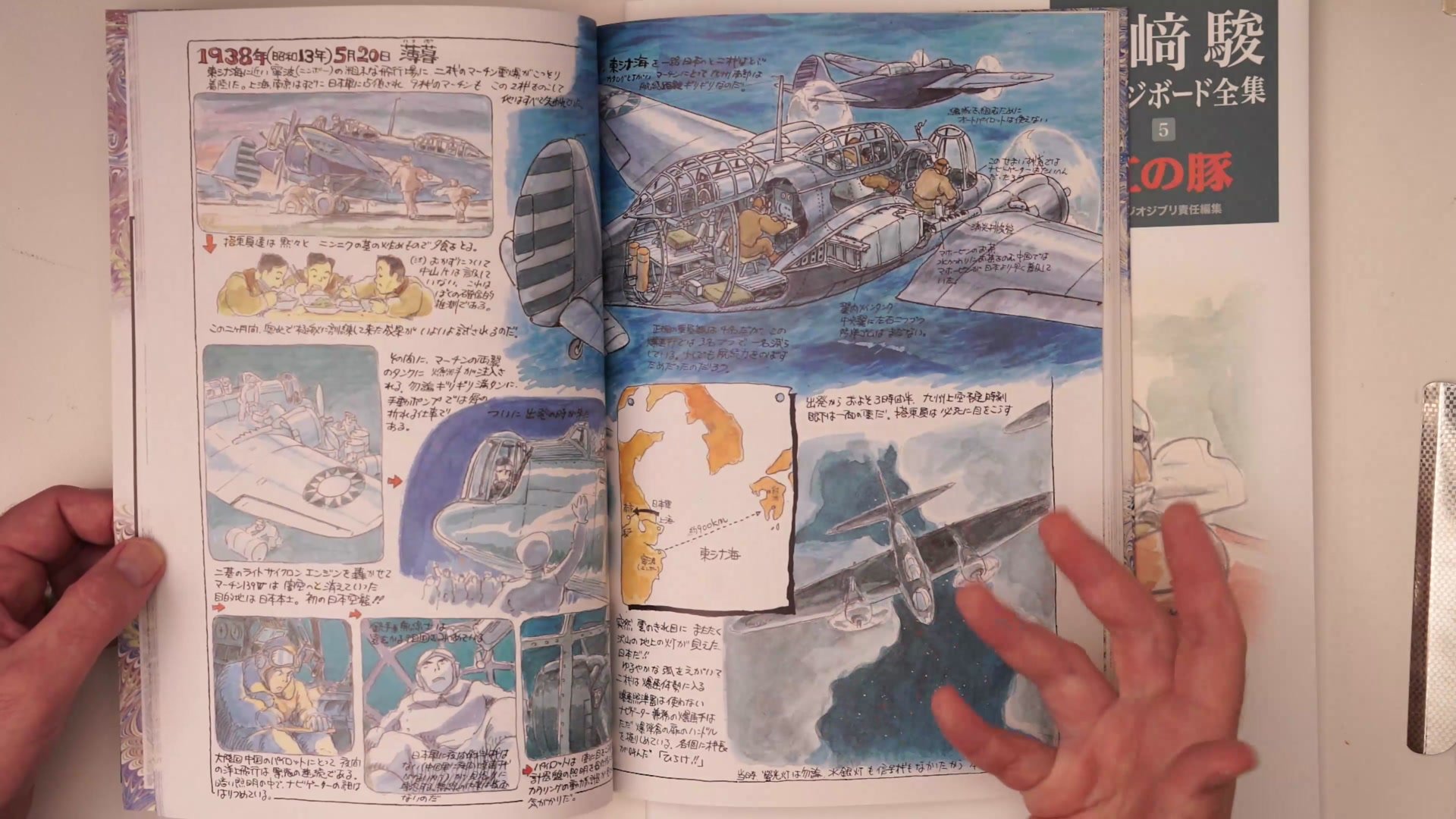
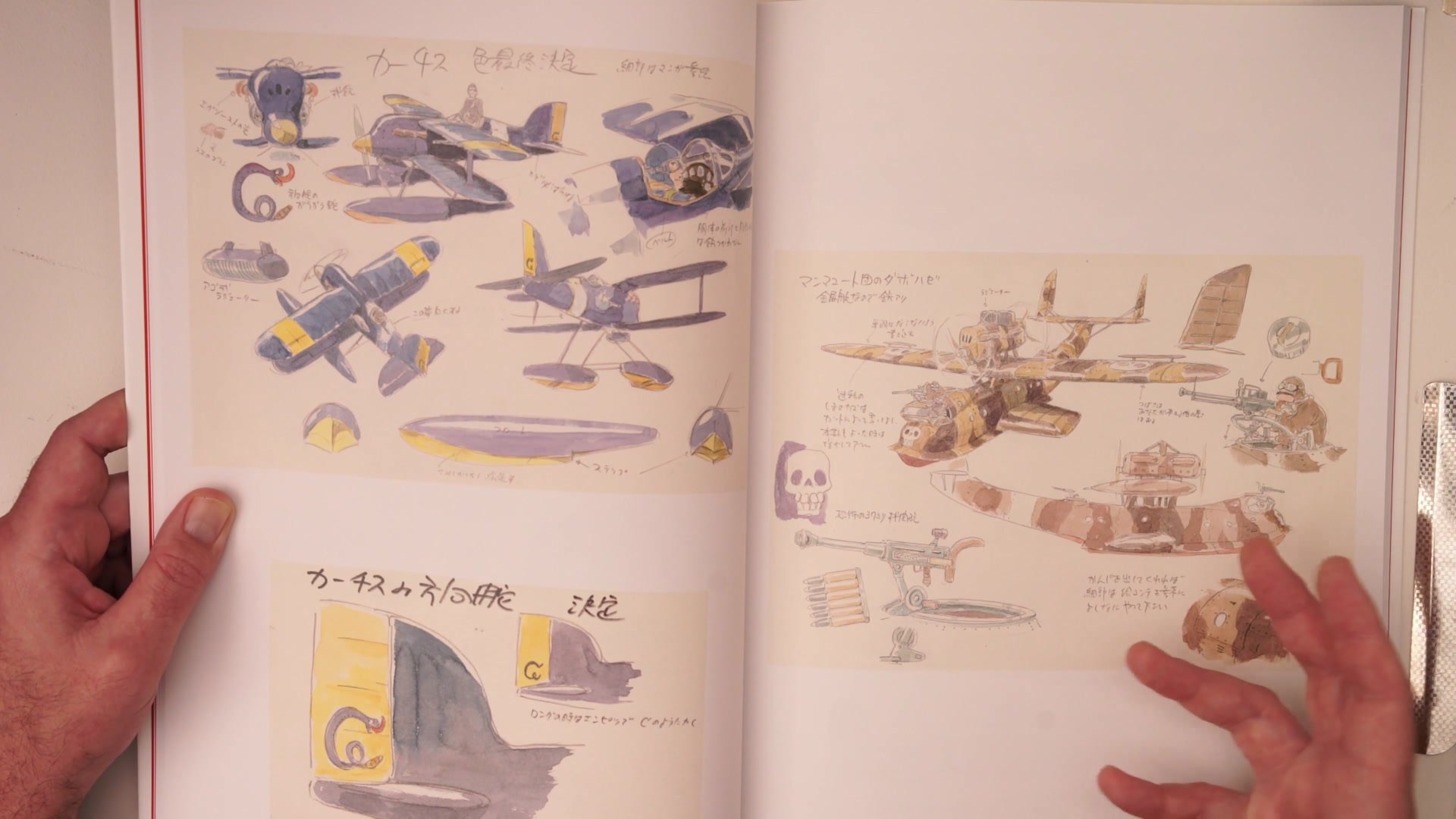
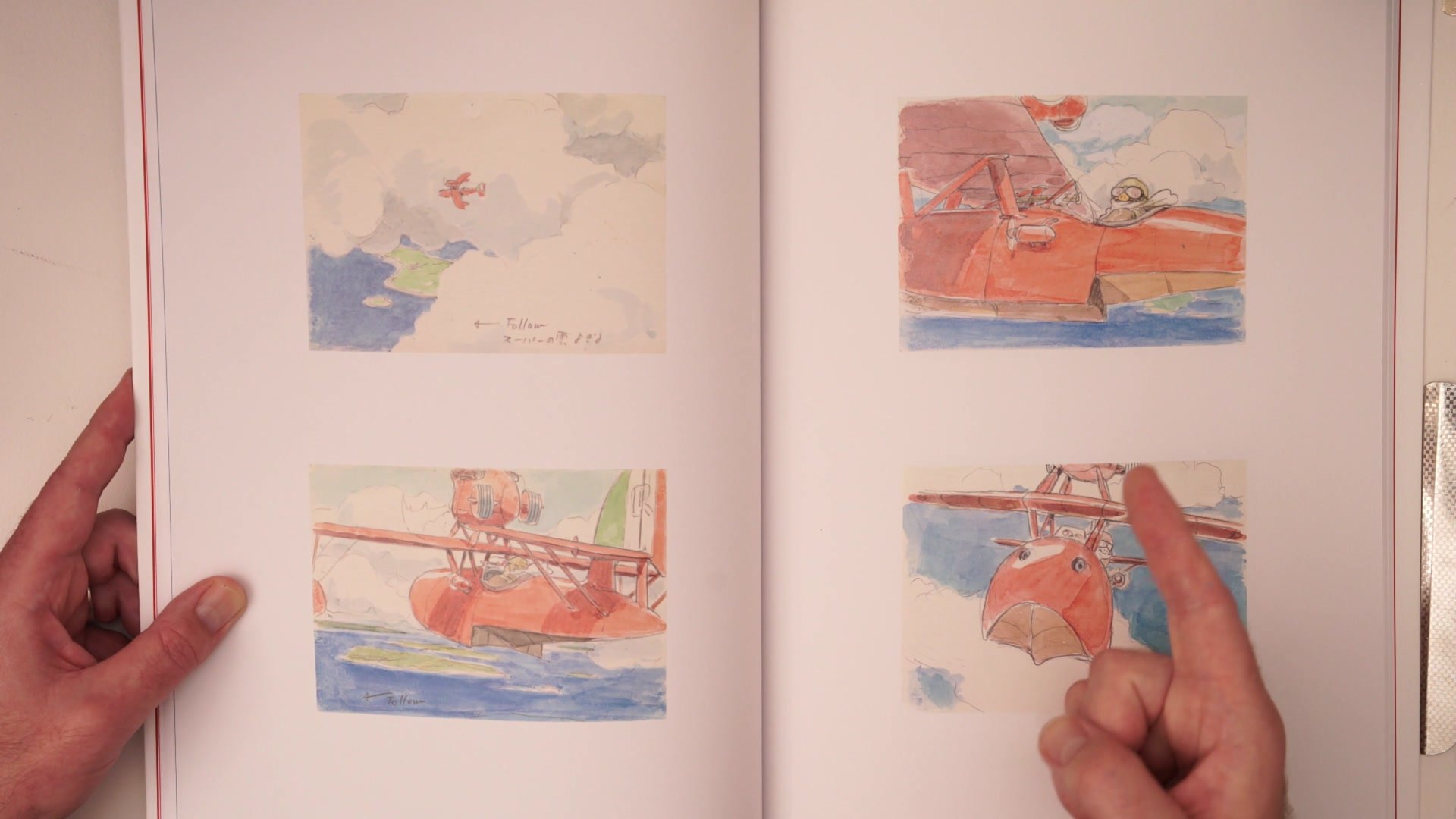
The second lesson comes from Porco Rosso, which has one of the most interesting origin stories of any Miyazaki film. It started as small episodic comic strips created for a model-making magazine, built around a hobby of model airplanes and a fascination with that particular era of aviation. From there it was pitched as a 30-minute film for Japan Airlines, designed for businessmen on domestic flights who just wanted something fun and carefree. Then it expanded into a full theatrical feature. And when real-world conflict erupted near the story's locations during production in the 1990s, Miyazaki reworked the story to address the weight of actual war. The pitch changed, the audience changed, the emotional core changed. Every project goes through this kind of evolution, starting as one thing and becoming something completely different as new context, new feelings, and new understanding reshape the work. The important thing is to stay connected to the emotion and purpose behind the work, because that emotional honesty is what gives a story real resonance, even when the story itself keeps changing.
Going Deep on One Idea
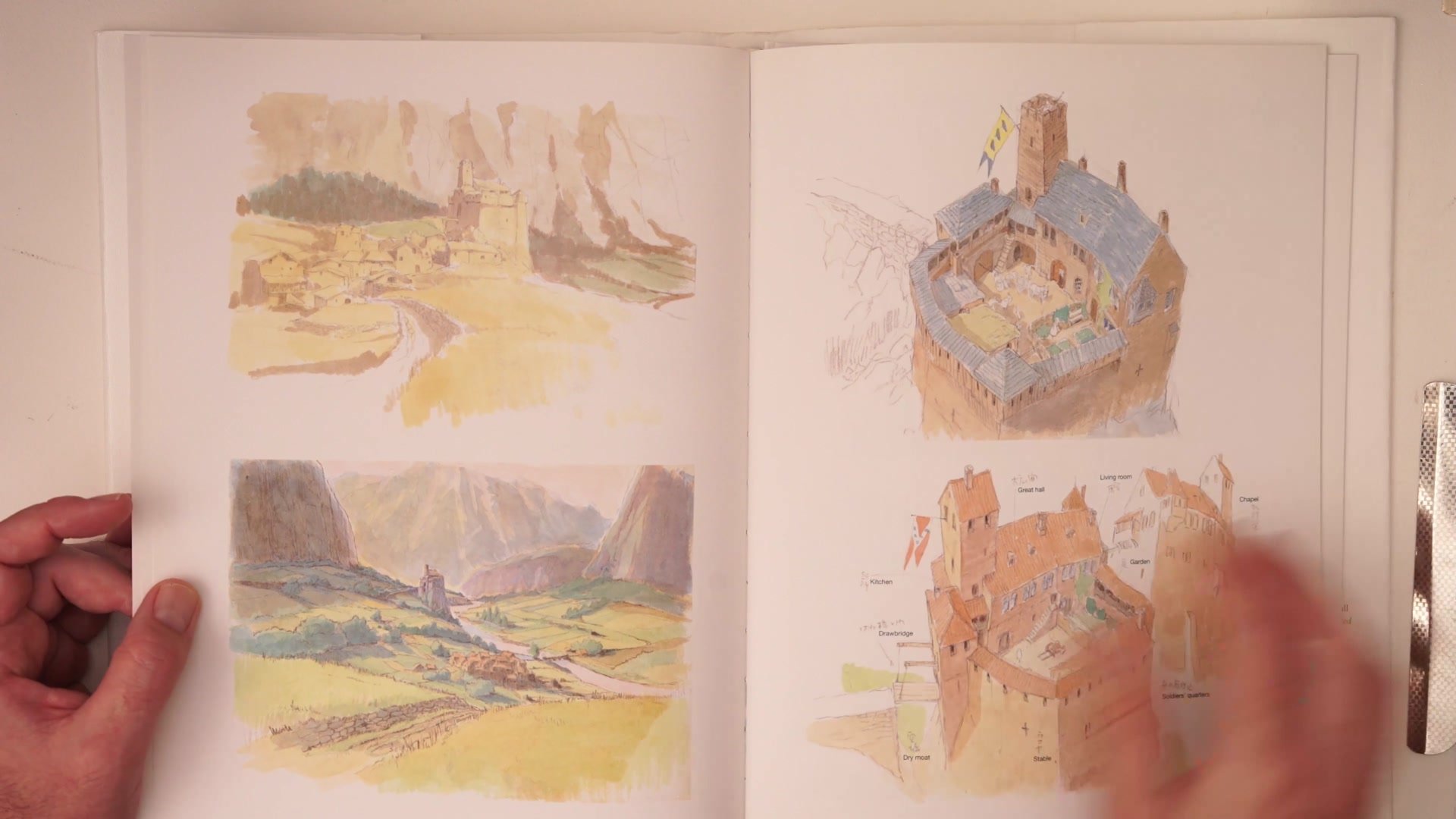
The third takeaway is perhaps the most freeing: artists don't need as many unique ideas as they think. Looking at Nausicaa, Castle in the Sky, and Princess Mononoke together, there is enormous visual and thematic connective tissue between them. Similar ecological messages, similar world types, similar design sensibilities. Miyazaki was repeating himself across these films, returning to the same core interests from different angles. And that's not a weakness. That's exactly what audiences respond to. They want to revisit familiar themes explored in greater depth. Going deep on a single creative obsession, one style, one process, one type of world, produces stronger, more distinctive work than trying to cover every genre and every style. The edges stay sharp instead of getting filed down by variety for its own sake. If the only idea that excites you is the one you've been thinking about for years, that might be exactly the right place to start.
Key Concepts
Creative Chaos Is Normal: Miyazaki's earliest films started as one big connected mess of ideas. That kind of chaotic, overlapping creative thinking isn't a sign of failure or disorganization. It's how most real creative projects begin, even at the highest levels of professional production.
Every Project Has Its Own Journey: Porco Rosso went from model magazine comic strips to a Japan Airlines short film to a full theatrical release, changing in scope and emotional direction at every stage. Projects evolve in unpredictable ways, and the starting point rarely predicts the destination.
You Only Need One Idea: Miyazaki returned to the same themes, visual motifs, and world types across his career. Going deep on a small number of core creative obsessions produces stronger, more recognizable work than chasing variety across genres and styles.