Draw Manga with the Loomis Method
Summary
The Loomis Method for Manga
The Loomis Method gets taught as a structural system for drawing realistic heads, but most manga artists never use it the way textbooks describe. Manga faces are not structural in the traditional sense. They rely on iconography, simplified features, and emotional clarity rather than anatomical accuracy. So does that mean the Loomis Method is useless for manga? Not at all.
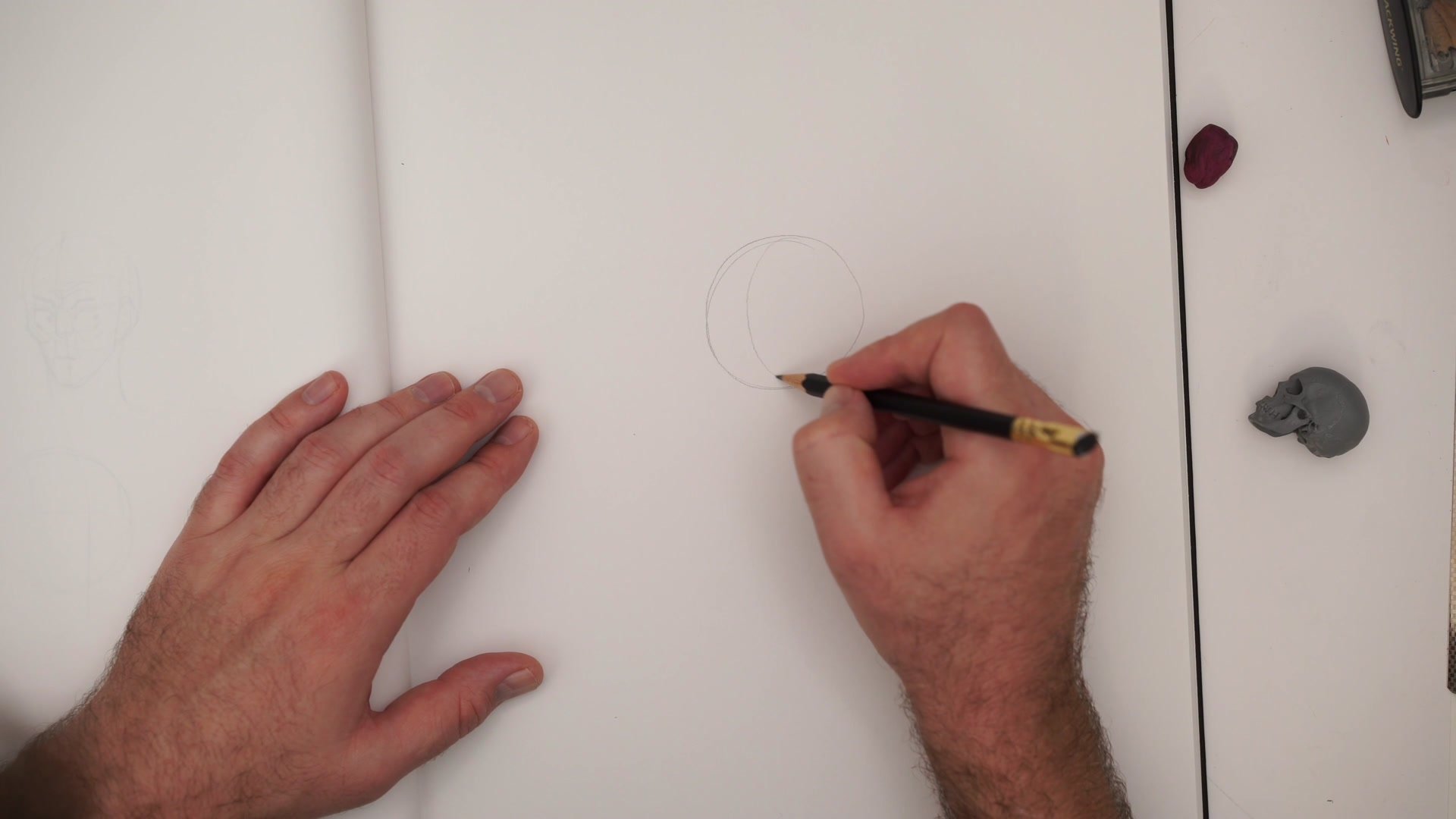
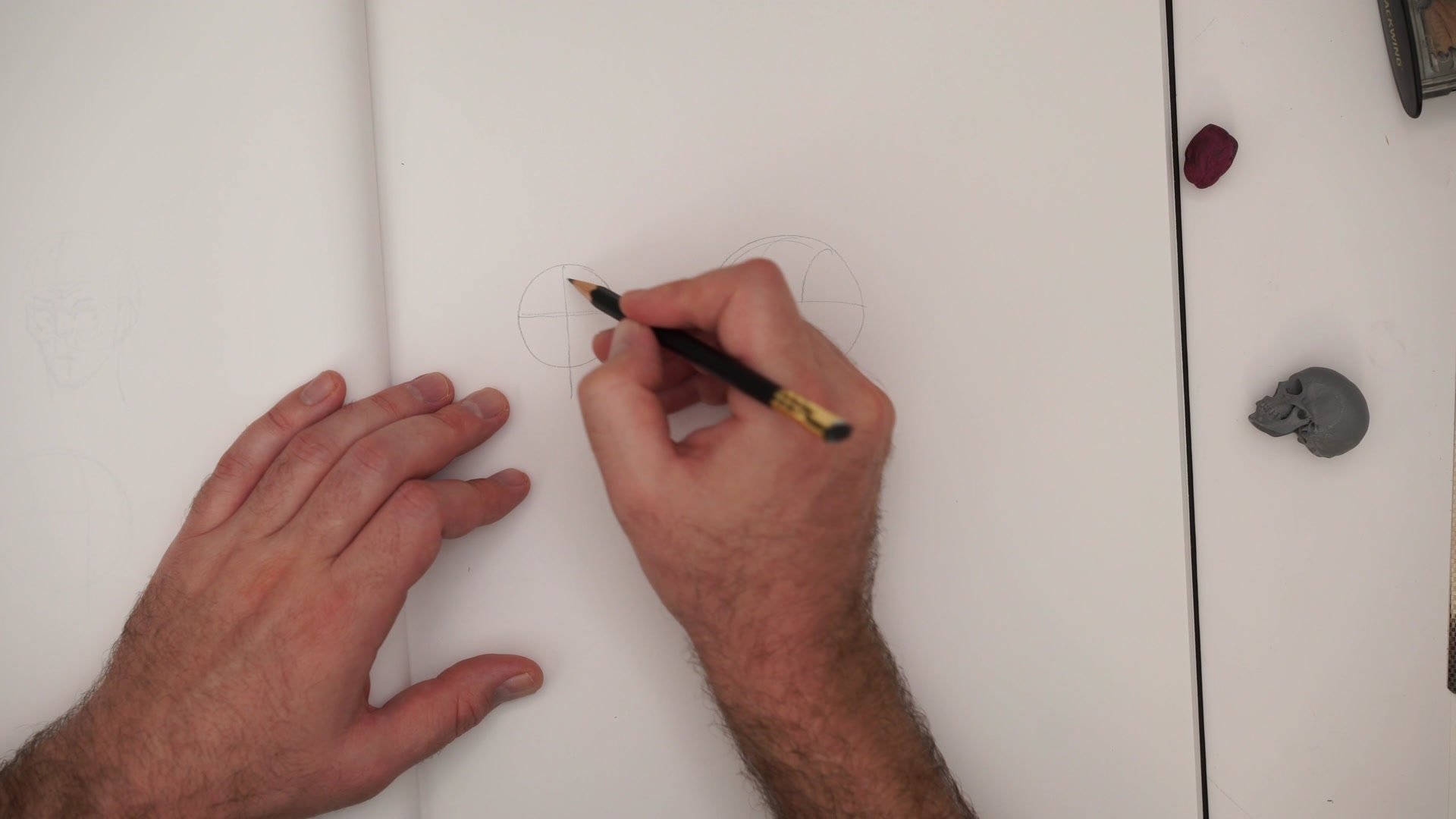
The trick is understanding what the Loomis sphere actually gives you. It provides proportion, rotation, and the ability to place features consistently at different angles. That structural foundation is exactly what manga artists need for blocking in heads before adding their own stylised, iconographic features on top. The method becomes a launching pad rather than a destination.
Blocking In the Sphere
Structure Meets Iconography
Manga drawing operates on two levels simultaneously. There is the structural layer, where proportion, angle, and dimensionality matter. Then there is the iconographic layer, where features become simplified symbols designed to communicate emotion rather than replicate anatomy. Big eyes, tiny noses, soft jawlines. These are not structural decisions. They are graphic ones.
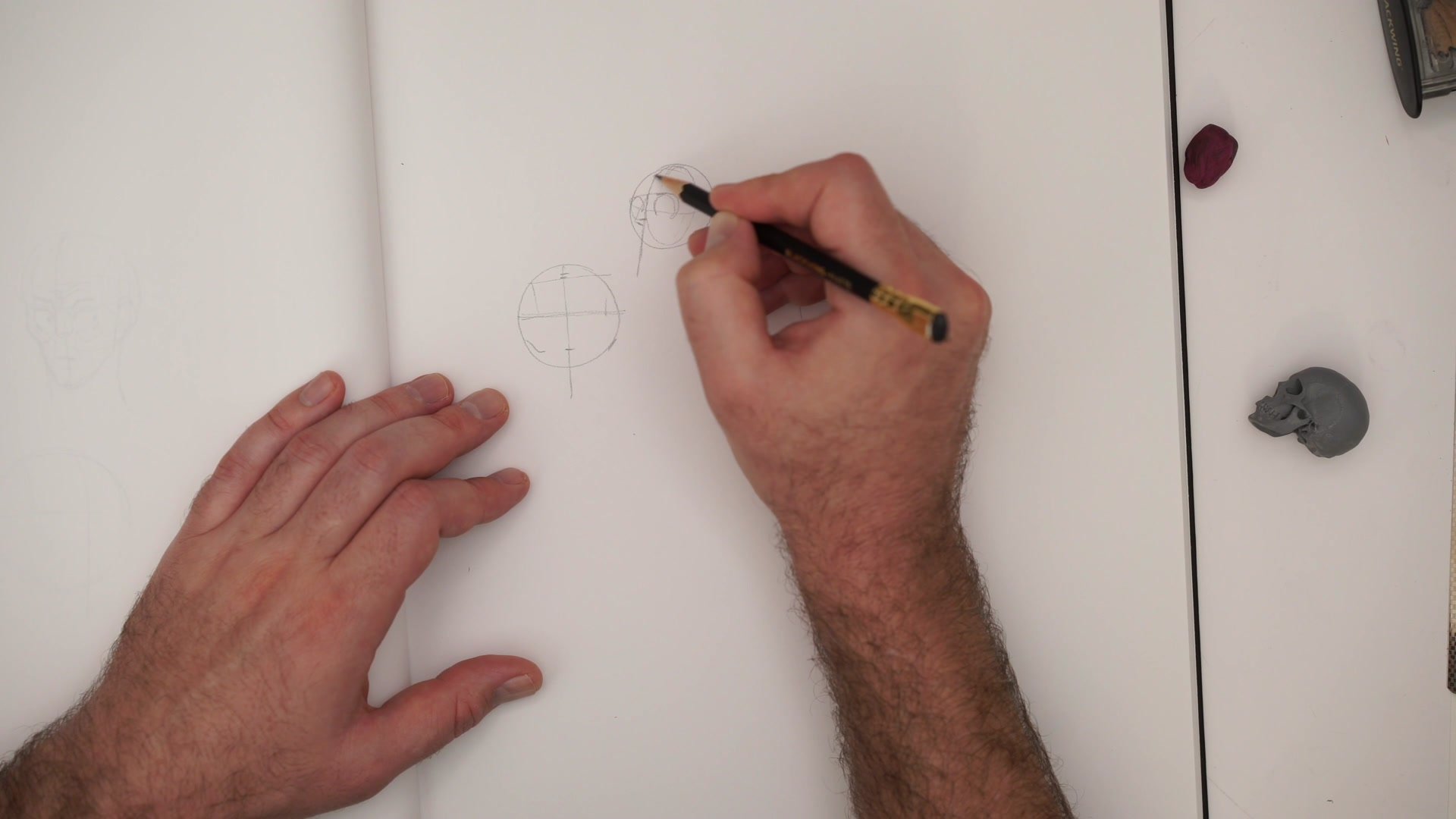
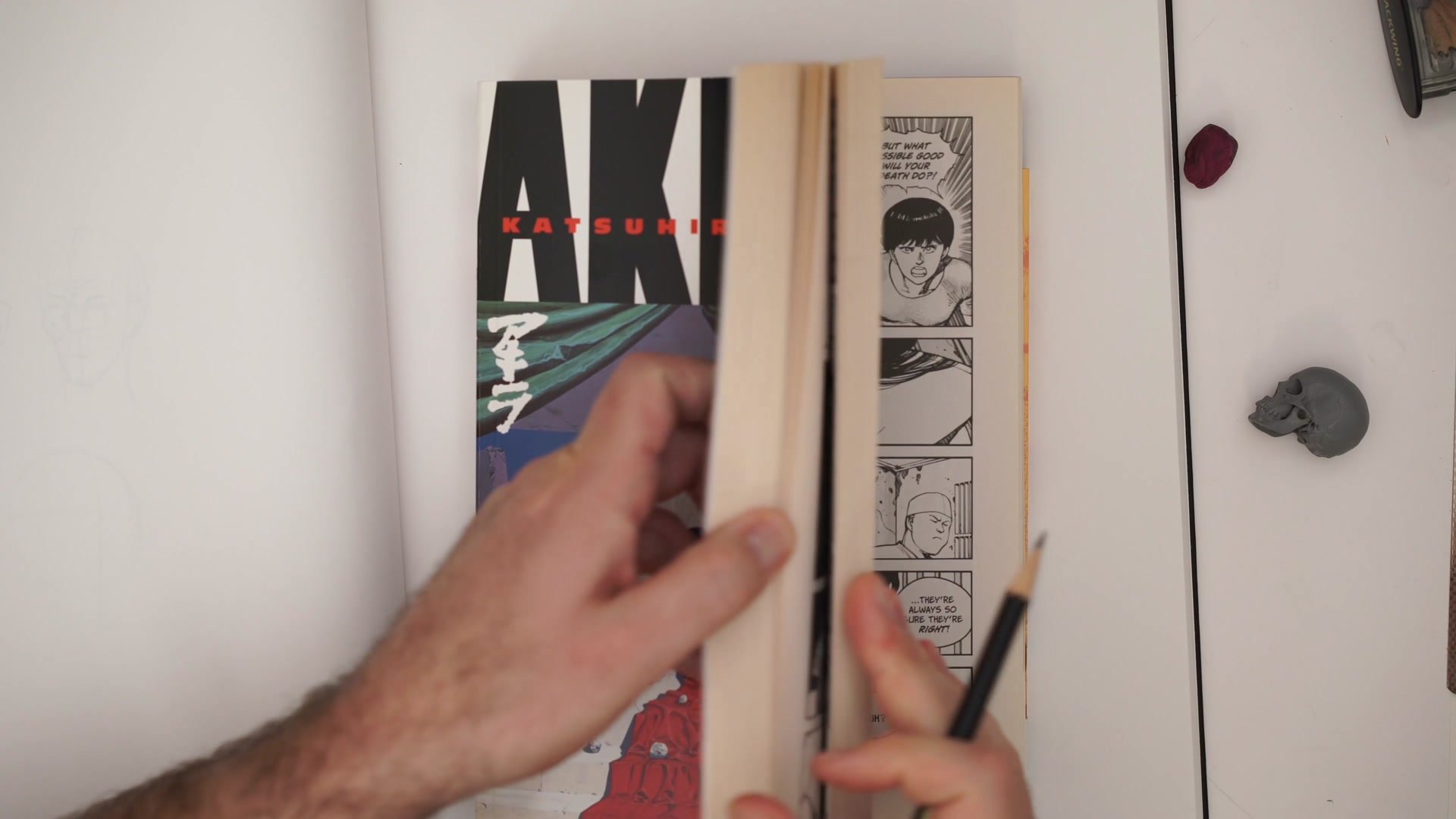
The Loomis Method handles the first layer. The sphere with its brow line and center line gives control over where the head is pointing, how the features align in three-dimensional space, and whether the proportions hold at different angles. But once that block-in is established, manga artists deviate from strict construction. The features placed on top follow the rules of style and emotion rather than anatomical accuracy. This is the same approach used across many highly stylised art forms, from One Piece to Akira, each with vastly different feature styles built on top of solid structural foundations.
Proportional Block-In
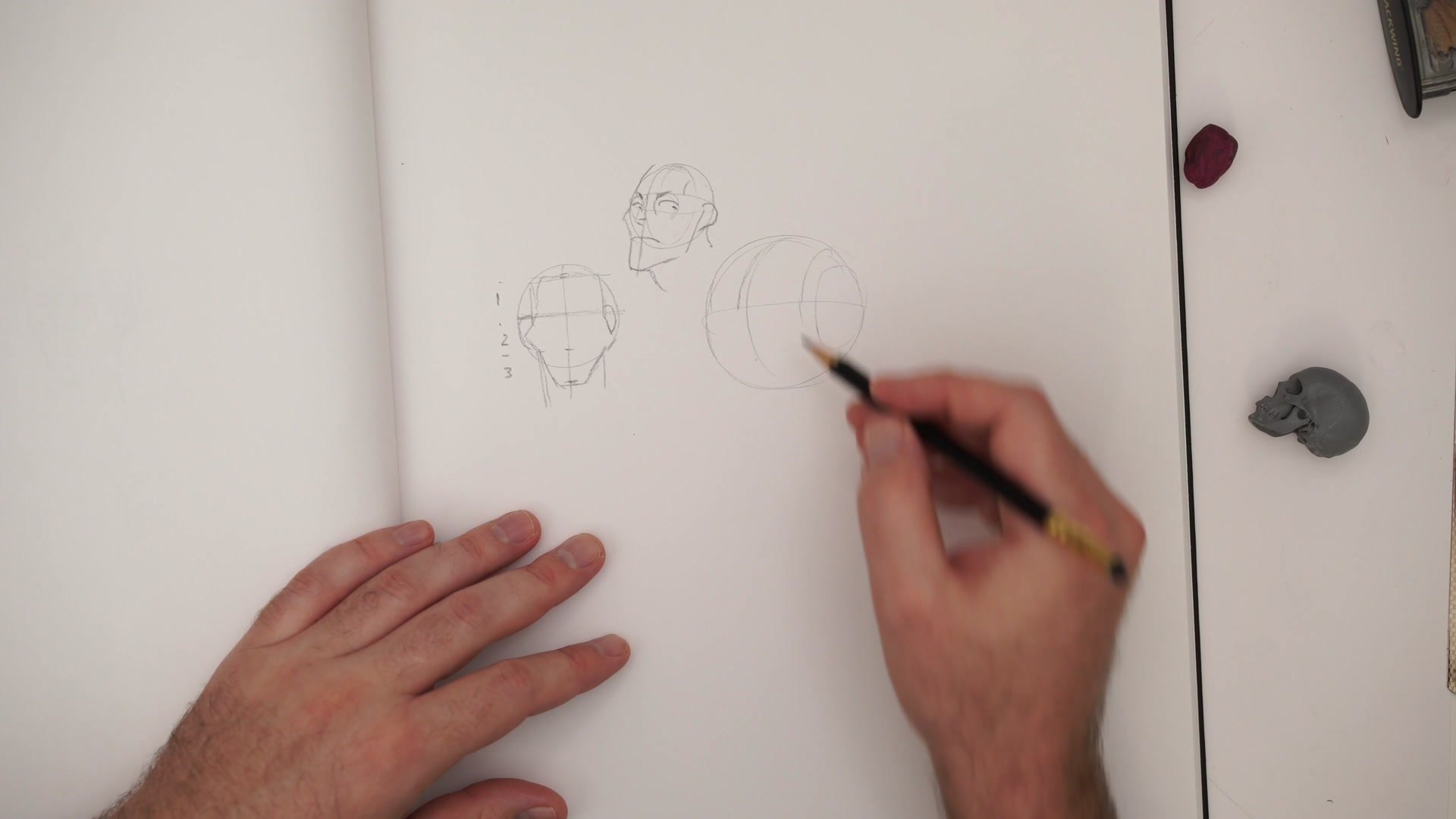
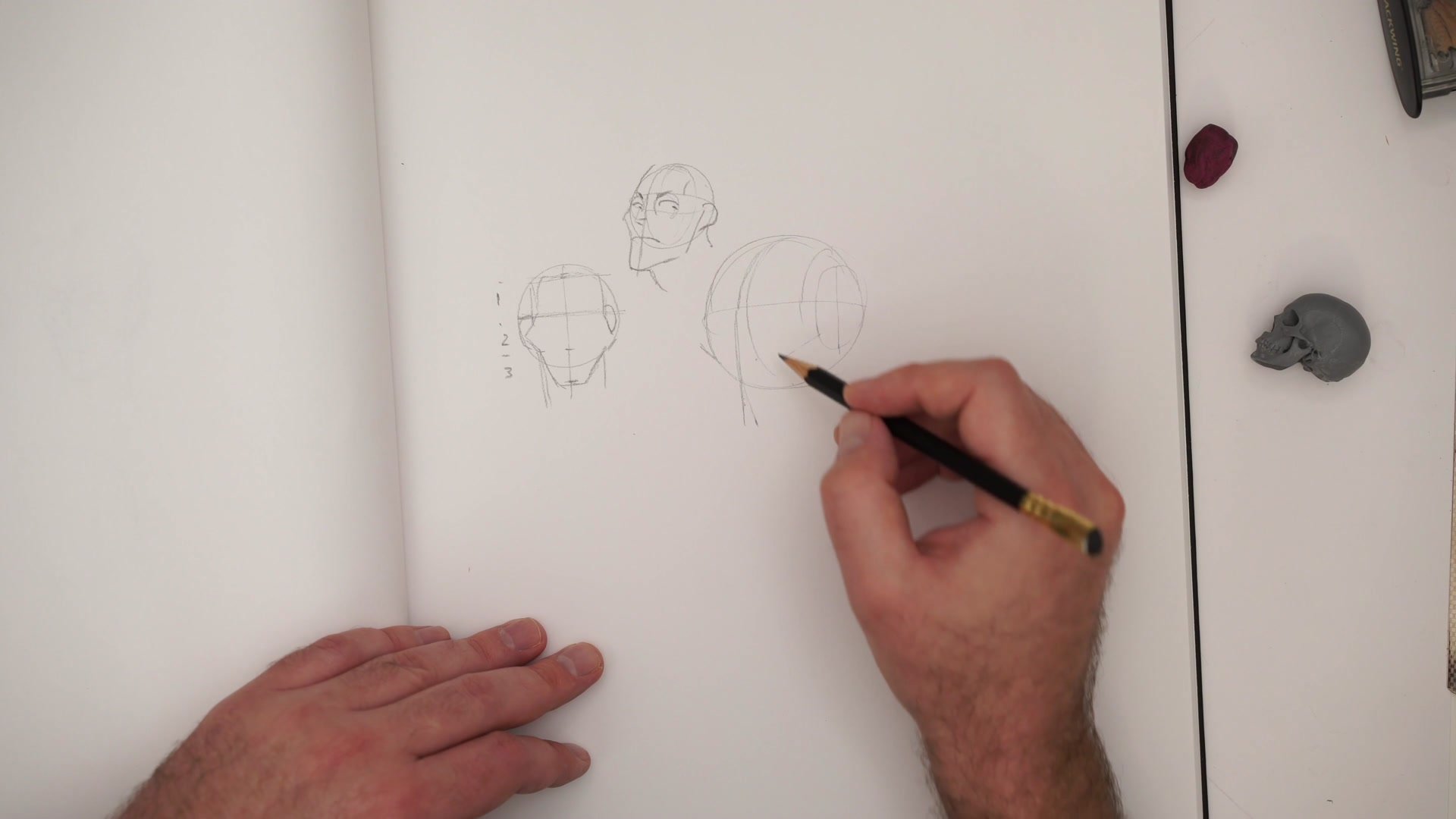
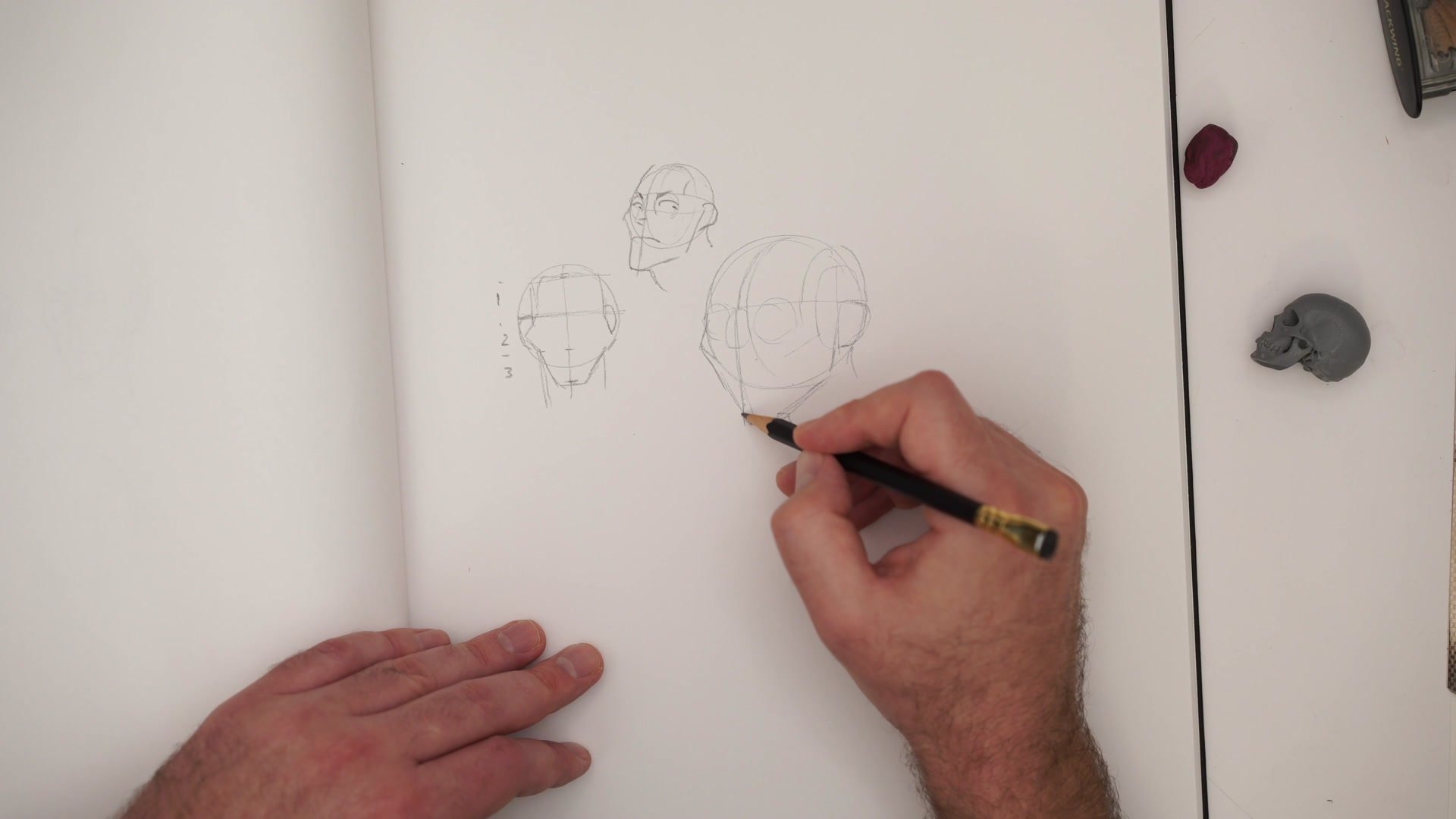
Modifying Proportions
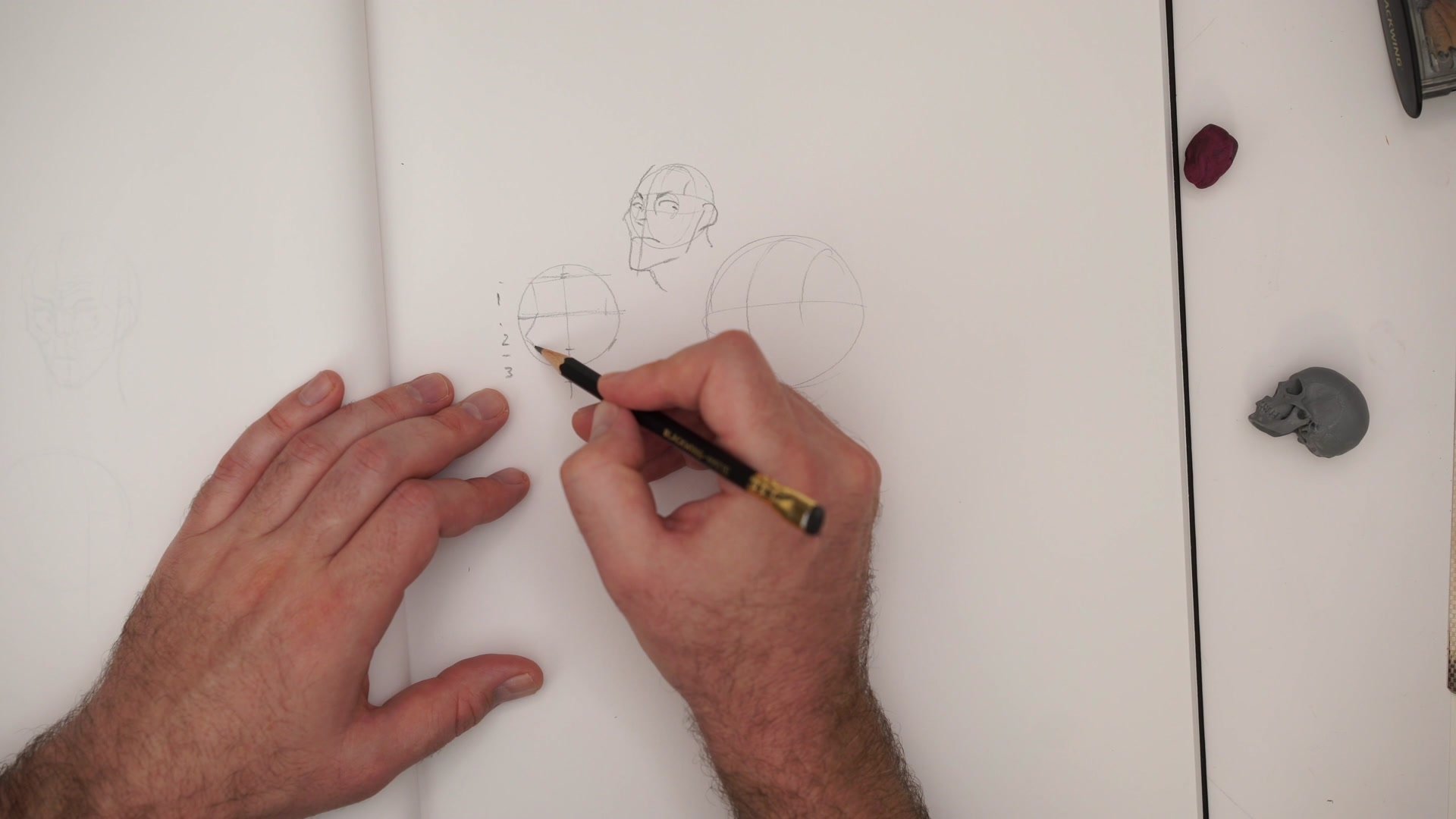
Where traditional Loomis instruction divides the face into equal thirds from hairline to brow, brow to nose, and nose to chin, manga proportions shift these landmarks. The jaw is often pulled in rather than projecting outward. The eye area gets expanded relative to the rest of the face. The nose shrinks to a minimal indication or disappears entirely.
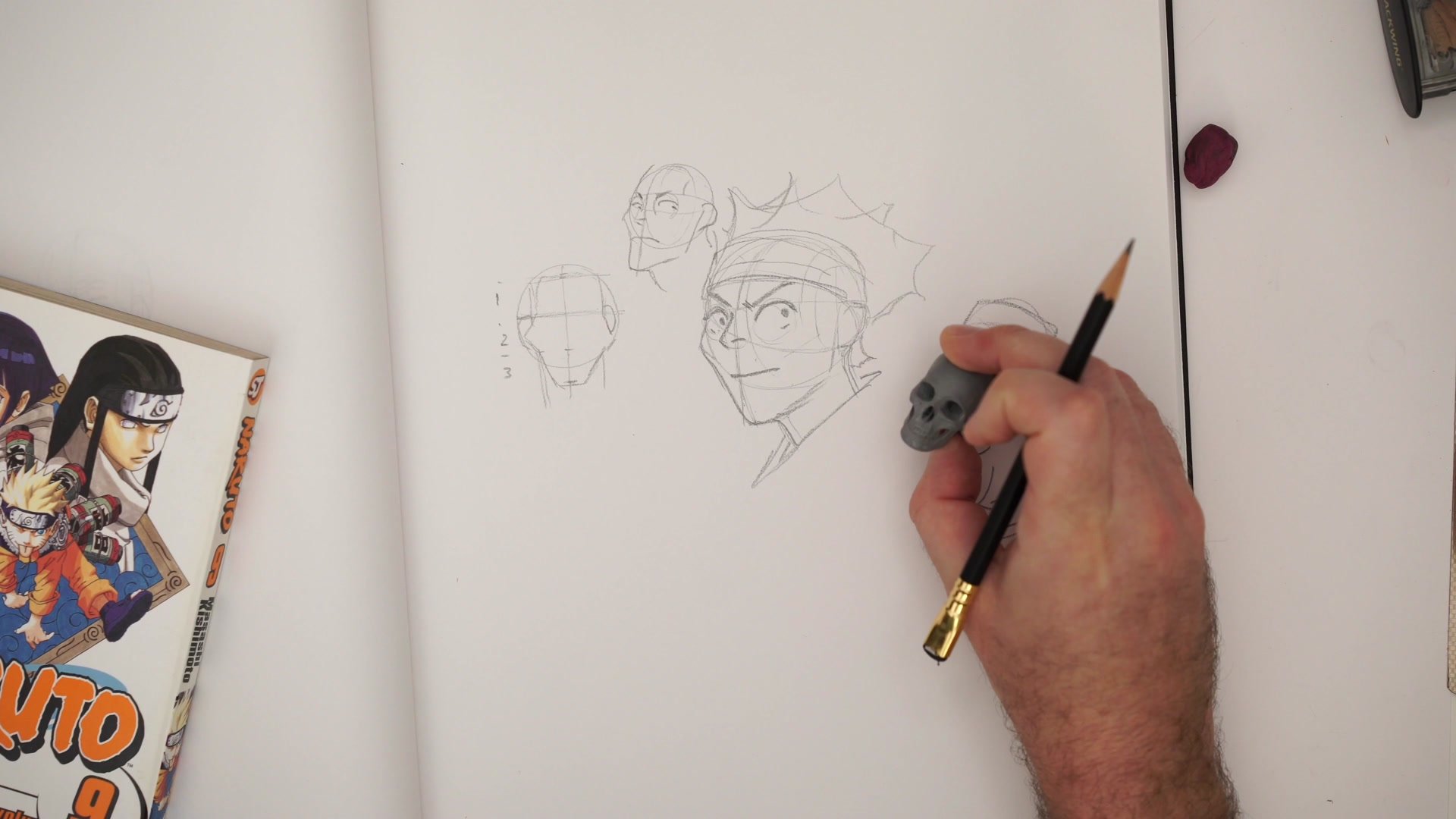
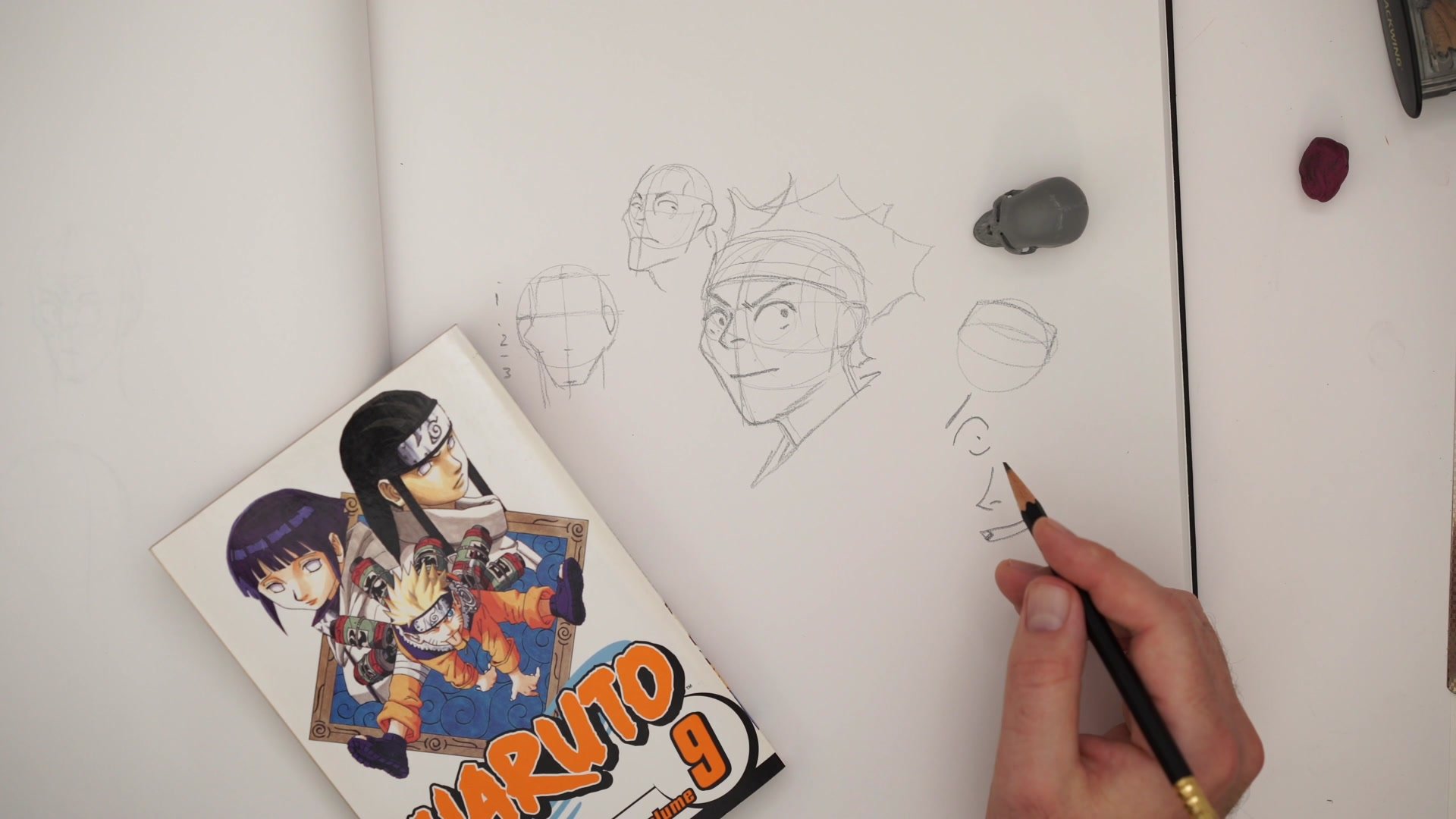
These are deliberate proportion modifications applied after the structural block-in. The sphere still works for establishing the angle and center line. But instead of placing features at the standard anatomical landmarks, manga artists adjust where those features sit based on the style they are working in. Naruto, for example, uses structural drawing throughout but applies it to proportions that serve the emotive, energetic character designs the series requires. The drawing quality is excellent precisely because there is solid construction underneath the stylisation.
Adding Stylised Features
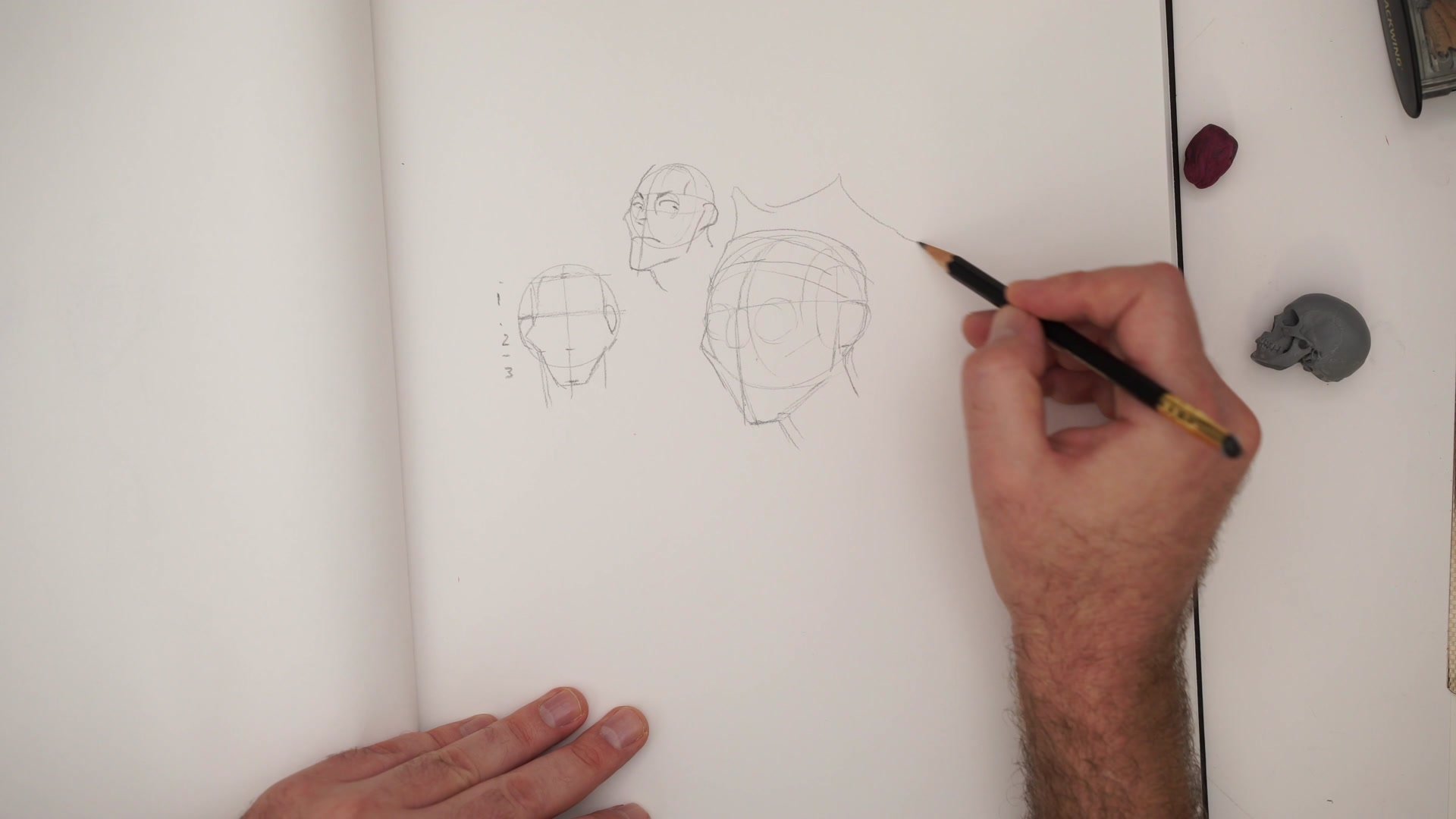
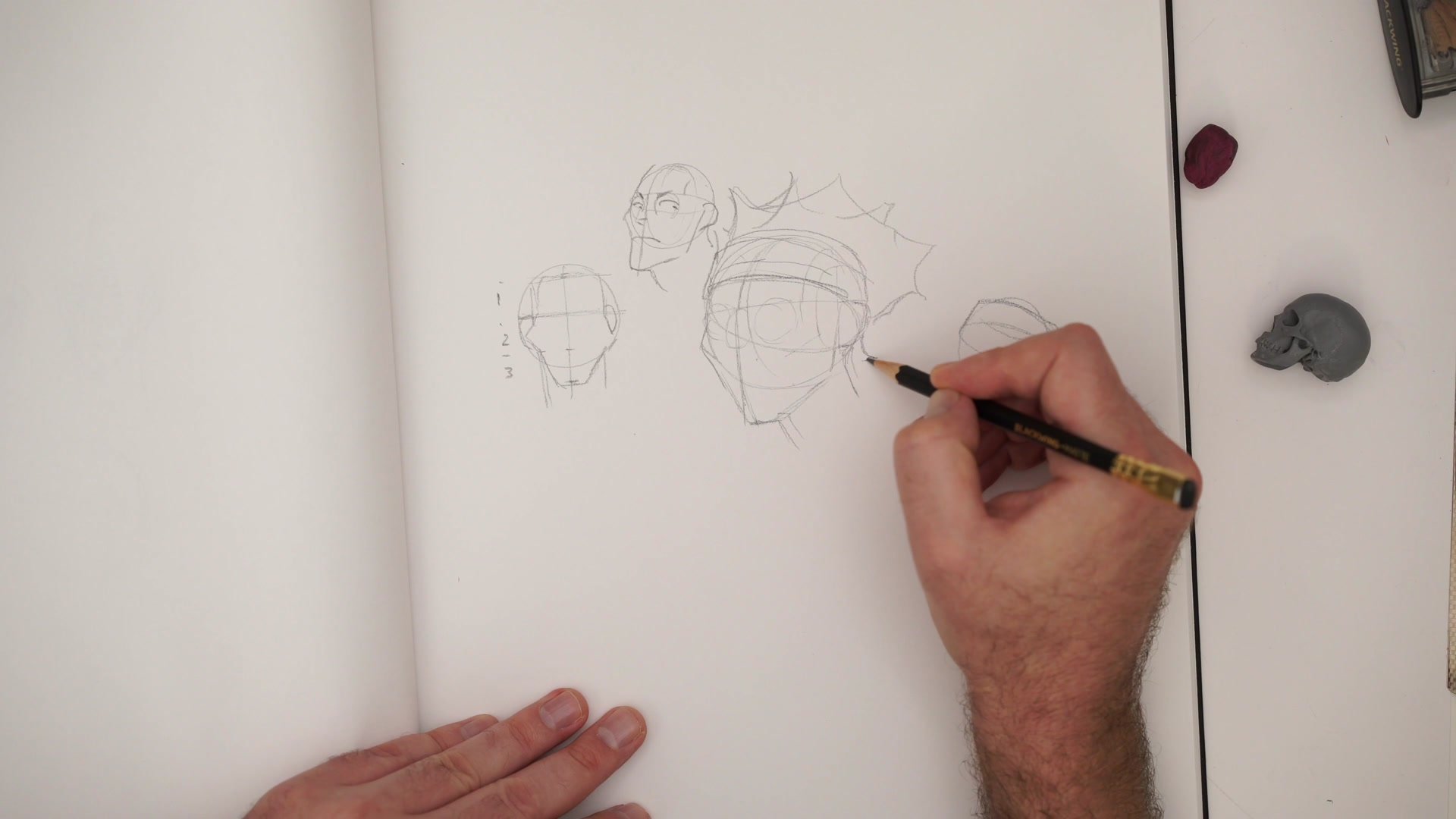
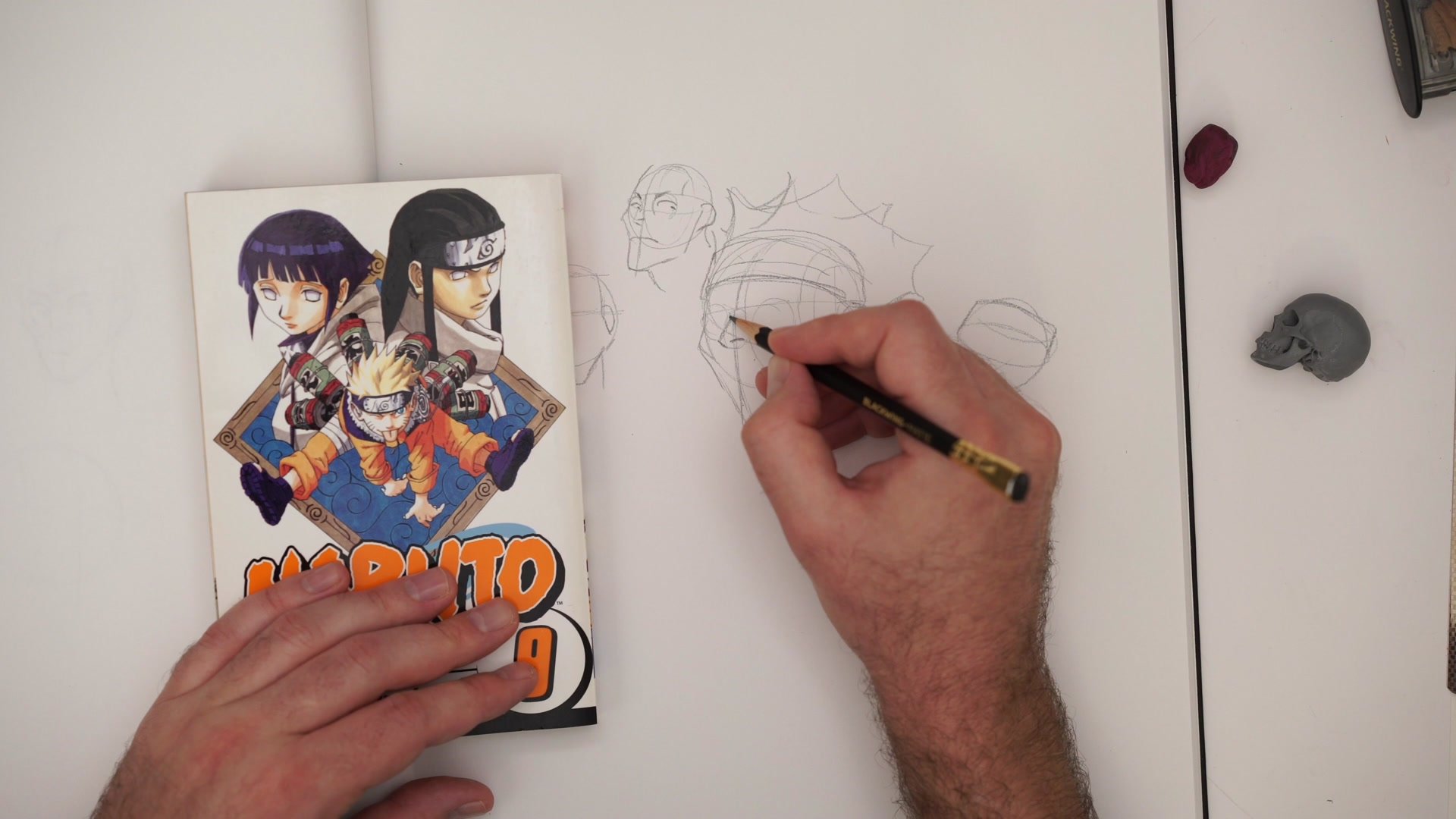
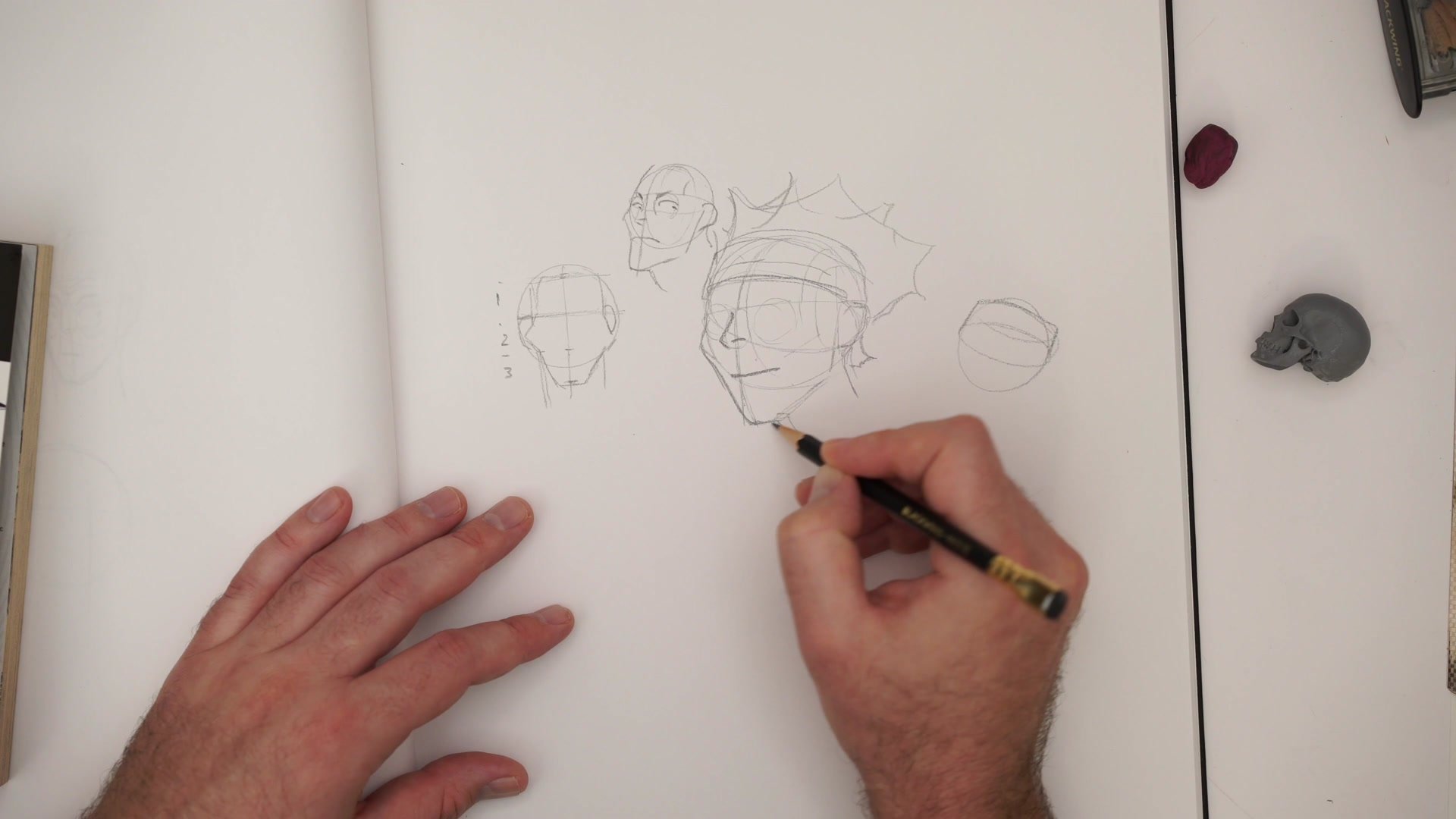
The Sphere as a Rotation Tool
One of the most practical applications of the Loomis sphere for manga is head rotation. Drawing a character looking up, turning to the side, or tilting the head at an angle becomes systematic rather than guesswork when the sphere and its wrapping lines provide the three-dimensional framework.
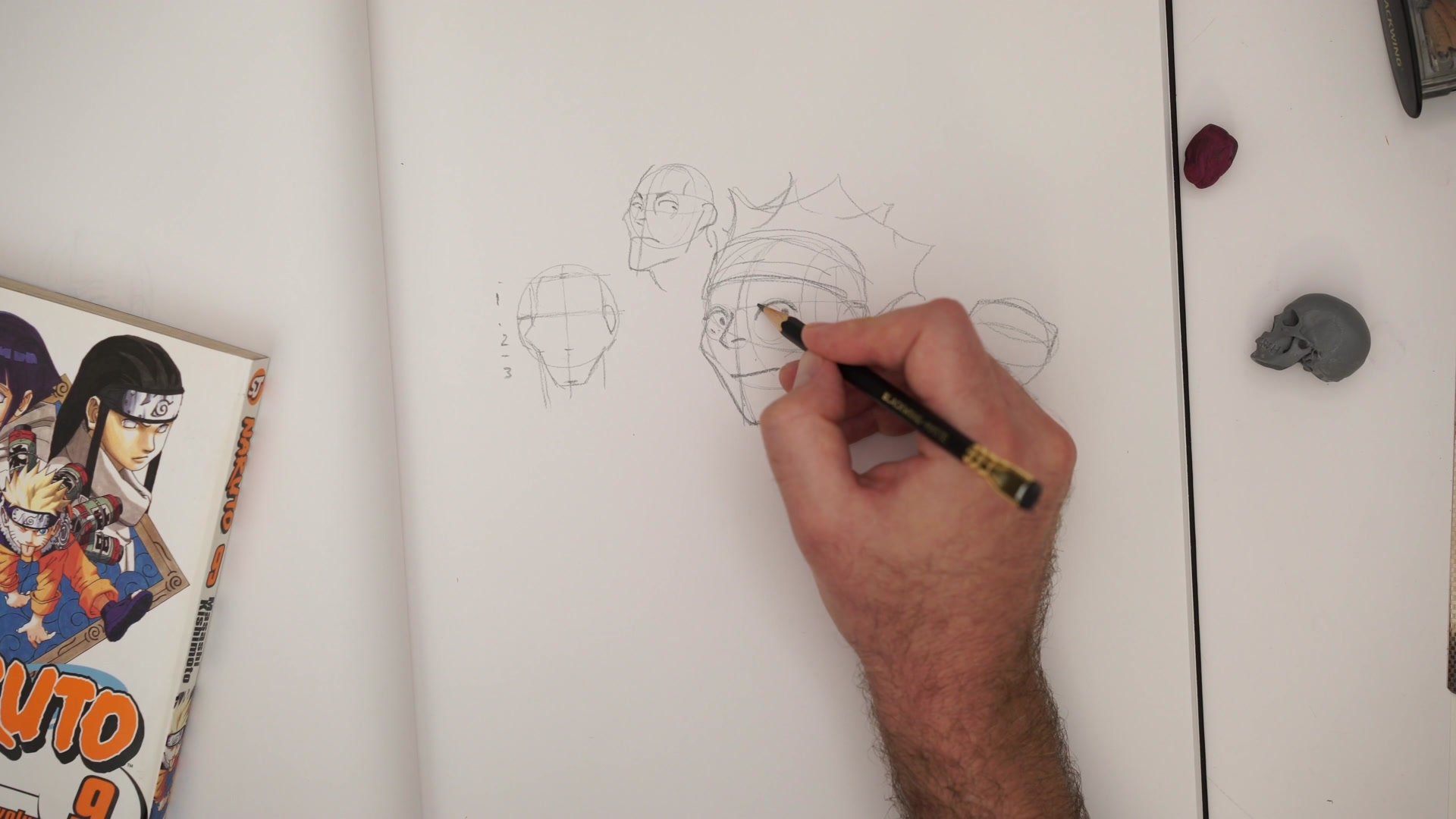
A headband wrapping across the sphere follows the same construction lines. Hair follows the form of the skull underneath. The ear placement stays consistent relative to the jaw. All of this structural logic carries directly into manga despite the stylised features sitting on top. The sphere does not dictate what the face looks like. It dictates where things go and how they move in space. Once that spatial logic is solid, the iconic features that define a manga style can be placed with confidence at any angle, and that is what separates professional manga drawing from amateur work that only works from one memorised front-facing template.
Completed Manga Construction
Key Principles
Structure Then Style: Use the Loomis sphere to block in proportion and angle first, then deviate from strict construction when adding iconographic manga features.
Iconography Over Anatomy: Manga features are graphic symbols designed for emotional impact, not anatomical replicas. The nose, eyes, and jaw follow style rules rather than structural ones.
Proportion Modification: Shift the standard Loomis landmarks to suit manga proportions. Pull in the jaw, enlarge the eye area, minimise the nose, but keep the underlying sphere for spatial consistency.
Rotation Control: The sphere enables drawing manga heads at any angle. Without it, stylised faces tend to only work from a single memorised view.
Practice This
Step 1: Draw the Loomis sphere with brow line and center line to establish head angle and proportion.
Step 2: Modify the jaw shape and feature placement to suit a manga style, pulling the chin in and expanding the eye area.
Step 3: Add iconic features on top of the construction, focusing on emotive eyes and simplified nose and mouth, then experiment with rotating the head to different angles using the sphere as your guide.