Let's Learn To Draw Kid Goku
Summary
Why Simple Beats Complex
Most artists chase complex techniques, expensive brush packs, and advanced rendering methods believing these hold the secret to professional results. Meanwhile, Akira Toriyama created one of the most influential character design legacies in history using basic lines and flat colors. The real barrier to finishing artwork is not a lack of tools or techniques. It is the absence of a simple, reliable process that takes any idea from initial spark to completed illustration.
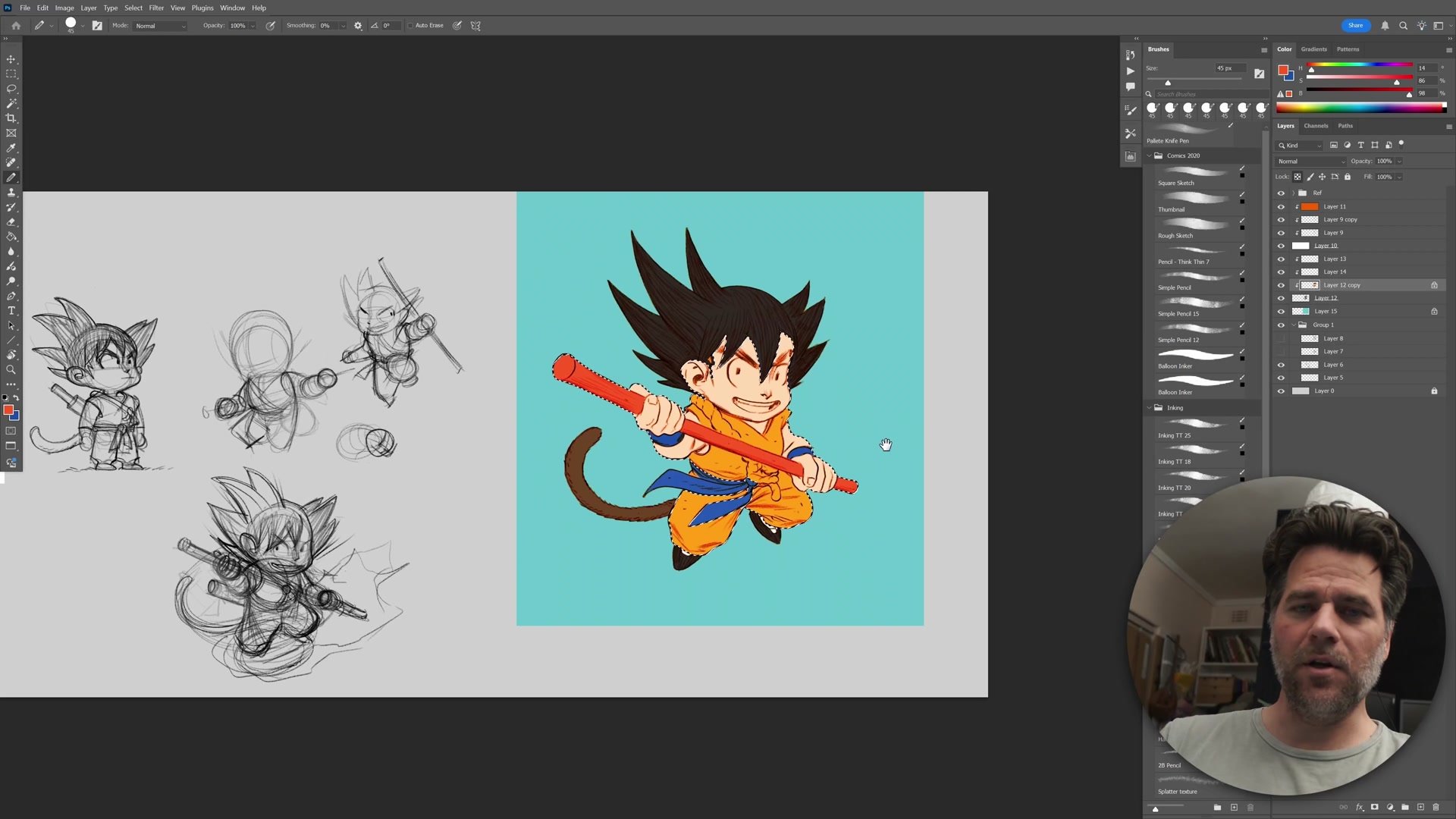
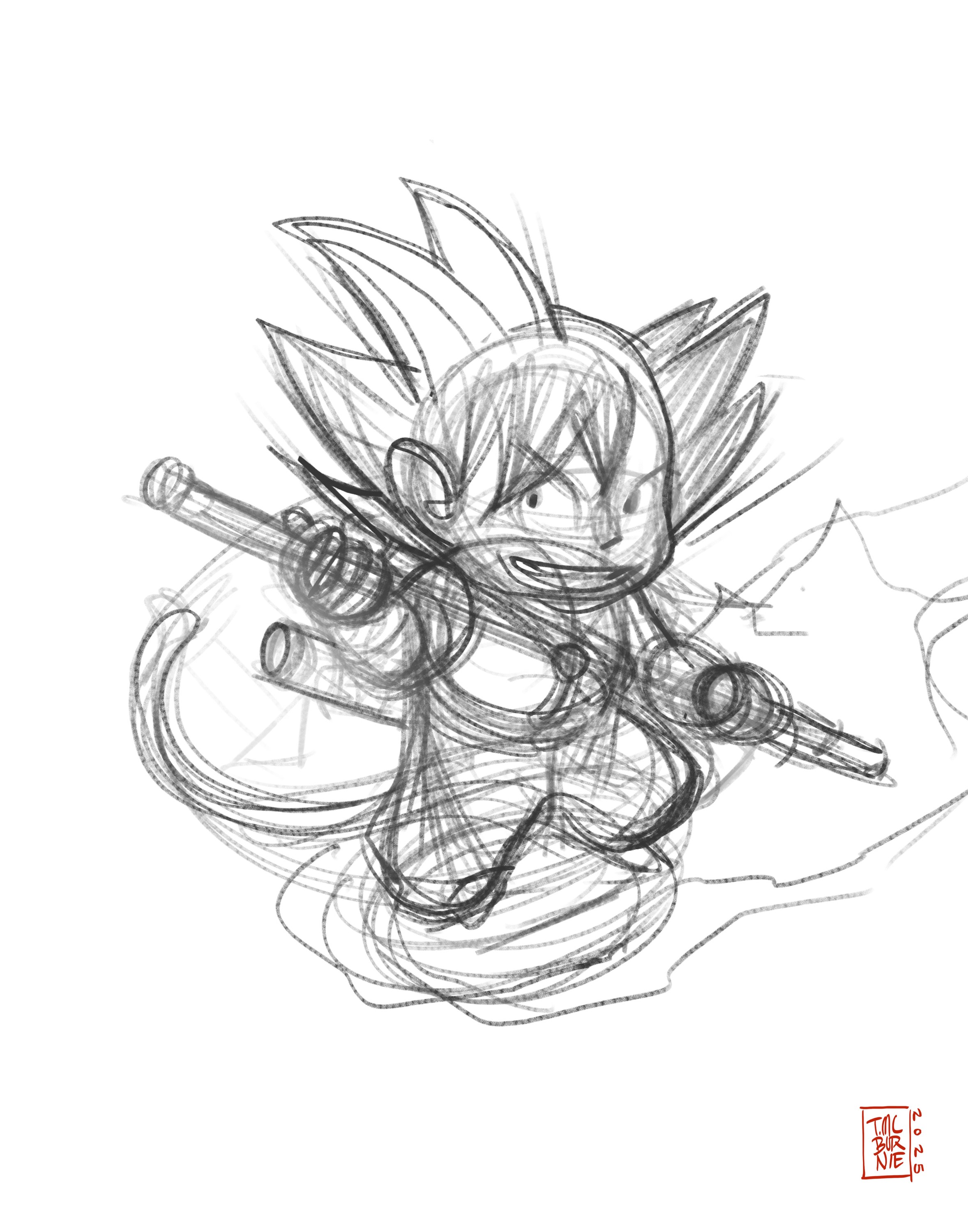
This demonstration uses Kid Goku to teach that four-stage workflow: sketch, construction drawing, clean lines, and flat color. Two brushes, no fancy rendering, no shortcuts. When we strip away everything unnecessary, what remains must be excellent, and that constraint is exactly what builds genuine drawing skill.
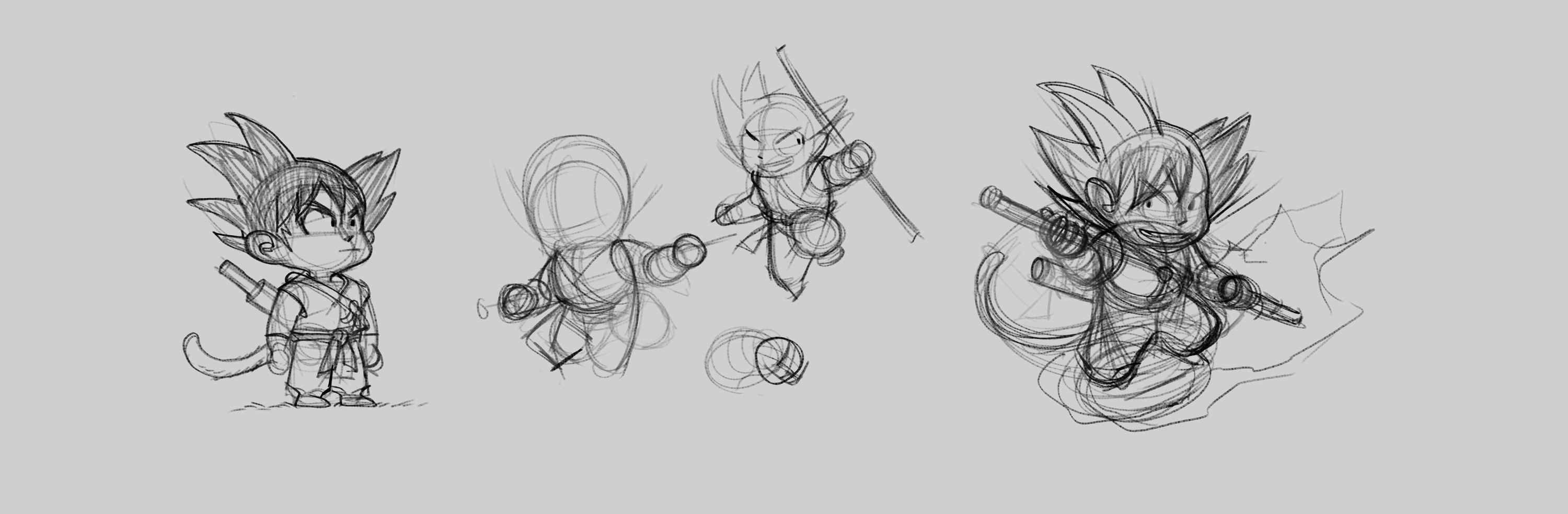
Proportion and Jelly Beans
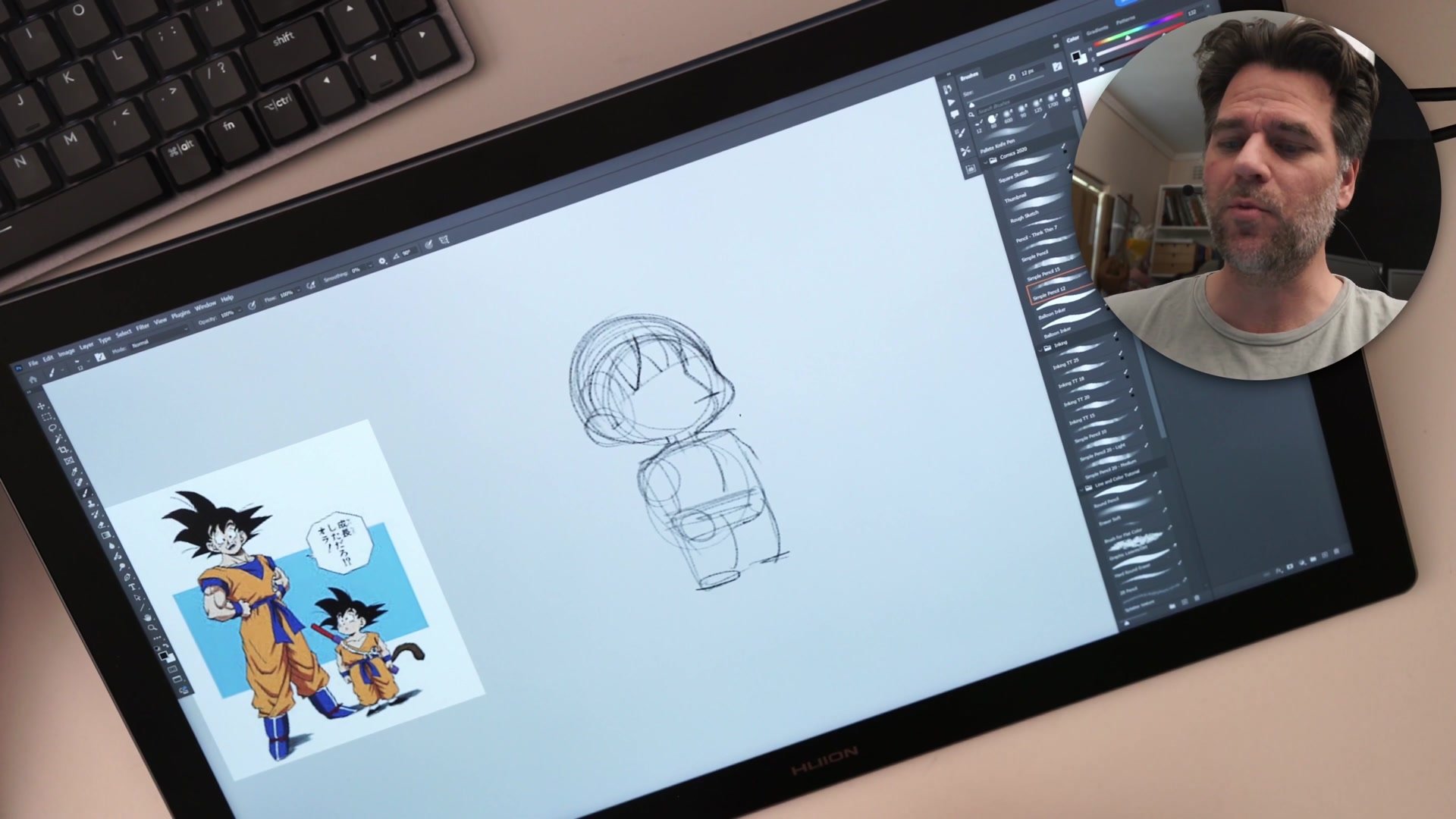
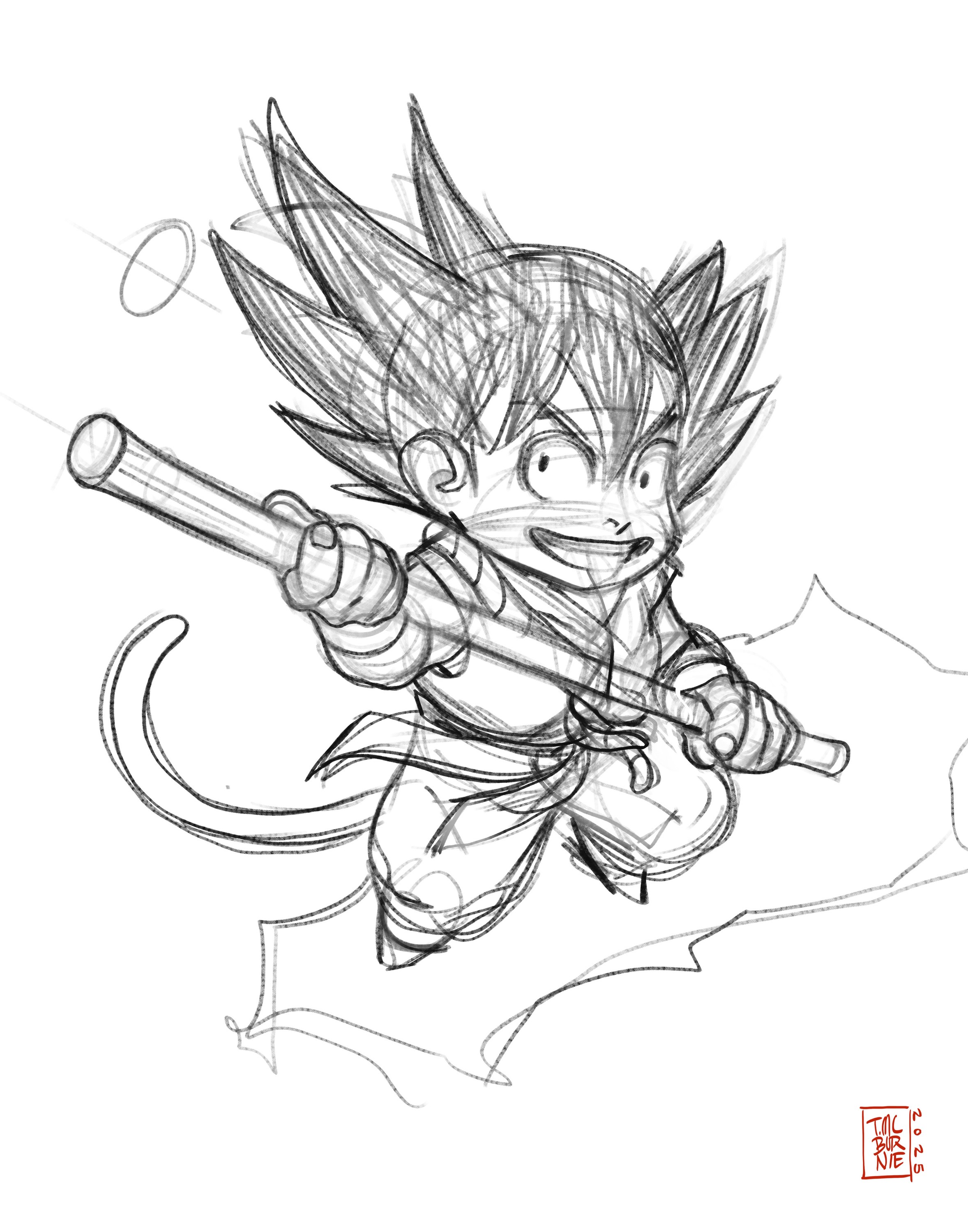
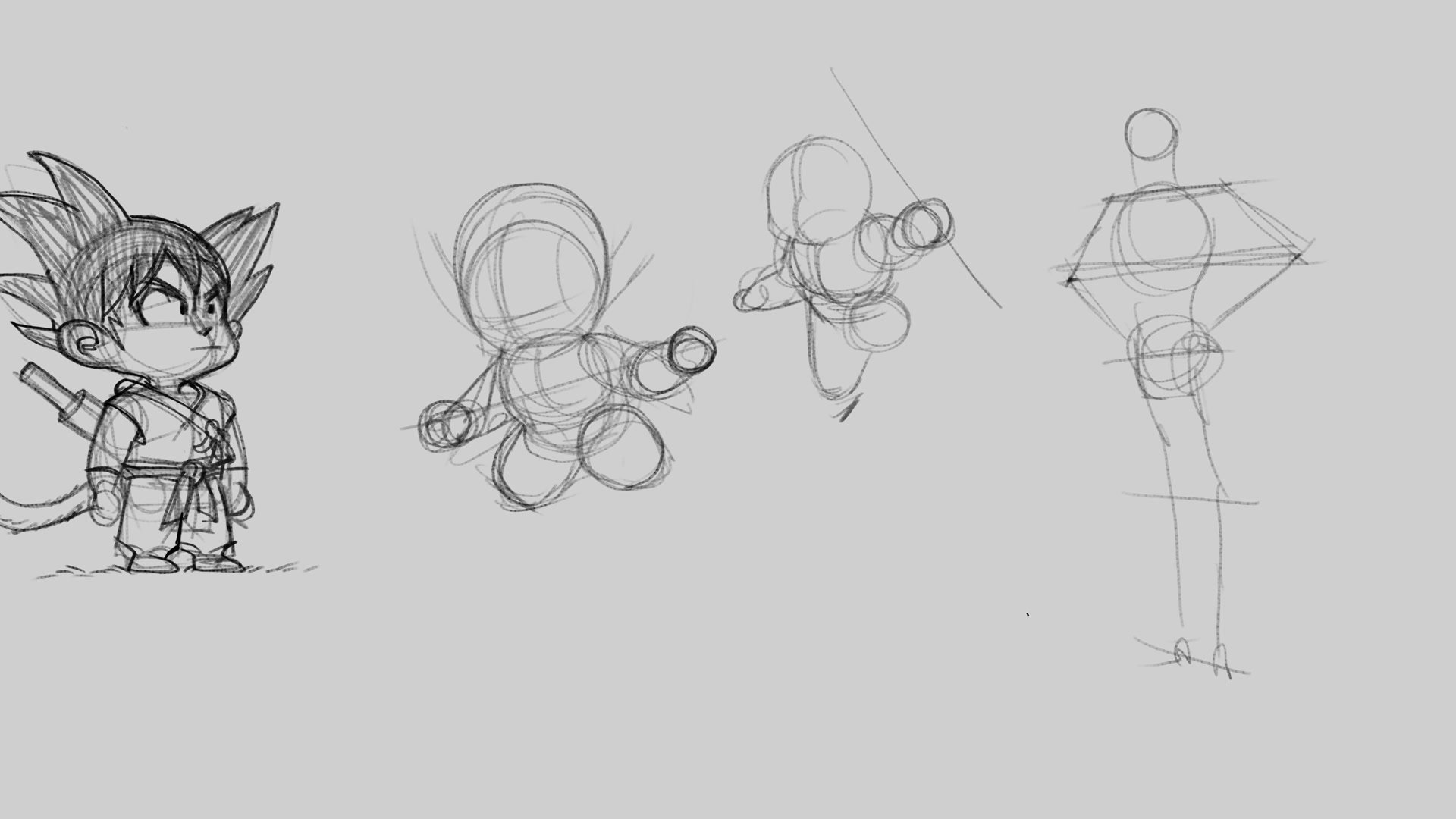
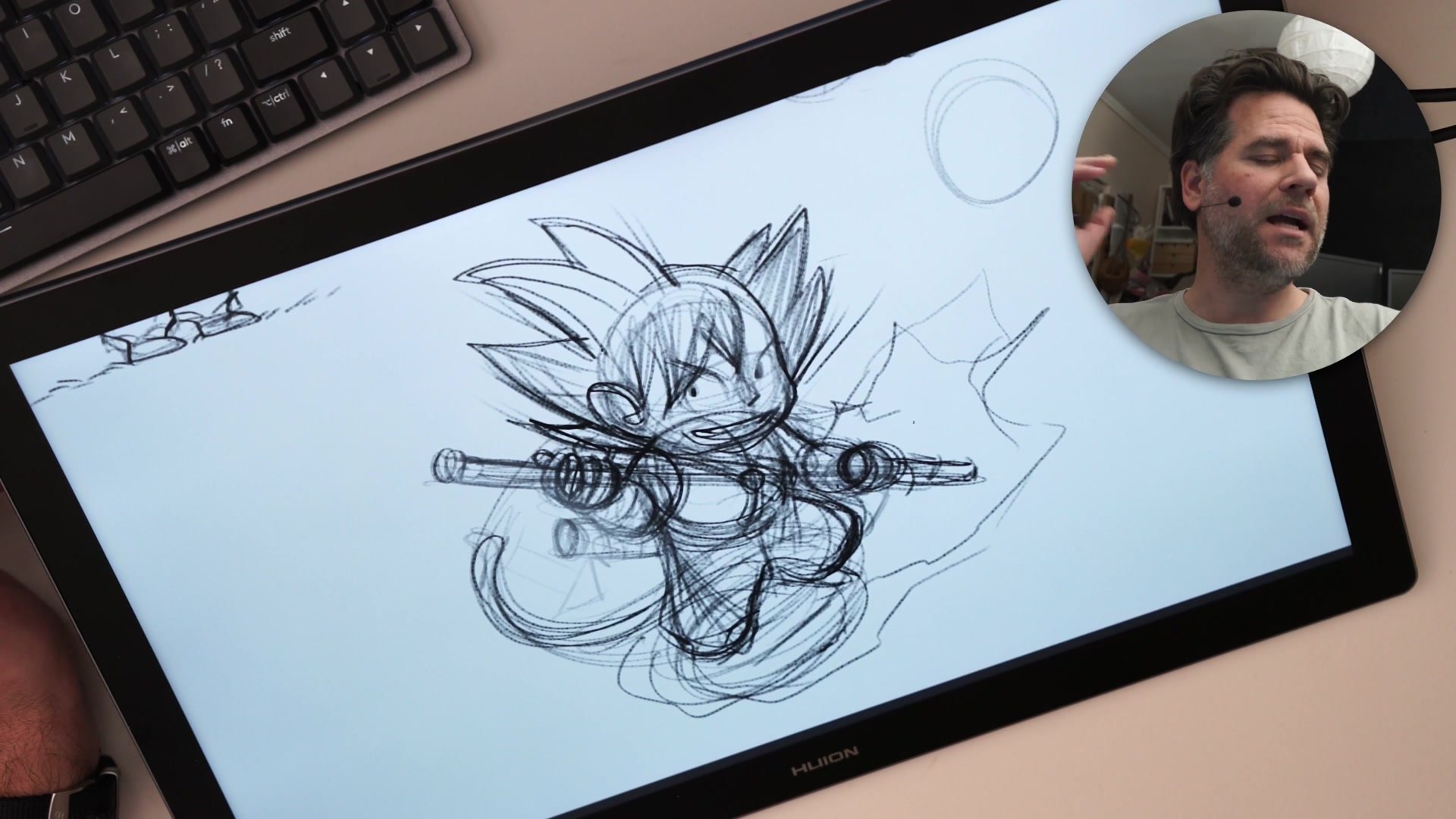
Breaking down a compact character like Kid Goku starts with proportion. At roughly two to two-and-a-half heads tall, the entire figure depends on getting that head-to-body ratio right before anything else matters. The sketch phase focuses purely on this, capturing gesture and proportion without worrying about clean lines or finished details. Many artists derail here by trying to create final art in their sketch, but the sketch is a planning tool and nothing more.
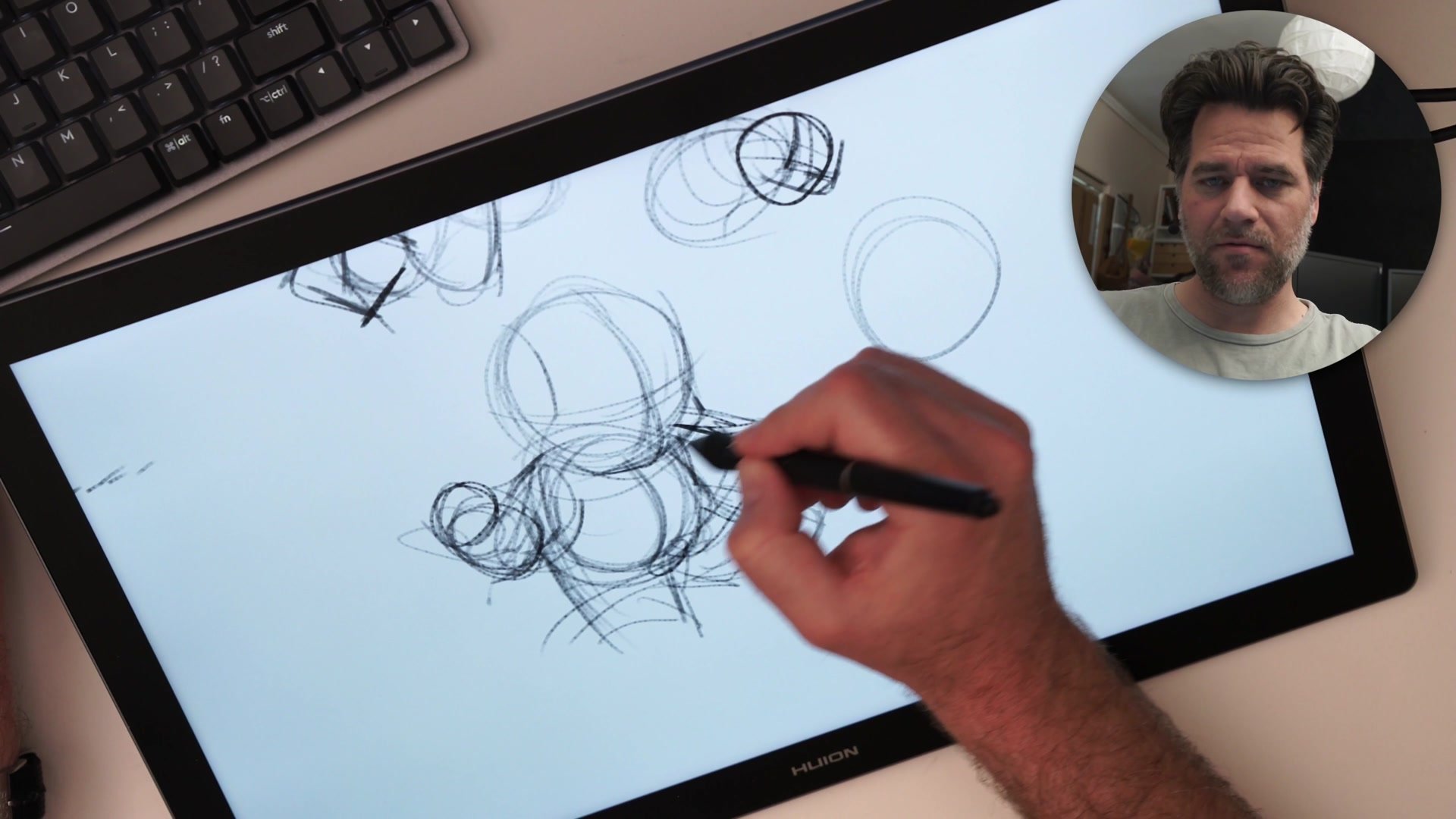
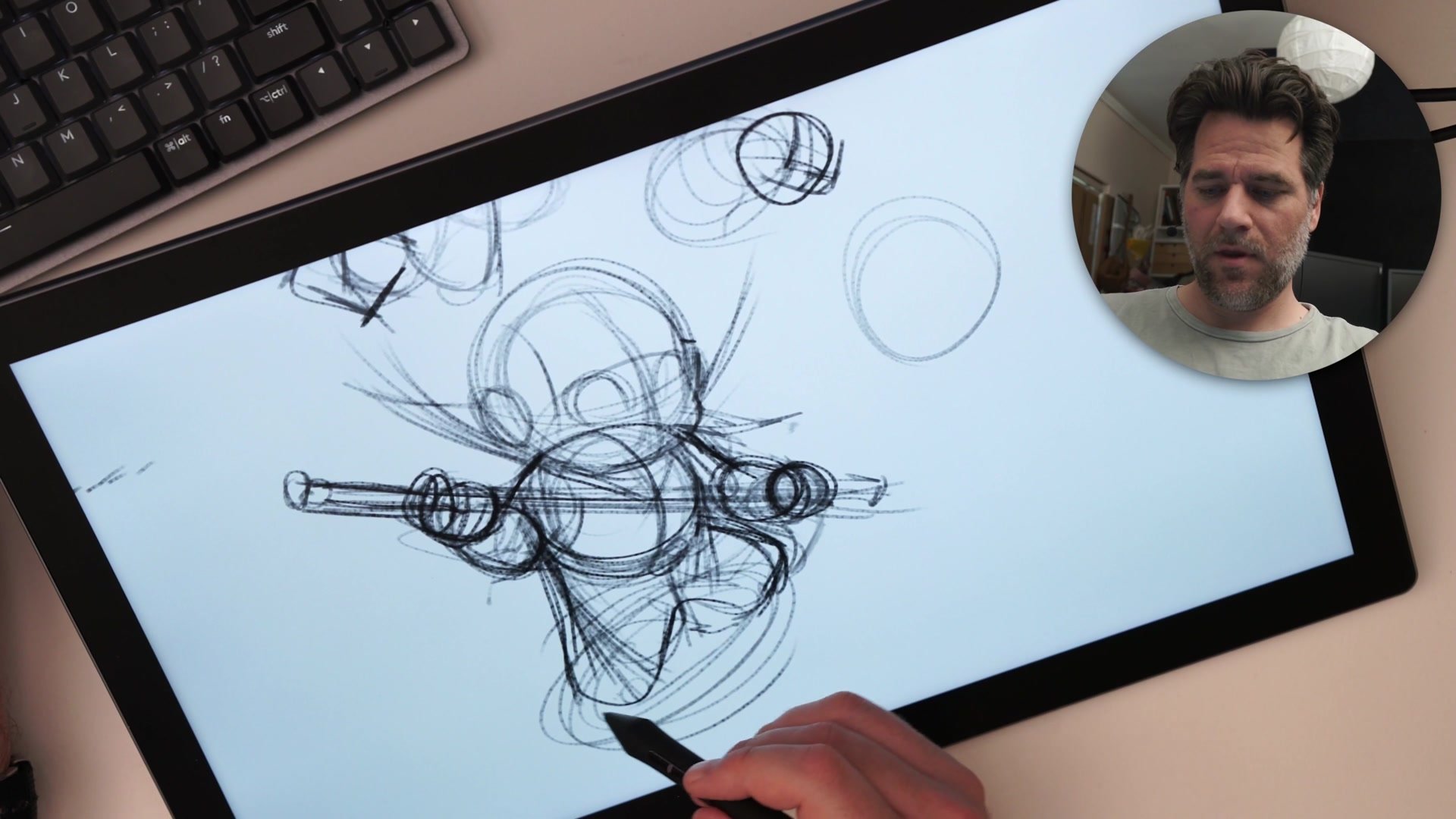
For chibi-proportioned characters, traditional skeletal anatomy gets in the way. Instead, the construction phase thinks in overlapping jelly bean shapes. The torso becomes a three-dimensional bean, arms and legs are simple cylinders, hands are spherical blobs with banana fingers. This approach prioritizes how forms overlap in space rather than articulating every muscle. The overlap of simple shapes is what creates convincing dimension, not anatomical complexity. Getting these big shape relationships right is what makes everything downstream flow naturally.
Construction Builds Confidence
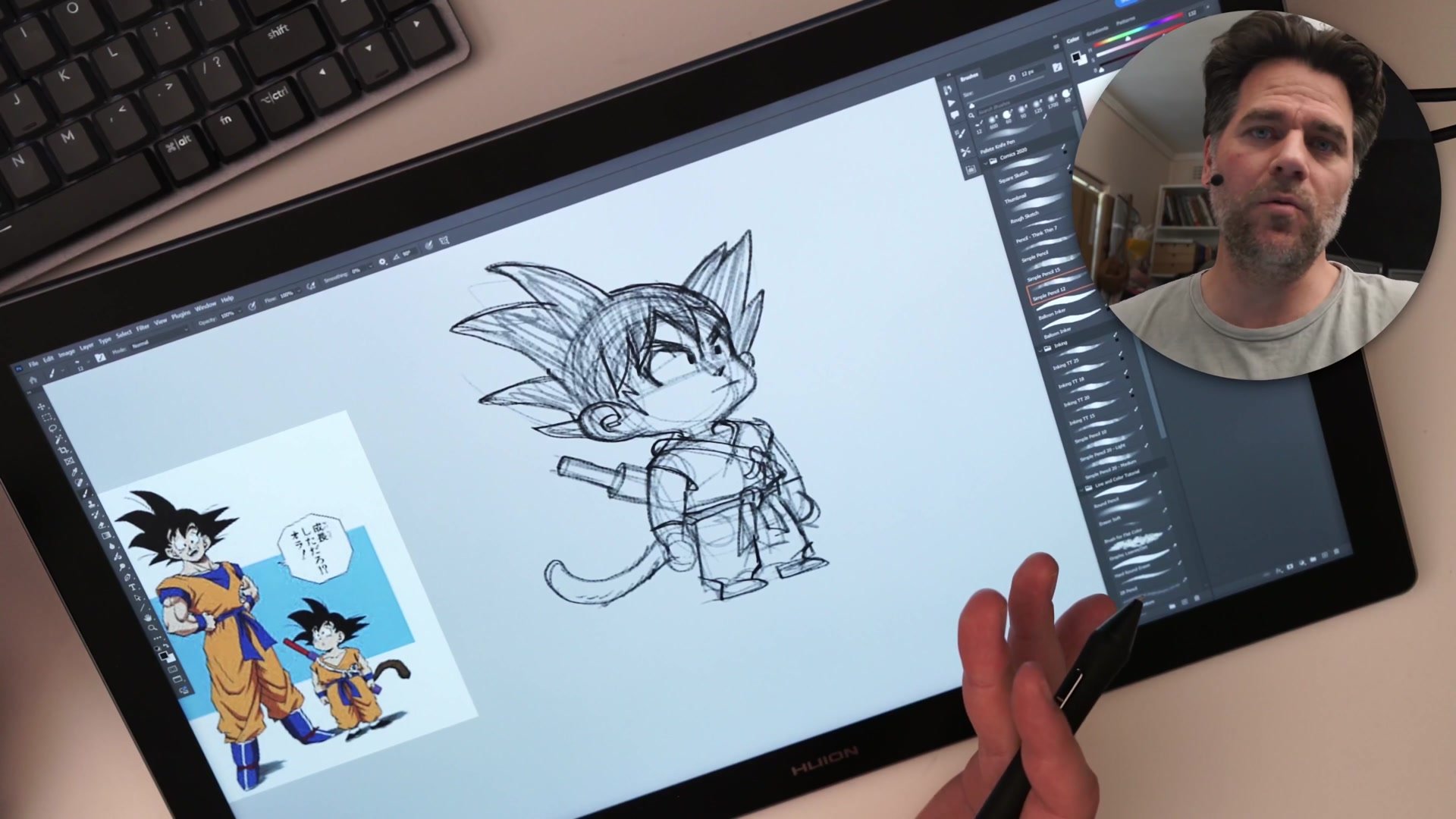
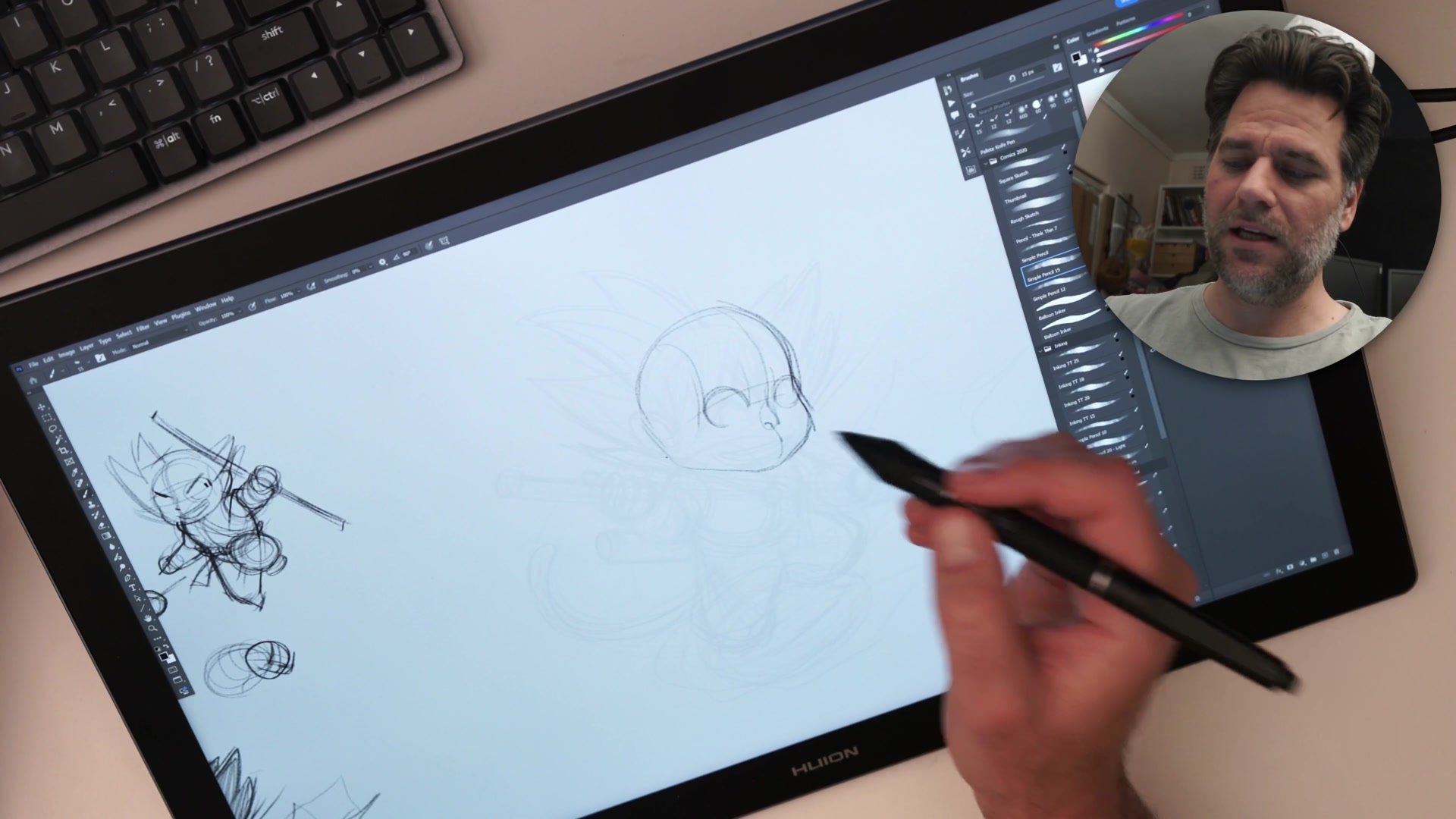
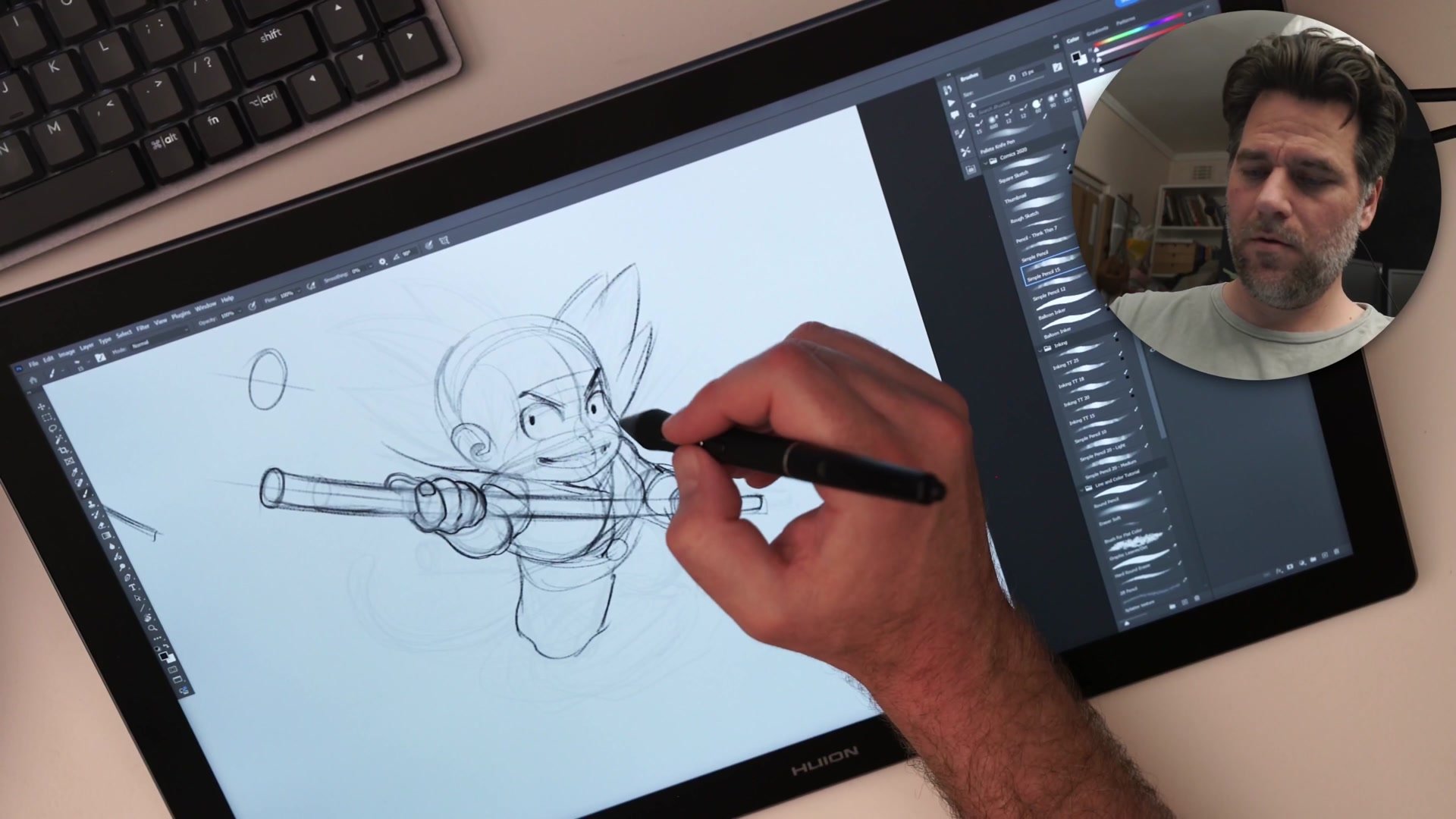
The construction drawing is the step most artists skip because it feels redundant. The pose already exists in the sketch, so redrawing everything with structural forms seems wasteful. But this is precisely the step that separates professional-looking work from perpetual frustration. Construction solves all the problems before the final lines begin: where forms overlap, how tangents resolve, whether foreshortening reads correctly, and how the micro-composition of individual elements like hair chunks and hands relate to each other.
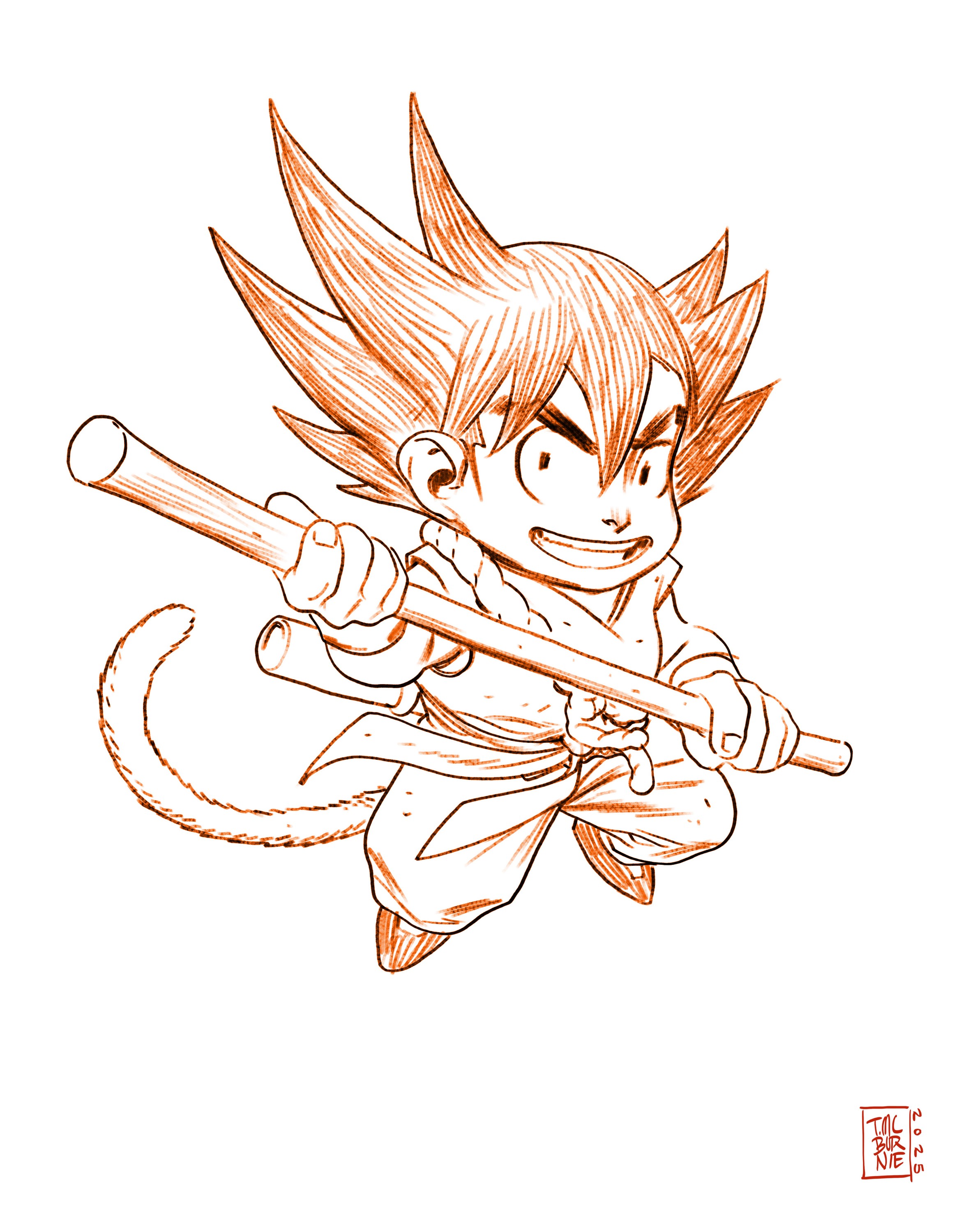
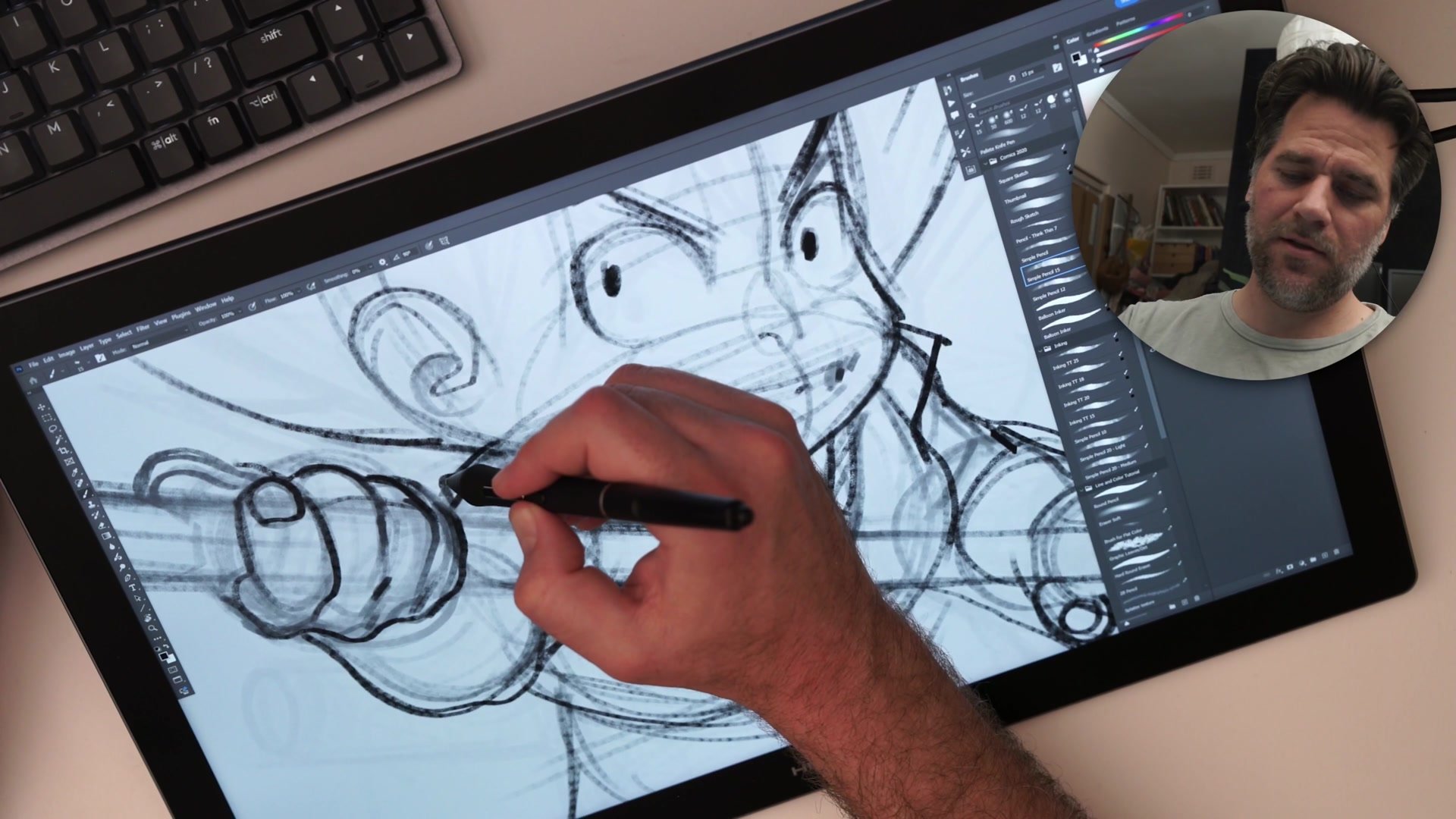
Once construction is handled, inking becomes almost meditative. We are not figuring out where lines belong anymore. We are executing decisions already made. This separation of thinking from execution is what produces those confident, flowing lines that define polished work. Toriyama's own linework looks effortless precisely because the underlying structure was already solved. The same principle applies at every skill level: when the drawing problems are resolved first, the finishing becomes genuinely enjoyable rather than stressful.
Toriyama's Hidden Mastery
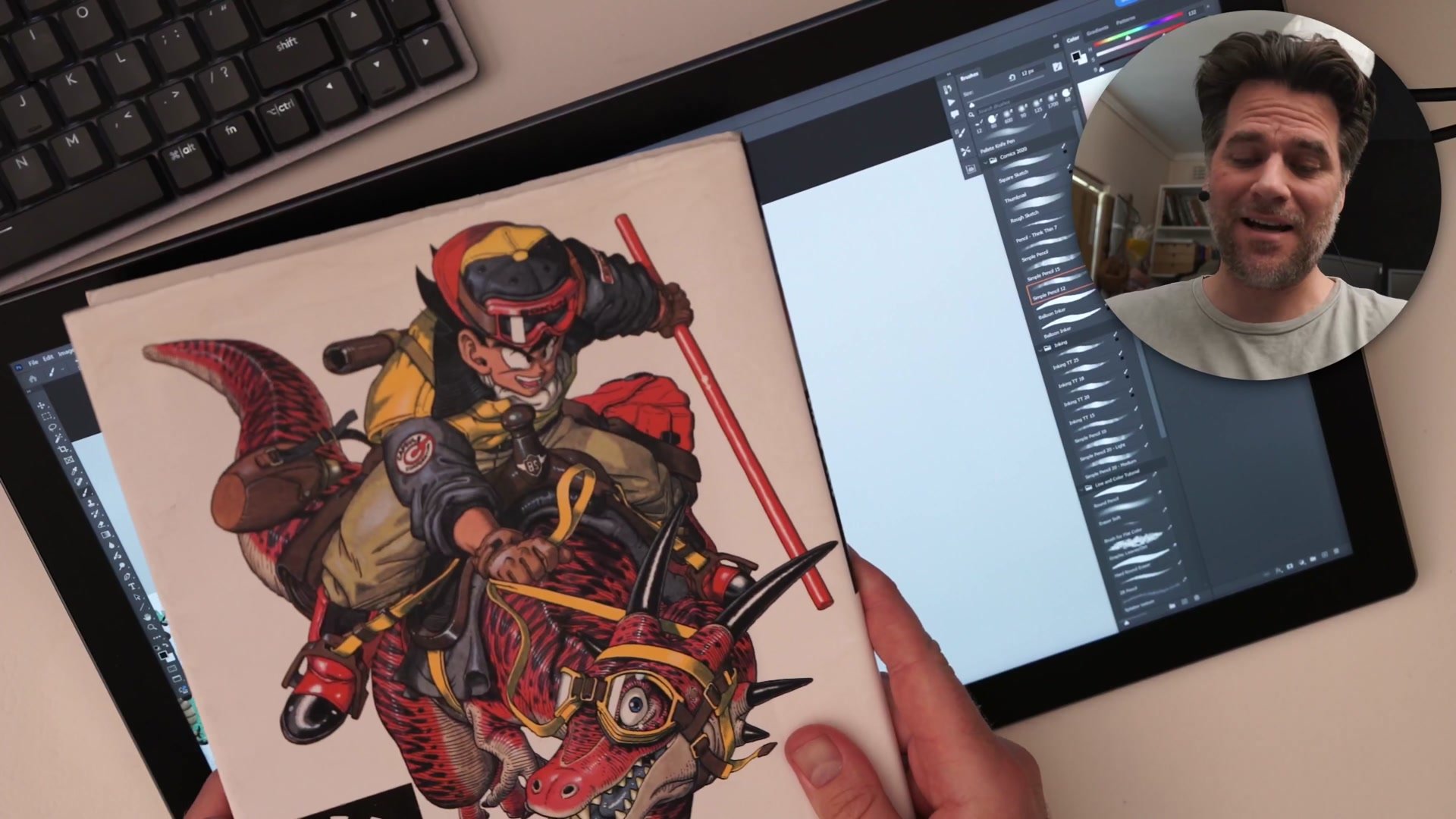
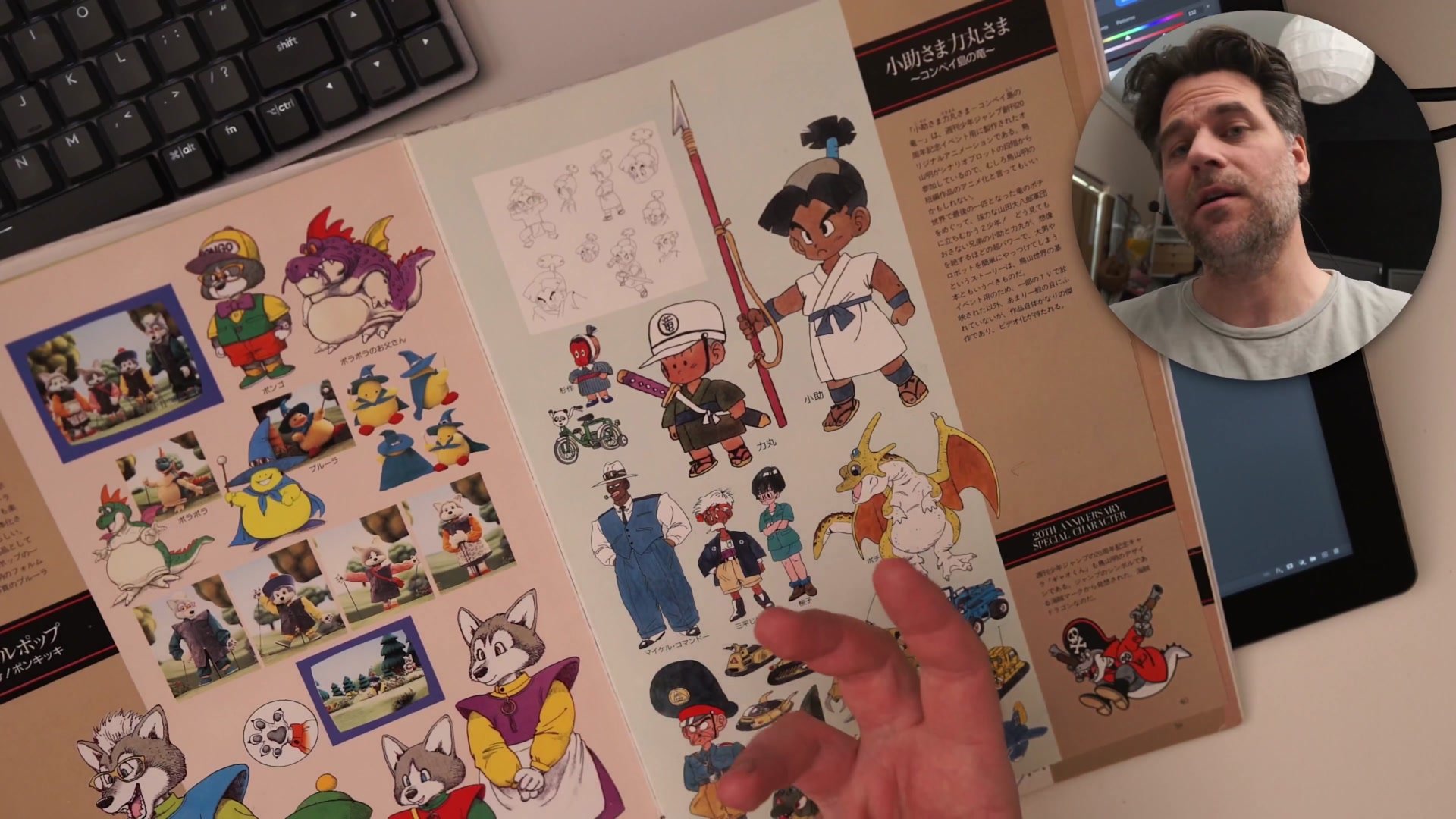
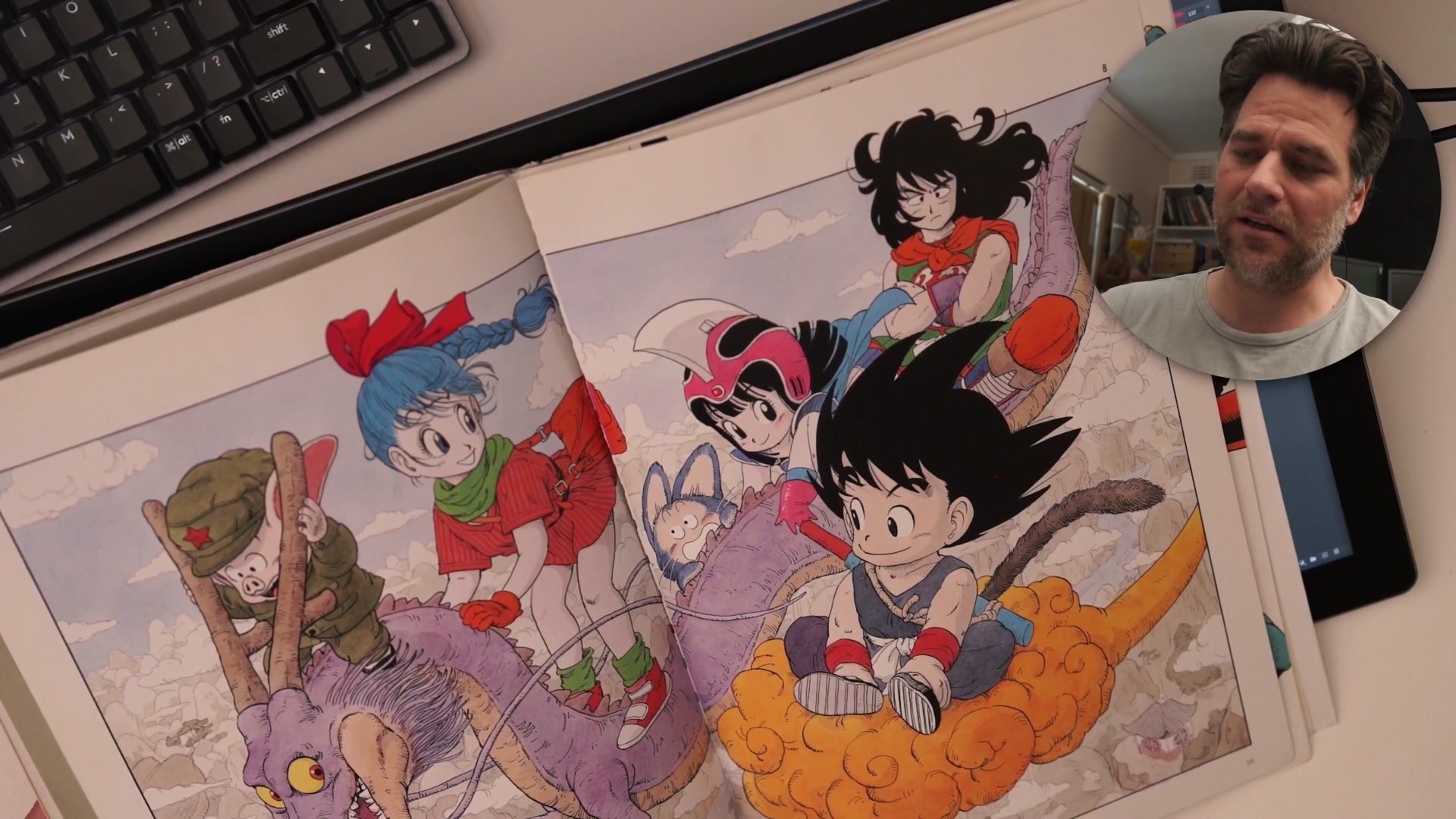
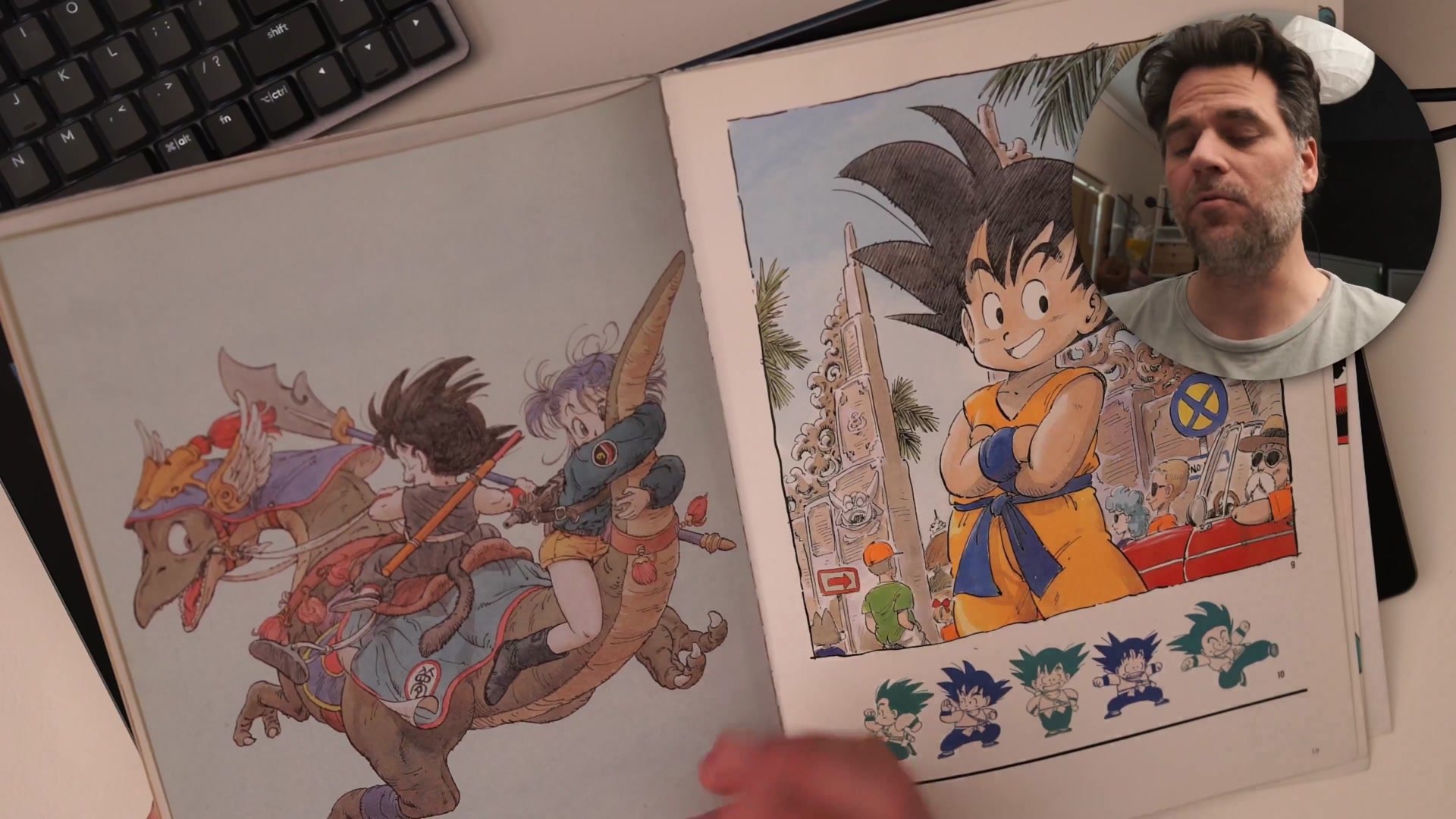
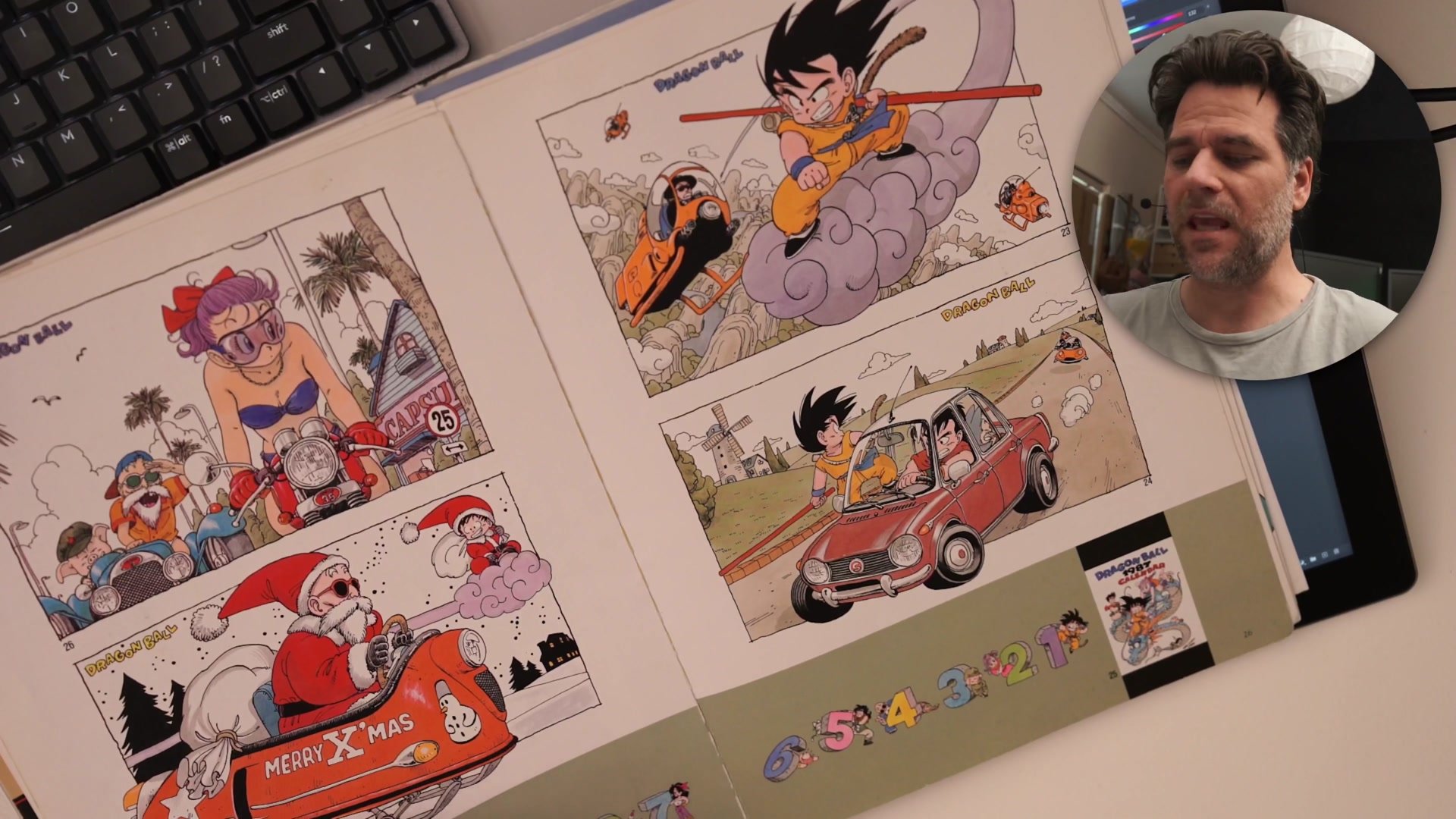
Studying Toriyama's art book reveals something most people miss about seemingly simple manga style. The characters are visually simplified, but the draftsmanship behind them is extremely high. Every vehicle, every mechanical detail, every environment demonstrates deep understanding of construction and perspective. The simplified characters placed against detailed backgrounds creates deliberate visual hierarchy, not laziness. Toriyama understood anatomy thoroughly and chose to simplify it for appeal and readability.
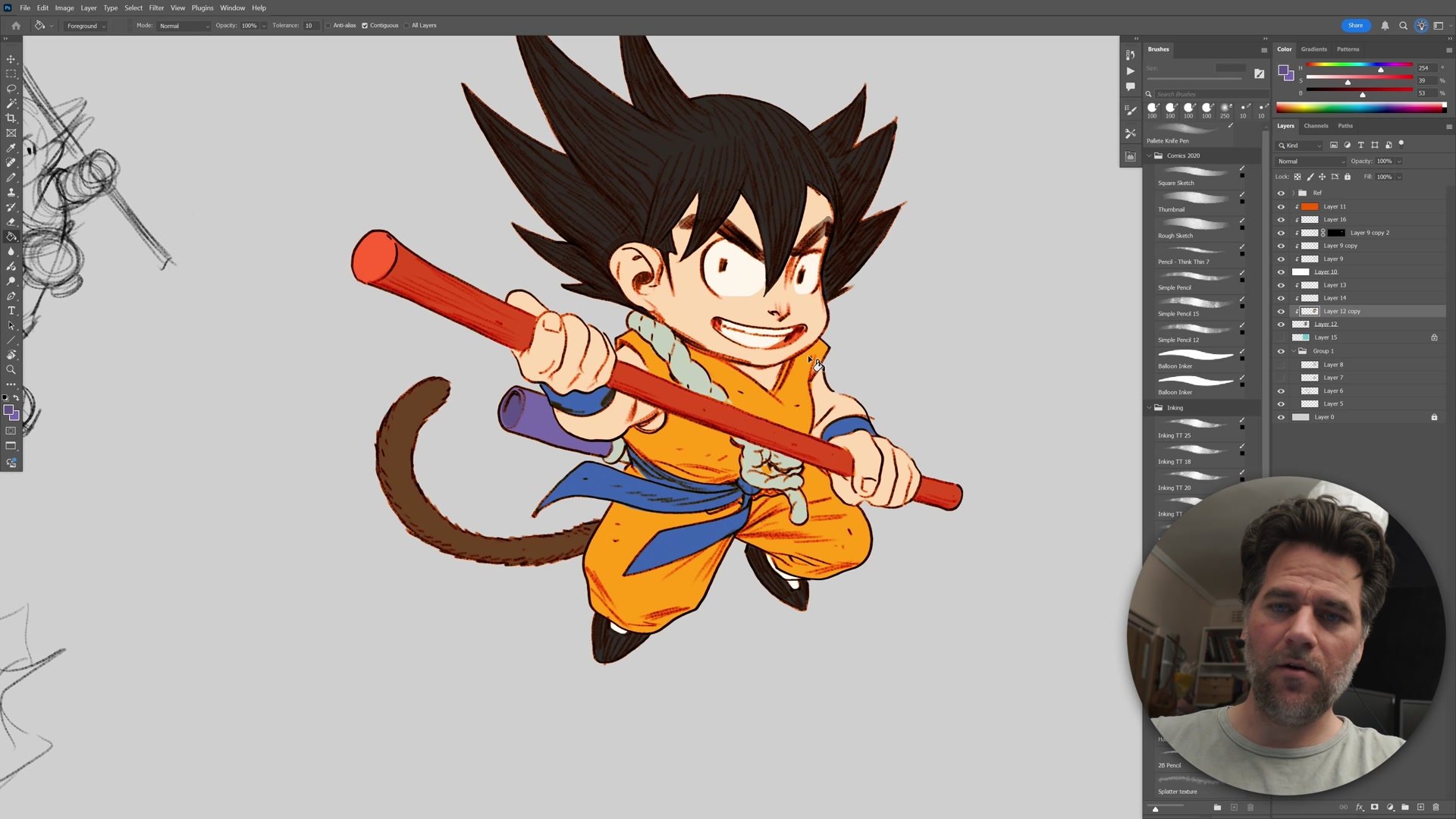
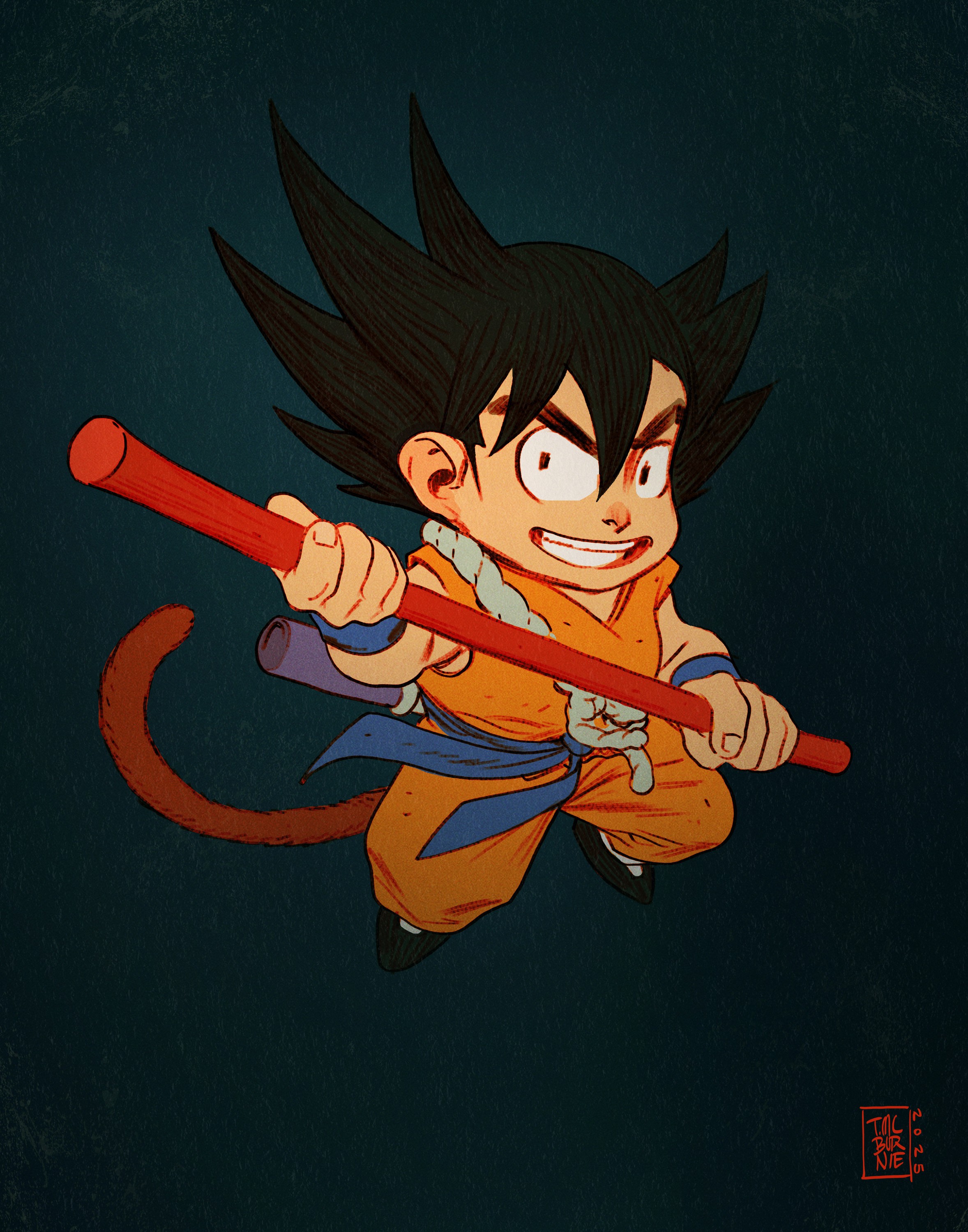
The flat color phase at the end of the process proves this point directly. When we apply simple, unrendered color to our Kid Goku illustration, the quality of the underlying drawing becomes undeniable. There is no gradient to hide weak construction, no texture brush to disguise proportion errors. This is why a simple process forces excellence. The boring act of flatting with the pencil tool also builds critical hand-eye coordination. Controlling pressure sensitivity, tracing edges precisely, maintaining consistent line weight, all of these skills transfer directly to every other aspect of drawing.
Key Concepts
Four-Stage Process: Sketch for proportion, construct for dimension, ink for clean execution, flat color to prove the drawing. Each stage has exactly one job, and keeping them separate is what makes the whole workflow reliable.
Jelly Beans Over Skeletons: For compact and chibi characters, overlapping spherical forms and bean shapes create more convincing dimension than trying to map skeletal anatomy onto simplified proportions.
Simplicity Forces Excellence: When fancy rendering cannot hide weak construction, every proportion, tangent, and shape decision must be correct. This constraint builds fundamentals faster than any complex technique.
Study Design, Not Fan Art: Drawing established characters is not about copying. It is about unpacking why great designs work, understanding their proportions and iconography, and applying those lessons to original work.
Try This Exercise
Pick a Character: Choose any well-designed character and break down its basic proportions. How many heads tall? Where do the major masses sit relative to each other?
Four Stages, No Deviation: Sketch for proportion and gesture only. Then construct with overlapping jelly bean forms. Then ink clean lines following the construction. Then add flat color with no rendering effects.
Finish the Whole Thing: Complete all four stages even if each feels imperfect. A finished simple illustration teaches more than an abandoned complex one. Repeat with different poses to build the process into muscle memory.