Learning to Pose Your Character Drawings
Summary
Posing Characters Through Acting
Posing characters is one of those skills that gets taught backwards. Most instruction focuses on technical mannequin construction and gesture curves, but skips the thing that actually makes poses work: understanding who the character is and what they are doing. This video teaches character posing through the Loomis mannequin method, but frames the entire practice around acting and narrative. Instead of drawing abstract stick figures, the approach uses a specific fantasy warrior character to give every pose a reason to exist.
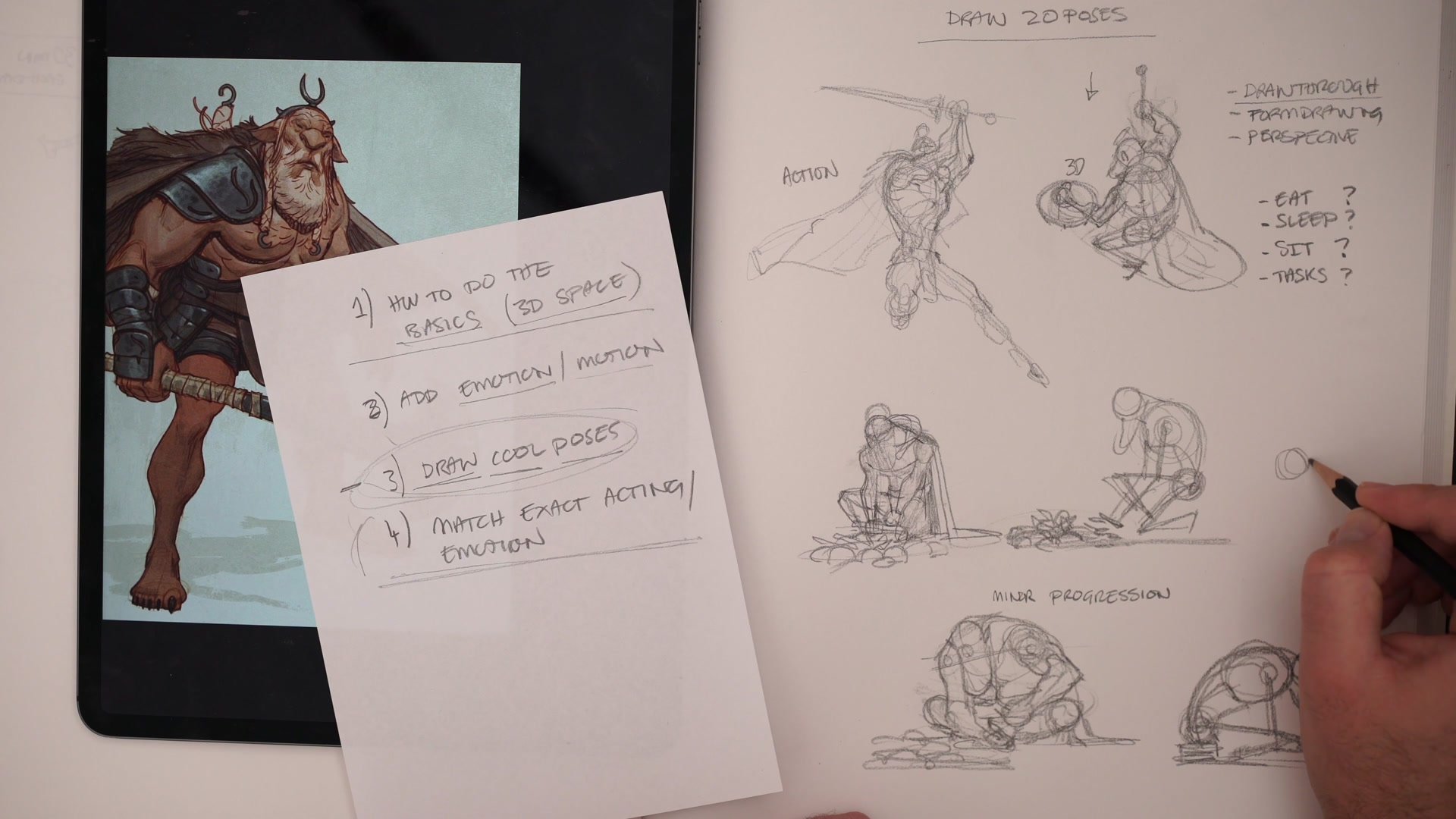
The four stages covered move from basic 3D space control, through adding motion and emotion, to drawing dynamic poses, and finally to matching exact acting and narrative scenarios. Each stage builds on the last, and the exercises are designed to keep the practice engaging by connecting it to the kind of art people actually want to make.
Theory and Framework
Four Stages of Posing
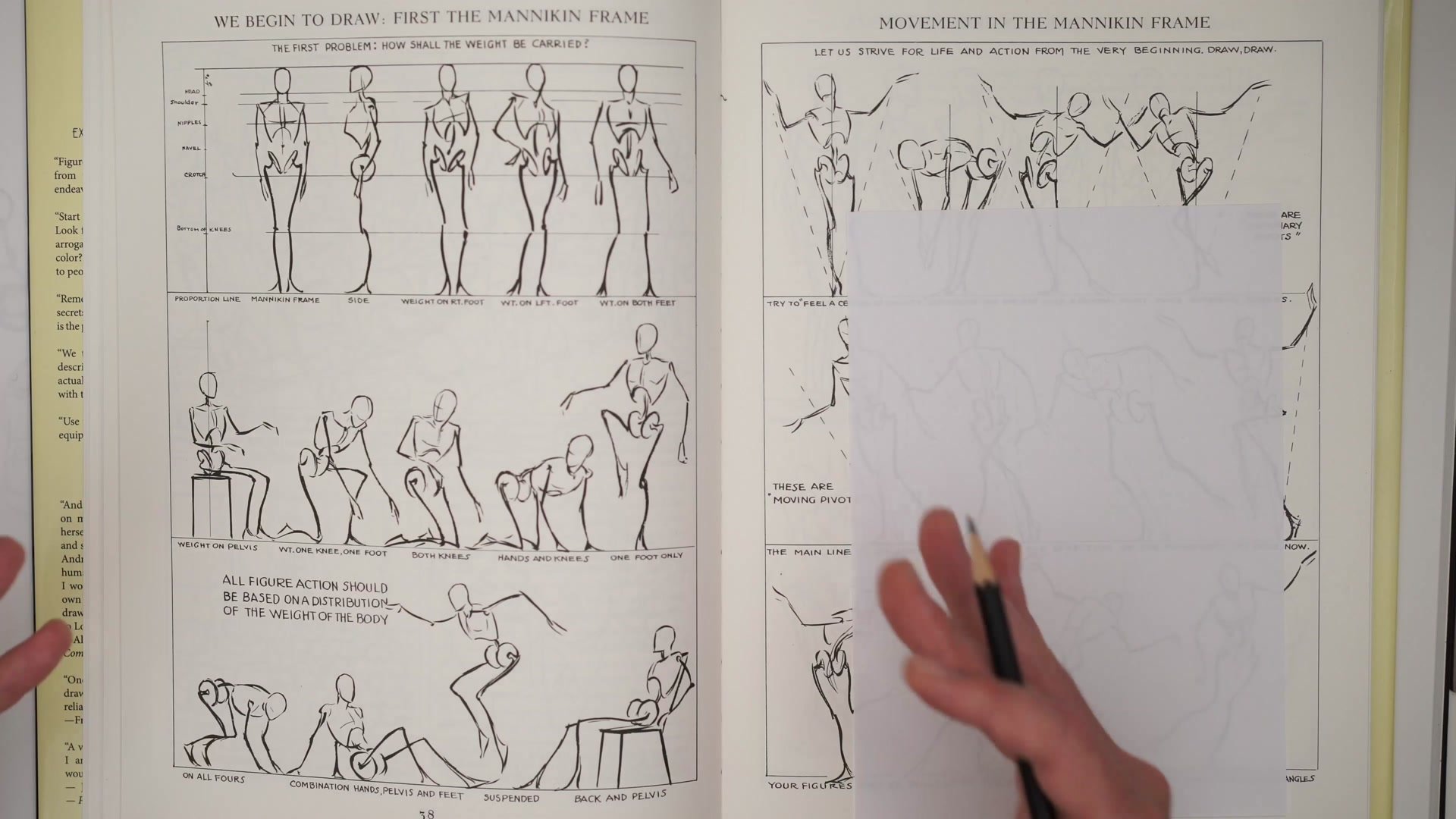
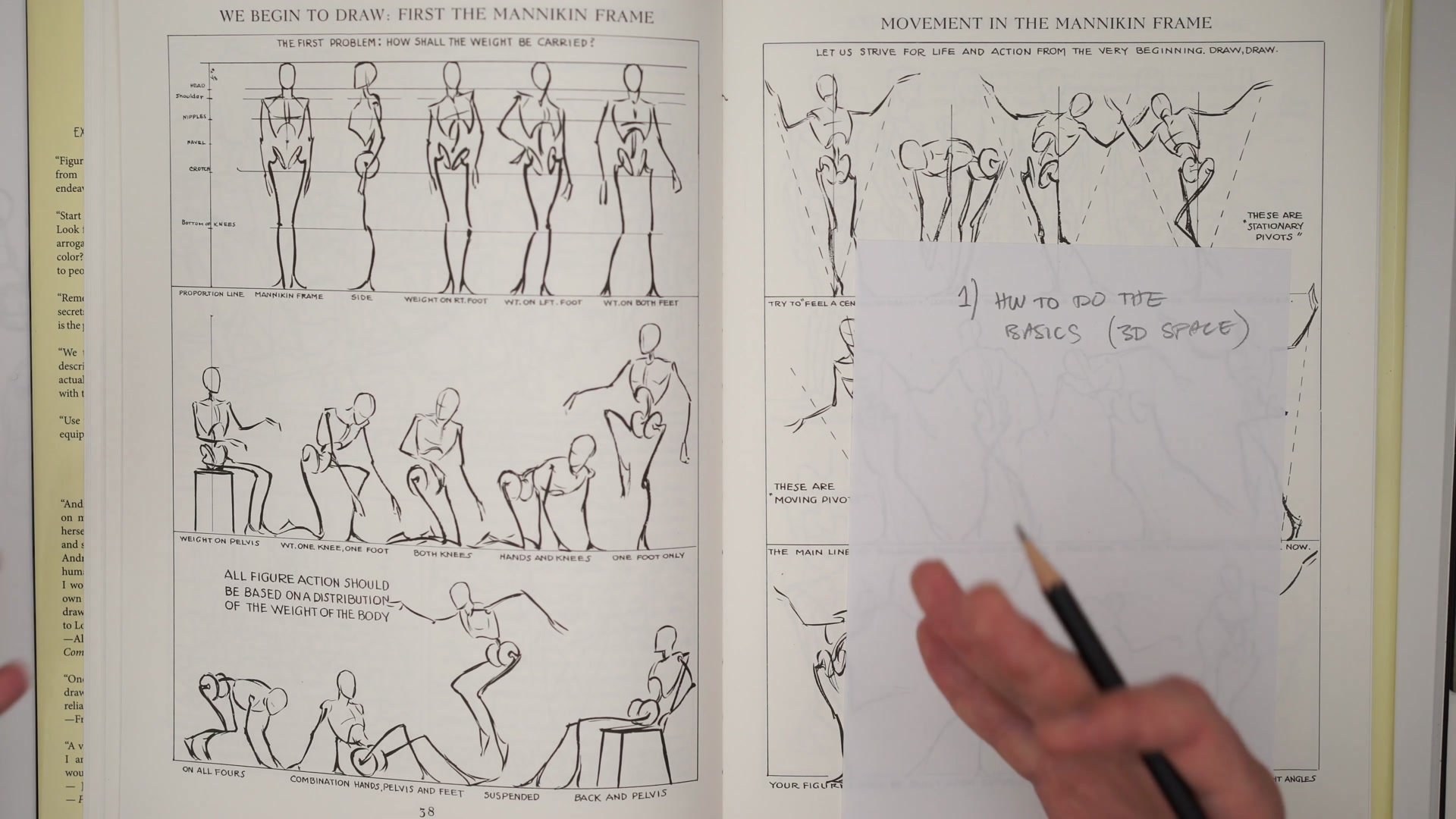
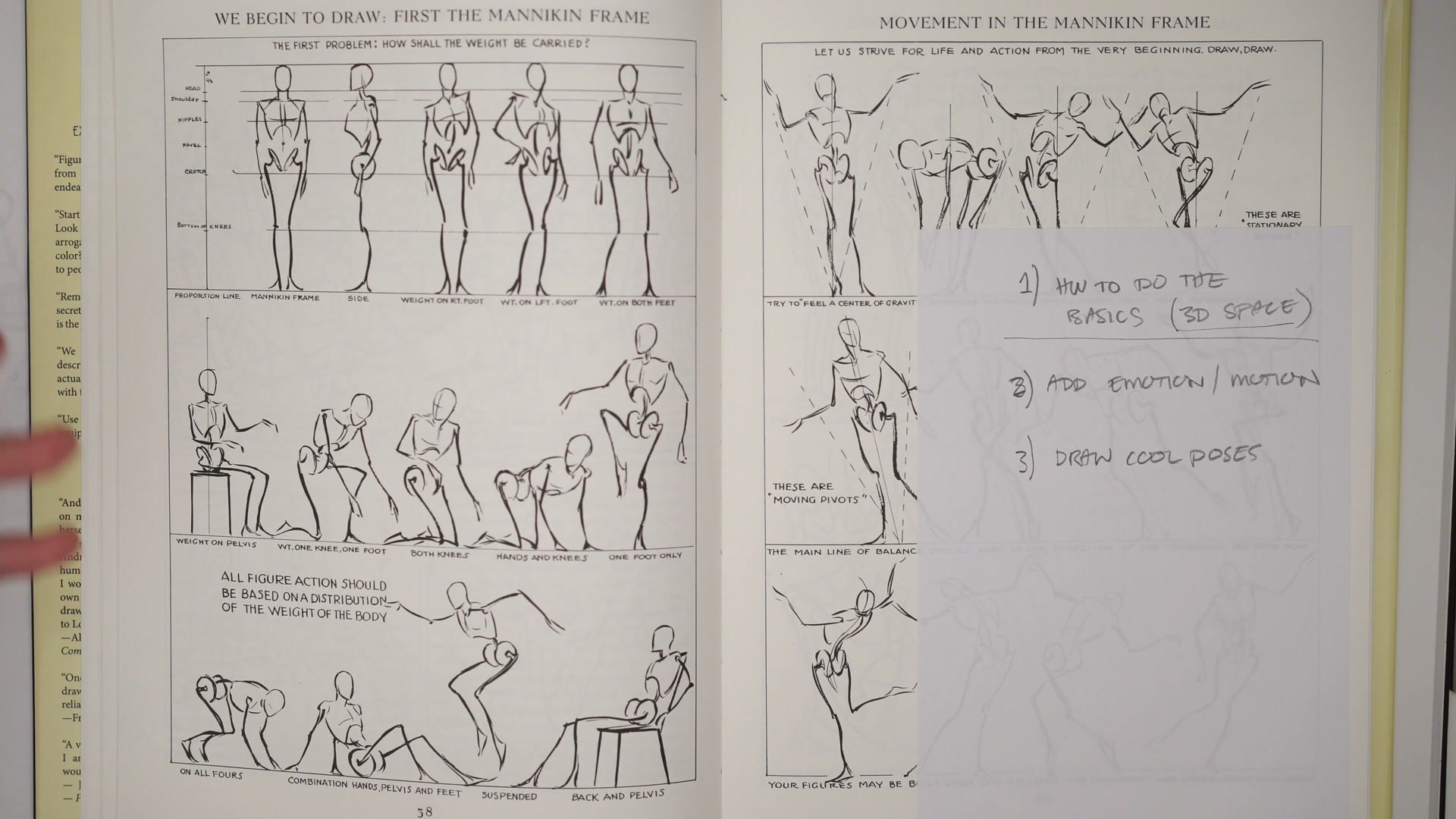
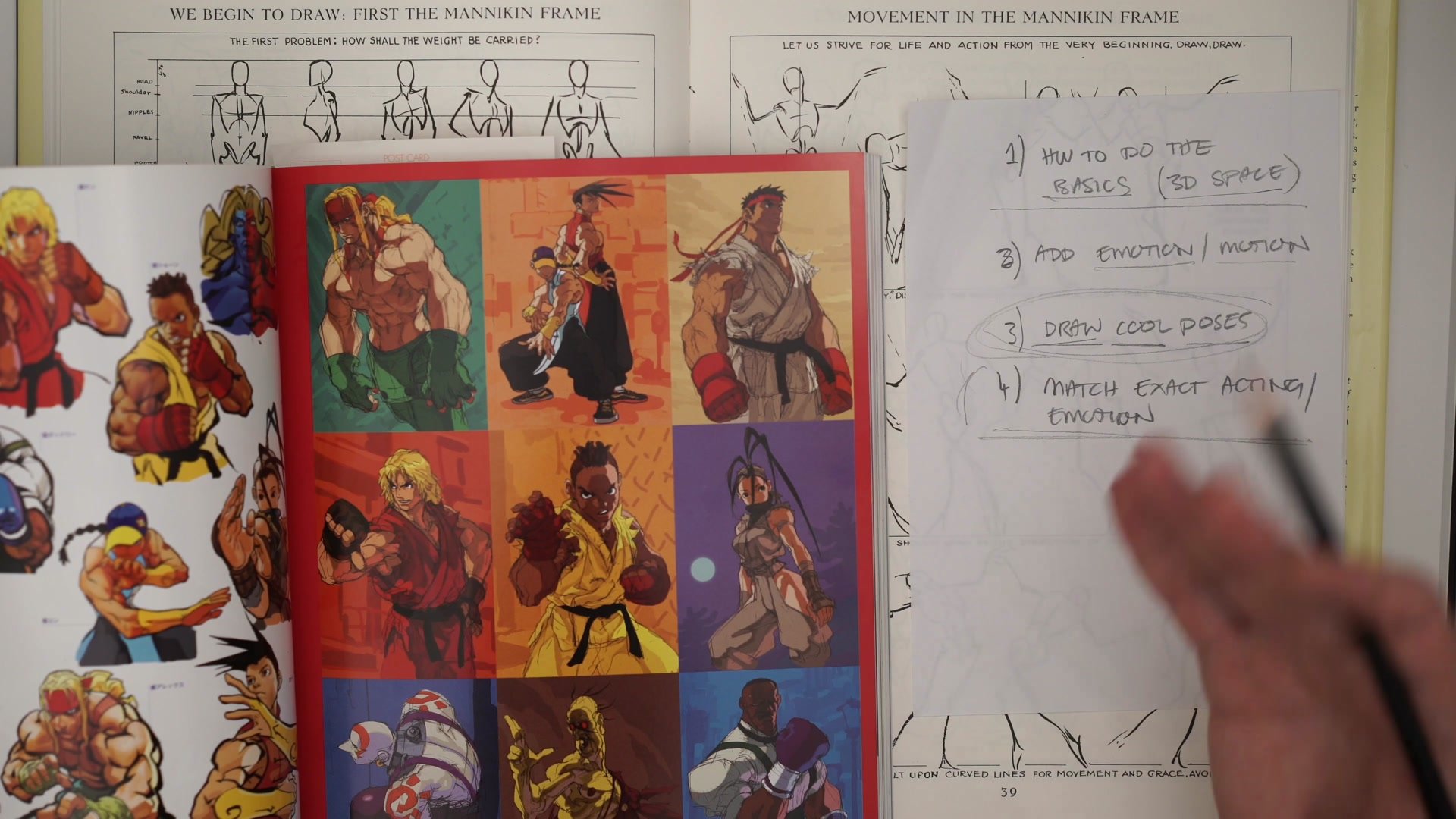
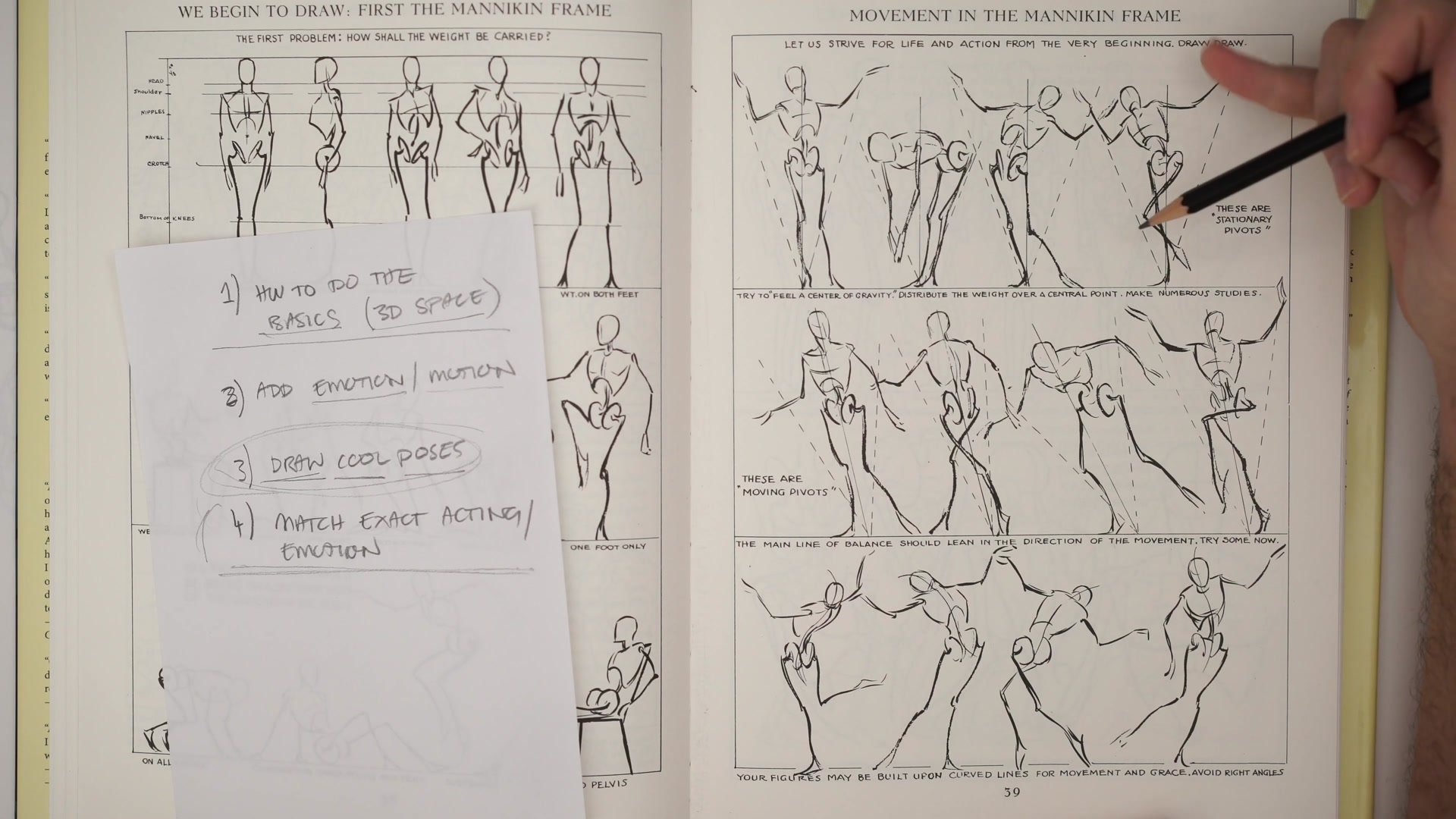
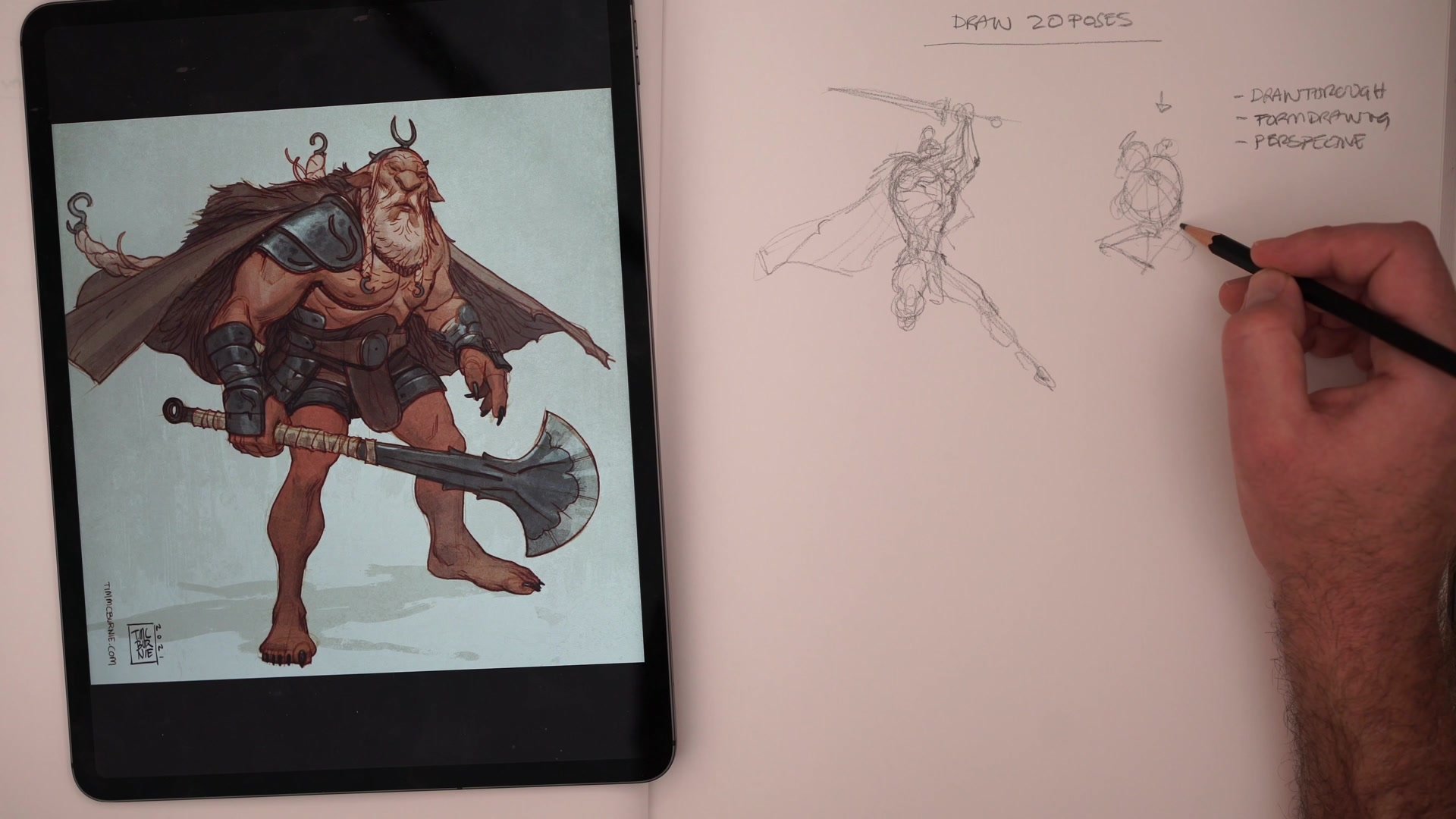
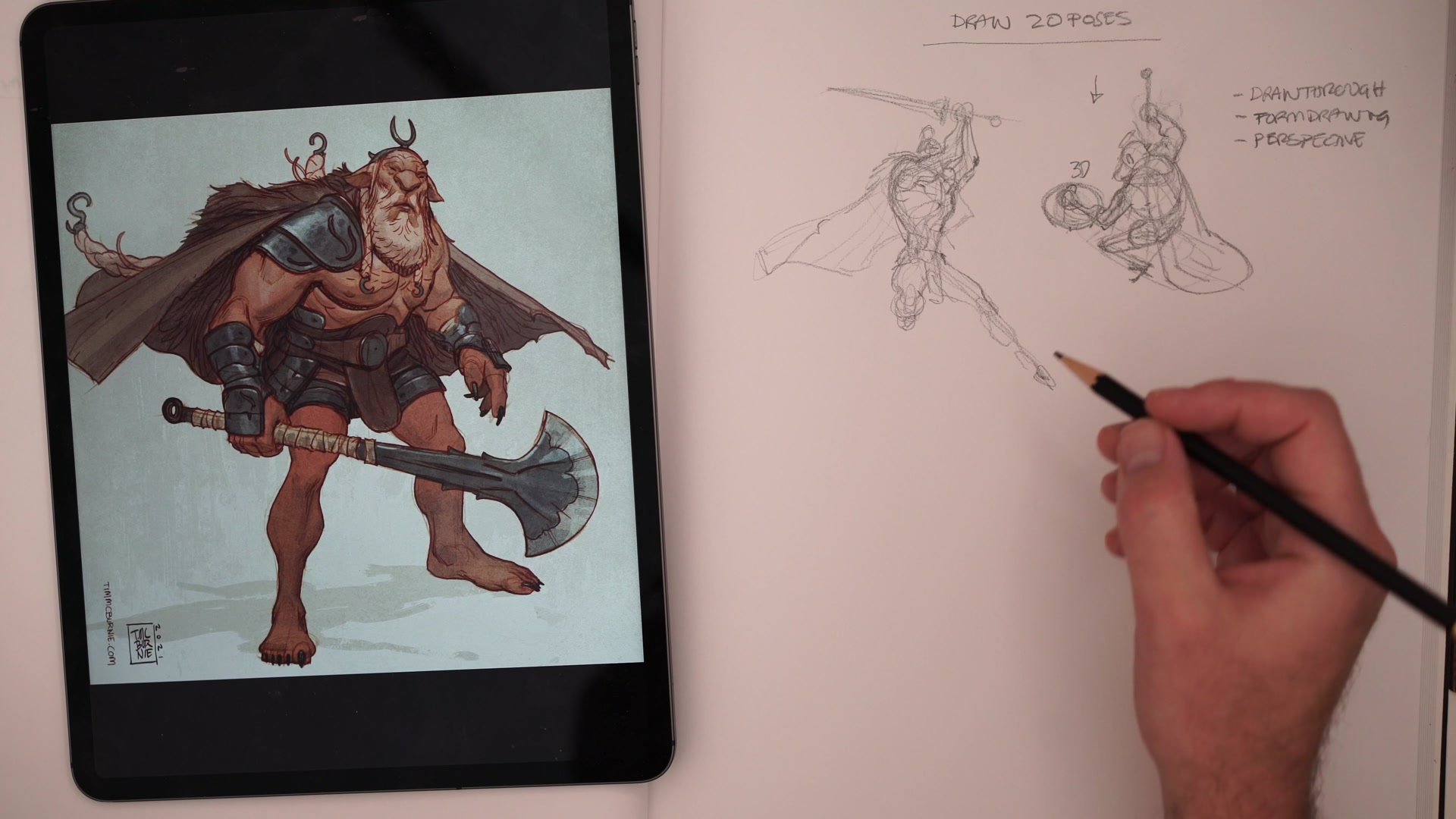
The video breaks down character posing into four distinct stages, each with different intent. The first stage is simply controlling the basics: drawing a mannequin in 3D space with reasonable proportion. This is where the Loomis book exercises come in, learning to draw the figure from multiple angles so it feels like it exists in space.
The second stage adds emotion and motion. This is what most gesture instruction covers, making the character feel alive through weight distribution, S-curves, and a sense of movement. But the video makes a critical distinction here: not all characters dance and float. Some characters are rigid, awkward, or tense, and that physicality matters just as much as fluid gesture. The third stage, drawing cool dynamic poses, is what most artists fixate on as the goal. The fourth stage, matching exact acting and emotion, is what actually separates functional drawing from technical exercise.
Setting Up the Exercise
Acting Through the Drawing
The core philosophy running through the entire lesson is that artists are part drawer and part actor. To pose a character convincingly, you have to feel what the character feels. This means physically getting up, getting in front of a mirror, grabbing a broomstick as a prop, and actually inhabiting the pose. There is no way to intellectualize your way around this step.
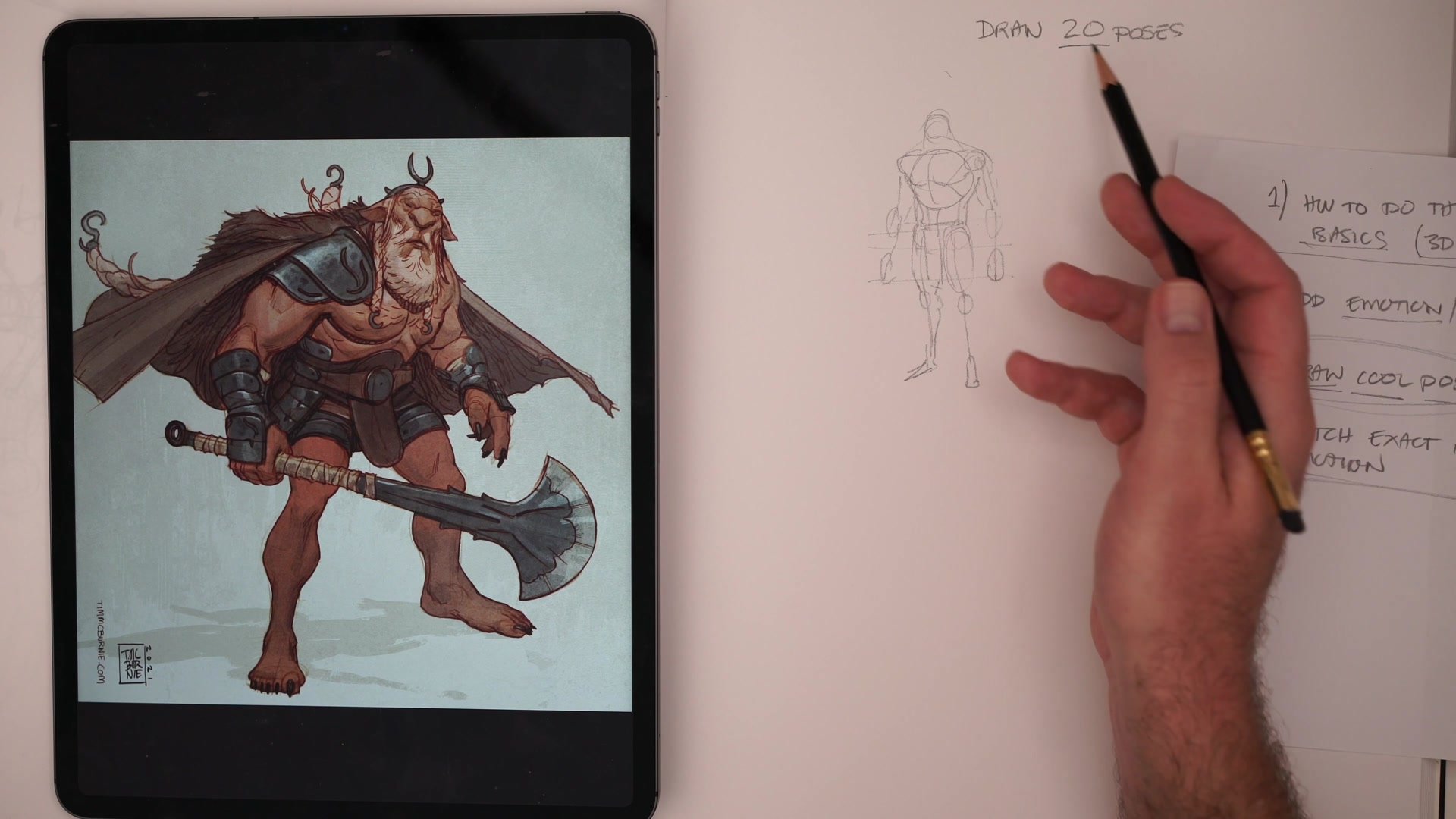
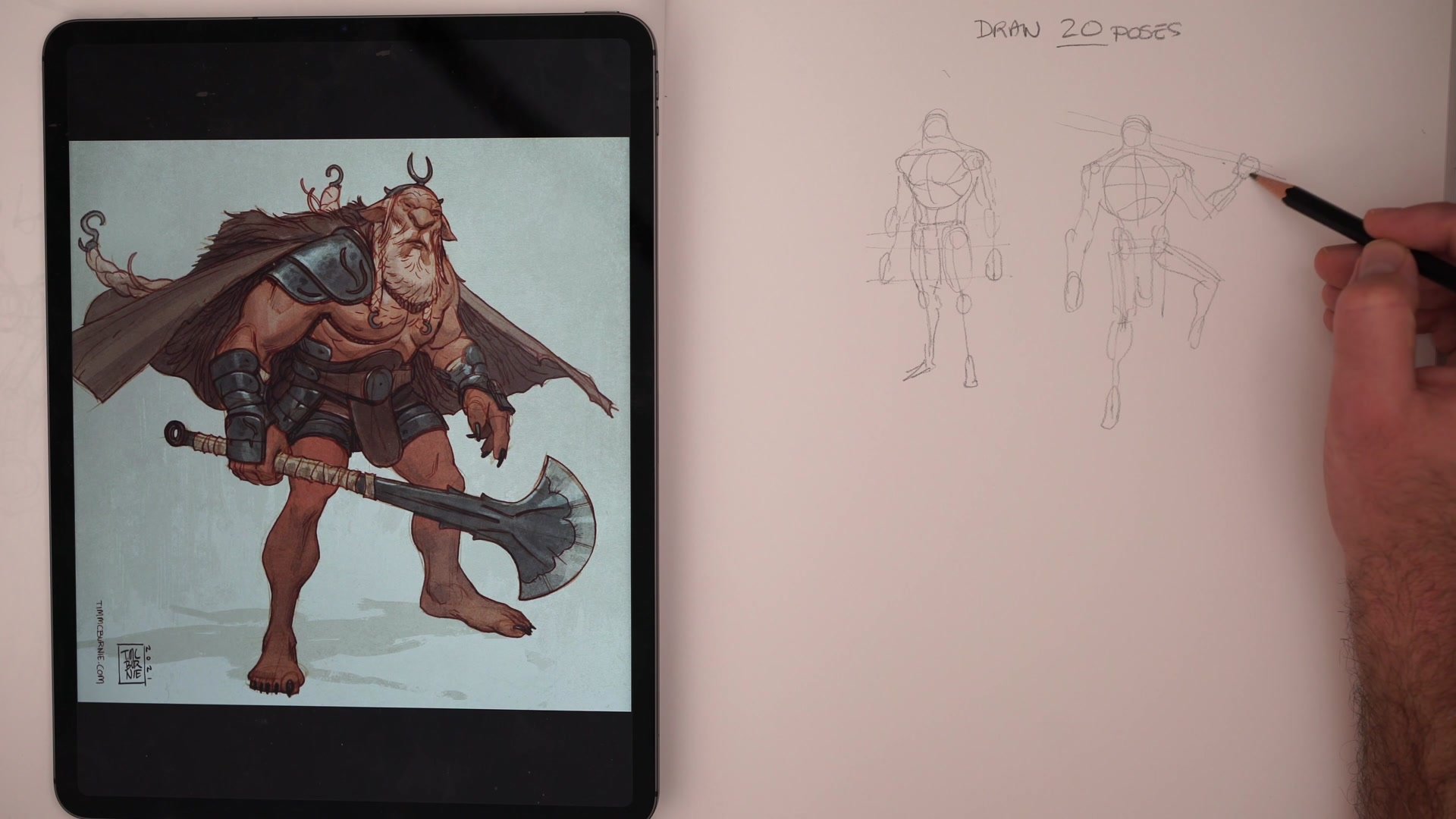
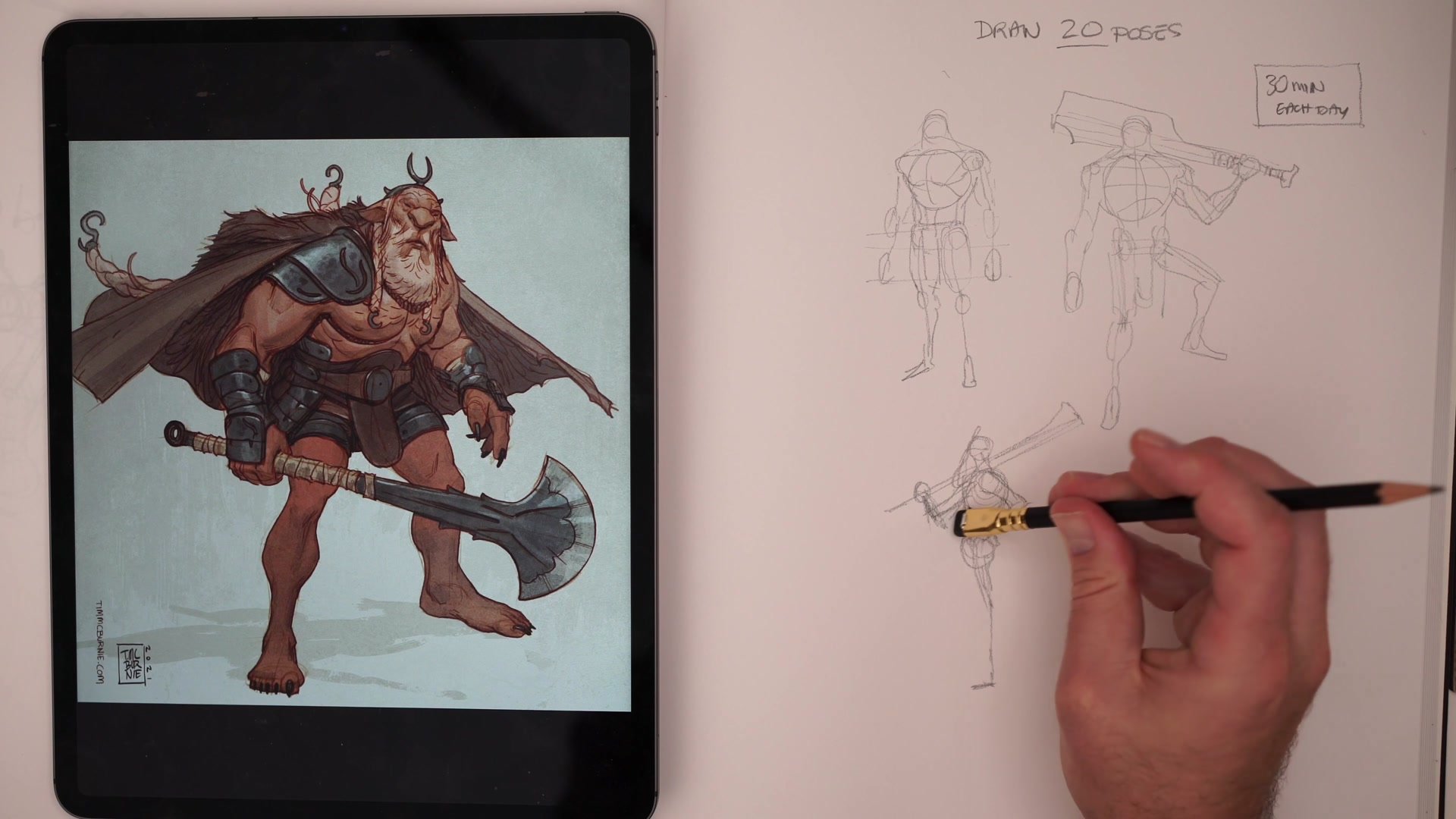
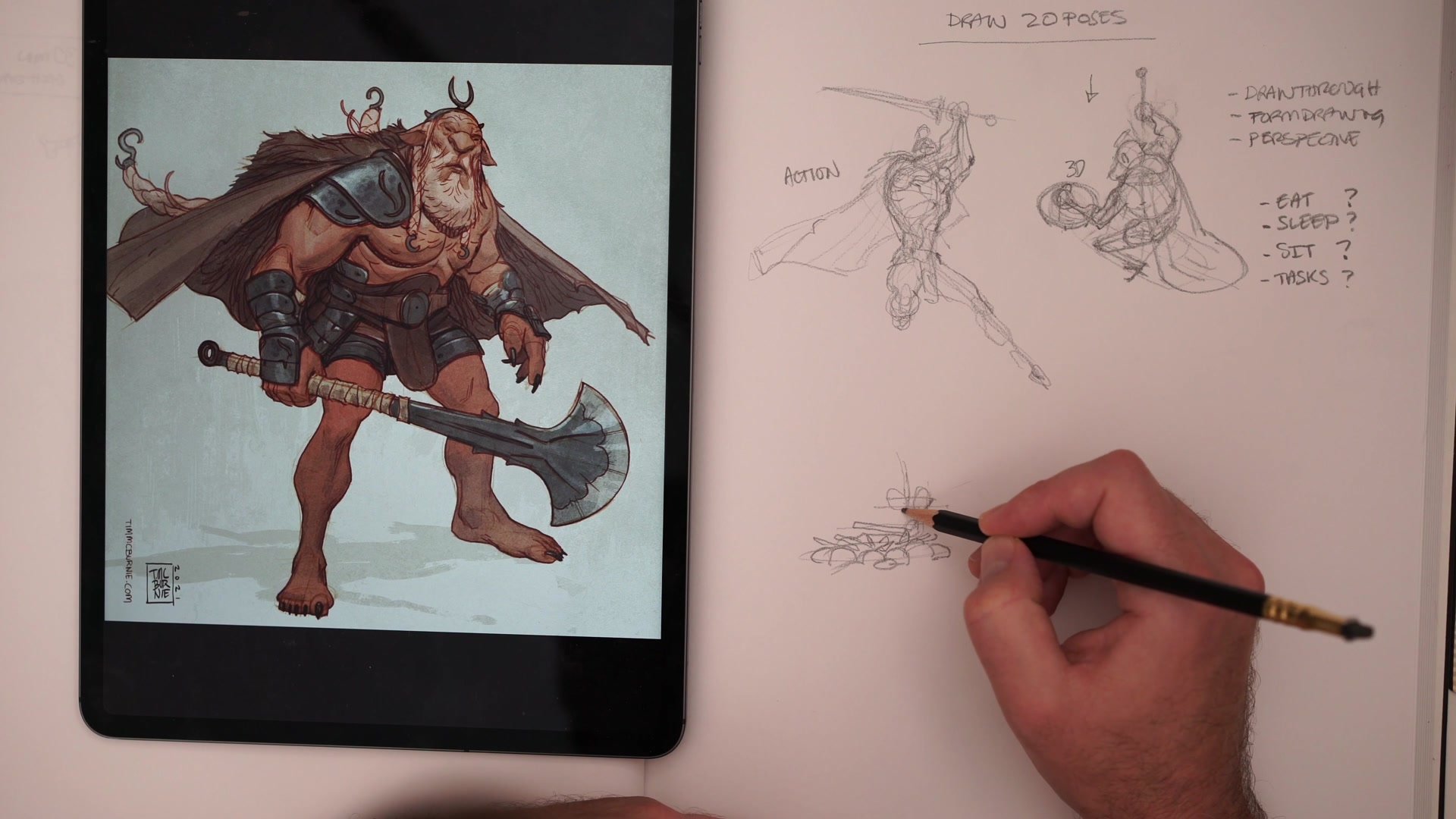
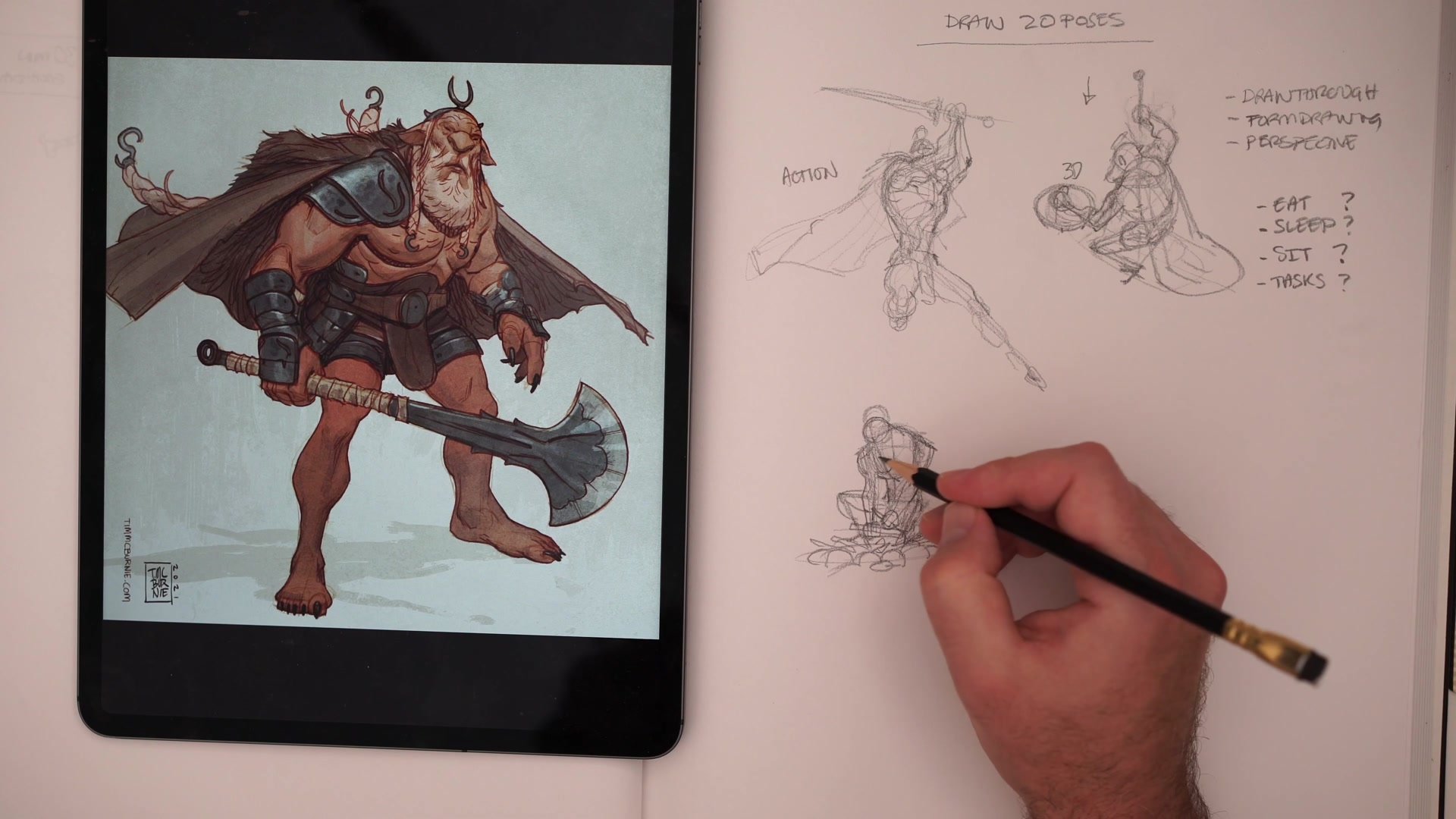
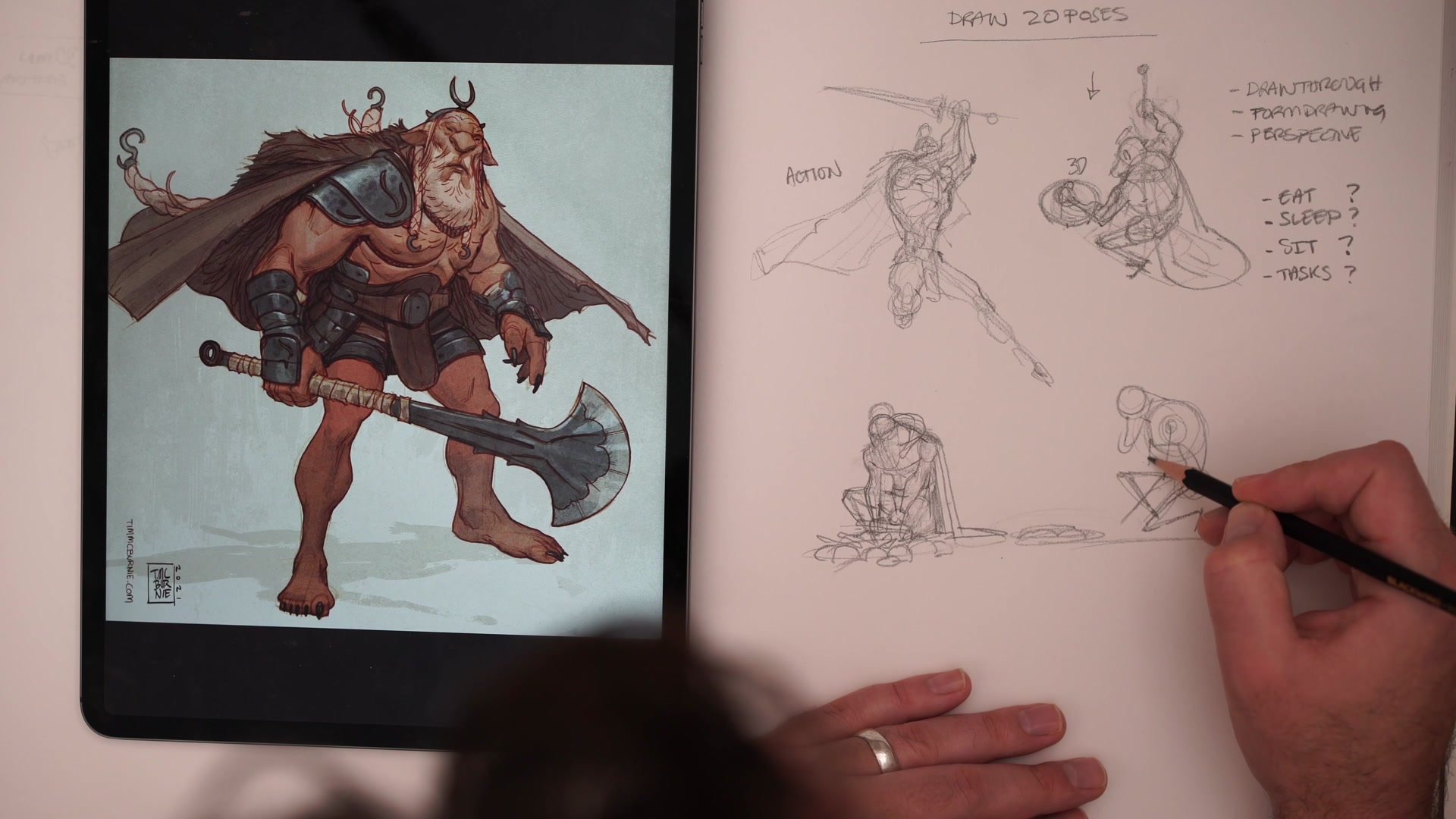
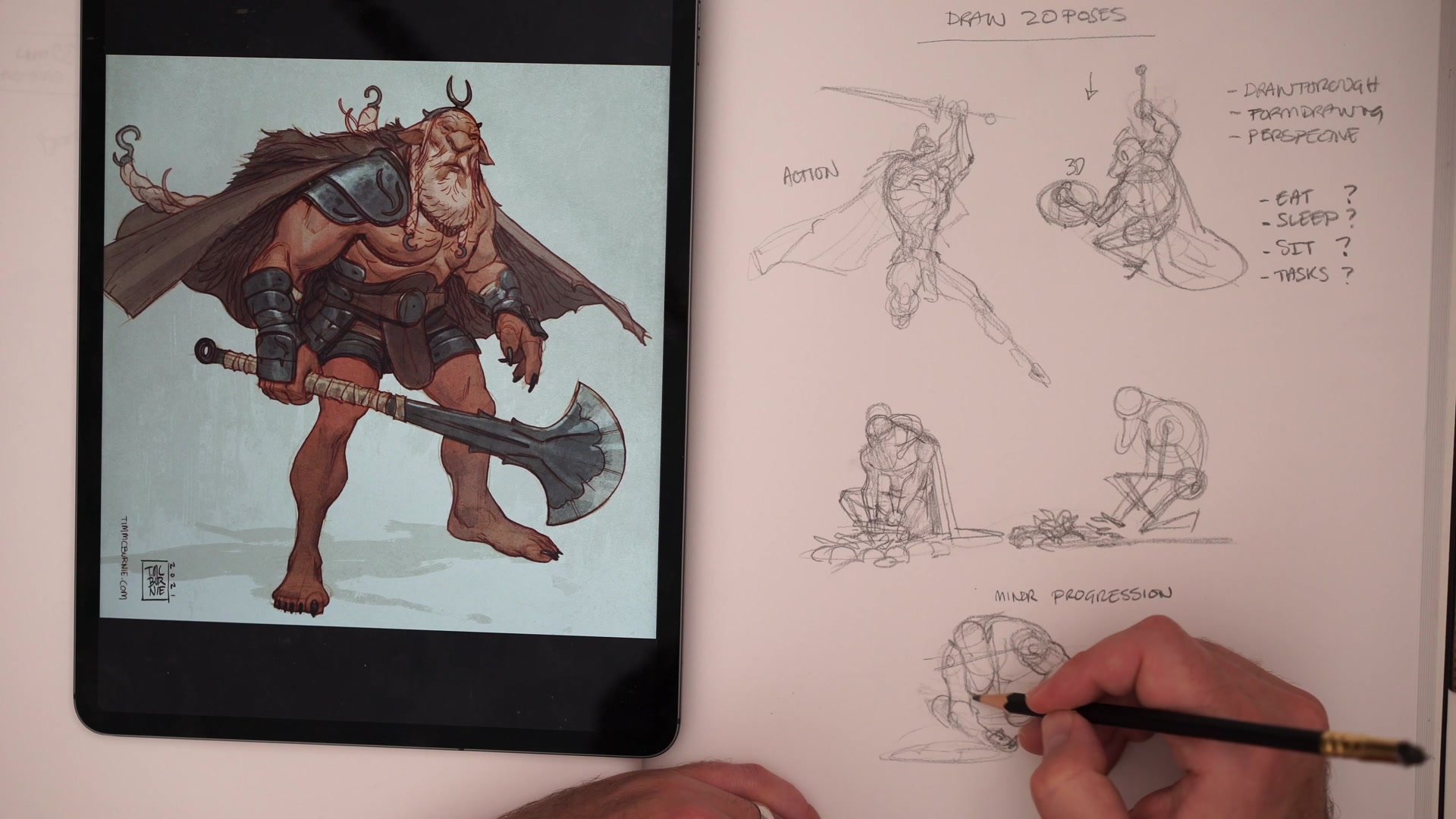
The video demonstrates this through a lion warrior character. Rather than drawing random action poses, each sketch has a narrative question behind it: how does this character stand at the ready? How do they kneel to light a fire? How do they sit on a log? These mundane, functional poses are often harder and more useful than dramatic action shots. Working artists draw characters sitting, talking, eating, and carrying things far more often than they draw flying kicks. Thinking about what characters actually do in their world produces more functional drawing skill than chasing cool poses.
Drawing Process
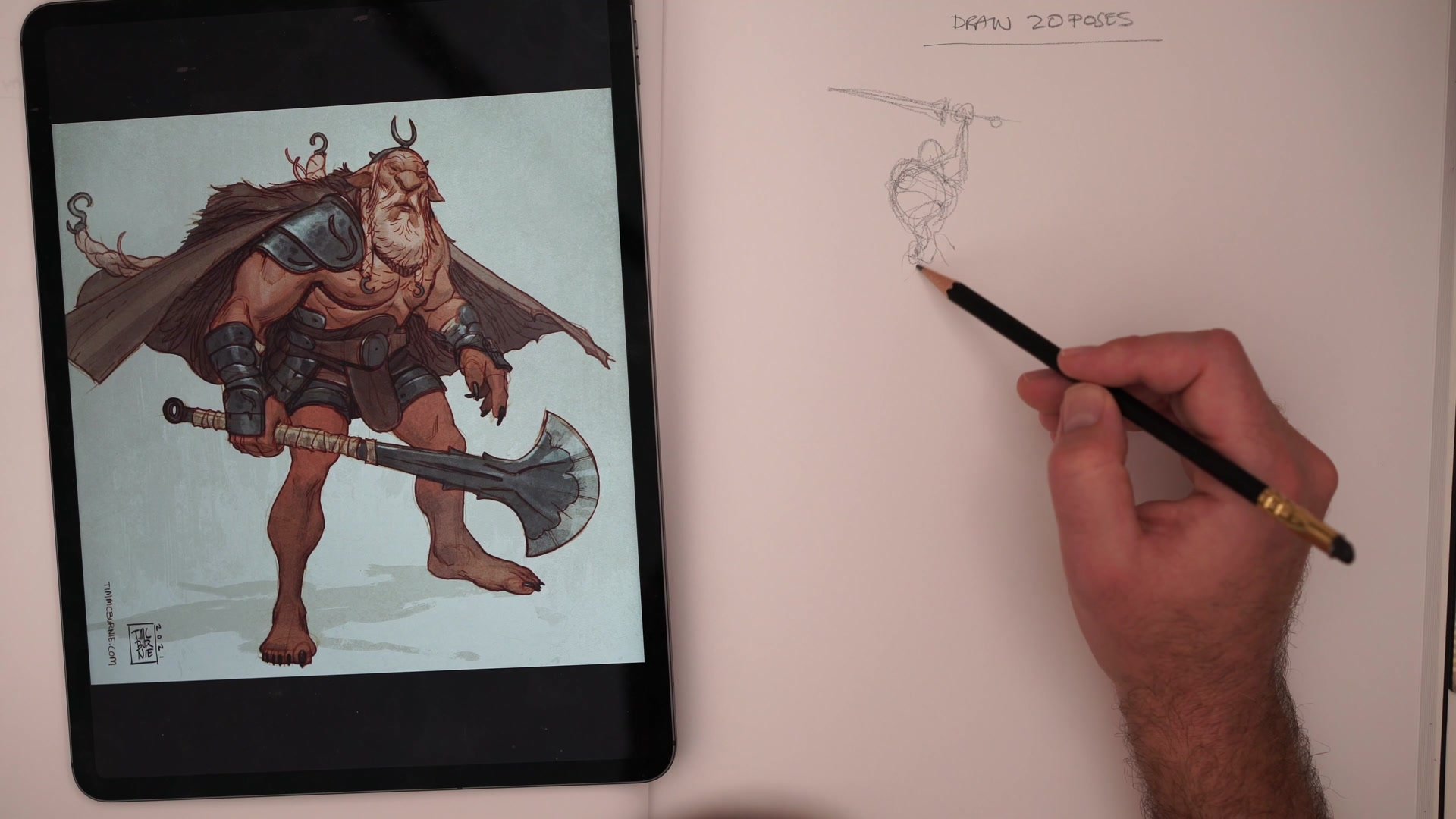
Structured Practice
The exercise structure recommended is simple but specific: pick a character, set a target of twenty poses, and work through them in short daily sessions of around thirty minutes. The key is not to smash through hours of practice in one sitting. Neurological adaptation happens during sleep, not during the tenth consecutive hour at the drawing table. Doing a few poses each day and building up over time maximizes the rate at which the subconscious absorbs the skill.
Progression should be gradual. Start with basic front-facing standing poses. Then try the back, the side, holding an object, a slightly different angle. Ratchet up complexity in small increments. If foreshortened action poses are causing frustration, step back to something simpler. The goal is to keep the practice fun and build genuine competence. Once a set of twenty is complete, step back and evaluate what worked and what needs more attention before starting the next round.
Varied Poses and Application
Key Principles
Artist as Actor: Posing characters requires physically feeling the pose yourself. Get up, use a mirror, grab props, and inhabit the character before drawing them.
Functionality Over Flash: Mundane poses like sitting, kneeling, and carrying objects build more useful drawing skill than chasing dynamic action shots.
Structured Sets: Drawing twenty poses of one character with a time limit provides enough constraint to stay focused without burning out.
Slow Neurological Learning: Short daily sessions beat marathon practice. The subconscious absorbs skill during rest, not during the tenth hour of grinding.
Narrative Intent: Every pose should answer a question about who the character is and what they are doing. Aimless sketching without purpose produces aimless results.
Practice This
Pick a Character: Choose a specific character you care about, whether original or fan art, and define their physicality and personality.
Draw Twenty Poses: Set a goal of twenty poses at thirty minutes per day. Start with simple standing variations and progress to functional scenarios like sitting, kneeling, and interacting with objects.
Act It Out: Before each pose, physically get into the position yourself. Feel where the weight sits, where the tension is, and whether the pose feels balanced or awkward.