How Pros REALLY Use the Loomis Method
Summary
Applied Loomis Method
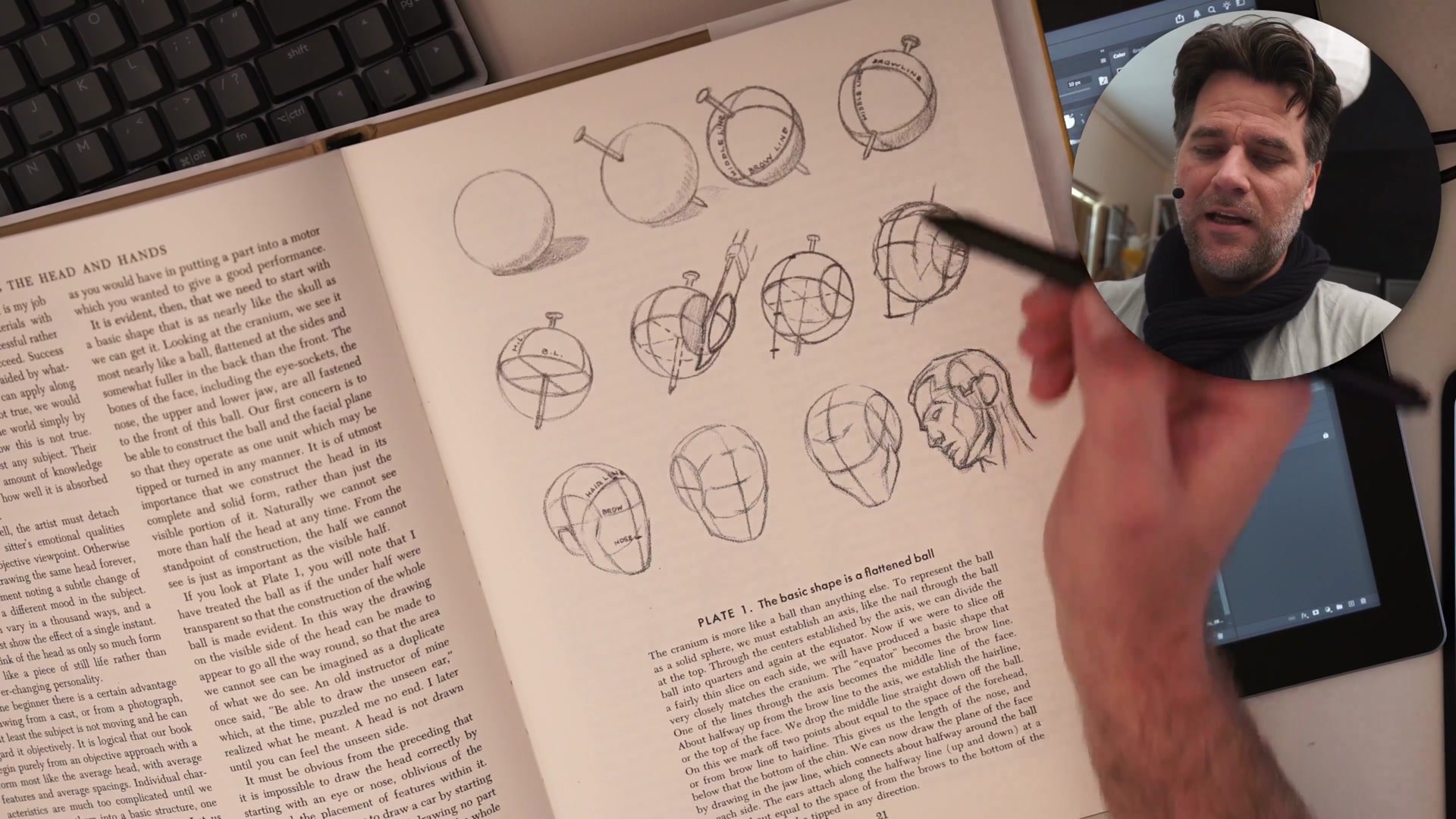
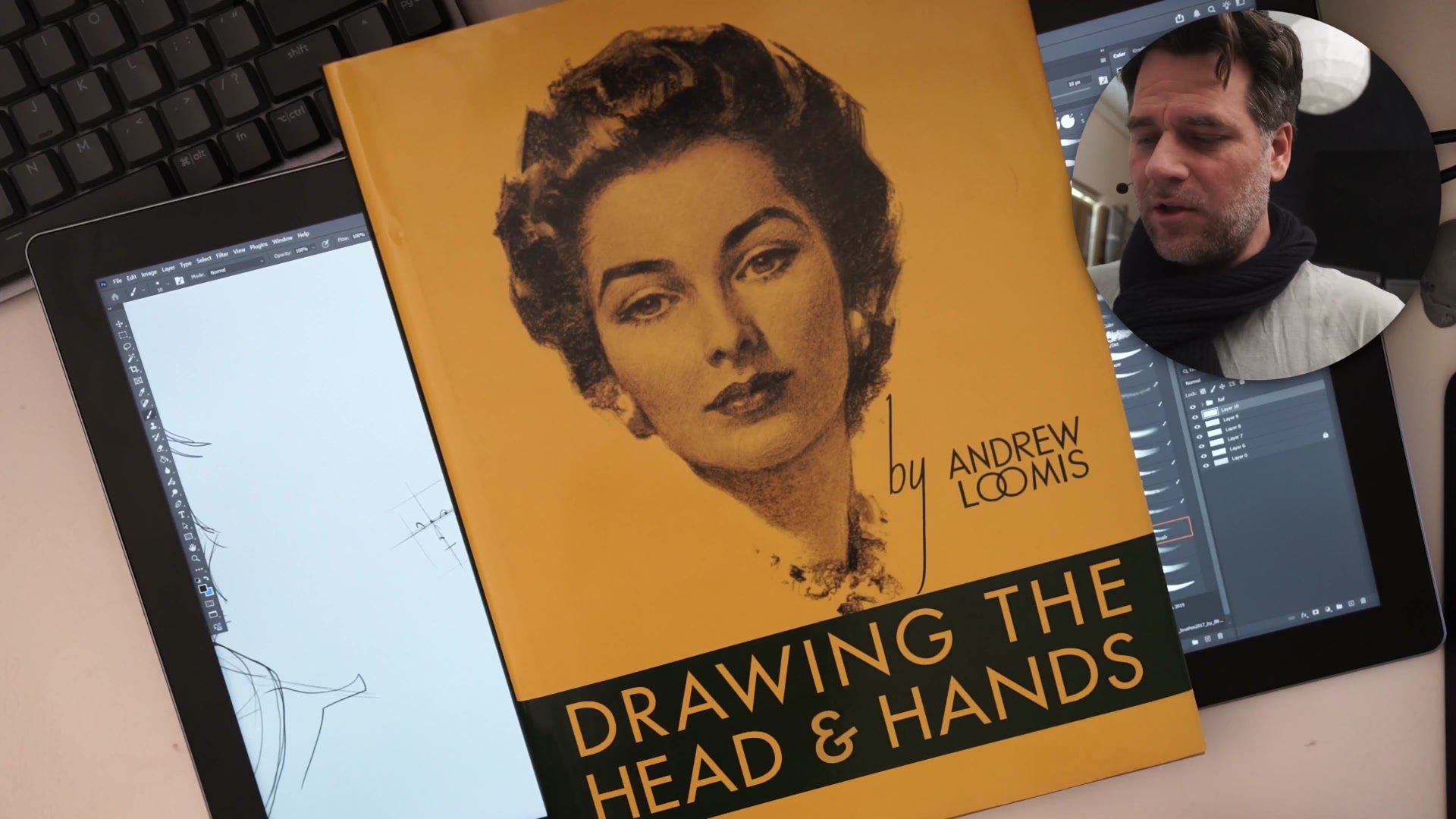
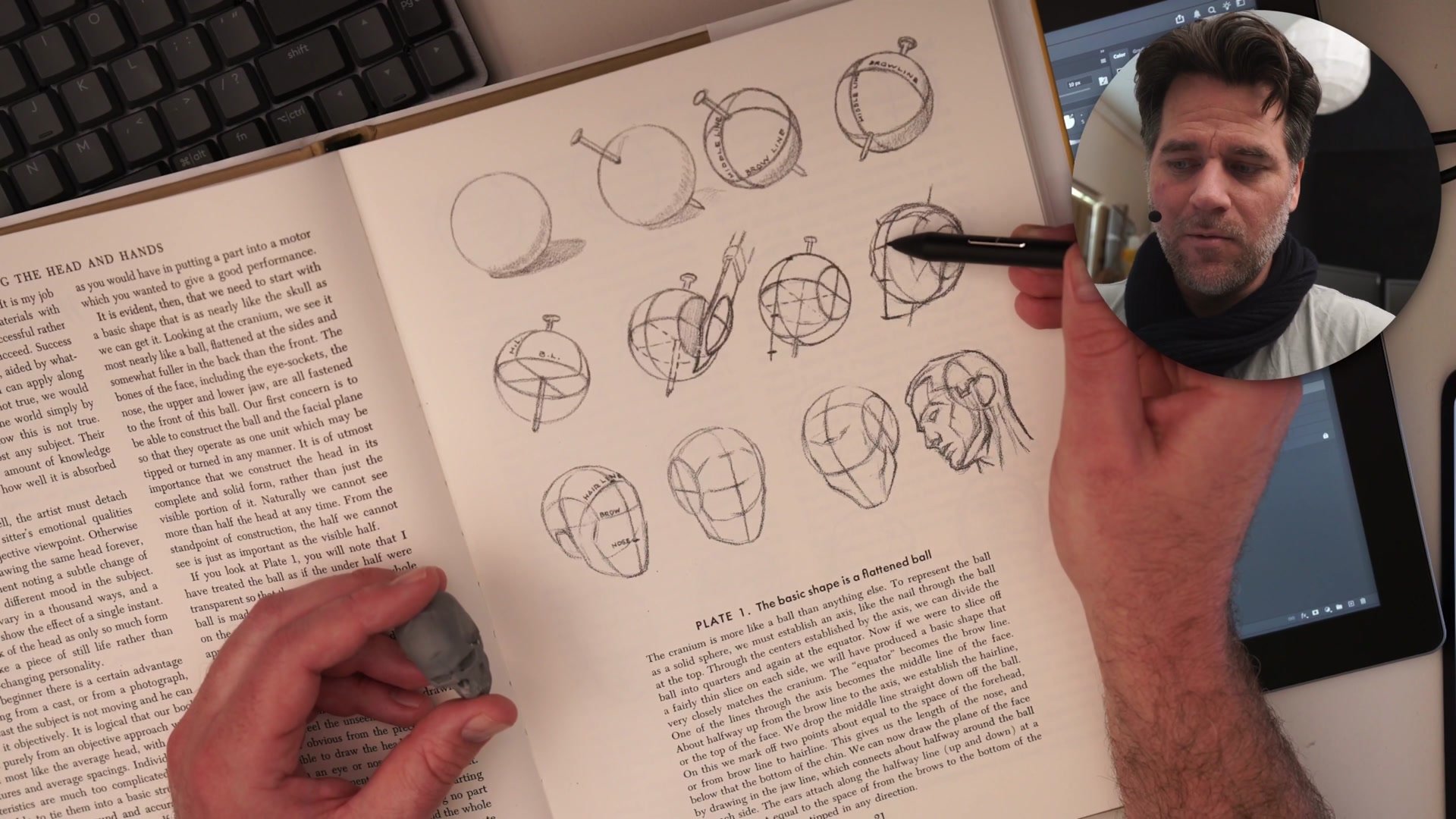
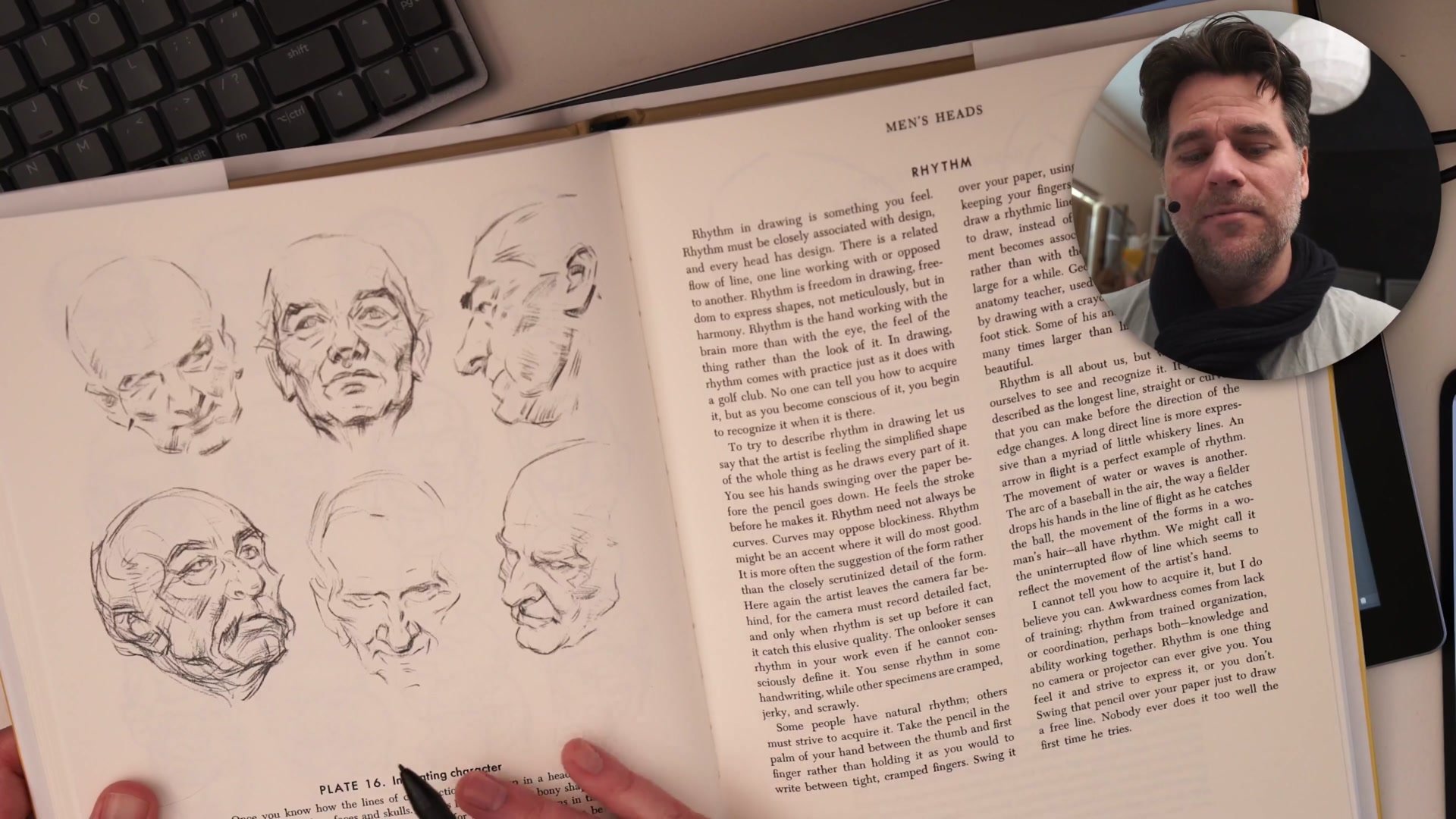
The Loomis Method is everywhere in art education, yet most artists who learn it cannot actually apply it to real character work. There is a fundamental gap between how construction is typically taught and how working artists in animation, comics, and concept art actually use it. Most instruction teaches the method backwards, starting with perfect spheres that produce technically correct but lifeless heads.
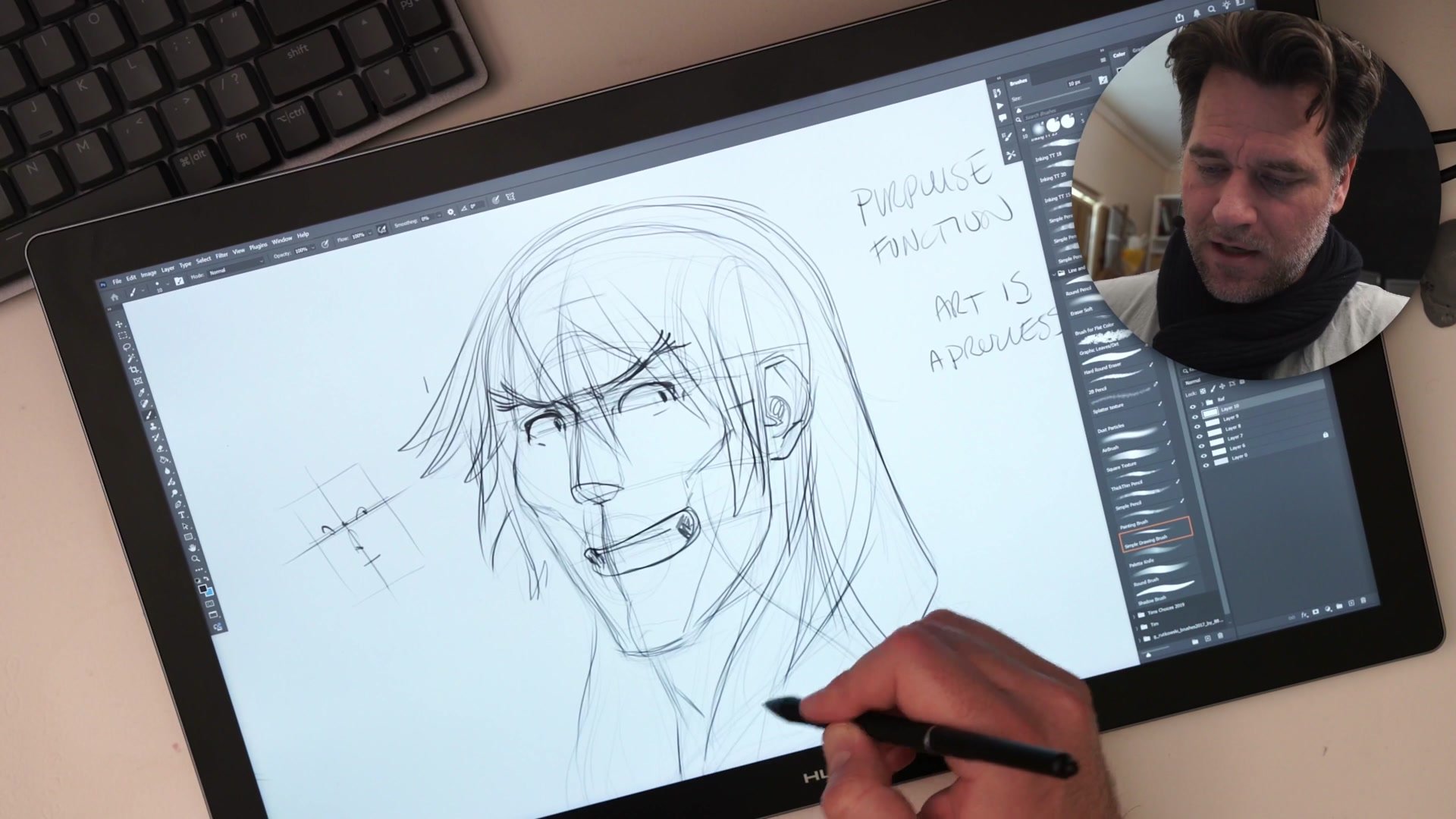
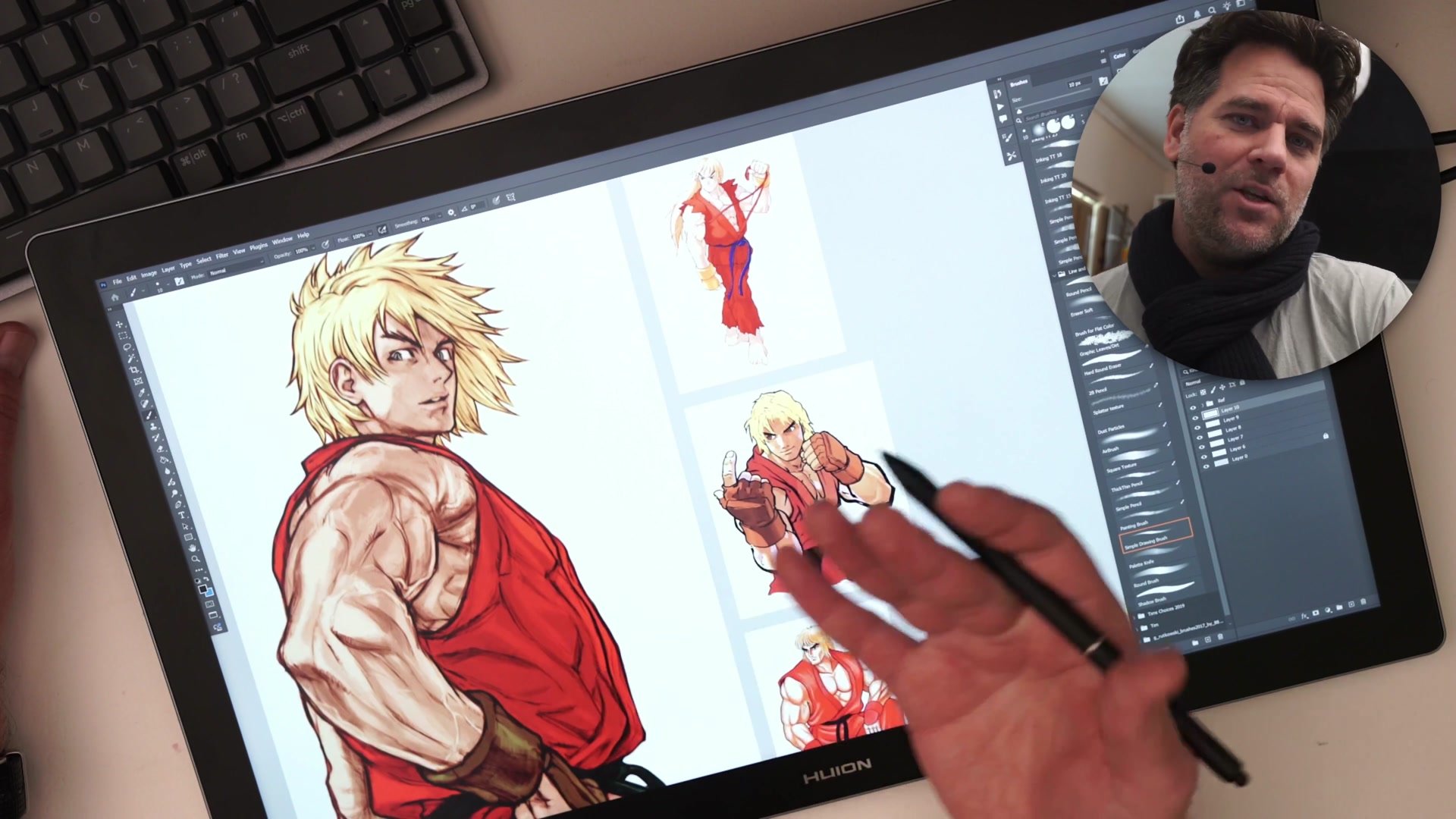
This video bridges that gap using Ken Masters from Street Fighter, demonstrating the iterative workflow that professional artists rely on. Instead of following the textbook sequence, the approach starts with the center line and brow line, treats the sphere as a volume check rather than the foundation, and uses a two-phase process that keeps character appeal while adding structural consistency.
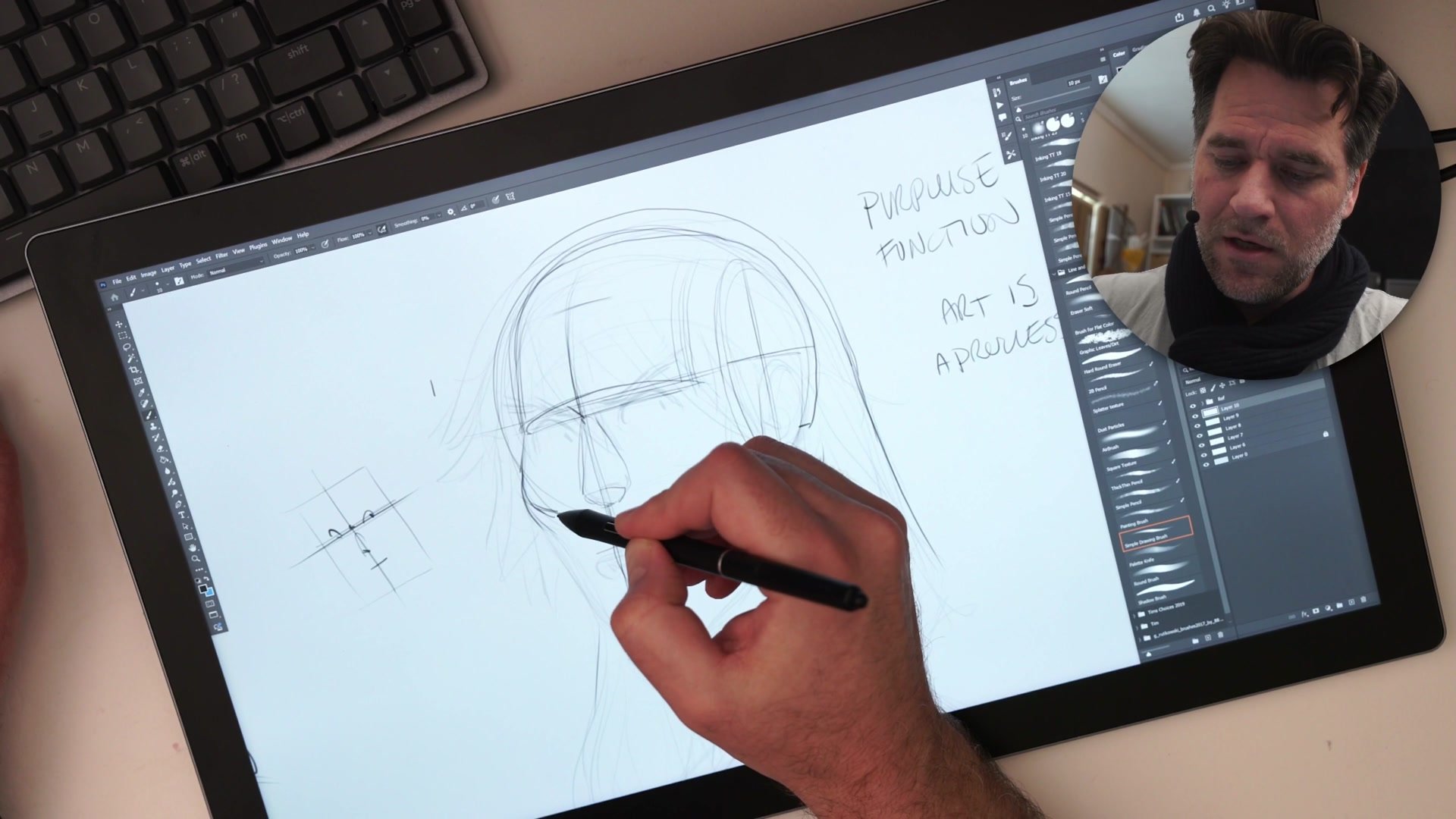
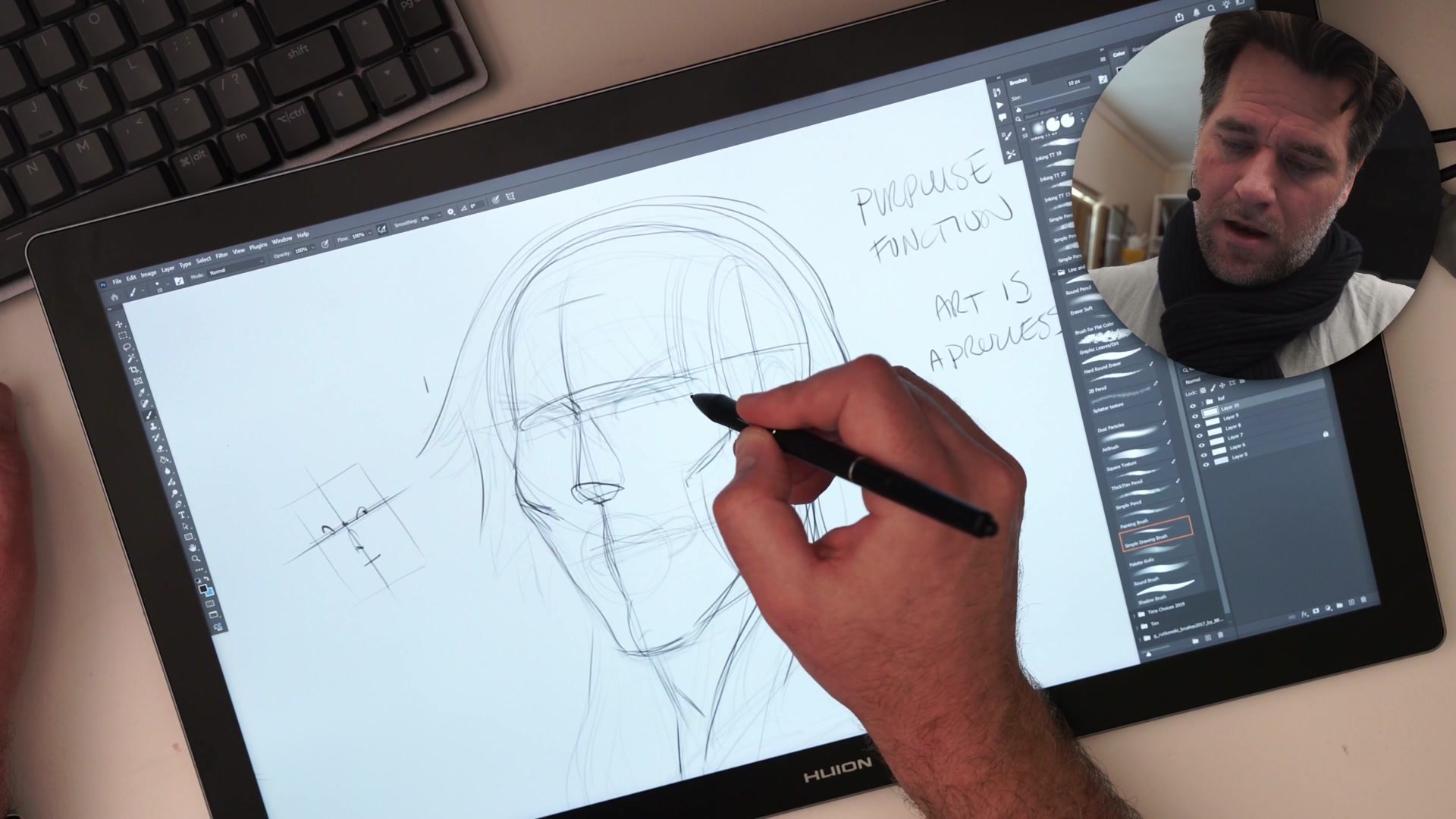
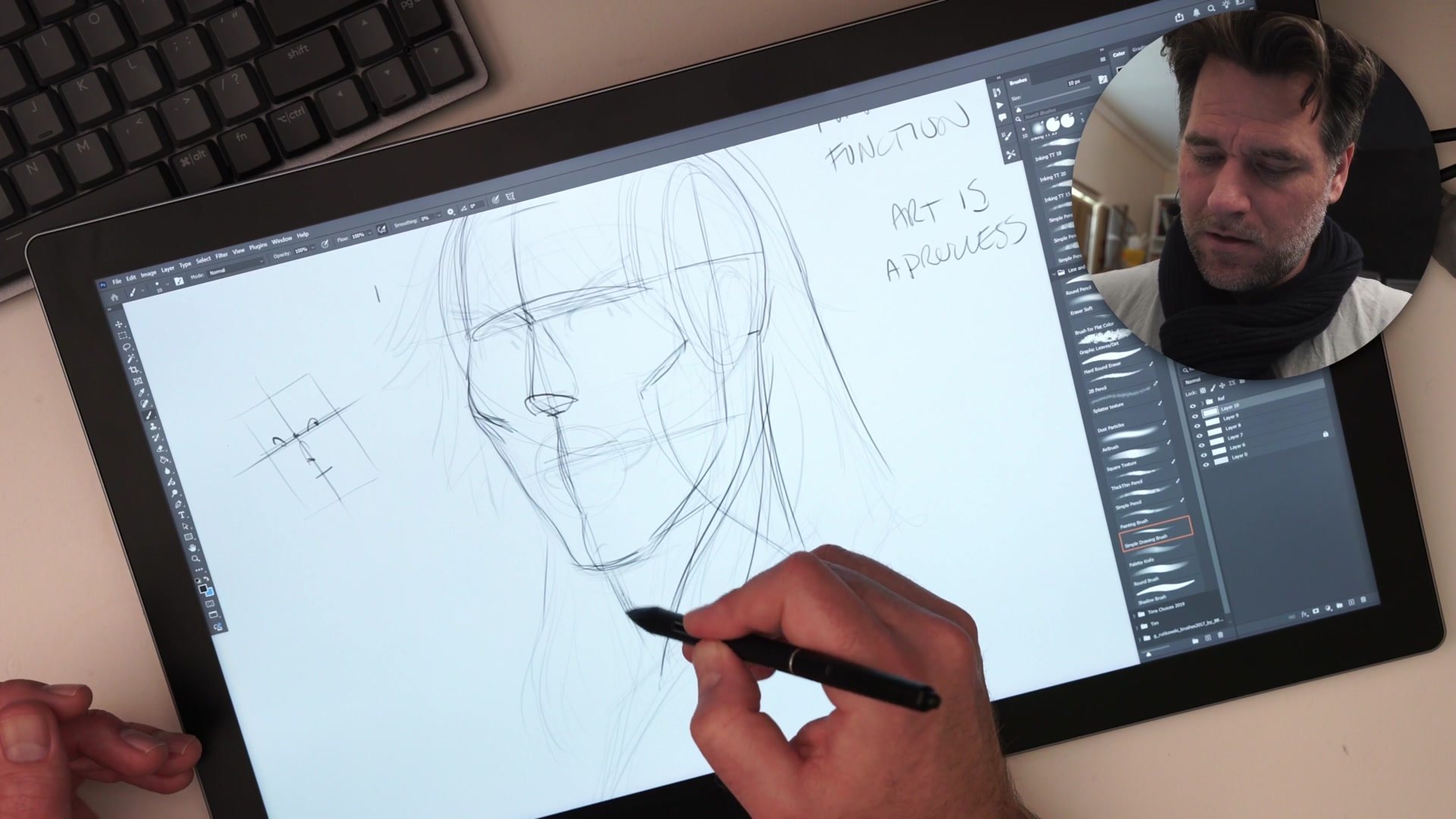
Center Line Over Sphere
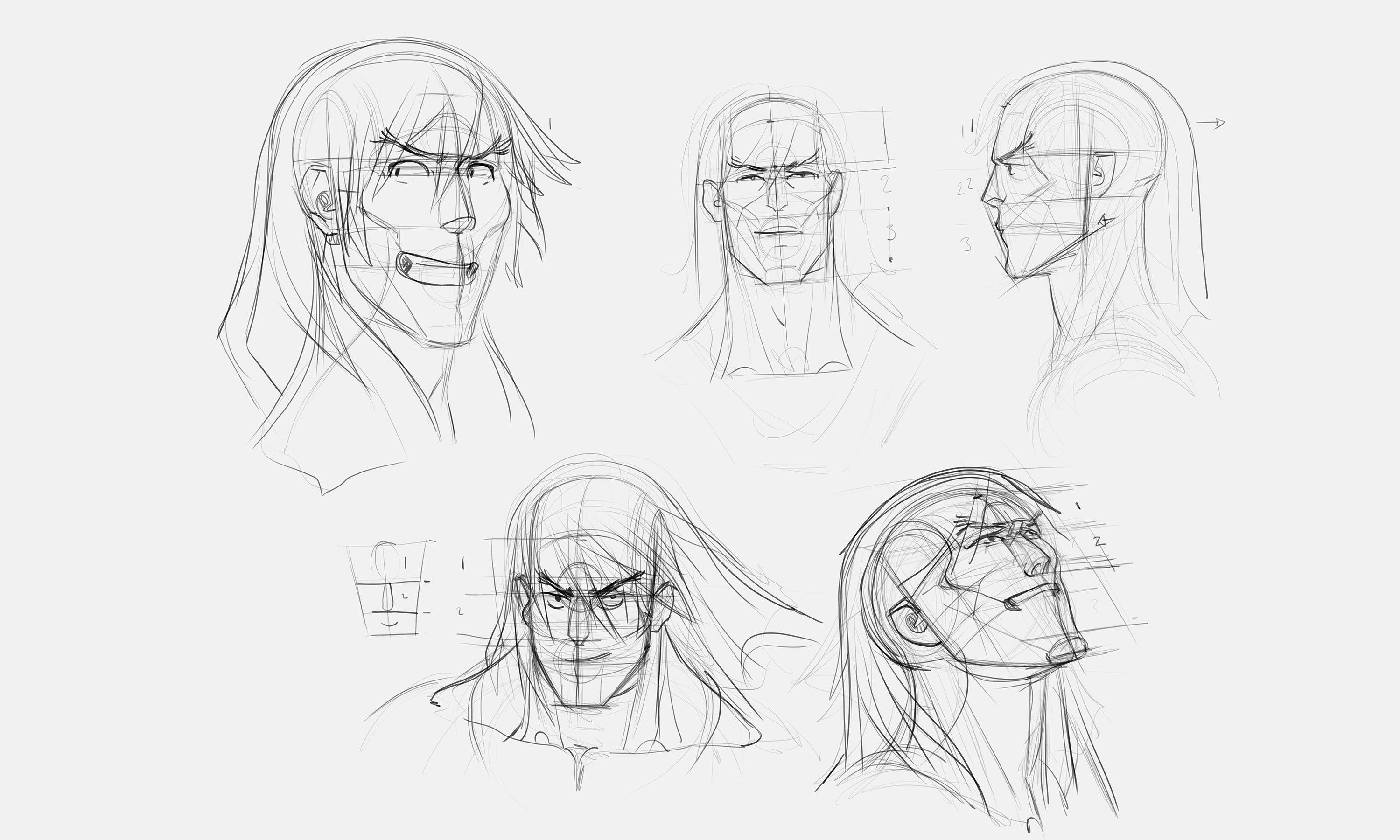
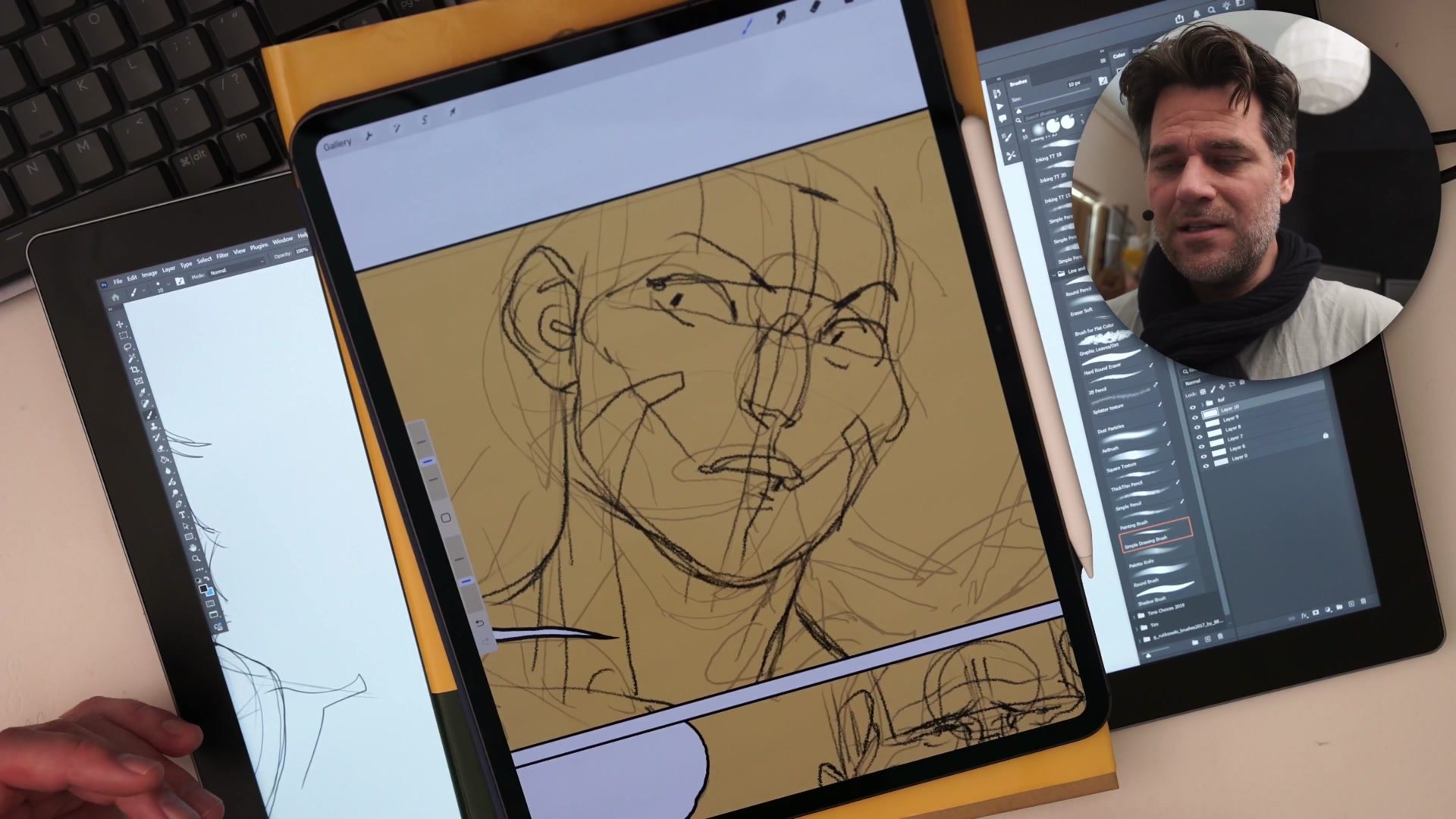
When applying the Loomis method to actual character work, starting with the center line and brow line works far better than beginning with the sphere. These two lines define where the character is looking and how the head sits in space. The center line running down the face determines where the nose, mouth, and chin align. The brow line across the eyes establishes where ears sit and provides the reference for measuring facial width.
Finding these lines first allows construction to improve an existing sketch rather than replace it. When Ken Masters gets sketched with attitude and emotion, locating his center line and brow line afterward fixes structural problems without destroying what made the sketch work. The sphere becomes a helper tool for checking skull mass and hair volume, not the element that controls everything else. This matches how comic artists and animators actually work, sketching character moments first and then using construction to ensure consistency.
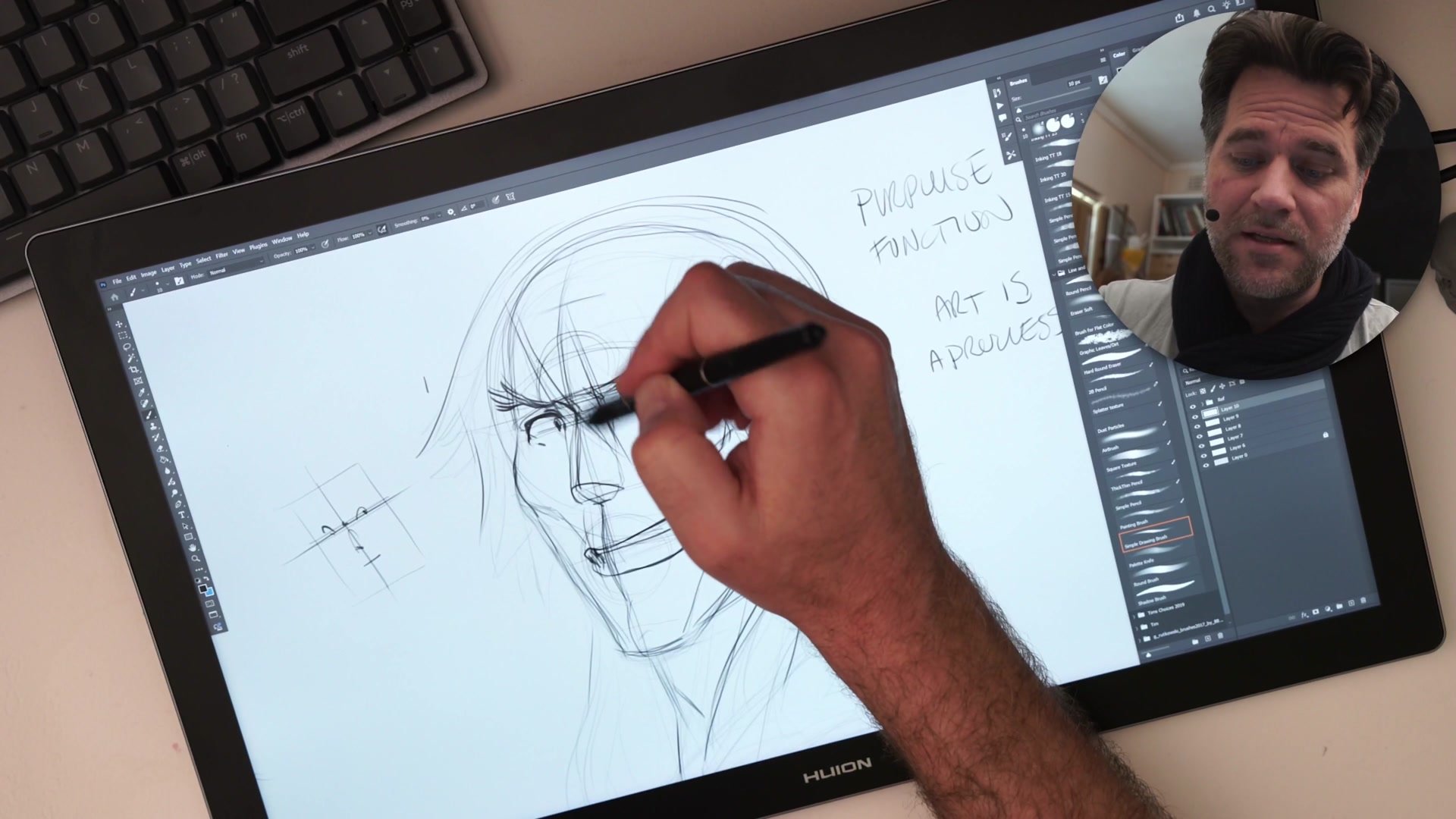
The Two-Phase Workflow
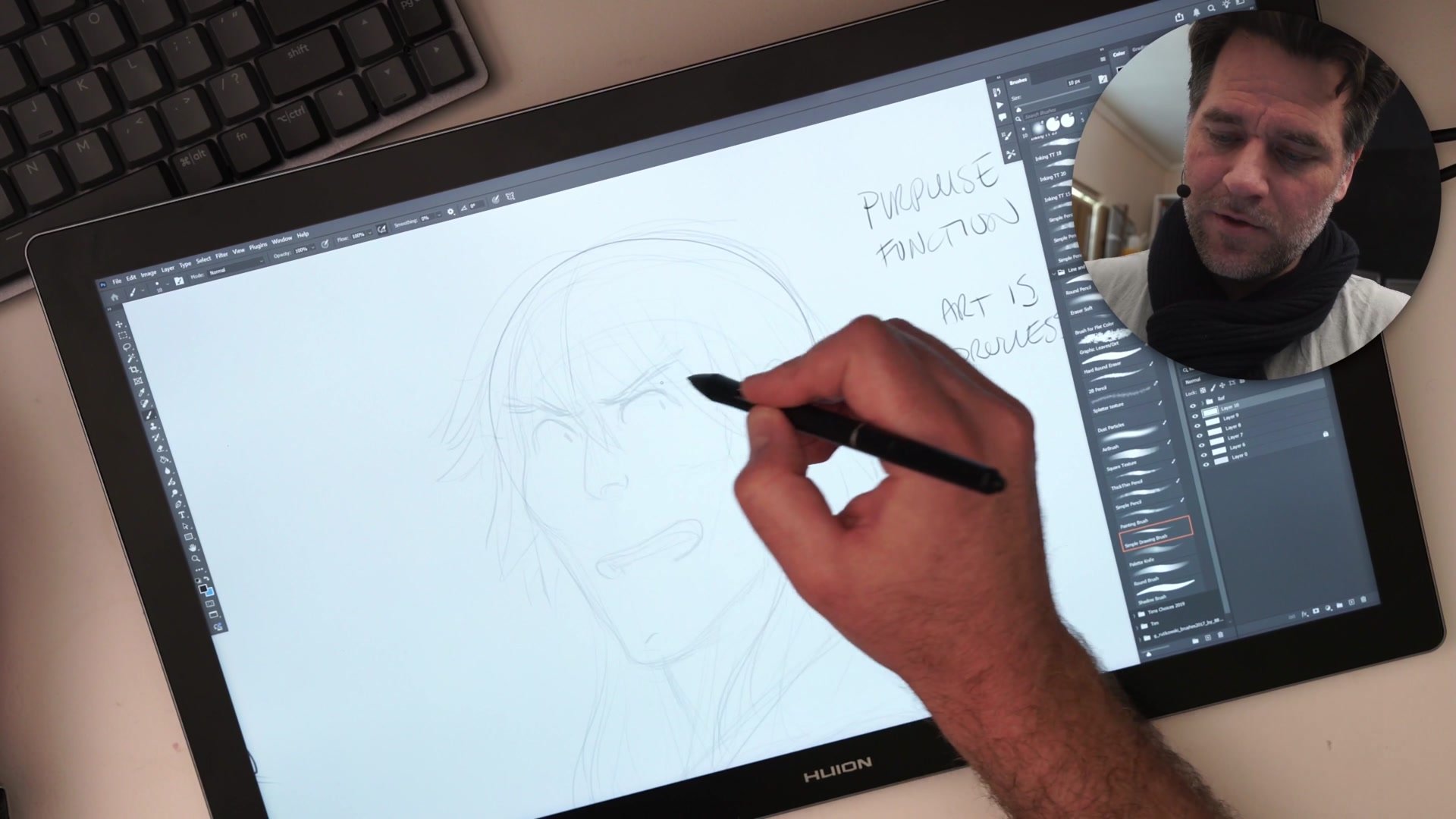
Real production use of the Loomis method works through two distinct phases. The first phase focuses entirely on capturing character, emotion, and the specific angle or pose needed. This rough sketch cares more about making Ken feel like Ken than achieving anatomical precision. Structural accuracy comes second to character expression because the goal is nailing the attitude, the hair flow, and the overall feeling of the moment.
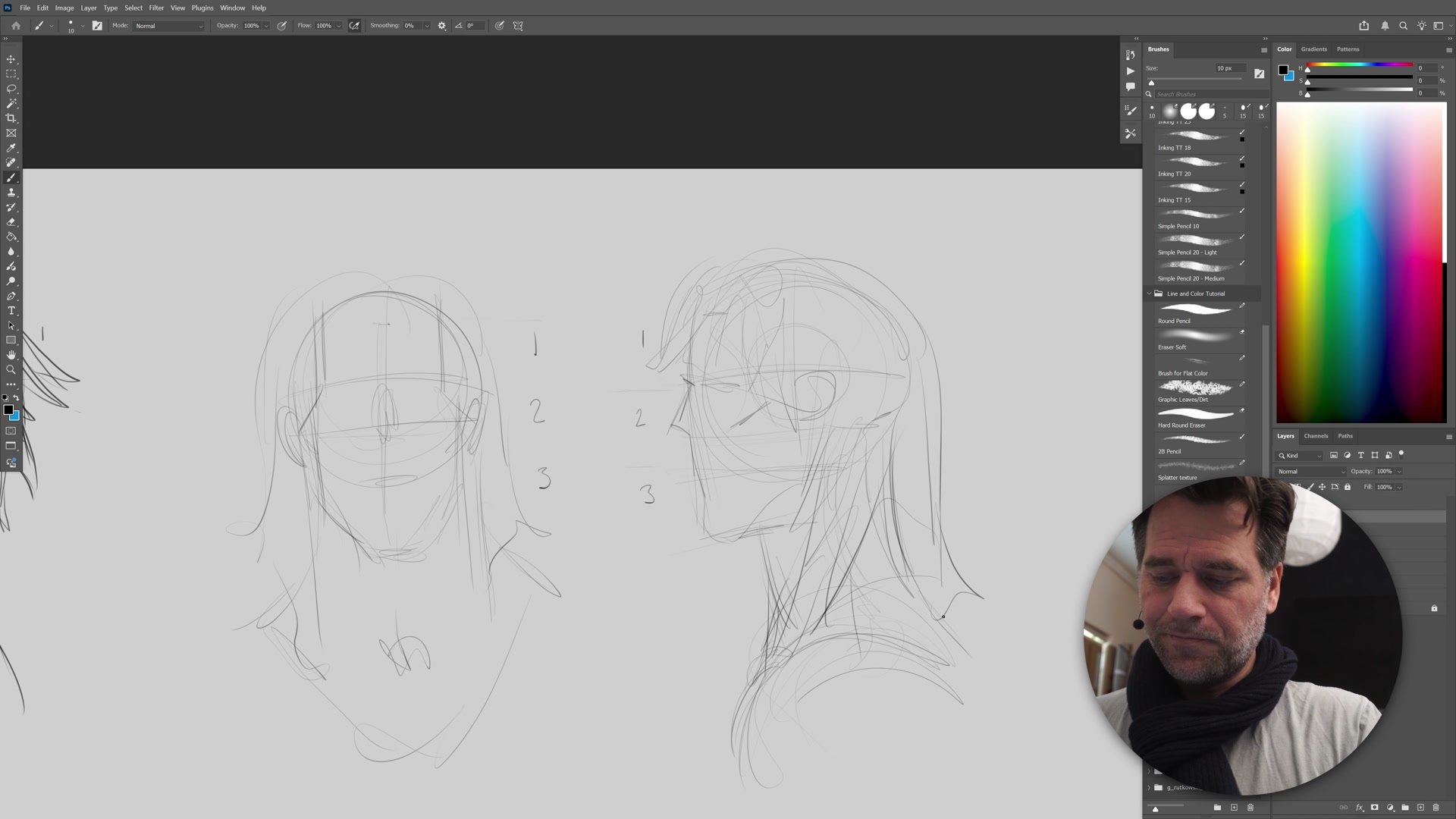
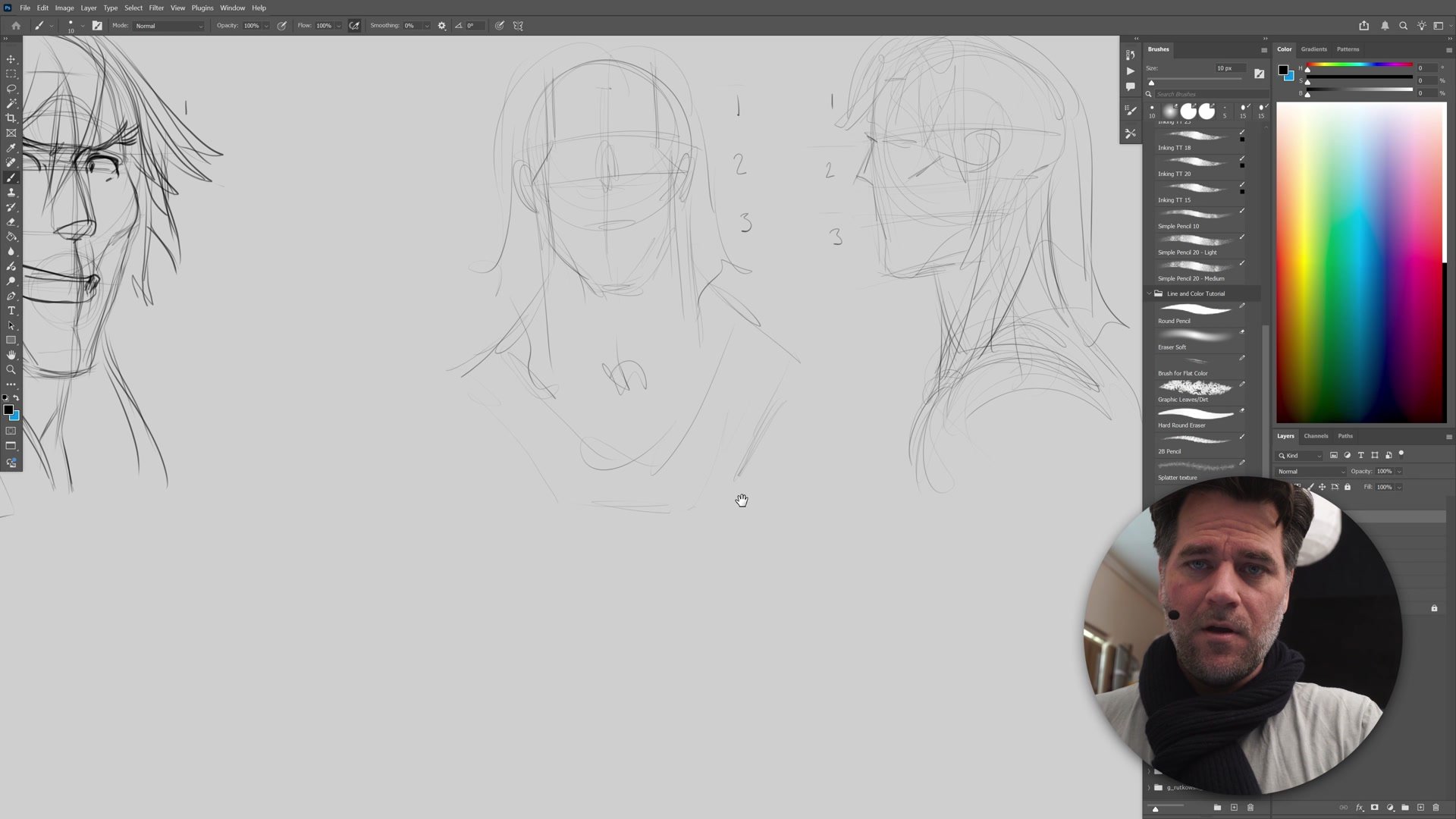
The second phase uses construction methods to refine and strengthen what already exists. The center line and brow line get established, the Loomis sphere helps define skull volume, and the three-proportion system checks facial measurements. This construction phase builds on the character from the rough sketch instead of overwriting it. The approach gives confidence to sketch freely, knowing that structural problems can be solved later. Whether drawing Ken in multiple comic panels or across animation frames, the emotional sketch provides the foundation while construction provides the consistency.
Multi-Angle Consistency
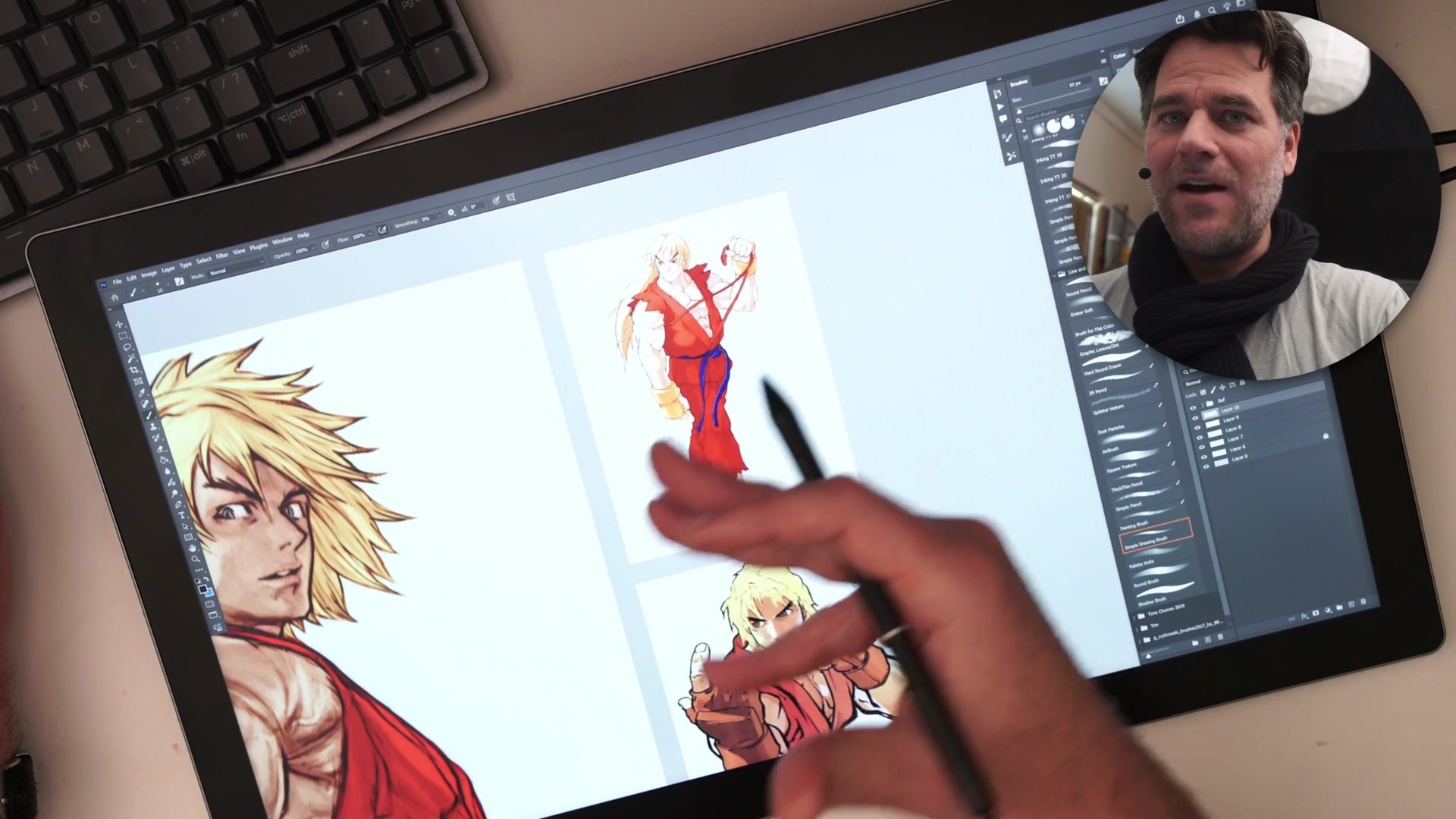
The real test of construction methods is maintaining character appeal across multiple angles. Ken Masters needs to feel like the same person whether viewed from the front, side, looking down, or looking up. The three-proportion system from the Loomis method, dividing the face from hairline to brow, brow to nose, and nose to chin, provides the reliable framework for this kind of consistency.
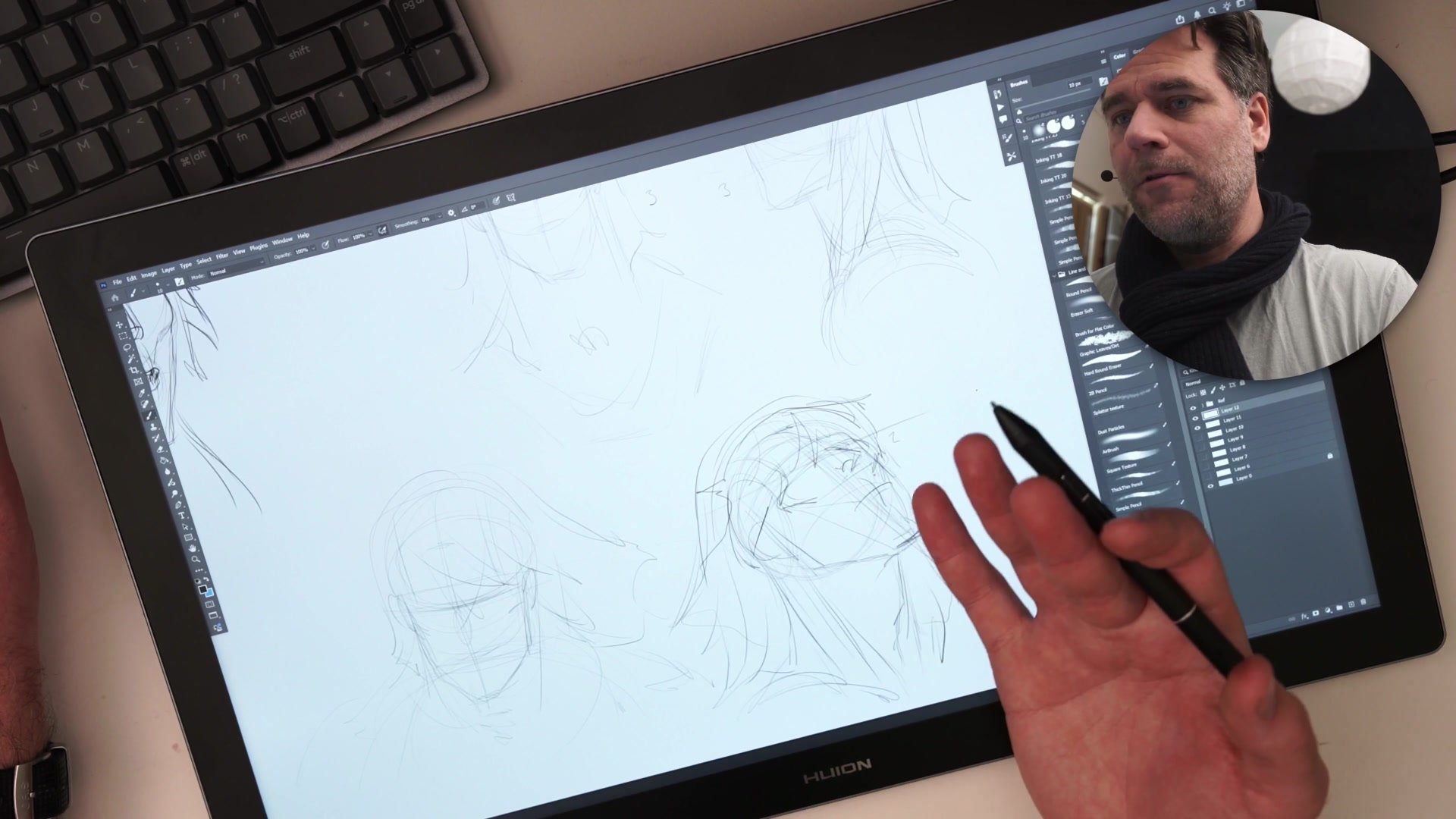
Drawing from challenging angles reveals how perspective affects these proportions. Looking down at Ken, the forehead proportion appears larger while the jaw diminishes. Looking up, the chin and jaw dominate while the forehead compresses. The proportional framework adapts to these perspective shifts while keeping the character recognizable. Most YouTube tutorials and art courses teach the method as a linear sequence that works for generic demonstration heads but breaks down when drawing a specific character with personality at difficult angles. The systematic approach demonstrated here keeps Ken on model across every view.
Key Principles
Center Line First: Starting with the center line and brow line rather than the sphere keeps construction functioning as a refinement tool. These two lines define head position and create the grid for placing every other feature.
Sketch Then Construct: Rough emotional sketching first captures character appeal. Construction refinement second adds structural consistency. This two-phase process preserves what makes a character work while solving dimensional problems.
Construction Serves Character: The Loomis method works best as a problem-solving tool for maintaining consistency across multiple drawings, not as a step-by-step recipe for creating individual heads.
Proportions Adapt to Angles: The three-proportion system provides a reliable framework that adapts to challenging viewing angles and different levels of stylization while keeping character recognition intact.
Try This
Start With Emotion: Pick a character and do a loose sketch focusing purely on expression and personality. Do not worry about structure yet. Capture what makes the character feel like themselves.
Find the Cross: On that same sketch, locate the center line running down the face and the brow line across the eyes. These two lines reveal head position and establish the grid for every other feature.
Add Construction: Layer in the Loomis sphere for volume, check the three facial proportions, and refine structural problems while preserving the original character appeal from the rough sketch.