The Hidden Foundations of Drawing
Summary
The Tutorial Hell Escape
One of the biggest traps in learning to draw is focusing on the wrong things at the wrong time. Artists get stuck in tutorial hell, endlessly consuming content about anatomy, perspective, rendering, and technique, yet failing to actually make progress. The core issue is that drawing is a physical, somatic skill. Like riding a bike or playing an instrument, knowledge alone does nothing without practice. The real unlock comes from understanding that beneath the traditional art fundamentals everyone obsesses over, there are two hidden foundational layers that most artists skip entirely. Without these in place, no amount of technique study will produce meaningful improvement.
A 5-stage framework maps the artistic journey from raw beginner to working professional, and the critical insight is that stages one and two are the foundations everything else depends on. Getting these right changes the entire trajectory.
Process In Action
The Two Hidden Foundations
Stage one is simply turning up. Building a consistent artistic practice where the focus is on showing up regularly, not producing masterpieces. Grab a sketchbook and pencil, find the right time and space in your life, and build the habit of drawing. The quality comes later. What matters first is developing a healthy relationship with the act of making art, working through blank page syndrome, and establishing creative flow as a regular part of life.
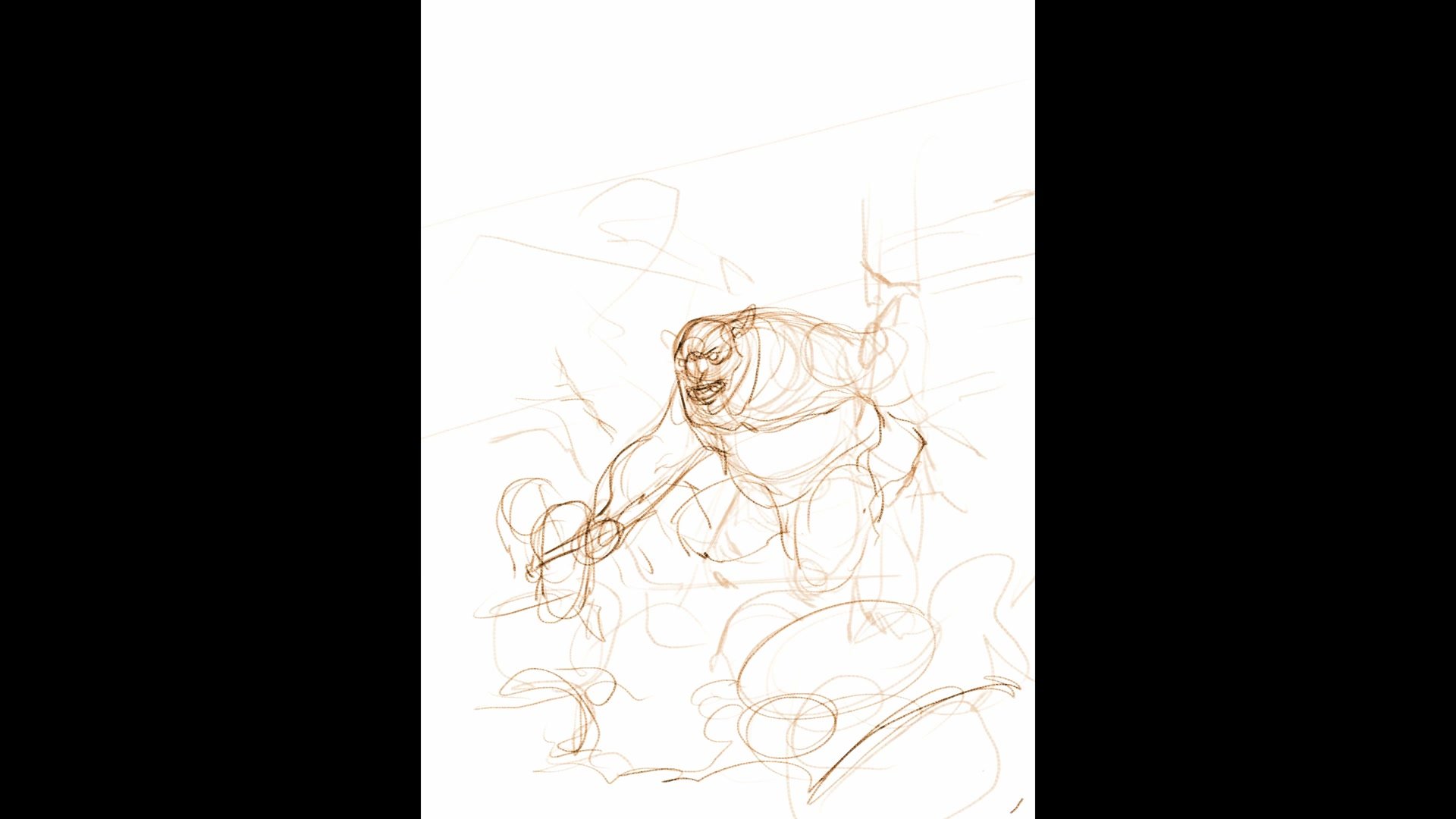
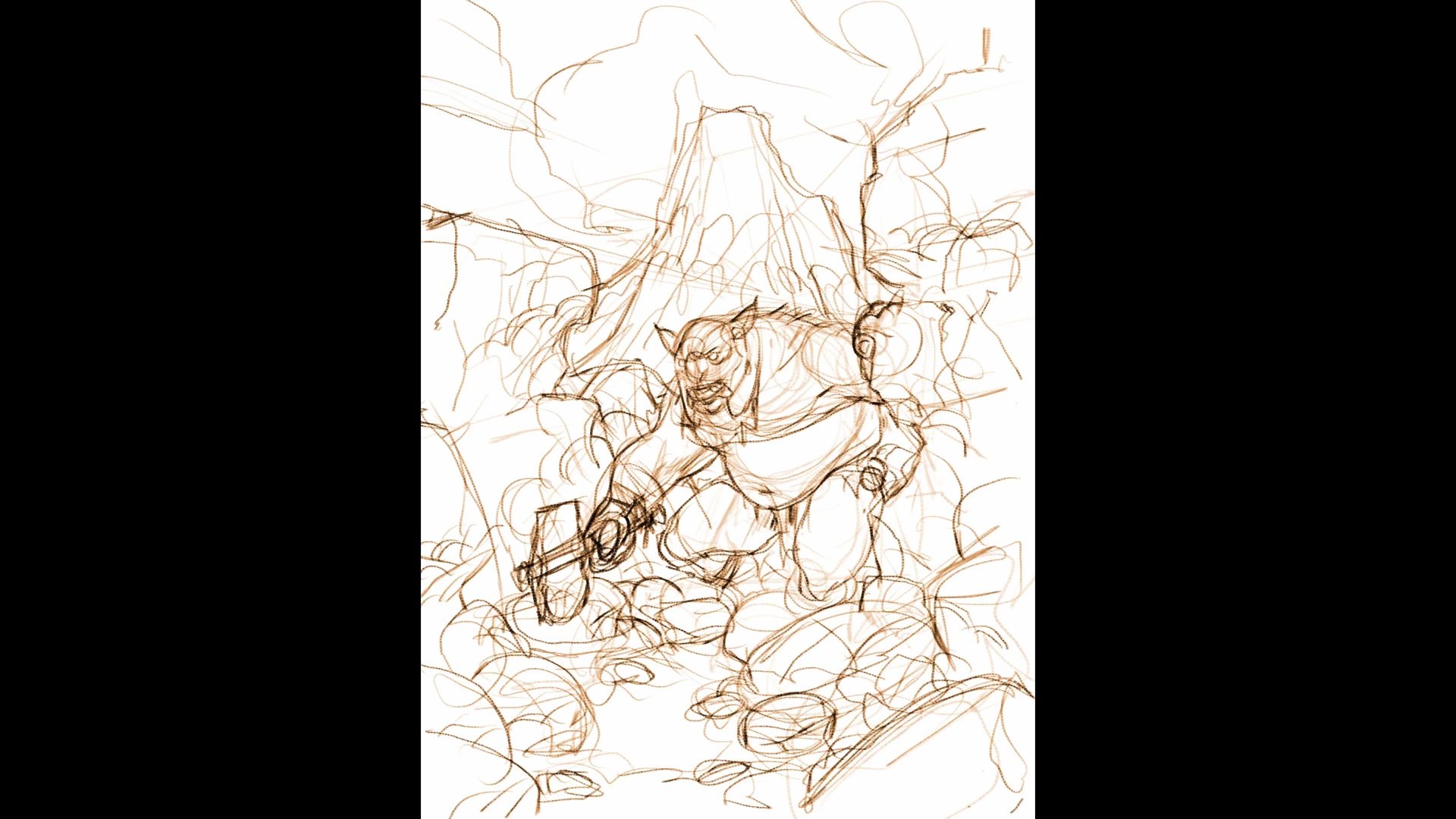
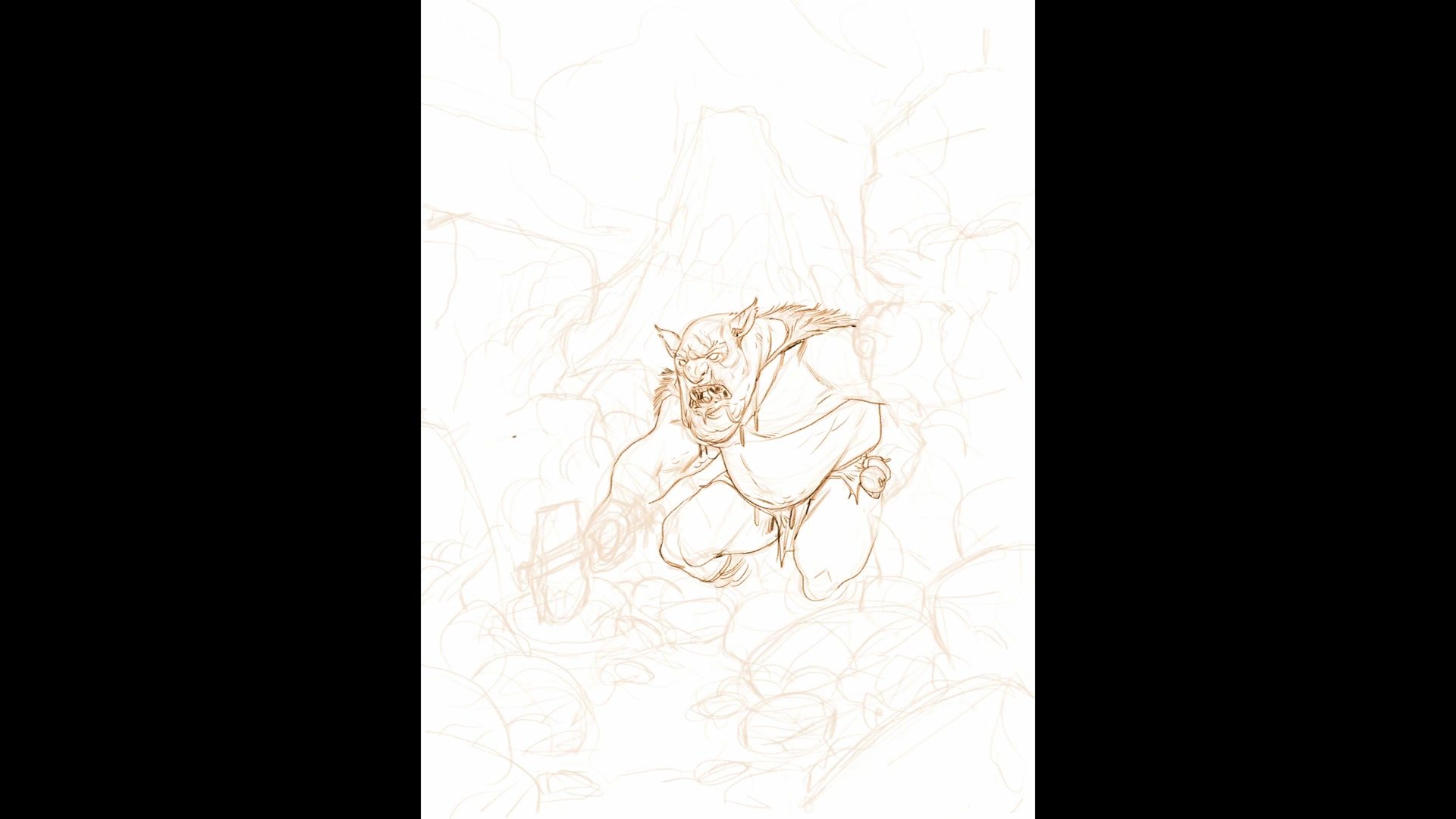
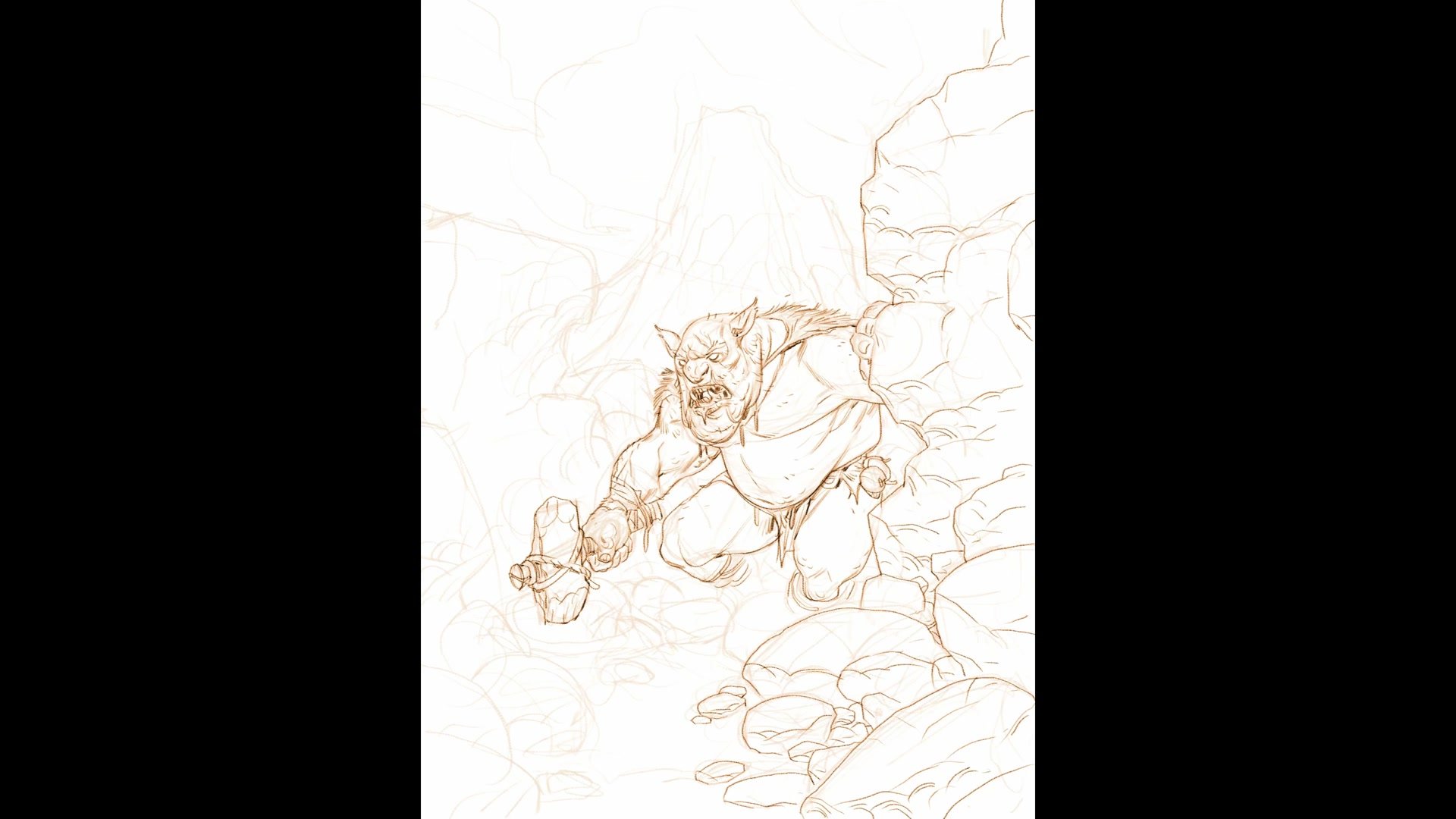
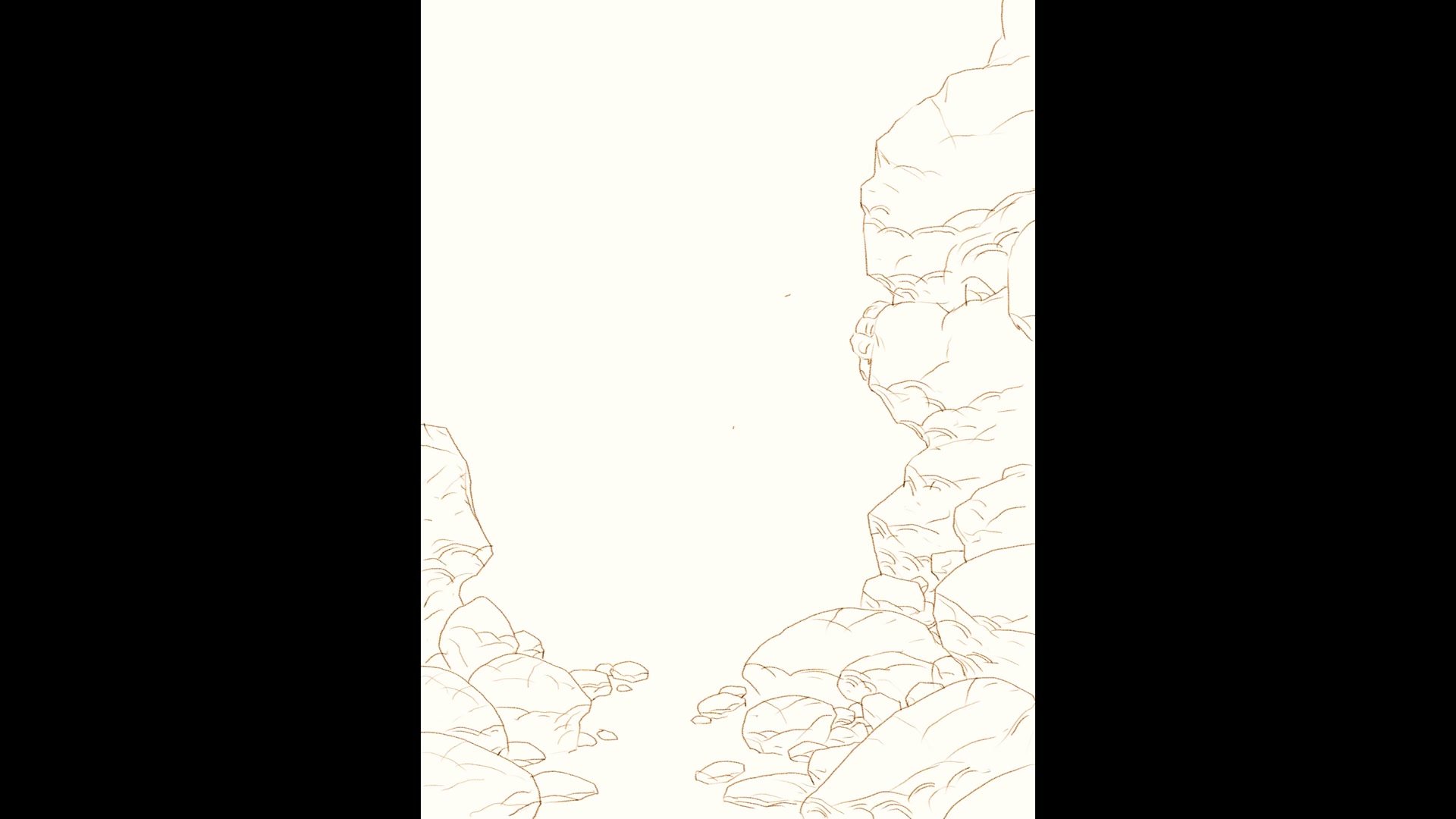
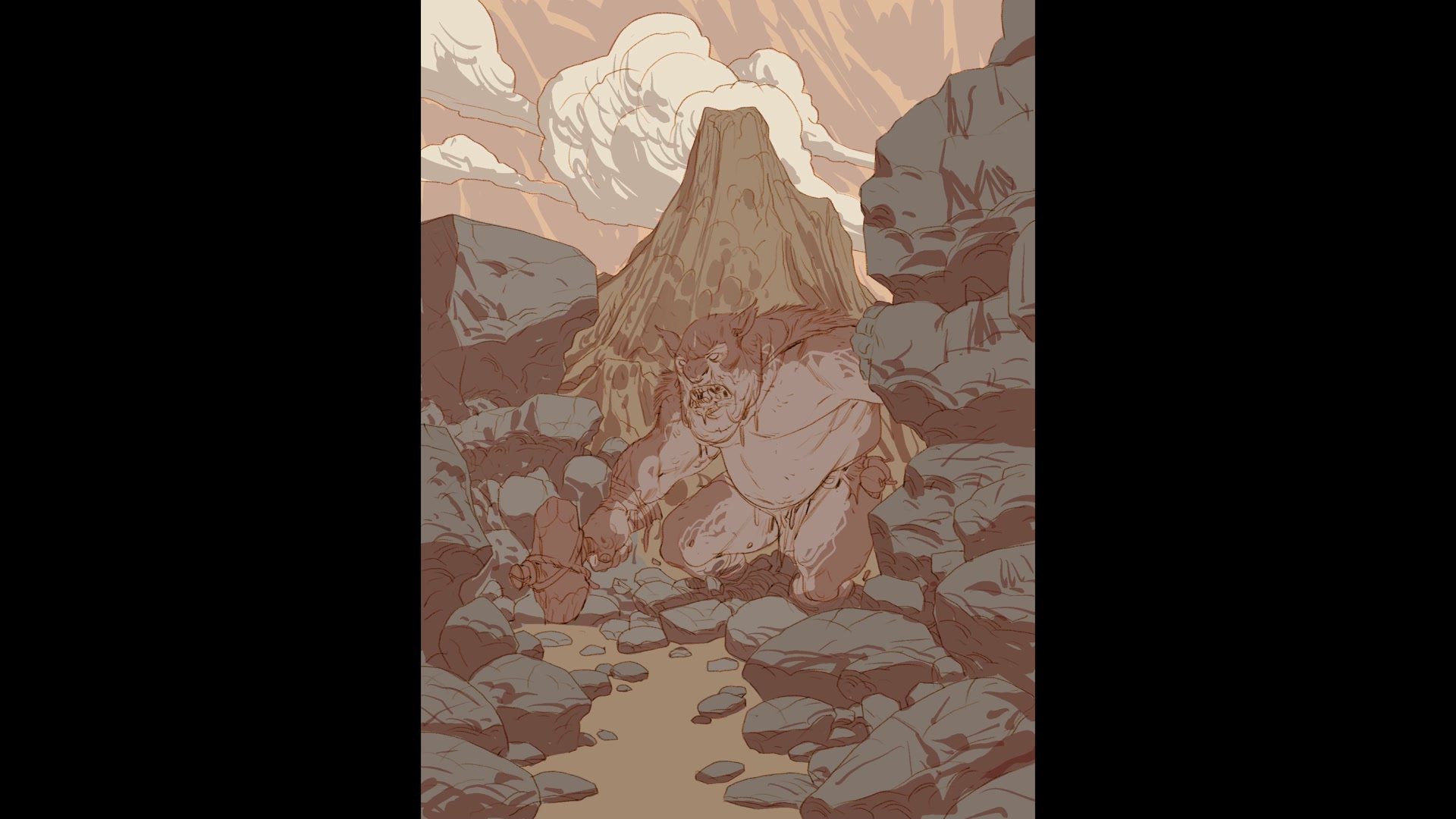
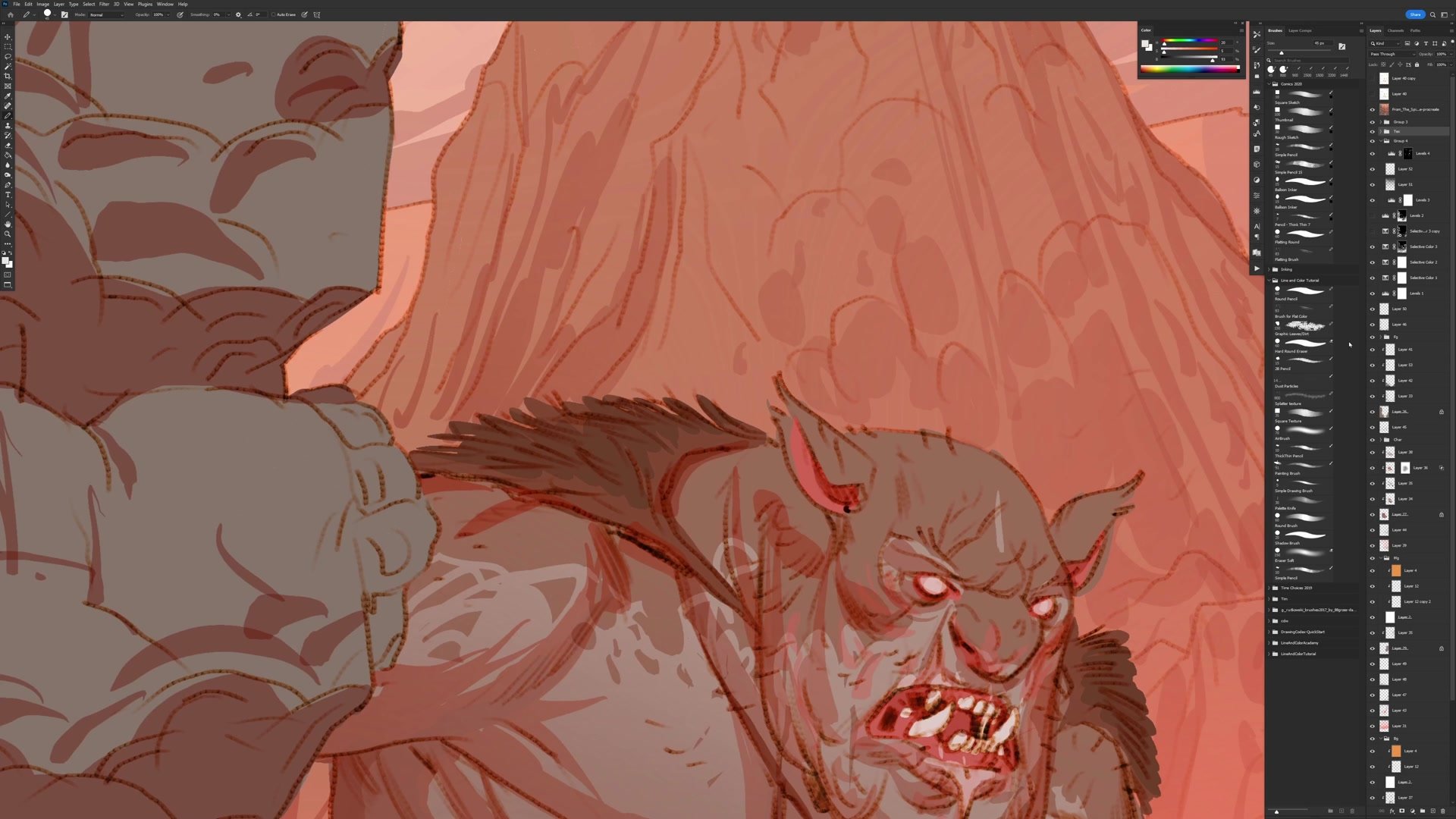
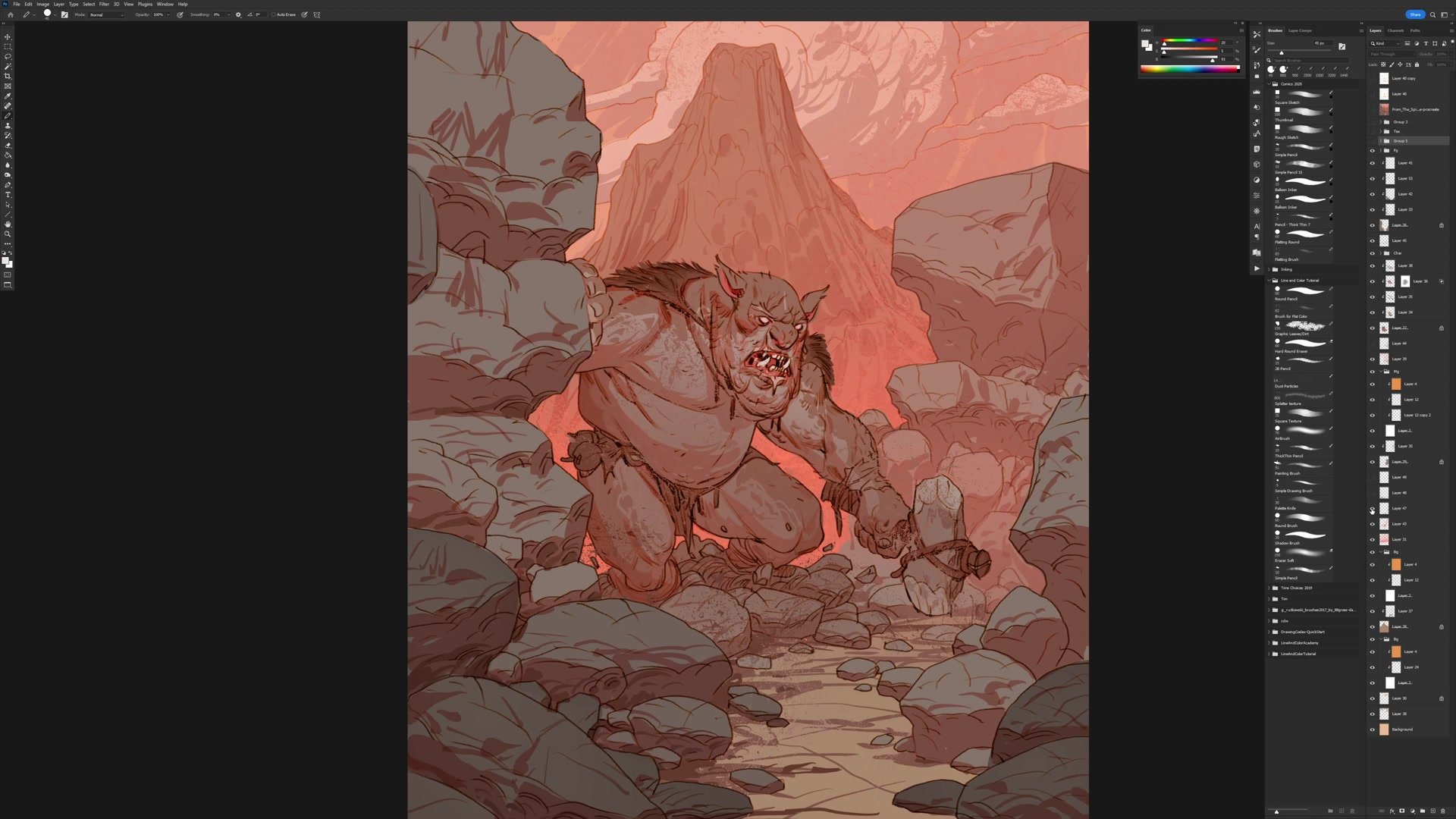
Stage two is developing a simple, reliable process for making art. This means having a clear step-by-step approach for going from blank page to finished piece. It includes planning phases for thumbnails and composition, a construction phase where anatomy and drawing craft can be explored and practiced, and a refinement phase for finishing. The process does not need to be complex. It needs to be reliable enough that every image benefits from a consistent workflow that naturally incorporates learning opportunities.
From Construction to Finish
Getting Better By Just Doing
Once those two hidden foundations are in place, stage three becomes available. This is where artists make art regularly, improve naturally as they go, and can start incorporating specific skills like anatomy or color theory into their actual work. The snowball rolls downhill because a reliable process with built-in learning phases means every piece is both a finished work and a practice session.
The key is resisting the urge to jump ahead. Style, professional development, complex techniques, fancy tools, and advanced layer methods are stages four and five. Worrying about any of those before building a consistent practice and a reliable process is putting the cart before the horse. Keep tools simple, focus the illustration process on having solid planning, construction, and refinement phases, and trust that improvement happens through doing. Art is a physical skill that develops through practice, and most of the important lessons come from simply making the work.
Key Concepts
Somatic Skill: Drawing is a physical learning modality like riding a bike. Knowledge without practice is worthless. Getting better comes from actually making art, not consuming tutorials about making art.
Hidden Foundation One: Turning up consistently is the base layer everything else depends on. Building a regular artistic practice with pencil and paper, without pressure for quality, establishes the habit that makes all other progress possible.
Hidden Foundation Two: A simple, reliable process for creating images from start to finish. Including planning, construction, and refinement phases means every piece naturally incorporates learning opportunities for composition, anatomy, and drawing craft.
Build Your Foundation
Start With Habit: Get a sketchbook and pencil. Focus on turning up regularly to draw, without worrying about quality. Build the space and time in your life for a consistent artistic practice.
Develop Your Process: Create a simple step-by-step workflow for making images. Include a planning phase for thumbnails, a construction phase for drawing craft, and a refinement phase for finishing. Keep tools minimal and the process reliable.
Track Your Progress: Once you are making art regularly with a reliable process, start tracking whether you are improving. When you can see steady progress over a couple of months, the foundation is working and the snowball is rolling.