Why Building an Art Career Takes So Long
Summary
The Art Career Paradox
Building a lasting art career is one of the most deceptively complex challenges an artist faces. It requires figuring out what you actually have to say, developing the craft to say it well, and then finding your footing within the broader industry. Most artists assume that if they just find the right style, everything else will fall into place. That assumption can cost years.
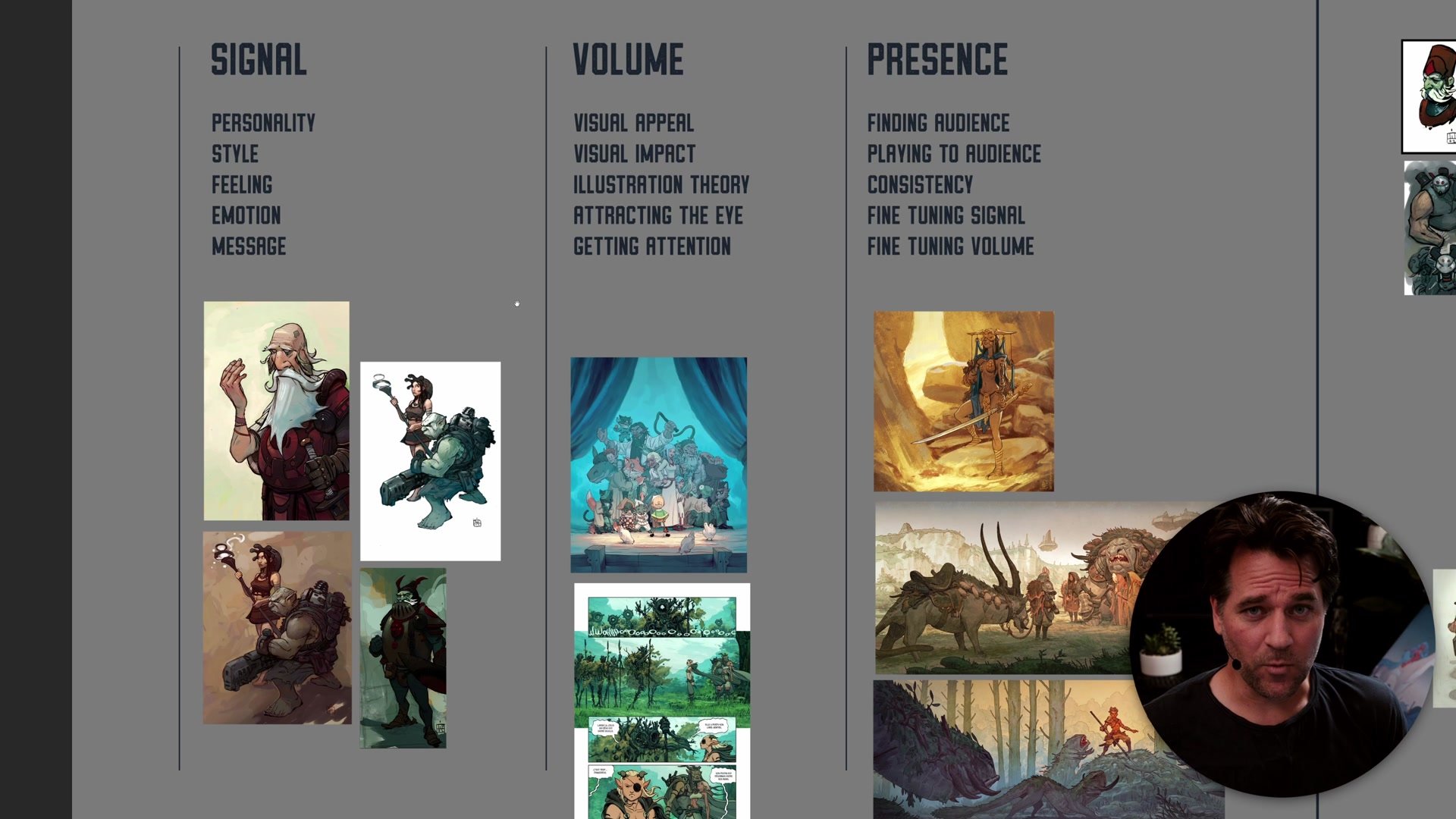
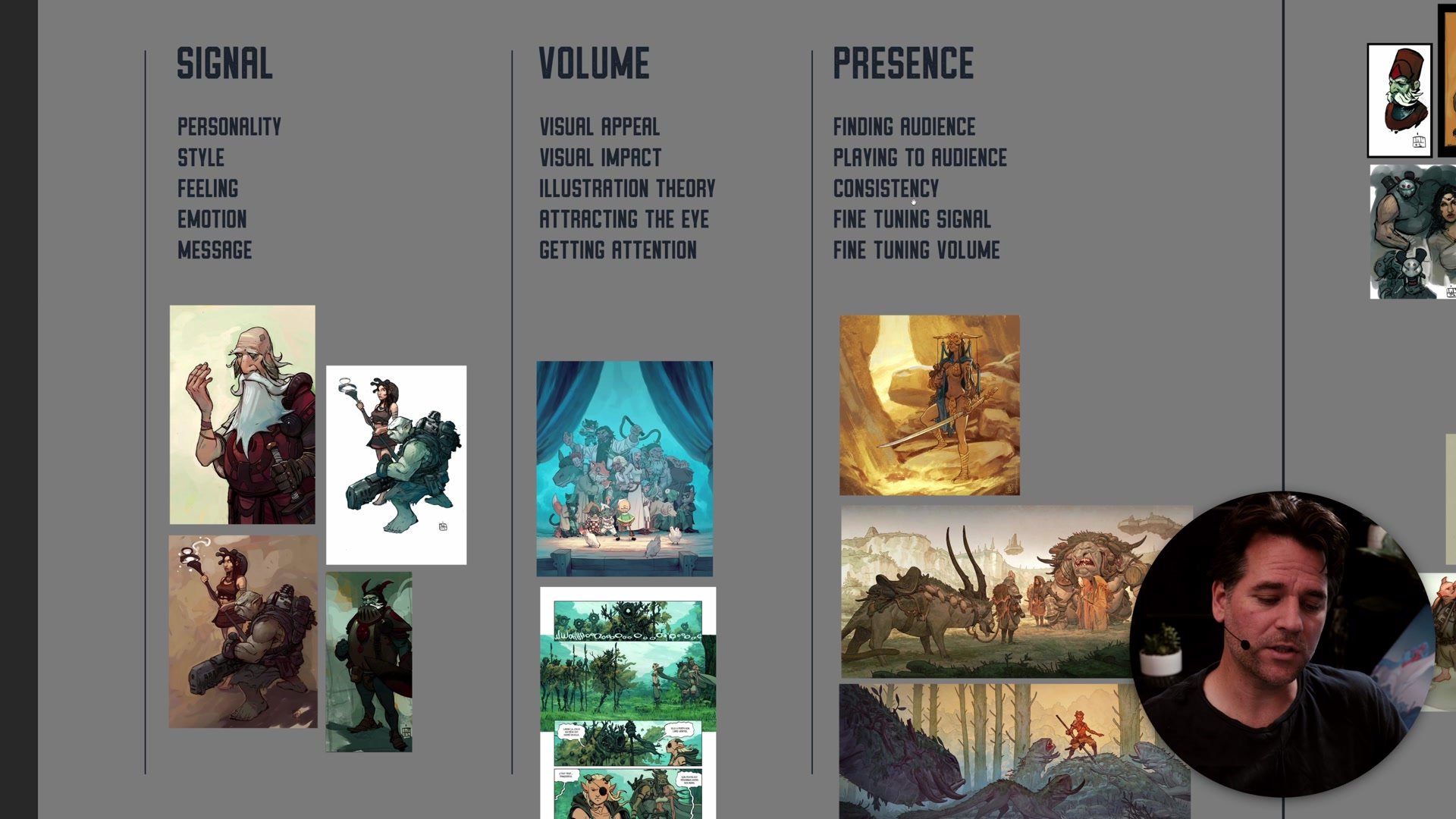
The Signal, Volume, and Presence framework offers a clearer way to think about this. Signal is the unique artistic voice, the feeling and message embedded in the work. Volume is how that signal gets amplified through illustration theory, color, composition, and visual impact. Presence is the consistency of showing up with that same signal over time so that audiences, art directors, and publishers actually know what to expect. The trap most artists fall into is obsessing over one element while neglecting the others, and the most common mistake is treating artistic style as a fixed destination rather than an evolving expression of something deeper.
The Signal Framework
Style as a Static Destination
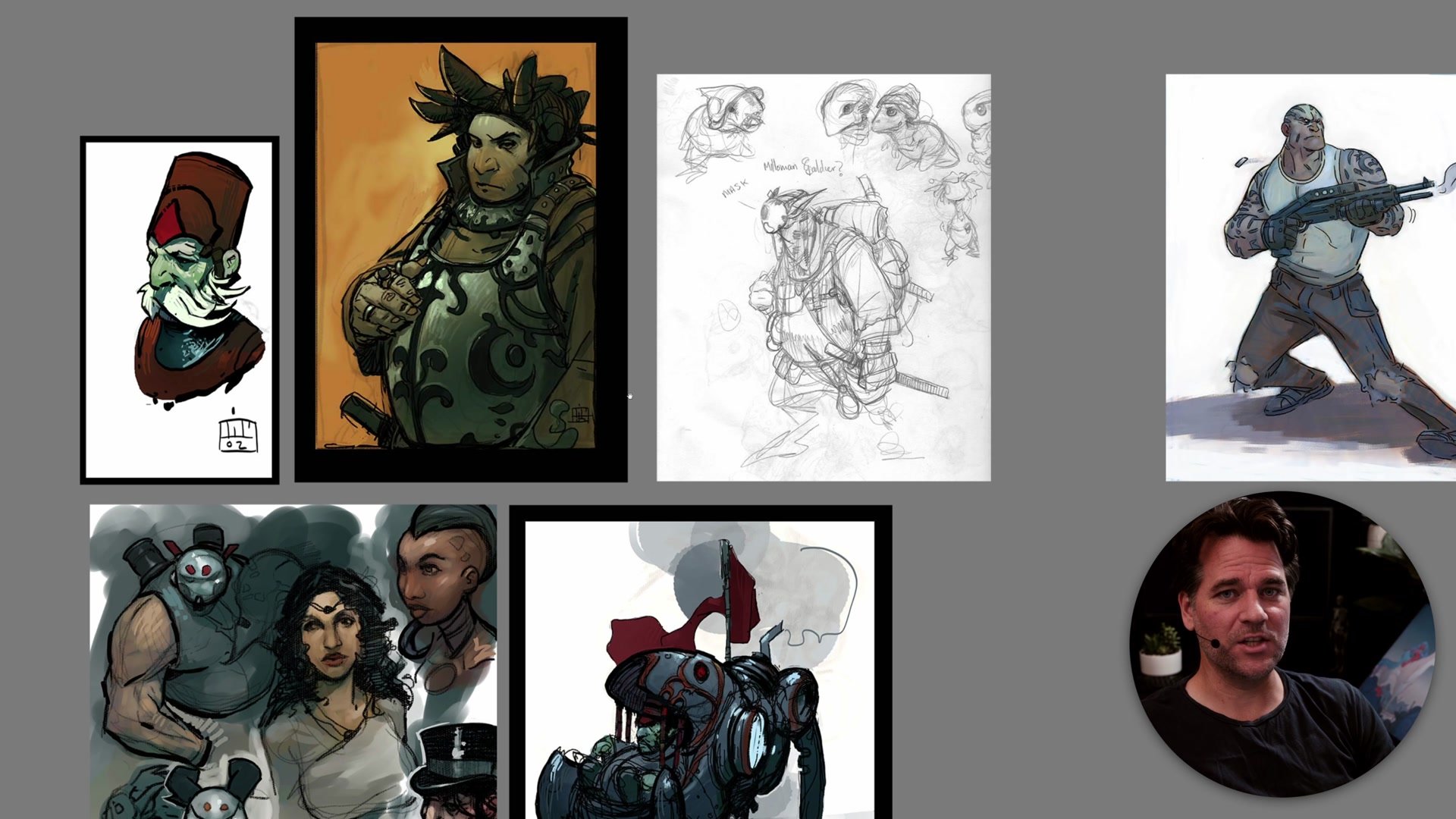
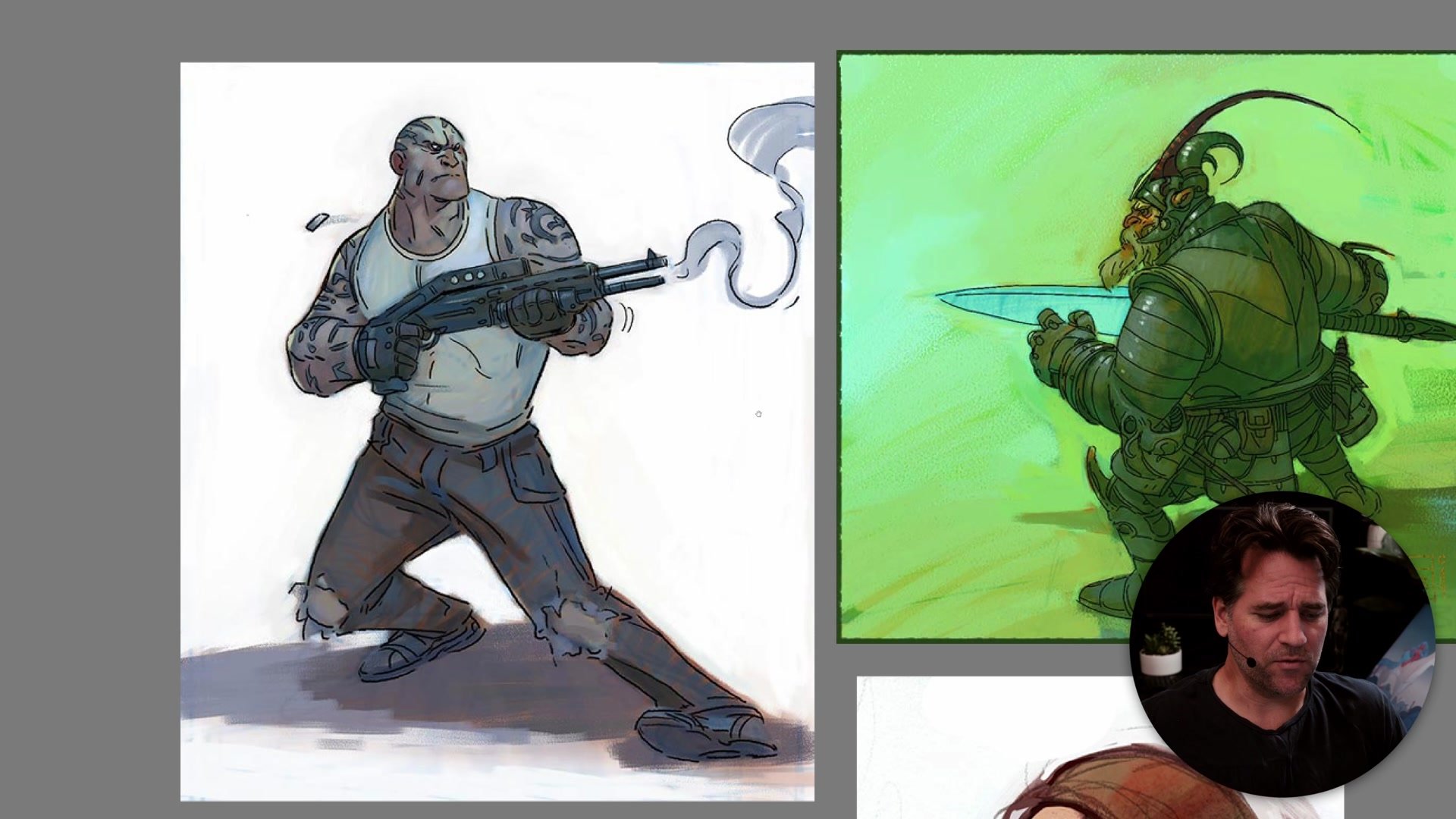
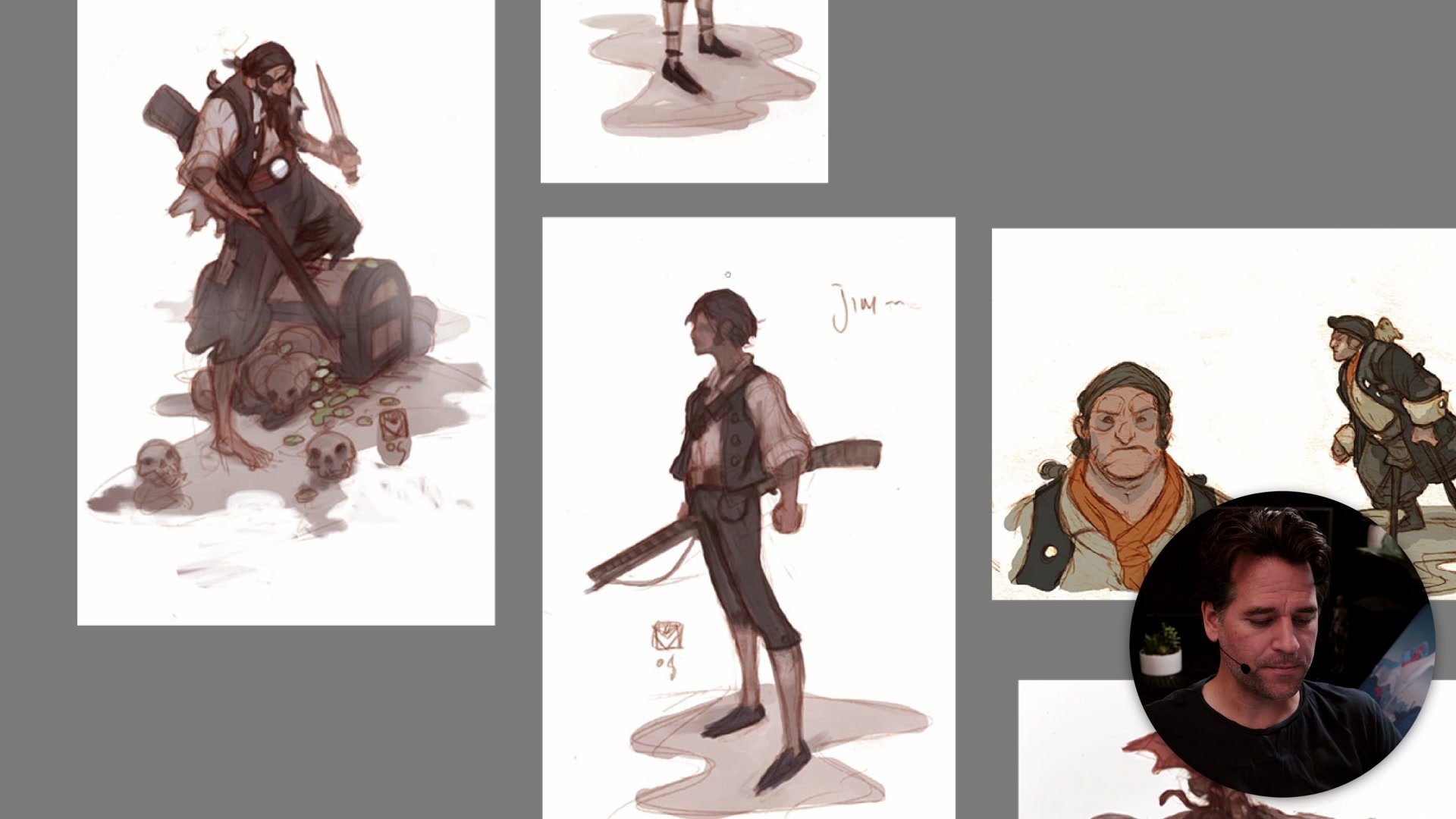
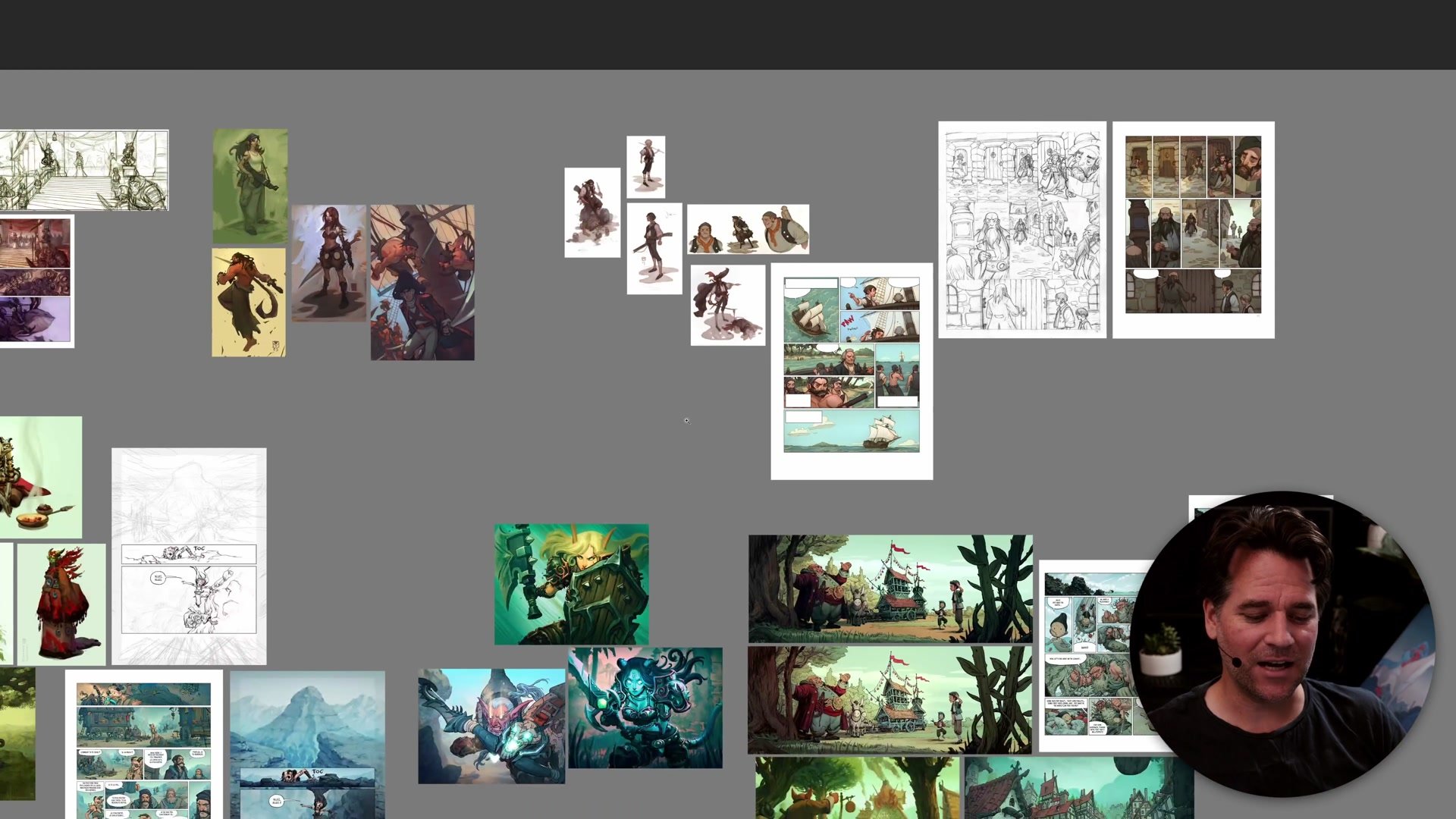
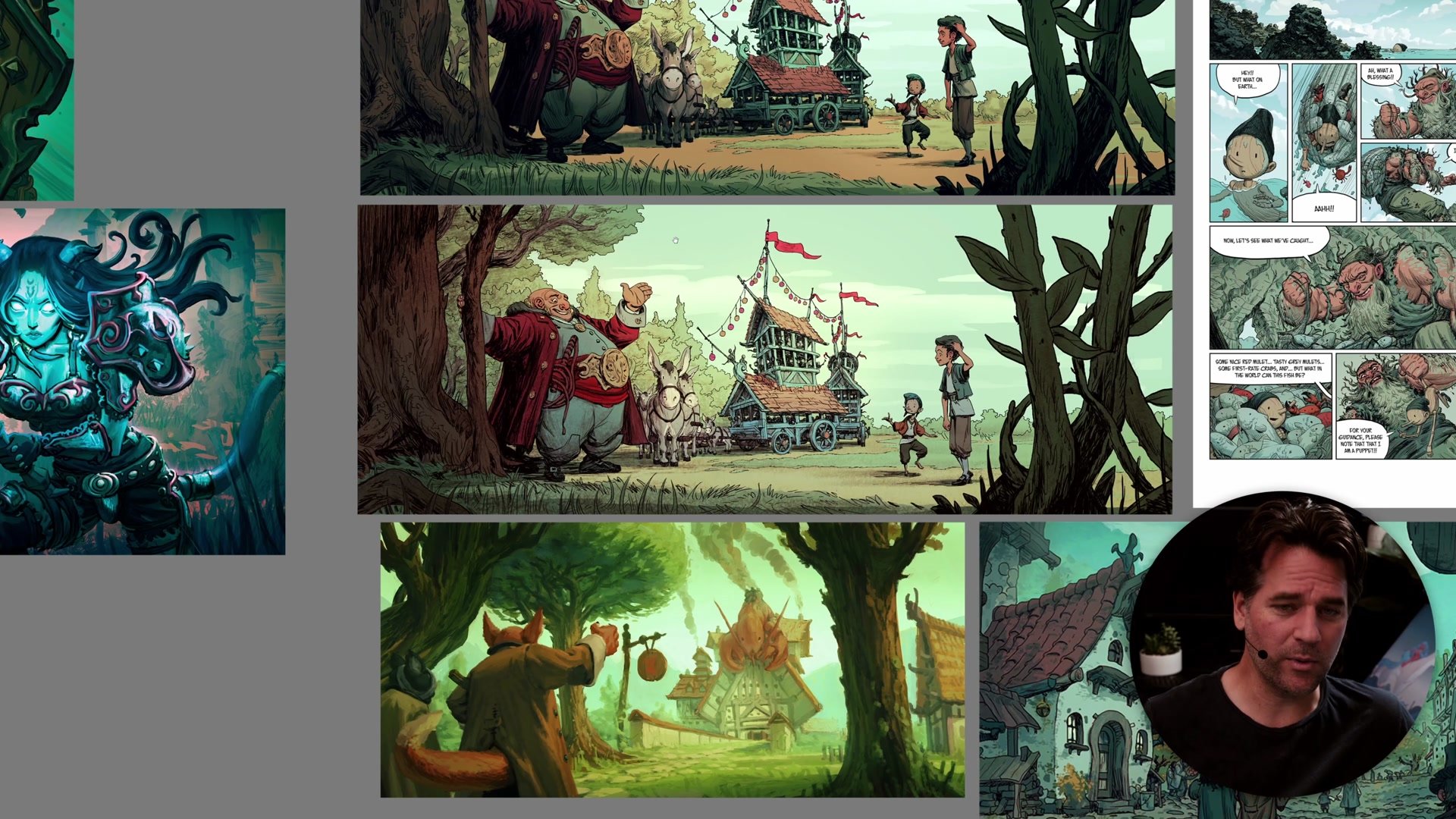
One of the most damaging assumptions an artist can make is believing that finding a style is a one-time event. Early in a career, there is a natural fixation on experimentation, on mixing line work with painterly approaches, switching between sketchy and polished, chasing whatever technique feels exciting in the moment. Artists see other creators with distinctive styles and conclude that style itself is the key to success.
The problem is that this kind of scattered experimentation, while valuable for growth, sends no clear signal to the outside world. Publishers, art directors, and audiences cannot build expectations around work that changes dramatically from project to project. Even when genuine opportunities arise, being unable to consistently deliver in a recognizable mode means those opportunities often fall through. The craft improves, the versatility grows, but the career stalls because nobody knows what they are going to get. Viewing style as a destination rather than an ongoing conversation between personal vision and professional output is where so many artists get stuck for years longer than necessary.
The Style Experiments
Improving While Losing Signal
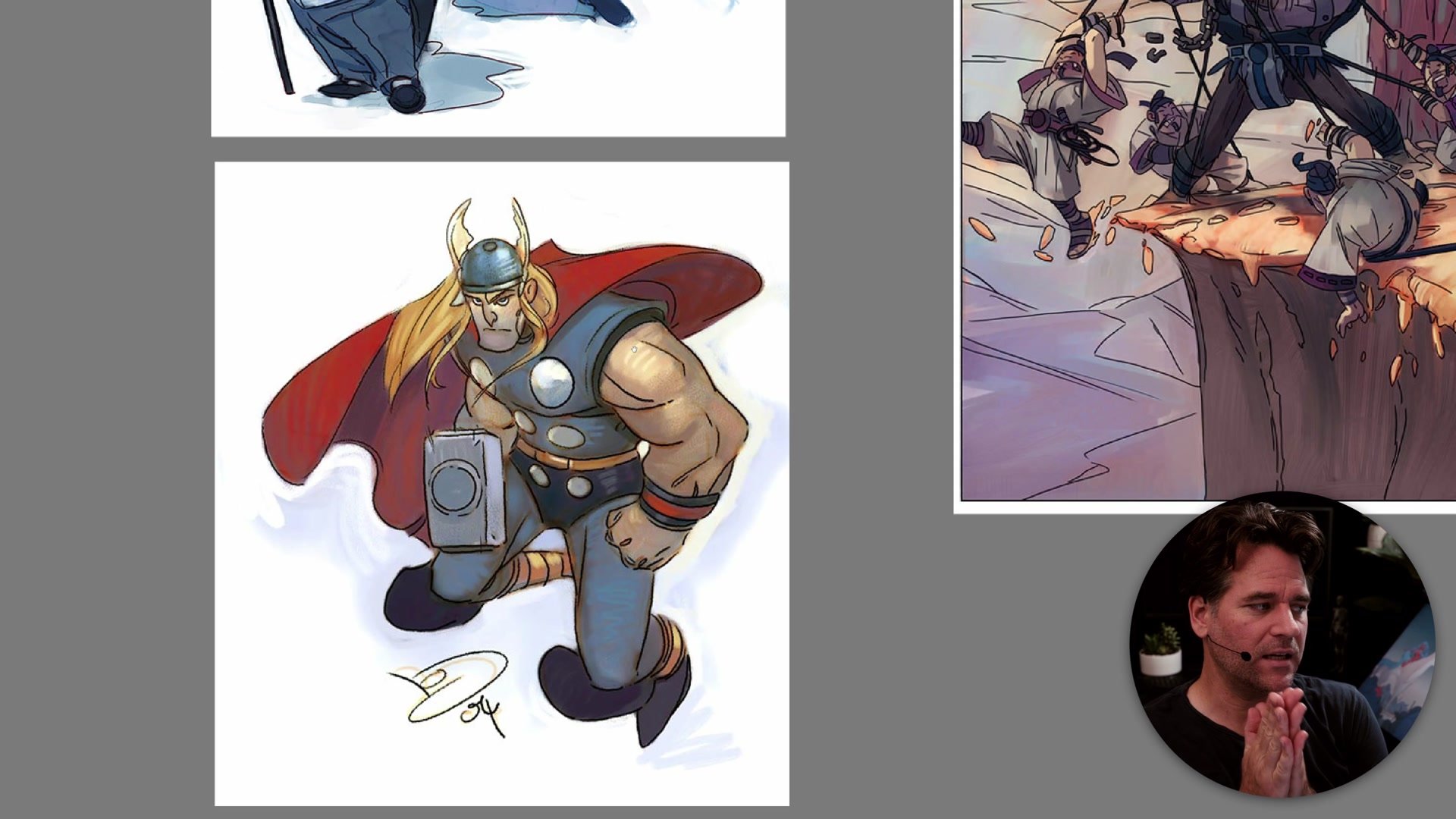
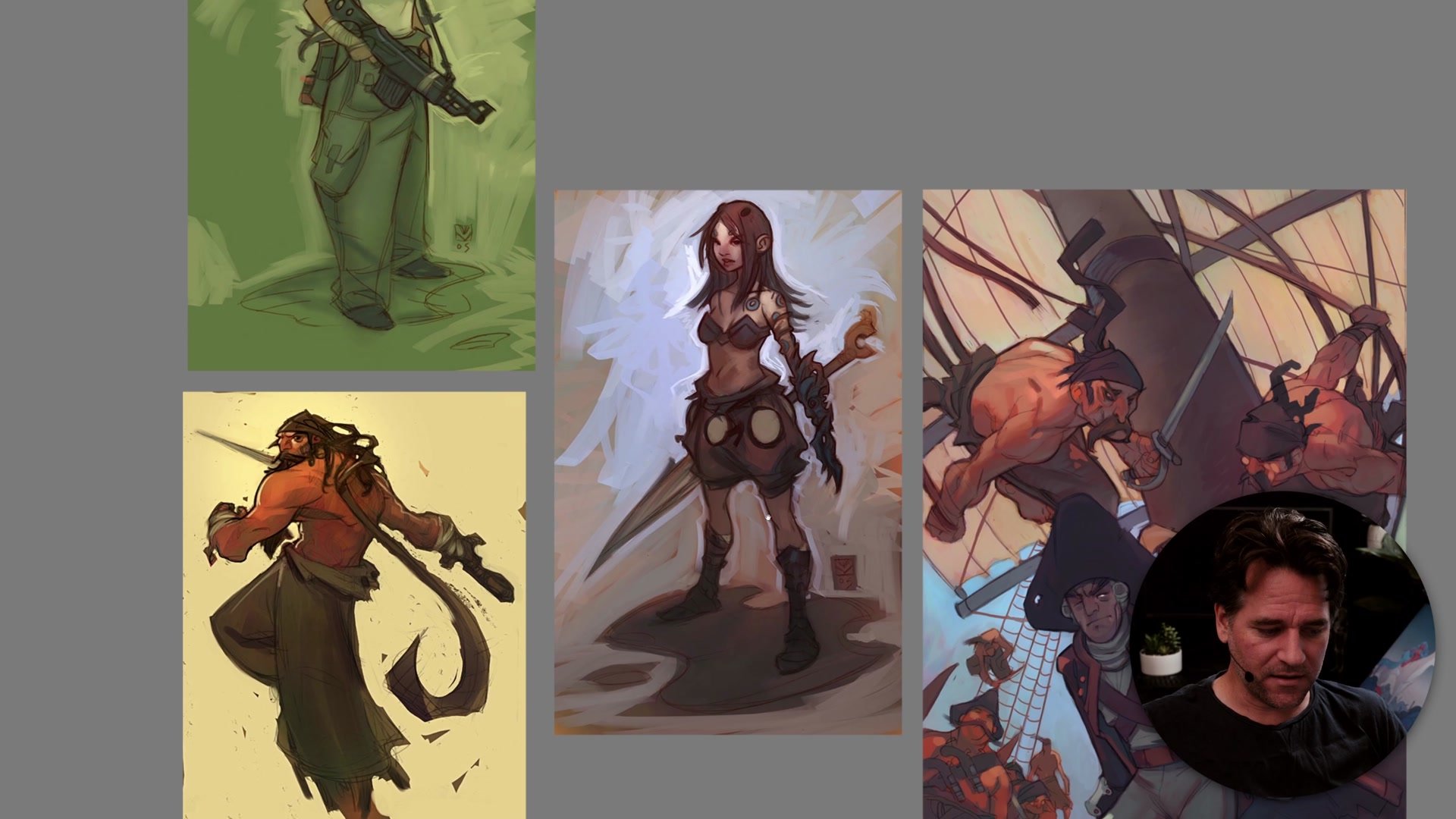
There is a painful irony at the heart of many art careers. As technical ability grows, as perspective improves, as rendering gets more sophisticated, the actual signal in the work can weaken. Each new project becomes an opportunity to try a different approach, to prove that a different style can be mastered. The result is a portfolio that demonstrates range but communicates nothing about who the artist actually is.
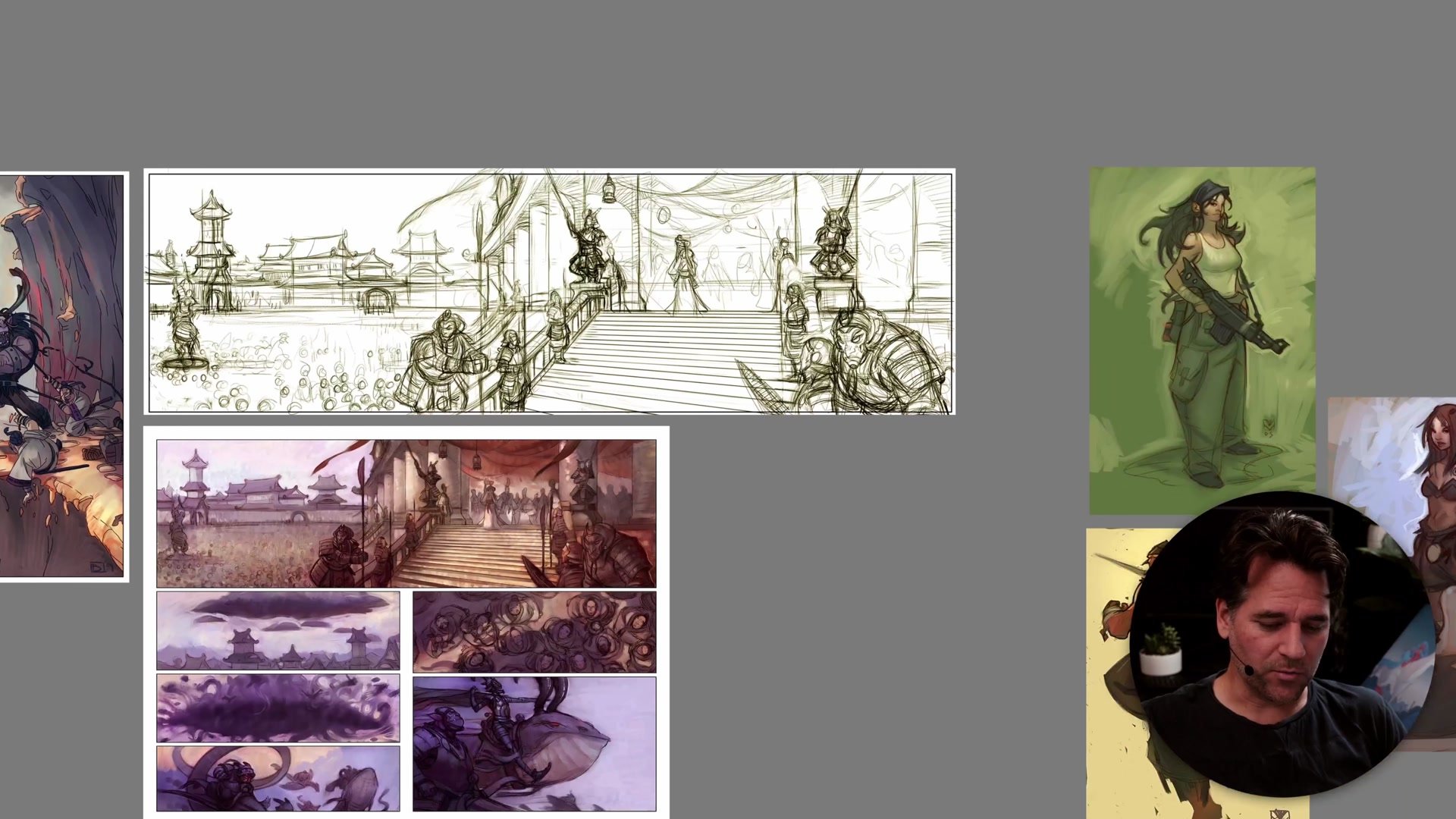
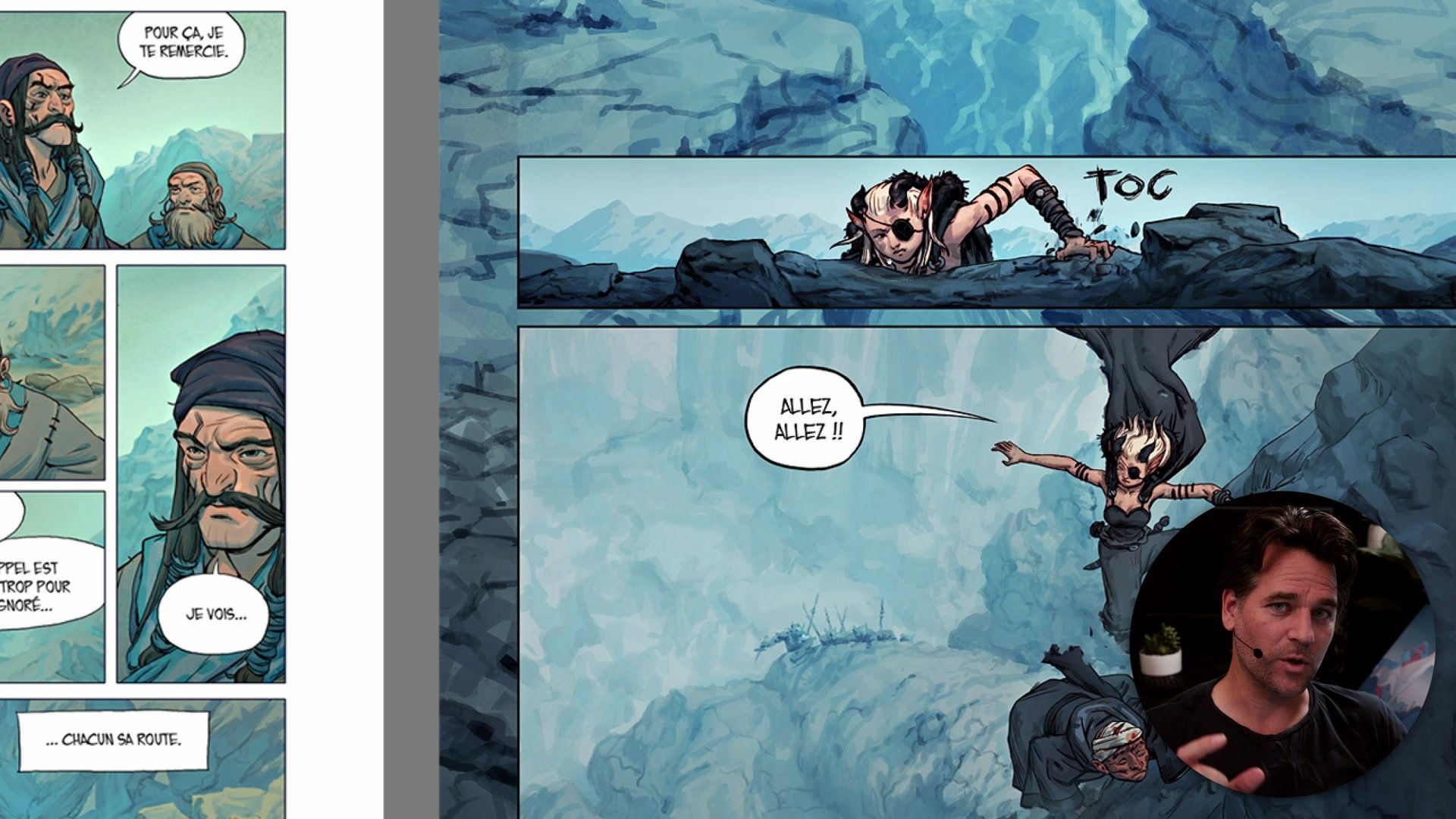
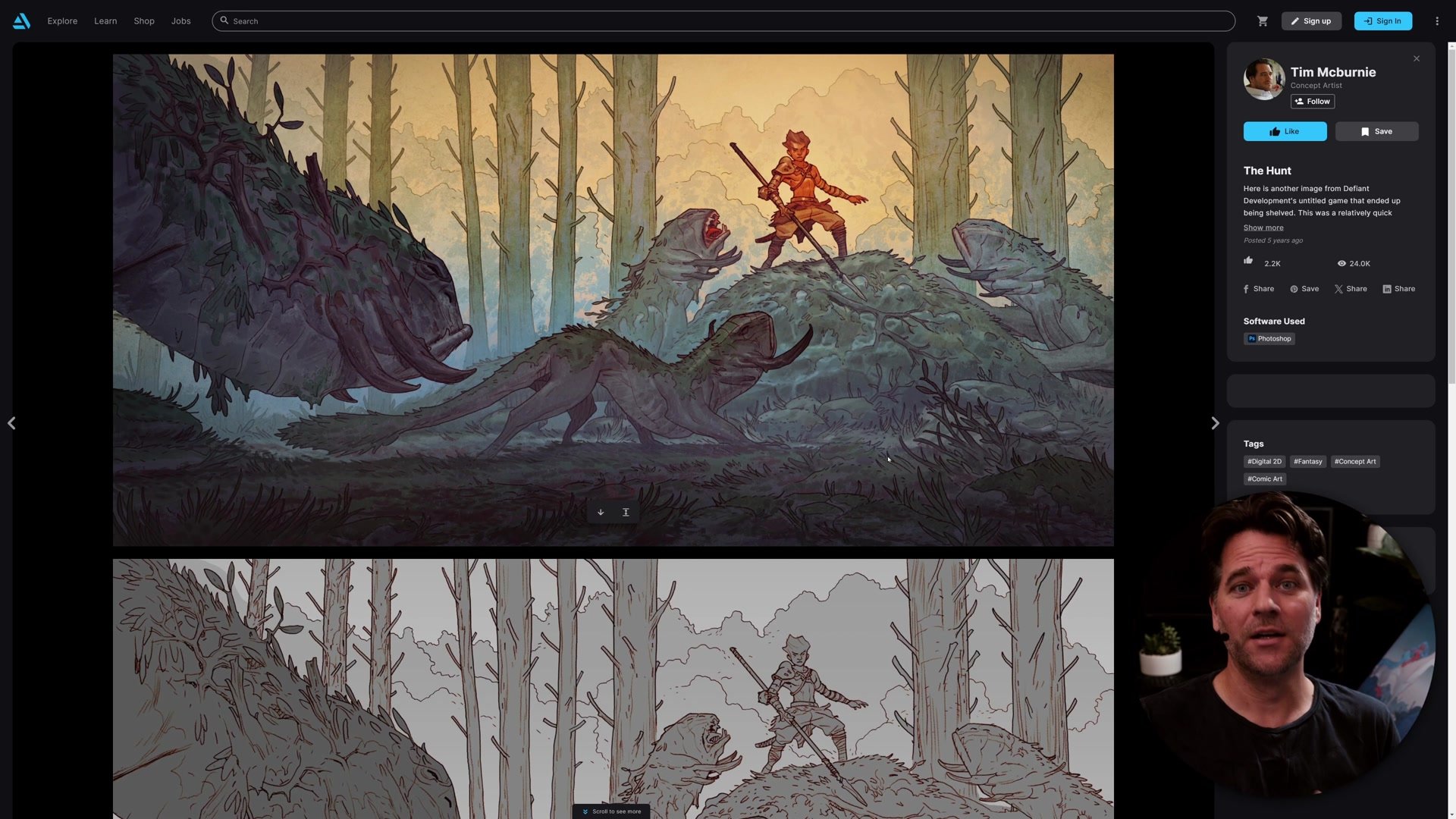
Professional work compounds this problem. Taking jobs in styles that differ from personal work means the portfolio splits into fragments that do not connect. The artist feels like they are progressing because the quality is improving across the board, but from a business and branding standpoint, the message is incoherent. The breakthrough comes from recognizing that the ideas and designs present in the very earliest work, the things the artist was naturally drawn to before any professional pressure existed, are often what audiences respond to most. Returning to those instincts, but now with mature craft, is frequently where the real career momentum begins.
Finding Consistency
Building Presence Over Time
Presence is the element most artists neglect. Even after finding genuine signal and learning to amplify it with strong illustration fundamentals, the temptation to experiment and change direction is constant. Artists are inherently chaotic, drawn to novelty and expression. But the artists who build successful careers are often the ones doing very similar things repeatedly. They play their best songs. Audiences come back because they know what they are going to hear.
This does not mean rigid repetition or creative stagnation. It means understanding that a career is built on people being able to recognize and return to the work. When the same signal appears consistently, art directors know who to hire, publishers know what they are commissioning, and audiences develop loyalty. The key insight is that consistency is not the enemy of creativity. It is the bridge between creative exploration and professional sustainability. Experimentation remains essential, but it needs to happen alongside a core body of work that tells the world clearly what this artist is about.
Key Insights
Style Is Not a Destination: Treating style as a fixed endpoint leads to years of scattered output. Style is an ongoing evolution of signal, not a single technique to be discovered and locked in forever.
Range Can Hurt You: Technical improvement and versatility feel like progress, but a portfolio that demonstrates too many different approaches confuses publishers, art directors, and audiences. Consistency of signal matters more than breadth of ability.
Your Earliest Instincts Matter: The ideas, designs, and feelings present in early work are often the truest expression of artistic voice. Returning to those instincts with mature craft is frequently where real career traction begins.
Presence Requires Repetition: Finding signal and volume is not enough. Success requires showing up repeatedly with the same message so people can actually build expectations around the work.
Evaluate Your Signal
Audit Your Portfolio: Look at all the work you have put out publicly. Can someone unfamiliar with you identify a consistent thread across the pieces? If not, consider what signal is getting lost in the variety.
Find Your Natural Instincts: Go back to your earliest work, before professional pressure shaped your choices. What subjects, moods, and feelings were you naturally drawn to? Those instincts likely contain the core of your true signal.
Commit to Consistency: Choose the work that best represents your signal and commit to producing more of it. Experimentation can continue privately, but the public-facing output needs to build a recognizable presence over time.