Head Sketching and Visual Library Advice
Summary
Building Visual Library
Visual library is one of those concepts that sounds straightforward but trips artists up in practice. The idea is simple enough: to draw something convincingly from imagination, there needs to be a deep enough understanding of that thing stored somewhere in the brain. But the question of how to actually build that understanding is where most advice falls short.
The common approach is to grind through hundreds of studies, copying reference images until the subject is memorized. But visual library is not really about memorization. It is about understanding objects at a fundamental level, knowing what parts exist, why they exist, and how they function together. Without that structural understanding, all the copying in the world produces surface-level recall that fades quickly and fails the moment something needs to be drawn from a different angle or in a new context.
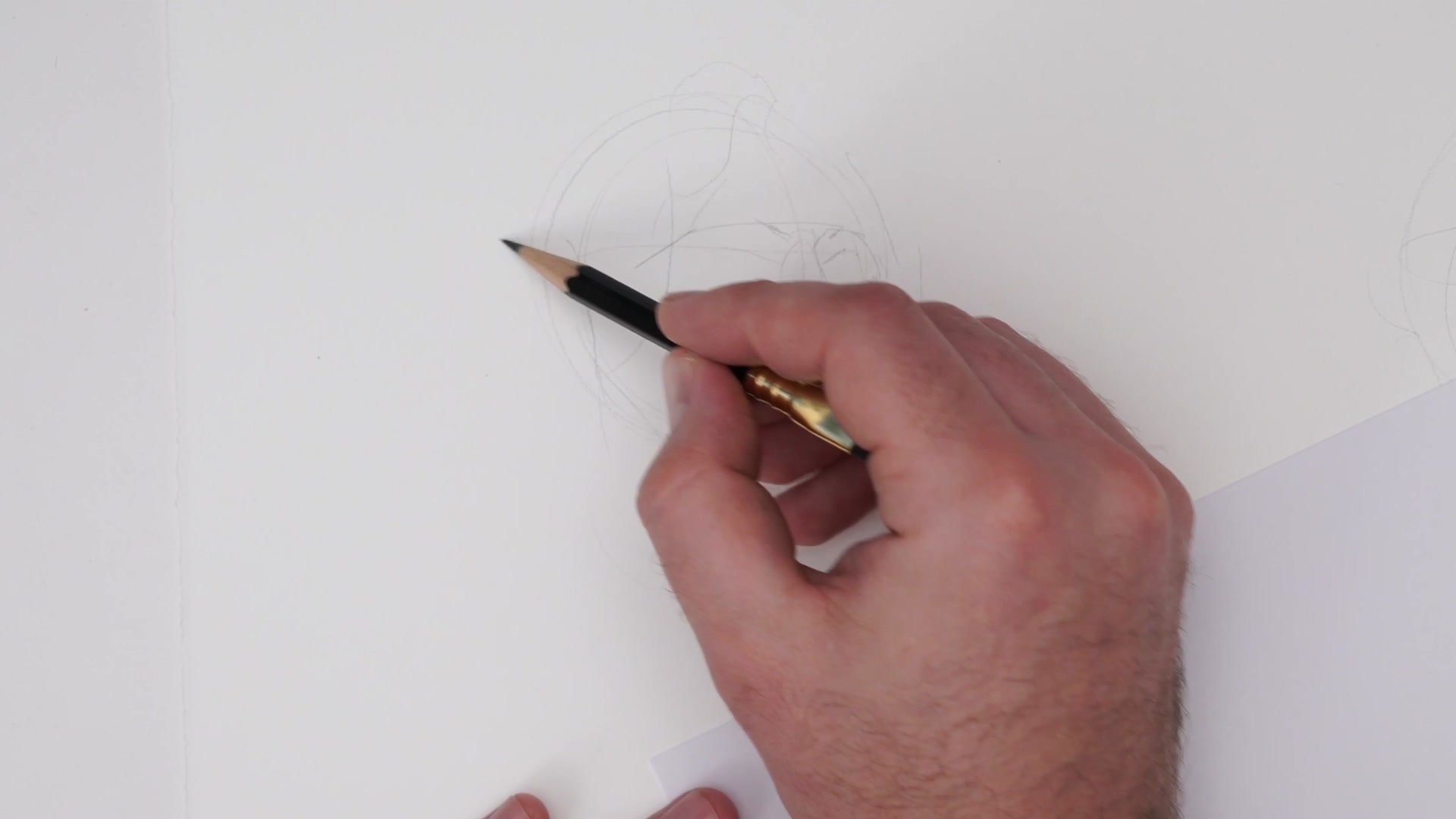
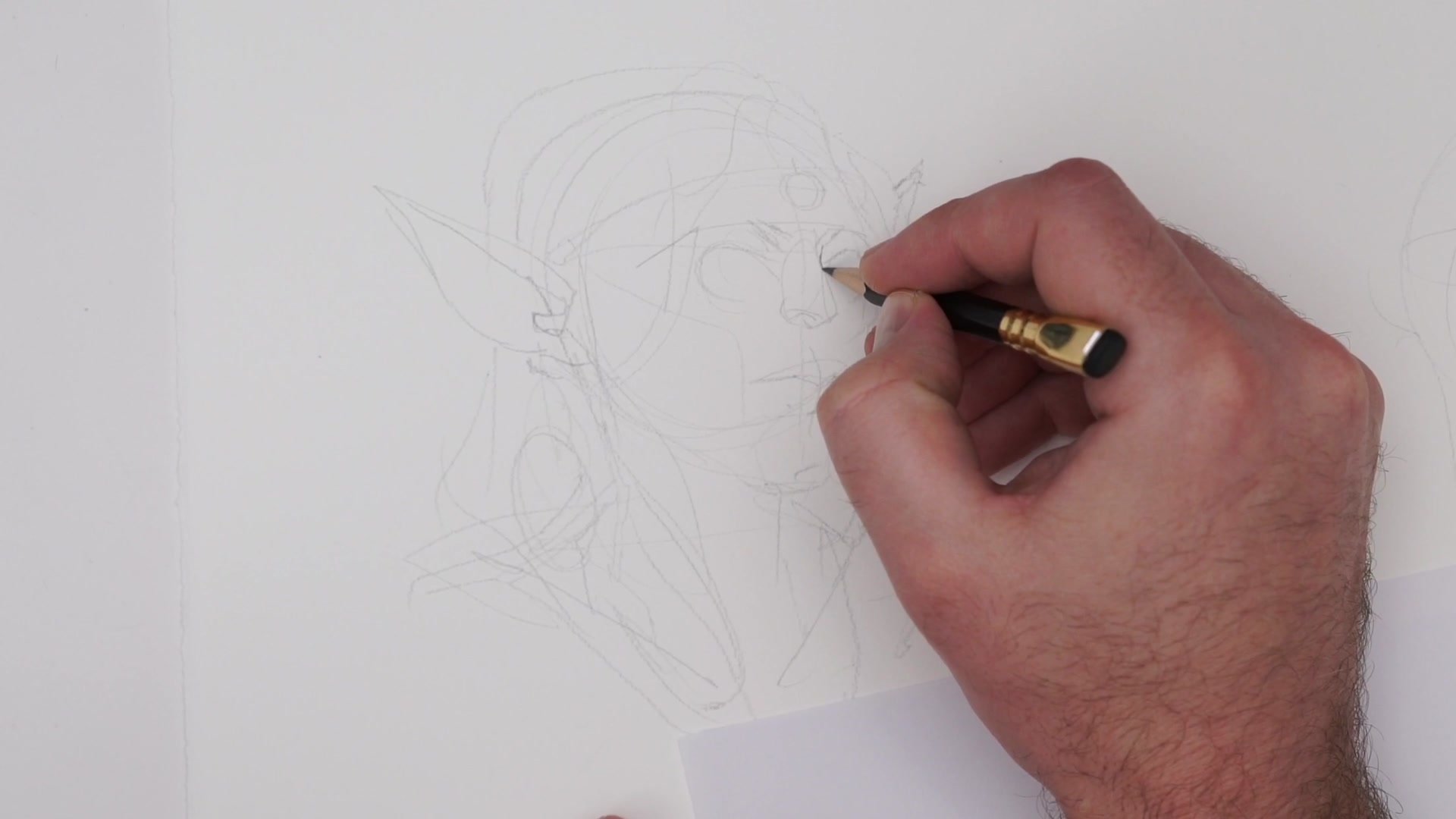
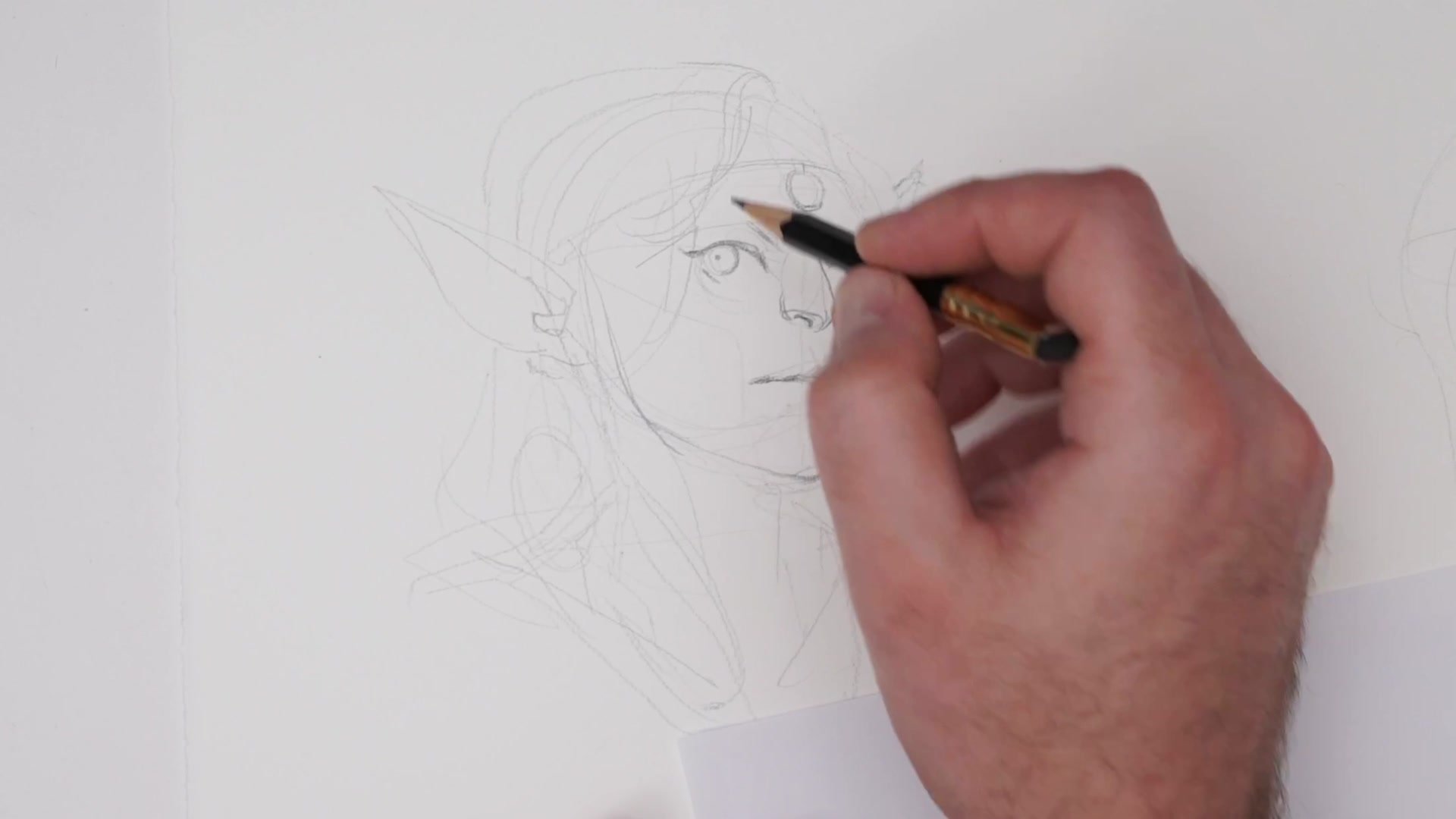
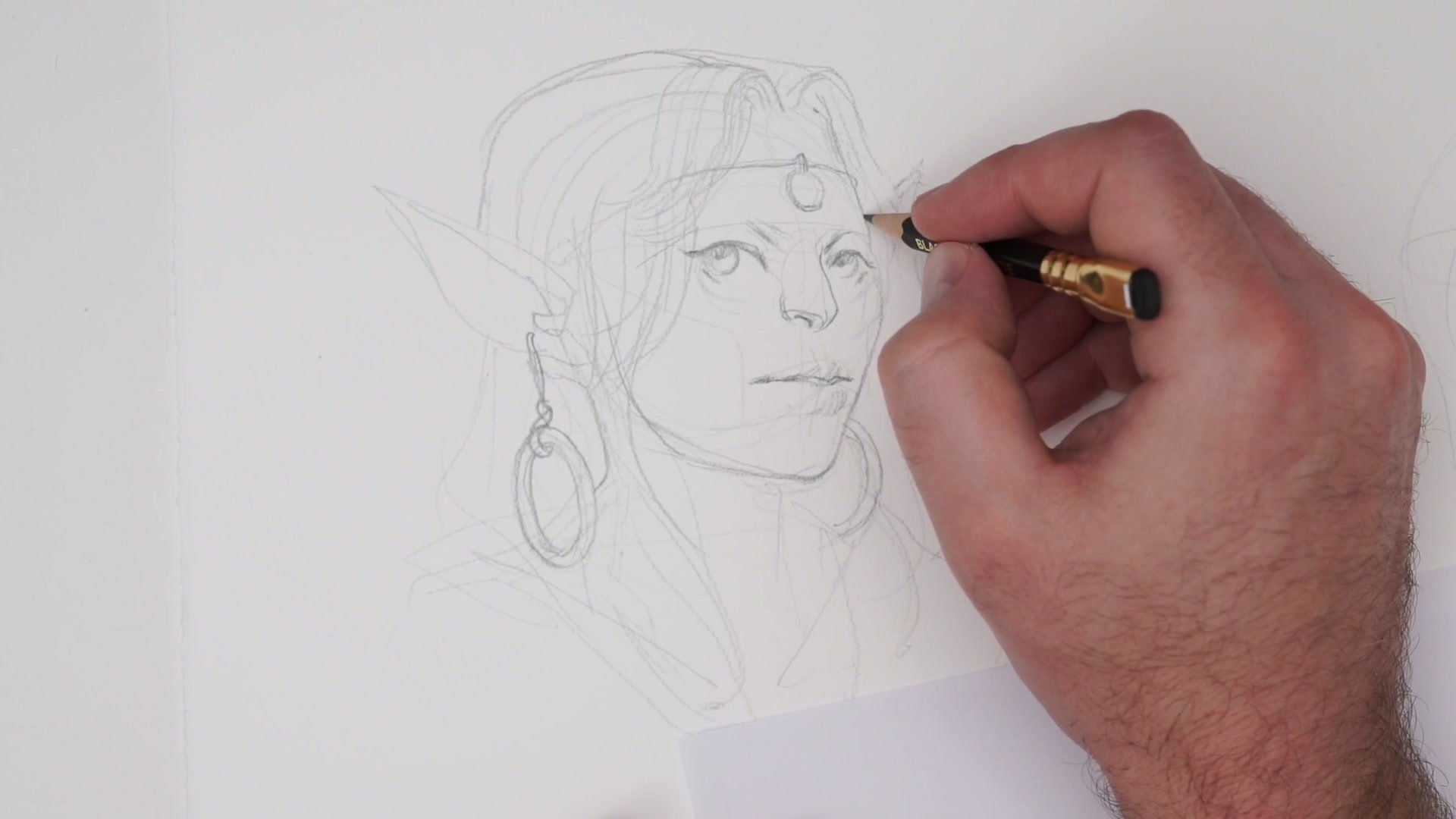
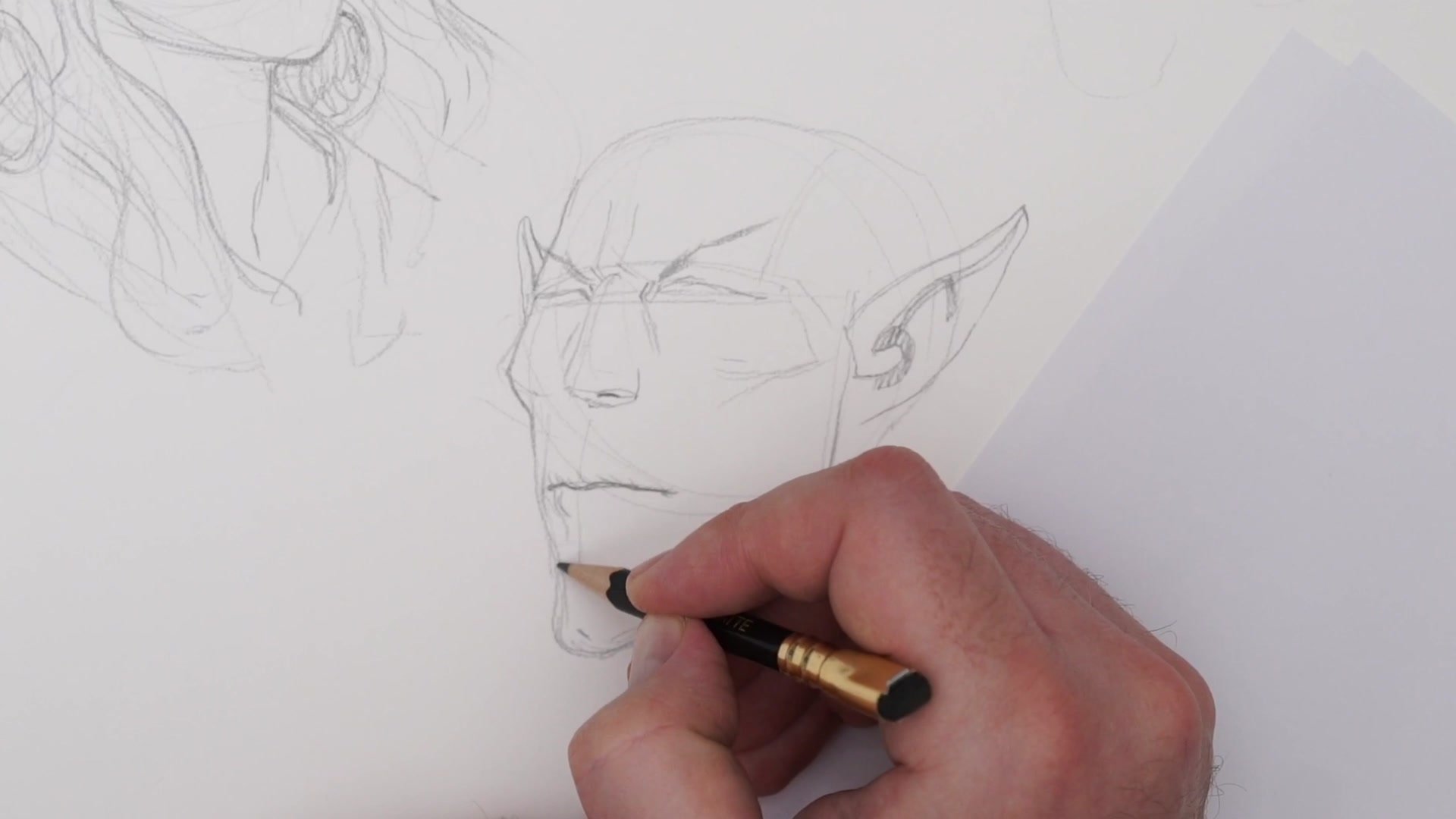
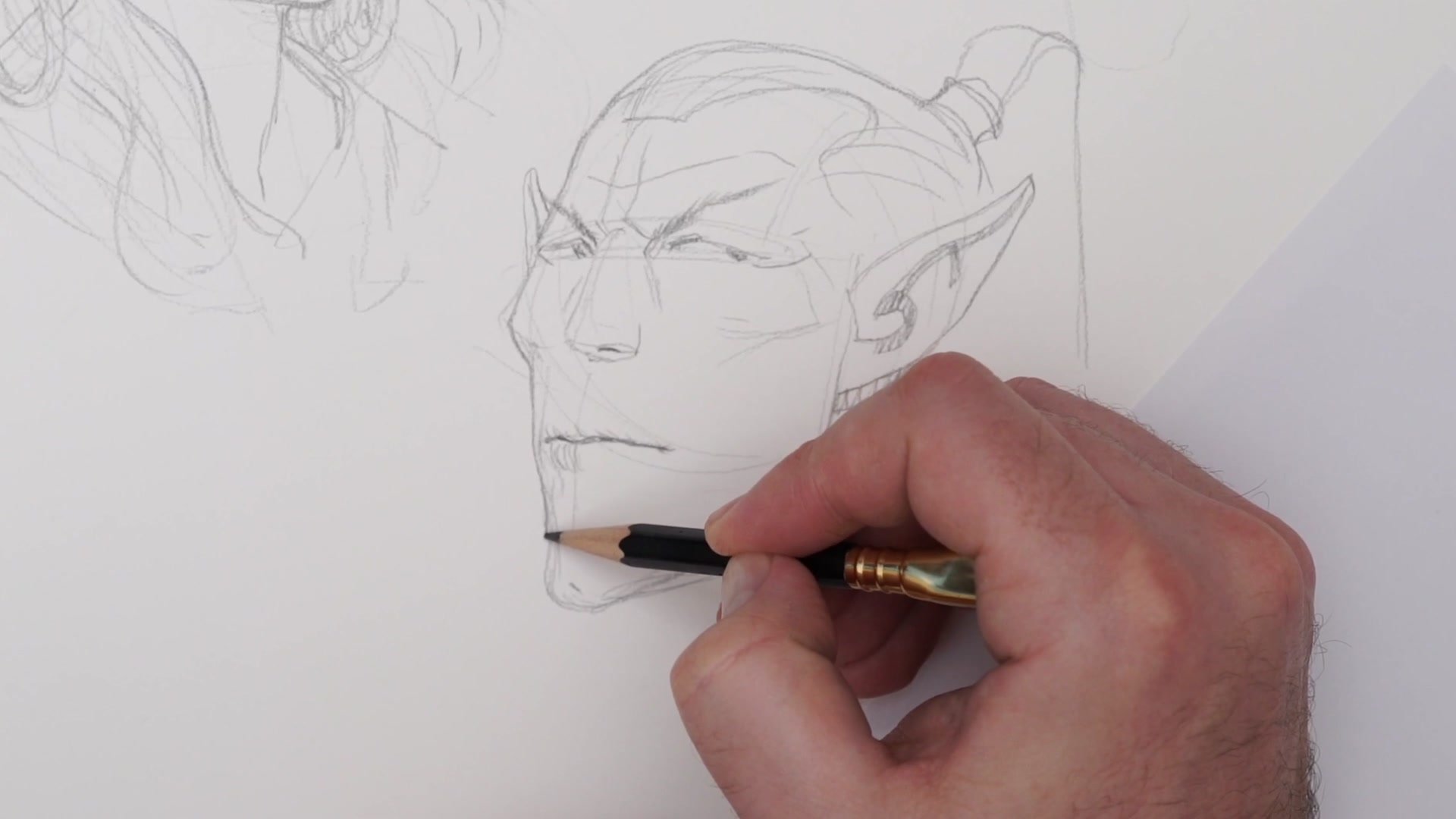
This session combines casual warm-up head sketches with a deep dive into what visual library actually means and how to build it effectively for the kind of art each artist wants to make.
Warm-Up Head Sketches
Understanding Before Drawing
The key insight about visual library is that it starts with naming and understanding, not with drawing. Consider the example of cars. Someone who has never paid attention to cars might draw something that looks like a generic marshmallow shape. The problem is not a lack of drawing skill but a lack of understanding about what actually makes up a car. Wiper blades, side mirrors, intake vents, headlights, turn signals, exhaust pipes, panel lines for doors, the proportions between different car types. Each of these elements has a name and a function.
Once things have names, the brain starts recording them. Paying attention to what side mirrors actually look like on different vehicles happens naturally once the concept of a side mirror is consciously registered. This applies to everything. Anatomy, architecture, natural environments, technology. The act of naming and categorizing the component parts of a subject creates the mental framework that visual information can attach to. Without that framework, visual information slides right past.
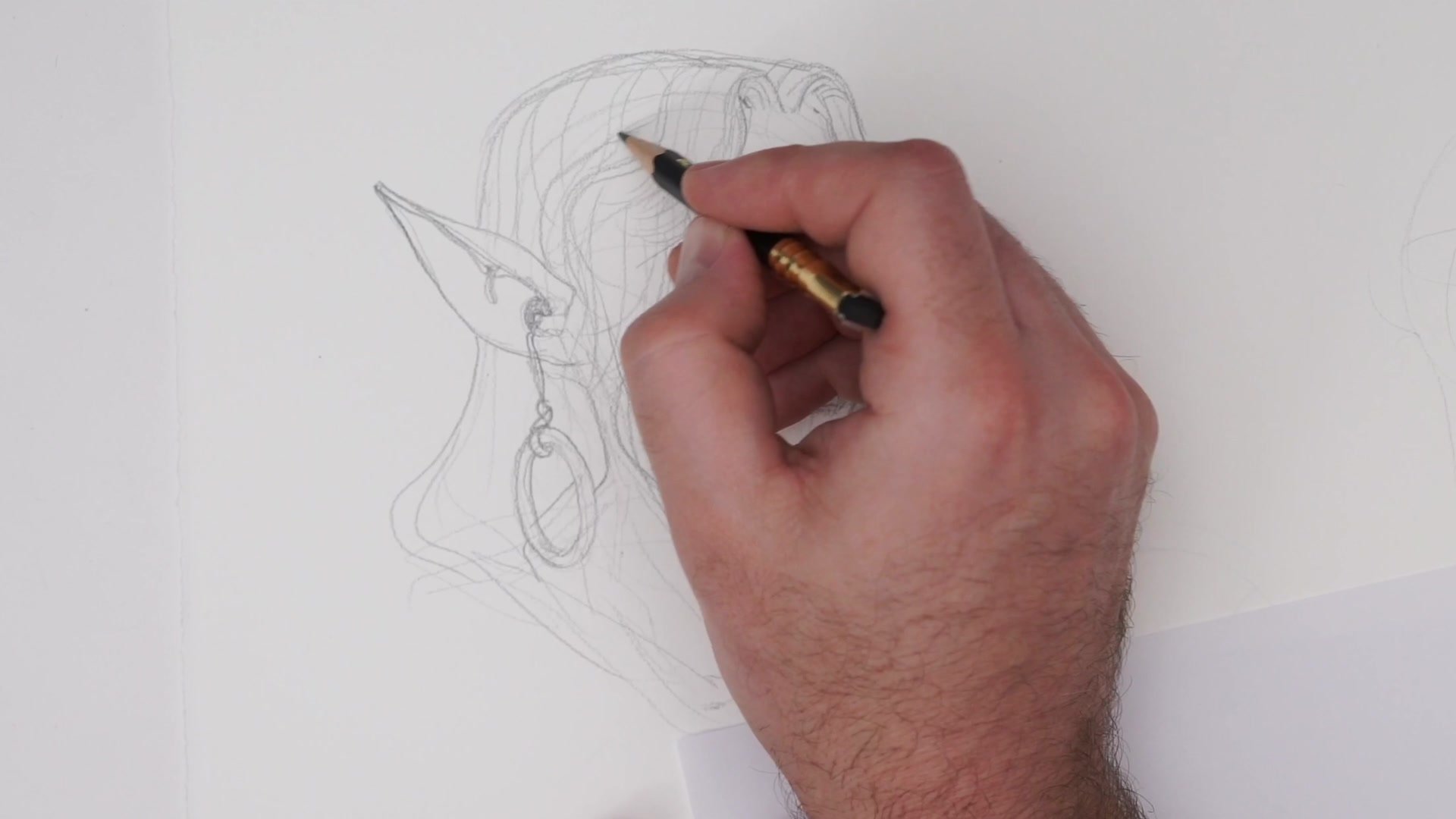
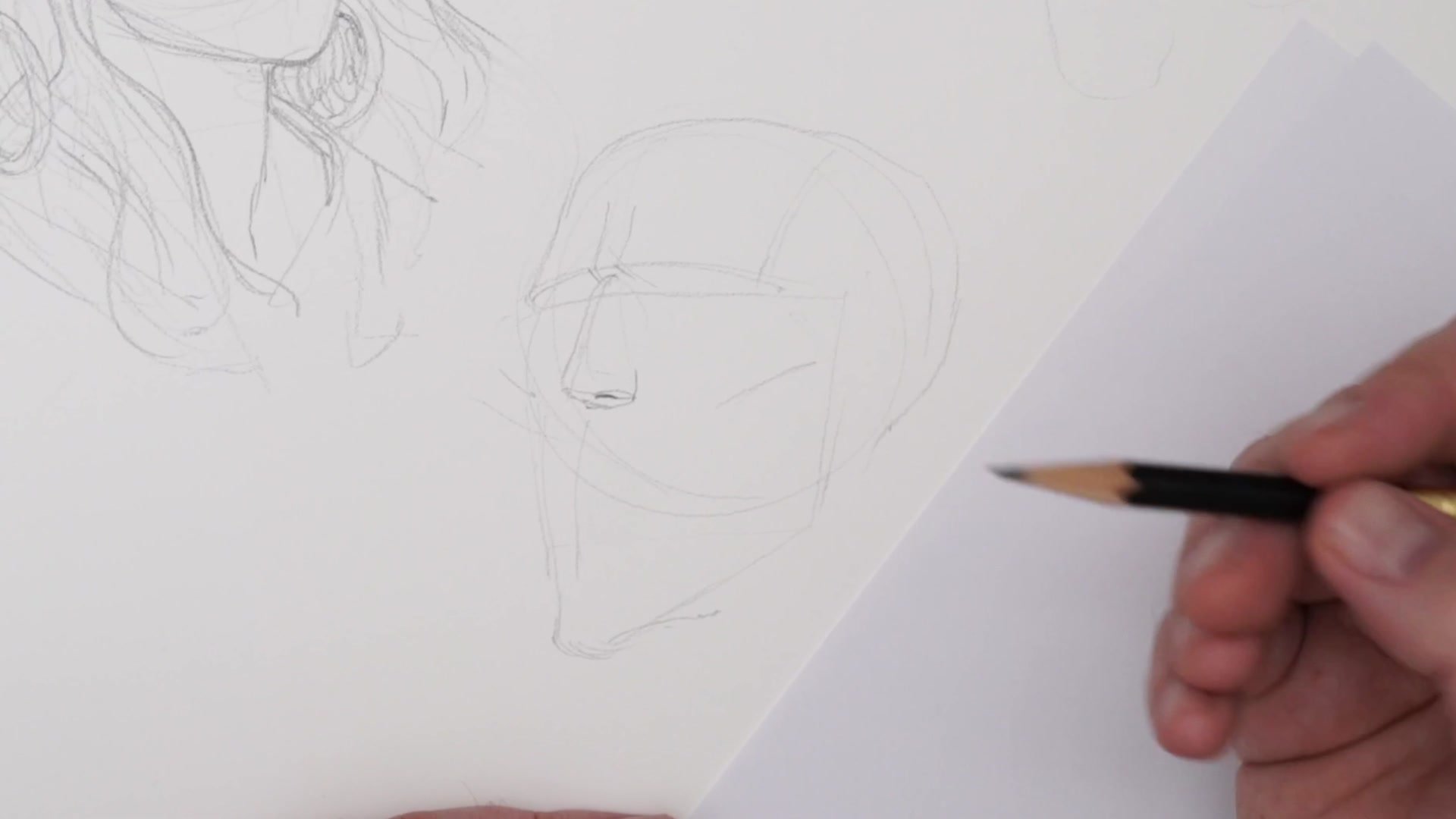
Character Development
Target Your Specific Needs
One of the biggest traps with visual library is the impulse to learn to draw everything. This leads to abstract exercises disconnected from actual art goals, producing hundreds of studies that never translate to finished work. The practical approach is to target visual library acquisition specifically to what the art requires.
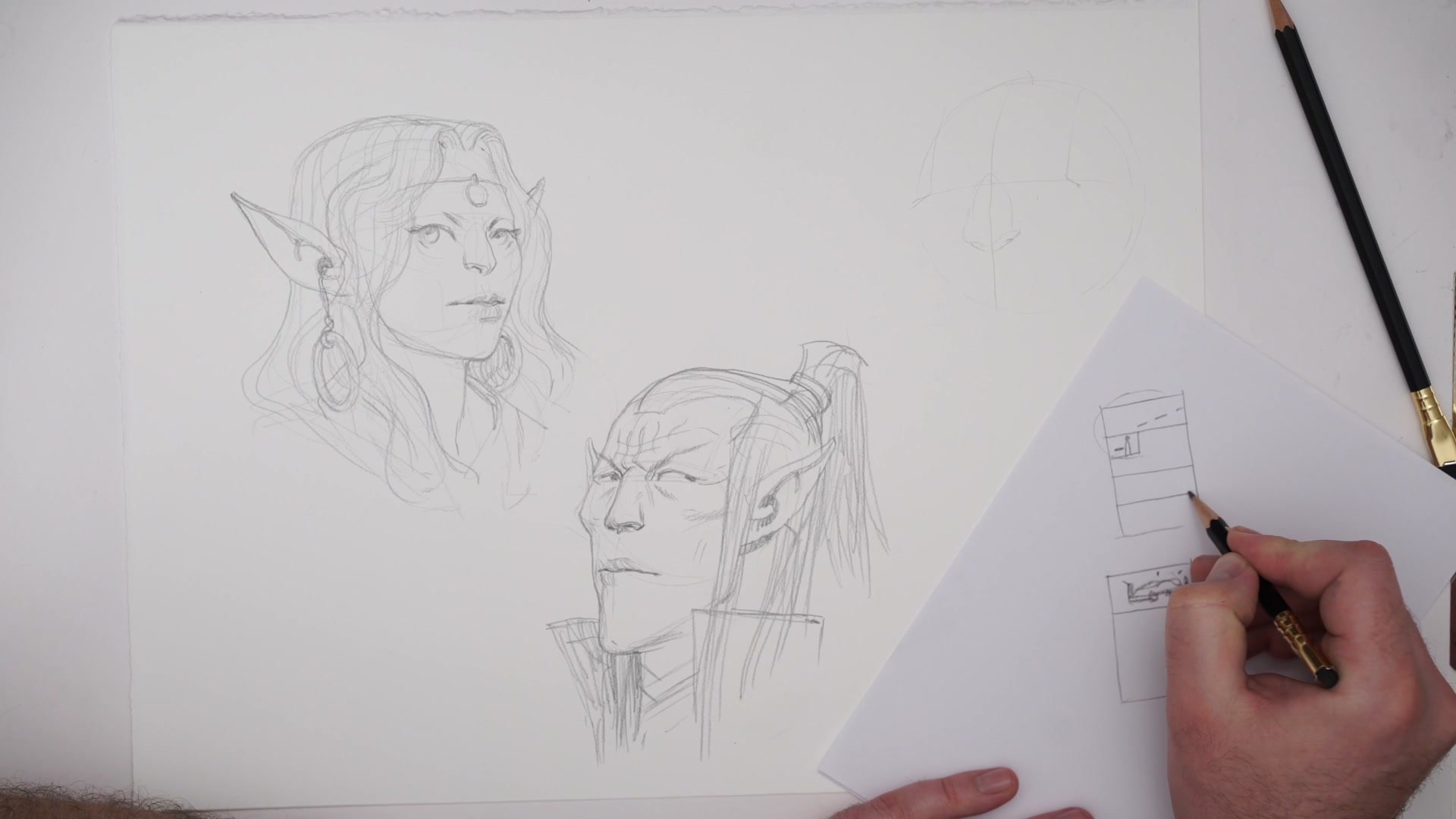
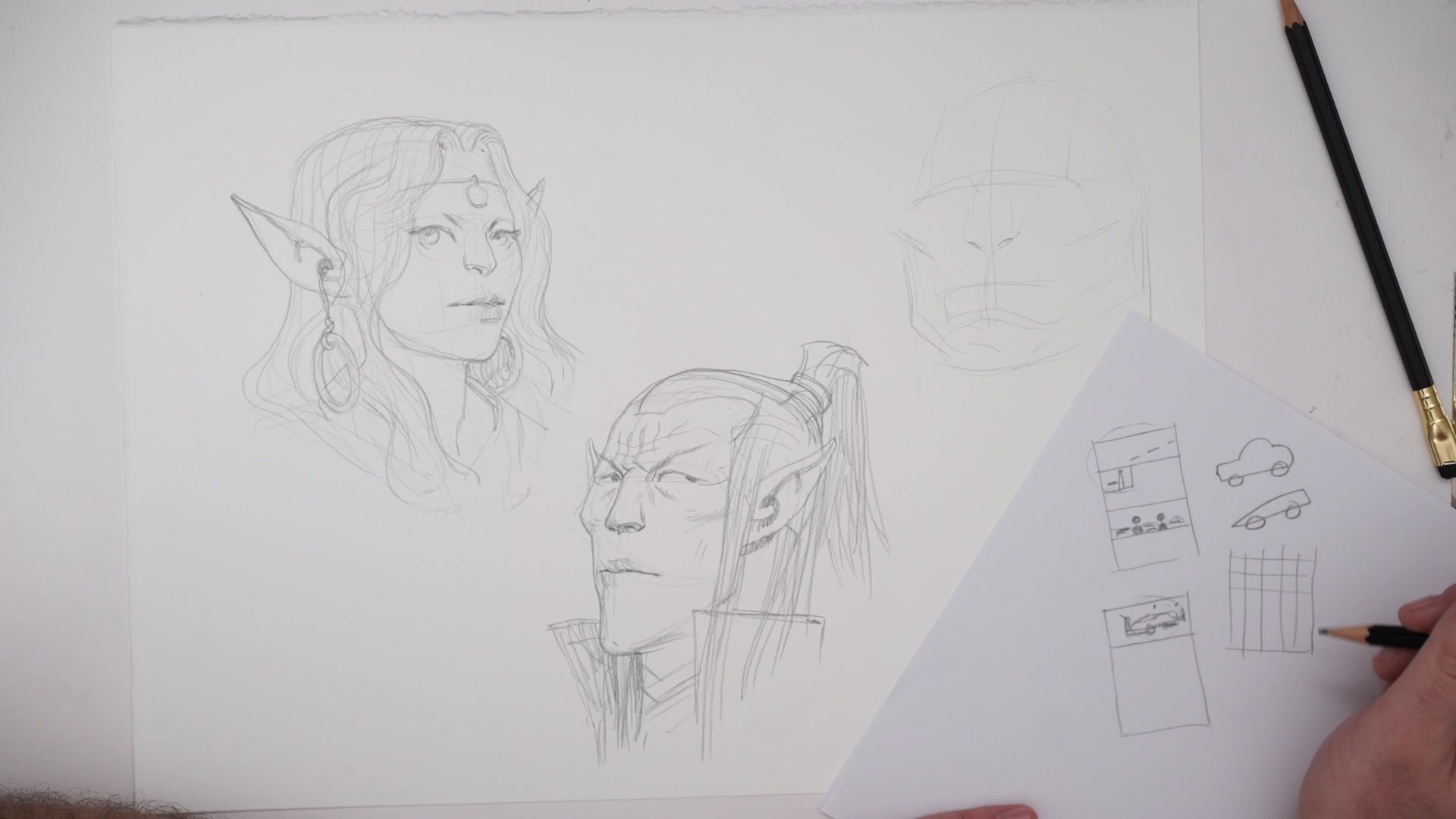
A comic book artist whose stories involve background cars at a small scale needs a very different level of car knowledge than someone illustrating a manga about street racing where vehicles dominate the page. Both need to draw cars, but the specificity and depth of visual library required is completely different. The artist drawing background vehicles needs general proportions and the key functional elements. The racing manga artist needs to understand design language differences between manufacturers, era-specific details, and how to convey speed through form.
Looking at artists working in the same space, studying the projects worth aspiring to, and making a list of the specific subjects those projects require is a far more effective starting point than trying to build universal visual library from scratch.
Completed Sketches


Iconography Over Detail
The real leverage in visual library comes not from memorizing every specific detail of a subject, but from understanding its iconography. Iconography is the set of general shapes, proportions, and design elements that make something immediately recognizable for what it is. A vintage Porsche has an iconography that is distinct from a Ford Mustang, even at a rough sketch level. Getting that general design sense right does more work than getting every grill line perfect.
This is the 80-20 of visual library. The general characteristics, the dominant shapes, the proportional relationships that define a category or era. Once those are understood, adding specific reference for a particular project becomes easy because the brain already has the right framework to receive that information. And critically, visual library built through genuine interest and application to real projects tends to stick. Material learned in isolation for the sake of learning it fades quickly because there is no mental hook to keep it anchored. The art being made is that hook.
Key Concepts
Name It to See It: Visual library starts with understanding and naming the component parts of a subject. Once something has a name and a recognized function, the brain begins automatically recording visual information about it in daily life.
Application Drives Retention: Visual library built for specific art projects sticks far better than abstract study. The projects being worked on create the mental hooks that keep visual information anchored and accessible.
Iconography Is the Multiplier: Understanding the general design language and dominant shapes of a subject category does more work than memorizing specific details. Getting the iconography right makes adding specific reference for any given project dramatically easier.
Try This Exercise
Identify Your Subjects: Look at the art projects worth aspiring to and the artists working in that space. Make a list of the specific subjects those projects require. Fantasy art needs trees, horses, castles, medieval clothing. Urban comics need cars, architecture, street-level details.
Name the Parts: Pick one subject from the list and write down every component part that needs to exist for a drawing to be convincing. For a car, that means wiper blades, side mirrors, intake vents, headlights, panel lines, exhaust, wheel proportions. This naming exercise reveals what is actually unknown versus what is assumed.
Sketch From the List: Without reference, sketch the subject using only the component list as a guide. The gaps between what is known and what is needed become immediately obvious, and those gaps become the targeted areas for focused study.