Great Artists Use Simple Centralized Composition
Summary
The Power of Centralized Composition
There are countless ways to compose an image, from dynamic diagonals to complex overlapping arrangements. Yet some of the most impactful illustrations in history rely on one of the simplest approaches: a centralized, often symmetrical composition. This study session examines how master illustrators across eras have used this direct, graphic approach to create images that command attention. By flipping through art books from Andrew Loomis to Spectrum 20 to Brom's Darkworks, a clear pattern emerges. The covers and images that tend to be most memorable, most iconic, and most selected to represent an artist's body of work are frequently these simple, centralized designs. Understanding why this works can free artists from the assumption that more complexity always equals better results.
Composition Theory
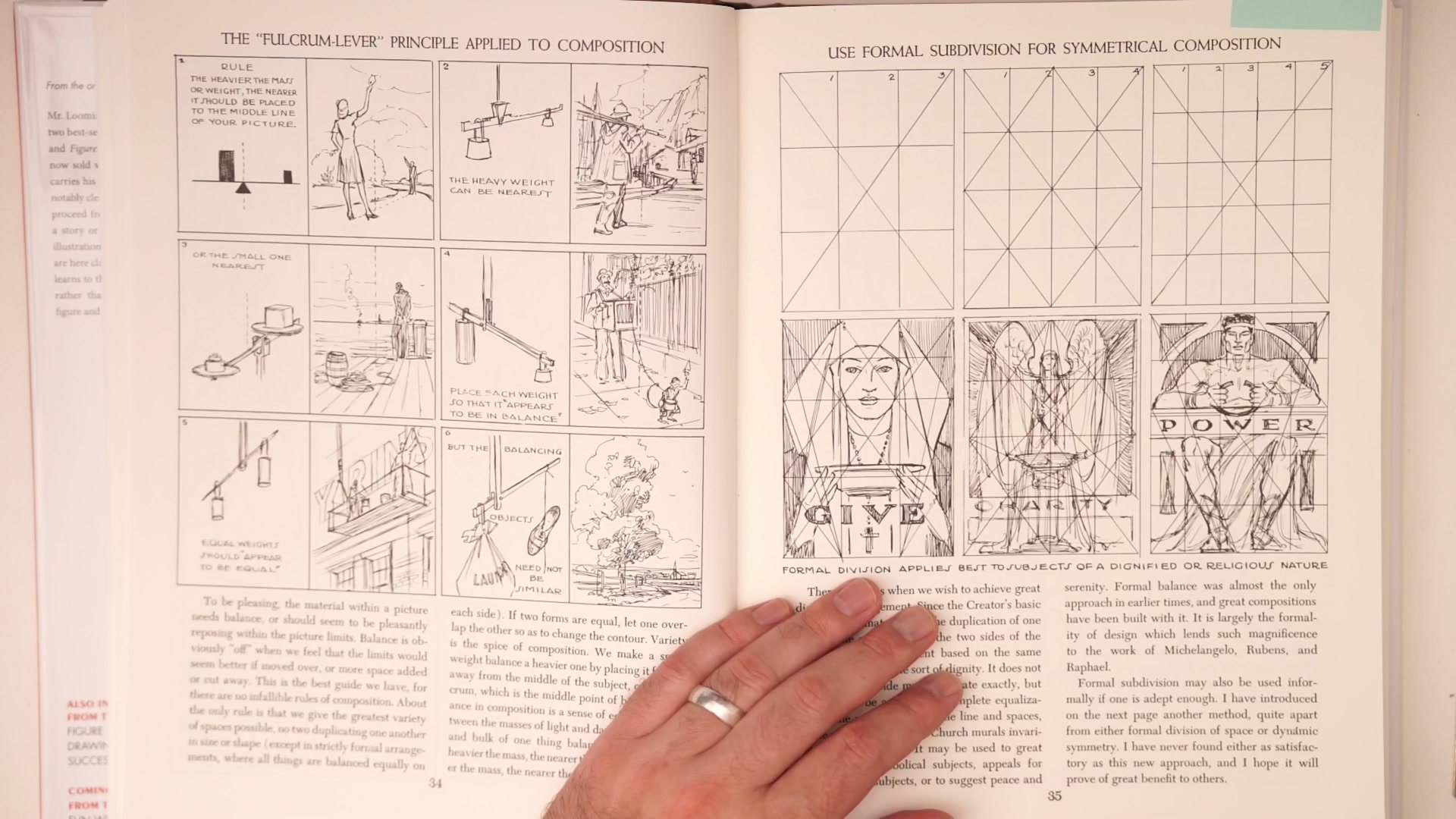
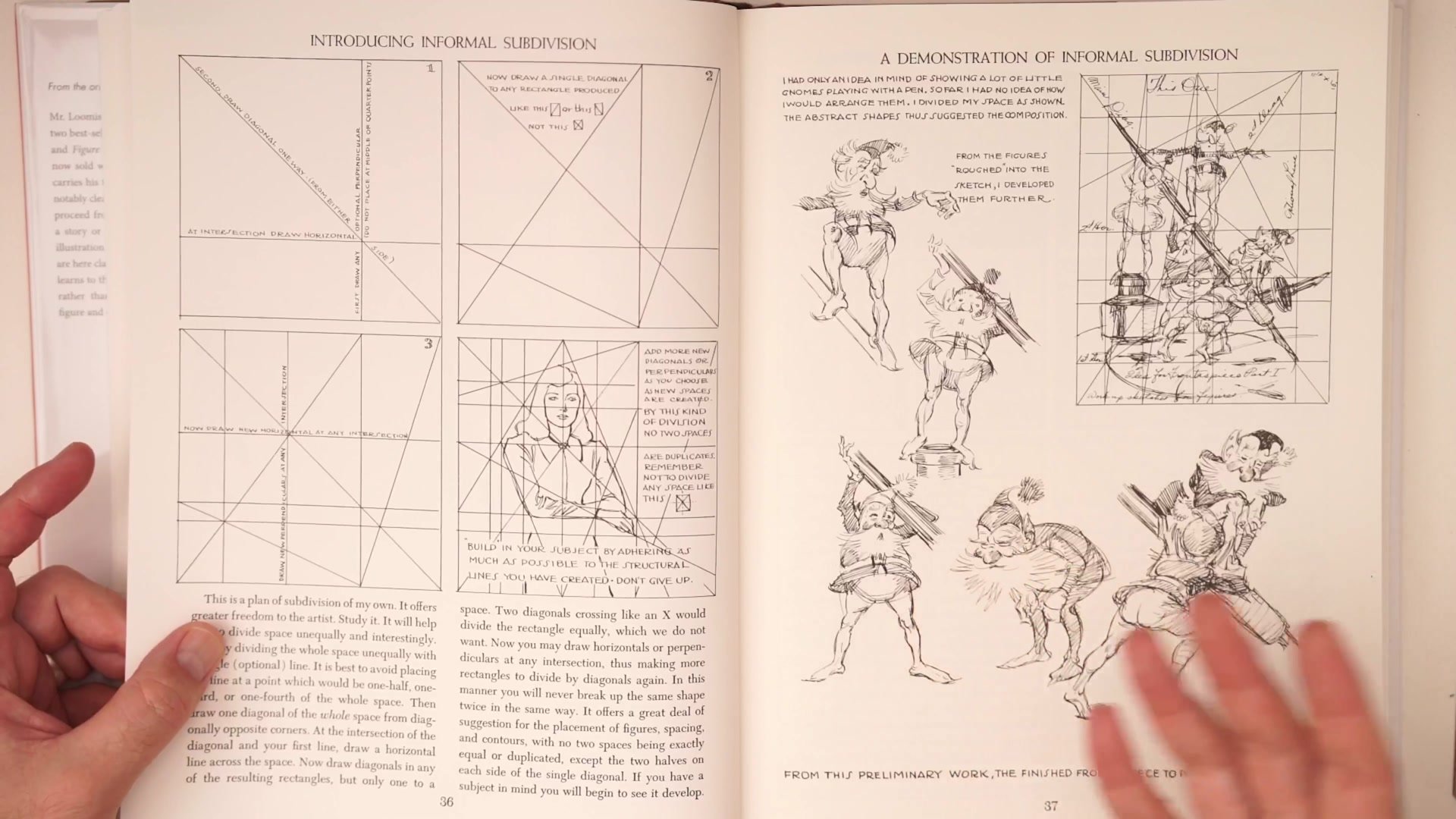
Formal Subdivision and Symmetry
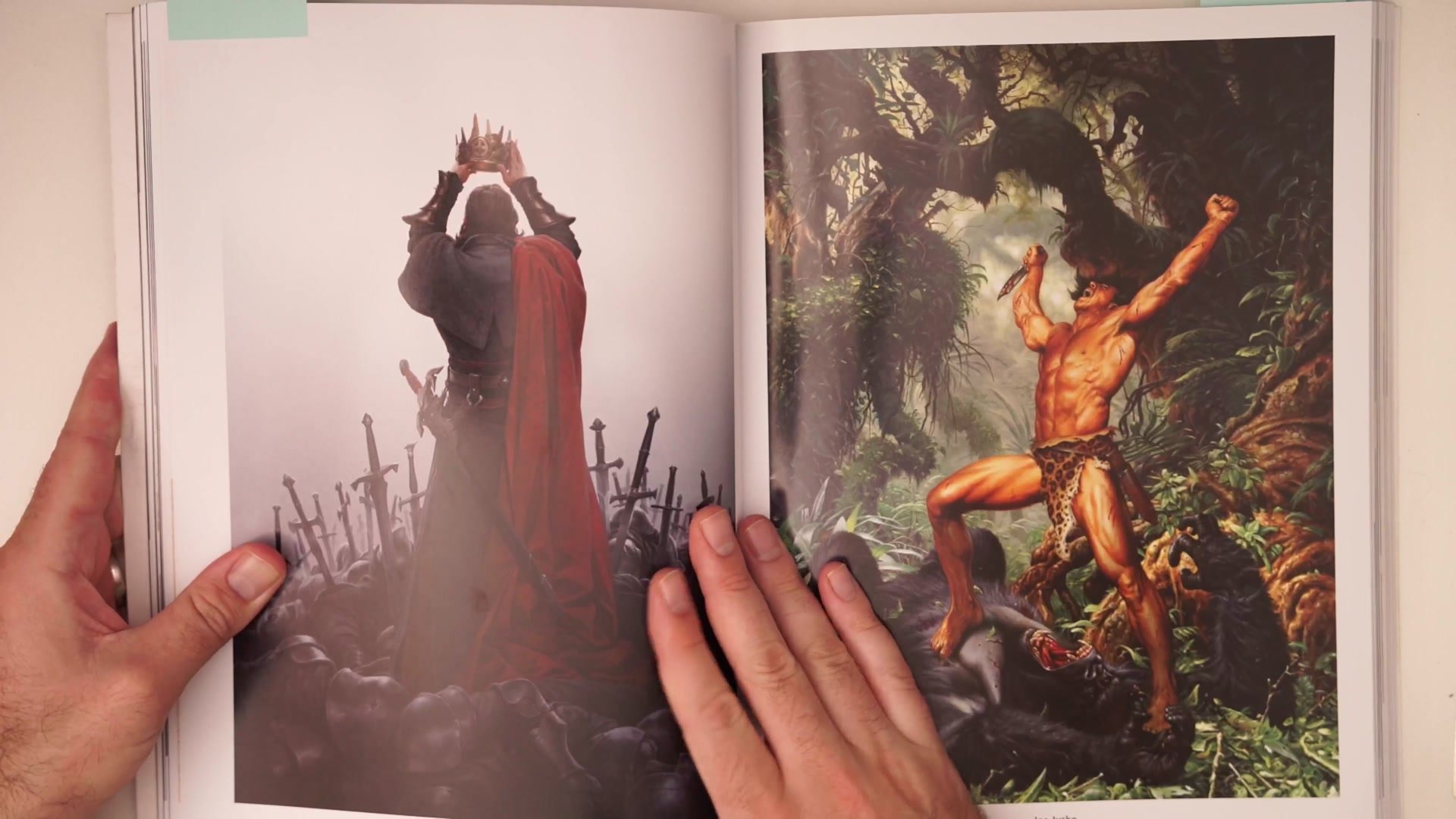
Andrew Loomis's Creative Illustration provides the theoretical foundation for understanding why centralized composition is so effective. Loomis distinguishes between formal subdivision, where symmetry and balance create a sense of dignity and purpose, and informal subdivision, where diagonal lines create more dynamic but complex arrangements. The formal approach, with its roots in classical design, has been used to create a sense of authority and power since the Renaissance. Michelangelo, Rubens, and Raphael all employed this type of formal balance. What often gets overlooked is that this simplicity is not a limitation. When artists focus on creating centralized compositions, the directness of the image plan allows the illustrative quality of the work to carry the piece. The figure, the rendering, the color, and the mood become the focal point rather than competing with a complex arrangement.
Contemporary Illustration
Centralized Composition in Professional Work
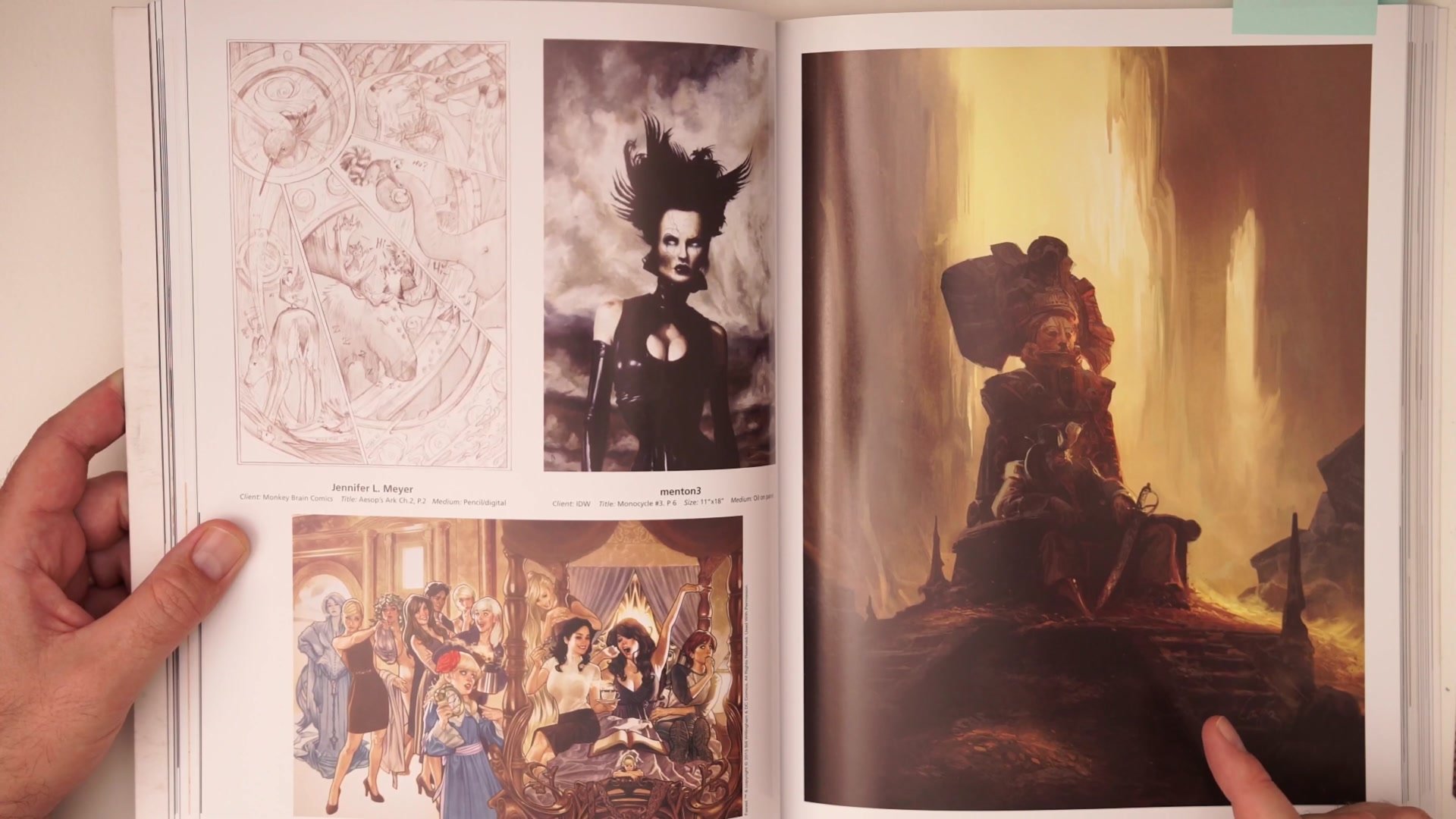
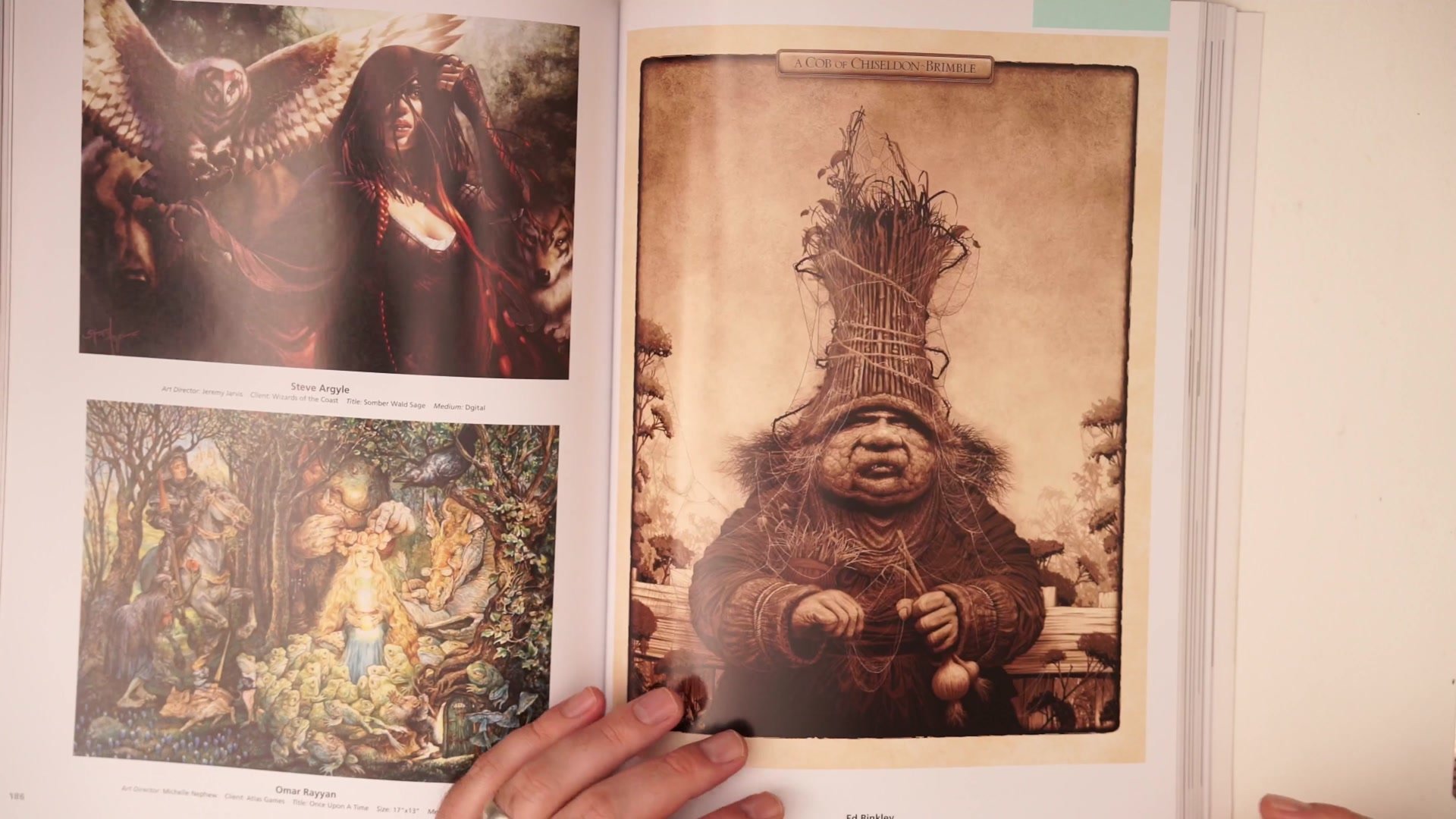
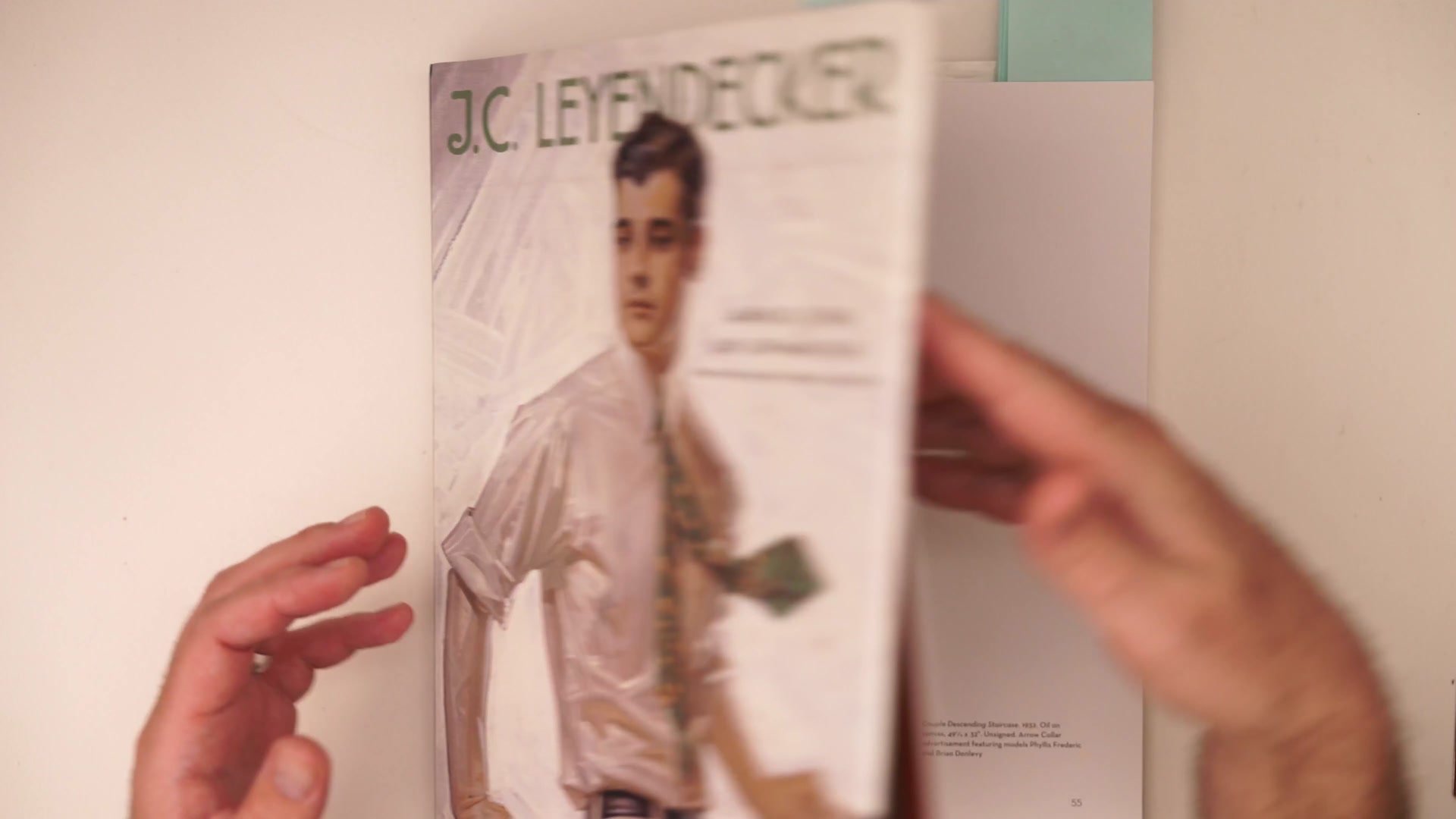
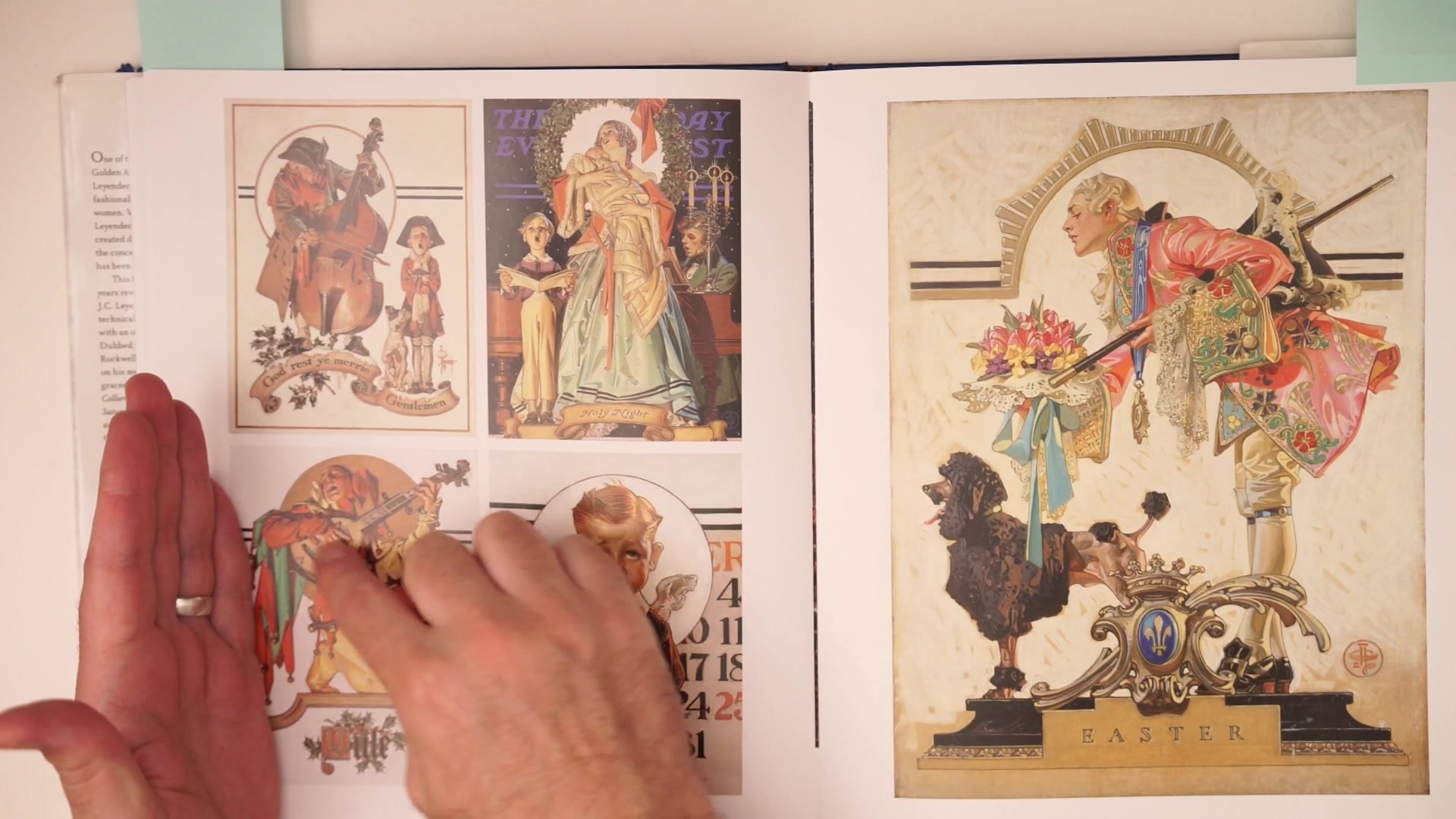
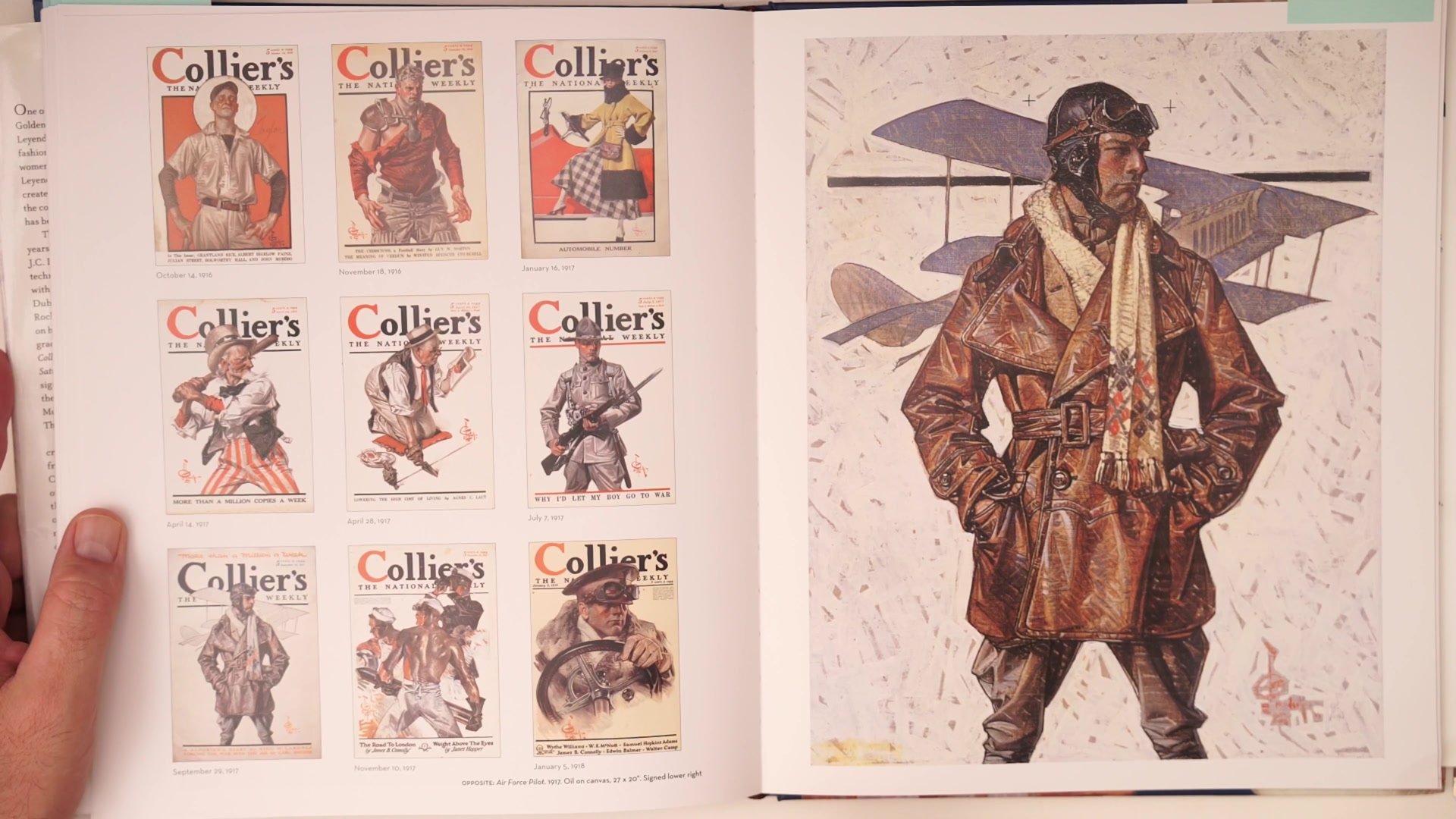
Examining professional illustration annuals like Spectrum 20 reveals how consistently this approach appears in published work. Artists like Jason Chan, Mathieu Lauffray, and Ed Binkley demonstrate that a single figure placed centrally in the frame, with purposeful graphic design in the negative space, creates images with tremendous impact. This is particularly true for covers and posters, where the image needs to communicate instantly. The same pattern holds with J.C. Leyendecker's magazine covers for the Saturday Evening Post and Collier's Weekly. Across hundreds of covers spanning decades, the centralized figure returns again and again. These images feel intentional, iconic, and symbolic. Even when Leyendecker introduced slight asymmetry or additional complexity, the fundamental image plan remained anchored to that strong central figure. The consistency of this approach across his career speaks to its reliability and power.
Leyendecker and Brom

Featured Artists
Andrew Loomis (1892-1959, American) One of the most influential illustration instructors in history. His book Creative Illustration remains a foundational text on composition, tone, and picture-making principles. His breakdown of formal and informal subdivision provides the theoretical backbone for understanding centralized composition.
J.C. Leyendecker (1874-1951, American) A pioneer of modern illustration who created over 400 magazine covers. His work for the Saturday Evening Post and Collier's Weekly established the visual language of American illustration. His consistently centralized, iconic figure compositions became the template that influenced generations, including Norman Rockwell.
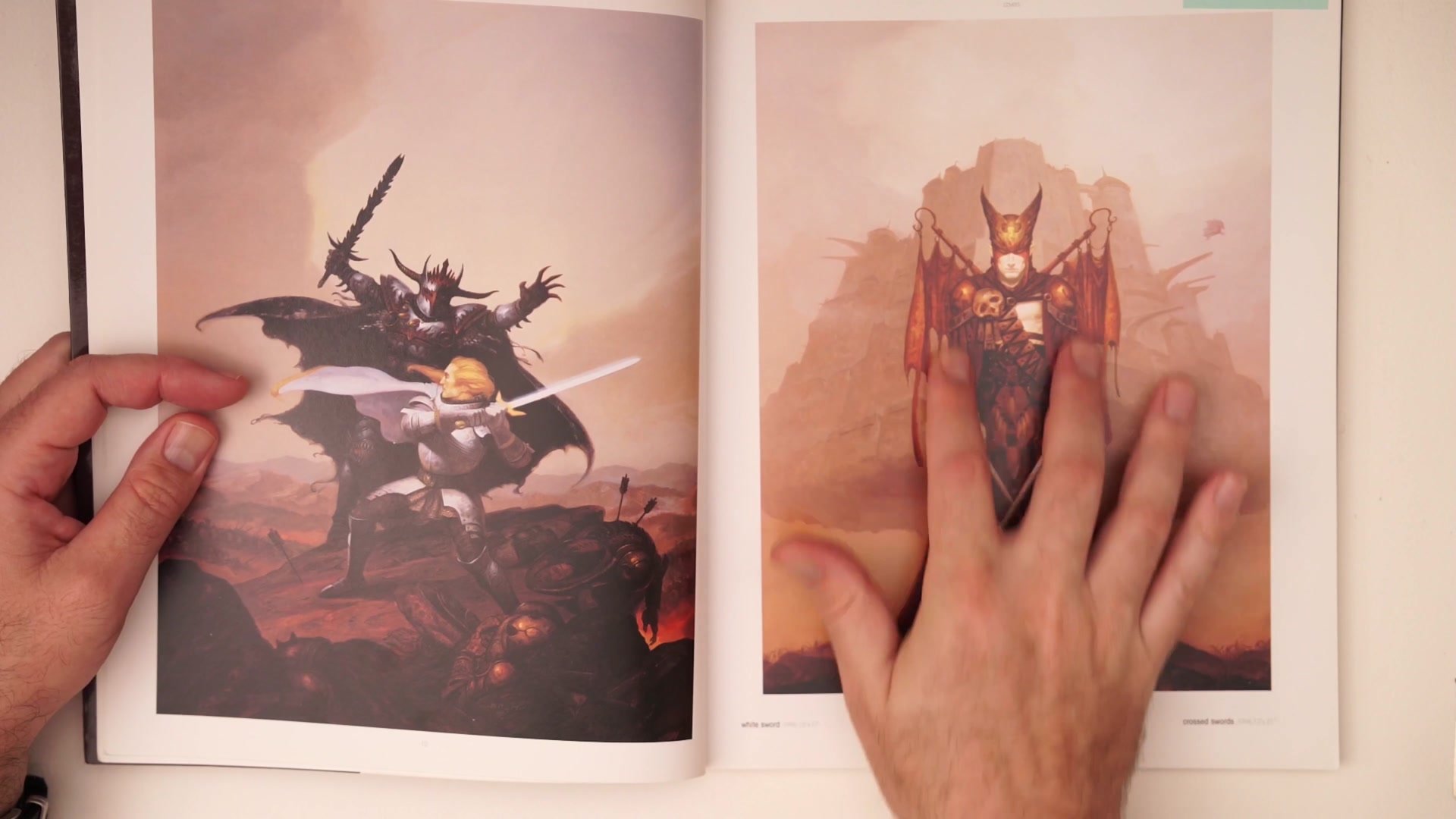
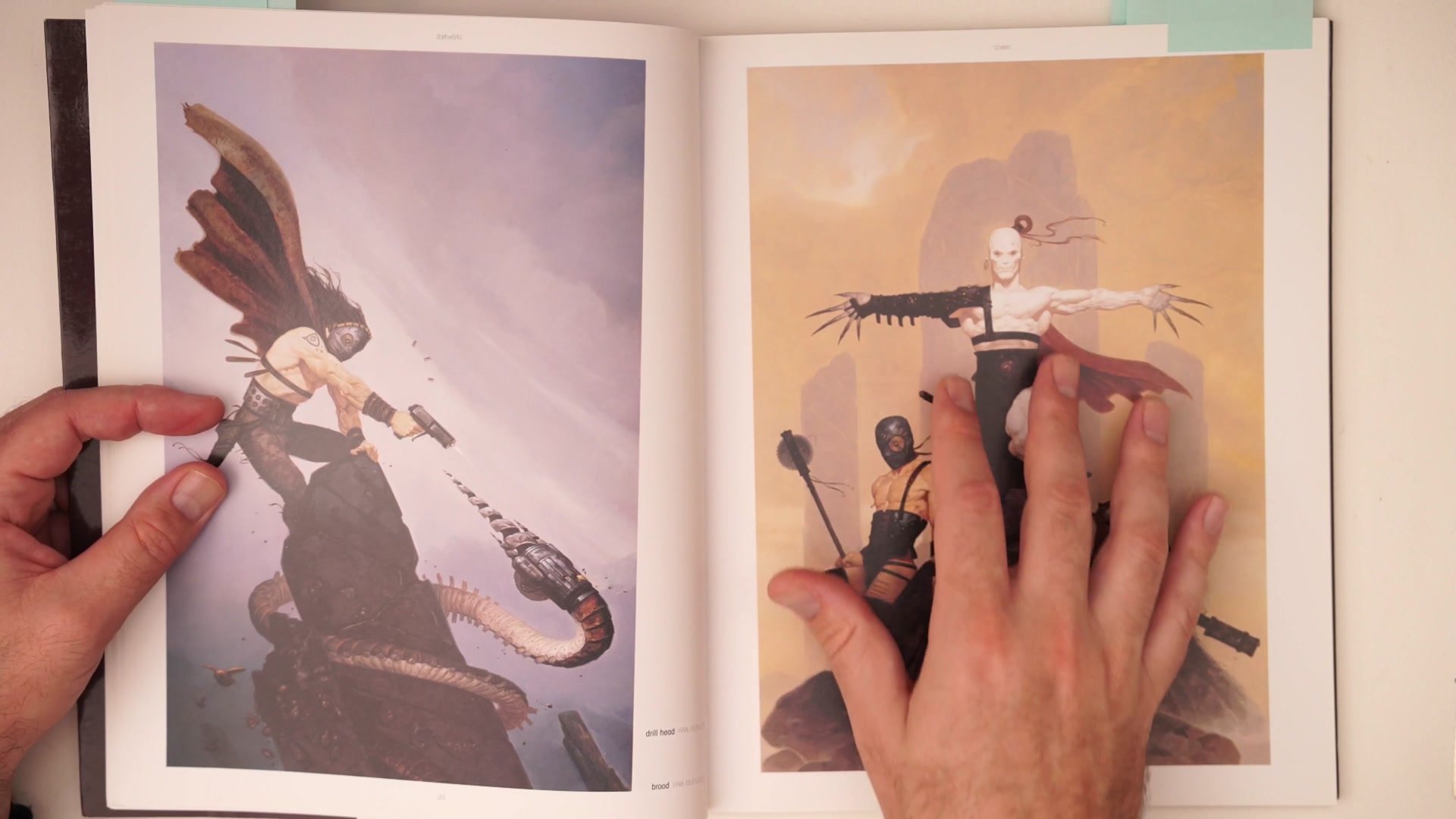
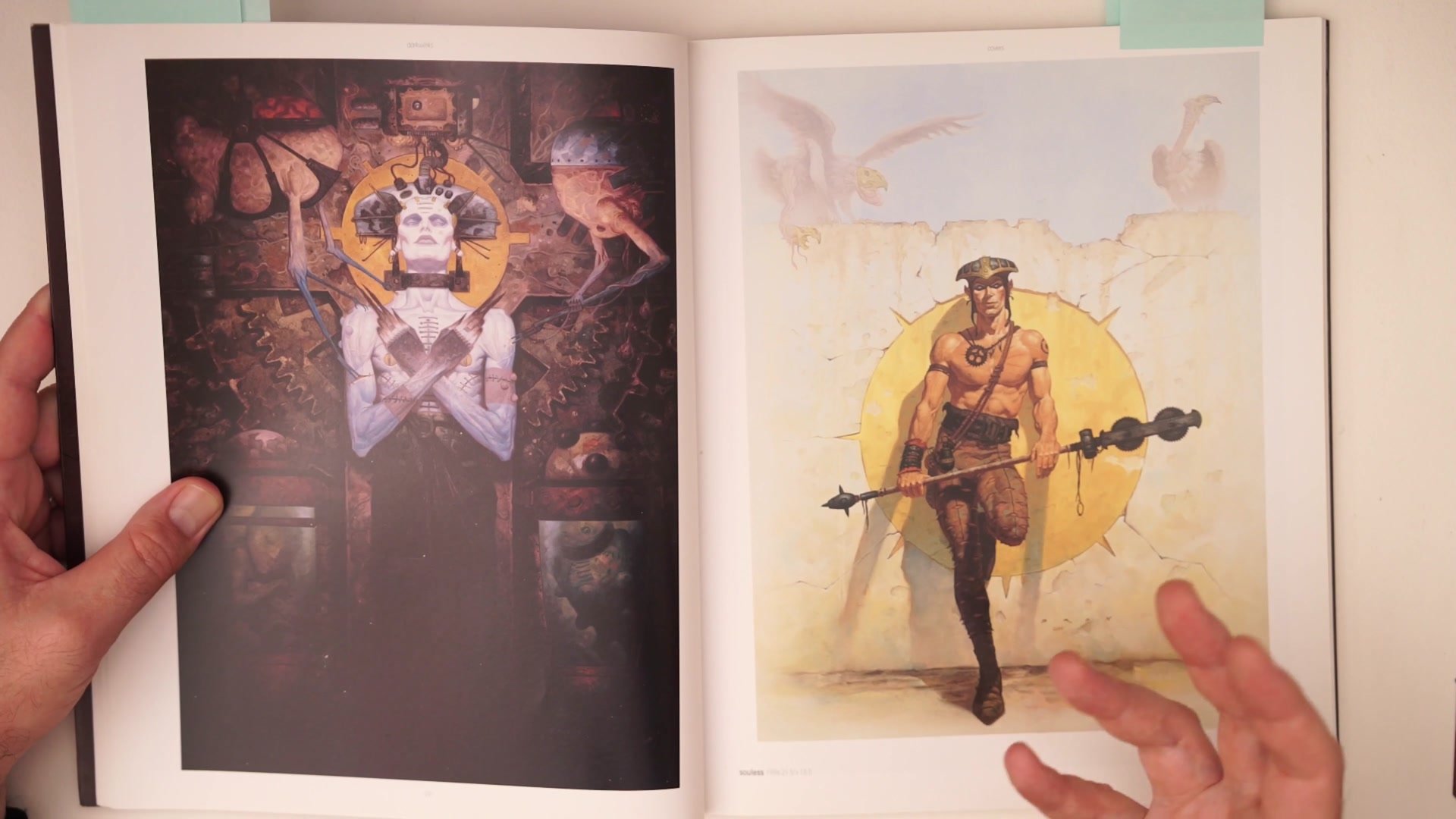
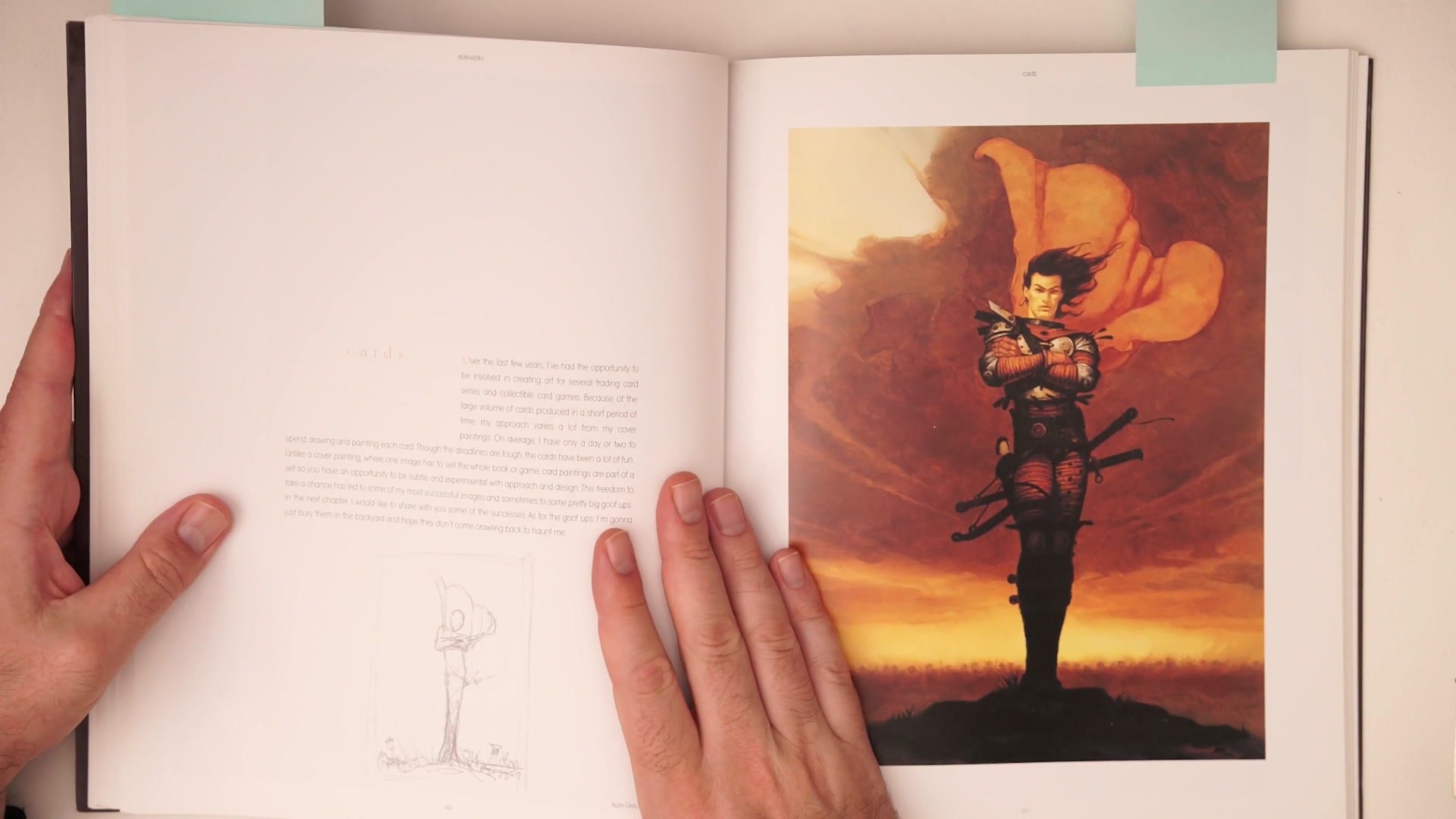
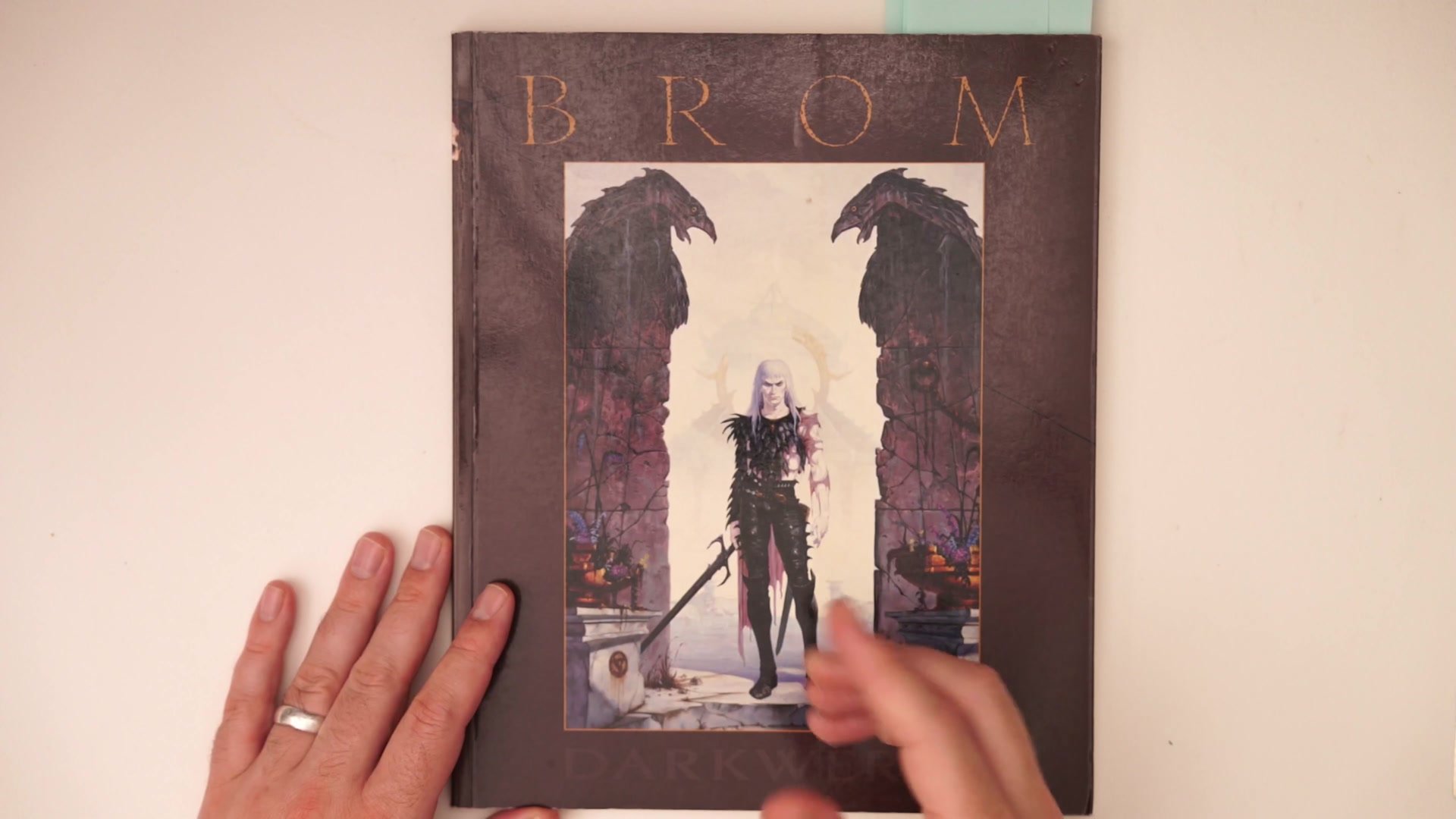
Gerald Brom (1965-present, American) Fantasy illustrator known for his dark, atmospheric character portraits. His book Darkworks showcases his signature approach of combining simple centralized figures with graphic, often abstract backgrounds to create powerful mood-driven illustrations. His work demonstrates how limiting compositional complexity allows illustrative quality to become the star.
Brom Darkworks
Key Observations
Simplicity Creates Impact: The most memorable and iconic illustrations frequently use centralized, symmetrical composition rather than complex arrangements. Covers and posters especially benefit from this directness.
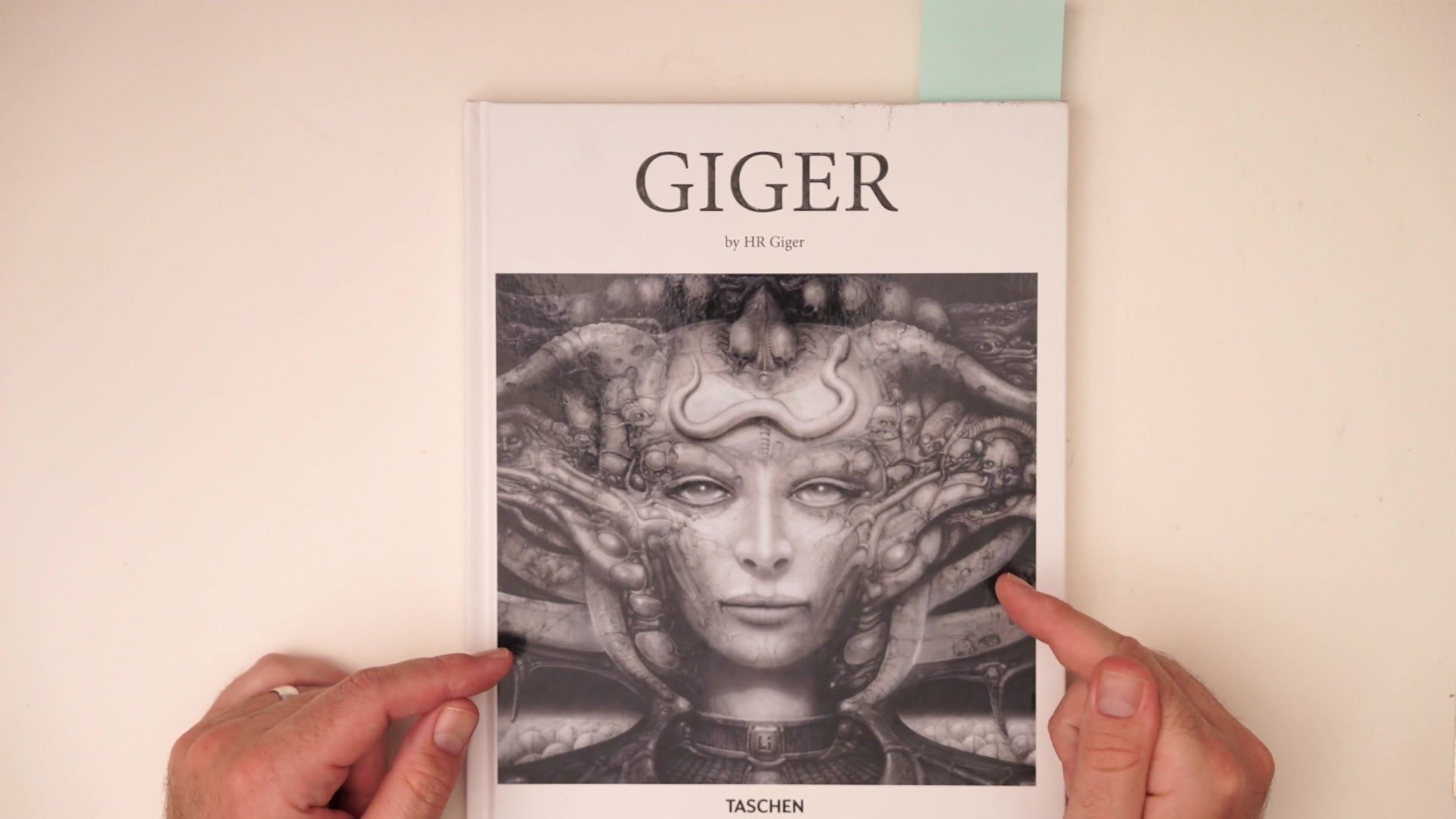
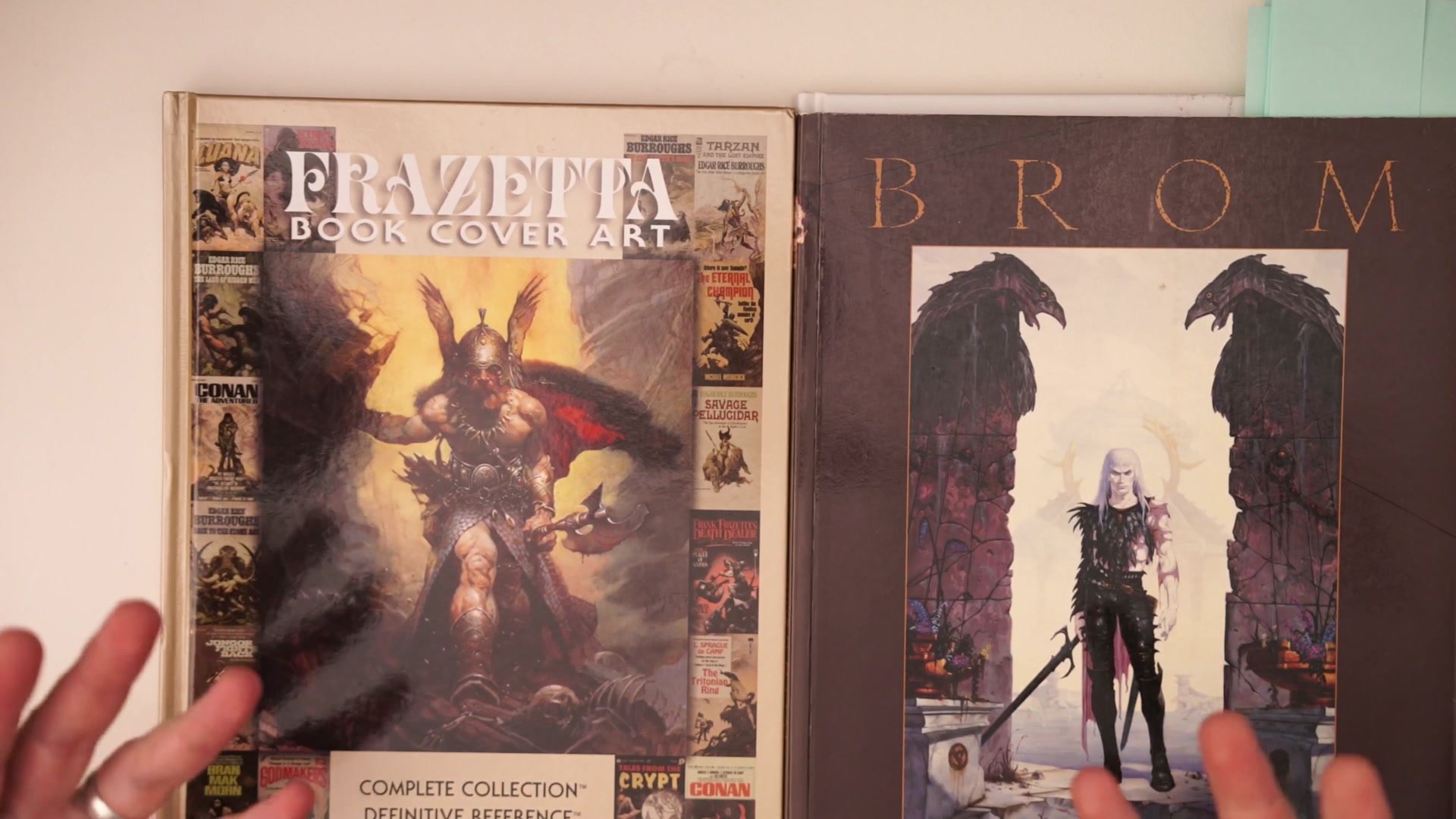
Covers Choose Centralized: Across art books and illustration annuals, the images selected to represent an artist or publication on the cover are disproportionately centralized compositions. This pattern repeats from Giger to Frazetta to Brom.
Abstract Background, Strong Figure: Combining a centralized figure with a graphic or abstract background creates tremendous mood and illustrative quality. Brom's work exemplifies how this pairing allows the character and atmosphere to carry the piece.
Formal Balance Has Authority: Loomis's concept of formal subdivision explains why symmetrical composition feels dignified and purposeful, connecting modern illustration to classical design principles used since the Renaissance.
Study This
Step 1: Pick up any illustration annual or art book collection and flip through it, noting which images use centralized composition. Count how many covers use this approach versus more complex arrangements.
Step 2: Create a series of small thumbnail sketches using only centralized, symmetrical compositions. Place a single figure in the center and experiment with abstract or graphic backgrounds to create mood.
Step 3: Study how Leyendecker and Brom handle the transition between figure and background in their centralized compositions. Notice how the simplicity of the layout allows the rendering and character to become the focal point.