Give Your Art Impact - A Simple Framework
Summary
The Impact Challenge
Every artist wants their work to command attention, to make people stop and care about what they are seeing. But the path to creating genuine impact is not as simple as turning every dial up to maximum. There is a real tension between the subtle, personal qualities that make art meaningful and the louder techniques that grab attention in a crowded visual landscape. Books like Andrew Loomis's Creative Illustration are packed with wisdom on composition, color theory, and tonal patterns, but knowing how to apply those tools without drowning out the quieter, more authentic aspects of your work is where most artists get stuck.
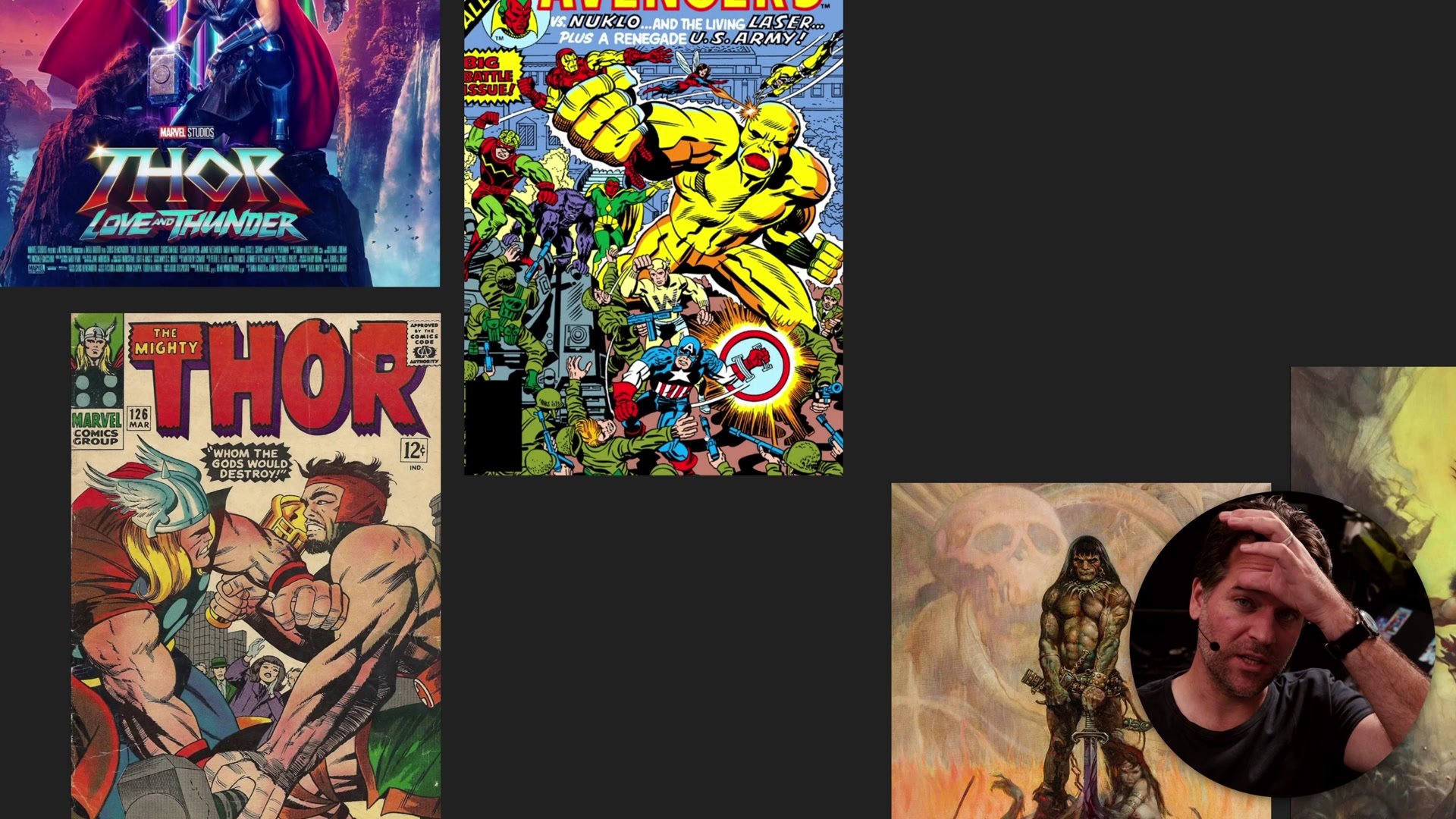
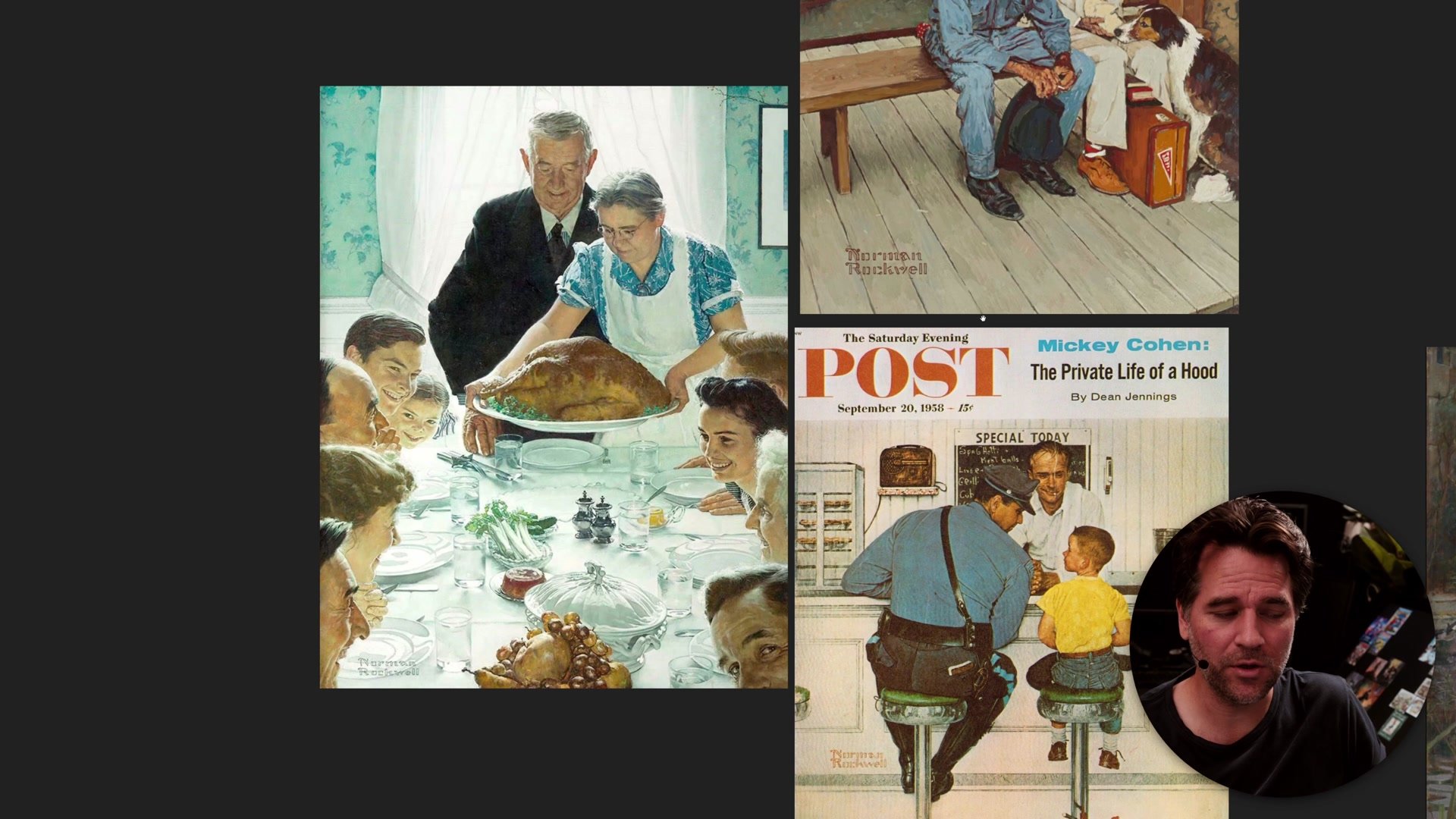
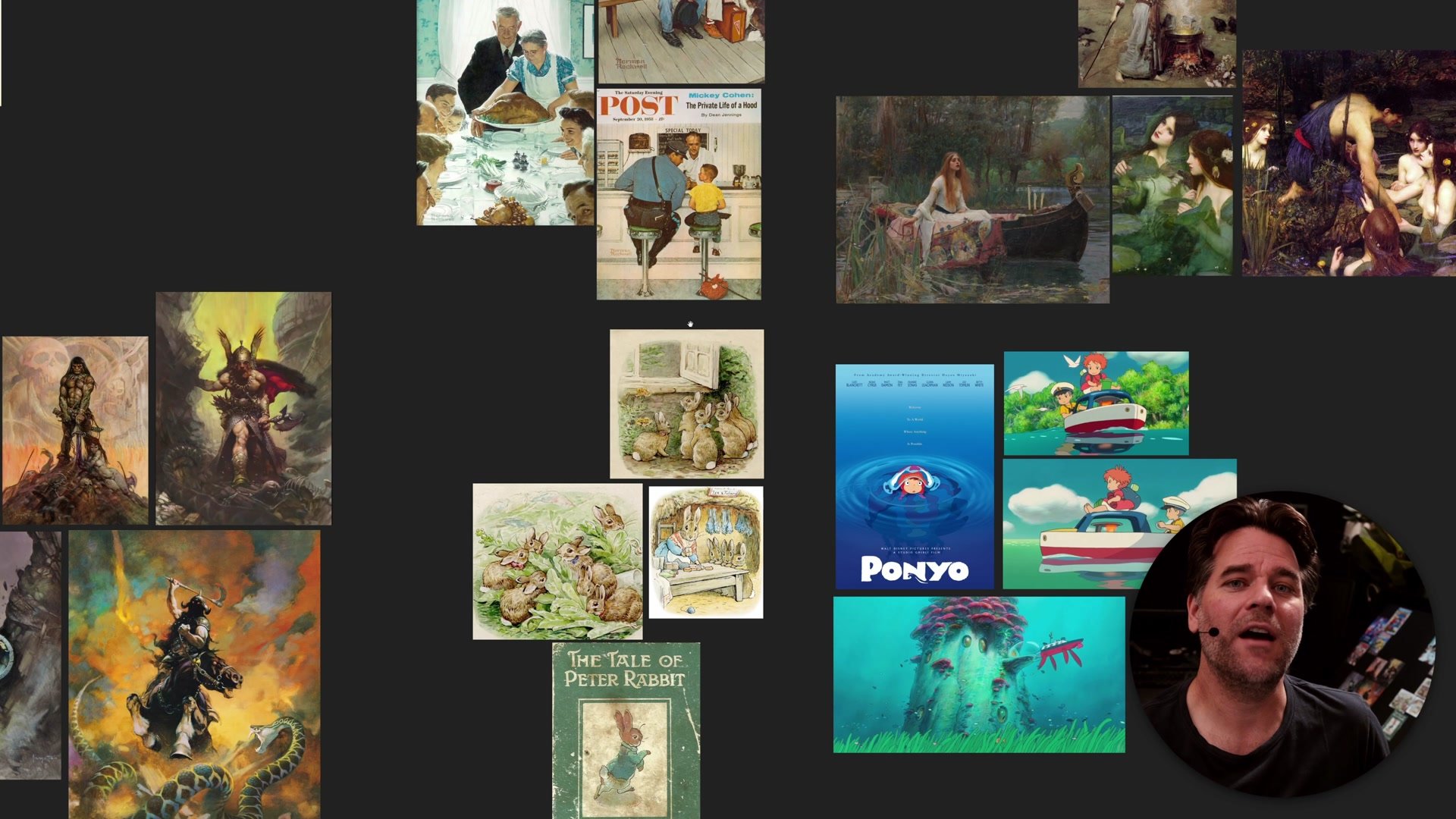
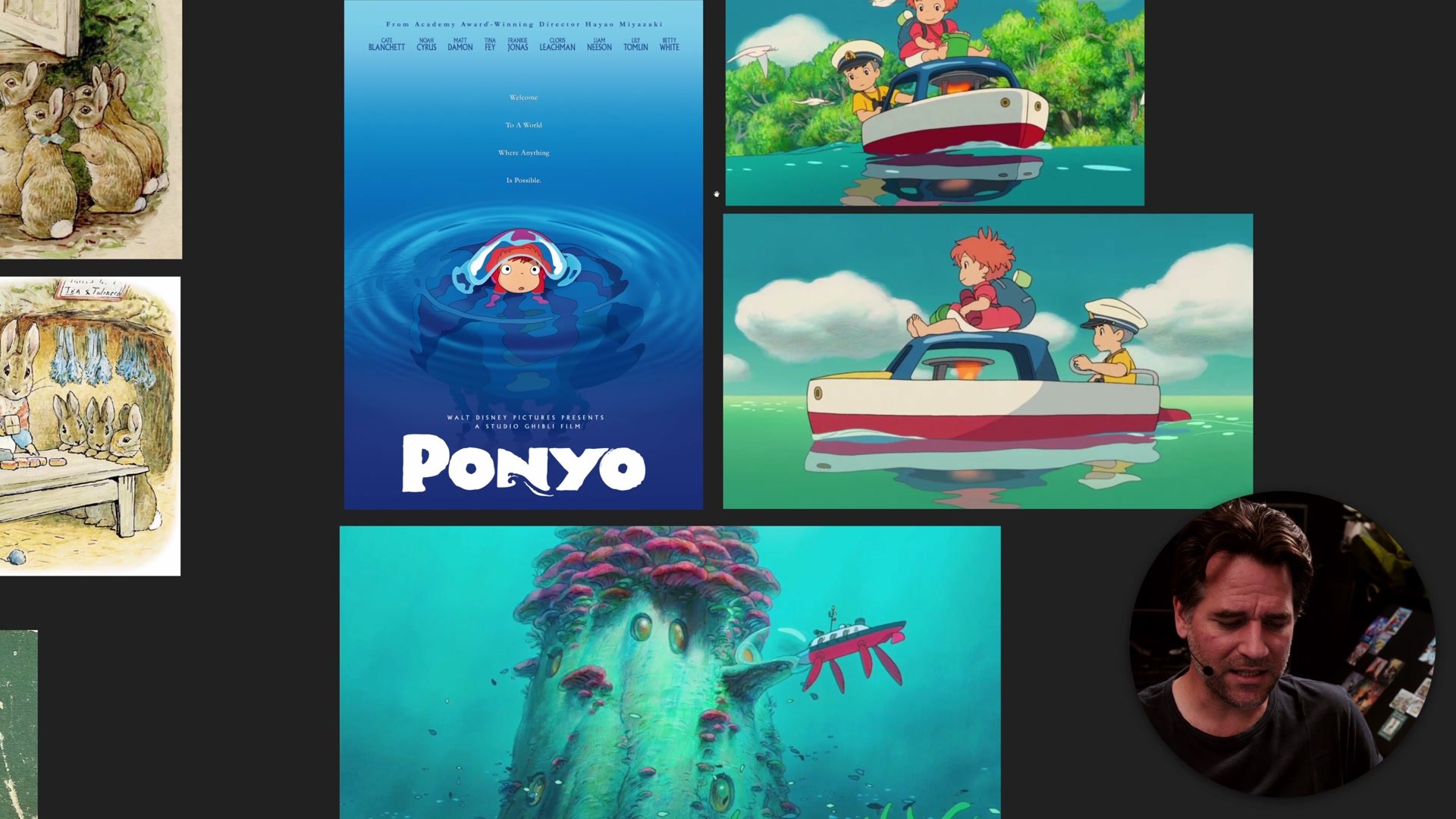
The challenge is that impact looks different depending on what kind of art you are making. Jack Kirby's explosive superhero pages, Norman Rockwell's narrative subtlety, Beatrix Potter's gentle charm, and Miyazaki's vibrant dreamscapes all create powerful responses in their audiences, but they each use completely different combinations of visual tools to get there. Understanding that impact is not a single thing but a spectrum of approaches is the first step toward figuring out where your own art fits.
Visual Impact Across Styles

Signal and Volume
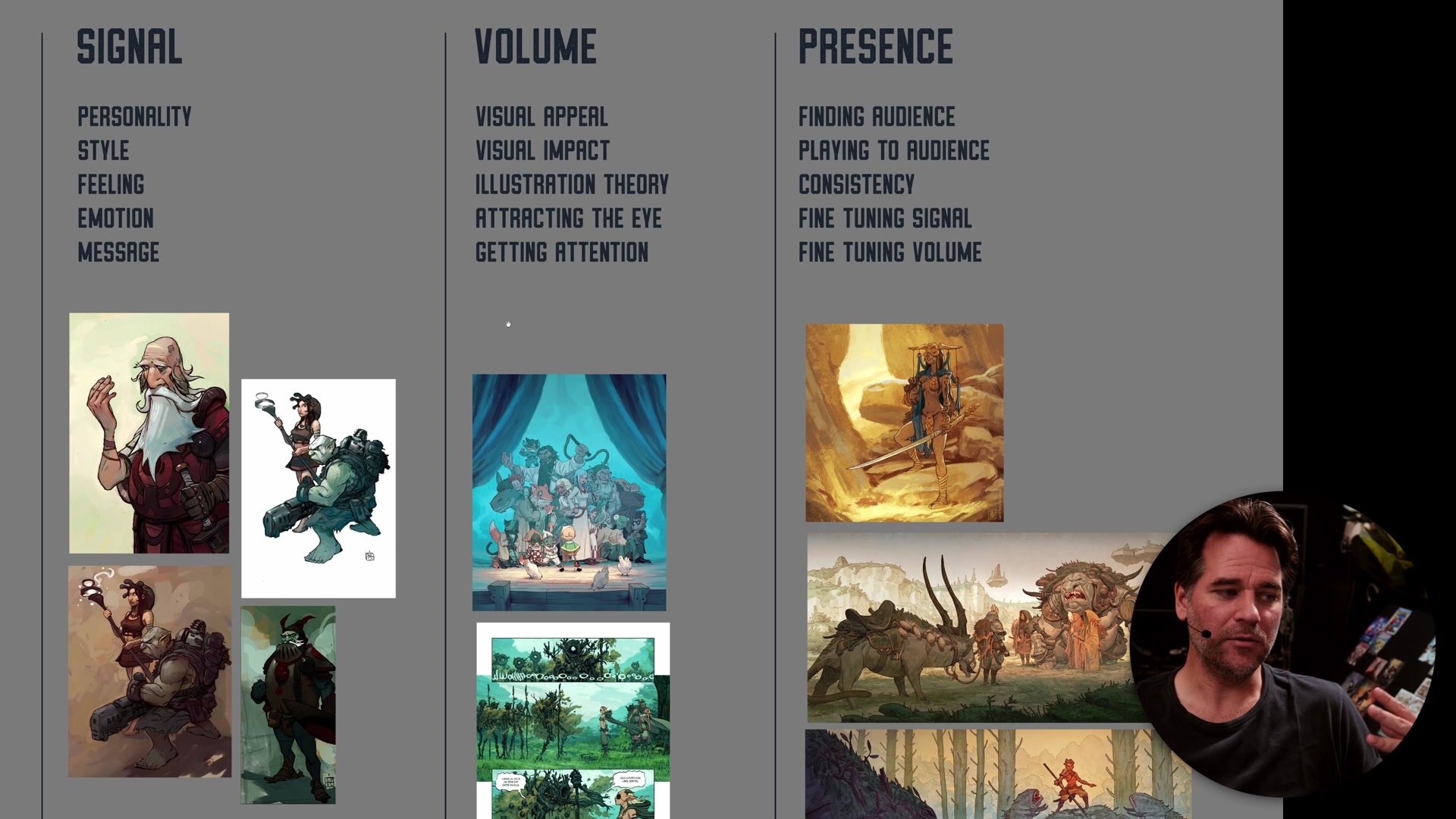
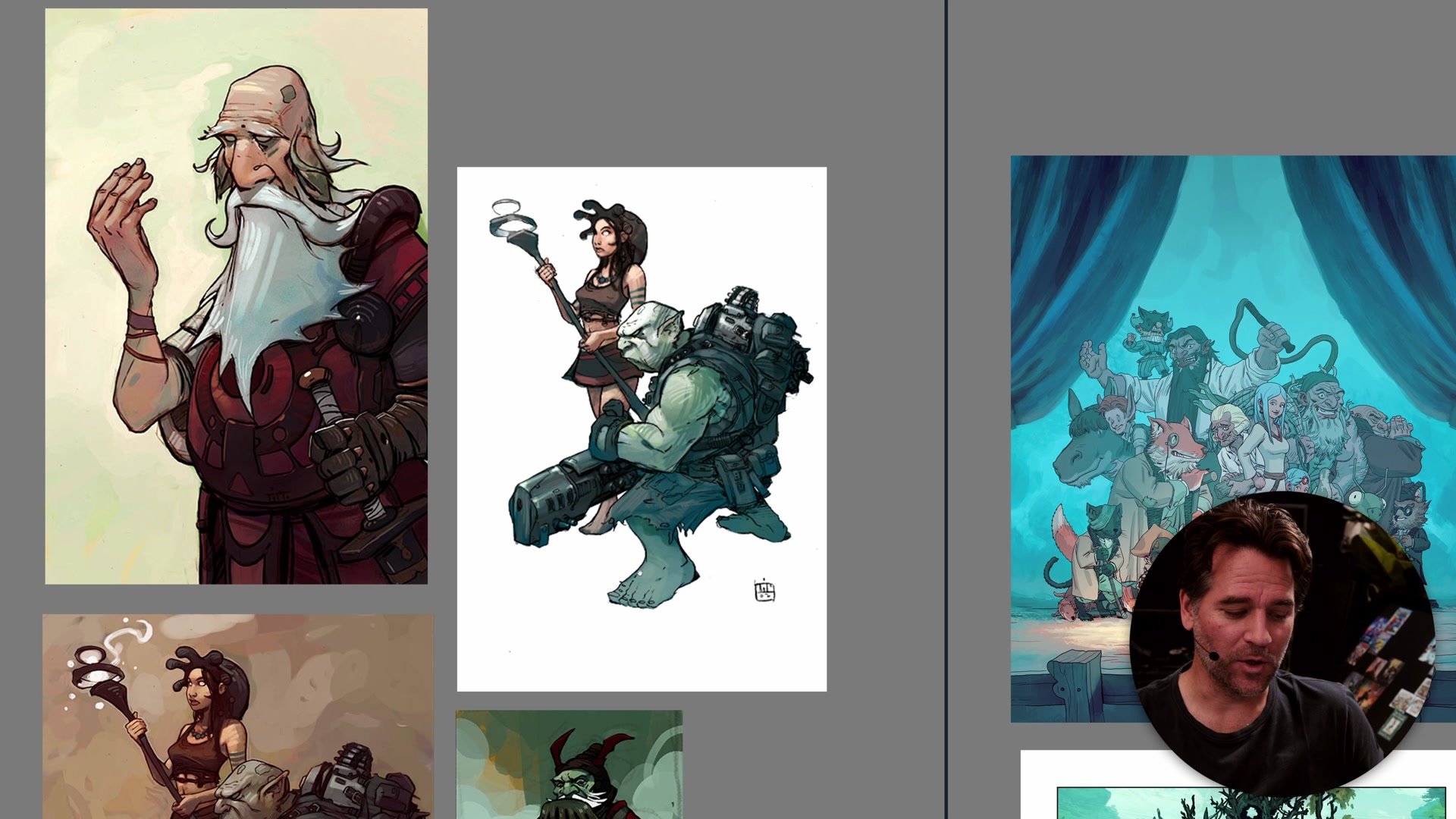
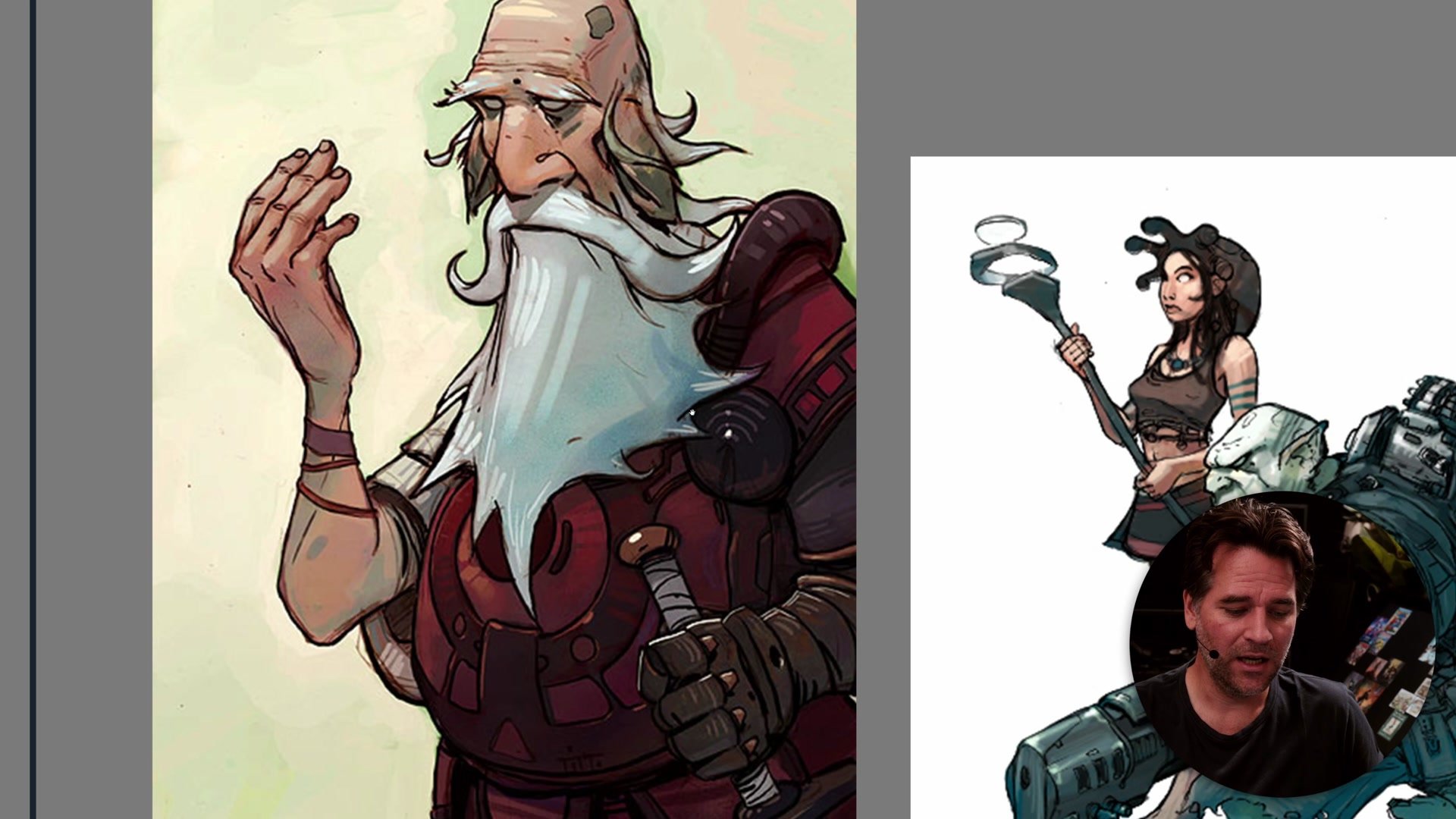
The framework that makes this navigable borrows from the world of sound. Think of your art in terms of signal, volume, and presence. Your signal is the core of who you are as an artist. It is your style, your personality, the emotional quality and message that runs through everything you create. Even at the very beginning of the journey, most artists have some version of this, a fragile little ember of their future artistic self. The challenge is not to extinguish it by piling on volume too early.
Volume is how you amplify that signal using the tools of illustration theory: contrast, color schemes, composition, narrative, faces, dynamism. These are all proven methods for grabbing attention and holding the eye. But volume without signal is hollow. If you just chase every attention-grabbing trick available, you end up with something that has no soul underneath it, all noise and no message. The real skill is figuring out which volume tools serve your particular signal and using them in the right proportions for your audience and your artistic goals.
The Framework in Practice
Building Presence
The third element of the framework is presence, and it is often the most counterintuitive part for artists. Once you have found a good balance between your signal and the volume you need, the thing that creates lasting impact over time is consistency. This means understanding what about your particular combination resonates with people and then repeating it, refining it, and building on it rather than abandoning it the moment boredom sets in.
This mirrors what happens in music all the time. Artists find their sound, develop an audience around it, and then get restless and want to experiment. The ones who build lasting careers are often the ones who learn to play their classics while slowly evolving. For visual artists, this means identifying the through lines in your work, the subjects, the palette, the feeling, the level of detail that people respond to, and then committing to those things even when the temptation to chase a new trend appears. Presence is not about stagnation. It is about understanding that impact compounds when you build on a foundation rather than constantly starting from scratch.
Key Concepts
Signal First: Your unique artistic voice, the subtle qualities and emotions in your work, is the foundation everything else builds on. Protect and nurture it before trying to amplify it, because volume without signal produces hollow attention-grabbing work with nothing underneath.
Volume Is Selective: Not every piece of illustration theory applies equally to every type of art. The tools that create impact for a movie poster are different from those that serve a children's book. Choose the volume dials that complement your signal rather than defaulting to maximum on everything.
Presence Through Consistency: Finding your balance of signal and volume once is not enough. Lasting artistic impact comes from repeating and refining that balance over time, resisting the urge to abandon what works in favour of chasing trends or fighting boredom.
Try This
Identify Your Signal: Look back through your past work and pick the pieces where you felt something genuinely clicked, where the art felt uniquely yours. Note what those pieces have in common in terms of subject, color, mood, and level of detail.
Audit Your Volume: For each of those successful pieces, identify which illustration tools you were using, whether it was contrast, color harmony, compositional structure, narrative elements, or something else. Write down which tools felt natural and which felt forced.
Test Your Presence: Compare your most recent work to those earlier successes. Are you still building on the same signal, or have you drifted away from what made those pieces work? If you have drifted, consider whether returning to those qualities might be more productive than continuing to experiment.