Form Vs Shape - How Great Artists Combine Realism With Style
Summary
Form Vs Shape in Art
One of the most important building blocks of artistic style is the interplay between form and shape. Form-based rendering uses light and shadow to describe three-dimensional volume, while shape-based rendering presents the world through flat, graphic elements where one shape sits on top of another. Understanding this distinction is critical because art education often pushes us toward form-heavy rendering through anatomy books and figure drawing, yet many successful artists work primarily with shape or find compelling ways to blend both approaches.
This study session examines how a wide range of artists across illustration, manga, comics, and classical painting each navigate the spectrum between form and shape. By flipping through their art books and analysing their choices, we can see that the way we understand the world as artists is different from what we actually draw, and that realism does not automatically equal form.
Art Education and Form
Learning vs Presenting
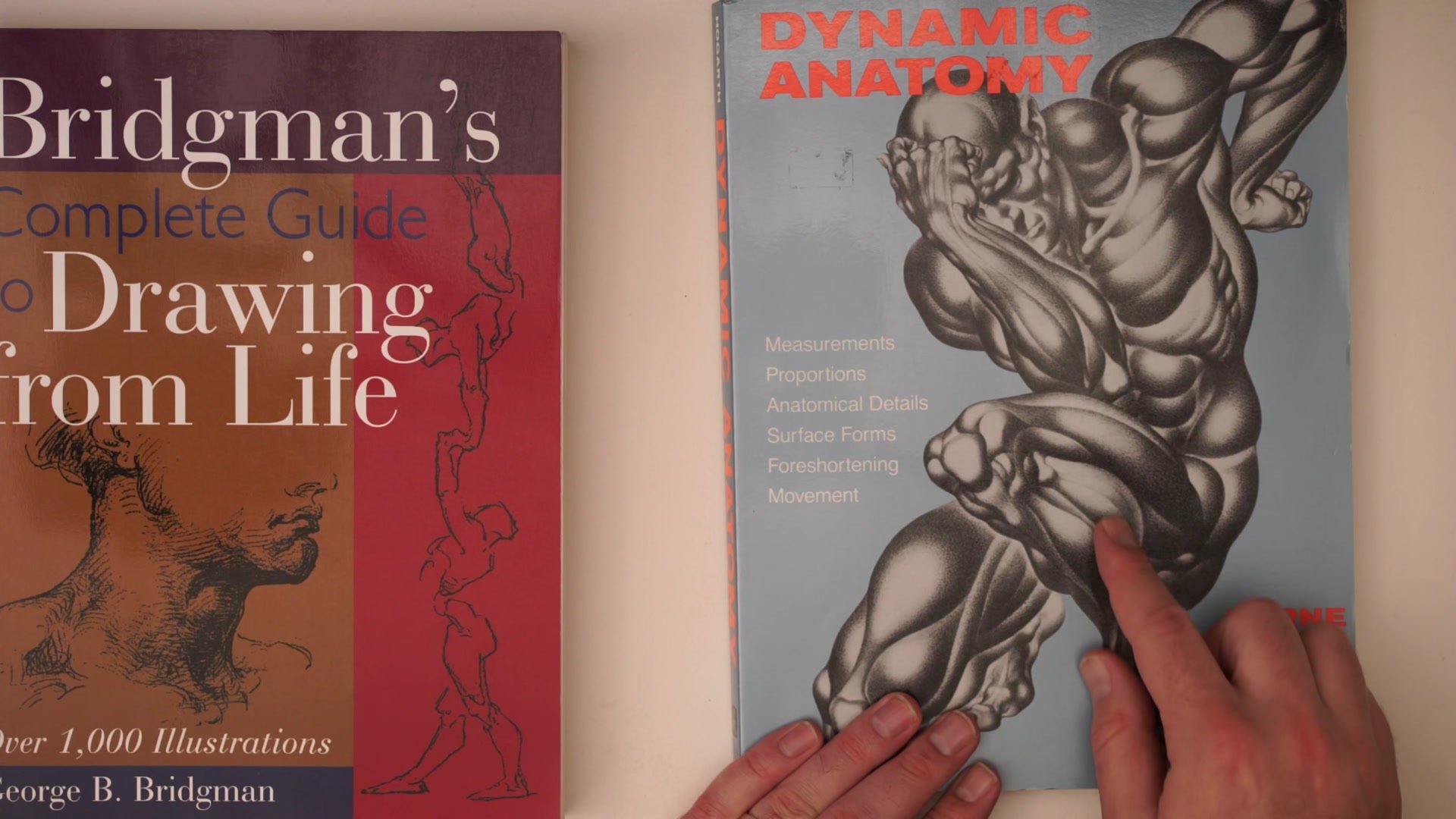
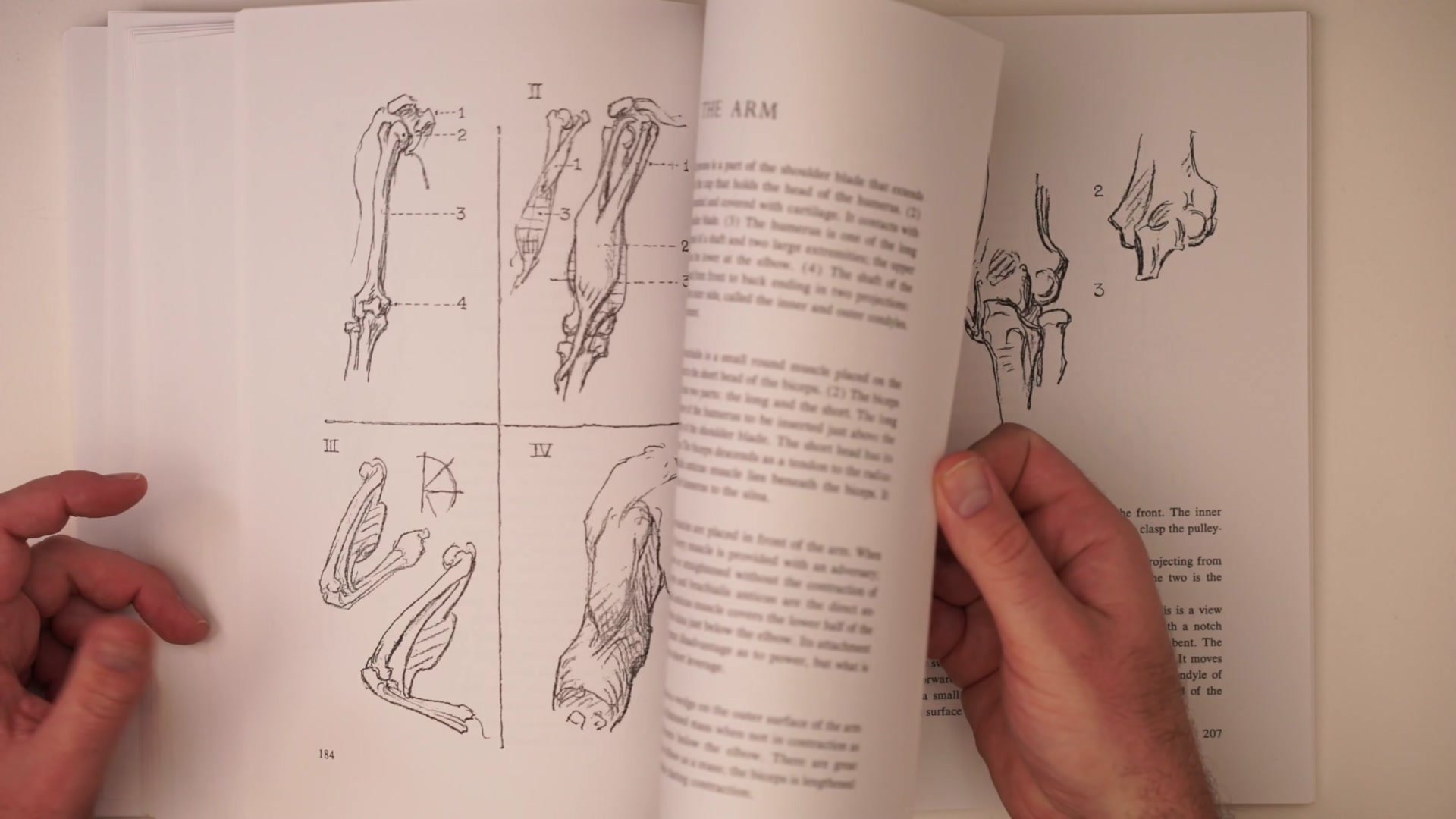
Art education often begins with books like Bridgman's Complete Guide to Drawing from Life and Burne Hogarth's Dynamic Anatomy, which describe the body through heavily rendered, form-based drawings. These books exist to teach us where the muscles are and how three-dimensional structures connect, but their purpose is descriptive rather than stylistic. What these books show us is not what we draw; it is what we understand so that we can draw what we want.
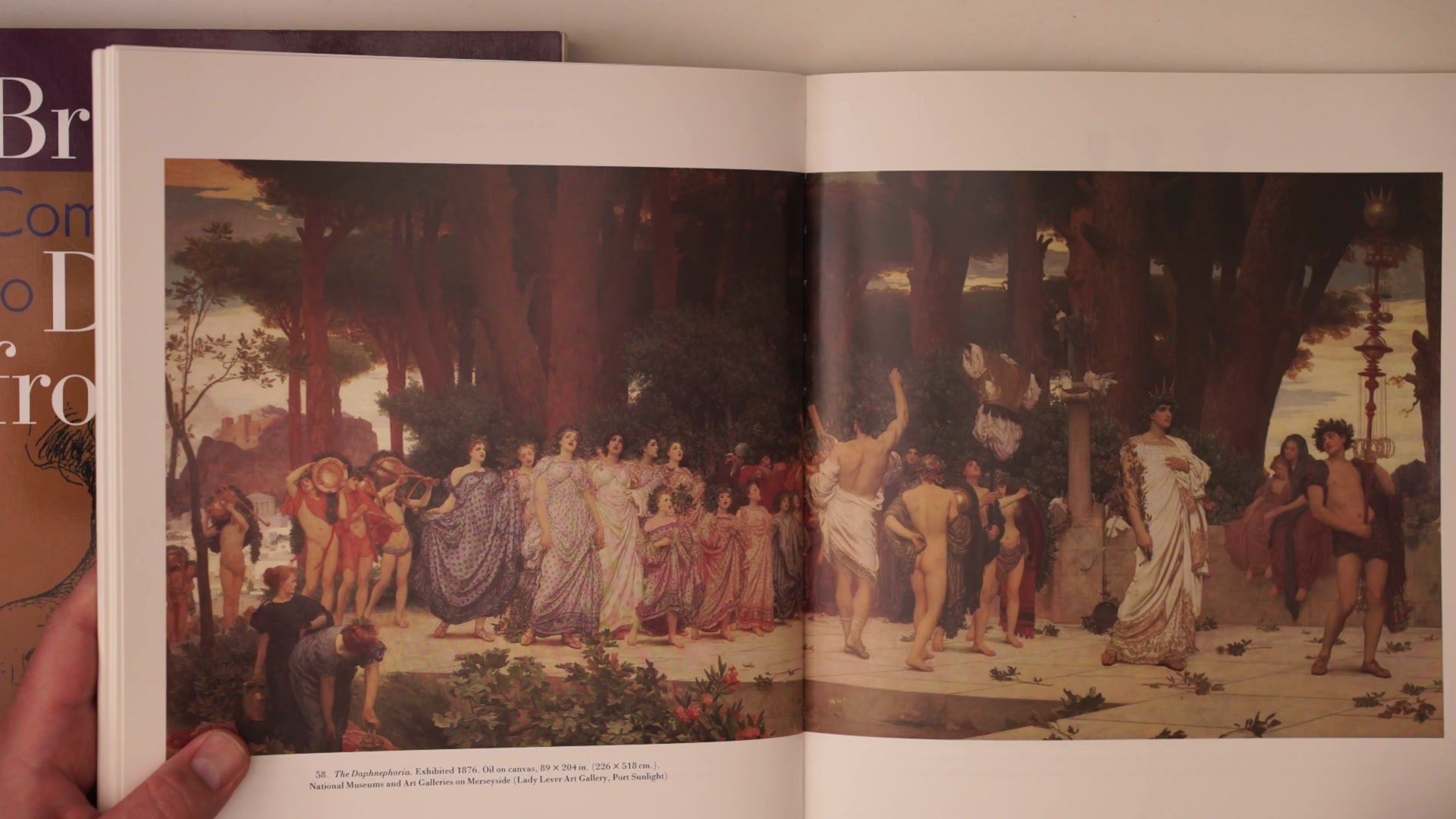
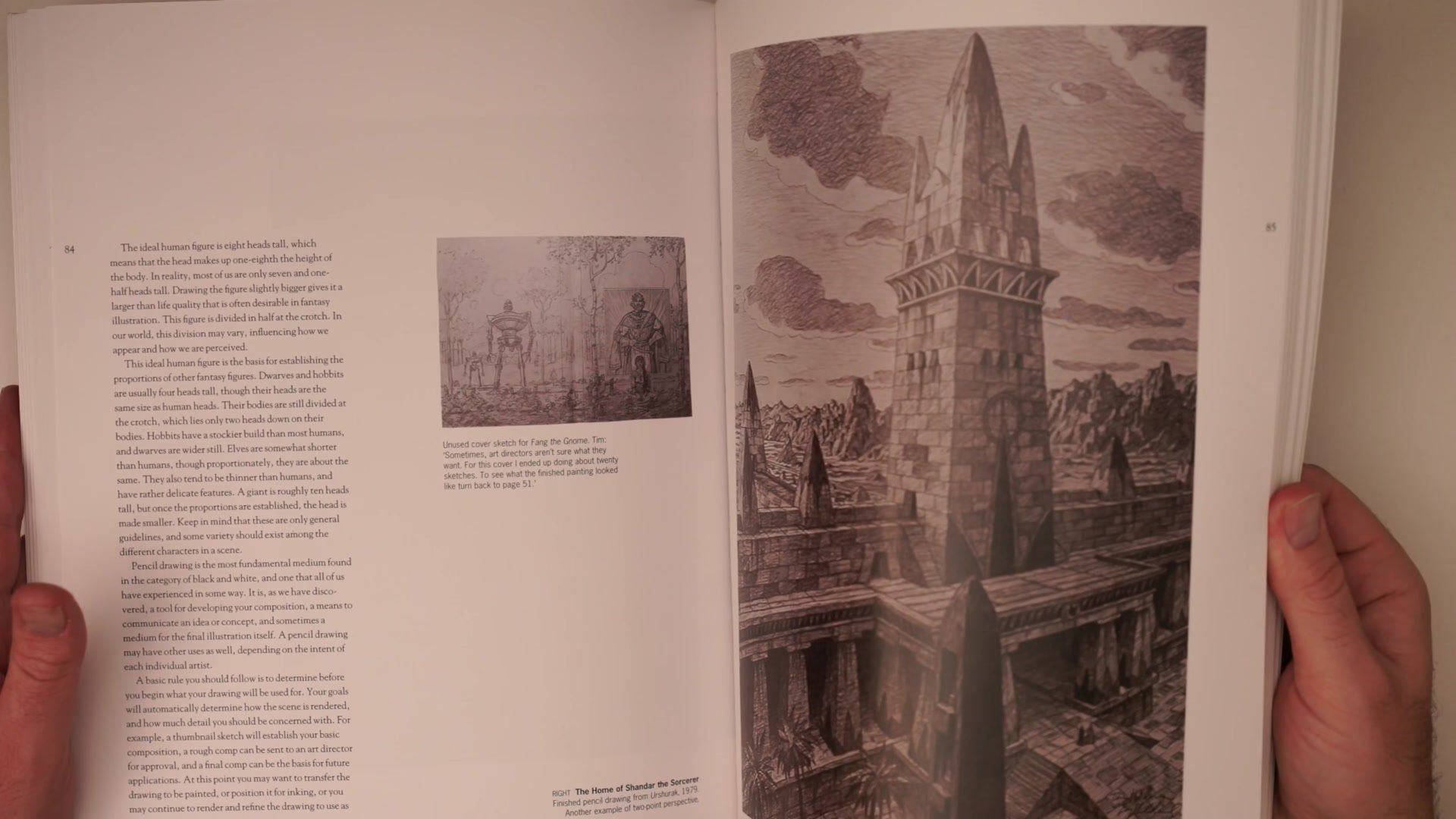
This distinction matters because the end goal of studying anatomy is rarely to reproduce Bridgman-style drawings. Artists like Lord Leighton and Tim Hildebrandt demonstrate how mastery of form translates into fully realised paintings where lighting, reflected light, and ambient occlusion create dimensional scenes. Yet even among these highly rendered artists, the understanding underneath always exceeds what appears on the surface. The thing we think about as artists is different from the line we put down.
Shape-Based Styles
Shape, Realism, and Tone
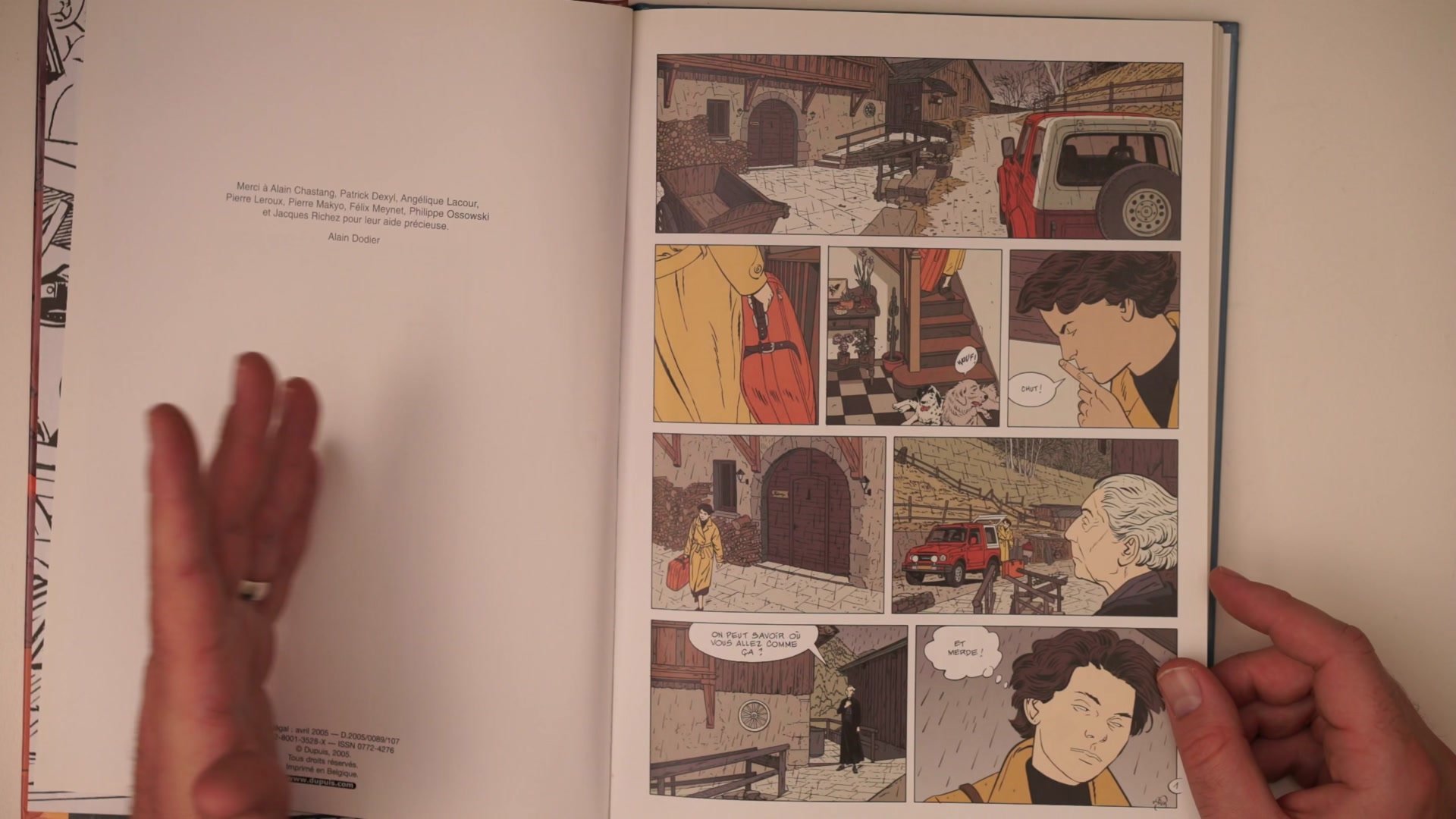
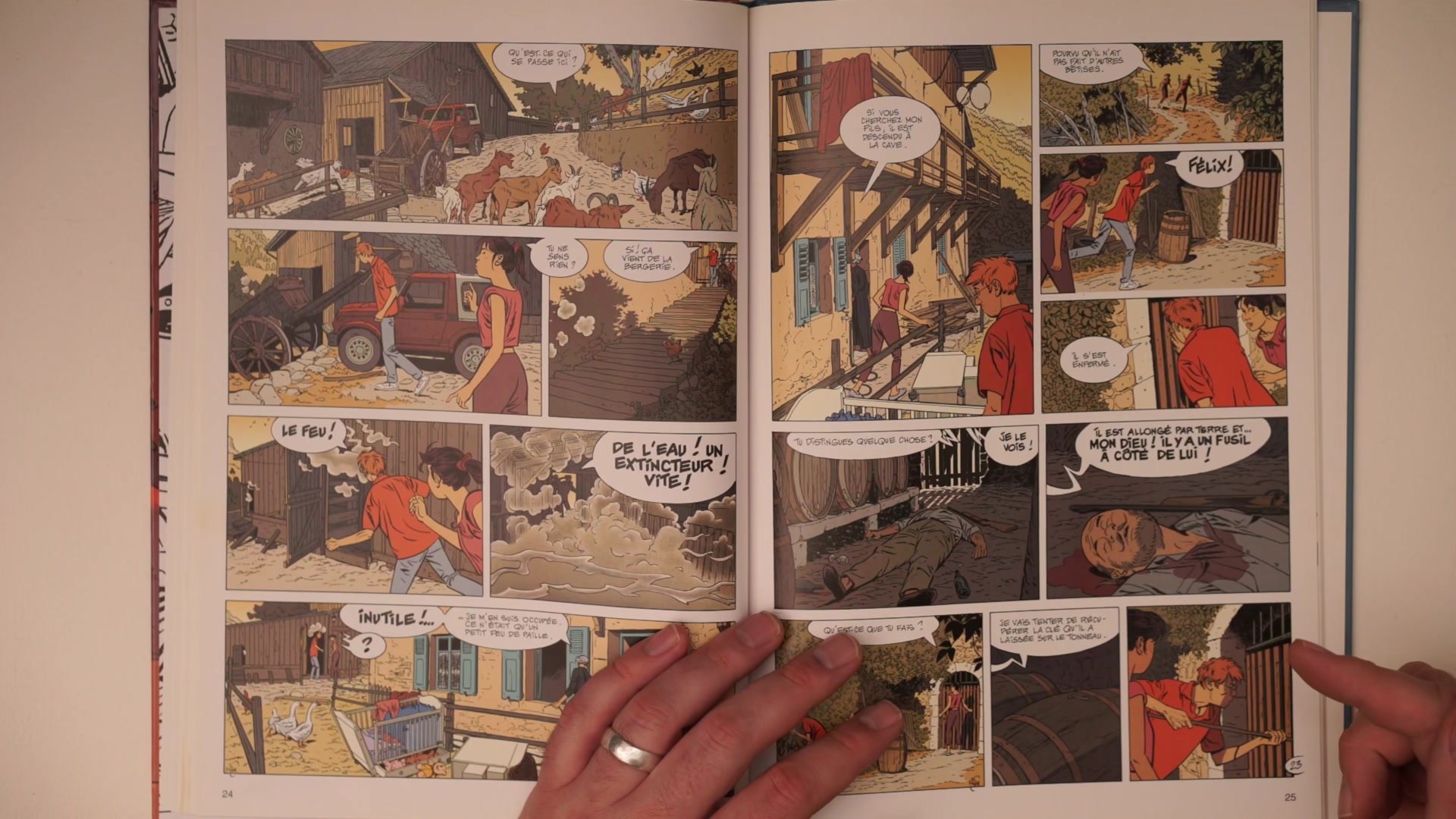
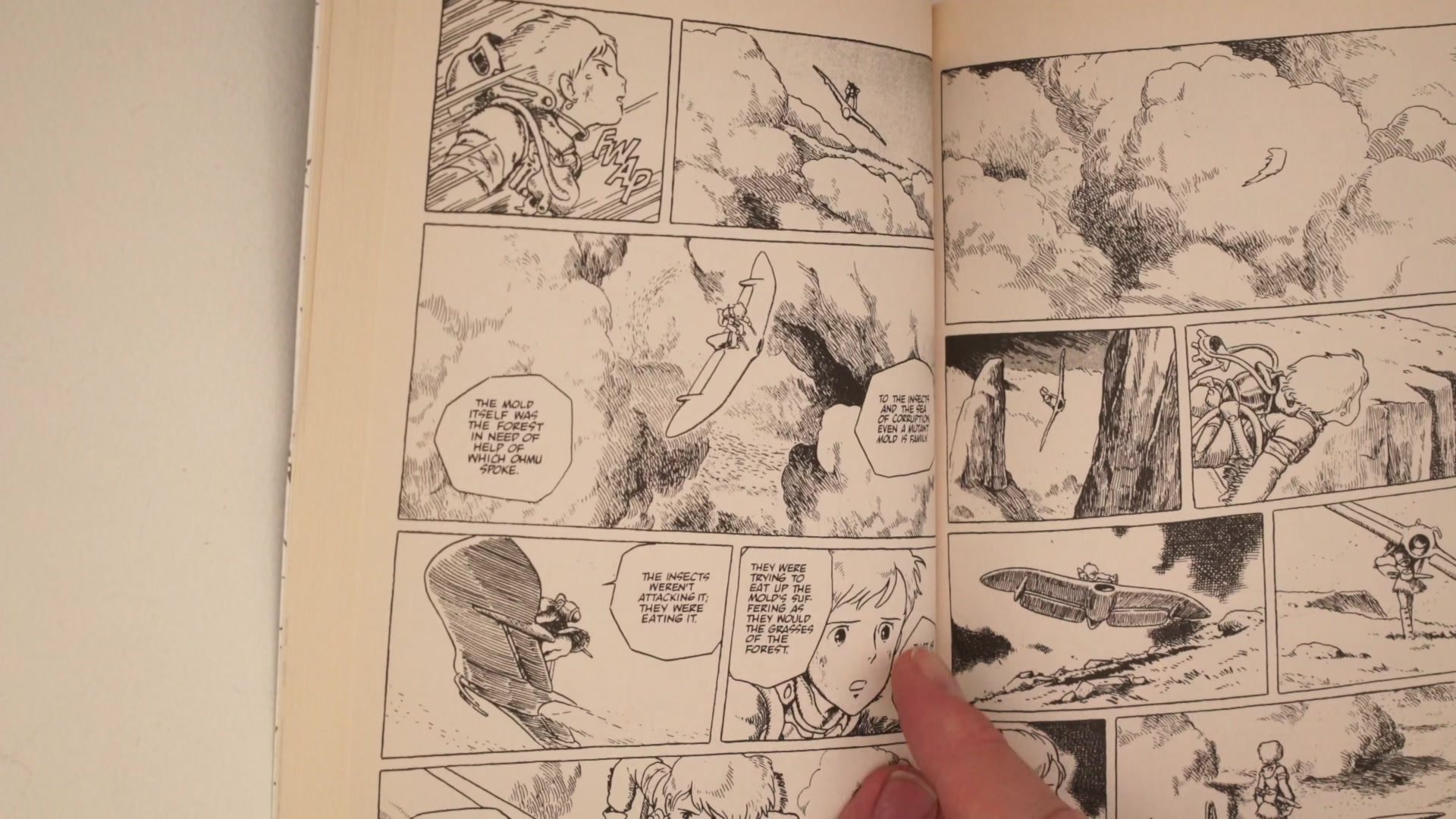
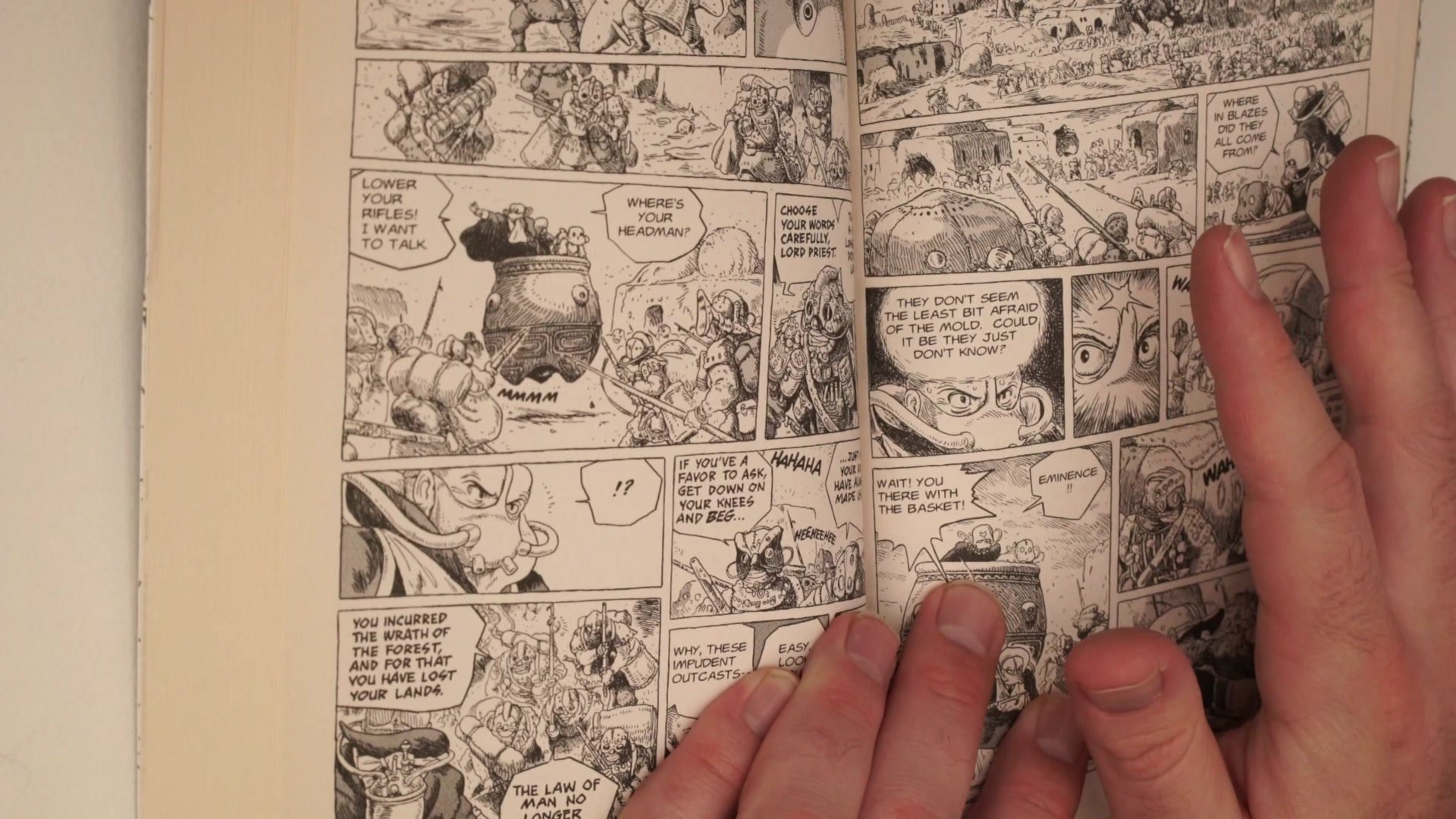
A key insight from examining these artists side by side is that realism does not require form-based rendering. Alain Dodier's Jerome K. Jerome Bloche comics are grounded, mature detective stories with realistic settings and consistent characters, yet the presentation is flat and cartoony. One shape sits on top of another with minimal shading. Meanwhile, Miyazaki's Nausicaa manga leans more toward form, using cast shadows, ambient occlusion, and rendered environments to create gravity and darkness, even though the character faces remain iconic and simplified.
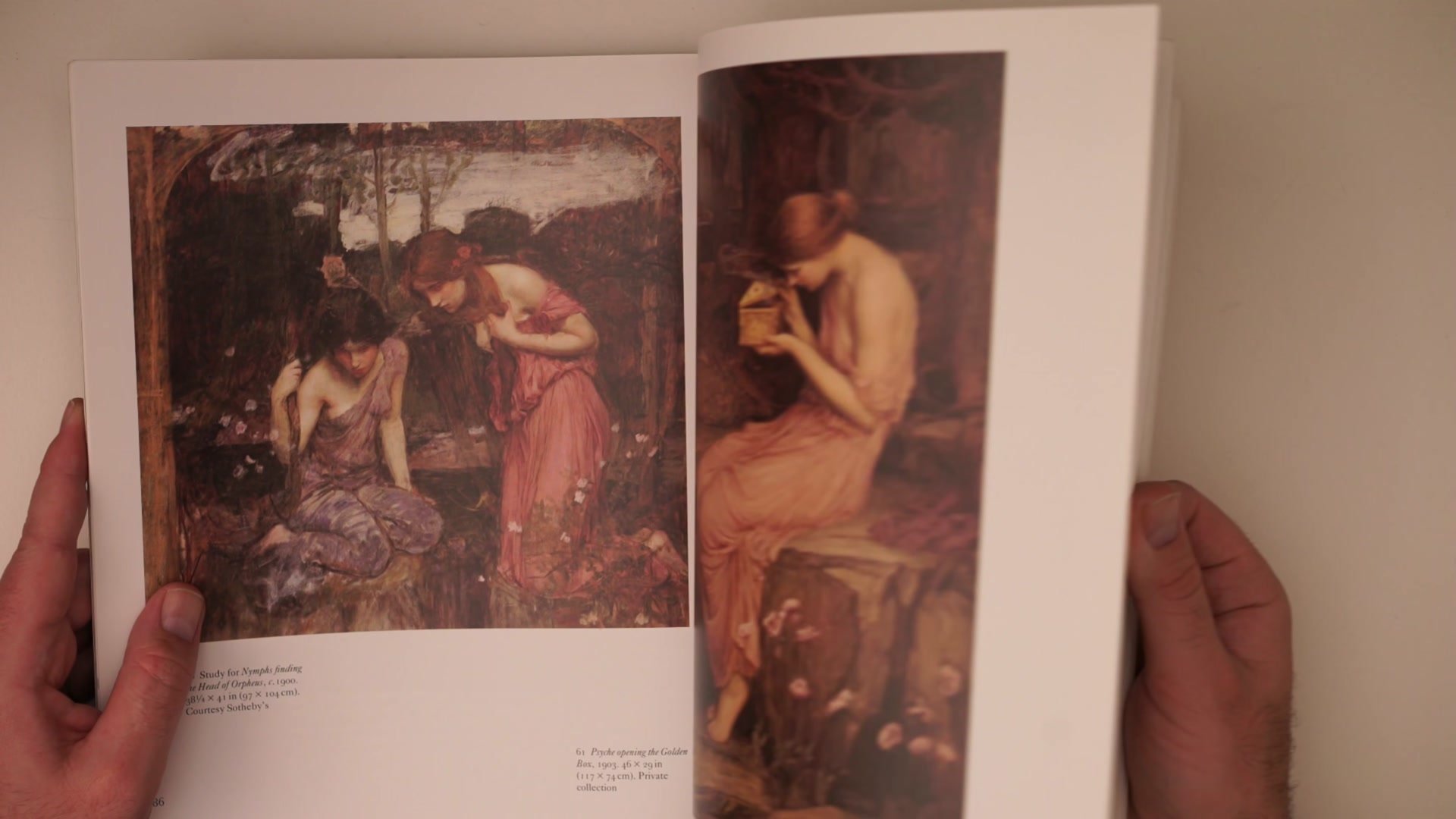
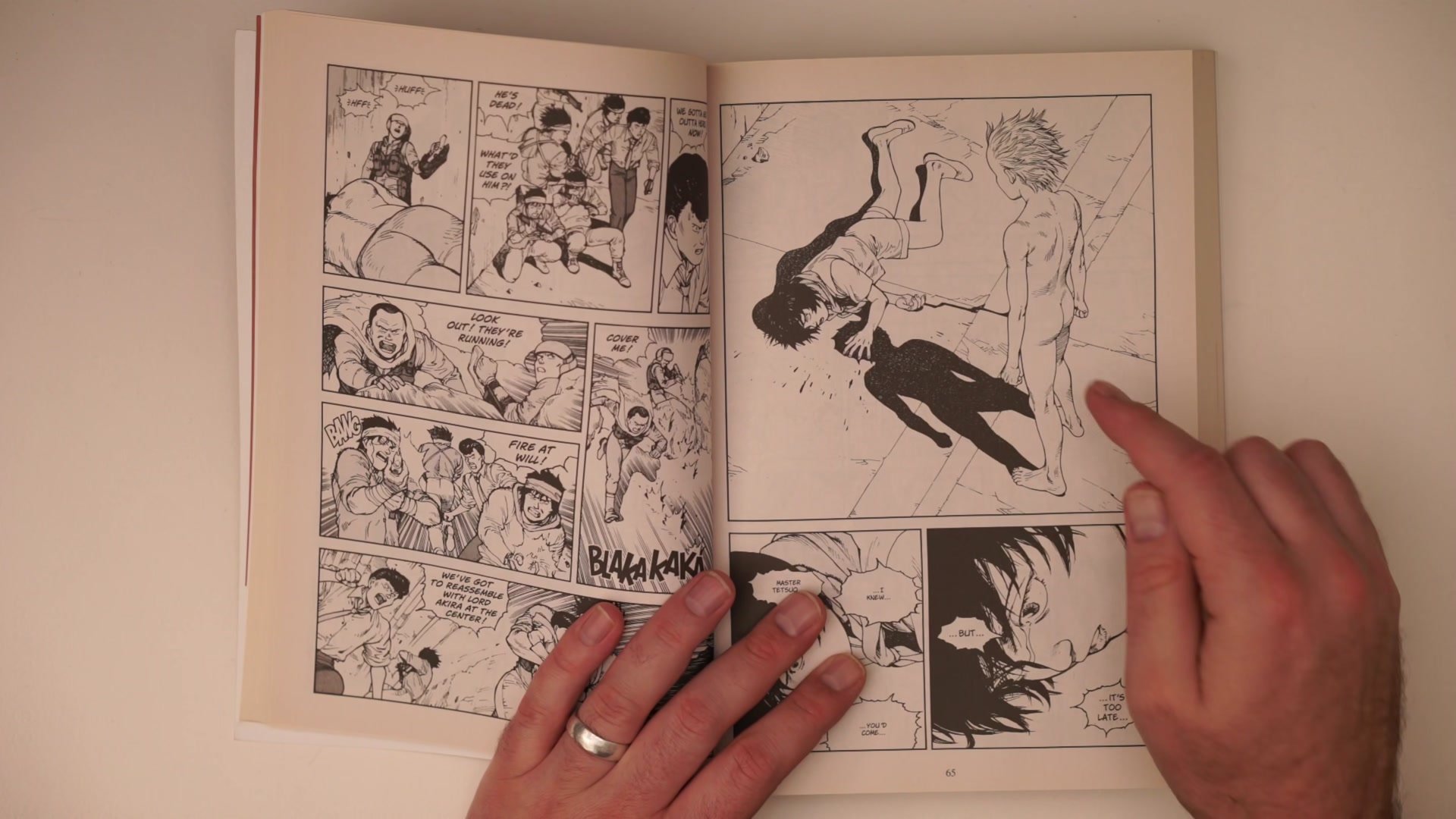
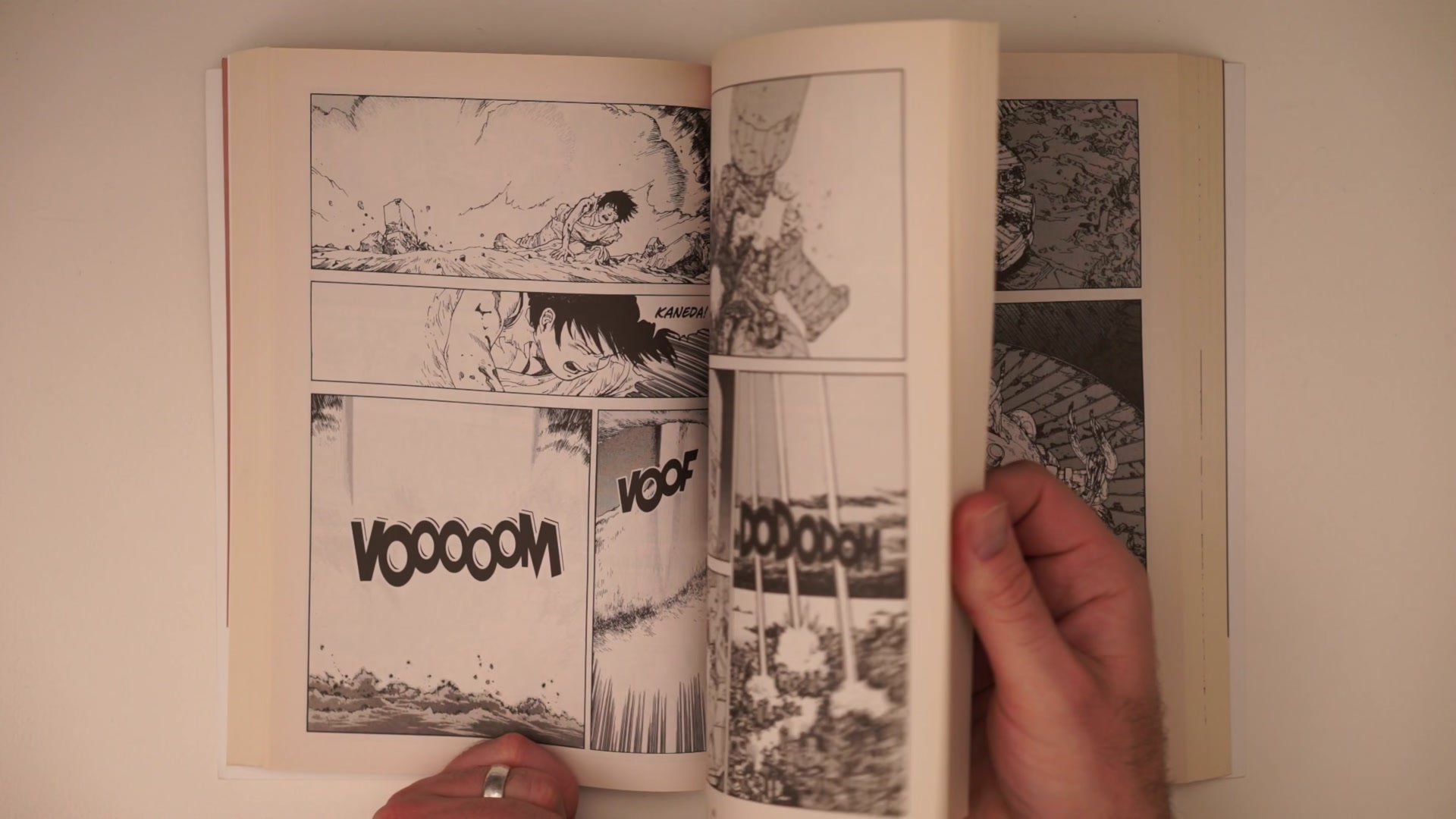
Katsuhiro Otomo's Akira takes the opposite approach. Despite depicting dramatic, apocalyptic scenes, the artwork remains predominantly shape-based. Characters are clearly rendered and visible rather than obscured by shadow, creating a high-energy daylight quality that gives the story a feeling of hope even amid destruction. J.W. Waterhouse similarly shows that fully painted work can still feel flat through ambient lighting, demonstrating that even within painted realism, shape can dominate over form.
Mixing Form and Shape
Featured Artists
George Bridgman (1864-1943, Canadian-American) Anatomy instructor at the Art Students League of New York whose Complete Guide to Drawing from Life became a foundational text for figure drawing. His drawings isolate muscle groups and structural connections to describe three-dimensional form.
Burne Hogarth (1911-1996, American) Illustrator and educator known for Dynamic Anatomy and his work on the Tarzan comic strip. His anatomy books render figures with a distinctive flash-photography lighting style designed to describe form rather than realistic light direction.
Frederic Leighton (1830-1896, British) Victorian painter and sculptor whose classical compositions represent an endpoint of form-based rendering, with anatomically accurate figures depicted in fully dimensional lighting scenarios.
Tim Hildebrandt (1939-2006, American) One half of the Hildebrandt Brothers, known for fantasy illustration including the original Star Wars poster. His work demonstrates exceptional command of three-dimensional lighting combined with fantastical compositions.
Alain Dodier (1955-present, Belgian) Comic artist known for Jerome K. Jerome Bloche, a mature detective series rendered in a clean, flat cartoony style that proves realistic storytelling does not require form-based rendering.
Hayao Miyazaki (1941-present, Japanese) Legendary animator and manga artist whose Nausicaa of the Valley of the Wind manga blends iconic simplified faces with form-heavy environmental rendering, mixing cartoony and realistic approaches with confidence.
J.W. Waterhouse (1849-1917, British) Pre-Raphaelite painter whose work demonstrates that fully painted realism can still emphasise shape over form through ambient, overcast lighting that keeps figures relatively flat.
Katsuhiro Otomo (1954-present, Japanese) Creator of Akira, whose manga demonstrates a predominantly shape-based approach to dramatic storytelling, maintaining clarity and graphic impact even in apocalyptic scenes.
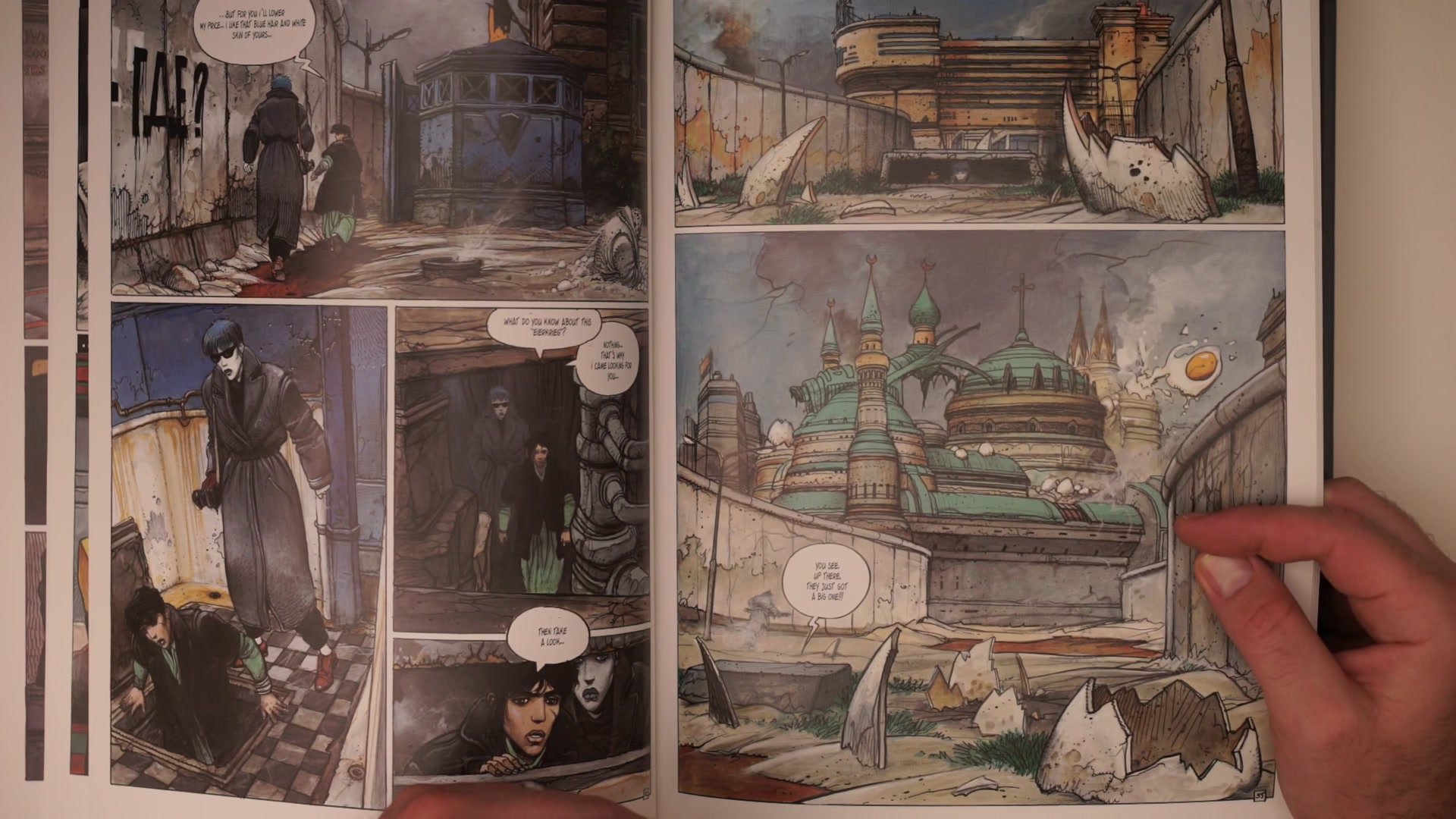
Enki Bilal (1951-present, Yugoslavian-French) Creator of the Nikopol Trilogy, known for a mixed-media style blending line art, painting, and photographic elements. His work pushes realism into abstraction while maintaining anatomical understanding underneath.
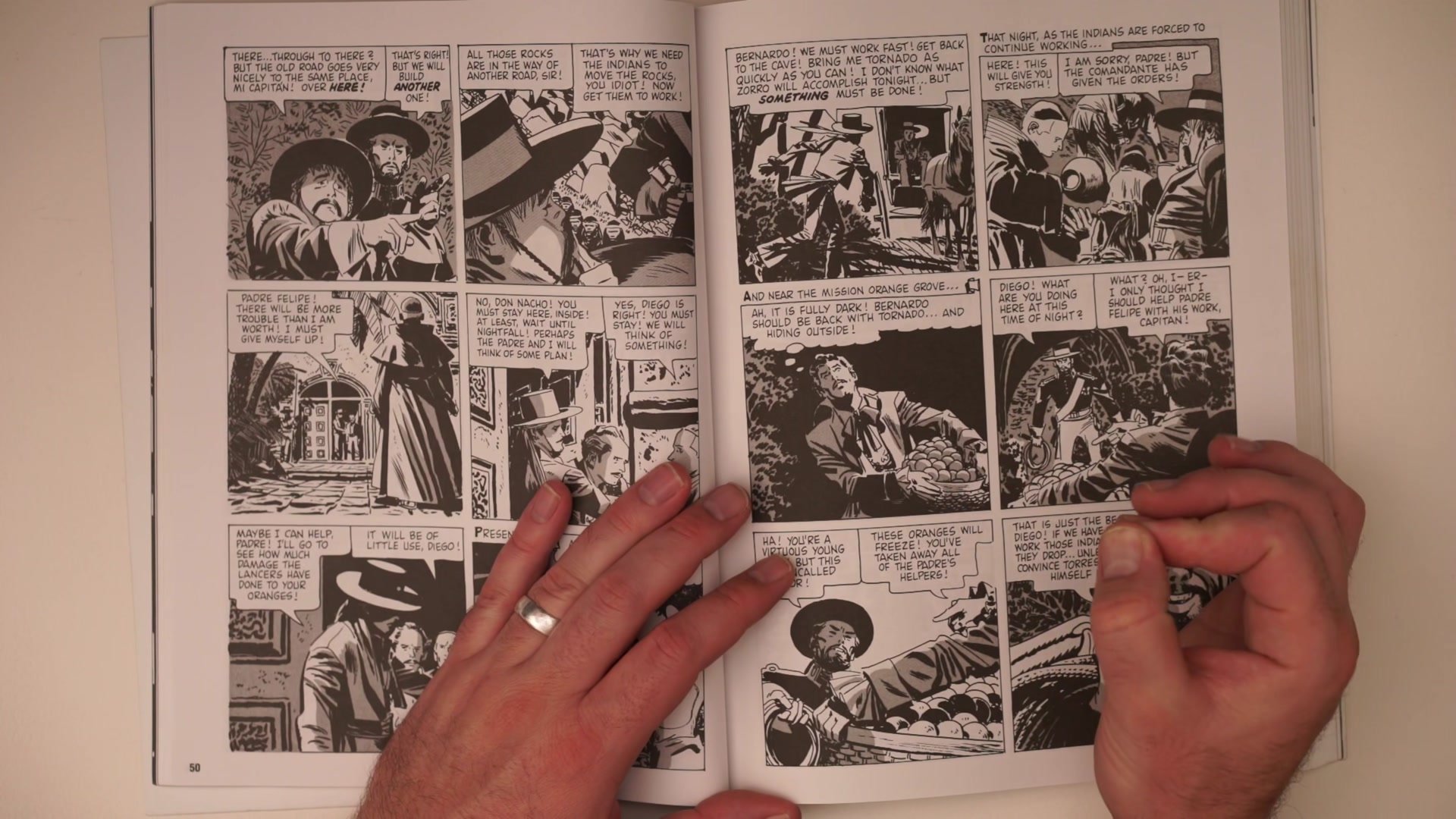
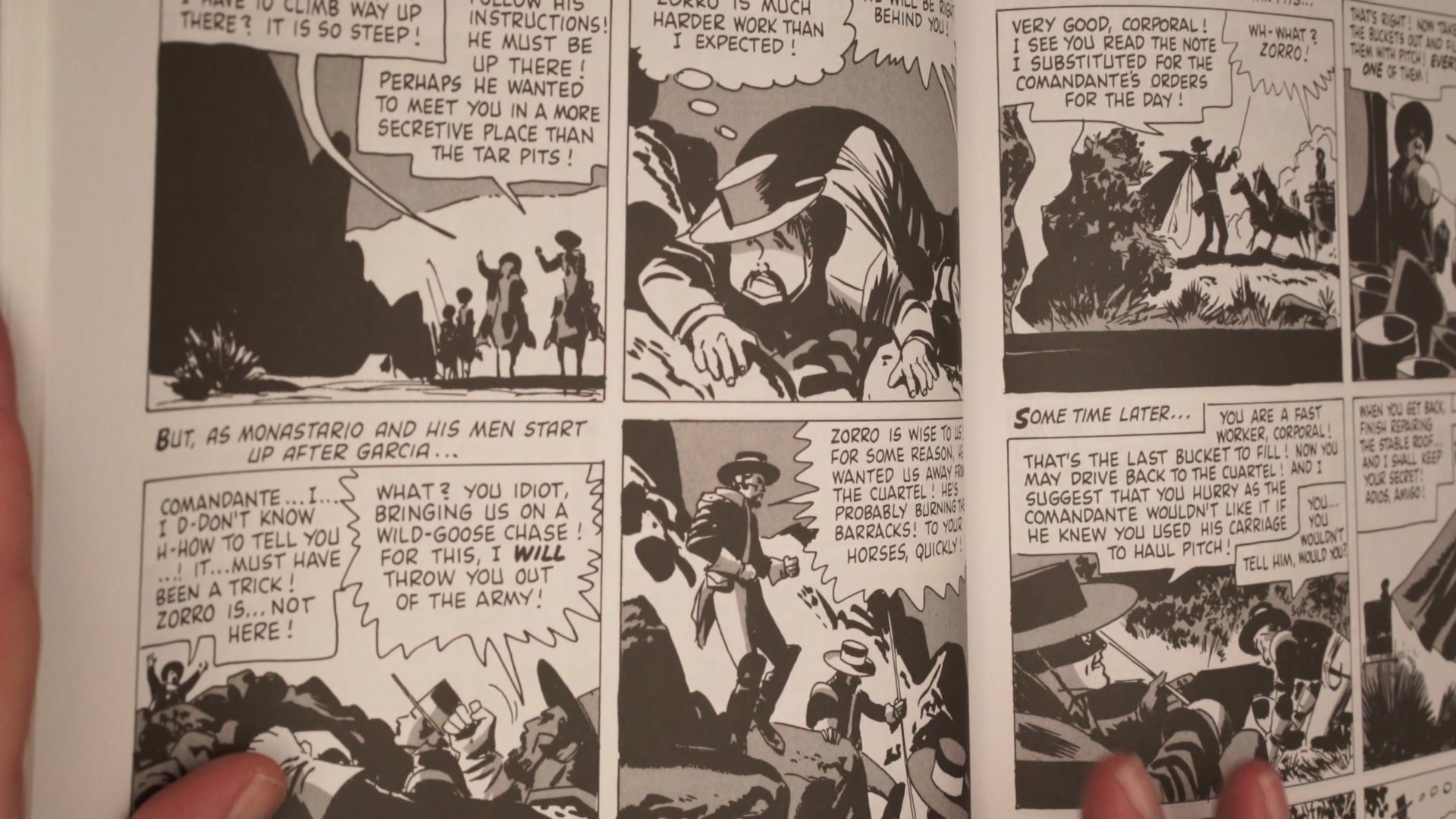
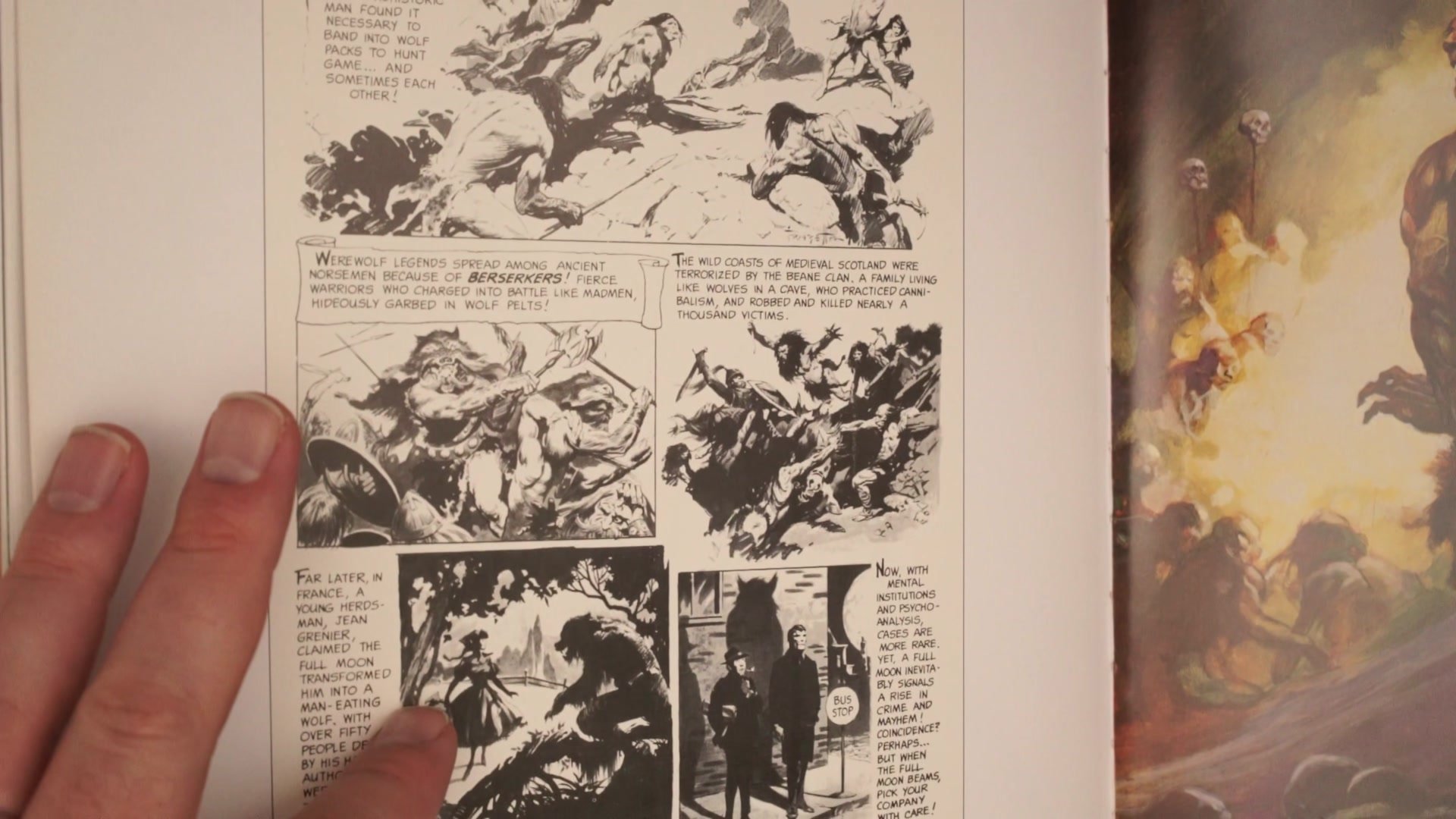
Alex Toth (1928-2006, American) Comic artist known for Zorro, whose work combines iconic simplified features with dramatic film noir shadow play. His panels mix graphic cartoony elements with form-based environmental lighting.
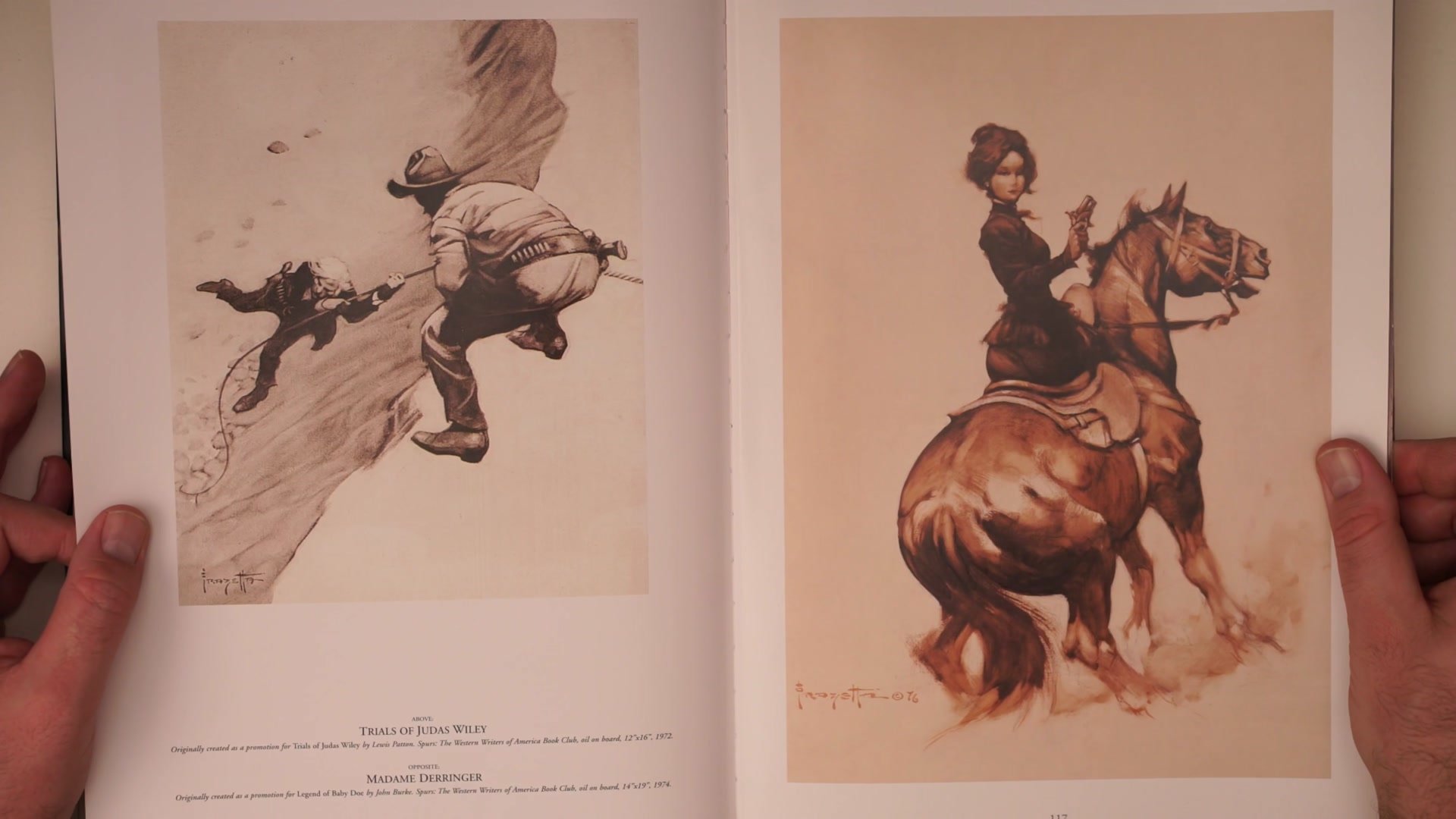
Frank Frazetta (1928-2010, American) Fantasy illustrator whose painted work combines graphic shadow patterns with strong compositional shape design. His lighting is not always technically accurate but serves to create compelling shapes and dramatic interplay between light and dark.
Masters of Style
Key Observations
Form Describes, Shape Presents: Art education books like Bridgman teach form to build understanding, but what you understand is not always what you draw. Many successful styles work primarily with shape.
Realism Does Not Equal Form: Artists like Dodier and Waterhouse create realistic or painterly work while keeping the presentation predominantly flat and shape-based through ambient lighting and clean graphic rendering.
Style Affects Story Tone: The choice between form and shape dramatically changes how a story feels. Otomo's shape-based Akira has an energetic quality, while Miyazaki's more form-based Nausicaa feels darker and heavier.
Confidence Allows Mixing: Artists like Toth, Frazetta, and Miyazaki confidently mix form and shape within the same work, leaning one way or another depending on what serves the image or story.
Study This
Flip Through Art Books: Pick two art books from artists with contrasting styles and compare how each handles the form-shape spectrum. Note where one relies on light and shadow versus flat graphic presentation.
Analyse Your Own Work: Look at your recent drawings and identify whether you default to form-based rendering or shape-based rendering. Consider whether that default serves the type of stories or images you want to create.
Experiment With the Opposite: If you typically render with heavy form, try creating an image using only flat shapes. If you work in a flat style, try adding form-based lighting to a single element to see how it changes the mood.