Drawing Everything - Structural Drawing for Character Variety
Summary
Structural Drawing for Character Variety
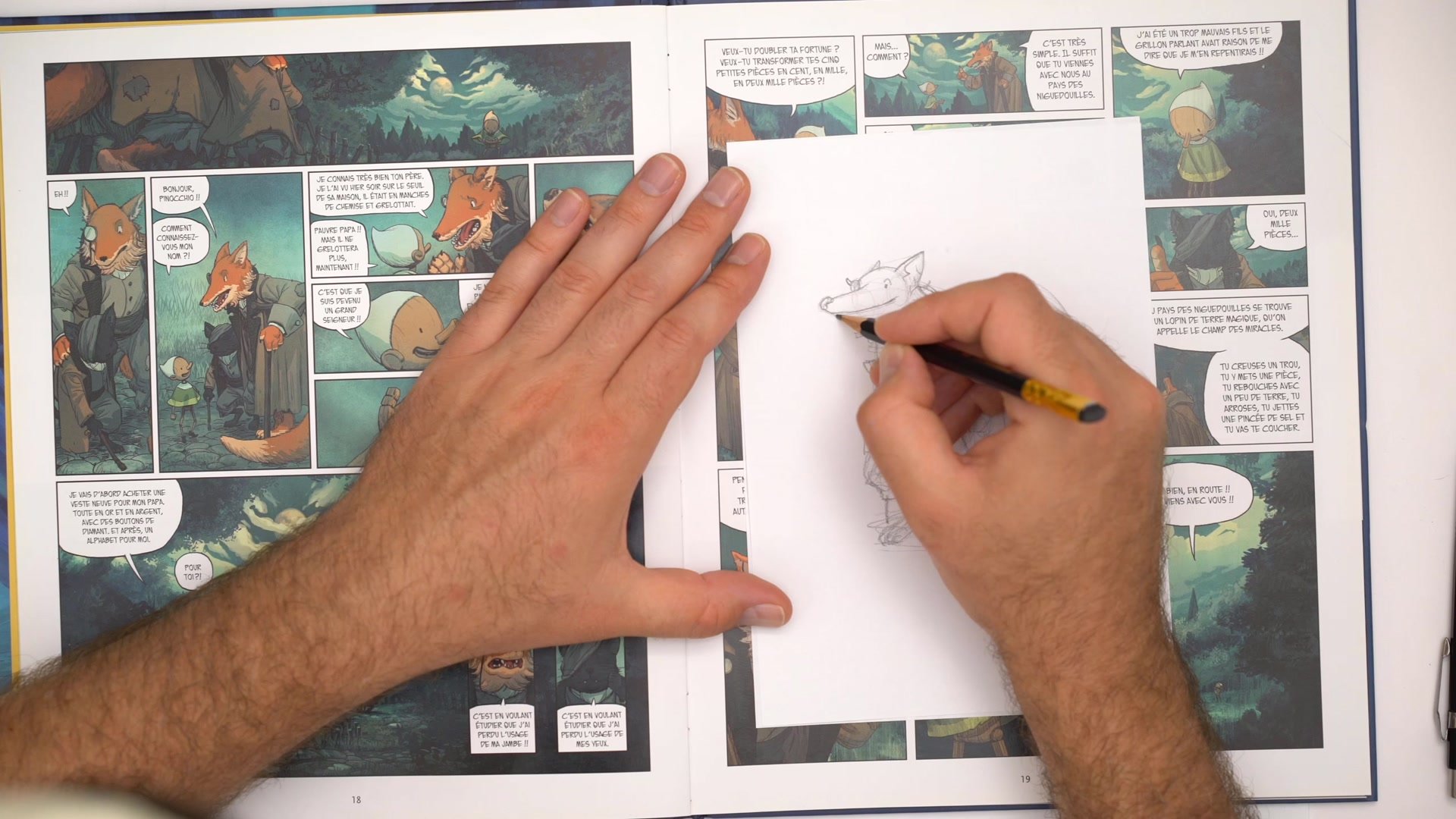
One of the most frustrating challenges for aspiring artists is the sheer number of different things we need to learn to draw. Every project introduces new characters, new creatures, new objects, and it can feel like starting from scratch each time. Structural drawing offers a systematic approach to this problem. Rather than memorising how to draw every individual subject, we can learn a set of tools that allow us to break anything down, figure out how it works, and draw it consistently from different angles and in different situations. Using the Fox character from Pinocchio, this video walks through exactly how that process works in practice, applying the same Loomis-style mannequin approach used for human figures to an anthropomorphic character with completely different proportions.
Reference and Initial Exploration
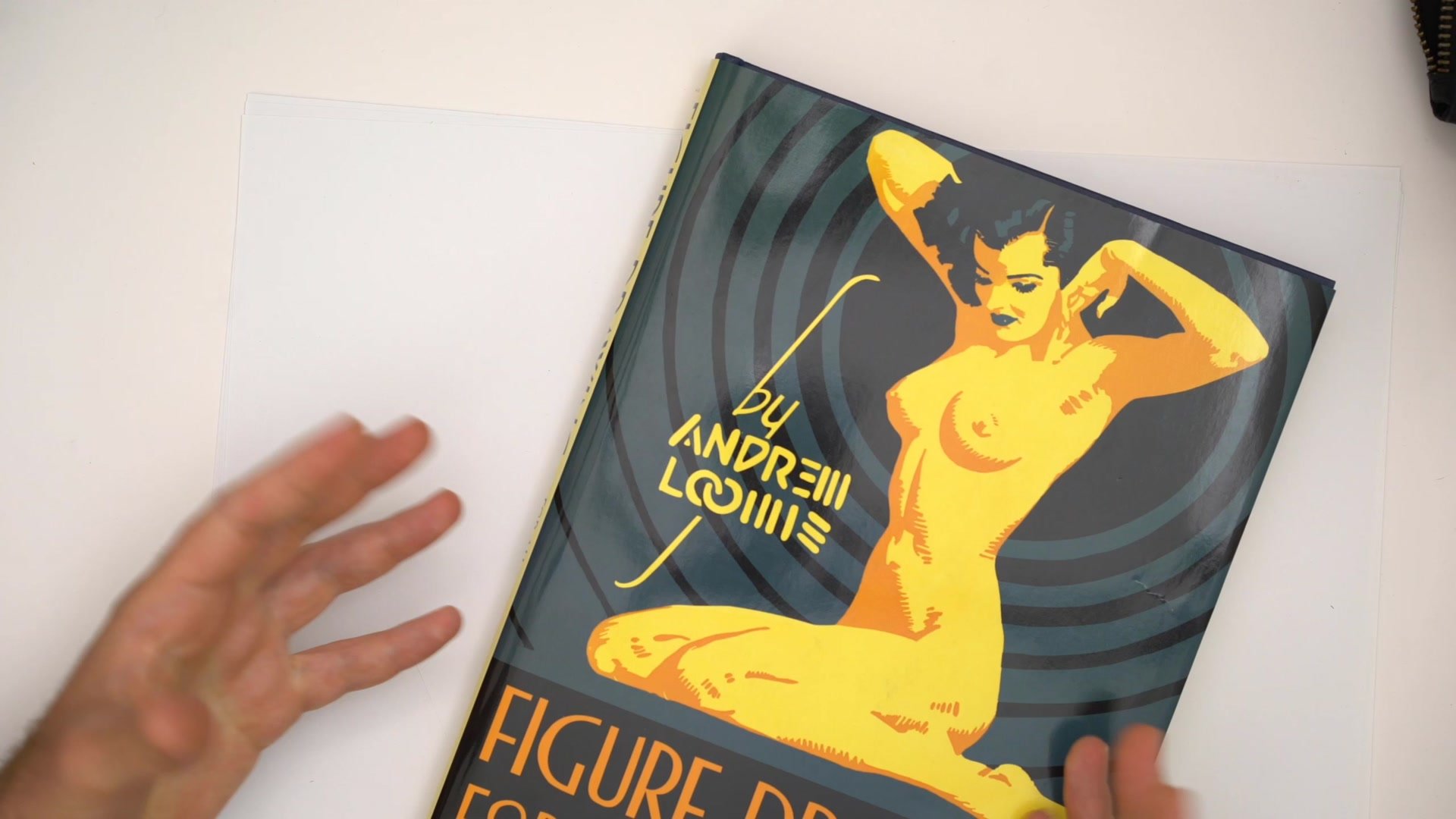
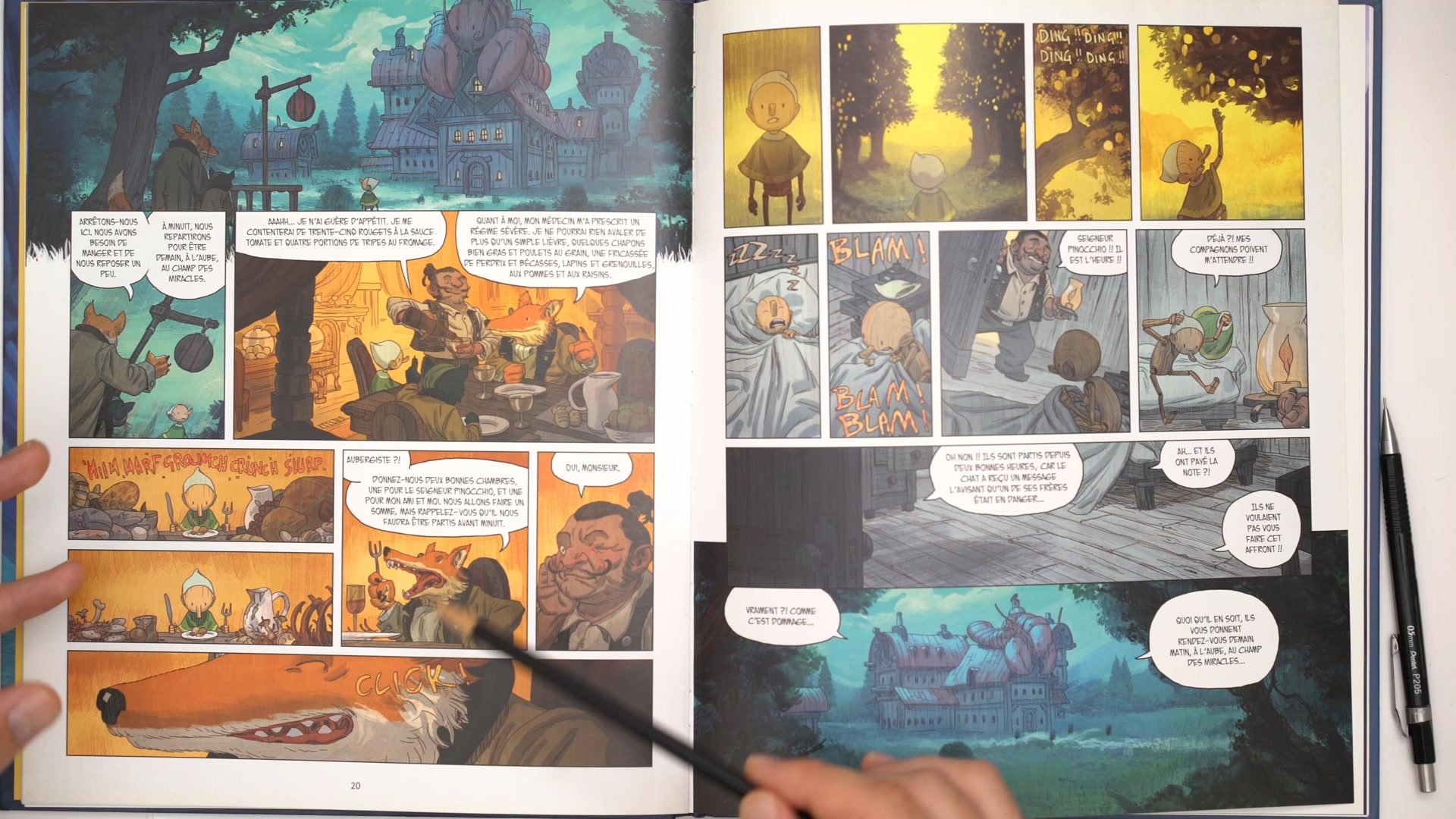
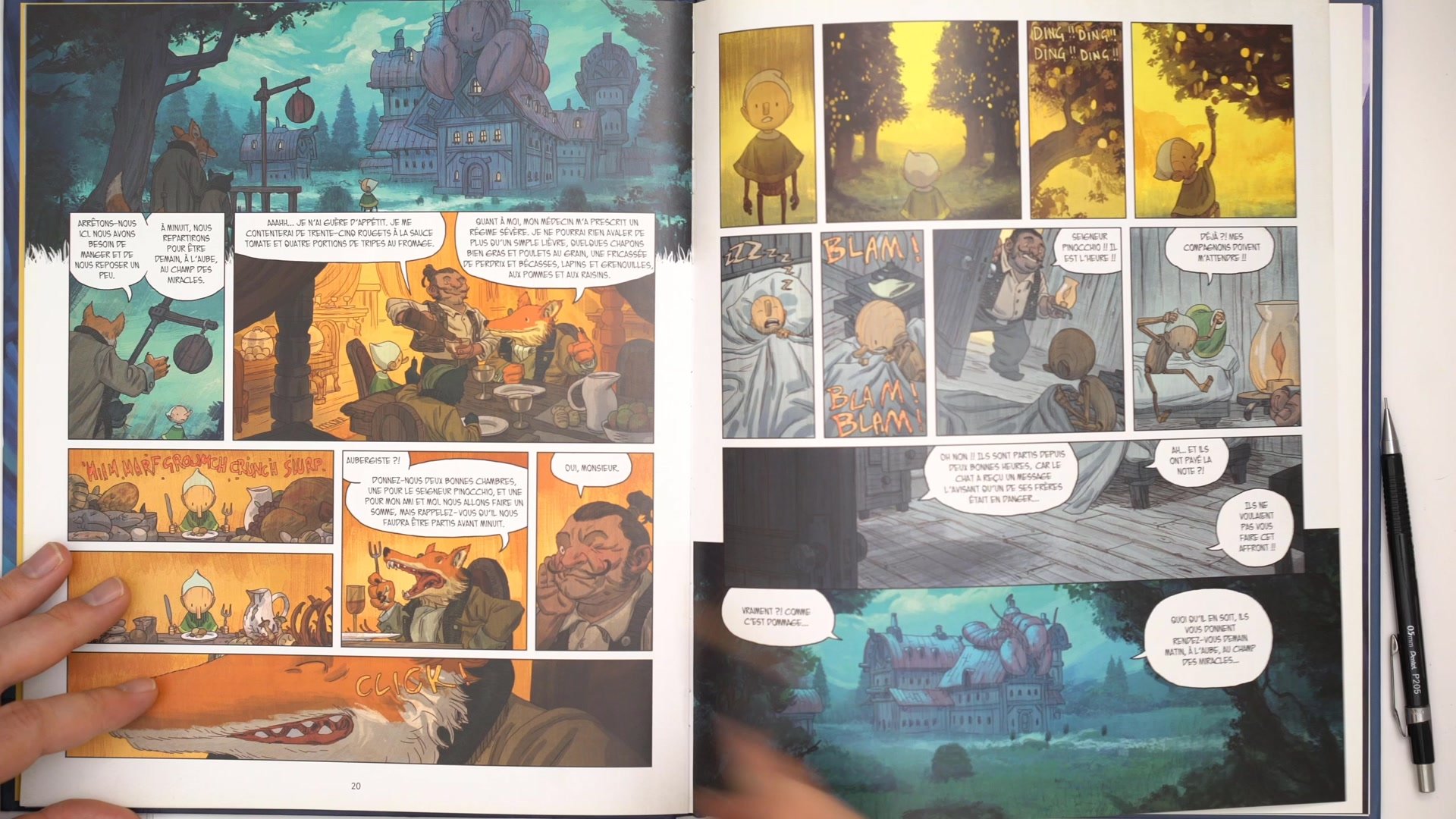
Building the Skeleton First
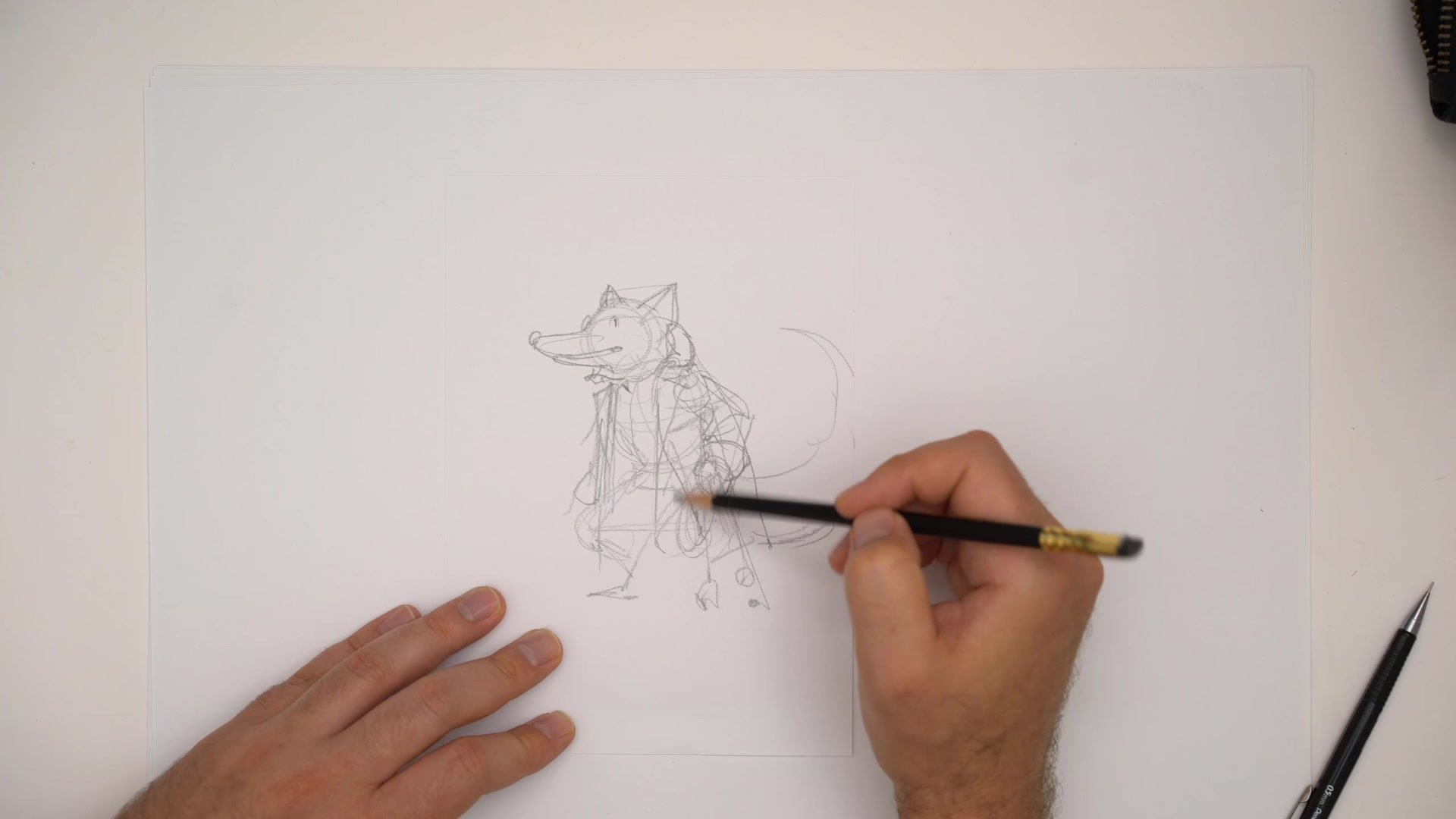
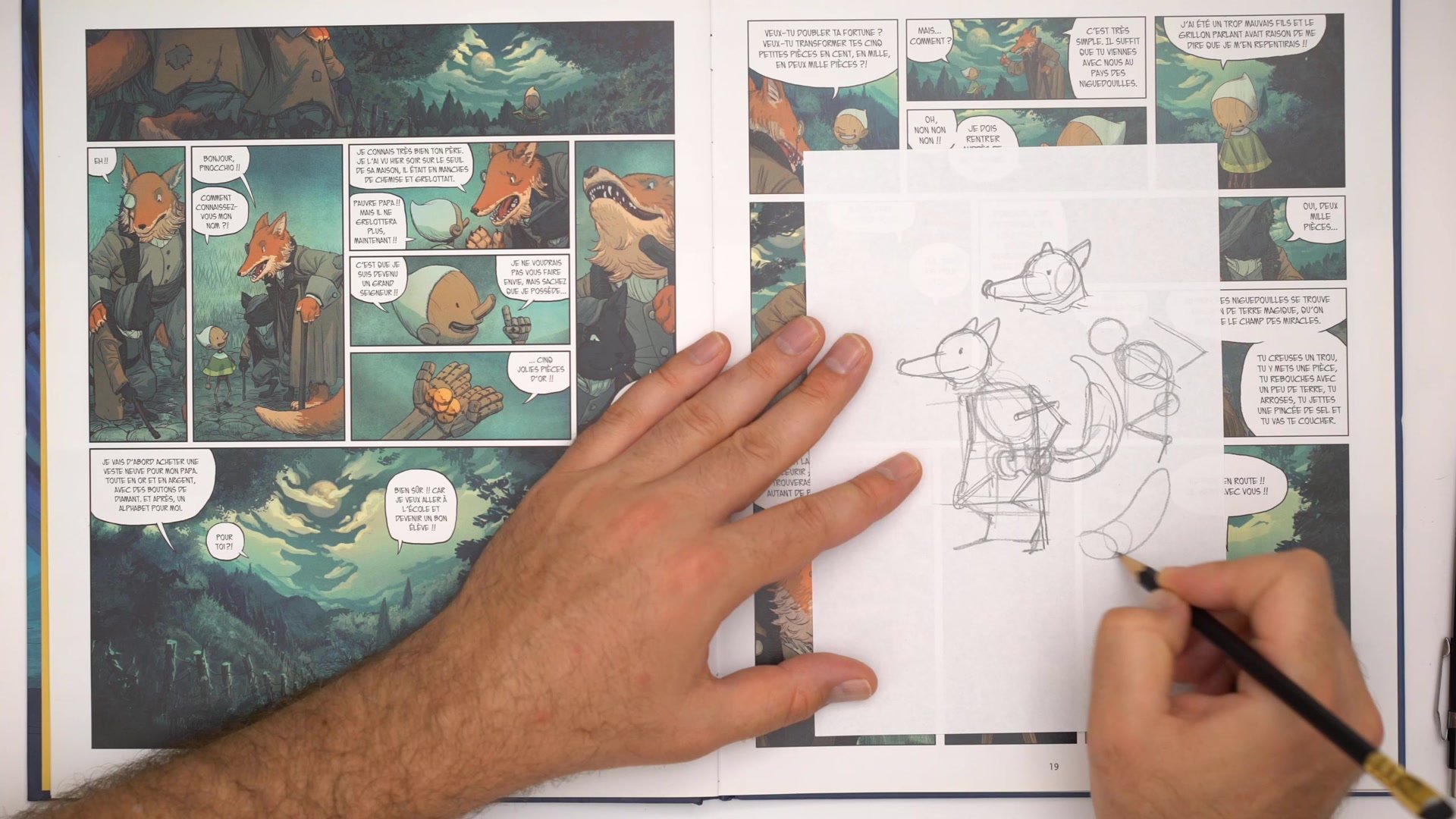
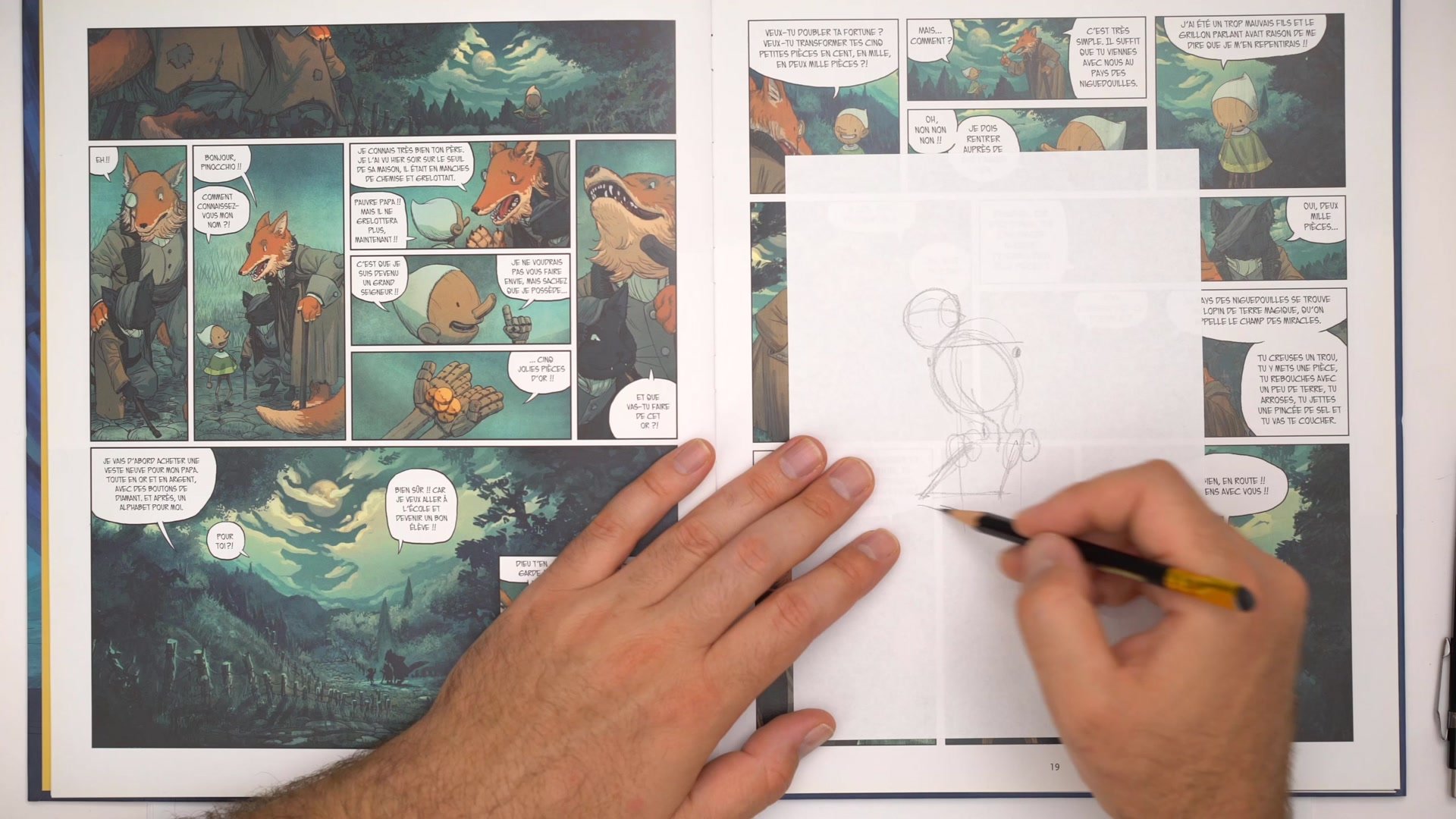
The starting point for tackling any new character is finding the overall proportions, which can be thought of as the skeleton. The goal is to figure out where the anatomy and structure from the original design is located, where all the joints are. This is essentially a glorified stick figure. For the Fox, this means identifying the mass of the chest to position the character in space, then locating the rib cage and pelvis underneath, finding the limb joints. The proportional relationships between these elements are what make the character feel like themselves. How long is the snout relative to the head? Where do the ears sit? How long are the arms compared to the torso? This skeleton is deliberately similar to a standard Loomis mannequin because the whole point is to transfer existing knowledge of human anatomy to a new subject rather than learning everything from scratch.
Mannequin Construction
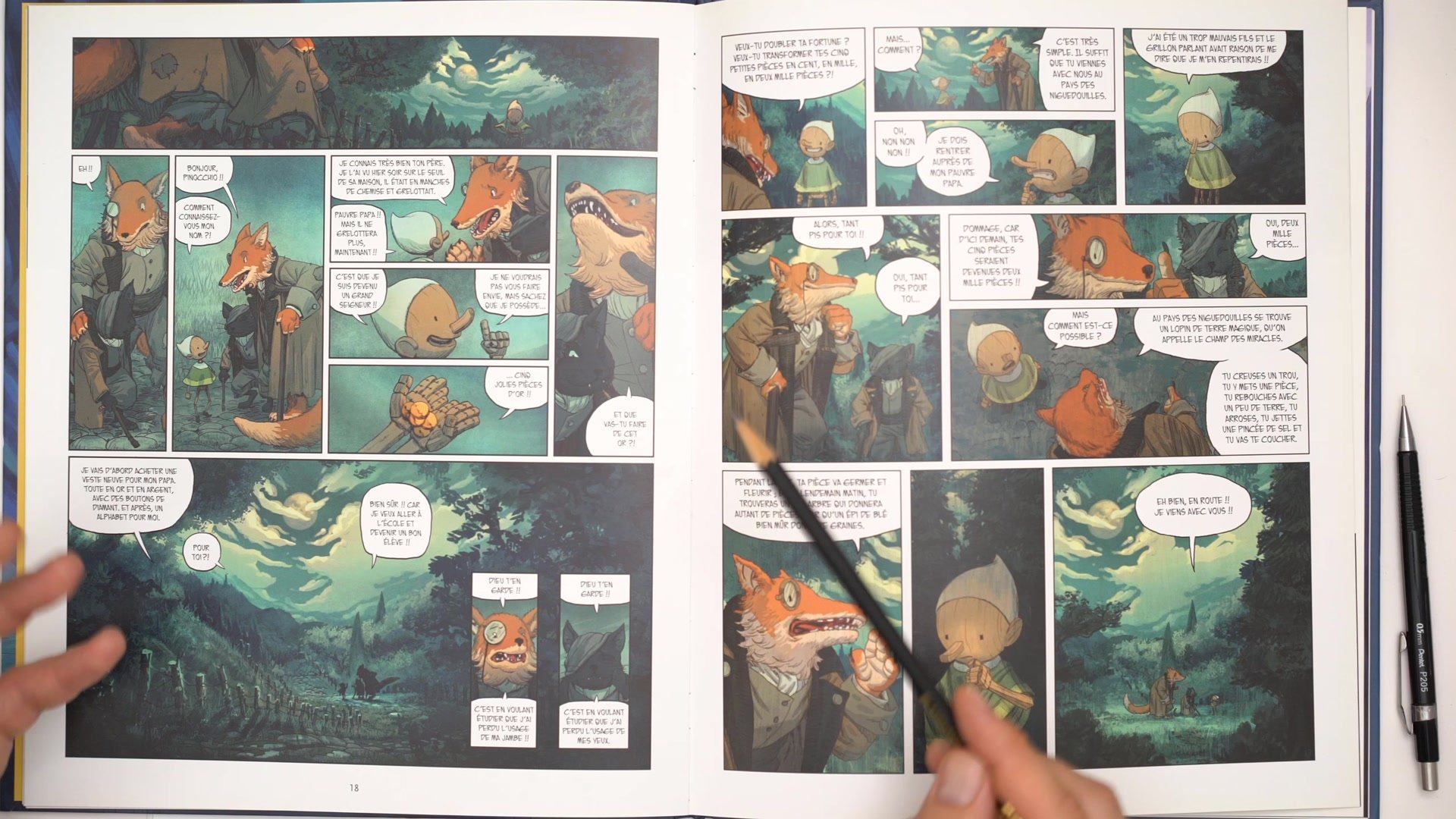
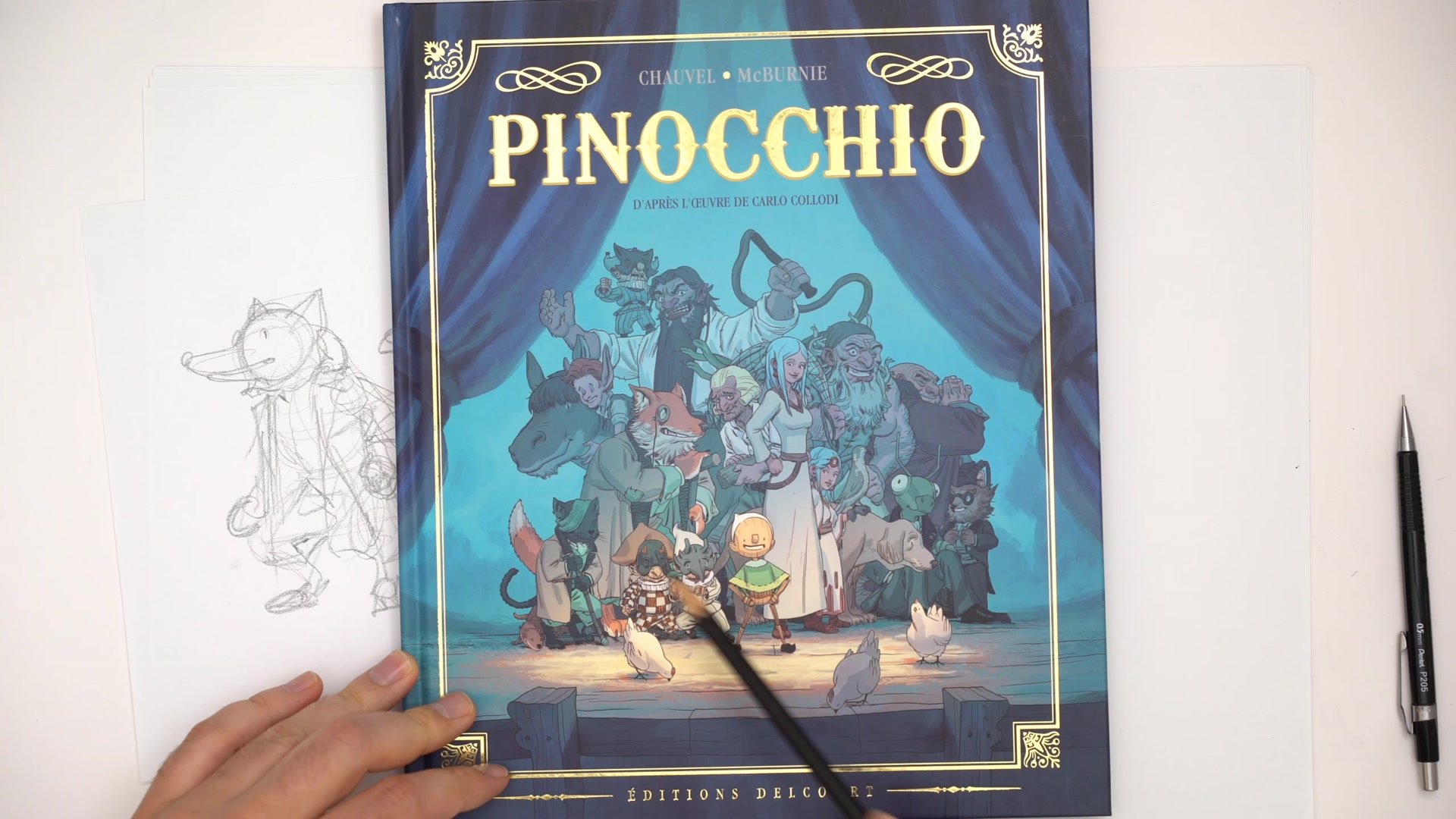
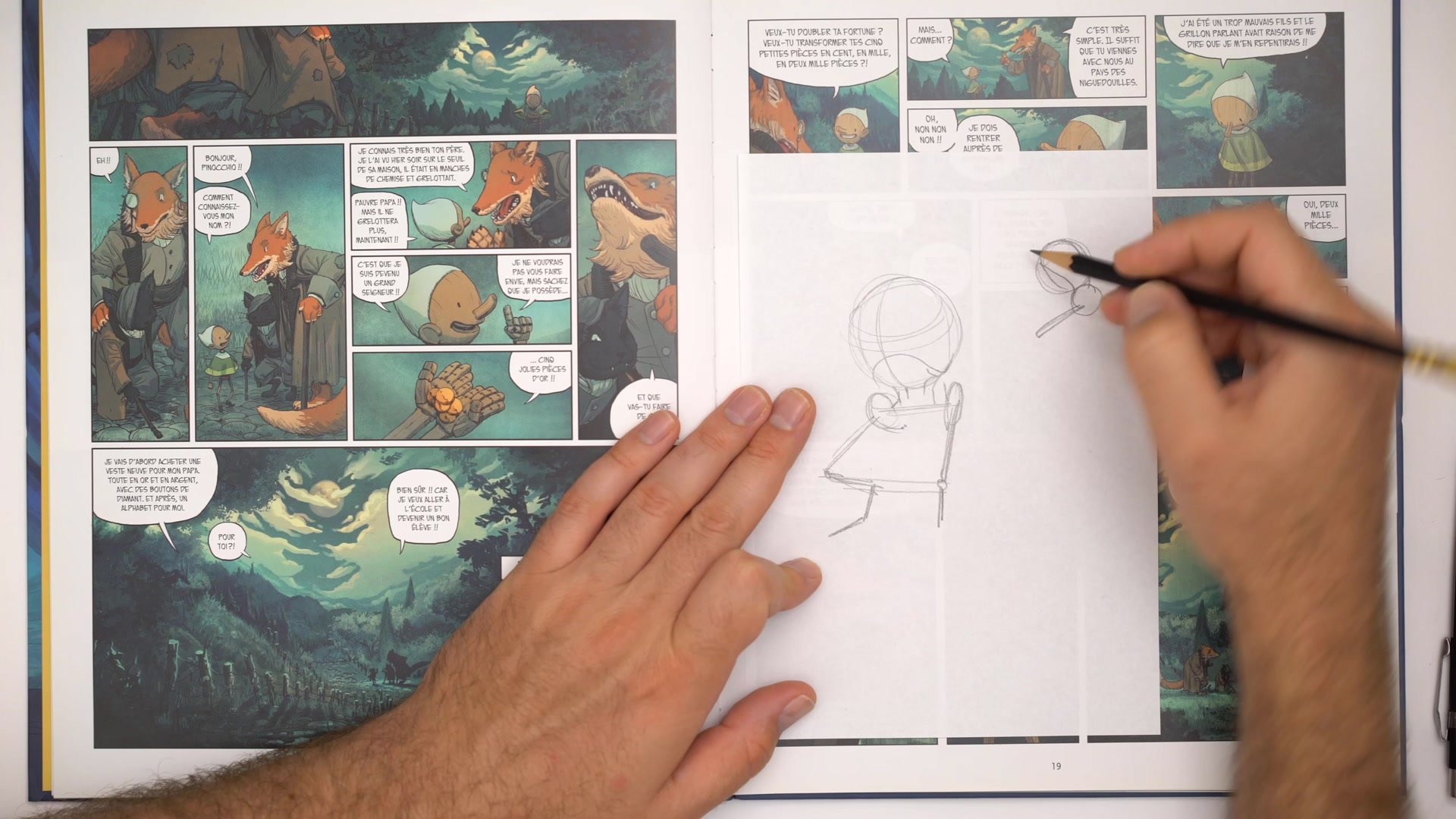
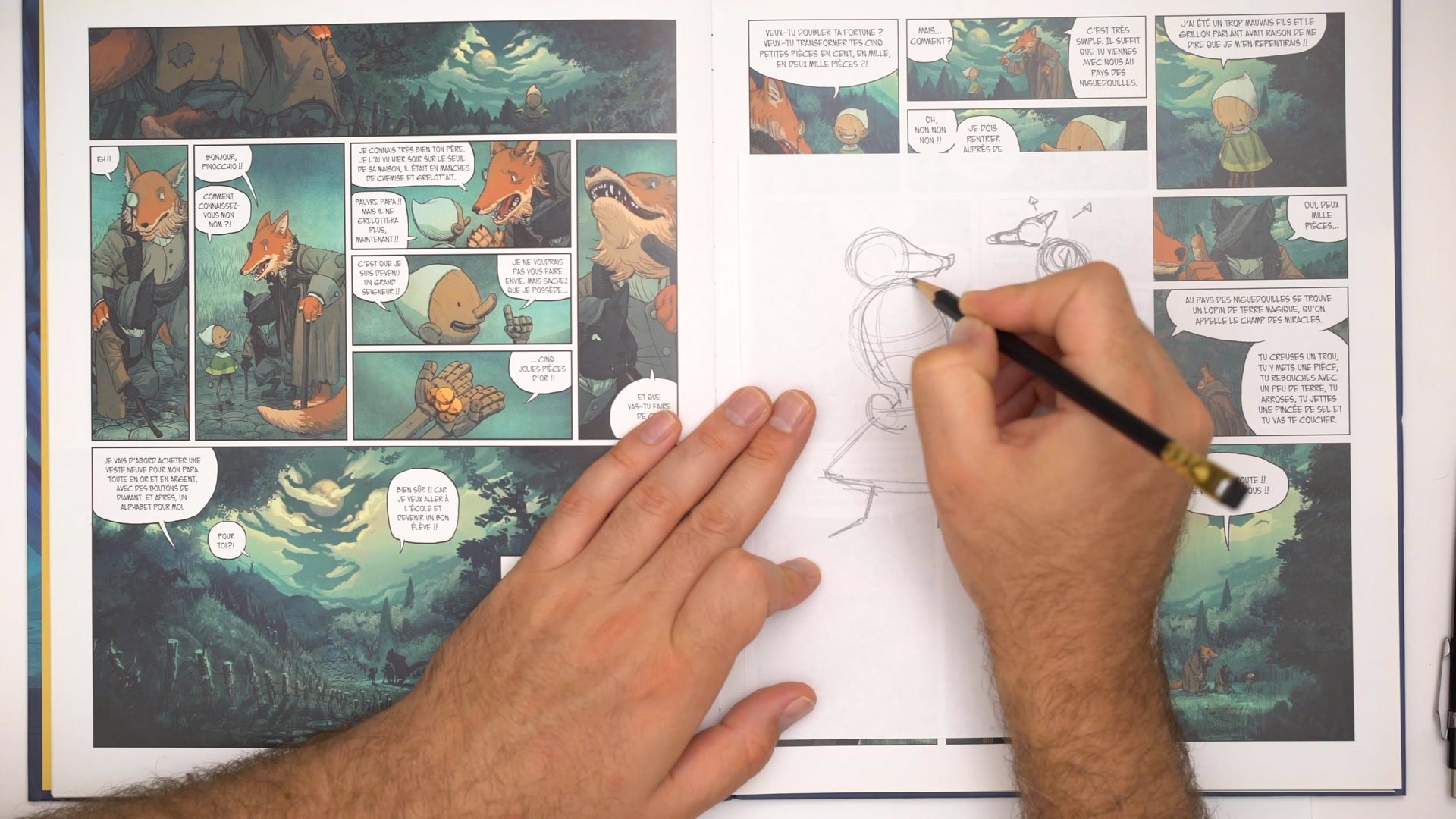
Primary Forms and Character Posture
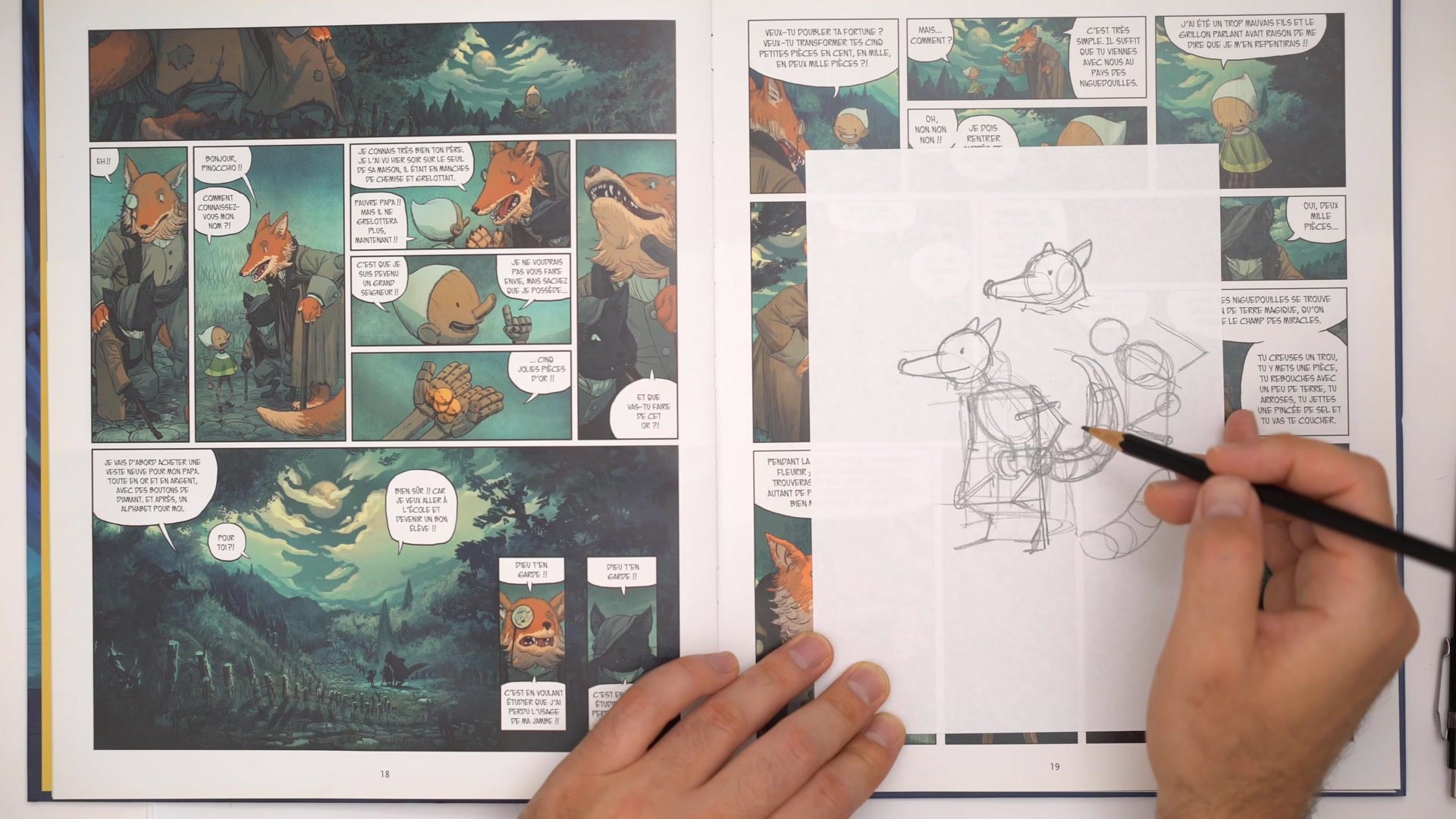
Once the skeleton is established, the next step is figuring out the major primary forms that are part of the character's design. For the Fox, these include the torso mass, the head with its distinctive muzzle, and critically the tail, which functions as a major form because animals act with their tails and it creates natural overlapping shapes that add visual interest and compositional flow. The default posture carries built-in emotion. The Fox is always slightly hunched and hobbled because he is a grifter pretending to be an invalid. Understanding this gestural quality means every drawing of the character carries that personality. The tilt of the torso relative to the knees, the length of the limbs, the crouched but balanced stance are all part of the mannequin. Getting this structural foundation right means the character feels recognisable before any surface details are added.
Secondary Forms and Details
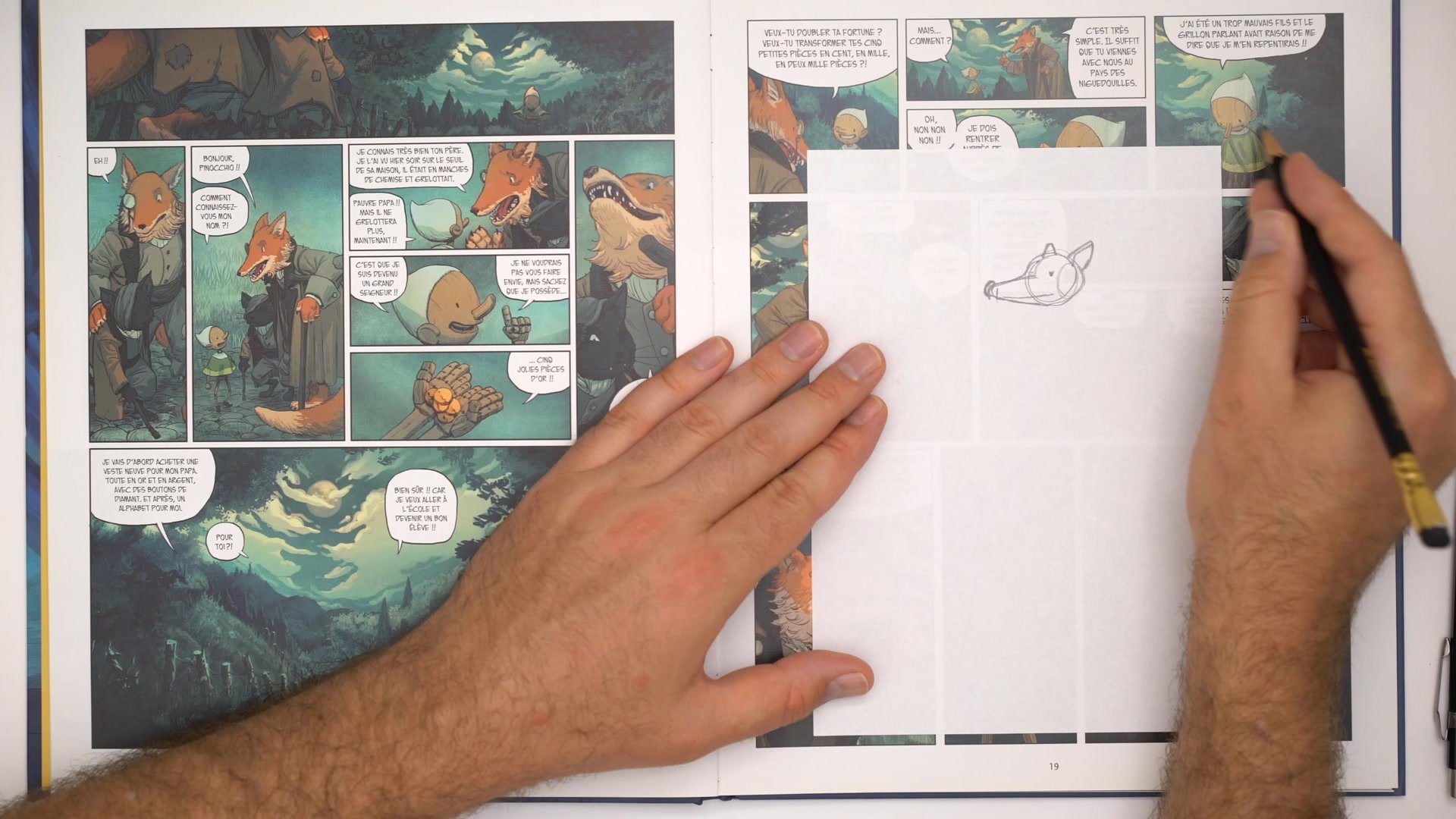
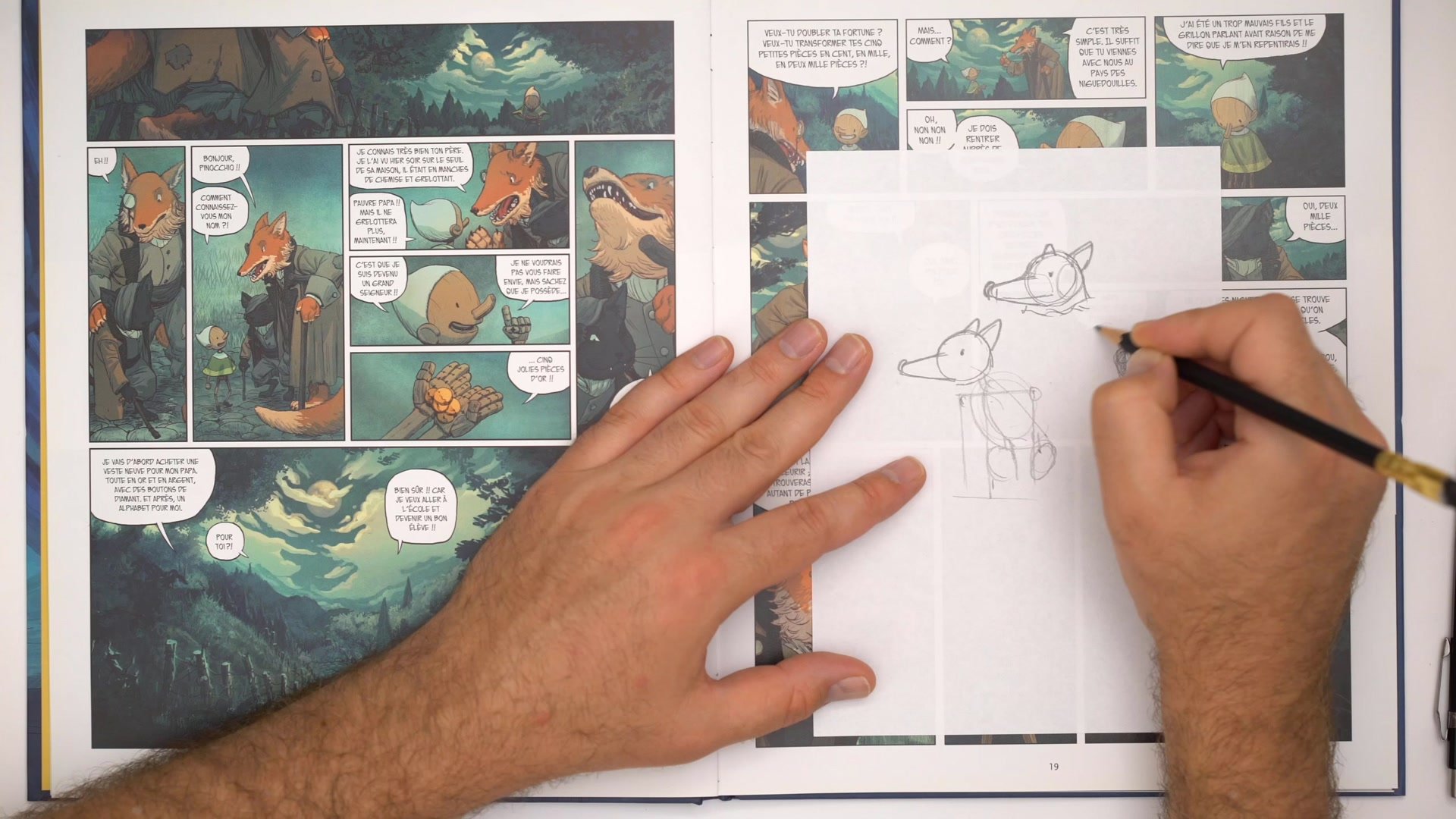
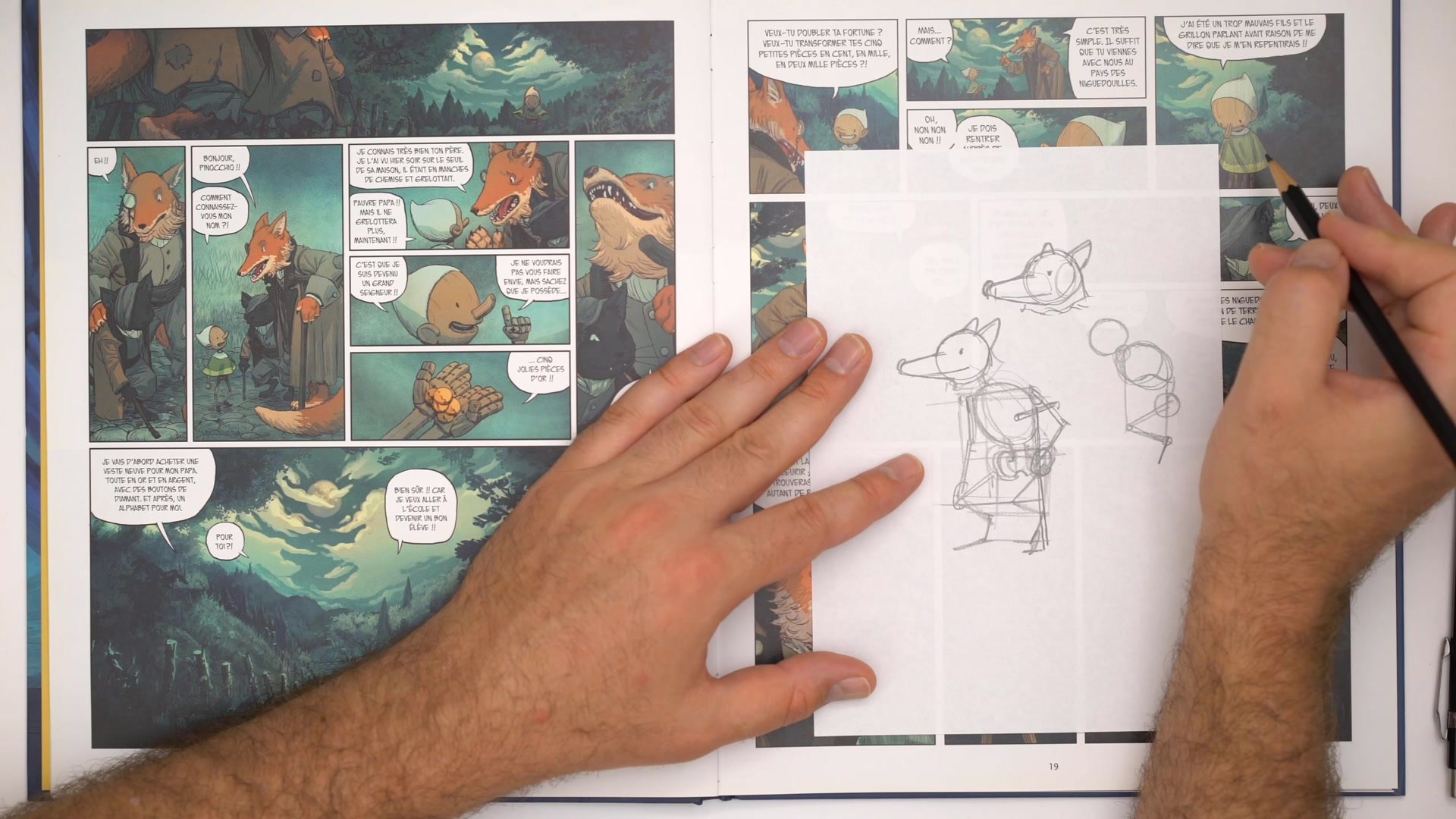
Efficiency and Repetition
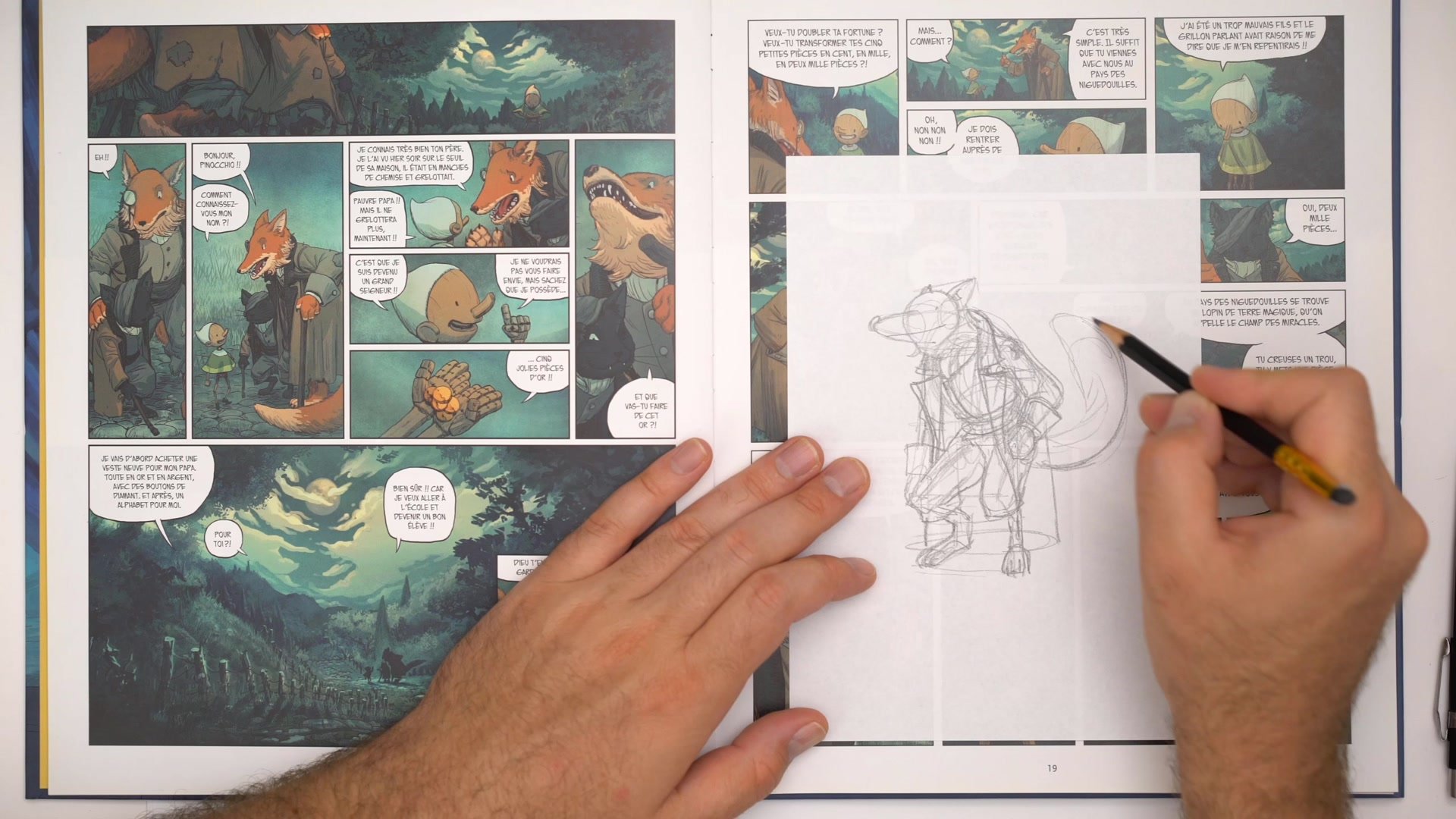
Not every character in a project needs the same depth of design. Minor characters who appear for a page or two can often be winged based on a few sketches, relying on iconic elements like a distinctive hat or prop to sell the character. But recurring characters like the Fox need a deeper understanding because they appear in multiple situations and need to feel consistent. The design process for the Fox follows a clear sequence: skeleton first, then primary forms including the tail, then secondary forms like the major limbs and hands. Drawing through to find hidden structure, using ellipses and cross-contours to locate forms, then finally adding clothing on top. This sequential approach means the clothes flow naturally over the primary forms rather than being adjusted and erased constantly. The more this process is repeated, the more the structure becomes subconscious, and what remains is focusing on the character.
Completed Construction
Key Principles
Transfer Existing Knowledge: The mannequin for any new character uses the same structural approach as a standard human figure. Torso, skeleton, joints. The shapes change but the system stays the same.
Sequence Matters: Skeleton, then primary forms, then secondary forms, then clothing. Getting this order right means each stage flows naturally and reduces constant adjustment.
Default Posture Carries Emotion: Building the character's personality into the structural mannequin means every drawing automatically carries the right feeling before details are added.
Not Every Character Needs Full Design: Minor characters can be winged from iconic elements. Only recurring characters who appear across multiple scenes need the full mannequin treatment.
Practice at Different Sizes: Varying the scale of character drawings builds the flexibility needed for real illustration and comics work where the story dictates character size, not comfort.
Practice This
Design Your Own Mannequin: Choose a character you want to draw repeatedly. Work out the skeleton, find the proportional relationships between body parts, and build a simple stick figure version.
Repeat the Sequence: Draw the character several times using the skeleton-to-forms-to-details sequence. See if the character feels consistent from drawing to drawing and from different angles.
Vary the Scale: Draw the character at different sizes, from small thumbnails to larger studies. This builds flexibility and teaches the structural awareness needed for real project work.