Learning to Draw Different Body Types
Summary
Adapting the Mannequin System
The Loomis mannequin system teaches figure construction through simplified skeletal frameworks that make posing straightforward. These work for standard human proportions, but artists drawing comics, manga, and game characters quickly discover the limits. Characters with massive musculature, exaggerated builds, or fantasy anatomy require a different approach to the basic stick figure. The standard mannequin stops being effective when it no longer represents what the character actually looks like.
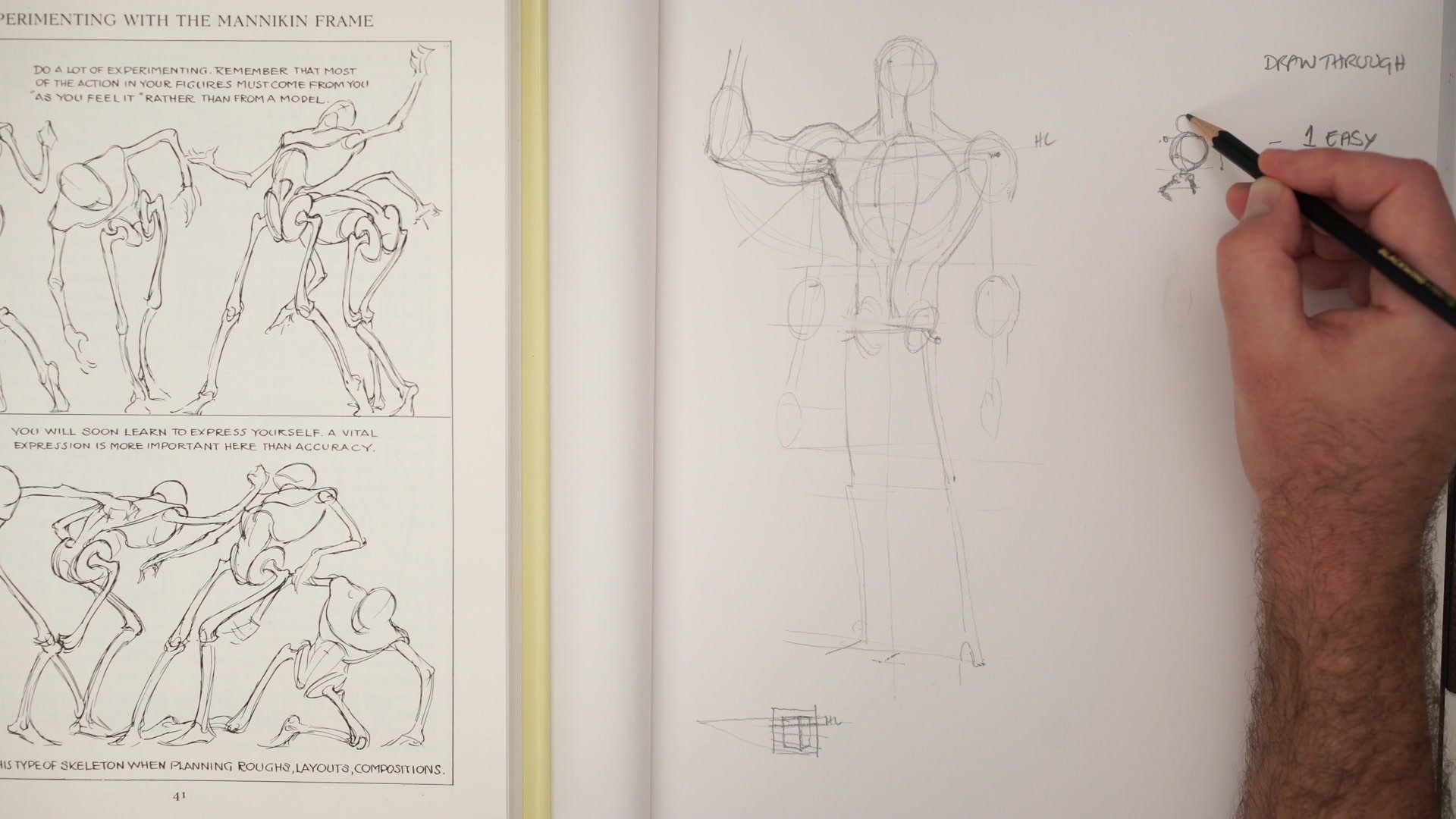
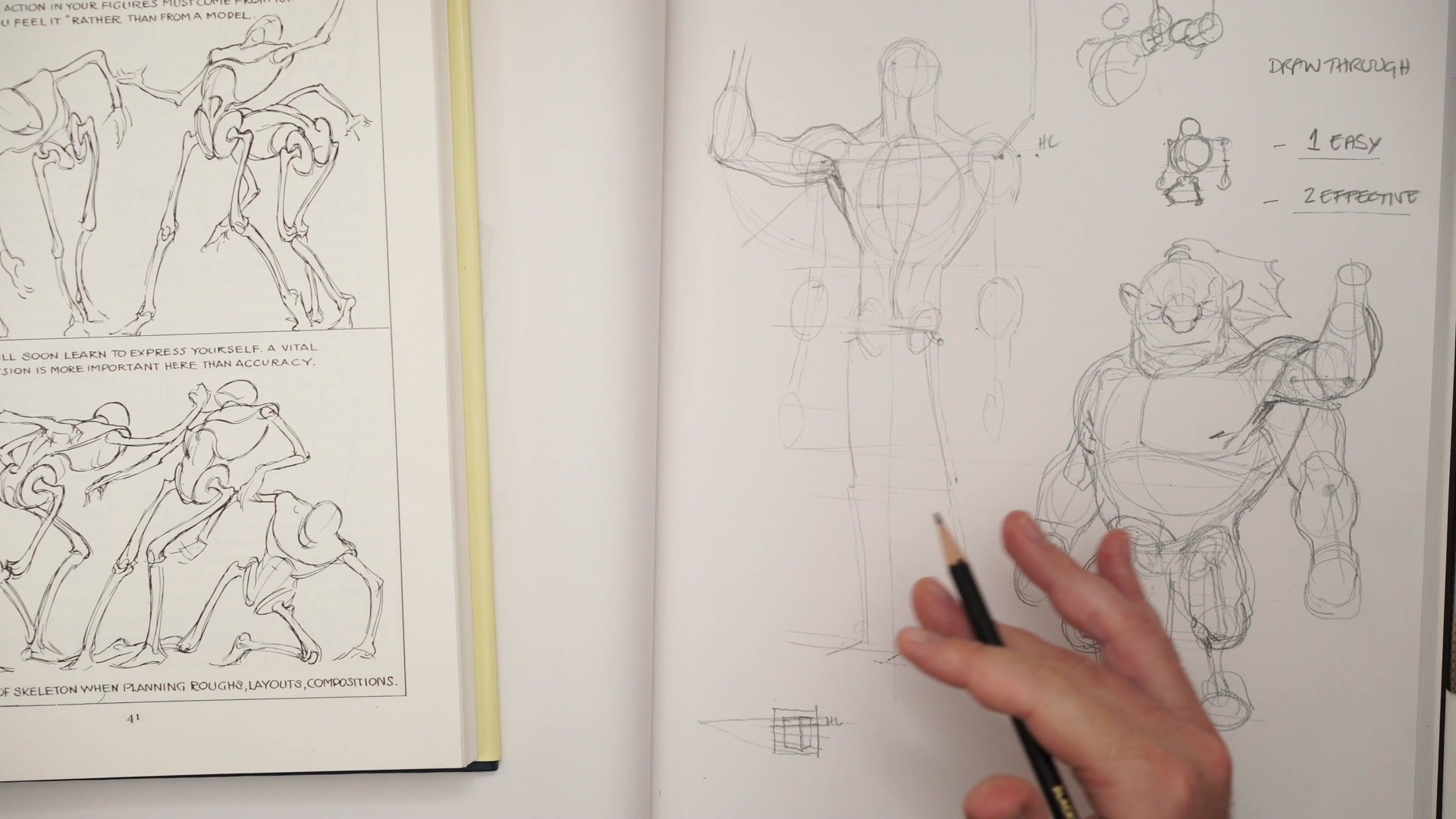
The solution is not to abandon the system but to understand what makes it work. The mannequin serves two purposes: it must be easy to draw and manipulate, and it must show what the final posed character will look like. When standard proportions break the second principle, the mannequin should be modified. Spheres for deltoids, thickness for necks, width adjustments for torsos. The skeleton provides the framework while simple shapes provide the bulk.
Reference and Setup
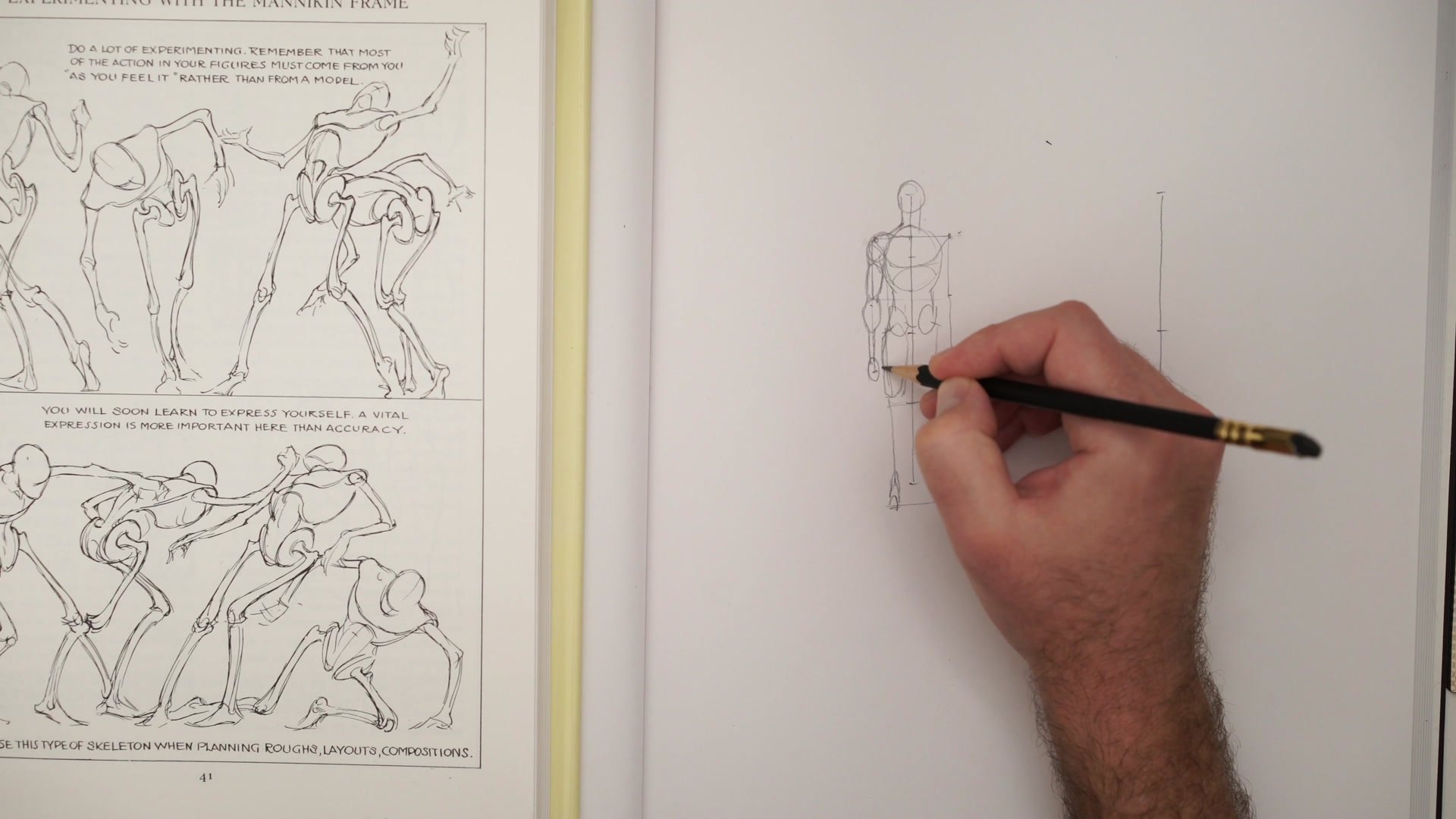
The Two Principles of the Mannequin
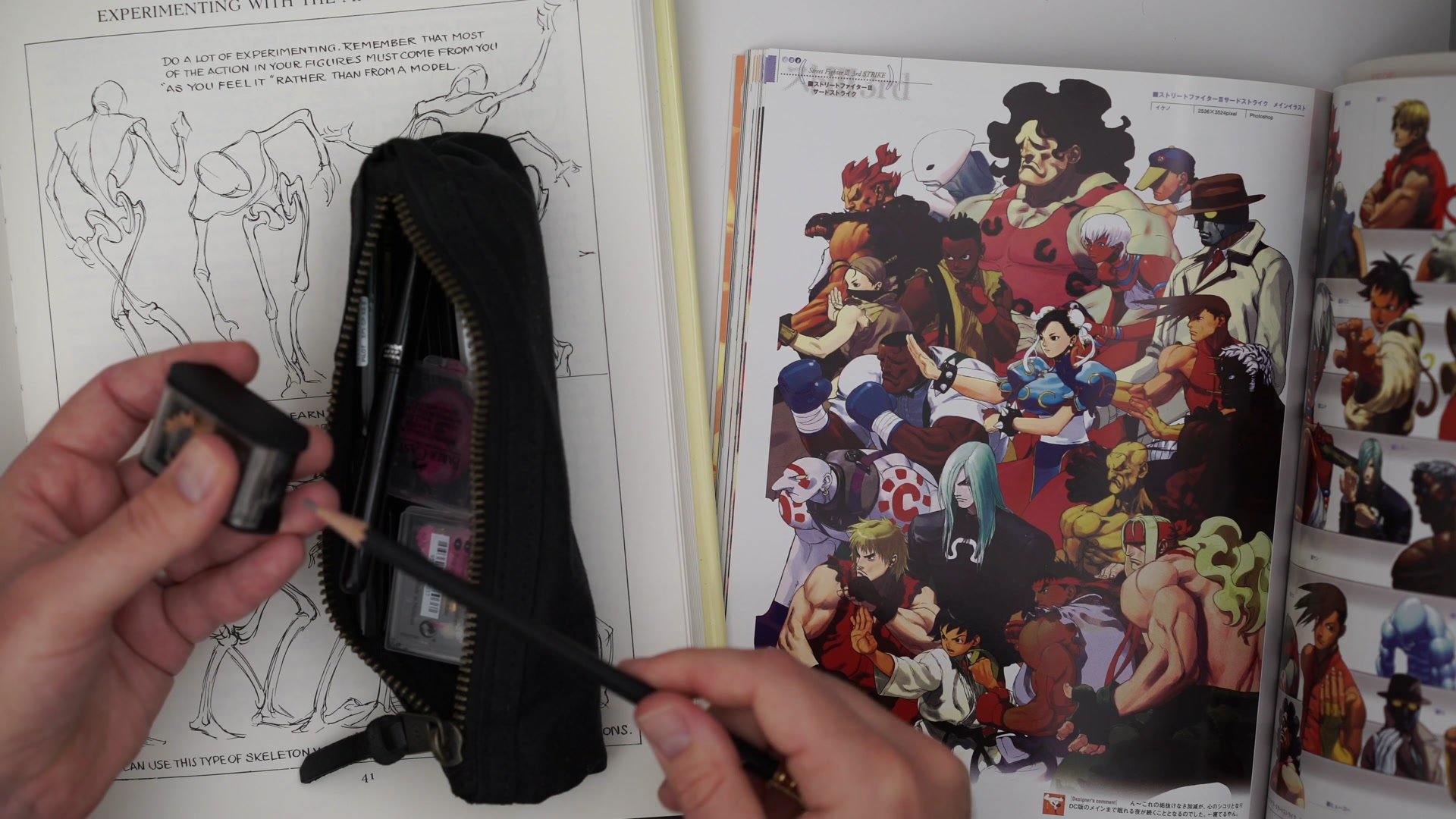
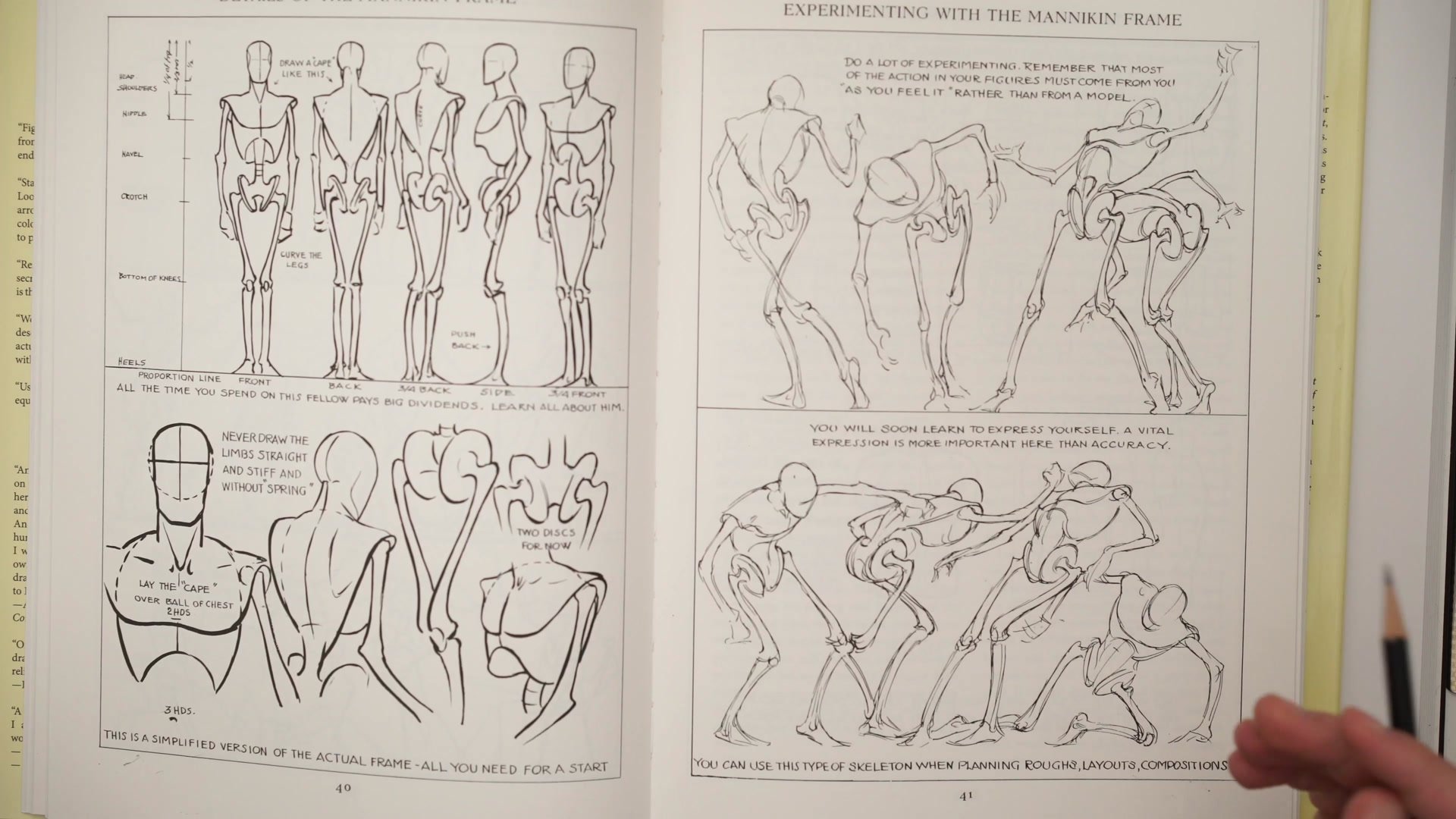
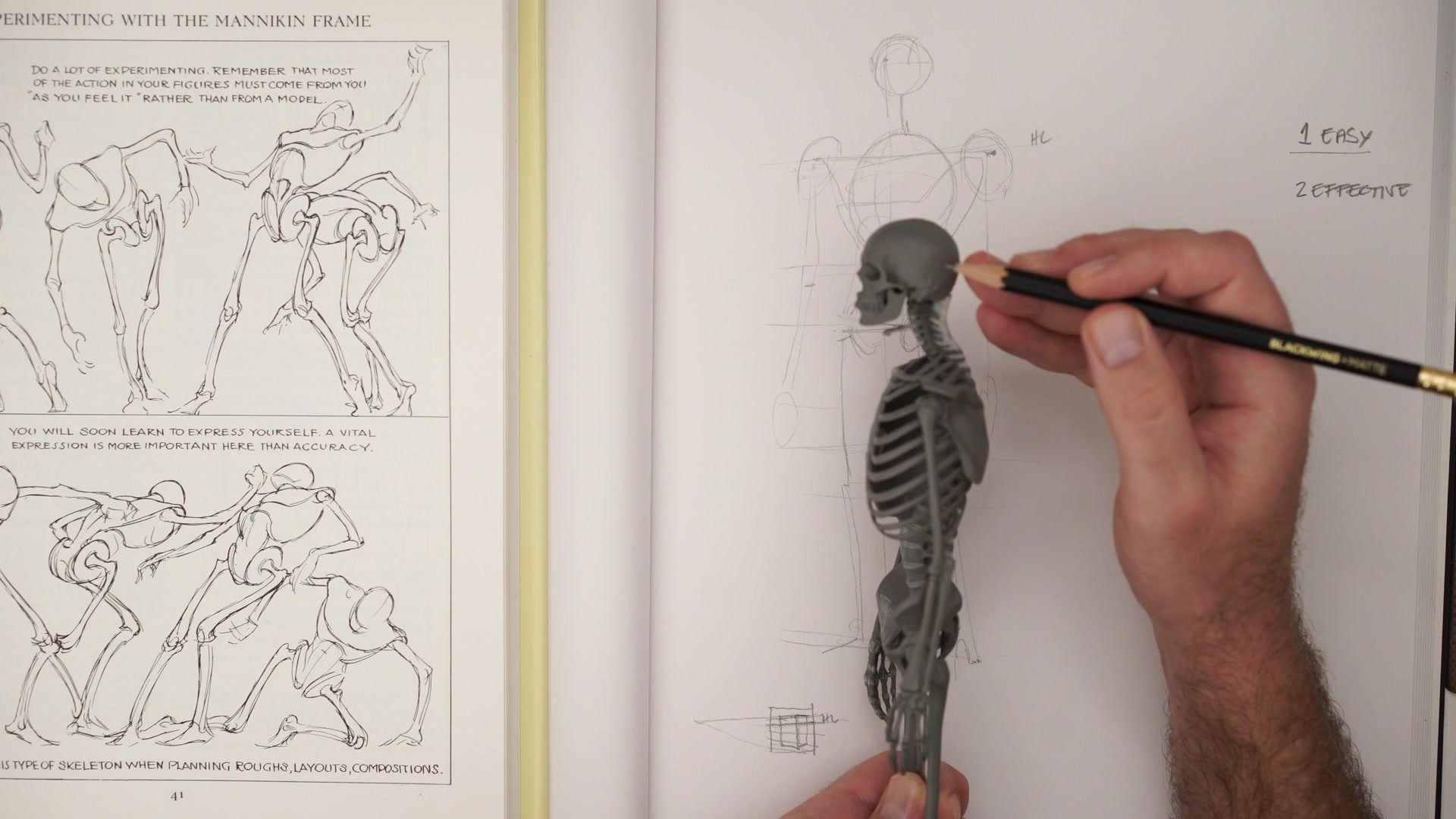
The mannequin optimizes for two things simultaneously. The first is that posing must be easy. A stick figure skeleton with lines representing limbs and simple shapes for rib cage and pelvis makes repositioning a character fast and intuitive. The skeletal structure provides natural pivot points at shoulders, elbows, hips, and knees that correspond to how bodies actually move. This is why the Loomis method uses this foundation.
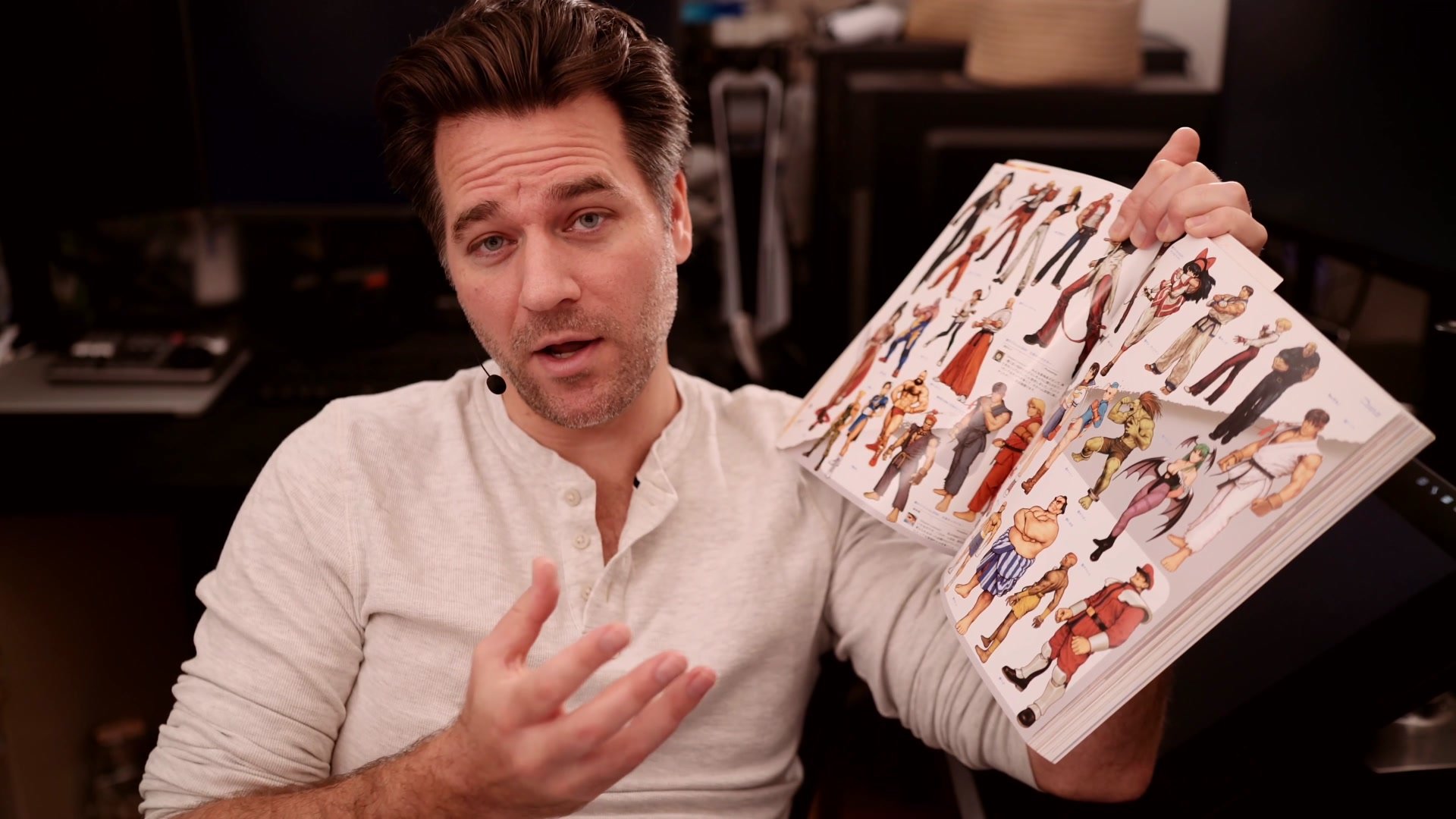
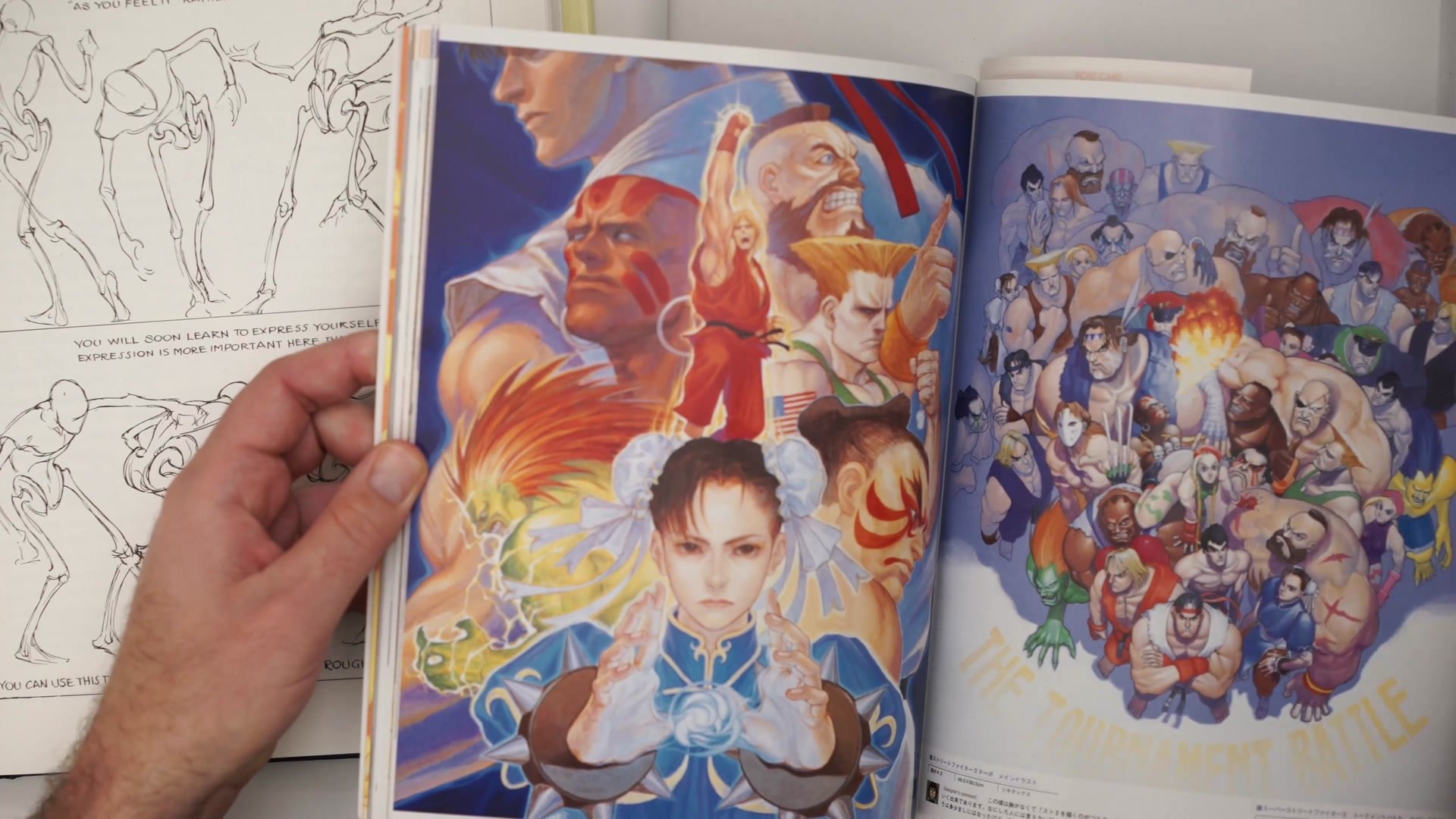
The second principle is effectiveness. The mannequin must show what the final character will look like in a given pose. A bare skeleton excels at being easy but falls short of being effective for characters with significant bulk. When drawing someone with massive shoulders and thick musculature, the stick figure gives no indication of how much space that character occupies. Loomis addressed this partially with his shoulder "cape" addition, but for highly exaggerated proportions like Street Fighter characters, even that falls short. Understanding these two principles reveals that any modification serving both ease and effectiveness improves the tool.
Building the Mannequin
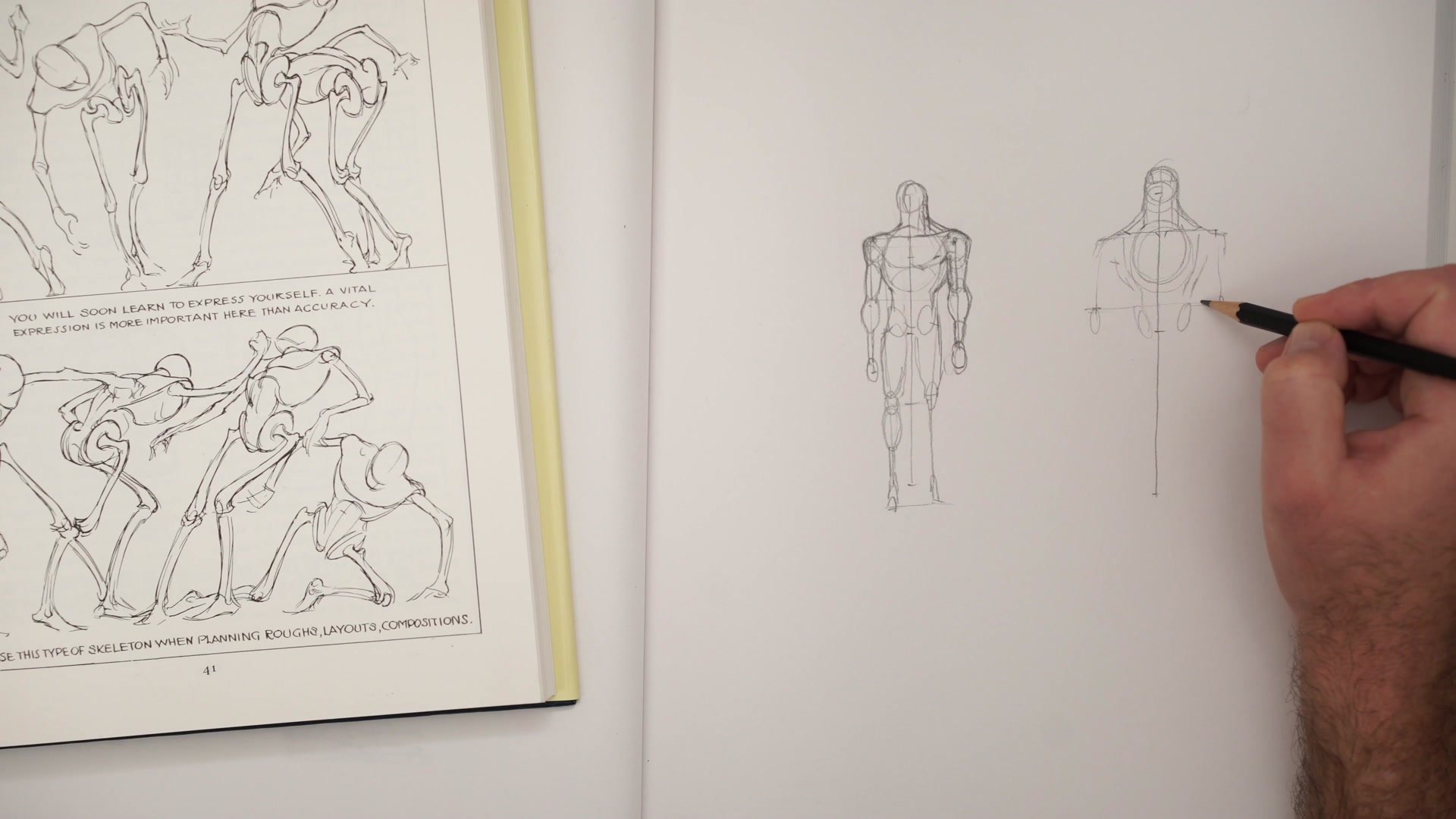
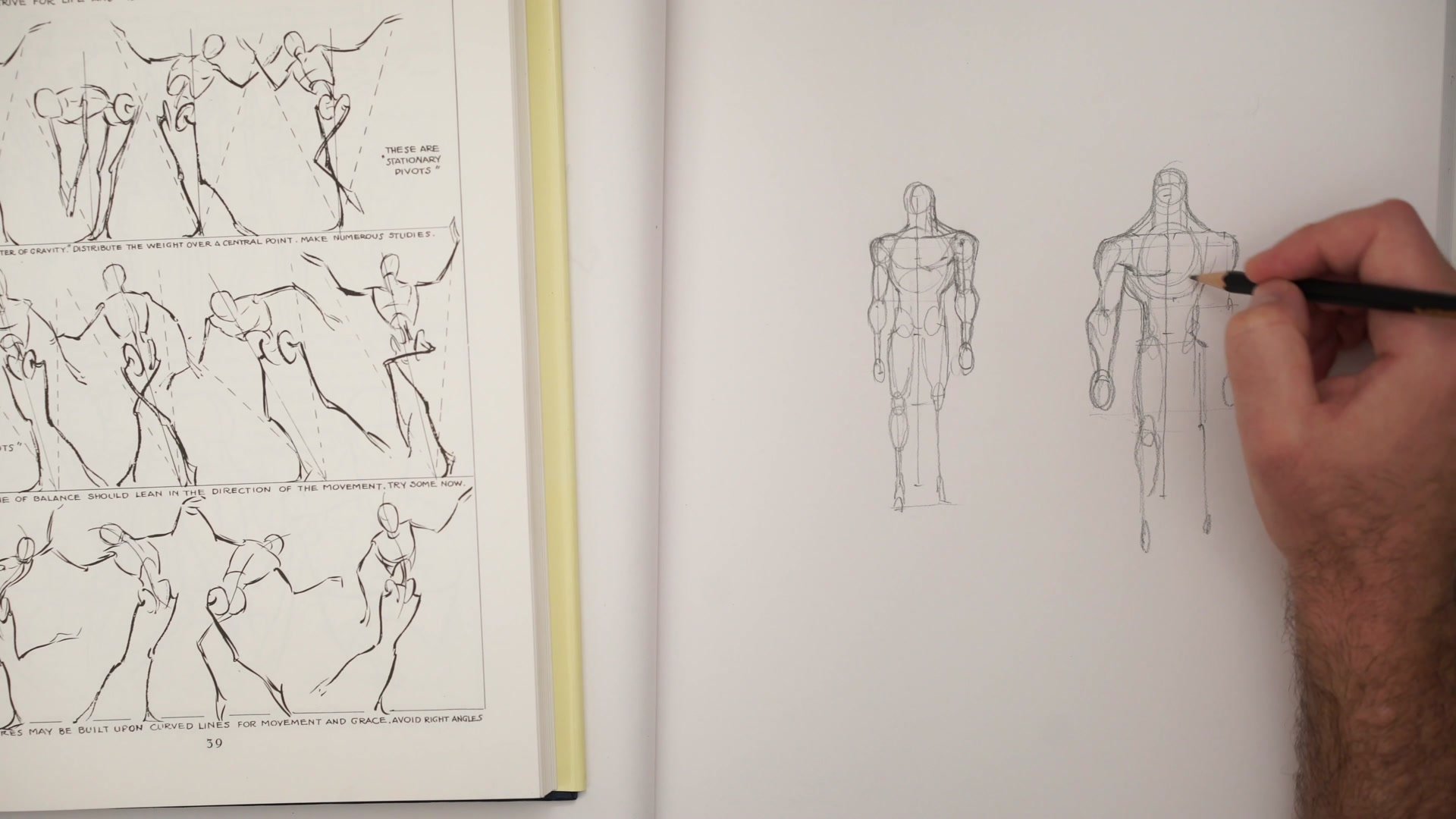
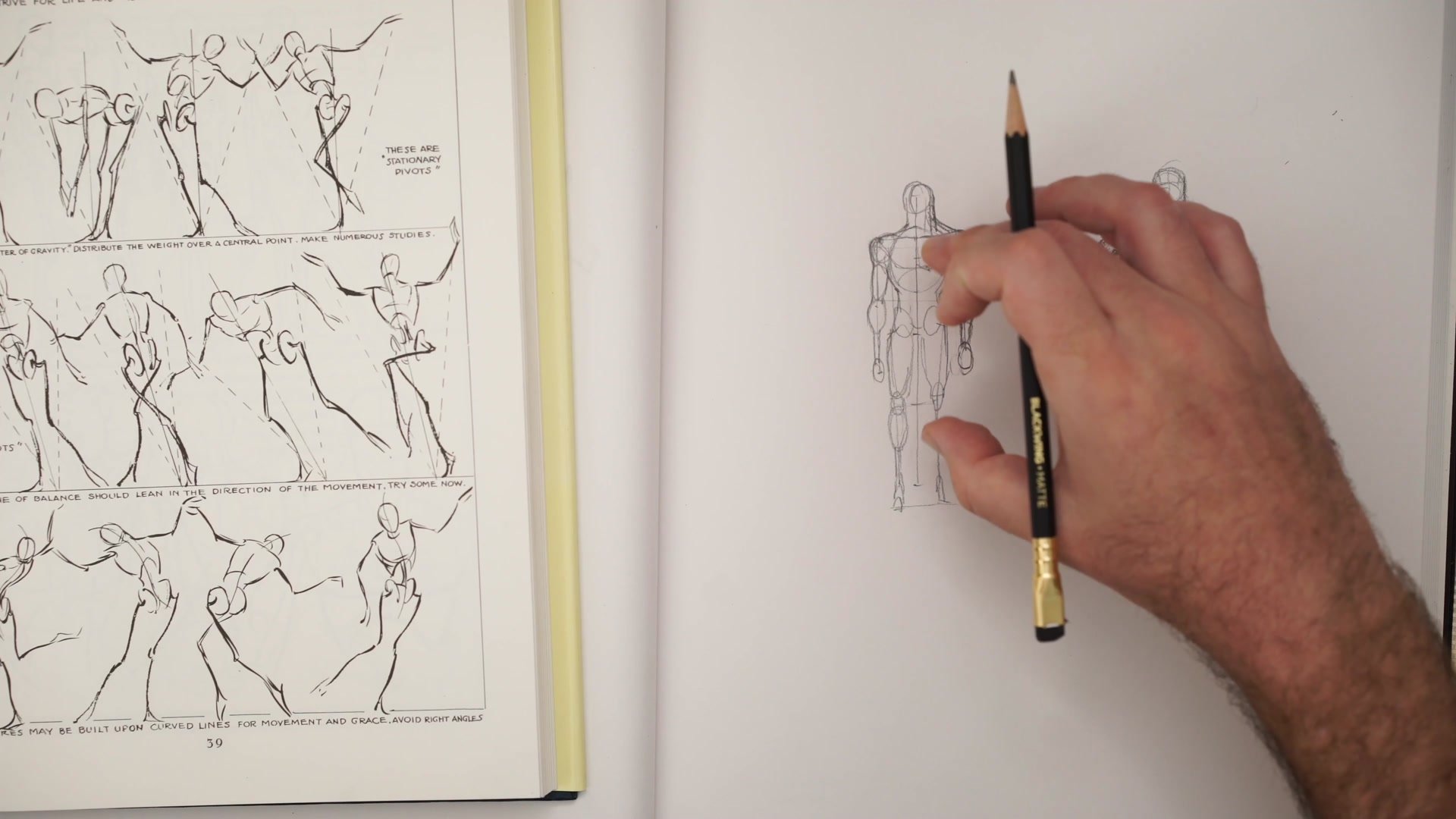
Adding Mass to the Mannequin
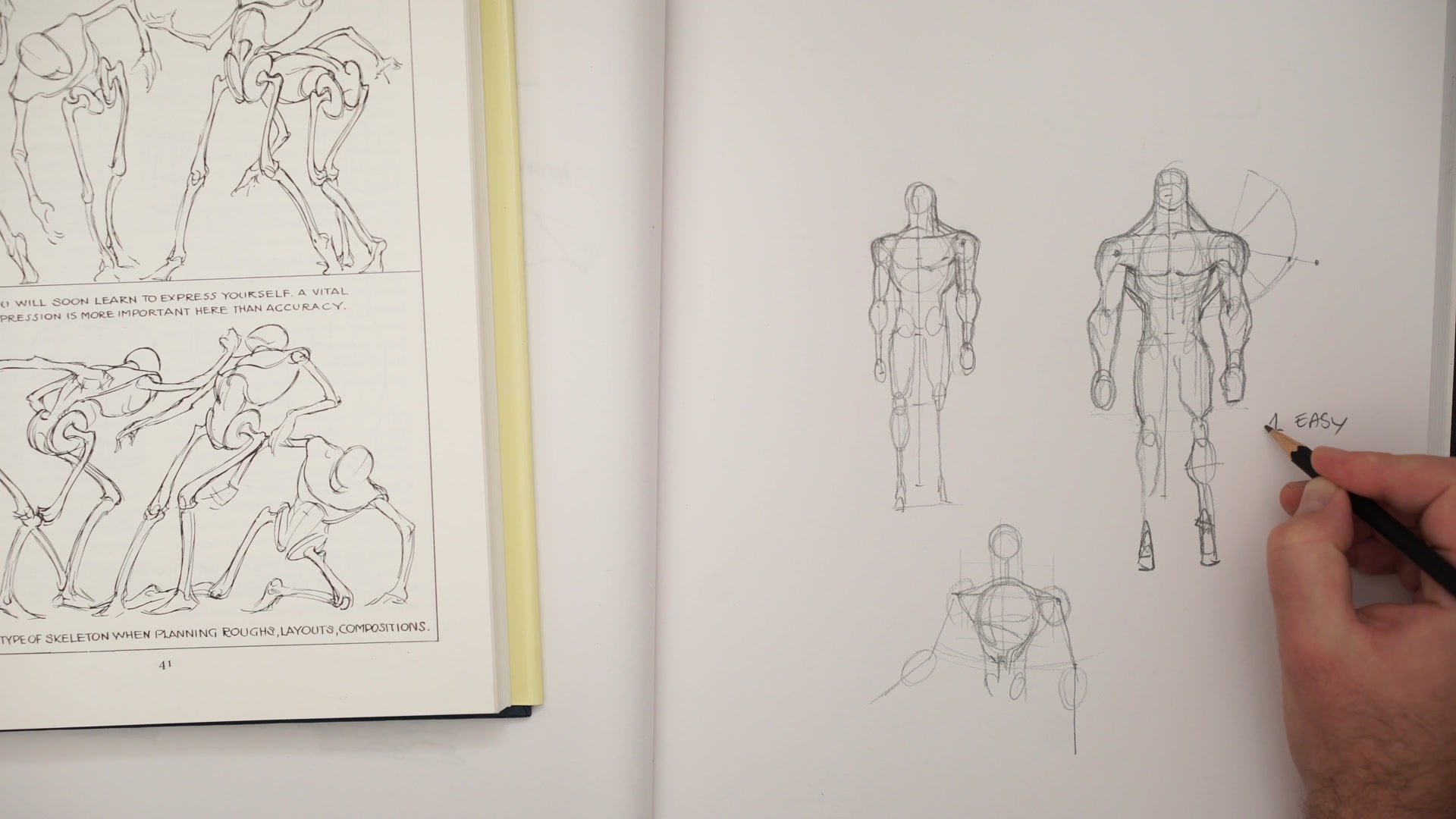
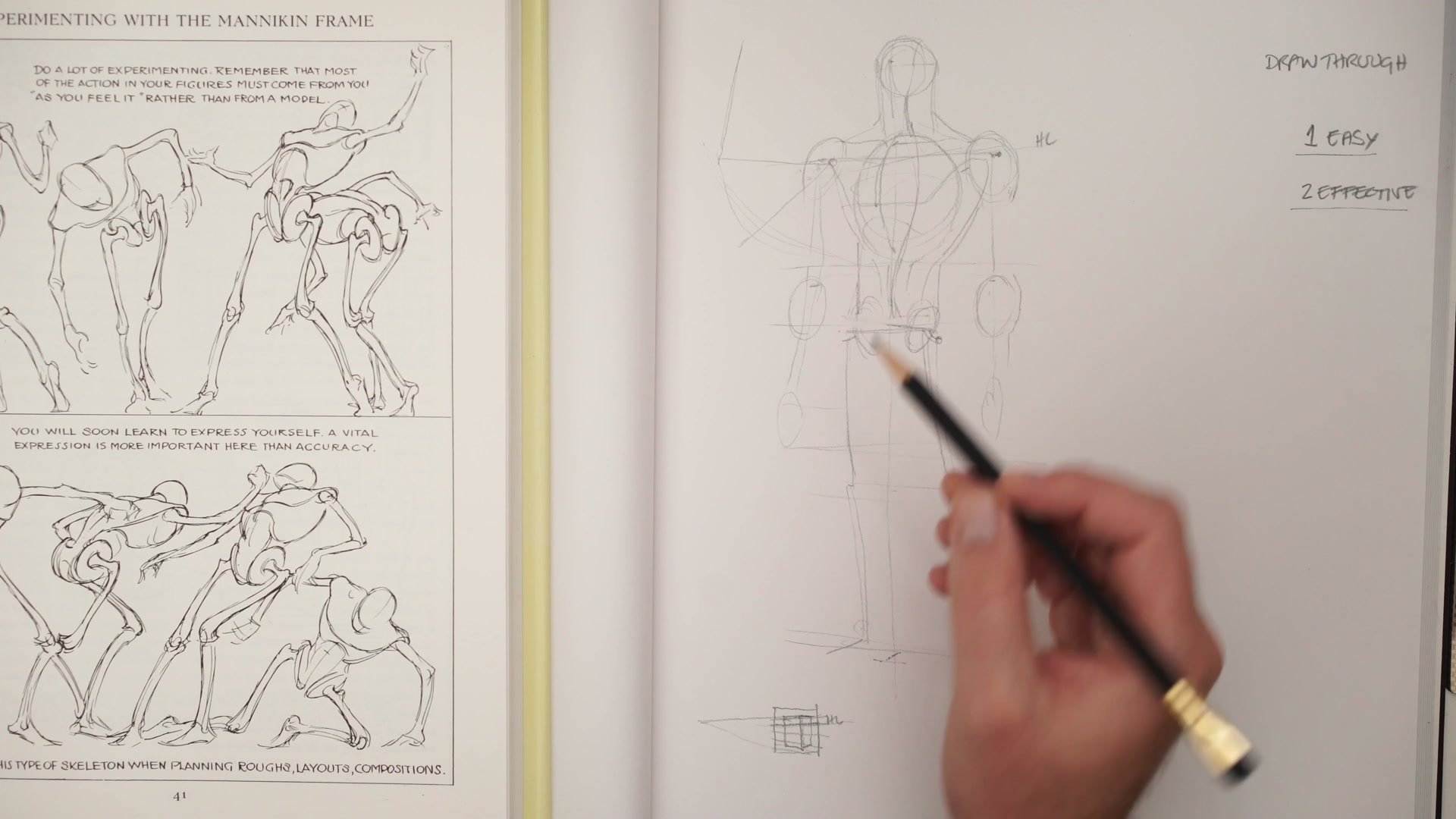
For massively muscular characters, the skeleton itself does not change much. The basic proportional relationships remain useful reference points. But the visual mass that defines these characters needs representation at the mannequin stage. Simple geometric additions make a significant difference without sacrificing the ease of the stick figure approach.
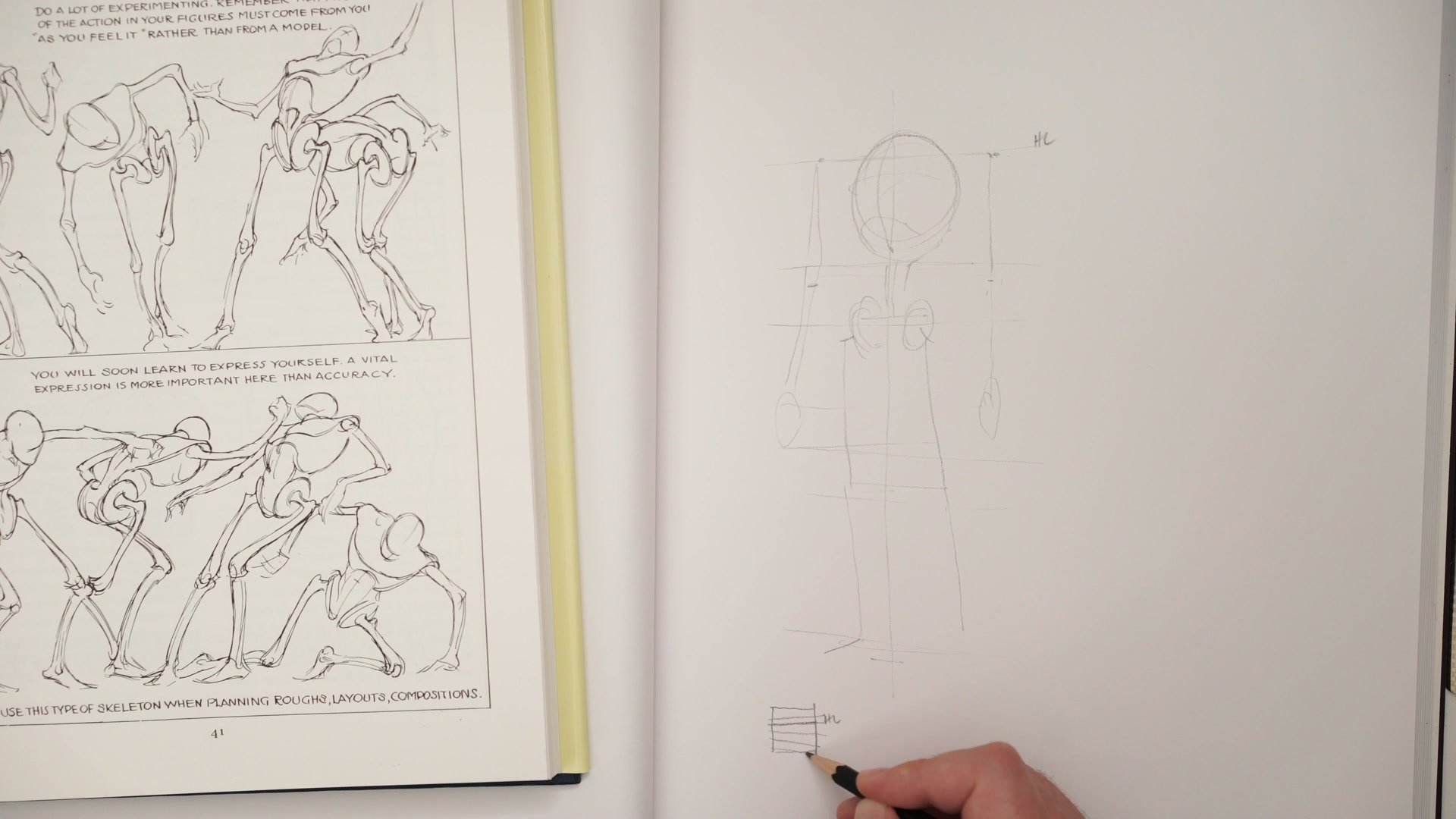
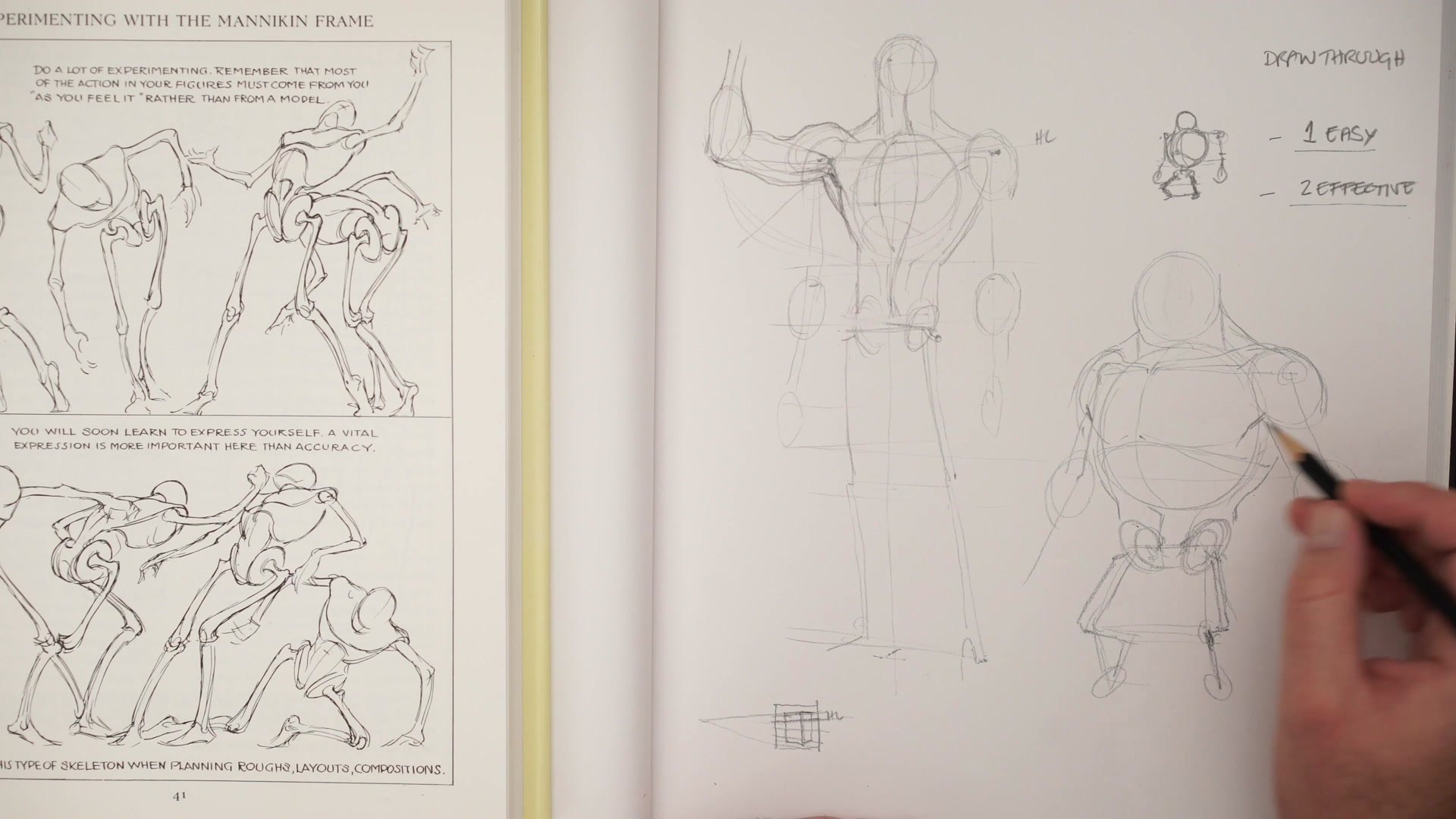
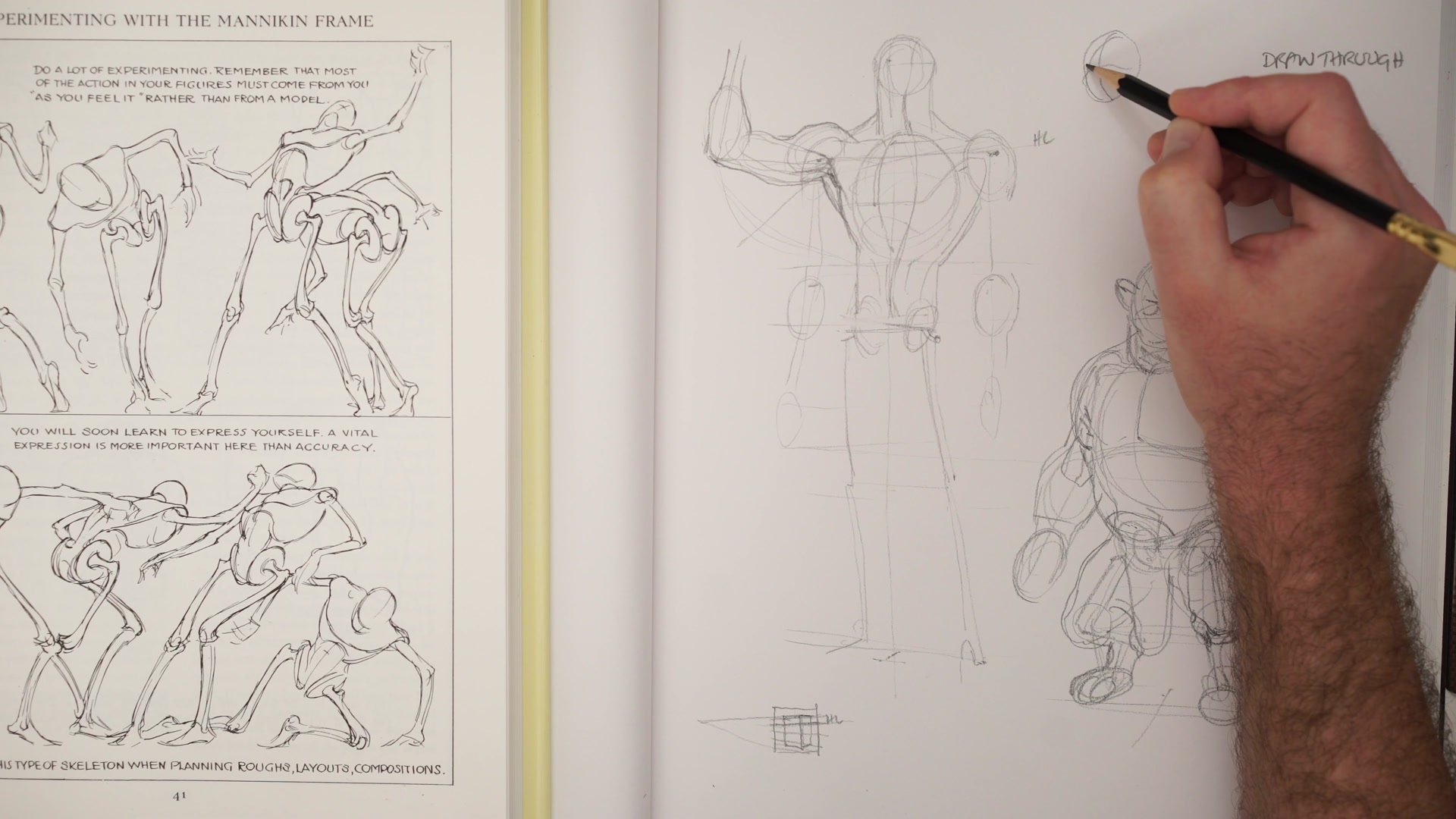
Spheres representing deltoids give immediate indication of shoulder width and bulk. A thicker cylinder for the neck shows how mass connects head to body. The torso gets width indication across shoulders and chest. None of this is detailed anatomy. These are basic shapes indicating volume so the artist can quickly judge whether a pose will work. For characters deviating further from human proportions, like troll or ogre characters with oversized torsos and small limbs, the mannequin adapts accordingly. The stick figure foundation remains for ease of manipulation while the proportional relationships shift to match that specific build.
Posing and Application
Foreshortening and Character Consistency
The value of a modified mannequin becomes especially clear when dealing with foreshortening. A stick figure arm coming directly at the viewer provides almost no useful information. The line becomes a dot, offering no sense of the limb's mass or how it occupies space. Adding simple cylinders or forms to represent arm mass solves this. The cylinder foreshortens visibly, showing how the limb comes toward the viewer and communicating the visual weight that defines the character.
When drawing the same character repeatedly for comics, character design, or serialized work, a mannequin incorporating their specific proportions maintains consistency. The mannequin keeps proportional relationships honest across multiple drawings. Once a character's proportions are established through design exploration, building a mannequin that incorporates those proportions makes redrawing that character reliably faster. The mannequin becomes character-specific rather than generic, serving as a reusable template.
Fantasy Characters and Results
Key Principles
Easy Plus Effective: The mannequin must balance being easy to draw and manipulate with effectively showing what the final character will look like. When standard proportions break effectiveness, modify the mannequin.
Simple Mass Indicators: Spheres for deltoids, cylinders for necks, width adjustments for torsos. These basic geometric forms bridge the gap between stick figure ease and accurate character representation without adding complexity.
Character-Specific Mannequins: Once a character's proportions are established through design exploration, create a custom mannequin incorporating those proportions. This makes drawing that character repeatedly more reliable and consistent.
The System Serves the Artist: The Loomis mannequin is a tool, not a sacred system. Understanding its purpose gives freedom to adapt it for any character type, from Street Fighter builds to fantasy creatures with non-human anatomy.
Practice This
Pick a Character: Select a character with exaggerated proportions that needs to be drawn repeatedly. Start with a basic skeletal mannequin marking major joints and proportional divisions.
Add Mass Indicators: Include simple shapes representing the character's key bulk characteristics. For a heavily muscular character, add spheres for shoulders, a thick cylinder for the neck, and width indication for the chest.
Test Three Poses: Pose this modified mannequin in three different positions. Pay attention to what information helps quickly gauge whether the pose reads clearly, and what additional simple forms might improve the read.