Draw Solid Stylised Characters
Summary
Loomis Method for Cartoon Characters
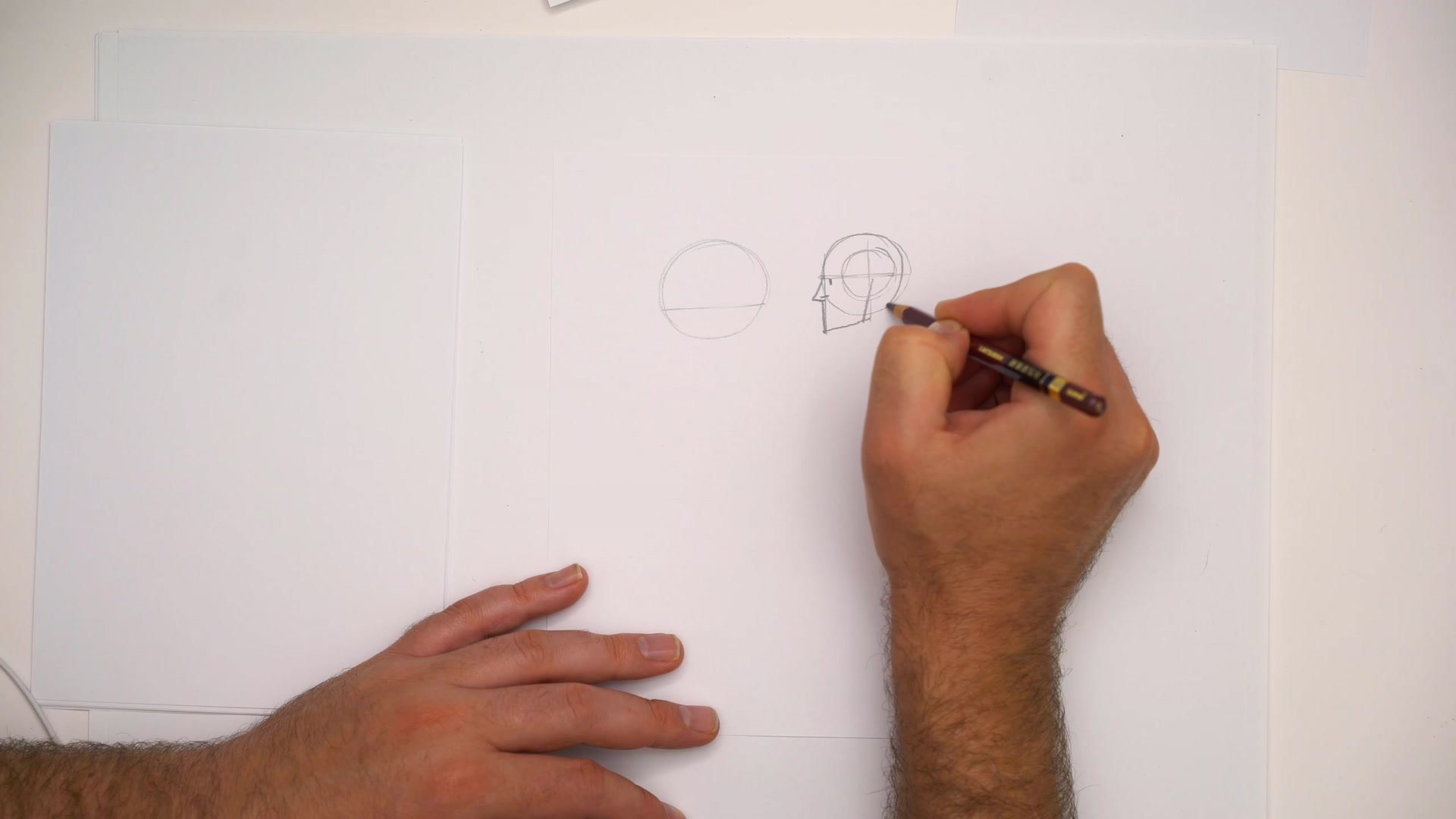
Head construction systems like the Loomis Method give artists systematic control over proportion and angle. But most instruction only demonstrates these methods on realistic heads, leaving a gap for anyone drawing stylised or cartoony characters. The same principles of structure, sequence, and solid drawing apply to simplified designs. Using Pinocchio from the 2014 comic adaptation as the subject, this video demonstrates how to take the exact same constructive anatomy approach and adapt it to a character whose head is basically a sphere with a nose.
The key insight is that cartoony characters still need proportional markers and structural thinking to stay consistent across multiple angles. The method just gets simplified to match the design.
Setting Up the Construction
Simplifying the Proportional Map
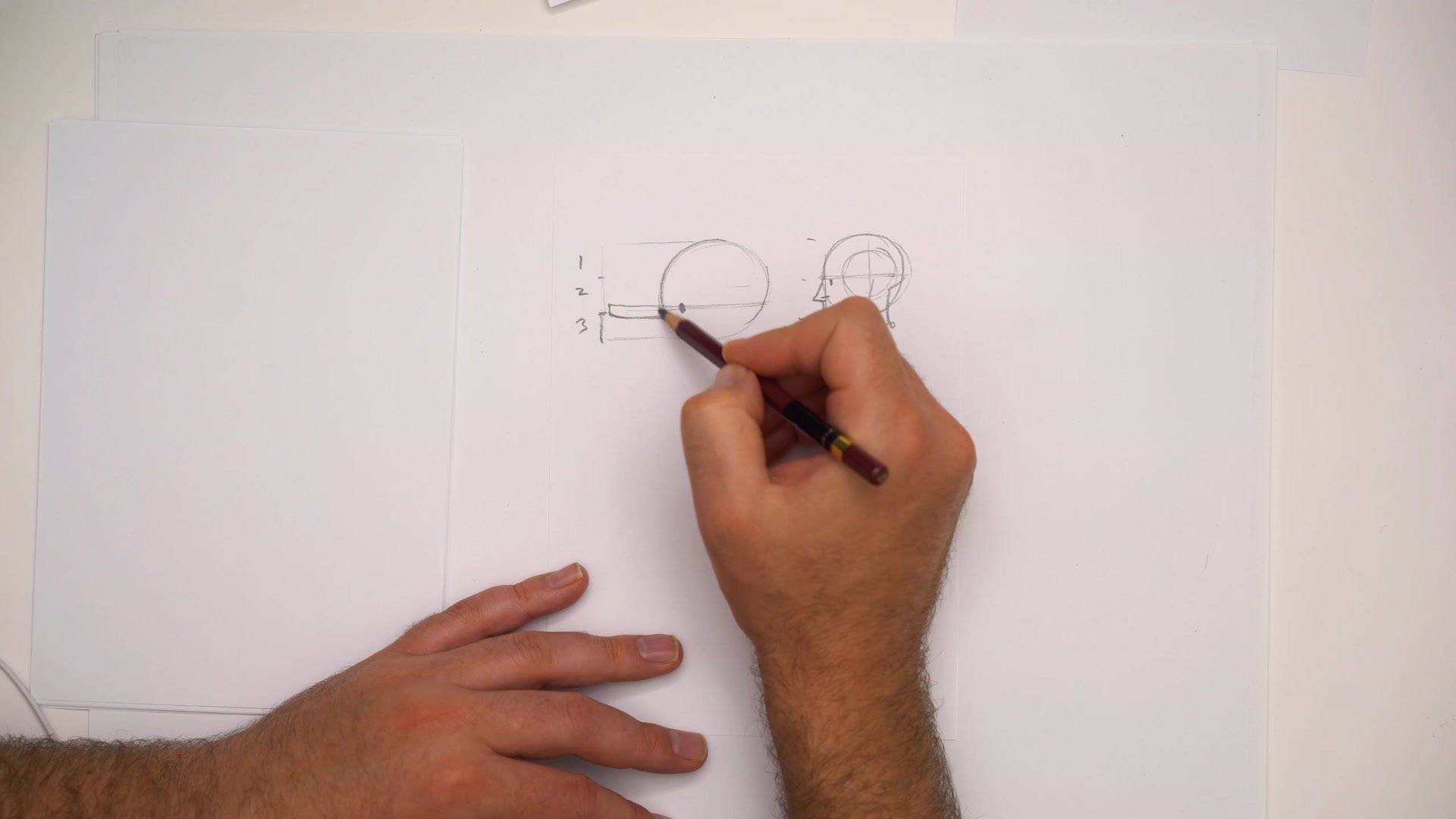
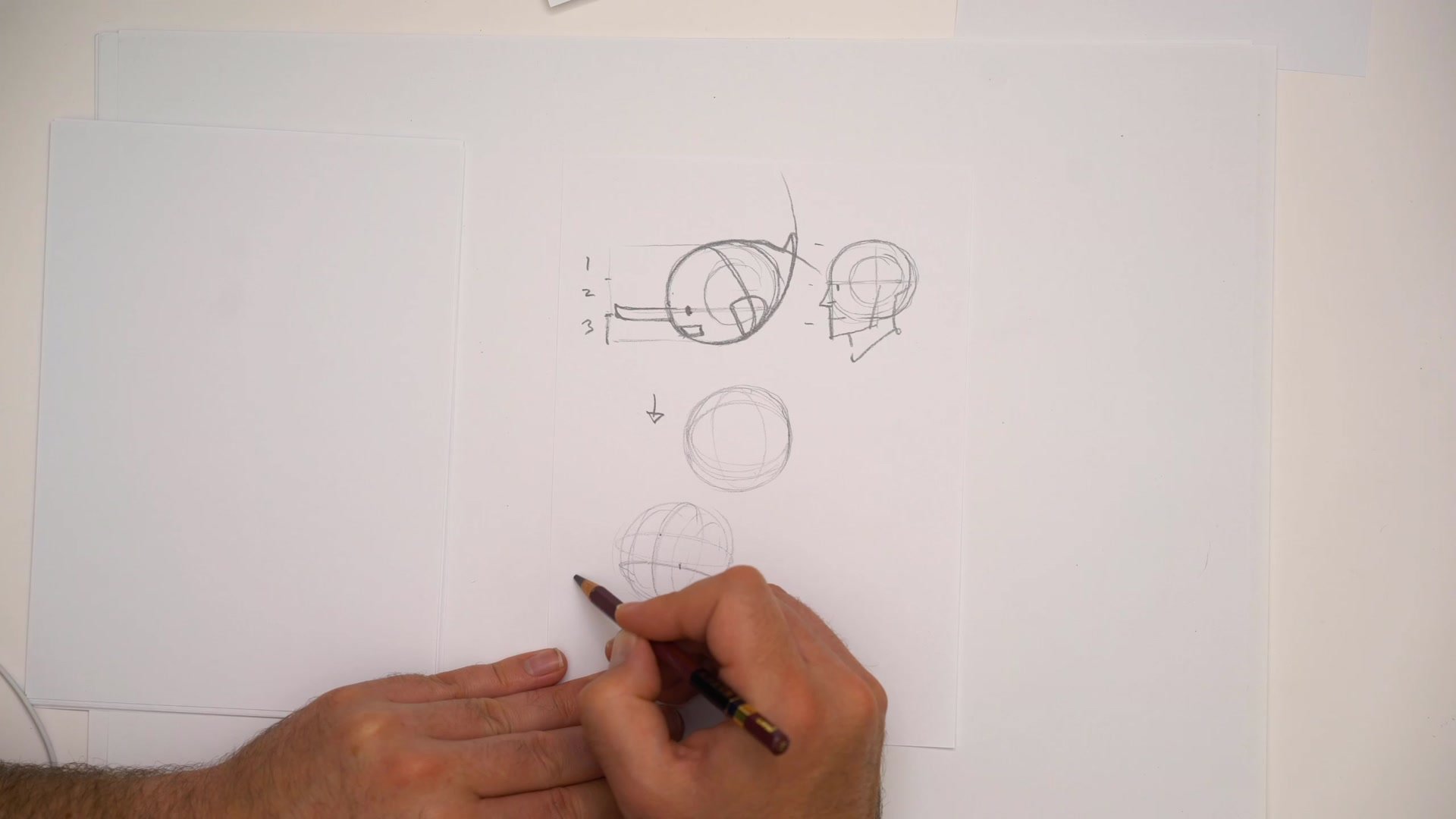
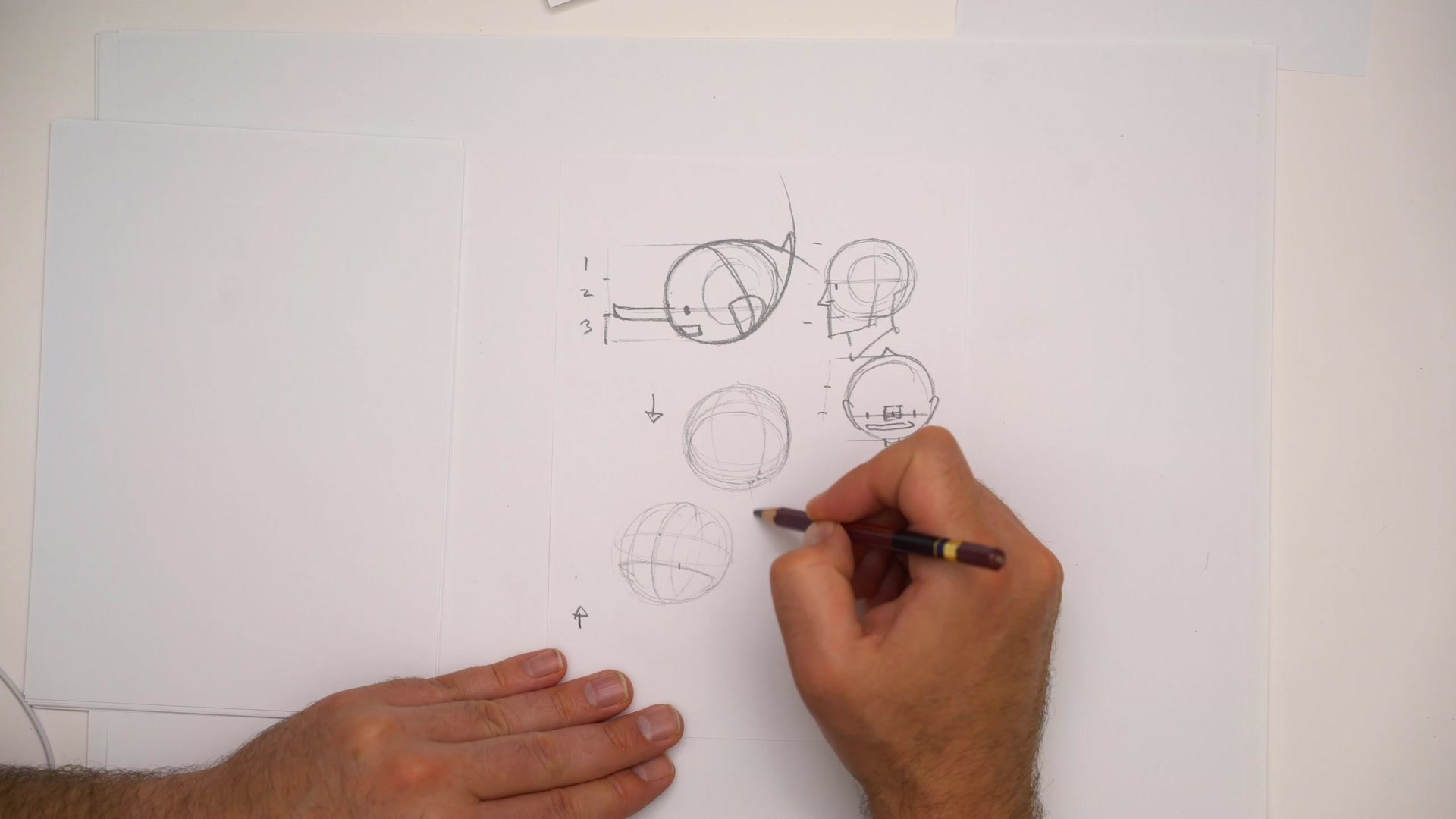
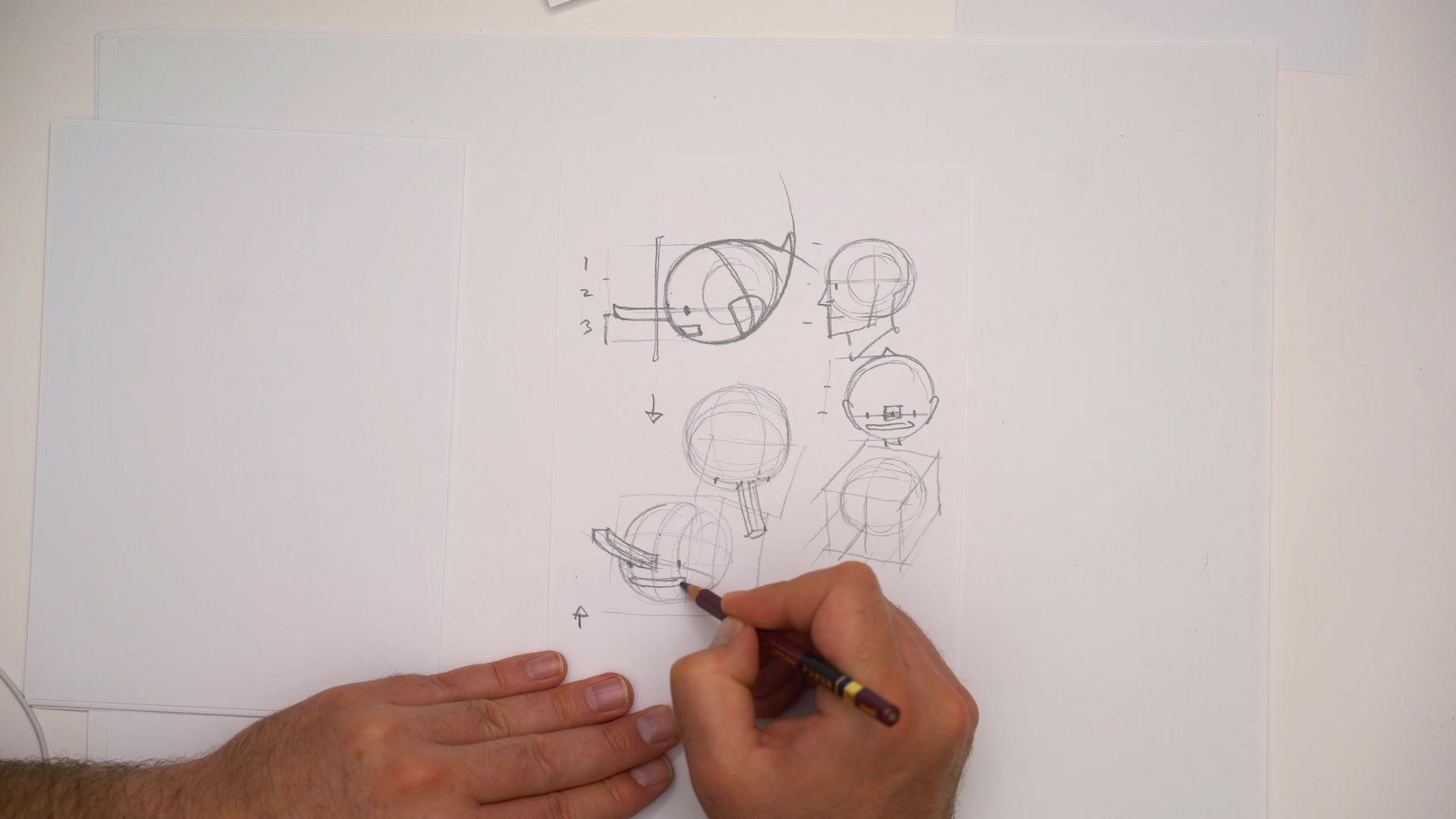
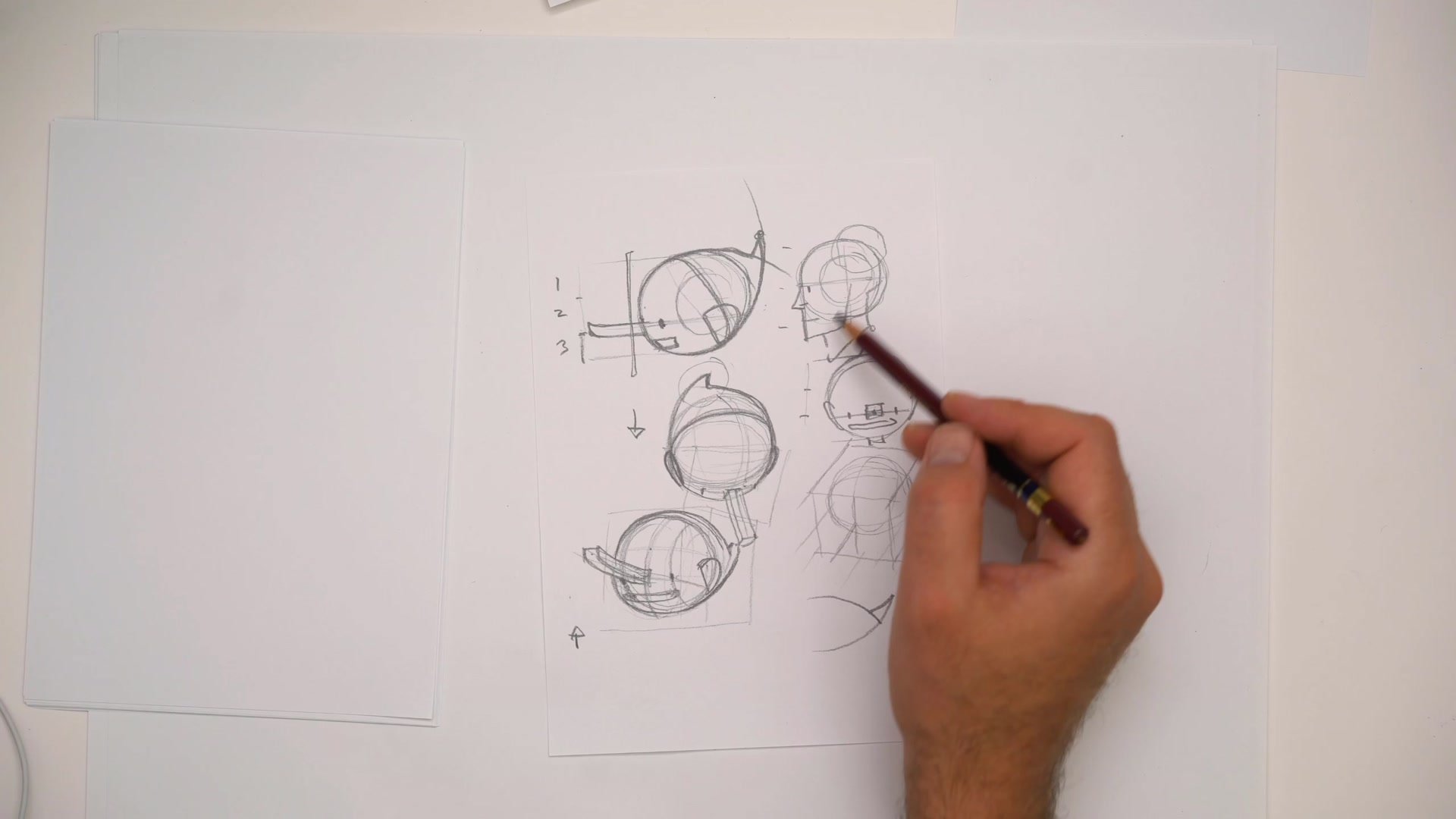
With a standard Loomis head, the eyes sit roughly halfway up the sphere and the jaw extends below. For Pinocchio, the entire head is the sphere with no jaw structure at all. The proportional system gets simplified to one critical marker: where the nose and eyes sit relative to the sphere. Dividing the sphere into thirds reveals that the nose placement falls on the lower third line rather than the midpoint used in realistic heads.
This is the real work of adapting construction methods to stylised characters. Instead of memorising a universal set of proportions, the goal is to identify which proportional relationships define the specific character and lock those in. Everything else in the construction follows from getting those key markers right.
Drawing From Multiple Angles
Structure Enables Rotation
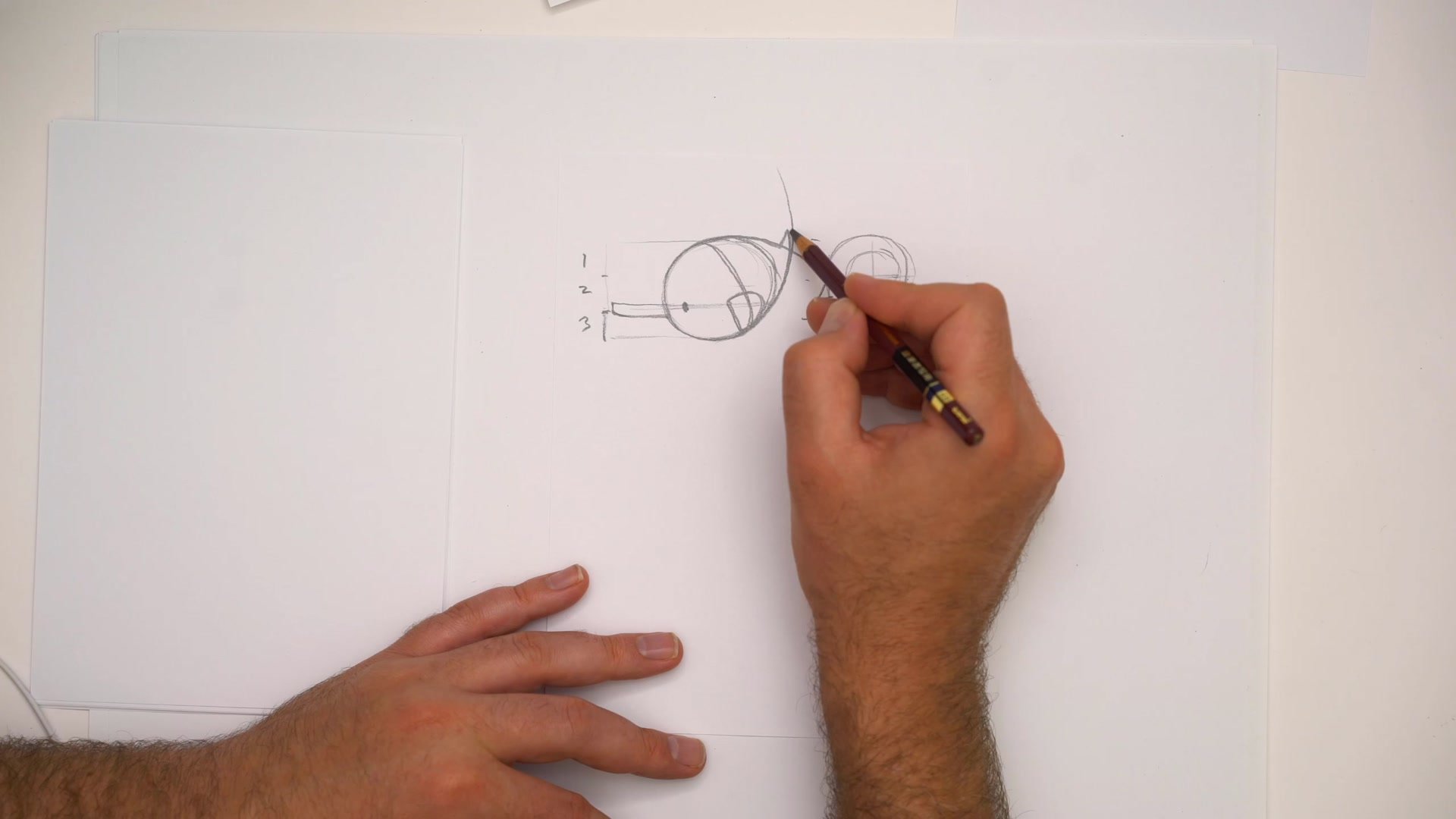
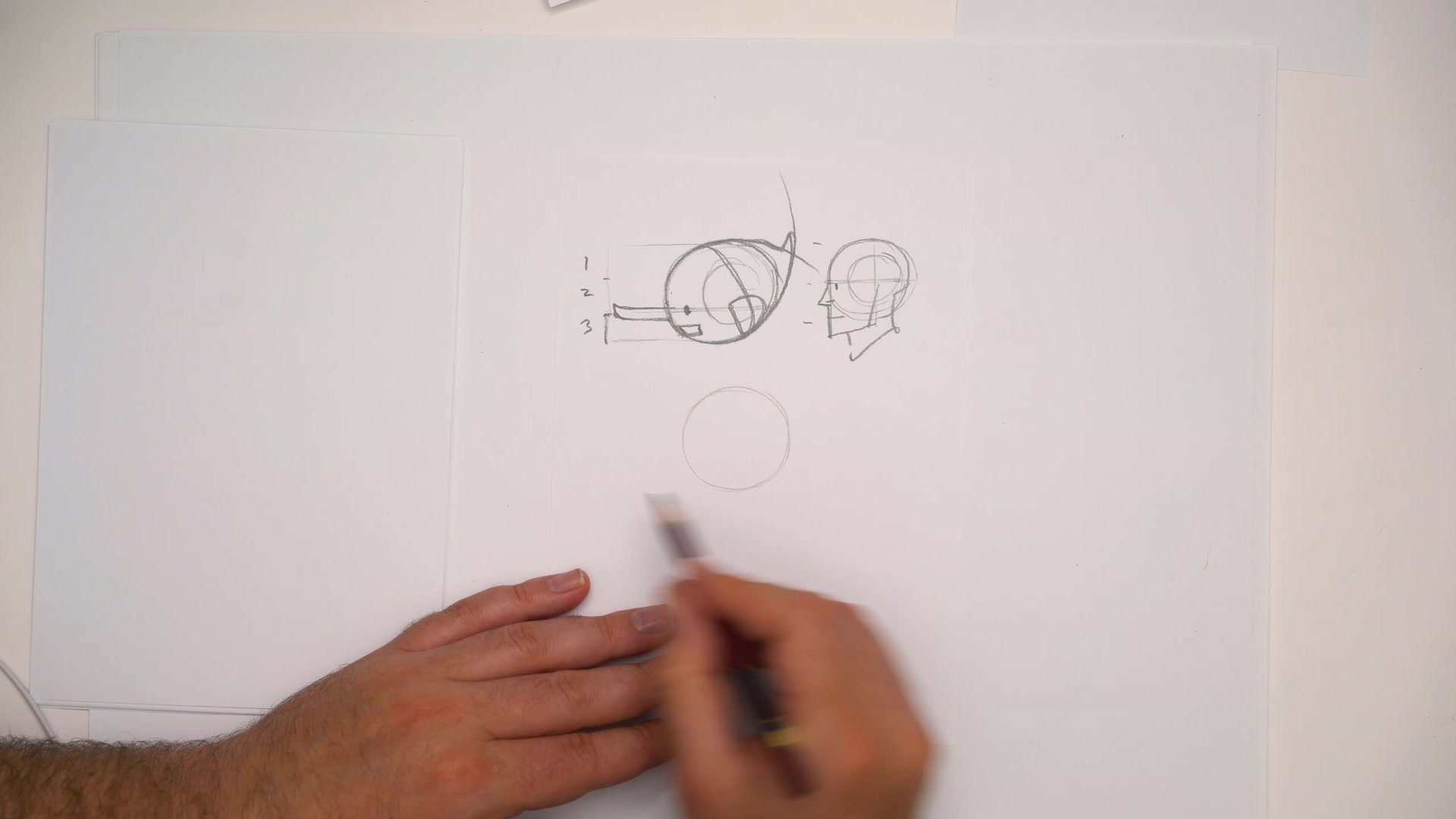
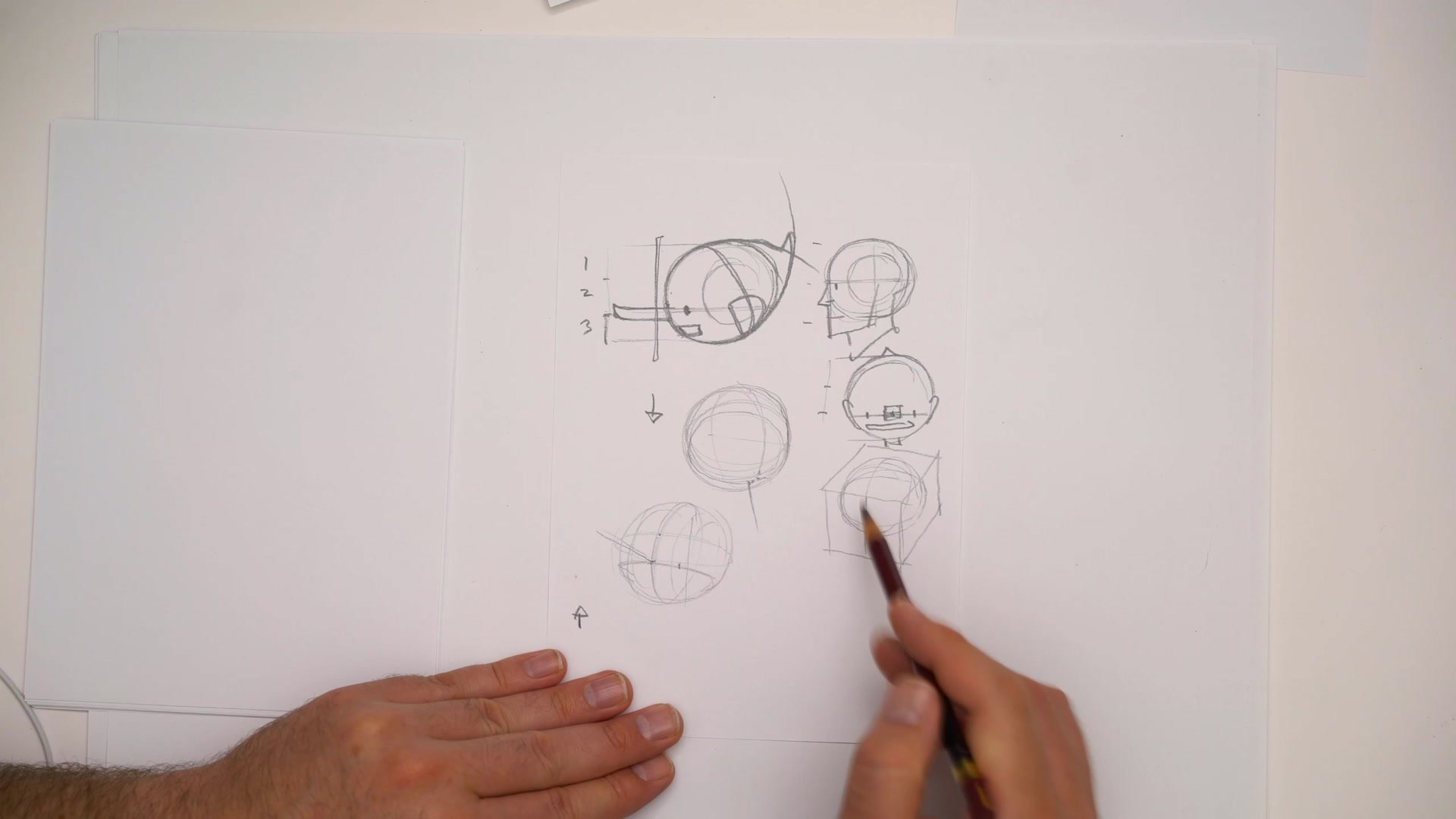
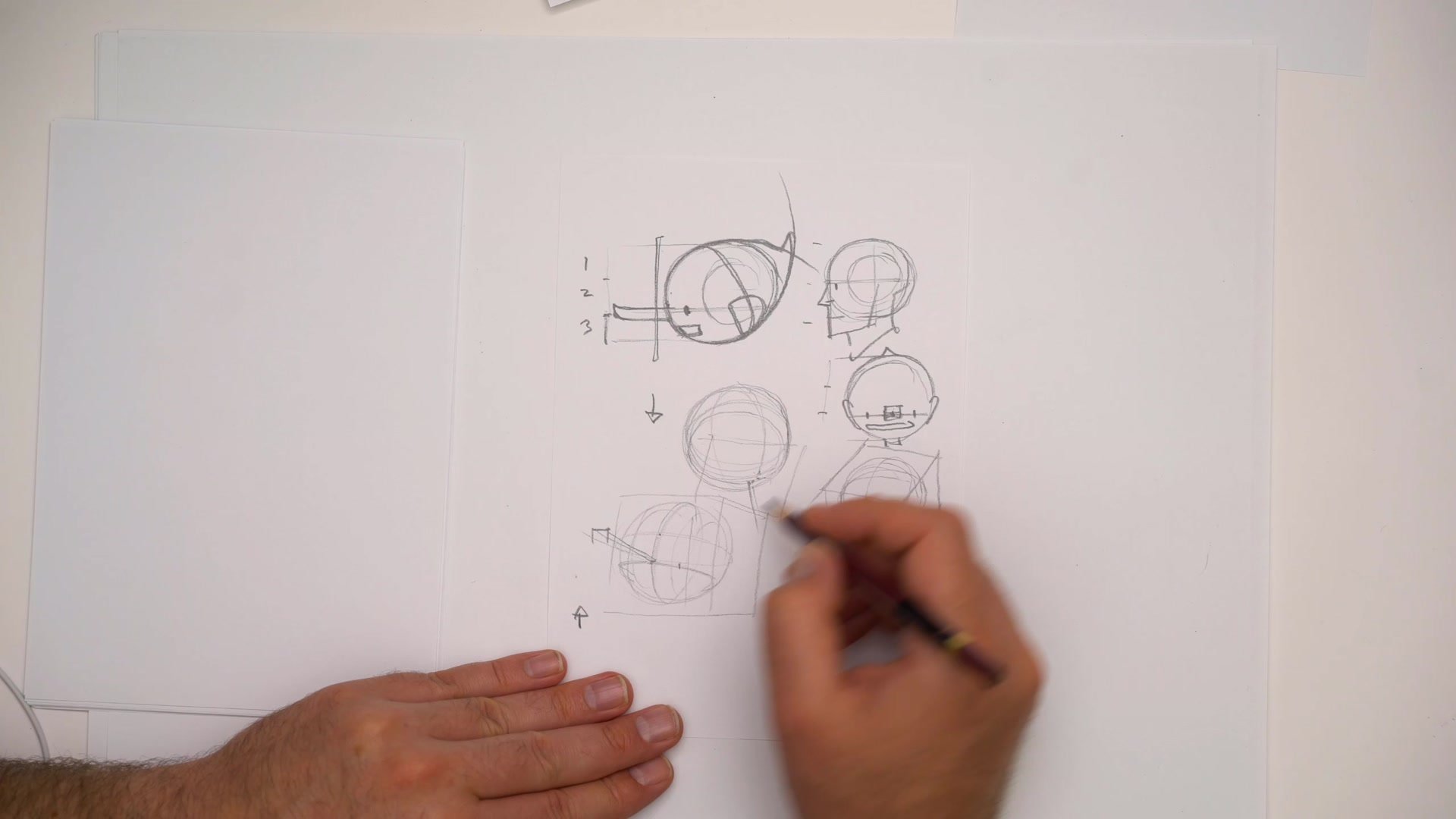
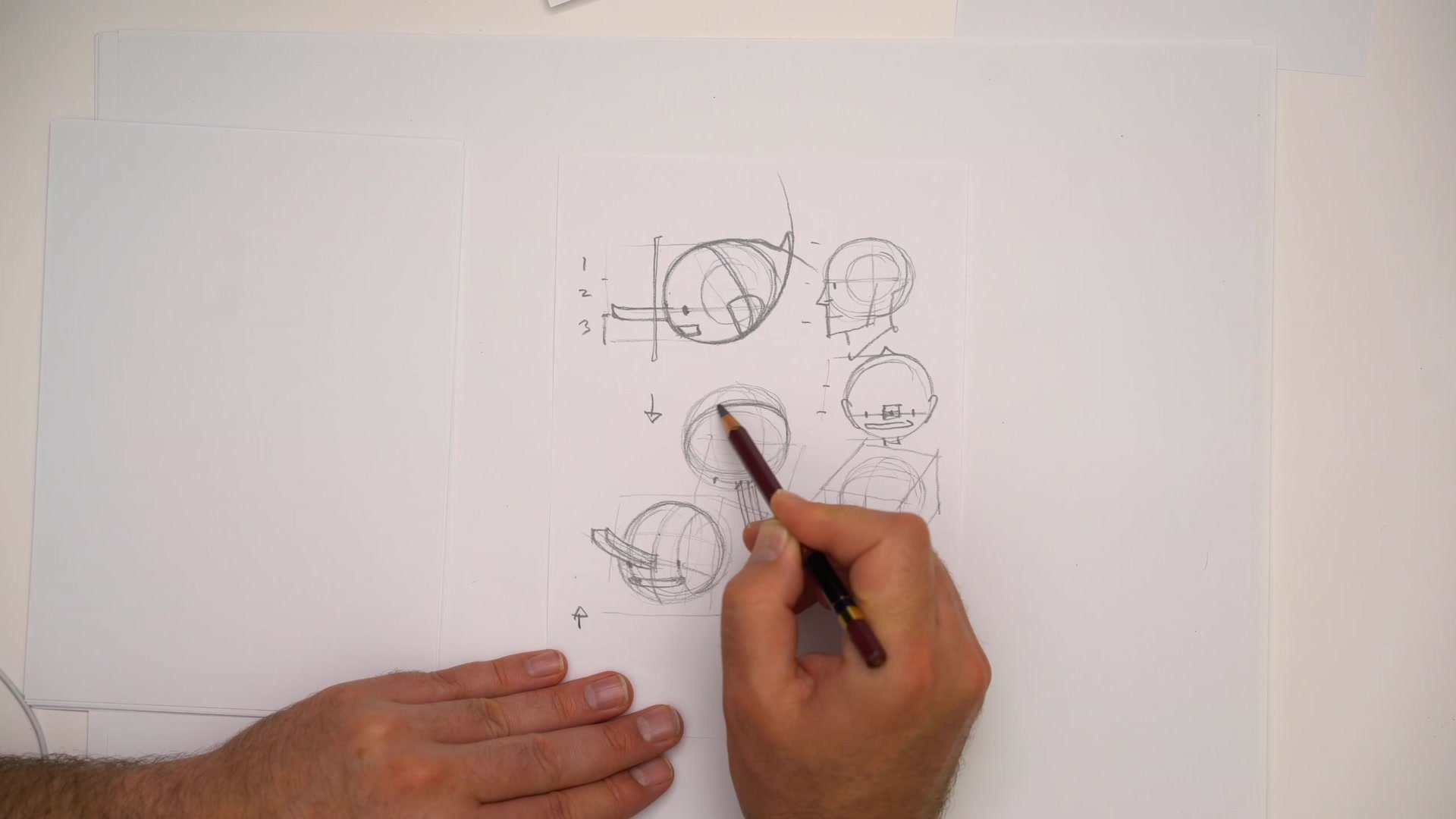
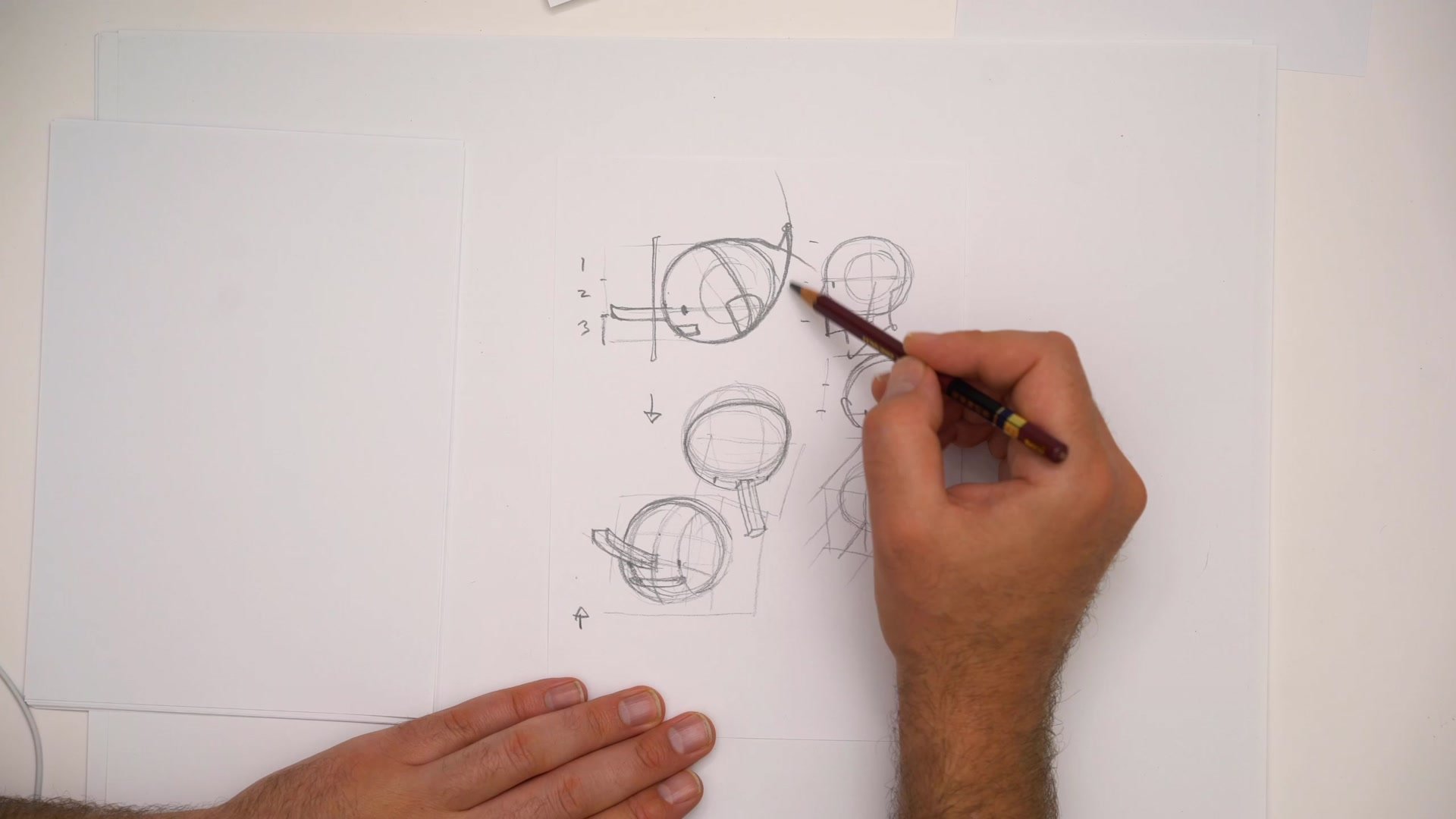
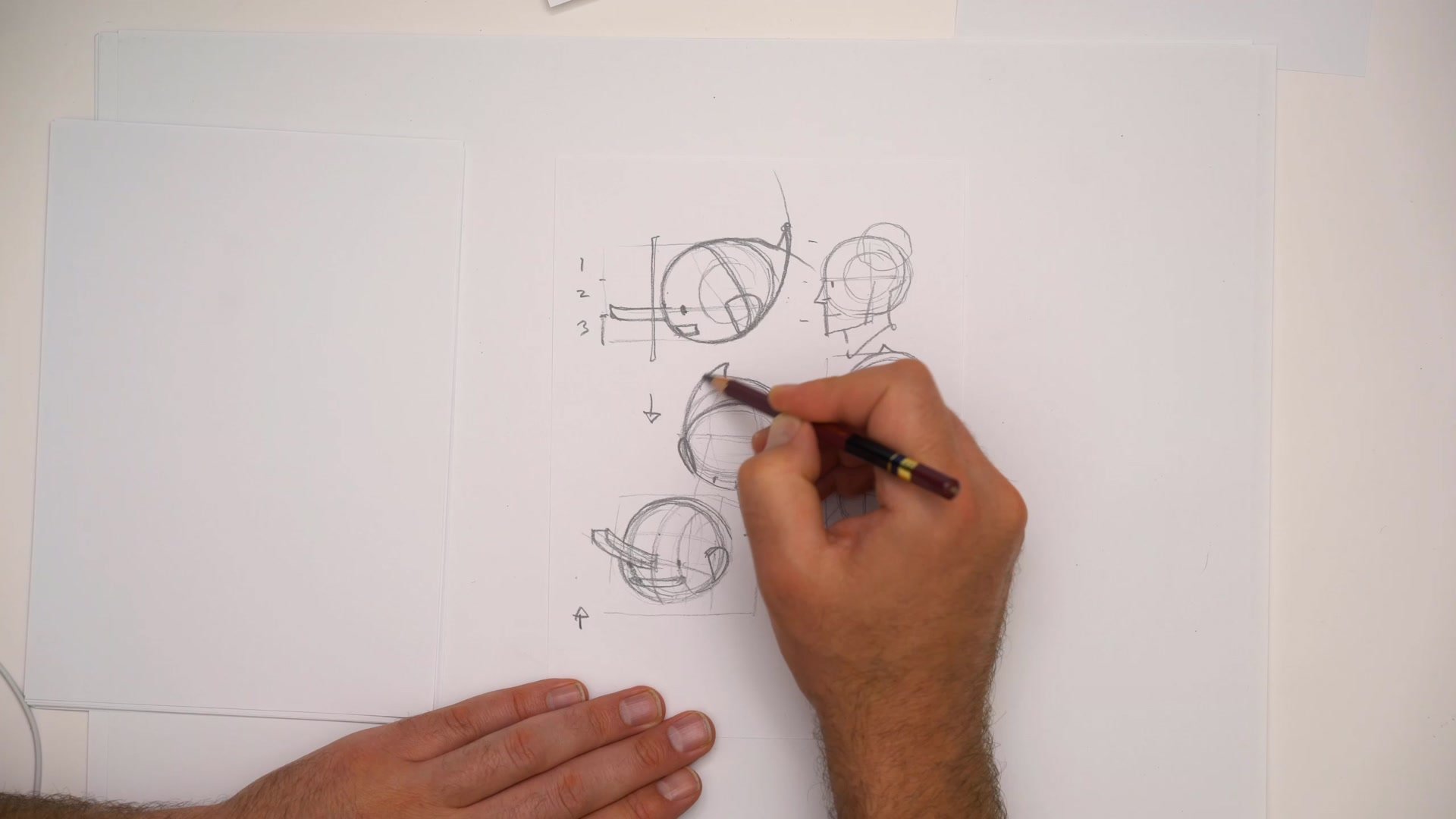
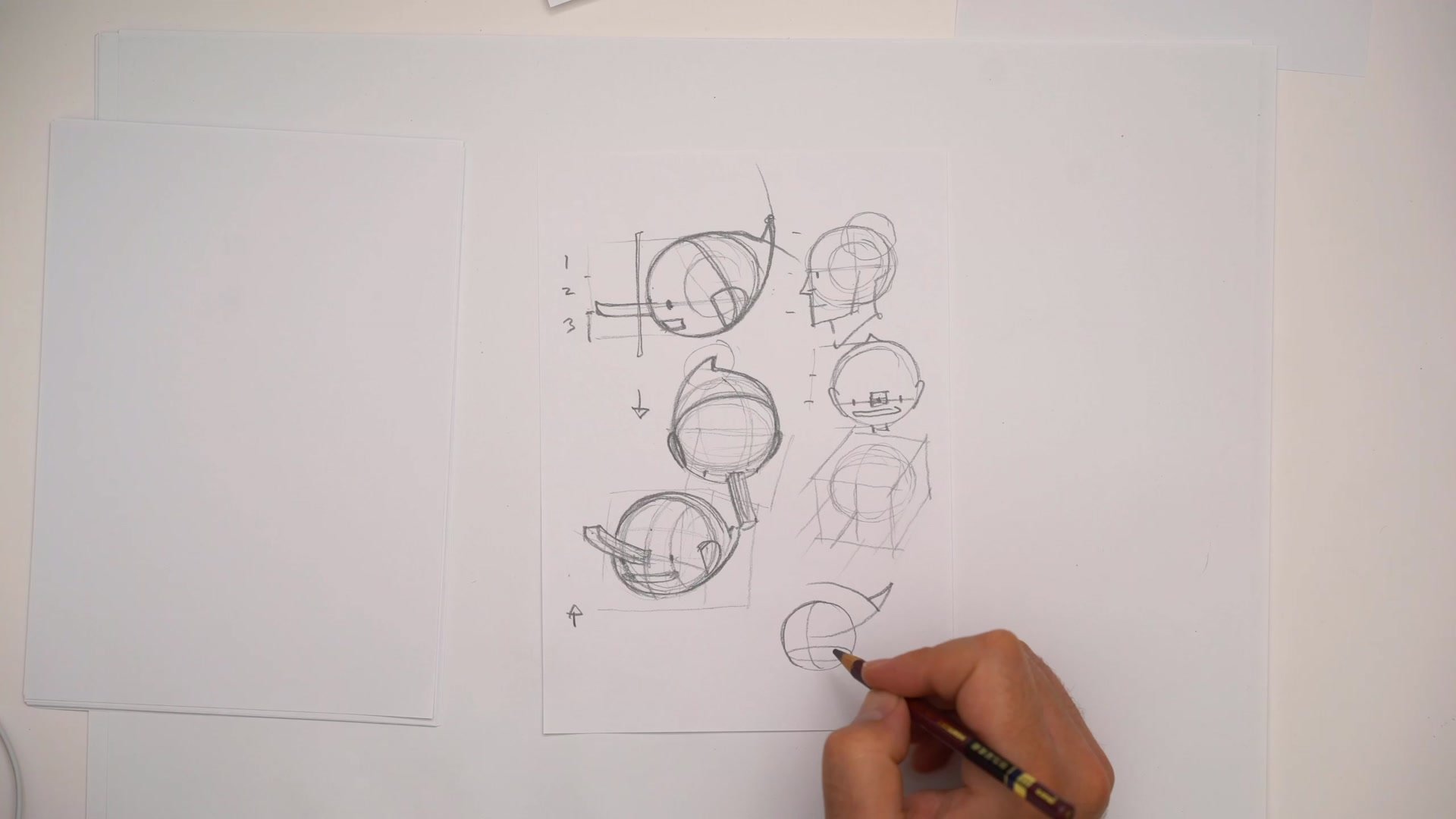
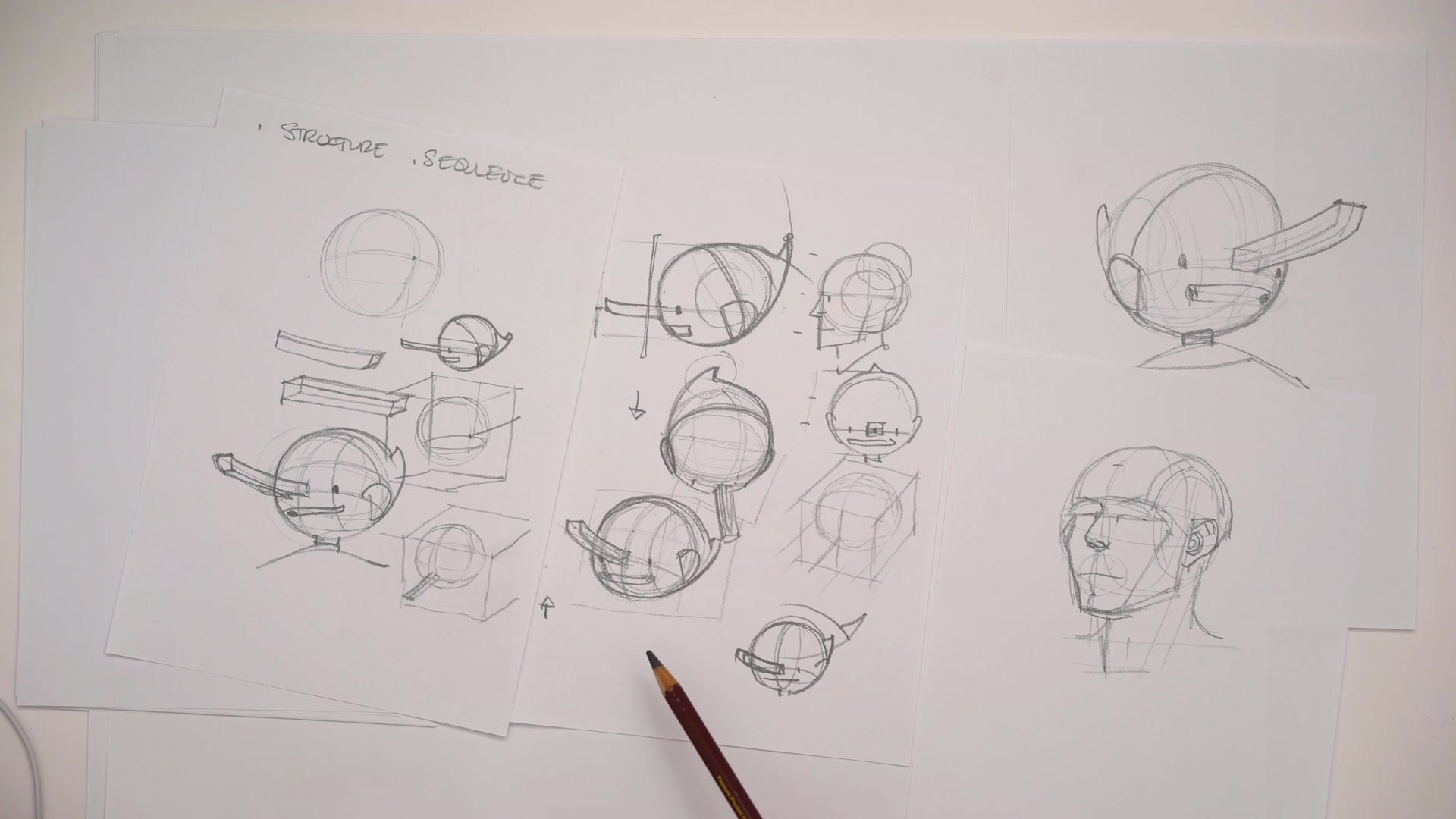
Once the proportional markers are identified, the sphere-based construction allows drawing the character from any angle. Finding dimensionality within the sphere through contour lines and center-of-face markers makes it possible to rotate Pinocchio up, down, and to the side while keeping the design consistent. The perspective and form drawing exercises that seem abstract and technical directly enable this kind of character control.
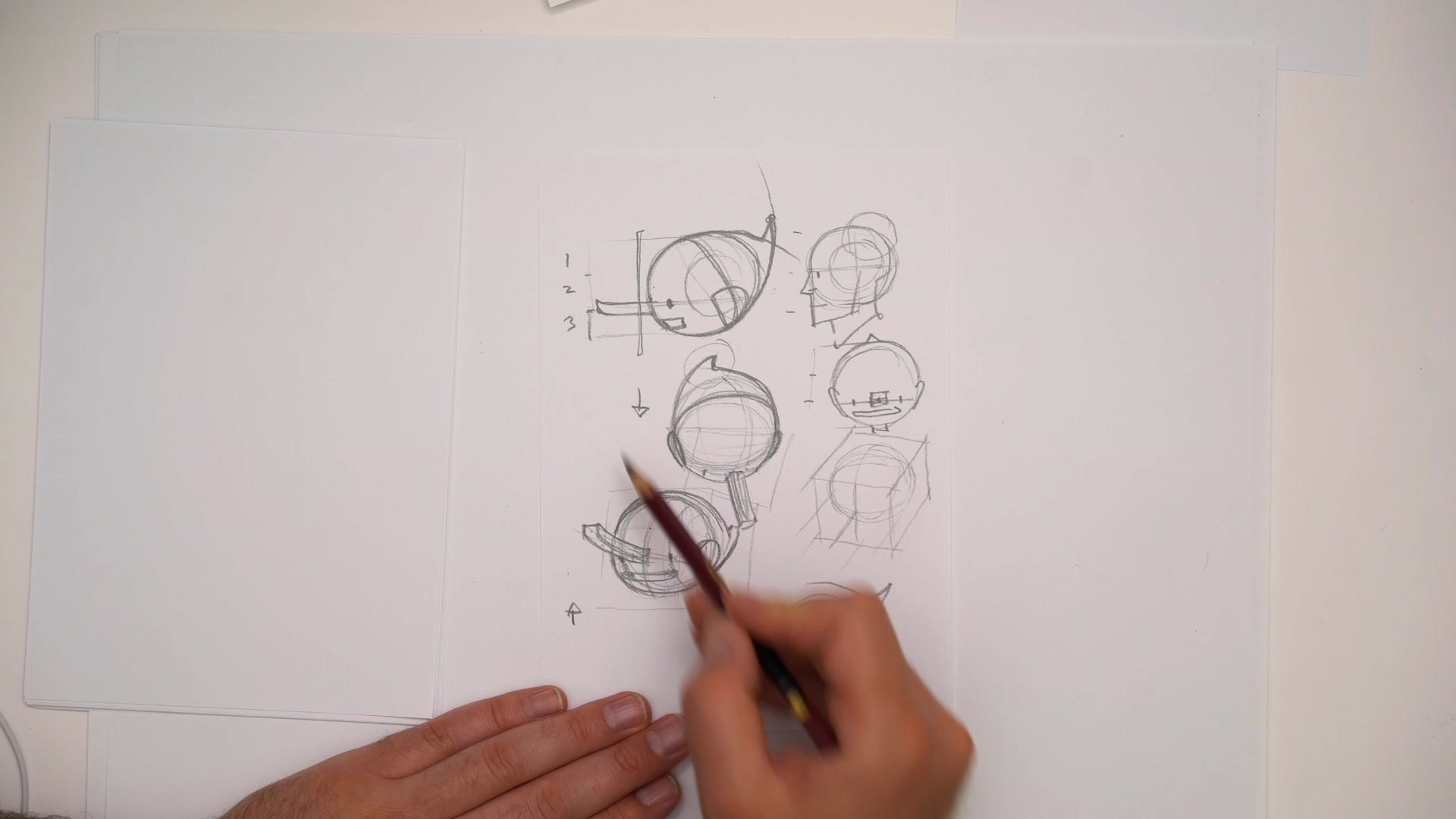
A critical part of this process that typical step-by-step guides miss is visualising the imaginary box or plane around the head. This spatial thinking happens mentally rather than on the page. The way construction is explained during teaching is not the same as how it gets applied during actual drawing. With practice, the structural thinking becomes internalised and the drawing stays sketchy and loose.
Combining Structure and Shape Design
Structure Serves Design
The most important lesson in applying construction to cartoony characters is knowing when to let structure serve design rather than the other way around. For Pinocchio, the nose needs to read as a strong shape silhouette at every angle. If strict three-dimensional construction would make the nose tangent with the face edge at a particular angle, the better choice is to push the nose out slightly to maintain appealing shape design.
This is where understanding construction deeply gives artists freedom rather than constraint. The structure positions features relative to each other consistently, while the artist retains control over what looks good in two dimensions. Ears, hat details, and other design elements follow the same principle: use the construction for spatial placement, then optimise the shapes for appeal. Artists who understand this stop feeling trapped by construction methods and start using them as tools.
Finished Construction Studies
Key Principles
Simplified Proportional Maps: Cartoony characters need fewer proportional markers than realistic heads. Identify the two or three relationships that define the character and build everything from those.
Sphere-Based Rotation: The same sphere and dimensionality approach used for realistic heads works for stylised designs. Finding the center of the face and key feature markers allows consistent rotation to any angle.
Structure Serves Design: Construction positions features in three-dimensional space, but two-dimensional shape design takes priority for appeal. Push proportions when the shape reads better than strict perspective would allow.
Internalised Construction: The technical demonstration exaggerates how much structure appears on the page. In practice, most of the construction thinking happens mentally and the drawing stays loose and sketchy.
Try This Exercise
Pick a Simple Character: Choose a cartoony character with a sphere-based head. Identify the two or three proportional markers that define where the features sit relative to each other.
Draw the Construction from Side View: Build the proportional map from the side first, finding where eyes, nose, and key design elements sit on the sphere.
Rotate to Three Angles: Using the same proportional markers, draw the character from above, below, and front view. Focus on keeping the markers consistent while letting shape design stay appealing.