Design Creature Companions and Embrace Ugly Drawings
Summary
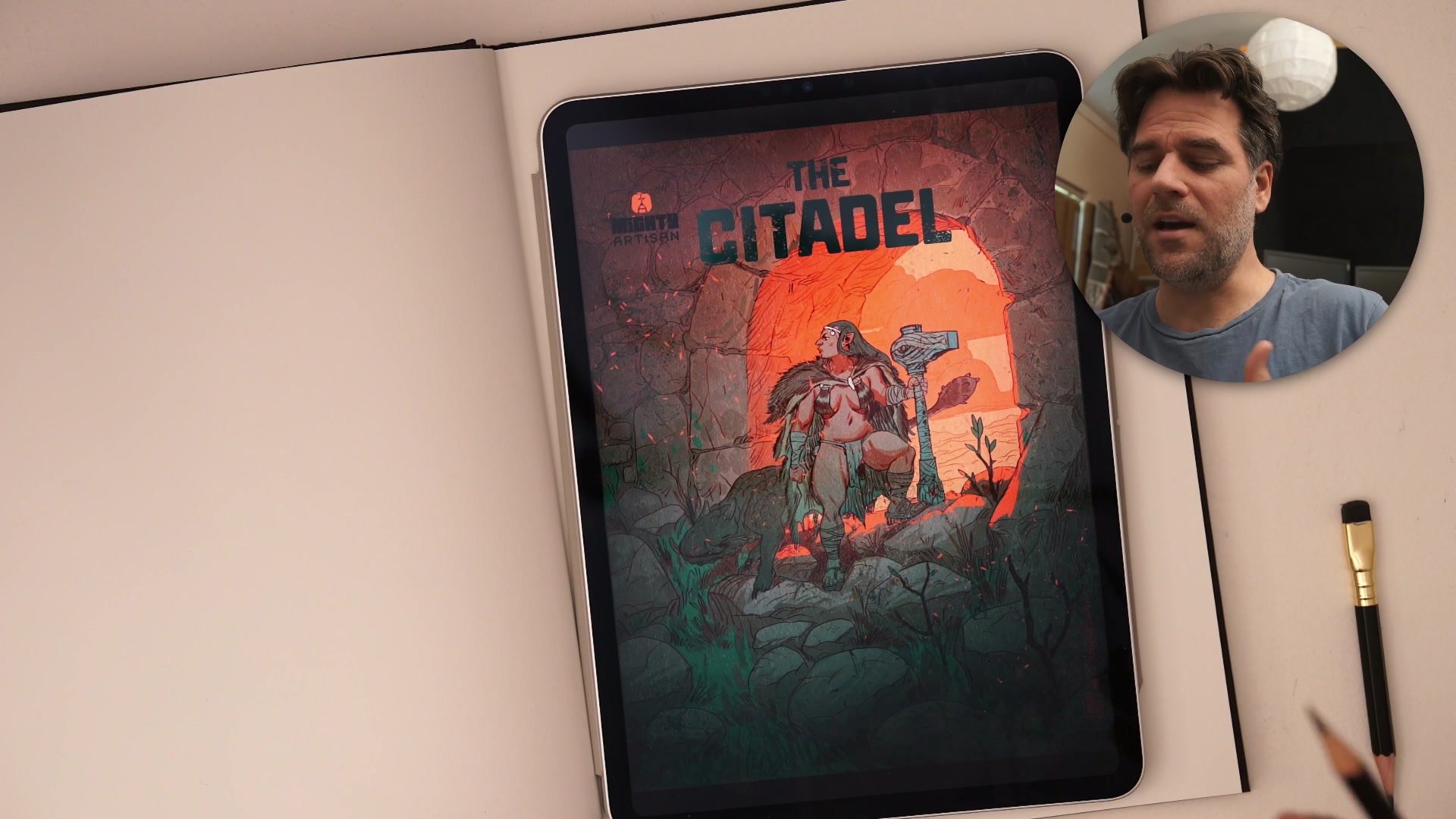
Designing Dwarven Creature Companions
This Art Ritual session tackles the messy, necessary early phase of creature design. The goal is to redesign a dwarven familiar that felt too generic in a previous illustration, pushing past the initial awkward drawings to find something with real character and design intent. The session begins with studying The Art of Paul Bonner for inspiration, then moves into over an hour of real-time pencil sketching in a Strathmore sketchbook.
What makes this session valuable is its honesty about the design process. The drawings start ugly and stay rough throughout. Ideas get abandoned, shapes get reworked, and the thinking behind each decision happens out loud. This is what real creature design looks like before anything gets polished.
Paul Bonner Inspiration
Studying Paul Bonner
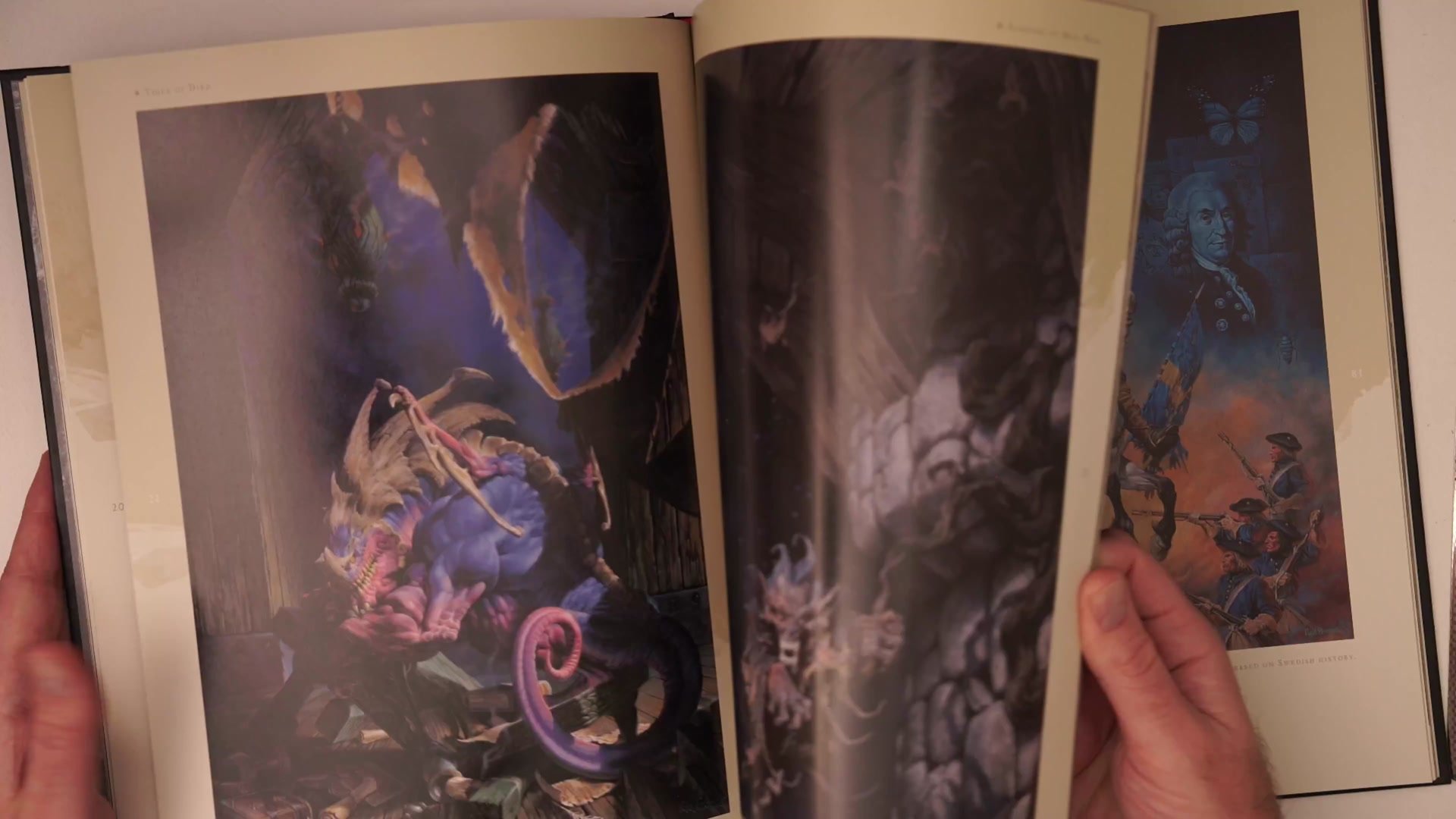
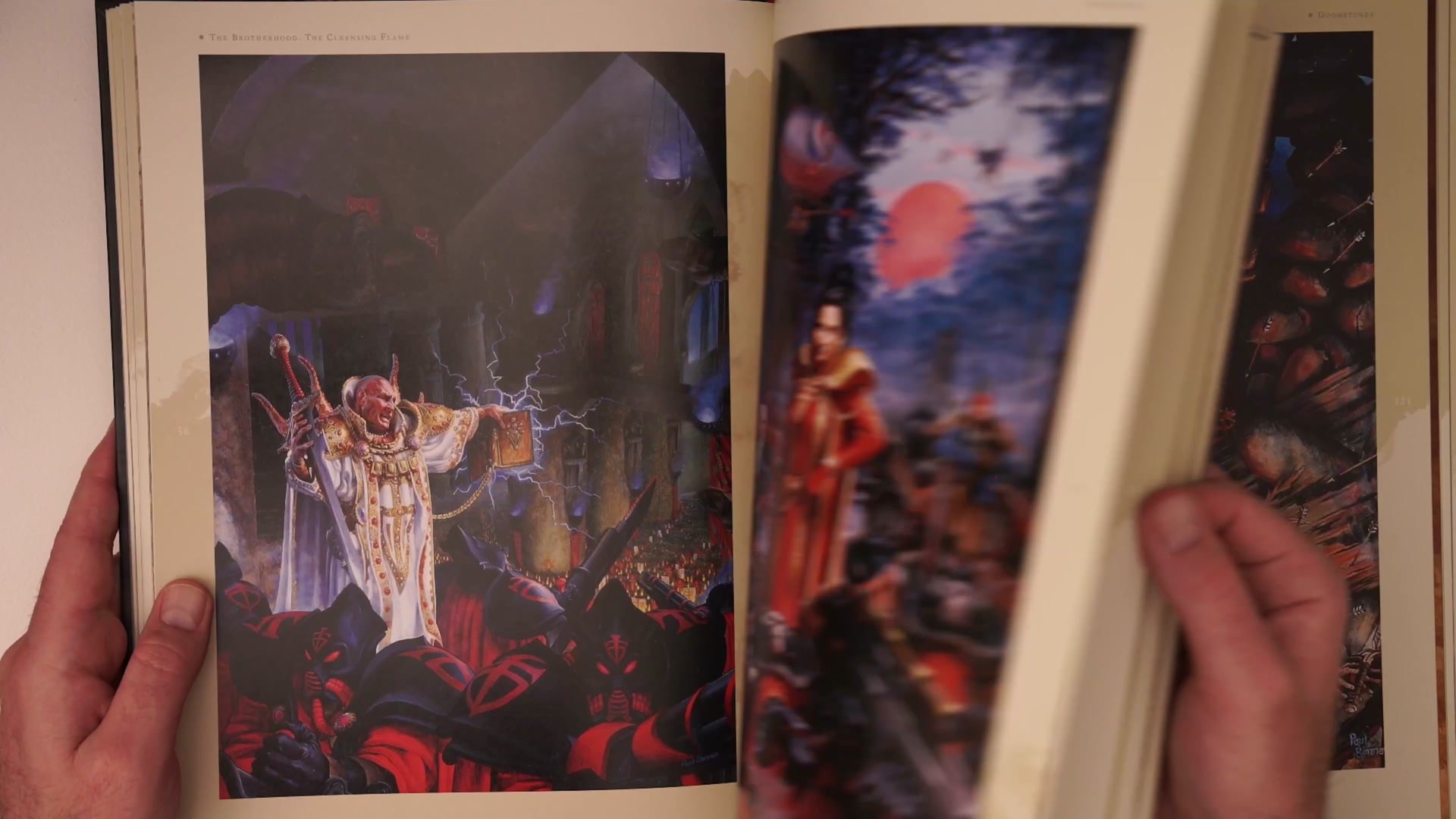
Before picking up the pencil, the session opens with The Art of Paul Bonner art book. Bonner represents a rare combination of realistic painting craft with genuine caricature and exaggeration. His creature designs feel three-dimensionally plausible while also being full of character and emotion. Every peripheral detail in his illustrations rewards closer inspection, with secondary and tertiary reads that draw viewers deeper into each painting.
The key takeaway from studying Bonner is how every creature and character feels figured out on an anatomical level while still maintaining unique shapes and genuine personality. This level of design thinking, where structure, character, and narrative all work together, sets the bar for the creature design work that follows in the session.
Early Design Explorations
Thinking Through the Logic
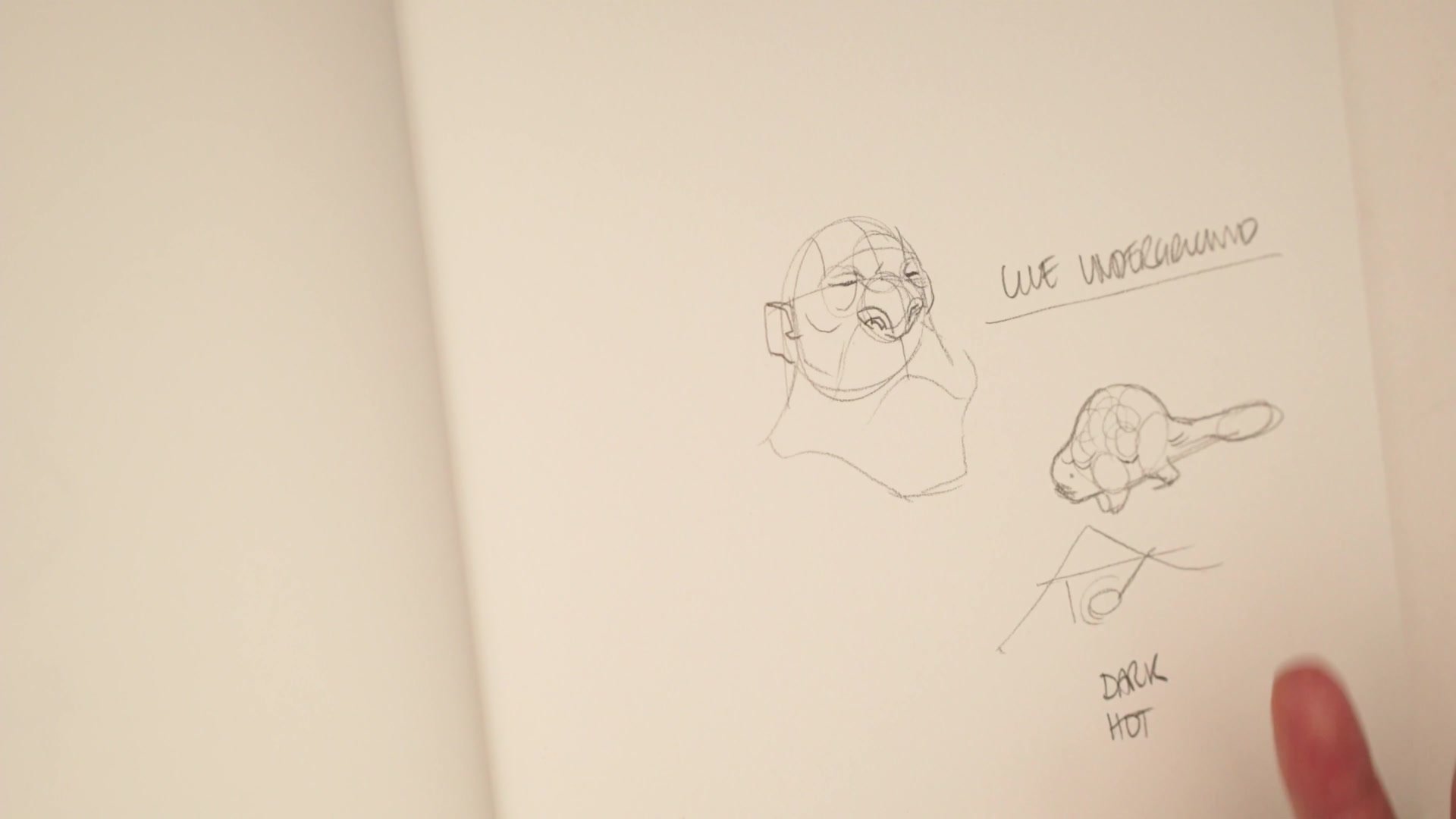
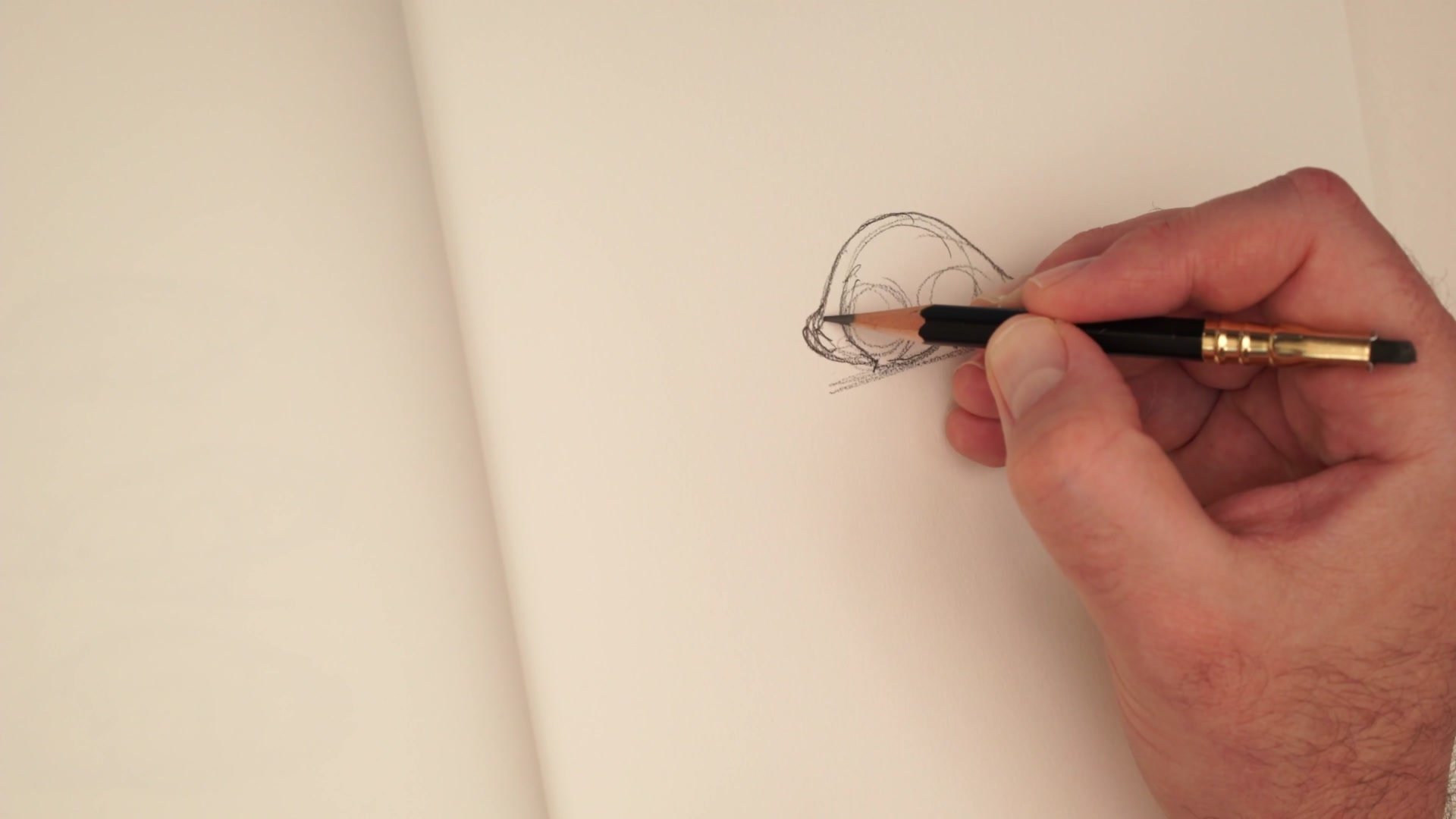
The design process begins not with drawing, but with thinking. If dwarves live underground in hot mountain forges, what kind of creature companion makes sense? The obvious answer is something aligned with fire and heat, but pushing past the obvious reveals a more interesting direction. Dwarves adapted to extreme underground heat would actually need cooling when deep in the mines, and warming when they venture above ground.
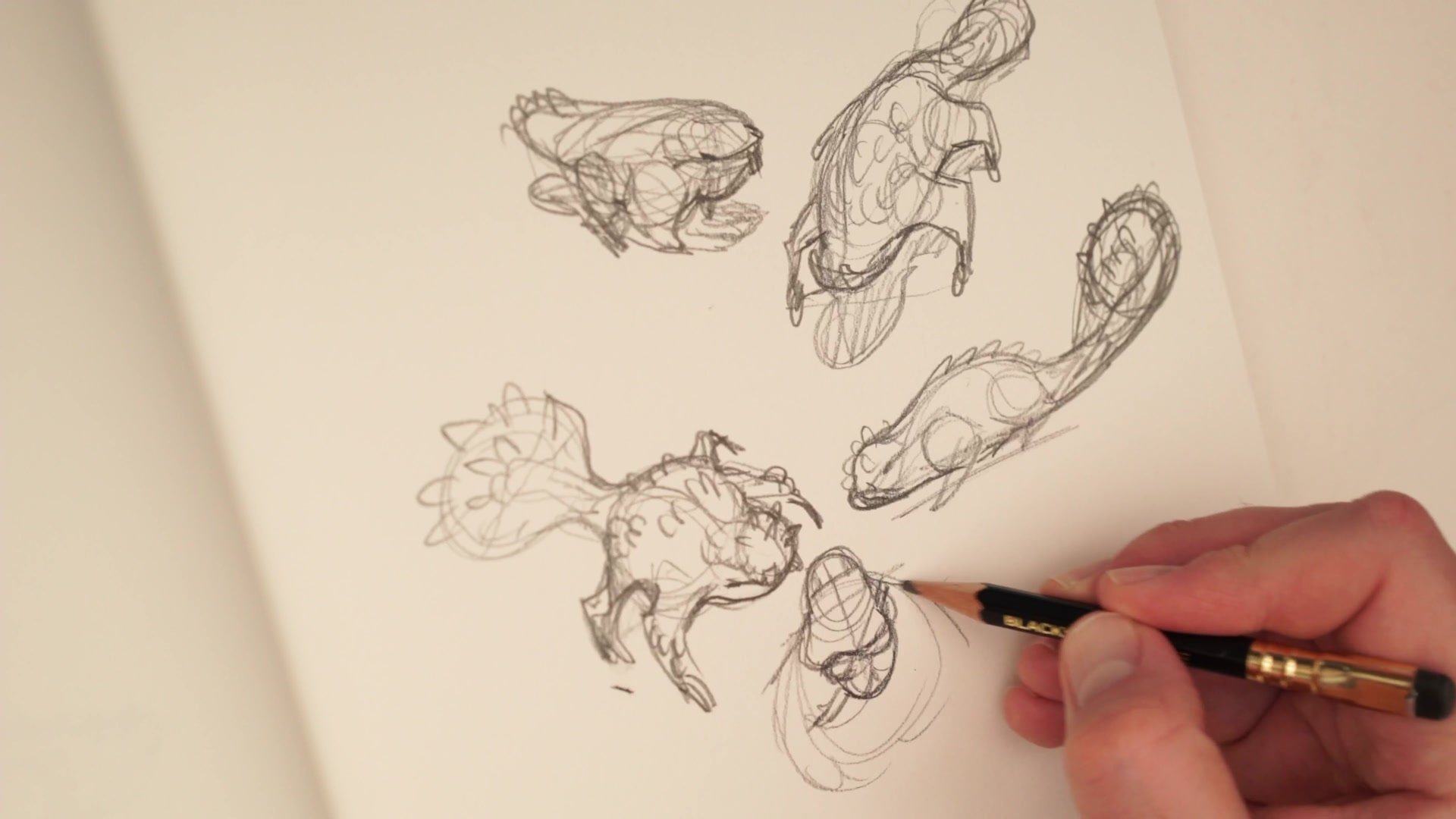
This kind of logical worldbuilding creates design constraints that lead to more interesting solutions. Rather than a generic fire drake, the session explores elemental cold creatures, burrowing moles with giant spiky heads for mining, and chunky bulldog-lizard hybrids. Each idea gets sketched quickly, evaluated for its visual potential, and either developed further or abandoned.
Refining the Designs
Embracing the Ugly Stage
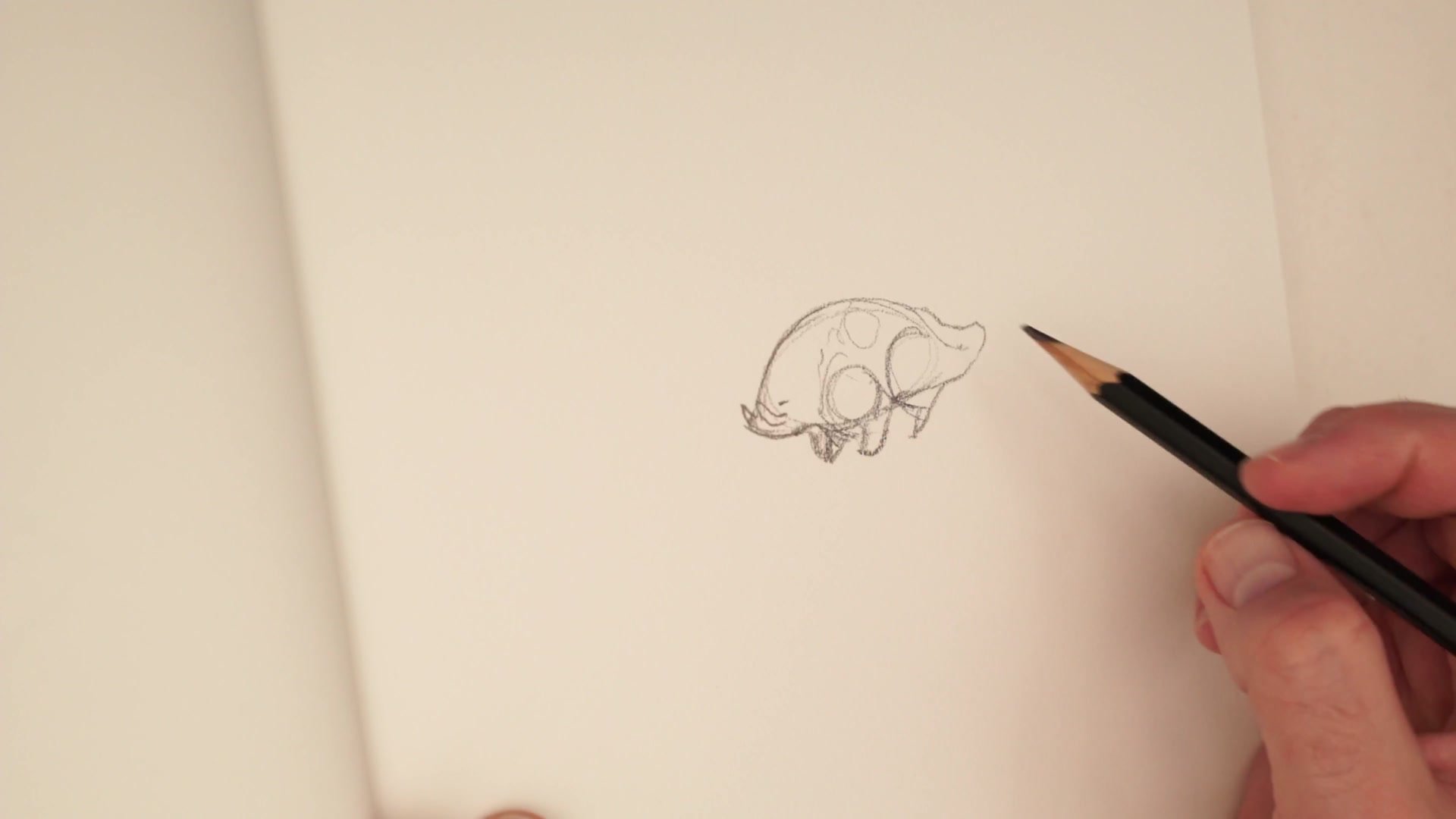
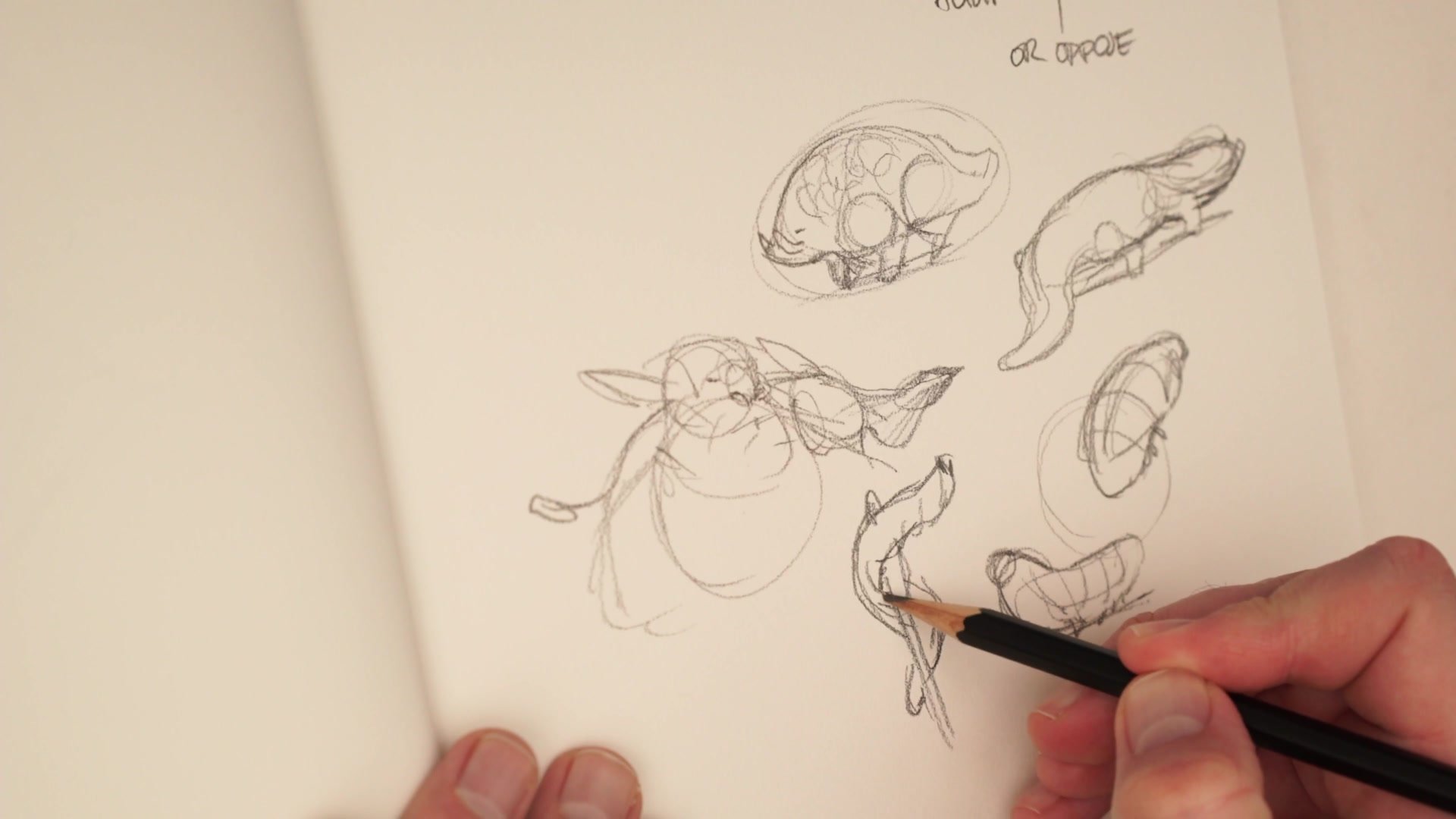
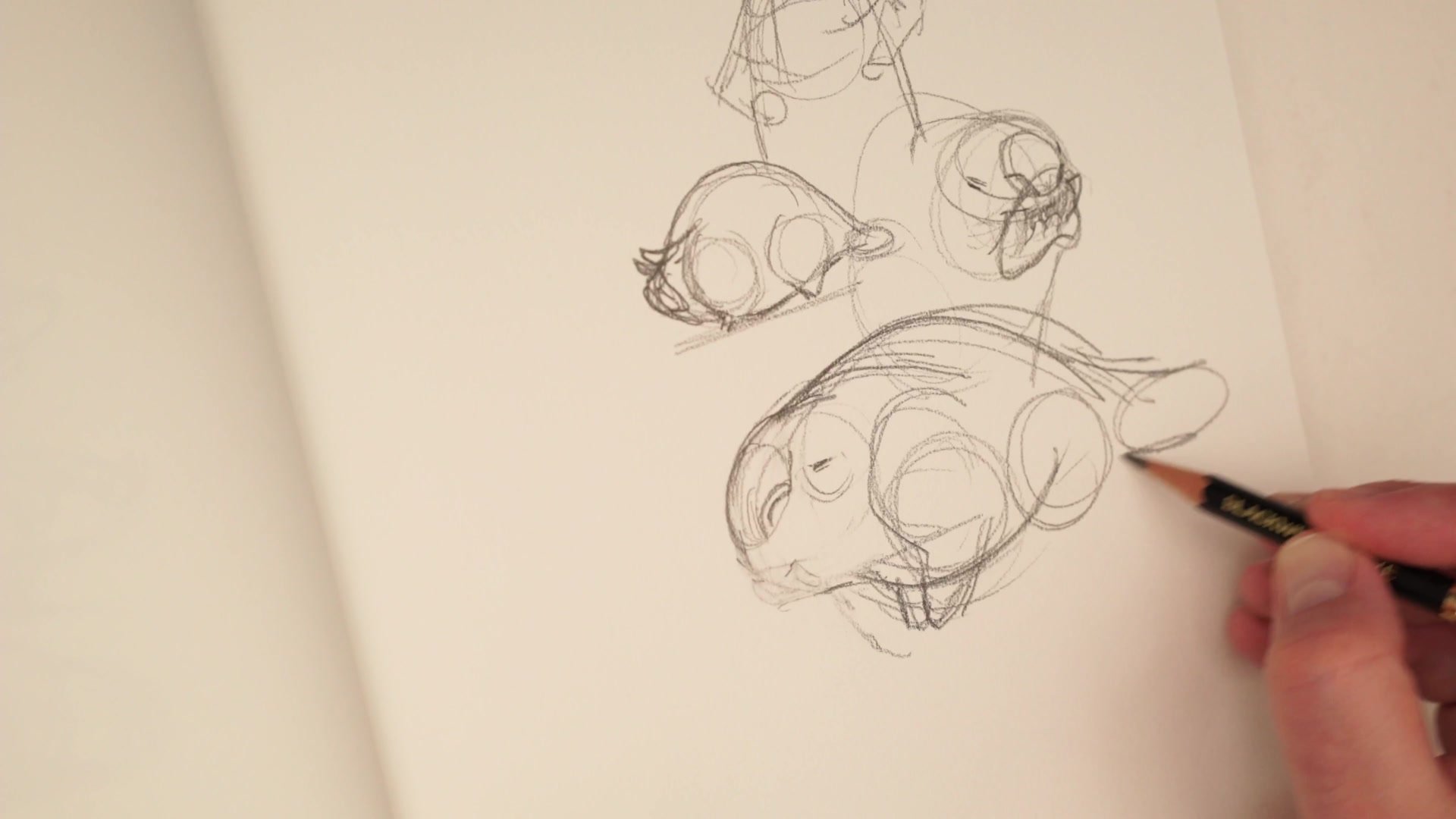
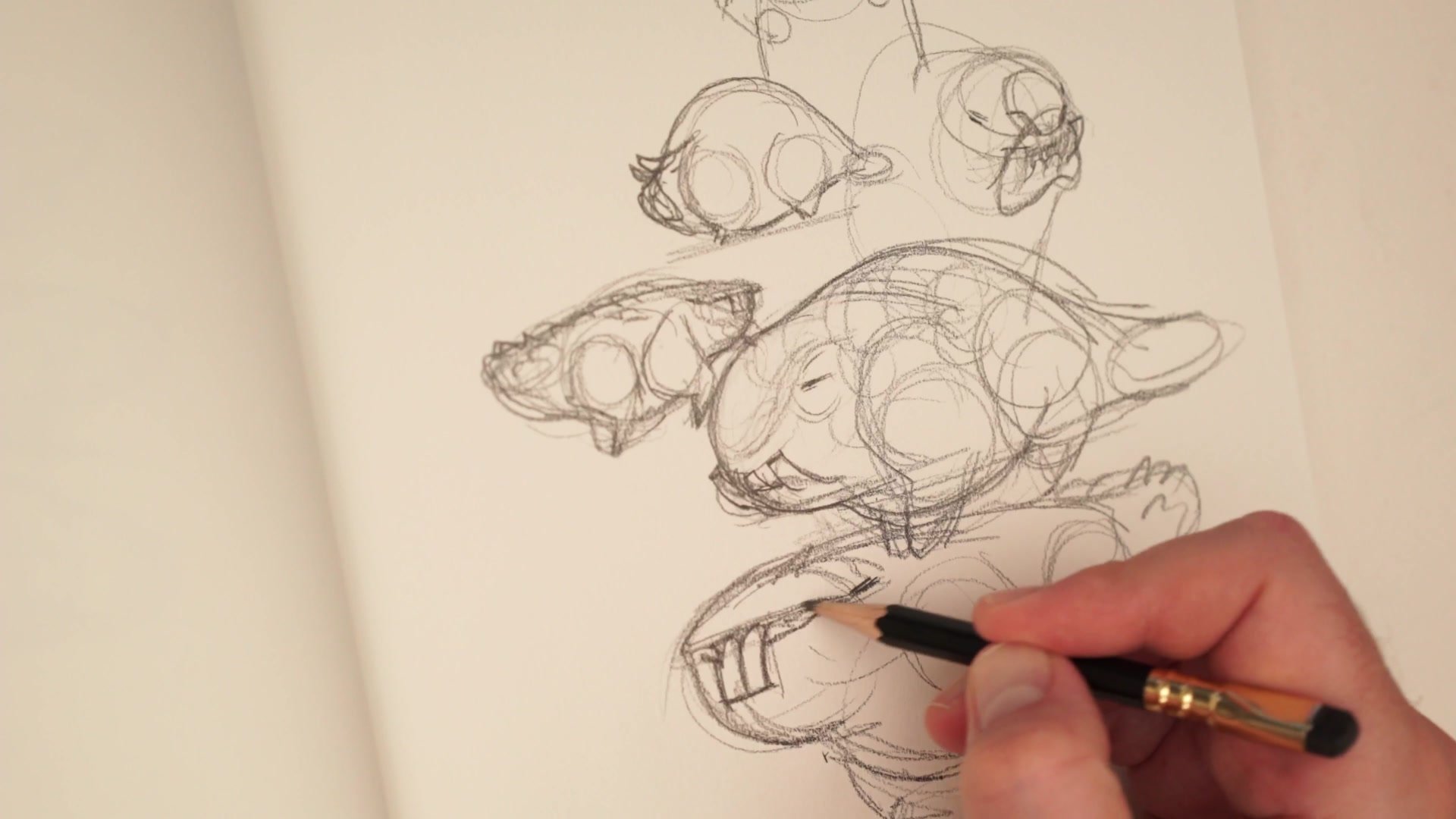
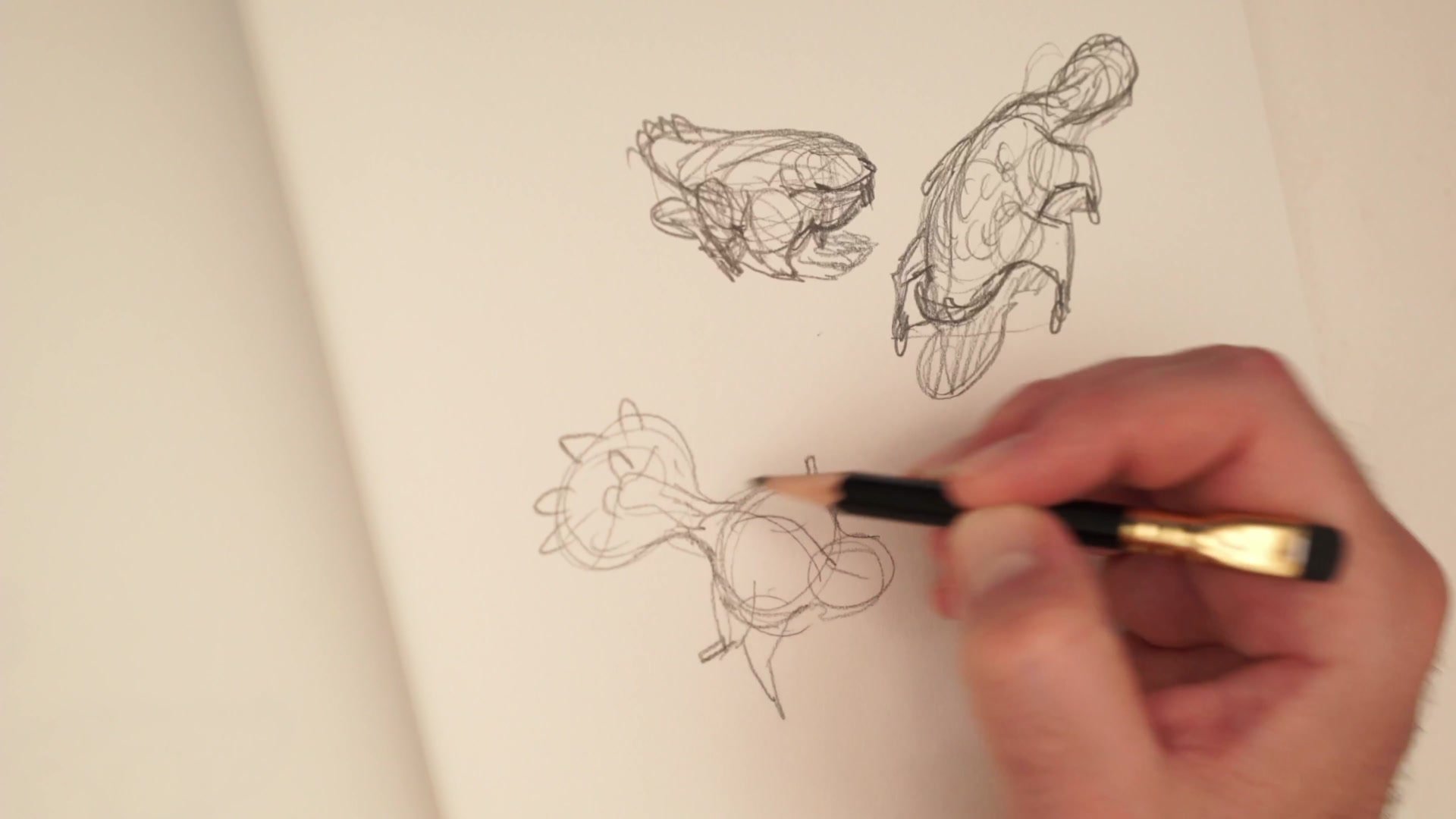
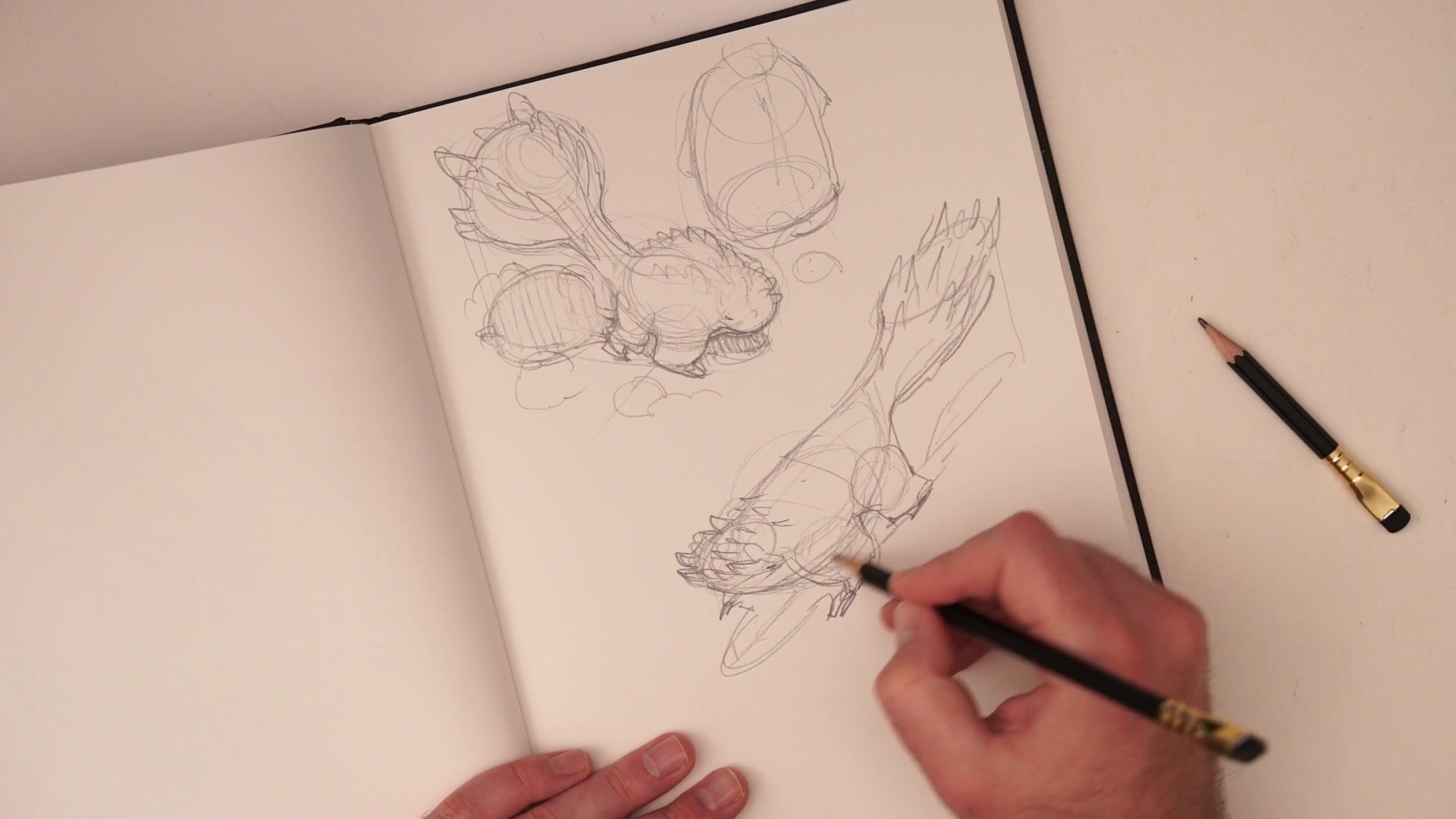
The bulk of this session lives in the space most tutorials skip over entirely. Pages fill with rough, awkward creature thumbnails. Some are abandoned after a few strokes. Others get pushed further to see if something interesting emerges. The pencil gets too blunt, shapes come out wrong, proportions feel off. This is the reality of the ideation phase.
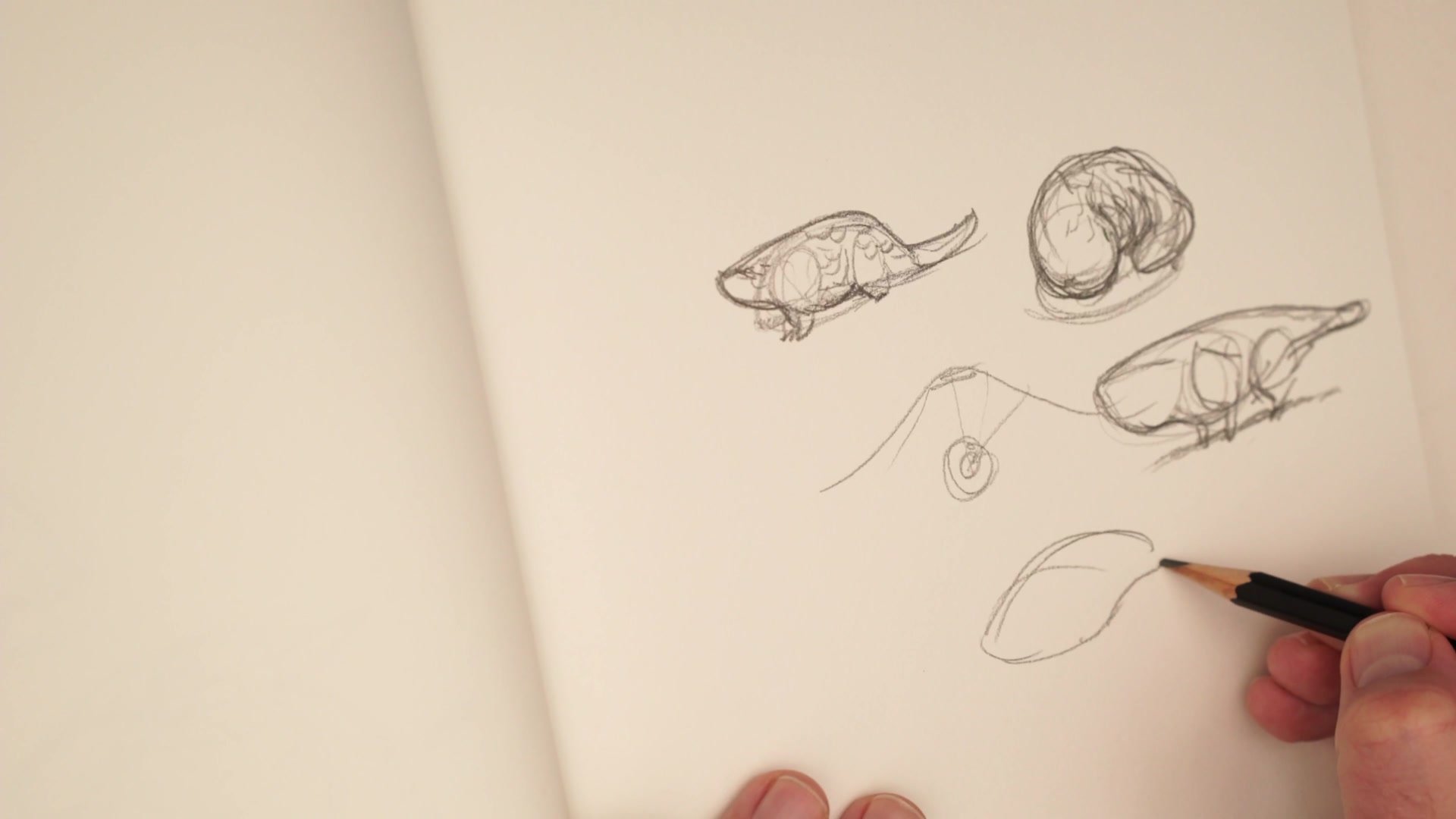
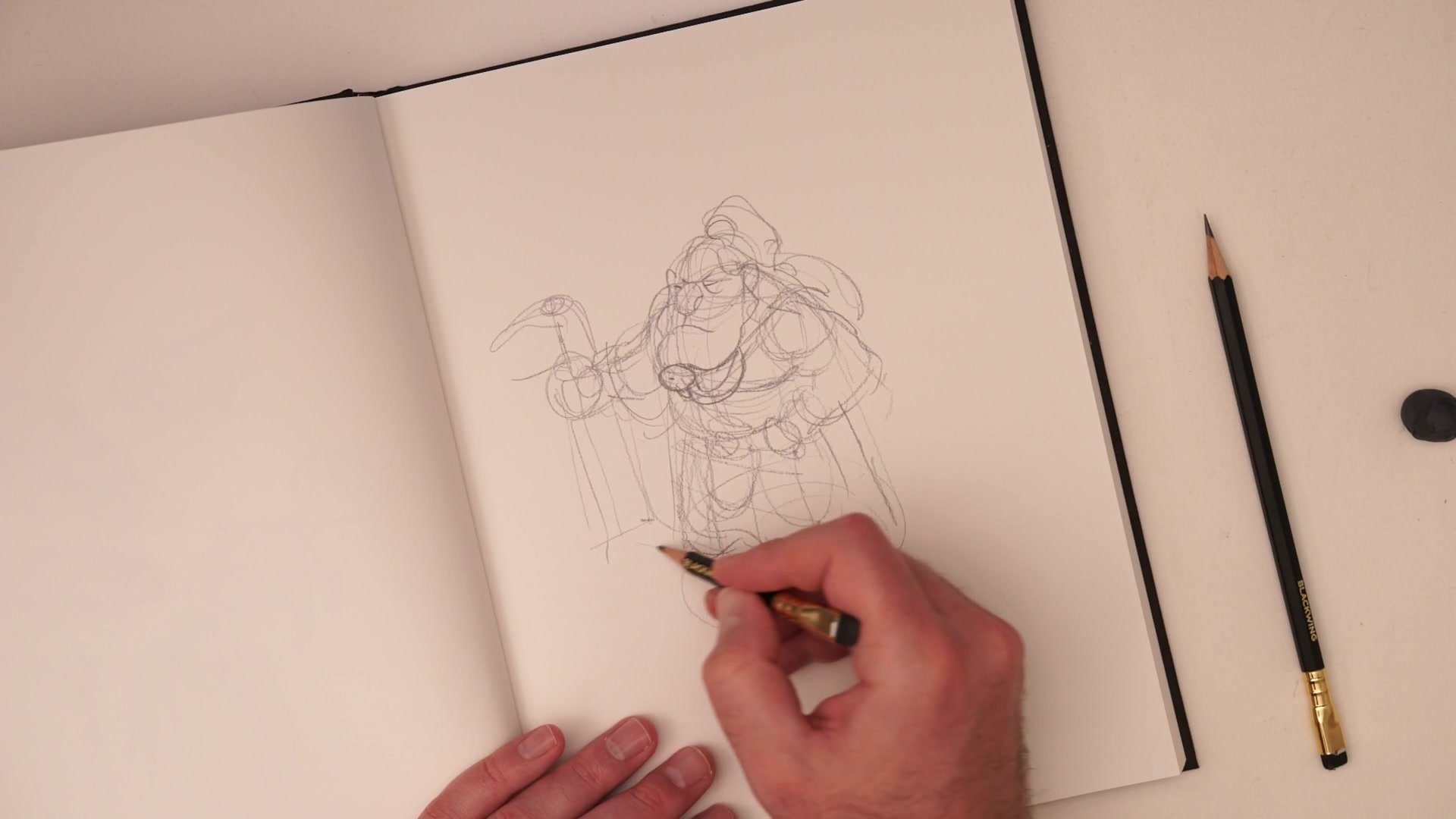
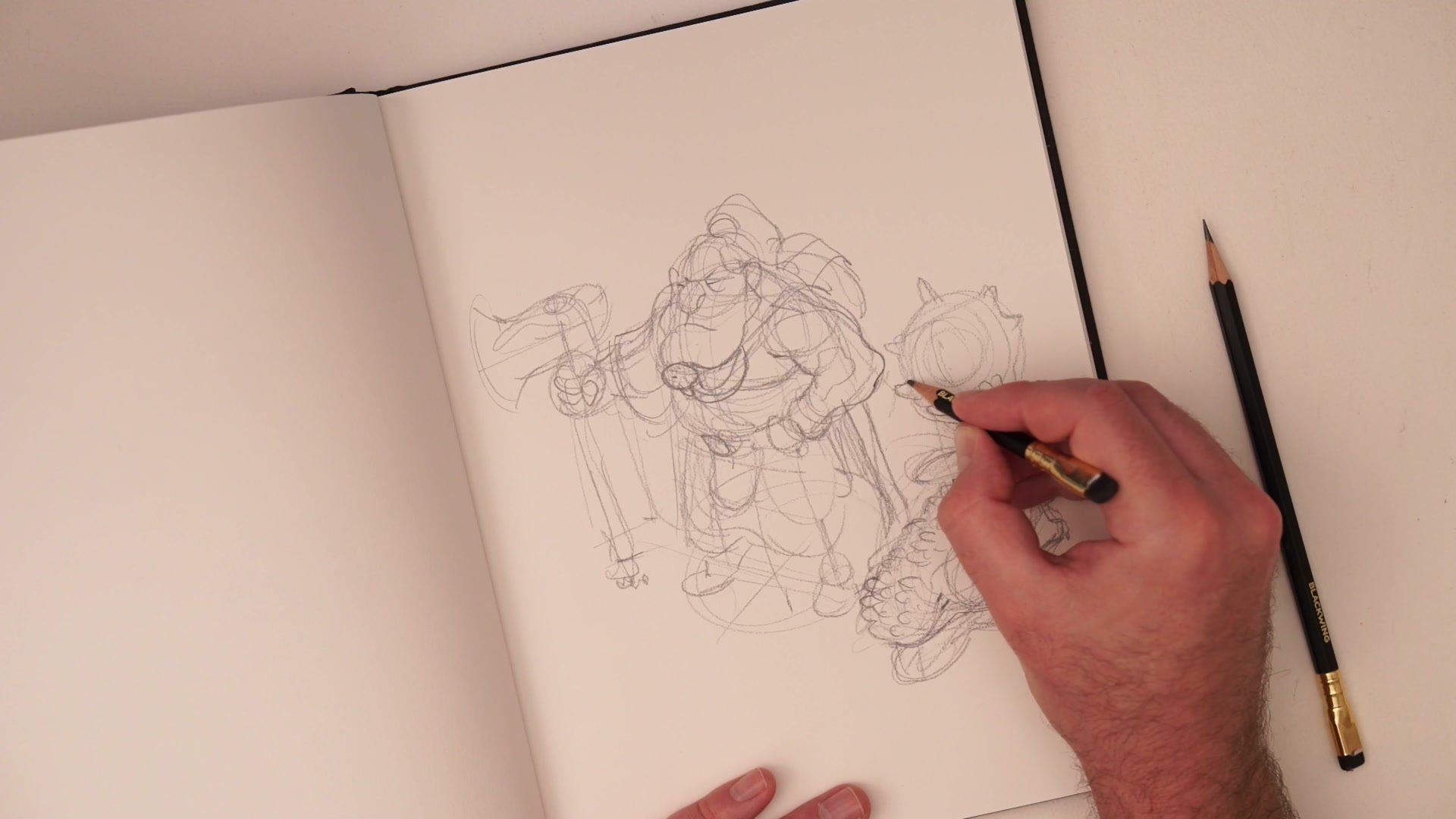
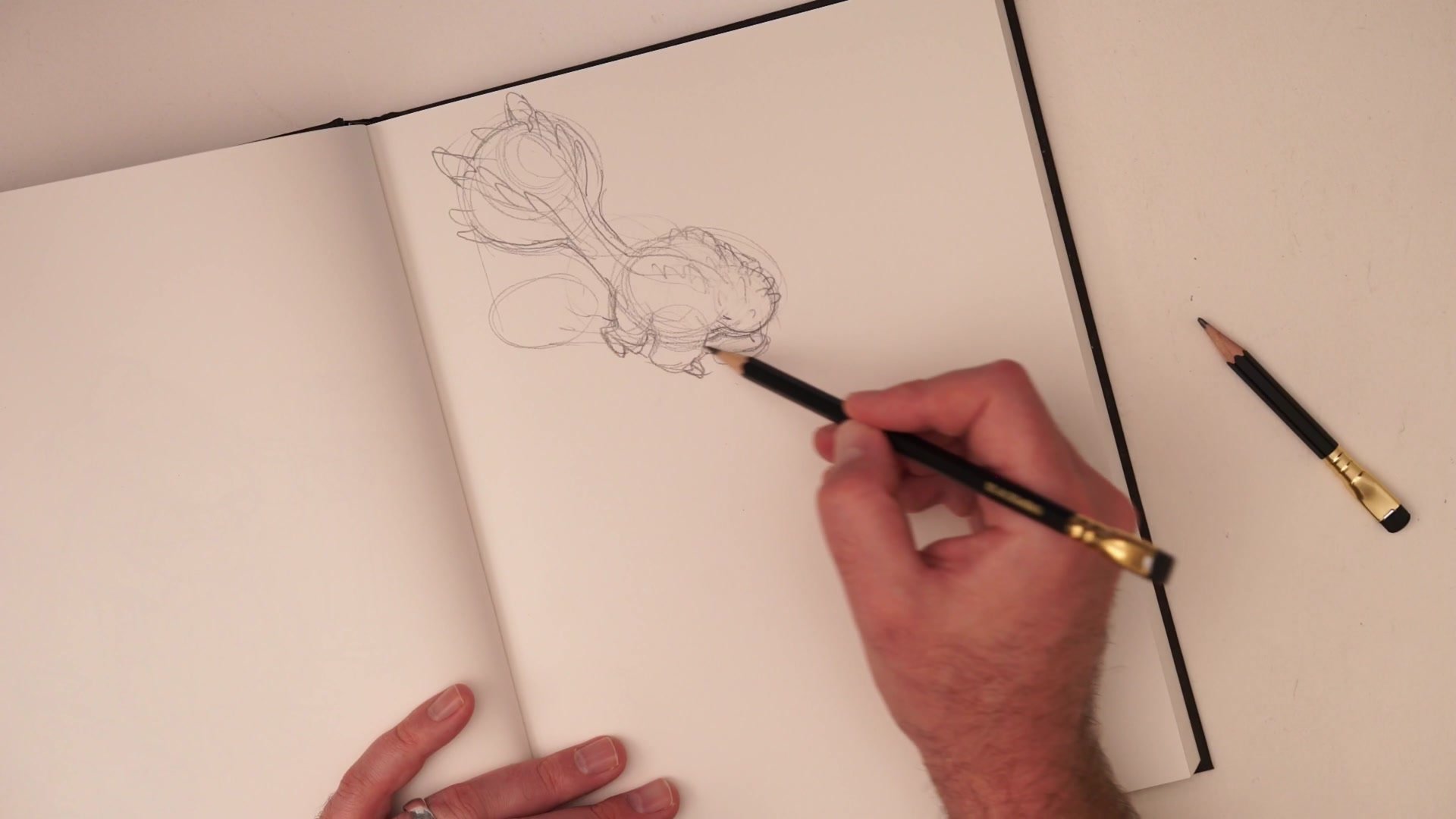
Two directions emerge as promising. One is a chunky, rotund creature with a massive spiky ball head, built for burrowing through rock. The other is a more compact bulldog-lizard with a splayed stance and big claws. Both get developed into slightly more refined sketches alongside a rough dwarf character to test how creature and companion would look together. The session ends with these as starting points for a future Photoshop color pass, demonstrating that the first unit of design work is about finding viable directions, not finished concepts.
Developed Concepts
Key Techniques
Design Logic First: Building a logical framework around what a creature needs to do, such as cooling underground dwarves or helping with mining, creates constraints that push designs past generic solutions.
Study Before You Sketch: Reviewing an art book like Paul Bonner before designing helps calibrate expectations for quality and reminds us what good creature design combines: structure, character, and narrative.
Abandon Freely: The design process requires trying many directions and abandoning most of them. Getting attached to the first idea prevents finding the more interesting second or third option.
Ugly Drawings Are Mining: The rough, awkward early sketches are not failures. They are the necessary excavation work to find the ideas worth developing further.
Try This Exercise
Pick a Design Problem: Choose a creature or character element from one of your own illustrations that feels generic or underdeveloped.
Think Before Drawing: Spend five minutes writing down the logic of what this creature needs to do, where it lives, and what constraints that creates for its design.
Fill a Page With Ugly Sketches: Using just a pencil and sketchbook, draw as many quick variations as you can without worrying about quality. Abandon ideas freely and keep moving.