Creating Impact - How Different Artists Amplify Their Style
Summary
Finding Your Volume
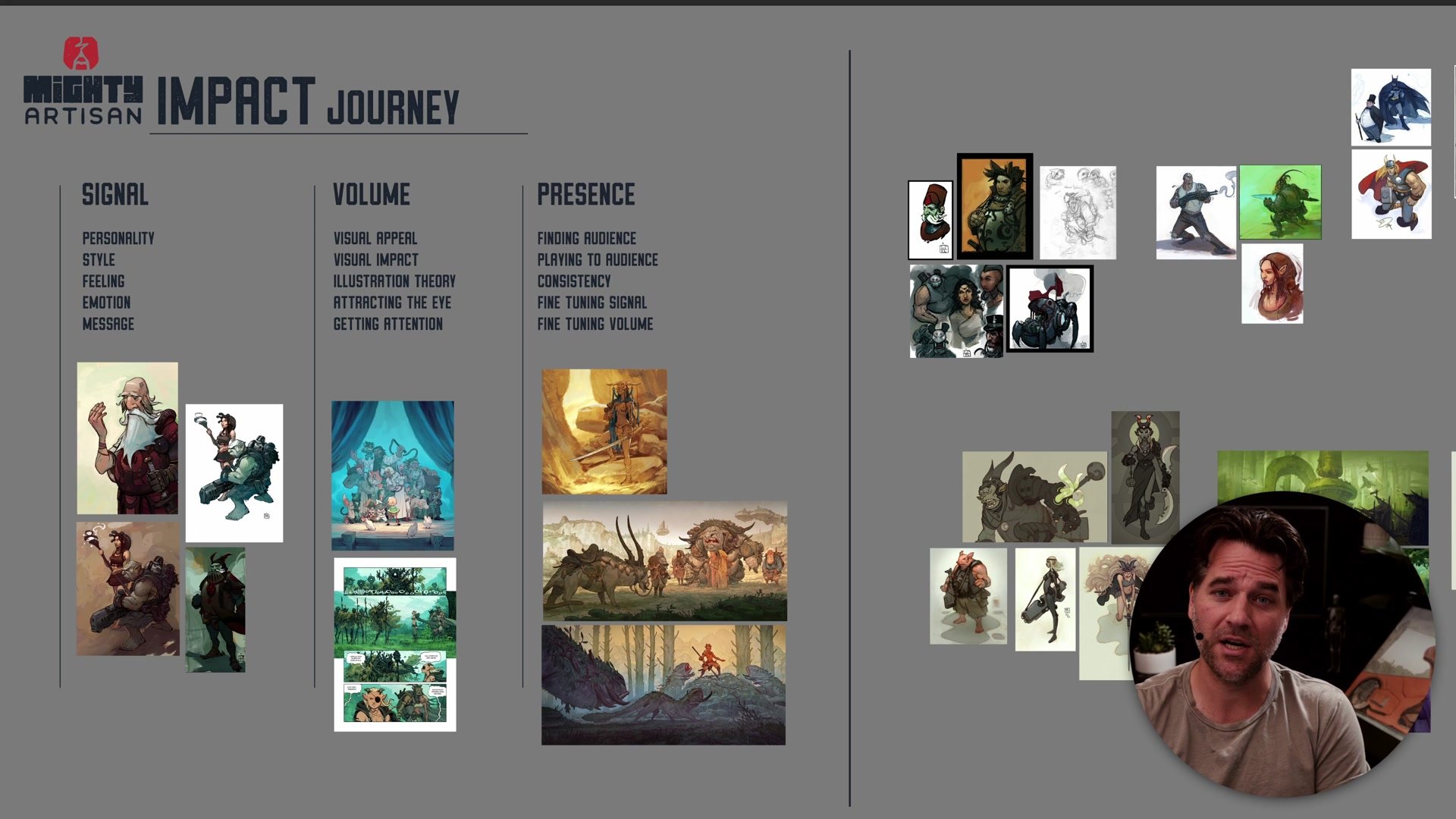
Every artist faces the same challenge: how do you take your unique style and give it the impact it deserves? This study session digs into that question by examining art books from wildly different traditions, from gentle children's illustration to aggressive fantasy painting to Studio Ghibli animation. Using the Signal-Volume-Presence framework, the exploration reveals that illustration theory provides the tools to amplify whatever makes your work yours.
The core idea is straightforward. Your signal is your unique artistic voice. Volume is how loudly that signal reaches an audience through illustration theory, composition, color, and other picture-making principles. Presence is maintaining consistency over time so people recognize your work. The fascinating part is seeing how different artists solve the volume problem in completely different ways, yet all rely on the same foundational principles.
The Books and Framework
Subtle Power in Simple Illustration
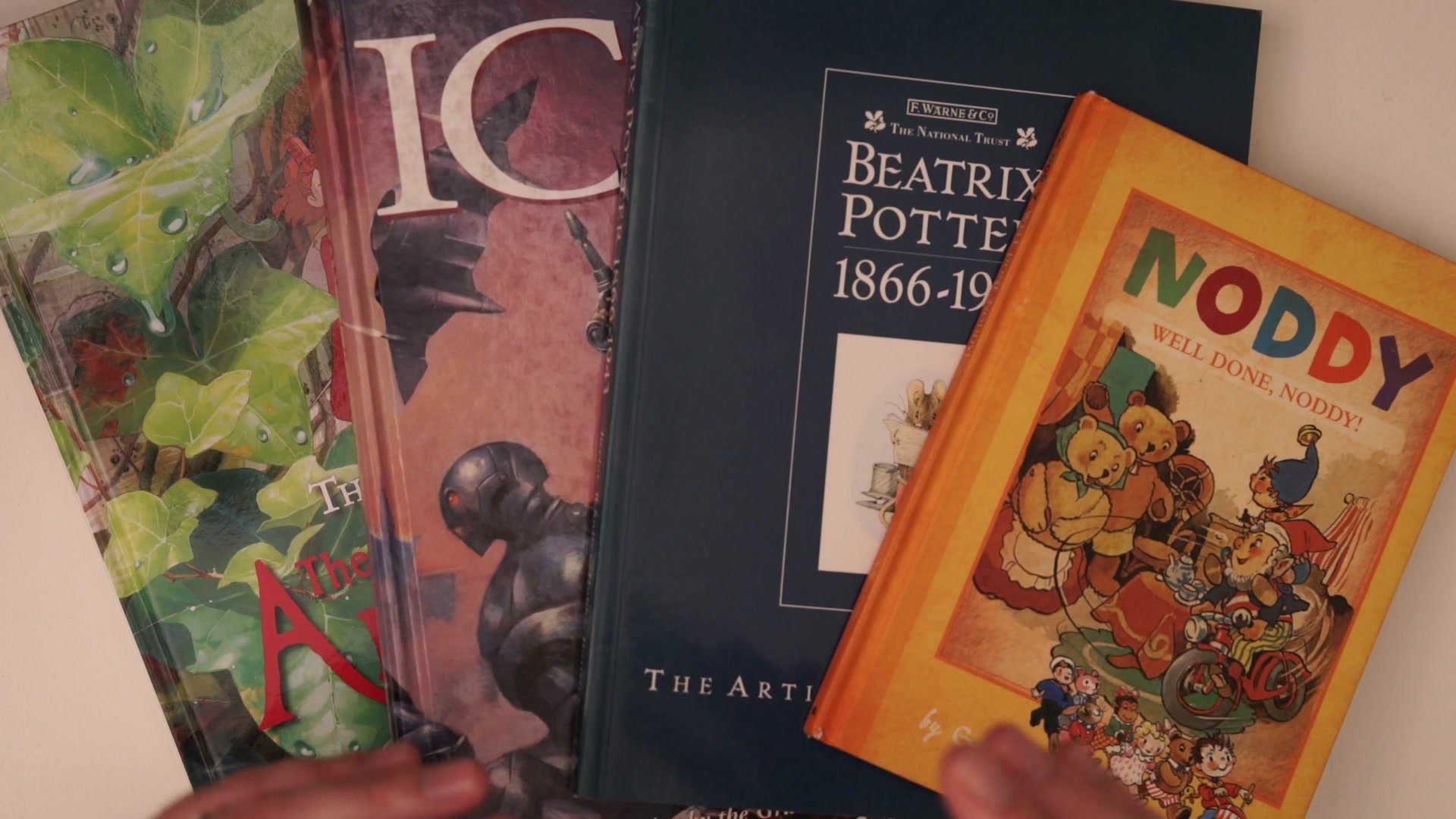
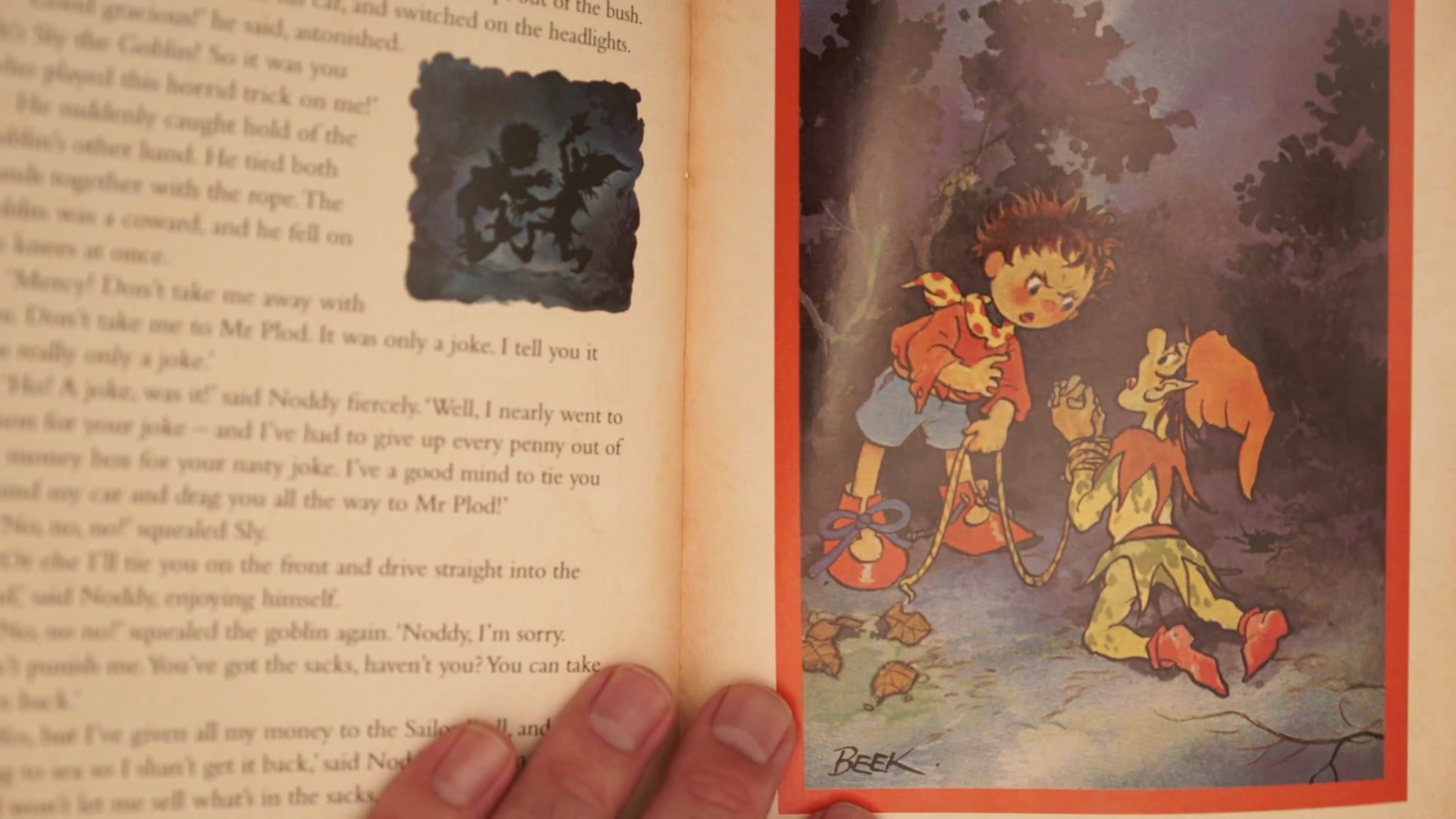
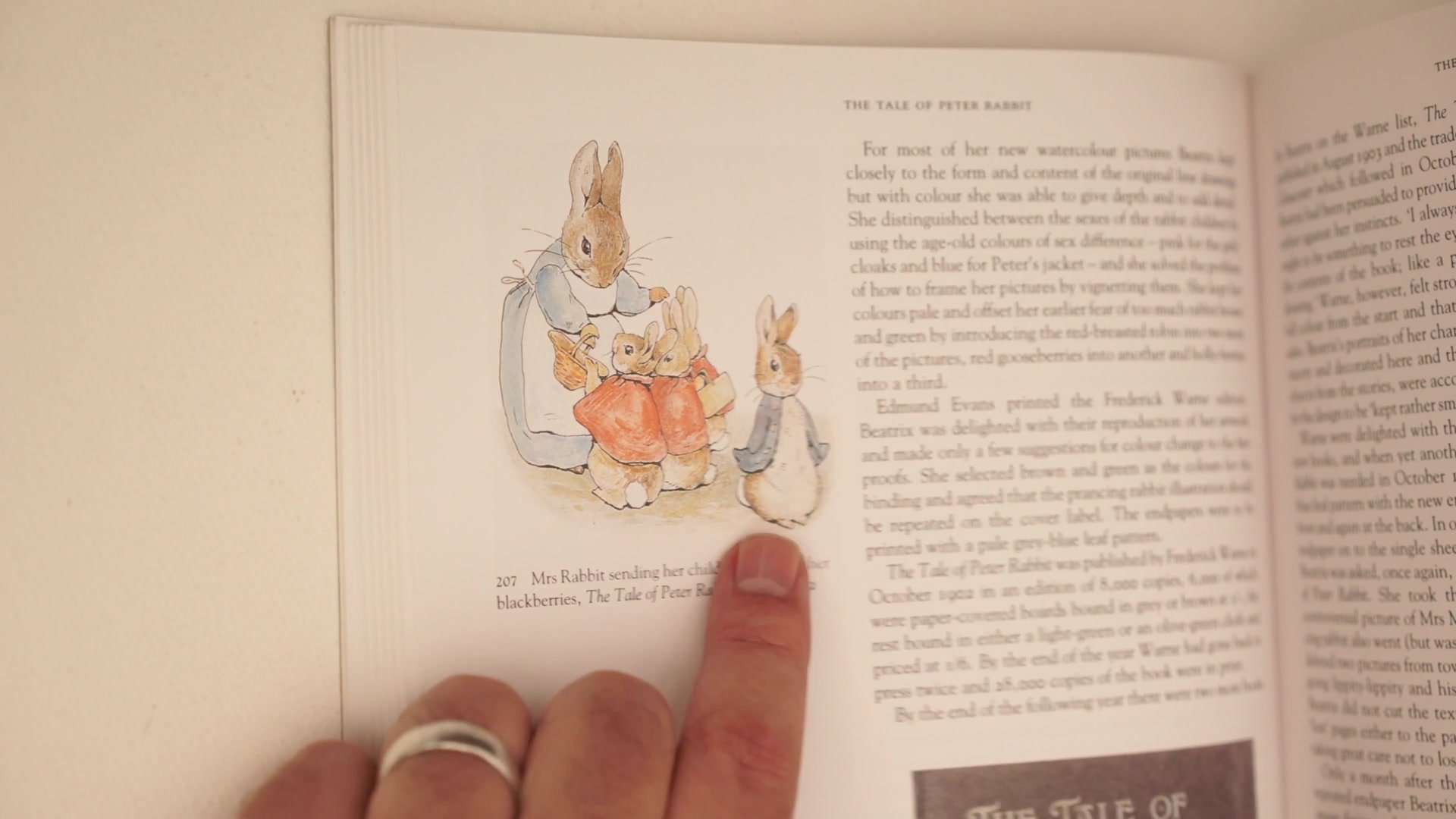
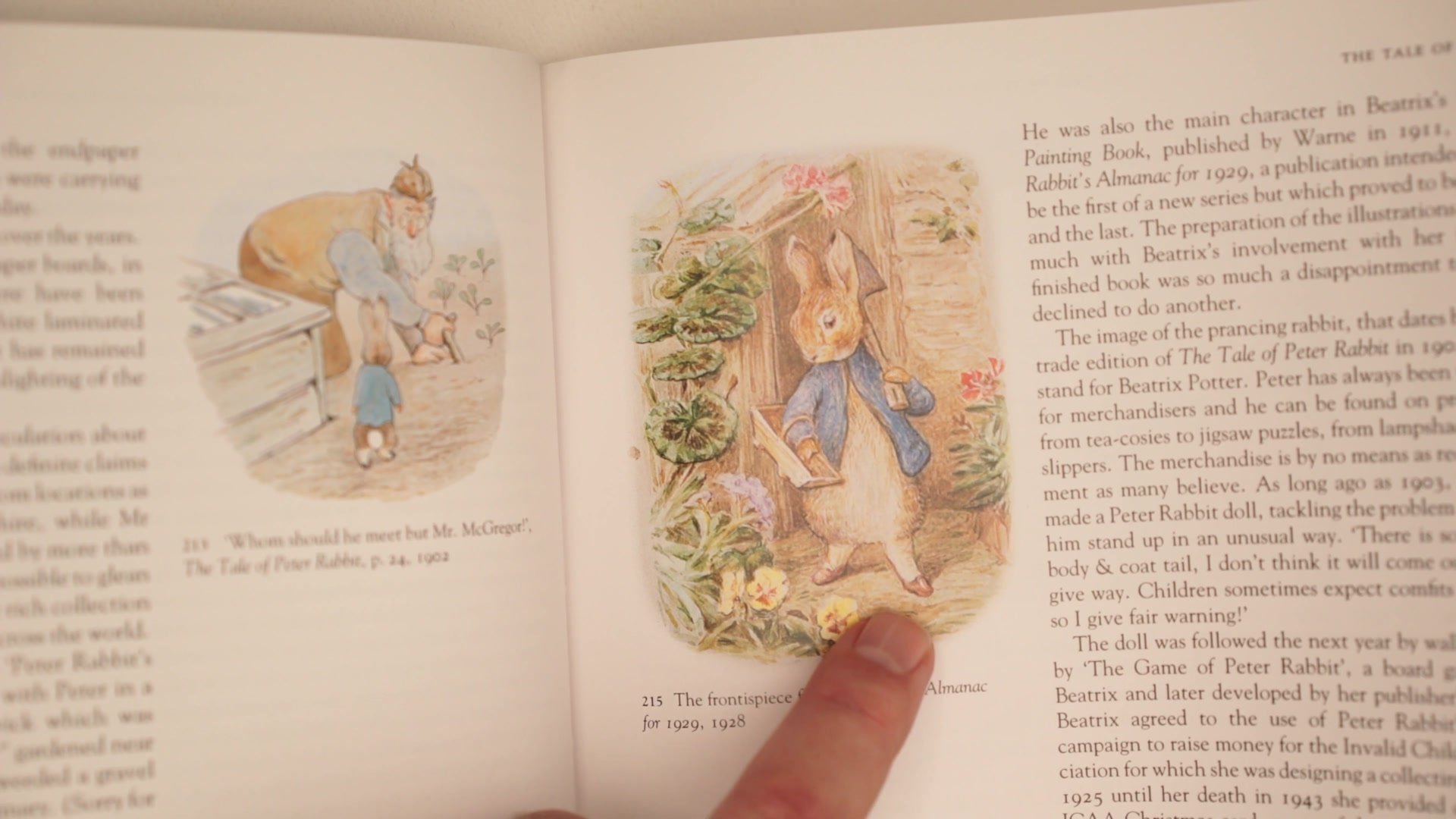
Examining children's book illustration from Beatrix Potter and Harmsen van der Beek reveals something counterintuitive: you do not need sex, violence, or shock to create images with enormous impact. Potter's Peter Rabbit illustrations rely on overlapping shapes, primary color schemes, repeating forms, and a careful sense of the ground plane to create depth and appeal. These are deceptively simple drawings that transport you into a complete world through pure illustration principles.
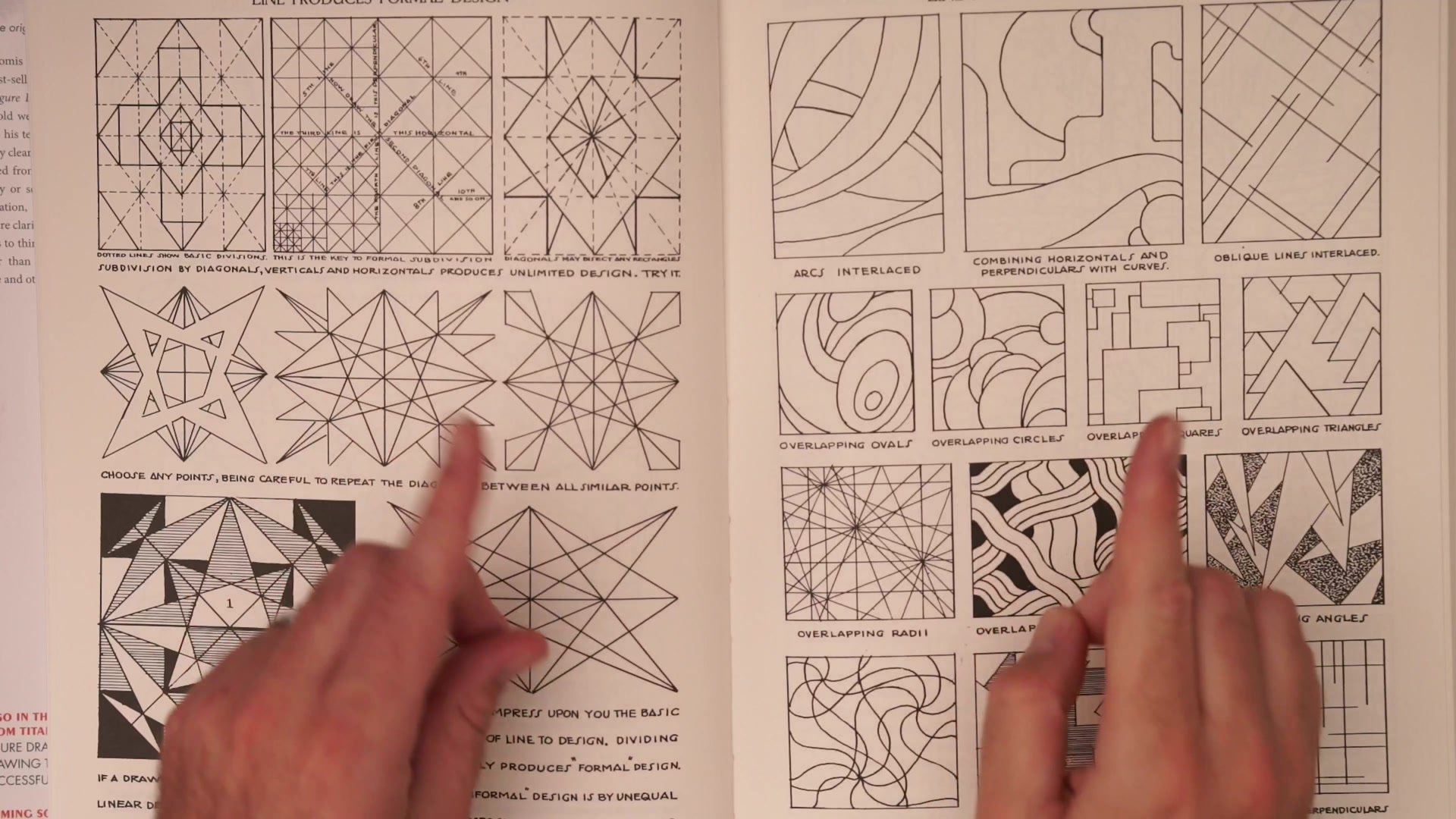
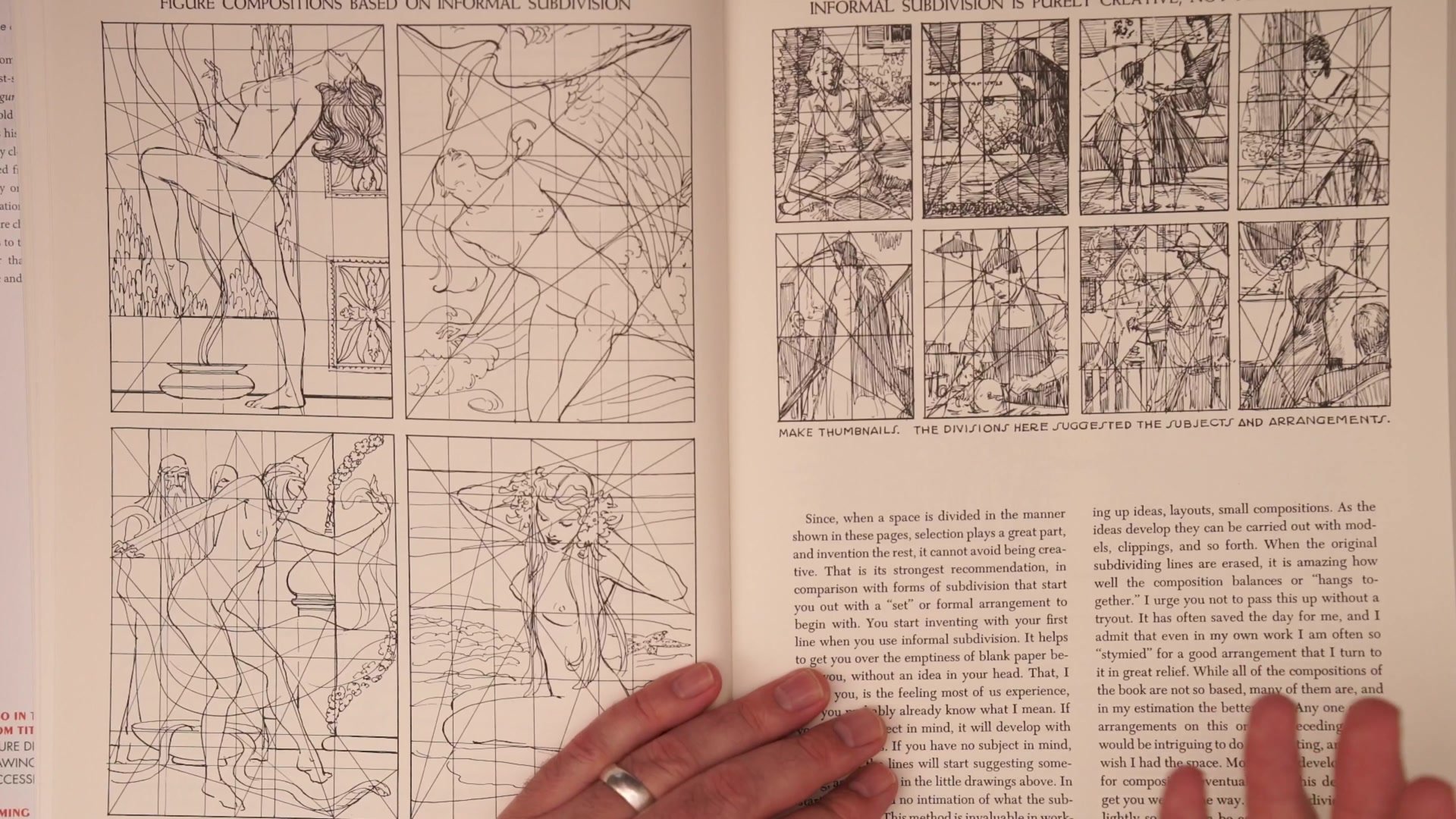
The Noddy illustrations by Beek demonstrate the same ideas at work. Great primary colors, strong repetition of shape, overlapping foreground and background elements, and beautiful simplification. Andrew Loomis documented these same principles in Creative Illustration, showing that a good image should work even when turned upside down. The abstract composition, the rhythm, the pattern recognition that triggers our visual instincts, these work regardless of subject matter. When your content does not have built-in biological triggers to grab attention, these fundamental principles carry the entire weight.
Children's Book Illustration
Turning Up the Dials with Frazetta
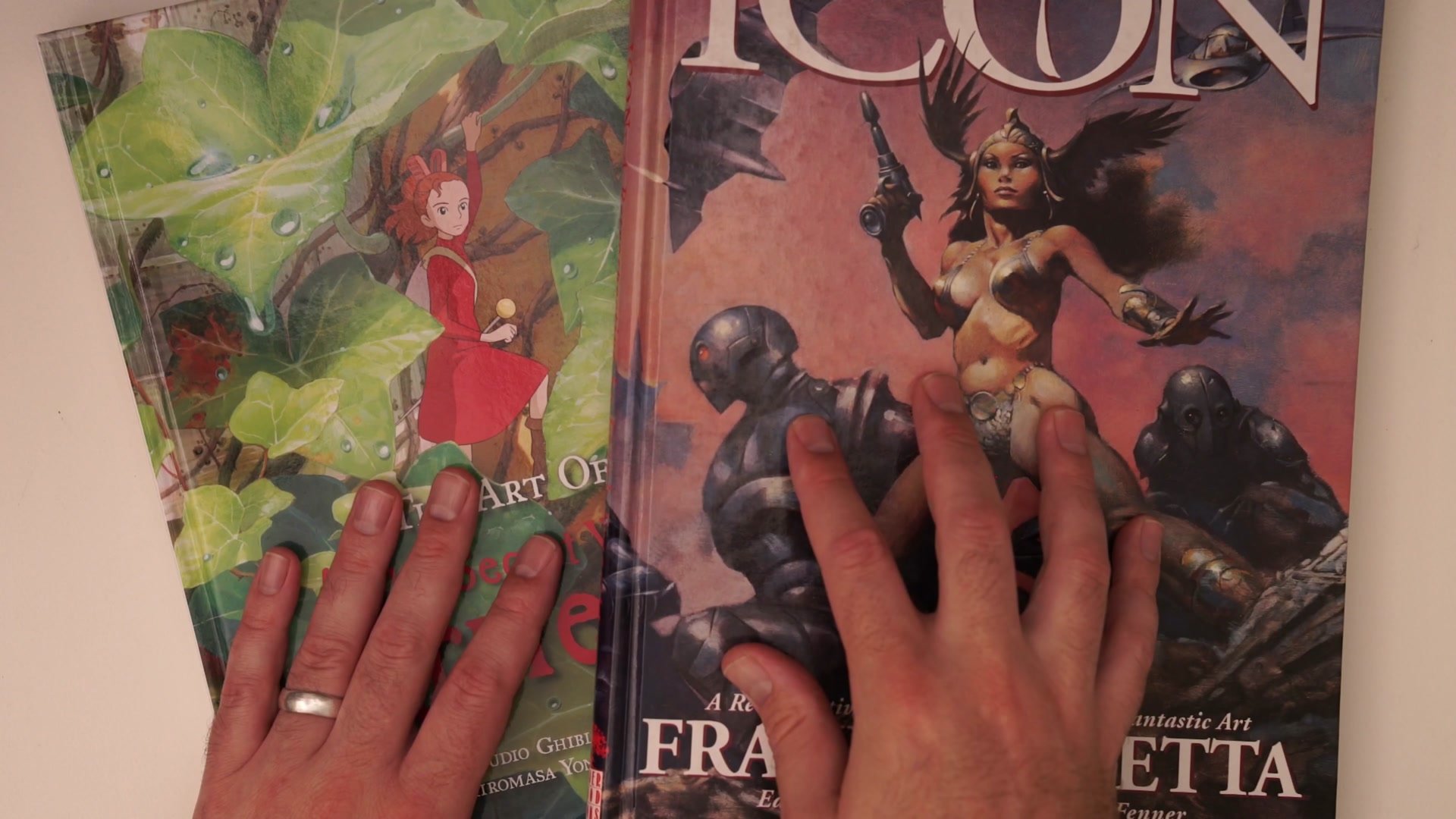
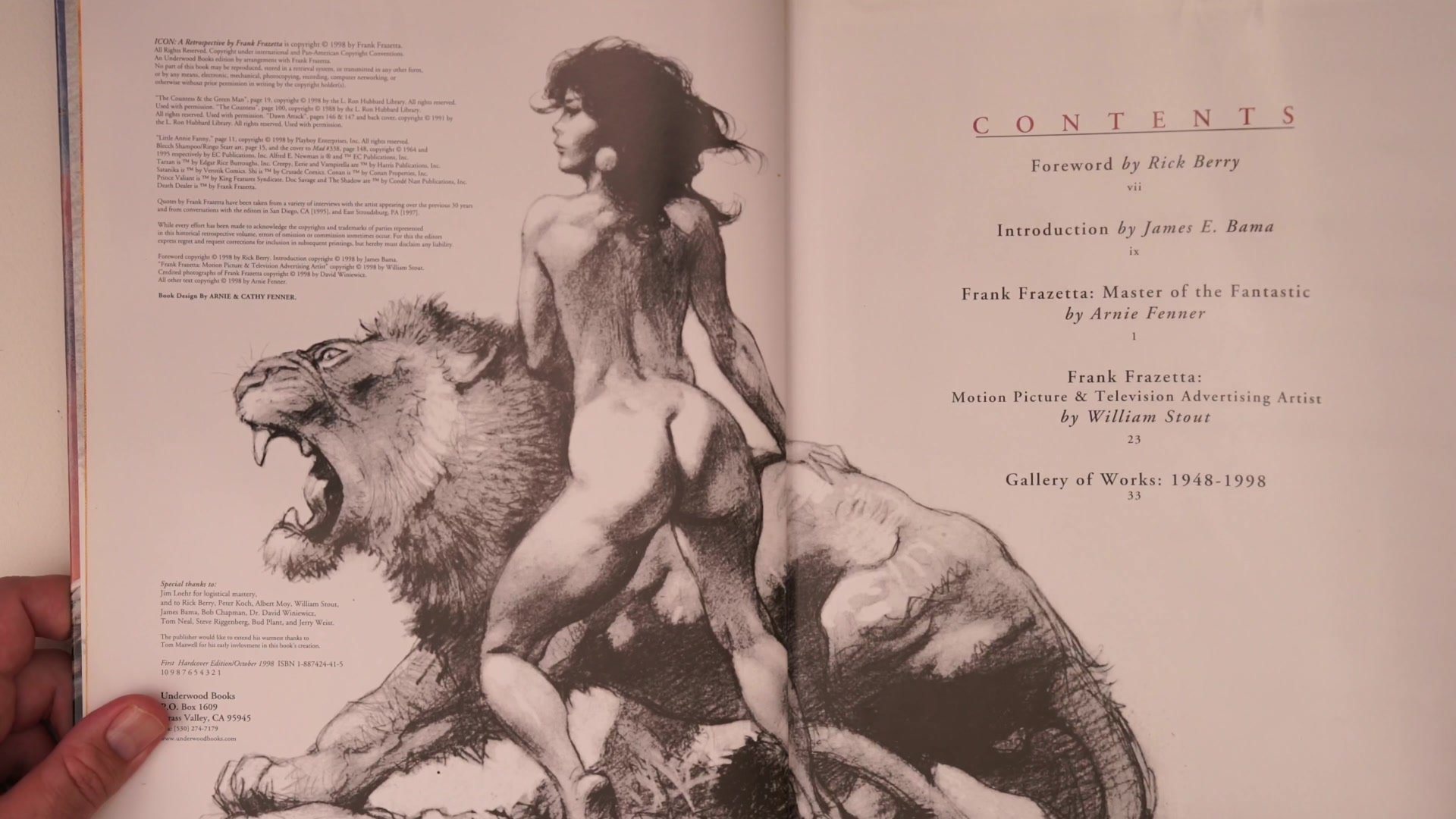
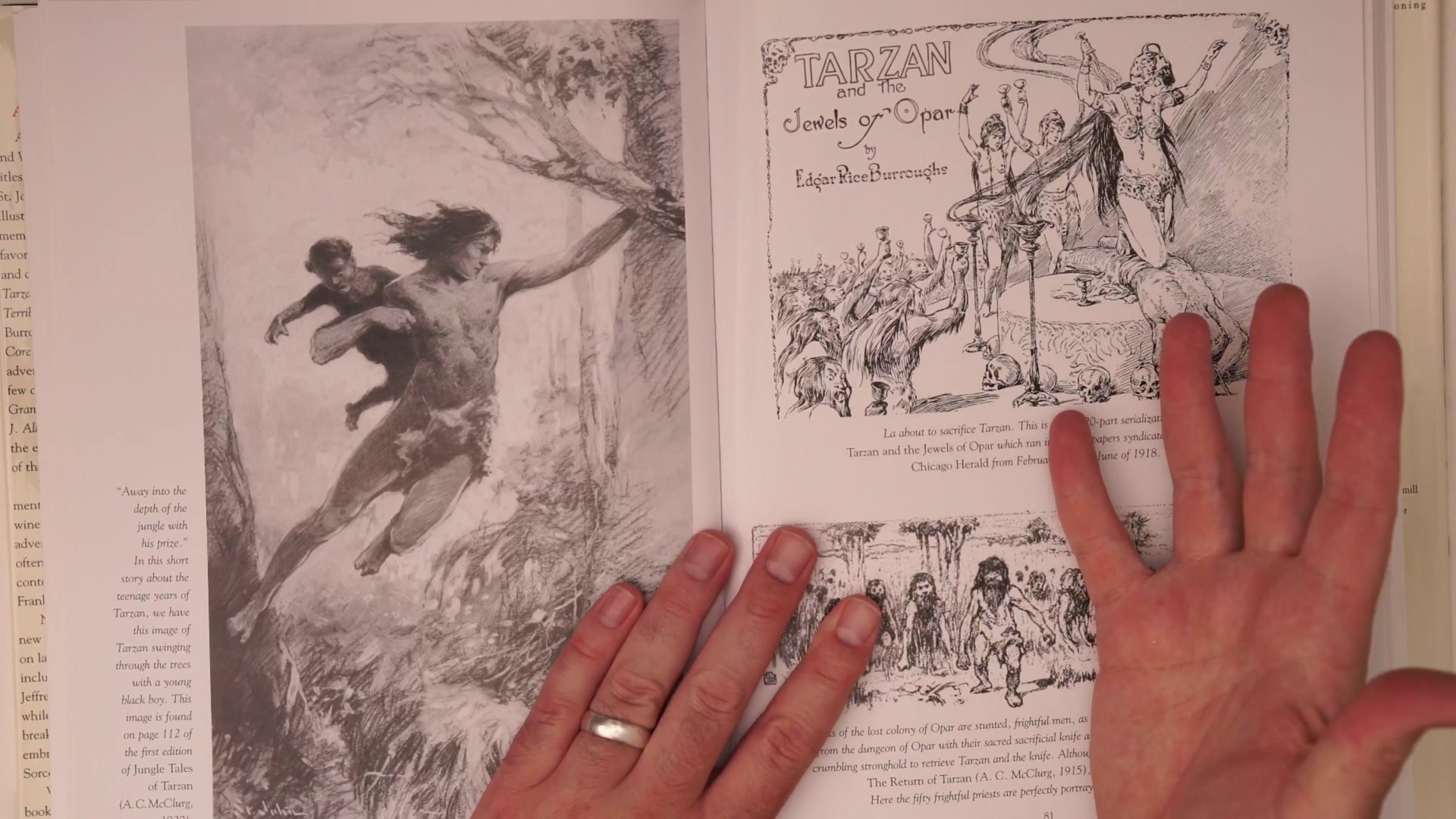
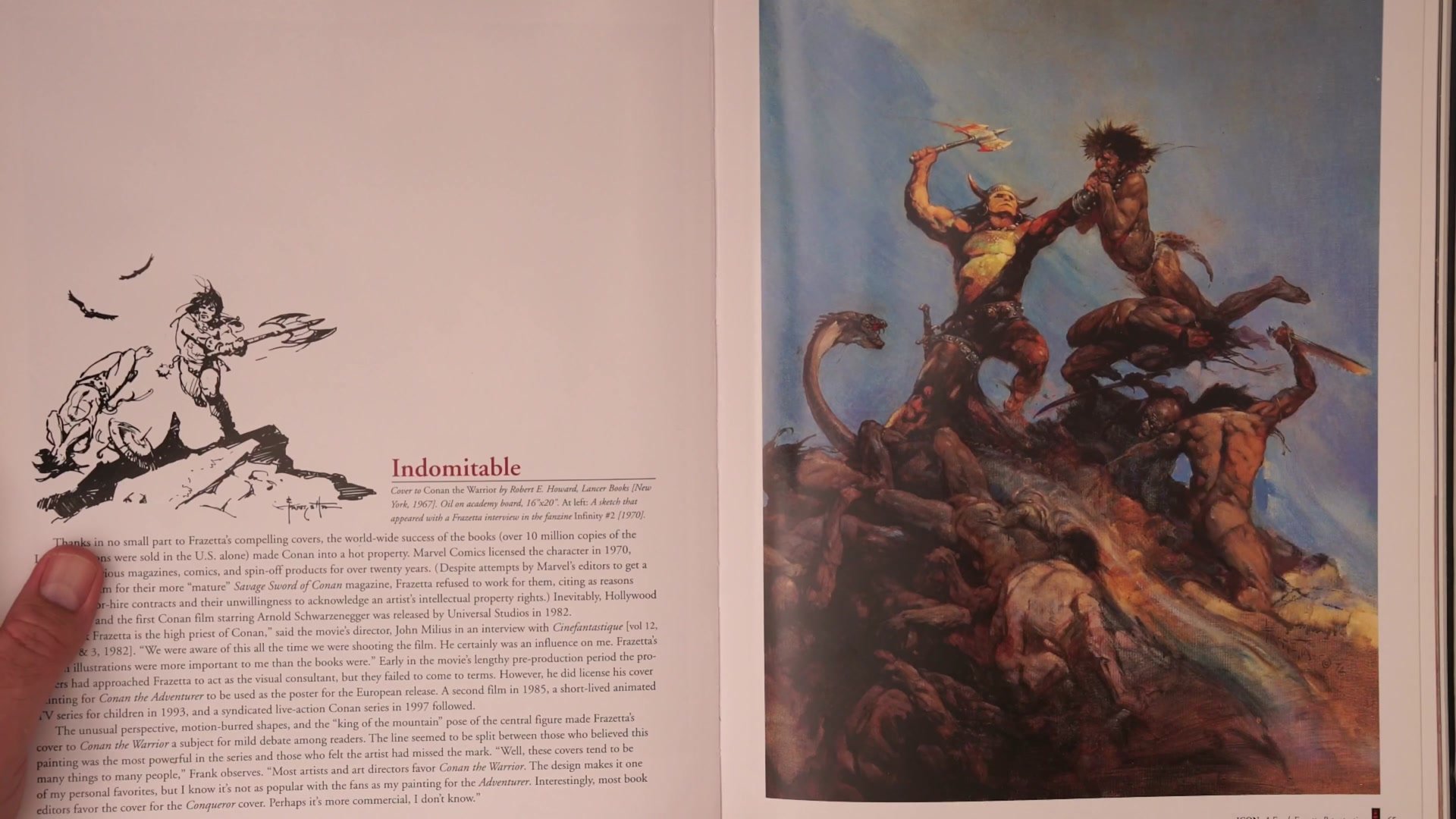
Frank Frazetta represents the opposite end of the spectrum, an artist who combined strong illustration theory with provocative subject matter to create maximum impact. His journey is instructive: before becoming the Frazetta we know, he spent years as a ghost artist, sublimating his style to draw funny animal comics for other creators. His eventual breakthrough came from combining the compositional foundations of predecessors like J. Allen St. John with a visceral, dynamic energy that was uniquely his own.
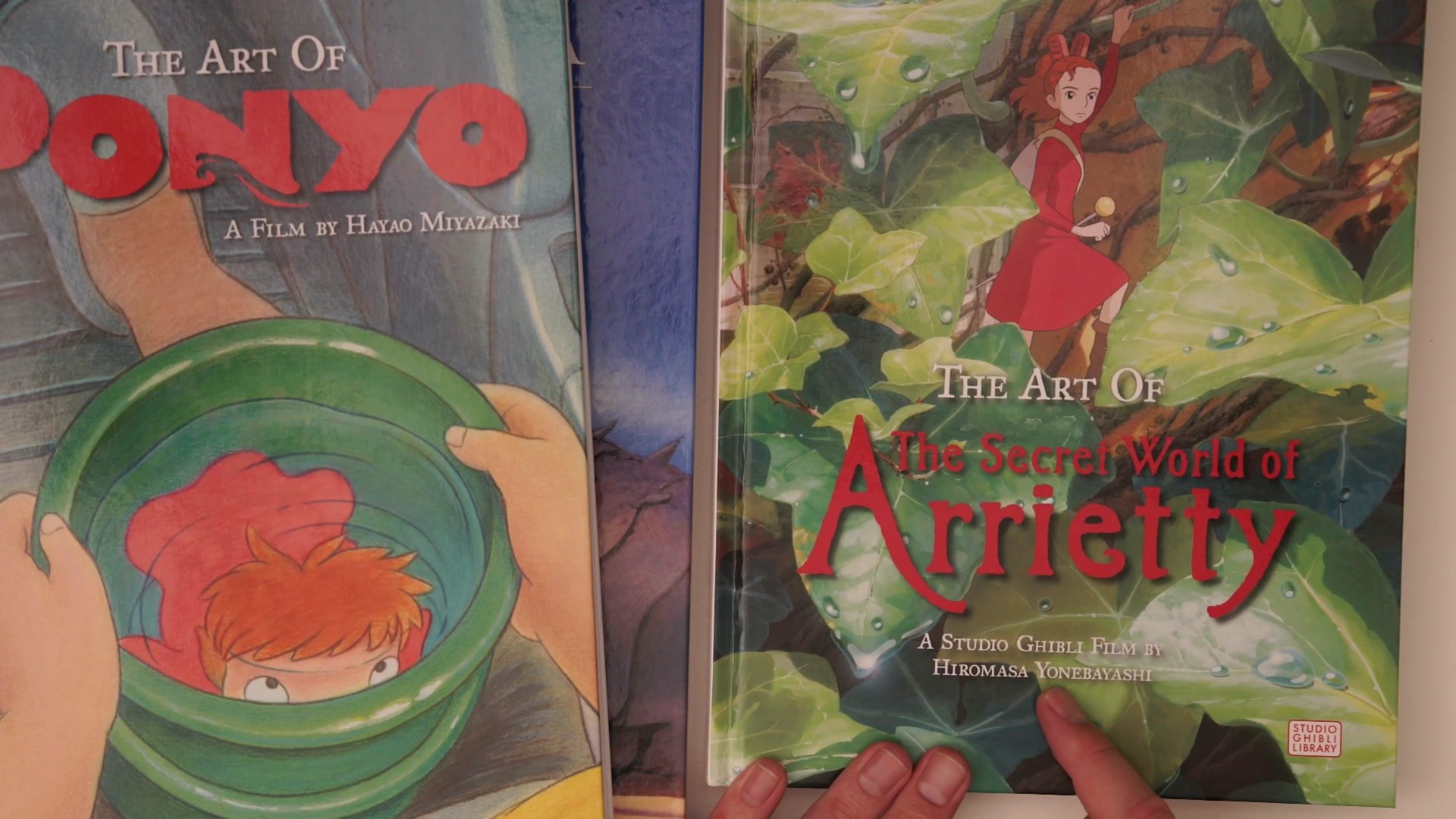
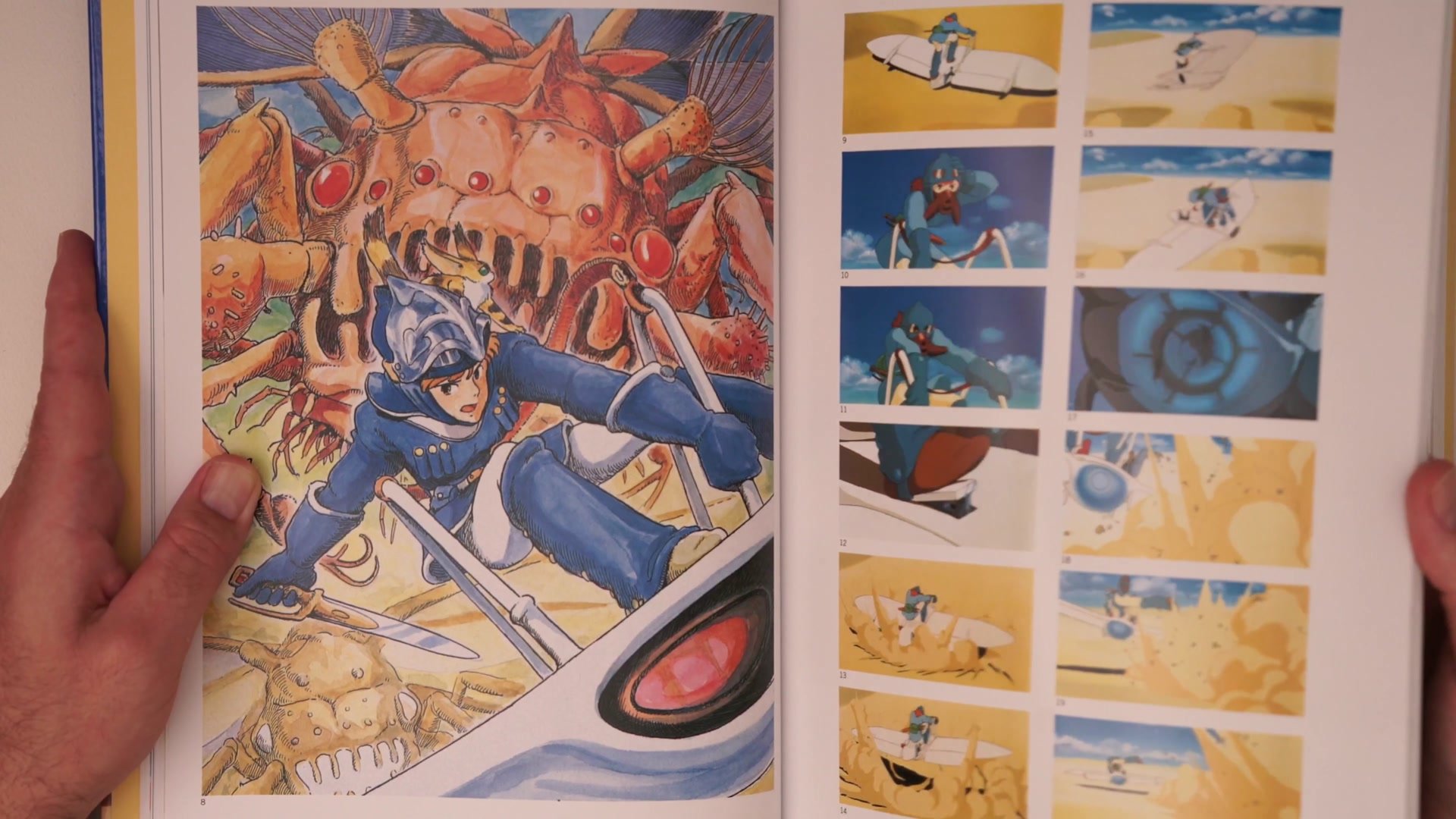
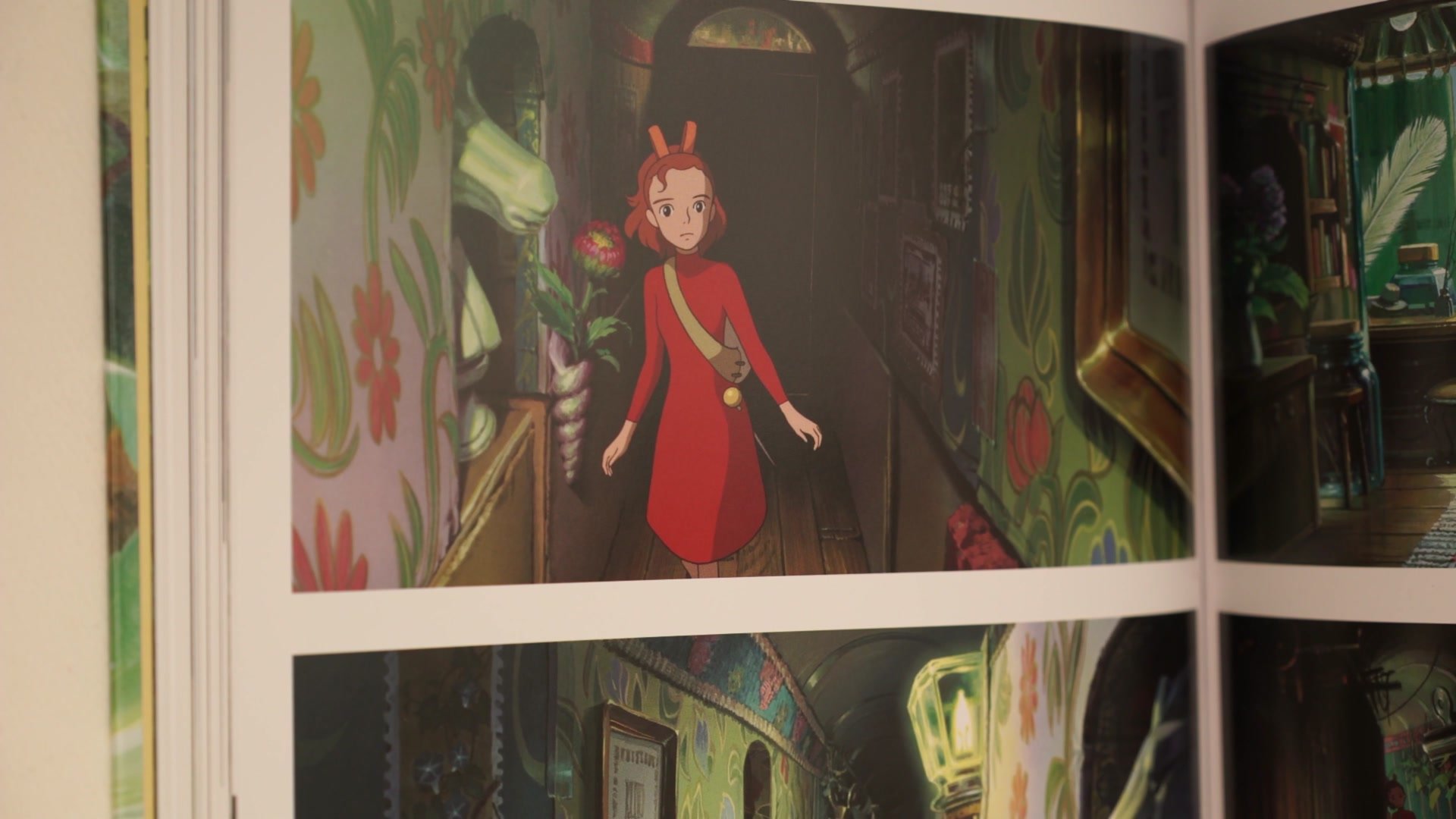
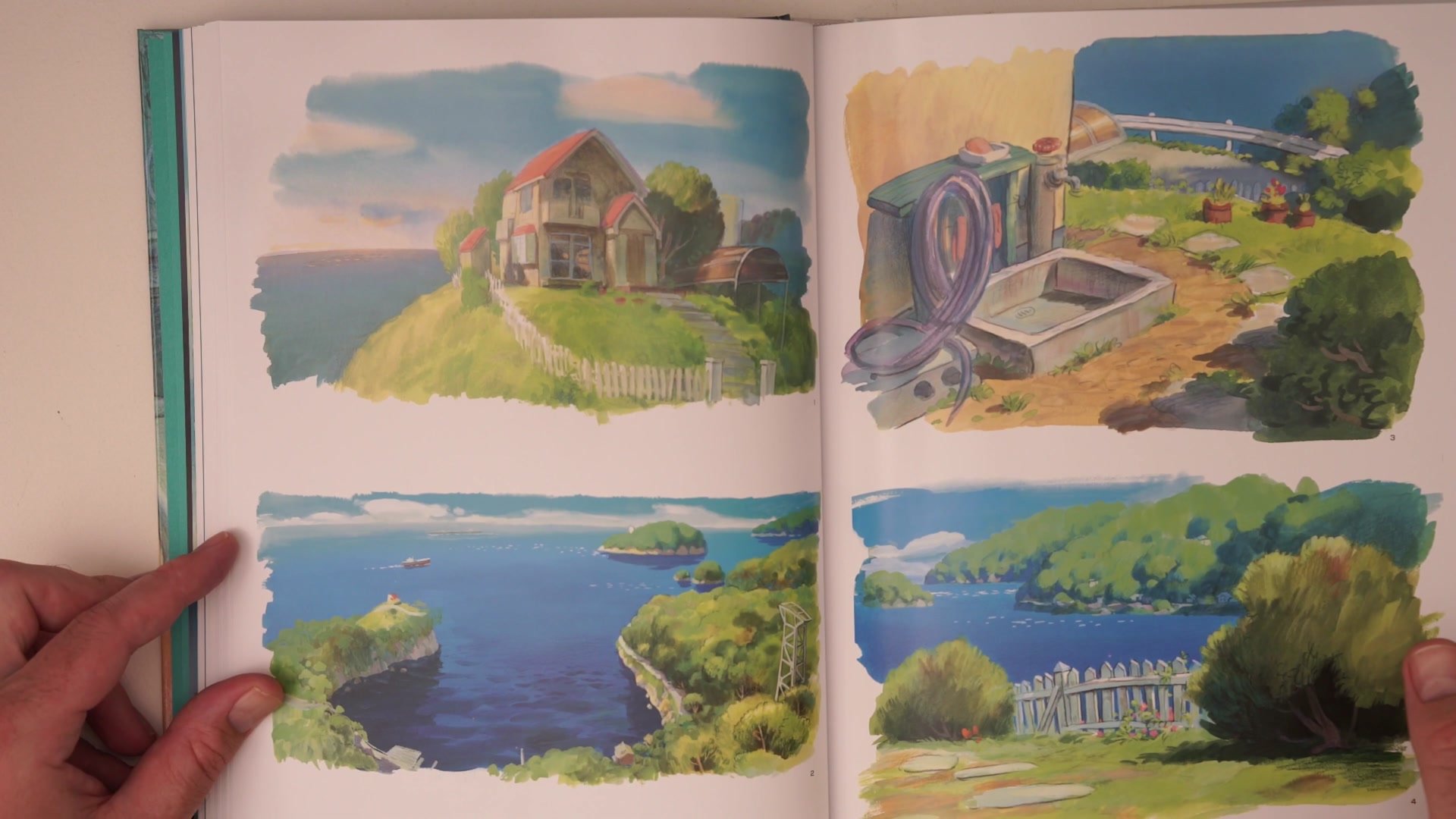
Comparing Frazetta's work to his influences reveals the power of signal clarity. J. Allen St. John had extraordinary craft and composition, but his work carried a different feeling. Frazetta took those same subjects and turned up the dynamism, the aggression, the color abstraction. Studio Ghibli demonstrates yet another approach: maintaining a recognizable house style across vastly different projects. Ponyo uses flat, vibrant color with simple shapes while Arrietty employs dramatic depth of field and chiaroscuro, yet both remain unmistakably Ghibli. The same signal, expressed through different volume settings.
Frazetta and Dynamic Impact
Featured Artists
Beatrix Potter (1866-1943, British) Creator of The Tale of Peter Rabbit and numerous beloved children's books. Her watercolor illustrations demonstrate masterful use of overlapping shapes, primary color schemes, and ground plane composition to create depth and charm from the simplest subjects.
Harmsen van der Beek (1897-1953, Dutch) Illustrator known for his work on Enid Blyton's Noddy books. His bold primary colors, strong shape repetition, and simplified forms created illustrations that leap off the page through pure compositional appeal.
Frank Frazetta (1928-2010, American) Fantasy artist renowned for his Conan the Barbarian covers and dynamic oil paintings. His work combined powerful composition with visceral energy, turning the volume up on everything from color to movement to create images of extraordinary impact.
Hayao Miyazaki (1941-present, Japanese) Co-founder of Studio Ghibli and director of films including Nausicaa of the Valley of the Wind and Ponyo. His work demonstrates how a consistent artistic signal can be expressed through dramatically different visual approaches while maintaining an unmistakable identity.
Andrew Loomis (1892-1959, American) Influential illustrator and author of Creative Illustration, a foundational text on picture-making theory covering composition, tonal patterns, and the abstract principles that make images compelling regardless of subject matter.
Studio Ghibli Variety
Key Observations
Illustration Theory as Universal Volume: Whether creating gentle children's illustrations or aggressive fantasy scenes, the same foundational principles of composition, overlapping shapes, color harmony, and rhythm provide the tools to amplify any artistic signal.
Signal Clarity Before Volume: Finding and clarifying what makes your work uniquely yours matters more than cranking every dial to maximum. Frazetta succeeded not from shock alone but from combining provocation with masterful craft and a clear artistic identity.
Repeating Shape Creates Worlds: One of the most powerful yet underutilized tools is simple repetition of shapes and colors. Potter, Beek, and Ghibli all demonstrate how consistent visual patterns build a cohesive world that audiences want to inhabit.
Same Signal, Different Volume: Studio Ghibli proves that a strong artistic identity can express itself through vastly different visual treatments, from Ponyo's flat vibrant colors to Arrietty's dramatic chiaroscuro, without losing its essential character.
Study This
Analyze Your Favorites: Choose three artists you admire and identify which specific illustration principles (overlapping shapes, color harmony, tonal contrast, repetition) carry the most weight in creating their impact.
Test the Upside-Down Rule: Take your own work and flip it upside down. Does the abstract composition still hold interest? This reveals whether your images rely on subject matter alone or have genuine compositional strength.
Find Your Volume Dials: Identify which aspects of illustration theory best amplify your natural signal. If your work is subtle and atmospheric, lean into color harmony and depth. If it is bold and dynamic, emphasize contrast and compositional tension.