Let's Draw Witches and Talk Art Process
Summary
Drawing Witches and Building Process
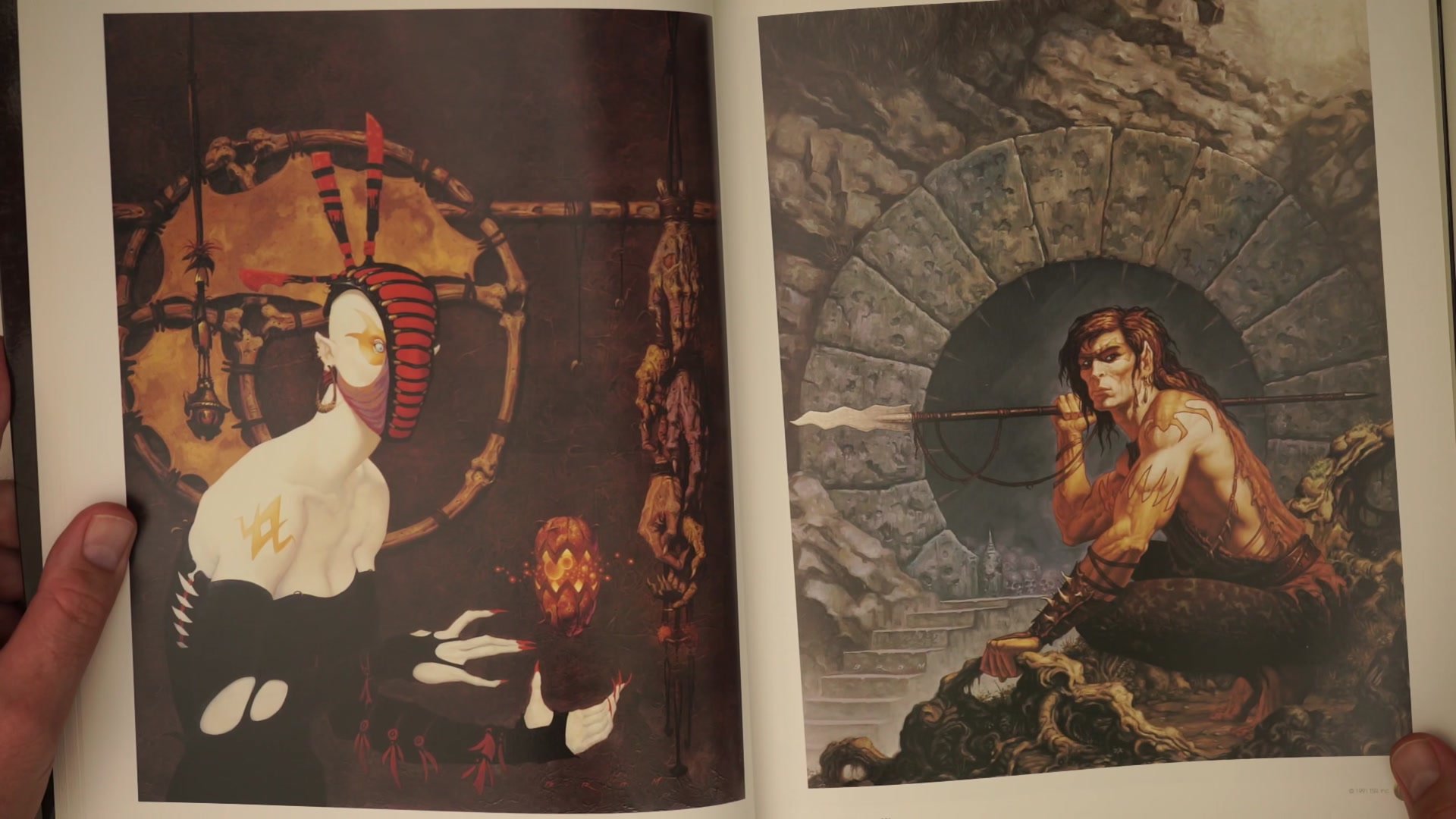
Most artists struggle not because they lack skill but because they lack a simple, reliable process for getting from idea to finished piece. This real-time drawing session tackles that gap directly, creating a Halloween-inspired witch illustration from thumbnail through to flat color while breaking down every decision along the way. The session also explores The Art of Brom, examining how one of fantasy art's best illustrators builds striking single-character compositions with clarity and impact. Everything here is drawn on iPad in Clip Studio Paint, keeping the tools accessible and the process transparent.
Inspiration and Thumbnailing
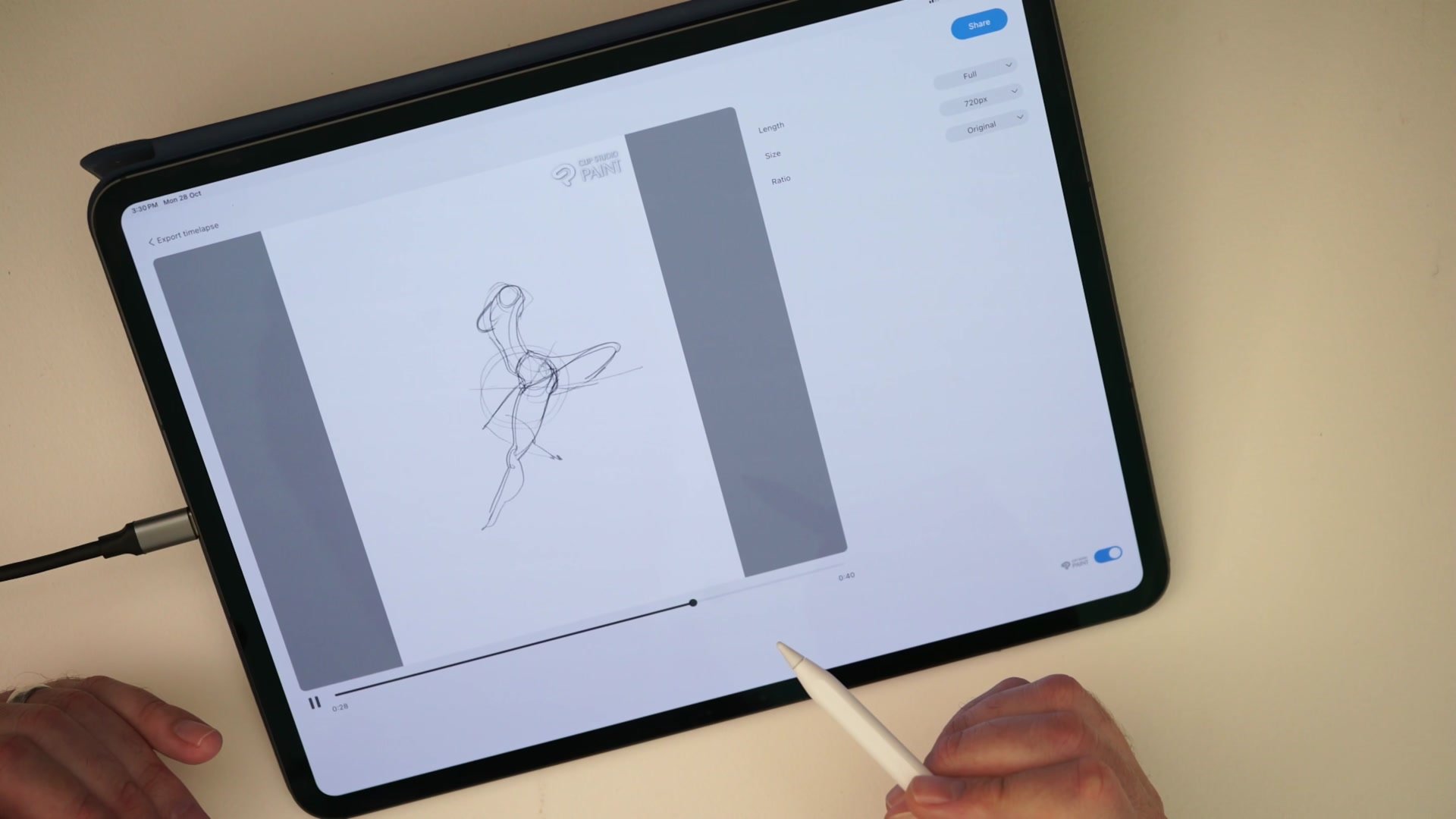
Why Simple Process Matters
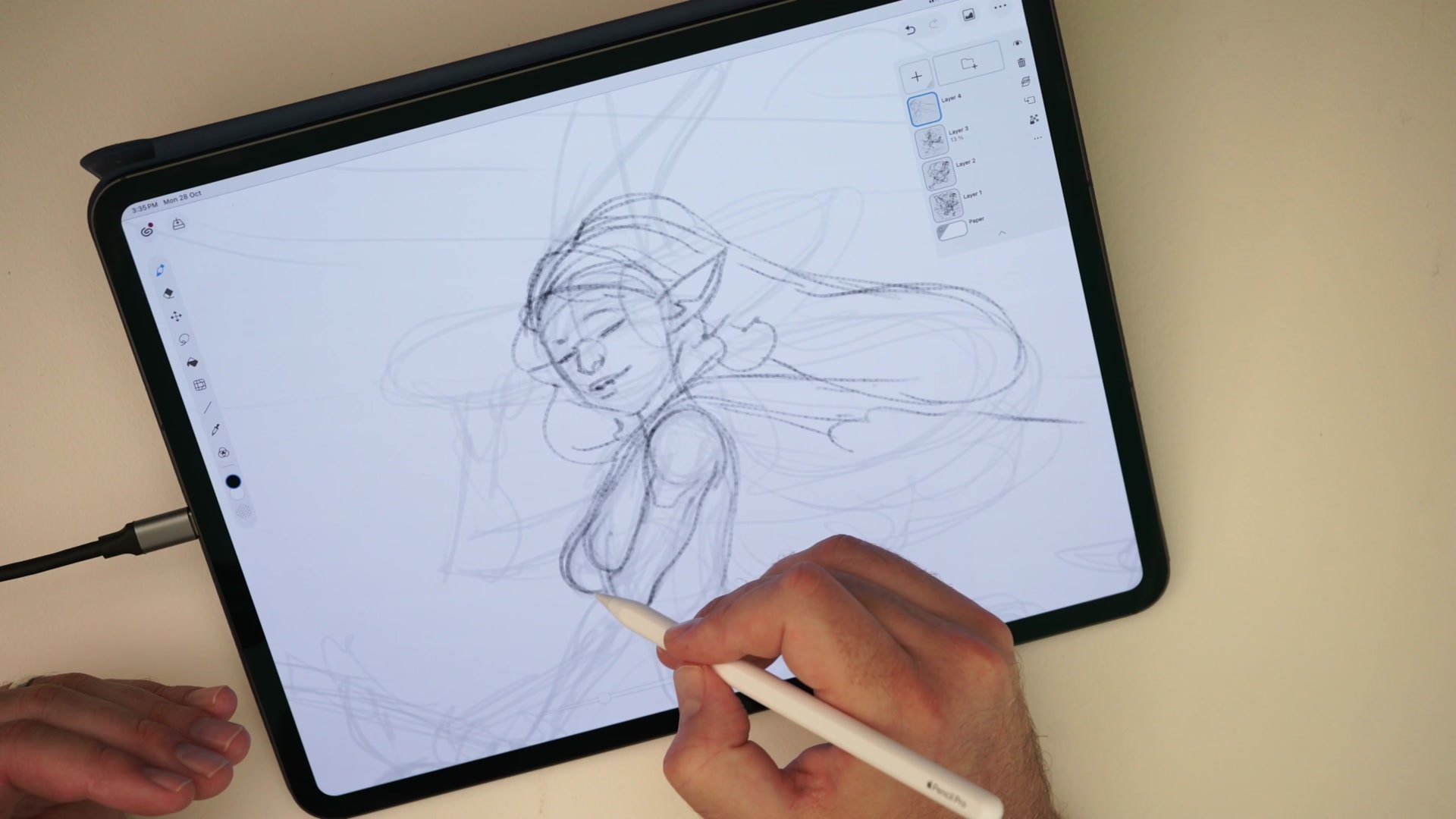
Having a defined process means knowing what stage you are at, what comes next, and when something is finished. Without that structure, drawings tend to drift. The sketch feels good, so you push it toward a finished piece, but somewhere along the way the composition falls apart or the anatomy stops working. The key insight is understanding that different time budgets require different processes. A one-hour sketch session means combining construction and drawing into one step. A ten-hour illustration means separating thumbnail, construction drawing, refined lines, and color into distinct phases. Neither approach is wrong, but trying to apply a long-process workflow to a short session, or vice versa, creates frustration.
The first step is always defining intent. What is this piece? How finished does it need to be? When will it be done? Those answers shape every other decision, from how much planning goes into the thumbnail to whether the construction drawing gets its own layer.
Construction and Drawing
Embracing Mess and Knowing When to Stop
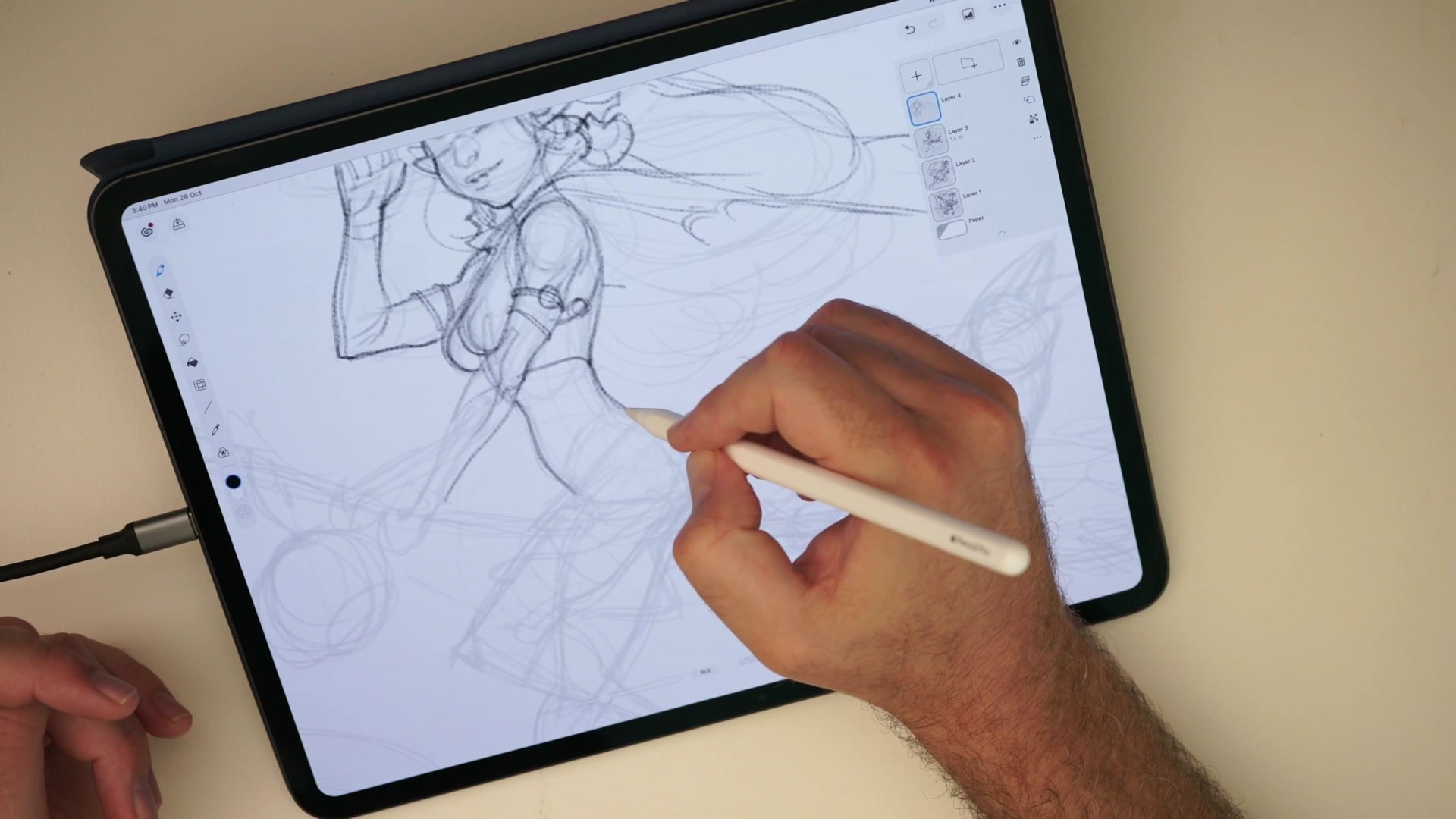
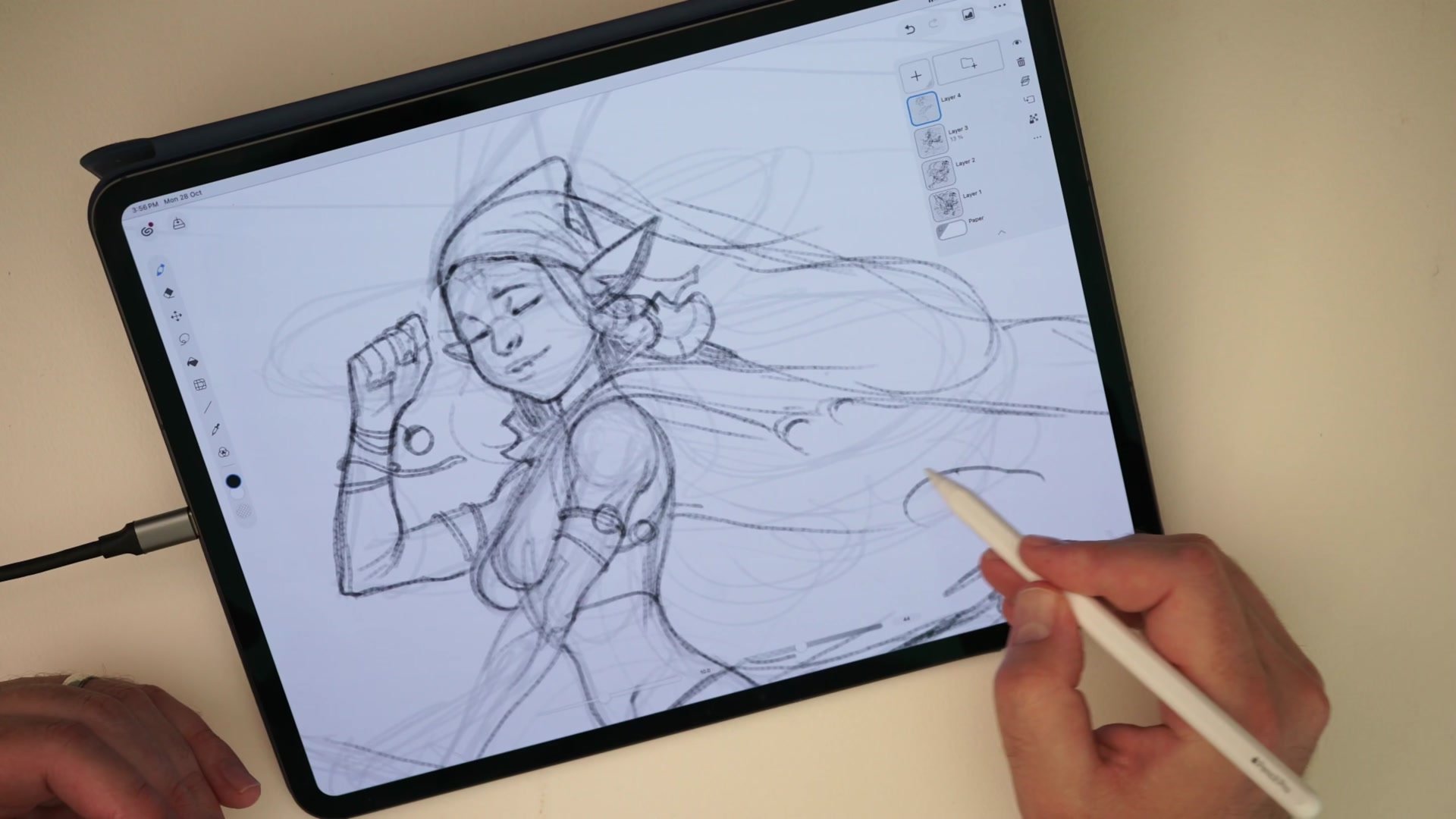
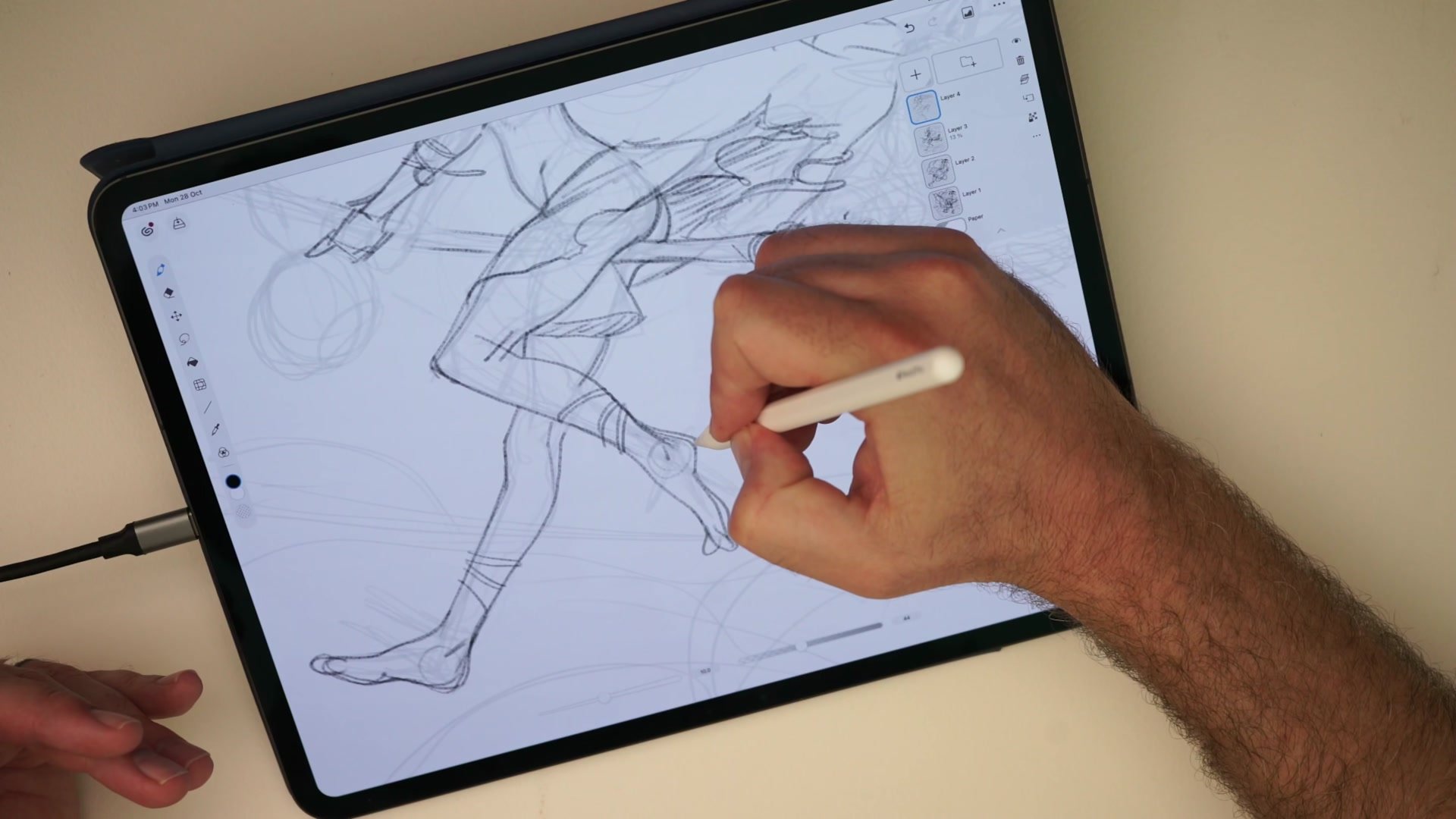
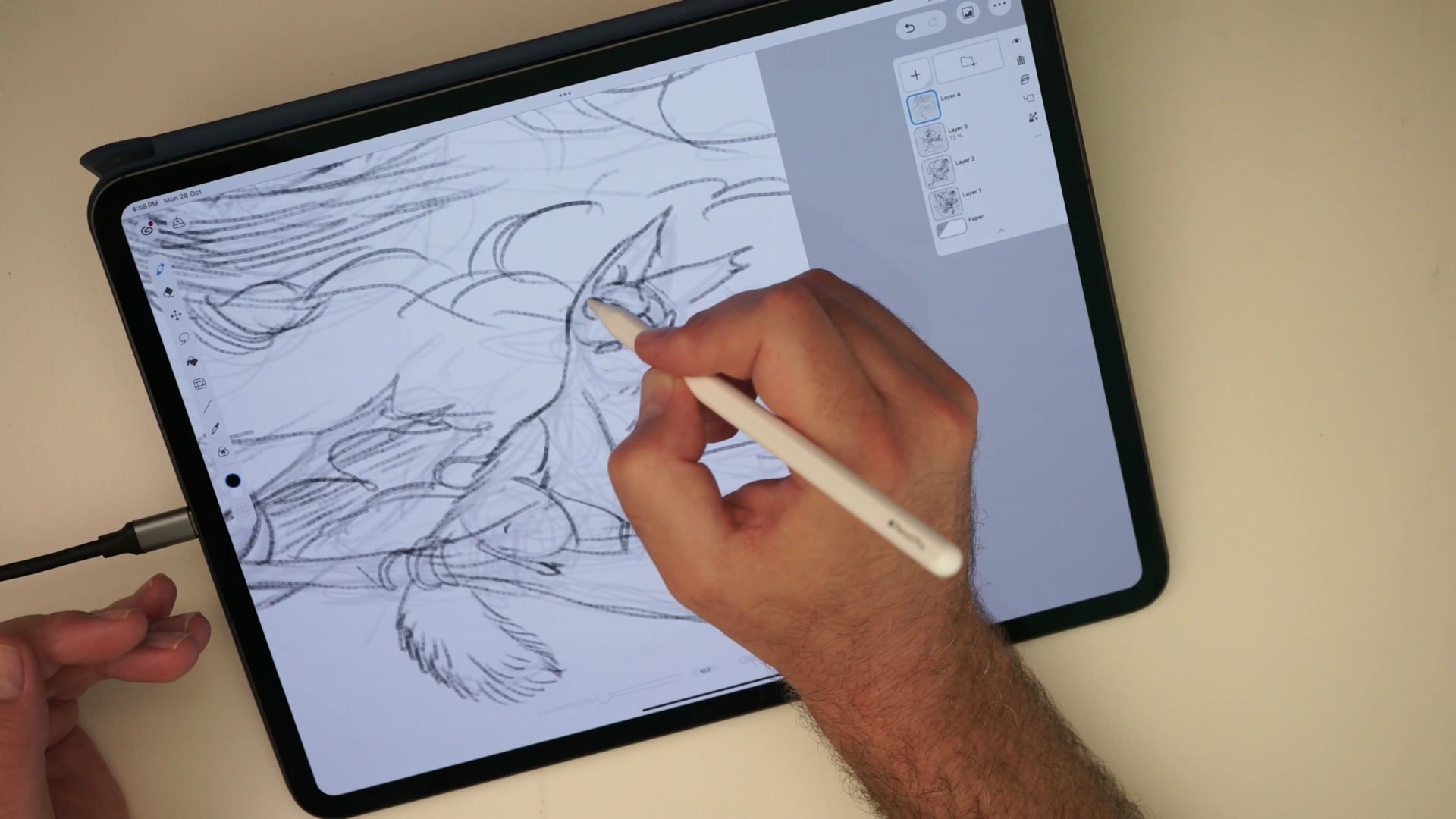
One of the biggest traps in developing a process is trying to keep everything clean from the start. A good process includes a phase where mess is allowed and expected. The thumbnail is rough, the construction lines overlap, the proportions shift. That looseness is where experimentation happens. Tightening up too early kills the ability to explore ideas freely and locks in problems before they can be corrected.
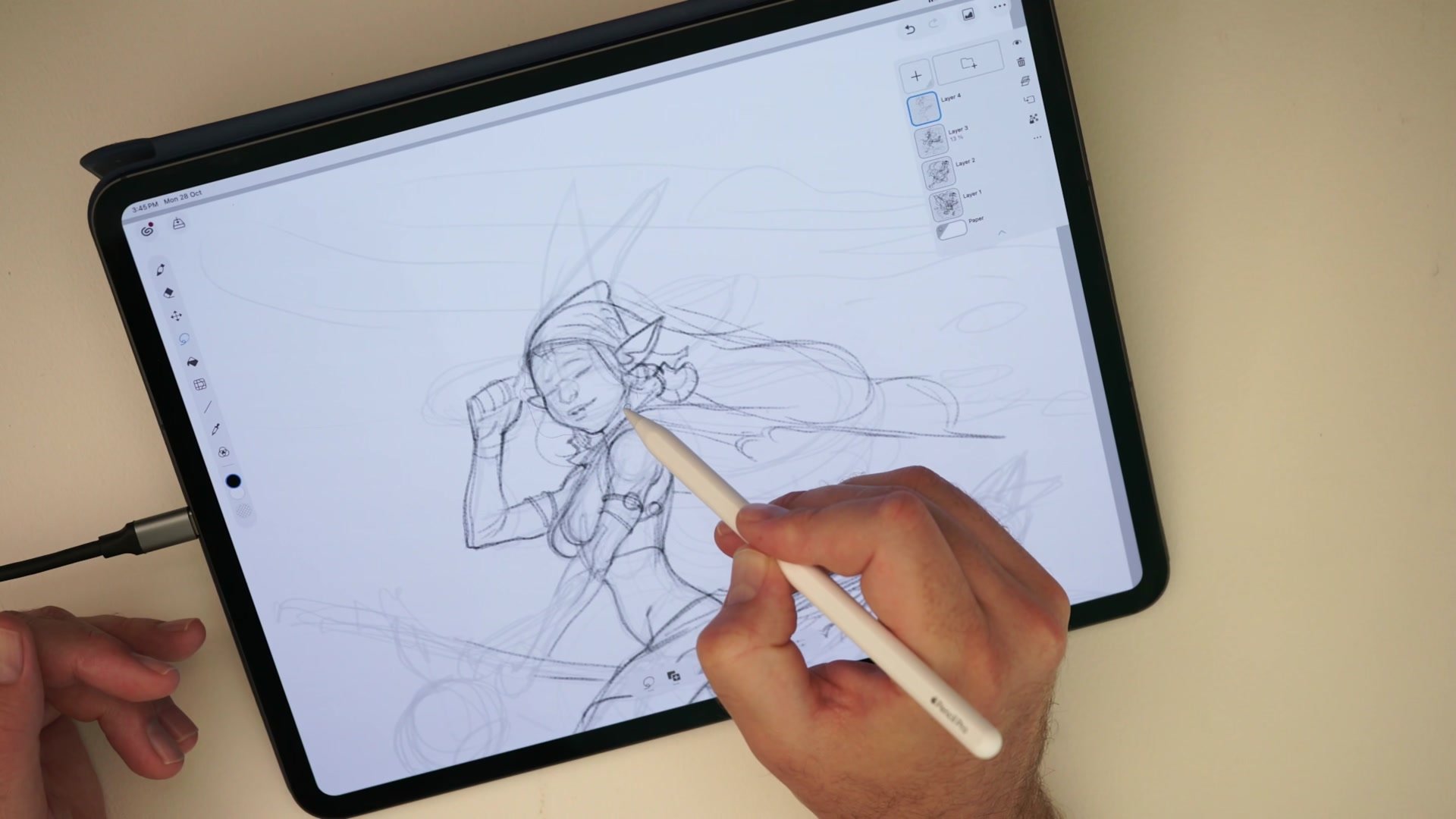
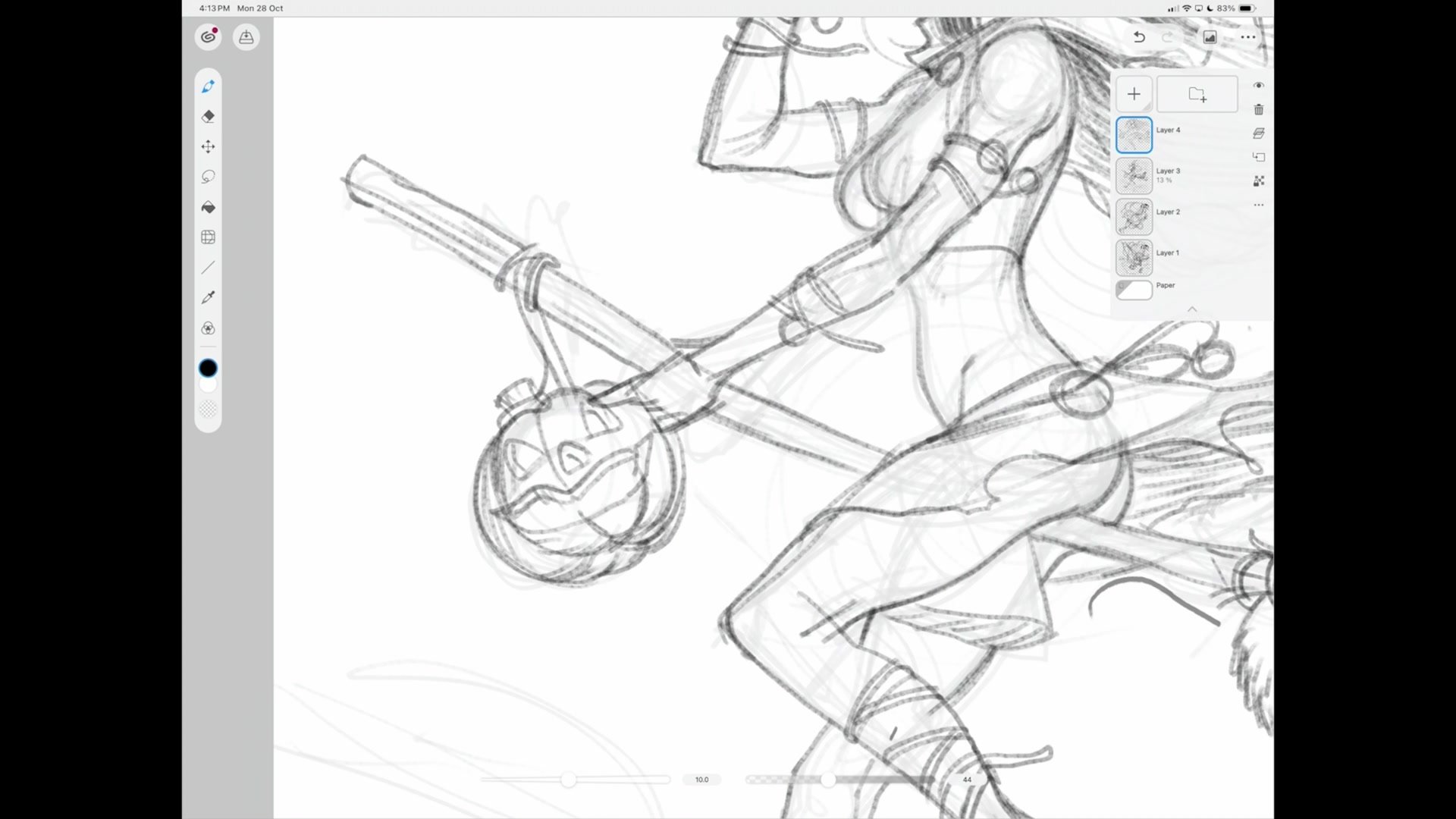
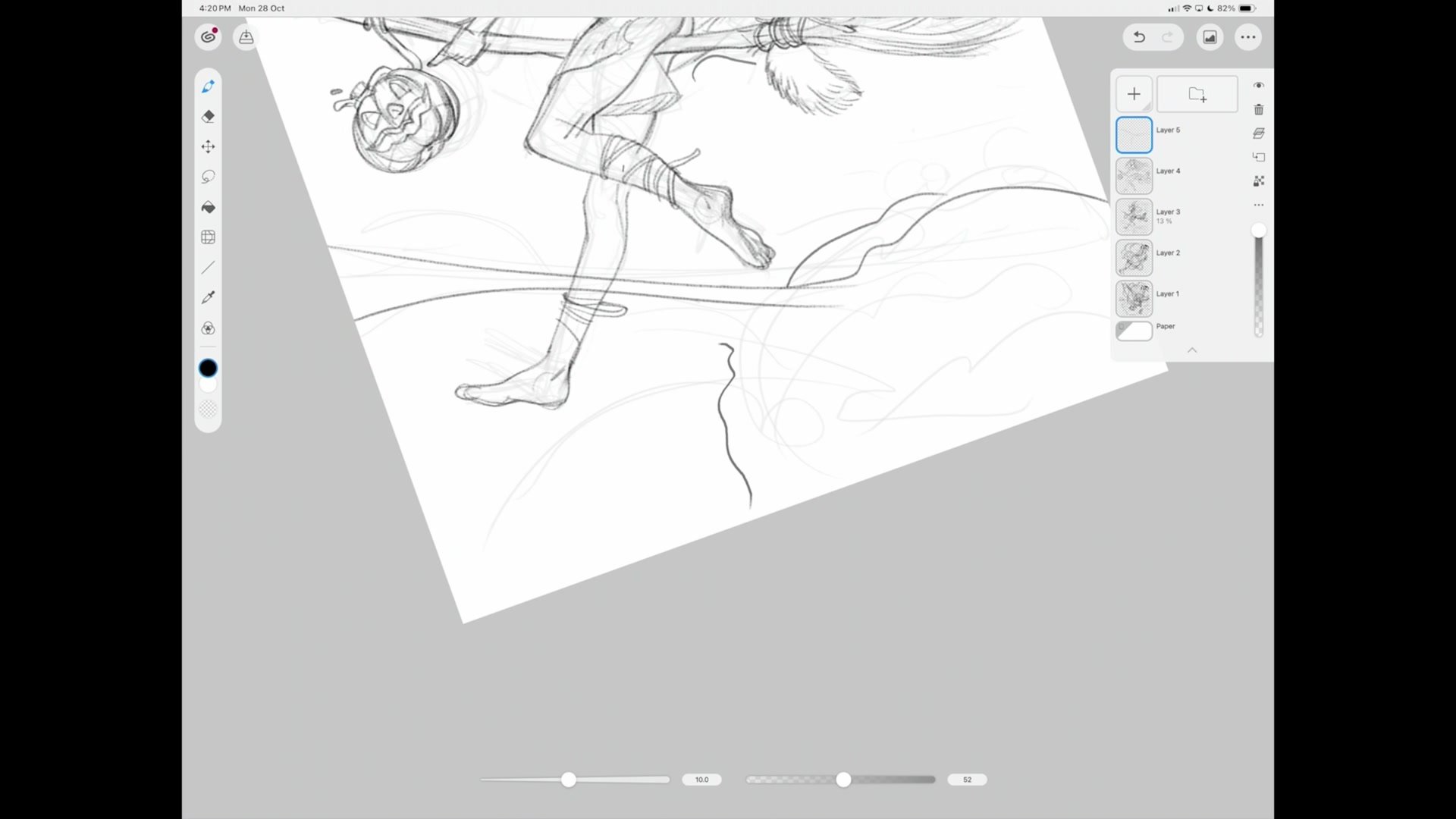
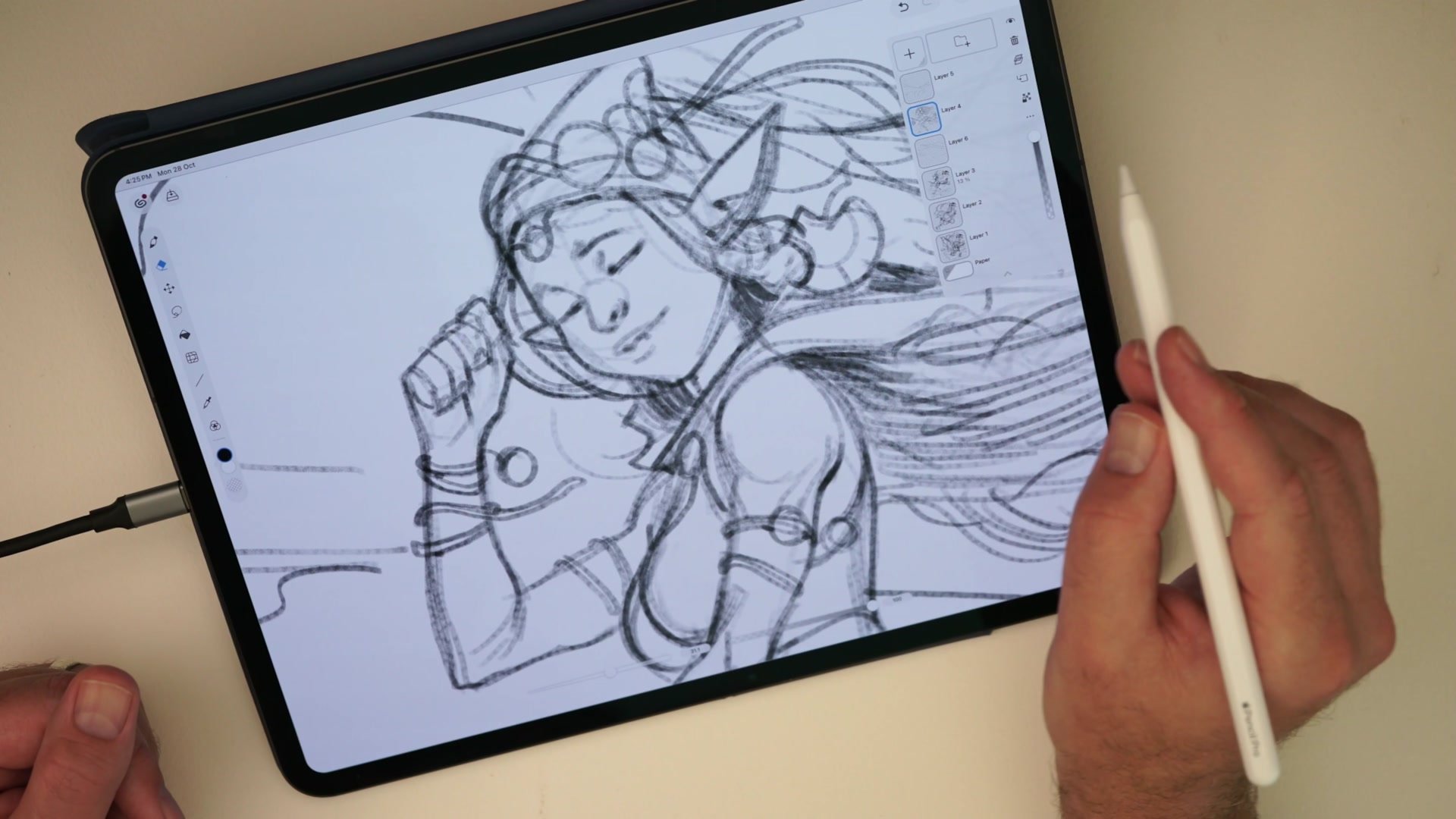
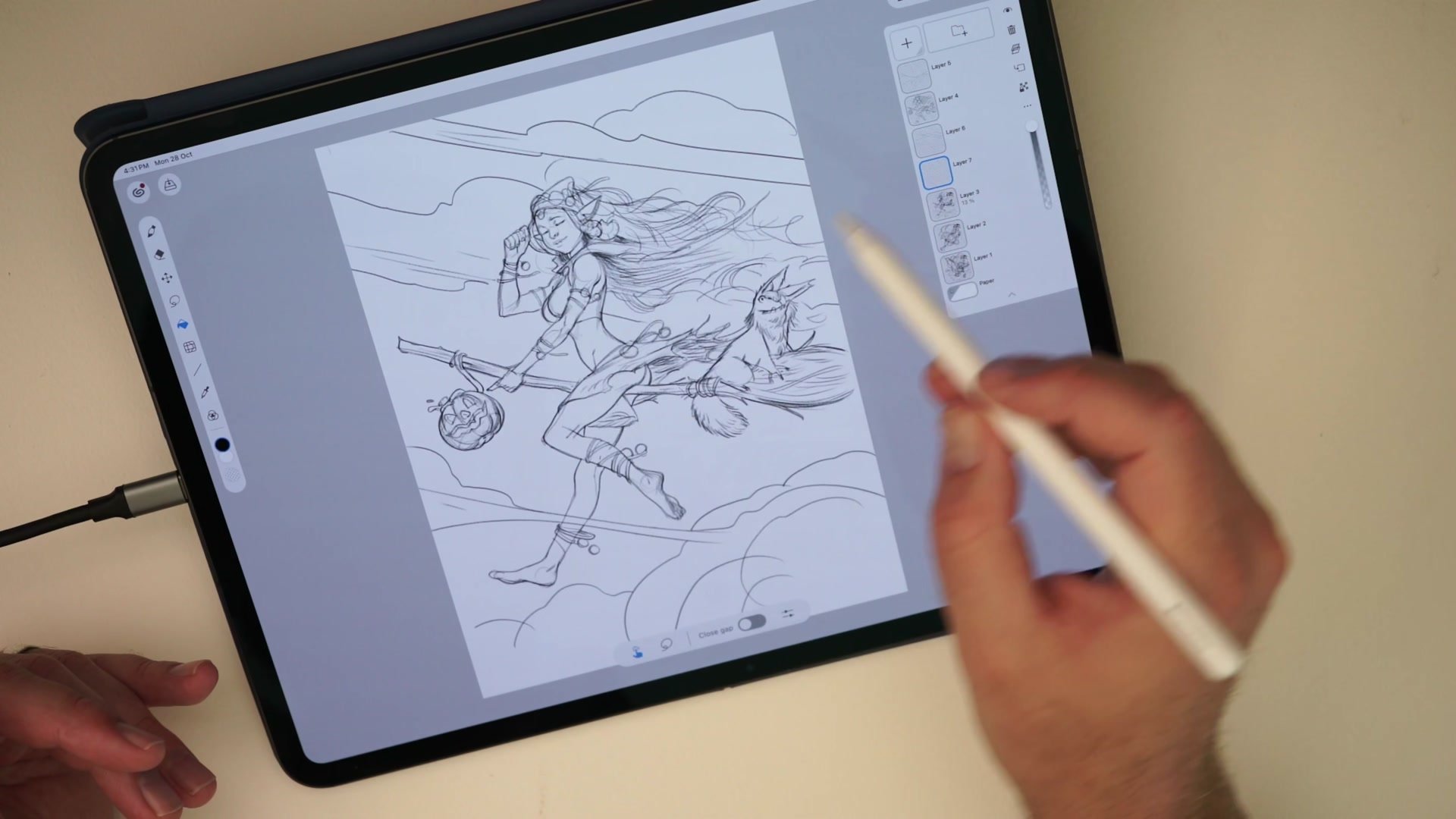
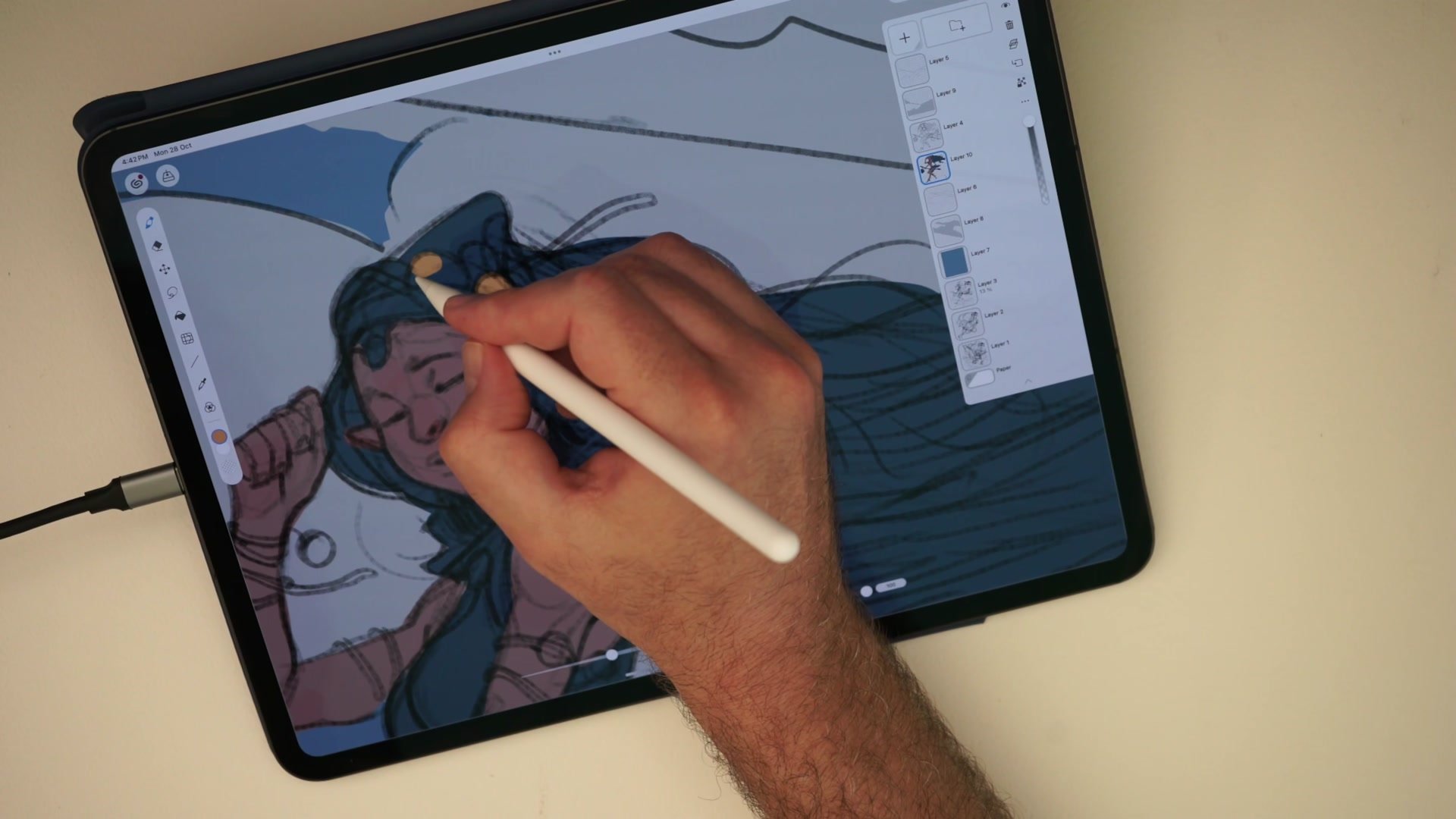
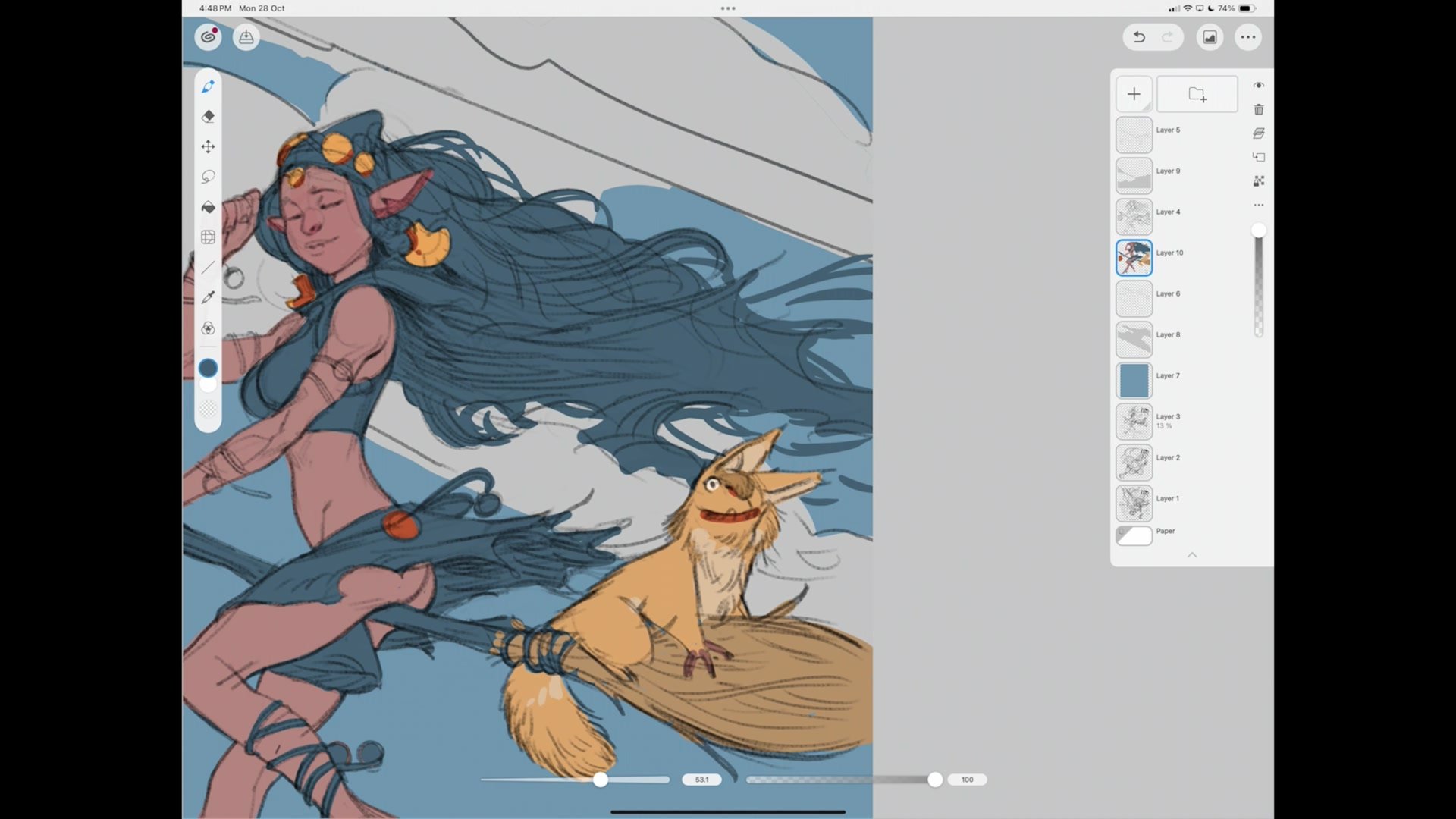
The flip side is knowing when to stop refining. Once the drawing reaches a certain stage, the composition and story are locked. No amount of detail will fix a weak idea or broken structure. Understanding this saves enormous time and emotional energy. The drawing session demonstrates this directly, roughing in the witch character and creature companion, cleaning up silhouette edges, and pushing selective line weight for emphasis rather than trying to polish every line equally.
Line Refinement and Composition
Flat Color as a Finishing System
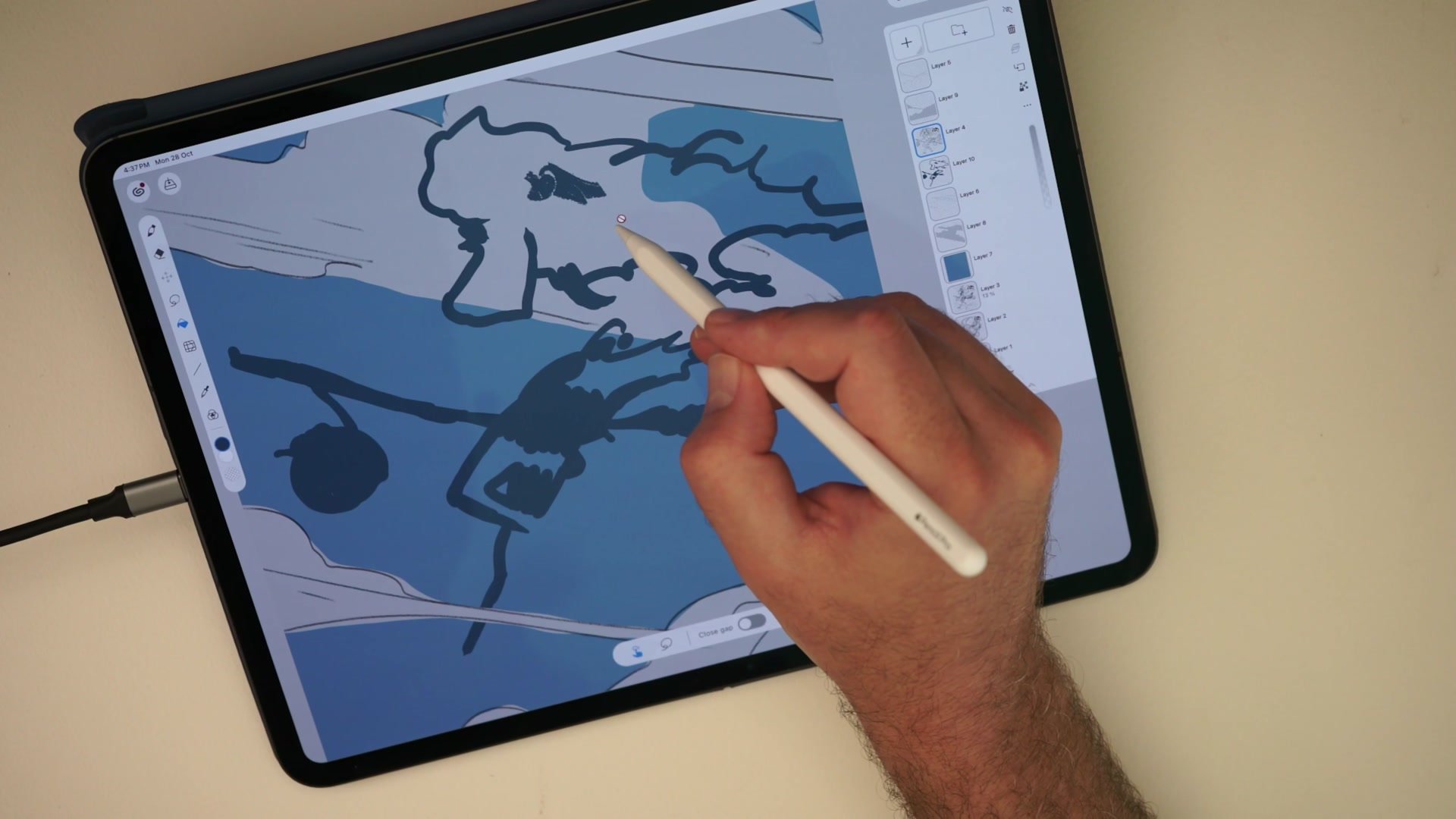
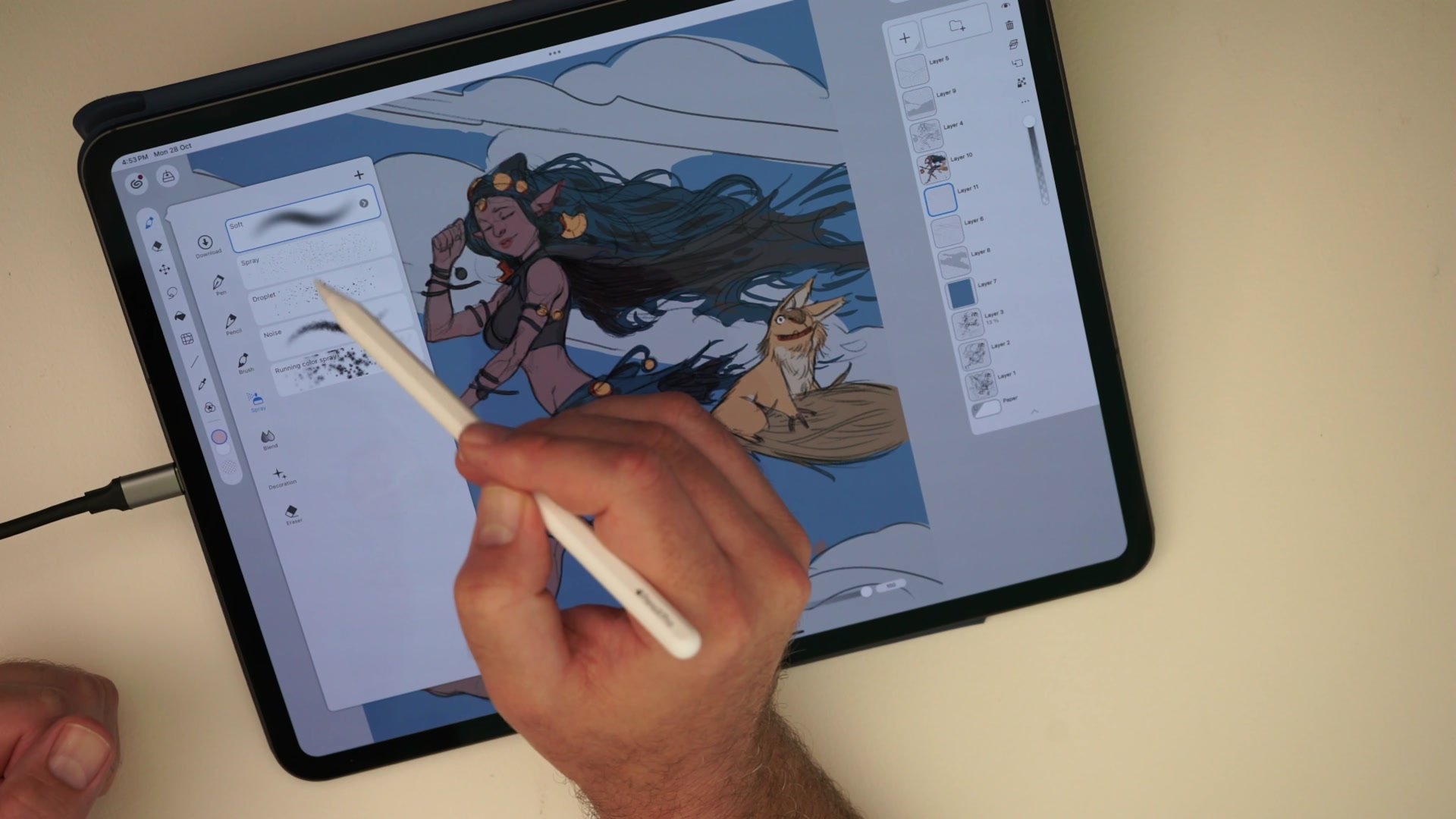
The coloring approach demonstrated here treats flat color as a fast, effective finishing technique. Working on a single layer with limited colors keeps the process simple and prevents the paralysis that comes from too many digital options. Starting with dark base colors, then layering in skin tones, costume details, and accent highlights creates a hierarchy that reads clearly even at small sizes.
The approach mirrors working with markers: same base color used across multiple elements for consistency, simple shadows created by darkening the base rather than introducing new hues, and minimal blending to preserve the graphic quality of the line work. The session finishes with a soft gradient overlay to unify the palette, demonstrating how a handful of deliberate color moves can push a rough sketch into something that feels complete. Having a defined endpoint like this is what makes the process reliable and repeatable.
Color and Final Result
Key Principles
Define Your Intent First: Before drawing, decide what the piece is, how finished it needs to be, and how long you will spend. This shapes every other decision in the process.
Allow Mess in Early Stages: A reliable process includes a phase for loose experimentation. Trying to keep lines clean from the start kills exploration and locks in problems too early.
Match Process to Time: A one-hour session combines construction and drawing. A ten-hour piece separates them into distinct phases. The number of steps scales with the time and polish you want.
Know When to Move On: Once composition and story are locked, detail will not fix structural problems. Recognizing this saves time and prevents the cycle of endlessly reworking a piece.
Try This
Pick a Subject and Time Limit: Choose a character or creature idea and set a firm time budget of one to two hours. Thumbnail a rough composition in the first five minutes.
Sketch Through Construction: Combine your rough drawing and construction into a single pass, lowering opacity as you refine. Focus on silhouette and proportion rather than detail.
Flat Color to Finish: Add simple flat colors on one layer using three to five colors maximum. Push one or two accent highlights, then stop. Evaluate what worked and what needed more planning for next time.