Sketch Faces and Flip Through the Breath of Fire 4 Art Book
Summary
A Sketchbook Session for Face Sketching
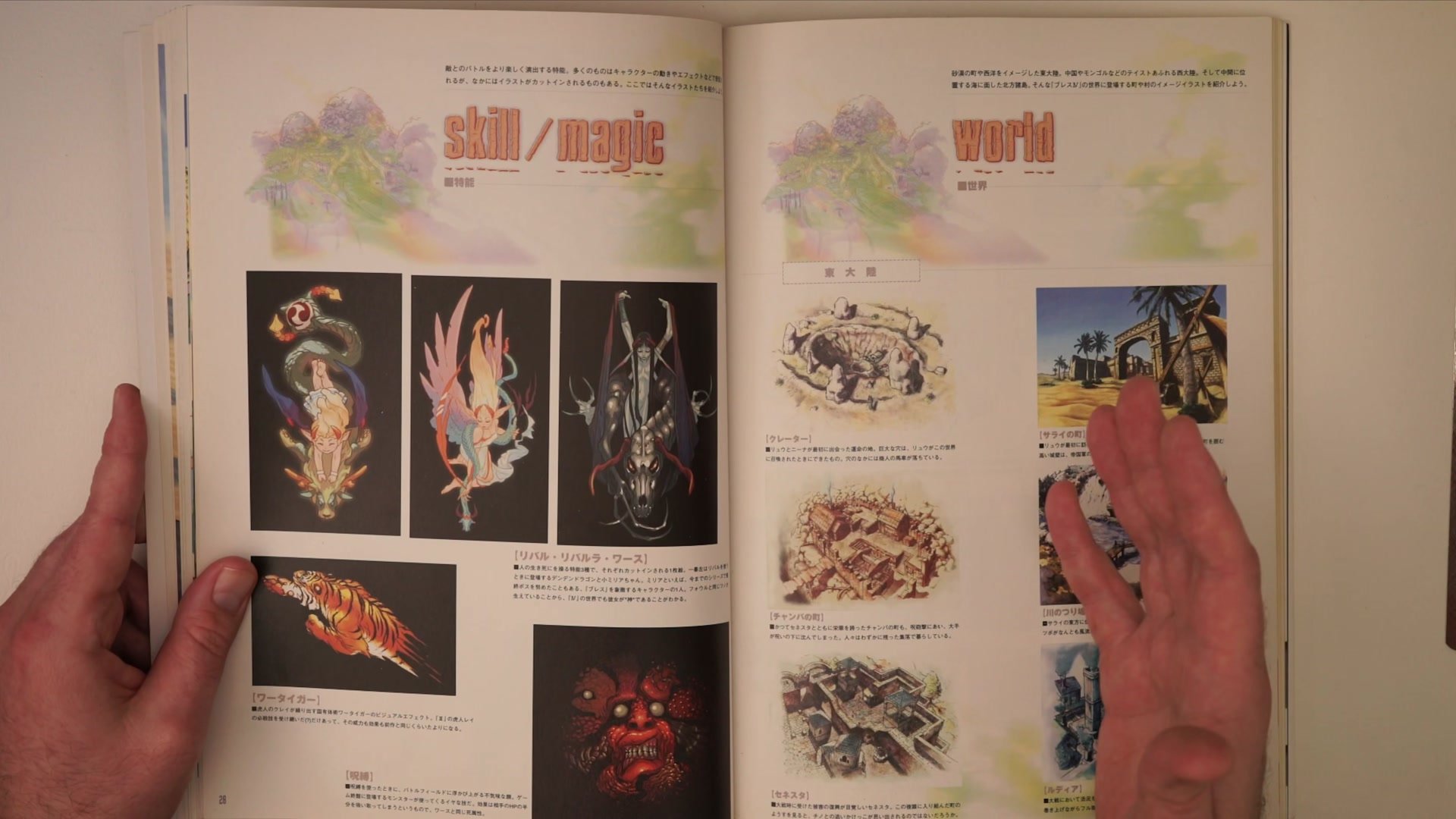
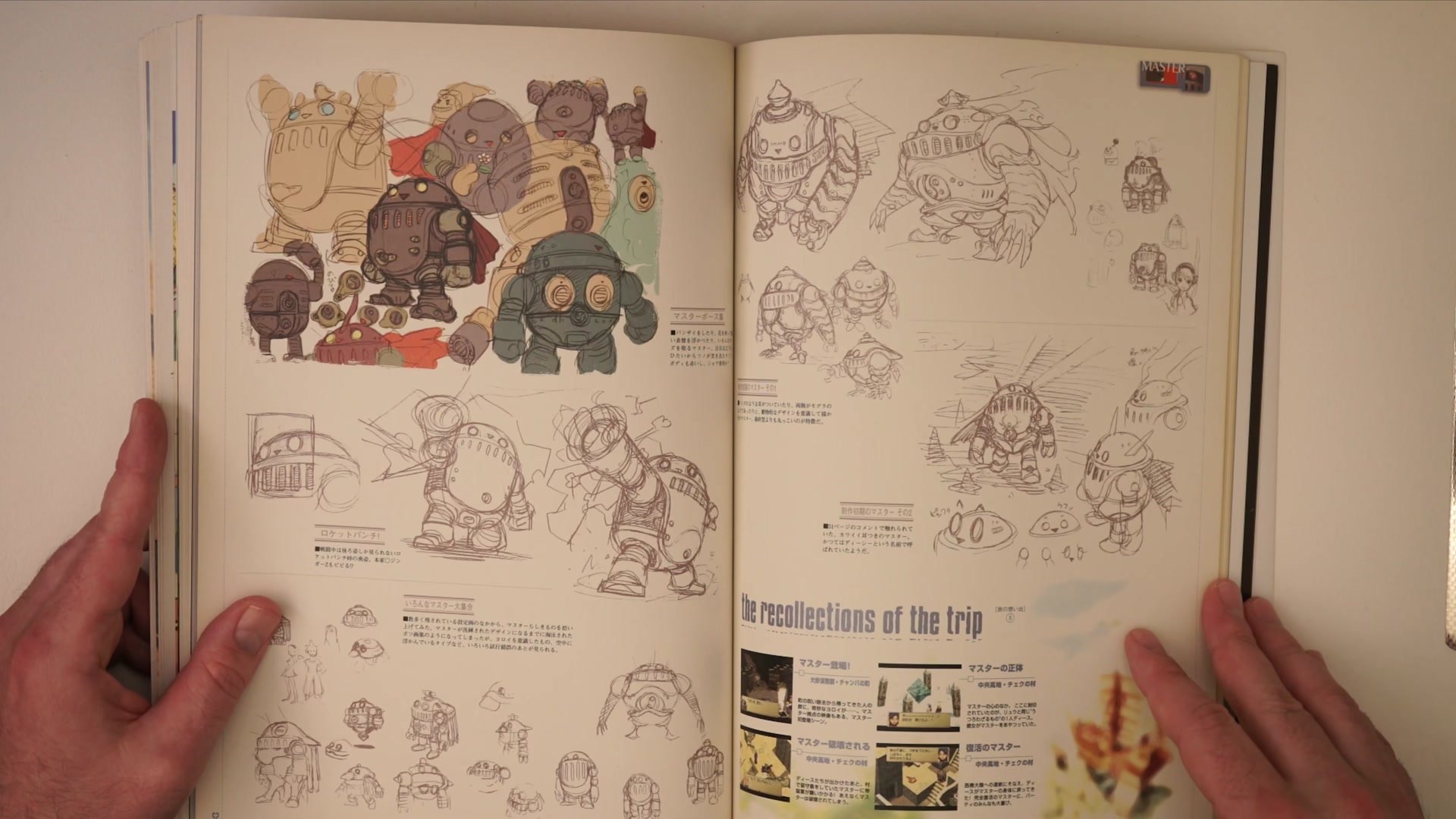
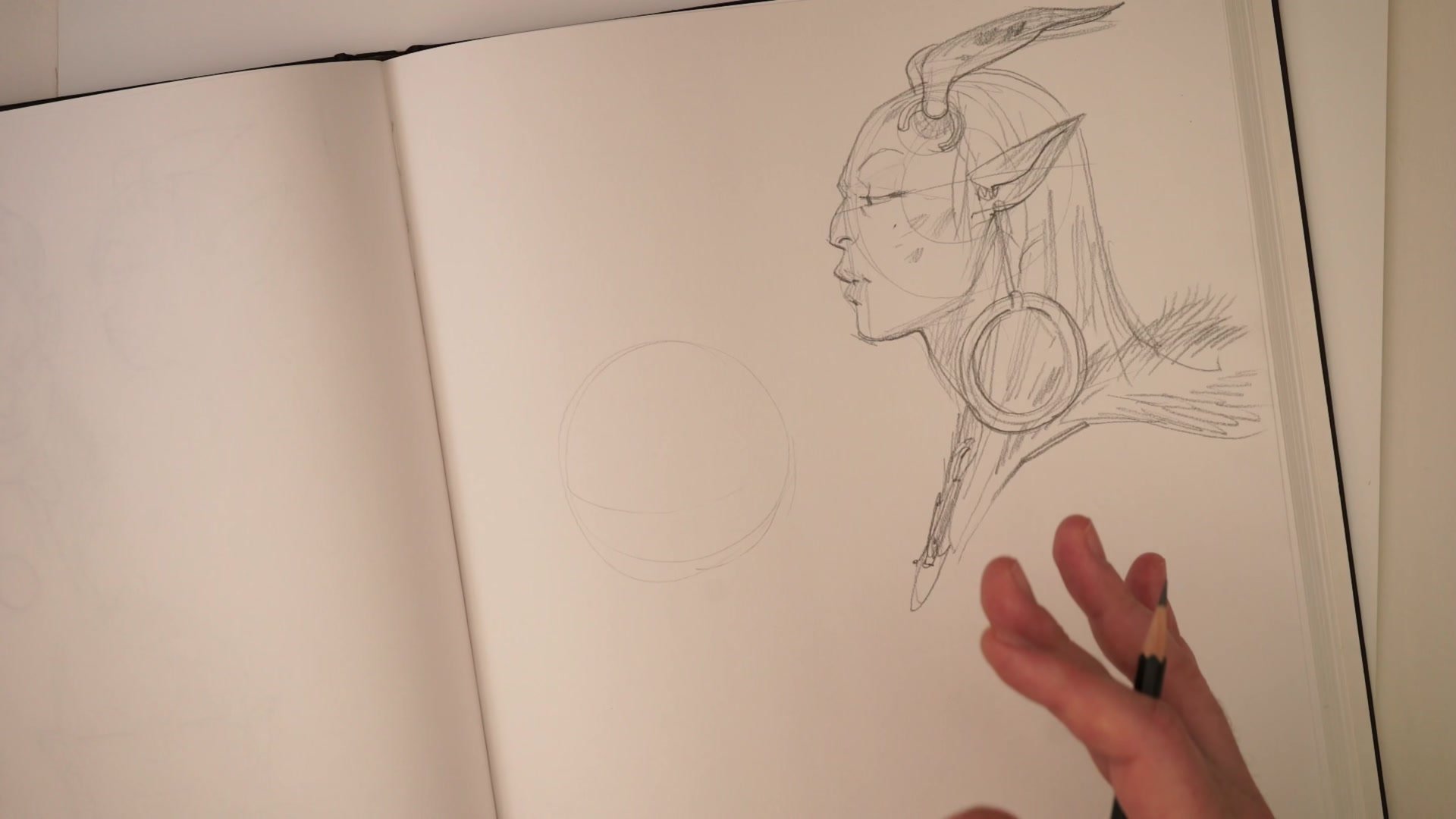
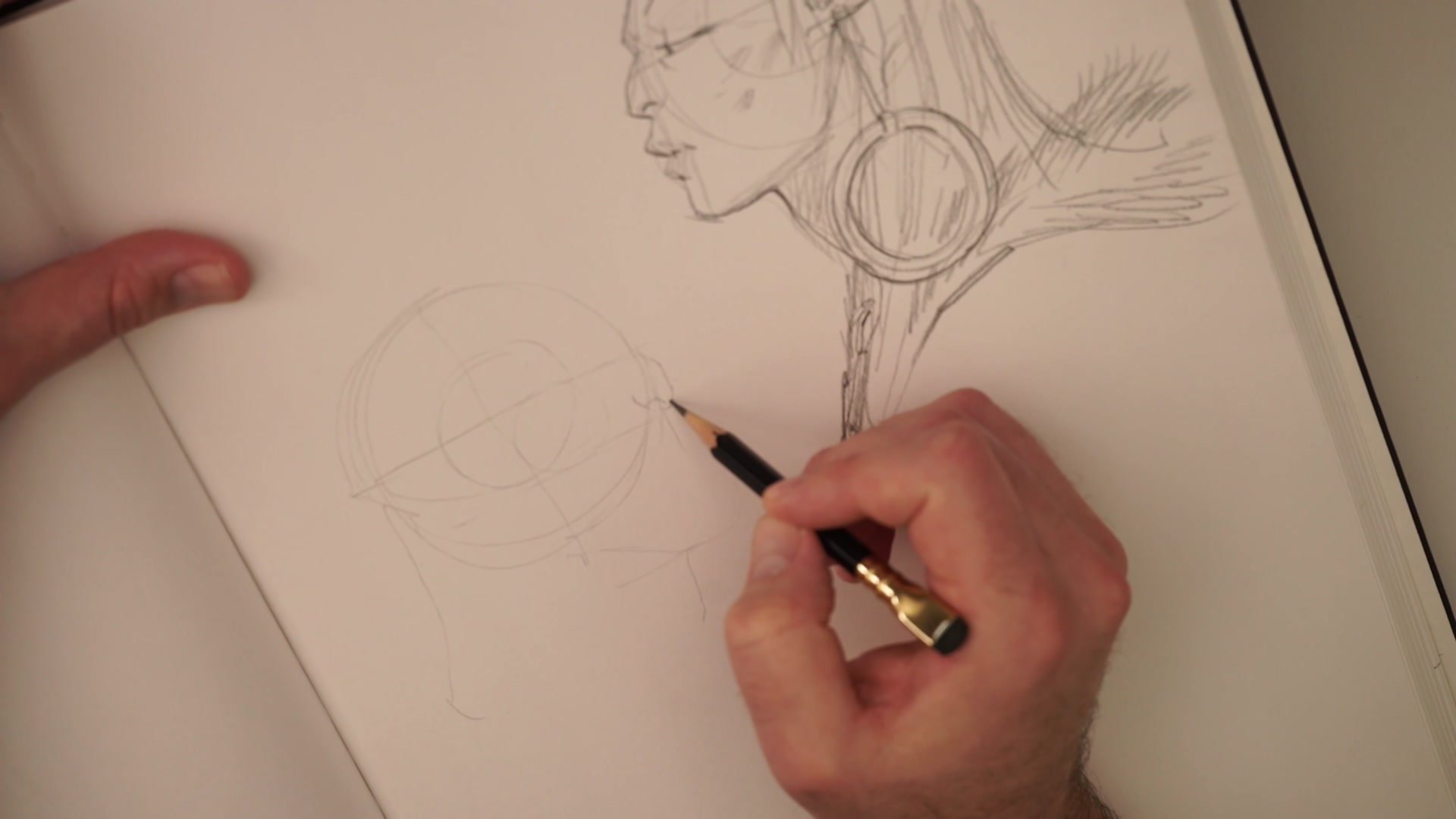
This Art Ritual session pairs an art book flip-through with a real-time pencil sketching hangout. The session opens with a look through the Breath of Fire 4 art book by Tatsuya Yoshikawa, exploring how simple line and color concept art from classic JRPGs created entire worlds with minimal rendering. Then the sketchbook comes out for a casual face sketching session using a Blackwing Matte pencil on Strathmore 400 series sketch paper.
The discussion throughout centers on why drawing faces matters more than artists tend to think. From character design to comic storytelling to building a sketching habit, faces serve as a foundation that supports everything else in the artistic journey.
Art Book Exploration
Why Faces Matter
A common misconception among developing artists is that drawing faces and profiles is somehow not valuable because it lacks technical complexity. The reality runs counter to that idea entirely. Faces are central to comics, character design, and illustration work. The ability to draw an interesting, expressive face is one of the most important skills for anyone working in entertainment art. Human psychology is wired to respond to faces above almost anything else, which is why portrait-focused artwork consistently draws attention.
The session challenges the idea that artists should always be pushing toward harder subjects. Having a comfortable subject to return to, like drawing faces, serves multiple practical purposes. It functions as a warm-up that keys in the hand and eye coordination needed for more ambitious work, and it provides a controlled environment for testing new tools or techniques without adding unnecessary variables.
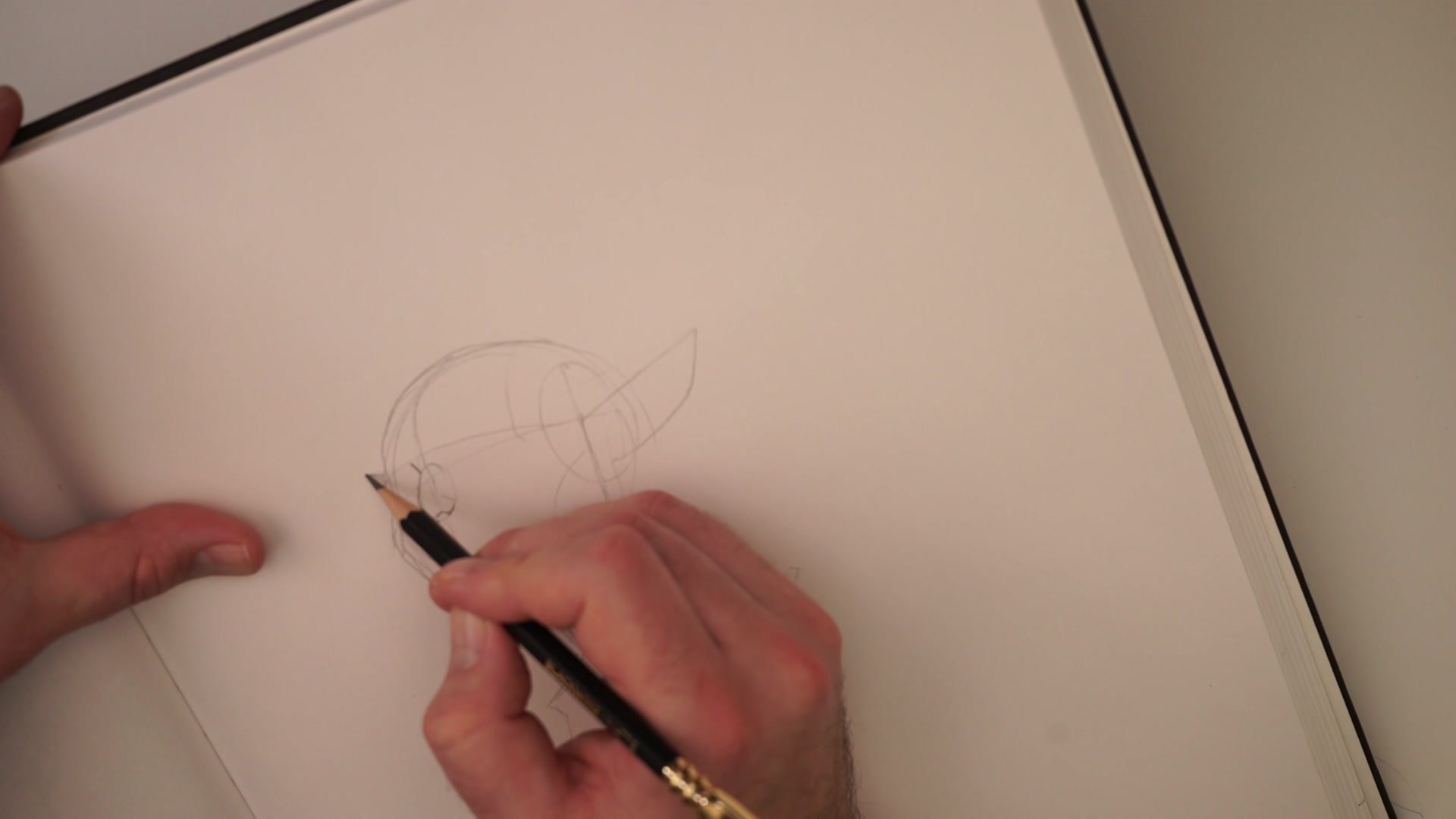
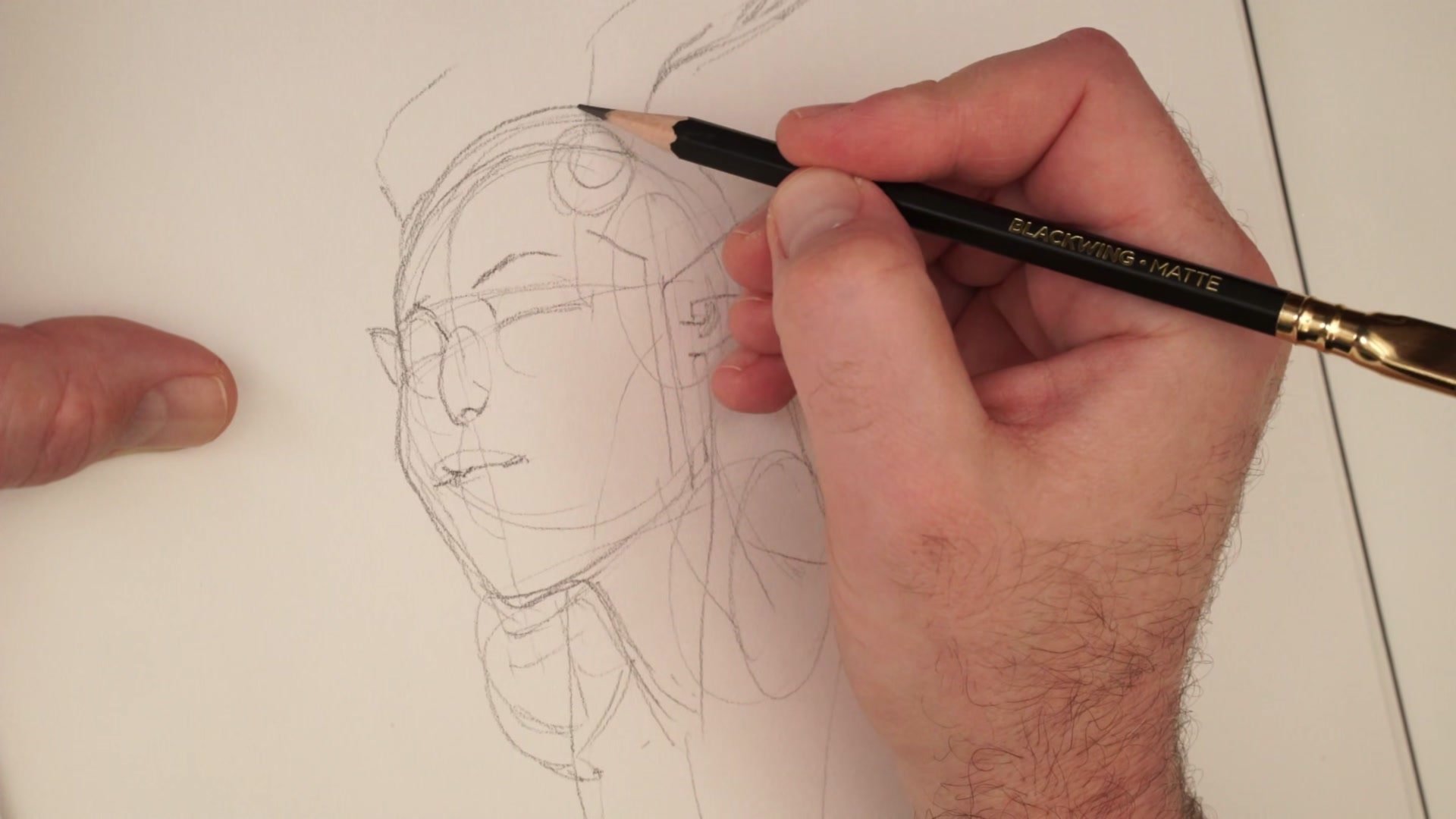
Profile Sketches
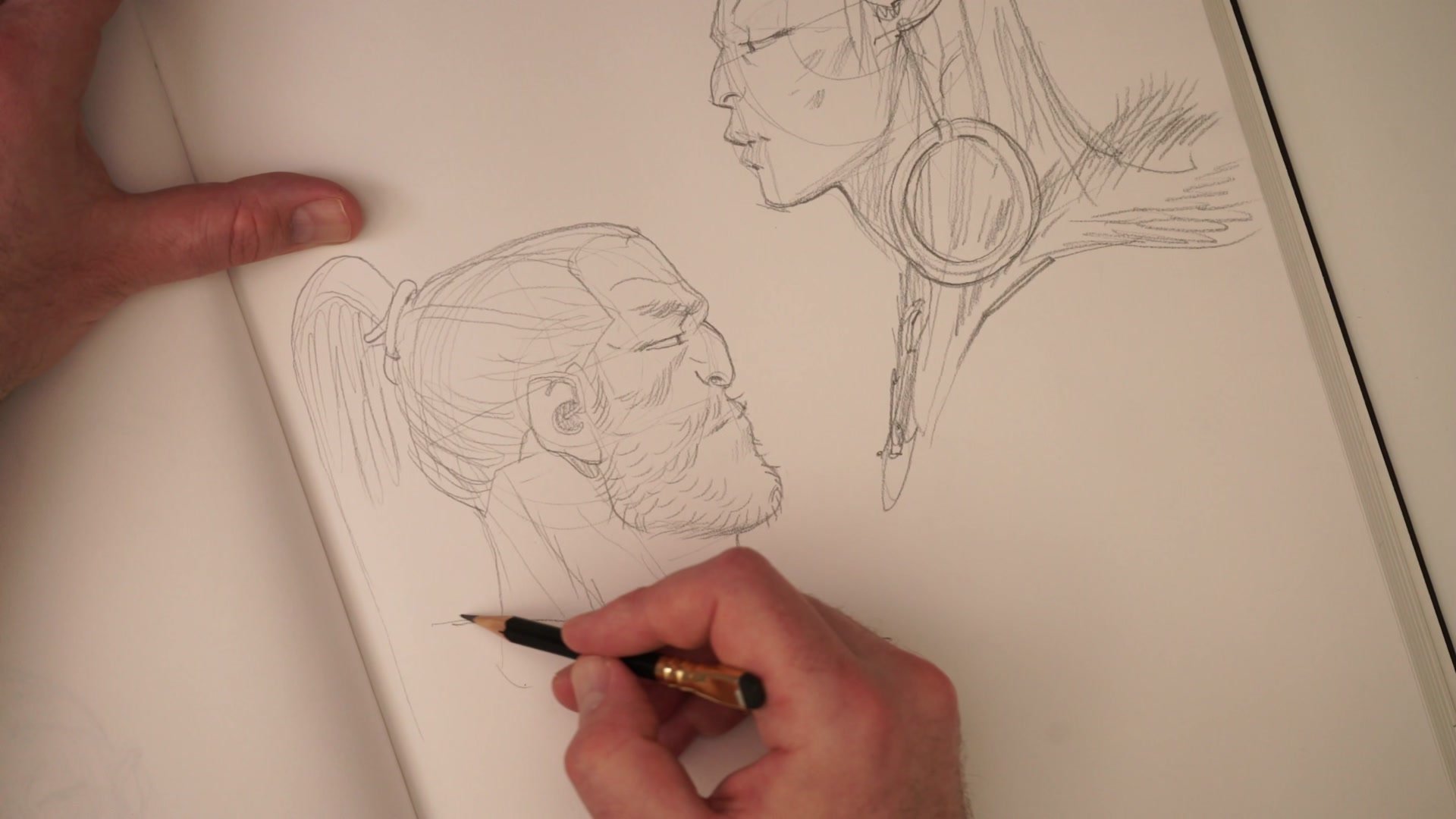
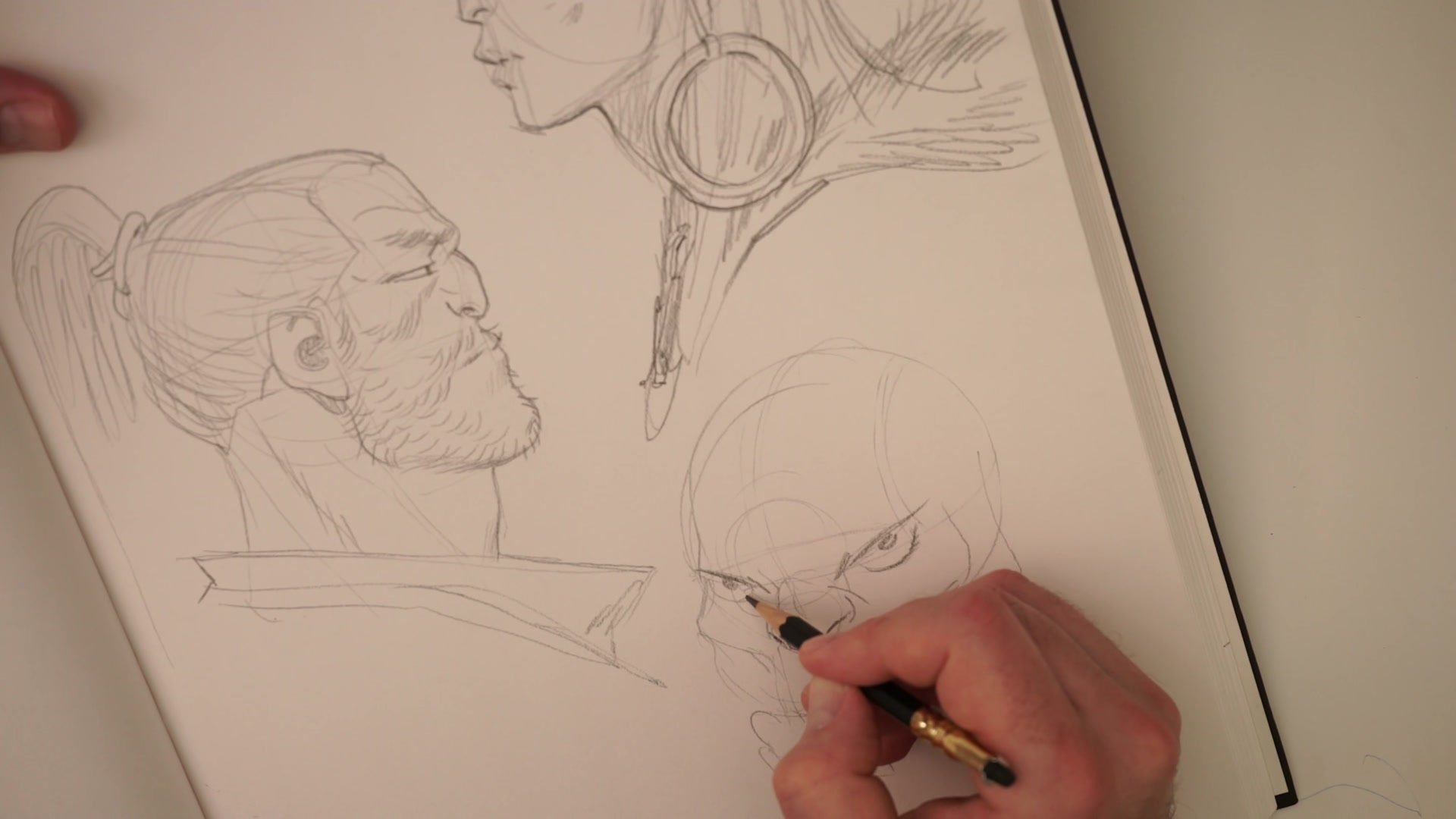
Structure Versus Character
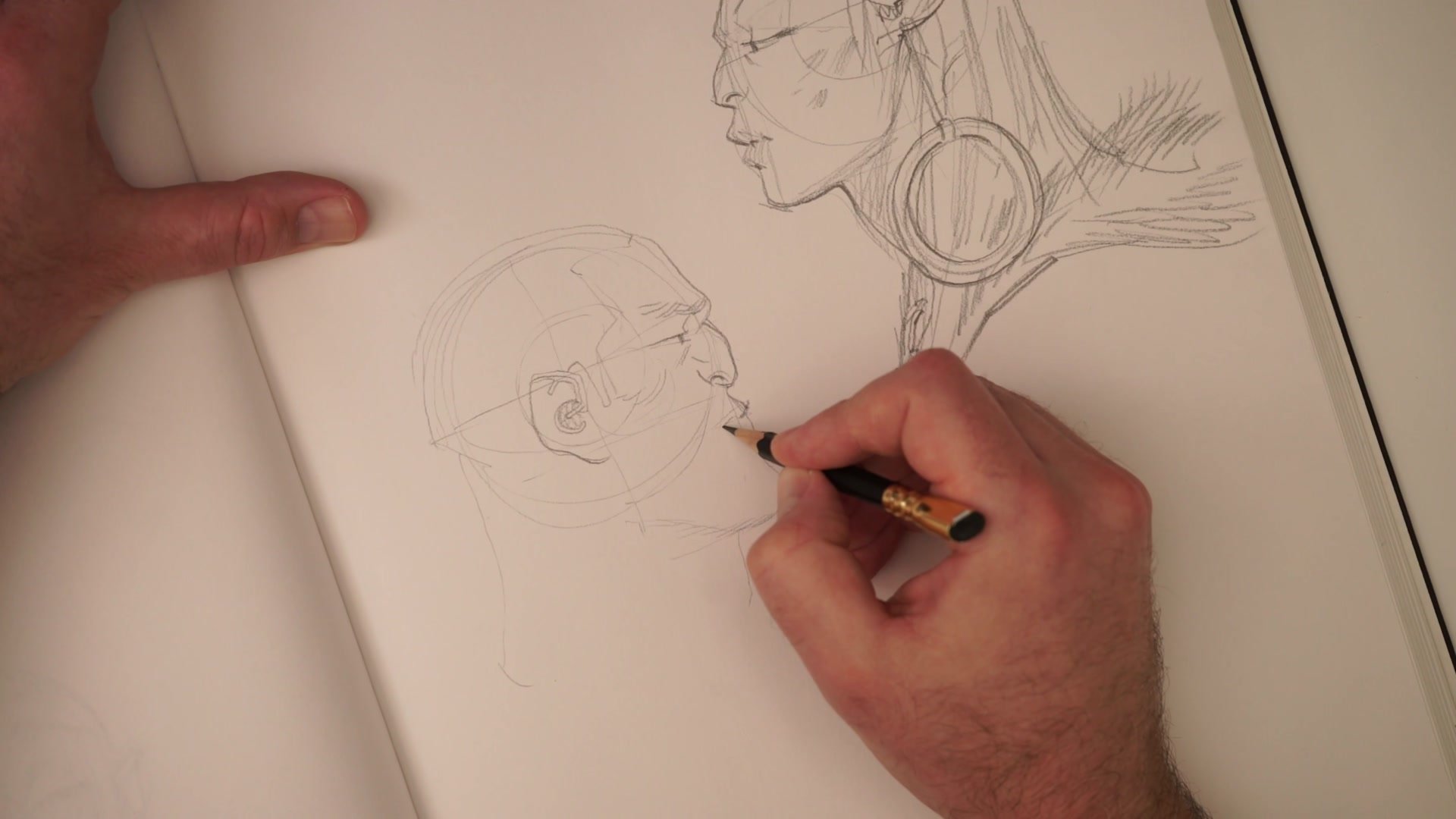
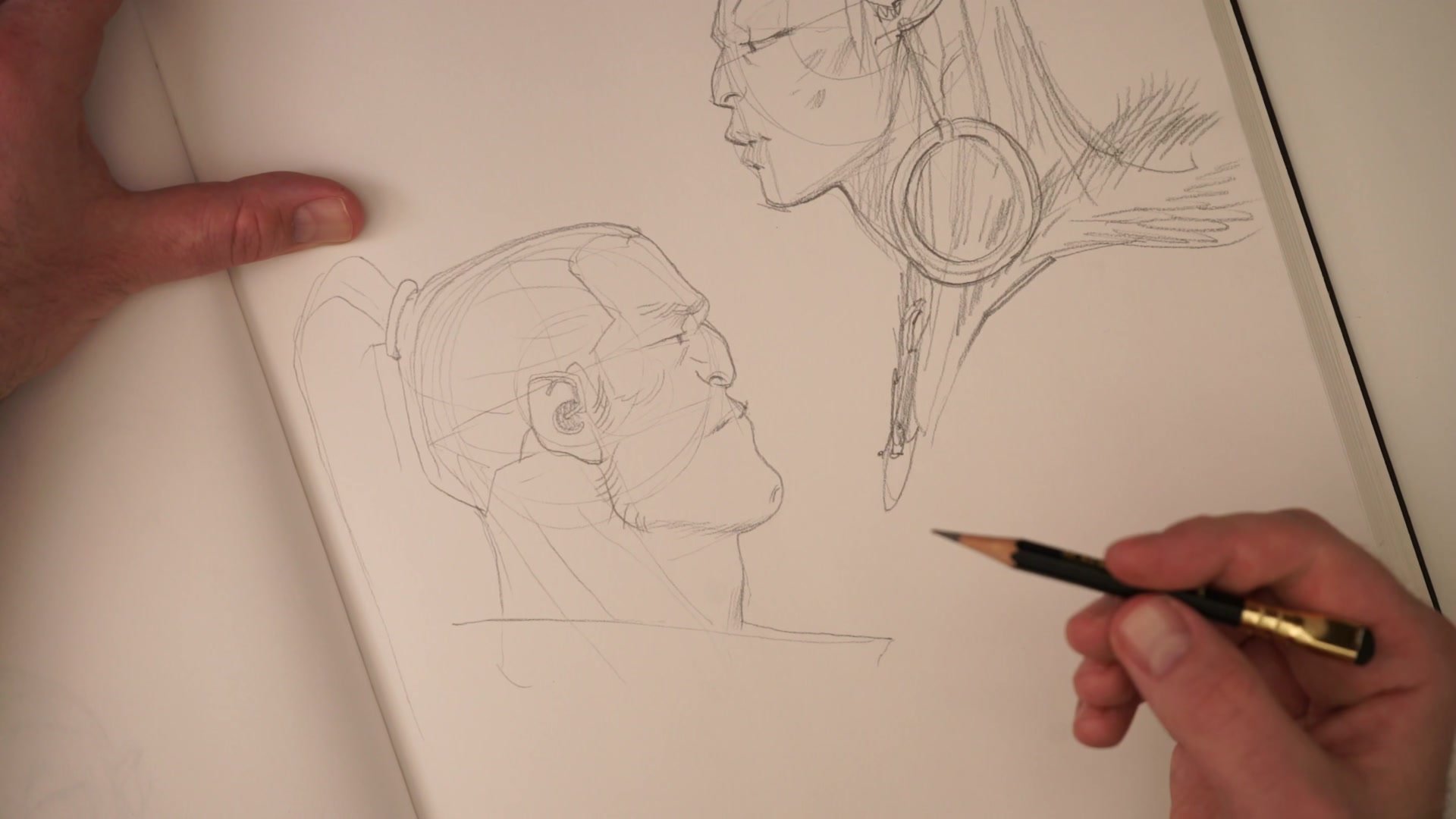
One of the fundamental tensions in character drawing is the balance between structural accuracy and emotional expression. Structure tends to stiffen drawings and make faces look dead, while expression requires pushing, squashing, and stretching features beyond strict anatomical correctness. The best artists navigate both simultaneously, refining their ability to make things look solid while keeping them alive and full of feeling.
This challenge becomes especially apparent in demonstrations, where focusing on construction often produces technically correct but emotionally flat results. Artists who develop skill in caricature and cartoon exaggeration often elevate their realistic work as well, because they learn where subtle pushes can bring a drawing to life. Knowing when to stop refining and leave things loose is part of the skill, particularly on sketch paper where erasing is limited and the drawing has to work with what it has.
Building Characters
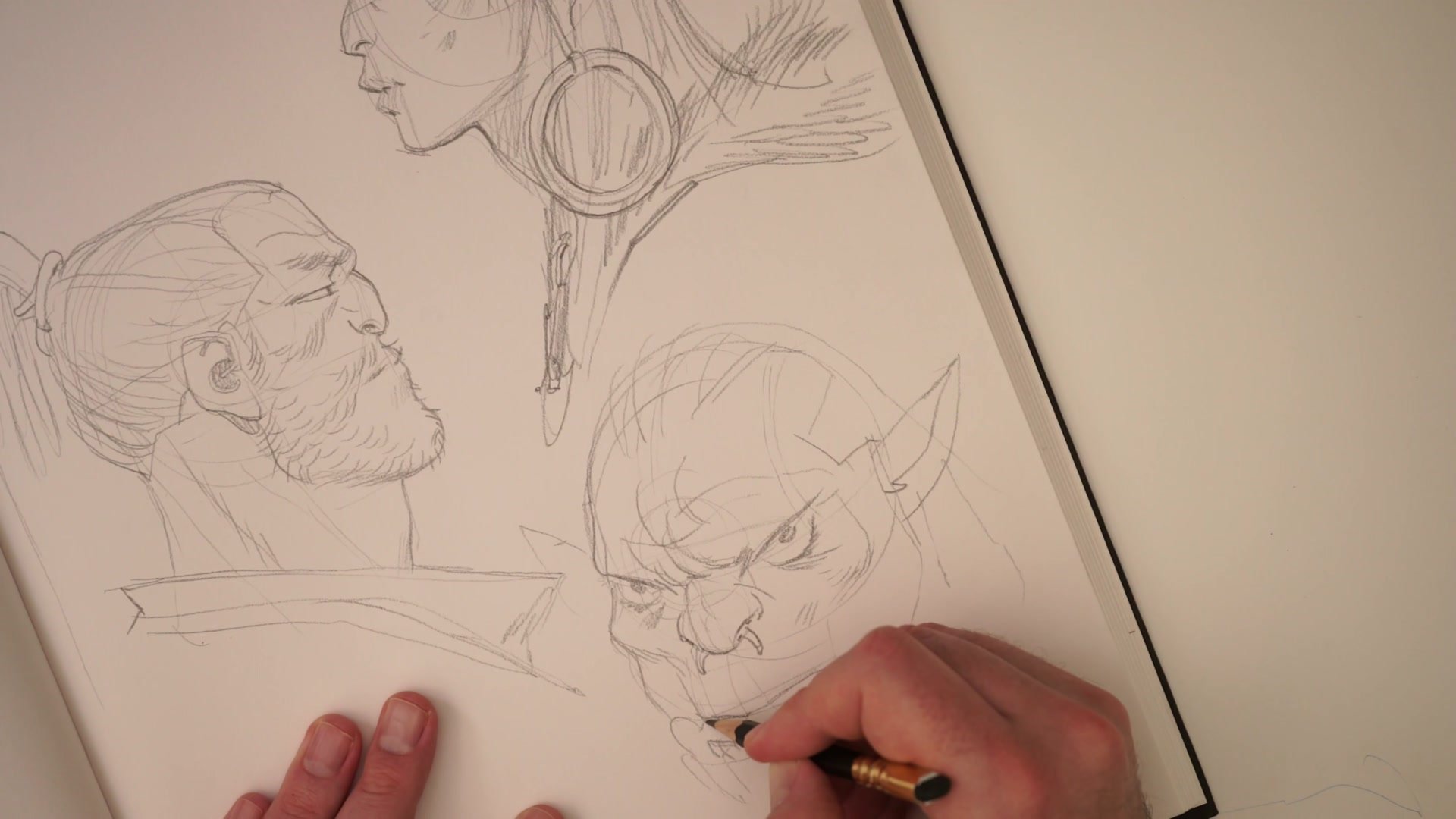
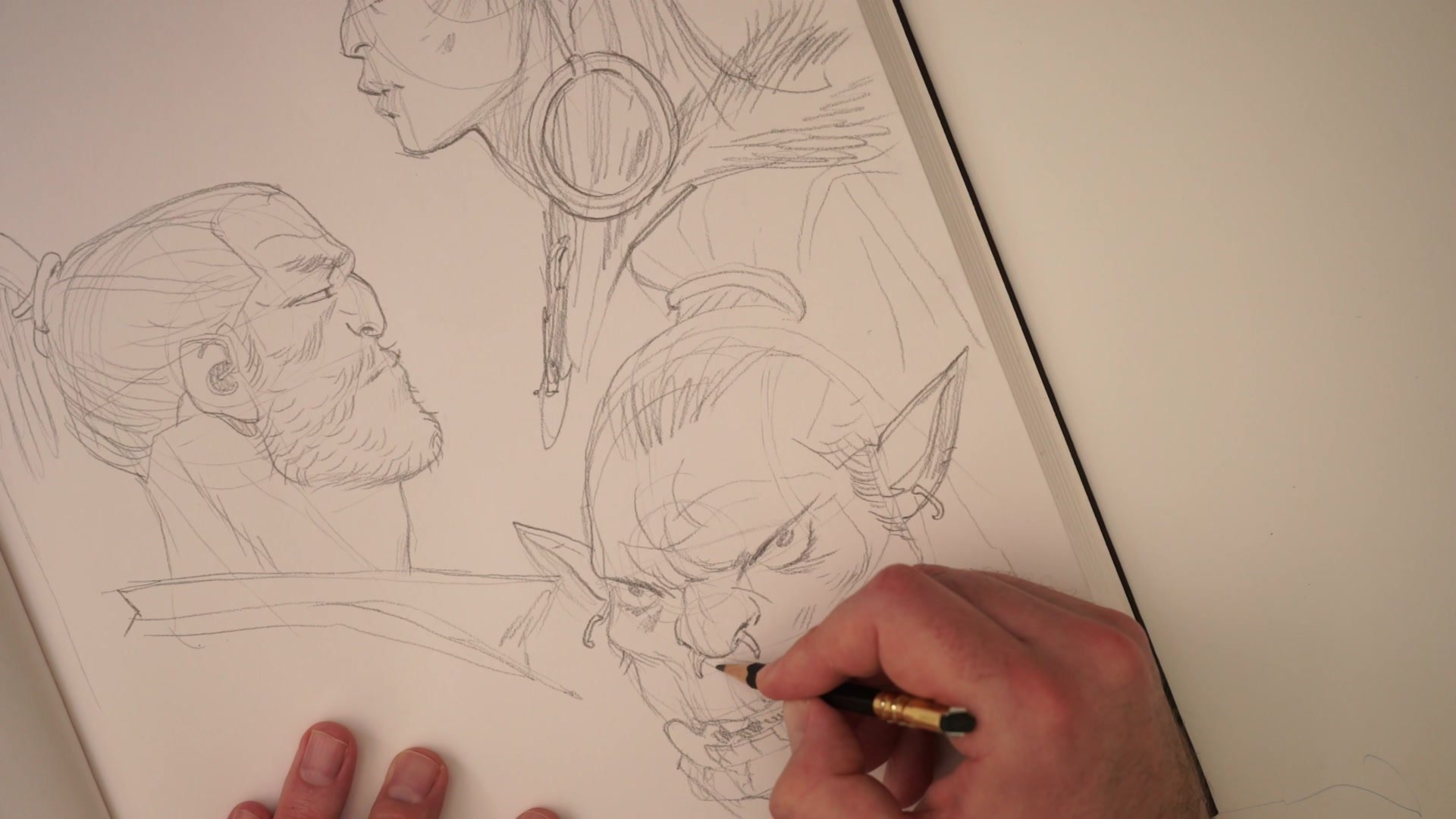
The Sketching Habit
Developing a regular sketching practice works best when it starts from a place of comfort rather than challenge. Sitting down with something familiar, whether that is faces, characters, or any preferred subject, removes the friction that prevents artists from drawing at all. The natural progression from there is organic. After about thirty minutes of comfortable drawing, boredom arrives and with it the creative itch to push further, try something new, or develop a sketch into a more finished illustration.
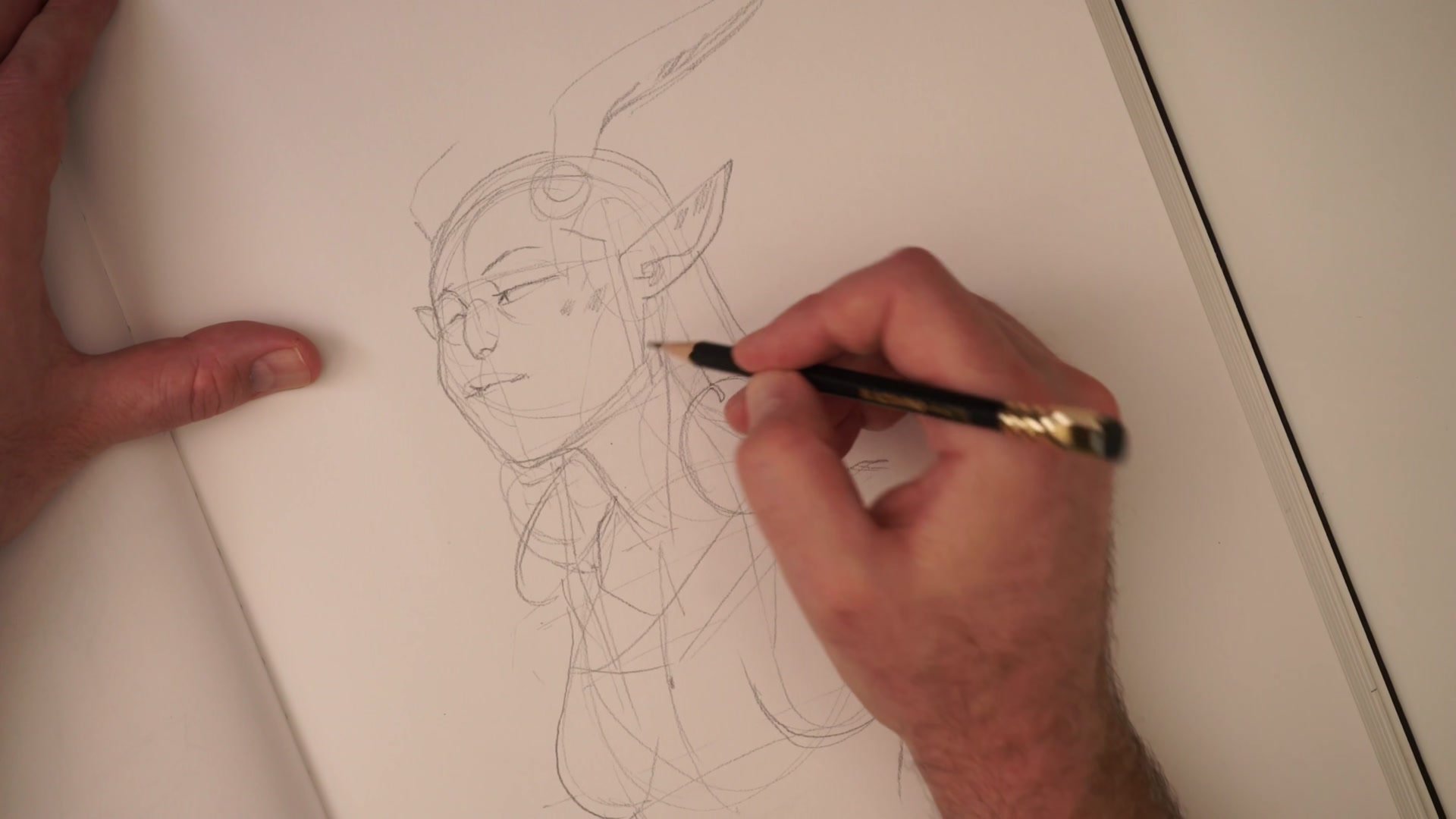
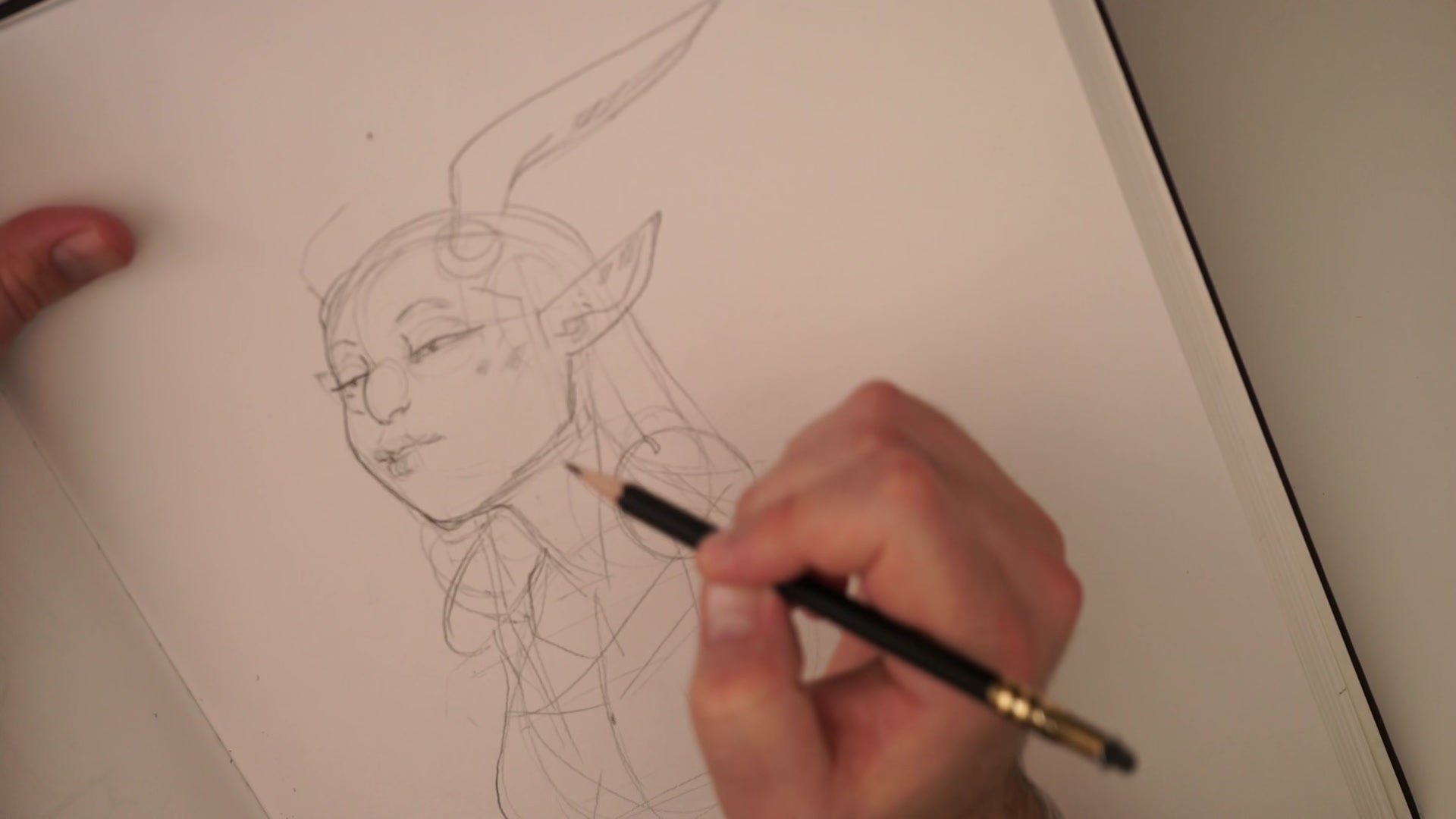
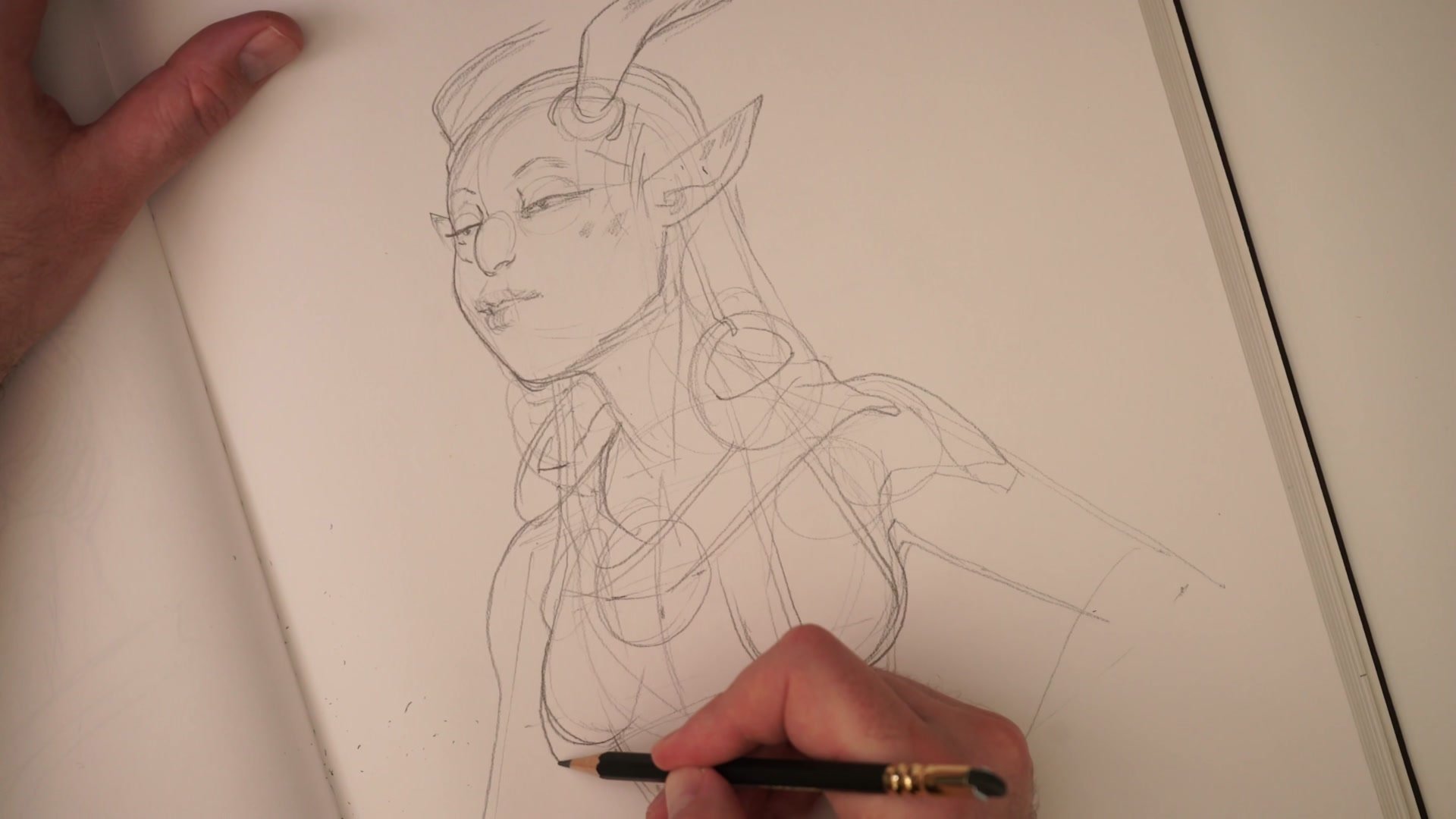
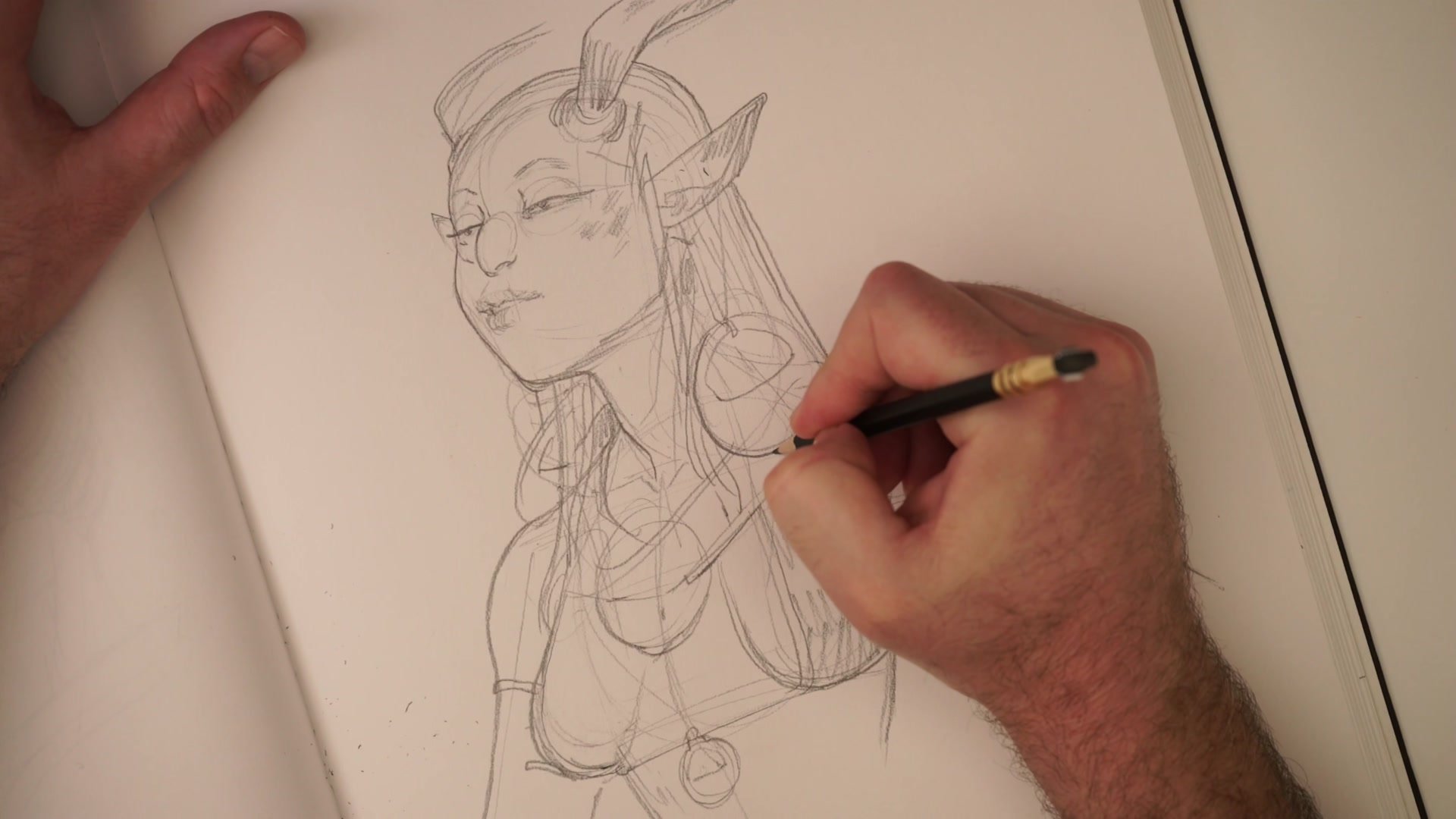
A hardback sketchbook adds an element of permanence that loose paper lacks. Designs can be revisited, refined over multiple sessions, and reviewed later for progress tracking. The inability to erase cleanly on thin sketch paper actually solves problems by forcing commitment to marks and preventing overworking. The session demonstrates this progression live, moving from simple profiles to more dimensional faces to full fantasy character designs as the warm-up takes hold.
Final Sketches
Key Takeaways
Faces Are Foundational: Drawing faces and profiles is one of the most important practices for character designers, comic artists, and illustrators. It builds muscle memory that supports all character work.
Comfort Zone as Launchpad: Starting each session with a familiar, comfortable subject warms up the hand and mind, naturally leading to more ambitious work once the creative itch kicks in.
Structure Versus Expression: The tension between structural accuracy and emotional expression is a core challenge. Learning when to push and exaggerate features brings drawings to life.
Simple Art Inspires: Art books like Breath of Fire 4 demonstrate that simple line and color work, including rough development sketches, can create entire compelling worlds without heavy rendering.
Try This
Grab a Sketchbook: Pick up a simple sketchbook with thin paper that discourages erasing. A Blackwing pencil or any comfortable drawing tool will work.
Start With Profiles: Draw three to four simple face profiles as a warm-up. Keep them loose and do not worry about perfection on sketch paper.
Follow the Itch: After the warm-up, let boredom guide the next step. Push into more dimensional faces, add character design elements, or develop a sketch further as curiosity dictates.