Learning New Art Tools Through Simple Process
Summary
Learning New Tools Through Process
Taking on a new medium, whether markers, watercolor, Procreate, or any unfamiliar tool, almost always starts the same way. Early excitement leads to buying gear, watching tutorials, and jumping in too fast. The results disappoint, and the tools end up gathering dust. The problem is rarely the tools or even the knowledge. The problem is the absence of a simple, reliable process.
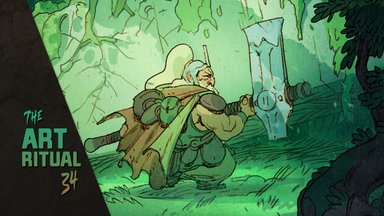
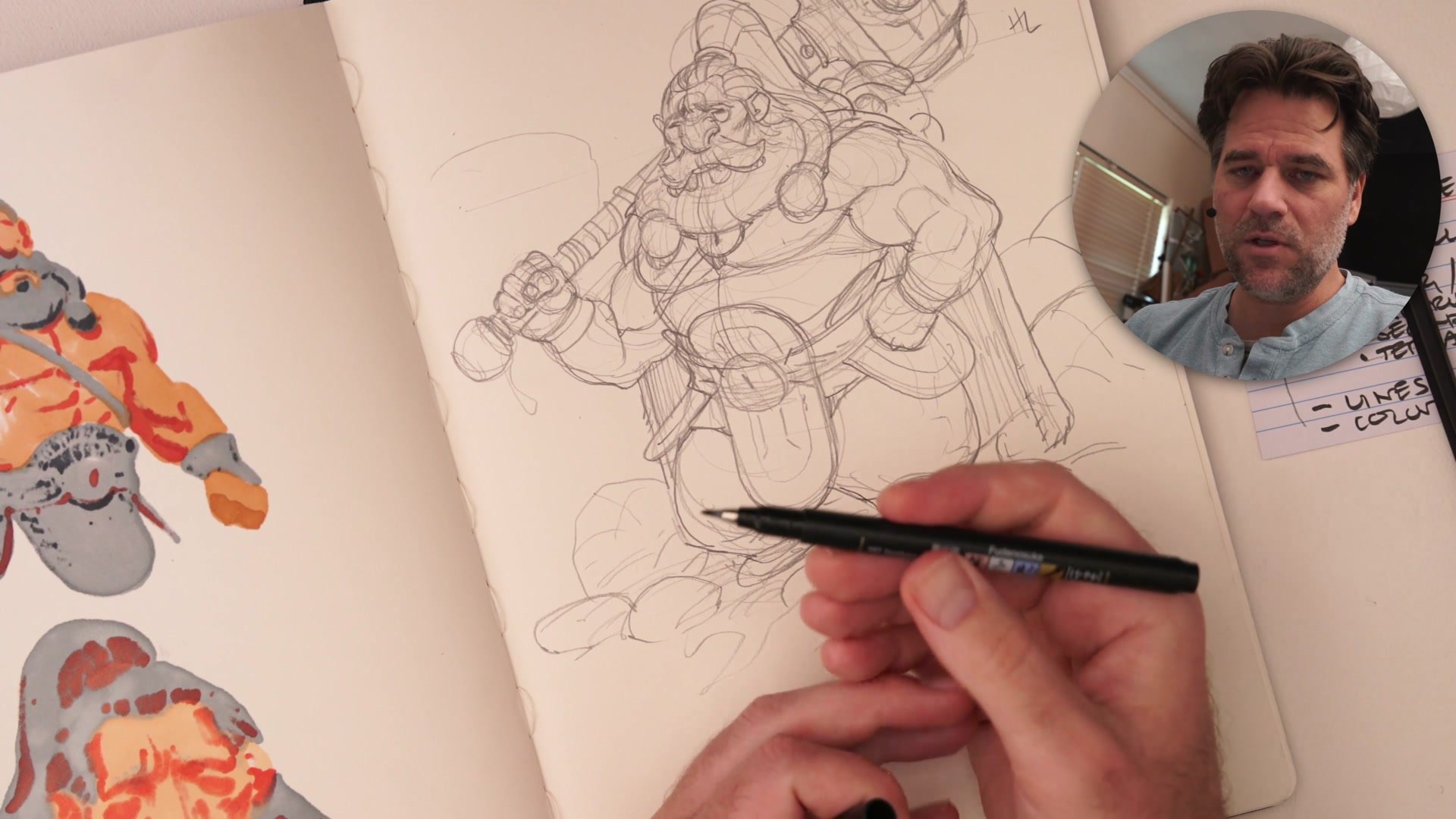
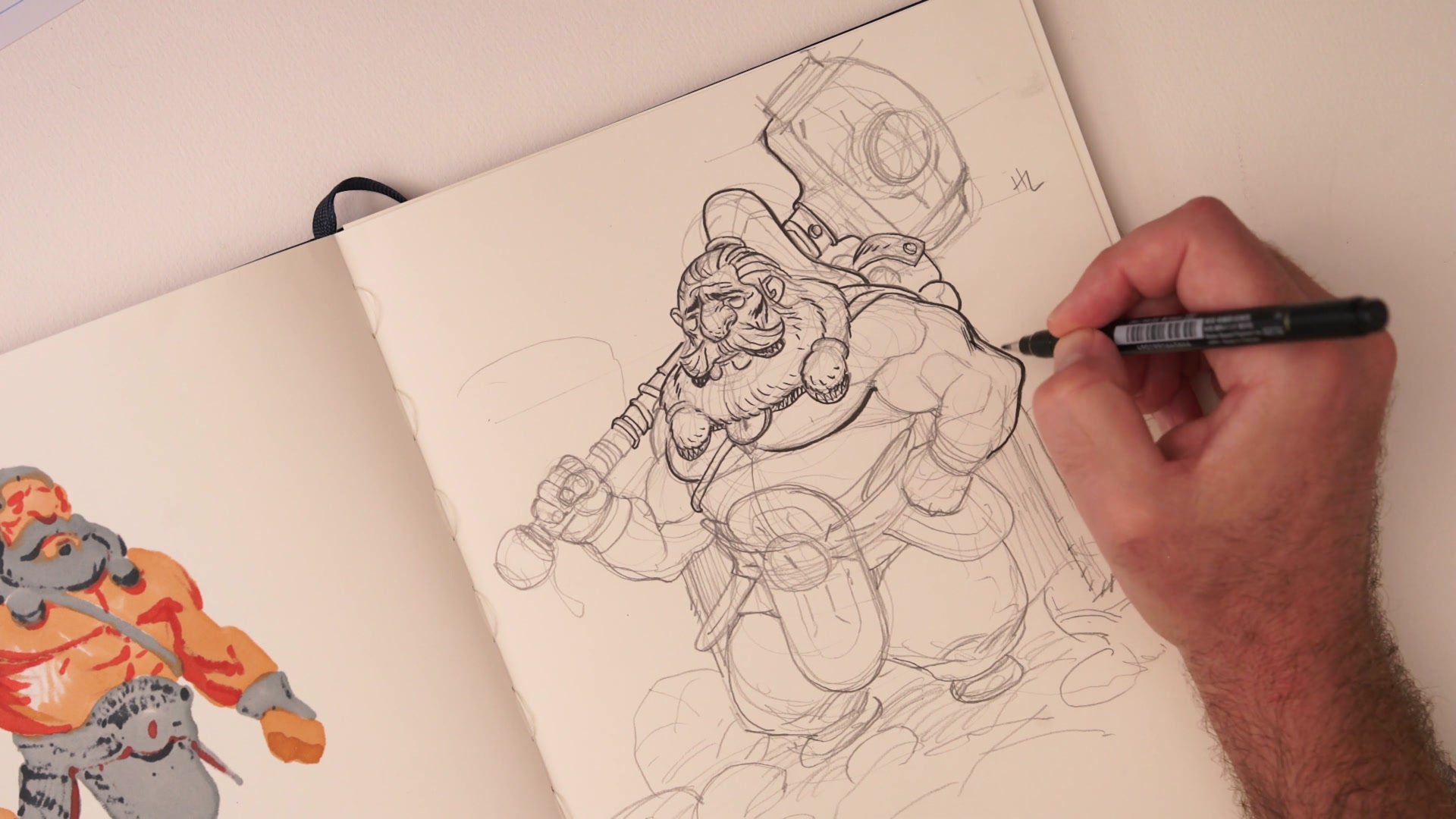
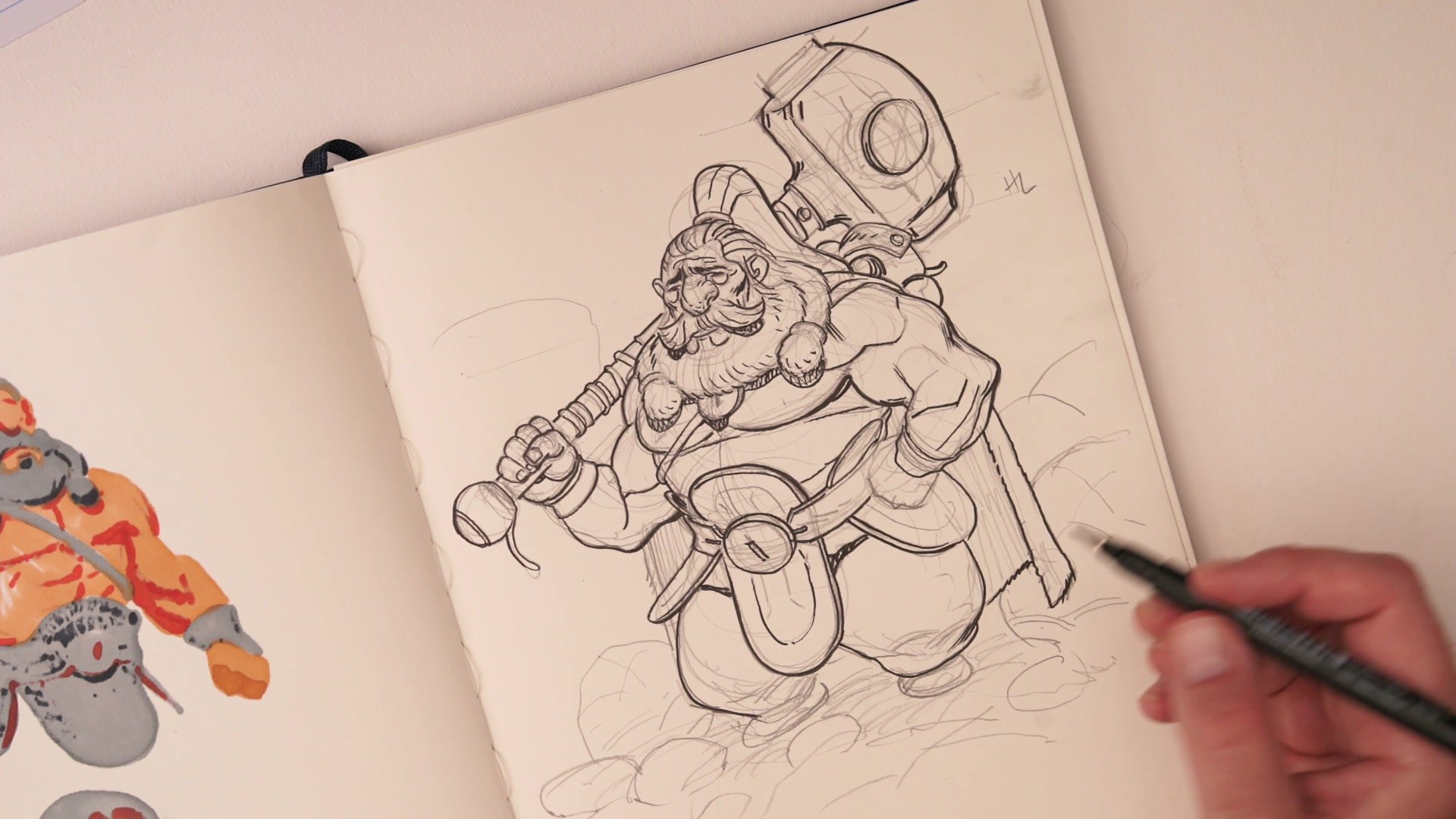
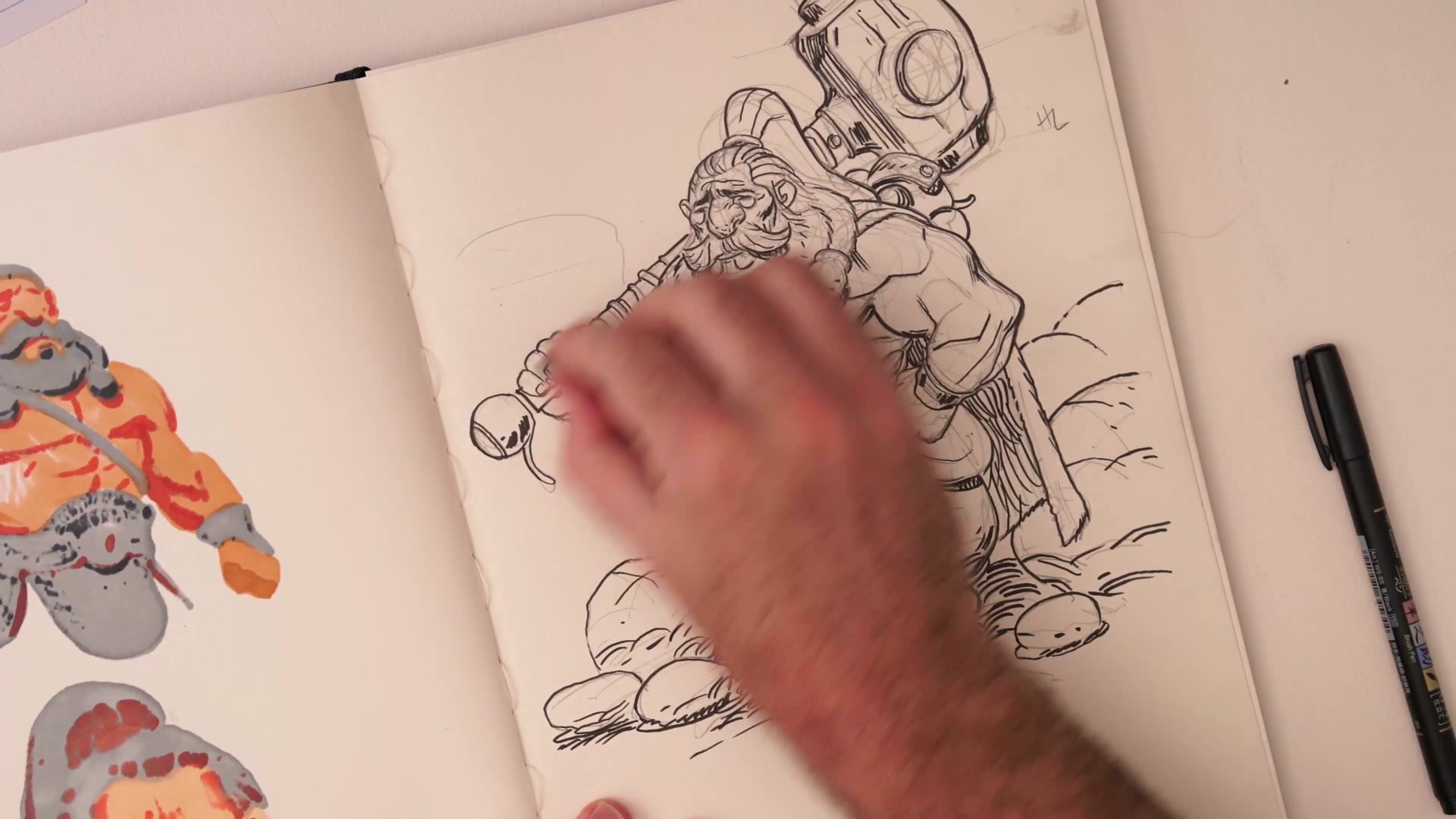
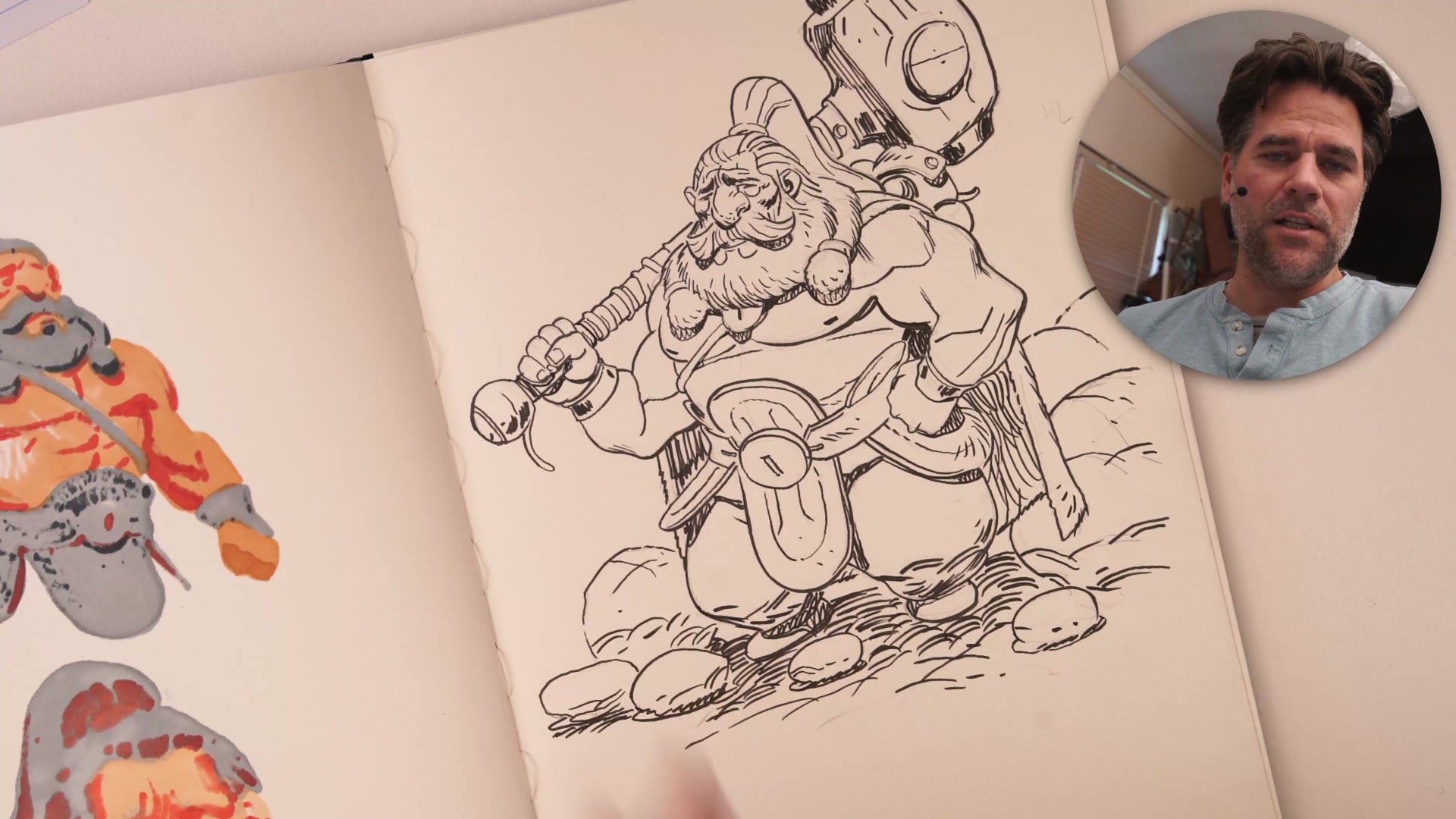
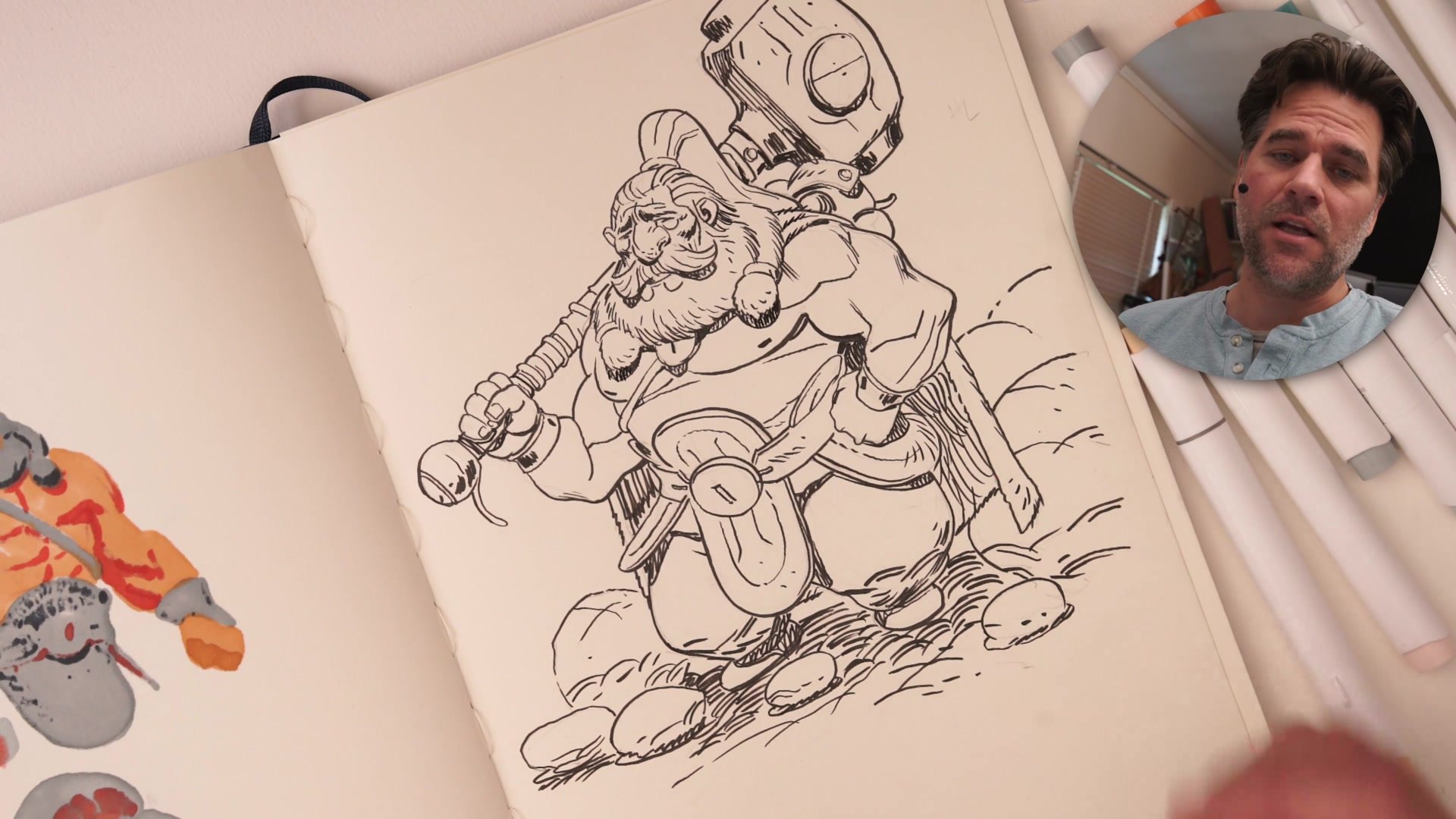
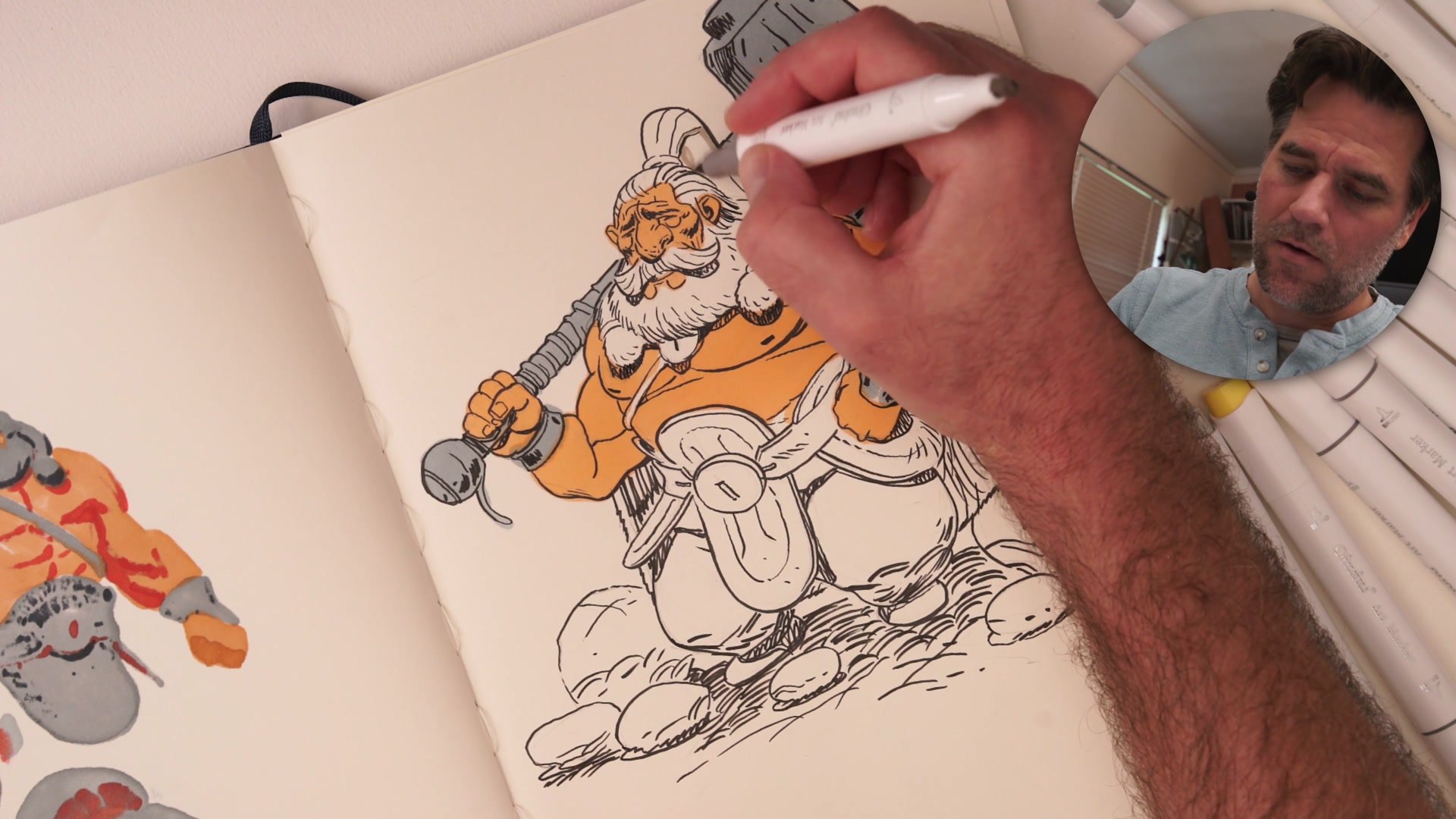
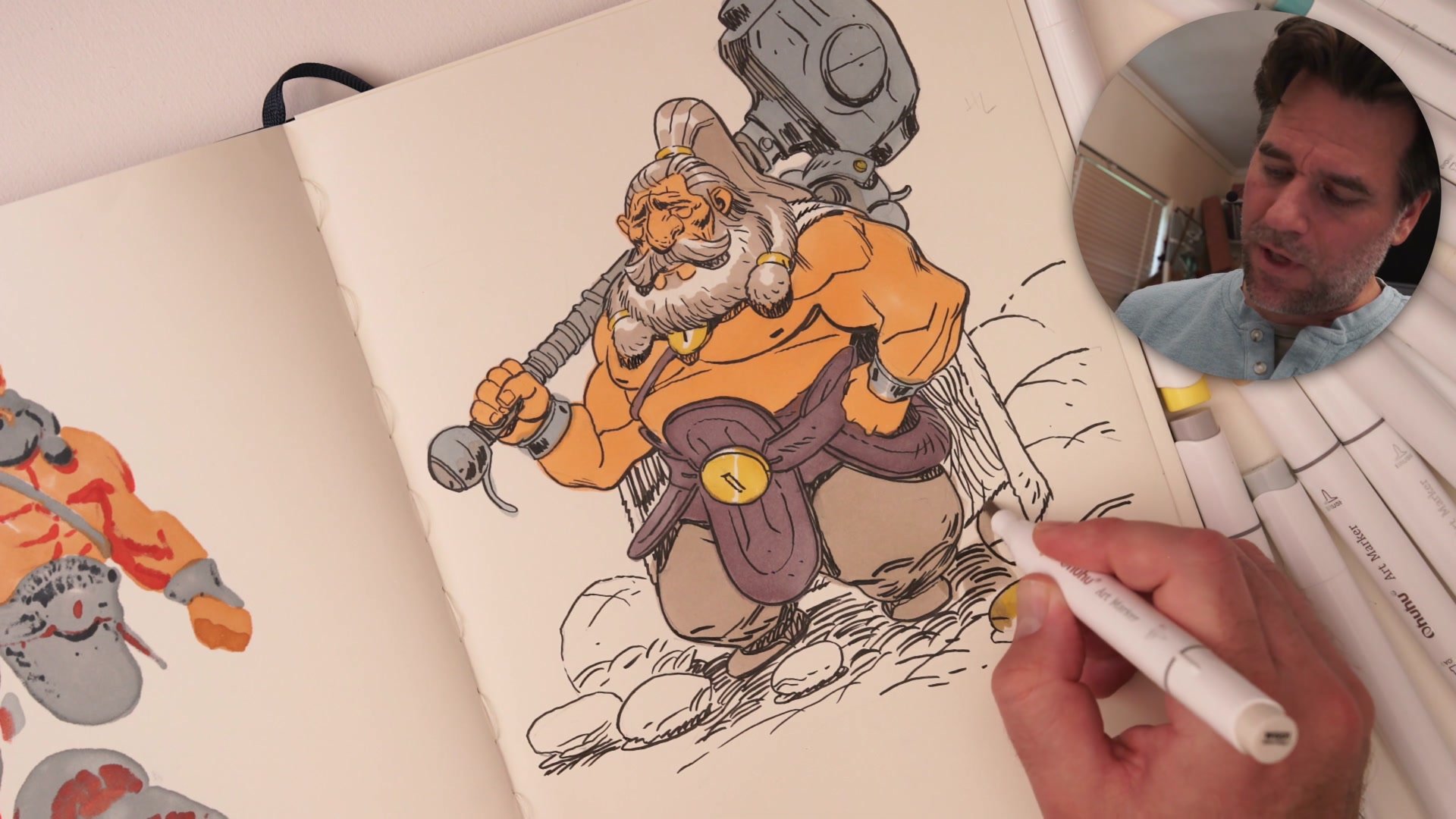
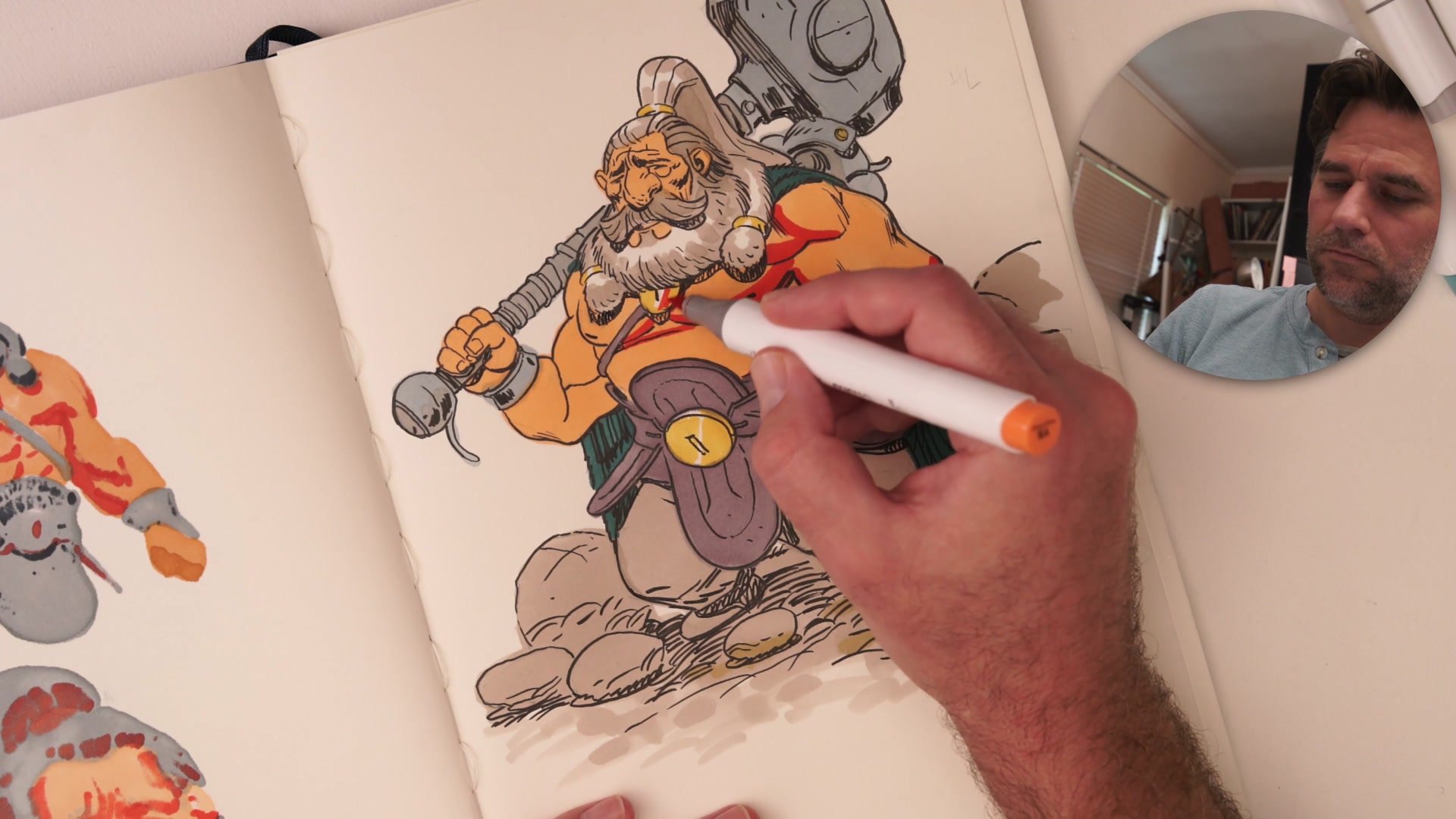
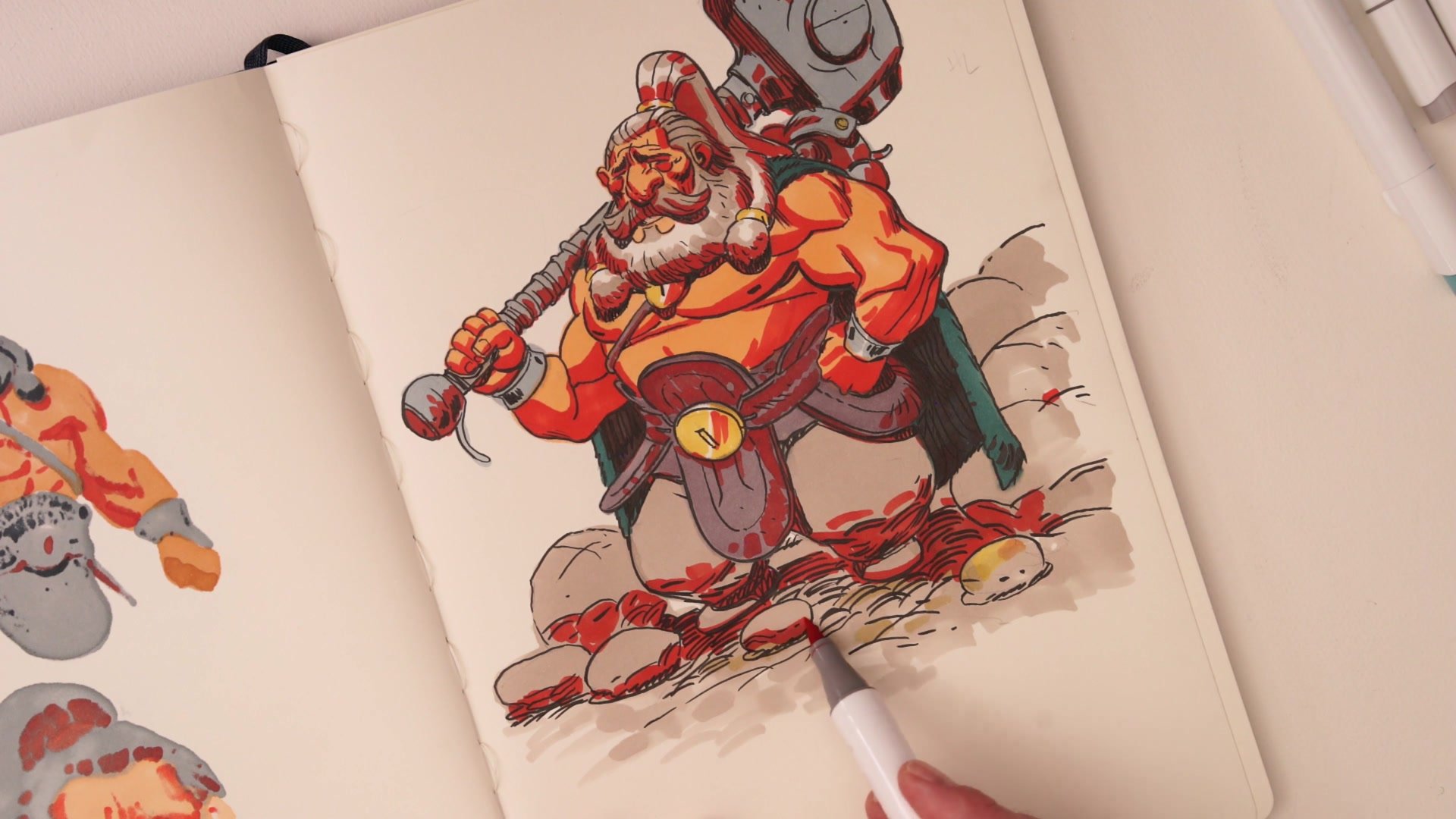
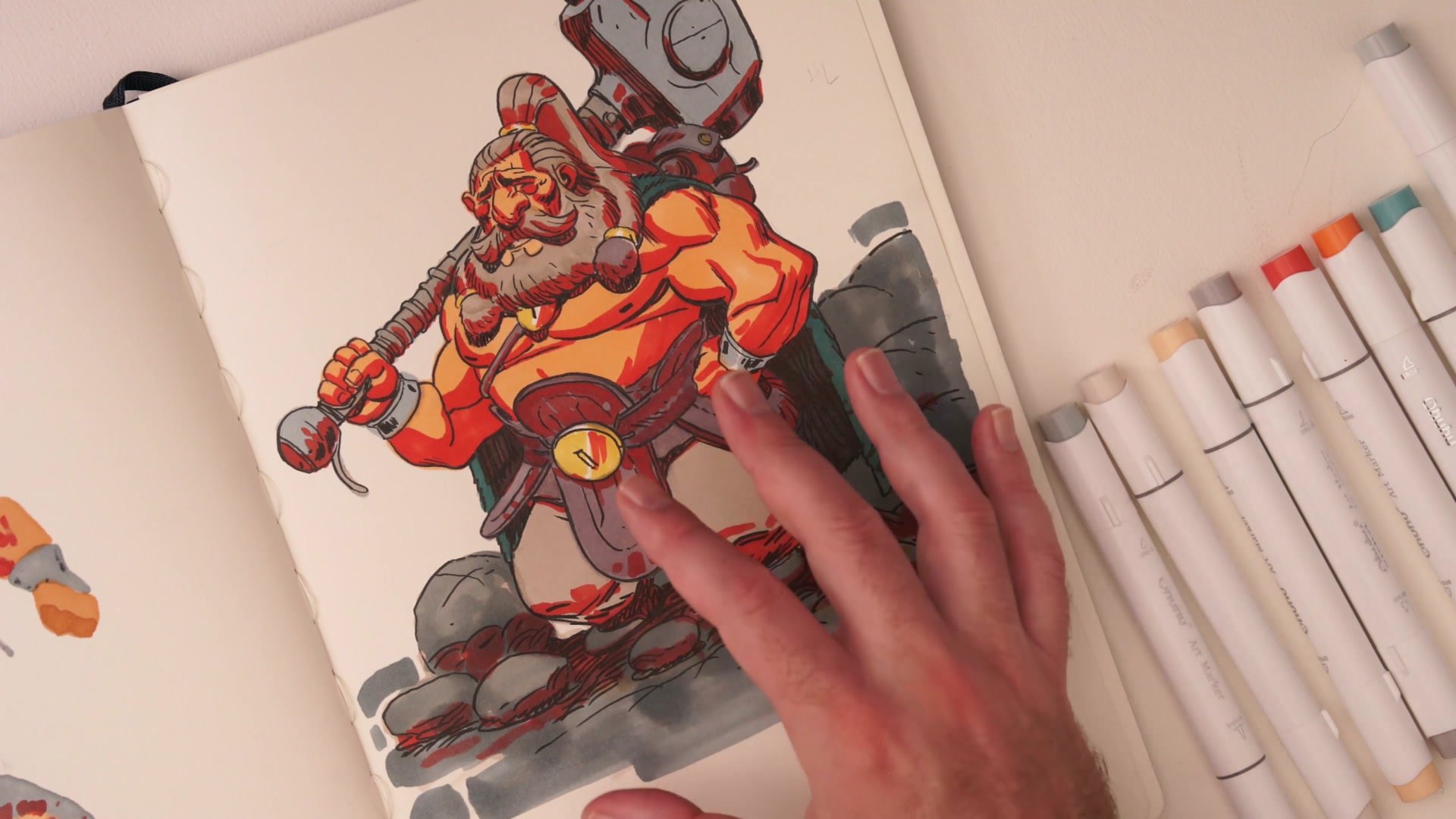
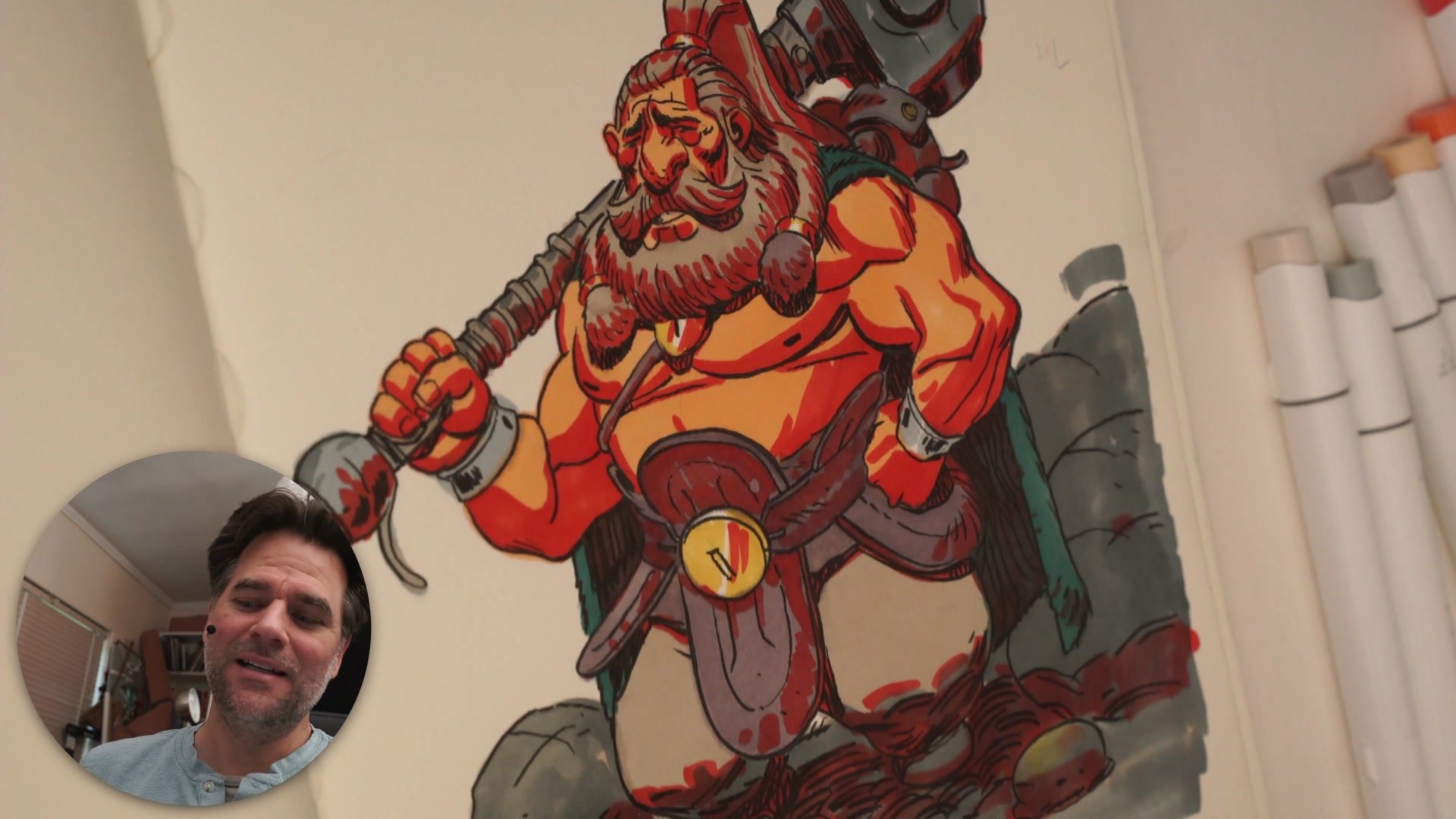
This real-time demo walks through a complete marker illustration of a fantasy dwarf character, from construction drawing through inking to color application. The focus is on how to structure the learning process itself: reduce scope, simplify tools, build skills through deliberate passes, and resist the urge to optimize before the fundamentals are in place.
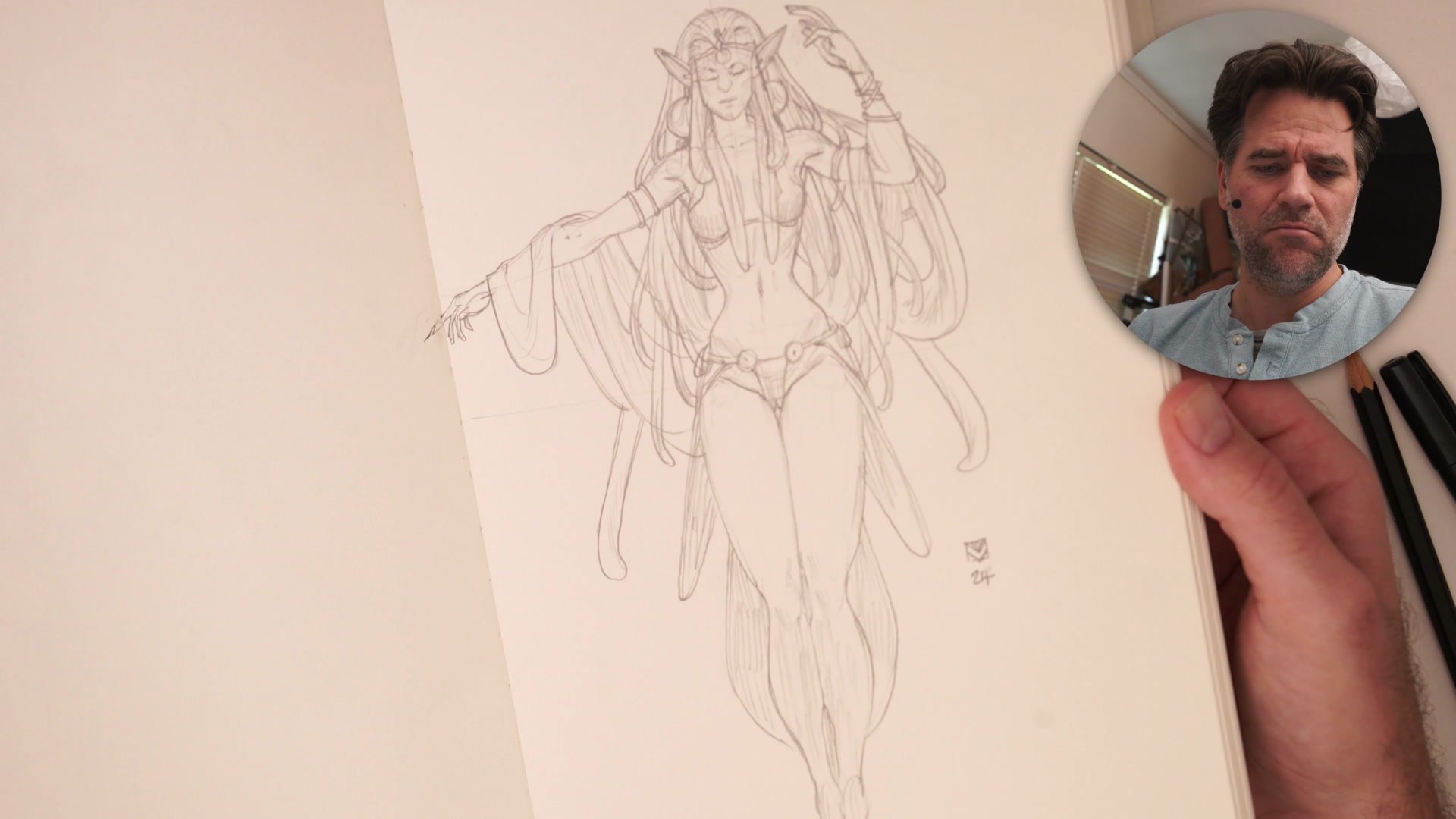
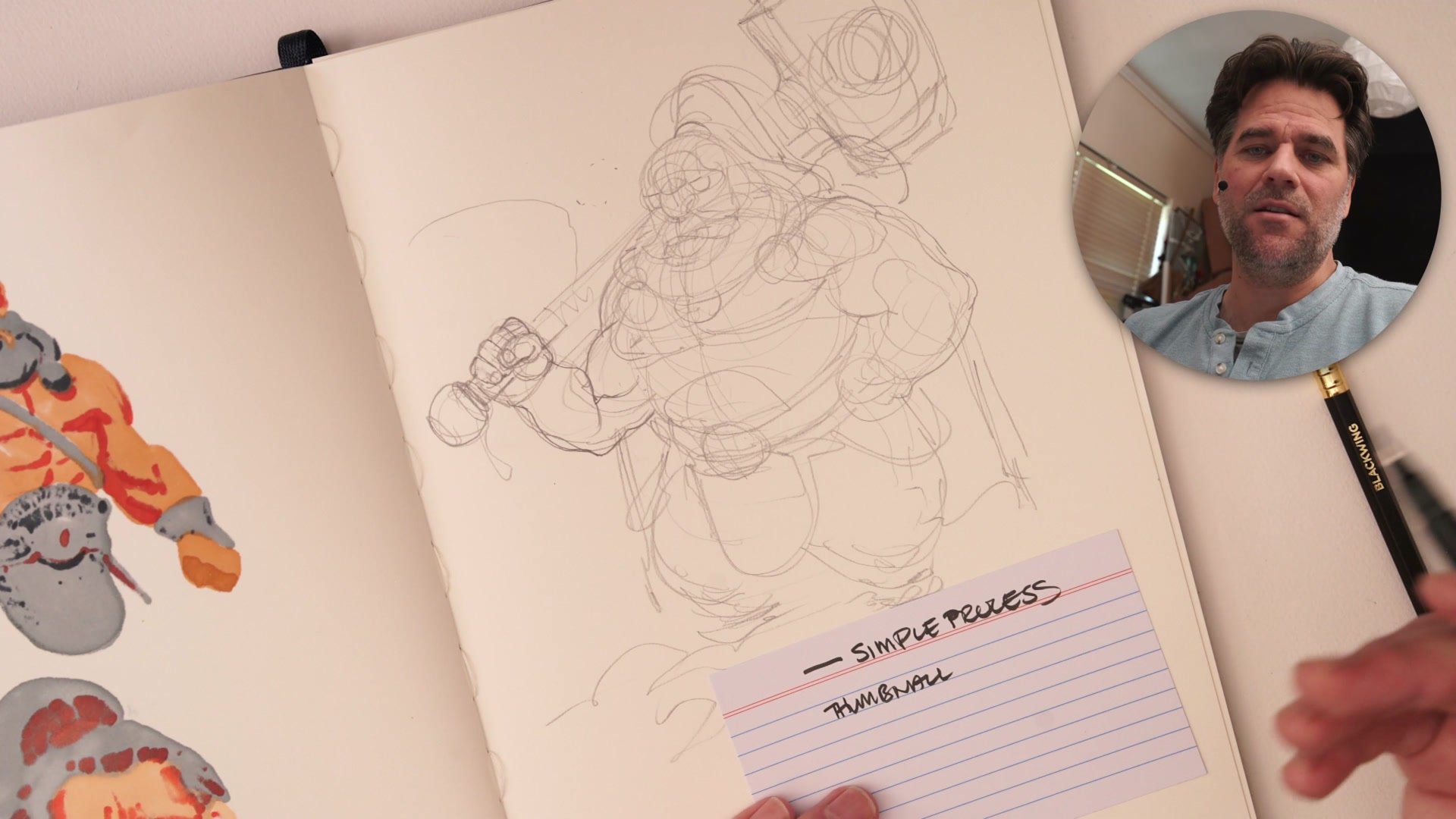
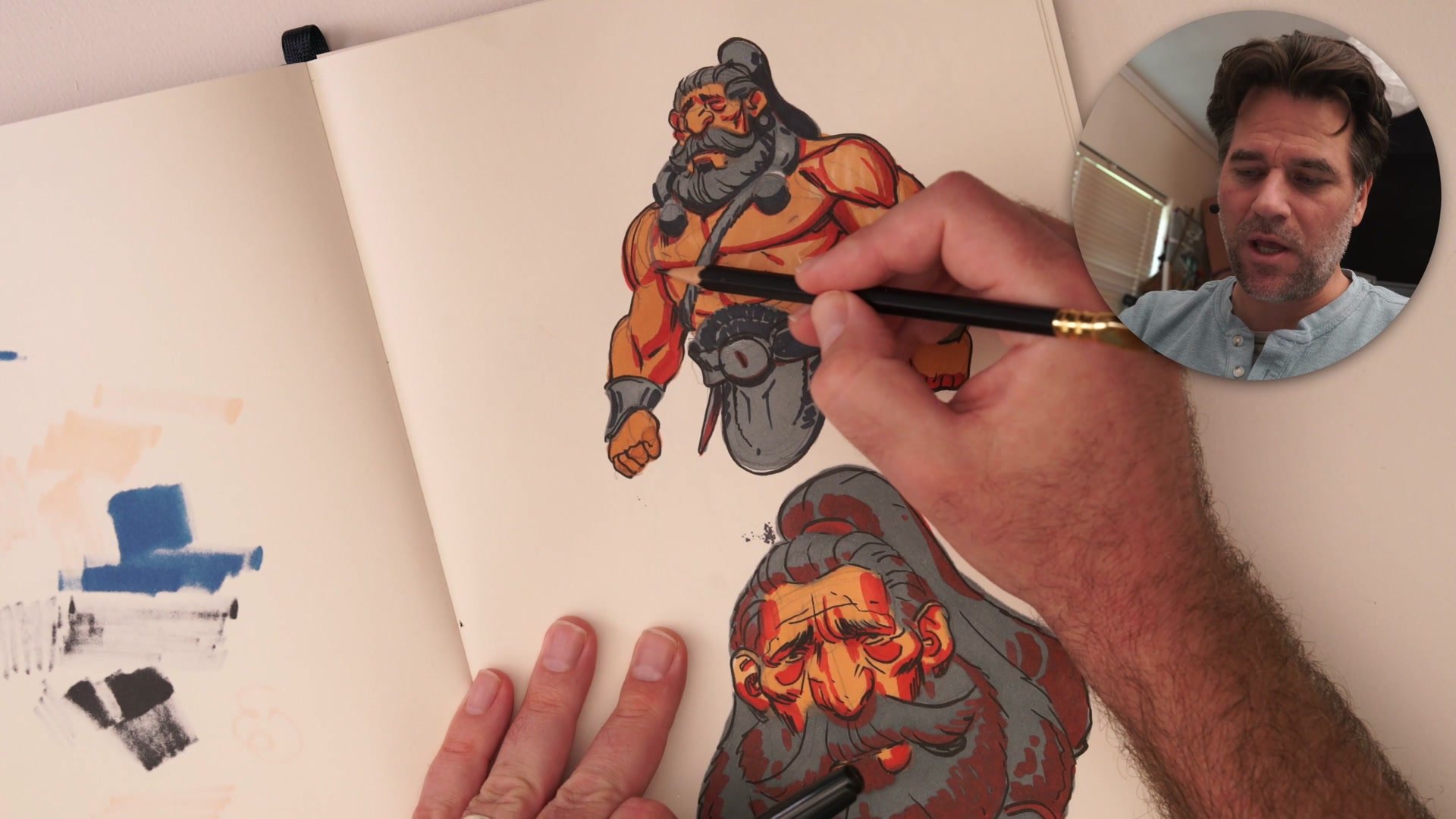
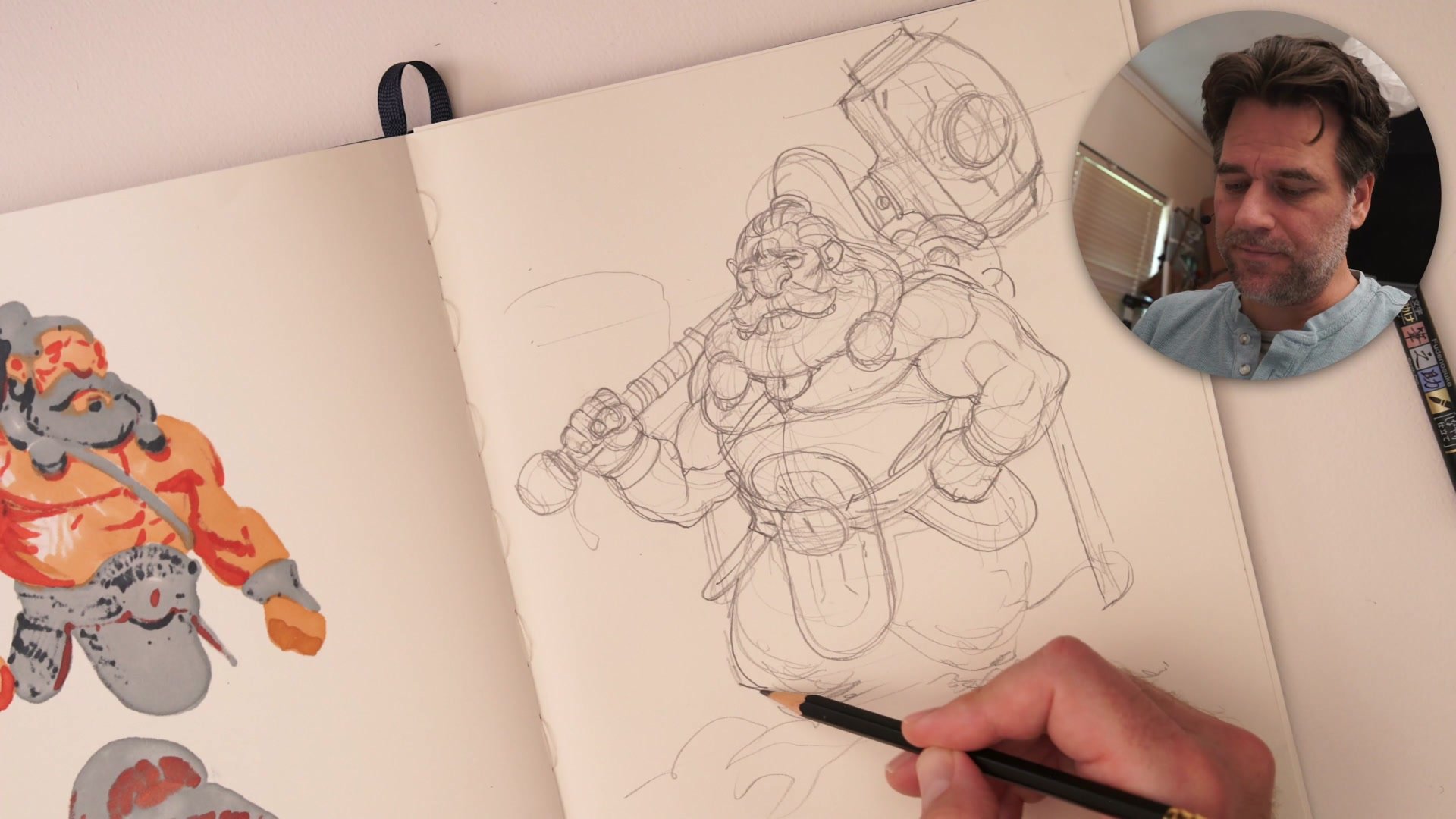
Secondary Form
The single biggest gap holding back intermediate artists is skipping secondary form. A rough gestural sketch captures the energy and the pose, but jumping straight from sketch to inks means every hand becomes sausage fingers and every joint stays undefined. Secondary form is simply another drawing pass where specific details get resolved: where exactly do the pectorals meet the shoulder, how does the belt wrap around the torso, what shape are the knuckles.
This step is not about structural drawing for its own sake. Drawing through, finding center lines, and checking perspective are tools that make secondary form easier to nail. But the core requirement is just doing another pass before committing to permanent marks. Whether working digitally or traditionally, this single habit separates work that feels unfinished from work that holds up under closer inspection.
Scope and Simplicity
Five hundred dollars worth of markers, bought as a student, never used, all dried up. That story captures exactly what happens when scope and tool complexity overwhelm the learning process. The temptation is always to acquire everything first: the right paper, the right pen, the full marker set, the blending tools. But none of that matters without a process to step through.
Reducing scope means choosing a subject within your comfort zone so the drawing itself does not become the obstacle. Simplifying tools means starting with two or three colors instead of fifty. For this demo, the entire color approach uses a skin tone, a couple of grays, and warm red shadows. That constraint removes dozens of decisions and lets the focus stay on actually going through the process and learning how the tools feel on the page.
Skills Transfer Takes Time
Twenty-five years of professional comic and illustration work does not automatically transfer to a new medium. Knowing exactly where a line should be thick or thin, understanding when to feather and when to commit, none of that theoretical knowledge translates into physical control on the first attempt. The brush pen requires different pressure, the paper absorbs differently, the markers bleed in ways that digital tools never do.
This is the critical insight that changes how artists approach new skills: the first several attempts will feel like failure even when the knowledge is solid. What builds competence is repeating the process, refining the technique, and expanding scope gradually. Not buying more supplies, not watching more tutorials, not searching for the perfect paper. Just going through the steps again and paying attention to what worked and what to change next time.
Key Principles
Simple Reliable Process: Thumbnail, construction drawing, secondary form, inks, color. Each phase builds on the last. Skipping steps is how ambitious projects fall apart, especially with unfamiliar tools.
Secondary Form First: Adding one more drawing pass before committing to permanent marks fixes the majority of problems intermediate artists face. Resolve the details in pencil, not in ink.
Reduce Before You Optimize: Start with fewer colors, a simpler subject, and smaller ambitions. Learn how the tools actually feel before investing in the full professional setup.
Repeat the Process: Competence comes from going through the steps many times, not from a single heroic attempt. Each repetition teaches something that tutorials and gear purchases never will.
Try This
Pick a Comfort Subject: Choose something well within your drawing ability. A face, a simple character pose, a single object. The drawing should not be the challenge.
Limit Your Tools: Use two or three colors maximum. One skin tone, one gray, one accent. Keep decisions minimal so you can focus on the process itself.
Step Through the Full Process: Thumbnail, construction drawing with secondary form, inks, then color. Go through every step even if the result is rough. The goal is process confidence, not a polished piece.