Why Building Worlds Without Purpose Wastes Your Creative Energy
Summary
Drawing Fantasy While Rethinking IP
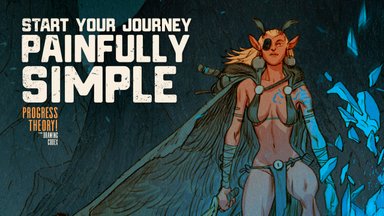
Artists everywhere talk about building their own IP, creating worlds, designing characters, developing lore. But most of this work happens in isolation, disconnected from any actual product or medium. The result is energy poured into aesthetics without purpose. This two-hour demonstration draws a fantasy character illustration from thumbnail through construction, inking, and flat color while unpacking exactly why worldbuilding without a clear output wastes creative potential and what makes intellectual property genuinely valuable.
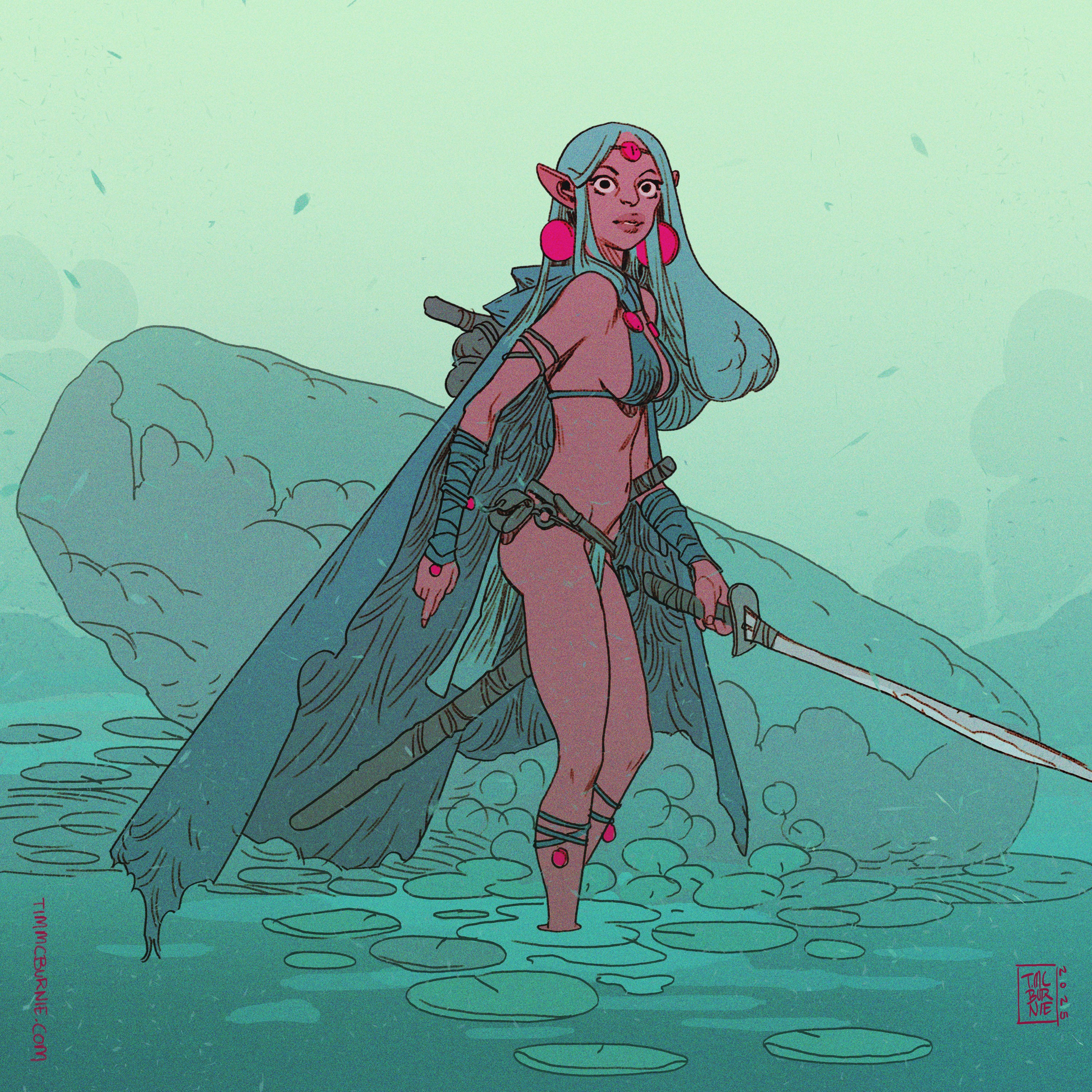
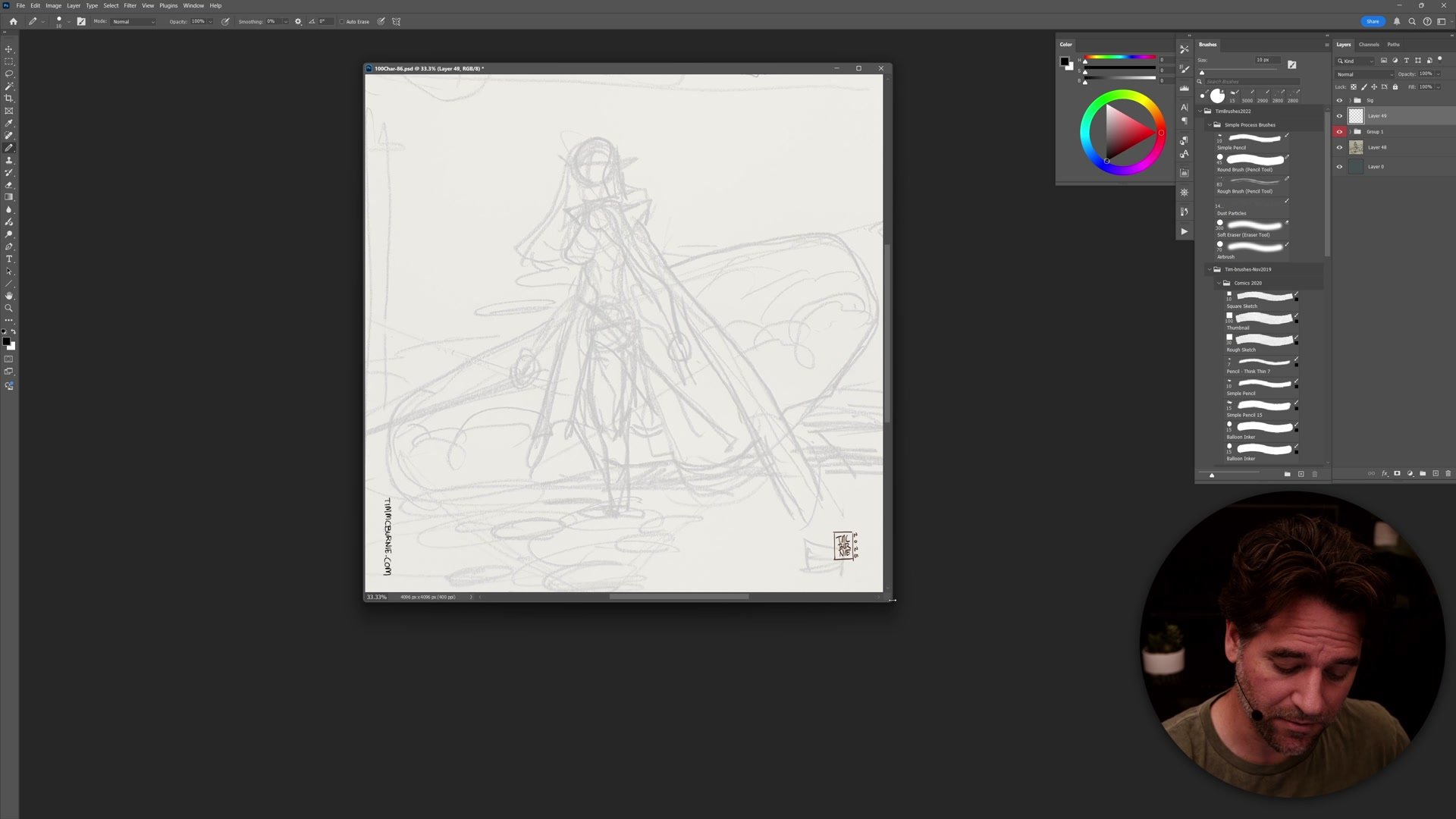
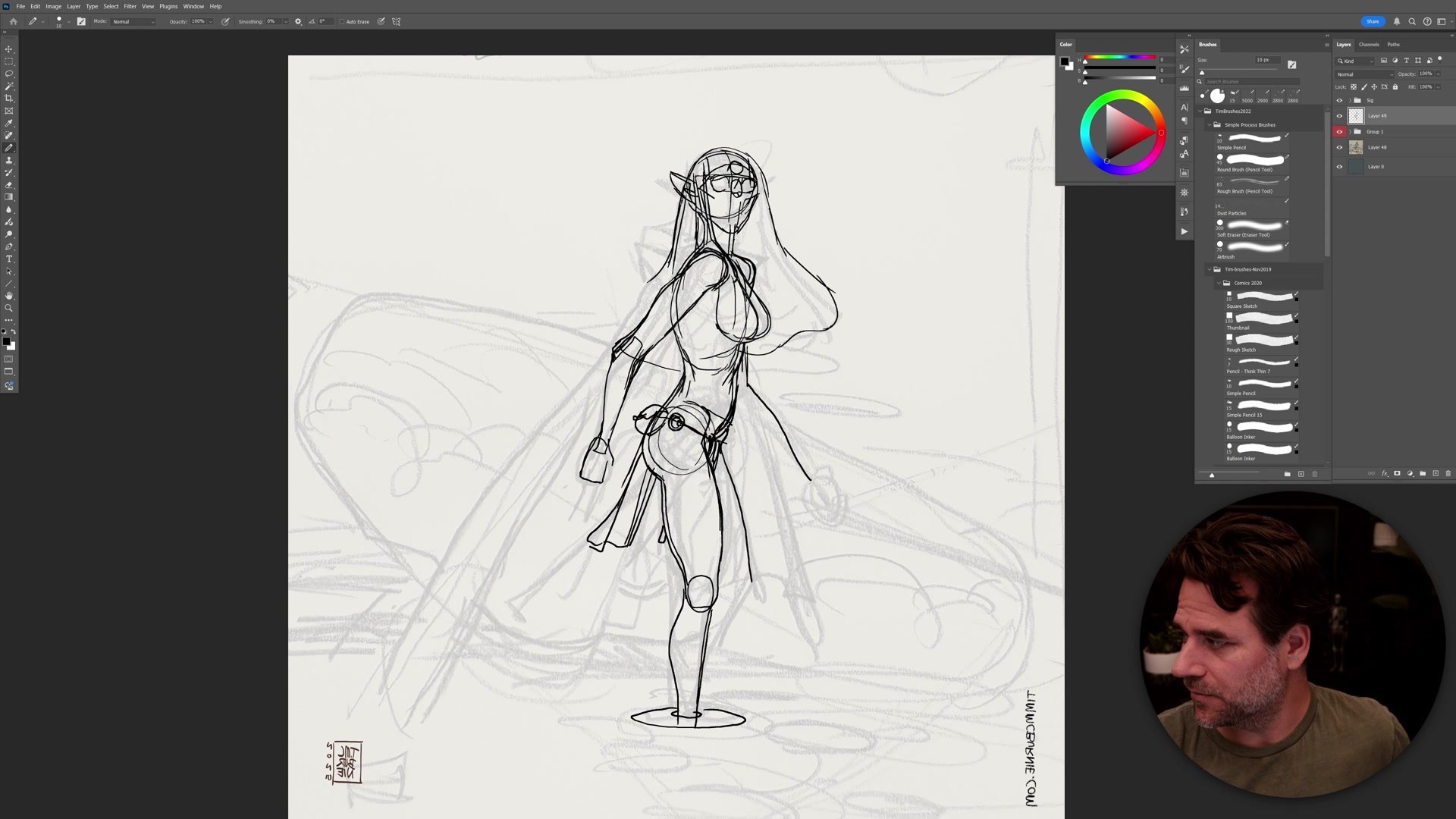
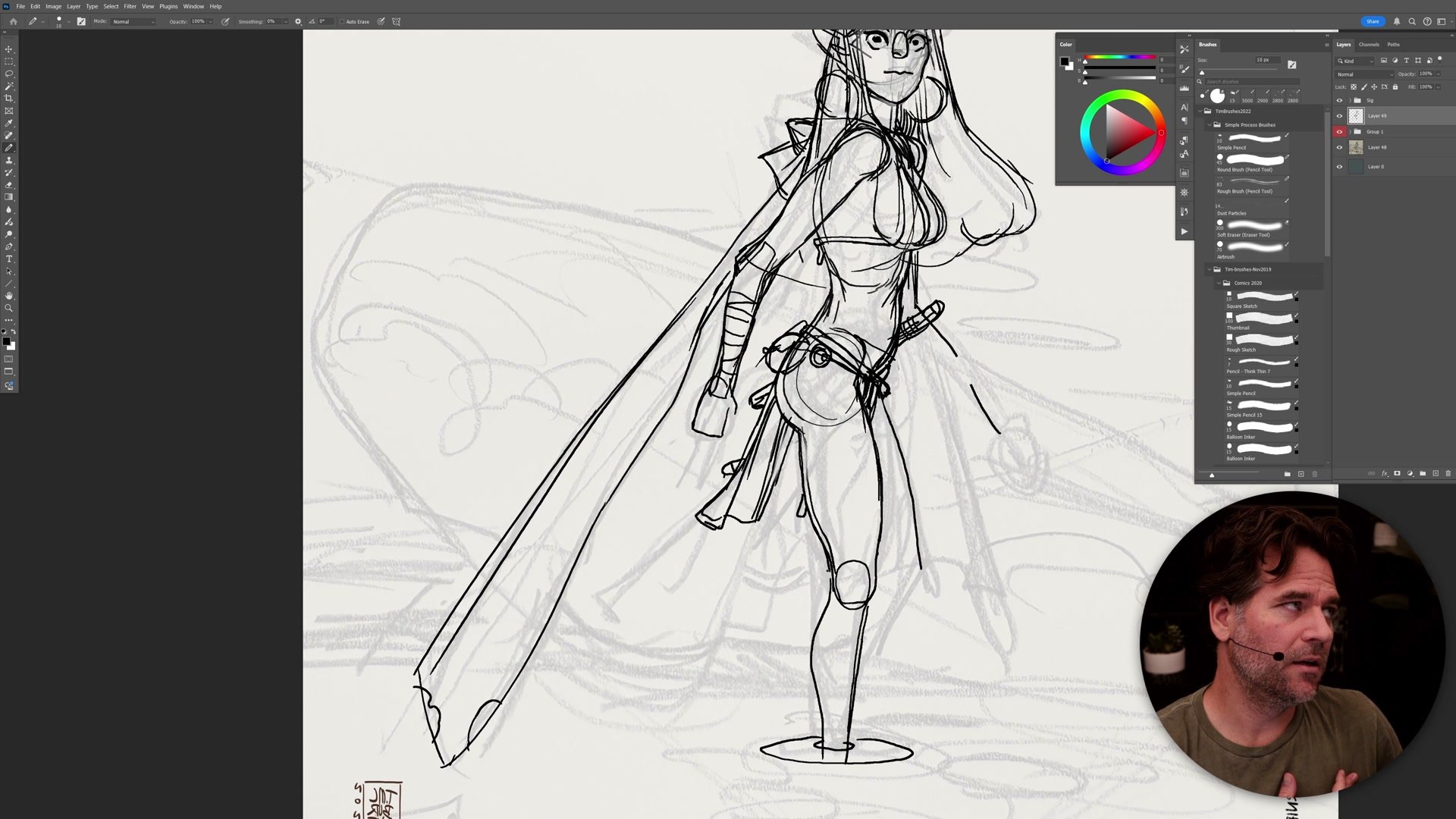
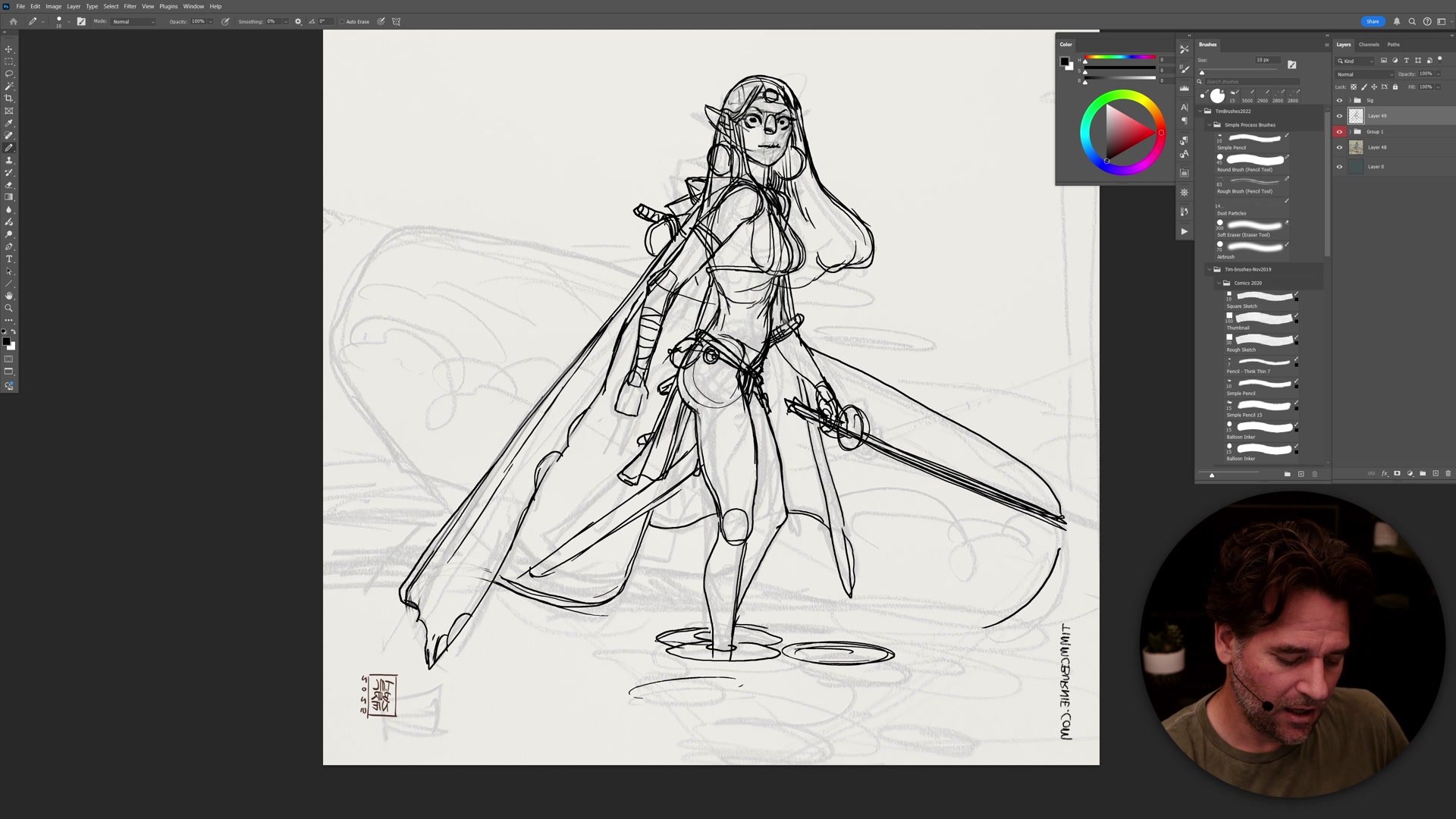
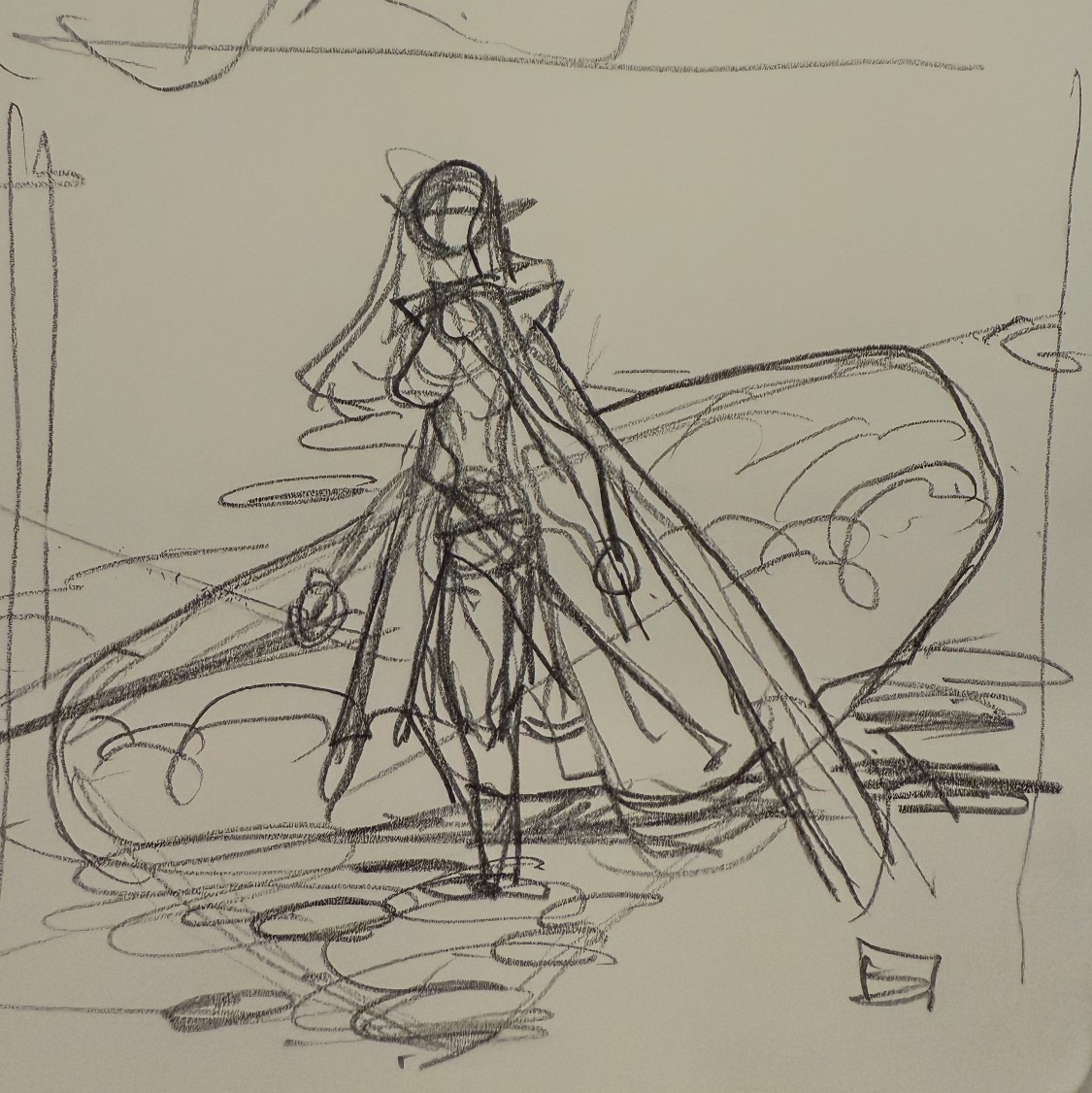
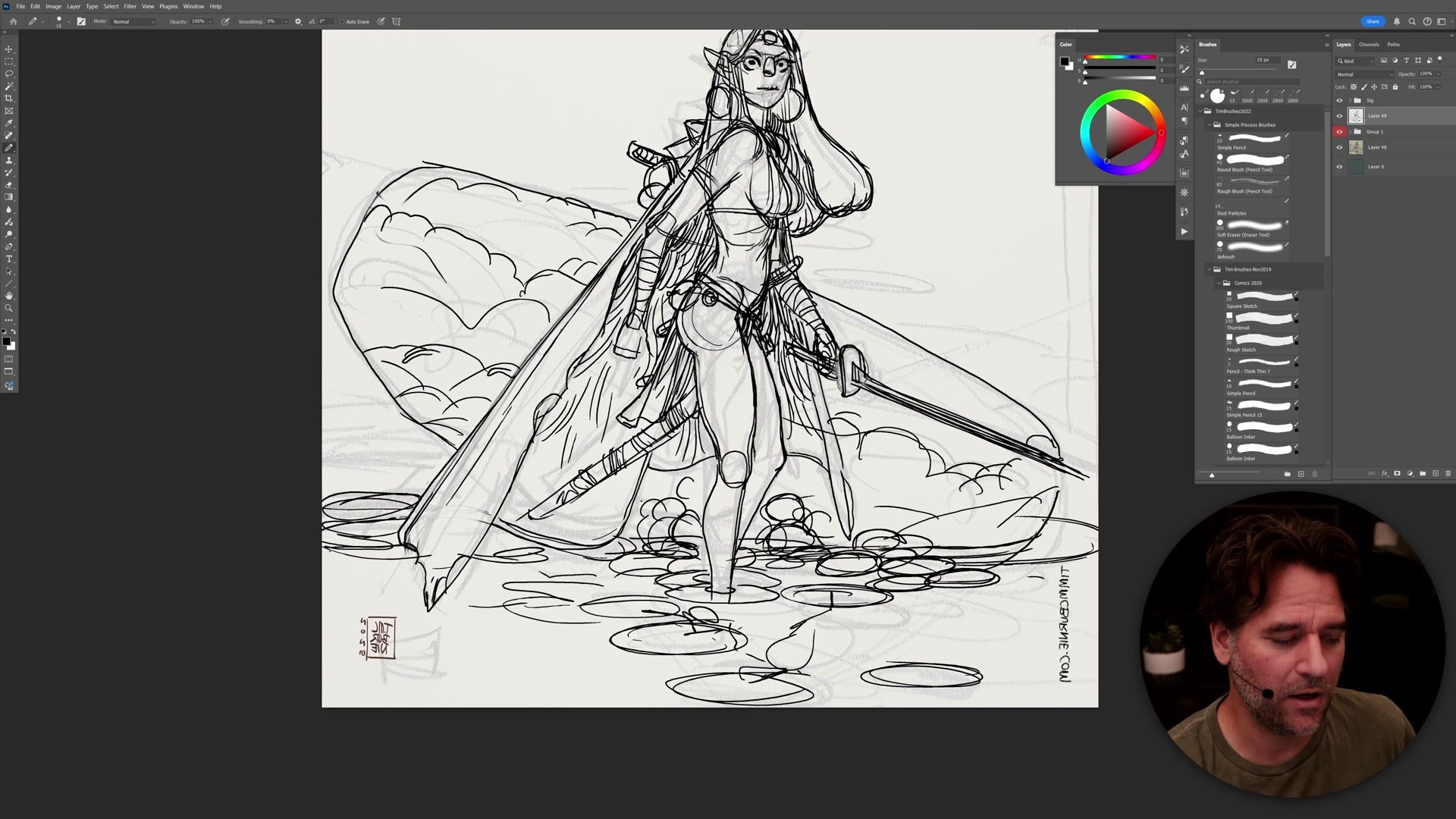
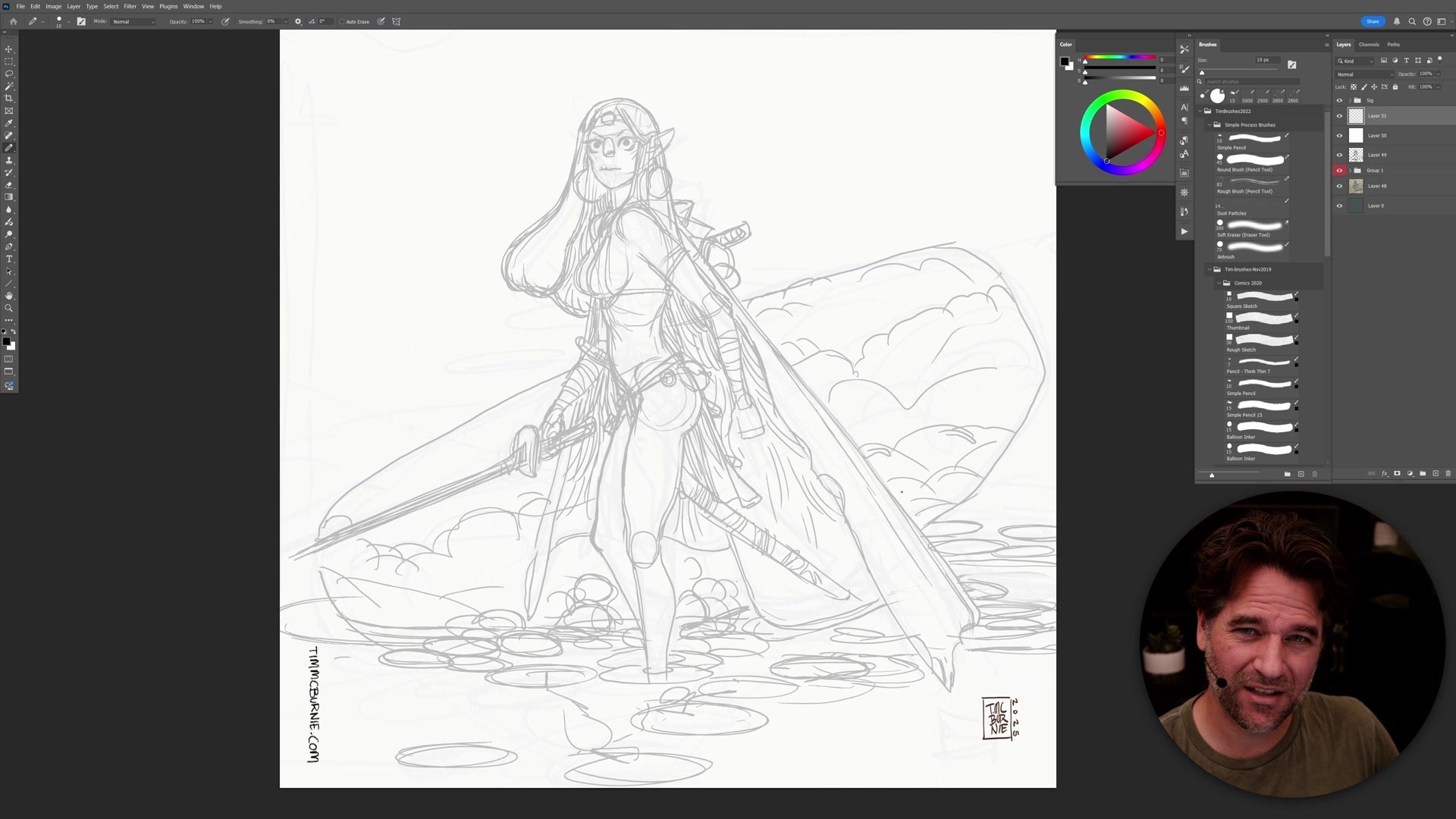
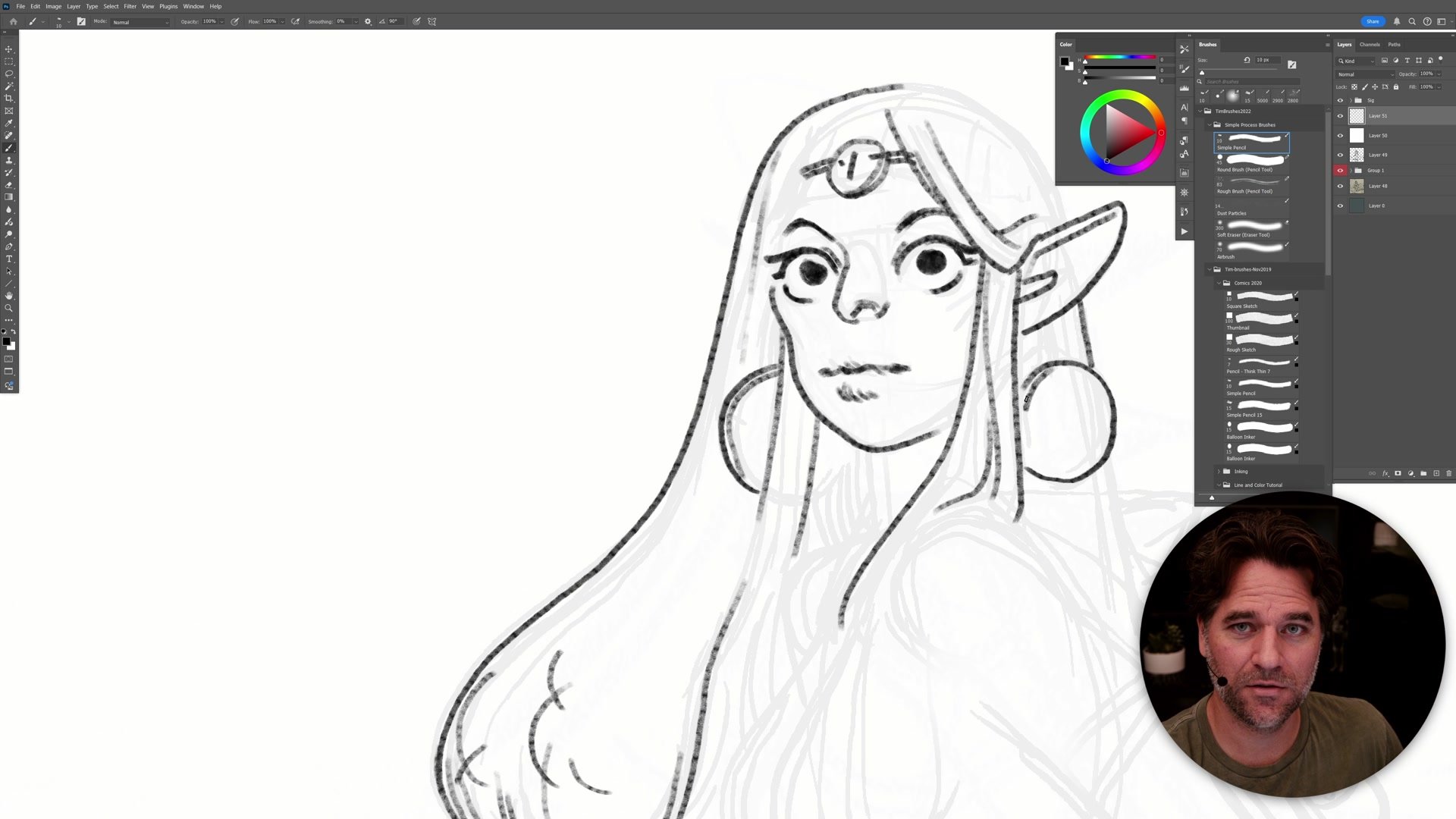
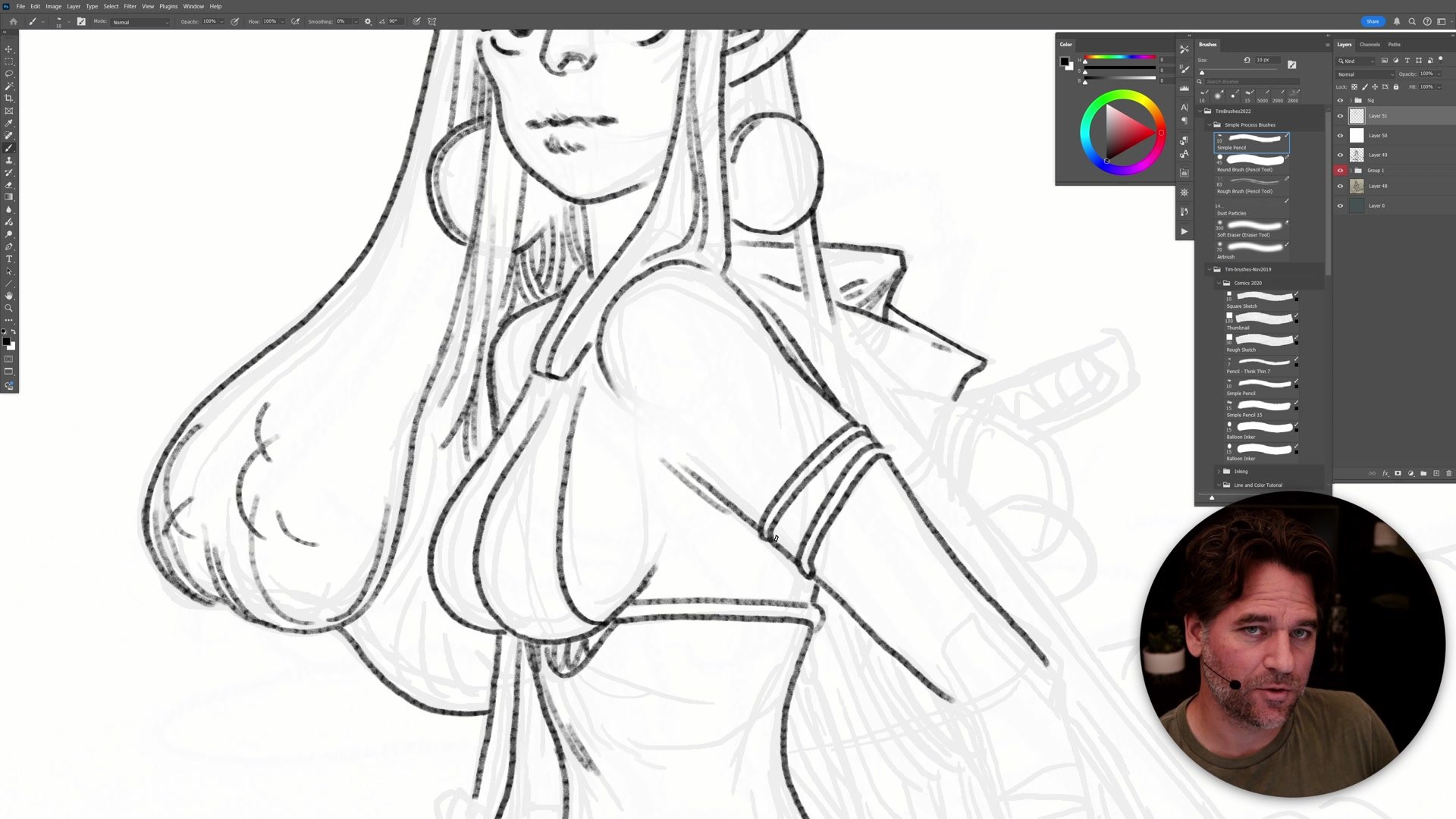
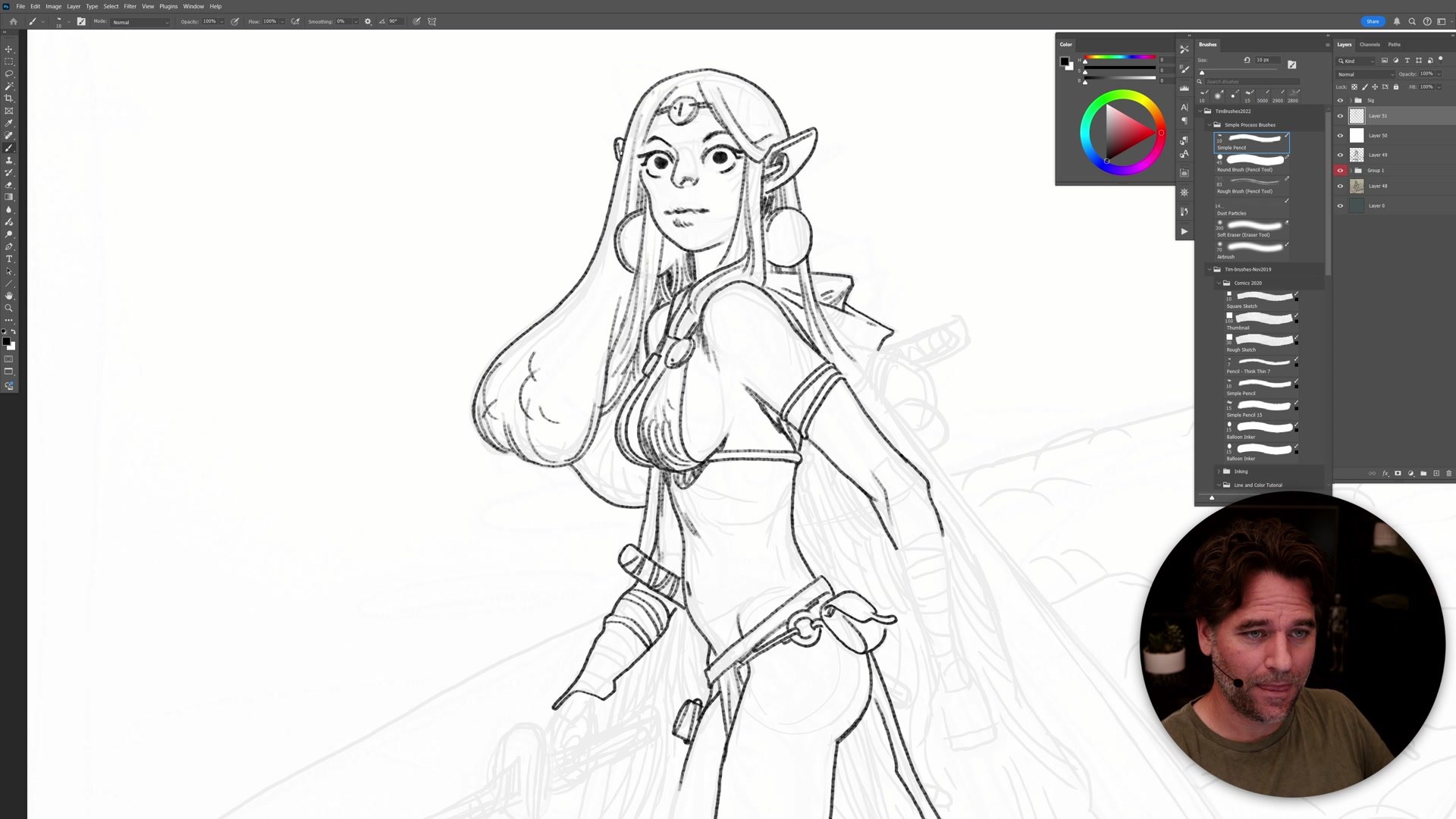
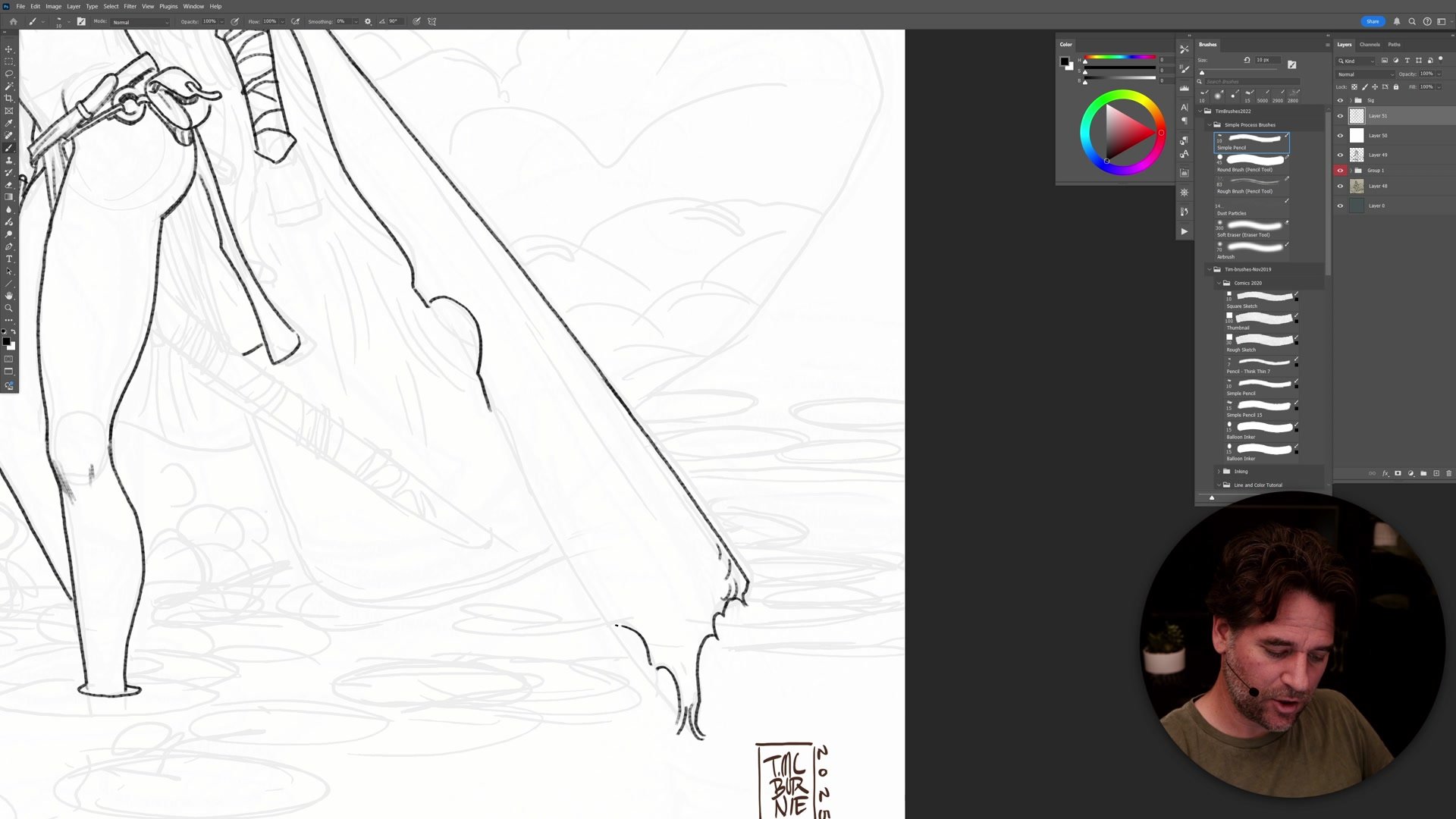
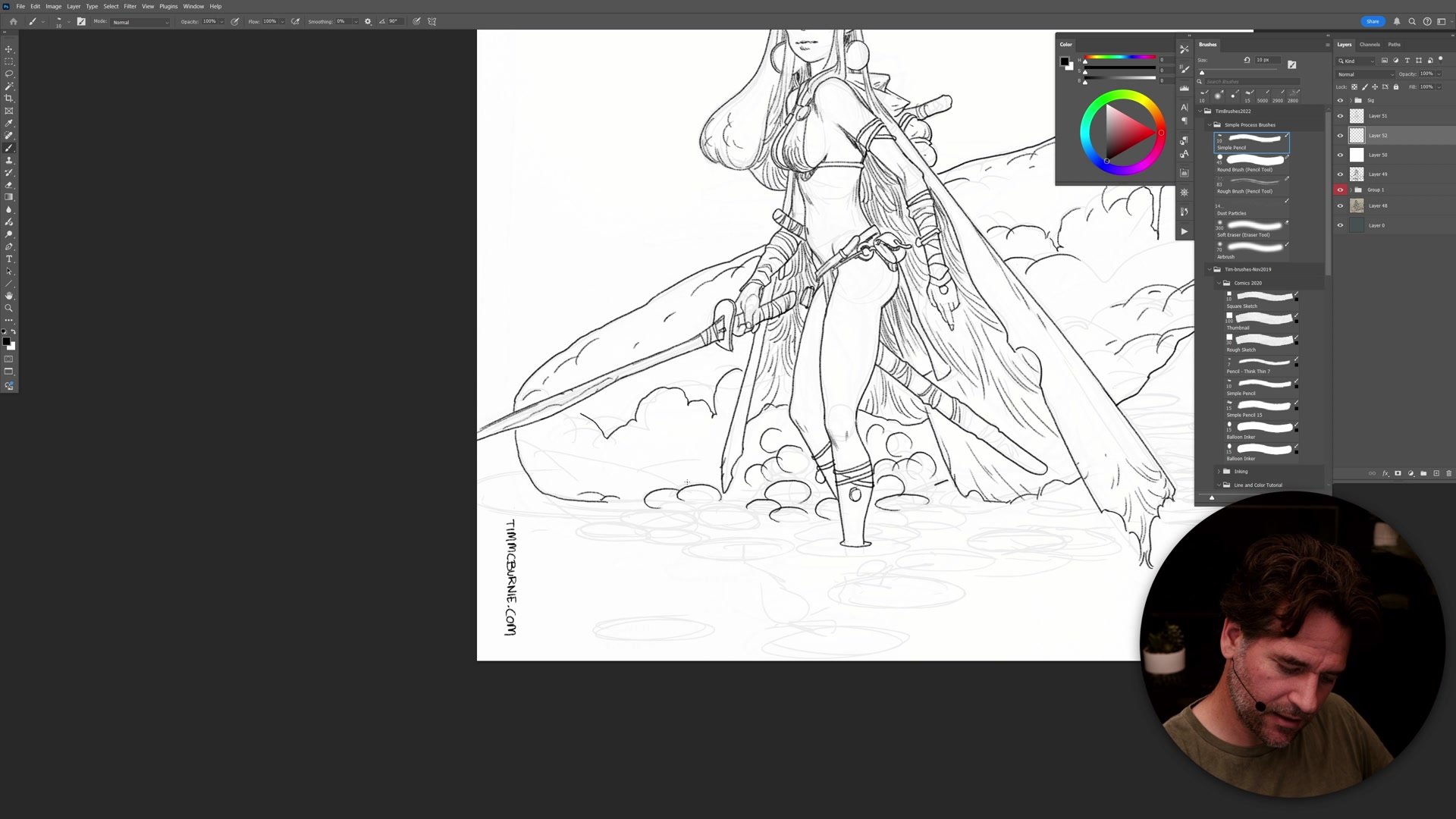
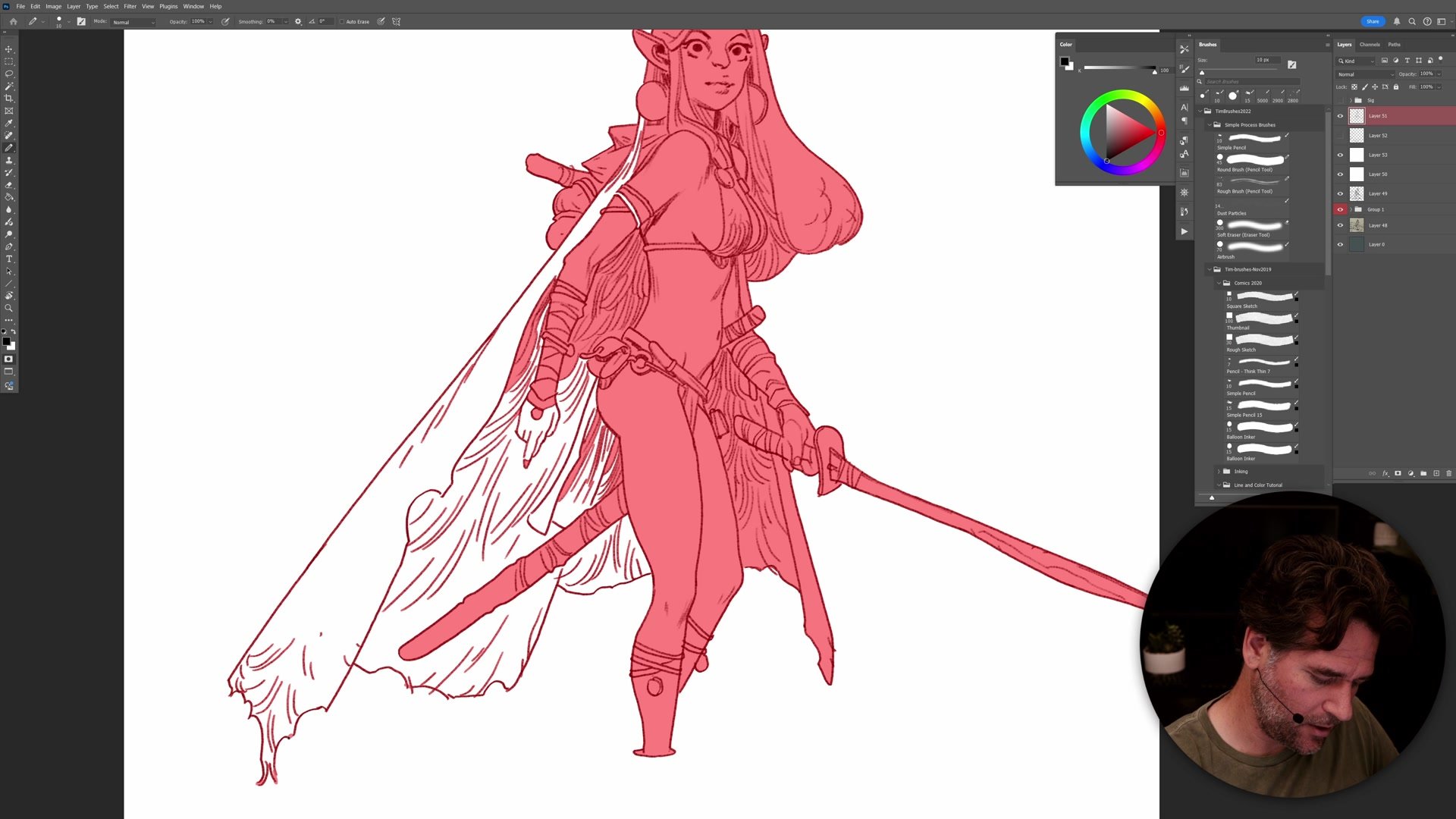
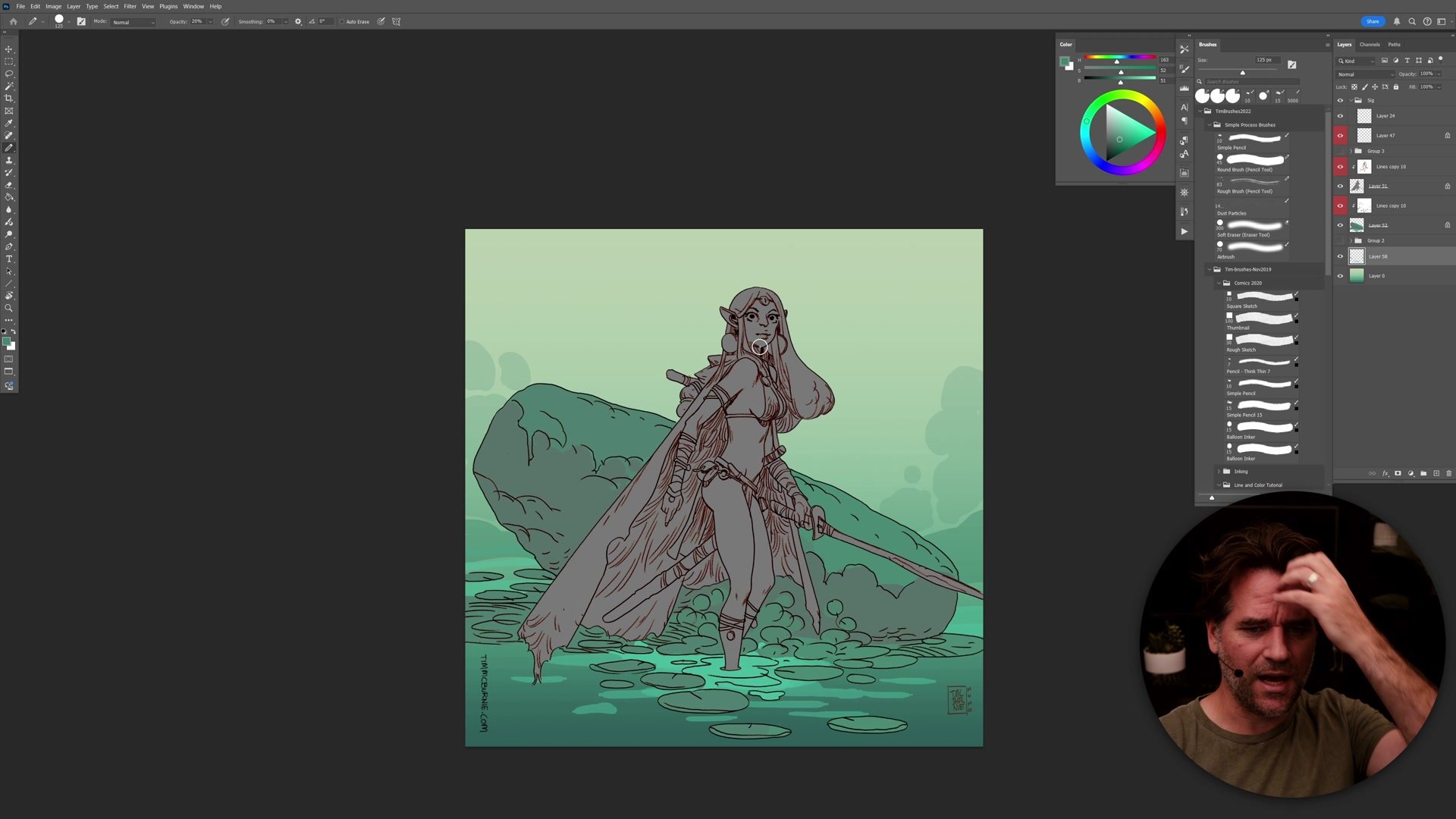
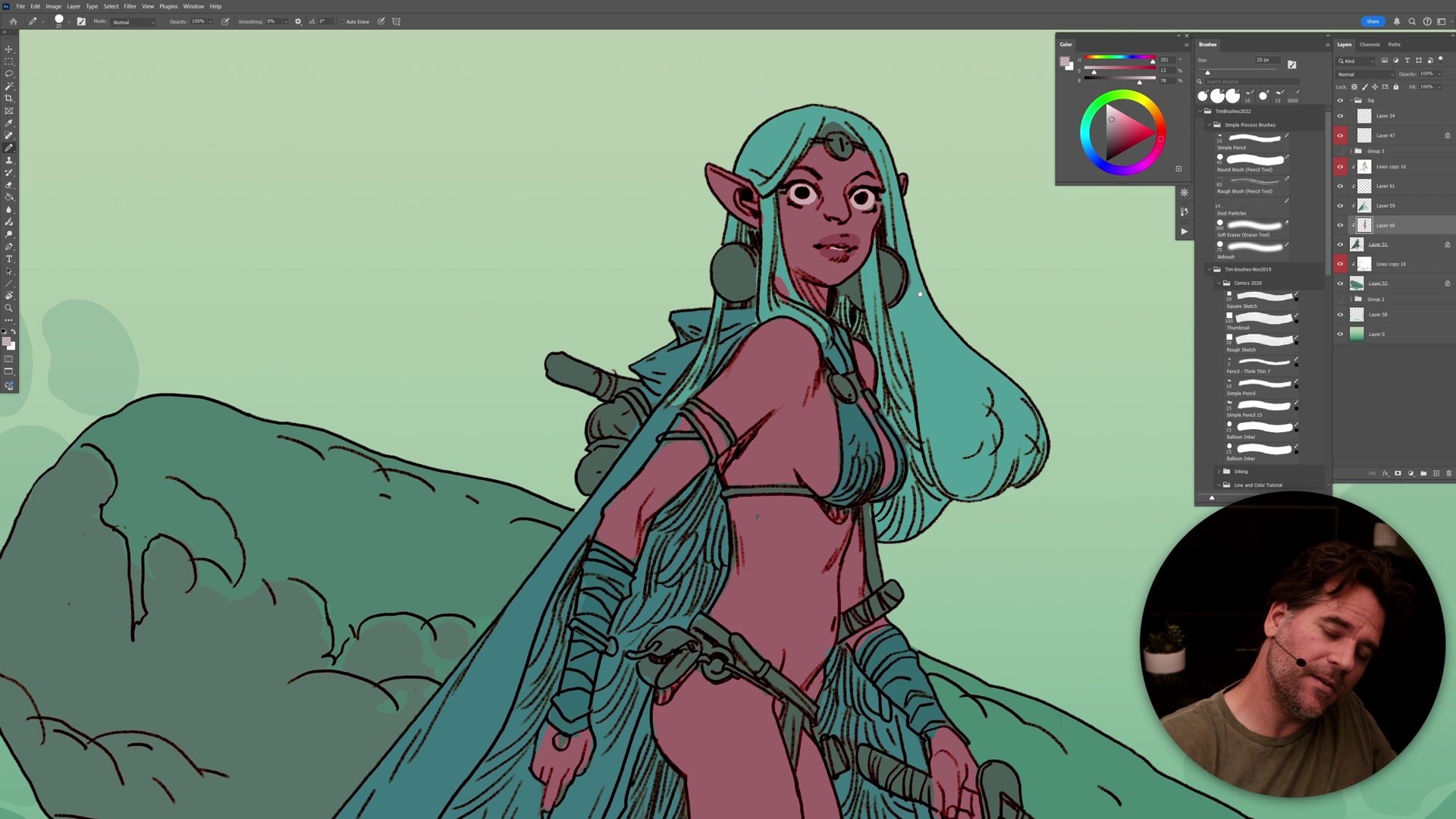
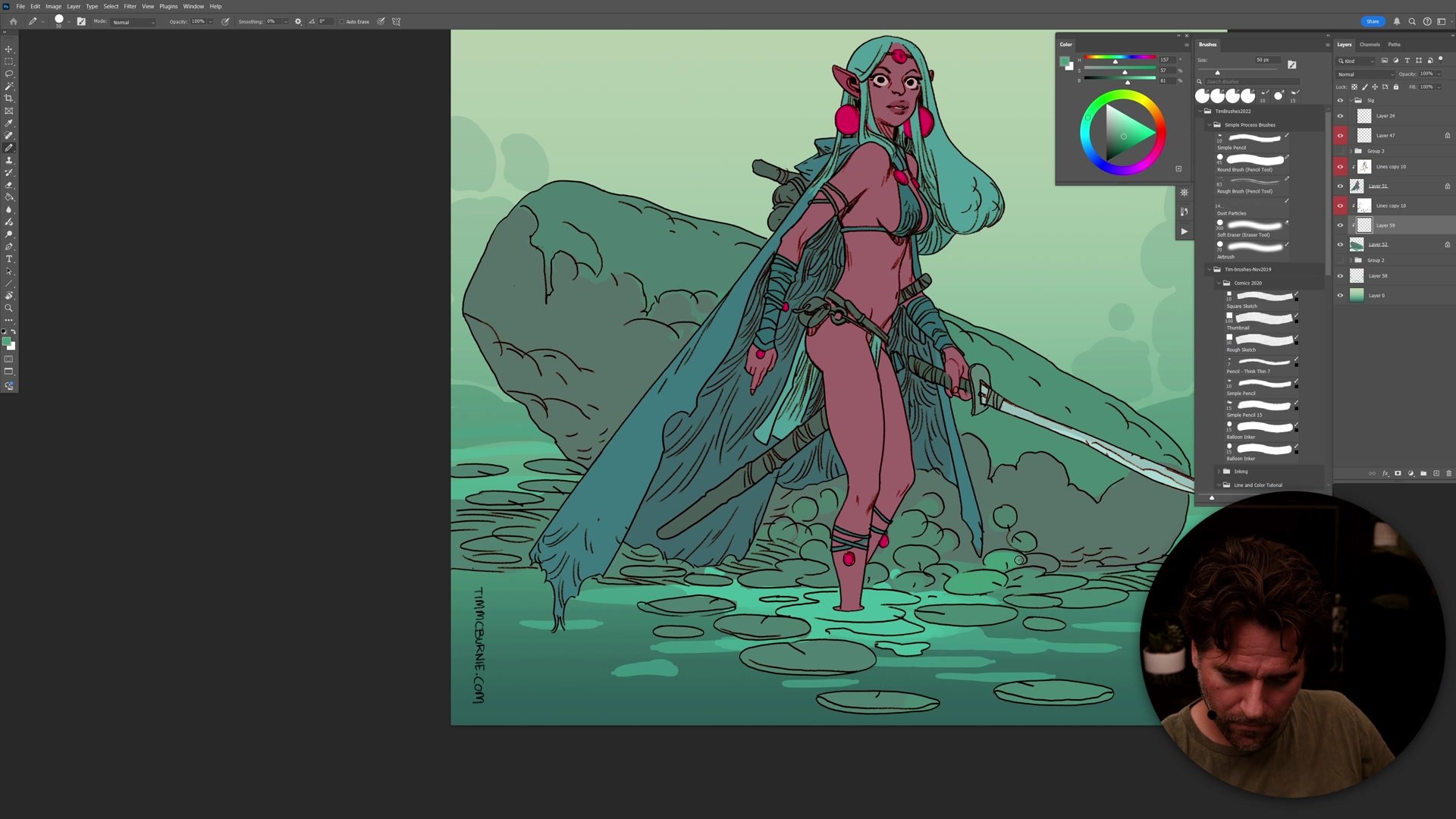
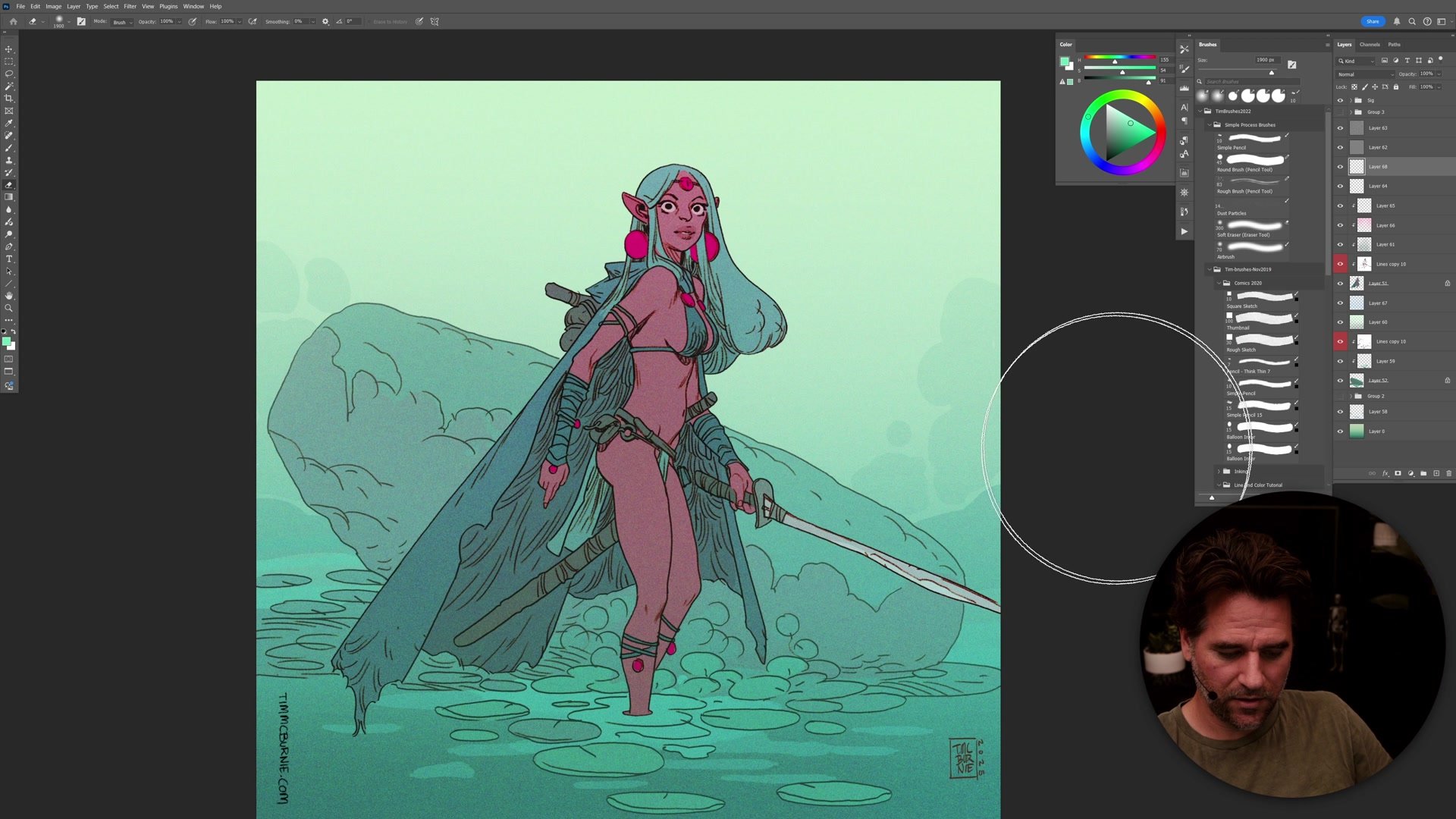
The drawing process itself demonstrates the simple reliable approach: thumbnail, construction, finished lines, flat color. Each phase has a clear job, and knowing where you are in the process keeps the work focused. That same principle of purposeful structure applies directly to how we should think about building worlds and creating IP.
Thumbnail to Construction
IP Needs a Product to Serve
The fundamental problem with most personal IP projects is that they exist as aesthetics without application. A cool visual style is not intellectual property. Style can be copied, replicated, put on a mood board and handed to any concept artist to recreate. What makes IP genuinely valuable is the conceptual framework behind it and the specific product it was designed to support.
Star Wars was built to explore faith versus technology through cinema. The Millennium Falcon embodies this theme directly, representing old, unreliable, personality-filled technology that contrasts with the sterile Death Star. Warhammer 40K exists to justify endless tabletop warfare, with every piece of lore designed to create scenarios where massive armies clash without narrative resolution. The worldbuilding serves the product in both cases, not the other way around. Without A New Hope, there is no Star Wars universe. Without the tabletop game, 40K is just grimdark aesthetic with nowhere to go.
Inking and Refinement
Medium Shapes the Worldbuilding
Different mediums require fundamentally different approaches to lore. Books need psychological depth because novels live inside characters' heads. Films need visual communication because audiences see actions, not thoughts. Games need systems that create repeatable and interesting player choices. Building a world without knowing which medium it serves means designing a tool without knowing what job it needs to do.
This is why so many personal worldbuilding projects feel hollow. The designs look great but the lore supports nothing specific. Star Trek builds alien races to explore different aspects of humanity because that central question drives the entire property. When creators try to build IP that works for everything, for movies, games, novels, and comics simultaneously, the result typically works for none of them. The restrictions of a specific medium actually create better lore because the product's needs force decisions about what stays and what gets cut.
Flat Color Blocking
From Aesthetic to Actual Value
Aesthetic alone is not copyrightable. You cannot legally protect an art style or a mood board. IP only becomes defensible when manifested as an actual product, a comic, a game, a film, a novel. Until worldbuilding is applied to create something tangible, it exists in a commercial and legal gray area where anyone can simply replicate the look without consequence.
The strongest test for whether worldbuilding has genuine value is simple: could this story happen in a different world? If the narrative transplants easily to another setting without losing anything essential, the worldbuilding is not doing its job. The goal is to create situations, conflicts, and opportunities that could only exist in that specific world. When the story and the setting become inseparable, that is where real IP value lives. Connecting the worldbuilding process directly to a production process, developing lore while creating the comic or game it supports, transforms abstract ideas into something with defensible worth.
Final Color and Effects
Key Principles
Purpose Before Lore: IP only gains real value when created to support a specific product or medium. Worldbuilding without a clear output is energy spent on aesthetics that anyone can replicate.
Medium Dictates Structure: The type of world you build depends entirely on what you are making. Novels need internal depth, films need visual communication, games need systems that create interesting choices.
Aesthetic Is Not IP: Visual style alone is not copyrightable or commercially defensible. Value comes from the conceptual framework and the manifested product, not from how cool the designs look.
The Uniqueness Test: If your story could happen in any setting, the worldbuilding is not pulling its weight. Strong lore creates scenarios that could only exist within that specific world.
Process Applies Everywhere: Just as a simple reliable drawing process keeps illustration focused, knowing what phase of development you are in, brainstorming, designing, or producing, prevents wasted energy on the wrong task.
Apply This
Define Your Output: Before spending more time on worldbuilding, write down in one sentence exactly what product or medium this world is designed to support and what core experience it enables.
Audit Your Lore: Review existing world elements and keep only what directly serves that specific product. Cut anything that exists purely because it looks interesting but does not support the core experience.
Build While Making: Connect worldbuilding directly to production. Develop lore while creating the comic, game, or story it supports, letting the product's needs refine what stays and what goes.