Sketch Aliens and Talk AI Directors
Summary
Drawing Your Own Characters
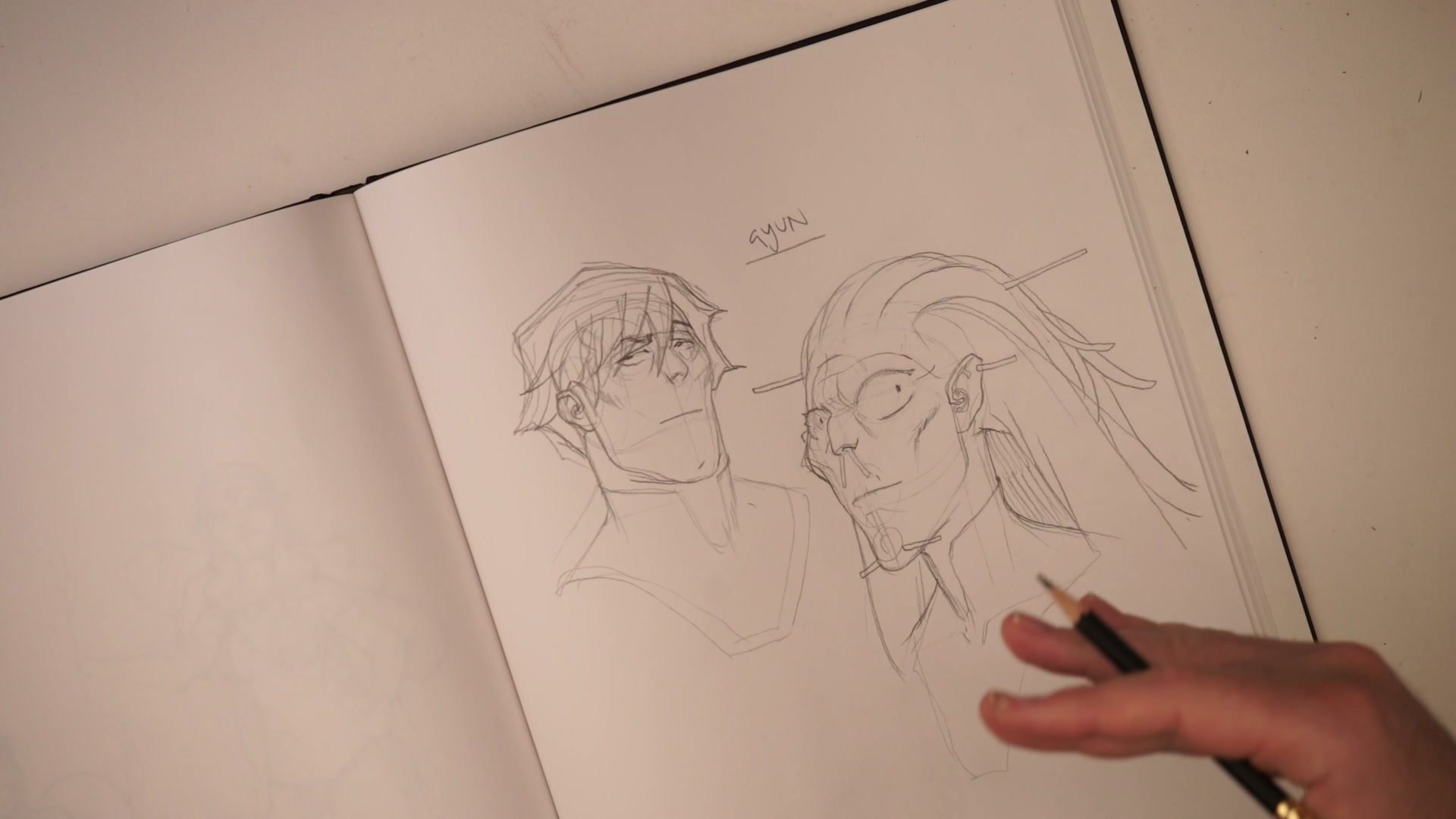
One of the biggest challenges in comic book production is maintaining consistent characters across dozens of pages and panels. The subtle features, the specific facial proportions, the little lines that make a character feel like that character rather than a generic face with similar hair. Returning to Star Atlas: CORE after a writing break, this session tackles that challenge head-on by sketching the cast from memory, using construction methods to rebuild muscle memory for Gion, Motor, and Tempo. Along the way, the conversation turns to Akira Toriyama's extraordinary draftsmanship and why the myth of the AI director fundamentally misunderstands what creative production actually requires.
The session also explores why consistent characters are so difficult, why most comic artists rely on a small library of archetypal faces they tweak rather than drawing truly unique individuals from scratch, and why the little details that make a character recognizable demand constant practice and refreshing.
Toriyama Reference
Craft Behind the Style
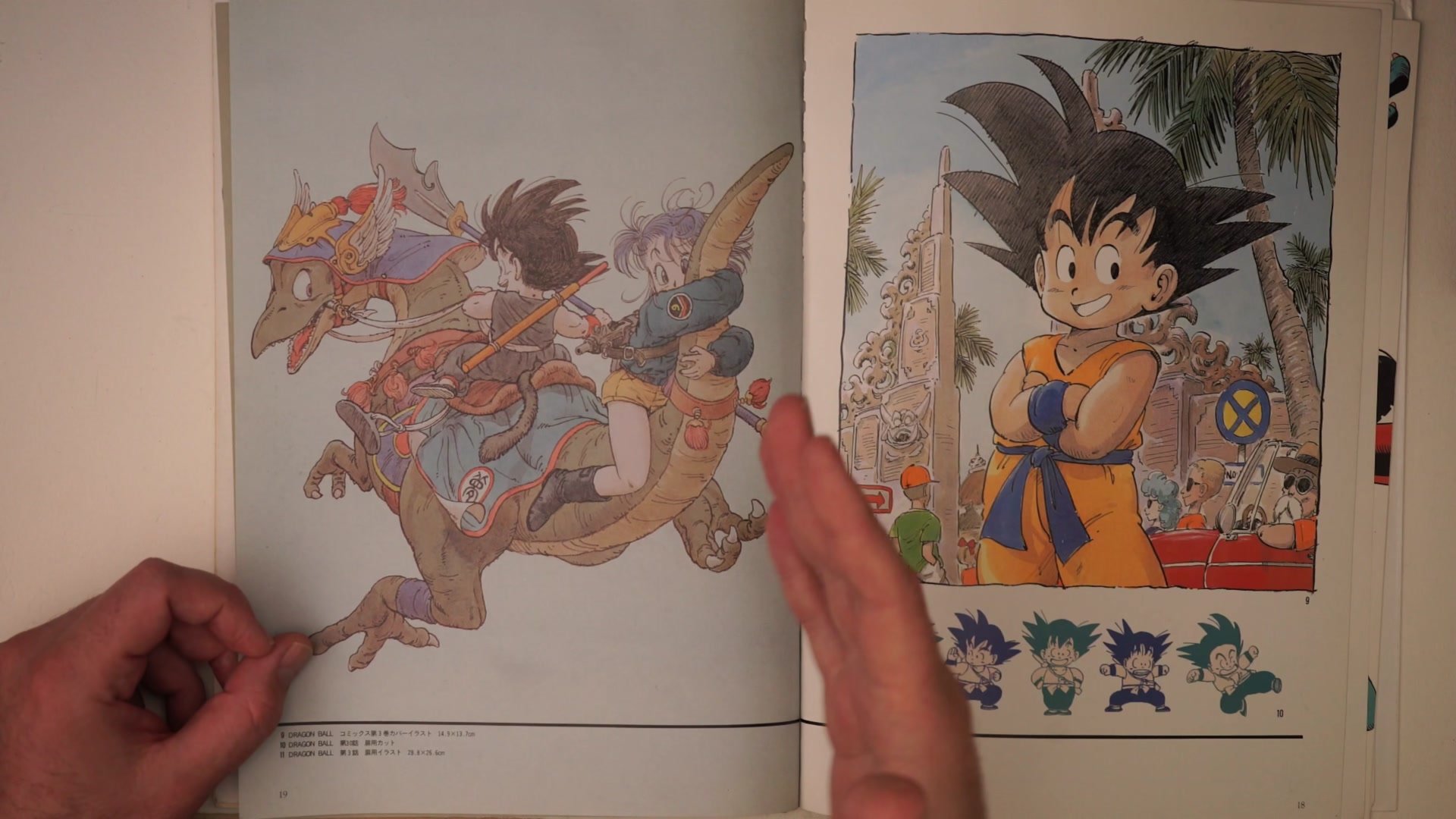
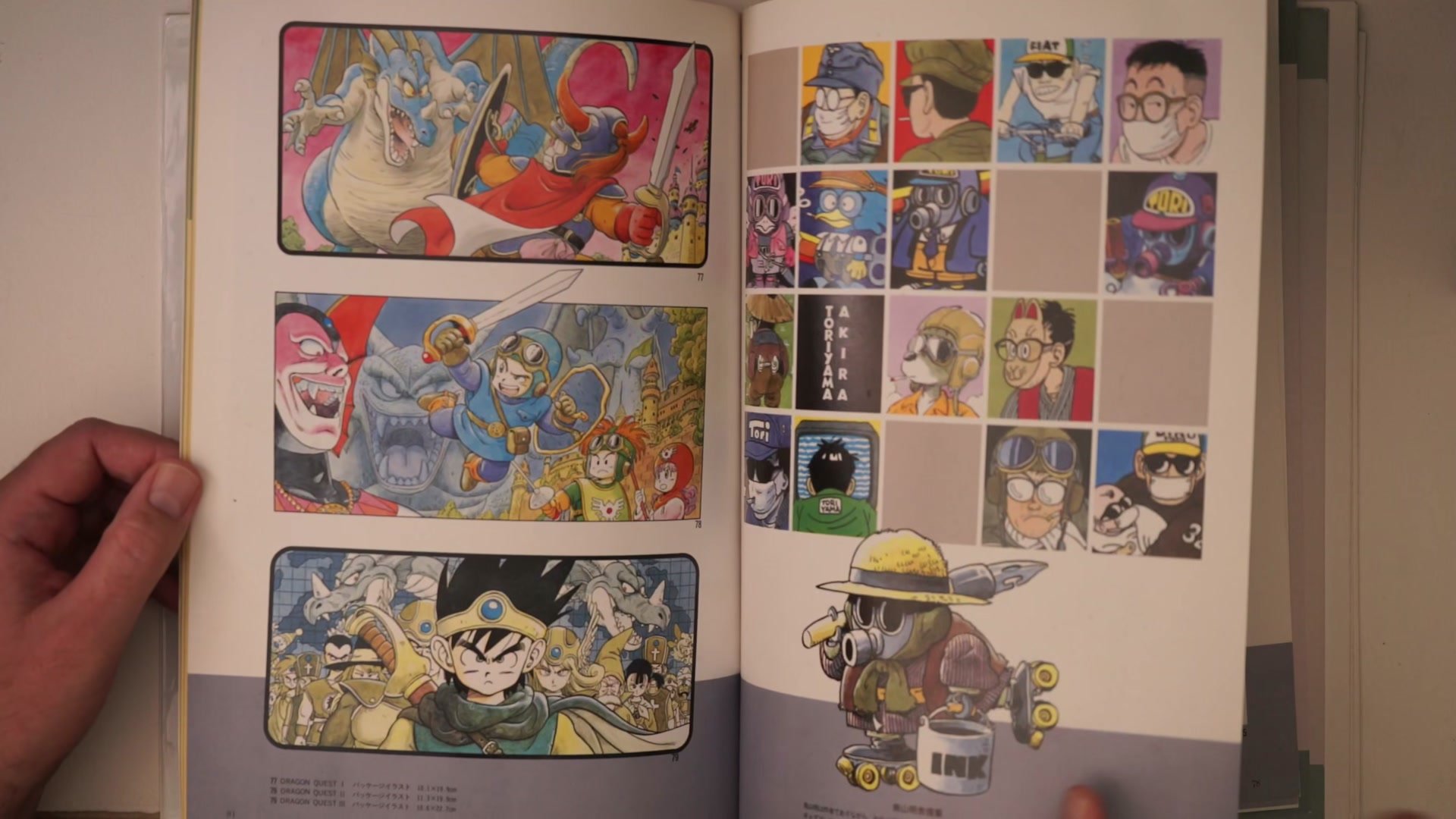
Looking through Akira Toriyama's The World reveals something most people miss about manga. The common perception is that manga is simple and quick, but Toriyama's work shows extraordinary technical skill in perspective, rendering, form construction, and character design. The saddles, stirrups, mechanical devices, cars, and environments are all drawn with a level of craft that makes it clear the simplified style is a deliberate choice, not a limitation. Toriyama's work on Dragon Ball, Dragon Quest, and Chrono Trigger demonstrates how foundational draftsmanship enables stylistic freedom rather than constraining it.
This understanding shaped the entire approach to Star Atlas: CORE. The structural rigor underneath a stylized surface, the idea that good drawing fundamentals are what make stylized work actually function, comes directly from studying how accomplished manga artists handled form, perspective, and rendering within their chosen visual language.
Character Construction
Character Consistency
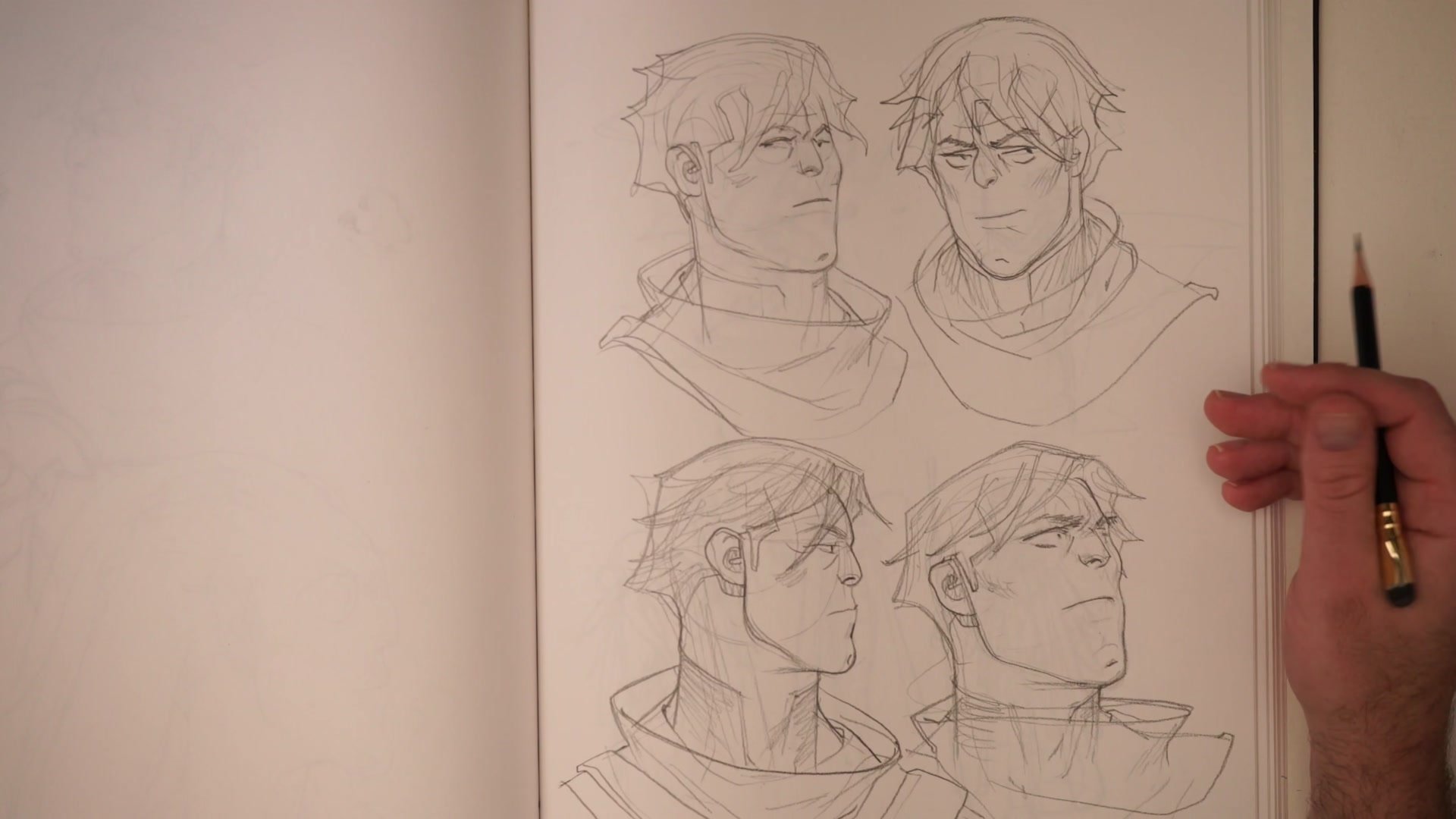
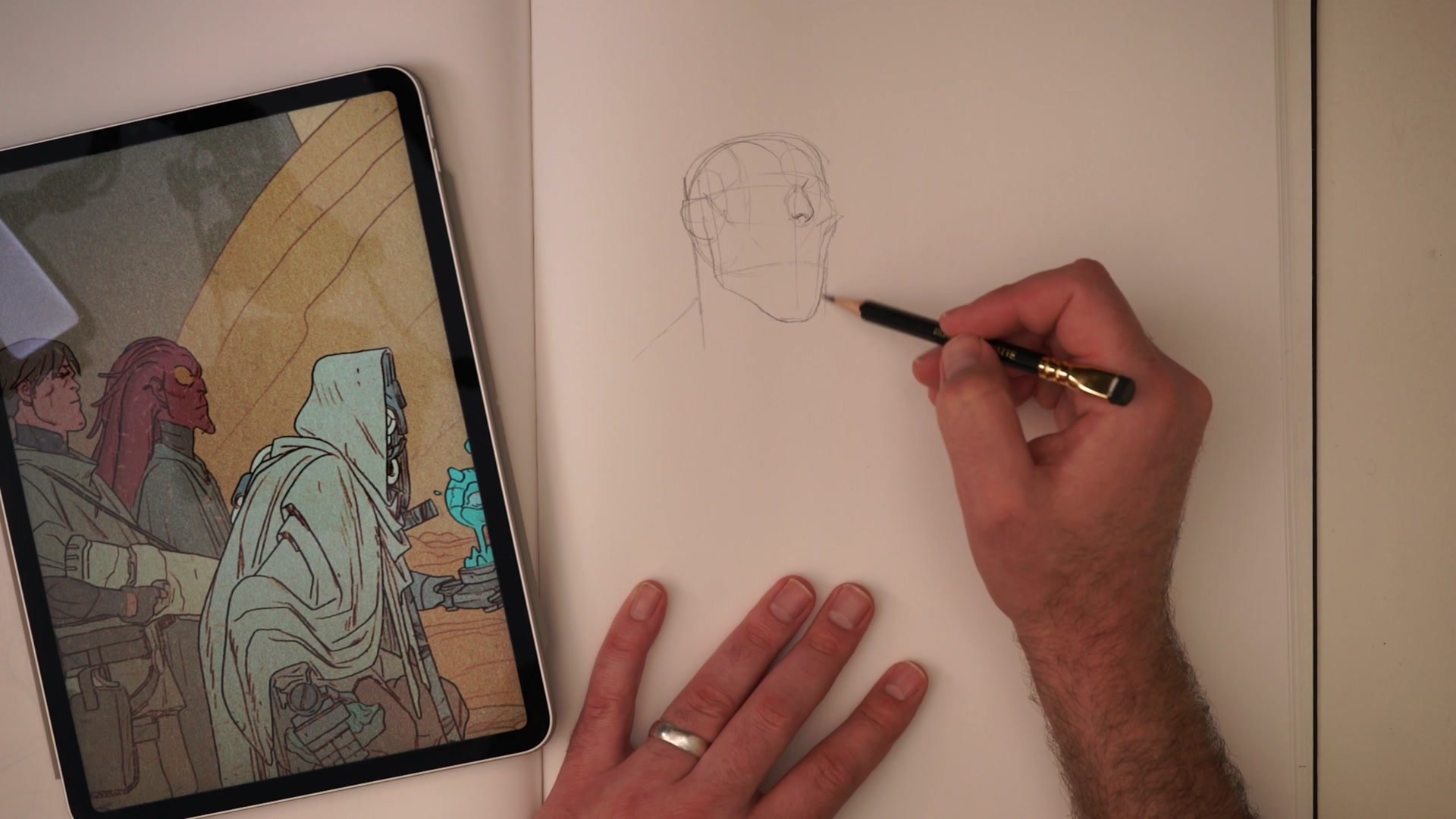
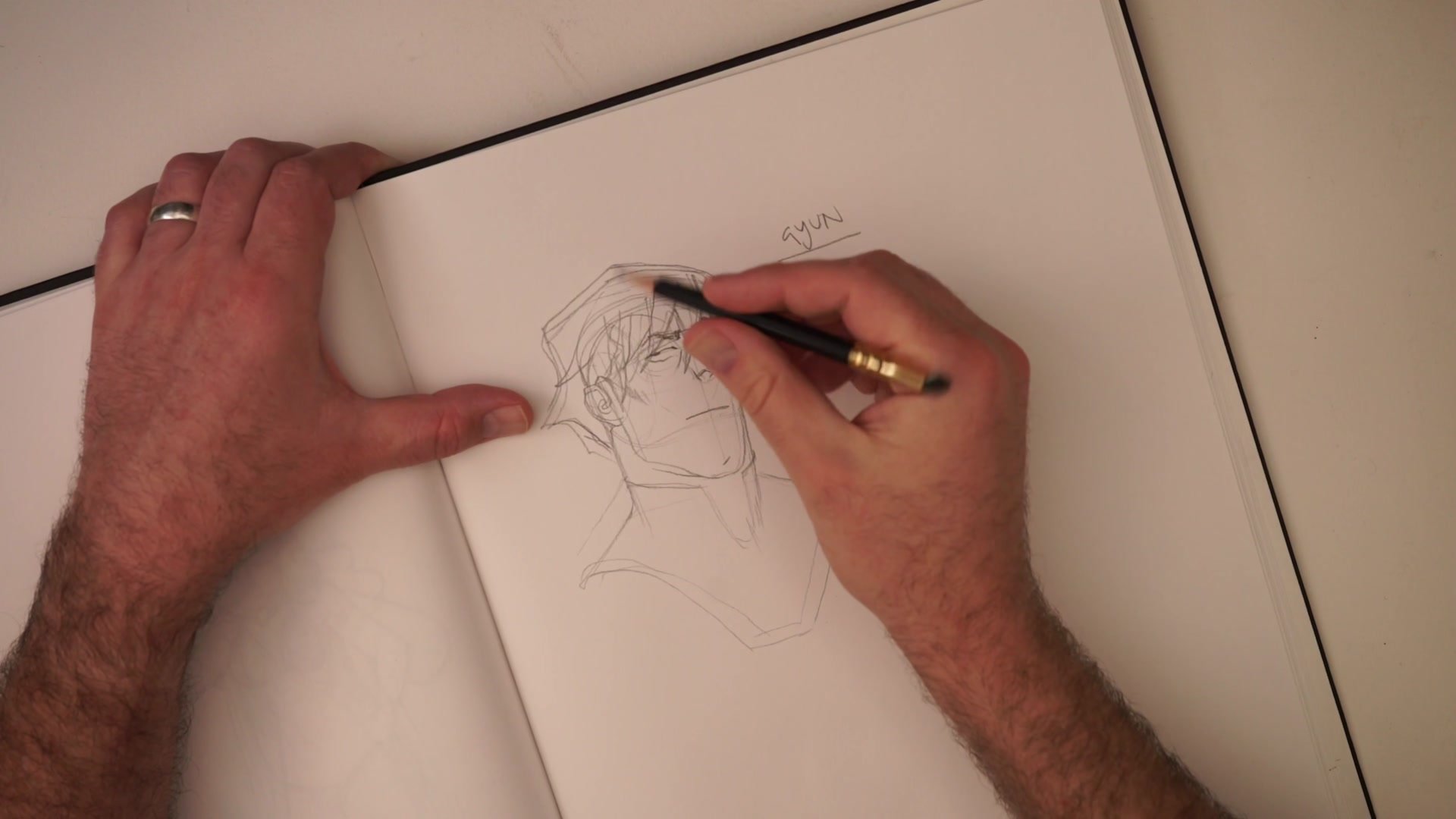
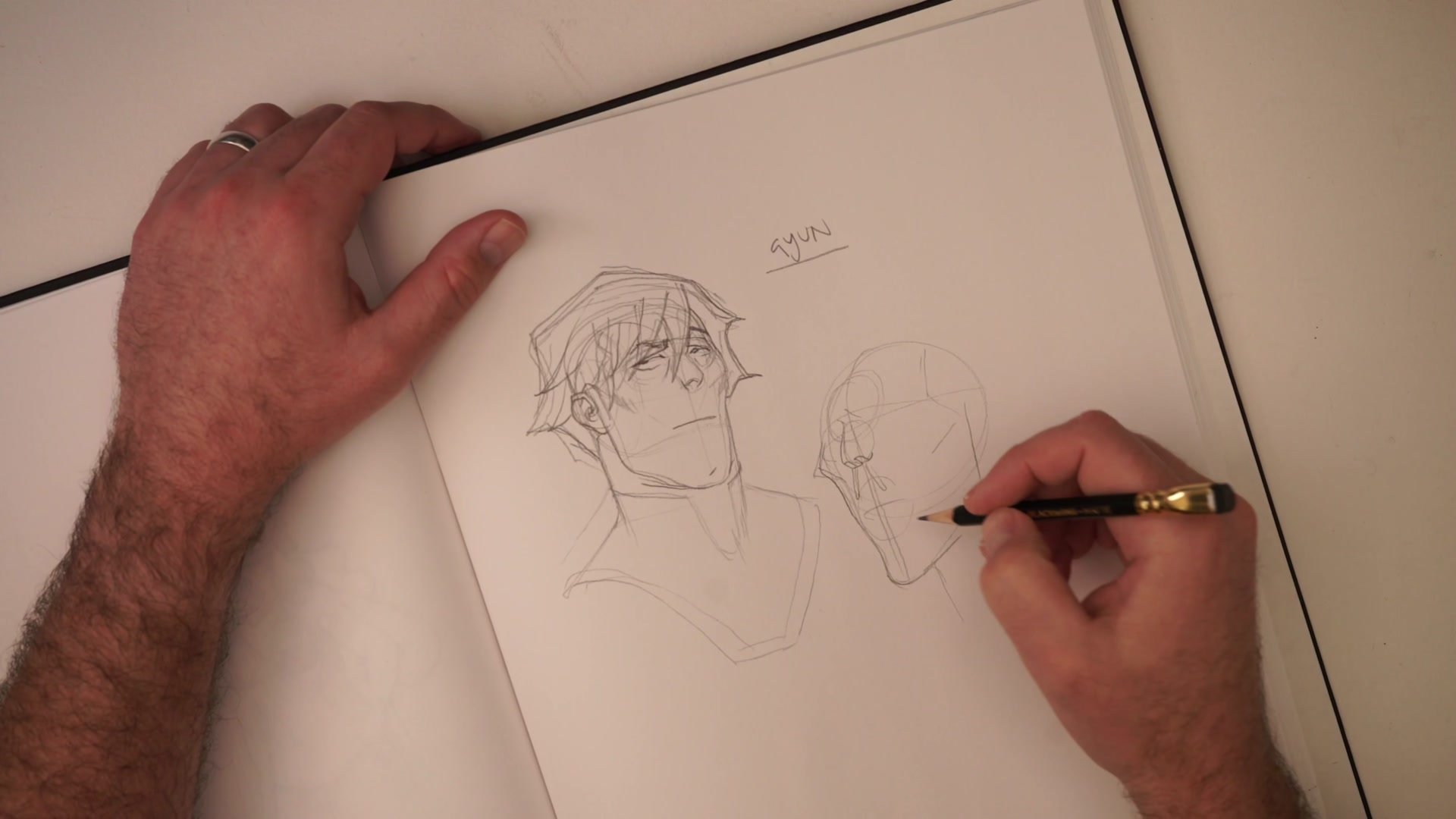
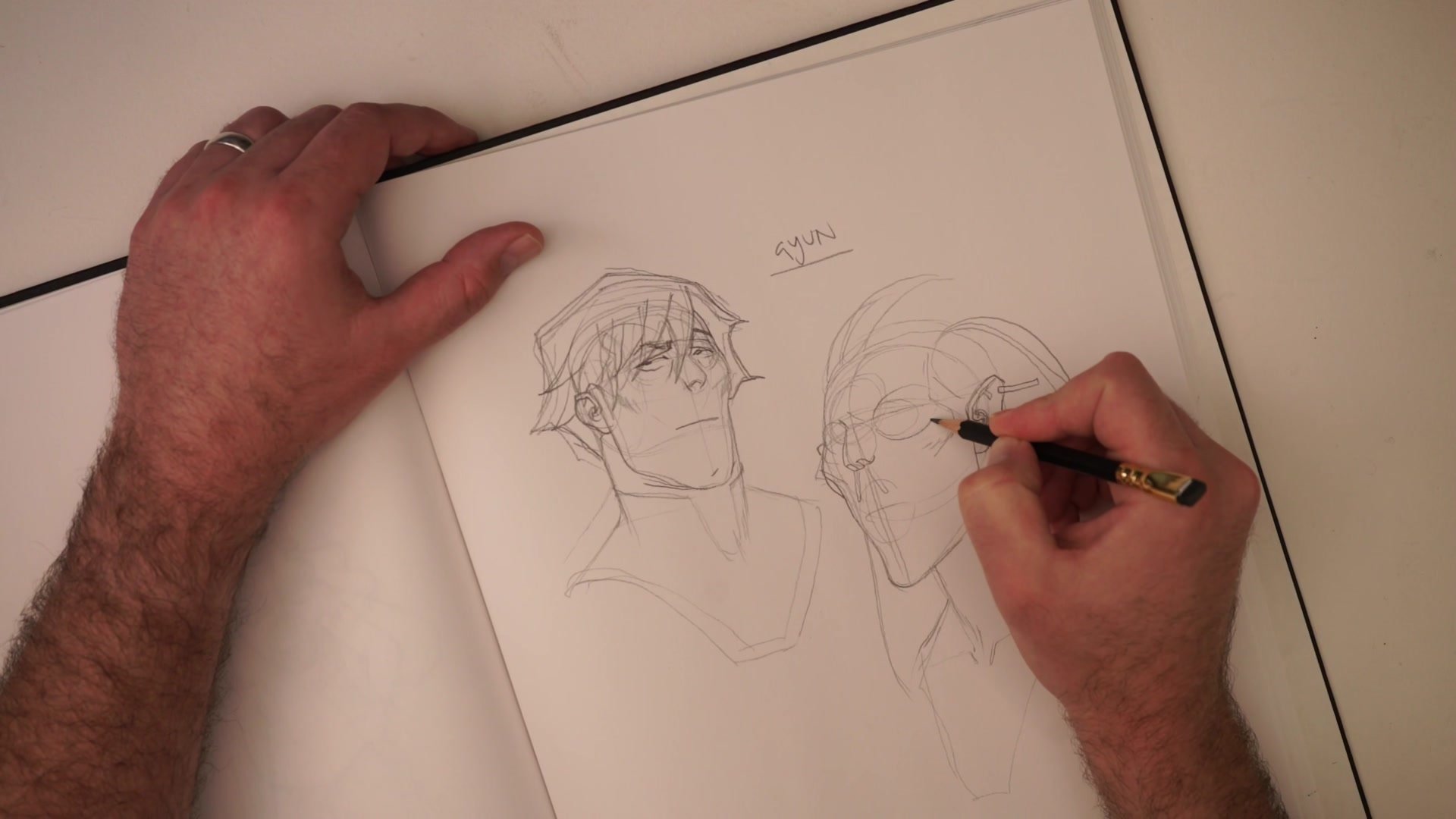
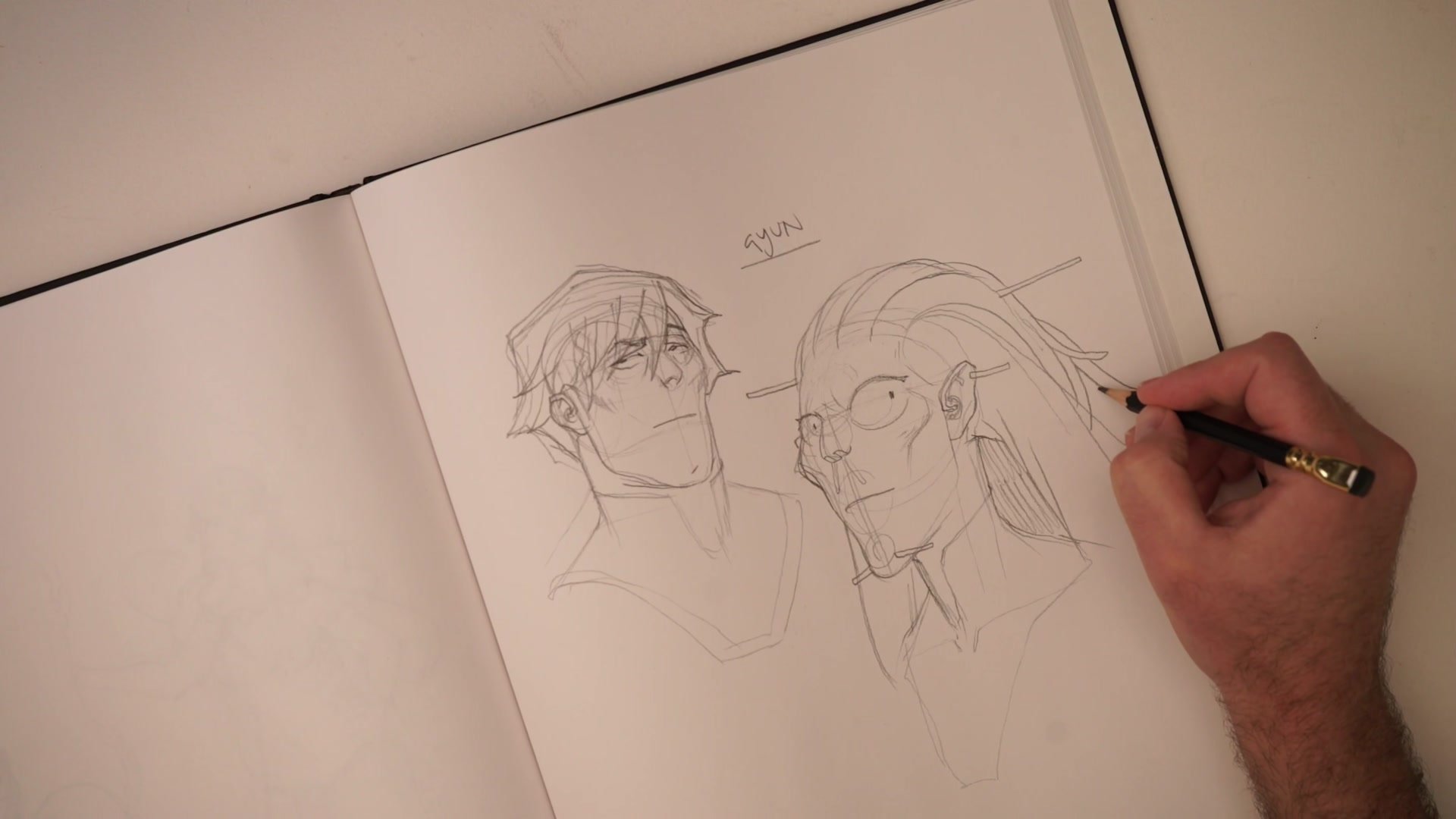
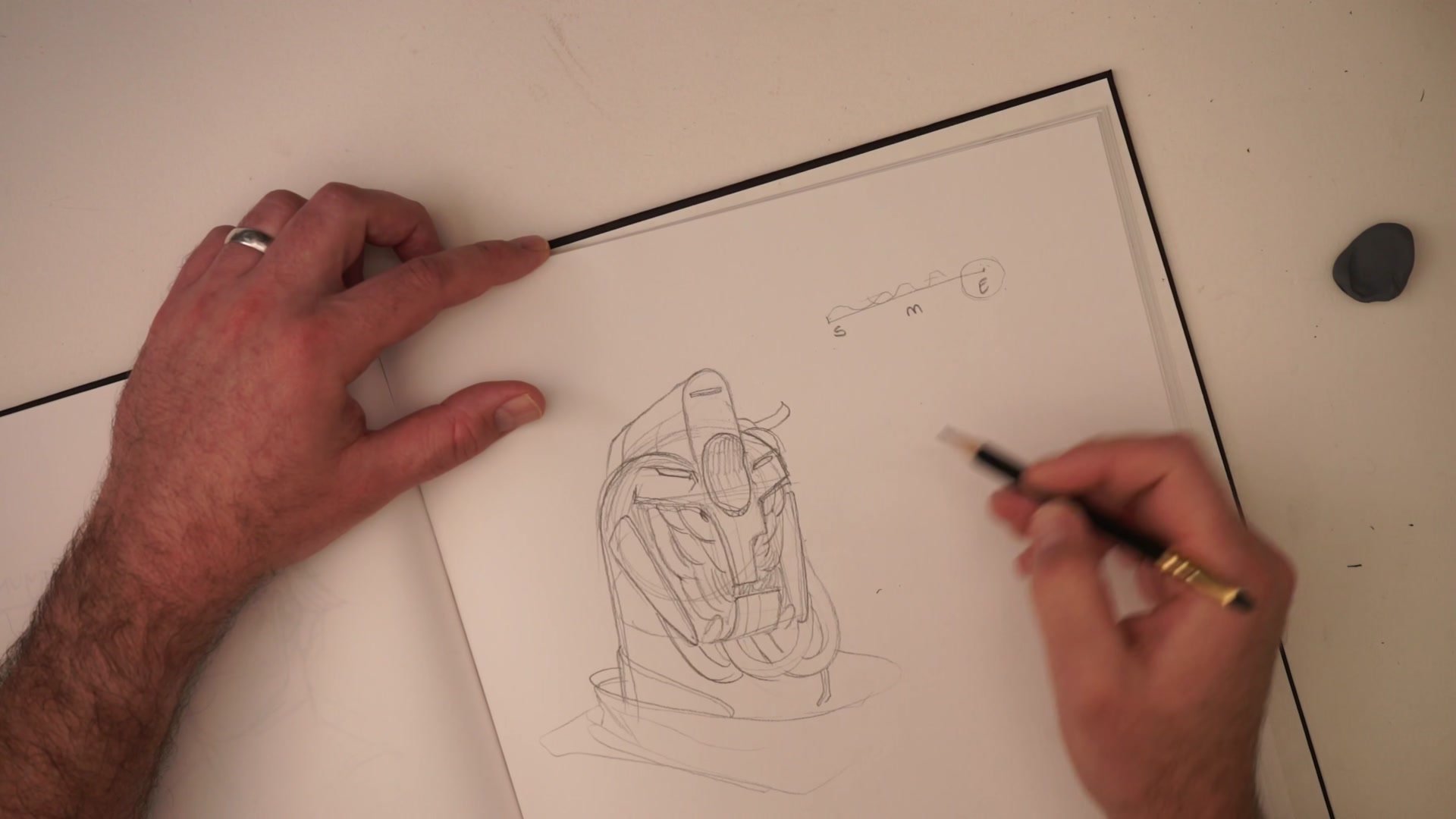
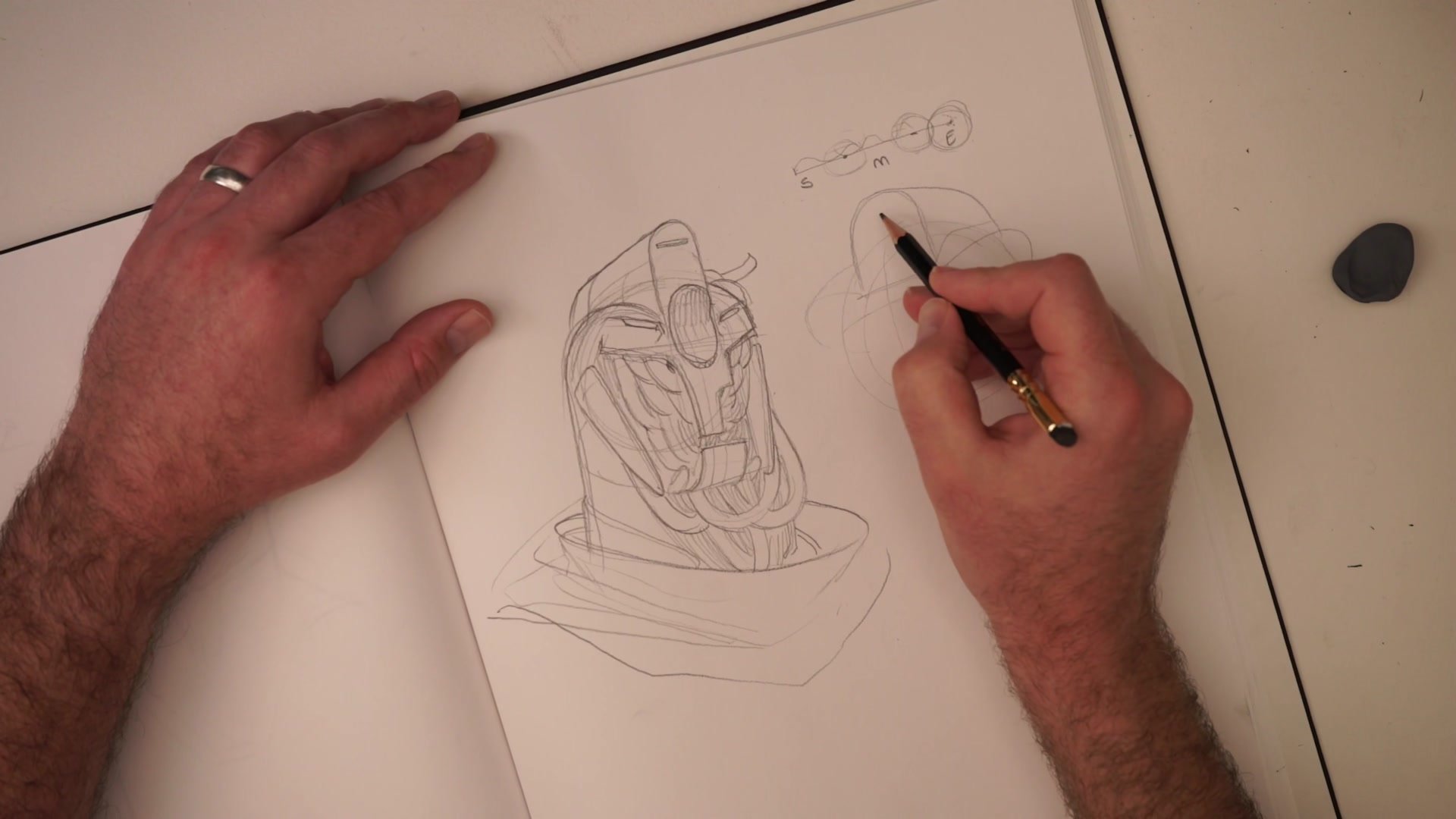
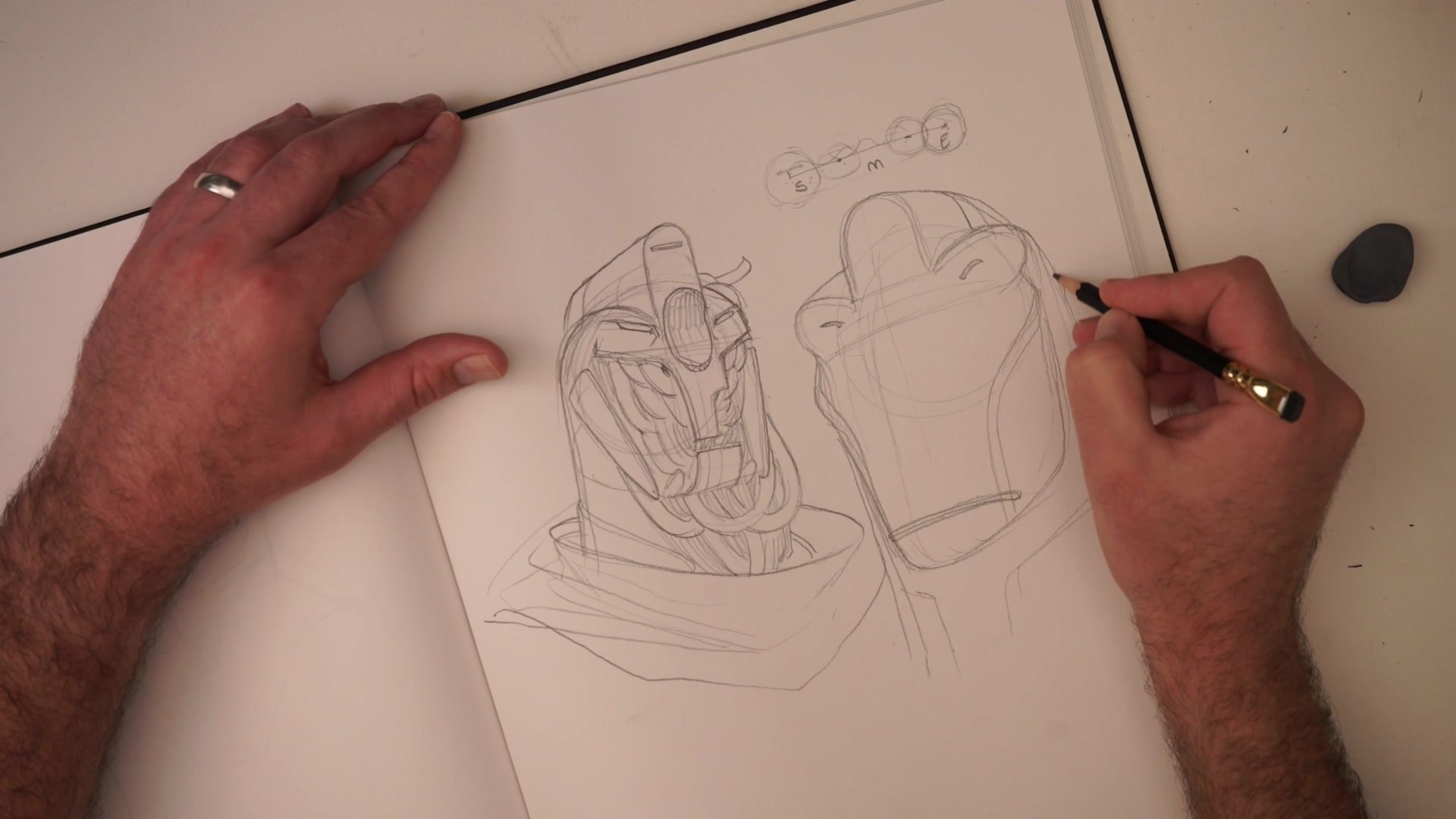
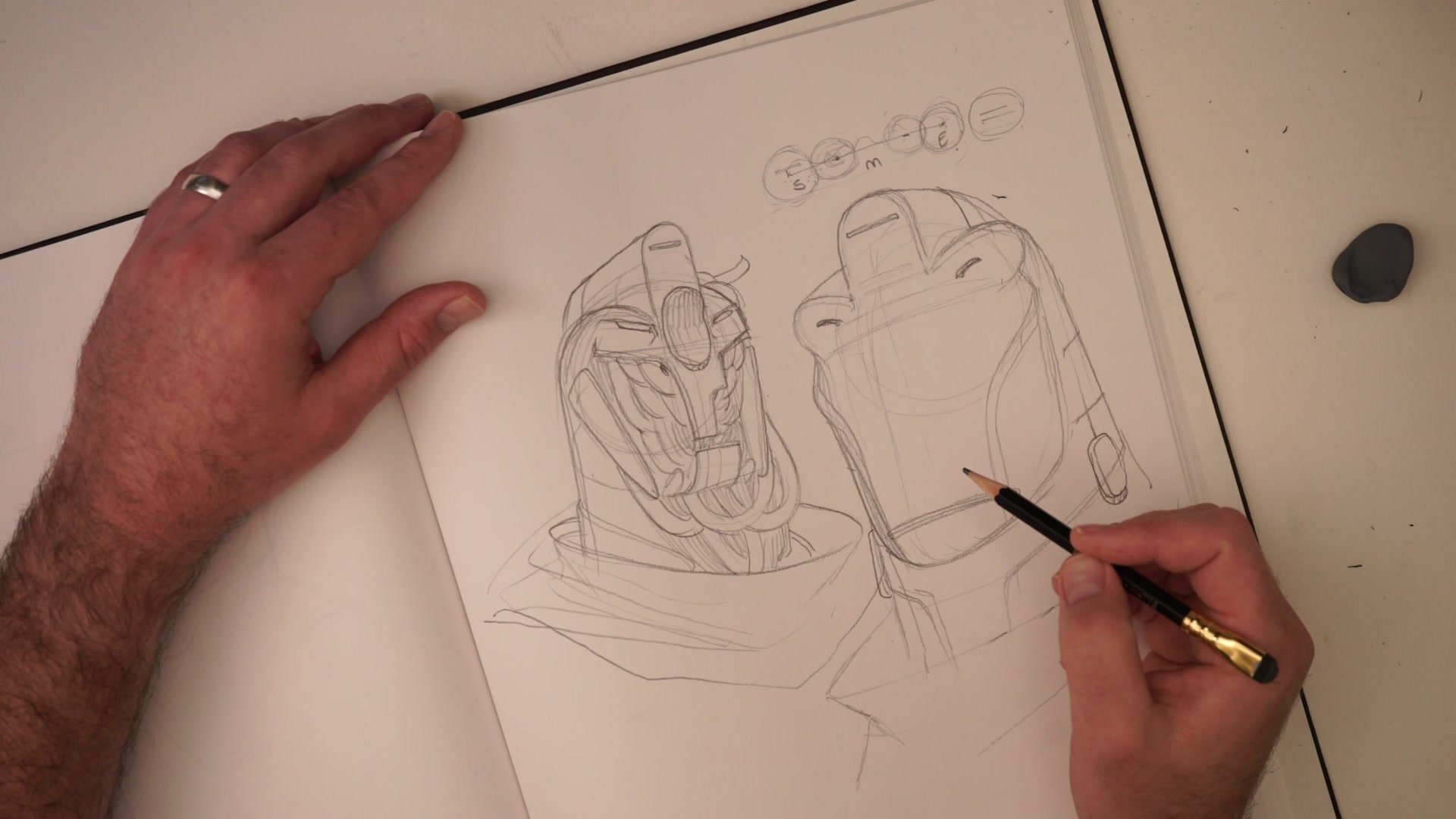
Sketching Gion requires remembering the Loomis sphere construction, blocking in both the cheekbones and eye sockets to ensure there is enough room to place all the features correctly. The character is deliberately designed as a prototypical human action hero archetype, which means very few distinguishing features. That makes consistency harder, not easier, because any small drift away from the specific proportions and the character stops being Gion and becomes just a generic face. Motor presents different challenges as an alien character with distinct proportions and features. Each character in a cast demands its own set of remembered construction tricks and identifying details.
The common approach many comic artists use is essentially drawing the same two or three faces and tweaking small details. It is like having favorite actors who appear in every project. Making characters genuinely iconic with clear visual distinctions is partly a design problem solved before production even begins.
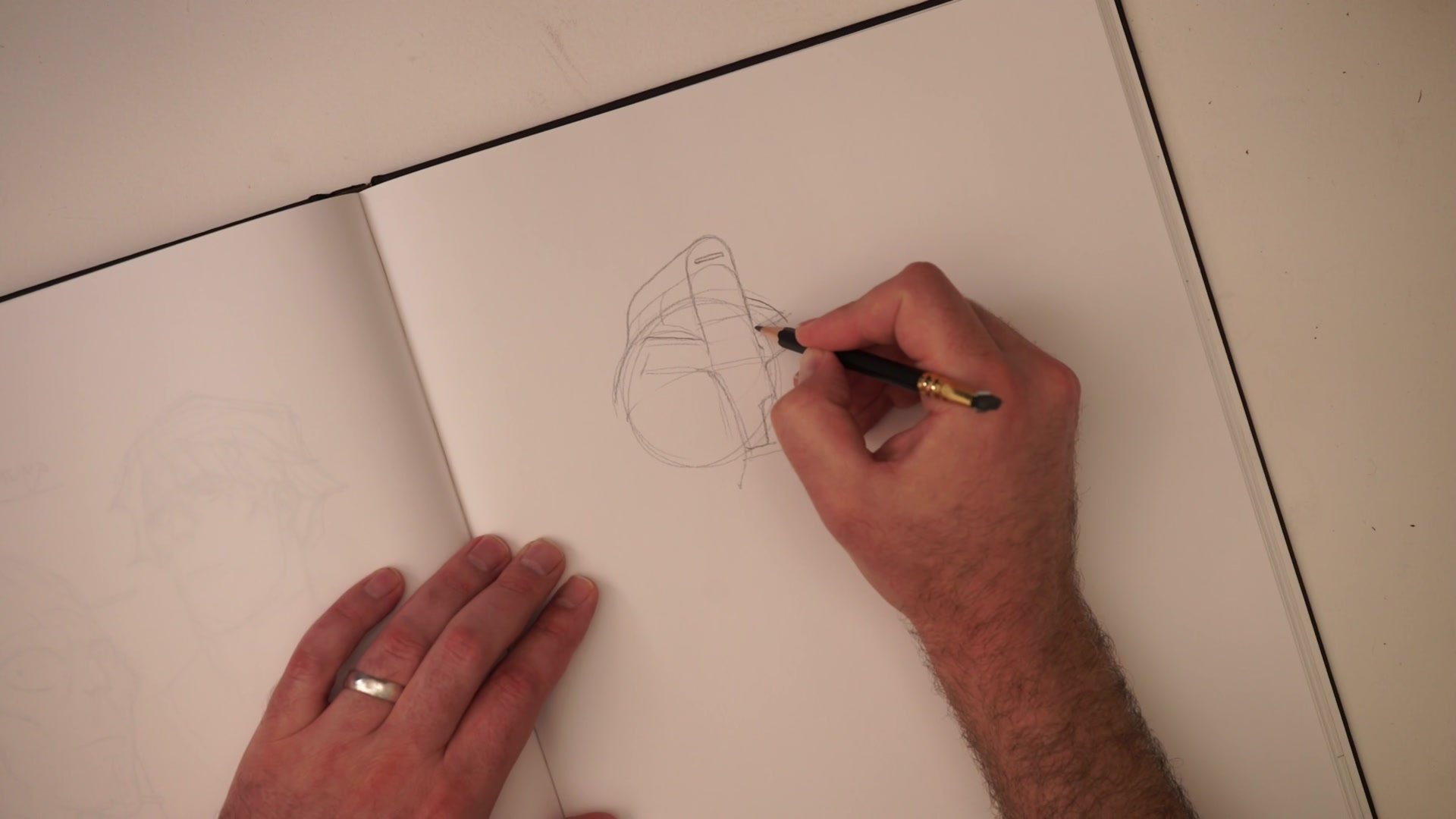
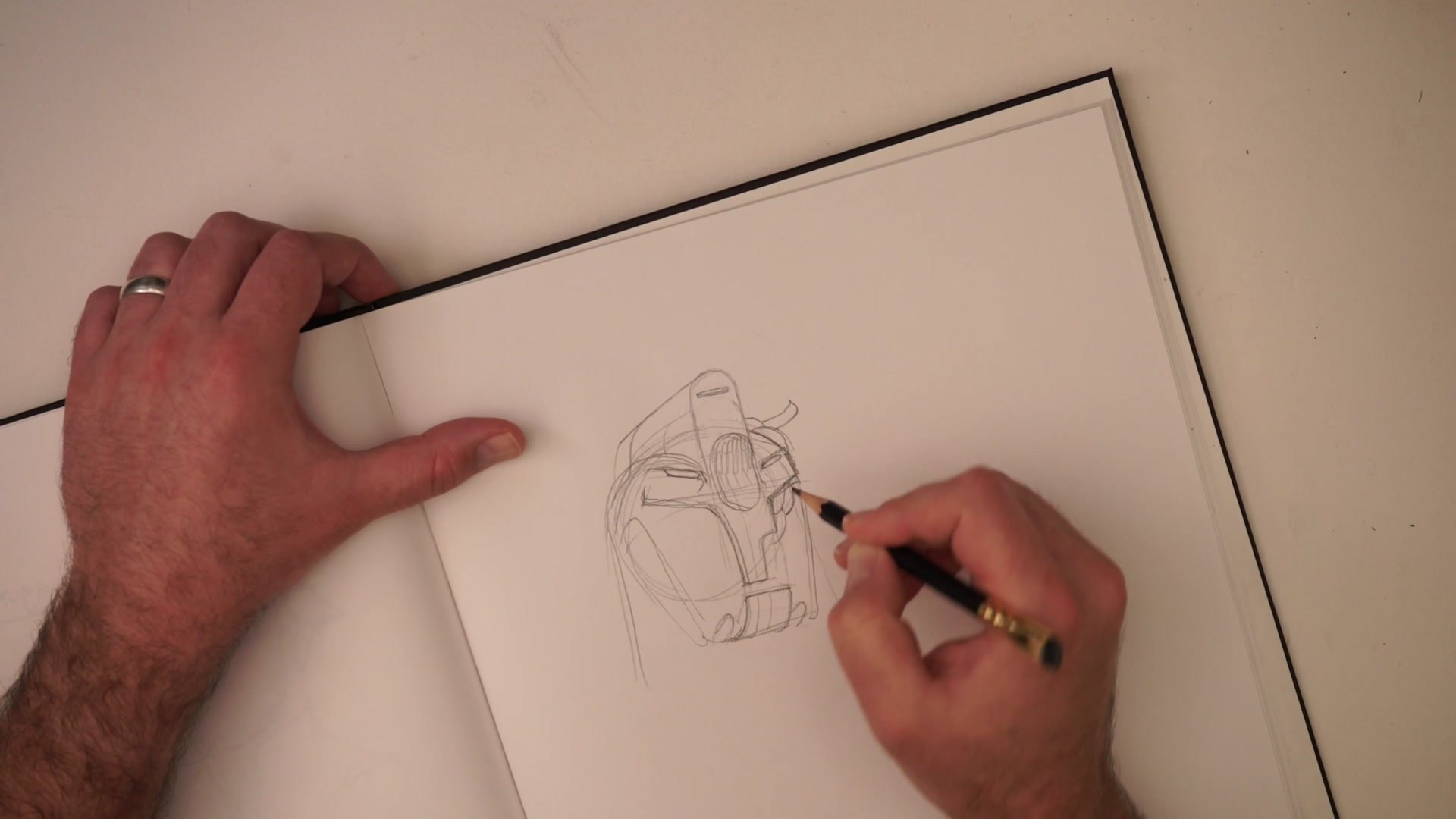
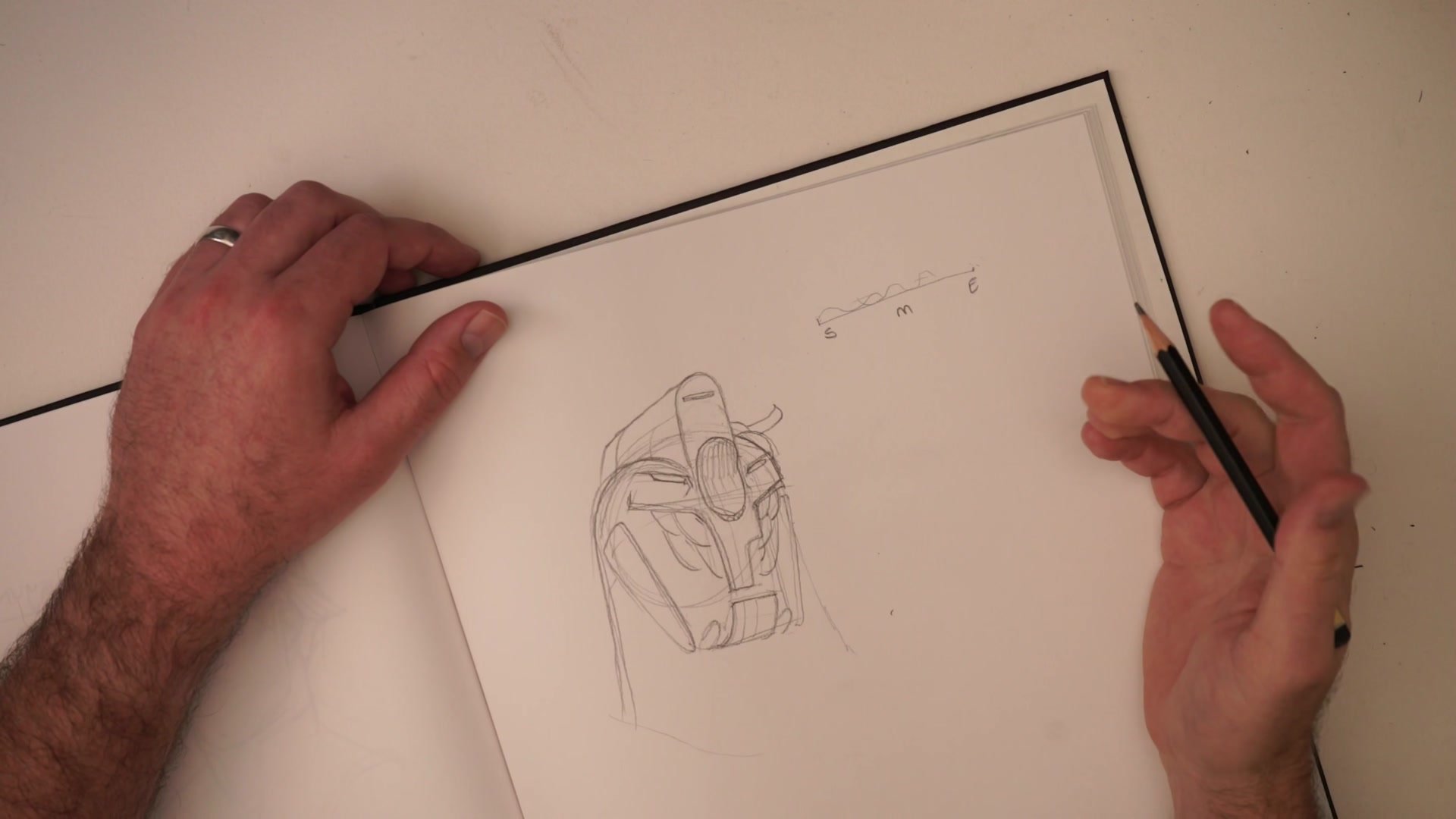
Robot Design
The Myth of the AI Director
The idea that AI will enable everyone to become directors by speaking their ideas into existence faces several fundamental problems that most people outside of creative production do not anticipate. Novel writing already has almost zero gatekeepers and yet there is no explosion of quality. People struggle to replicate even their own success. Sequels to films, games, and books frequently fail despite having the original blueprint laid out. The challenge of creating something good comes from vision, intuition, and the subconscious creative faculties that guide decisions throughout a long project.
LLMs cannot see ahead in time. They predict the next token based on what came before, which makes them fundamentally unable to maintain the kind of long-range creative coherence that good stories require. Even experienced human creators struggle with the perception paradox where the idea in the head, the reality during creation, and the finished result are three different things. Navigating that gap is a skill built through practice, not something that can be bypassed with better prompting tools.
Final Sketches
Key Principles
Character Warm-Up Sessions: Before jumping into comic production, sketching your cast from memory rebuilds the muscle memory for specific features, proportions, and construction details that drift during breaks.
Style as Choice: Toriyama's work demonstrates that simplified stylized drawing is a deliberate choice built on top of strong foundational skills in perspective, rendering, and form construction.
Iconic Design Matters: Making characters visually distinct through design decisions like unique silhouettes and clear identifying features is what actually makes consistency manageable across long projects.
Creative Vision Cannot Be Automated: The directorial ability to maintain coherent creative vision across a long project relies on intuition, subconscious processing, and experiential knowledge that prediction-based AI systems fundamentally lack.
Try This
Sketch Your Cast From Memory: Pick characters from a project and sketch them without reference to identify which details have drifted. Then compare to your original designs.
Study Construction Under Style: Find an artist whose work appears simple and study the structural complexity underneath. Identify the perspective, form, and rendering decisions hidden within the style.
Design for Distinction: Review your character designs and check whether each one has clear iconic features that remain recognizable even when drawn quickly or at small scale.