Sketching Goblins and Talking AI Hype
Summary
Warm-Up Sketching and AI Reality
Every artist hits stretches where drawing takes a back seat to other responsibilities. Coming back to the pencil after a break always raises the same question: how rusty are things, and what does it take to get back up to speed? This session combines a real-time warm-up and goblin sketching exercise with a look at the paintings of J. Allen St. John, one of the golden age illustrators who heavily influenced Frank Frazetta. Along the way, there is a pragmatic discussion about the current AI hype cycle in the art industry, why the "adapt or die" narrative is built on theoretical arguments rather than evidence, and why studying artistic fundamentals remains the most reliable long-term investment an artist can make regardless of what technology does next.
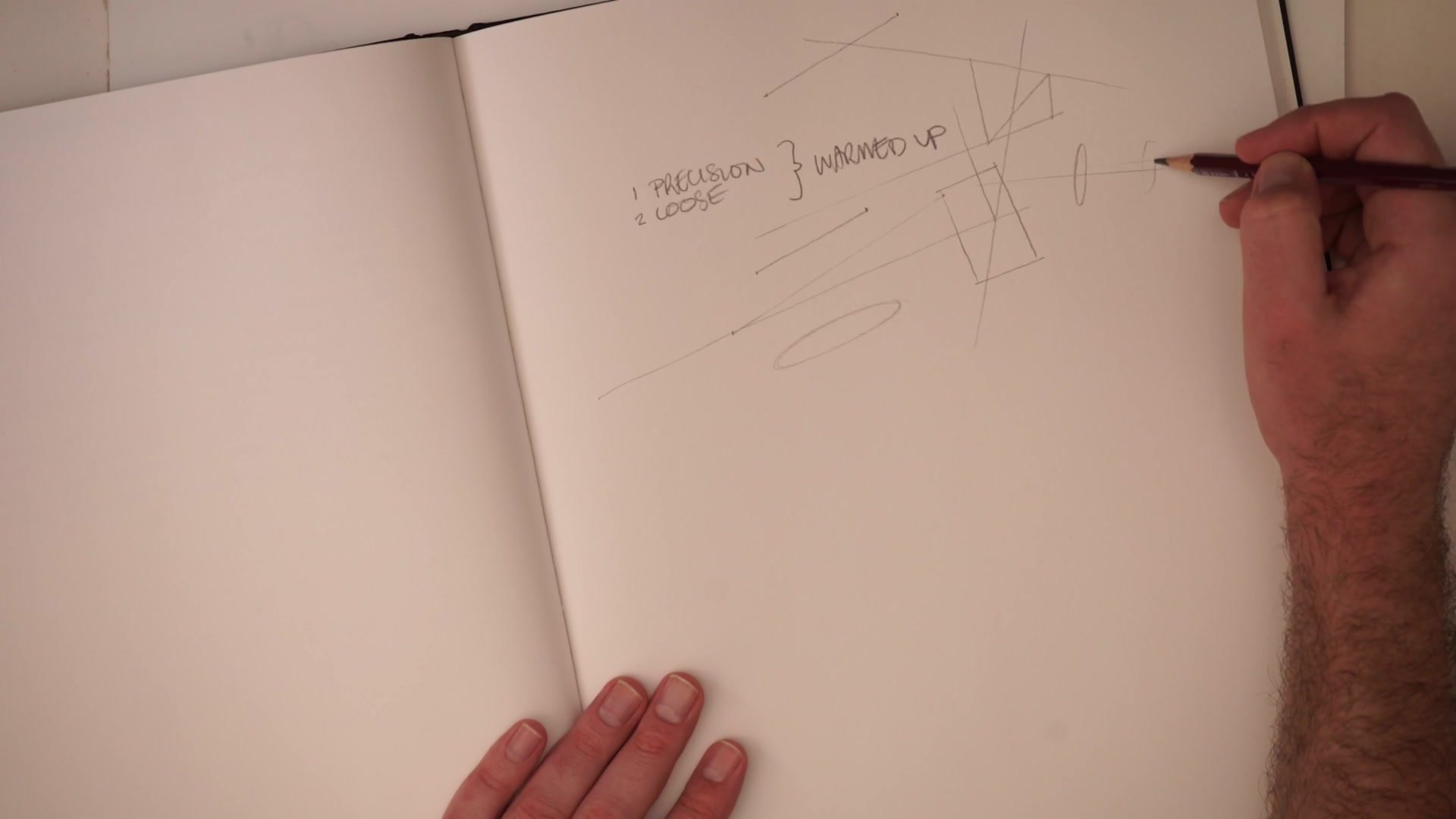
The warm-up process itself is straightforward: start with precision exercises like straight lines and ellipses, then move to simple forms and quick character sketches, calibrating between accuracy and looseness until the hand-eye connection feels reliable again.
Golden Age Illustration
Studying Your Influences
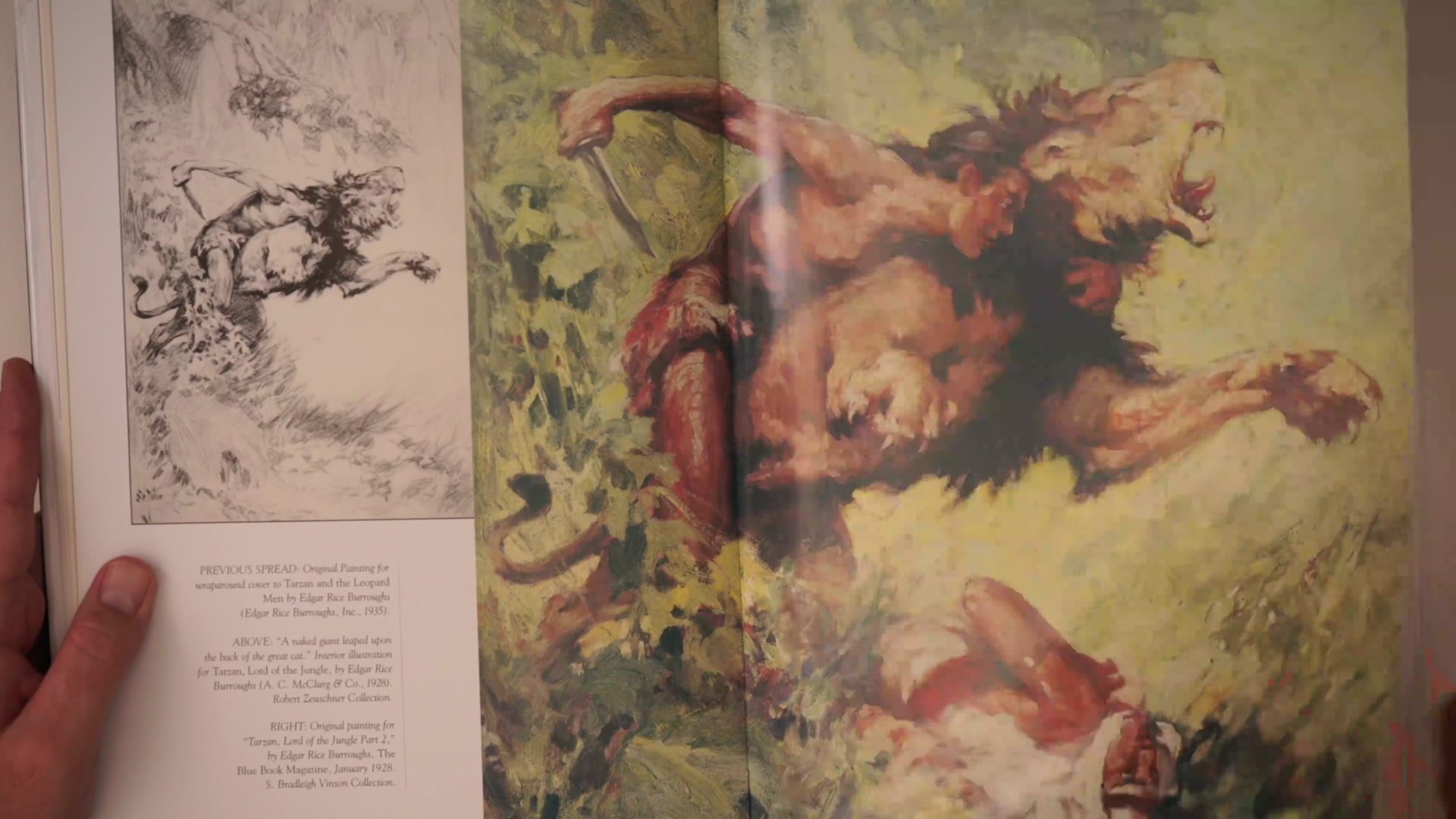
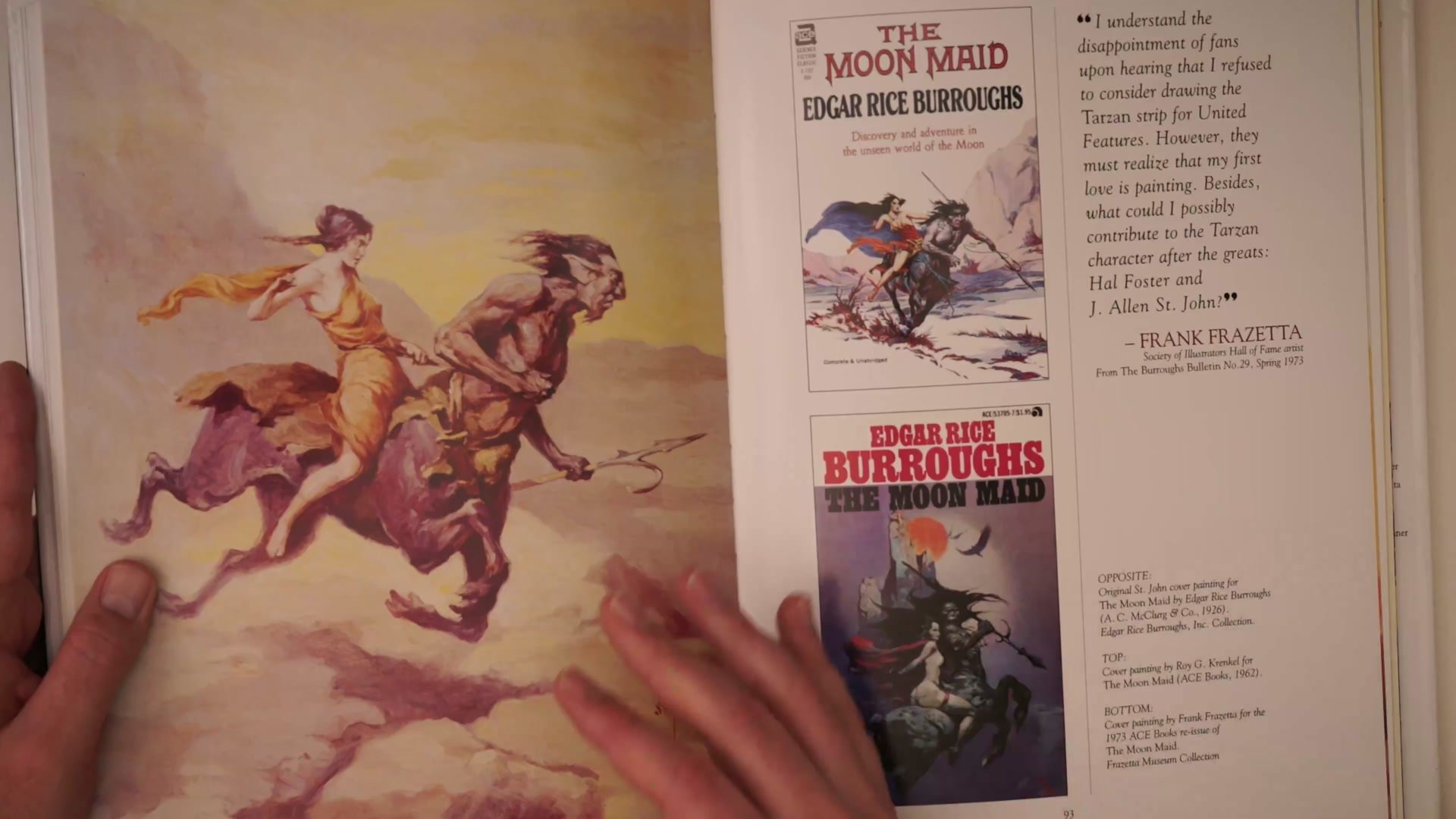
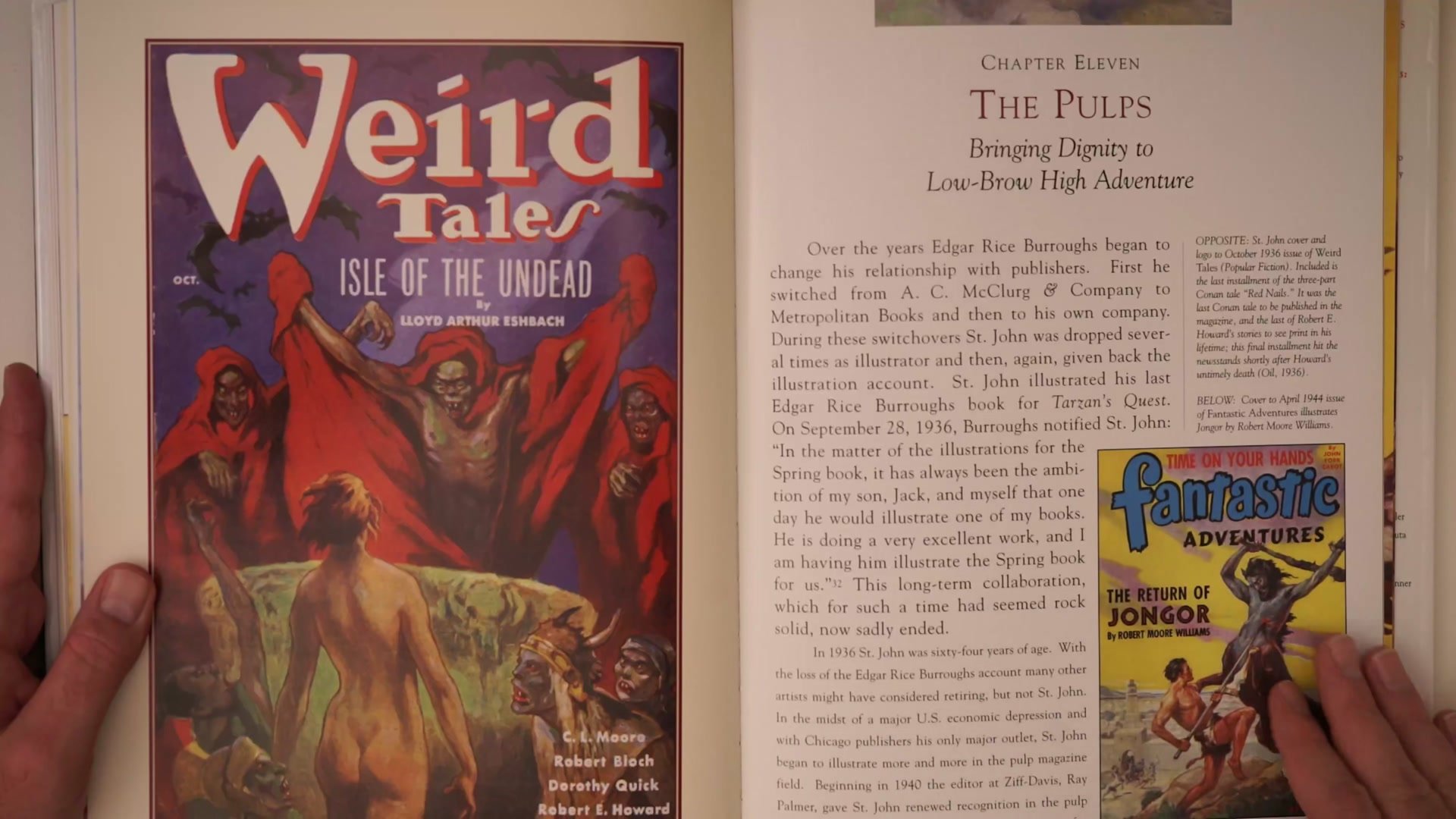
One of the most rewarding things an artist can do is follow the influence chain backwards from the artists they admire. J. Allen St. John was the illustrator behind much of the original Edgar Rice Burroughs Tarzan artwork, and his work directly influenced Frazetta. What makes St. John's paintings worth studying is the combination of strong graphic shape design with a subtlety and painterly quality that Frazetta's more impactful later work often traded away. The rendering is built for readability, with light and dark patterns designed around what reads well on a book cover rather than photographic accuracy.
This kind of golden age illustration demonstrates something important about visual design language. The work is expressive and brushy, often more functional than detailed, and it reveals how artists from different eras approached the same subject matter in distinctly personal ways. Following these influence chains backward through art history is one of the best ways to develop an understanding of where style actually comes from and what makes one approach to a subject genuinely different from another.
Warm-Up Sketches
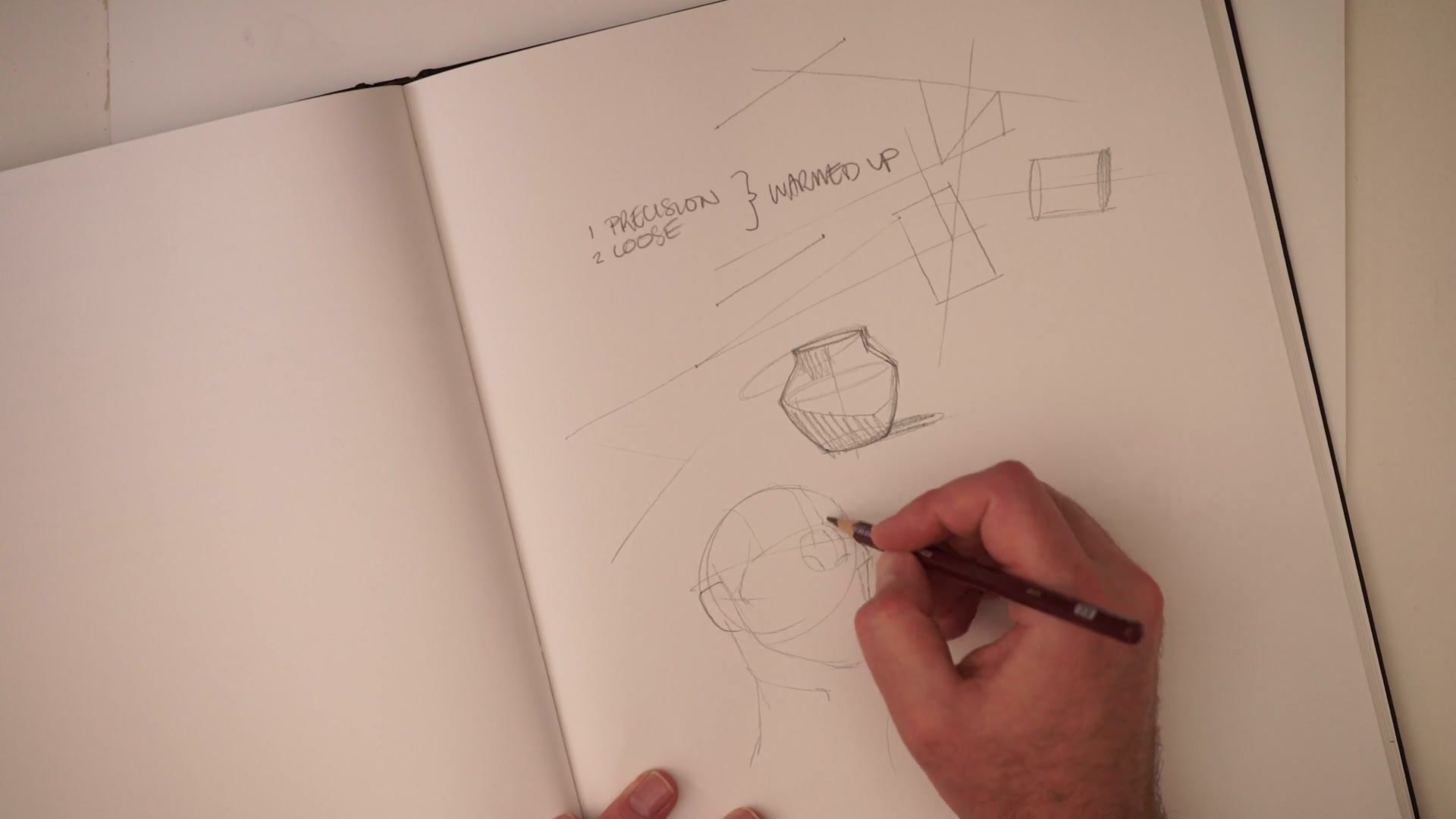
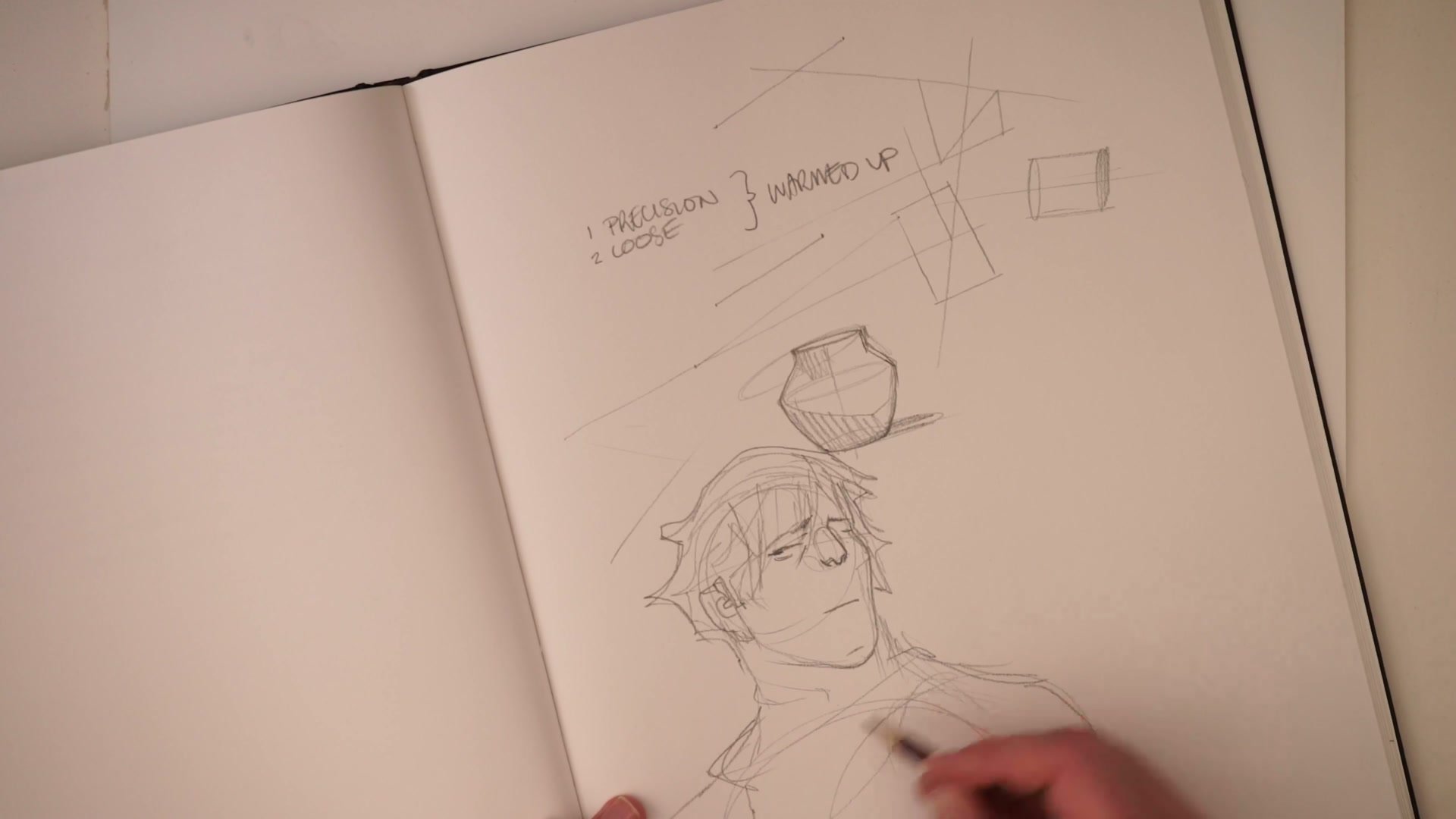
The Warm-Up Process
The warm-up ritual is built on two qualities that need to be in balance: precision and looseness. When those are working together, the artist is warmed up. The process starts with the most basic tests. Draw straight lines between two points at different angles, going backhand and forehand, to key the eye into accuracy. Then try ellipses and simple three-dimensional forms. This is diagnostic work rather than art. The purpose is to find out how far off things are and whether the hand is cooperating.
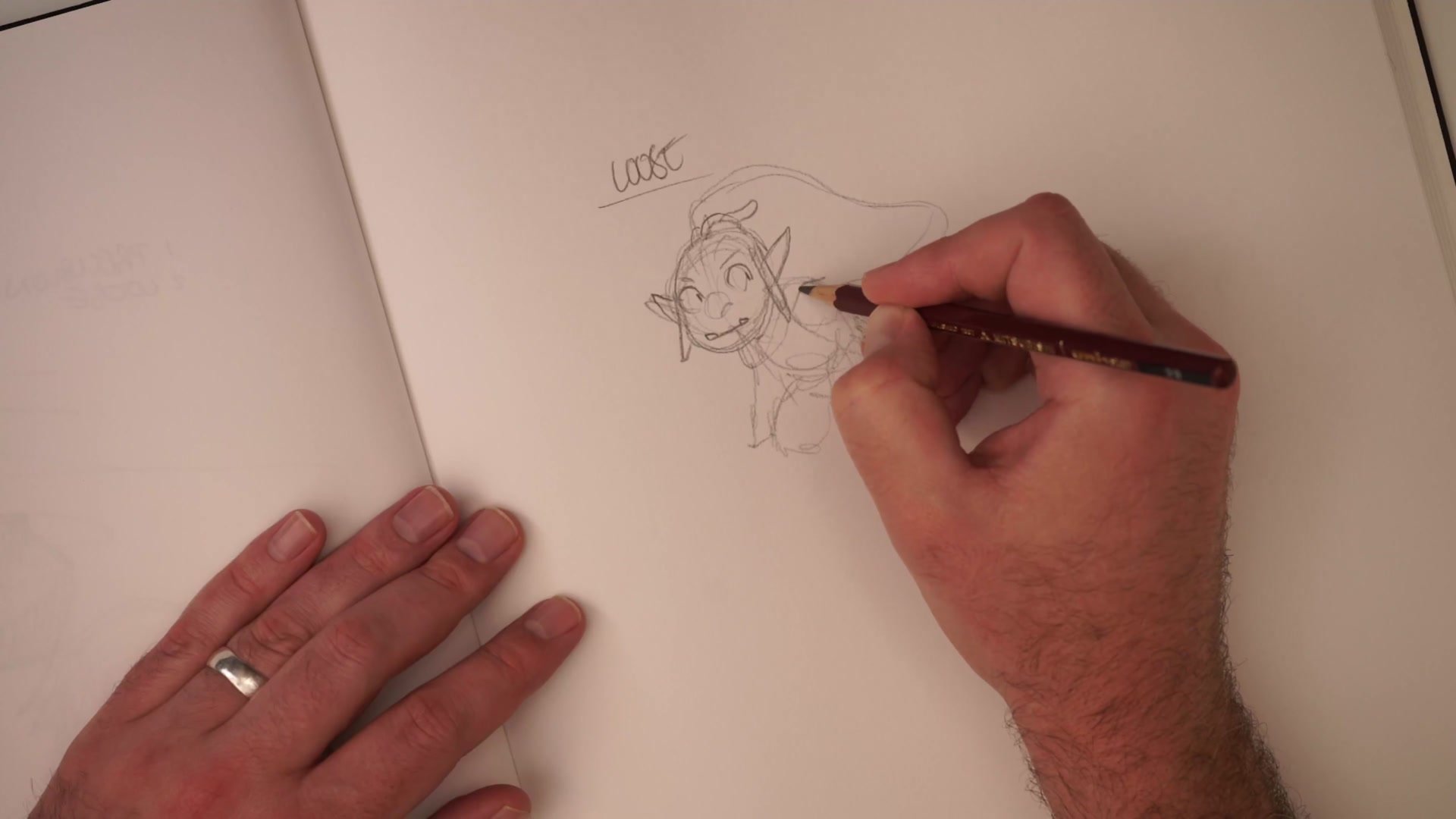
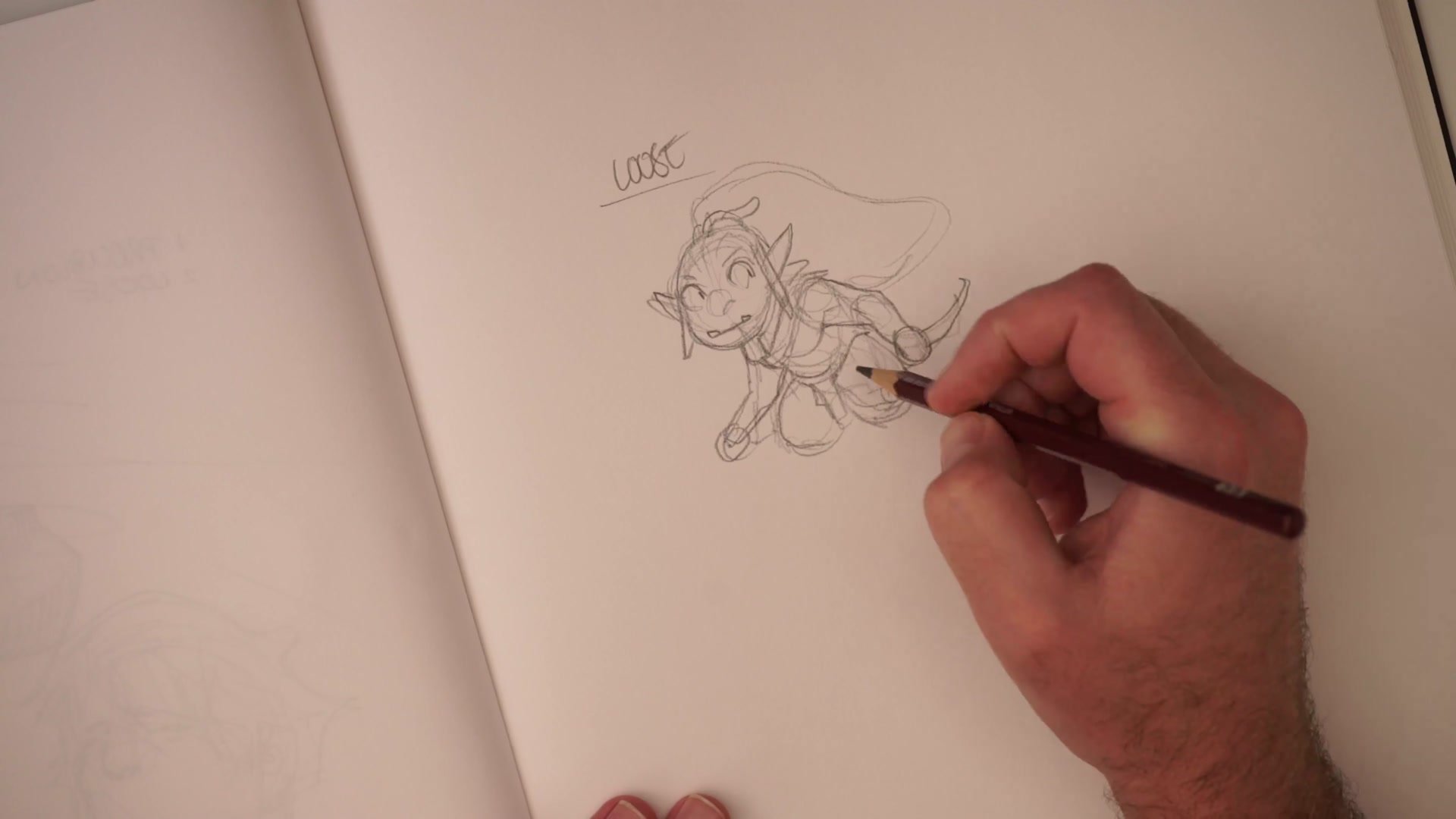
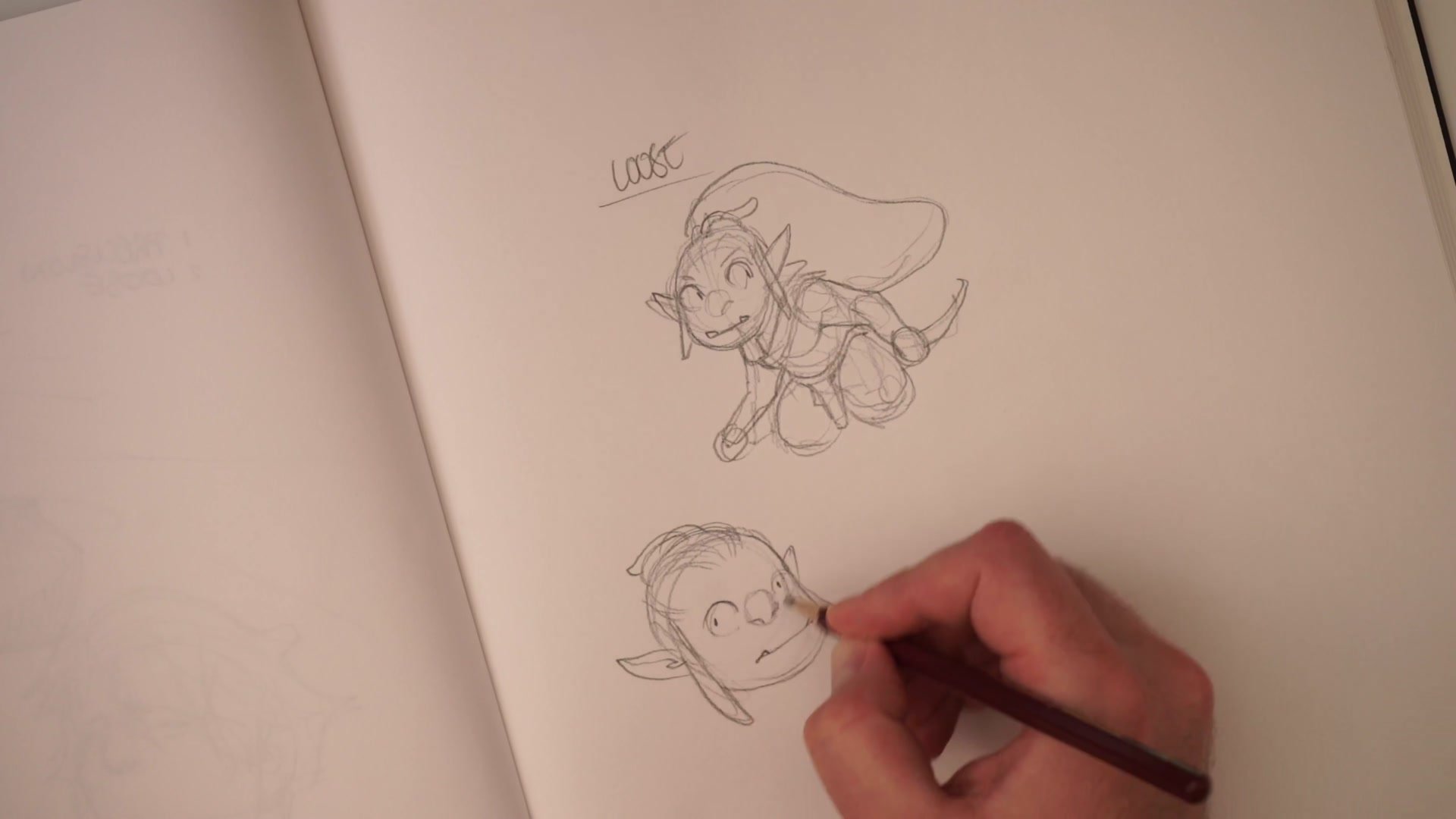
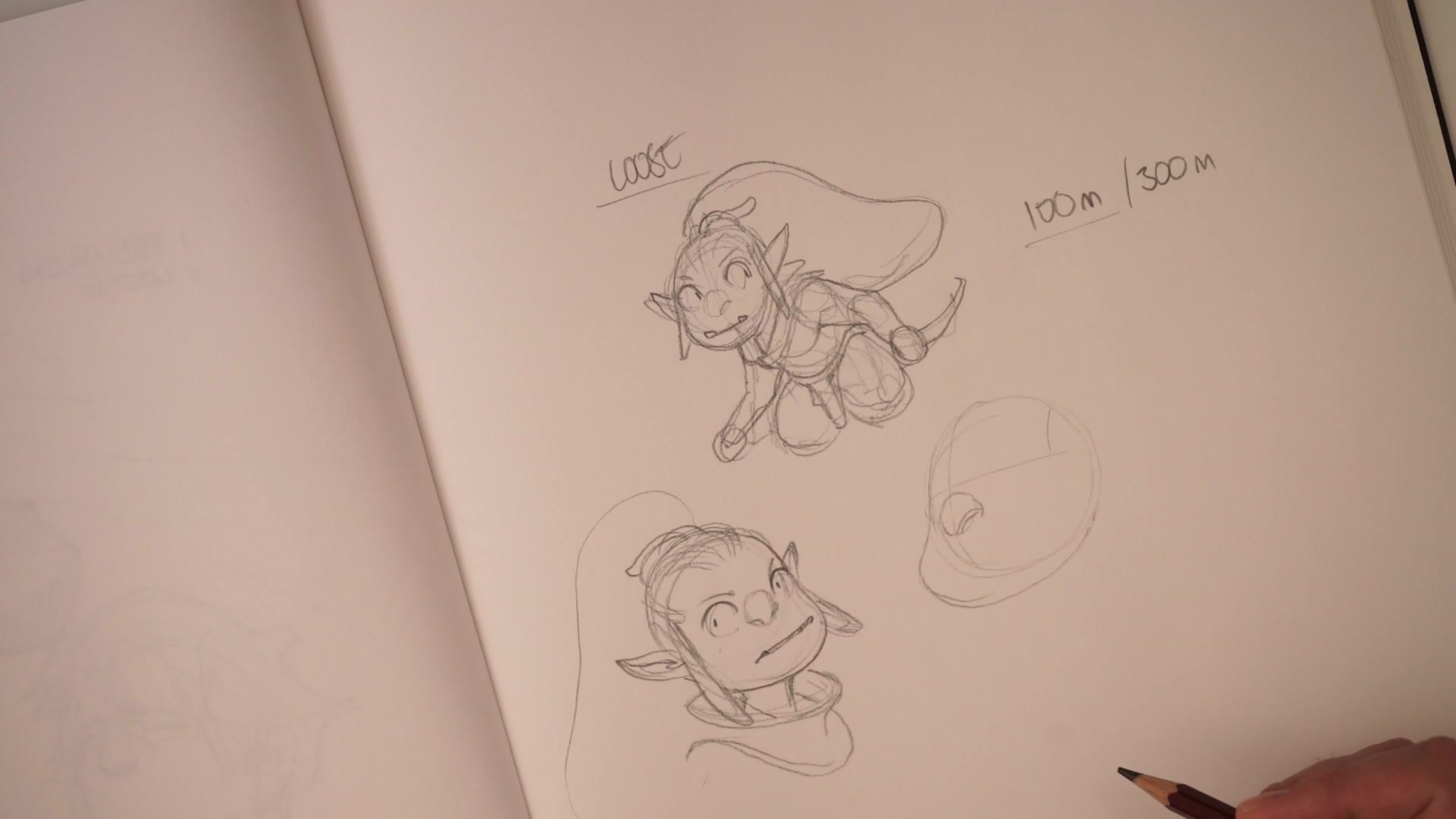
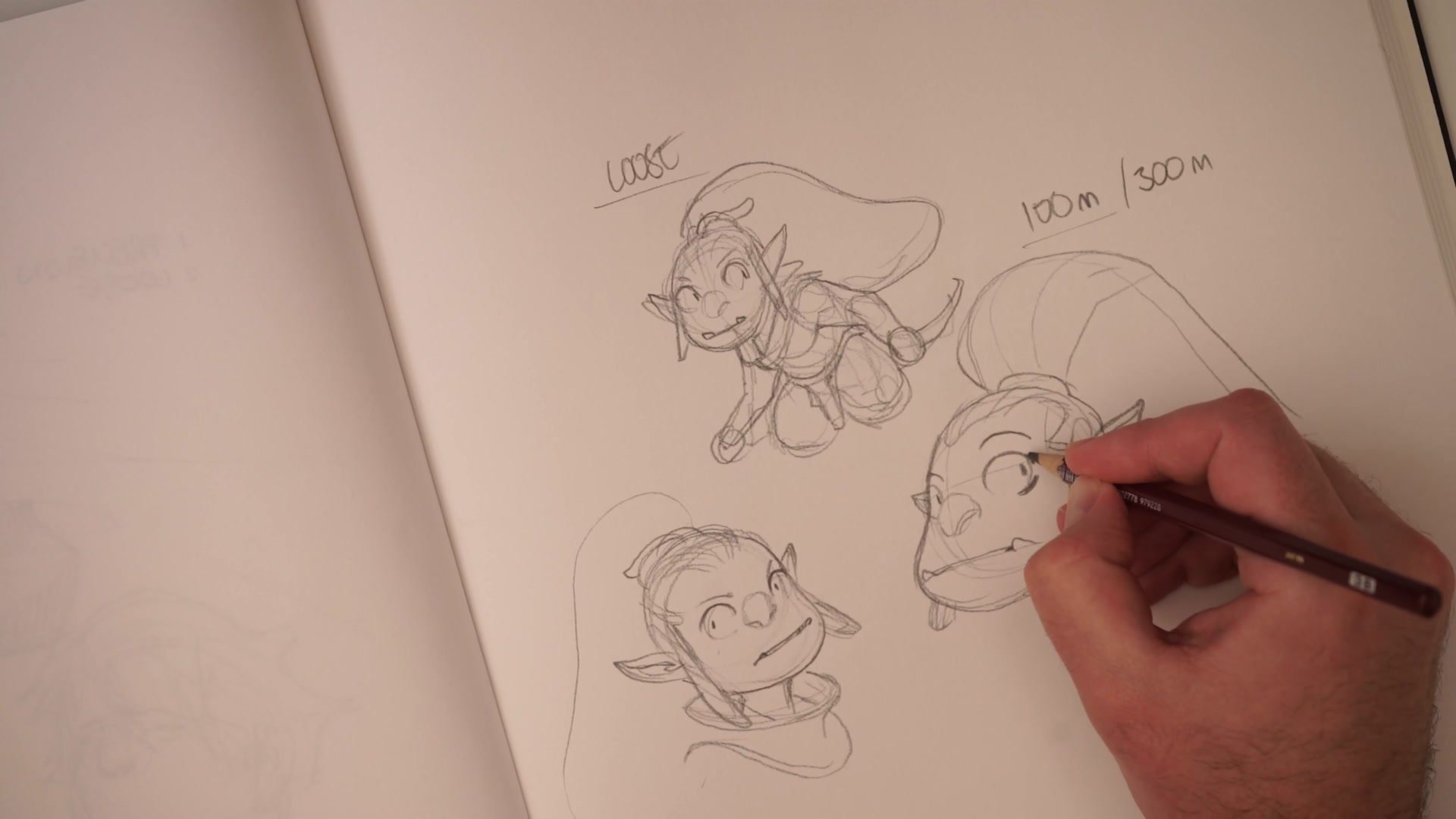
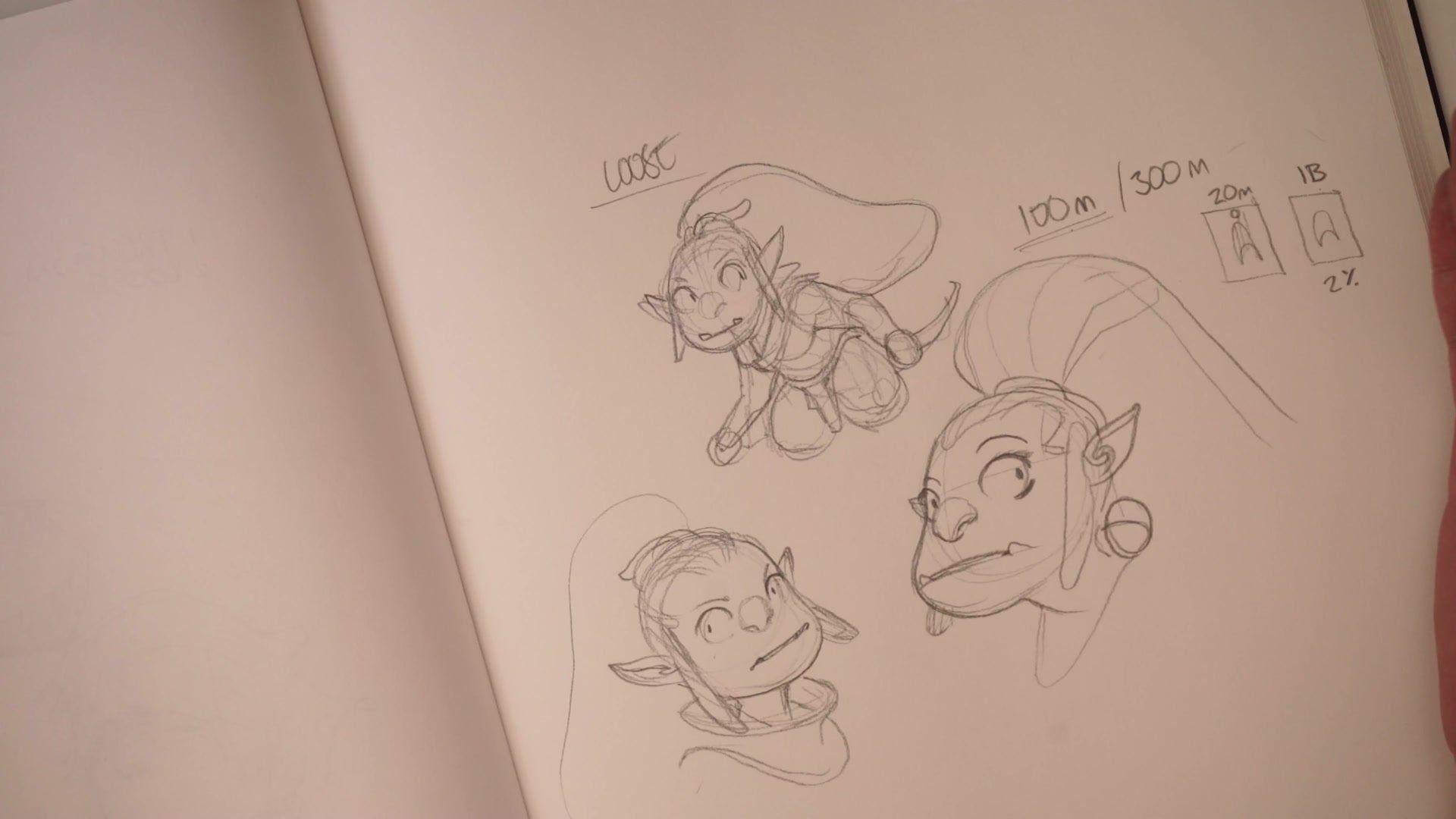
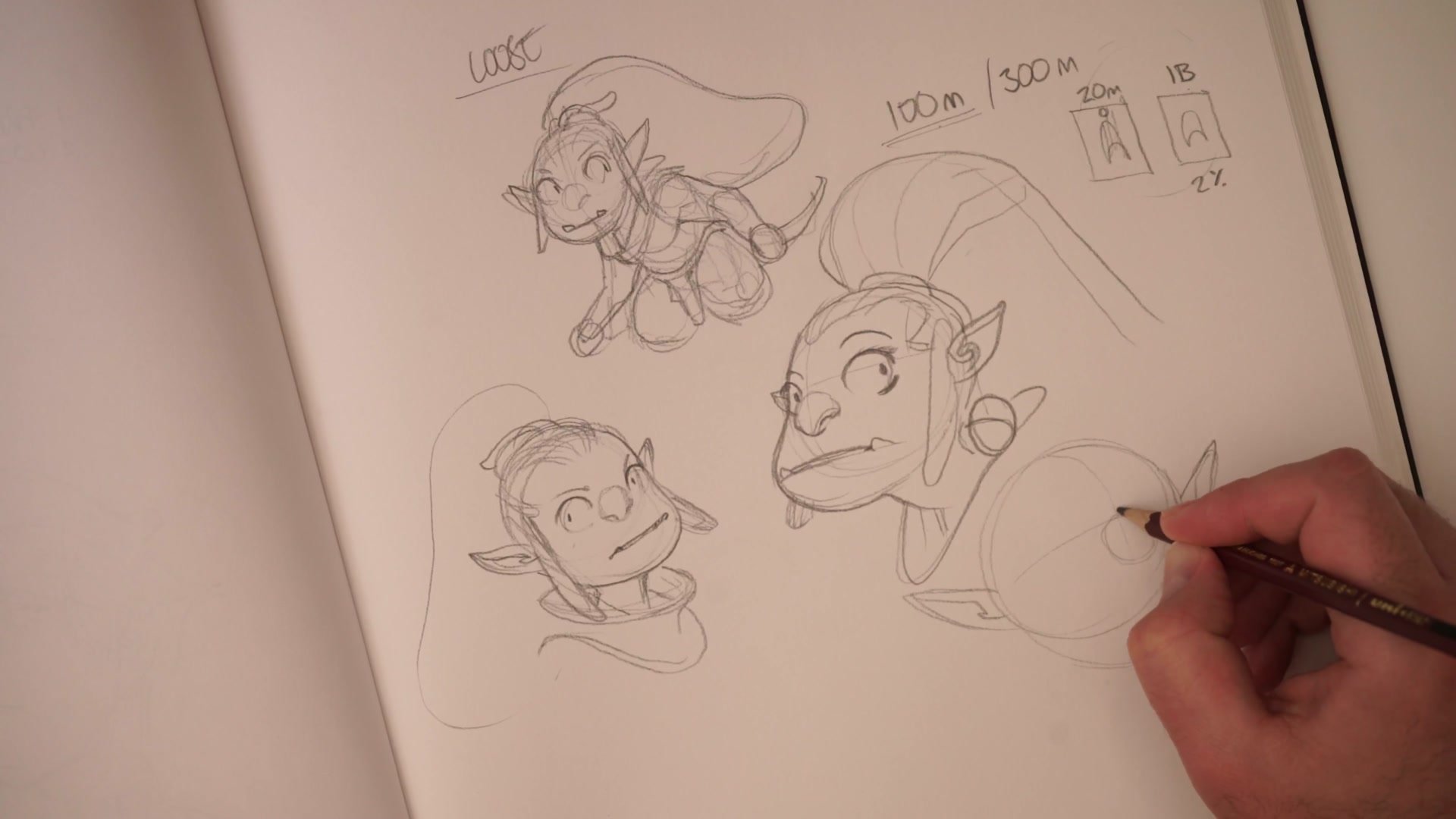
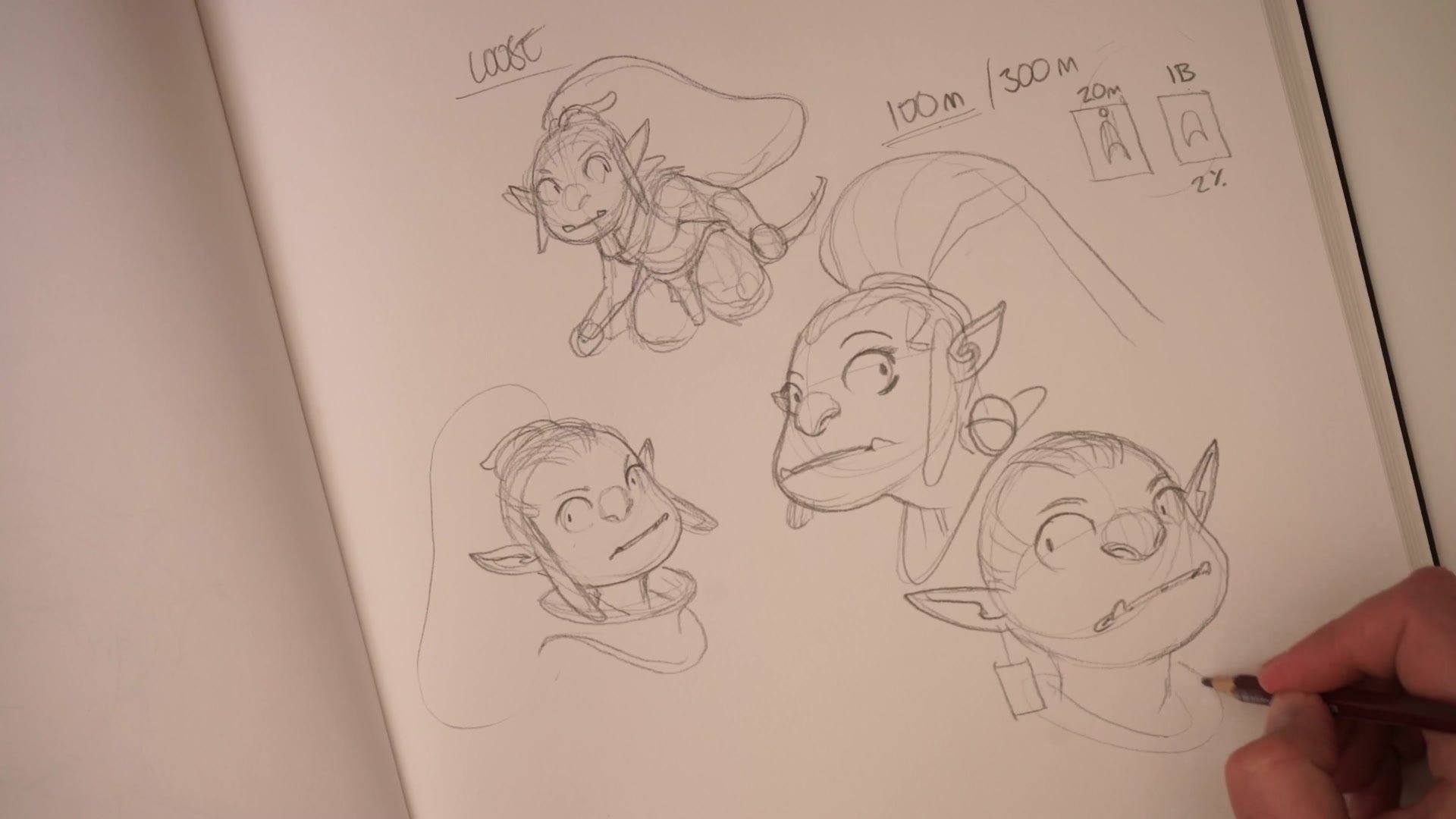
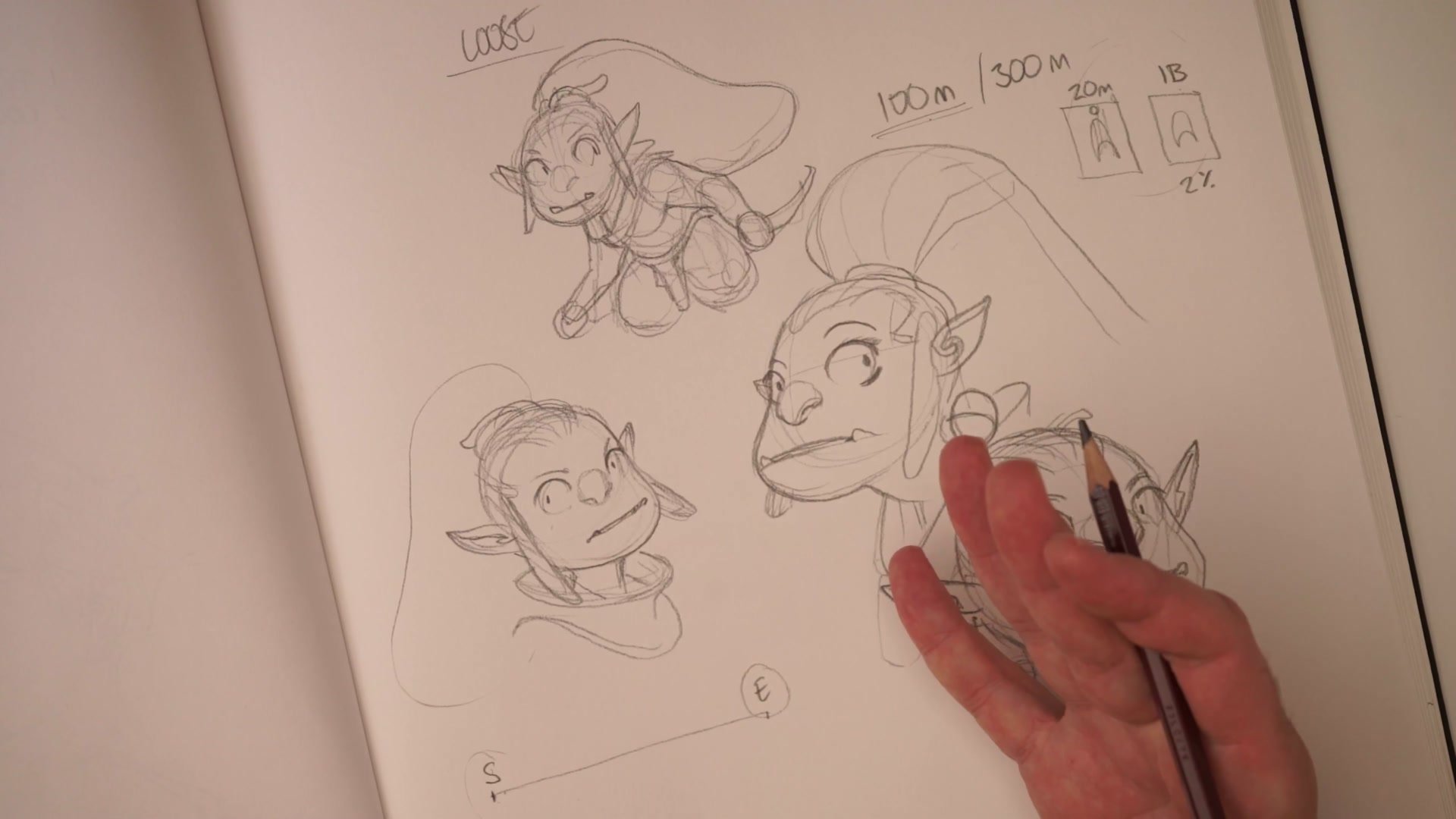
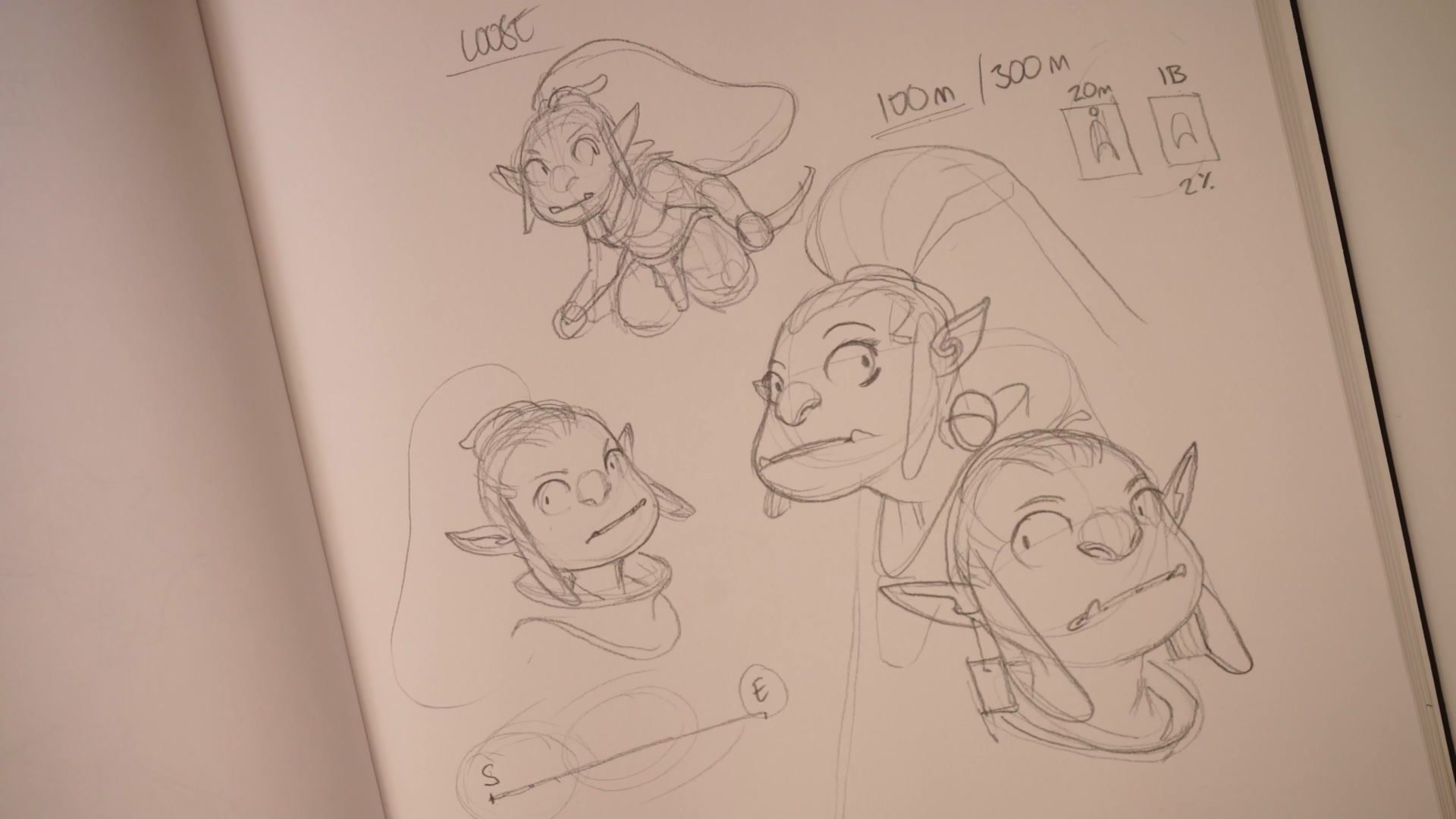
From there, the next step is a simple face or a familiar character, something with just enough complexity to test proportion and construction without the pressure of creating a finished drawing. The key insight is that none of this warm-up work needs to be good. It does not even need to be in a sketchbook. Copy paper works fine. The entire goal is getting the precision-looseness balance back online so the real sketching session, in this case loose goblin character designs, can flow without fighting the fundamentals.
Goblin Character Sketches
Featured Artists
J. Allen St. John (1872-1957, American) Golden age illustrator best known for his Edgar Rice Burroughs cover paintings, including the iconic Tarzan series. St. John's work combines strong graphic shape design with a subtle, painterly quality and an Art Nouveau-influenced sense of flow. His rendering prioritises readability over photographic accuracy, with light and dark patterns designed around what works on a book cover. He taught at the Chicago Art Institute from 1917 to 1935 and influenced generations of fantasy illustrators.
Frank Frazetta (1928-2010, American) Widely regarded as one of the most influential fantasy artists of the twentieth century. Frazetta acknowledged St. John as a key influence, and comparing the two reveals how artistic lineage works in practice. Where St. John's compositions favour subtlety and romantic atmosphere, Frazetta pushed toward maximum dramatic impact. Both demonstrate mastery of shape design and composition, but their differences illustrate how personal style emerges from shared foundations.
The AI discussion in the art world tends to split into doomsday predictions and "adapt or die" urgency, but both are built on theoretical arguments rather than market evidence. The market will sort this out, and history shows that studying traditional fundamentals has always been the most reliable long-term investment regardless of what technology does next.
Additional Sketches
Key Concepts
Follow the Influence Chain: Studying the artists who influenced your favourite artists reveals where style originates and teaches visual design language that transcends any single era or medium.
Precision and Looseness Balance: Warming up is about calibrating between accuracy and flow. Start with lines and forms to test precision, then move to gestural sketches to unlock looseness before starting the real work.
Fundamentals Over Hype Cycles: Every technology hype cycle pressures artists to adopt early, but the market consistently rewards deep creative fundamentals over tool adoption. Waiting for technology to mature while studying foundations has historically been the more effective strategy.
Try This Warm-Up
Precision Lines: Draw straight lines between two points at different angles, going backhand and forehand. Do this for a few minutes to test how accurate the hand-eye connection feels.
Simple Forms and Ellipses: Move to basic three-dimensional forms like boxes, cylinders, and spheres. Check whether proportion and construction feel stable or wobbly.
Quick Character Sketch: Draw a simple face or familiar character as a final calibration test. If it feels reasonable, move on to loose gestural sketching to build flow and speed.