The Right Way To Improve Your Art
Summary
The Practice Problem
Most artists understand they need to practice to improve. The standard advice is to do studies, render gray boxes, copy anatomy diagrams, and grind through exercises. But there is a fundamental disconnect between these abstract exercises and actually getting better at making the art you want to create. The problem is not a lack of tutorials or discipline. The problem is a failure of integration.
Drawing is not a single skill. It is the synthesis of five distinct elements: Visual Library, Technical Foundation, Tools and Process, Practice, and Intent. When artists struggle, they typically assume the issue is purely technical and retreat into more studies. But the real bottleneck is often something entirely different, and the only way to discover what is actually holding you back is to commit to making real art. Abstract exercises in isolation, no matter how well-executed, rarely transfer into the finished work that matters. Integration is what separates artists who improve from artists who stay stuck.
Seven Pirates Comic Pages
Integration Through Doing
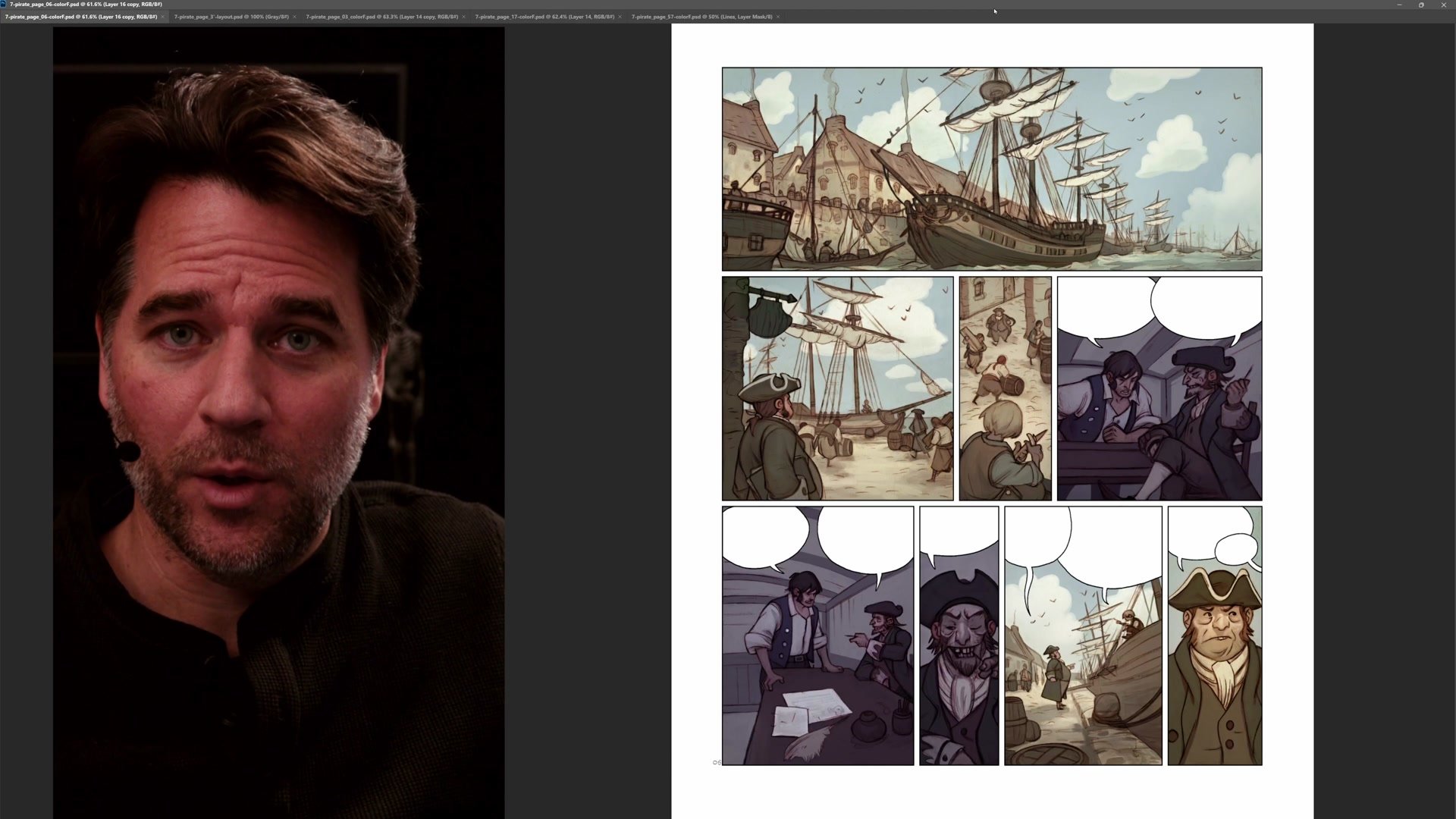
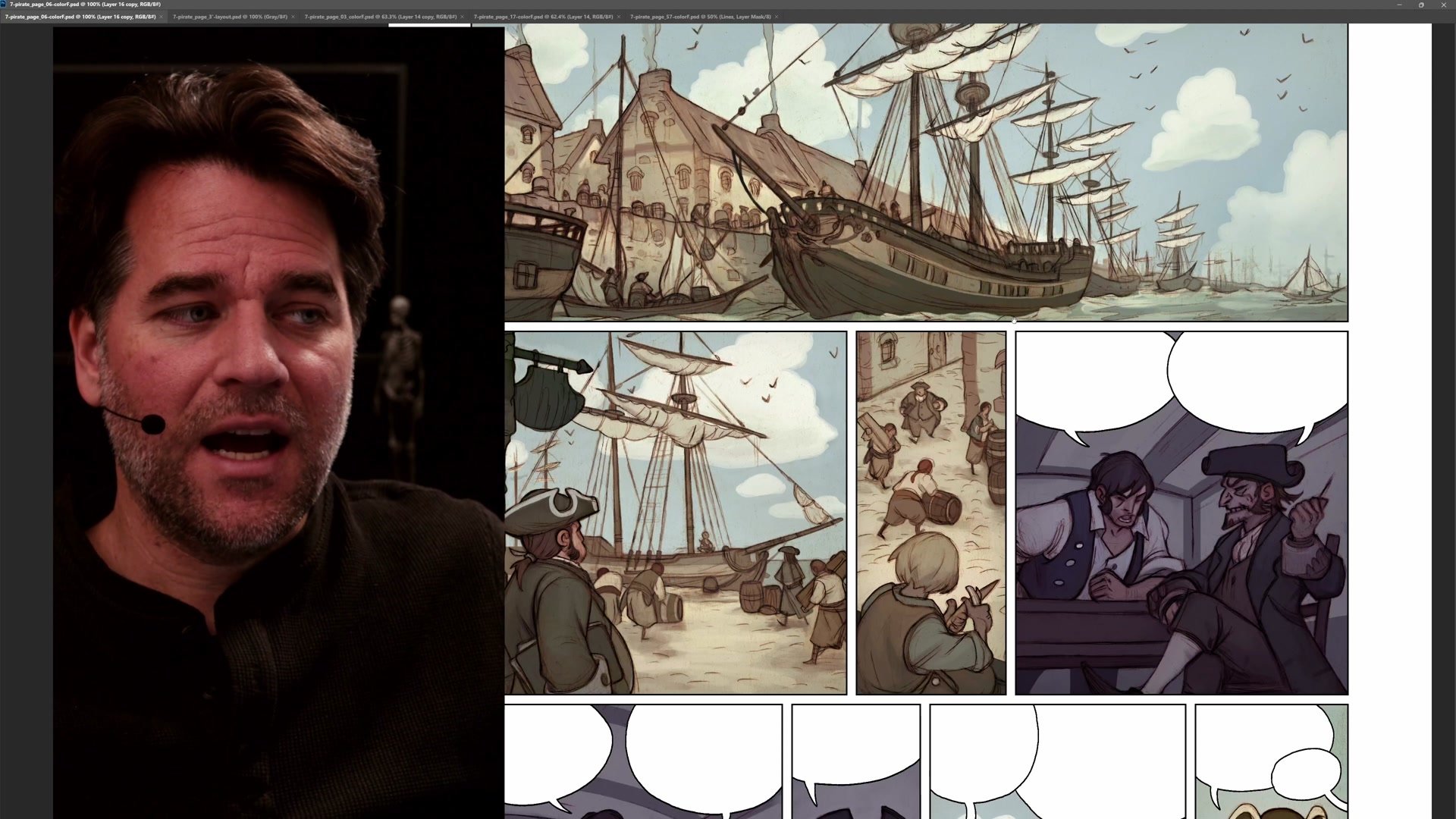
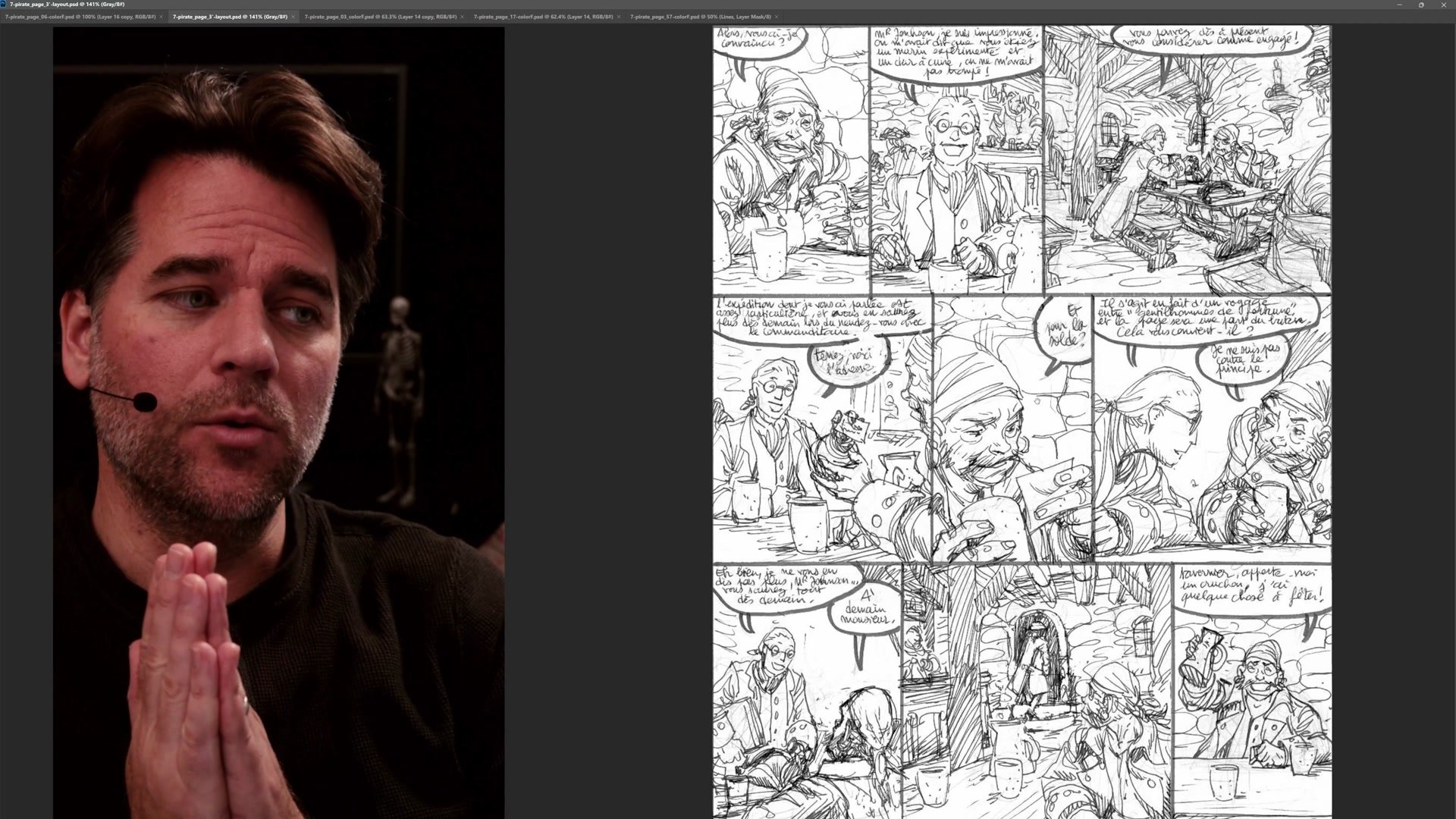
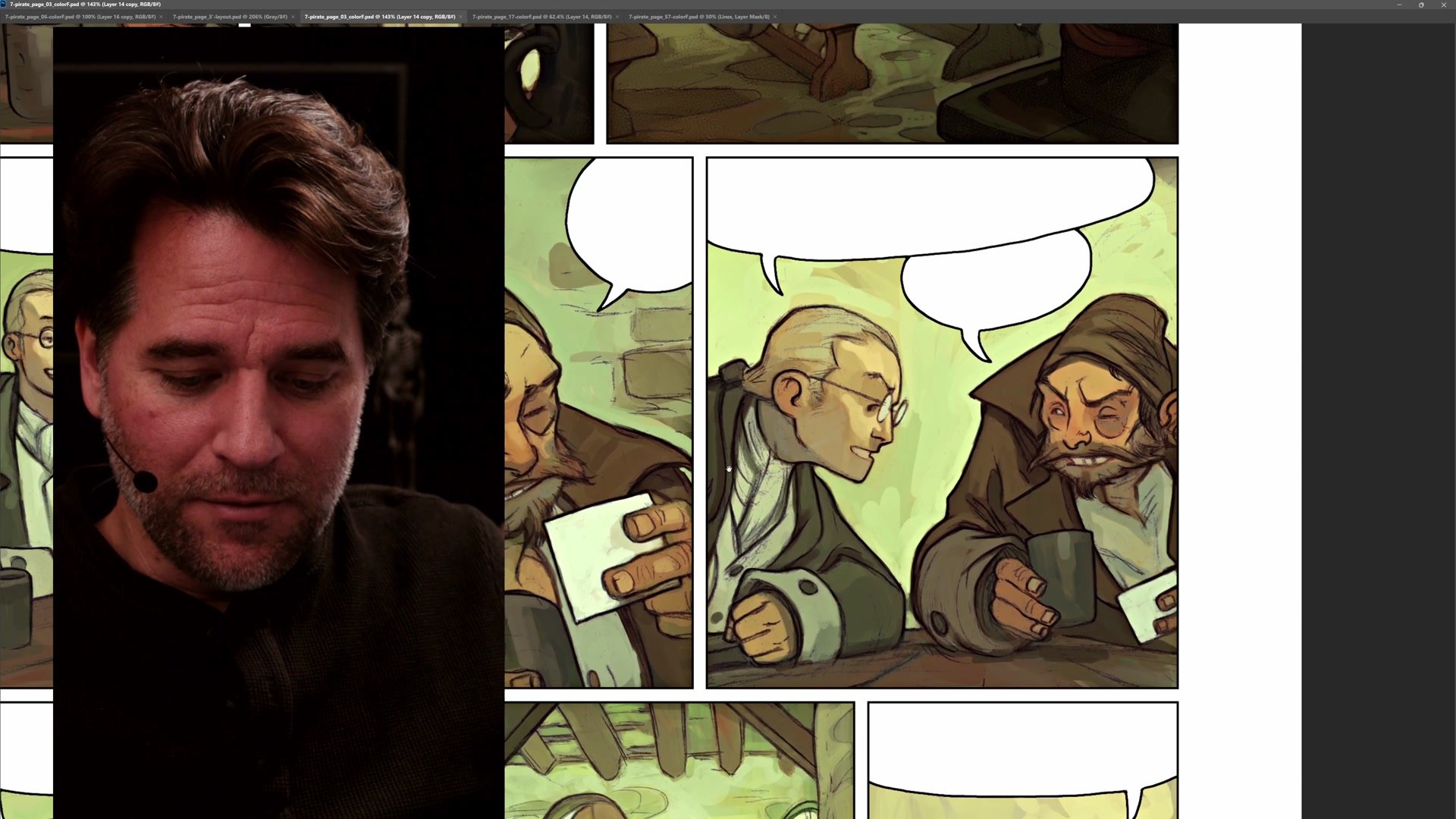
The Seven Pirates comic book project illustrates what happens when an artist is forced to integrate their skills through actual production. The early pages revealed that the real problems were not about drawing ability at all. They were about process, visual library, and the failure to practice at the right scale. The technical foundation was adequate, but the storyboarding was weak, the rendering process was inefficient, and the visual library for the period setting was underdeveloped.
None of these gaps would have been exposed through abstract studies. They only became visible through the act of making the actual work. Over 62 pages, the real areas that needed improvement became clear, and each one was addressed through repetition within the project itself. The transformation from rough early pages to polished later work came not from retreating to study mode, but from pushing through the discomfort of producing imperfect pages and iterating. This is what genuine practice looks like: discovering what you actually need to work on by doing the work, not what you assume you need from the outside.
Key Concepts
Integration Over Isolation: Studies and exercises only help if they are integrated into your actual workflow with your actual tools. Getting good at doing studies is not the same as getting good at making art. The skills must be combined to have any real impact.
Commit to Projects: The biggest improvements come from committing to a real project and pushing through the inevitable rough phase. Starting and abandoning multiple projects because the first few pages are not perfect is the single most common trap. The fire of production is where real skill development happens.
Practice What You Want to Make: Build visual library in your style by applying new subject matter to things you already enjoy drawing. If you love drawing elves and need to learn pirates, draw pirate elves. Control your variables and build skills on top of each other rather than changing everything at once.
Try This Approach
Pick a Real Project: Choose a personal project you genuinely want to make, whether it is a comic page, an illustration series, or character designs. Commit to producing a set number of finished pieces rather than doing more studies.
Identify Your Actual Gaps: As you work, pay attention to which specific elements are causing problems. Is it visual library for the setting? Is it your process being too slow? Is it drawing at the wrong scale? These answers only emerge through doing.
Build Skills Through Your Art: When you identify a gap, practice that specific skill within the context of your project and your tools. If you need better background characters, practice drawing background characters in your style at comic page scale, not in a disconnected anatomy study.