Apply the Fundamentals by Drawing Dwarves
Summary
Head Construction Through Fantasy Characters
The Loomis method and constructive anatomy are typically taught through sterile sphere exercises and generic head diagrams. The real power of these systems only emerges when applied to subjects worth drawing. Fantasy dwarves make an ideal vehicle for learning head construction because their exaggerated features demand structural understanding while keeping the process engaging and creatively rewarding.
This session demonstrates how a modified Loomis approach works in practice when drawing from imagination. Rather than copying reference, the construction methods provide systematic control over form, proportion, and three-dimensionality on a two-dimensional surface. The focus is on how working artists actually use these tools day to day, not how textbooks say to use them.
Warm-Up Sketches
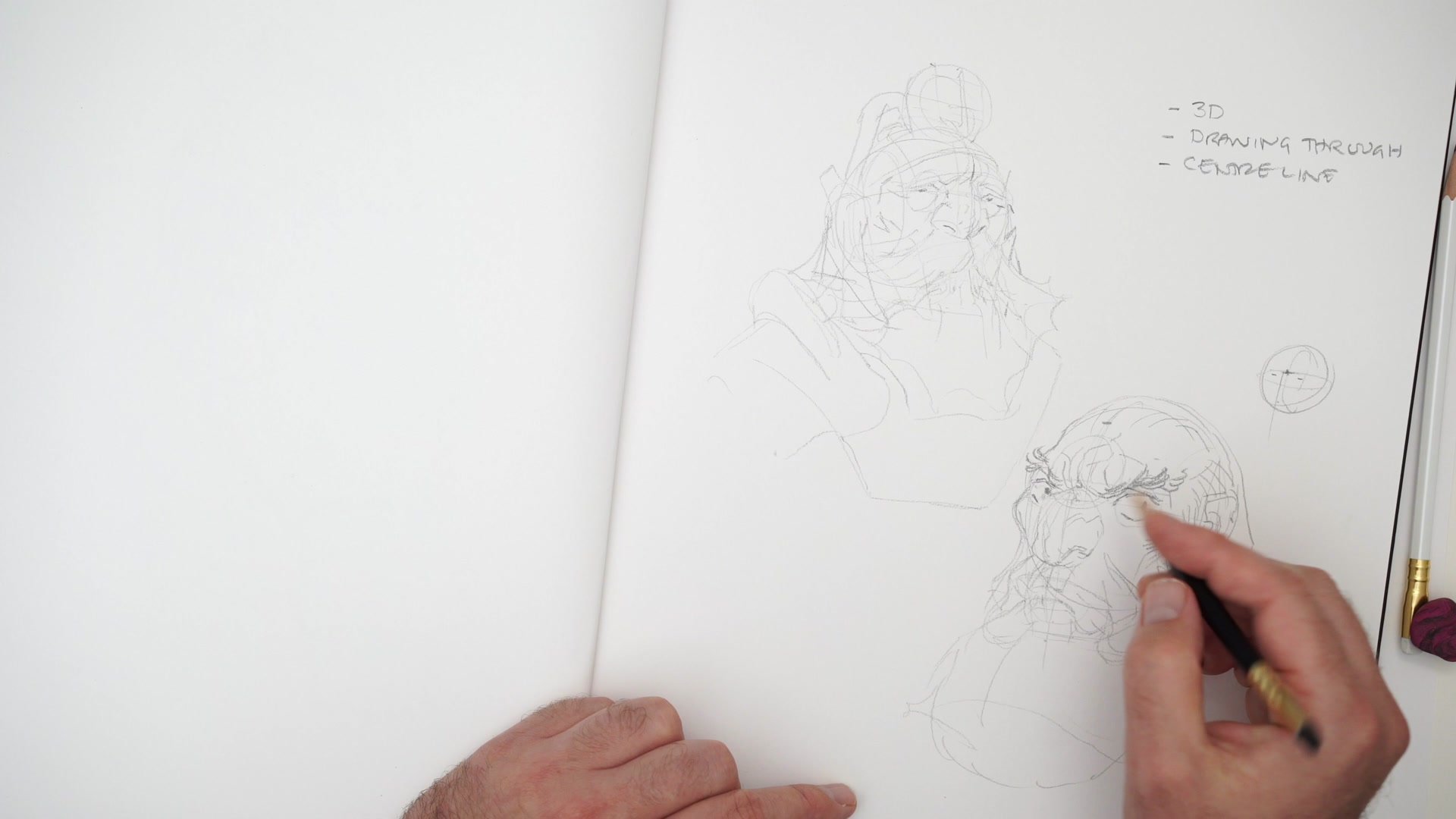
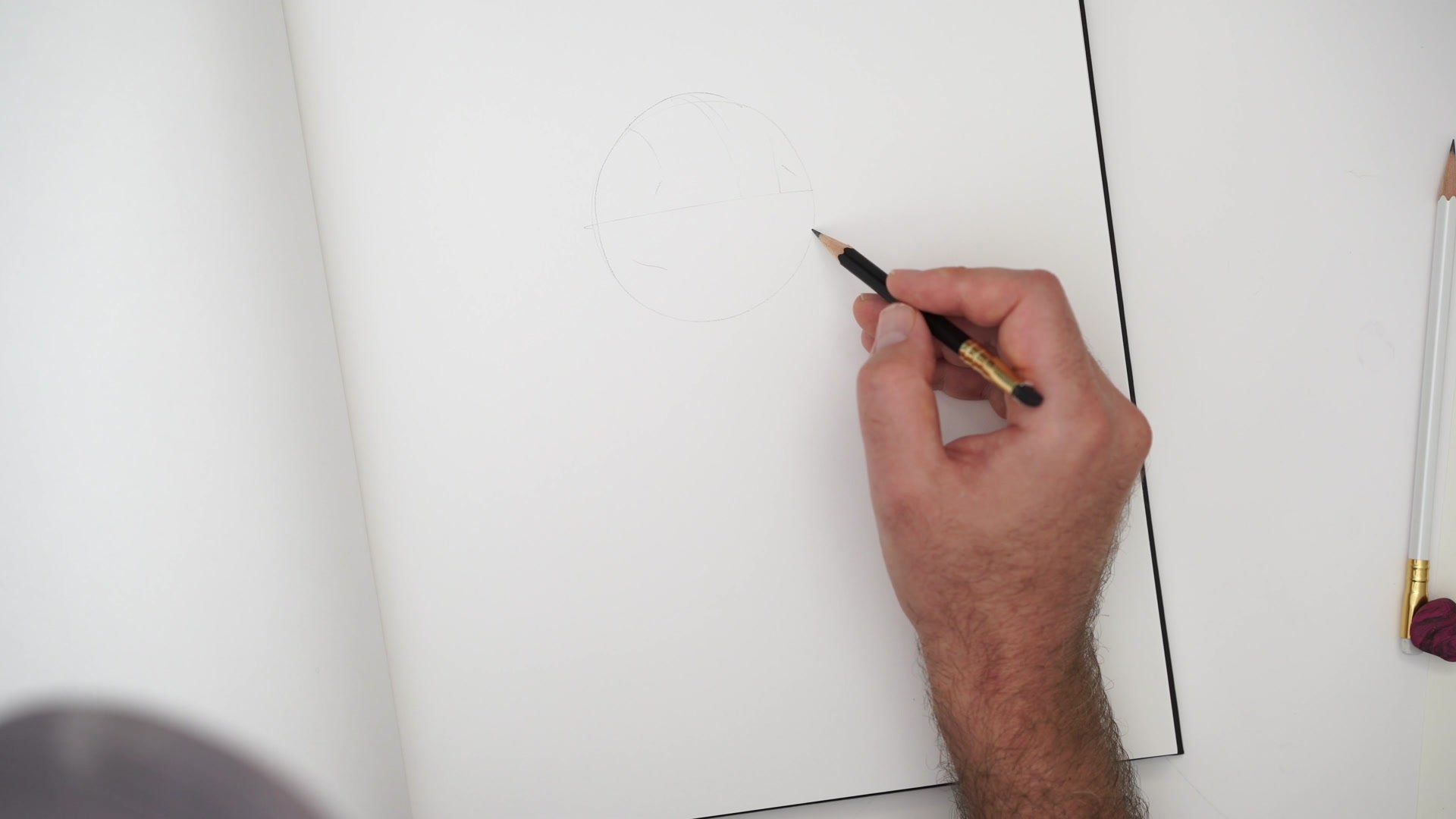
Center Line and Drawing Through
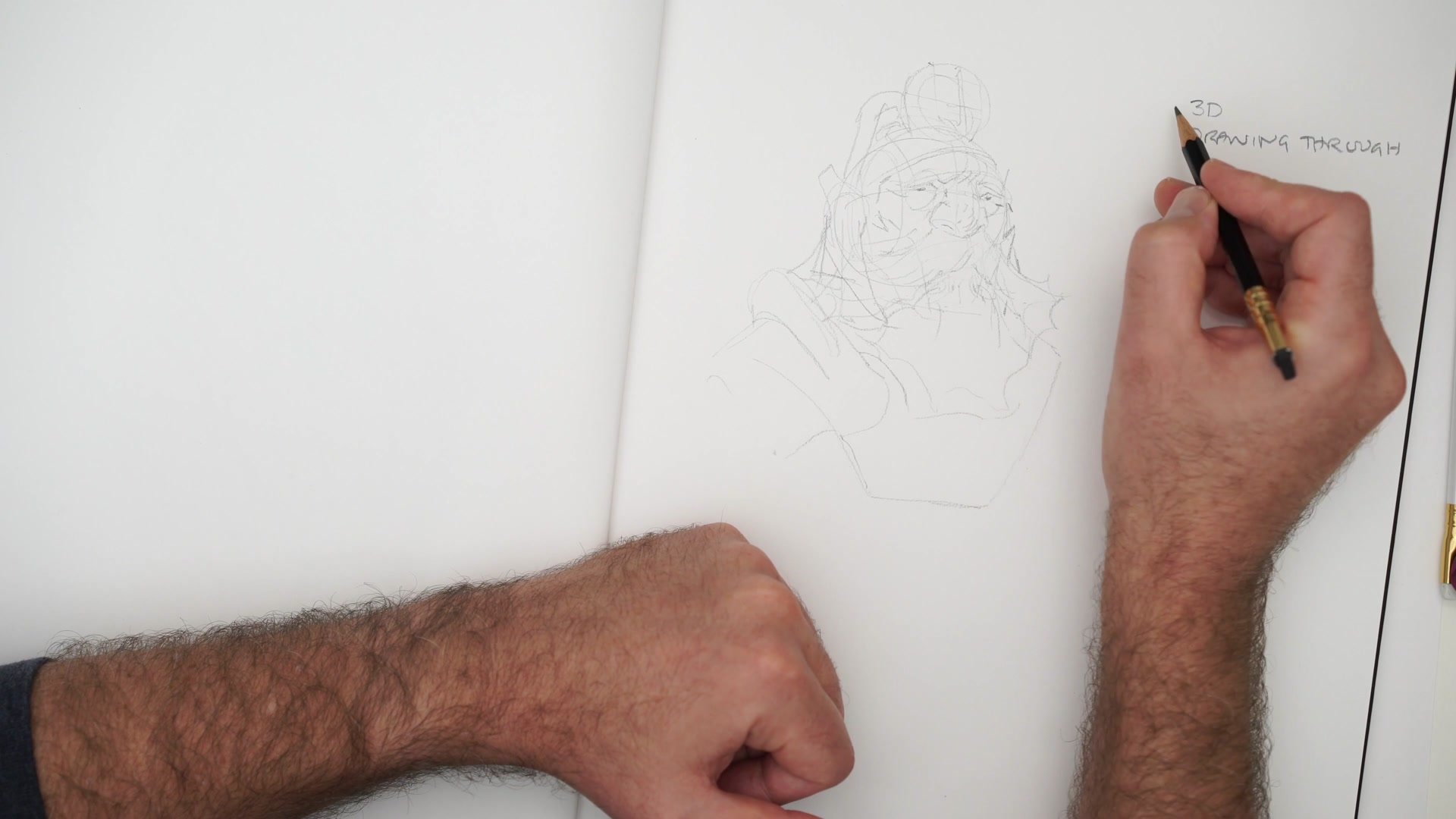
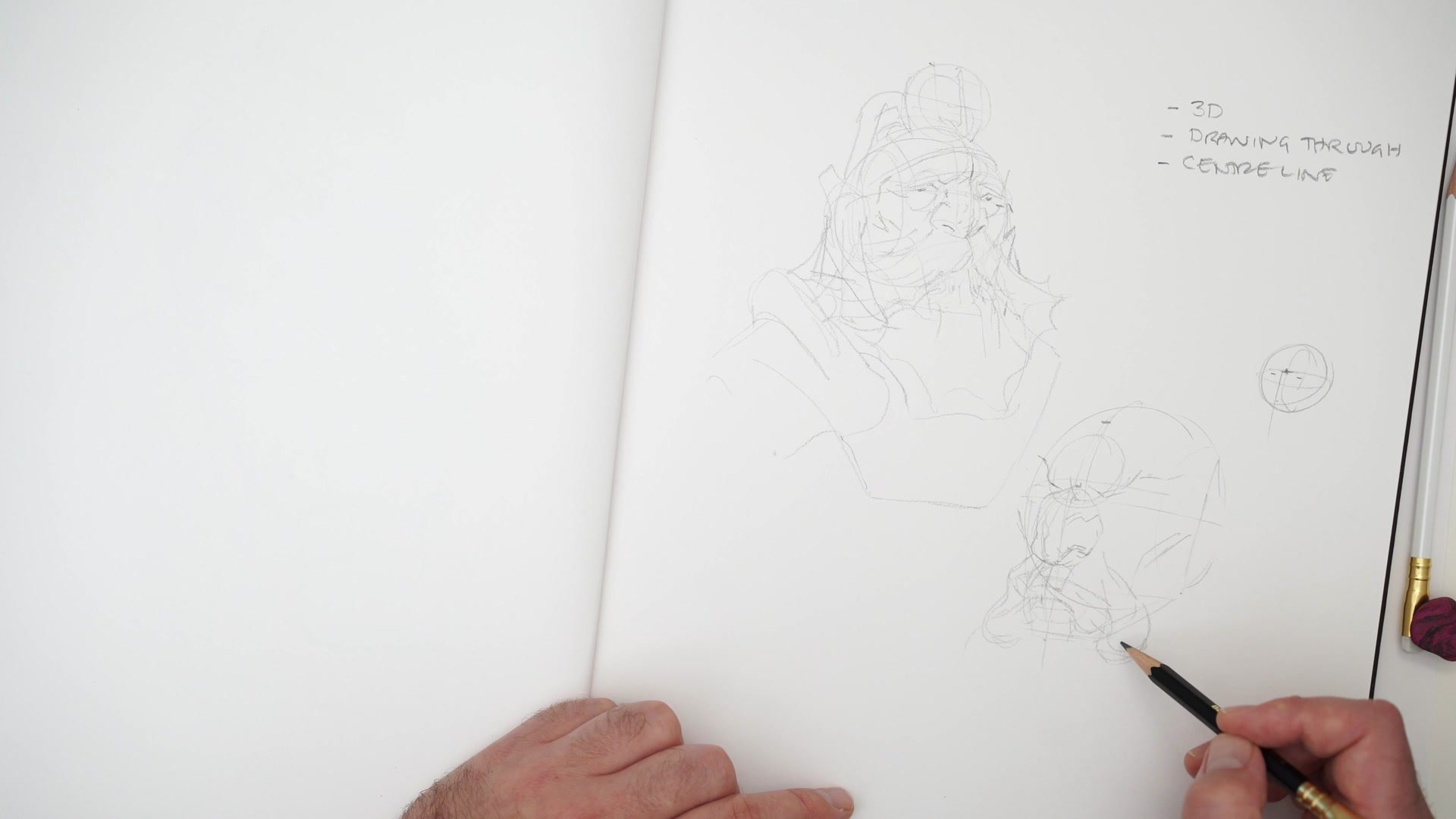
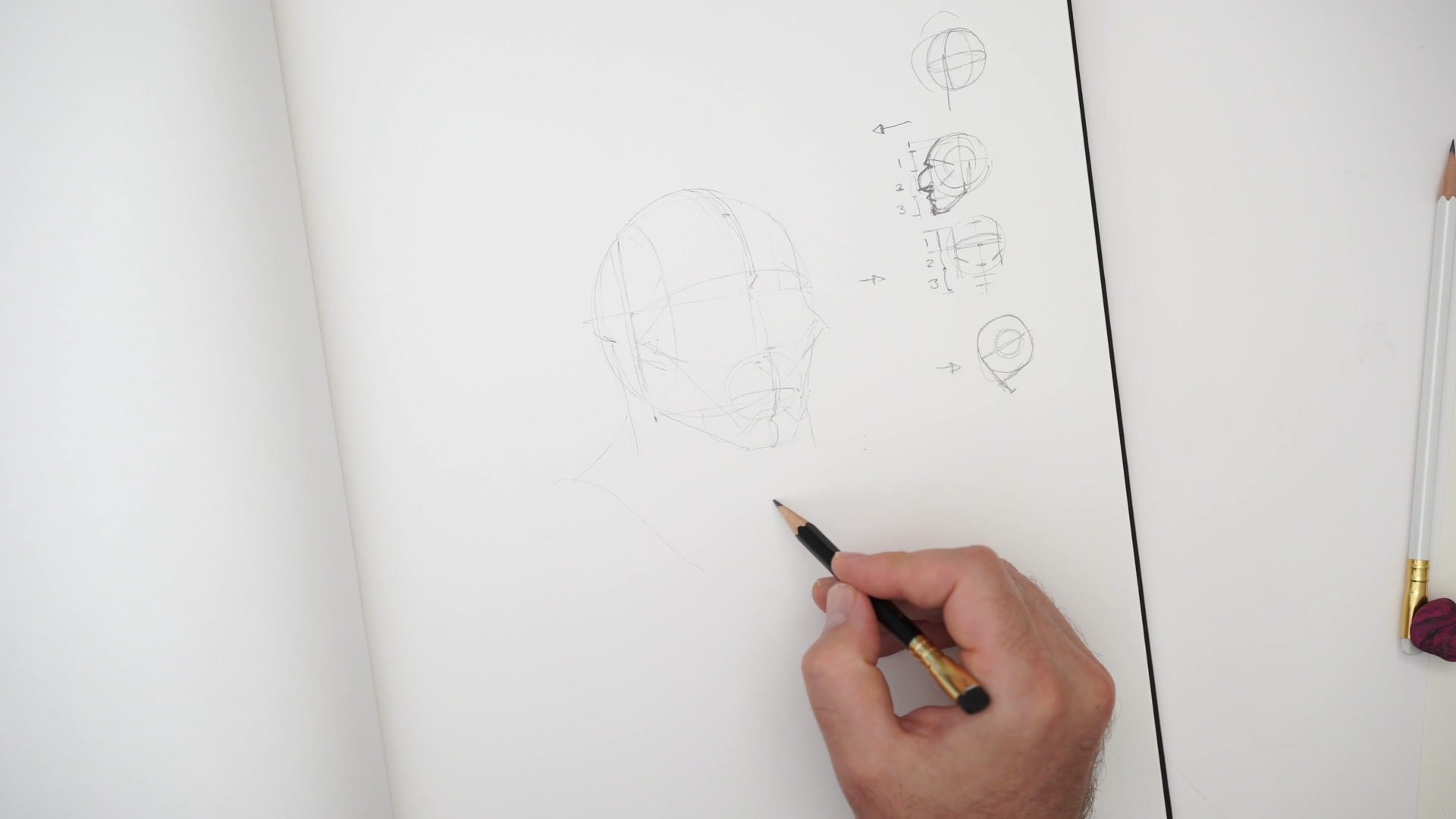
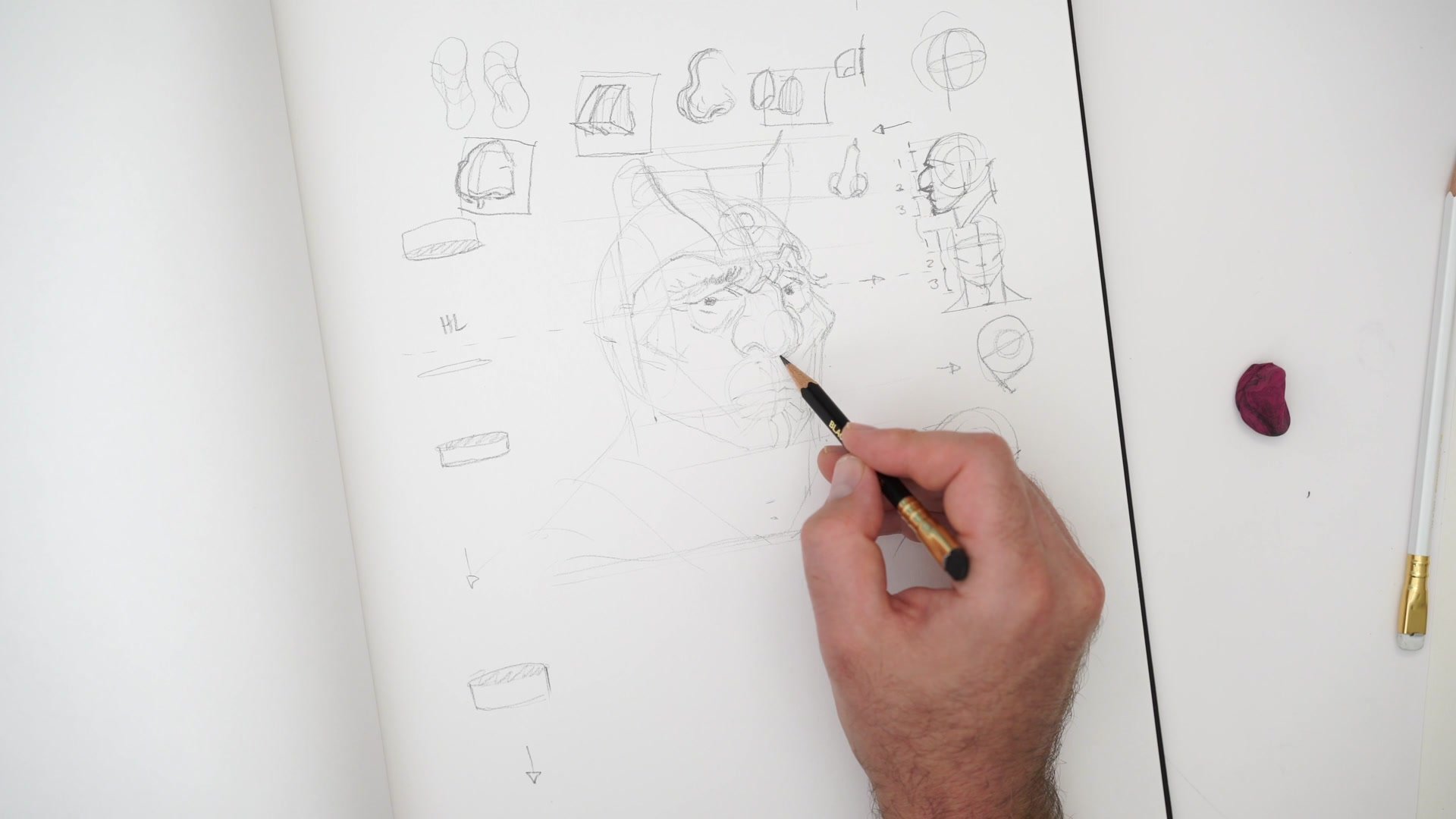
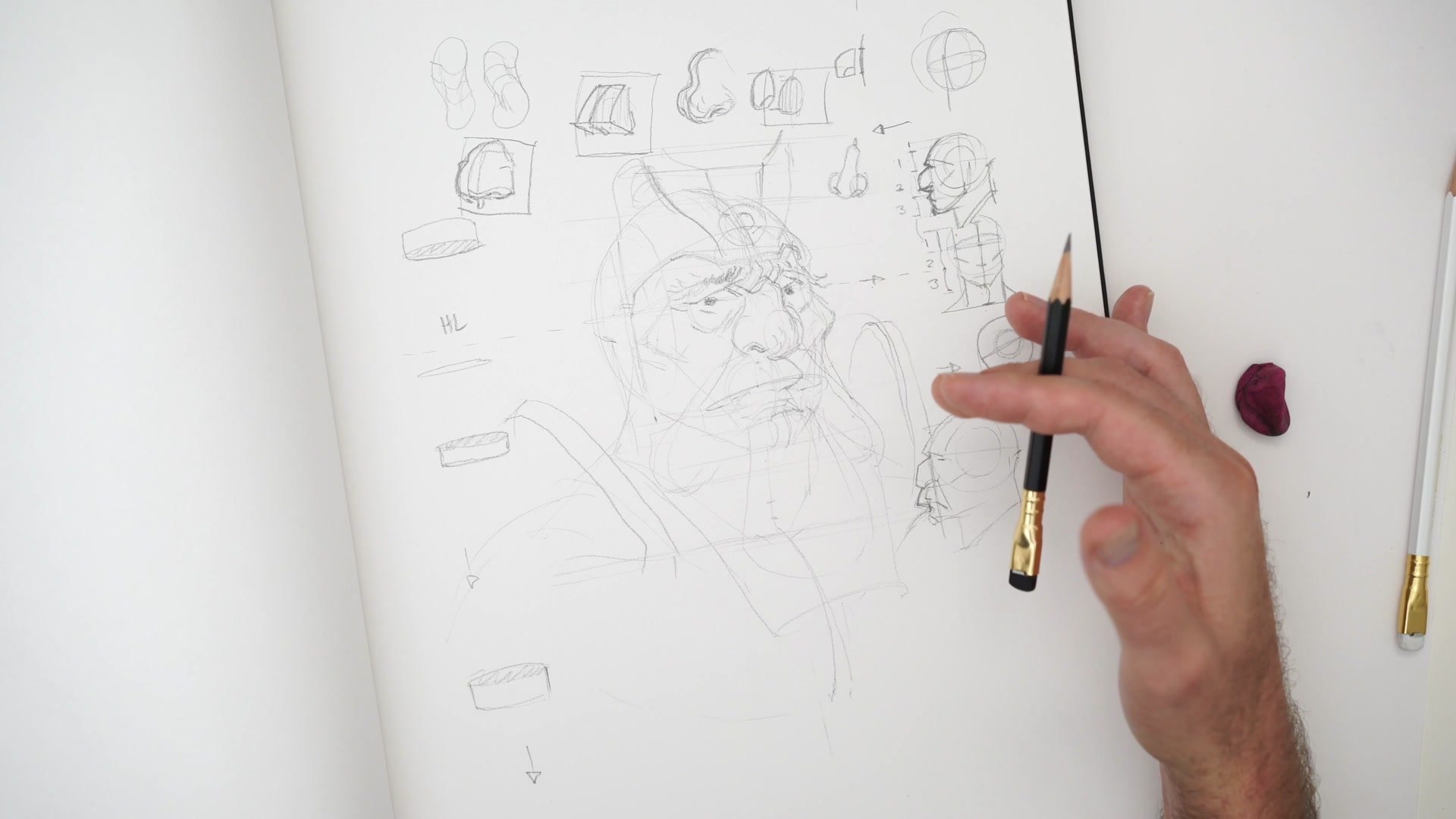
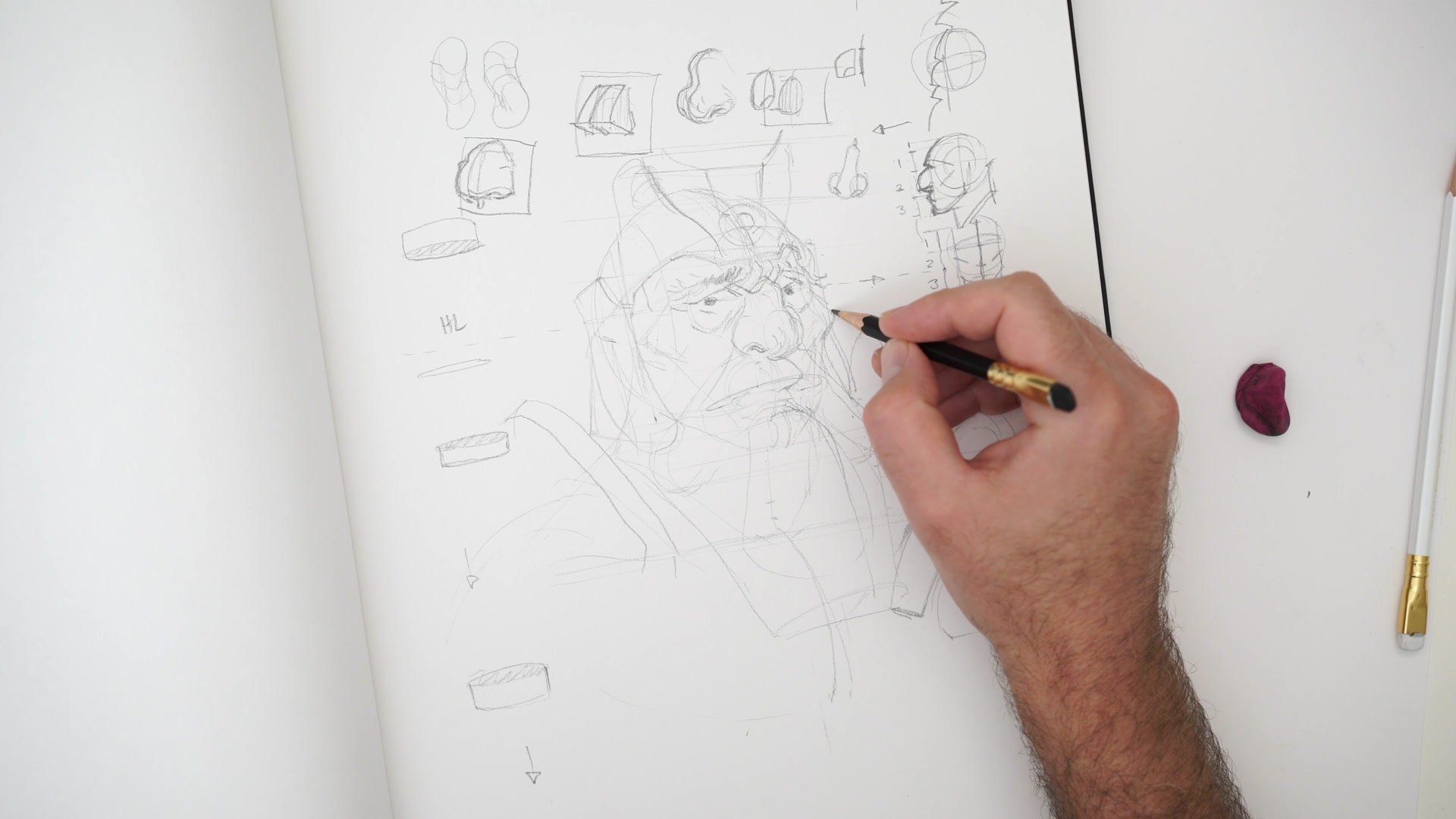
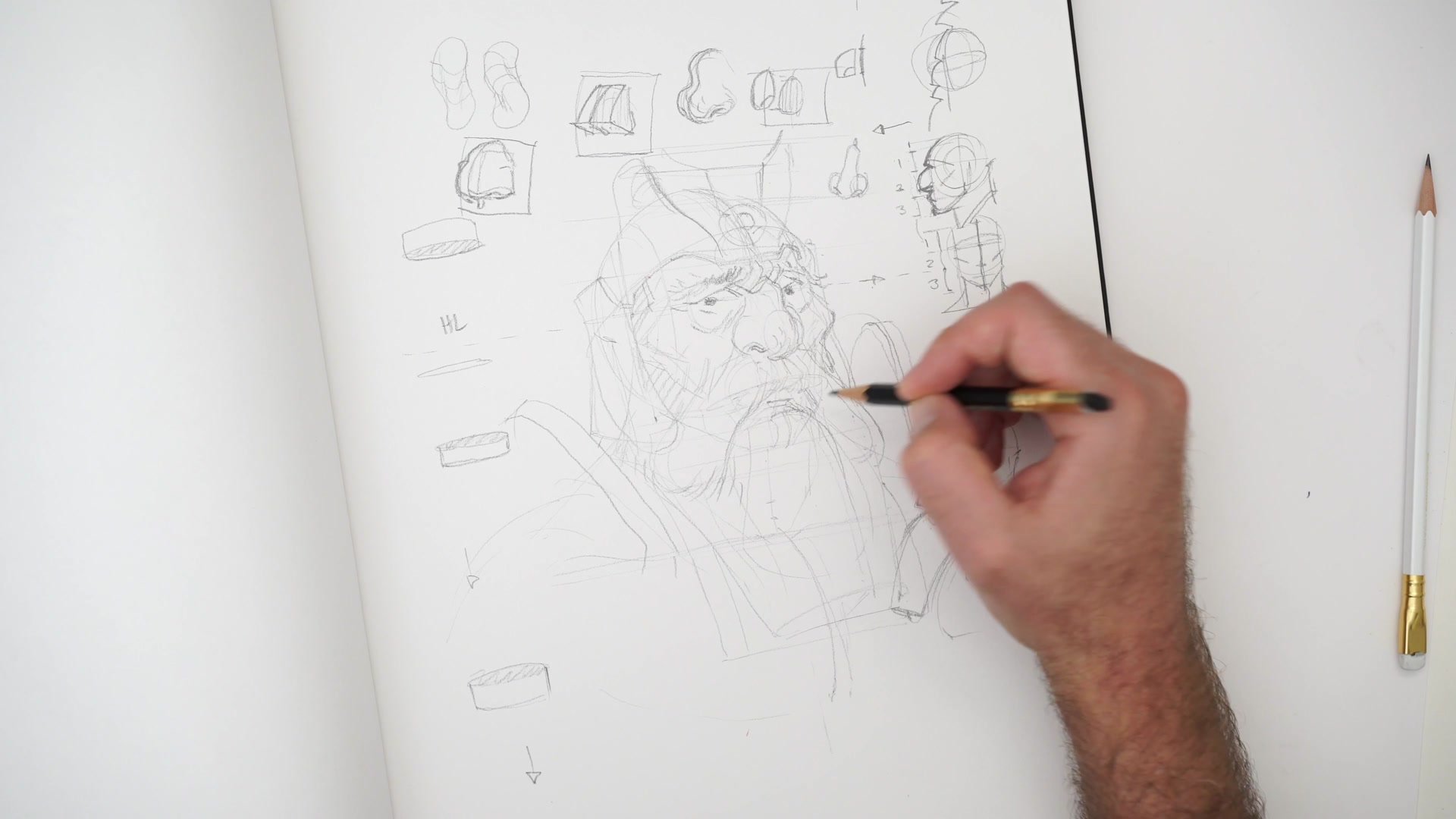
Three core techniques drive this entire construction approach. Thinking in three dimensions means visualizing the form that exists mentally before committing to marks on paper. Drawing through means constructing the full form even when parts will be hidden by hair, helmets, or beards. The center line defines dimensionality outward from the face, tracking across the brow ridge, nose, mouth mound, and chin to establish where the form pushes toward the viewer.
The center line is not decorative. It visually represents the profile view rotated into whatever angle the head occupies. From the front it runs straight down. From the side it traces the facial landmarks. In three-quarter view it curves across the form, and that curvature is what communicates depth. Building the skill of placing center lines accurately at different angles is what makes construction from imagination possible.
Proportional Construction
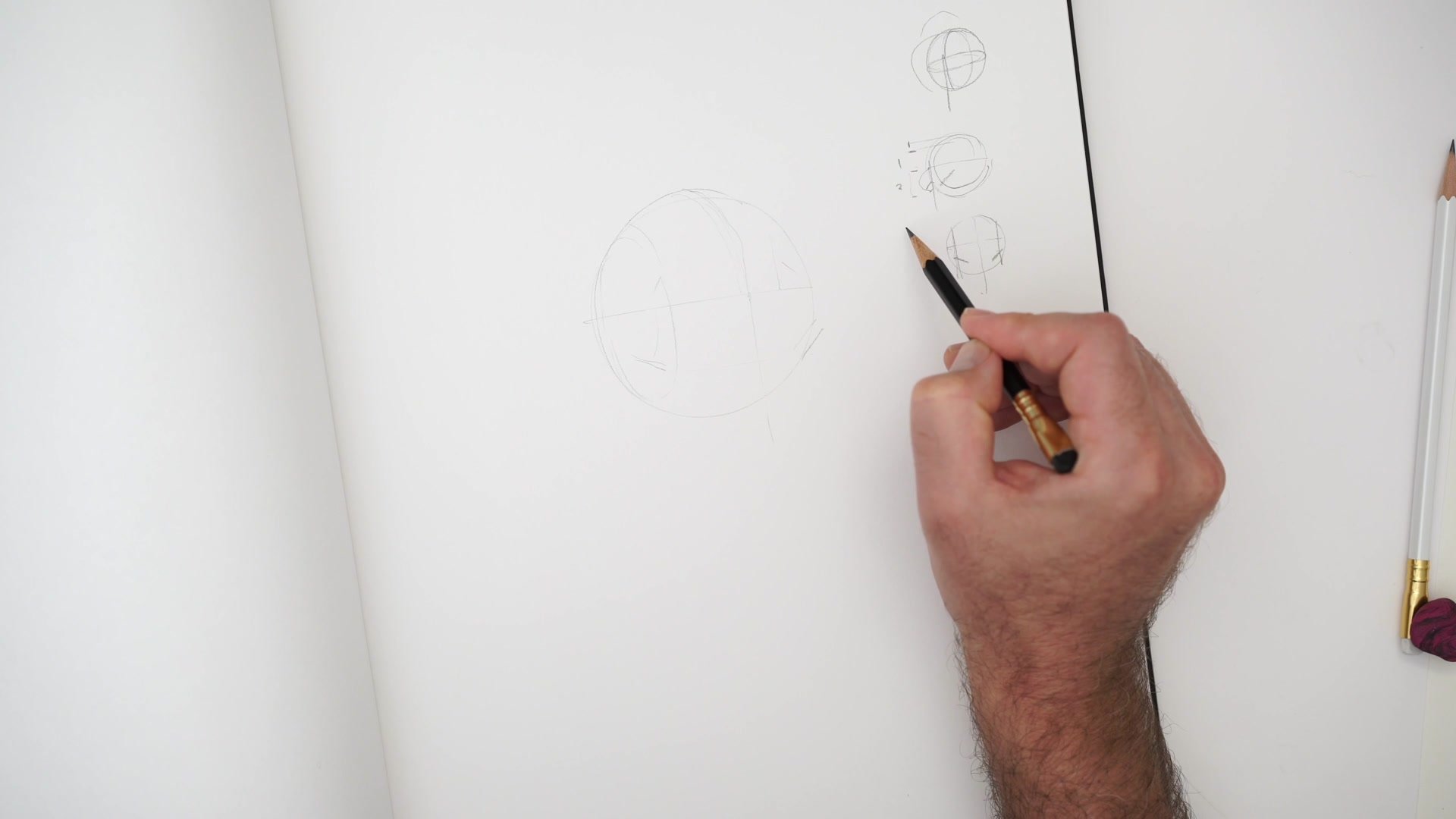
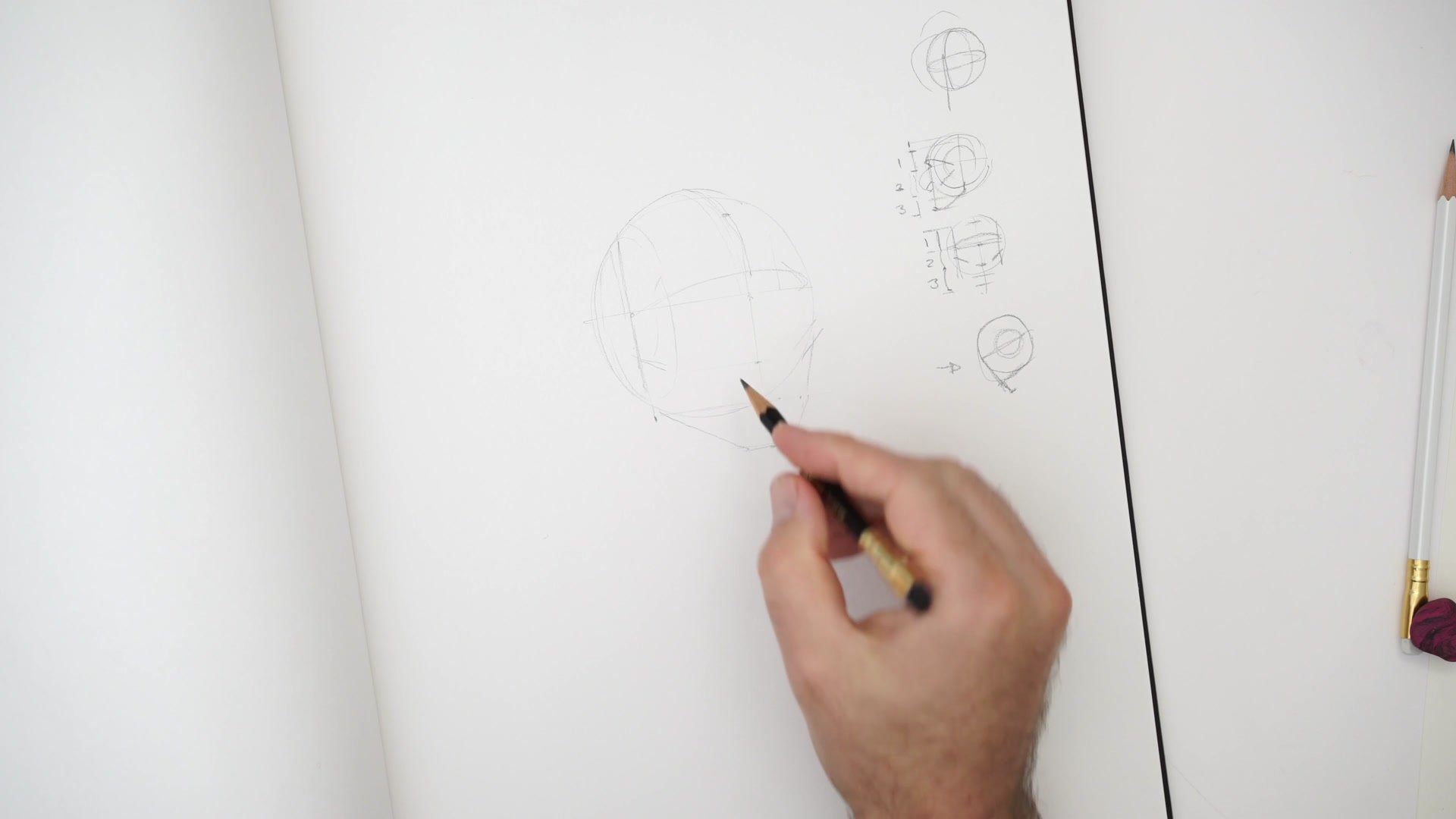
Proportions and Feature Placement
The proportional system divides the face into thirds from hairline to chin. The first third reaches the brow ridge, the second covers from brow to the bottom of the nose, and the third extends from nose to chin. A fourth proportion below the chin locates the clavicle. These measurements work when the head is static and upright, and understanding that limitation matters because tilted heads shift how the proportions appear visually.
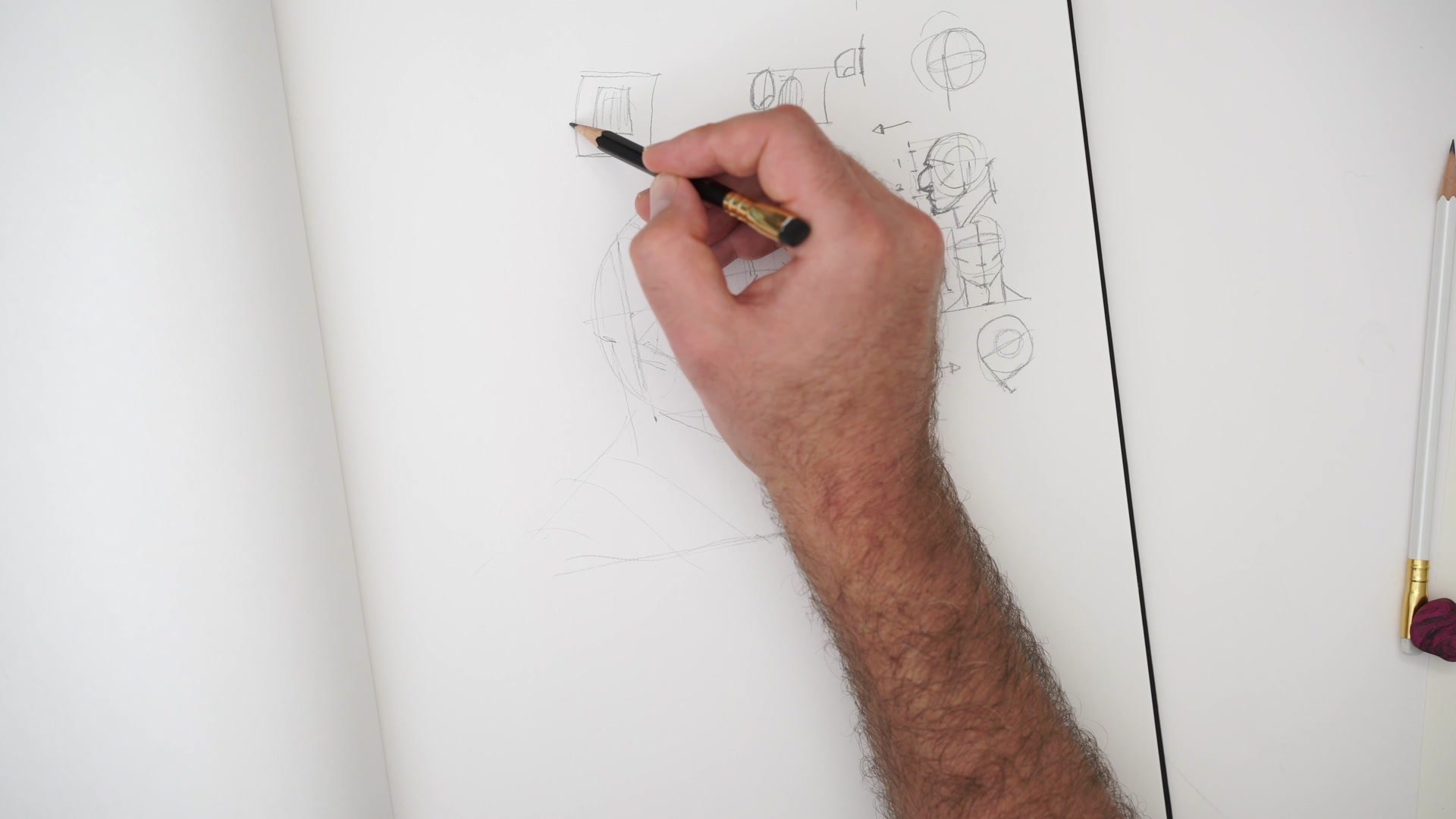
Key structural landmarks include the brow ridge, cheekbones, and the corner of the jaw. Cheekbones in particular define the character of the face and help establish the transition between the front plane and side plane of the head. For dwarves, exaggerating these landmarks along with oversized noses creates the archetypal look without losing structural integrity. The proportions remain the same even when features are pushed to stylized extremes.
Nose Construction and Detail
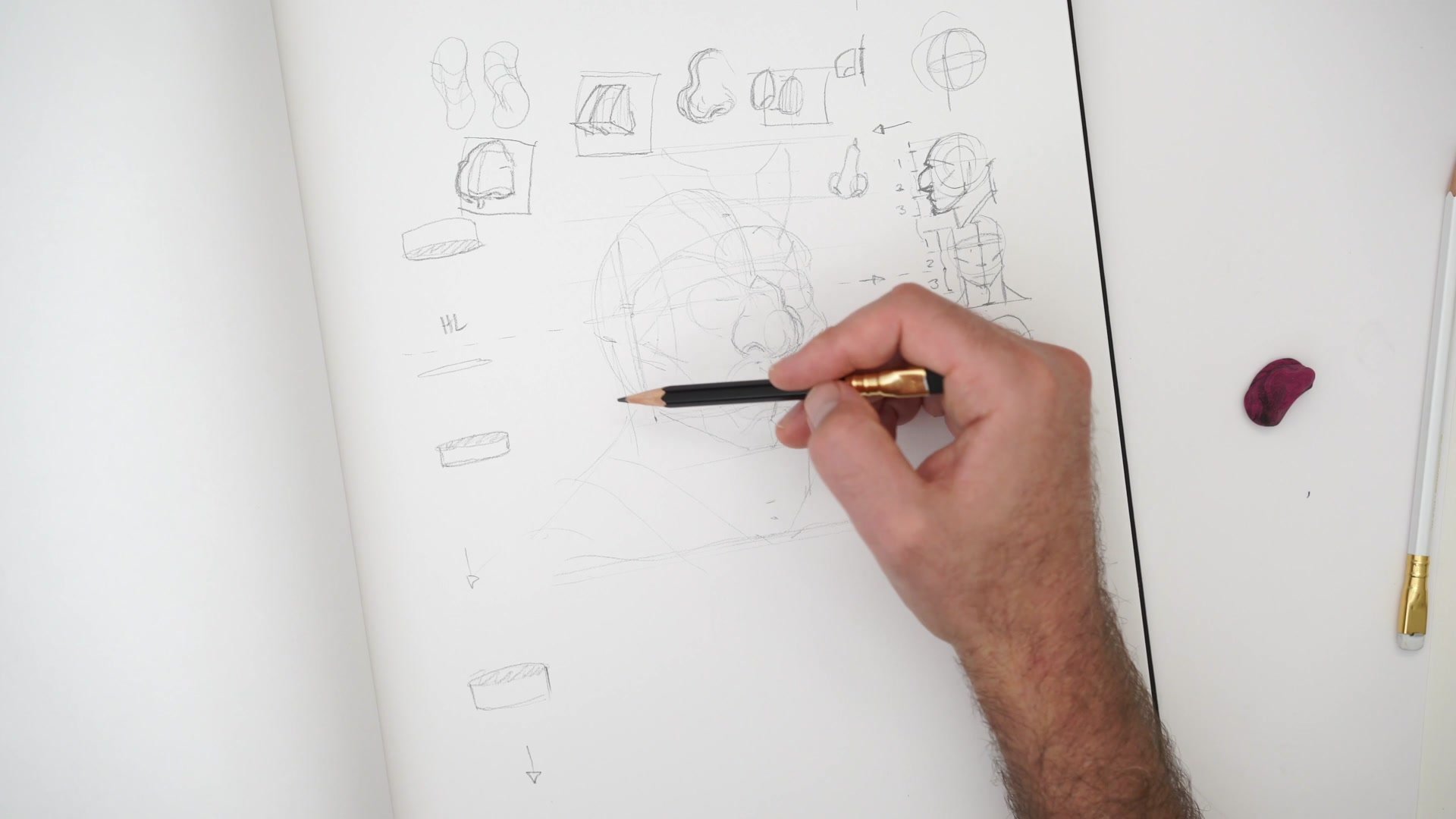
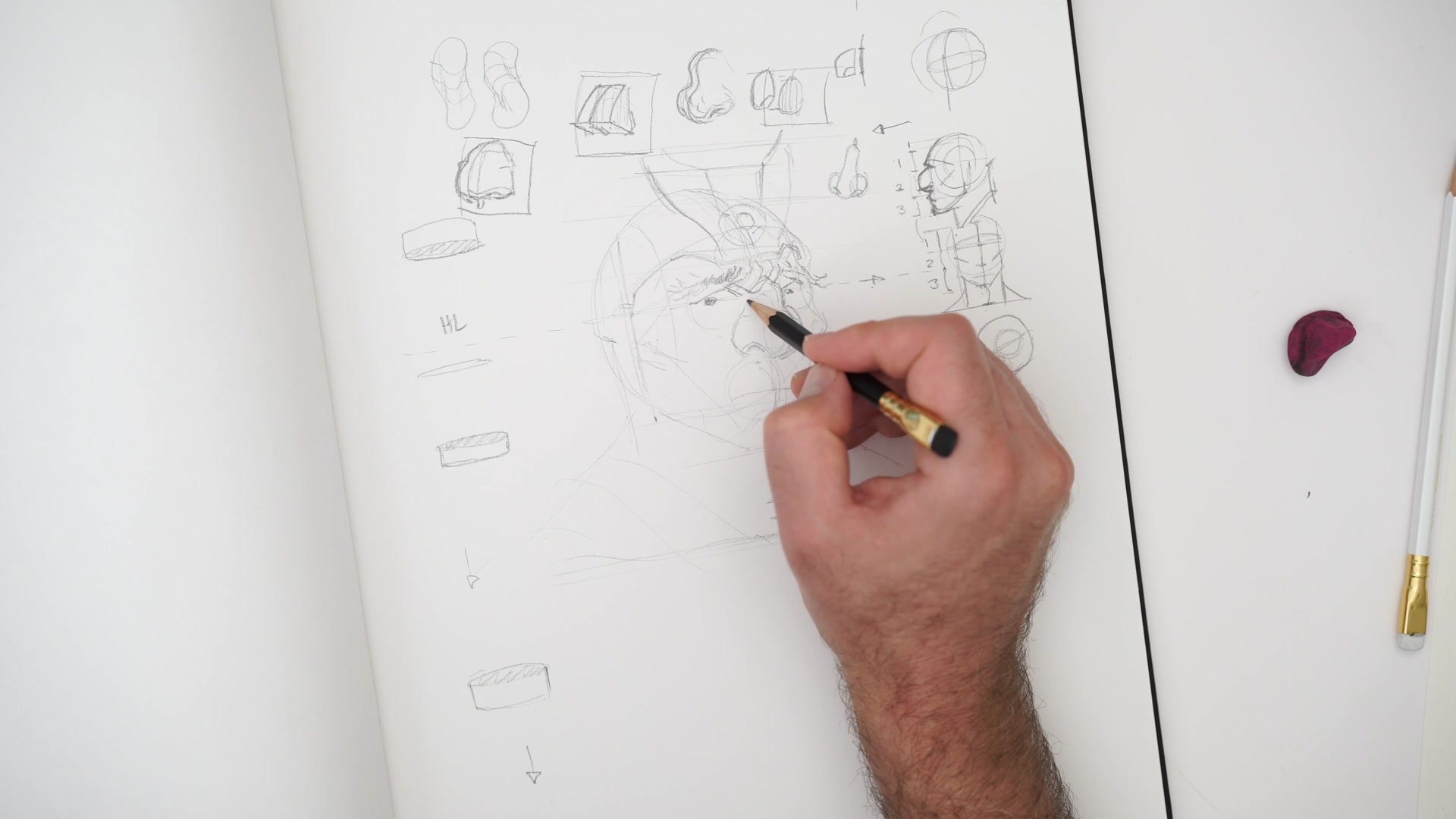
Form From Shape and Shape From Form
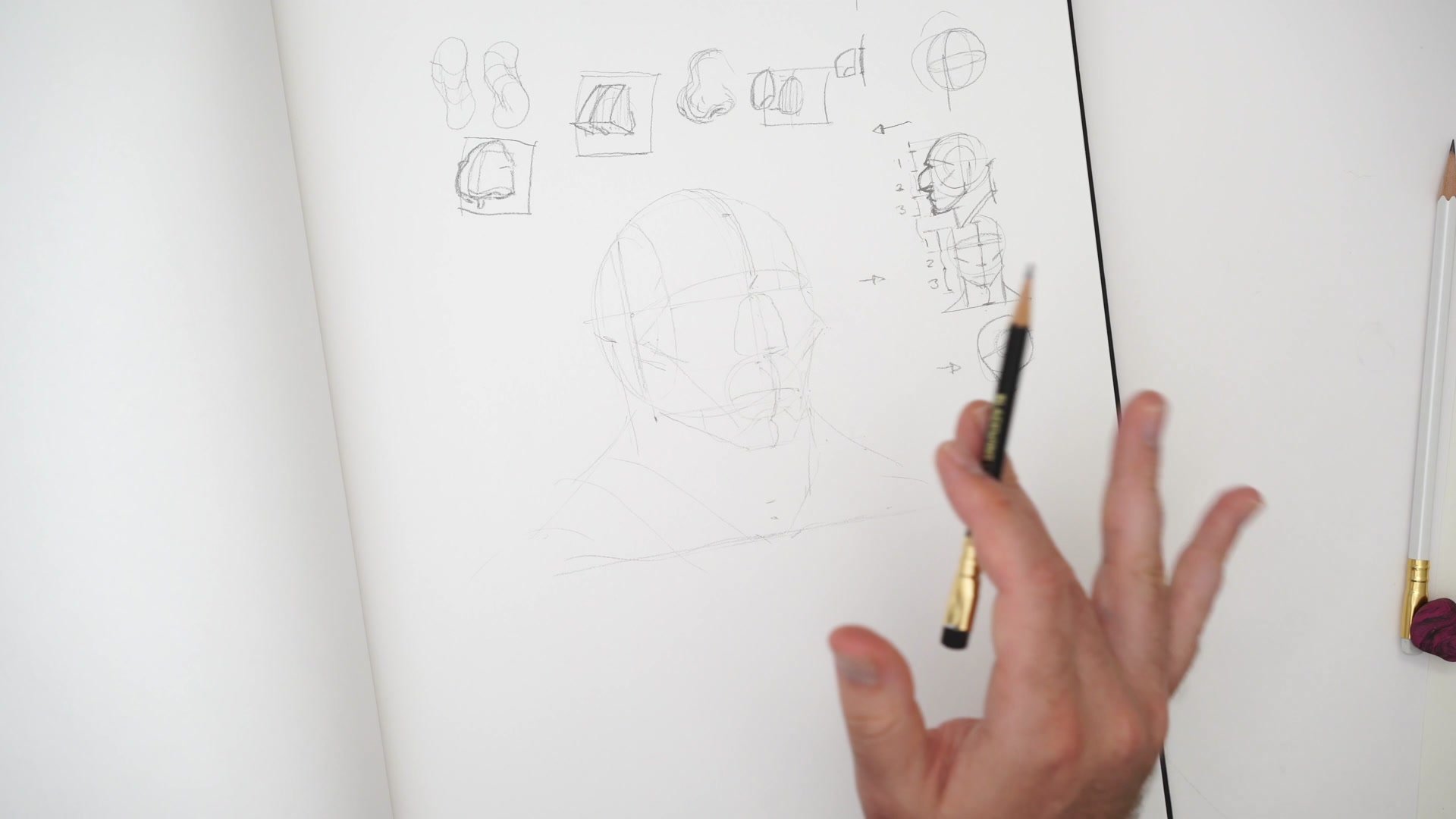
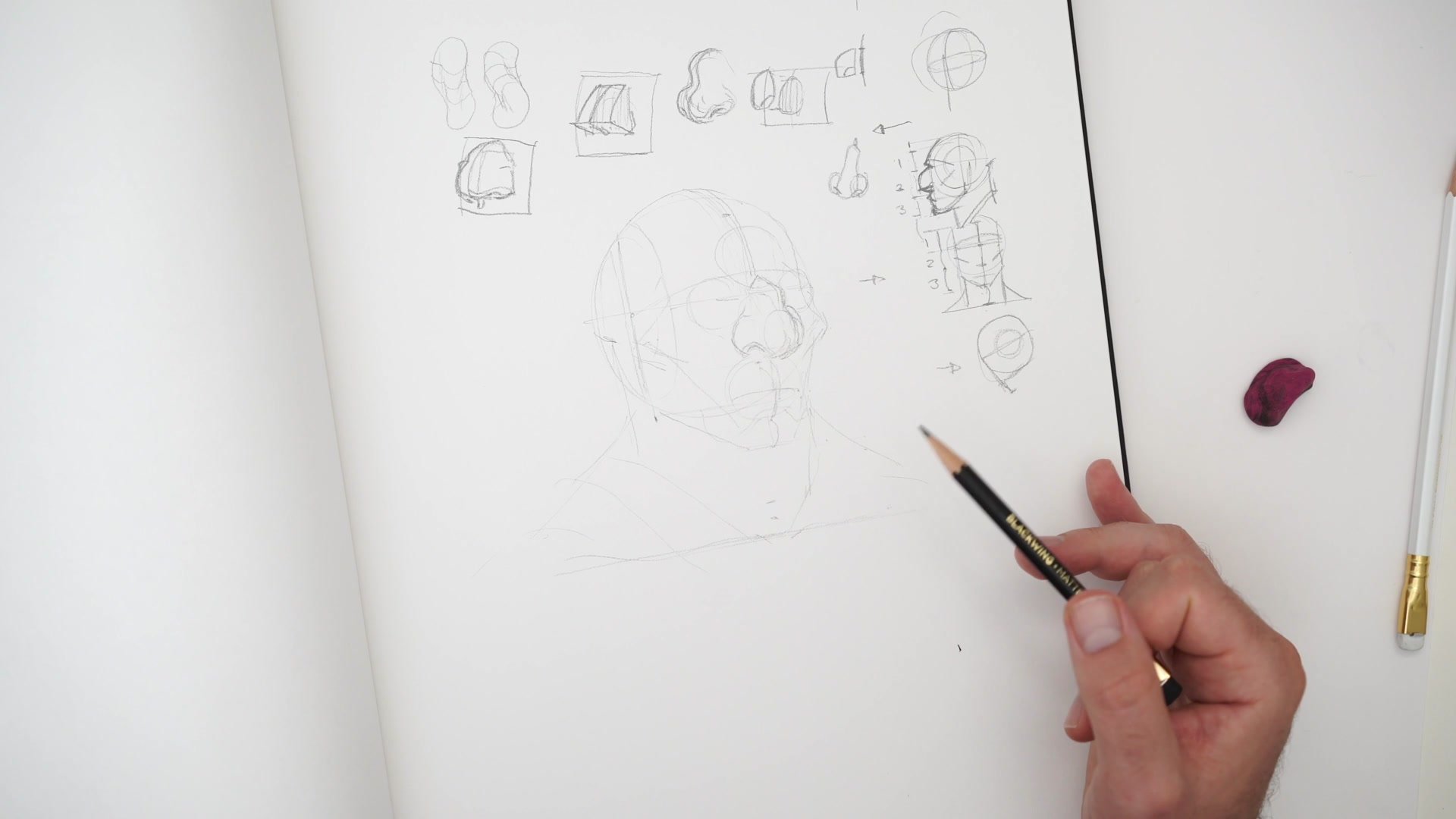
Nose construction demonstrates a critical principle about how structure actually gets applied. The textbook approach of building geometric blocks from a surface cross-section works for explaining the concept, but the actual drawing process often starts differently. Massing in a rough shape or silhouette first and then deriving the structural form from that shape is equally valid once the underlying geometry is understood.
This flexibility is the real payoff of structural study. Understanding how geometric forms work means construction can start from either direction: form to shape or shape to form. Without that structural knowledge, noses drawn from shape alone tend to lack three-dimensional presence. They may look interesting but cannot be rotated to different angles or integrated convincingly with other facial features. The construction gives systematic control that pure shape-first drawing cannot provide.
Completed Dwarf Construction
Key Principles
Center Line Defines Depth: The center line tracks the profile view rotated into perspective. It follows the brow, nose, mouth mound, and chin to communicate how the form pushes outward at every angle.
Construction Enables Imagination: The purpose of the Loomis method and structural drawing is drawing from imagination, not copying reference. These tools give systematic control over form at any angle.
Structure is a Muscle: Spending 10-20% of drawing time on constructive practice builds the foundation. The rest should focus on drawing subjects that are actually enjoyable and creatively engaging.
Form and Shape Work Both Ways: Once geometric construction is understood, drawing can start from either structured forms or rough shape massing. Both paths arrive at convincing three-dimensional results.
Practice This
Warm-Up Sketches: Start with small, quick dwarf head sketches using the modified Loomis sphere. Focus on placing the center line and brow ridge before adding any features.
Proportional Landmarks: On a larger drawing, map out the three facial proportions and locate the cheekbones and jaw corner. Use these as anchor points for building the rest of the face.
Nose From Both Directions: Try constructing a dwarf nose starting from geometric blocks, then try again starting from a rough shape silhouette. Compare how each approach feels and where structural understanding helps.