Learning Anatomy For Manga
Summary
Applying Anatomy Studies to Any Style
Most anatomy resources focus on realistic proportions, creating confusion for artists who want to draw manga, comics, or other stylized art. The Loomis method and similar figure drawing systems appear designed exclusively for realism, which makes artists question whether these tools can help them draw stylized characters at all.
The core insight changes everything: all drawing is fundamentally about proportion management. The relationship between one measurement and another. These anatomy books teach proportion control using realistic measurements as examples, but the underlying skills transfer to any proportion set. Mannequinization, construction sequences, and structural relationships work regardless of whether the final proportions are realistic or wildly exaggerated.
Reference and Resources
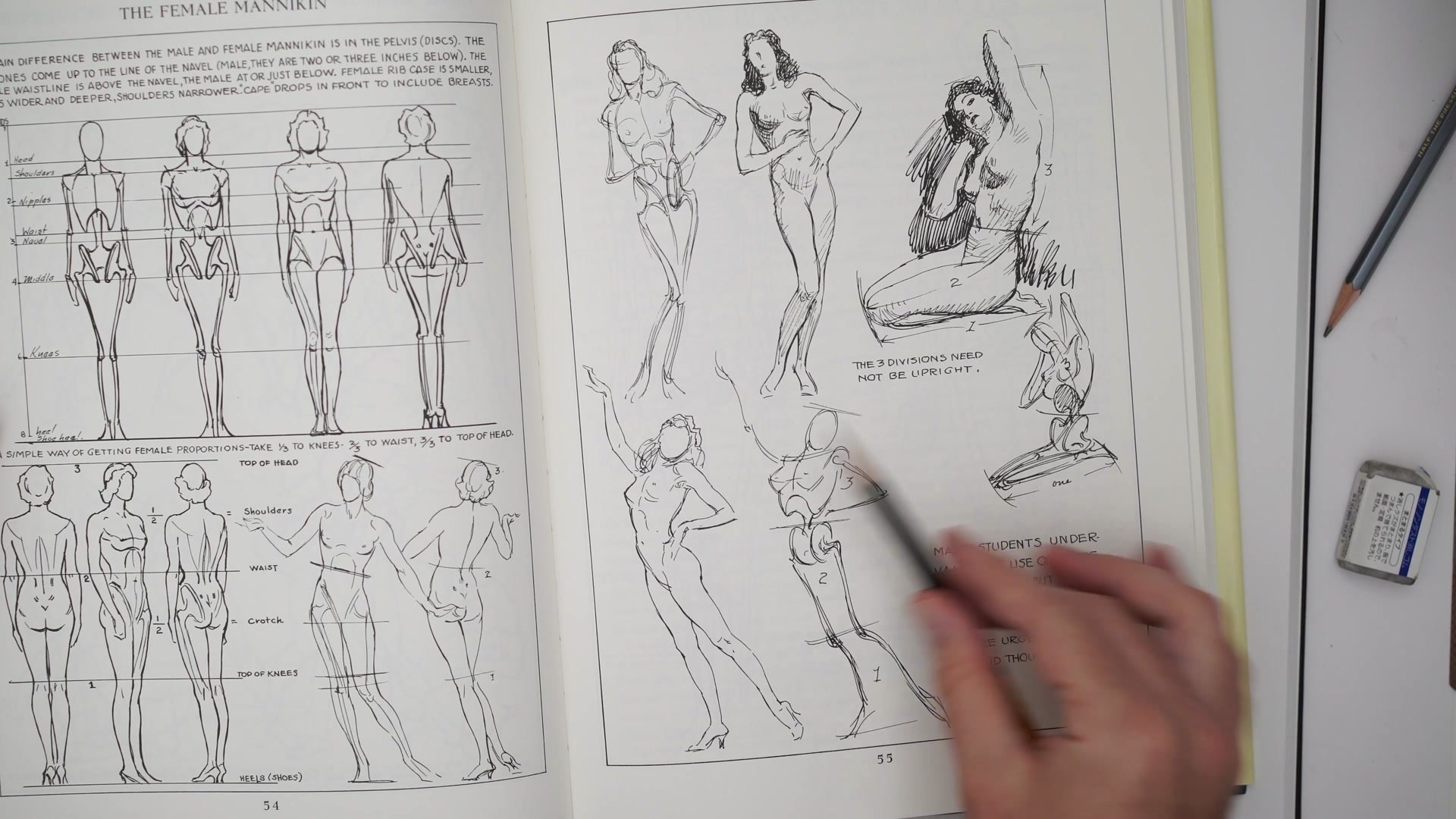
Proportion Control Is the Core Skill
When holding up a pencil to measure from life, comparing how wide something is versus how tall, that task is proportion. When drawing from imagination and deciding how big the head should be relative to the torso, that is also proportion. The same fundamental skill connects realistic figure drawing and stylized manga work.
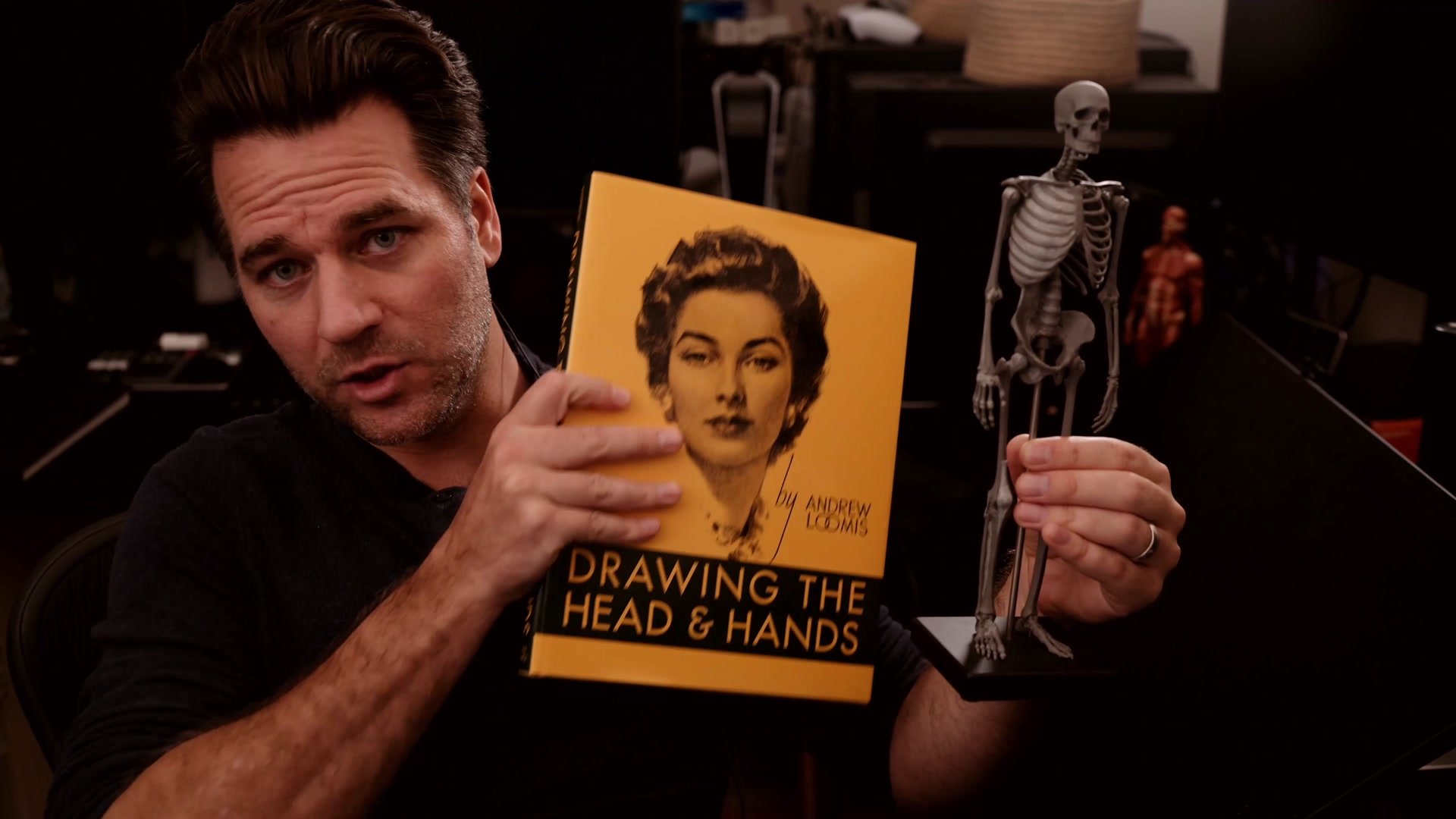
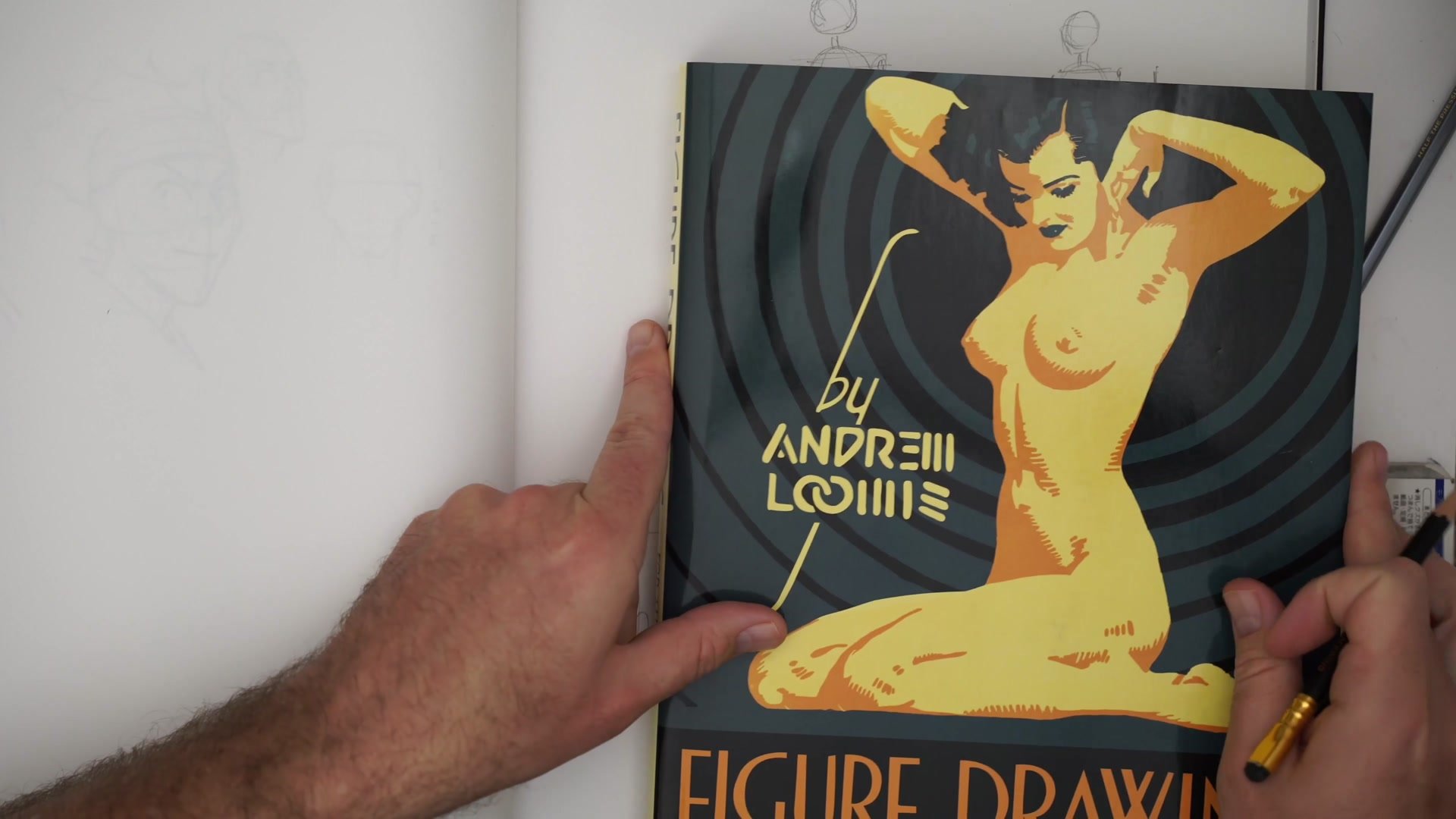
Systems like the Loomis method are not teaching "correct" proportions. There is nothing magically proper about the Western idealized figure from the 1930s and 1950s that these books systematize. What these resources actually teach is how to manage and replicate proportional relationships consistently. Realistic proportions make excellent practice material because mistakes are immediately visible. Everyone knows what a human looks like, so deviations register clearly. But the skill being developed, controlling proportion from drawing to drawing, applies identically when the target proportions are stylized.
Loomis Method in Practice
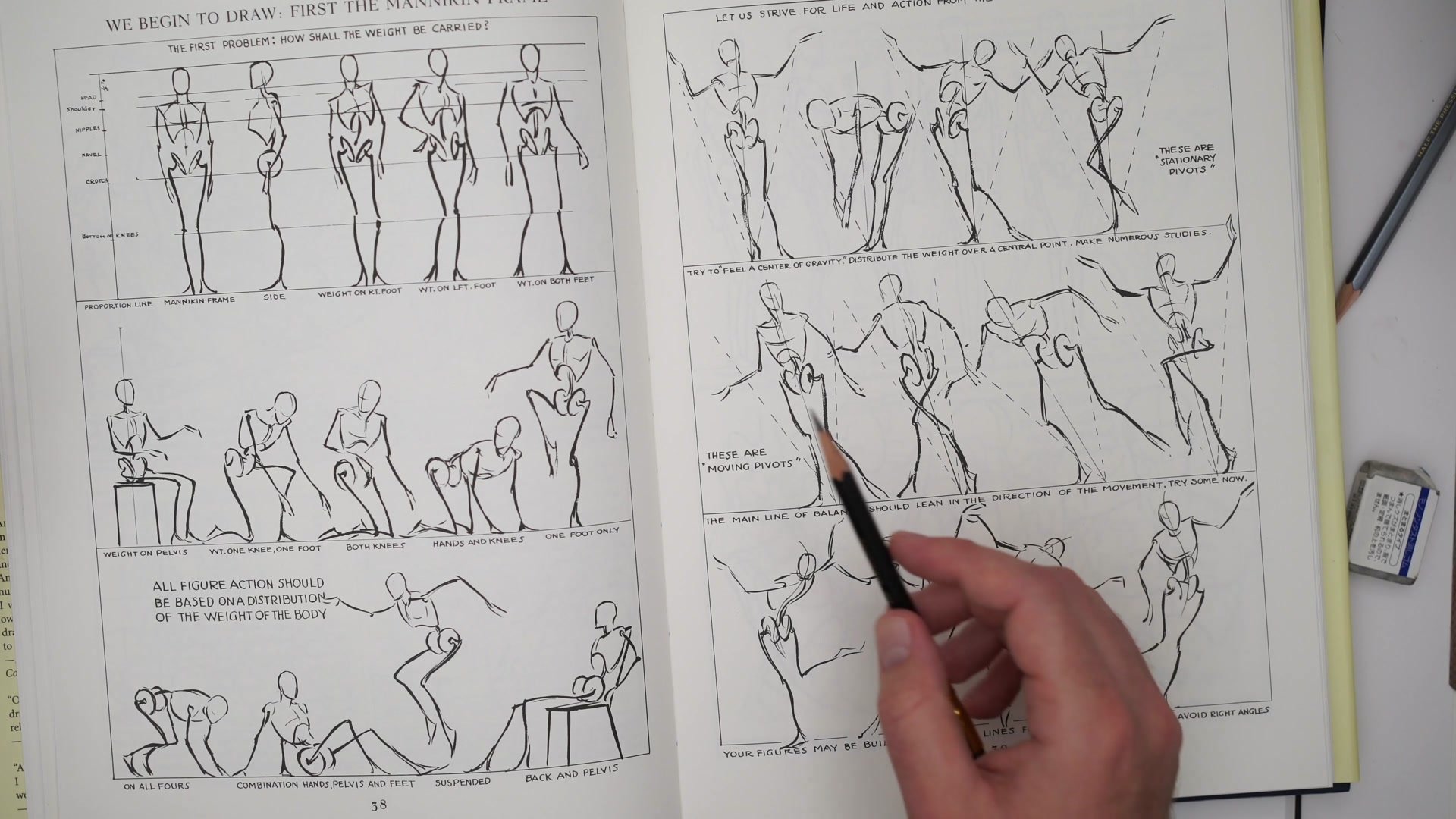
Mannequinization Works for Any Style
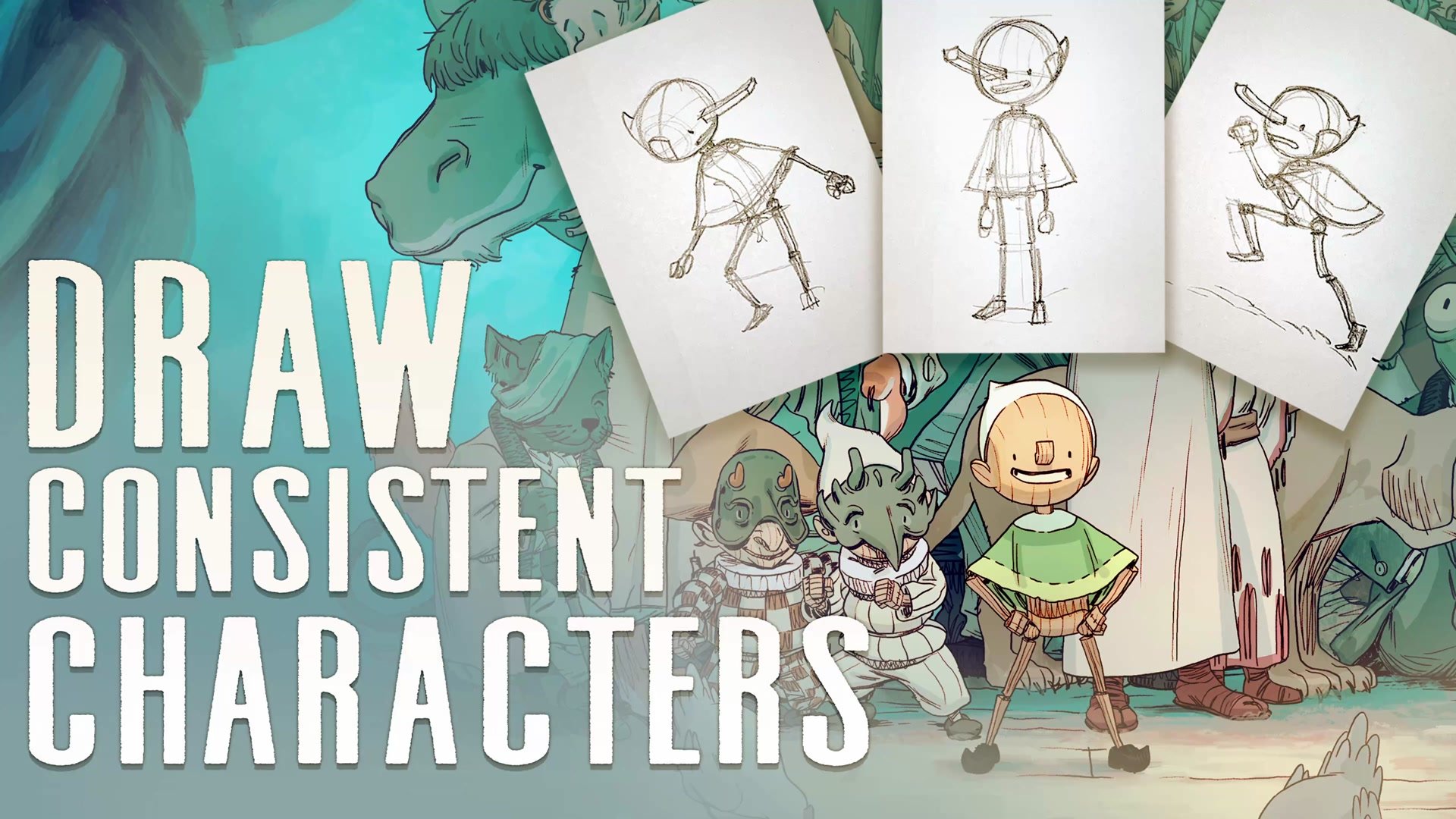
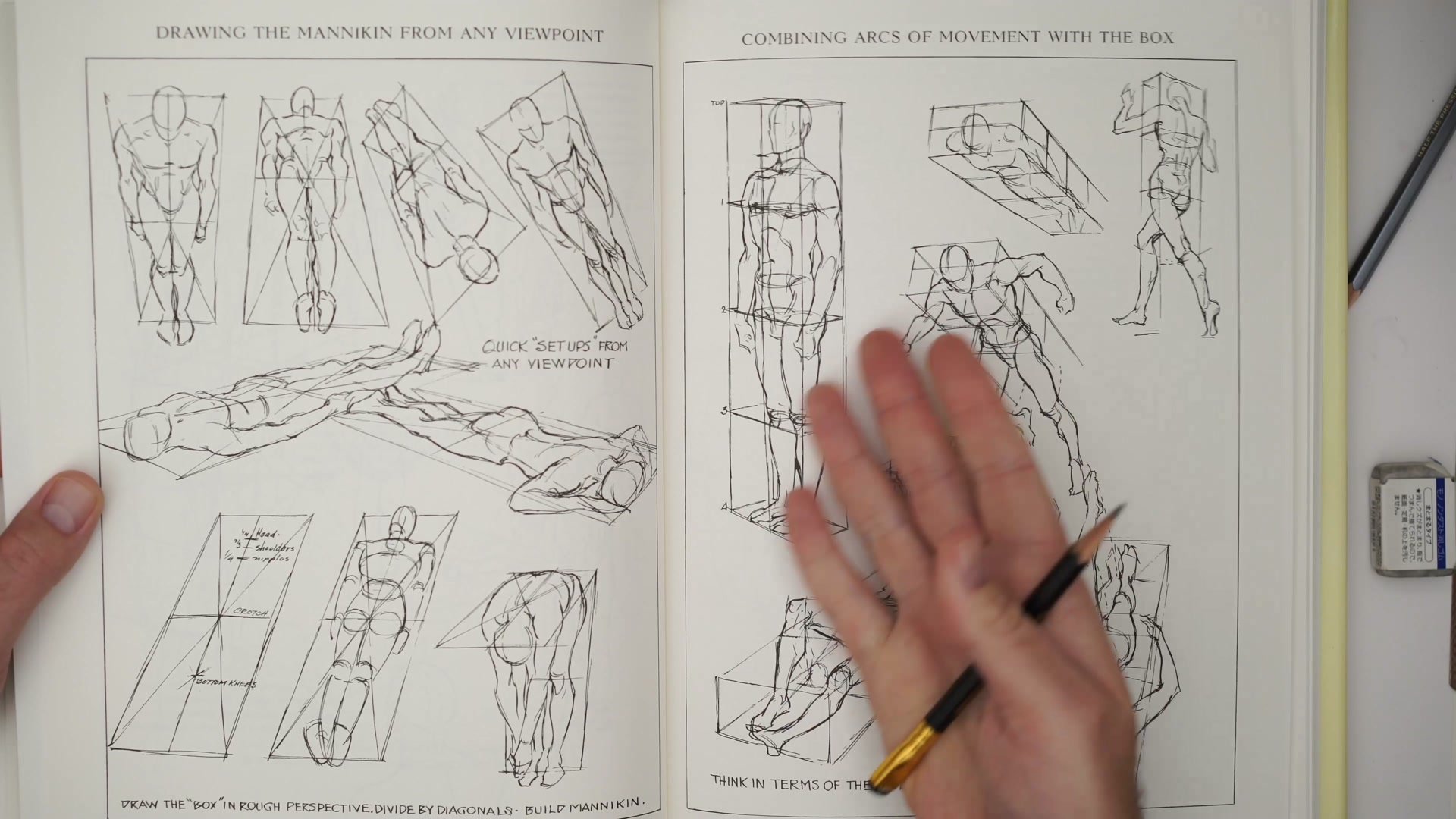
The most valuable concept from anatomy books is mannequinization: simplifying the figure into basic, constructible forms. Oval for the head, cylinders for limbs, bean shapes for the torso masses. These simple forms get assembled in proportion to create a structural foundation, with details added later.
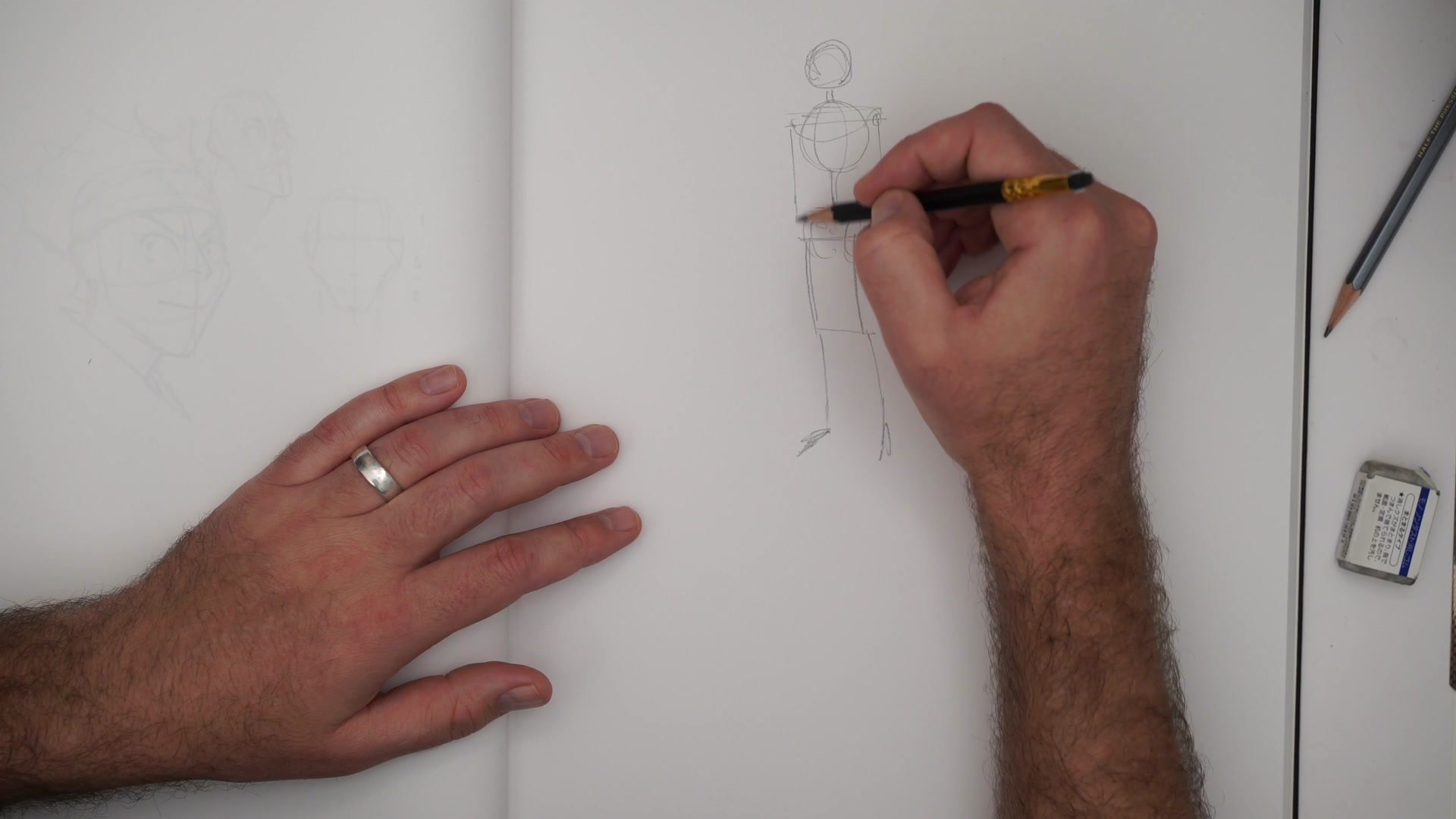
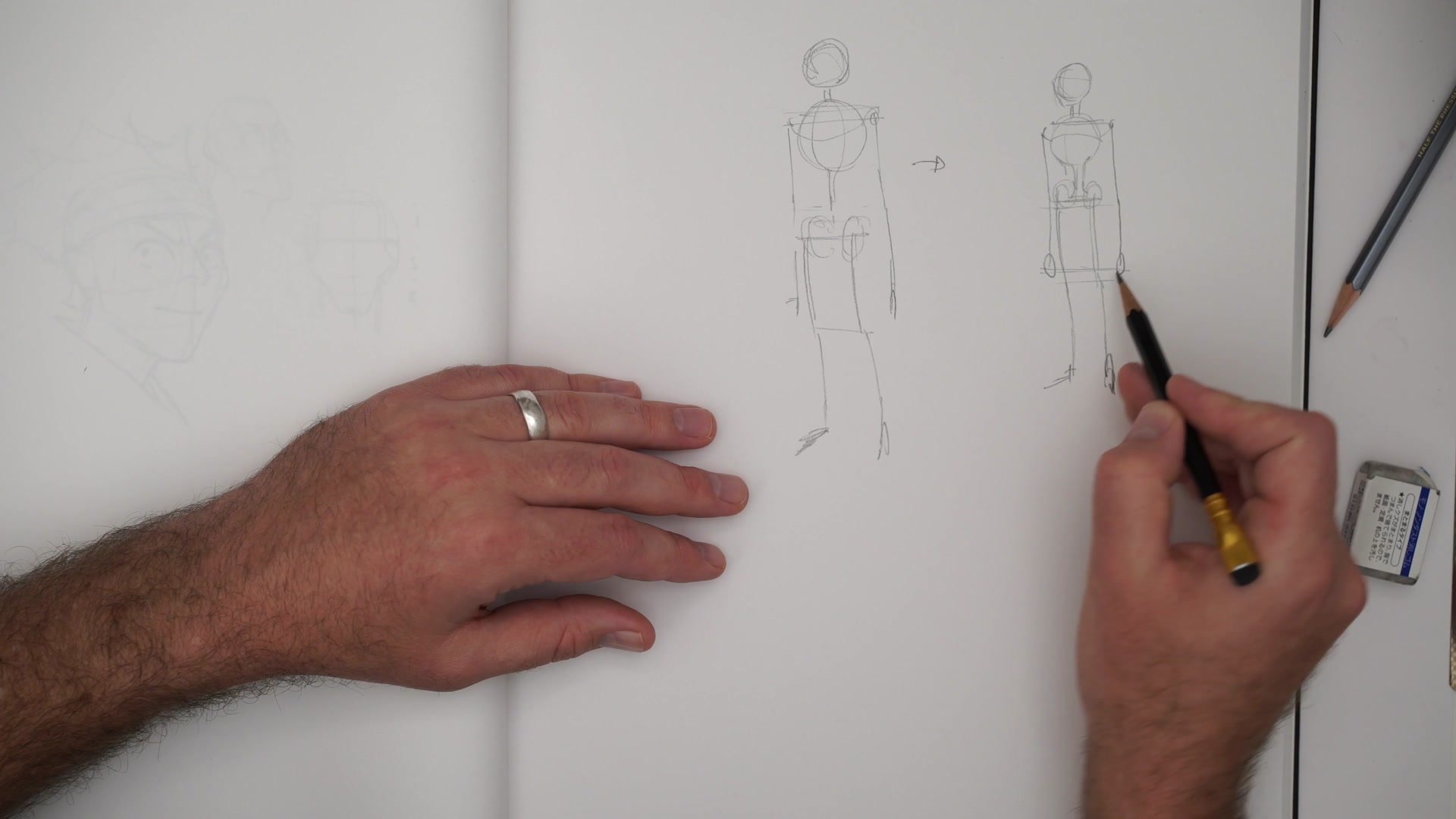
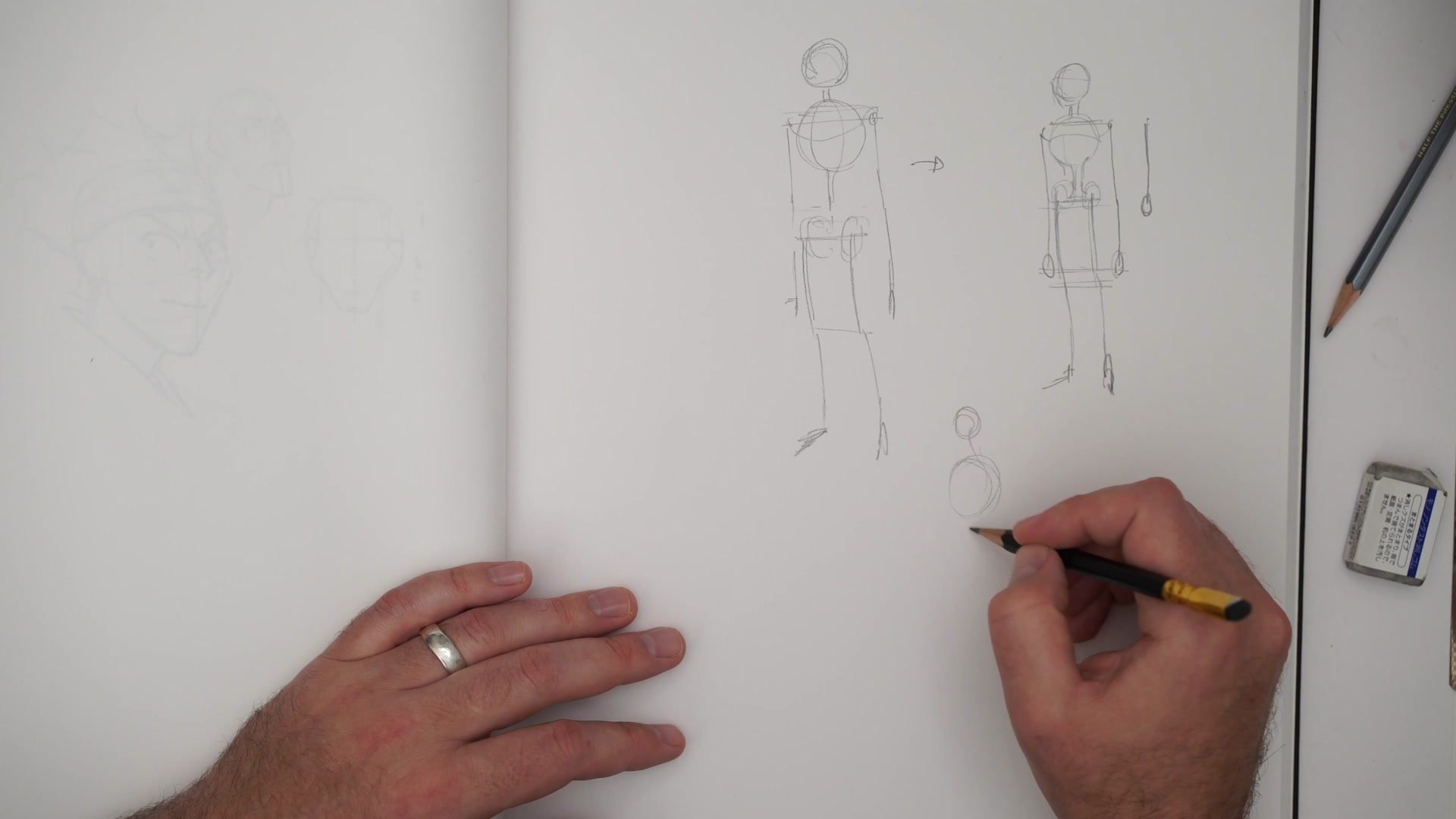
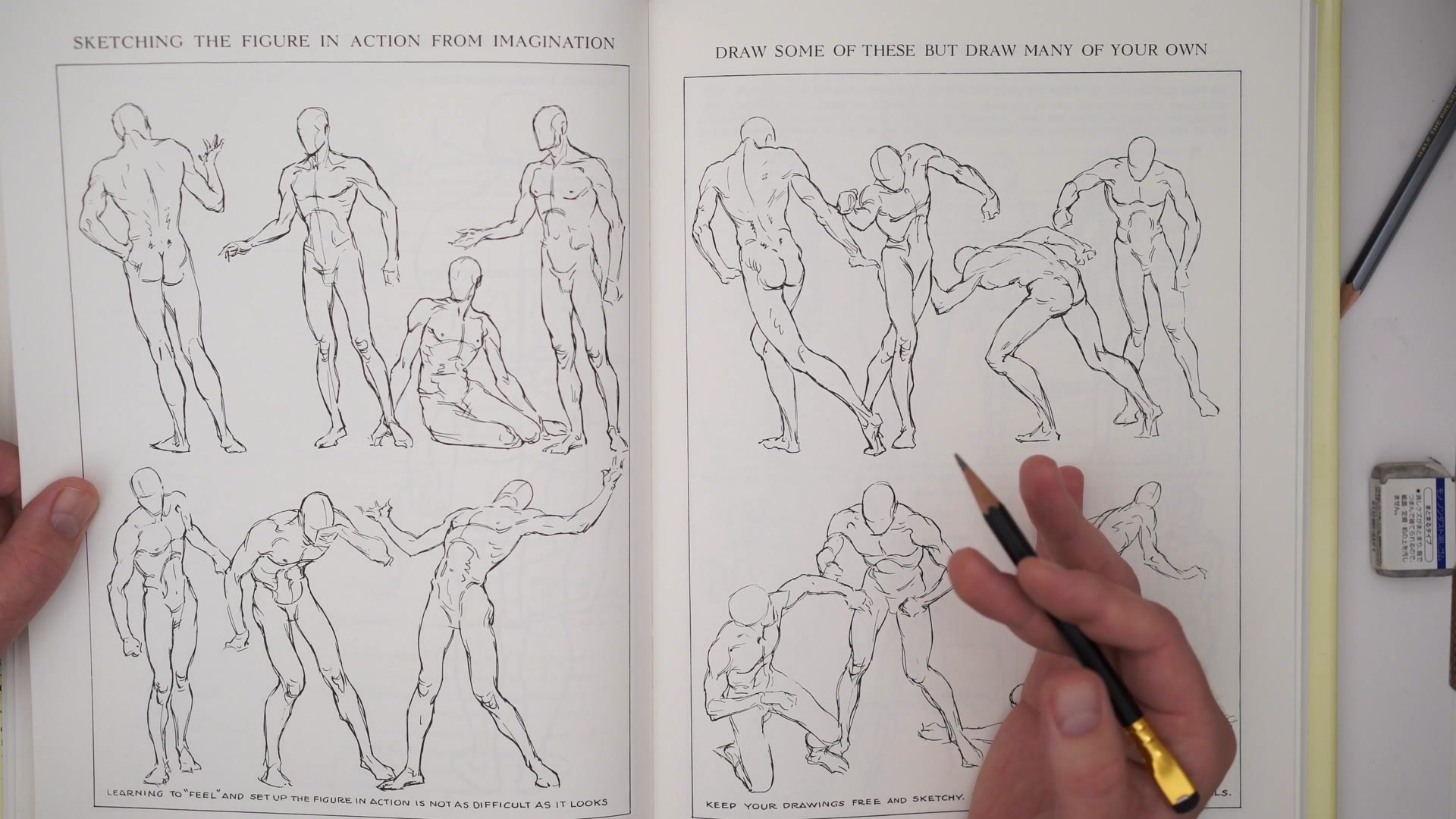
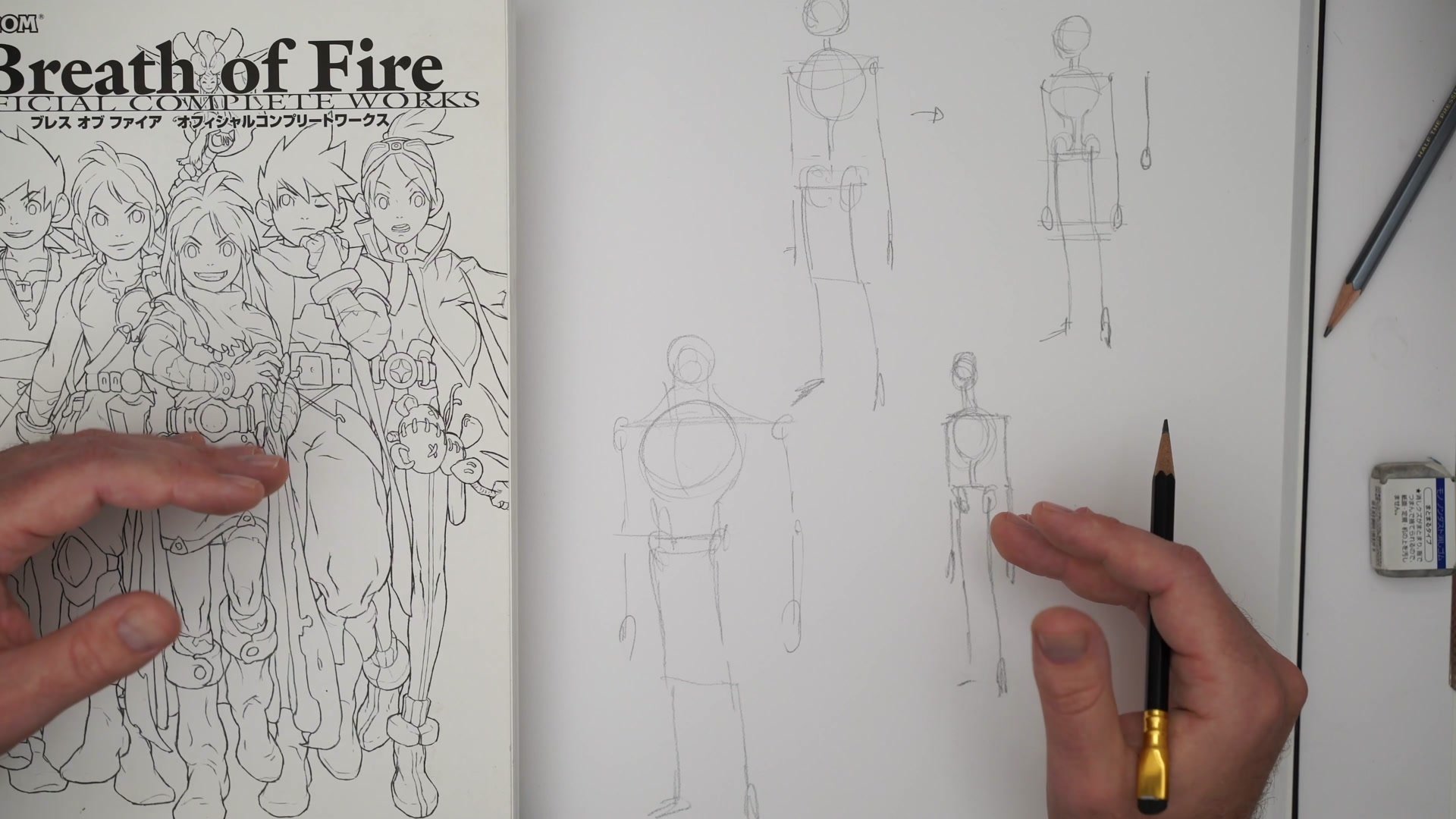
For stylized work, the mannequin simply uses different proportions. A manga-style mannequin might have a larger oval for the head and longer cylinders for the legs, while the torso shapes become more compact. The structural construction concept stays identical. Understanding how to build figures from simple forms and control their proportional relationships is the hard skill. Once that develops through practice, adjusting the actual proportions for a target style becomes straightforward. Proportions are just numbers that can be modified.
Building Stylized Mannequins
Consistency Over Accuracy
What makes manga, comics, or narrative art successful is not matching realistic proportions but maintaining chosen proportions consistently throughout the work. Readers measure drawings against the internal logic of the world, not against reality. When a character's head size, body proportions, and feature relationships remain stable from panel to panel, that consistency creates believability.
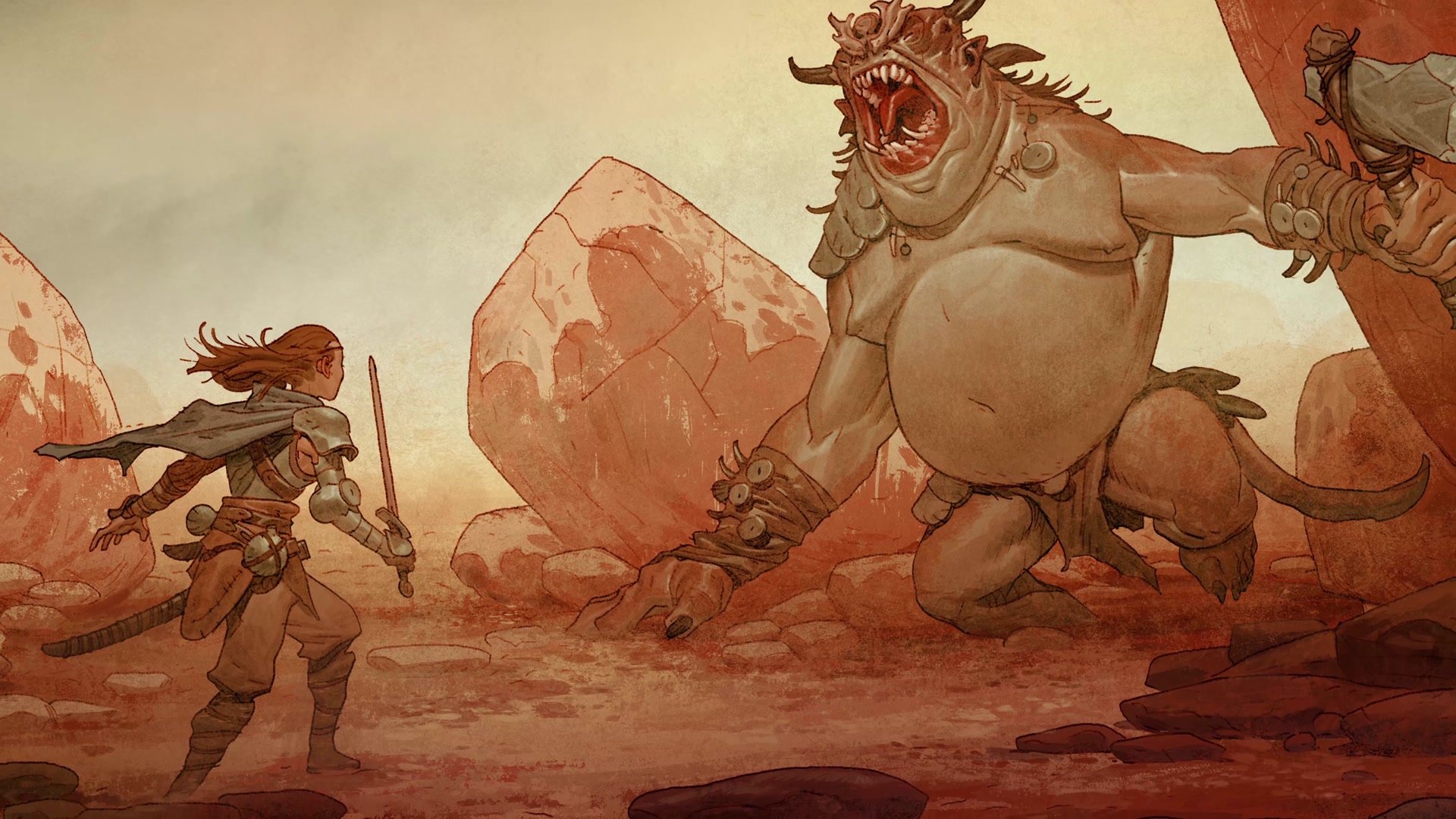
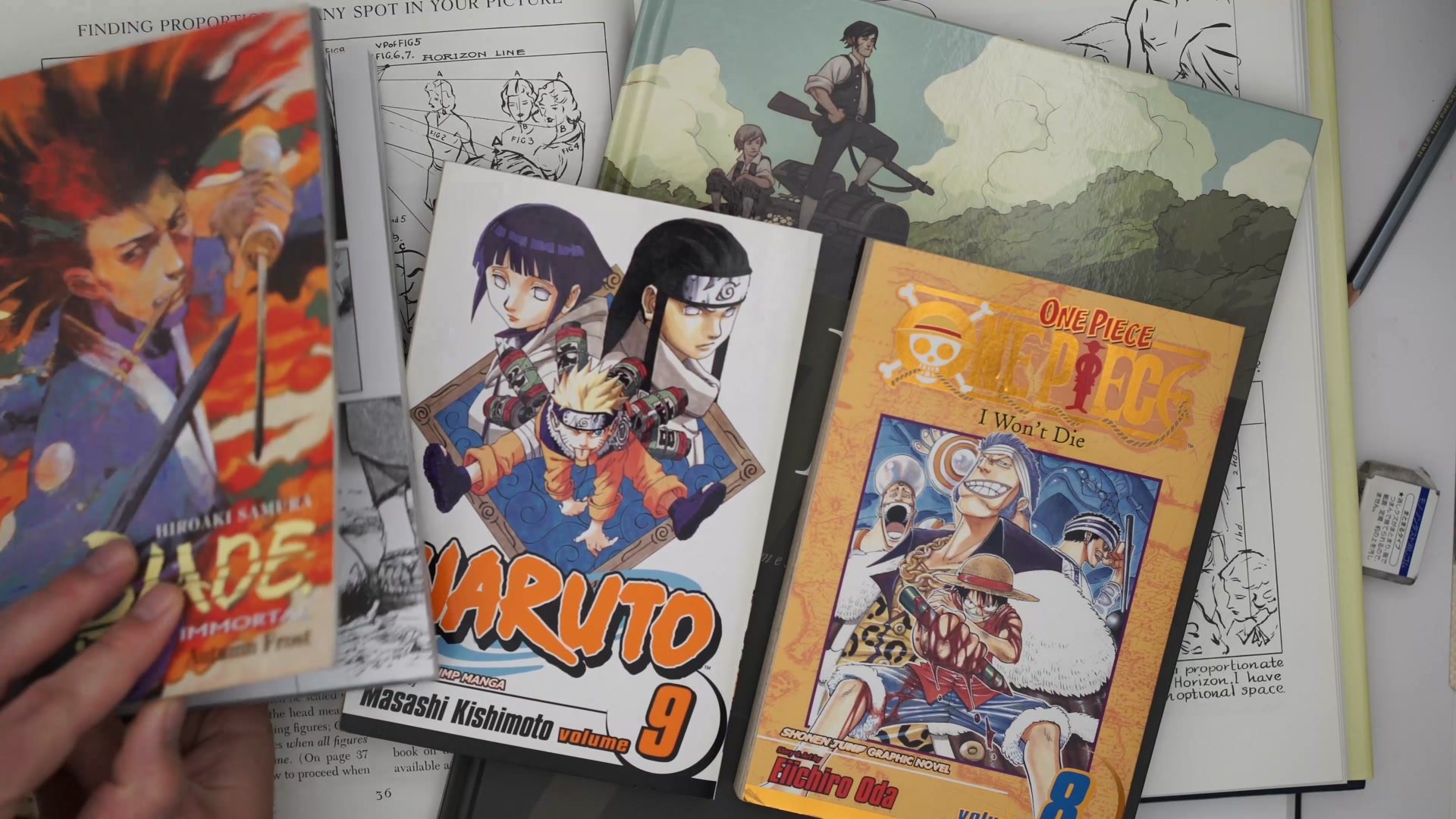
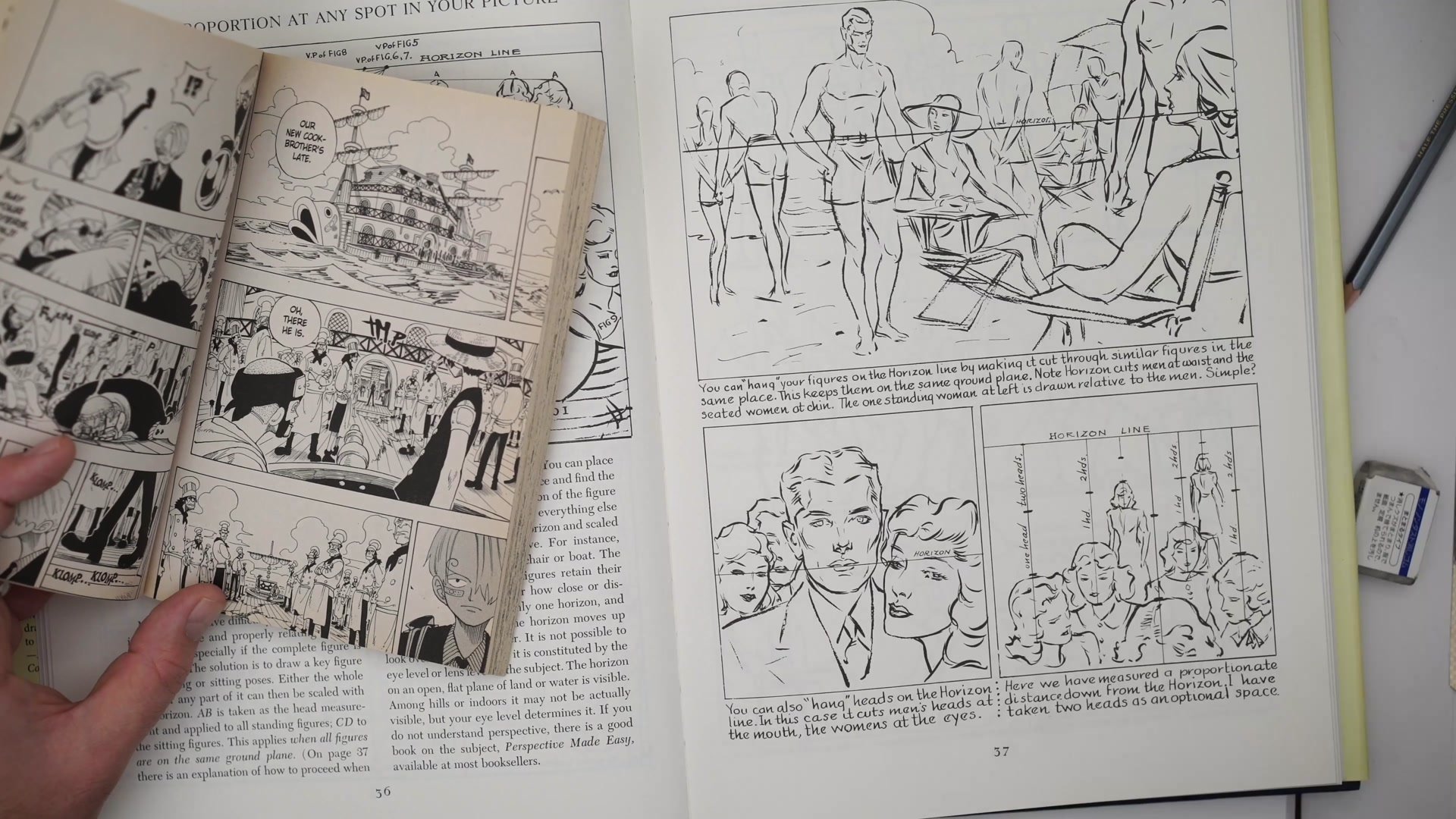
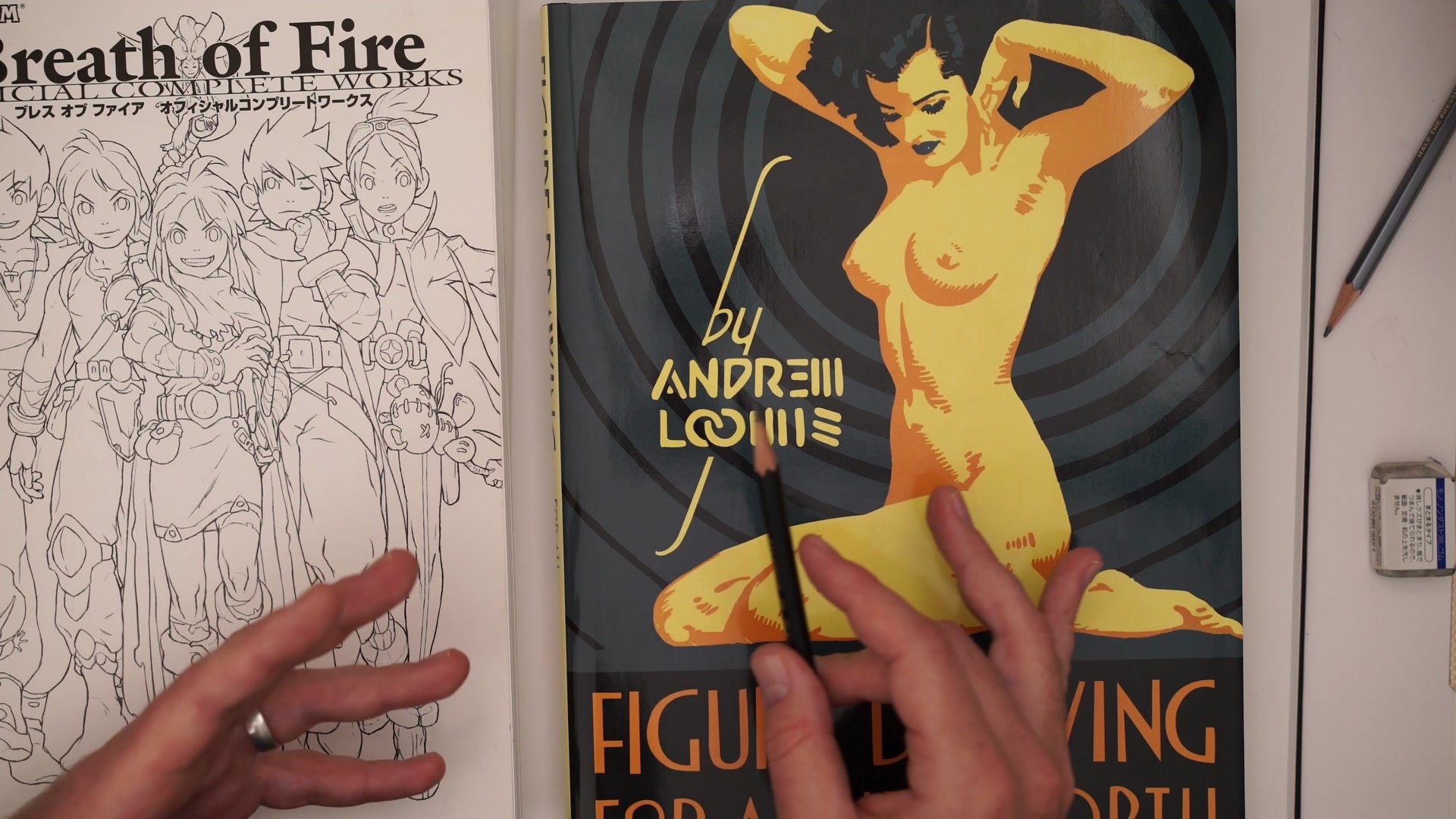
The spectrum from Blade of the Immortal's near-realistic anatomy to One Piece's wildly exaggerated proportions to Dragon Ball's pushed muscular forms all demonstrate the same principle. Each style maintains its own internal consistency. The specific proportions are a creative choice. The ability to replicate those proportions reliably across multiple drawings is the technical skill that comes from proportion control practice. That practice can happen with realistic proportions first, then transfer directly to any stylized work.
Style Variation and Application
Key Principles
All Drawing Is Proportion: Whether measuring from life or inventing from imagination, the core task is managing proportional relationships. This applies equally to realistic and stylized work.
Method Over Measurements: Anatomy books teach mannequinization and structural construction, not mandatory proportions. The Loomis approach provides a system for controlling proportion, and that system works at any proportion set.
Create a Personal Baseline: Modifying a standard mannequin for a target style creates a default figure. Character variations get defined relative to that personal baseline, not relative to realistic proportions.
Consistency Is King: Maintaining chosen proportions reliably from page to page matters more than matching external standards. Proportion control, not proportion accuracy, is what gives stylized work its sense of solidity and purpose.
Practice This
Build a Modified Mannequin: Take a basic Loomis mannequin and deliberately adjust the proportions toward a target style. Make the head larger, extend the legs, widen the shoulders. Keep the structural construction concept but shift the measurements.
Lock In Through Repetition: Draw this modified mannequin multiple times until it becomes a reliable baseline. Practice different poses while maintaining the same proportions. Create a turnaround from front, side, and three-quarter views.
Create Character Variations: Use the baseline to define different character types. A stocky character becomes more compact than the baseline. A lanky character extends longer. Each variation is defined relative to the personal default, building proportion control while working in the target style.