Create a Cast of Characters
Then draw them from any angle
Master Head & Face Anatomy
Enrolment for this cohort is now closed
Sign-Ups Close In
Enrolment for this cohort closes when the timer runs out.
This offer has ended
The Problem
The Anatomy Treadmill

Hey there! Thanks for checking this out. Let me tell you about my new 10-week Heads and Faces Intensive.
Here's the interesting thing about being an artist: you can embody a whole cast of characters. You can be the single actor who designs and draws a whole series of interesting characters... each with their own expressions, their own ideas, their own emotions.
The challenge is that to get there, you have to go through anatomical learning land. Proportion. Structure. Primary forms. Centerline. Symmetry.
This stuff is important. These techniques have been passed down from atelier, from master to student, for centuries. If you learn them, they will genuinely make your drawing better.
But a lot of people get stuck here. On an endless anatomy treadmill where the focus is all on accuracy.
Here's the truth: accuracy is important, but it's not what matters most. Take the most interesting Hollywood star. Shave their hair off, shave their eyebrows, have them stand in front of the camera and say nothing... they look dull. Lifeless. Just a standard anatomy person.
The best actors are good at acting with their face. Embodying a character. It's the combination... an actor who can act, with an interesting face, dressed interestingly... that creates what we actually want: a living, breathing character.
The Approach
The Three Things You Need to Learn
After 25 years as a professional artist and 15 years of teaching, here's what I've found: most anatomy resources only teach the first of these three.
1. Accuracy. What are the real proportions? Can you draw it from different angles? Do you understand how things actually look and work? You need this... it's hard to exaggerate something well if you can't draw it accurately first.
2. Exaggeration. How to push the forms, add emotion, and draw in your style. The best character actors aren't perfectly symmetrical. They have a leading feature, something really interesting about them. As you learn structure, the goal becomes controlled asymmetry and true character with form.
3. Acting. The most important of all. When I created Pinocchio, I had to become each character. The innocent marionette boy. The evil, conniving fox and cat. A giant gorilla judge. People notice when accuracy is wrong... but when it's right, nobody cares, because it just looks like a boring anatomy head. People care when you create emotion and connect with them through your drawing.
How It Works
How Each Week Works
At the start of each week you get that week's exercises. They come as a pre-recorded video that walks through what the exercise is, the thinking behind it, and a demonstration of how to actually do it. Through the week I add extra videos digging deeper into the week's topic, including fantasy and sci-fi translations of each feature (how real ears become elf ears, how to build an orc mouth) and style deep dives on how different artists handle the same features.
There are two exercises:
1. Accuracy. The first is all about accuracy and correct proportion, following the tradition of art education that traces back to the ateliers of old and the academies of Europe. We focus on getting everything right, learning each feature using the commonly accepted proportions, in a more realistic way.
2. Style. The second is about style: how to exaggerate and modify those proportions to make something interesting and fun, and to fit your own personality.
Bonus demo. I also do a bonus demonstration, taking the same ideas into a more finished illustration where we actually apply the concepts to make real art. It ties all three together: accuracy and traditional proportion, exaggeration and style, and how to actually put that knowledge to work.
Each week you work through the exercises whenever you can fit them in, and hand up whatever you've done that week so it goes into the feedback session. Then the next set arrives and we rinse and repeat.
If you get behind, it's not a problem. Whatever you complete gets critiqued, and anything you don't finish in time you can submit for the next session. It's about keeping pace as best you can, not hitting a hard deadline. There's also a catch-up week at the end for extra feedback if you've fallen a week or so behind.
Feedback
How Feedback Works
This is the heart of the intensive.
When you've done an exercise, you post it into the community feed, sharing your progress and asking any questions you have.
I gather everyone's work into Photoshop and do drawovers and paintovers on it. Then I post a feedback session, normally two to six people at a time, going through each person's work in turn. You get tagged so you know your feedback is up.
From there it's up to you: watch just your own, watch everyone's in your session, or watch every session and learn from all of them.
It's all asynchronous, so your timezone doesn't matter, and turnaround is usually a couple of days. On top of that there's a weekly open Q&A livestream, alternating between EU-friendly and USA-friendly times. Send questions ahead for me to cover, or jump on live and ask. Optional and recorded.
Course Schedule
Week 0
Introduction
Jun 29 - Jul 5, 2026
Get set up, meet everyone, and see where the next ten weeks are heading.
Introduction
Get set up, meet everyone, and see where the next ten weeks are heading.
Before we get into any anatomy, we settle in, get to know each other, and make sure your setup and reference materials are sorted so Week 1 starts smoothly. I'll walk through how the weekly rhythm works and show a full demo of where all of this is heading, so you can see what's possible by the end.
What We Explore
- How the intensive runs week to week, and how feedback works
- The reference books, models, and materials worth having
- A look ahead at what the ten weeks build toward
Week 1
The Skull
Jul 6-12, 2026
The foundation everything else is built on, and the key to rotating a head.
The Skull
The foundation everything else is built on, and the key to rotating a head.
For centuries, the skull has been the foundation of anatomy. It sets the proportions and the fixed hard points of the face, the parts that don't move. The face itself is soft and flexible, so those fixed points are what everything else is measured against, which is why we start here.
A solid understanding of the skull is also what lets you rotate a head and keep it convincing, since it is the primary mass we build on in Week 2. It is worth being able to draw on its own, too. Plenty of characters and creatures rely on it, and much of what makes a great orc, monster, or alien face comes from understanding how a creature's skull differs from a human one.
We look at it from the traditional, anatomical side, then from a more stylized one, and finish by putting it to work in a real illustration.
What We Explore
- The skull's proportions and the fixed landmarks that anchor the face
- How those same forms get pushed and stylized for character and creatures
- A demo putting it all into an illustration, an undead skeleton warrior
Week 2
Primary Forms of the Face
Jul 13-19, 2026
Simplifying the skull into the few big forms you actually draw with.
Primary Forms of the Face
Simplifying the skull into the few big forms you actually draw with.
With the skull understood, we simplify it into the primary forms of the head: the sphere of the cranium, the jaw, and the major plane changes. This is the version you actually draw with day to day, the simplified head behind the Loomis method. It is what turns rotating a head and keeping it consistent from guesswork into something you can control, and almost every character you design begins from these few big forms.
What We Explore
- The simplified head from a range of angles, built on the skull
- Pushing those primary forms for different face and character types
- A demo turning the bare forms into something striking
Week 3
The Eyes
Jul 20-26, 2026
A portal into the soul, and the feature that can unlock your whole style.
The Eyes
A portal into the soul, and the feature that can unlock your whole style.
The eyes are the most emotive part of a face, and the feature manga and stylised artists obsess over. We read eyes constantly, so the smallest mistake shows immediately: the character ends up looking vacant, distracted, or just slightly off.
Drawn realistically, the eye is a surprising mix of forms that shifts a lot from one angle to the next. The real payoff is the link between that structure and the iconic, simplified eyes you see in great styles. Once you understand how the structure maps onto the shorthand, you can draw eyes with full form and pare them back to a few expressive lines. Master the eyes and it can unlock your entire style.
What We Explore
- The eye as a 3D form in the socket, and how it changes from different angles
- The link between real structure and iconic, simplified eyes
- A demo showing how eye choices alone change a character and its emotion
Week 4
The Mouth
Jul 27 - Aug 2, 2026
Far more than lips: the engine of expression, and the key to monstrous creatures.
The Mouth
Far more than lips: the engine of expression, and the key to monstrous creatures.
We tend to think of the mouth as just the lips, but the whole region around it drives expression, and until you understand all of it, it is easy to land the wrong emotion. Happiness, fear, lust, rage: they all play out through the mouth, and the real trick is what sits underneath. To emote convincingly you need the teeth and the tongue, and to understand how they connect to the skull from Week 1.
Once that clicks, the stylised versions get much easier: a bean shape, a few lines, a couple of dots, pushed into real dimensional form. It is also the key to creature design. Once you can reshape the teeth, orcs, ogres, and goblins open up, and you start seeing creature faces in a whole new way.
What We Explore
- The mouth as a 3D form over the teeth and jaw, and how it drives expression
- Reshaping the teeth for monsters: orcs, ogres, and goblins
- Stylised, simplified mouths, and a demo putting it to work
Week 5
The Nose
Aug 3-9, 2026
A huge range of forms, and often the one feature that makes a character unique.
The Nose
A huge range of forms, and often the one feature that makes a character unique.
Noses come in an enormous range of forms, and they move in small but critical ways. A flared nostril can be the thing that finally nails an expression, and often what makes a character truly unique is simply giving them exactly the right nose.
It is a tricky feature to master, a mix of flesh, cartilage, and bone that also changes with age. So we get hold of the underlying form and anatomy first, then learn to exaggerate it to build a whole cast of characters. That same exaggeration is the secret to fancy creatures and monsters, too.
What We Explore
- The nose as a 3D form of flesh, cartilage, and bone, from multiple angles
- How it moves and flares, and what that does to expression
- Exaggerating it to define characters and creatures, plus a demo
Week 6
The Ears
Aug 10-16, 2026
A complicated feature you simply have to know, and a playground for fantasy.
The Ears
A complicated feature you simply have to know, and a playground for fantasy.
Ears are tricky. They are surprisingly complicated, with a lot of forms to memorise, so the key is having a good system for remembering where everything goes. They don't carry the emotional weight of the eyes, but they are one of those features you just have to know, not least because misplaced ears are what break so many turned heads.
Stylising them is where it gets fun, but only once you understand how the real form maps to the simplified one. From there the feature opens right up: elf ears, orc, ogre, and goblin ears, even animalistic or monster ears thrown in for good measure.
What We Explore
- The real structure of the ear, and a system for remembering where everything goes
- How the real form maps to stylised versions
- Fantasy and creature ears (elves, orcs, goblins, and beyond), plus a demo
Week 7
Loomis Systems
Aug 17-23, 2026
The classic system for blocking in a head and rotating it, finally in context.
Loomis Systems
The classic system for blocking in a head and rotating it, finally in context.
The Loomis method comes from a long tradition of constructive anatomy, running back through Bridgman to the ateliers and academies of Europe, to teachers like Jean-Léon Gérôme and further still. The key thing to understand is that it is really just a system for placing the primary forms of the face and rotating the head. It was never meant to teach you anatomy on its own, which is why starting with it tends to fall flat.
By now, though, we understand the major features, so we are ready to deploy them. The Loomis method is one of the most effective and efficient ways to block in a head and relate it to the figure, and at this point it finally lets you put everything you have learned to use.
What We Explore
- The Loomis method as a system for placing the primary forms and rotating the head
- Where it sits in the tradition of constructive anatomy
- Blocking in a head and relating it to the figure, plus a demo
Week 8
Extreme Angles
Aug 24-30, 2026
The hard up-and-down angles that everything so far makes possible.
Extreme Angles
The hard up-and-down angles that everything so far makes possible.
Extreme angles are a real test. You won't often need to draw a face from high above or far below, but when you can't, it shows, and the whole drawing looks awkward. Being able to handle these angles is a skill worth getting right.
So we look at the head from above and below, and how the Loomis method connects to the individual features we have studied. This is where it all starts to come together, and the head finally feels like a solid object you can turn any way you like.
What We Explore
- Drawing the head from above, below, and other tough angles
- How the Loomis method connects to each feature
- Keeping a character consistent through the rotation, plus a demo
Week 9
Studying Faces
Aug 31 - Sep 6, 2026
Where structure turns into real character, drawn from the world around you.
Studying Faces
Where structure turns into real character, drawn from the world around you.
You can draw a flawless Loomis head from a wild angle and it can still fall flat, because the real goal is interesting characters, and some of the most interesting characters are real people. This week we study them: how to look at the striking actors, faces, and features you come across in the world, and translate them into your own system so you can draw them from any angle and in your own style.
This is the point where we move beyond the simple foundational proportions, and structure turns into genuine character.
What We Explore
- Reading interesting real faces and features
- Translating them into your system to draw from any angle, in your style
- Moving from foundational proportions to real character, plus a demo
Week 10
Hair, Facial Hair & Finishing Elements
Sep 7-13, 2026
Dressing your characters up: hair, facial hair, glasses, and finishing touches.
Hair, Facial Hair & Finishing Elements
Dressing your characters up: hair, facial hair, glasses, and finishing touches.
This is the part that makes drawing heads more fun and, oddly, easier: the finishing features. Facial hair, hairstyles, glasses, and the elements that frame and complete a face. So much of creating a real character is taking your underlying actor, understanding their form, and then dressing them up with a look, a signature hairstyle, distinctive features, and a proper costume.
Week 10 pulls everything together: structure, your style, real people, and these finishing touches, all combined to build your own little cast of characters you can draw from any angle.
What We Explore
- Hair, facial hair, glasses, and finishing elements as form on the head
- Dressing an actor into a distinctive, costumed character
- Combining everything into your own cast, drawn from any angle, plus a demo
Week 0 intro + 10 core weeks + bonus catch-up week • Two exercises and a finished-character demo every week • Draw-over feedback • Weekly EU/USA livestreams • Lifetime access to recordings
Why This Approach Works
Learn Accuracy and Application Together
I spent a long time teaching in university environments. A hundred people would come in each year. They'd grind through anatomy, perspective, rendering, construction, life drawing every week. People got better... and at the end they'd say "my drawing's good now," but they still weren't able to draw the art they actually wanted. They were tight. Stiff. It took a couple of years to undo all that.
This intensive solves that problem from the outset. You learn accuracy while simultaneously learning how to apply it in your style and with emotion. That's the proper learning loop.
And here's the key insight: the more perfectly accurate and symmetrical you try to be, the more people notice when any little thing is off. But as you add exaggerated features and draw more in your style, the thing that really matters is whether the drawing is interesting and whether it connects with people.
What's Included
The Complete 10-Week Intensive
Week 0 Intro + 10 Core Weeks + Bonus Catch-Up Week
The full curriculum, from the skull through to hair and finishing elements, plus a bonus week to catch up on anything you missed.
Two Exercises Every Week
An accuracy exercise and a your-style exercise, the core of the intensive, both with feedback.
Asynchronous Draw-Over Feedback
Post your work and I record draw-over sessions, around 10 to 15 minutes per person. Works from any timezone, turnaround a couple of days.
See How Anatomy Applies to Real Illustration
Every week I take that week's anatomy into a finished piece, so you can see exactly how the structure becomes real art, not just a bald, expressionless study head.
Weekly Live Q&A
Open-format livestreams alternating between EU-friendly and USA-friendly time slots. Livestreams are recorded and replays are uploaded the same day, so you can watch or rewatch any time.
Fantasy & Sci-Fi Feature Translations
Extra videos each feature week: elf ears, orc teeth, and style deep dives on how different artists handle the same features.
Lifetime Access to All Recordings
Revisit every lesson, demo, and feedback session forever.
Private Community Space
Share your work, see everyone's progress, and ask questions throughout.
Enrolment Closed
Sign-Ups Are Now Closed
Enrolment for this round of the Heads and Faces Intensive is now closed.
Stay tuned. I'll be sharing news soon about the next intensive, along with a new course on the way. Keep an eye on your inbox.
Sign-Ups Close In
Enrolment for this cohort closes when the timer runs out.
This offer has ended
Week 1 Satisfaction Guarantee
Try Week 0 and Week 1. If you find the course isn't a good fit before Week 2 starts, just let me know and I'll give you a full refund, no questions asked.
Frequently Asked Questions
Yes. There's no prerequisite skill level. We review the fundamentals from the ground up, so beginners and more experienced artists start on the same page. Even if you're struggling with proportions right now, that's fine. The two core exercises each week are where the learning happens, and the illustration demo is optional.
Yes, lifetime access. All the recordings, demos, and feedback stay available, so you can revisit everything and work through it again whenever you like.
Feedback is asynchronous draw-overs, so it works from anywhere. The weekly live Q&A alternates between US-friendly and EU-friendly time slots, and recordings are kept.
The minimum is about 5 to 6 hours a week: watching the exercise video and the demo, doing the exercise, and watching your feedback. That core gets you most of the value. Closer to 10 hours gets you the most out of it, adding any extra videos, other people's feedback, the weekly livestream (live or replay), and hanging out in the community. Everything is recorded with lifetime access, and there's a bonus catch-up week at the end.
Everything is recorded with lifetime access, feedback is asynchronous, and there's a bonus week at the end specifically for catching up.
No. This works in any medium... digital or traditional, line or paint. The second exercise each week is specifically about applying the knowledge in your medium and style.
Yes, that's the point. Accuracy is taught alongside applying it in your style, every single week. Even if you draw dots for eyes, you need to know where the dots go.
You can pay in US or Australian dollars, whichever is easiest for you. Just choose from the currency selector on the checkout page. In USD it's $790, or three monthly instalments of $265. In AUD it's $1,100, or three monthly instalments of $370.
When the doors open, just click any Join button and it takes you to the checkout. If you'd like the whole process walked through, including the common little hurdles people run into, there's a step-by-step guide here: How to Sign Up.
If you're not really enjoying the intensive, let me know before Week 2 starts and you'll get a full refund, no questions asked.
Your Instructor: Tim McBurnie

Tim McBurnie
Professional Artist & Instructor
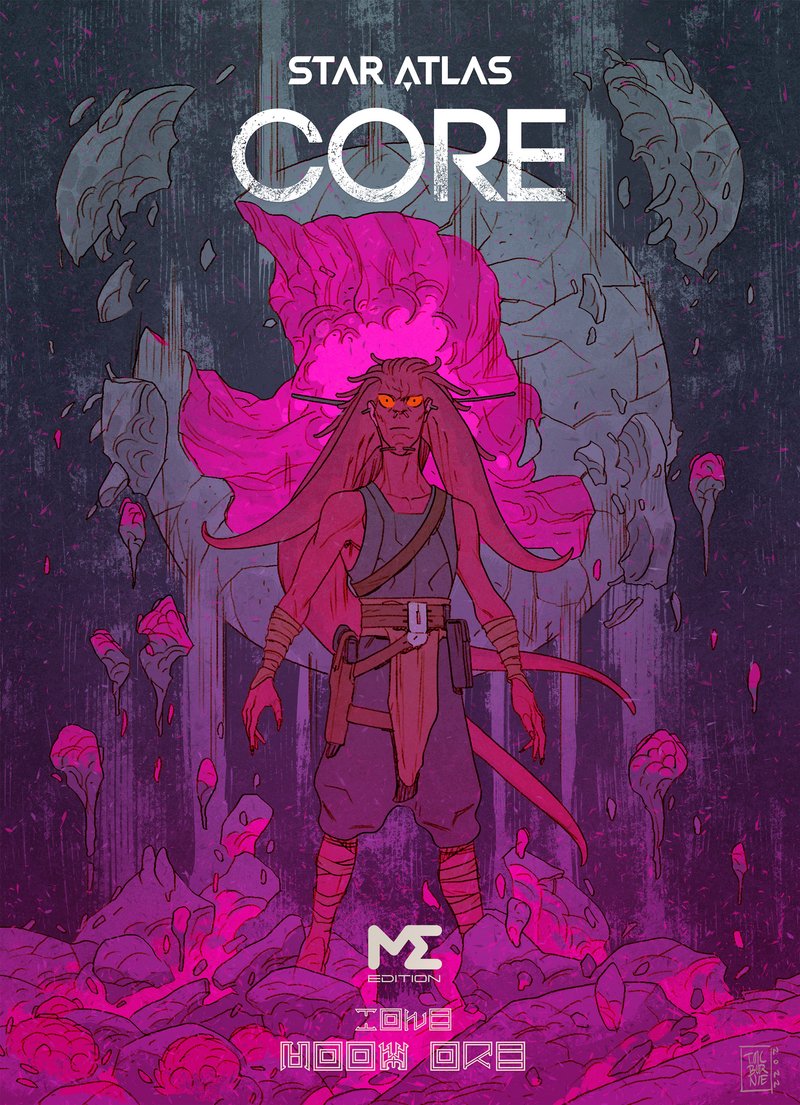
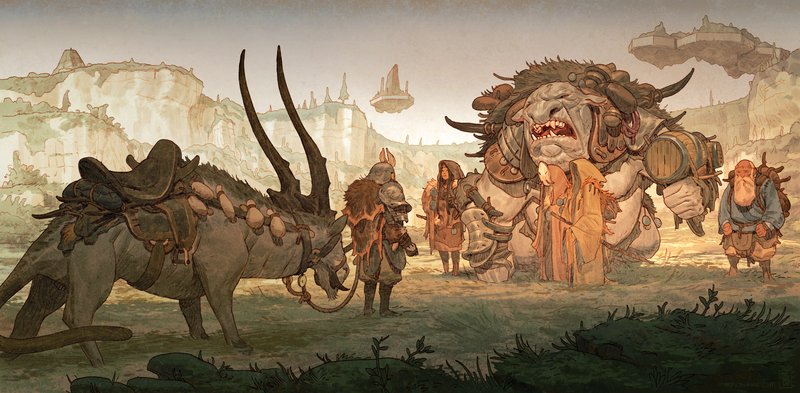
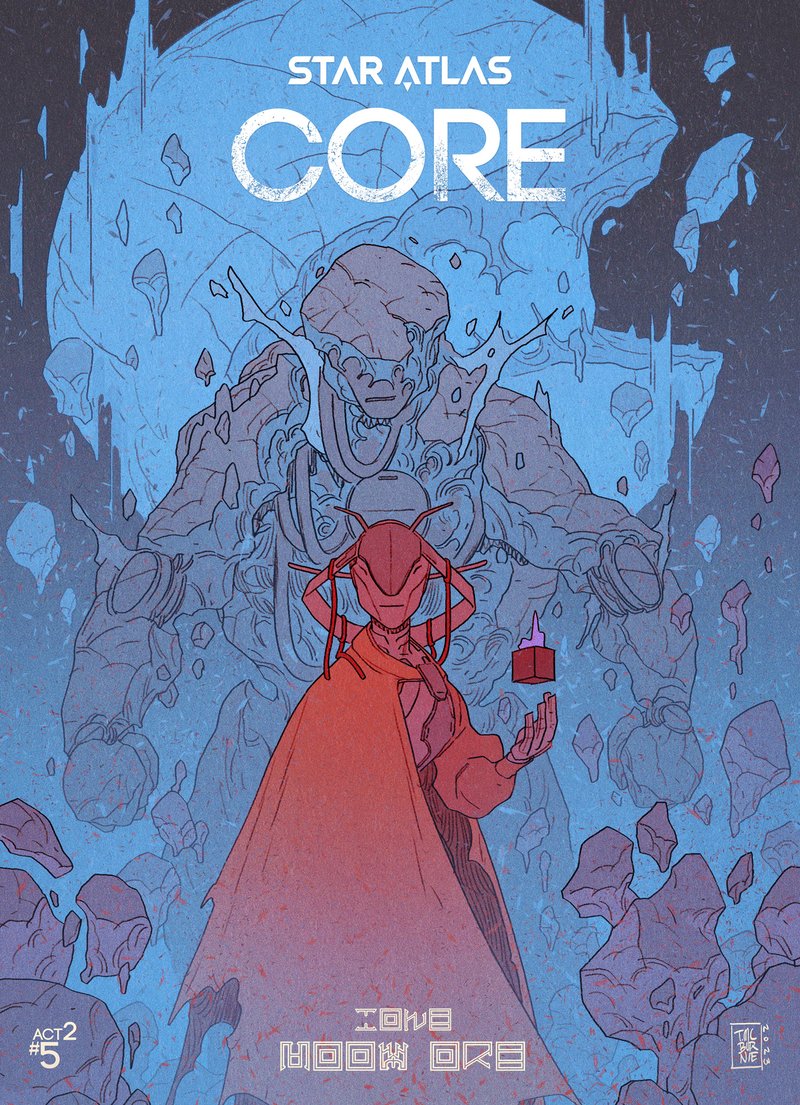
Professional Experience: I've worked as a professional artist for almost twenty-five years, as a comicbook artist, illustrator & concept artist. I've helped launch several successful Kickstarter campaigns My client experience includes:
- Editions Delcourt
- Gunfire Games
- Animal Logic
- Blur Studios
- Blizzard Entertainment
- Wizards of the Coast
Teaching & Community: Over the past thirteen years, I've taught hundreds of 8-week and 12-week intensive classes through Concept Design Workshop and CG Society. My tutorials have been published on multiple platforms since 2009. I'm the founder of the Drawing Codex and the host of the Visual Scholar Podcast. I run the Drawing Codex community which helps people find their creative rhythm and make more art as well as build sustainable artistic careers.
Current Work: I'm currently working on developing the Drawing Codex into the best place to hang out and learn art, as well as developing a series of new graphic novel pitches.
Portfolio Highlights
Learning Anatomy
Finally Learn to Draw Heads and Faces Your Way
Where This Takes You
In the intensive you'll finally get your head anatomy sorted. You'll master the proportions, understand how anatomy relates to the kind of art you actually want to make, and be able to create interesting characters and draw them from different angles, without that nagging sense that you're missing a proper foundation.
Once that foundation is solid, you get to focus on what you really care about: drawing with character and style. The accuracy and the technical details start to matter less, because you have a solid, proven sequence you can come back to any time you want to push your anatomy further.
Staying on the Anatomy Treadmill
The alternative is letting another few months, or another year, slip by in the same spot, grinding exercises and studies and chasing an easier way through.
A lot of artists never really build a strong foundation in anatomy. It feels too technical, too dry, just not for them. So they never quite get the accuracy, the proportions, or the understanding of the features they need. And it's easy to get stuck on the anatomy treadmill: doing exercise after exercise, getting a little more accurate, but still struggling to turn any of it into interesting, three-dimensional characters. Years can pass where you're putting in the effort and it simply isn't translating into what you want, a cast of characters you love to draw.
The secret is to apply all of it, so you move past the dry anatomy and actually put it to use. When you do, the whole thing becomes far more fun. Once you genuinely understand the foundations and can draw the proportions, a weight lifts, and you stop feeling like you're missing some secret component that every other artist seems to have.
The truth is that these proportions and traditional methods are completely learnable. There's no secret to it, and once you have them, it opens up a whole world of creativity.
So if you've been wanting to get your anatomy sorted, especially heads and faces, this intensive is built to help you finally do it, and to translate it into your own style so you can create interesting characters and draw them from any angle. This is 100% something any artist can learn, and we're going to make it as fun and enjoyable as possible along the way.
Hopefully I'll see you on the inside.
Tim