Heads and Faces
Create interesting characters and draw them from any angle.
Pay once • Lifetime access • 60-day money-back guarantee
Special launch offer ends in:
After this prices return to normal.
The launch offer has ended
The Heads and Faces Course
The Complete Course Is Here

Hey there! Thanks so much for checking out this page. Let me tell you about the Heads and Faces Course.
The Drawing Heads and Faces Course is finished, and to celebrate, I've got a special launch offer. Join now and you get a whole additional bonus course on illustrating a professional character-based cover, for free. All the details are down below.
Drawing Characters
The Anatomy Treadmill
One of the most enjoyable things you can do as an artist is create your own characters. Not just once: drawing them again and again, from different angles, and having them feel like the same living character every time. It's what comic artists, illustrators, and concept artists get paid to do.
It's also where most of us get stuck, and there are two ways it happens.
The first is the anatomy treadmill. You're told the answer is anatomy, so you study. Loomis heads, planes of the face, proportions. And here's the seduction: you really do get better at the studies. But the studies don't translate. The more anatomy I learned, the stiffer my drawings got. I'd look back at my older work, lopsided and technically messy, and it had more life than my improved structural stuff.
The second is giving up on structure and just drawing in your style. I did that too. I'd design a character I liked, try to draw it a second time... and I couldn't. None of them looked the same. I couldn't get a comic past the design phase, and it was never possible for me to work as a professional artist until I got over that.
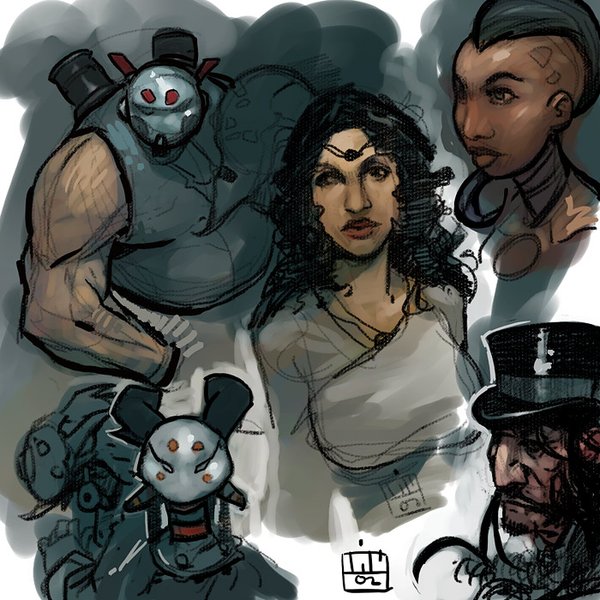
I used to draw pages of these rough sketches. Just practicing characters.
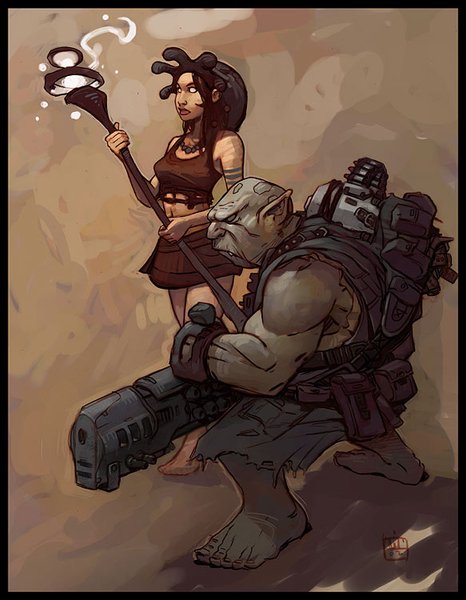
I could draw some characters well, but only from these 3/4 angles.
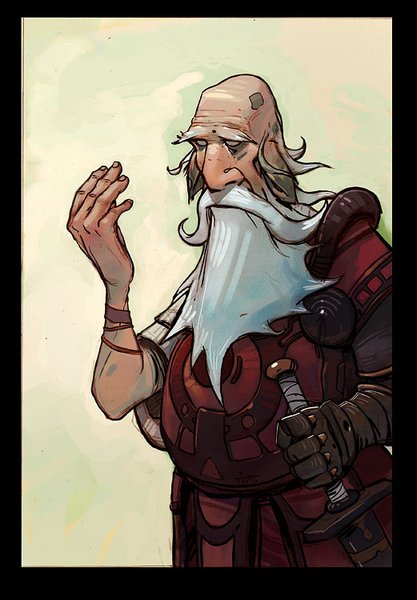
I had no idea how to draw a design like this from different angles, or actually put him in a comic.
I spent years teaching in university environments, a hundred students a year, and I watched almost every one of them land on one side or the other.
Drawing real characters takes anatomy and structure on one side, and style, expression, and acting on the other. Two skills you almost never see taught together. This course teaches both.
What Actually Works
The Three Things You Need to Learn
In 25 years of drawing professionally and 15 of teaching, I've found most anatomy resources teach the first of these three and stop.
1. Structure. The planes of the face, the primary forms of the skull, the real anatomy underneath. You need more of it than you might expect as a stylized artist. You only need to learn these things once. Even the simplest cartoon eye is a graphic mark standing in for real anatomy, and knowing exactly what it stands in for changes everything.
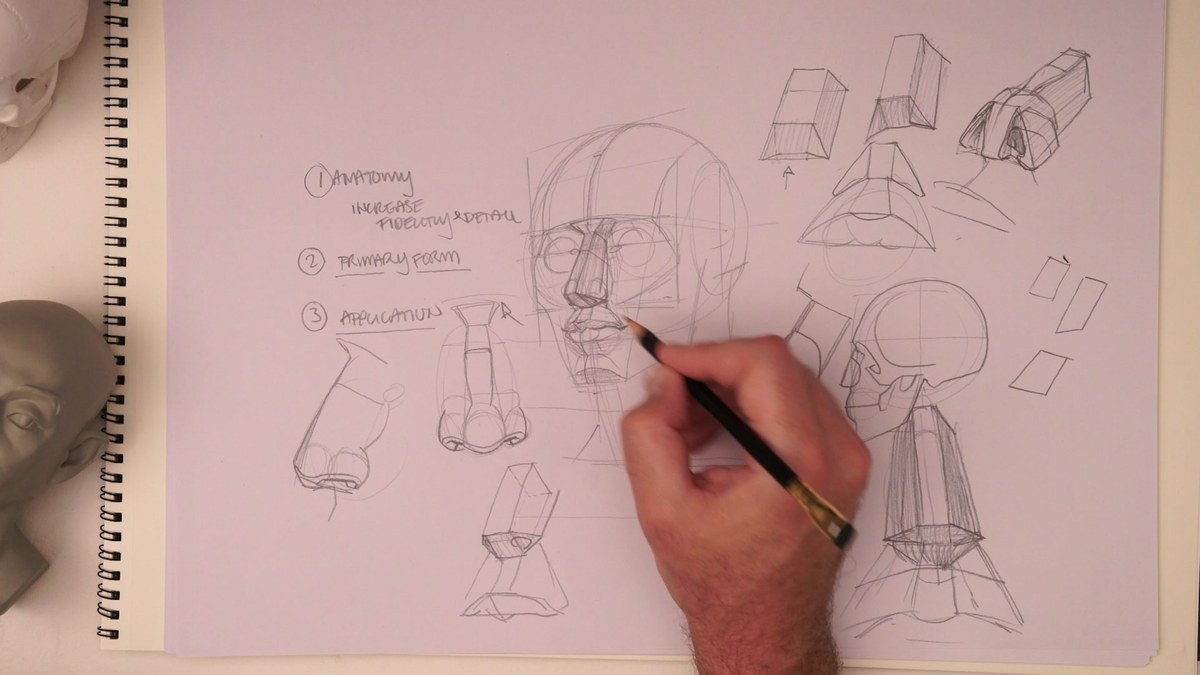
2. Exaggeration. Structure gives you an accurate head. Then you have to make it yours. Exaggerate the nose, the ears, the teeth, and push the proportions until they fit your style. The best character actors are not symmetrical; they have a lead feature that carries the face. It's where the accurate head becomes a character.
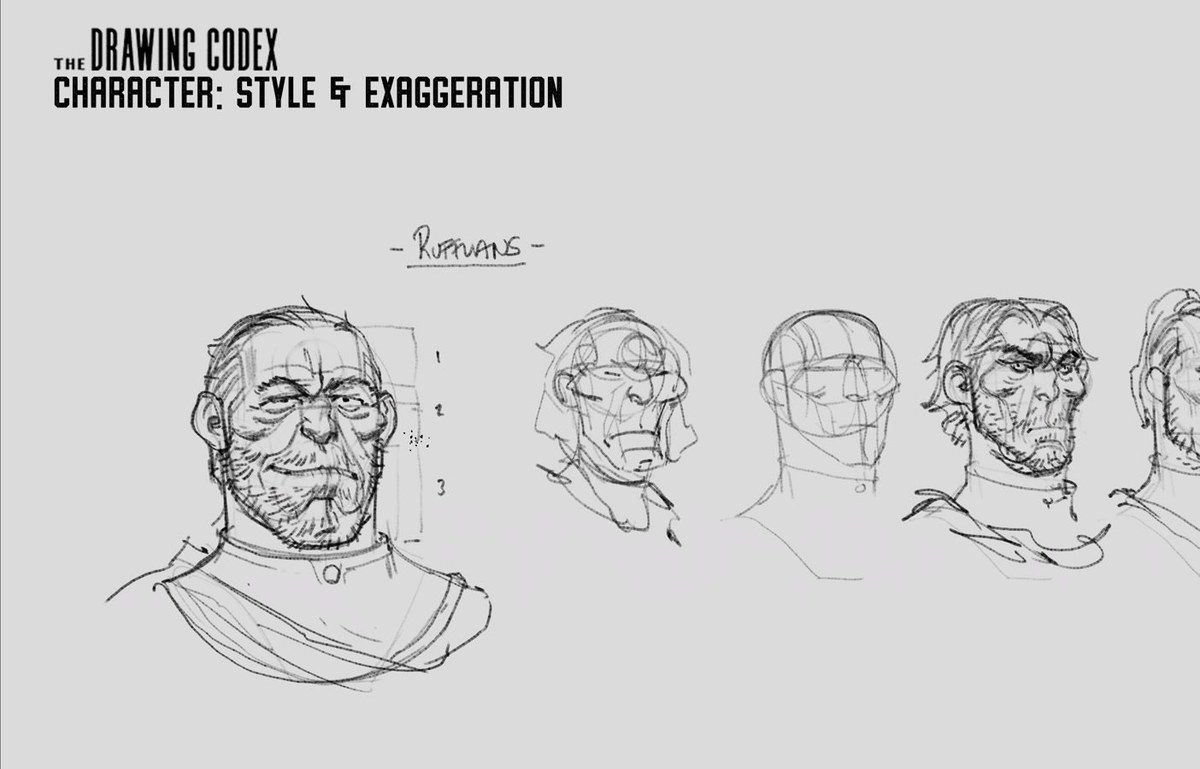
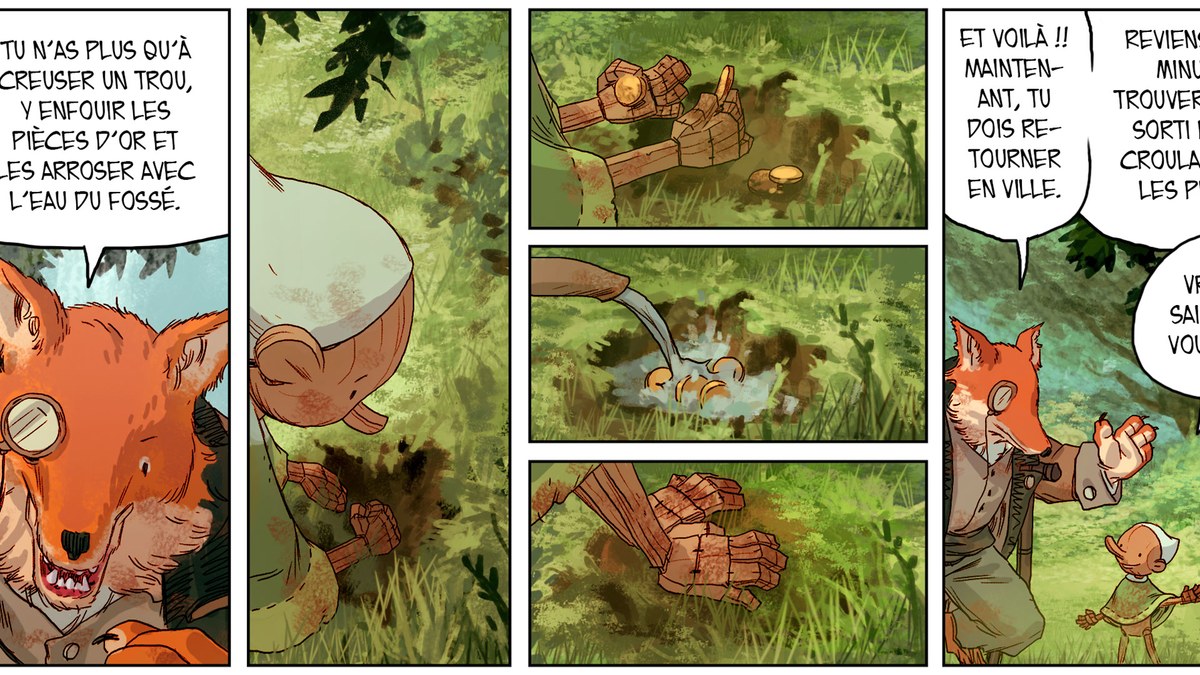
3. Acting. The characters we love from films, comics, and games are moving. They have particular expressions, particular ways of looking at things. You can be the best artist who can draw the best face, and if the character isn't doing anything with it, nobody cares. When I drew my Pinocchio book, I had to become every character in the cast: the innocent marionette boy, the conniving fox and cat, a giant gorilla judge. If you can act through your character's face, you can make your audience feel whatever you want.
How It Works
How Each Module Works
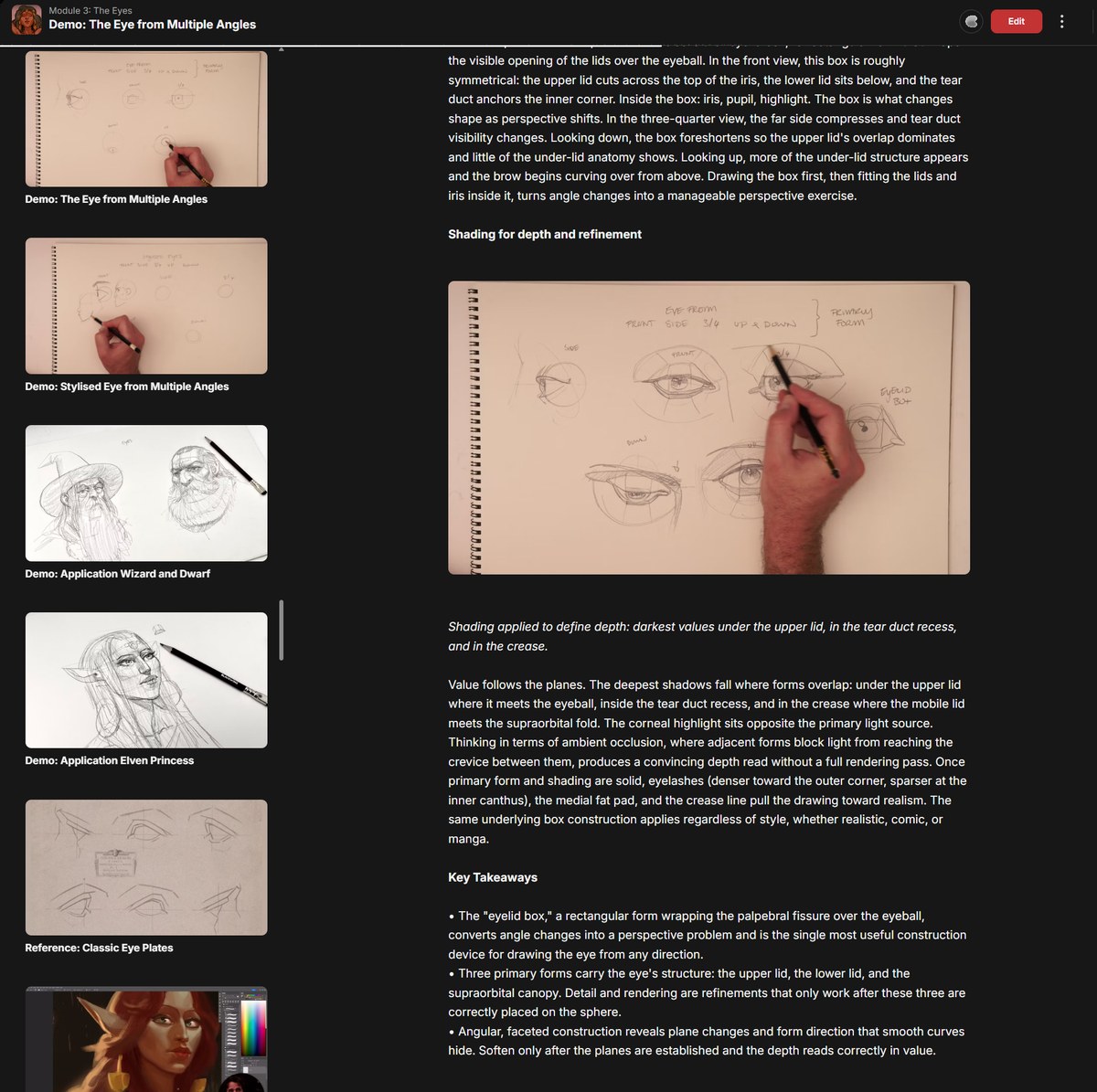
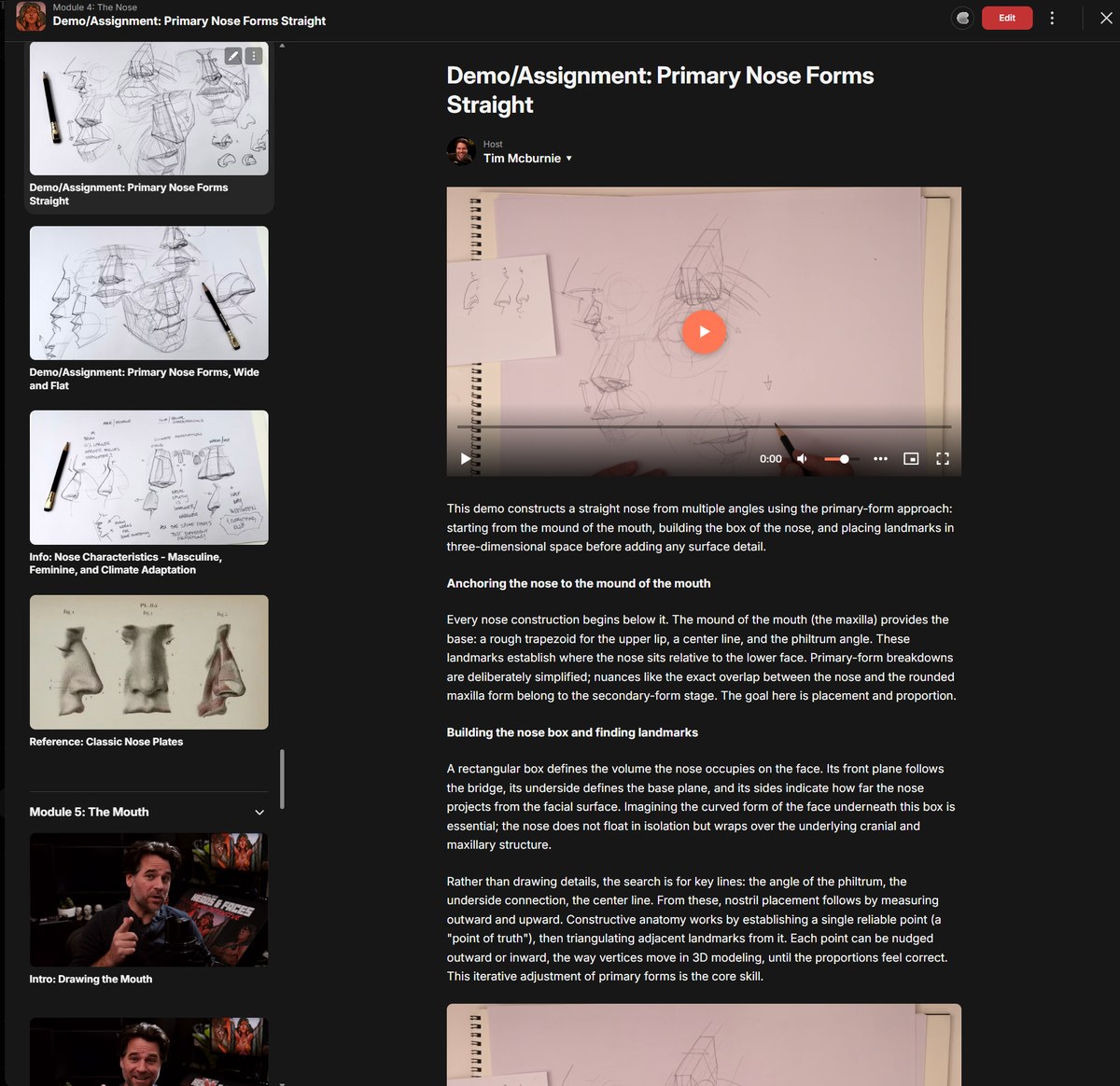
Every module pairs two exercises, and the course's applied demos turn those studies into finished illustrations.
1. The accuracy exercise. The real proportions, in the tradition of the European ateliers and academies. What the feature is, how it's built, and how to draw it from different angles.
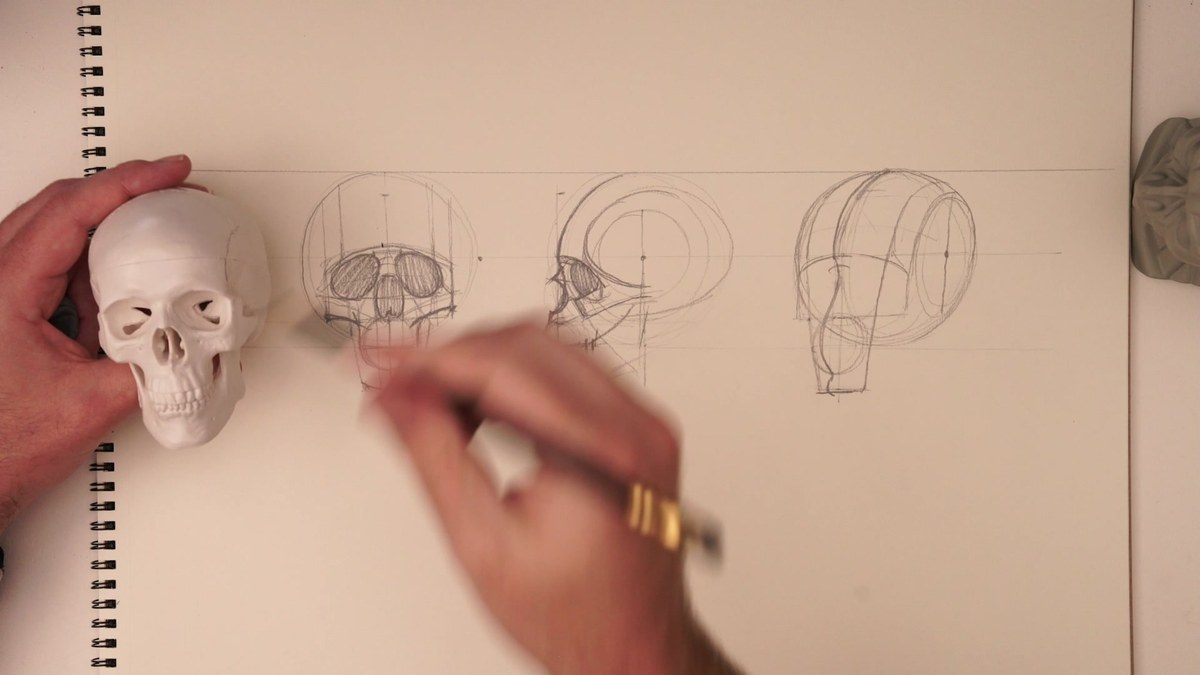
2. The style exercise. The same feature, drawn the way you actually draw. If you work in line, we figure out the lines. If you paint, paint it. This is where the proportions get exaggerated and made to fit your own work.
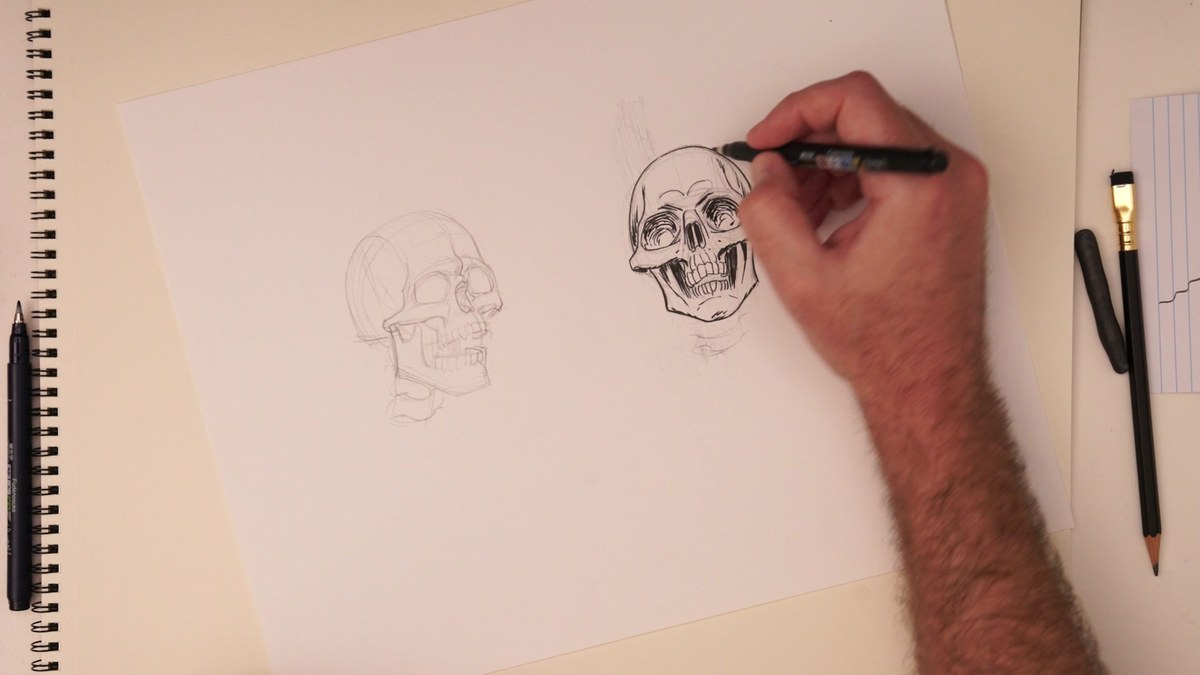
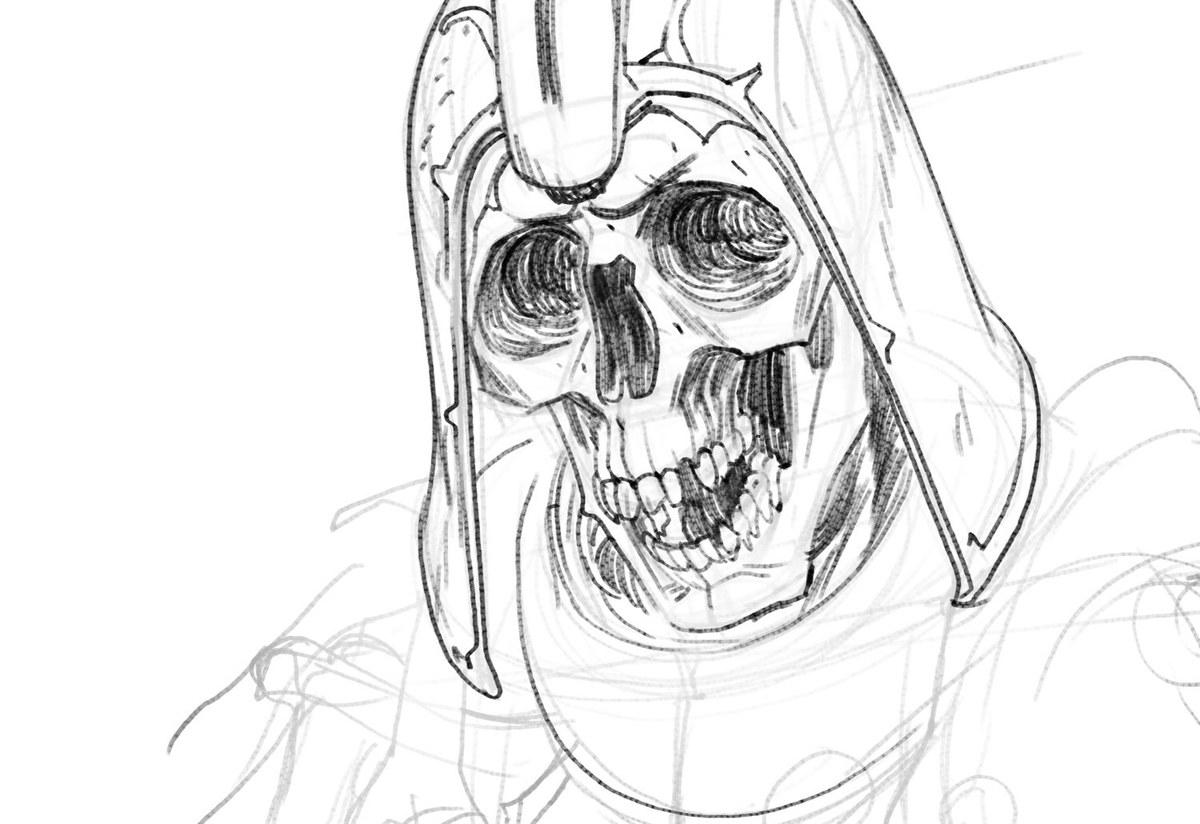
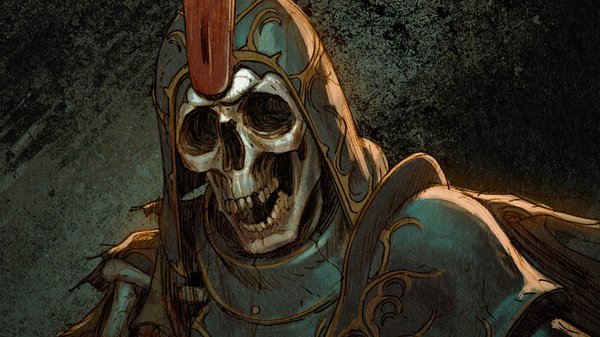
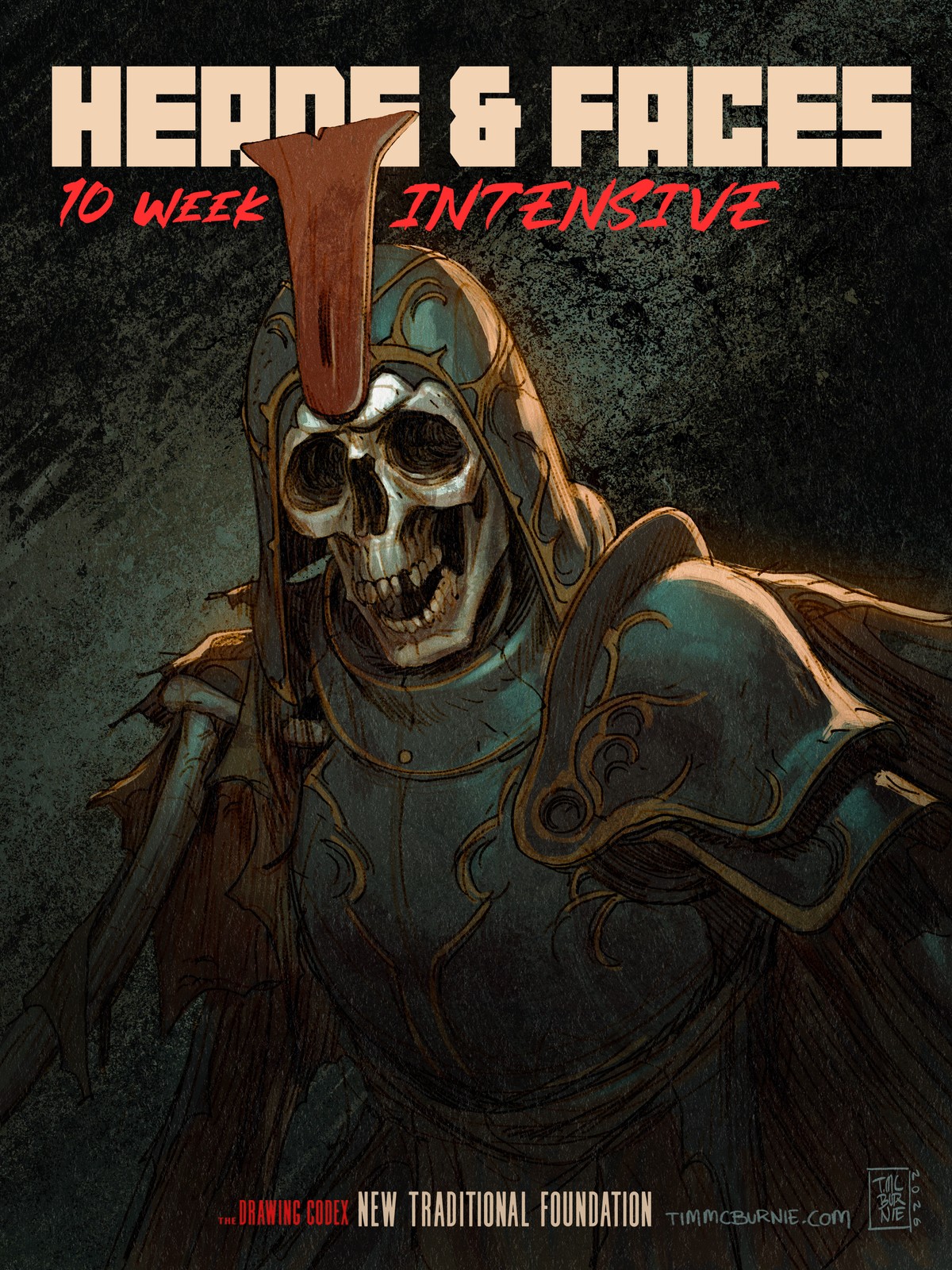
3. The applied demos. Finished illustrations that use everything from the studies. For the skull, it's an undead skeleton warrior.
Alongside the core lessons, each feature comes with extra videos: fantasy and sci-fi translations (how real ears become elf ears, how an orc mouth gets its teeth) and style deep dives on how different artists handle the same feature.
Everything is pre-recorded and self-paced. Take a module a week, or set whatever pace suits you.
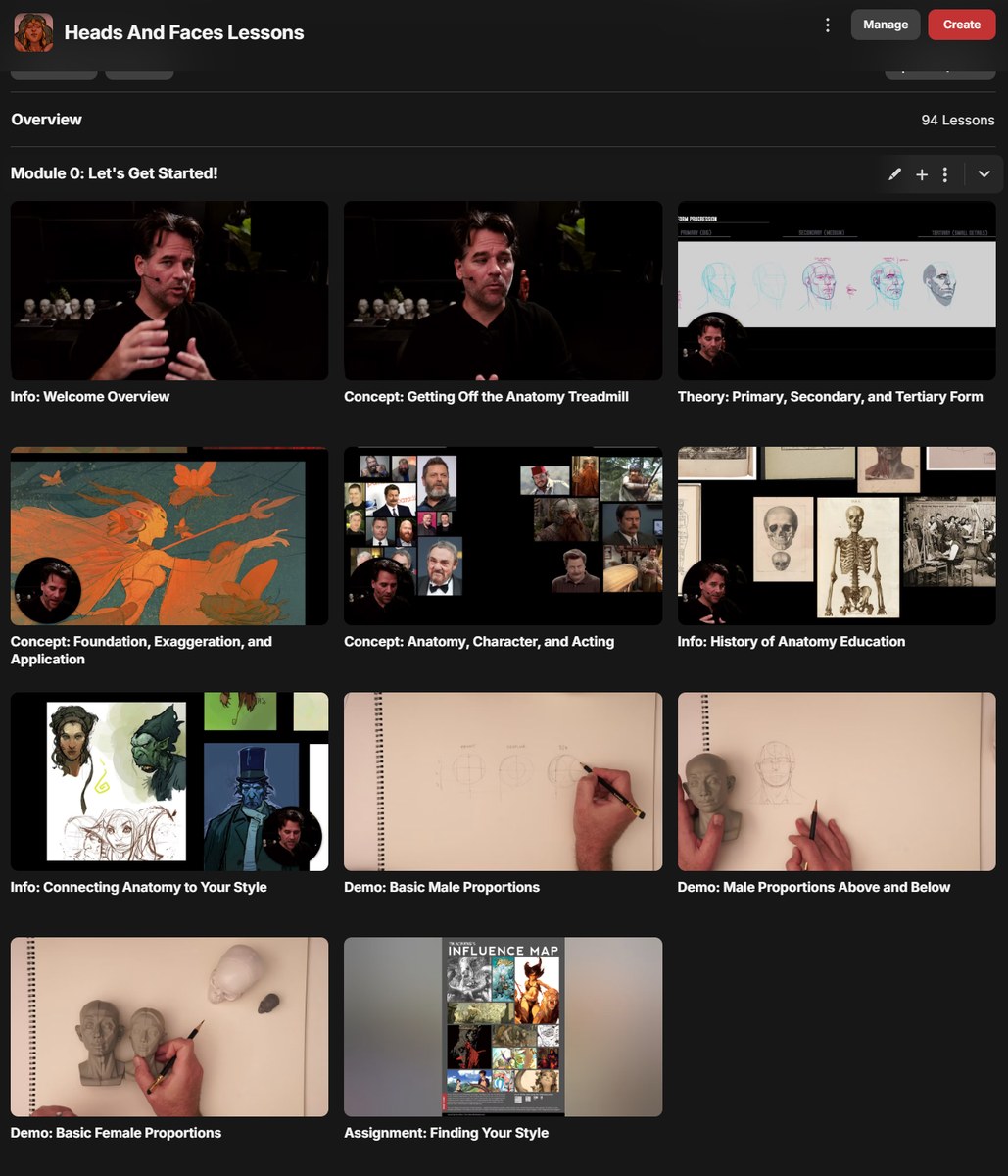
Here's a video rundown of everything you get inside the course.
Module by Module
The Course Curriculum
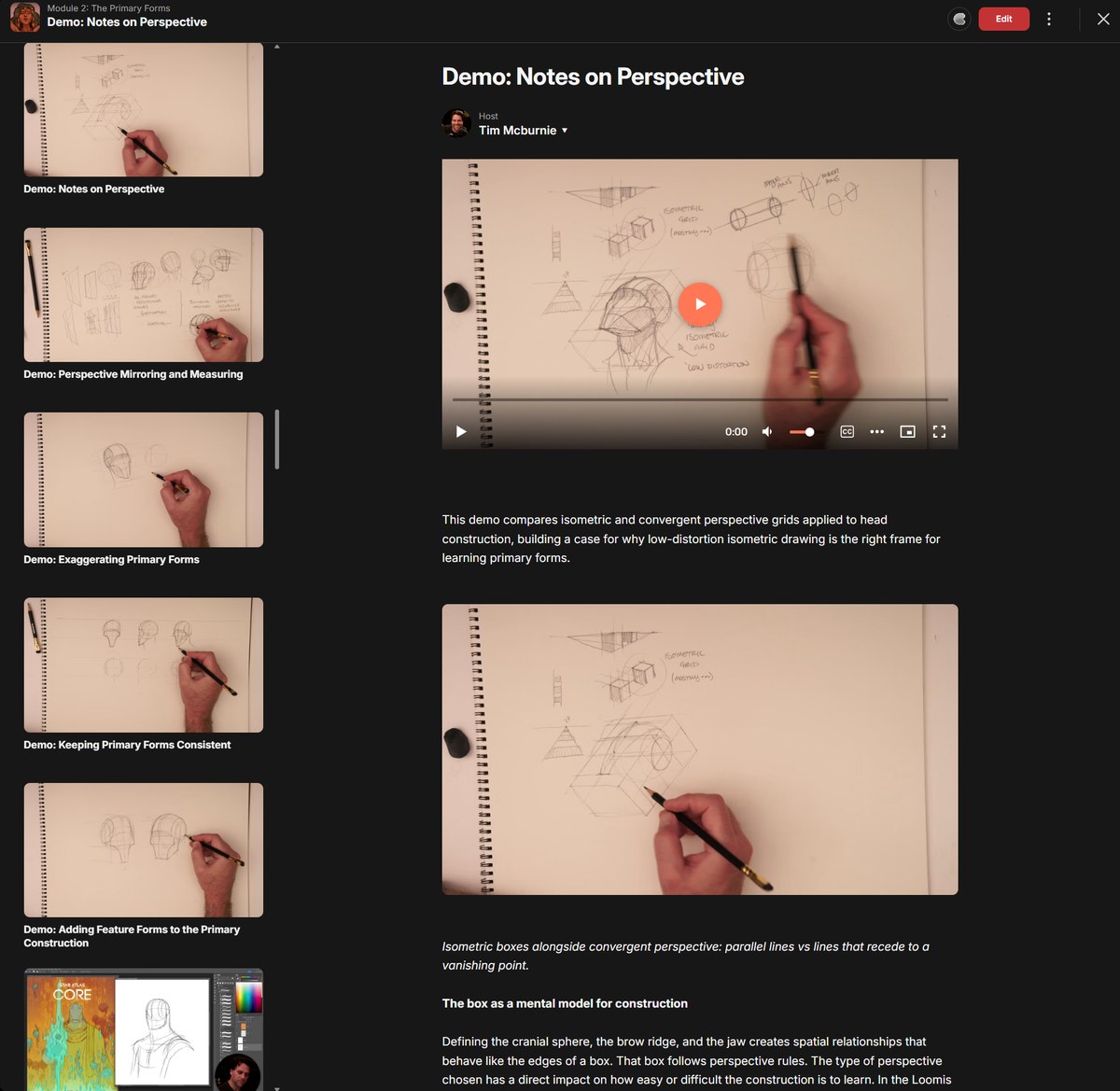
Module 0: Introduction
How the course works, the reference books and models worth having, and where everything is headed.
Module 0: Introduction
How the course works, the reference books and models worth having, and where everything is headed.
How the course works, the reference books and models worth having, and where everything is headed.
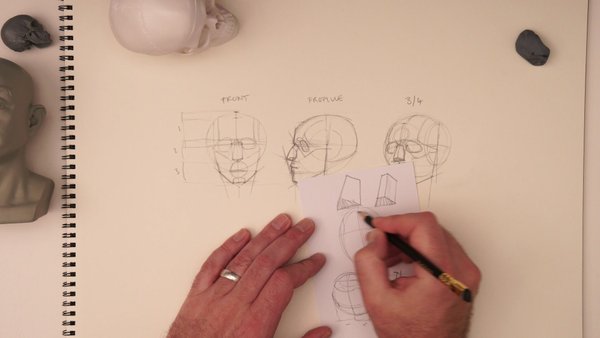
Module 1: The Skull
Everything rests on the skull. Its real proportions and fixed landmarks, how those forms get pushed for characters and creatures, and a demo that turns the study into an undead skeleton warrior.
Module 1: The Skull
Everything rests on the skull. Its real proportions and fixed landmarks, how those forms get pushed for characters and creatures, and a demo that turns the study into an undead skeleton warrior.
Everything rests on the skull. Its real proportions and fixed landmarks, how those forms get pushed for characters and creatures, and a demo that turns the study into an undead skeleton warrior.
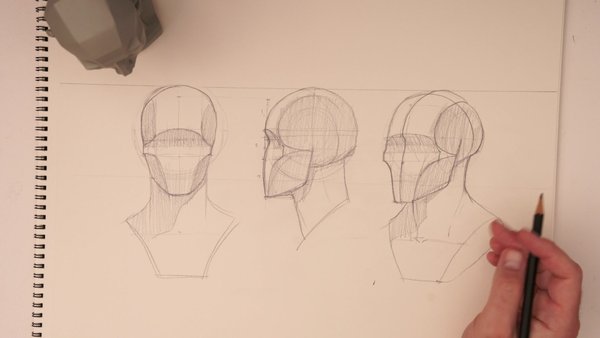
Module 2: Primary Forms of the Face
Simplifying the skull into the few big forms you actually draw with: the sphere of the cranium, the jaw, and the major plane changes. This is how you rotate a head without guessing.
Module 2: Primary Forms of the Face
Simplifying the skull into the few big forms you actually draw with: the sphere of the cranium, the jaw, and the major plane changes. This is how you rotate a head without guessing.
Simplifying the skull into the few big forms you actually draw with: the sphere of the cranium, the jaw, and the major plane changes. This is how you rotate a head without guessing.
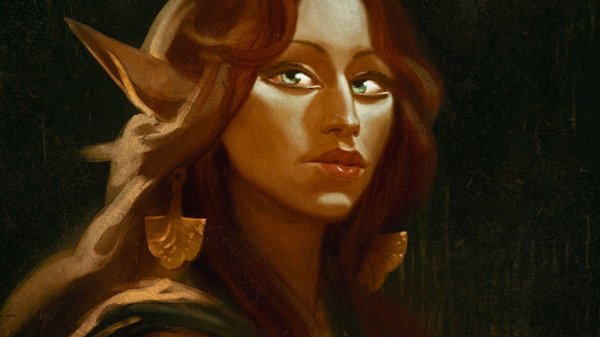
Module 3: The Eyes
The eye as a form in its socket, how it reads from different angles, and the link between real anatomy and the simplest graphic eye. Even two dots have to sit in the right place.
Module 3: The Eyes
The eye as a form in its socket, how it reads from different angles, and the link between real anatomy and the simplest graphic eye. Even two dots have to sit in the right place.
The eye as a form in its socket, how it reads from different angles, and the link between real anatomy and the simplest graphic eye. Even two dots have to sit in the right place.
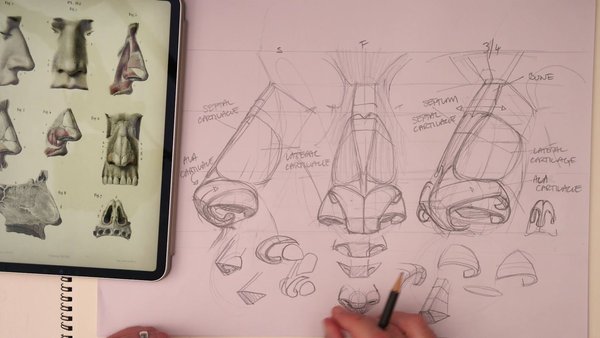
Module 4: The Nose
The feature that most often makes a character distinctive. The underlying form and anatomy first, then exaggerating it into a whole range of different characters.
Module 4: The Nose
The feature that most often makes a character distinctive. The underlying form and anatomy first, then exaggerating it into a whole range of different characters.
The feature that most often makes a character distinctive. The underlying form and anatomy first, then exaggerating it into a whole range of different characters.
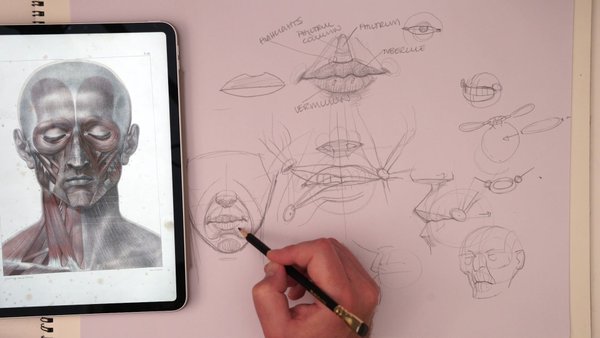
Module 5: The Mouth
The mouth as a 3D form over the teeth and jaw. How it opens, where the teeth and tongue go, which lip moves in a smile, and then reshaping it all for stylized characters and monsters.
Module 5: The Mouth
The mouth as a 3D form over the teeth and jaw. How it opens, where the teeth and tongue go, which lip moves in a smile, and then reshaping it all for stylized characters and monsters.
The mouth as a 3D form over the teeth and jaw. How it opens, where the teeth and tongue go, which lip moves in a smile, and then reshaping it all for stylized characters and monsters.
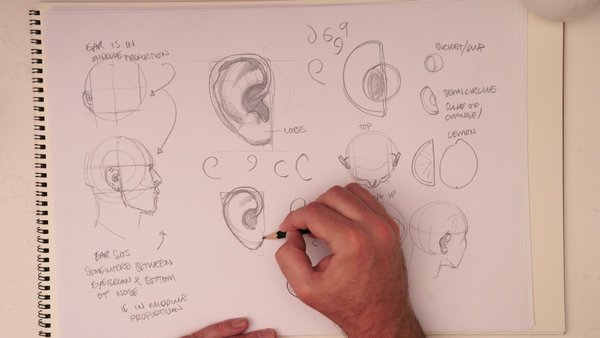
Module 6: The Ears
A complicated feature you have to know cold: real ears, elf ears, orc ears, and a system for remembering where everything goes.
Module 6: The Ears
A complicated feature you have to know cold: real ears, elf ears, orc ears, and a system for remembering where everything goes.
A complicated feature you have to know cold: real ears, elf ears, orc ears, and a system for remembering where everything goes.
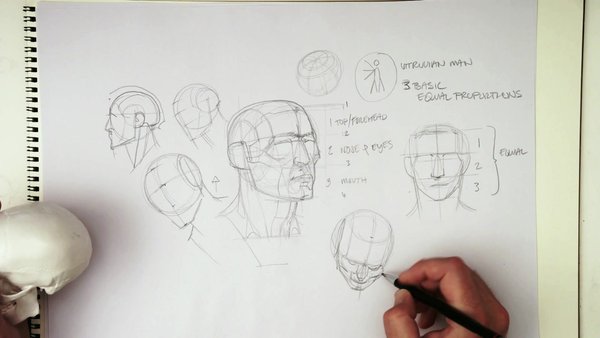
Module 7: Loomis Systems
The classic system for blocking in and rotating the head, taught where it belongs: after the anatomy.
Module 7: Loomis Systems
The classic system for blocking in and rotating the head, taught where it belongs: after the anatomy.
The classic system for blocking in and rotating the head, taught where it belongs: after the anatomy.
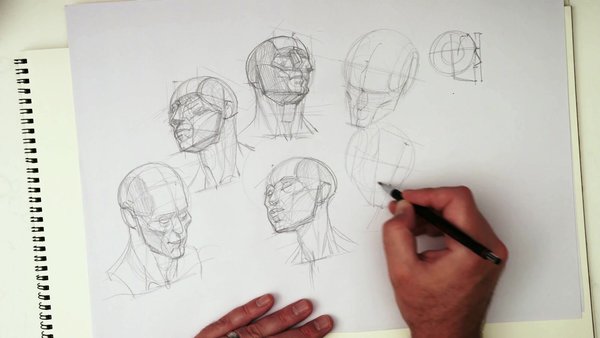
Module 8: Extreme Angles
The head from above, below, and the difficult angles, and keeping a character consistent all the way around the rotation.
Module 8: Extreme Angles
The head from above, below, and the difficult angles, and keeping a character consistent all the way around the rotation.
The head from above, below, and the difficult angles, and keeping a character consistent all the way around the rotation.
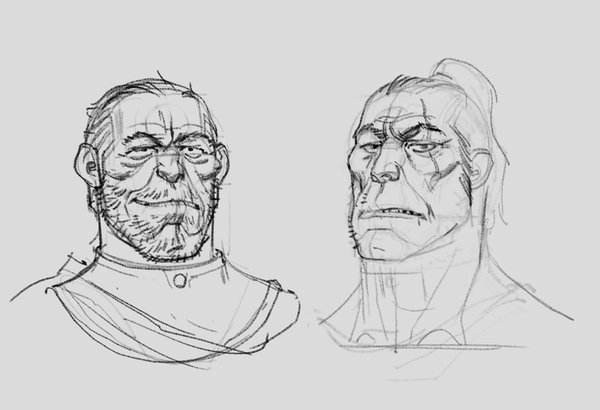
Module 9: Studying Faces
Working from real actors: reading an interesting face, extracting its distinctive features and proportions, and rebuilding them as a character of your own.
Module 9: Studying Faces
Working from real actors: reading an interesting face, extracting its distinctive features and proportions, and rebuilding them as a character of your own.
Working from real actors: reading an interesting face, extracting its distinctive features and proportions, and rebuilding them as a character of your own.
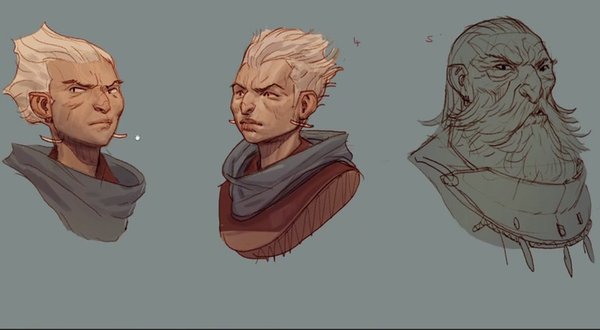
Module 10: Hair, Facial Hair & Finishing
Hair, facial hair, glasses, and the finishing elements that complete the character.
Module 10: Hair, Facial Hair & Finishing
Hair, facial hair, glasses, and the finishing elements that complete the character.
Hair, facial hair, glasses, and the finishing elements that complete the character.
The Ultimate Guide to the Loomis Method
A complete nine-lesson guide to the Loomis method, included with the course: the full system for constructing and rotating the head.
The Ultimate Guide to the Loomis Method
A complete nine-lesson guide to the Loomis method, included with the course: the full system for constructing and rotating the head.
A complete nine-lesson guide to the Loomis method, included with the course: the full system for constructing and rotating the head.
What's Included
The Heads and Faces Course
Eleven Modules, Skull to Finished Characters
Pre-recorded lessons covering the skull, the primary forms, every feature of the face, the Loomis systems, extreme angles, real faces, and finishing.
The Ultimate Guide to the Loomis Method
Nine lessons on the classic head construction system, included with the course.
An Accuracy and a Style Exercise in Every Module
One exercise for the real proportions and structure, one for exaggerating them into your own style.
Fantasy and Sci-Fi Feature Translations
Extra videos for each feature: elf ears, orc teeth, monster mouths, plus style deep dives on how different artists draw the same forms.
The Course Community Space
Share your work, see what everyone else makes of the same exercises, and ask questions.
The Grand Atelier: The Art Ritual Space and the Oracle
Every major Drawing Codex course includes the main community space. The Art Ritual space runs a weekly art thread and a monthly livestream and Q&A, and the Oracle is my teaching library organised by topic: composition, sketching, anatomy, thumbnailing, and planning your development as an artist.
Special launch offer ends in:
After this prices return to normal.
The launch offer has ended
Get the Heads and Faces Course
Pay once. Lifetime access. 60-day money-back guarantee.
Drawing Heads and Faces Course
The complete course.
$290 USD
- Eleven modules from the skull to finished characters
- The Ultimate Guide to the Loomis Method
- An accuracy exercise and a style exercise in every module
- Fantasy and sci-fi feature translations and style deep dives
- The course community space and the Grand Atelier
- Lifetime access
- 60-day money-back guarantee
Drawing Heads and Faces Professional
Everything in the Heads and Faces Course plus the Pro Character Covers Bonus Course.
$390
$290
USD
- Everything in the Drawing Heads and Faces Course
The Pro Character Covers Bonus Course
A character portrait taken from thumbnail to a finished cover illustration. Nine hours, eighteen lessons.
Try it Risk Free
I am offering a 60 day Guarantee. If you try the course out for 60 days and decide ultimately that it's not for you, I will refund you 100%. No questions asked.
I want this course to work for you. If it's not a good fit - no problem. Send me an email and I'll give you your money back.
The Bonus Course
Pro Character Covers
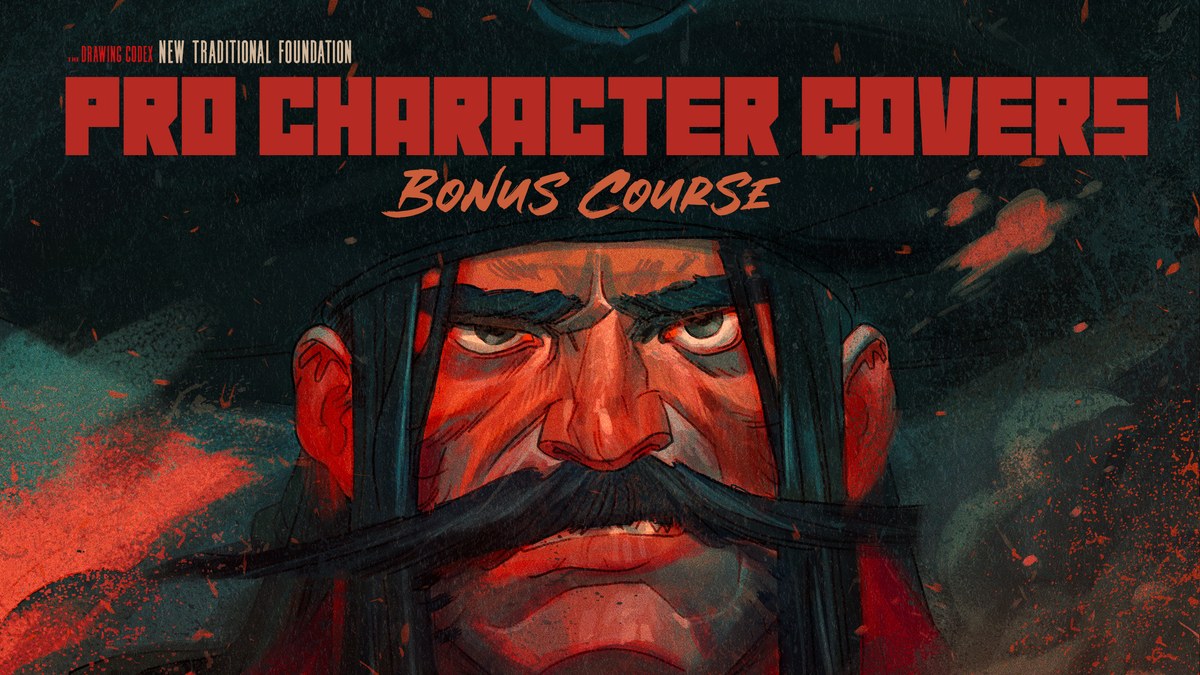
Pro Character Covers teaches you how to create a professional-level cover. It takes the technical and anatomy knowledge from Heads and Faces and applies it to the task of creating professional illustrations.
In it, you will learn:
- Which elements of composition apply to portraits and character-focused covers
- How to understand your character and express emotion through them
- How to understand and complete an illustration brief
- How to ideate and create thumbnails
- How to select your final three thumbnails and present them in colour, in a professional way, plus techniques for quickly creating variations to send to an art director or editor
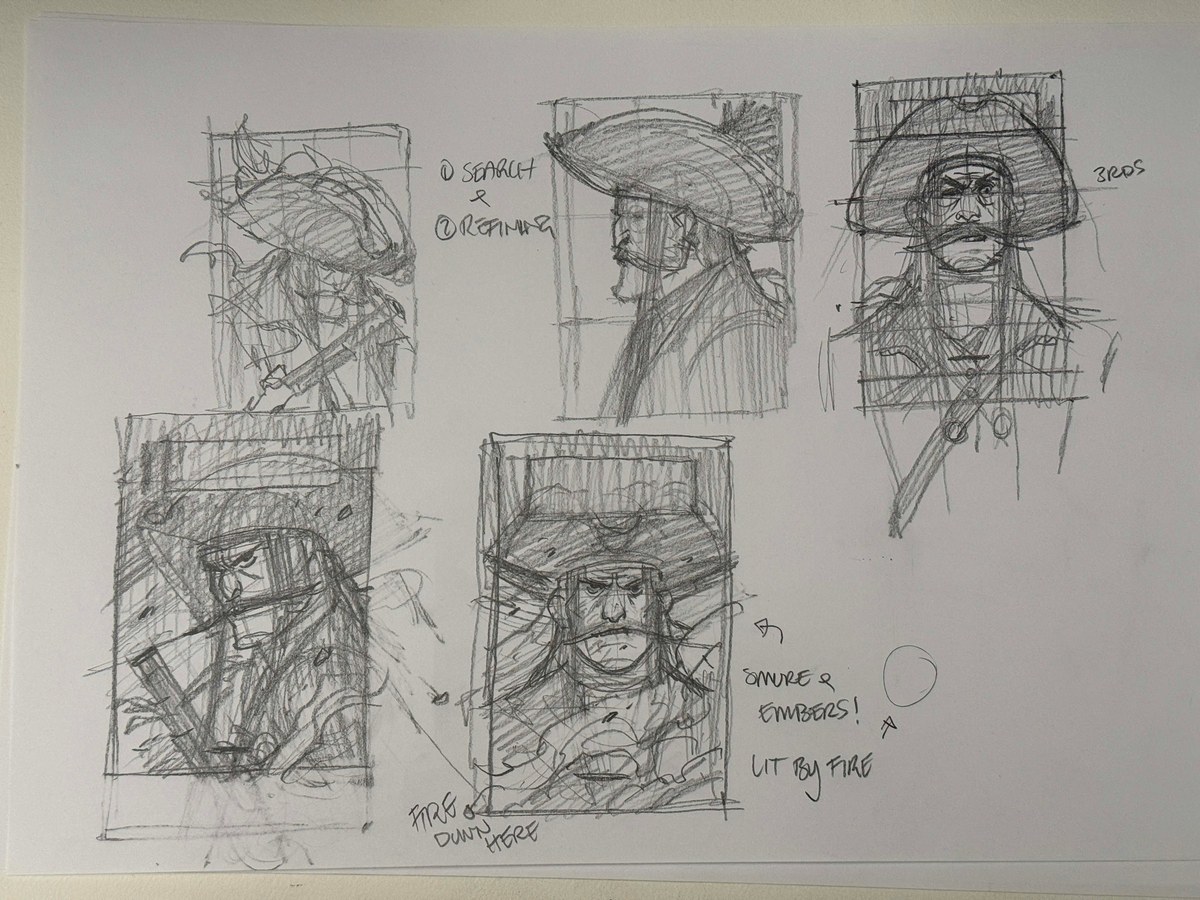
The main illustration demo. We draw the pirate Jeckhide from my 2007 comic Seven Pirates, and we talk about:
- Who the character is
- Different ways to represent him
- How to try out different lighting and moods
- How the elements of composition relate to this type of portrait
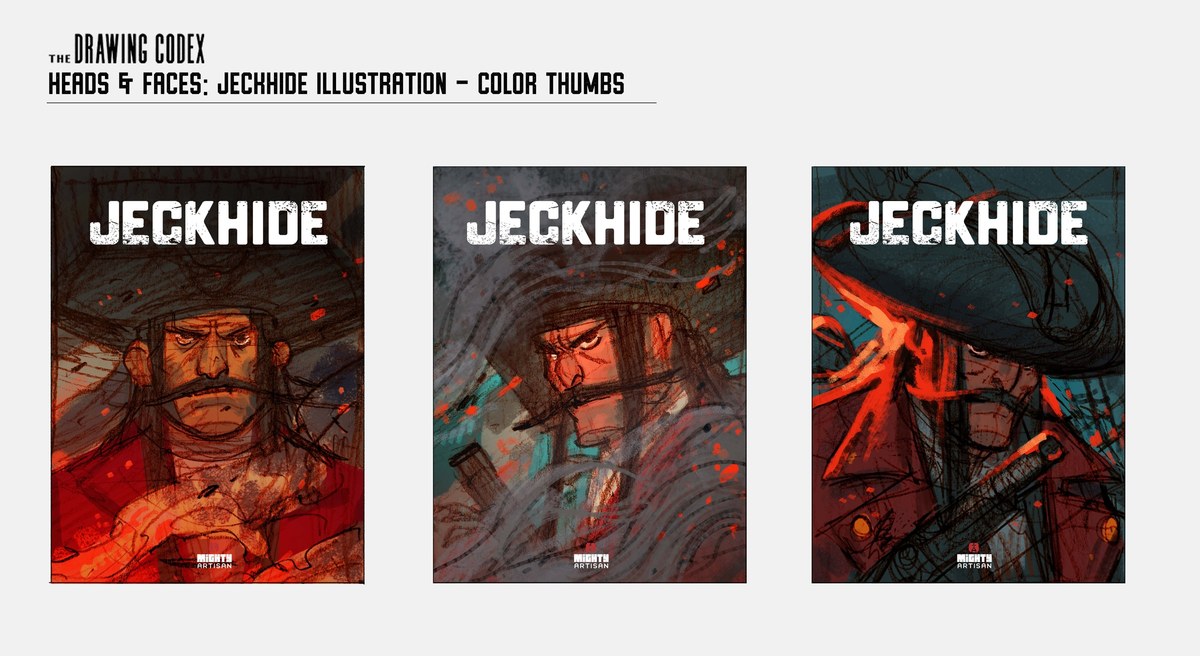
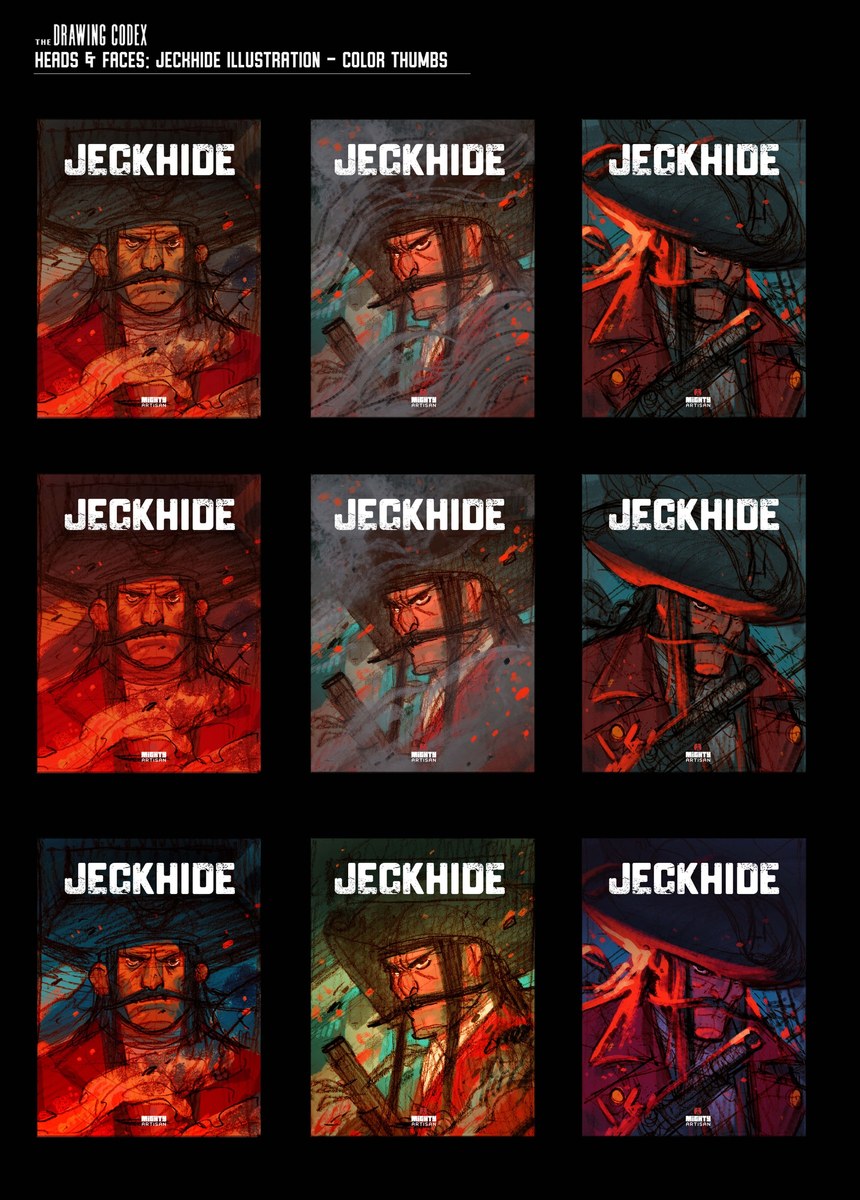
The style is a hybrid of painting and line and colour, but the techniques work just as well for a pure comic book style or a fully painted style. We go over:
- Creating the thumbnails
- Multiple rough passes to refine the character and get him dialled in
- Flat colours, shading, rendering special effects and fire, and colour grading
- Quick typography, to plan and enhance the visual impact of a cover illustration
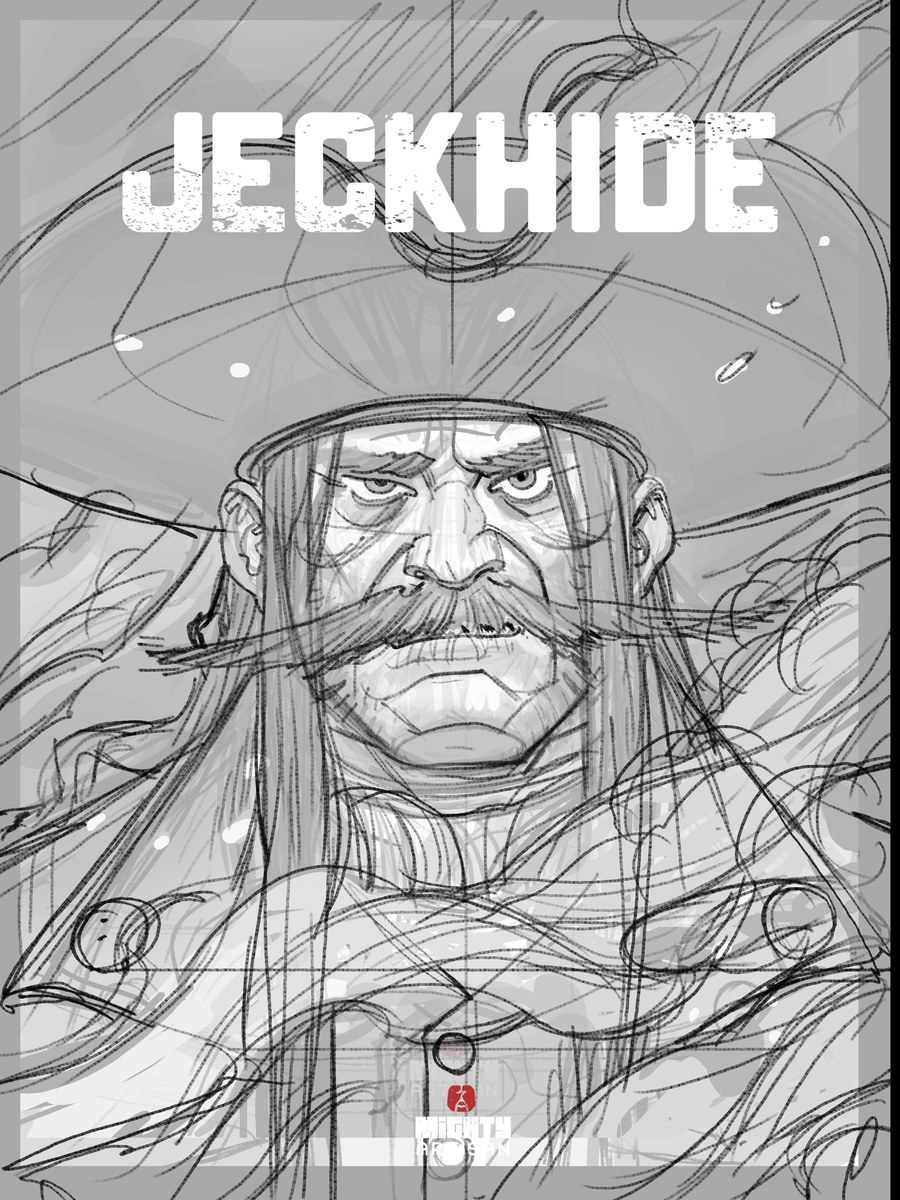
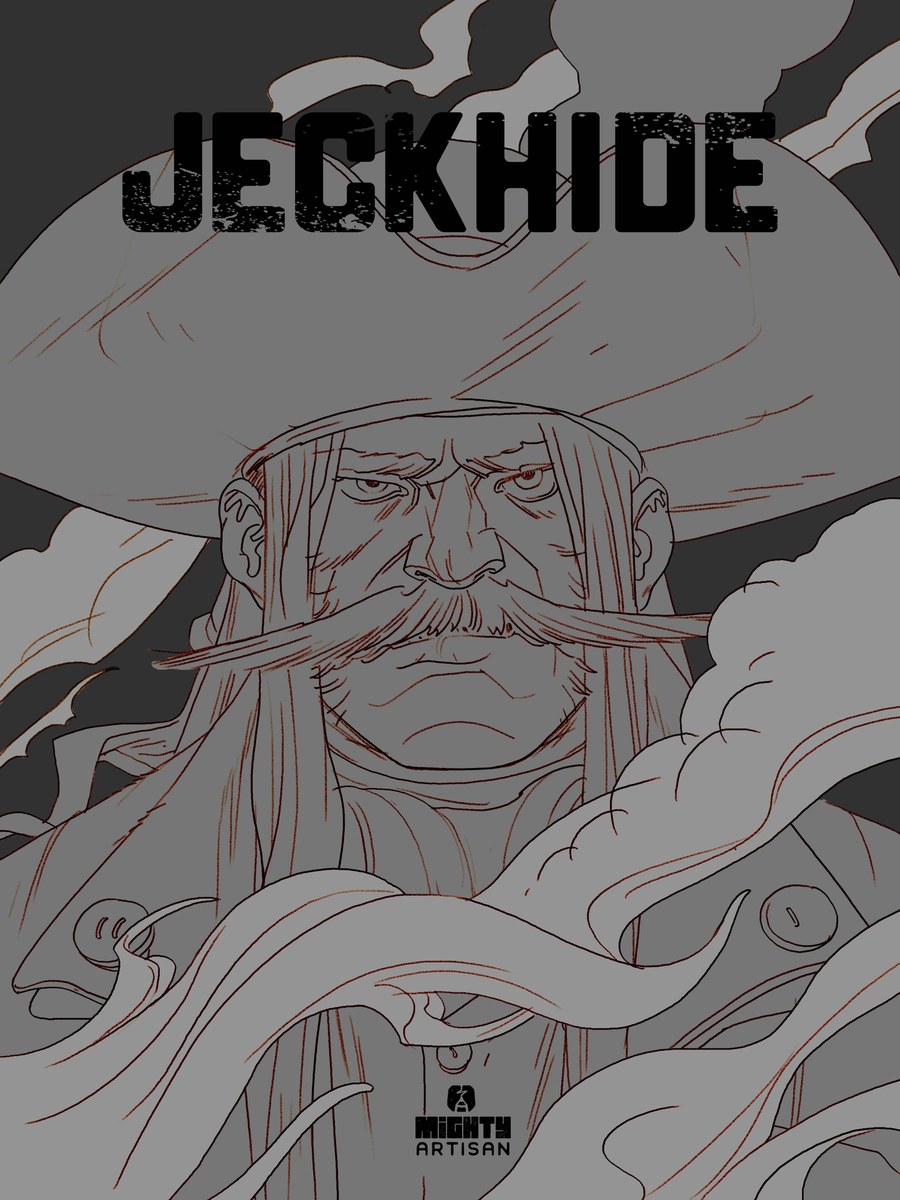
What you get. Eighteen videos, nine hours in all, plus the high-resolution files, the Photoshop documents, and the brushes.
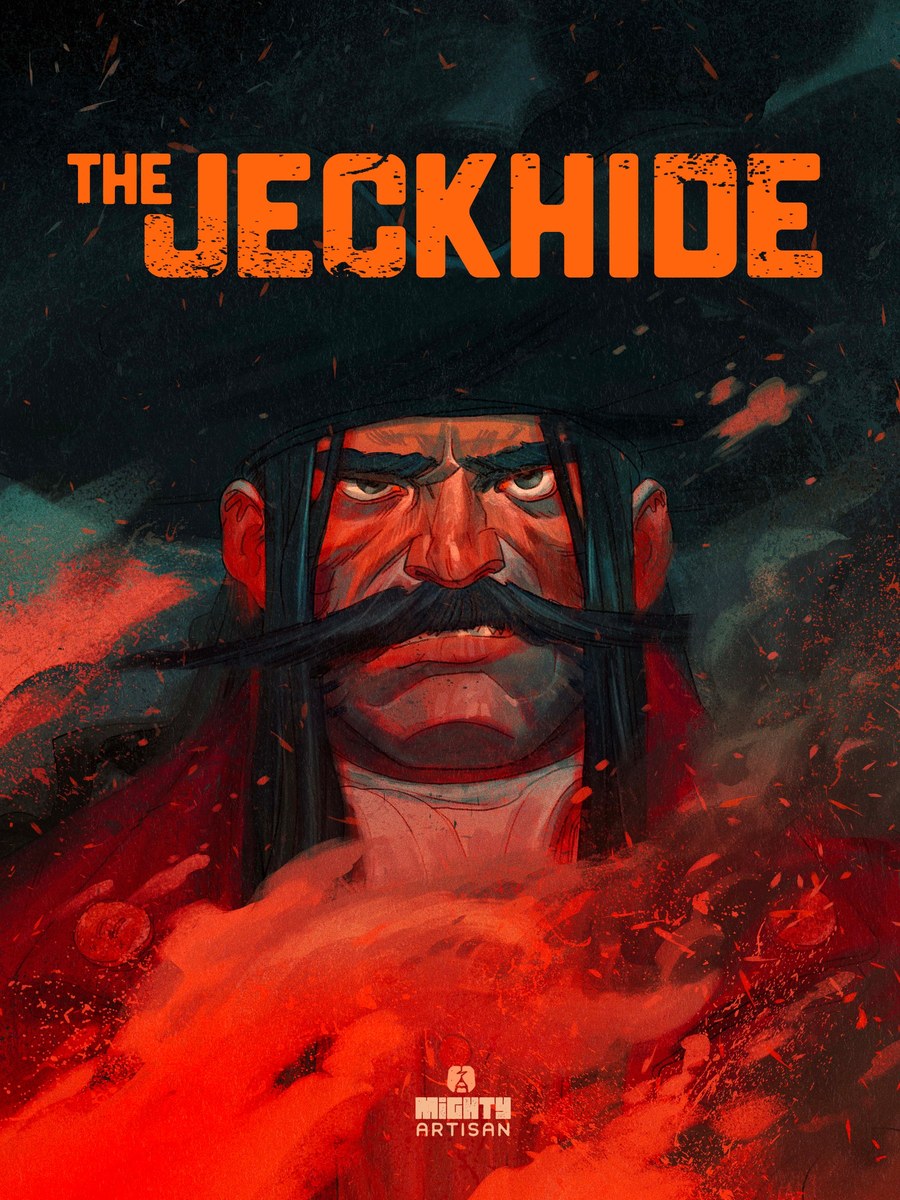
The three modules.
1. Illustration Principles. Five lessons on what makes a picture work, from Andrew Loomis's composition principles to the ones that matter most for a portrait, with a film study assignment to put them to use.
2. Thumbnailing. Eight lessons taking Jeckhide from a character design to five pencil thumbnails, three colour thumbnails, and nine colour variations presented the way you would present them to an art director.
3. The Cover, Start to Finish. Five lessons taking the chosen thumbnail through construction, clean lines, flat colour, painting, special effects and the final colour grade, with the title placed and the cover checked against the brief.
Here's a quick look at the Pro Character Covers Bonus Course.
Frequently Asked Questions
Yes. All eleven modules are recorded and live, along with the nine-lesson Ultimate Guide to the Loomis Method. You get everything the moment you join.
Drawing Heads and Faces Professional adds the Pro Character Covers Bonus Course: nine hours of lessons taking a character portrait from thumbnail to a finished cover illustration. Everything else is the same.
Prices return to normal. The course stays open.
Yes. Everyone who joined the course during early access gets the Pro Character Covers Bonus Course added to their library automatically. Nothing to do.
The intensive was the live 10-week cohort I ran this year, with draw-over feedback and livestreams. The course is the self-paced version: all the recorded lessons, exercises, and demos, on your own schedule. It does not include live sessions or personal feedback.
Not personal feedback. Draw-overs and live sessions were part of the intensive and are not part of this course. What you do get is the community space, where you can post your exercises and see how other artists handle the same ones.
Yes. Each feature starts from the real structure and proportions, so beginners and experienced artists start on the same page. The two exercises in each module are where you'll spend most of your time, and the illustration demos are there when you're ready for them.
Yes, that's half the course. Every module pairs the accurate version of a feature with exaggerating it in your style, in your medium. Even if you're just doing dots for eyes, you need to know where those eyes are.
The prices are on the cards above, in US dollars. You can pay in US or Australian dollars from the currency selector on the checkout page.
Yes, a 60-day money-back guarantee. Try the course, and if you decide it's not for you, send me an email within 60 days and I'll refund you 100%. No questions asked.
That's up to you. A module a week is a comfortable pace, but everything is pre-recorded, so you can go faster, slower, or straight to the feature you're working on.
Click any button on this page and it takes you to the checkout. You'll create an account first (name, email, password), then pay on the next screen. Two things worth knowing: prices are advertised in US dollars, and if the checkout shows a different currency there's a selector in the top right corner of the signup screen. And the signup form opens as a pop-up, so if nothing appears when you click Buy, allow pop-ups for the site or try another browser. If you'd like the whole process walked through, there's a step-by-step guide here: How to Sign Up.
Join the Course
Learn to Create Your Cast of Characters
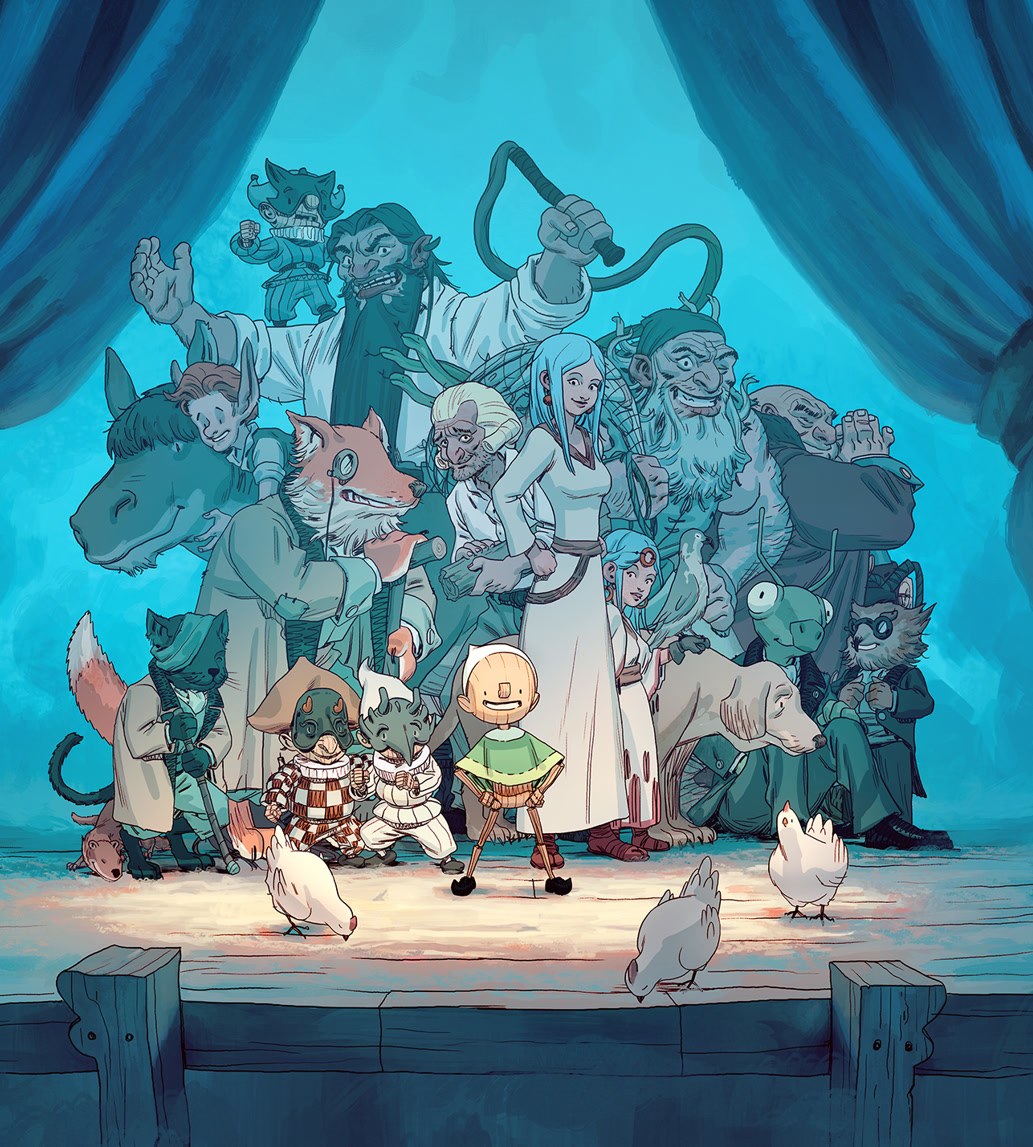
If you've been struggling to draw your characters from different angles, and you've been trying to find someone who can teach you the detailed anatomical, structural things from a stylistic point of view, this is the course for you. Every module is ready the moment you join, and I cannot wait to see the characters you create.