Are Some Art Styles Better Than Others
Summary
The Art Style Question
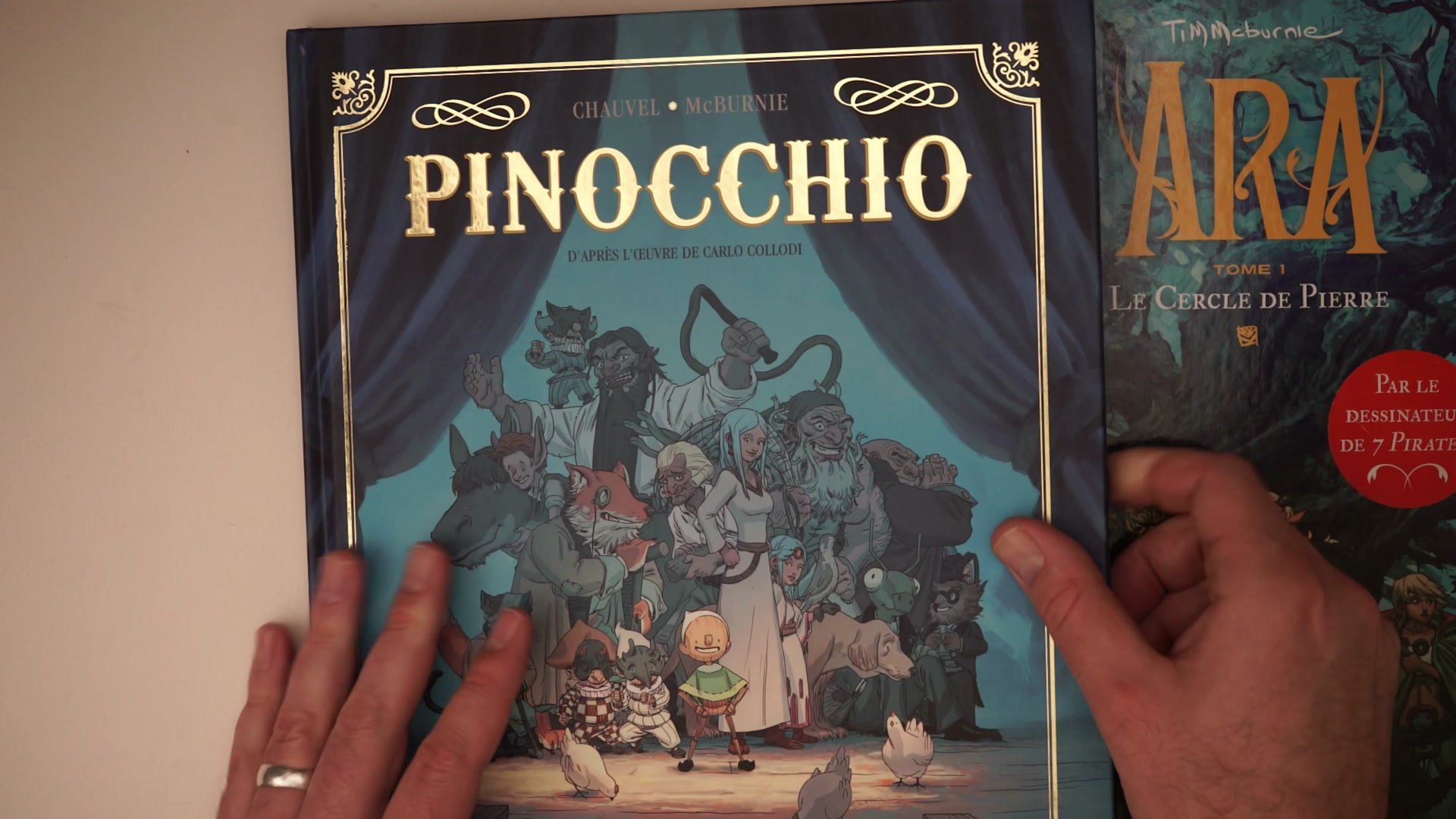
There is a persistent question that haunts artists at every level: are some art styles genuinely better than others? On one side, the advice is to find a unique personal style and follow your passions. On the other, the entertainment industry and commercial art world seem to reward very specific stylistic qualities, things like high contrast, polished rendering, clarity of design, and broad visual appeal. When art needs to catch attention in a bookshop full of thousands of other books, or when a studio is spending hundreds of millions of dollars on a project that needs the widest possible audience, the edges of individuality tend to get filed away.
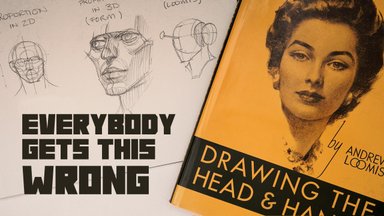
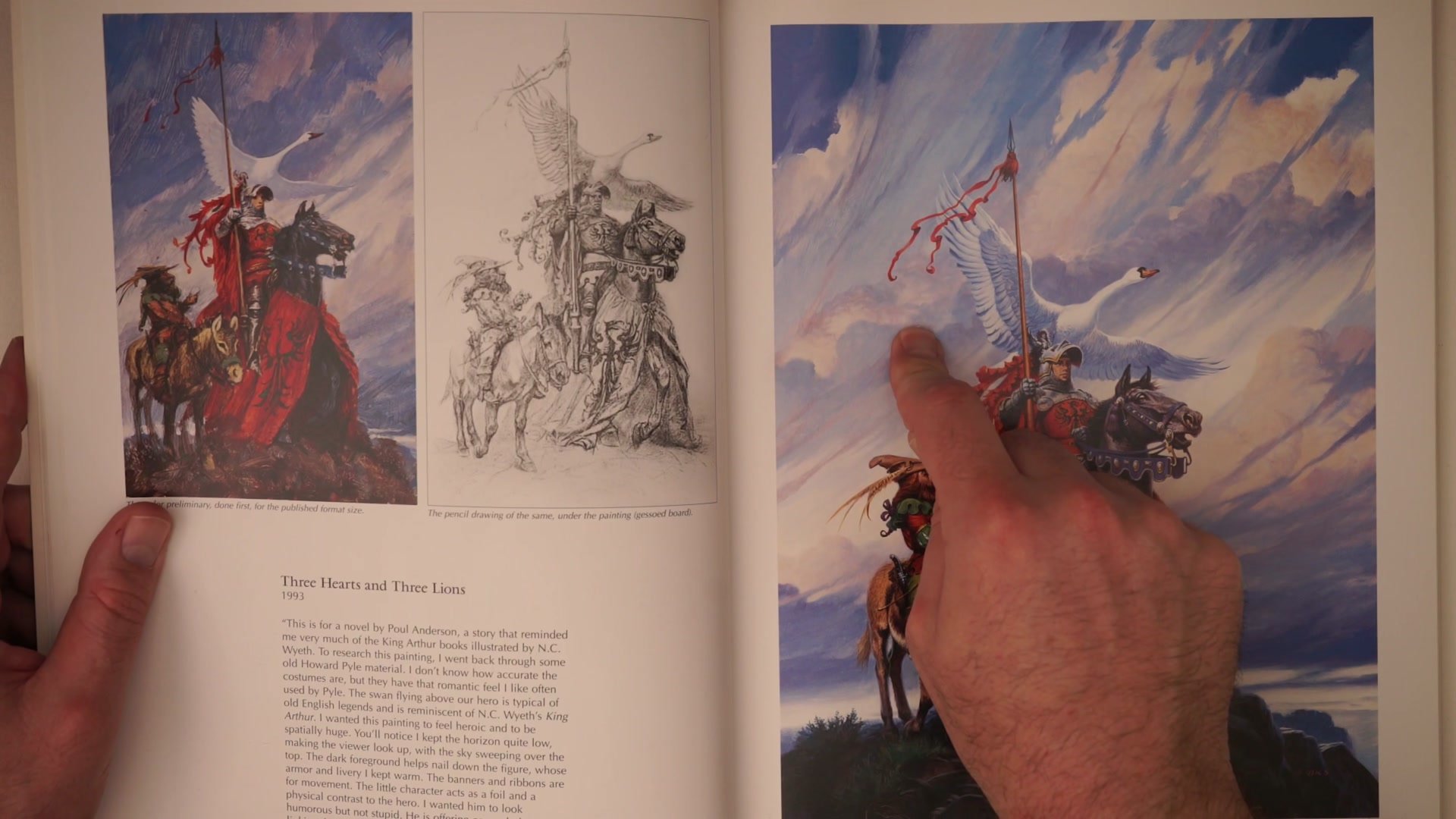
The deeper issue is separating the elements that genuinely make art visually appealing from the elements that are simply conventions of a particular industry or production pipeline. Classical illustration theory, the work of artists like Andrew Loomis and Edgar Payne, provides real principles about how the eye moves through an image, how shapes create clarity, and how tonal patterns draw attention. These principles work because they are grounded in how the human brain actually processes visual information. Understanding the difference between those universal principles and the stylistic preferences of a specific market is one of the most important distinctions an artist can make.
Illustration Theory and Visual Impact
Wide Appeal vs Point of View
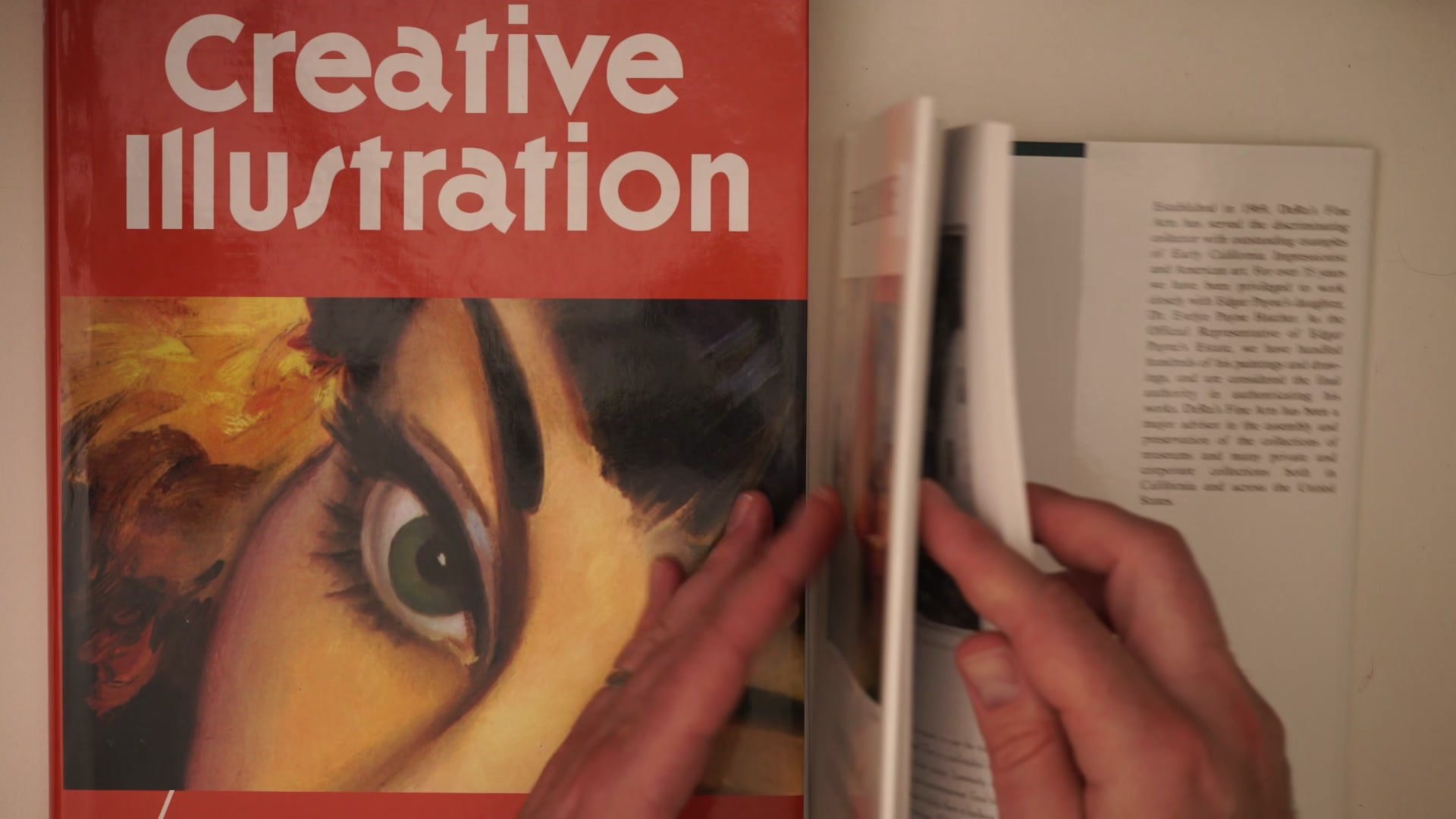
Large-budget productions, whether animated films, AAA video games, or major publishing houses, tend to push toward styles that appeal to the widest possible audience. This is not inherently bad. It is the economic reality of spending hundreds of millions of dollars on a single project. The Total Addressable Market, as business thinking frames it, gets larger the more stylistic edges are smoothed away. That is why so much commercial entertainment converges on similar visual languages: bright, clear, polished, and easy to read.
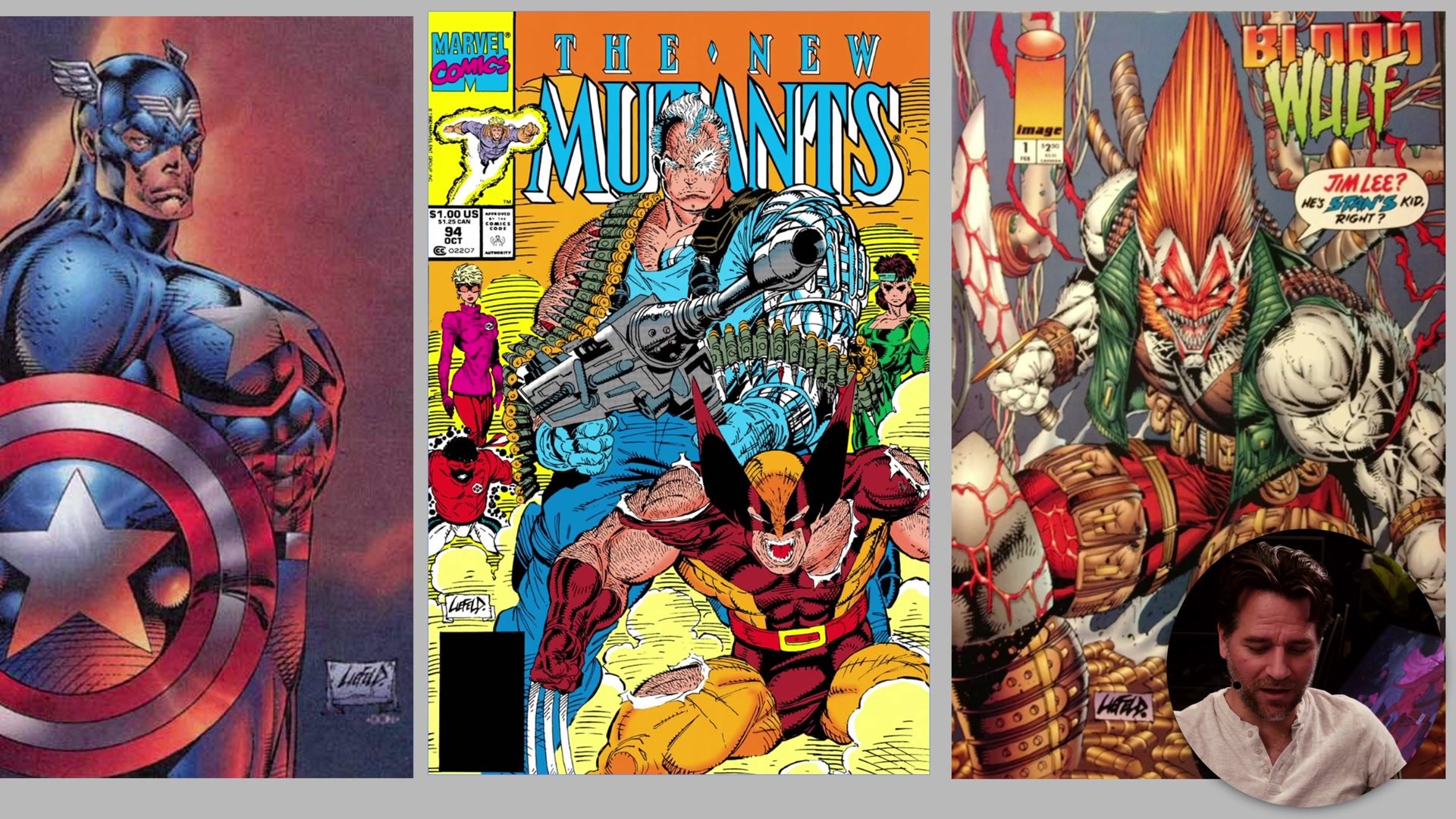
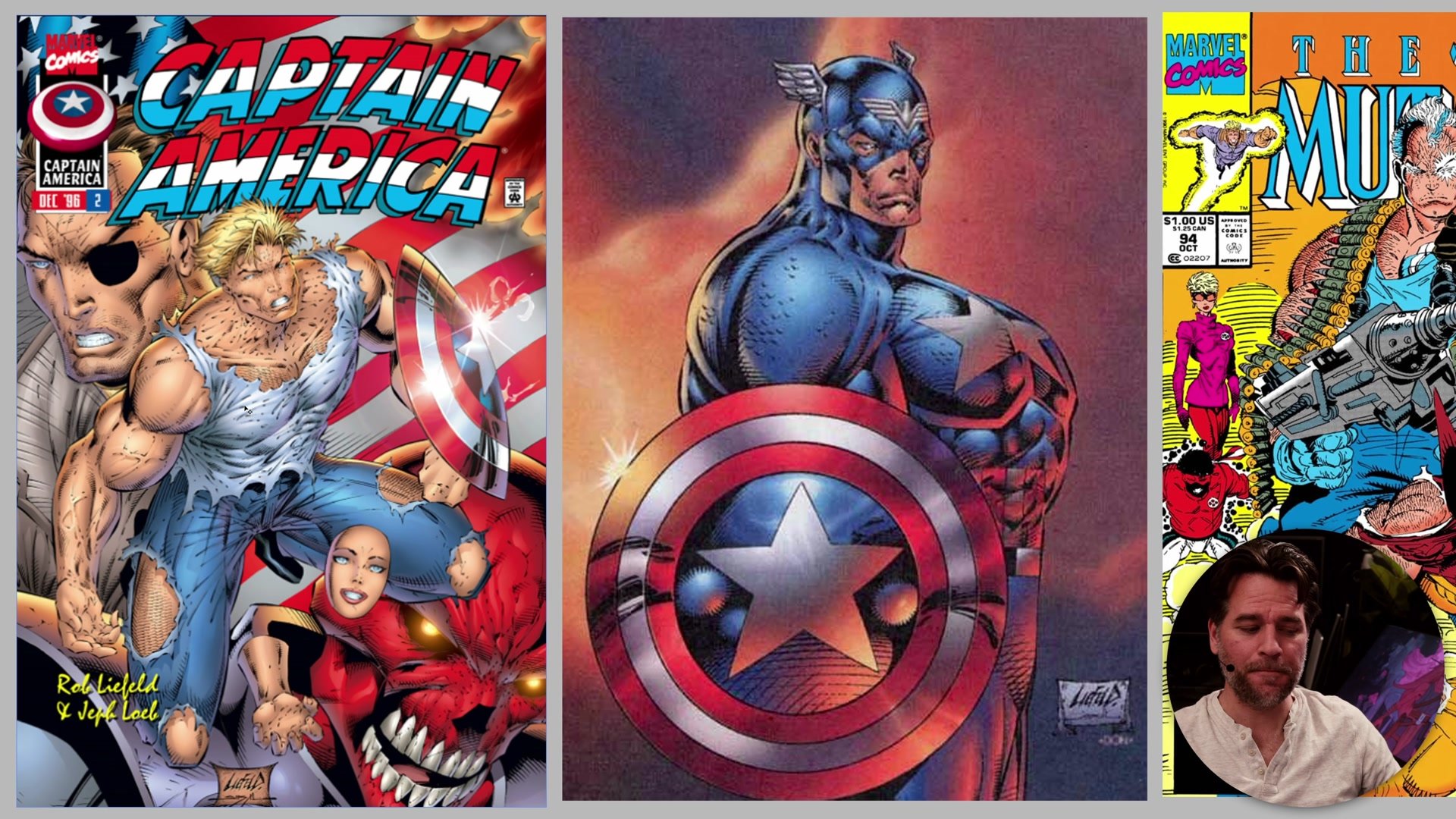
But there is another path. Artists like Rob Liefeld achieved enormous commercial success with a style that many considered technically questionable. What made it work was an extremely strong point of view, an aggressive, kinetic energy that resonated viscerally with a specific audience. That connection was worth more than perfect draftsmanship. The audience did not care about anatomical accuracy. They cared about the feeling the art gave them. This pattern repeats across creative fields: sometimes a unique voice with genuine conviction outperforms technically superior work that lacks personality.
Style, Production, and Creative Freedom
The Functionality Frame
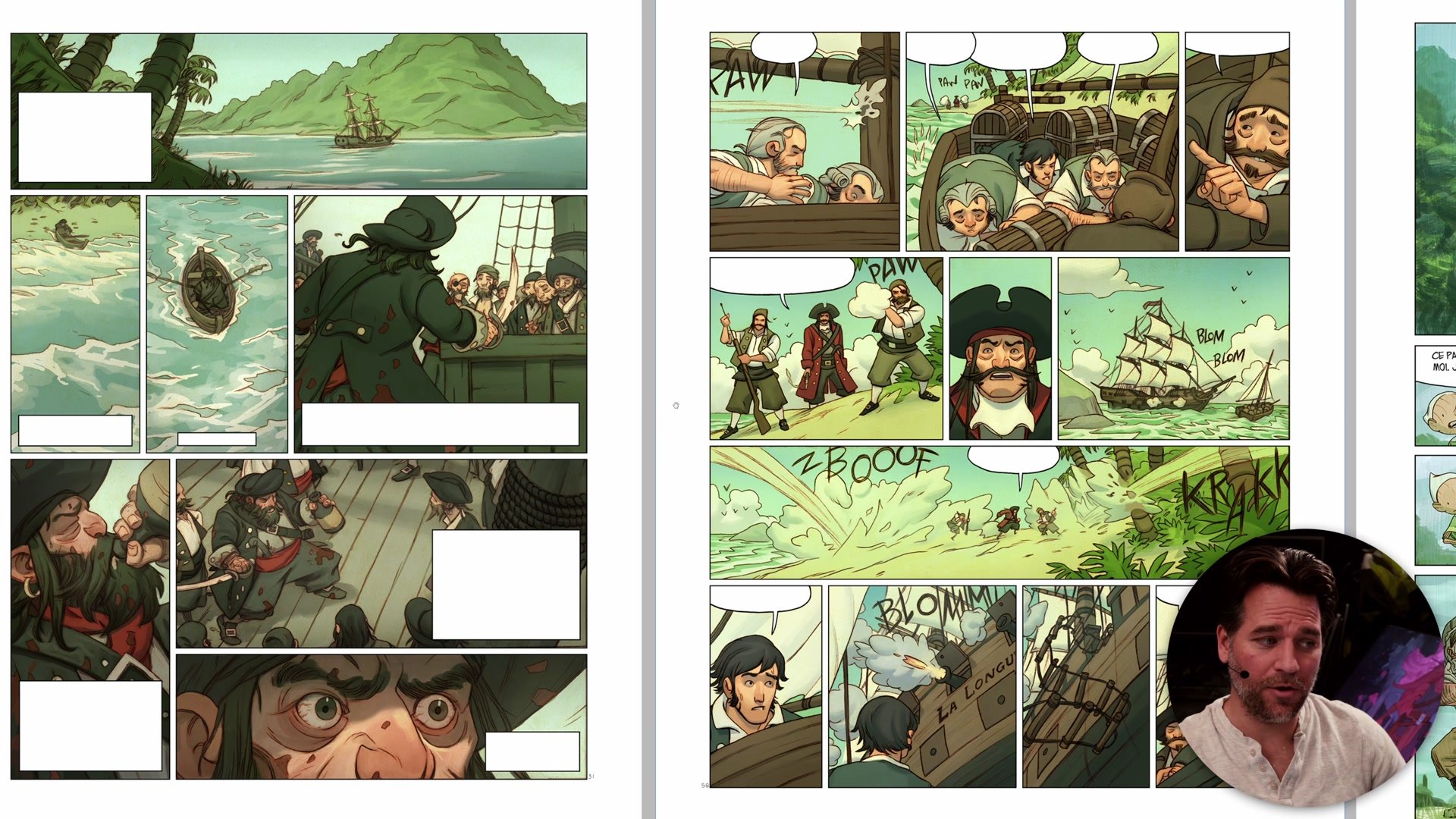
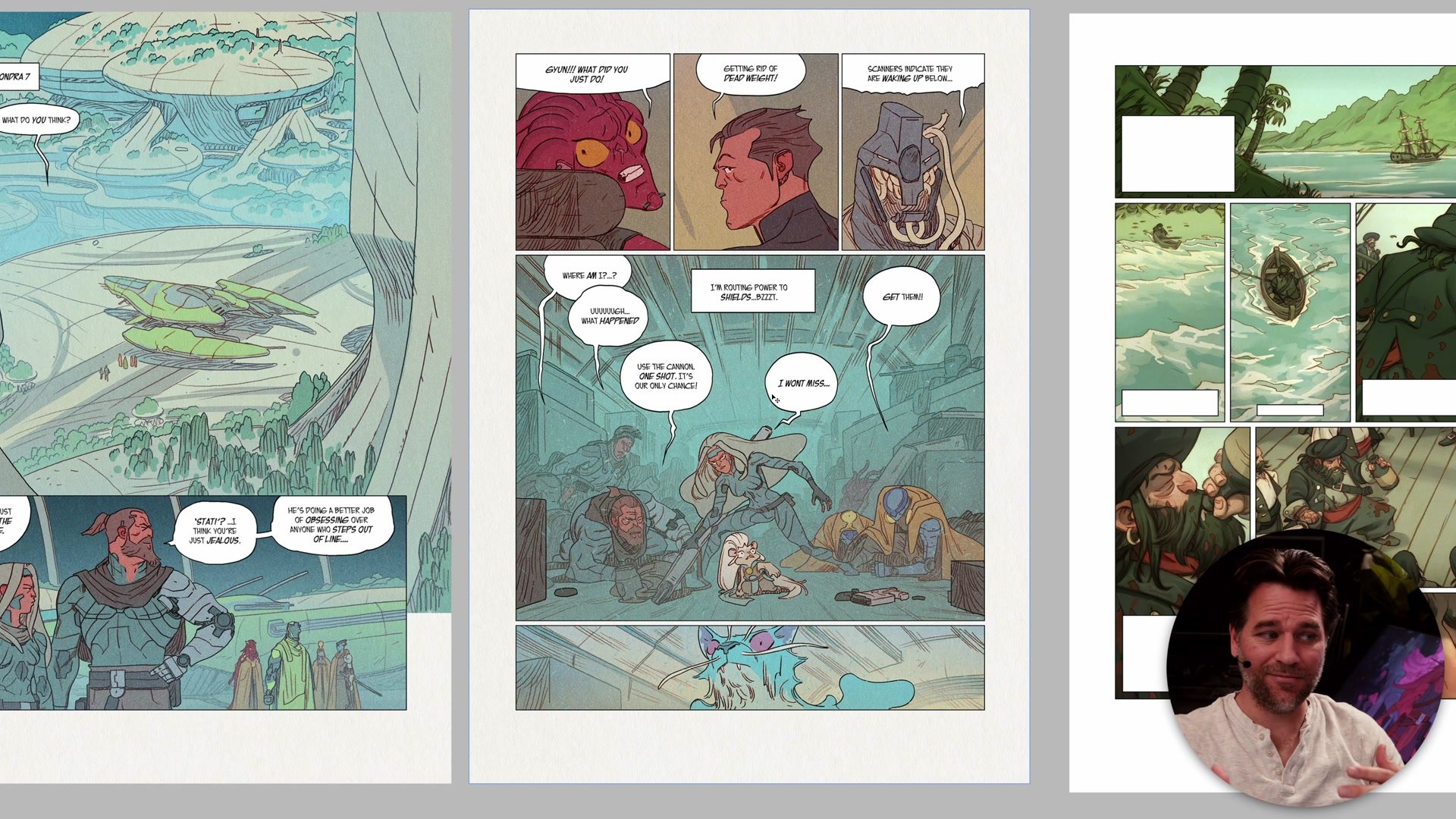
One of the most useful ways to reframe the question of good and bad styles is through the lens of functionality. What does the art actually need to do? In the French comic book industry, the aspiration is detailed, painted pages produced at roughly one page per week. In manga, the pace might be twenty or thirty pages in the same time. Each medium pushes artists toward radically different stylistic choices, not because one is better, but because each serves a different production reality.
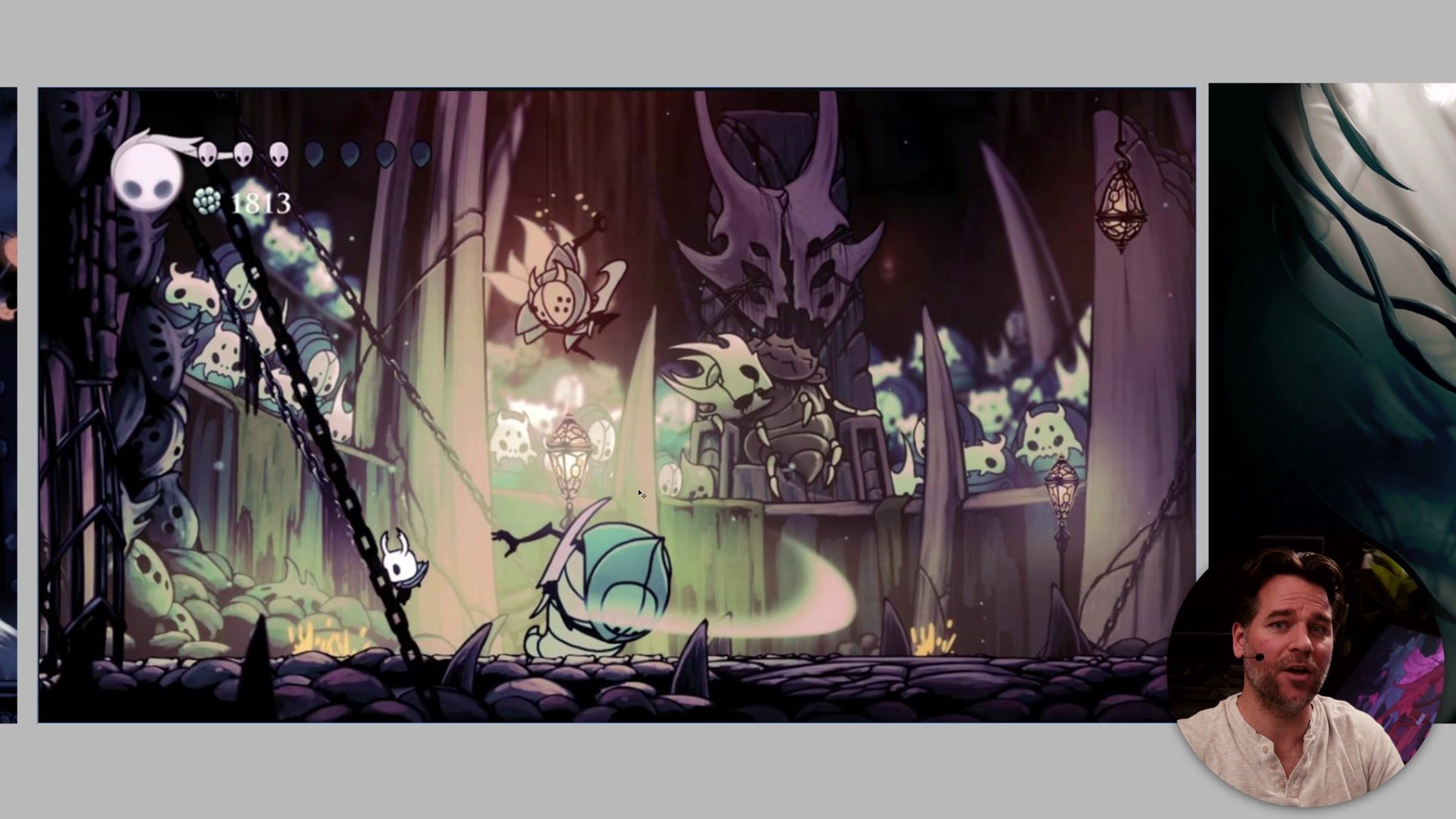
A simpler style can be a profound creative advantage. Hollow Knight, created largely by one artist, achieved enormous breadth and sophistication precisely because its visual language was simple enough to allow hundreds of unique characters and environments. Working simpler and faster can unlock creative possibilities that a more complex, polished approach would never allow. The industries that reward rendering and polish are solving their own production problems. As an independent creator, the question shifts from what looks most impressive to what enables the most creative output with the strongest personal voice.
Key Concepts
Universal Principles vs Industry Convention: Classical illustration principles like composition, tonal contrast, and clarity work because they match how the brain processes images. Much of what gets called good style in commercial work is actually convention specific to large-budget production pipelines, not a universal truth about quality.
Strong Point of View Has Real Value: Artists who commit to a genuinely unique vision can build deep audience connections that outlast technically polished but personality-free work. Craft matters, but conviction and voice often matter more for building a lasting creative career.
Functionality Shapes Style: The medium, production pace, and creative goals should determine what good style means for any given project. A simpler style that enables prolific, personal output may serve an artist far better than endlessly chasing the polished look that large studios require for their own practical reasons.