Apple Pencil Pro - A Pro Artist's Honest Review
Summary
The Apple Pencil Pro Question
The Apple Pencil Pro arrives with haptics, rotational control, and a spec bump that looks impressive on paper. But the real question for working artists is not whether it is better than the last one. The real question is whether it is actually good. Whether it represents genuine progress toward making a professional-grade drawing tool, or whether it is just another incremental upgrade designed to keep the upgrade cycle spinning.
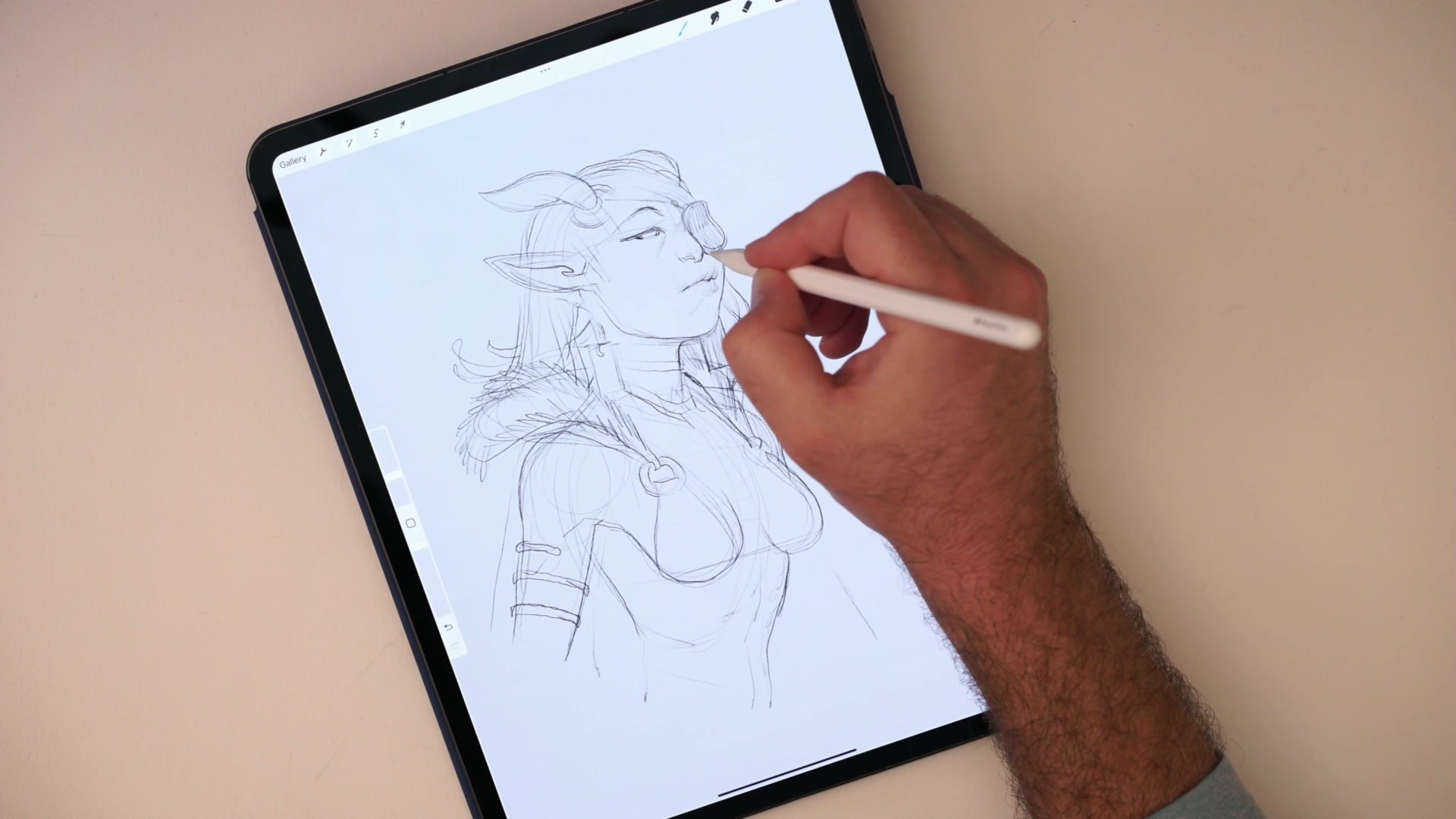
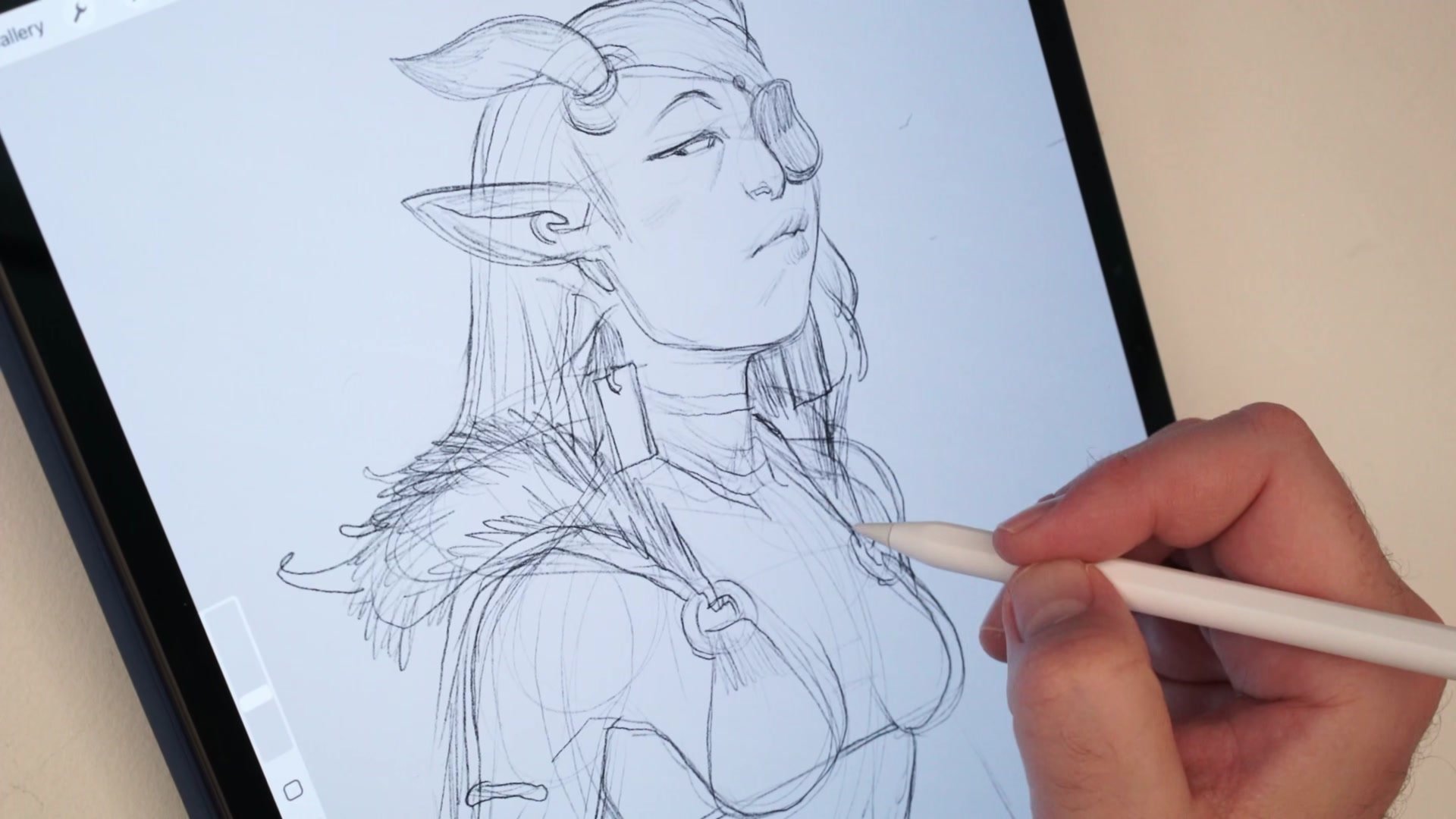
From the perspective of someone who has used digital art tools professionally for over twenty years, from early Wacom tablets to the original iPad Pro on day one, this pencil raises deeper concerns. The features it adds, like hover and haptics, have existed on competitor devices for years. The ergonomic issues that have always plagued Apple styluses remain largely unaddressed. The tip is still blunt. The haptic squeeze requires a firm grip that limits how you can hold it. And the tilt sensitivity still falls short of what older Wacom pens achieved.
The fundamental issue is not whether this pencil is better than its predecessor. It is whether Apple is treating this as a solvable design brief for professional artists, or simply spreading R&D features across product cycles to sustain upgrade revenue.
Testing the Pencil Pro
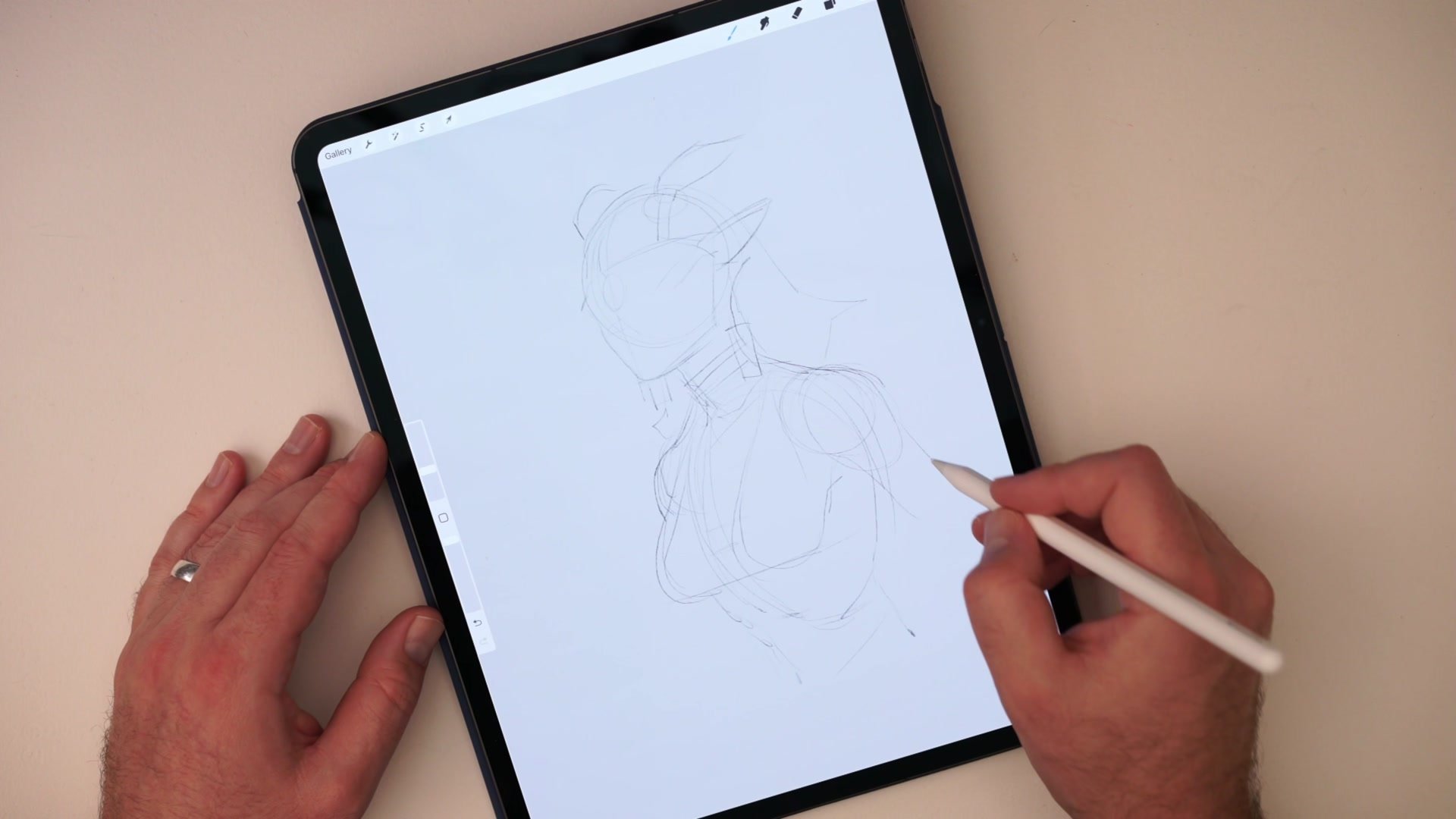
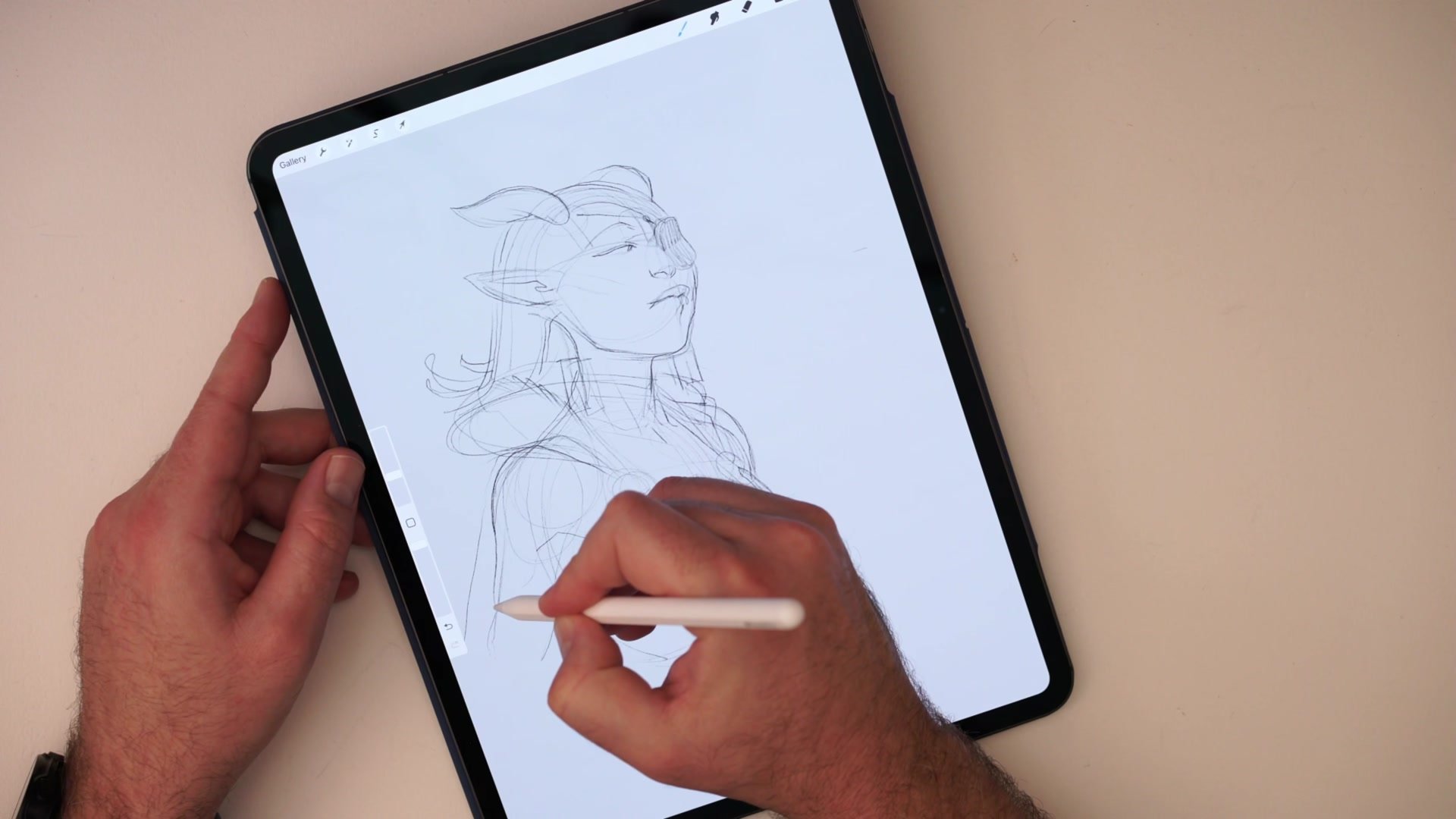
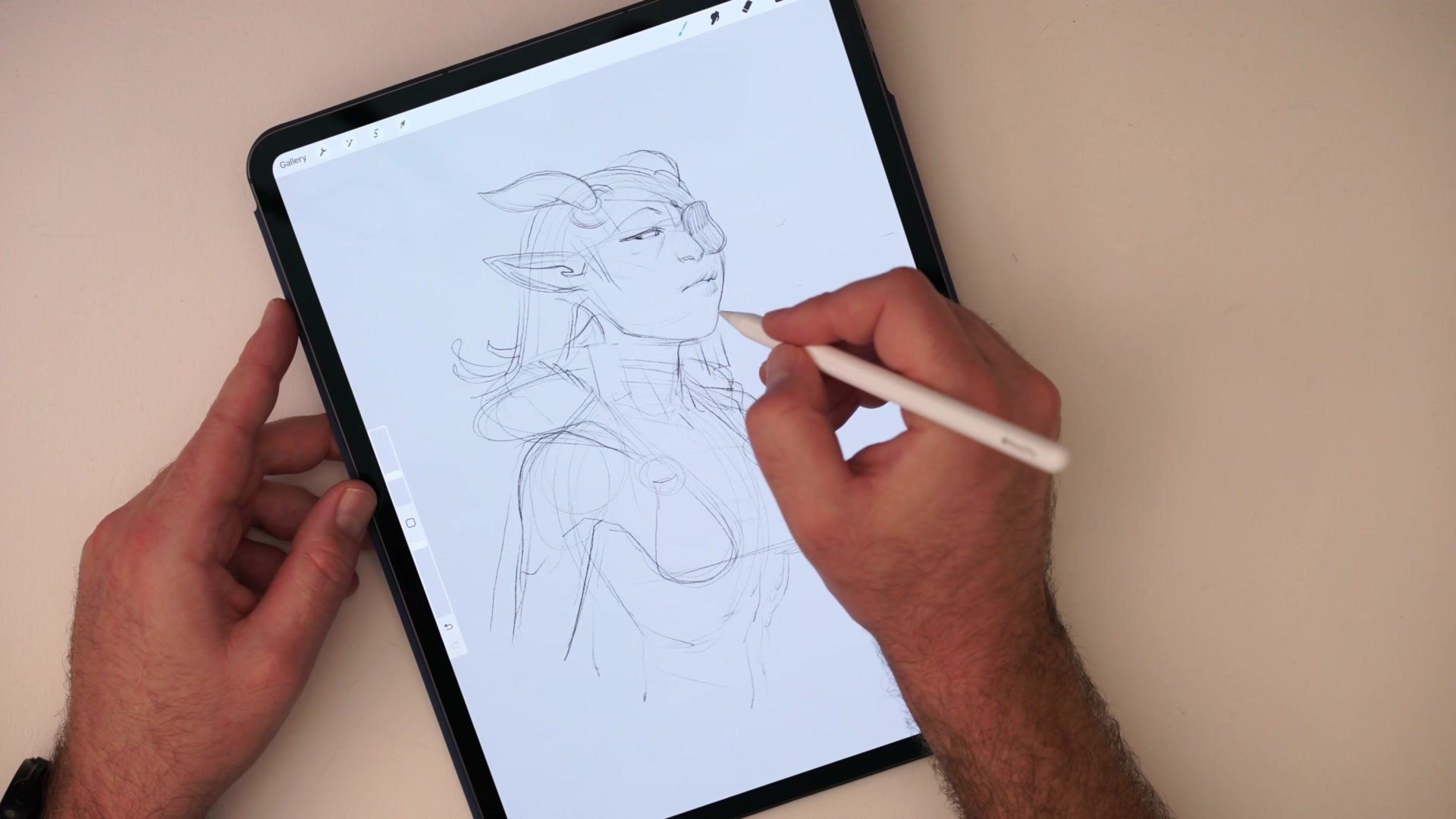
A Solvable Design Brief
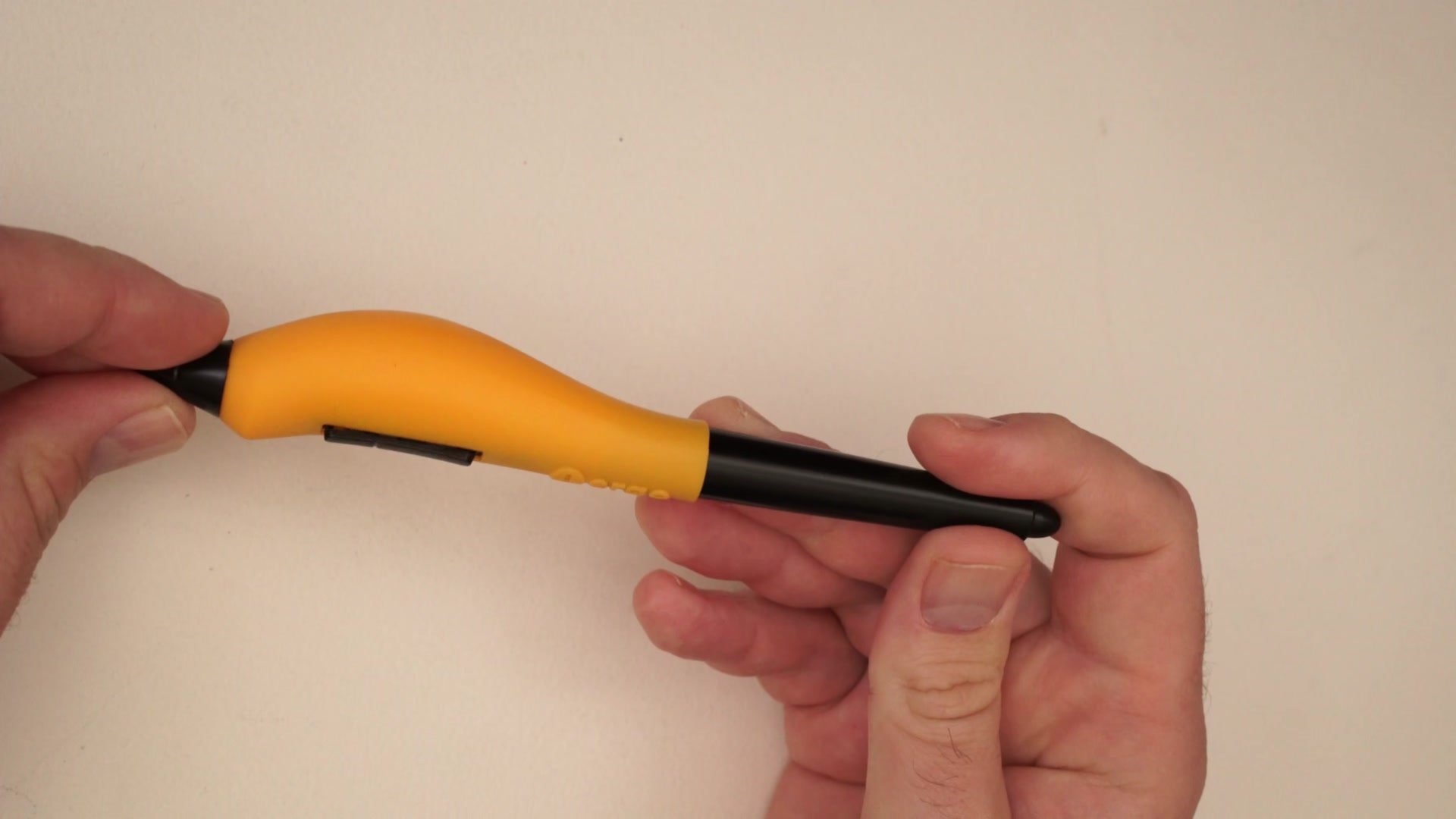
What makes this evaluation frustrating is that a great stylus is not an unsolved problem. Wacom figured out physical buttons, adjustable weight, comfortable grip shapes, and excellent tilt sensitivity decades ago. The Apple Pencil Pro still lacks basic features like physical buttons. Its sleek, minimalist design prioritizes aesthetics over function in ways that directly conflict with how artists actually hold and use drawing tools.
The new rotation feature is welcome, but it partly compensates for the weak tilt sensitivity that better styluses handle naturally. The haptic feedback requires a specific squeeze pressure that does not register at all grip positions, limiting its practical usefulness. And while Apple talks about AI and machine learning chips, none of that processing power has been directed toward the obvious opportunity: making the entire barrel pressure-sensitive and letting artists configure their own controls through voice or gesture training. The technology should be there. The ambition is not.
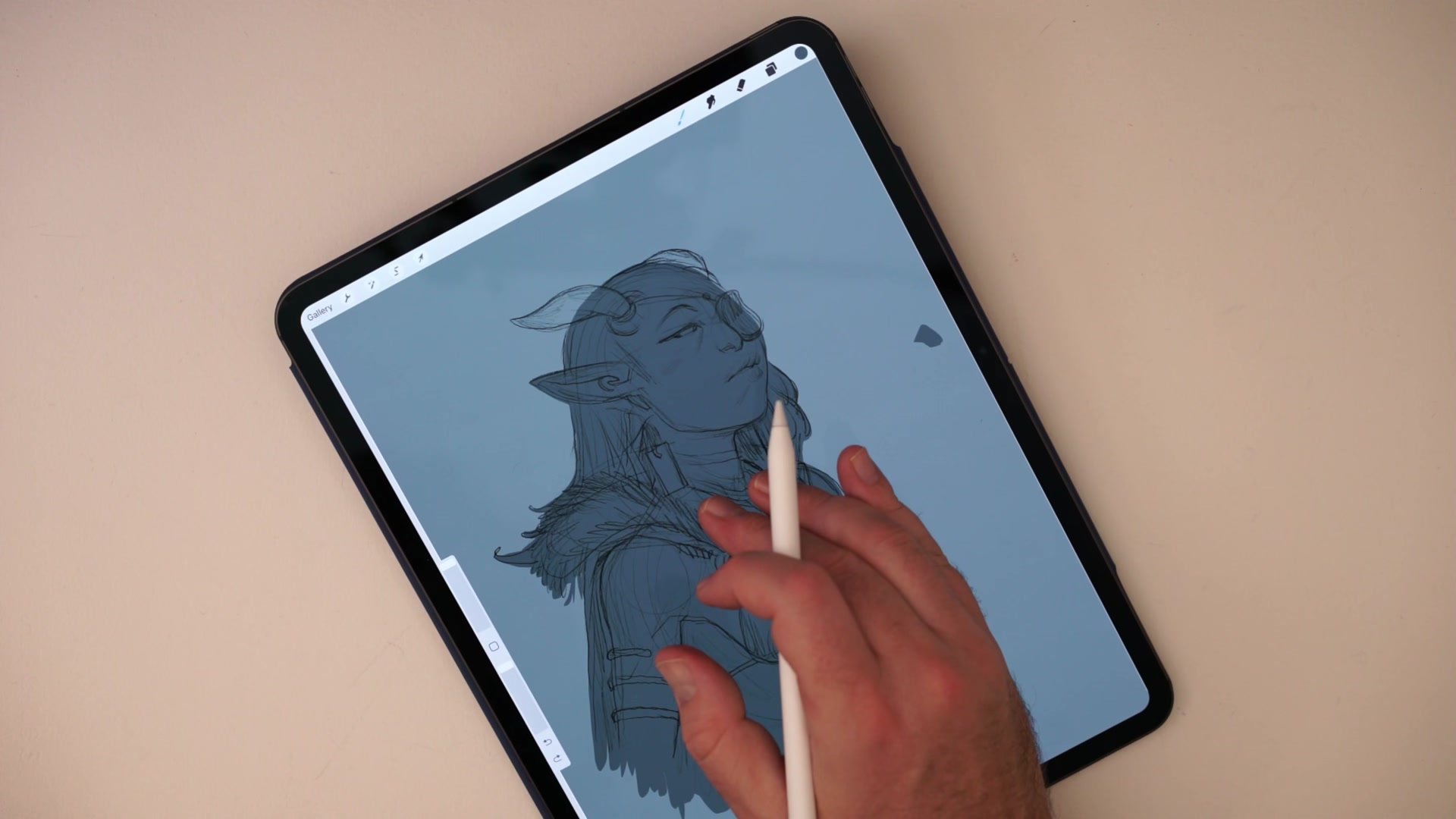
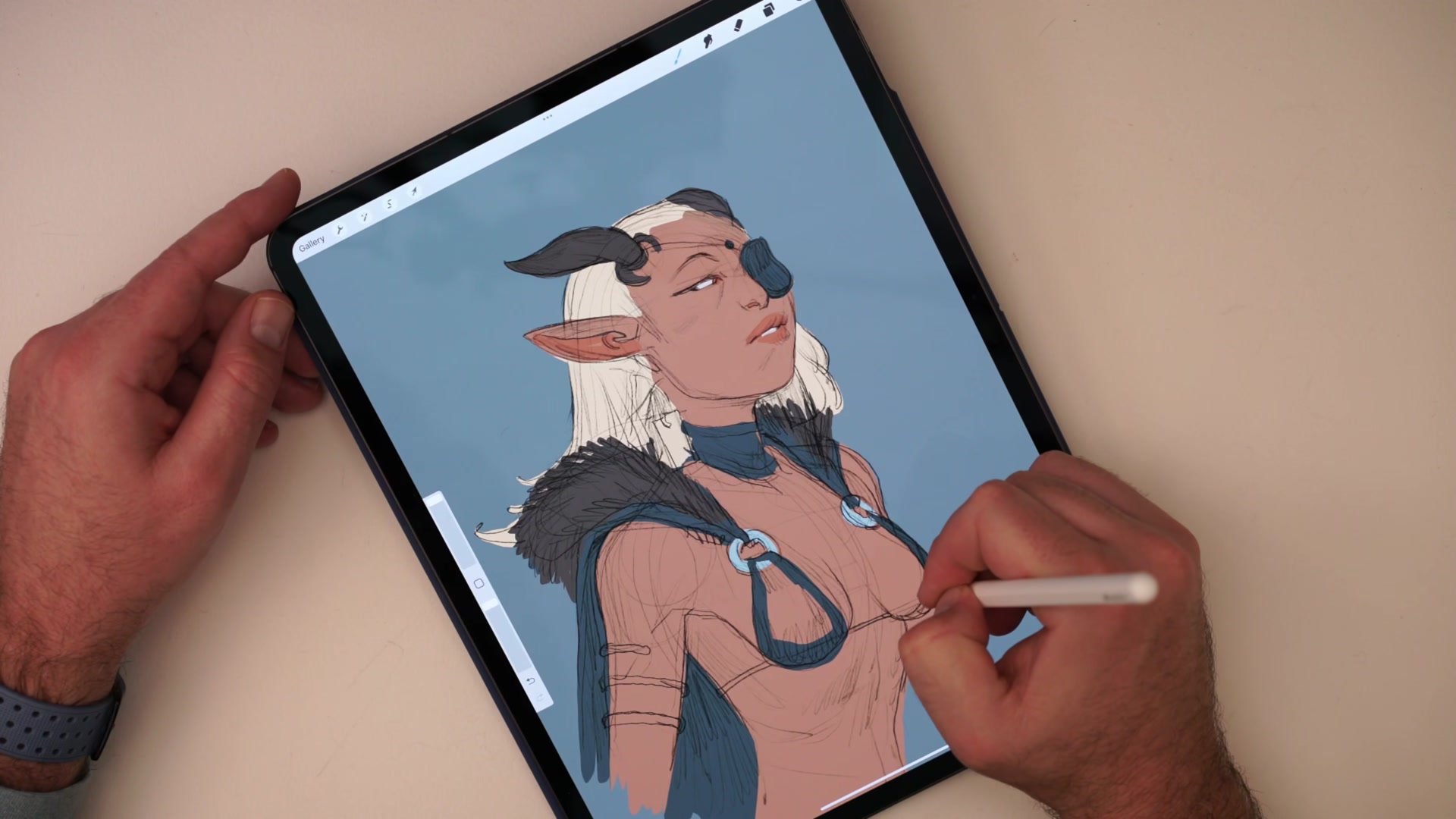
Drawing Process on iPad
The Pro Label Problem
The word Pro on this pencil raises a larger question about Apple's relationship with professional artists. Steve Jobs understood that different users need different tools, comparing trucks and cars. Professional artists are truck users. They need functional, utilitarian tools that prioritize the work over the experience of purchasing them. But Apple's design ethos increasingly treats everything like a consumer car, where the buying experience is the product.
Professional workshops are messy. Comic book artists have ink-stained desks covered in pencils. The tools get modified, wrapped in tape, and customized for individual hands. This is the reality of professional creative work, and it stands in stark contrast to Apple's marketing imagery of clean, minimal studios with spotless devices. The question is whether Apple is genuinely committed to building capital-D Design products that solve the artist's actual brief, or whether the Pro label is simply the top pricing tier for consumer electronics.
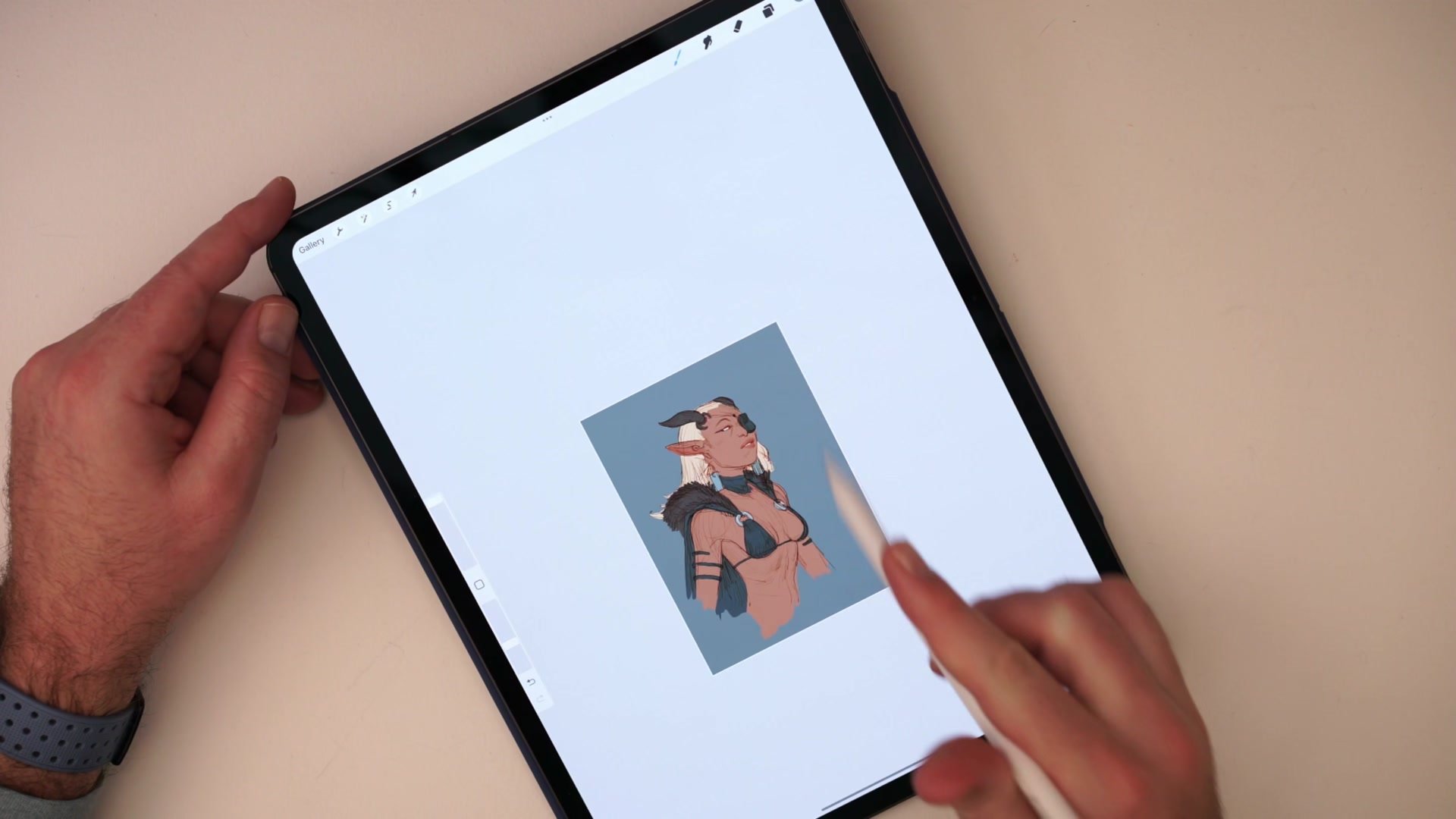
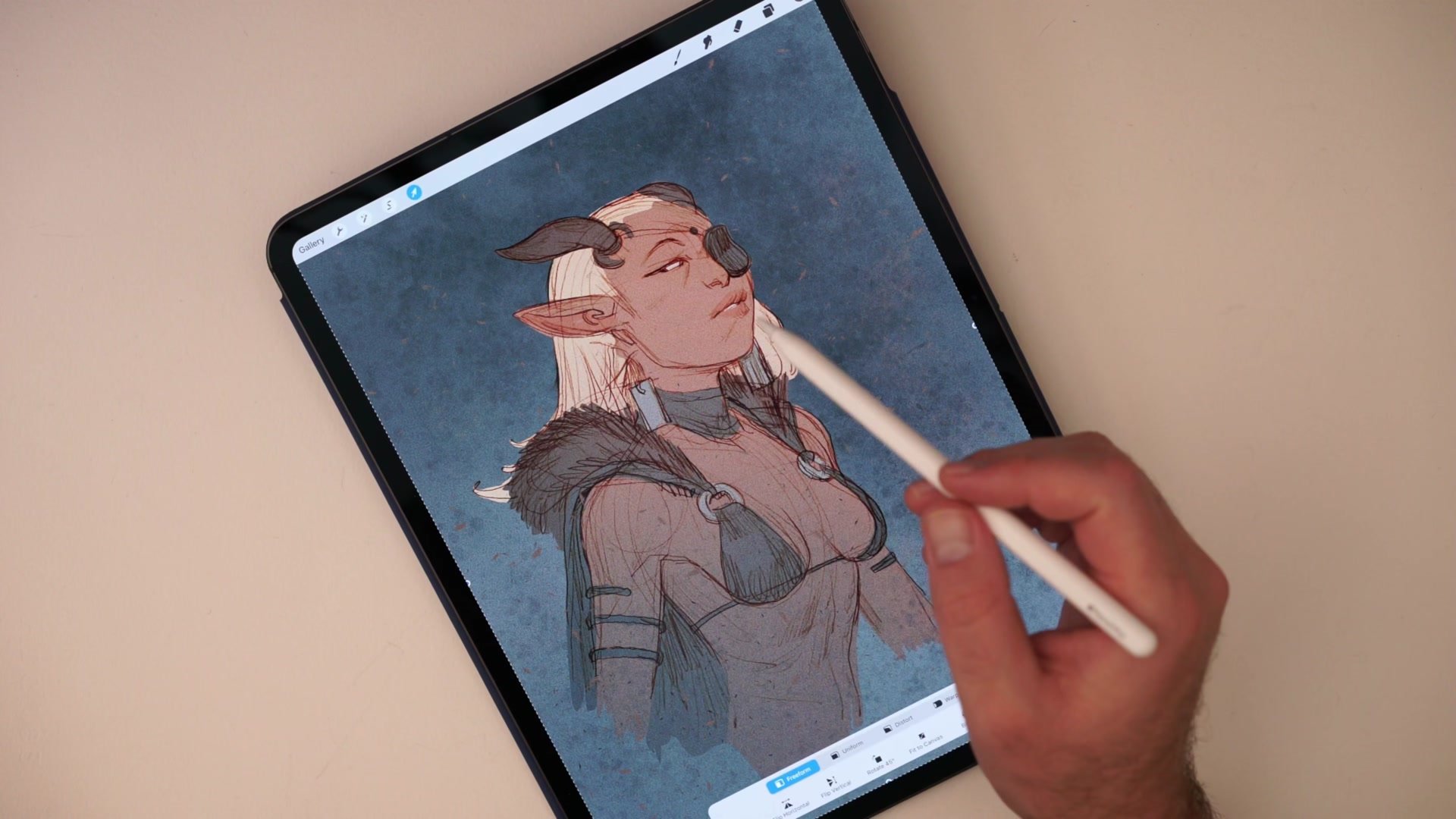
Finished Illustration
Tools Serve the Artist
The bottom line is that the Apple Pencil Pro is better, but better is not the same as good enough. Artists adapt to whatever tools they have. That adaptability is a strength, but it should not be an excuse for tool makers to deliver incremental improvements when the design brief is well understood and well within their capabilities. Apple has the technology, the talent, and the funding to build a genuinely professional stylus. They have chosen not to, at least not yet.
For artists evaluating whether to buy into or stay in the Apple ecosystem, the question is not about this specific pencil. It is about whether this trajectory signals a company moving toward real professional tools or one content to sell premium consumer electronics with a pro sticker. The first Apple Pencil was deficient. The second was deficient. This one is still deficient. It is simply less deficient than before. That is not the same as progress.
Key Points
Spec Bump, Not Innovation: The Apple Pencil Pro adds haptics and rotation, but these features existed on competitor devices for years. The improvements compensate for existing deficiencies rather than advancing what a stylus can do.
Ergonomics Still Unresolved: The pencil remains slippery, the tip too blunt, and the haptic squeeze unreliable at different grip positions. Basic professional features like physical buttons and adjustable weight are still absent.
The Pro Question: Apple has the technology and resources to build a genuinely professional stylus but has chosen incremental upgrades instead. The Pro label currently represents a pricing tier, not a commitment to professional tool design.